
Leasing is often reduced to a simple argument about renting versus owning, but the better choice can depend heavily on the vehicle itself. Residual values, factory incentives, rapidly changing technology, warranty coverage, and even the way a particular car will be used can tilt the numbers dramatically. In some cases, leasing also shifts a meaningful amount of future resale risk away from the driver.
These 22 factors explain why certain cars can make more sense to lease than buy. None makes leasing automatically cheaper, and the strongest decision still comes from comparing the entire contract with the realistic cost of ownership. Yet when several of these characteristics appear together, a vehicle that looks expensive at first glance can become a surprisingly strong lease candidate.
Strong Residual Values Shrink the Depreciation Bill

A lease payment is built largely around the value a vehicle is expected to lose during the contract. That makes strong residual value one of the clearest signs that a particular car may lease well. If two $50,000 vehicles have different predicted end-of-lease values, the one expected to retain more value generally leaves less depreciation for the lessee to cover. Kelley Blue Book specifically advises shoppers to look for vehicles with strong resale value because a higher expected residual can reduce the monthly payment.
This does not mean every high-resale vehicle should be leased. Buying can still produce better long-term economics for someone planning to keep a car for many years. But when the goal is a three-year turn, a strong residual can make the lease surprisingly efficient. Popular trucks, certain hybrids, and some enthusiast models often illustrate the principle: the market expects them to remain desirable, so less of their original value must be consumed during a relatively short contract.
Manufacturer Residual Support Can Transform the Math

Sometimes the most attractive lease is not created by the car’s natural resale strength at all. Automakers can subsidize leases by setting a contractual residual above an independent market forecast, effectively reducing the depreciation amount built into the payment. Industry sources call this residual support or subvention. Banking guidance has described residual enhancement as a tool that increases the projected end value and lowers monthly payments, while shifting more risk toward the lessor or manufacturer.
That matters because a car that looks mediocre on ordinary resale projections can become compelling under a heavily supported factory lease. Slow-selling luxury sedans and new-technology vehicles have often been marketed this way. The key is to judge the actual contract rather than the badge. An artificially generous residual can be excellent for a closed-end lessee who intends to return the vehicle, but unattractive for someone already planning to purchase it at the preset residual when the agreement ends.
A Low Money Factor Changes the Financing Side

Depreciation is only one major component of a lease payment. The other is the rent charge, commonly calculated with a money factor. Consumer-finance guidance identifies the money factor as a key part of the financing cost and notes that it may be negotiable. A vehicle backed by an unusually low promotional money factor can therefore lease considerably better than another car carrying a similar sticker price and residual value.
This becomes particularly important when ordinary borrowing rates are expensive. A manufacturer’s finance company may subsidize the leasing rate on a particular model to stimulate demand, creating an advantage that cannot be seen by looking at MSRP alone. Someone comparing two lease offers should ask for the money factor and total rent charge rather than focusing only on the payment. A low monthly figure produced by inexpensive financing is fundamentally different from one achieved by putting thousands of dollars down at signing.
Lease-Only Rebates Can Lower the Capitalized Cost

A vehicle can become a stronger lease candidate when the manufacturer offers money that applies specifically to leasing. Federal consumer-leasing rules recognize rebates and noncash credits as amounts that can reduce capitalized cost, the figure used to calculate the base payment. Federal Reserve guidance has also noted that some incentives apply to leases and can be credited directly to the agreement. That means the economics may improve before depreciation is even calculated.
This is why comparing a lease with a purchase requires more than matching negotiated selling prices. A hypothetical $3,000 lease incentive could make one vehicle significantly cheaper to use for three years even if its conventional purchase rebate were smaller. Programs can vary by region, model, trim, credit tier, and month, so a surprisingly good lease sometimes exists simply because the manufacturer is pushing that particular vehicle. The contract should clearly show where any rebate or credit has been applied.
EV Resale Values Can Be Harder to Predict
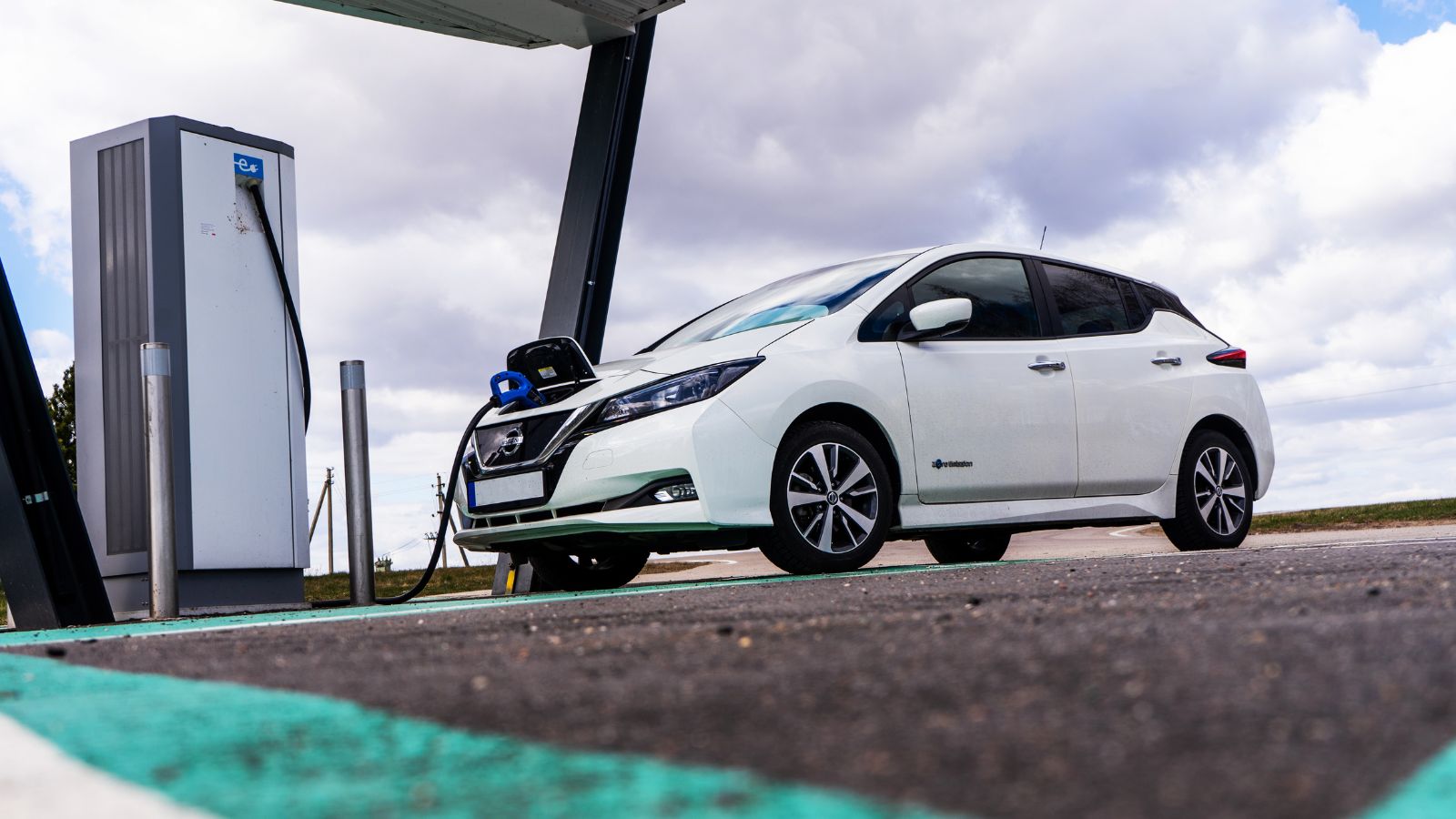
Electric vehicles are a prominent example of cars for which leasing can reduce uncertainty about future market value. The International Energy Agency says used-EV values have remained volatile in major markets, while iSeeCars reported that electric vehicles in its 2026 U.S. analysis lost an average 57.2 percent of their value over five years. Results differ dramatically by model, but the overall resale uncertainty remains difficult for long-term owners to ignore.
A conventional buyer owns that resale outcome, whether it proves favorable or painful. With a typical closed-end lease, the lessor bears the risk that the vehicle’s market value finishes below its preset residual, provided mileage and condition requirements are satisfied. Leasing does not magically erase EV depreciation—the expected decline is still incorporated into the payment. What it can do is prevent an owner from discovering several years later that changing prices, incentives, technology, or used-car demand have repriced the vehicle far more aggressively than anticipated.
Battery and Charging Progress Can Age an EV Quickly

Battery development is moving quickly enough that a three-year-old electric vehicle can face substantially newer technology by the time it enters the used market. The IEA reported in 2026 that average EV battery-pack energy density had risen about 60 percent during the previous decade while battery prices fell roughly 75 percent. New high-voltage vehicle architectures and increasingly rapid charging systems are also reaching production, potentially changing what buyers expect from newer EVs.
That pace can strengthen the case for leasing models purchased primarily for cutting-edge battery or charging performance. A planned three-year exit arrives just as another generation may introduce faster charging, different battery chemistry, lower cost, or better efficiency. Buying can still be the superior choice for a proven EV kept long enough to exploit years without payments. Leasing becomes more attractive when the primary goal is staying near the front of a technology curve whose capabilities and consumer expectations continue changing unusually quickly.
Software-Defined Cars Move on Smartphone-Like Cycles

Modern vehicles increasingly resemble computing platforms, which can shorten the perceived life of their technology even when their mechanical components remain healthy. The IEA describes a shift toward centralized computing, over-the-air updates, and functions increasingly controlled by software. Some automakers can add features or improve vehicle systems remotely, while subscription-based capabilities are also becoming part of the business model. Electric vehicles currently lead much of this software-defined transformation.
For drivers particularly interested in the newest digital architecture, leasing can reduce the commitment to an early hardware generation. Software updates may refresh an existing vehicle, but processors, cameras, communication modules, and underlying electrical architecture cannot always be upgraded remotely. A short lease can therefore suit a car whose appeal rests heavily on advanced infotainment, connectivity, or digital controls. Three years later, the original vehicle may still work perfectly well while a replacement generation offers capabilities its older electronics were never engineered to support.
ADAS Hardware Is Advancing Fast

Advanced driver-assistance systems are spreading remarkably quickly. The International Energy Agency estimated that around half of new cars sold globally in 2025 featured Level 2 technology capable of controlling steering and speed under certain conditions, compared with fewer than 1 percent a decade earlier. More sophisticated hands-free Level 2+ systems have also expanded in markets such as the United States and China. Hardware and software development is continuing alongside that adoption.
Cars purchased partly for the newest driver-assistance capabilities can consequently make logical lease candidates. Cameras, radar, processors, and computing platforms continue to improve, and not every new function can be added to an older car with a software download. A short contract lets a driver return the vehicle as the technology evolves rather than betting on how competitive its original sensor package will appear years later. Newer is not automatically safer, however. System performance, operational limits, driver monitoring, and crash-prevention effectiveness matter more than the age of the technology alone.
Some Luxury Cars Shed Value Quickly
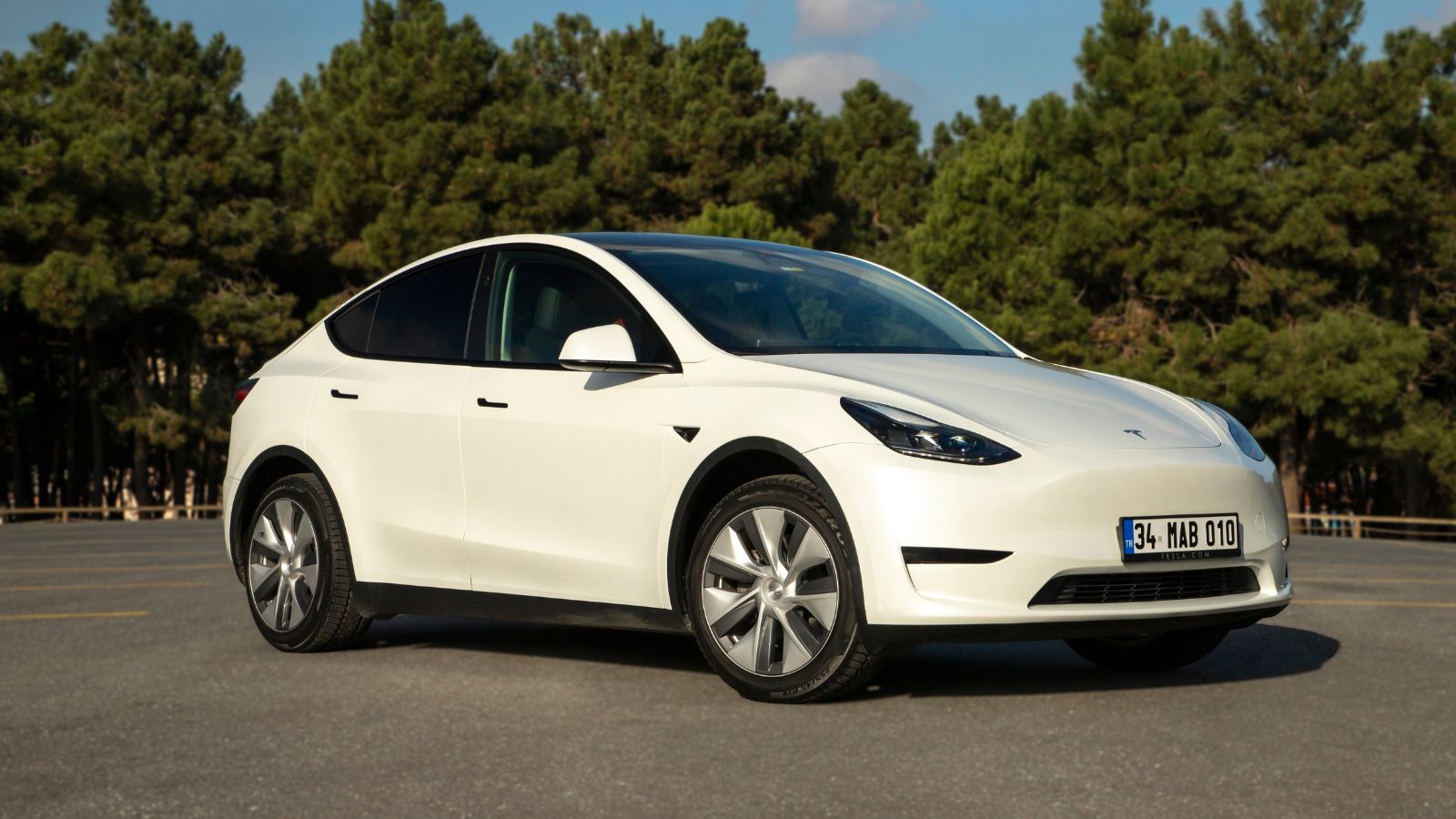
Luxury cars can become compelling lease candidates because depreciation may represent an unusually large part of their ownership cost. In iSeeCars’ 2026 five-year depreciation analysis, electric vehicles and luxury models accounted for 24 of the 25 vehicles losing the most value. Resale performance still varies enormously within premium segments, and models such as certain Porsches and Lexuses can retain value extremely well. The badge alone therefore cannot determine the decision.
Leasing also does not make weak depreciation disappear. A low residual can produce a very expensive payment. The opportunity emerges when a premium vehicle combines substantial real-world depreciation risk with generous manufacturer lease support. Someone wanting a high-end sedan or SUV primarily during its first few years may prefer letting the leasing company deal with uncertainty surrounding its later resale price. Buying the same expensive vehicle means personally facing the used market after warranty status, technology, design trends, incentives, and consumer demand have all had several years to change.
A Lease That Fits Inside the Factory Warranty
One practical reason certain vehicles fit leasing well is that the contract can overlap almost entirely with factory warranty coverage. Kelley Blue Book describes three years or 36,000 miles as a common new-vehicle warranty benchmark, while consumer-finance guidance places many leases within a two-to-four-year range. A properly selected term can therefore end before the vehicle reaches the stage when many defect-related repairs become the driver’s direct financial responsibility.
This carries extra appeal on vehicles filled with complex electronics, sophisticated powertrains, or particularly expensive brand-specific components. Warranty coverage is not unlimited: tires, brakes, routine servicing, accident damage, and other exclusions remain the driver’s responsibility, while heavy mileage may exhaust coverage before the lease ends. Still, keeping most of the usage period inside the warranty creates predictable risk. Long-term buyers accept later repair exposure in exchange for eventual payment-free ownership. Leasing essentially chooses the opposite pattern—use the newer years, then return the car before aging becomes a major concern.
Sensor-Heavy Cars Can Be Costly to Repair Later

Current vehicles place cameras, radar units, parking sensors, sophisticated lights, and other electronics in bumpers, mirrors, windshields, and body panels. In August 2026, the Insurance Institute for Highway Safety reported that average vehicle repair prices had increased more than 40 percent since 2020. IIHS explained that advanced safety equipment is only one contributor, but noted that sensors can increase repair costs and often require calibration after replacement.
That complexity can make a shorter ownership window attractive on especially technology-heavy models. A lease does not eliminate collision expenses, insurance deductibles, or charges for damage at turn-in. What it may reduce is exposure to years of component failures and specialized repairs after the factory warranty expires. A three-year-old sensor-rich vehicle and a ten-year-old example present very different ownership risks. Someone buying for a decade needs to consider eventual replacement of cameras, lighting assemblies, screens, controllers, or related hardware. A lessee may return the car long before many age-related failures become a personal budgeting problem.
Complimentary Maintenance Can Sweeten Short-Term Use

Some new vehicles include complimentary scheduled maintenance, and the benefit can fit neatly inside a lease term. Kelley Blue Book notes that factory programs vary significantly. Some provide only an early service visit, while others cover scheduled work for multiple years or substantial mileage. Its 2026 leasing guidance specifically identifies complimentary maintenance as something that can reduce costs during the contract. The value depends entirely on the program attached to the vehicle.
The combination becomes particularly appealing on premium cars with relatively expensive dealership service. When most required maintenance is covered during a 24- or 36-month lease, routine expenses become easier to forecast. It is not free transportation: tires, insurance, damage, excluded services, and other ownership expenses remain. Complimentary programs also have strict time, mileage, and eligibility rules. Nevertheless, when two comparable cars carry similar lease payments, the model whose factory service plan covers a larger share of the contract can deliver meaningfully better short-term economics and fewer unpleasant maintenance bills.
First-Year Redesigns Carry More Unknowns
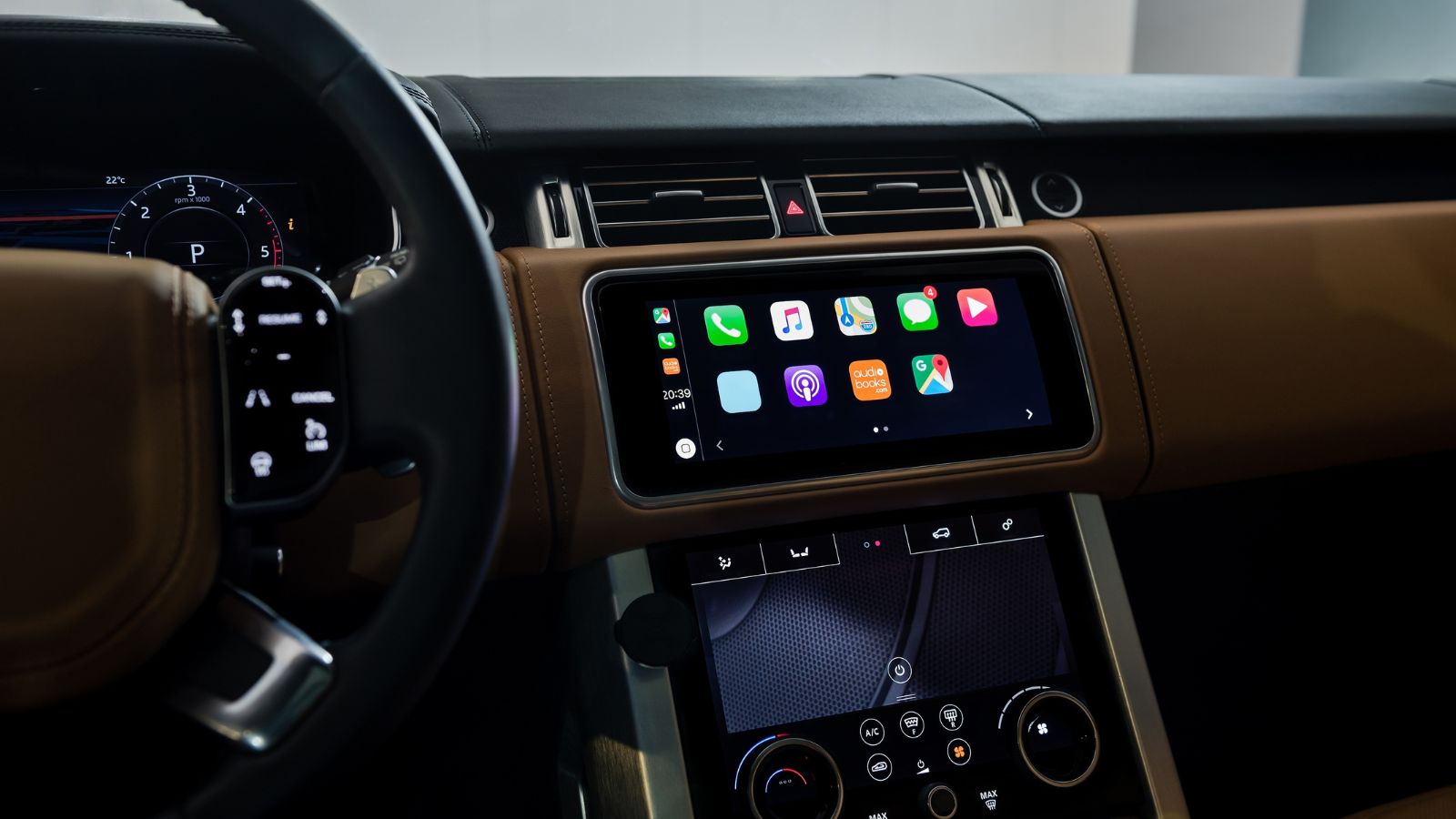
All-new and comprehensively redesigned vehicles are exciting, but they also introduce more uncertainty. Consumer Reports has repeatedly found that brand-new or redesigned models can experience more reliability problems than vehicles later in the same generation. Its coverage of 2026 reliability again cautioned shoppers about recently redesigned vehicles, identifying a number of newer models with below-average scores. New engines, electrical architectures, infotainment systems, transmissions, and manufacturing processes can all create problems that later production years resolve.
Leasing does not prevent those inconveniences. A troublesome car can still require repeated dealership visits even when warranty coverage pays for the repairs. What a lease does provide is a limited commitment to an unproven design. Someone determined to have the latest generation may prefer using it for three years under warranty rather than buying it with plans to keep it for a decade. If the model proves excellent, a purchase option may still exist. If serious problems continue, the scheduled lease return provides a straightforward exit.
Uncertain Resale Demand Makes Walk-Away Value Attractive

Resale value depends on future supply, demand, incentives, fuel costs, economic conditions, and consumer tastes—none of which is perfectly predictable. Kelley Blue Book says its residual forecasts draw on statistical models using millions of transactions alongside market conditions, auction information, specifications, and other data. Yet real-world values can still move unexpectedly. That uncertainty can be especially important for unusual body styles, emerging powertrains, or vehicles whose popularity rests heavily on a temporary market trend.
A closed-end lease turns part of that uncertainty into an advantage. If the vehicle is worth much less than anticipated when the term ends, the lessee can generally return it rather than negotiate a sale in a weak used market, assuming contractual mileage and condition requirements have been met. Buying offers considerably more freedom during ownership but leaves the owner exposed to whatever buyers will pay later. When a car looks desirable today but its three-year resale audience is difficult to predict, a defined exit becomes more valuable.
A Two-to-Four-Year Ownership Habit Fits Leasing

Some vehicles become better lease candidates simply because the person obtaining them already expects a short ownership cycle. The Consumer Financial Protection Bureau describes typical leases as running two to four years, while auto loans commonly extend three to seven years. Someone who routinely replaces a vehicle after roughly three years may therefore spend the early portion of each purchase loan building equity only to sell or trade the car while a substantial balance remains.
Leasing is structured around that shorter rhythm from the beginning. It can suit households whose vehicle requirements change frequently, professionals who regularly want newer technology, or enthusiasts who prefer driving different models every few years. The important qualification is predictability. Consumer guidance warns that early lease termination can be very expensive, meaning a contract is poorly suited to someone whose plans could suddenly change. A planned three-year turnover can align well with leasing; an uncertain three-year turnover may actually make traditional ownership more flexible and forgiving.
Low Annual Mileage Makes the Contract Work Better

Mileage is one of the clearest dividing lines between a successful lease and an expensive one. The Federal Trade Commission says the annual allowance in most standard leases is 15,000 miles or less, while CFPB guidance commonly places contractual limits around 10,000 to 15,000 miles annually. Residual values assume a specific amount of use, so additional mileage usually lowers a vehicle’s value and can create extra charges when it is returned.
A lightly driven household vehicle can therefore be an ideal lease candidate. Consider a two-car family in which one vehicle handles road trips while the second covers a short commute, errands, and school runs. The second car may stay naturally within the lease allowance without anyone changing normal behavior. The situation is completely different for a salesperson covering 25,000 miles every year. A higher-mileage contract or excess-mile charges can quickly eliminate the apparent savings. Leasing works best when low mileage describes the car’s actual job, not an optimistic target.
Predictable Mileage Is Almost as Important as Low Mileage
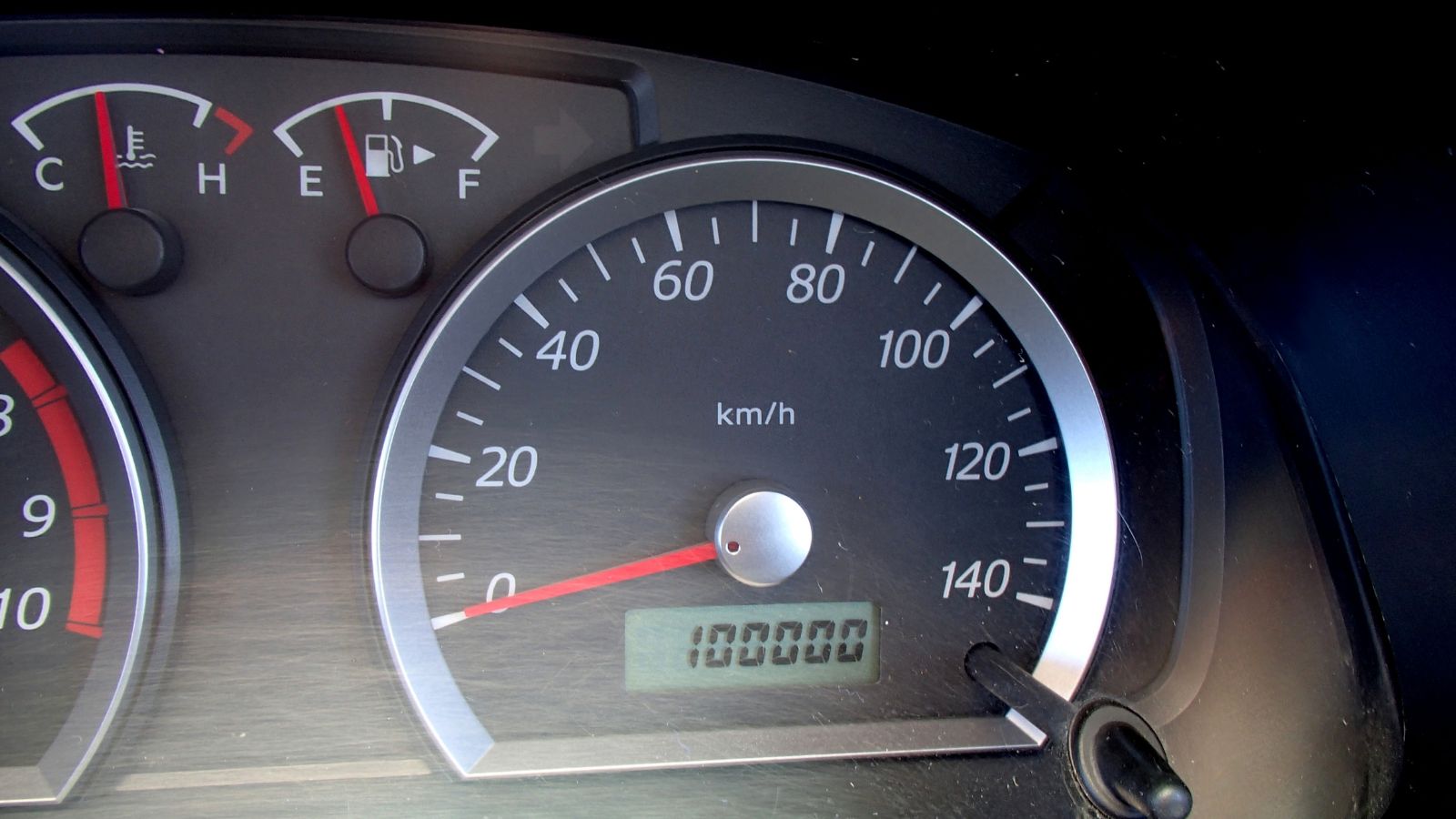
A driver does not necessarily need unusually low mileage to make a lease workable, but the usage pattern should be predictable. Federal Reserve consumer guidance explains that a higher mileage allowance can often be negotiated at the beginning of a contract. Doing so normally lowers the vehicle’s assumed residual and raises the payment, but it can cost less than paying excess-mile charges after exceeding the original allowance at lease end.
That means a consistent 16,000-mile annual schedule may be easier to manage than an apparent 10,000-mile routine that unexpectedly doubles after a job change. The cars best suited to leasing often have well-defined roles. A commuter traveling the same route, a retiree with established habits, or a household’s dedicated weekend vehicle is easier to plan around than a multipurpose vehicle whose future workload is unknown. Leasing rewards accurate forecasting. Buying is more tolerant of changing circumstances because no contract imposes a mileage ceiling on the owner.
Gentle Use Helps Avoid Lease-End Charges

Leasing favors vehicles expected to live relatively easy lives. Federal consumer rules require lease agreements to disclose wear-and-use standards, and regulators warn that excessive wear may result in charges when the car is returned. Federal Reserve guidance gives examples that can include damaged body panels, cracked glass, torn or permanently stained upholstery, excessively worn tires, missing components, and poor-quality repairs. Those costs can turn an otherwise attractive lease into a frustrating final bill.
A car driven mostly by one careful adult, stored in a garage, and kept away from demanding work may fit the leasing model naturally. A family SUV hauling muddy sports equipment, large pets, construction supplies, or children every day faces a different environment. Purchasing does not make damage economically irrelevant because deterioration still reduces resale value. The difference is that an owner does not face a leasing company applying contractual return standards on a specified date. The gentler the expected use, the easier leasing becomes.
Closed-End Leases Shift Market-Value Downside
One of the most important advantages of a typical closed-end lease is not the payment but the allocation of future market-value risk. Federal Reserve guidance describes closed-end contracts as “walk-away” leases in which the lessee is generally not responsible for the vehicle’s residual value at the scheduled end of the term. The customer can still owe for excess mileage, damage, or other contractual charges, but an unexpected collapse in ordinary resale value normally falls on the lessor.
That feature matters most when a vehicle’s future demand is unusually difficult to predict. Fuel prices can change, new-car discounts can intensify, technology can advance, and consumer tastes can move quickly. Someone who purchased the vehicle bears those changes when it is eventually sold or traded. The closed-end lessee can normally return it. Not every lease works this way, however. Open-end arrangements can expose the lessee to differences between estimated and realized residual value, making the contract structure just as important as the model being considered.
A Fixed Buyout Option Preserves Upside

A good lease can offer an unusually flexible endgame: return the vehicle if circumstances are unfavorable or buy it if the economics prove attractive. U.S. consumer-leasing rules require disclosure of whether a purchase option exists and how the price is determined. Kelley Blue Book recommends comparing the predetermined residual or buyout price with the vehicle’s real market value near the end of the term. If market value is higher, purchasing the leased car can sometimes be financially appealing.
Imagine a model that unexpectedly becomes scarce or retains value far better than the leasing company originally projected. A driver with a fixed buyout option may be able to purchase the familiar car for less than comparable used examples cost on the open market. If the value instead collapses, a closed-end lessee can generally return it. Taxes, fees, financing costs, and lessor restrictions still matter, so there is no guaranteed profit. Even so, the existence of both choices can be valuable when future resale values are unusually uncertain.
Lower Monthly Payments Can Unlock More Car

The FTC says monthly lease payments are usually lower than financing payments on the same vehicle because the lessee is primarily paying for expected depreciation during the contract, plus rent charges, taxes, and fees. A purchaser is paying toward ownership of the entire vehicle. When a model combines strong residual value with a favorable money factor, the difference between its lease payment and purchase-loan payment can become particularly noticeable.
That helps explain why some buyers consider leasing premium models that would otherwise stretch their monthly budget. A better-equipped vehicle may be affordable for three years without taking on the payment required to finance its entire purchase price. The limitation is crucial: lower monthly cost does not automatically mean lower lifetime cost. Someone leasing one new car after another may always have a payment and never own a vehicle outright. The meaningful comparison is the total lease cost against realistic purchase-and-resale economics over the same planned period, not simply which monthly number looks smaller.
Outgoing Model Years Can Produce Strong Lease Opportunities
Timing can turn an ordinary vehicle into a much stronger lease proposition. Kelley Blue Book’s 2026 leasing guidance notes that dealers may be more willing to negotiate when a new model is approaching or near the end of the model year. Manufacturers may also support vehicles they want cleared from inventory through lease incentives, reduced capitalized costs, or favorable financing. A late-production vehicle can consequently combine mature engineering with aggressive pricing.
An outgoing model is not necessarily obsolete. In many cases, the incoming version brings relatively modest styling or equipment changes while the older vehicle remains fully competitive. Leasing can capture the discounted price without requiring someone to own the older design for the next decade. The complete contract still matters. A large dealer discount can be cancelled out by a poor residual or expensive money factor, while an impressive advertised payment may require substantial cash upfront. When clearance pricing, factory support, and respectable residual value align, however, an outgoing model can become an exceptional short-term proposition.
19 Used Cars Canadians Should Avoid in 2026 (Based on Owner Complaints)

Buying a used car in Canada can feel safe until repair bills start stacking up. Owner complaints tell a different story than glossy listings. Transmission failures, electrical problems, and weak winter reliability show up again and again in consumer reports. Many of these issues appear after warranties expire, when owners least expect them. Some vehicles look affordable upfront, but become expensive to keep on the road. Others struggle in cold weather, urban driving, or long highway commutes. Here are 19 used cars Canadians should avoid in 2026 (based on owner complaints).
19 Used Cars Canadians Should Avoid in 2026 (Based on Owner Complaints)

Alanna Rosen is an experienced content writer that focuses on many EV and educational content. Her articles are regularly published on Get CyberTrucked and syndicated on large publications.