Cold weather rarely creates every automotive problem from scratch. More often, it exposes weaknesses that were already developing—an aging battery, marginal tire pressure, tired wiper blades, a coolant leak, or brakes that have begun behaving differently. A vehicle that seems perfectly acceptable on a mild afternoon can become difficult to start, see through, steer, or stop once temperatures plunge.
That makes the period before a cold snap one of the best times to pay attention to small changes in how a vehicle looks, sounds, and feels. These 17 signs can reveal maintenance issues worth addressing before freezing temperatures, snow, ice, road salt, and longer warm-up periods add more stress. None automatically confirms a specific failure, but each is a useful signal that inspection or maintenance should not be postponed.
Slow Cranking When the Engine Starts
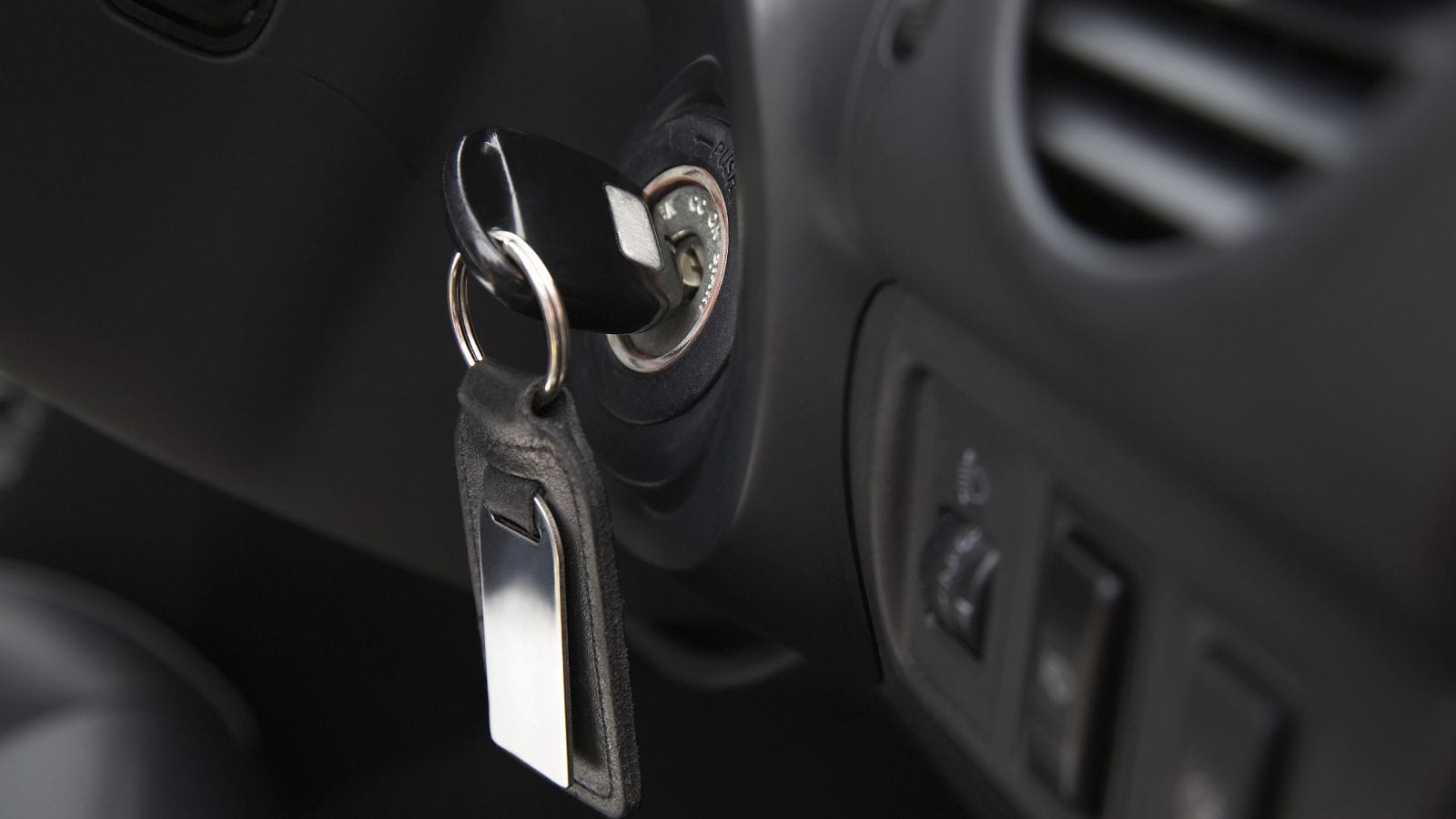
A starter that suddenly seems to labour for an extra second or two deserves attention before temperatures fall further. Cold weather reduces a conventional battery’s available power while simultaneously making an internal-combustion engine harder to turn. AAA reports that a typical automotive battery can lose roughly 35 percent of its strength at 32°F, or 0°C, making a battery that seemed adequate in mild weather far more vulnerable during a freeze.
The warning can be subtle. The engine may still start every morning, but the familiar quick crank becomes a slower “rrr-rrr-rrr” before ignition. Drivers sometimes dismiss that because the car eventually starts. That is precisely why it is worth investigating early. A battery load test and charging-system check can distinguish an aging battery from problems involving connections, the alternator, or starter. Waiting until the first bitter morning can turn a minor inconvenience into a no-start situation in a dark driveway.
Battery Corrosion, Swelling, or Dim Electrical Power
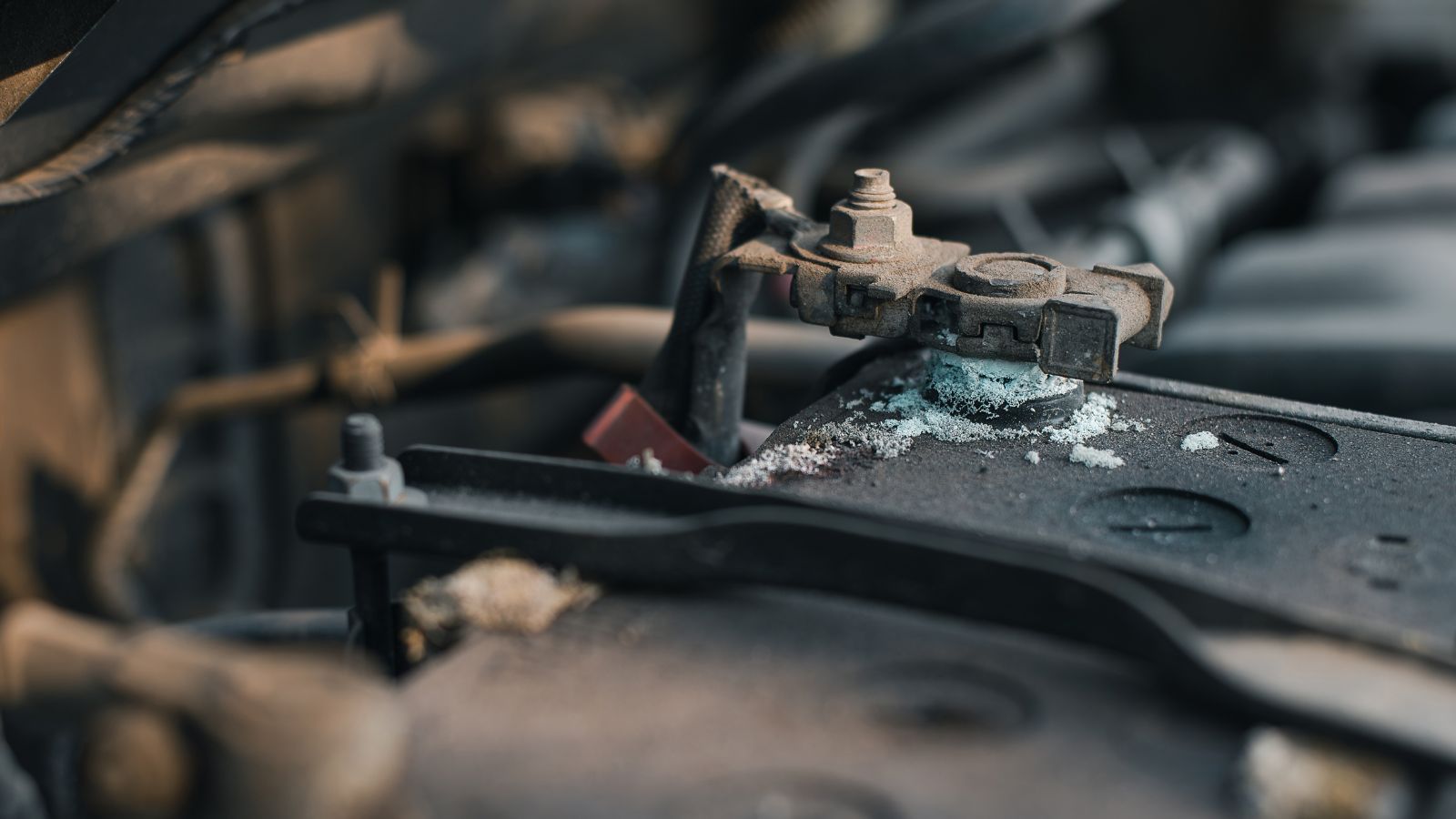
Not every weak battery announces itself through a failed start. Corrosion around the terminals, a swollen or damaged battery case, flickering dashboard illumination, dim headlights at idle, or sluggish electrical accessories can all justify a closer inspection. CAA specifically recommends checking batteries for corrosion, wetness, or bulging before winter, while AAA lists dim lights and visible corrosion among common warning signs of battery trouble.
Age also matters. CAA notes that batteries in roughly the three-to-five-year range can become increasingly vulnerable to failure. That does not mean every four-year-old battery needs automatic replacement, but an older battery showing visible or electrical symptoms deserves testing before severe cold arrives. Terminal corrosion can also interfere with current flow even when the battery itself remains usable. A technician can test battery condition, inspect connections, and check the charging system. In winter, a small electrical weakness has much less margin for error because every cold start demands more from the system.
Tire Pressure Keeps Dropping
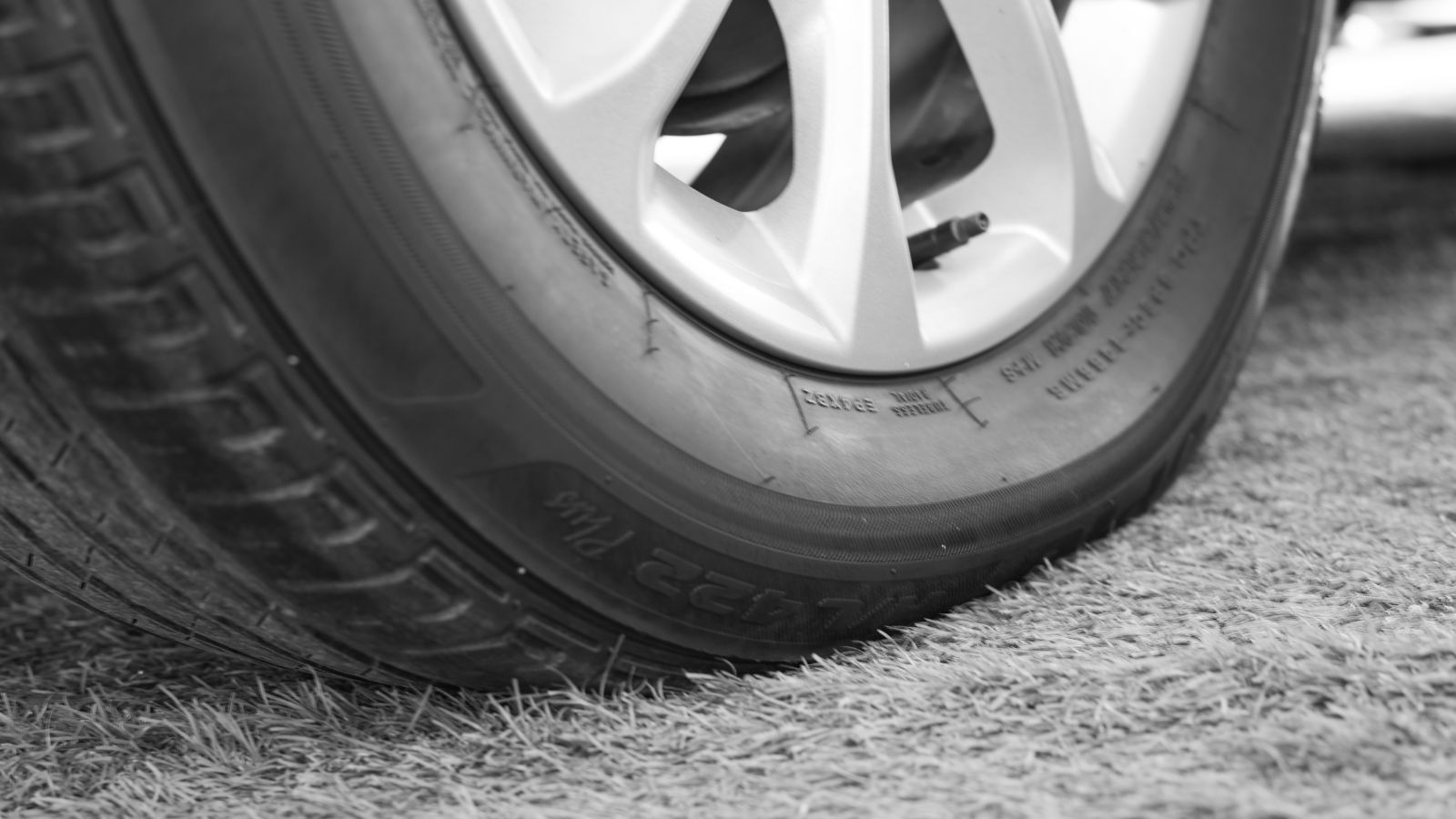
A tire-pressure warning that appears with the first cold morning is not something to ignore simply because the tires looked fine the previous afternoon. Air contracts as temperatures fall. Transport Canada says tire pressure can decrease by about 7 kPa, or roughly 1 psi, for every 5°C drop in temperature. A sharp 15°C temperature swing can therefore make a noticeable difference without any puncture being present.
Drivers should check pressures when the tires are cold and use the vehicle manufacturer’s recommended figure, normally printed on the driver’s-door placard or listed in the owner’s manual. The number molded into a tire’s sidewall is not the normal inflation target for the vehicle. A TPMS warning also should not replace manual checks. If one tire falls faster than the others, the cause could be a puncture, leaking valve, bead problem, or wheel damage rather than temperature alone. Cold weather is stressful enough without beginning a snowy commute on underinflated tires.
The Tread Is Getting Too Shallow
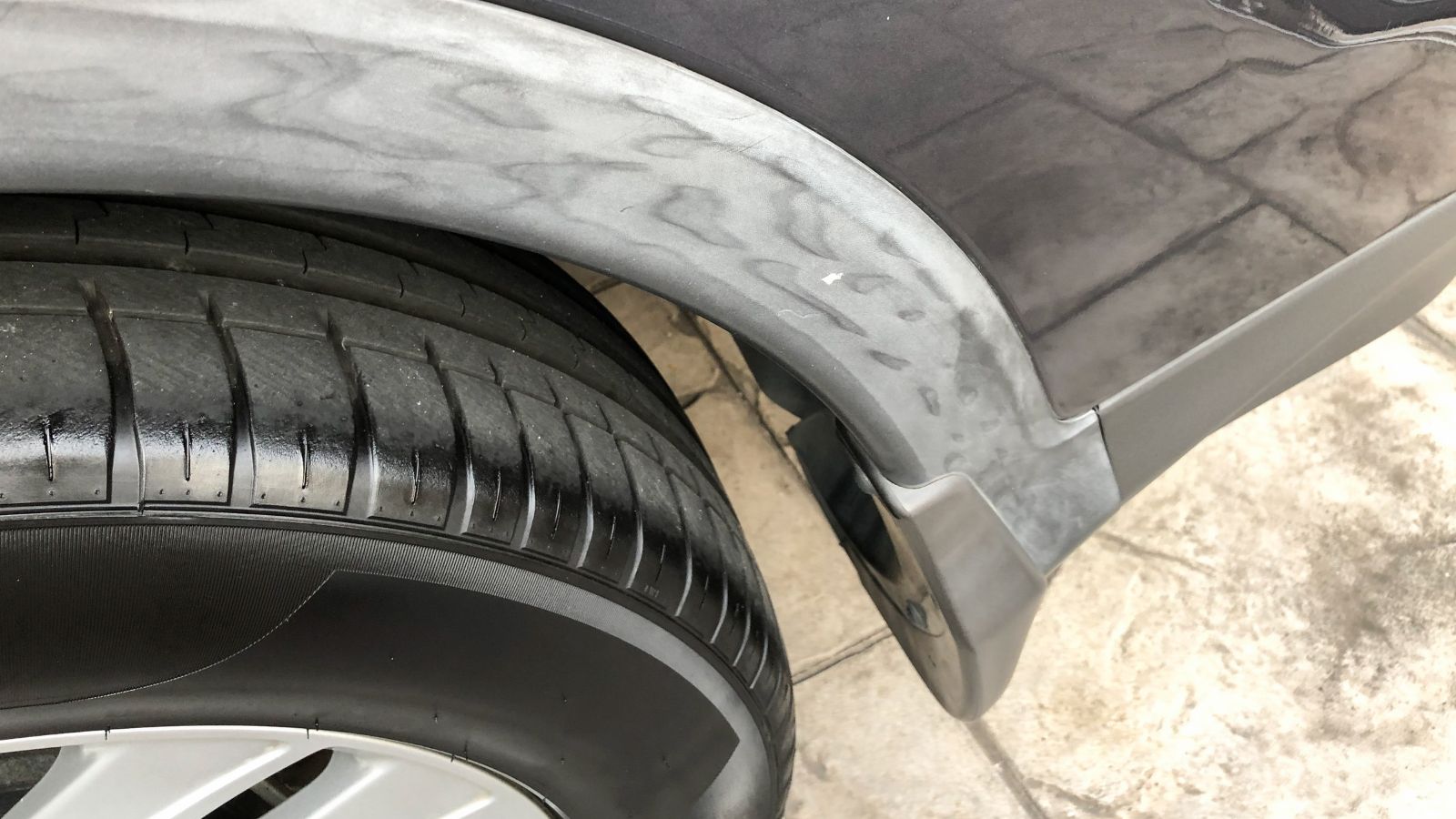
Tires that still seem acceptable on dry pavement can become a different proposition once snow and slush arrive. Transport Canada advises against using winter tires worn close to 4 millimetres, or 5/32 inch, of tread on snow-covered roads because traction diminishes as tread wears. The agency also notes that winter tires remain more flexible at low temperatures than typical summer or all-season designs.
Tread should be examined across the width of all four tires, not just at the easiest spot to reach. Uneven wear may leave the outside looking healthy while the inner shoulder is approaching its limit. Drivers should also remember that the legal minimum tread depth and the amount desirable for winter traction are not necessarily the same thing. Deep grooves help manage snow, slush, and water. If a vehicle already spins more easily on wet pavement or feels less secure during hard rain, marginal tread is especially worth investigating before temperatures fall below freezing and traction becomes even more precious.
Cracks, Bulges, or Visible Tire Damage Have Appeared
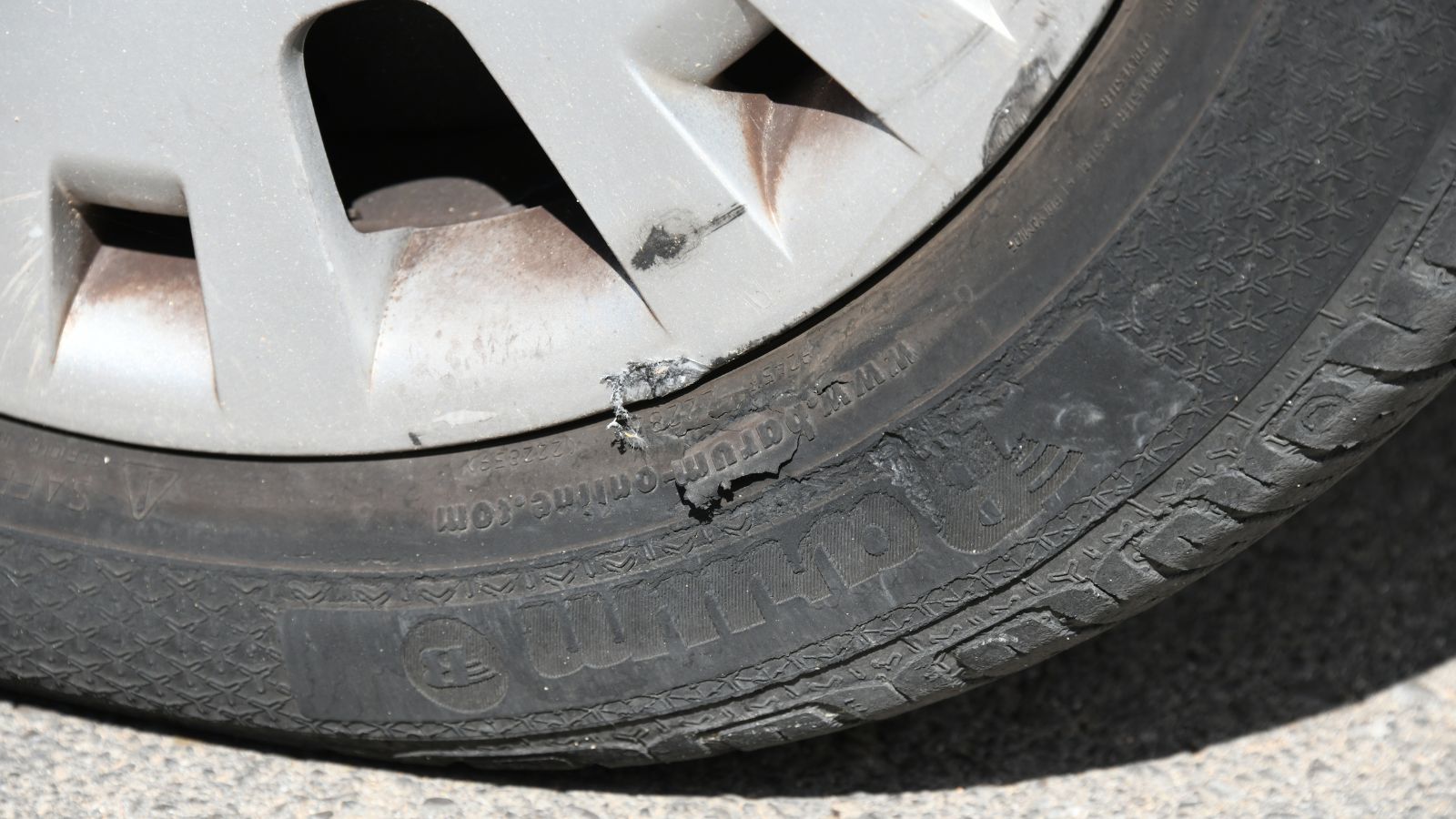
A tire can have plenty of tread remaining and still need replacement. Cracks in the sidewall, cuts, exposed material, unusual lumps, or a pronounced bulge are warning signs that deserve professional evaluation. CAA advises replacing tires with visible cracks or bulges regardless of tread depth. Such damage can indicate deterioration or internal structural problems that a simple tread measurement will not reveal.
Cold weather adds another reason to inspect closely. Winter brings potholes, frozen road edges, hidden curbs, and sharp chunks of ice that can punish already compromised tires. A driver may first notice a problem as a new vibration, thumping sensation, or one tire that repeatedly needs air. The safest approach is not to assume that a cosmetic-looking bulge or crack will remain stable through another season. Tire failures can develop quickly and vehicle handling depends on all four contact patches. A pre-winter inspection is inexpensive compared with discovering structural damage during a highway trip in freezing conditions.
Wipers Are Leaving Streaks or Missed Areas
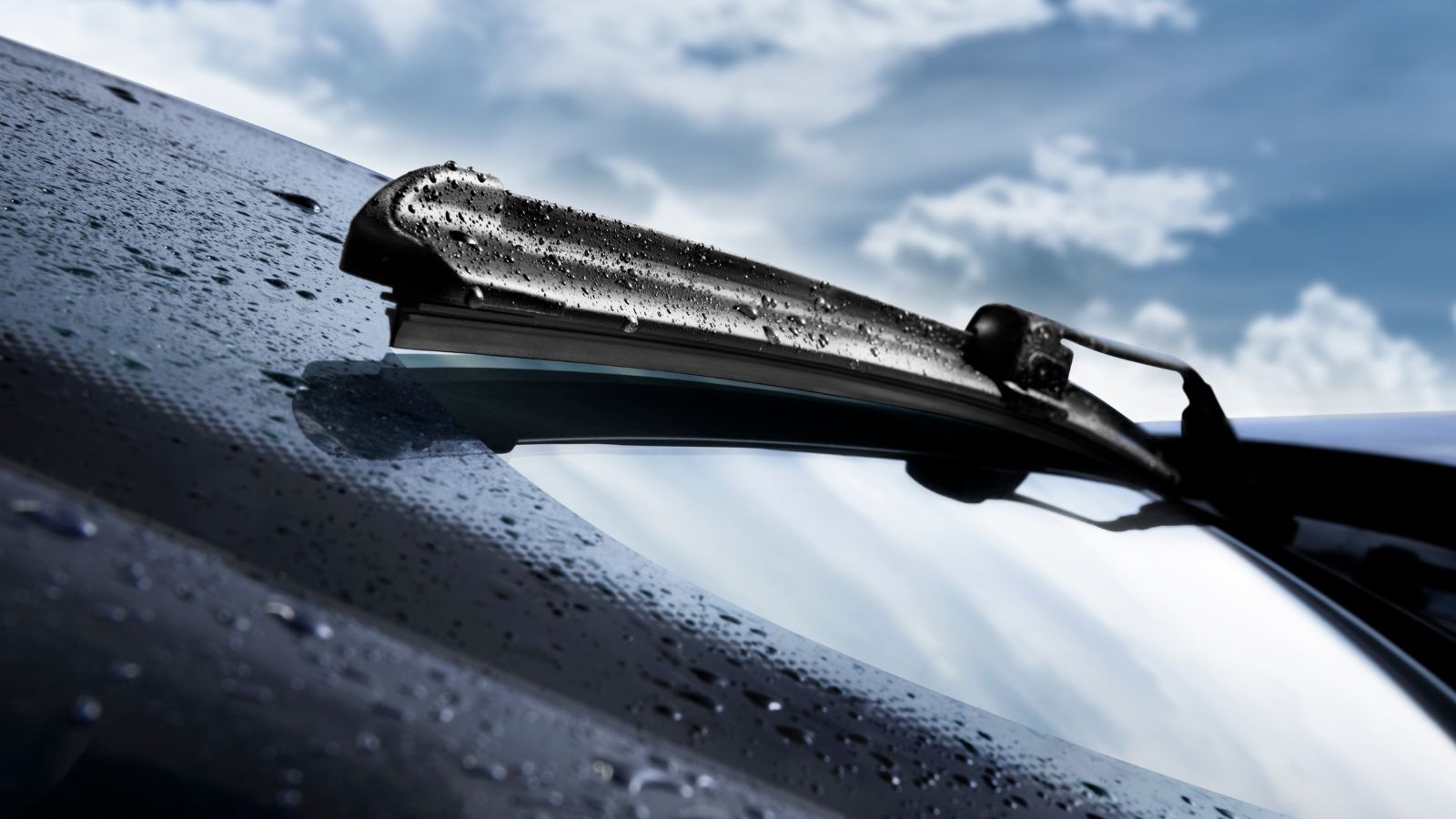
A windshield wiper that leaves one narrow streak may seem like a minor annoyance in clear weather. During freezing rain, road spray, or wet snow, that missed patch can sit directly in a driver’s line of sight. Transport Canada recommends replacing blades that streak, while CAA similarly identifies streaking as a sign that blades have deteriorated and should be checked before winter.
Rubber wiper edges endure ultraviolet exposure, heat, dirt, insects, road grit, and repeated flexing. Once they harden, tear, or lose their shape, cold weather does not improve matters. Snow and ice can also prevent a damaged blade from maintaining consistent contact with the glass. Before a cold snap, the wipers should clear the windshield smoothly without chatter, skipping, smearing, or untouched sections. Rear wipers deserve the same test. Good winter visibility depends on more than headlights; it also depends on being able to remove the dirty mixture of snow, salt, water, and grime constantly thrown onto the glass.
Washer Fluid Is Low, Weak, or Not Winter-Rated
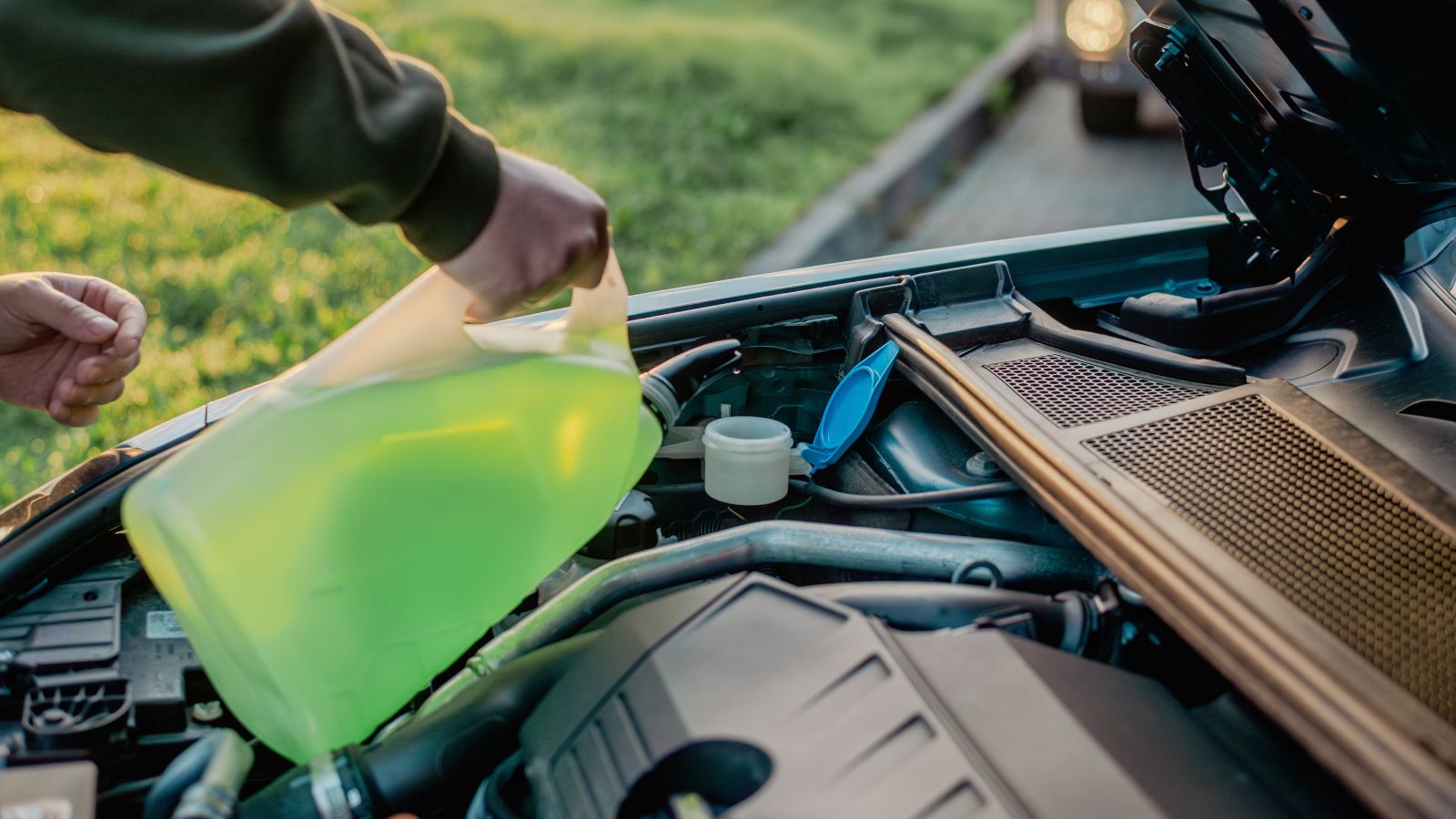
Drivers can consume an astonishing amount of washer fluid during a messy winter commute. Transport Canada recommends filling the reservoir with winter washer fluid rated around -40°C and carrying an extra container. A reservoir that is nearly empty, washer jets that barely spray, or fluid left over from a warm-weather formulation should therefore be addressed before a freeze.
The freezing point matters because some warmer-season products are not intended for severe cold. If fluid freezes in the reservoir or lines, the driver can lose the ability to clean a windshield precisely when road salt and dirty slush are coating it. AAA also warns that unsuitable washer fluid can freeze and impair the system. Before temperatures plunge, operate the washers long enough to confirm that both the pump and nozzles work properly. If the spray is weak on only one side, a clogged nozzle or line may be involved. Reliable washer operation is a visibility system, not merely a convenience feature.
The Heater or Defroster Is Struggling
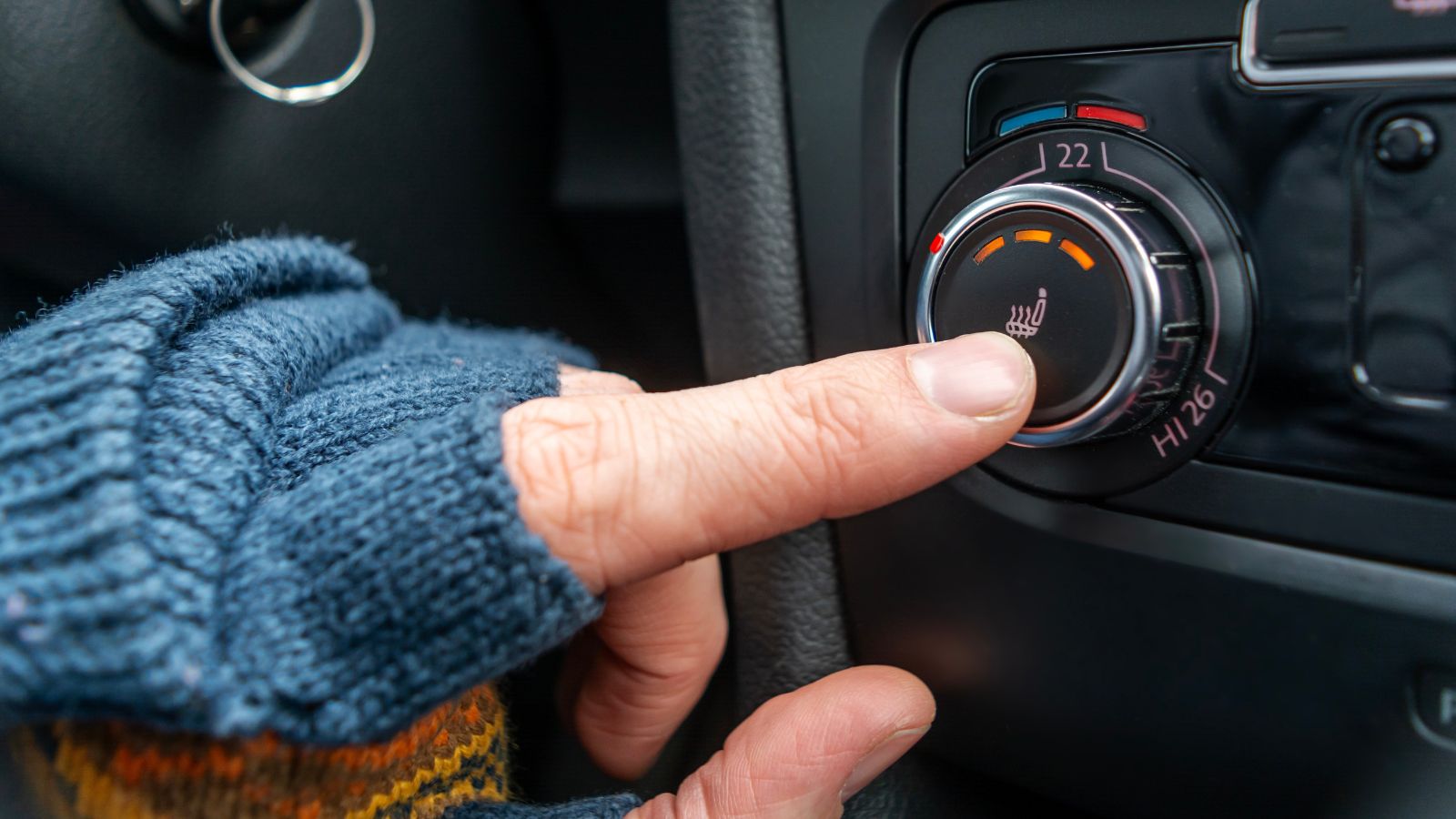
A cabin that takes longer than normal to become warm is uncomfortable, but a weak defroster is a genuine visibility concern. Transport Canada specifically recommends confirming that both the heater and defroster operate properly before winter. CAA also includes the thermostat, coolant level, water pump, radiator components, and related heating and cooling equipment in a winter inspection.
If the engine has reached normal operating temperature but the vents continue blowing cool air, or the windshield takes unusually long to clear, the problem deserves investigation. Low coolant, thermostat trouble, restricted airflow, a clogged cabin filter, heater-core problems, or malfunctioning HVAC controls can produce similar symptoms. A persistent greasy film or unexplained interior fogging can also accompany certain heater-core leaks. The important point is that the system should be tested before it is desperately needed. On a sub-zero morning, a malfunctioning defroster can make it difficult to maintain a clear windshield even when the rest of the vehicle operates normally.
Coolant Is Low or a Coloured Puddle Appears
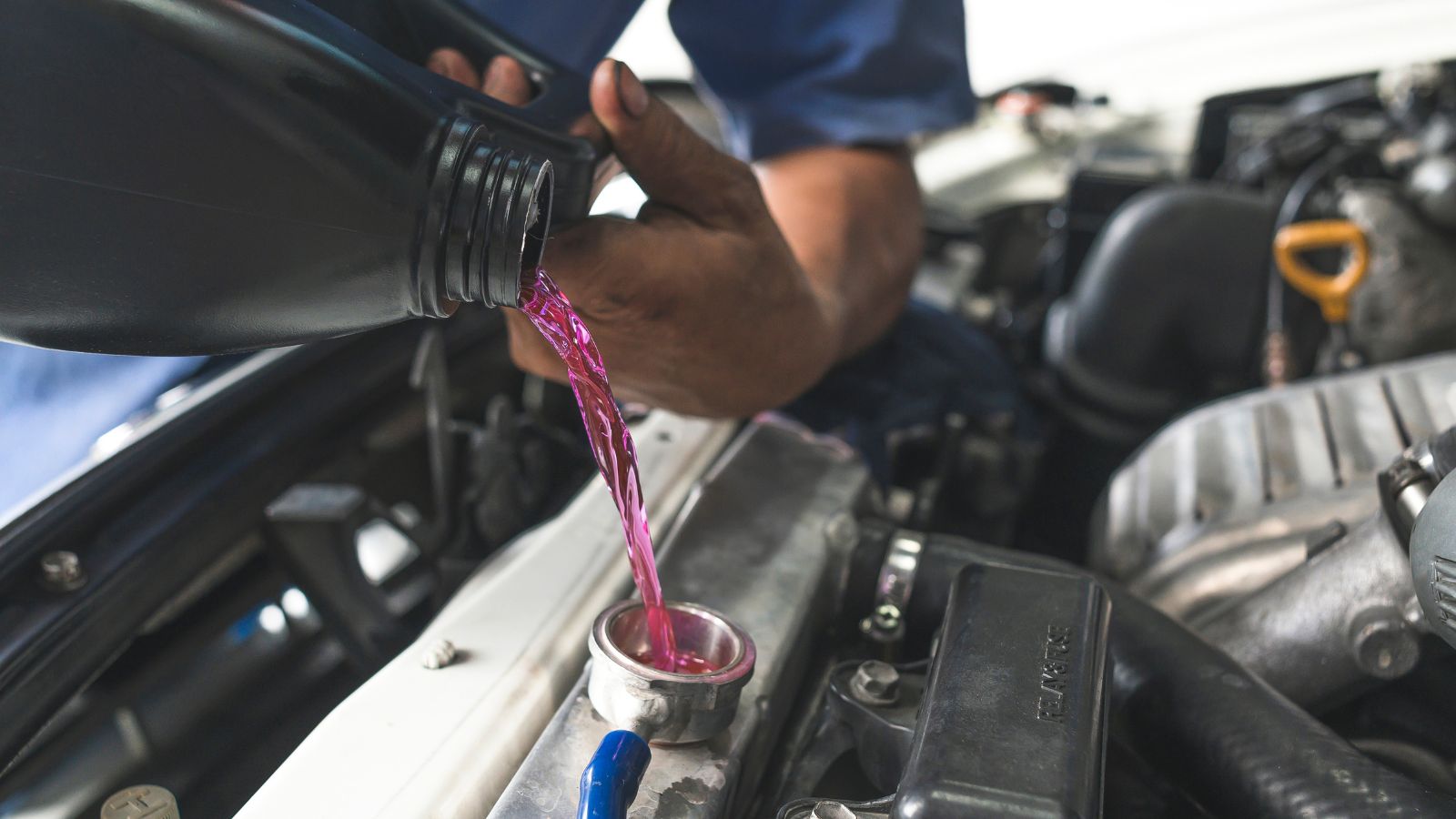
Coolant does more than prevent an engine from overheating in summer. The correct antifreeze mixture also protects the cooling system when temperatures drop below freezing. Transport Canada recommends checking both coolant strength and level during winter preparation, and ensuring the mixture meets the vehicle manufacturer’s specifications and local temperature requirements.
A falling reservoir level should not simply be topped up repeatedly without asking why it is falling. Automotive cooling systems are designed to retain coolant, so recurring loss may indicate leakage from a hose, radiator, water pump, reservoir, connection, or another component. Coloured fluid beneath the vehicle or a sweet-smelling residue can provide an additional clue. Any inspection should be done safely with the engine cold because a hot pressurized cooling system can cause severe burns. Catching a small leak before a cold snap can prevent poor heater performance, overheating, coolant loss, or freeze-related trouble from becoming a far larger roadside problem.
Belts or Hoses Look Cracked, Brittle, or Worn
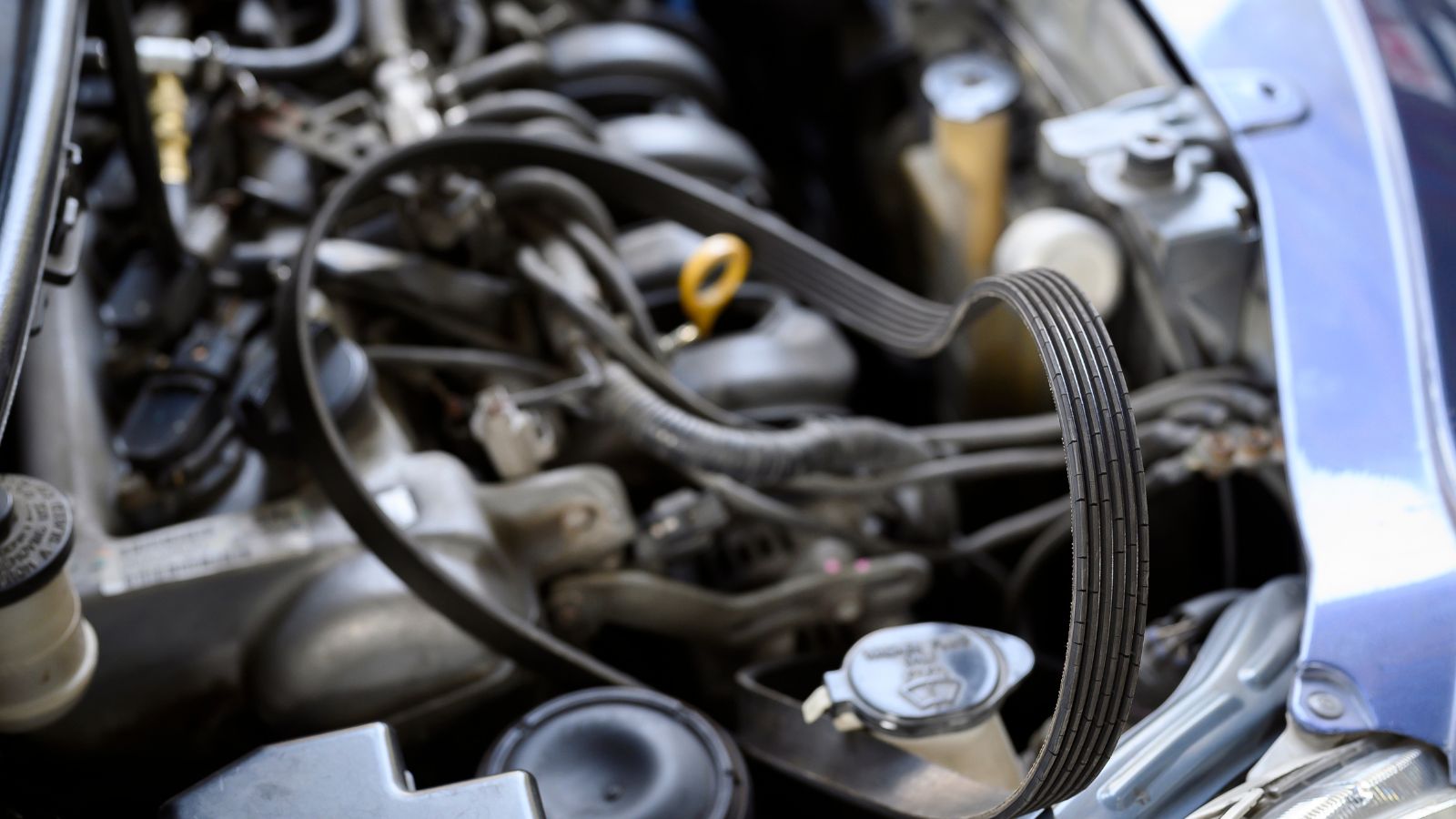
Rubber components often age quietly. A radiator hose may gradually become brittle, excessively soft, swollen, cracked, or contaminated, while a drive belt can develop glazing, fraying, cracking, or abnormal noise. Both Transport Canada and CAA recommend inspecting radiator hoses and drive belts as part of winter preparation. These components support systems that become particularly important when temperatures plunge.
Depending on the vehicle, drive belts can operate equipment such as the alternator, water pump, air-conditioning compressor, or power-steering pump. Hoses carry coolant through the engine and heating system. Failure can therefore affect charging, cooling, cabin heat, or drivability. A squeal that has recently appeared during cold starts should not automatically be dismissed as “just winter noise.” Nor should a small wet area around a hose connection be ignored. Modern engine compartments can make inspection difficult, so questionable belts or hoses are often best evaluated professionally while the vehicle is already in for seasonal service.
Braking Feels or Sounds Different
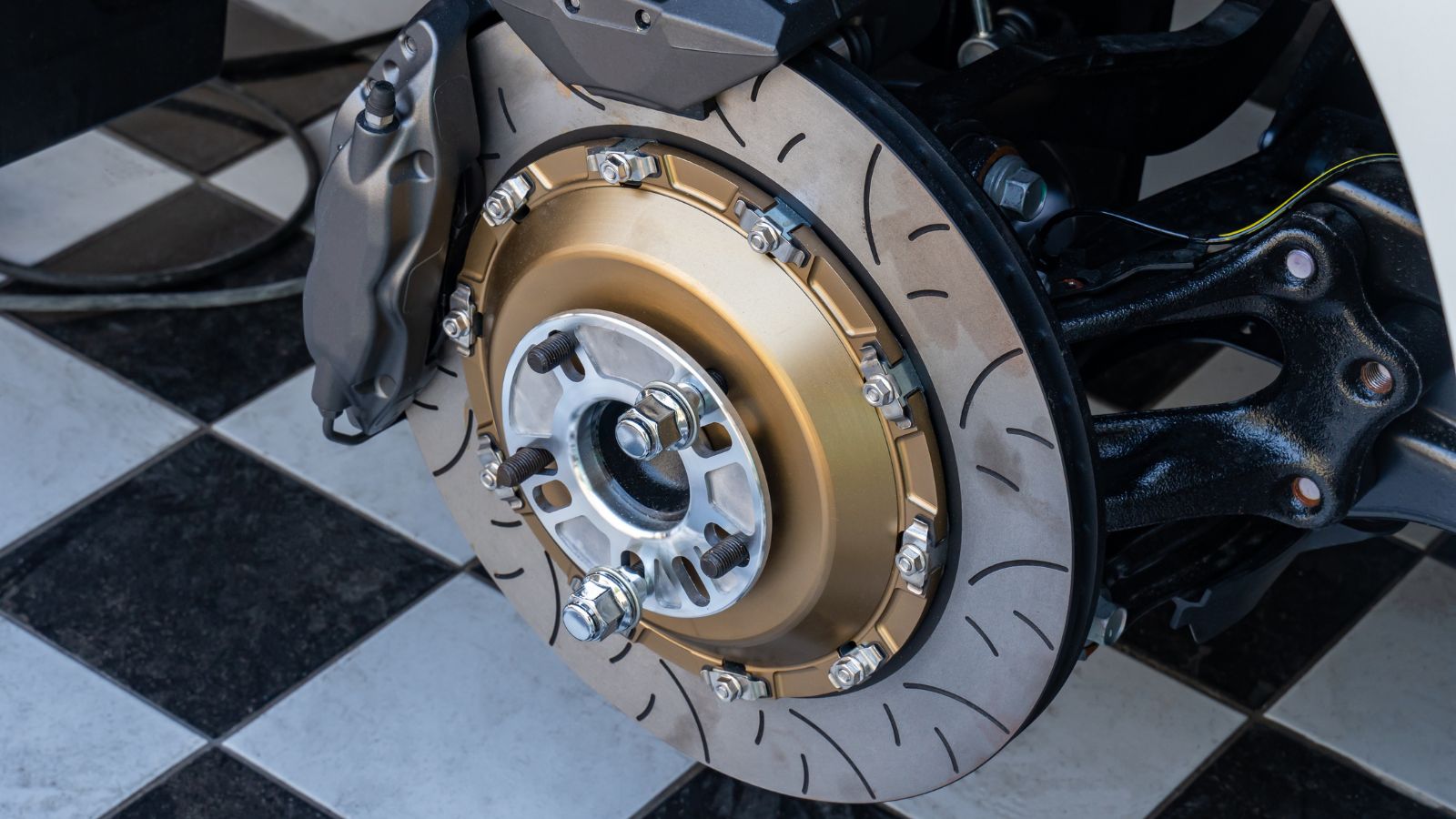
Winter roads provide less forgiveness for a braking system that is already asking for attention. Transport Canada says pulling during braking, a change in pedal feel, or unusual squealing or grinding can indicate that brake repairs are needed. CAA also lists vibration, reduced stopping power, and a soft or spongy pedal among reasons to have the brakes inspected.
Noise alone does not diagnose the exact failure. Moisture or surface rust can occasionally create brief sounds after a vehicle has been parked, while persistent grinding can indicate a much more serious issue. The key is a change from the vehicle’s normal behaviour. A pedal that travels farther, pulsates, feels unusually soft, or requires more effort should not be saved for “after winter.” Snow and ice already lengthen the distance available traction can provide for stopping. Mechanical braking components therefore need to perform consistently. A pre-cold-snap inspection can identify worn friction material, hydraulic problems, damaged components, or other issues before slippery roads amplify their consequences.
The Vehicle Pulls or the Steering Wheel Vibrates

A car that has started drifting to one side on a level road or vibrating through the steering wheel is signalling that something has changed. AAA notes that pulling can result from an underinflated or damaged tire, braking problems, or wheel-alignment issues. Steering-wheel vibration can also be associated with wheel balance, tire damage, or worn suspension components.
That matters before winter because predictable steering is especially important when traction is limited. Uneven tire wear caused by alignment problems can also reduce the usable life of expensive winter tires. Drivers sometimes adapt unconsciously by holding the steering wheel slightly off-centre, making the problem seem less noticeable over time. A cold snap is not the ideal moment to discover that the vehicle handles poorly when crossing rutted snow or encountering a patch of ice. Checking tire pressure is an easy first step, but persistent pulling, vibration, unusual noises, or an off-centre steering wheel should prompt inspection of the tires, wheels, alignment, steering, and suspension.
Headlights or Other Exterior Lights Are Dim or Out
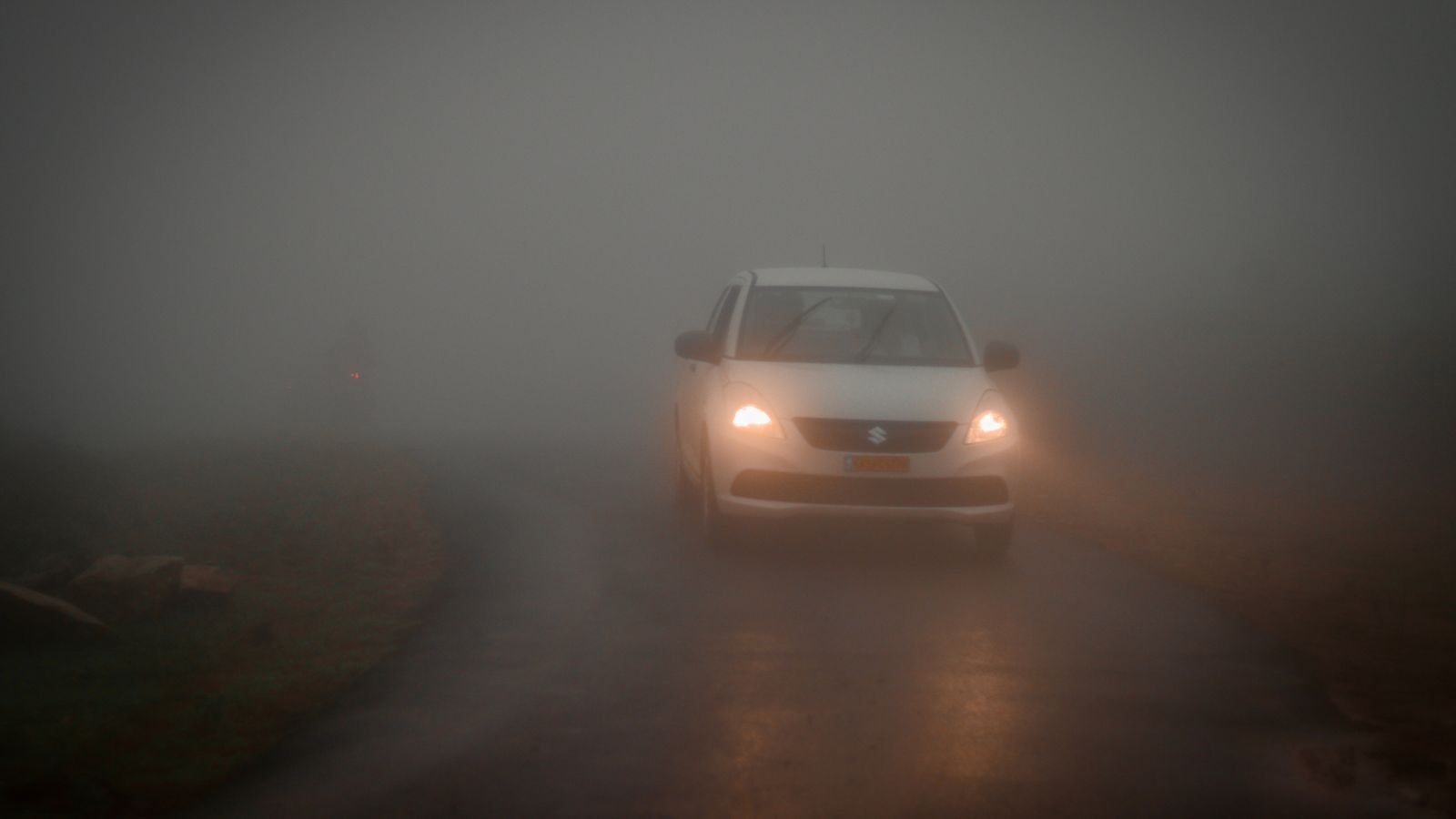
Winter darkness arrives early in many parts of Canada, and snow, spray, fog, and overcast skies can make daytime visibility poor as well. Transport Canada recommends verifying that all vehicle lights work and that headlights are properly adjusted. Ontario’s driver guidance similarly tells motorists to look for burned-out or dim headlamps and to check vehicle lighting before travel.
A quick walkaround can reveal more than expected. Low beams, high beams, brake lamps, turn signals, taillights, hazard lights, licence-plate lamps, and reversing lamps can fail independently. Cloudy or dirty headlamp lenses may further reduce usable illumination even when the bulbs still work. If multiple lights appear unusually dim, an electrical or charging problem may also be worth investigating rather than replacing bulbs blindly. Modern LED assemblies can be more complex than traditional replaceable bulbs, so some faults require professional diagnosis. Being able to see—and be seen—becomes considerably more important once blowing snow and winter darkness reduce the margin for error.
Exhaust Noise or Fumes Have Changed
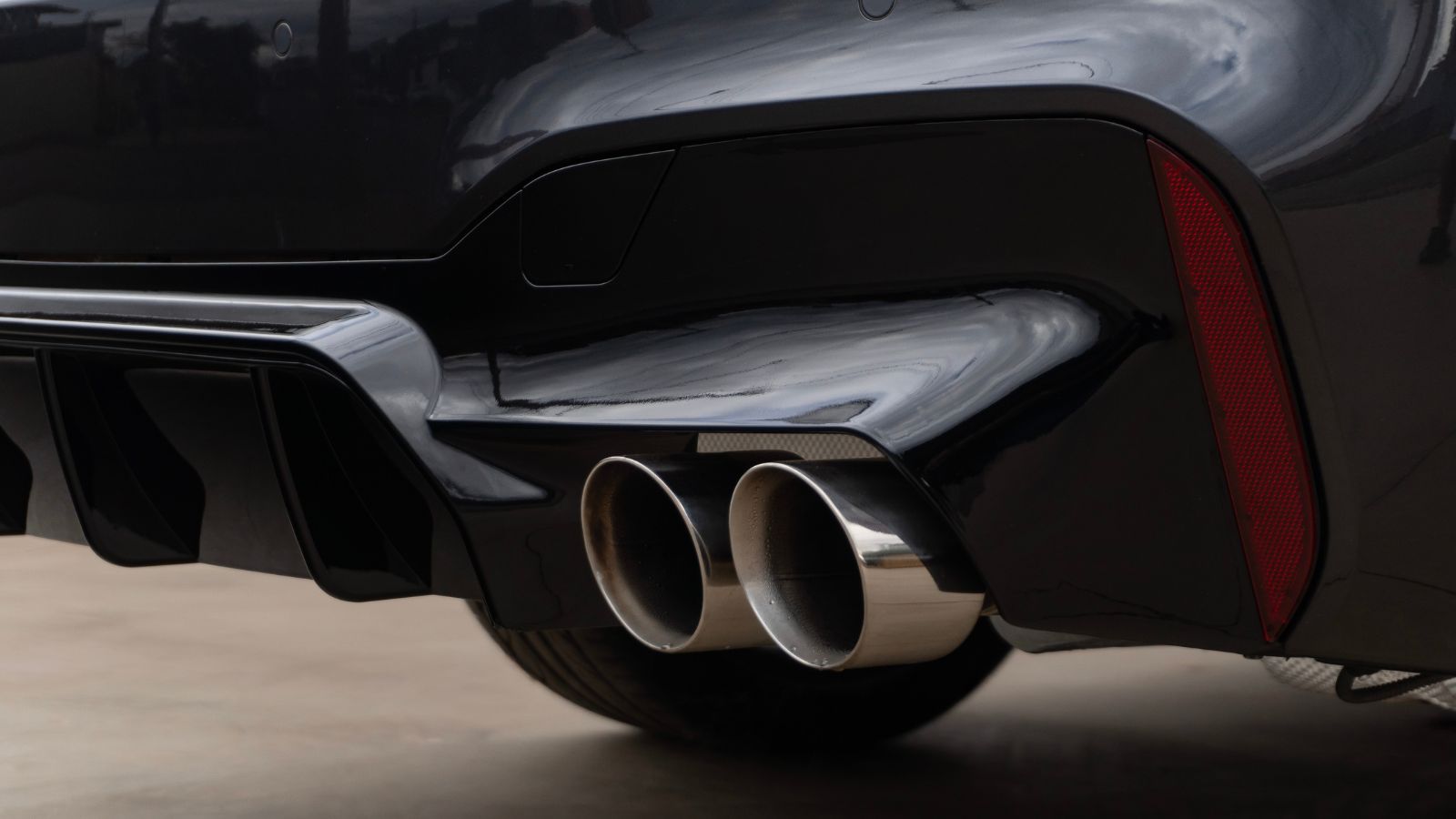
A suddenly louder exhaust, metallic rattling from underneath the vehicle, visible damage, or exhaust fumes where they were not previously noticeable should be investigated before winter. Both Transport Canada and CAA recommend checking the exhaust system for leaks because exhaust gases can allow dangerous carbon monoxide to enter the passenger compartment.
Carbon monoxide is especially hazardous because it is colourless and odourless, so the absence of an obvious smell does not prove that the cabin is safe. The U.S. Centers for Disease Control and Prevention recommends regular inspection of vehicle exhaust systems and warns that even a small leak can allow carbon monoxide to accumulate inside a car. Snow adds another danger by potentially blocking a tailpipe when a vehicle is stuck or deeply buried. A change in exhaust sound may turn out to be something relatively straightforward, but it should not be ignored. The exhaust system is both a mechanical component and an important occupant-safety system.
Dashboard Warning Lights Stay On
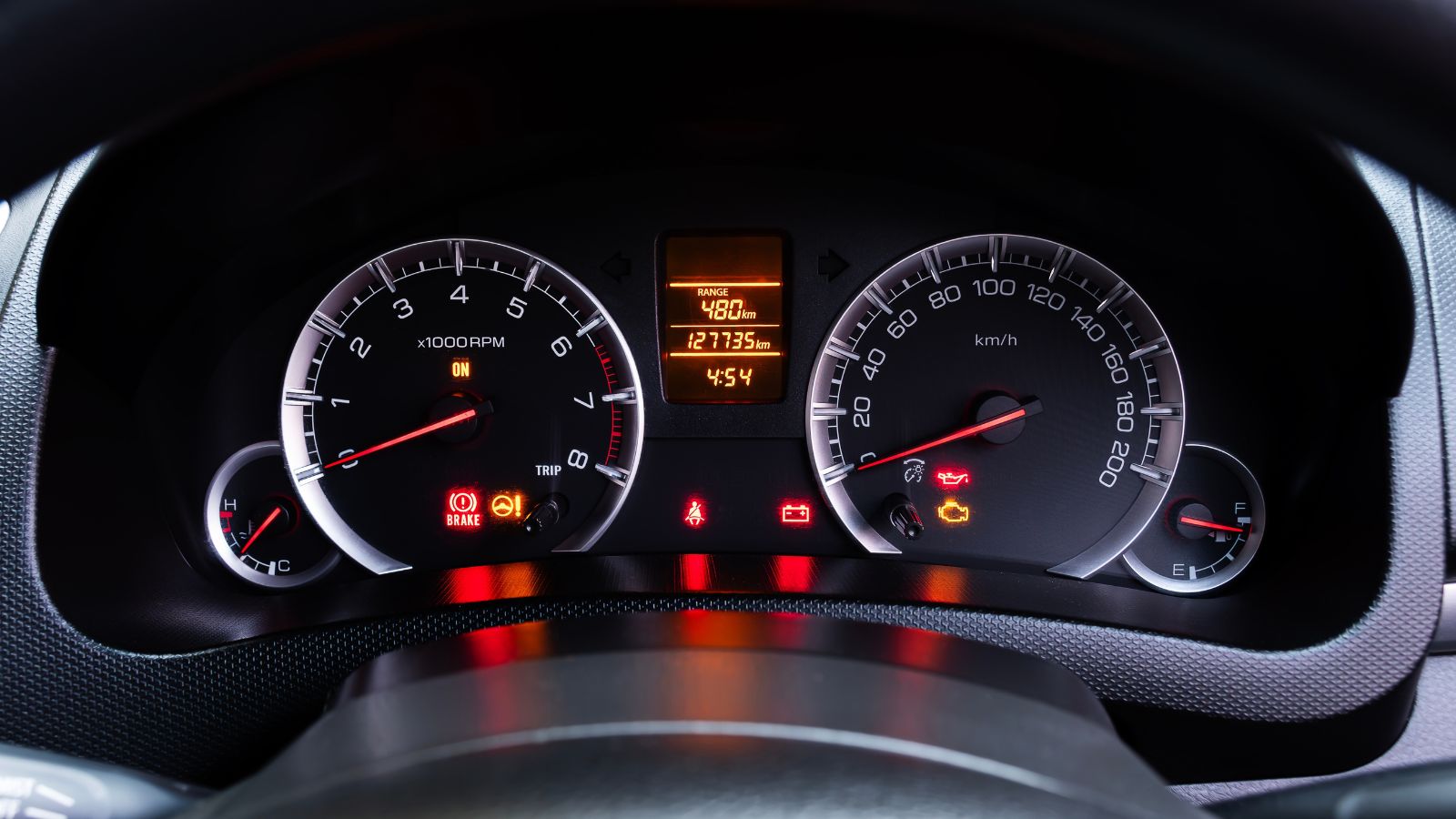
Dashboard lights are designed to illuminate briefly during startup as a self-check, but warning indicators that remain on or appear while driving deserve attention. CAA notes that a check-engine light can represent anything from a relatively minor issue to a serious engine problem, while battery, brake, tire-pressure, oil-pressure, and coolant-temperature warnings each point toward systems that may require immediate or prompt action.
The colour and behaviour of the warning matter. A flashing check-engine light, for example, can indicate an active misfire that should not be ignored. An oil-pressure or overheating warning may require stopping the engine rather than continuing to drive to a repair shop. ABS or stability-control faults are particularly relevant before slippery weather because those systems contribute to vehicle control under difficult conditions. The owner’s manual explains the specific symbols and required response for each model. A cold snap is a poor time to postpone a warning simply because the vehicle still seems to drive normally.
The Oil Change Is Overdue or the Oil Level Is Low
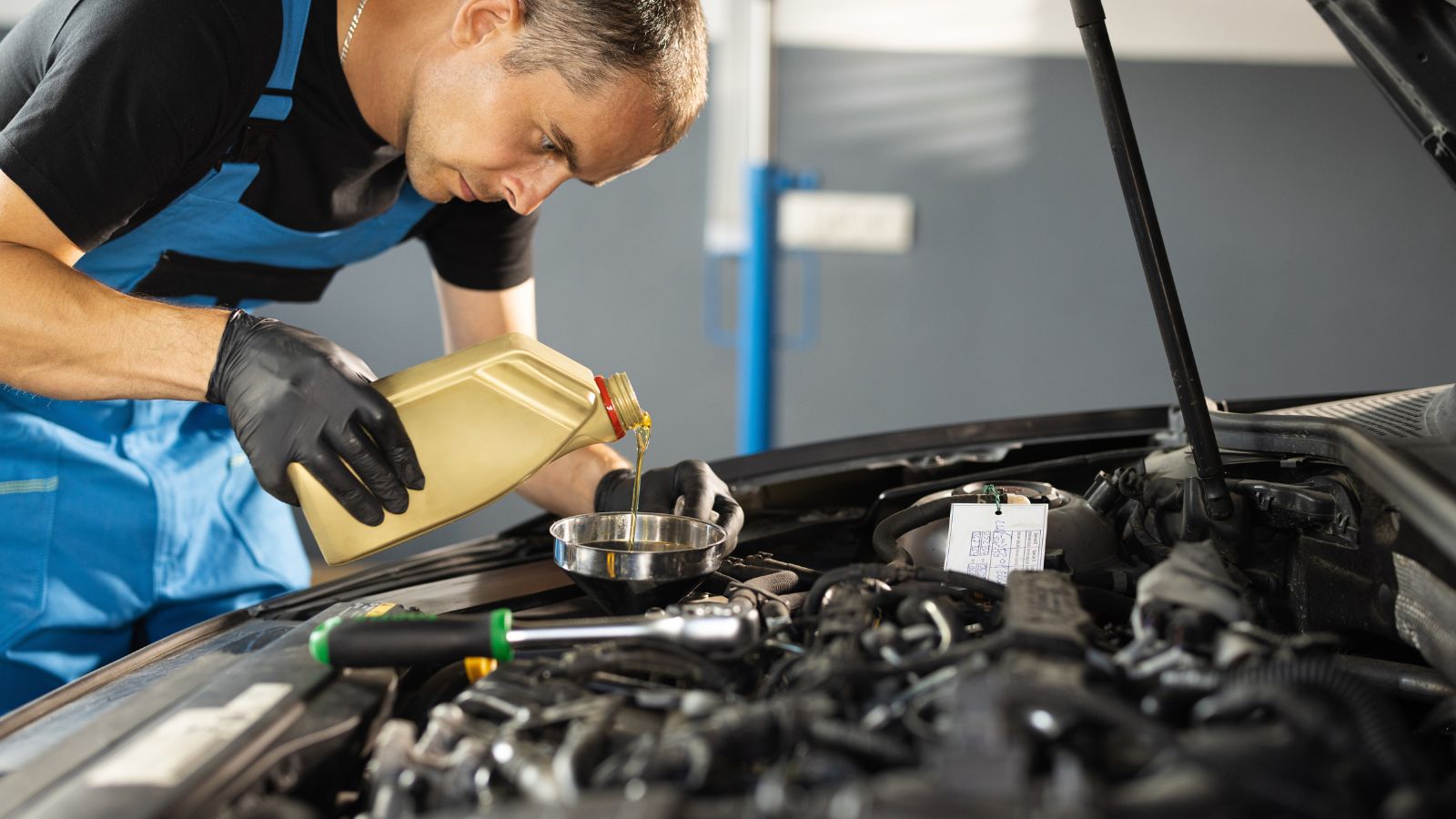
Cold weather makes lubrication more demanding. Consumer Reports notes that motor oil thickens as temperature falls, increasing resistance when an engine is first started. Modern multi-viscosity oils are designed to maintain useful flow across a broad temperature range, and the “W” in ratings such as 0W-20 or 5W-30 refers to winter performance. The correct grade, however, is whatever the vehicle manufacturer specifies.
An overdue service reminder, low dipstick reading on vehicles equipped with one, oil-pressure warning, or evidence of leakage should therefore be dealt with before severe cold. Drivers should not switch to a different viscosity simply because winter is approaching unless the owner’s manual permits it. Modern engines can be sensitive to lubricant specification as well as viscosity. The goal is straightforward: correct oil, correct level, and maintenance performed at the manufacturer’s interval. Starting an engine at sub-zero temperatures already places additional demands on the battery and starter; neglected lubrication is an unnecessary complication.
Starts Are Rough, Hesitant, or Accompanied by Misfires
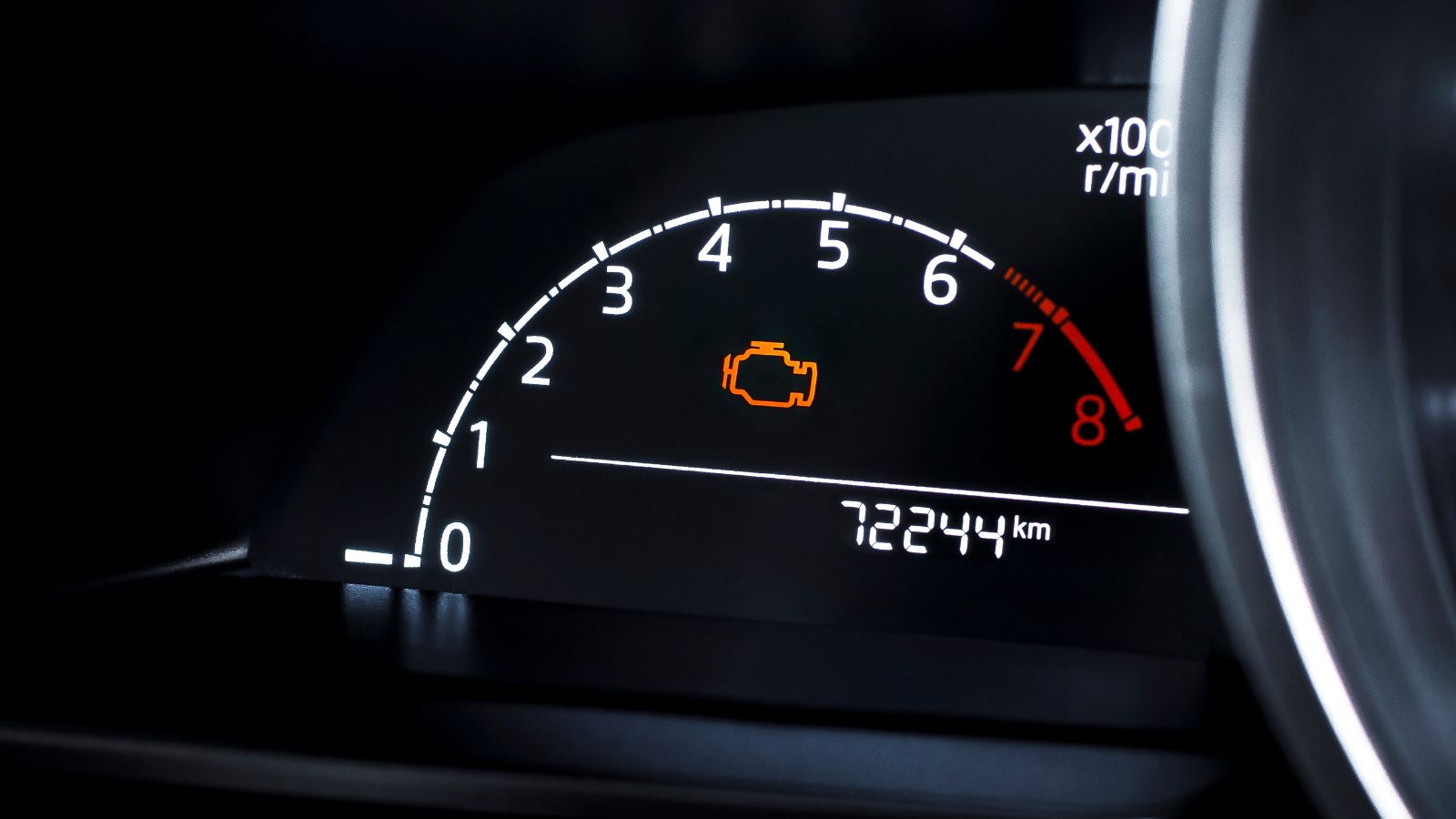
A car can crank normally yet still struggle to fire cleanly. Rough starting, hesitation, shaking at idle, repeated misfires, unusual popping, or a flashing check-engine light can point toward ignition trouble rather than the battery alone. CAA recommends checking ignition components such as spark plugs and wires before winter because worn or defective parts can make starting difficult or contribute to breakdowns.
AAA likewise lists difficulty starting—particularly in cold weather—rough idling, misfires, sluggish acceleration, and increased fuel consumption among possible symptoms of worn spark plugs. Those symptoms do not prove that plugs are the cause; fuel delivery, sensors, ignition coils, air leaks, compression problems, and other faults can produce similar behaviour. That is why diagnosis matters. What should not happen is for a vehicle that already stumbles on mild mornings to enter a deep freeze without attention. Cold weather narrows the operating margin, making an existing ignition or engine-management weakness much more likely to become obvious.
19 Used Cars Canadians Should Avoid in 2026 (Based on Owner Complaints)

Buying a used car in Canada can feel safe until repair bills start stacking up. Owner complaints tell a different story than glossy listings. Transmission failures, electrical problems, and weak winter reliability show up again and again in consumer reports. Many of these issues appear after warranties expire, when owners least expect them. Some vehicles look affordable upfront, but become expensive to keep on the road. Others struggle in cold weather, urban driving, or long highway commutes. Here are 19 used cars Canadians should avoid in 2026 (based on owner complaints).
19 Used Cars Canadians Should Avoid in 2026 (Based on Owner Complaints)

Alanna Rosen is an experienced content writer that focuses on many EV and educational content. Her articles are regularly published on Get CyberTrucked and syndicated on large publications.