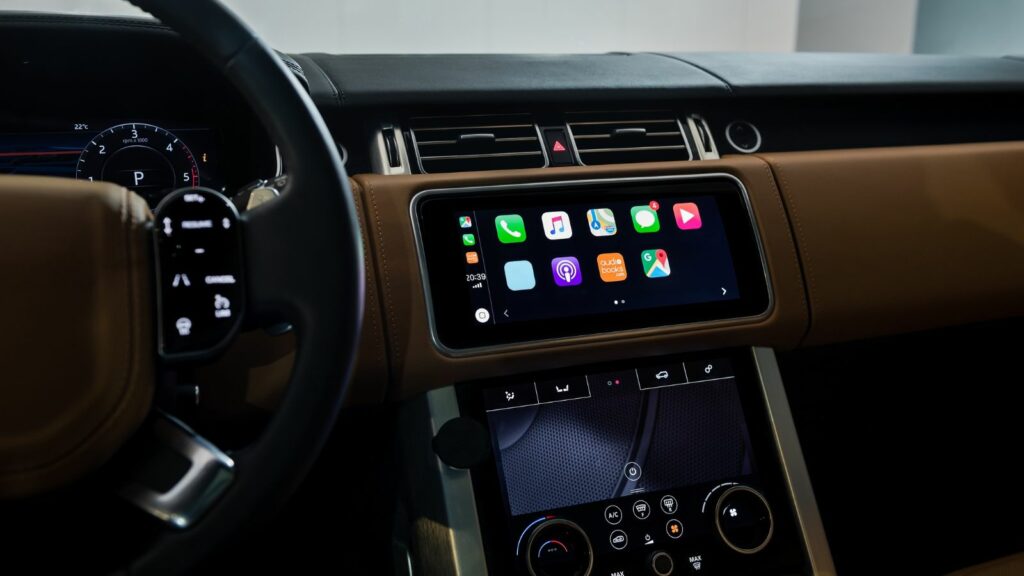
Modern vehicles can stream music, update themselves overnight, track traffic in real time, recognize voice commands, and place dozens of functions behind a sheet of glass. Yet for a growing number of drivers, the most satisfying feature may still be a knob that turns exactly when expected.
That preference is not necessarily resistance to innovation. Canadian research suggests many consumers want technology to require less effort and remain quietly in the background, while transportation research continues to raise questions about distraction, complexity, reliability, and accessibility. Canada’s climate and vast geography add practical considerations that drivers elsewhere may encounter less often. These 12 reasons help explain why straightforward buttons, switches, and dials can still have considerable appeal in an increasingly digital automotive world.
Physical Controls Can Mean Less Time Looking Away
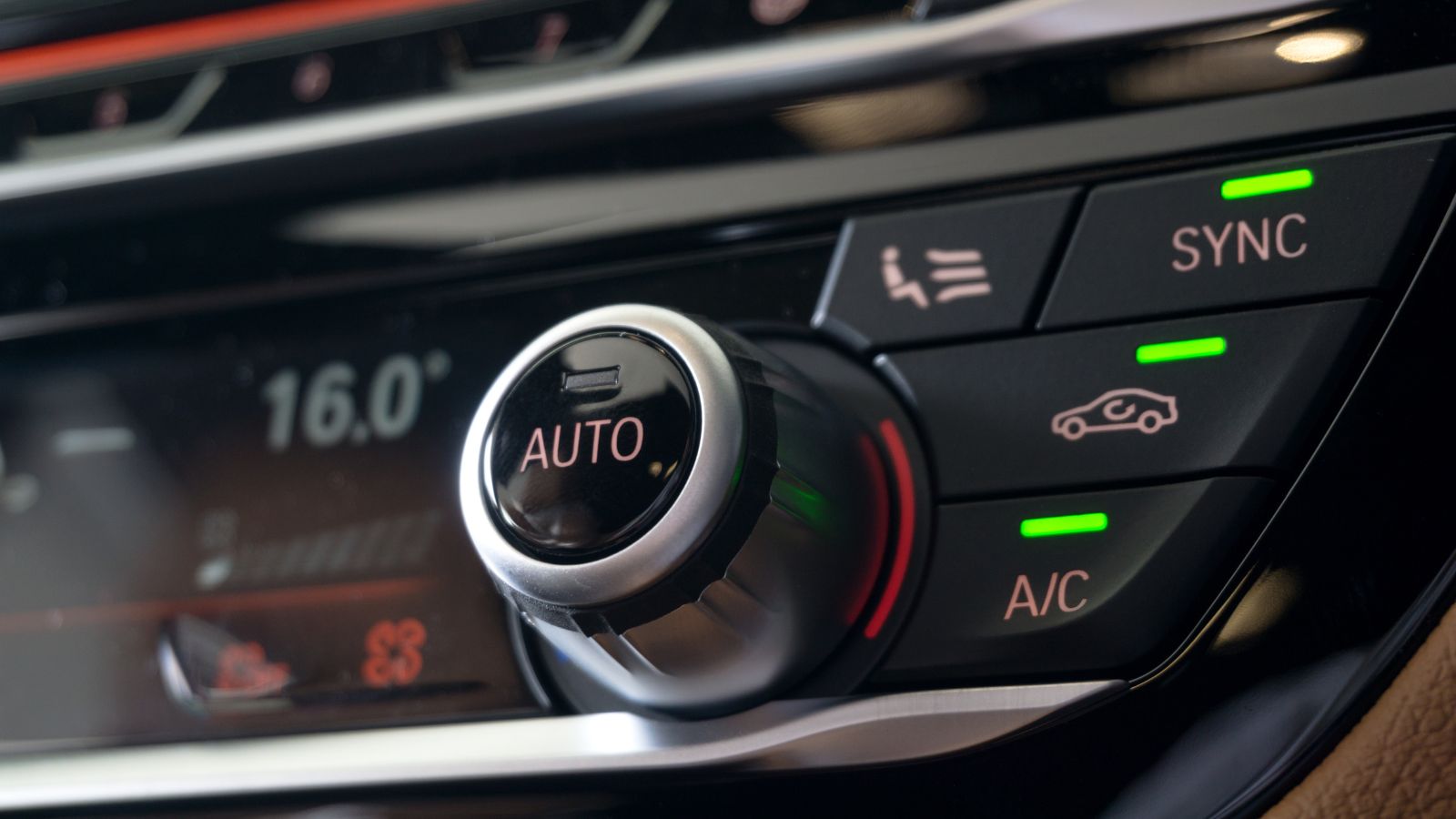
A touchscreen can make a dashboard appear clean and modern, but a polished interface does not necessarily make an adjustment easier while travelling at highway speed. Changing cabin temperature with a dial may involve one familiar movement. Doing the same thing through a screen can require locating an icon, opening a menu, and confirming that the desired setting actually changed.
That distinction matters because distraction remains a significant Canadian road-safety issue. Transport Canada reported distraction as a contributing factor in an estimated 17.8% of fatal collisions in 2023, although multiple contributing factors can be recorded for the same collision. Federal guidance on visual displays also says essential and commonly used controls should be directly accessible to drivers. For Canadians who regularly deal with congested highways, unpredictable weather, construction zones, or wildlife on rural roads, a control that can be located quickly without studying a screen has an obvious attraction. A traditional knob may not look futuristic, but familiarity can be a meaningful safety feature.
Canadian Winters Are Not Friendly to Every Touchscreen
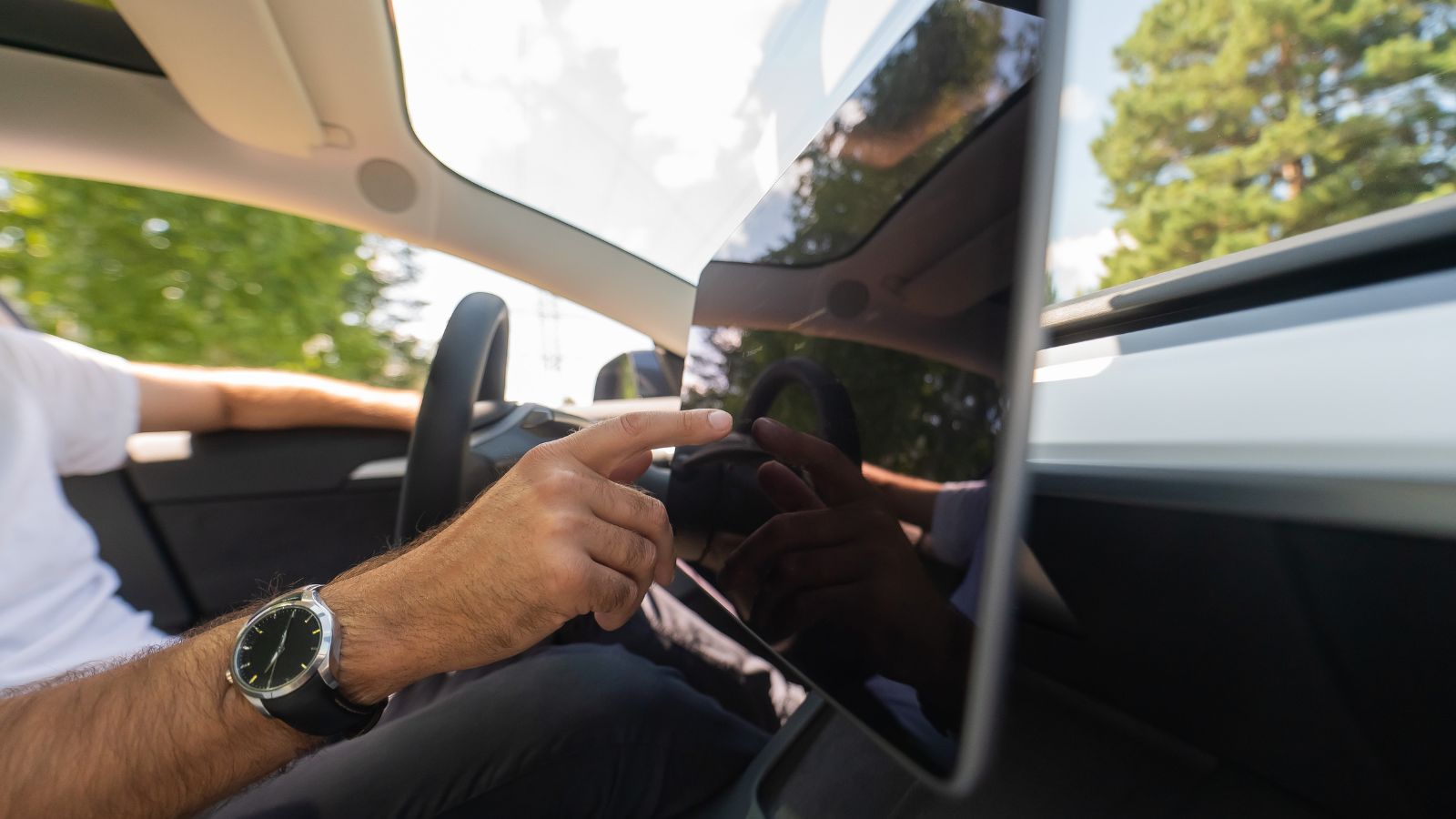
Few automotive features expose the difference between showroom convenience and Canadian reality quite like a touchscreen on a bitterly cold morning. Drivers may enter the vehicle wearing insulated gloves and immediately want the defroster, heated seats, fan speed, or temperature turned up. A large physical switch can often be operated without removing those gloves.
Touchscreens can be more complicated. Hyundai Canada has warned in owner documentation for some infotainment systems that the touchscreen may not respond when conventional gloves are worn, recommending bare hands or electrostatic touchscreen-compatible gloves. Laboratory research on conductive gloves has similarly found poorer touchscreen usability and reduced manual dexterity when gloves are used, even when those gloves are specifically designed for touch devices. The inconvenience becomes more noticeable when the windshield is fogging or freezing and climate settings need attention immediately. Touch technology continues to improve, and some modern systems handle gloves better than older versions, but a substantial rotary temperature dial remains remarkably dependable when the thermometer is deep below zero.
Drivers Can Learn a Button Without Having to See It
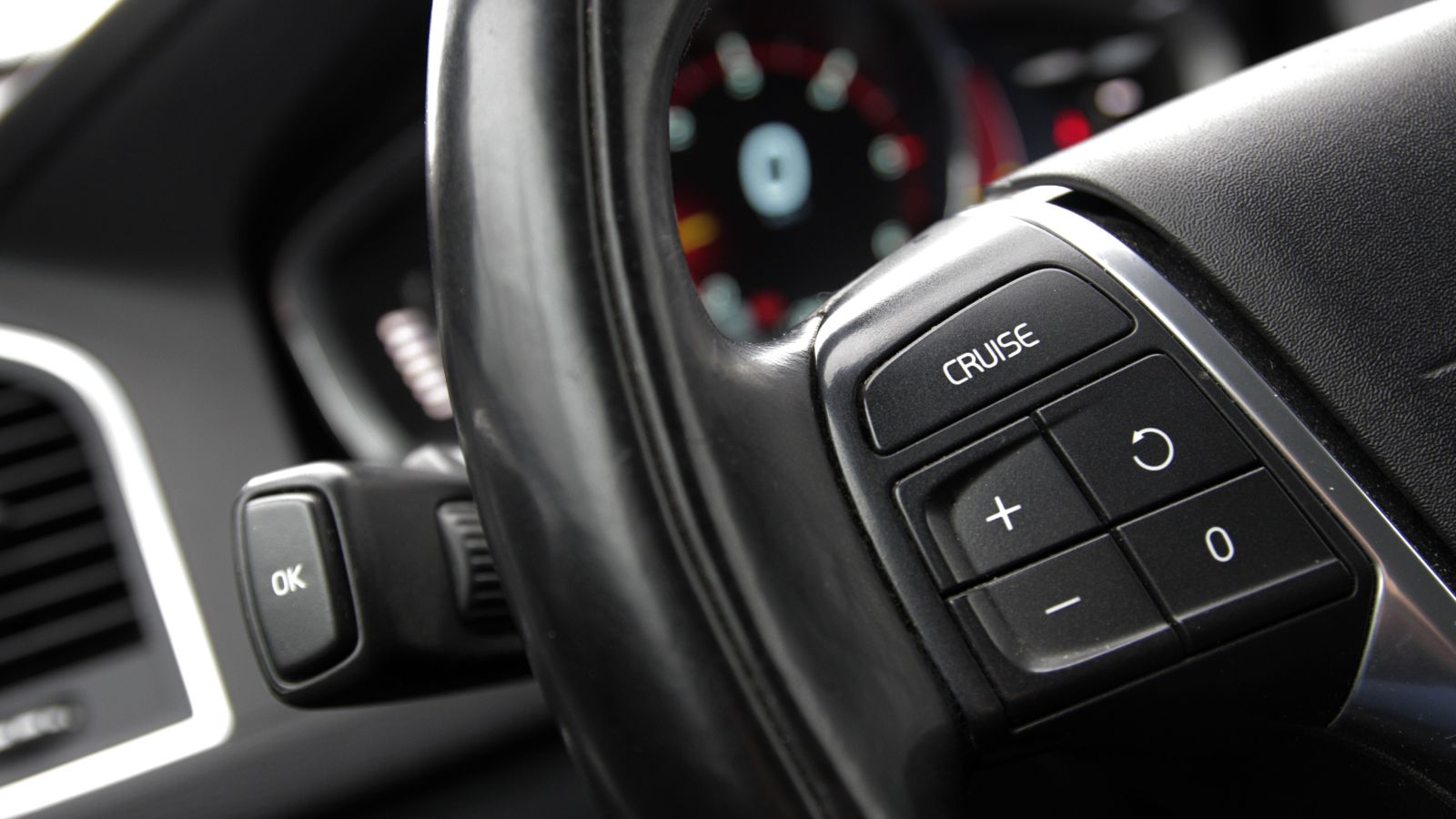
Physical controls have another advantage that is difficult to appreciate during a stationary dealership demonstration: drivers can build spatial memory around them. After several months in the same vehicle, someone may know exactly where the volume dial, defroster switch, or fan-speed button sits. A hand reaches over almost automatically while the driver’s eyes remain directed toward traffic.
Touchscreens provide far fewer physical reference points. Human-factors research has found that touchscreen interaction tends to depend more heavily on vision because the driver cannot identify a smooth virtual button by touch alone. A widely reported Swedish comparison reinforced that difference. Vi Bilägare tested several modern vehicles alongside an older Volvo with conventional buttons; simple tasks took roughly 10 seconds in the Volvo, while the slowest modern interface required more than four times as long. That test was not a controlled Canadian experiment, but its lesson translates readily to busy Canadian roads: controls that can be felt and remembered may demand less visual searching than icons that change with menus.
Infotainment Systems Remain a Major Reliability Trouble Spot
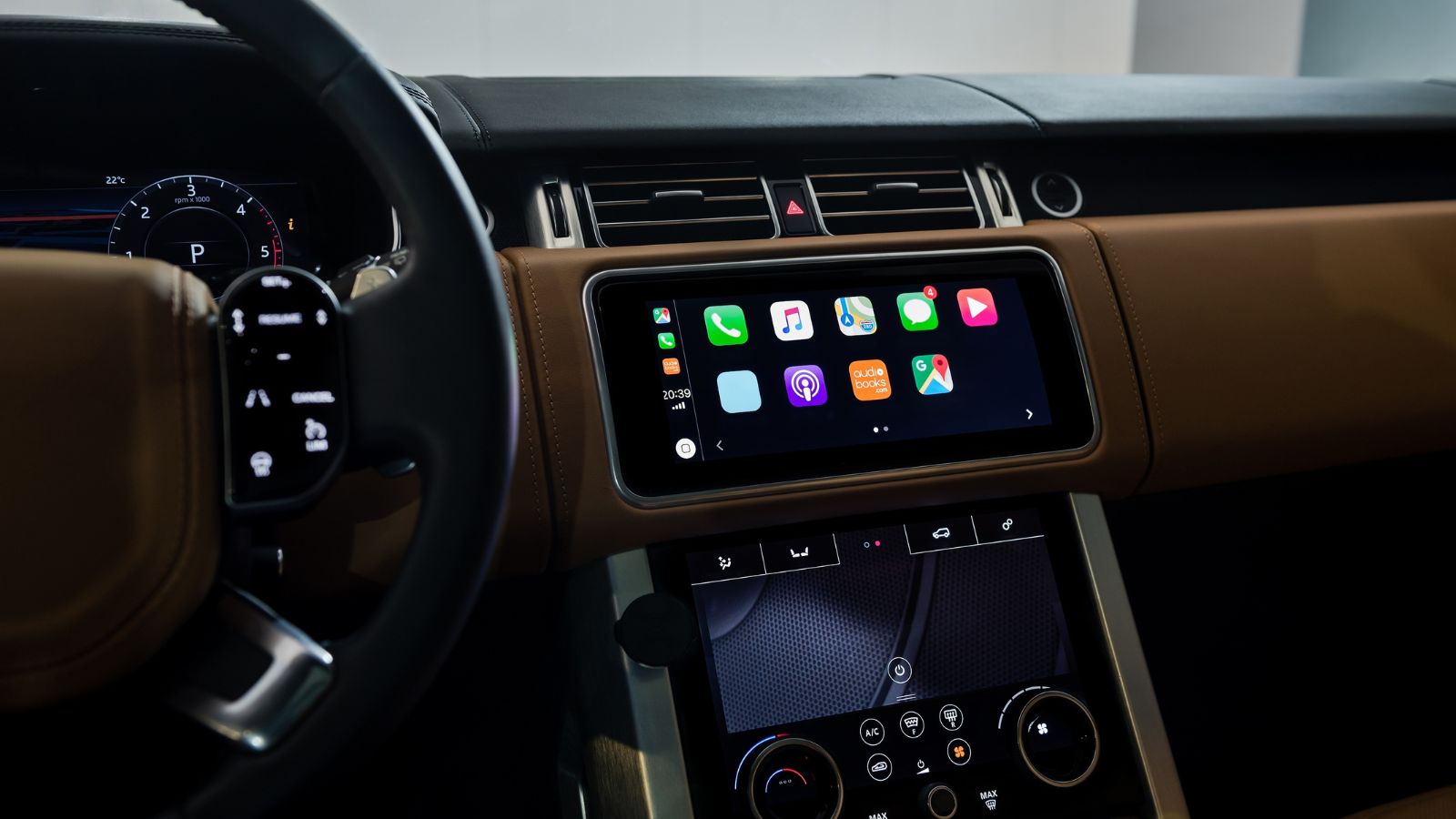
Traditional controls can fail. Buttons wear out, switches break, and rotary knobs can eventually become loose. The appeal of simplicity comes from the number of additional failure points introduced when ordinary vehicle functions depend heavily on software, touch displays, smartphone connections, wireless modules, and operating systems.
J.D. Power’s 2026 Vehicle Dependability Study in the United States found infotainment was the most problematic of the nine categories it measured, producing 56.7 reported problems per 100 vehicles after three years of ownership. Its 2026 Initial Quality Study also found infotainment was the only major category to worsen year over year, with Android Auto and Apple CarPlay connectivity contributing heavily to complaints. Those are U.S. studies rather than Canadian ones, so their figures should not be treated as Canadian rates. They nevertheless examine many of the same models sold north of the border. For a driver who mainly wants reliable heat, audio volume, defrosting, and basic navigation, an additional software dependency can feel less like luxury and more like another thing that might eventually need troubleshooting.
A Software Update Can Change an Interface Overnight
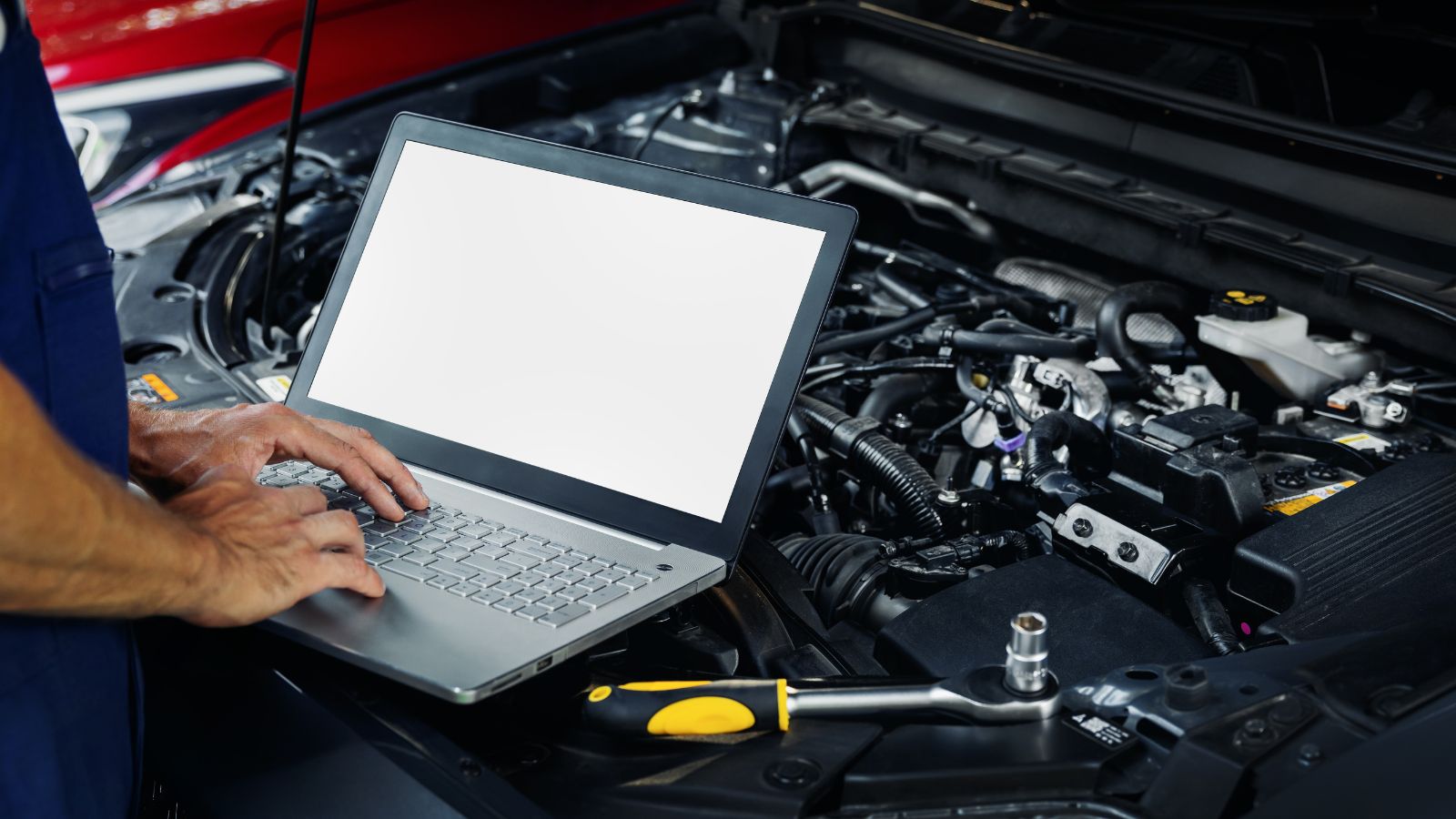
Mechanical controls tend to remain where manufacturers put them. A temperature knob purchased on Tuesday generally behaves the same way years later. Software-driven interiors can be different because automakers increasingly use over-the-air updates to modify vehicle systems without bringing the car into a service department.
Updates can fix problems and add useful capabilities, but owners do not always experience a noticeable improvement. J.D. Power’s 2026 dependability research found that 40% of owners in its U.S. sample had received a software update during the previous year. Only 27% of those owners said the update improved their vehicle, while 58% noticed no meaningful difference. The study also linked over-the-air updates with additional reported problems. That does not mean updating software is inherently undesirable; modern vehicles depend on software and sometimes need those fixes. Still, it helps explain the emotional appeal of controls whose operation cannot be rearranged by a new interface. Some drivers simply like knowing that the fan-speed control they learned today will still be in exactly the same place tomorrow morning.
Canadians Are Keeping Vehicles Longer, Making Complexity Matter
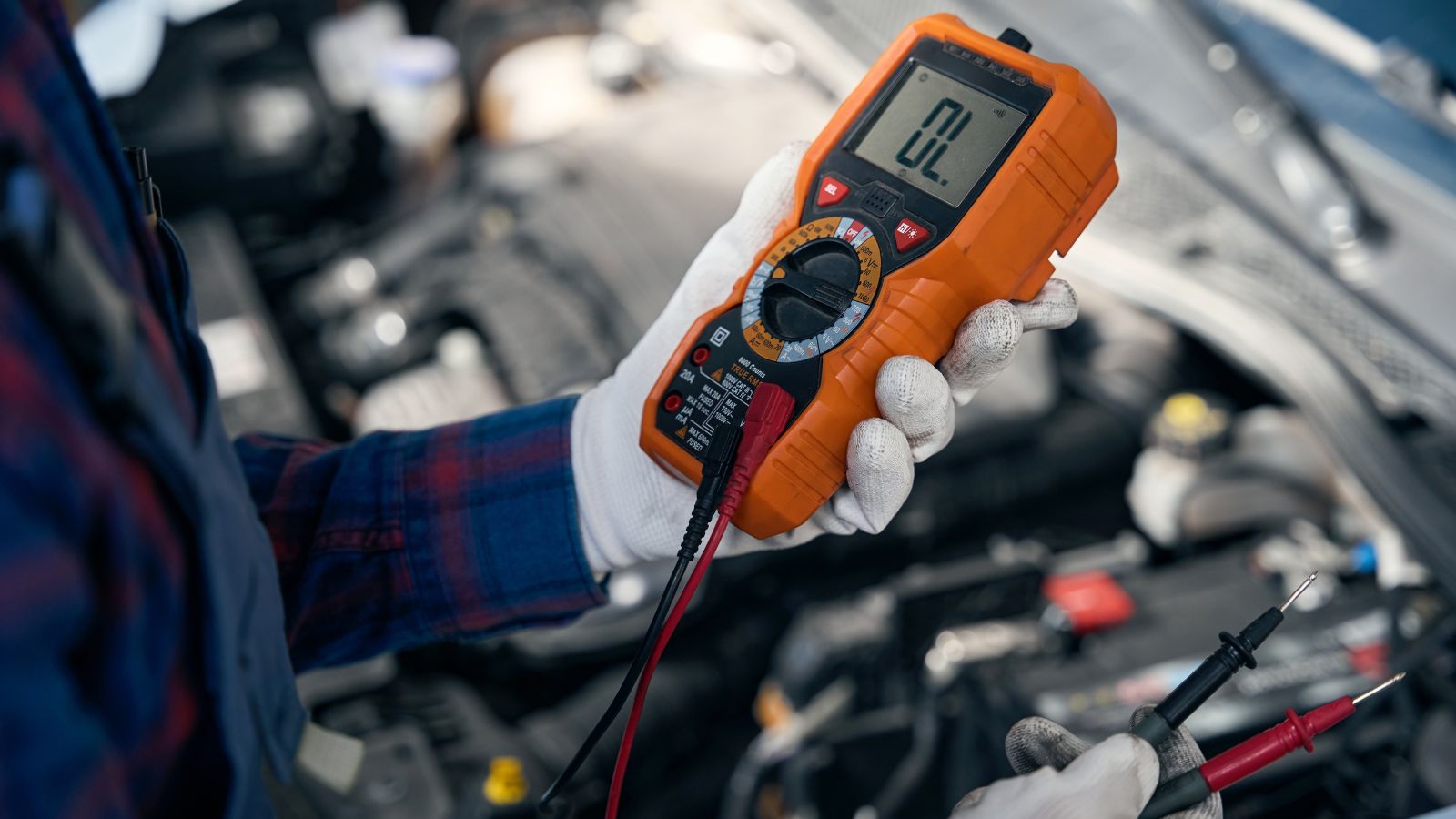
Vehicle technology is only one part of repair costs, but increasingly sophisticated cars can require more expensive parts, diagnostics, and specialized procedures. Insurance Bureau of Canada specifically notes that technology in newer vehicles increases repair costs. Its examples include rain-sensing windshields and sensor-equipped components that can cost substantially more to replace after damage.
IBC previously compared collision repairs for different generations of the Toyota RAV4, reporting an average rear-bumper repair cost of $2,769 for a 2017 model versus $4,144 for a 2022 model, alongside an increase from 17 to 39 required parts. At the same time, J.D. Power’s Canadian service research indicates owners are holding onto vehicles longer, increasing the importance of long-term maintenance and repair considerations. A dashboard with physical controls does not magically remove expensive cameras, radar modules, or electronics, so buttons alone cannot guarantee cheap ownership. But shoppers who favour manual controls often favour simpler configurations more broadly. When a vehicle may remain in the driveway for a decade, technological restraint can begin to look financially sensible rather than old-fashioned.
Connected Technology Can Outlive the Network It Depends On

Cars traditionally aged according to mileage, rust, wear, and mechanical condition. Connected vehicles have introduced another clock: the lifespan of the telecommunications technology built into them. A perfectly functional vehicle can lose certain digital services simply because the network supporting its modem is retired.
Canada’s ongoing 3G phase-out provides a real example. The CRTC has warned that older connected devices can be affected as carriers retire legacy networks. Toyota Canada has told customers that some vehicles using affected 3G hardware can lose connected functions such as Safety Connect services, traffic information, weather information, and Destination Assist as network availability disappears. Other manufacturers have issued similar notices. None of that makes connected technology inherently bad, and modern systems are migrating to newer networks. It does demonstrate why some drivers prefer essential functions that do not depend on an outside server or telecommunications standard. A rotary fan switch needs neither an account nor a cellular generation. Twenty years later, assuming the vehicle still runs, the switch still knows its job.
Subscription-Based Features Can Make Simplicity Attractive
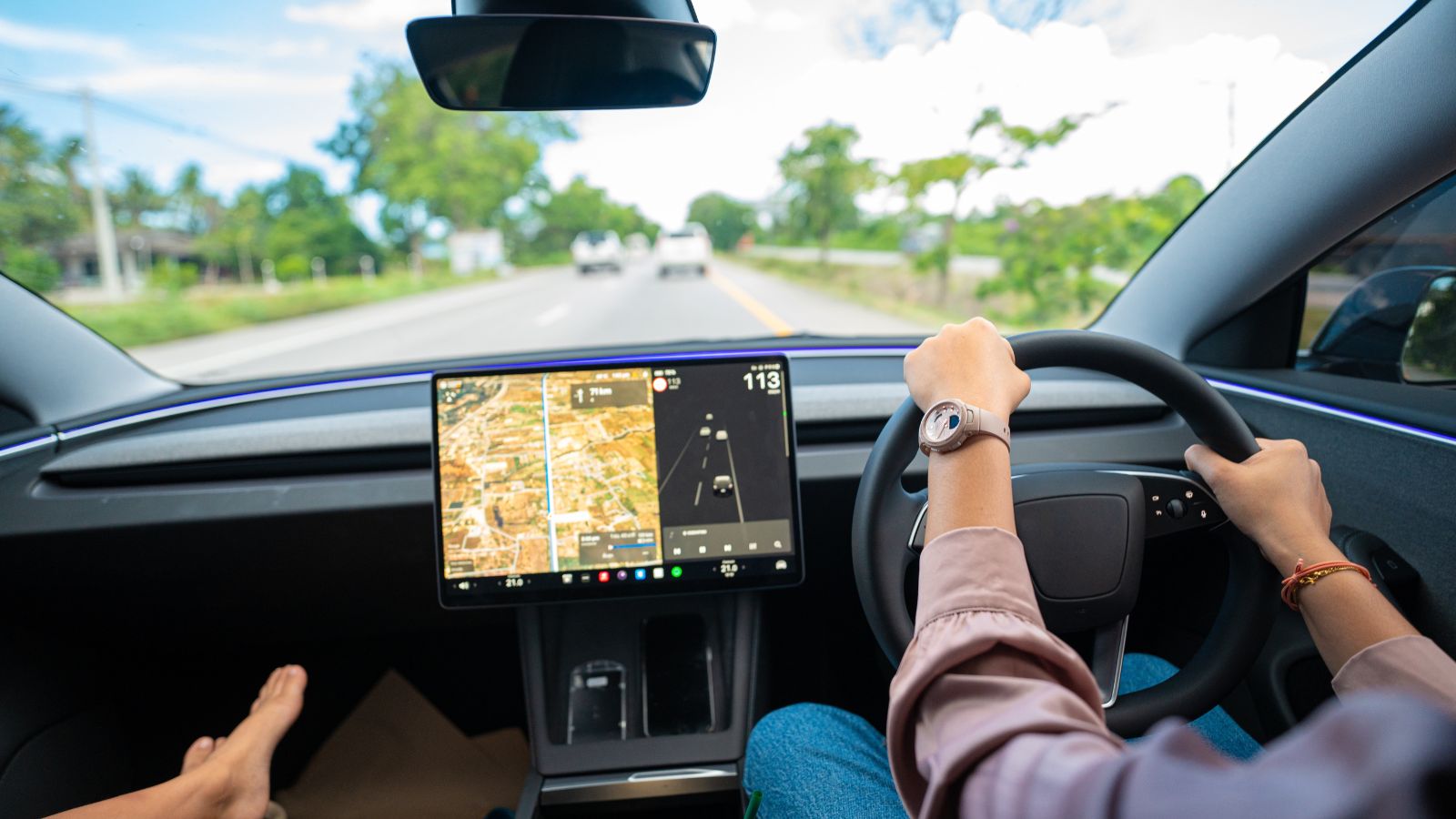
The traditional ownership model was straightforward: buy a feature with the vehicle and continue using it. Connected cars have complicated that relationship by introducing recurring payments for certain remote, navigation, security, and convenience services.
Canadian automaker websites provide plenty of examples. Volkswagen Canada lists paid Remote Access subscriptions after included service periods for eligible vehicles. Mazda Canada says certain Connected Services convenience features require a paid monthly subscription after their complimentary period ends, while several Stellantis brands divide connected functionality between included and premium plans. These charges generally pay for remote connectivity and online services rather than the basic physical operation of the vehicle, so they should not be confused with paying monthly simply to turn an ordinary dashboard knob. Still, the broader experience can influence buying preferences. Someone already managing streaming subscriptions, phone plans, cloud storage, and other recurring bills may find an automotive feature that requires no login, app, trial period, or renewal refreshingly uncomplicated. Sometimes the appeal of a button is simply that the button has no terms of service.
Connected Cars Raise Genuine Privacy Questions
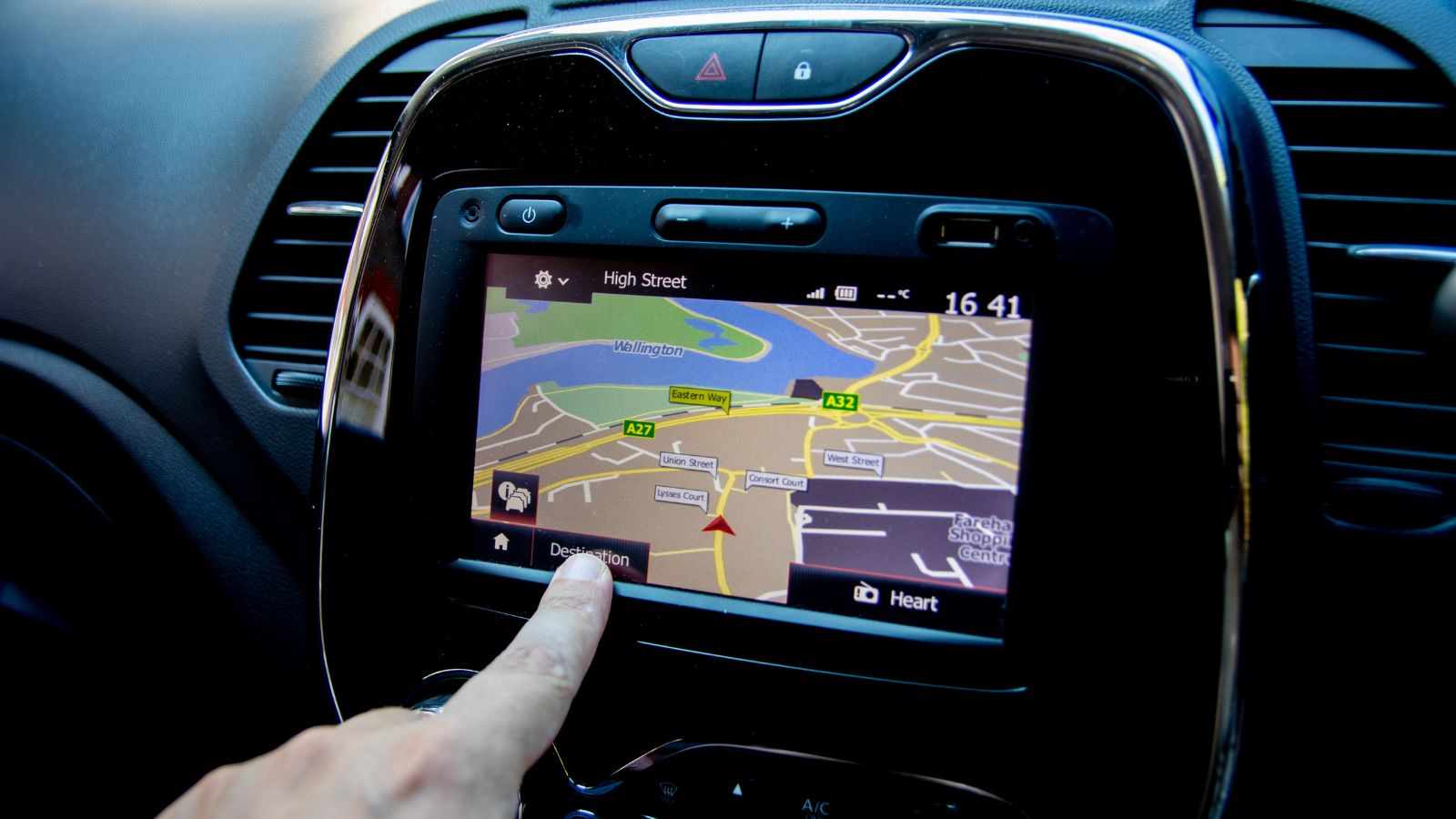
A manual climate dial knows remarkably little about its owner. Connected vehicle platforms can know considerably more. Navigation systems, companion apps, driver profiles, telematics, microphones, and other connected functions can generate information about how and where a vehicle is being used.
Canada’s Privacy Commissioner has publicly highlighted this issue. In April 2026, Commissioner Philippe Dufresne told a parliamentary committee that modern connected vehicles can collect and transmit substantial amounts of personal information, potentially including location history, driving behaviour, and preferences. The Office of the Privacy Commissioner has also supported Canadian research examining what permissions automakers require from customers to access connected features and applications. Physical buttons do not make an entire vehicle private—modern cars can collect information regardless of whether the dashboard has knobs—but drivers seeking simpler vehicles may also be seeking fewer accounts, fewer connected services, and less data sharing. For privacy-conscious buyers, the attraction is not necessarily a 1990s-style cabin. It is a vehicle in which ordinary functions remain ordinary and do not require constant digital participation.
Canada Still Has Places Where Connectivity Disappears
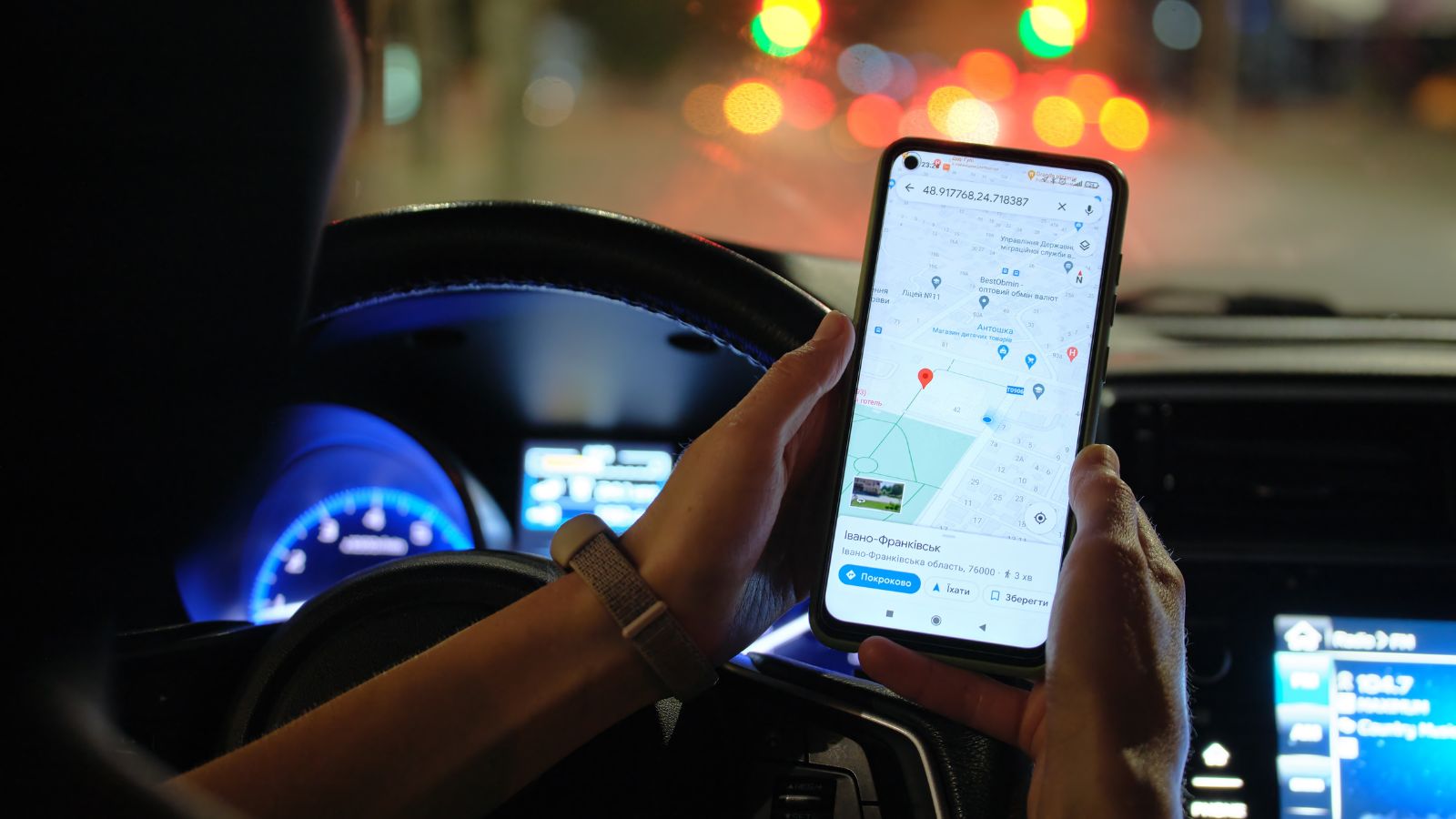
Connected functions can feel effortless in downtown Toronto, Vancouver, Calgary, or Montreal, where cellular coverage is generally strong. Canada becomes a different country once the road stretches through mountain passes, northern communities, forests, agricultural regions, and long rural corridors.
CRTC reporting shows that mobile networks reach nearly all Canadians by population, yet road coverage remains less complete. Its telecommunications reporting states that slightly more than 100,000 kilometres, or about 87% of major roads and highways in the relevant dataset, had mobile coverage. Rural and underserved regions also continue to trail major urban areas in newer network availability. Automakers themselves acknowledge the limitation: connected-service terms commonly note that features depend on compatible cellular coverage. Core vehicle controls generally do not disappear when a signal does. Navigation can be designed for offline operation and most vehicles retain essential functionality without connectivity, but Canadians who routinely drive beyond dependable service areas may place extra value on features that function locally, instantly, and independently of a network connection.
Simpler Controls Can Be More Inclusive for Older Drivers

Canada is getting older. Statistics Canada estimated that 19.5% of the population was aged 65 or older on July 1, 2025. As that proportion grows, vehicle-interface design increasingly needs to work not only for digitally confident younger buyers but also for people experiencing normal age-related changes in vision, dexterity, attention, and reaction time.
Research examining in-vehicle information systems has found meaningful age differences. One study comparing drivers aged 21 to 36 with those aged 55 to 75 found that the older group generally took longer to complete infotainment tasks, responded more slowly to stimuli, and experienced greater task demand. Researchers concluded that older drivers may particularly benefit from interface designs that help maintain forward visual attention, including carefully positioned physical controls and dials. That does not mean older Canadians cannot use modern interfaces, nor are younger drivers automatically better at them. Good design benefits everyone. But clear labels, distinctive knobs, and predictable buttons can reduce unnecessary complexity for a population whose needs are becoming increasingly important to automotive designers.
Even Automakers and Safety Organizations Are Reconsidering the Screen-Only Cabin
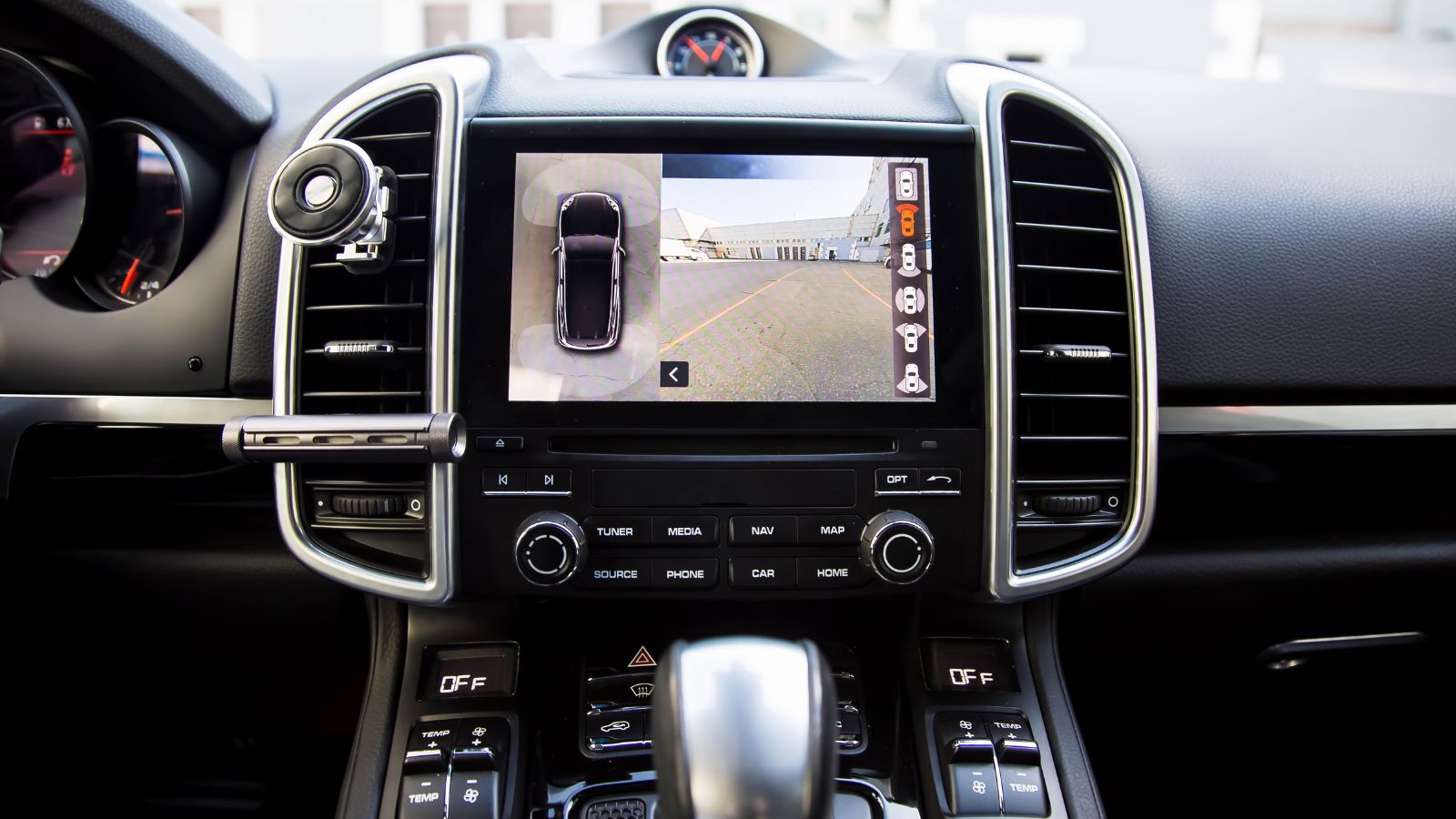
Perhaps the strongest sign that physical controls are not simply nostalgia is that automotive designers themselves are reconsidering how far the touchscreen trend should go. Hyundai representatives have publicly discussed customer frustration when frequently used functions are difficult to access quickly, while several newer interiors have restored or retained physical controls for common tasks.
Safety organizations are moving in a similar direction. Euro NCAP’s revised 2026 assessment procedures put greater emphasis on the usability of essential controls and the availability of physical interfaces for commonly used functions. Its guidance specifically addresses controls such as indicators, hazard lights, the horn, windshield wipers, and headlights. Euro NCAP does not regulate Canadian vehicles, but global platforms are frequently engineered for several markets, meaning European design incentives can influence models eventually sold in Canada. The likely future is not a total rejection of screens. Navigation, cameras, media libraries, and configurable information can work beautifully on displays. The emerging compromise is more practical: screens for functions screens handle well, and dependable physical controls for tasks drivers need immediately.
19 Used Cars Canadians Should Avoid in 2026 (Based on Owner Complaints)

Buying a used car in Canada can feel safe until repair bills start stacking up. Owner complaints tell a different story than glossy listings. Transmission failures, electrical problems, and weak winter reliability show up again and again in consumer reports. Many of these issues appear after warranties expire, when owners least expect them. Some vehicles look affordable upfront, but become expensive to keep on the road. Others struggle in cold weather, urban driving, or long highway commutes. Here are 19 used cars Canadians should avoid in 2026 (based on owner complaints).
19 Used Cars Canadians Should Avoid in 2026 (Based on Owner Complaints)

Alanna Rosen is an experienced content writer that focuses on many EV and educational content. Her articles are regularly published on Get CyberTrucked and syndicated on large publications.