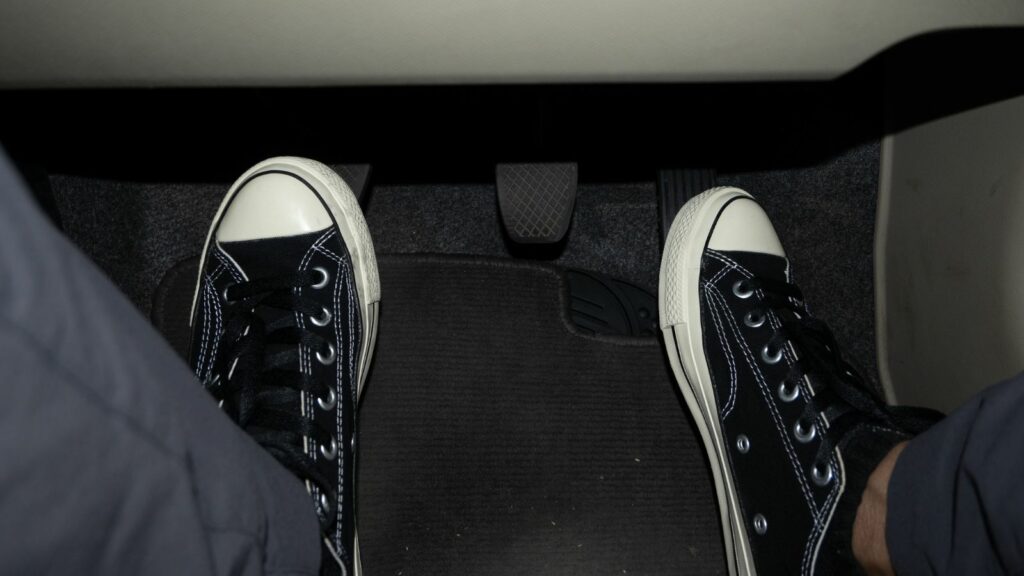
Cars rarely develop expensive problems because of one dramatic moment. More often, wear accumulates quietly through habits repeated on every commute, parking maneuver or weekend trip. Brakes are overheated, tires are scrubbed away, transmissions absorb unnecessary loads, and engines endure operating conditions their designers specifically advise against.
These 19 driving habits are the kinds of patterns that can make an experienced mechanic expect trouble before an obvious failure appears. Some mainly shorten the life of normal wear items, while others can turn a manageable mechanical issue into a major repair. Most have something important in common: changing the habit costs little or nothing compared with repairing the damage it may eventually create.
Hard Launches Put More Than Fuel at Risk
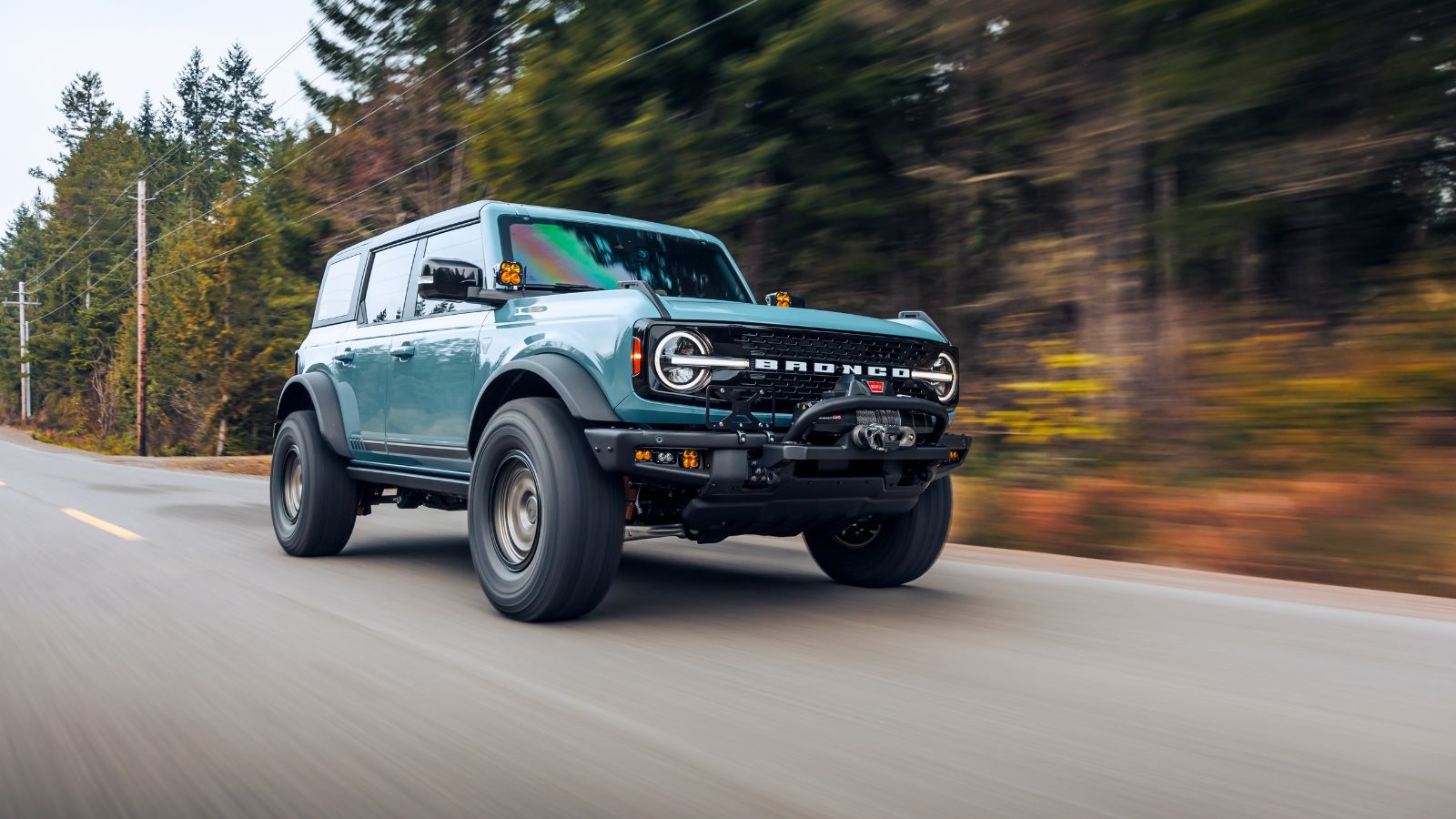
A hard launch feels brief, but the mechanical load arrives at once. Rapid acceleration asks the engine and transmission to deliver high torque immediately while the driven tires scrub harder against the pavement. AAA notes that quick acceleration can increase stress on the engine, tires and suspension, while Michelin says hard acceleration accelerates tread wear on driven wheels. Repeated every day, that habit can turn commuting into a much harsher duty cycle.
Mechanics often notice the pattern indirectly: tires disappear faster than expected, mounts and driveline components see more abrupt loading, and fuel economy falls. The concern is not that one brisk merge will break a healthy car. Trouble comes from making every green light a launch. Smooth, progressive throttle lets the drivetrain take up load more gradually and helps preserve tires. A driver who consistently accelerates gently is usually giving several expensive systems an easier life over the years.
Late, Hard Braking Eats Through Wear Parts

Waiting until the last moment to brake forces the system to convert more vehicle energy into heat over a shorter period. AAA advises that hard and frequent braking, particularly from higher speeds, wears brake components faster. Michelin also notes that hard braking can accelerate tire wear or create localized flat spotting. Repeated late stops can punish both the friction materials at the wheels and the tires supporting them.
That is why mechanics pay attention when a driver describes every stop as abrupt. Pads are designed to wear, but aggressive use can shorten the interval before pads, rotors or related hardware need attention. AAA currently cites typical brake-pad replacement costs of roughly $300 to $500 per axle, illustrating how a driving habit can become an ownership expense. Leaving more following distance and braking progressively reduces heat and gives the system more time to do the job with less stress over time.
Riding the Brakes Downhill Builds Dangerous Heat
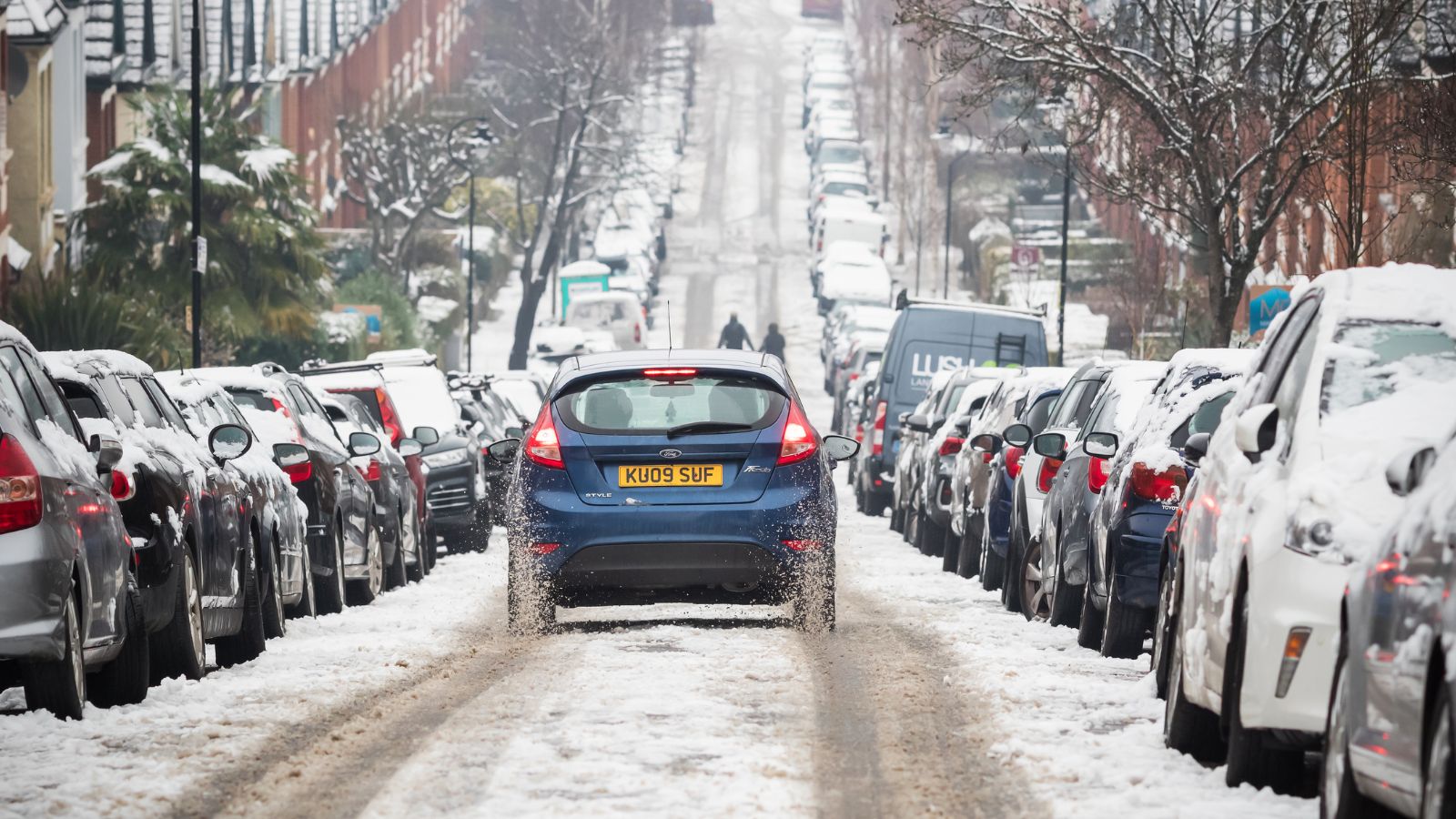
Keeping steady pressure on the brake pedal down a long grade can make a mechanic uneasy because heat is the enemy of consistent braking. Ford owner guidance warns that continuous brake application can overheat the brakes and temporarily reduce braking effectiveness. Its manuals also advise selecting a lower gear before a steep descent so the engine can help control speed instead of leaving the entire load to the brakes.
The warning matters more on mountain roads, with a loaded vehicle or while towing, because a long descent may provide little recovery time. A driver may first notice a soft pedal, a hot smell or reduced response, all worth attention. Using an appropriate lower gear, maintaining a sensible speed and applying the brakes in a controlled way reduces sustained heat. Mechanics would rather inspect normally worn pads than heat-damaged components after repeated long grades with heavy loads during repeated mountain descents.
Resting a Foot on the Clutch Keeps It Working
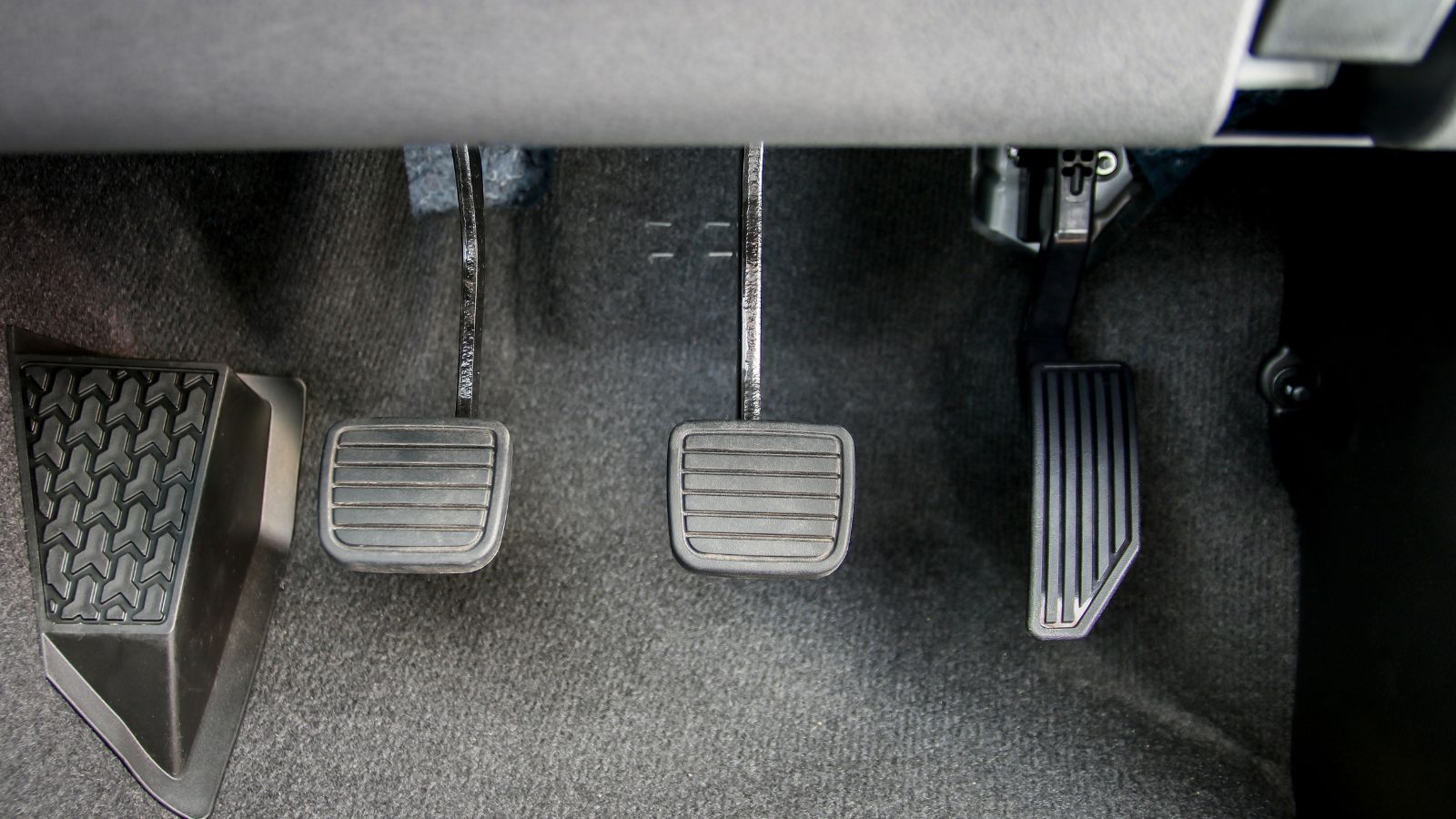
In a manual-transmission car, the clutch pedal should not serve as a footrest. Ford’s manual-transmission guidance specifically warns against resting a foot on the clutch pedal because it can damage the clutch. Even light, unintended pressure can keep the release system loaded and may prevent the clutch from remaining fully engaged while the vehicle is cruising.
A mechanic hearing that a driver routinely keeps a foot hovering on the pedal will immediately think about premature clutch wear and release-bearing stress. The problem is repetition rather than drama: a clutch may tolerate occasional imperfection, but partial pressure adds unnecessary work. A better habit is to move the left foot to the dead pedal or floor after each shift. That change makes full clutch engagement more likely and can help preserve a component whose replacement requires substantial labor because the transmission must be separated from the engine after months of daily driving.
Holding the Car on a Hill With the Clutch Creates Heat
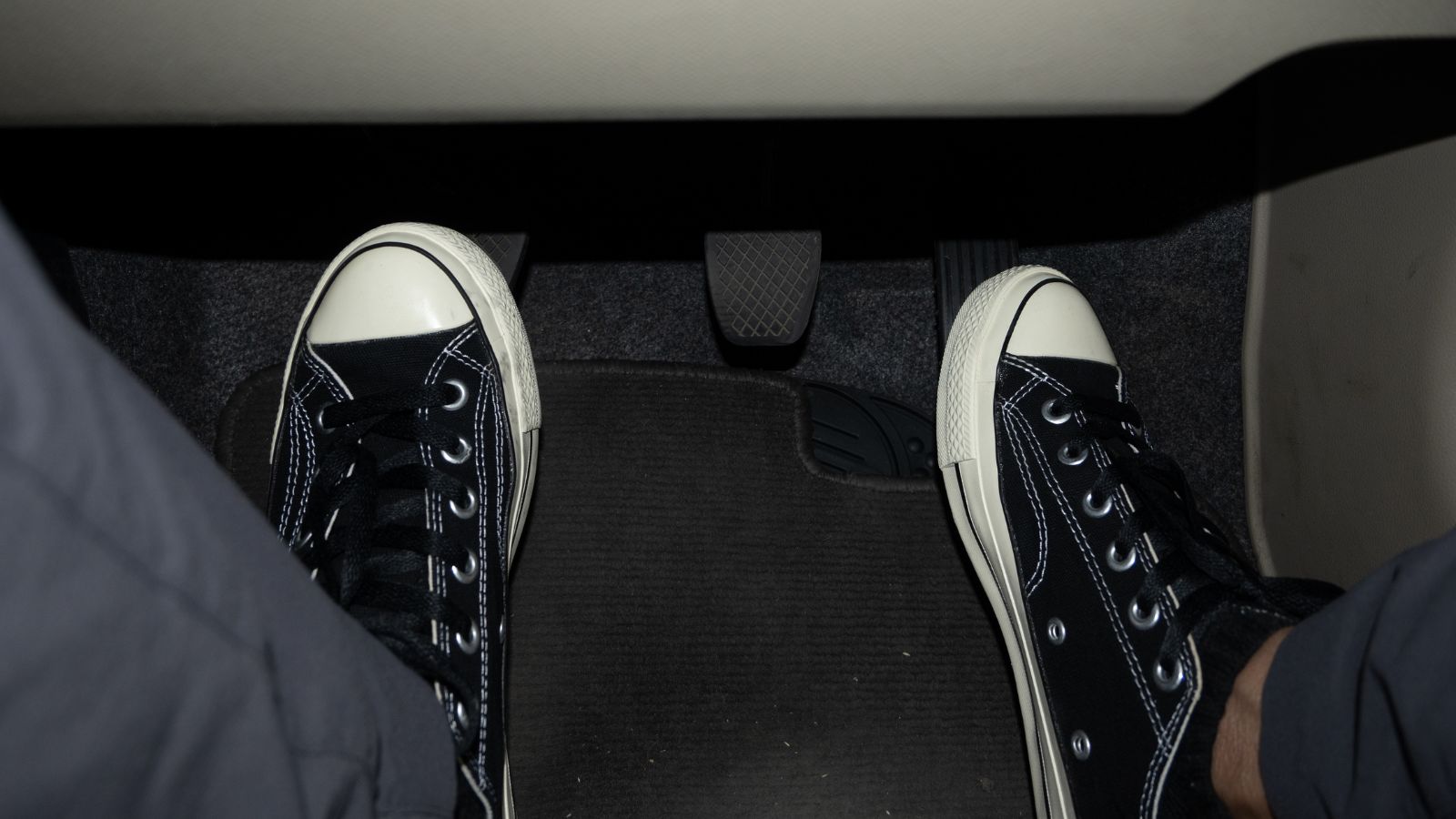
Balancing a manual car on an incline by slipping the clutch feels controlled, but the friction material pays for it. Ford tells drivers not to use the clutch pedal to hold a vehicle stationary on a hill. Partial engagement allows the clutch to slip, and that slippage creates heat faster than it can be dissipated. Heat is destructive when the practice is repeated in traffic on hills.
Mechanics may recognize the consequences as a burning smell, a rising engagement point or a clutch that begins to slip under acceleration. The safer mechanical approach is to let the brakes hold the car while the clutch remains fully disengaged, then make a controlled launch when it is time to move. Hill-start assist can help. A parking brake can help too. The principle is simple: use the brakes to hold the car and reserve the clutch for connecting engine power to the drivetrain.
Shifting Between Drive and Reverse Before Stopping Shocks the Drivetrain
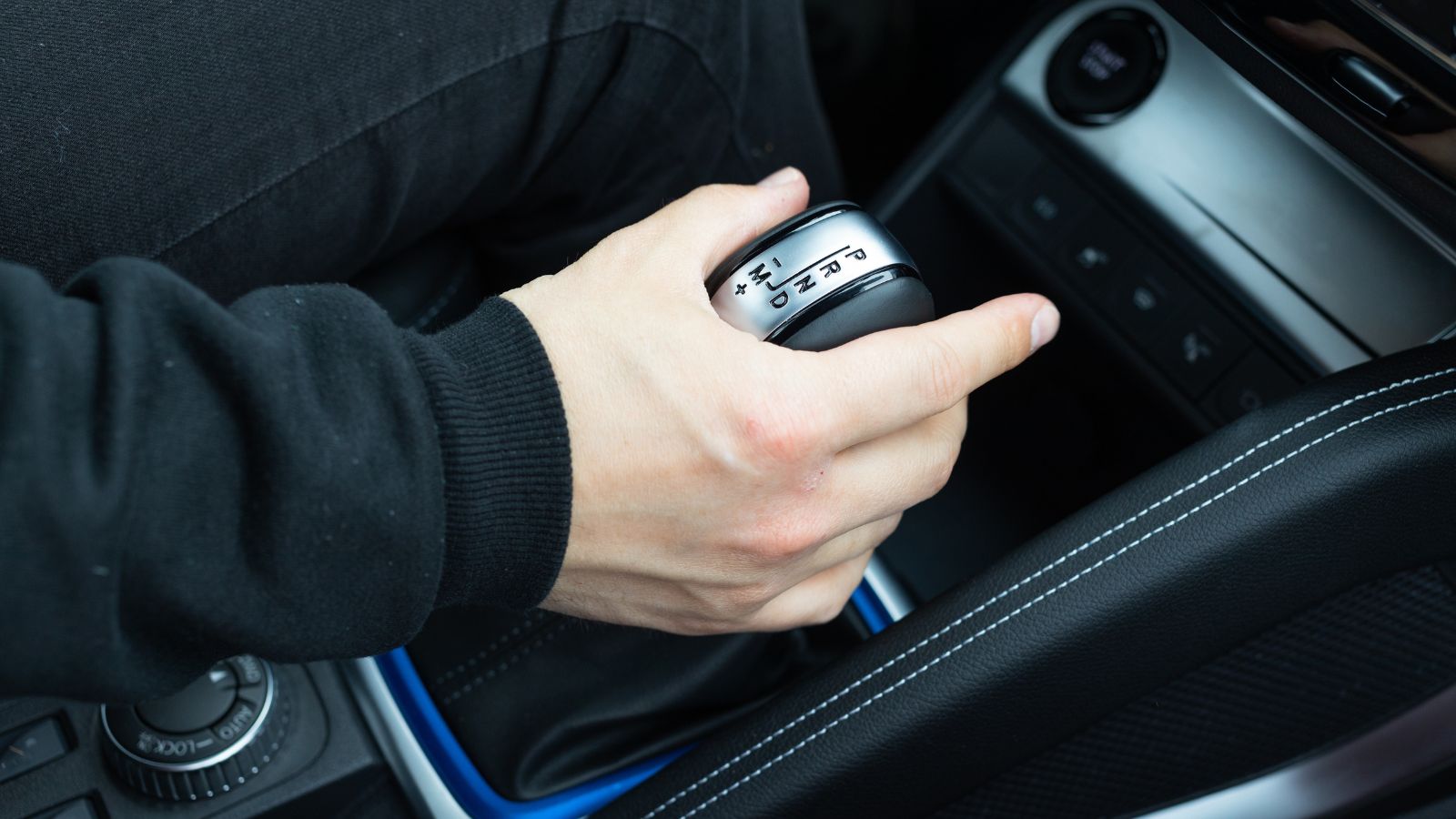
A parking maneuver sometimes tempts drivers to select reverse while the car is still rolling forward, or drive while it is still moving backward. Ford manuals for manual transmissions explicitly warn not to select reverse while the vehicle is moving because transmission damage can result. Automatic transmissions also rely on internal clutches, gears and control systems designed for controlled direction changes.
Mechanics dislike the habit because the transmission is being asked to oppose the vehicle’s remaining momentum instead of transferring engine power. One shift may not produce an immediate failure, but repeated direction changes under load can be an avoidable source of stress. The fix is simple: finish the stop, keep the brake applied, then select the opposite direction. Taking one extra second while parking is far cheaper than turning a routine maneuver into a transmission complaint. The pause gives the driver time to confirm the selected gear before moving.
Using the Gear Lever as a Hand Rest Adds Unwanted Load
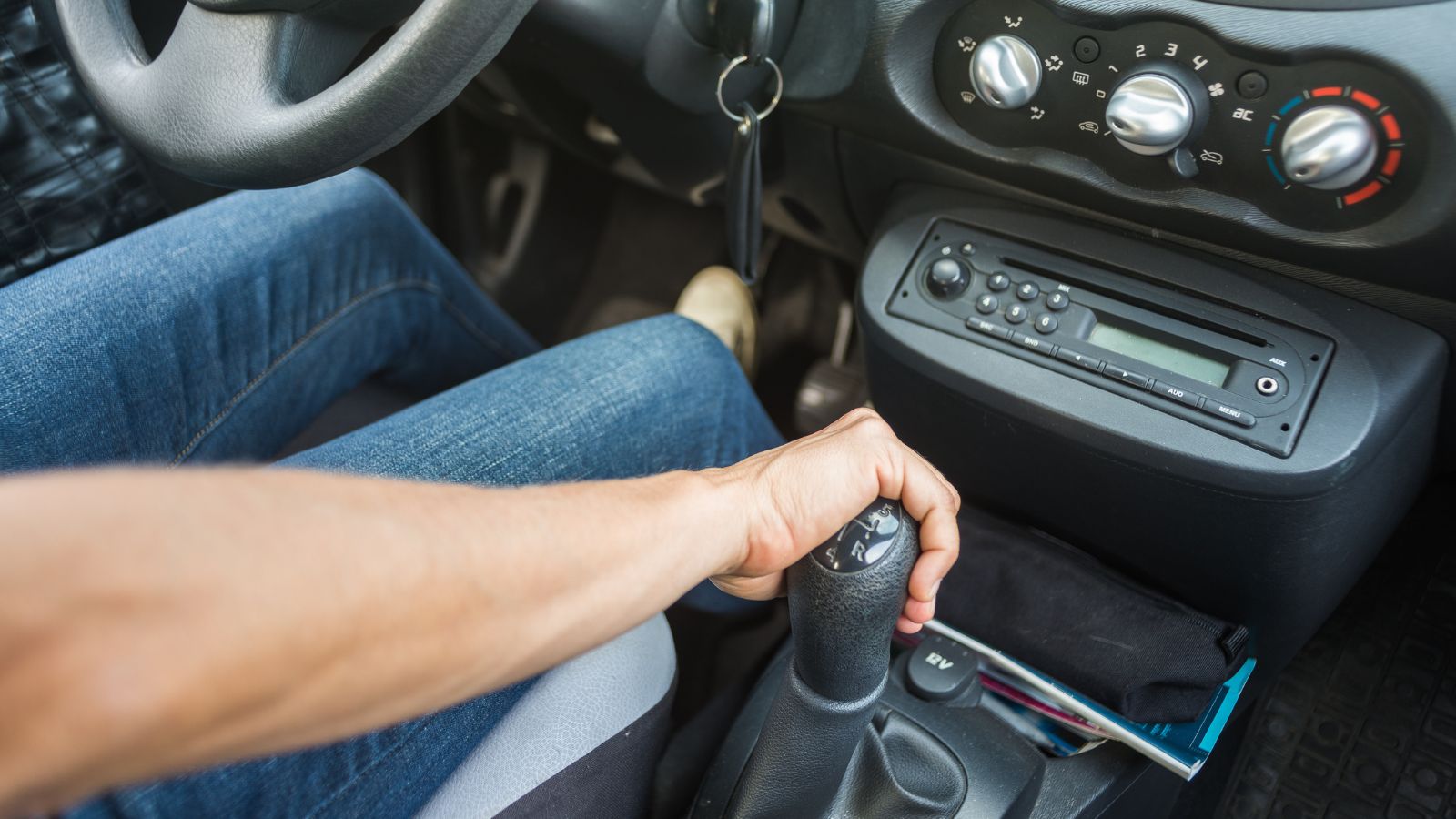
The manual shifter is a control, not an armrest. Ford’s manual-transmission precautions tell drivers not to rest a hand on the gearshift lever because doing so can cause transmission damage. The lever is connected to the shift mechanism, so a hand load can transmit force into parts that are not intended to remain loaded after a gear is selected. The pressure may feel tiny, but it can persist for miles.
This is the kind of habit a mechanic may ask about when investigating unusual shift feel or wear, when the car has seemed normal for years. The better routine is to complete the shift and return the hand to the steering wheel. That improves vehicle control because both hands are available when needed. For drivers who learned to cruise with one hand on the lever, changing the habit removes one unnecessary mechanical load without changing speed, comfort or everyday convenience.
Taking Potholes at Speed Can Damage More Than a Tire
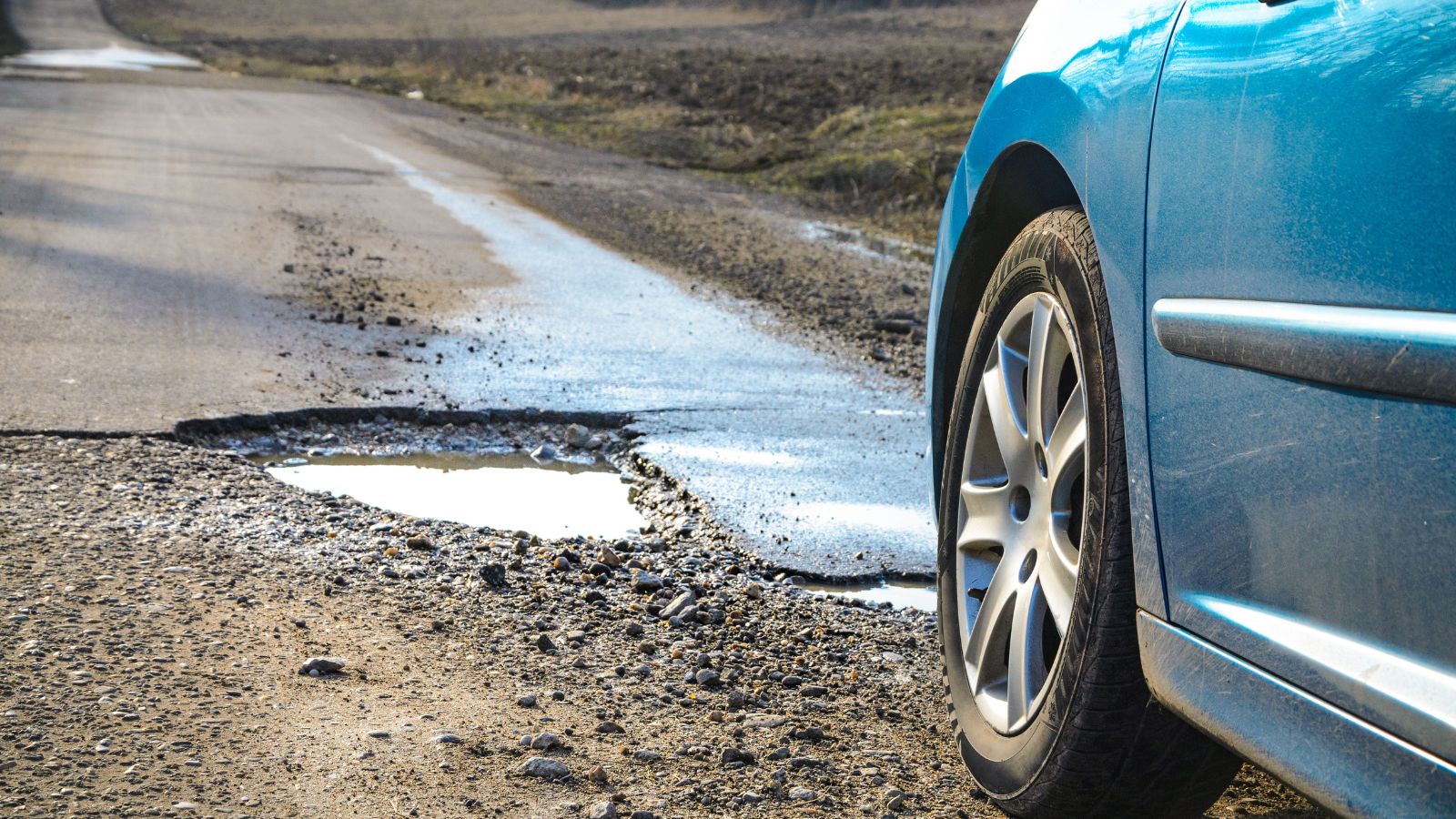
A pothole strike can transmit a sharp impact through the tire, wheel and suspension instantly. AAA says hitting a pothole at higher speed greatly increases the chance of damage to tires, wheels and suspension components. An impact can knock a wheel out of alignment, dislodge wheel weights or bend suspension parts. Sometimes the tire survives while the alignment or wheel takes the hit.
Mechanics worry when a driver treats rough pavement as something to power through. The evidence may arrive later as a steering pull, vibration, uneven tire wear or a new clunk. AAA recommends slowing safely when a pothole cannot be avoided and having the vehicle inspected if symptoms appear afterward. Braking violently at the edge of the hole can create problems, so awareness and speed reduction matter. Avoiding one severe impact can spare several components that are more expensive than the pothole looked from behind the windshield overall.
Ignoring Tire Pressure Makes the Tire Work Harder
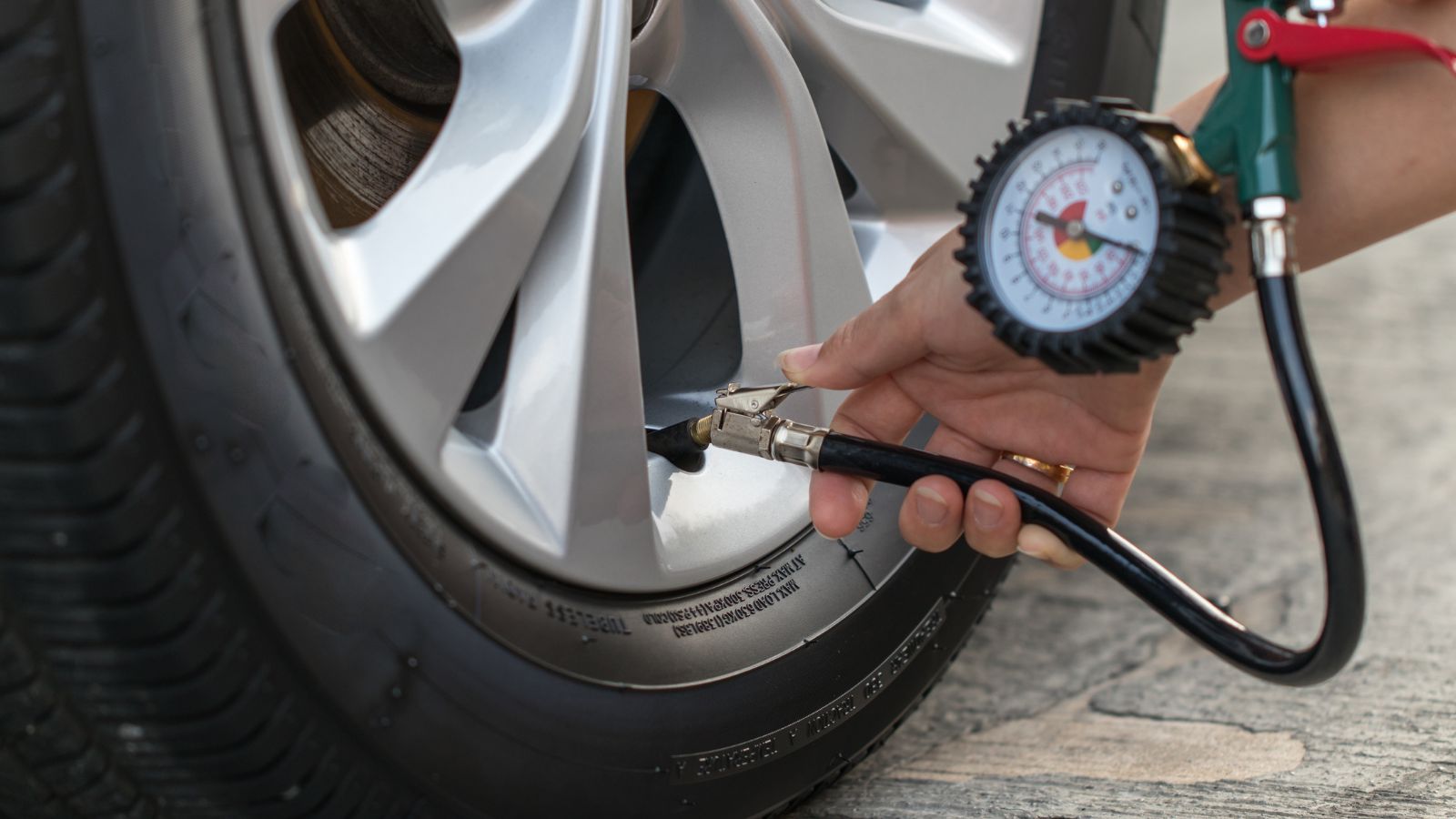
Underinflated tires do not merely look a little soft. NHTSA explains that low pressure increases tire flexing and heat, reduces fuel efficiency and tread life, and can affect handling and stopping. The agency recommends checking pressures when tires are cold. A tire-pressure monitoring light is useful, but NHTSA notes that the system is not a substitute for regular pressure checks.
Mechanics see the consequences in worn shoulders, overheated tires and complaints about vague handling. NHTSA reported 511 deaths in tire-related crashes in 2024, showing tire care is about more than cost. The correct pressure is the vehicle manufacturer’s specification on the door placard or in the owner’s manual, not the maximum pressure molded into the tire sidewall. Checking monthly takes minutes and can protect fuel economy, tire life and stability while reducing heat-related risk. Habitually driving on low pressure quietly turns a maintenance oversight into repeated mechanical stress over time.
Overloading the Car Stresses Several Systems at Once
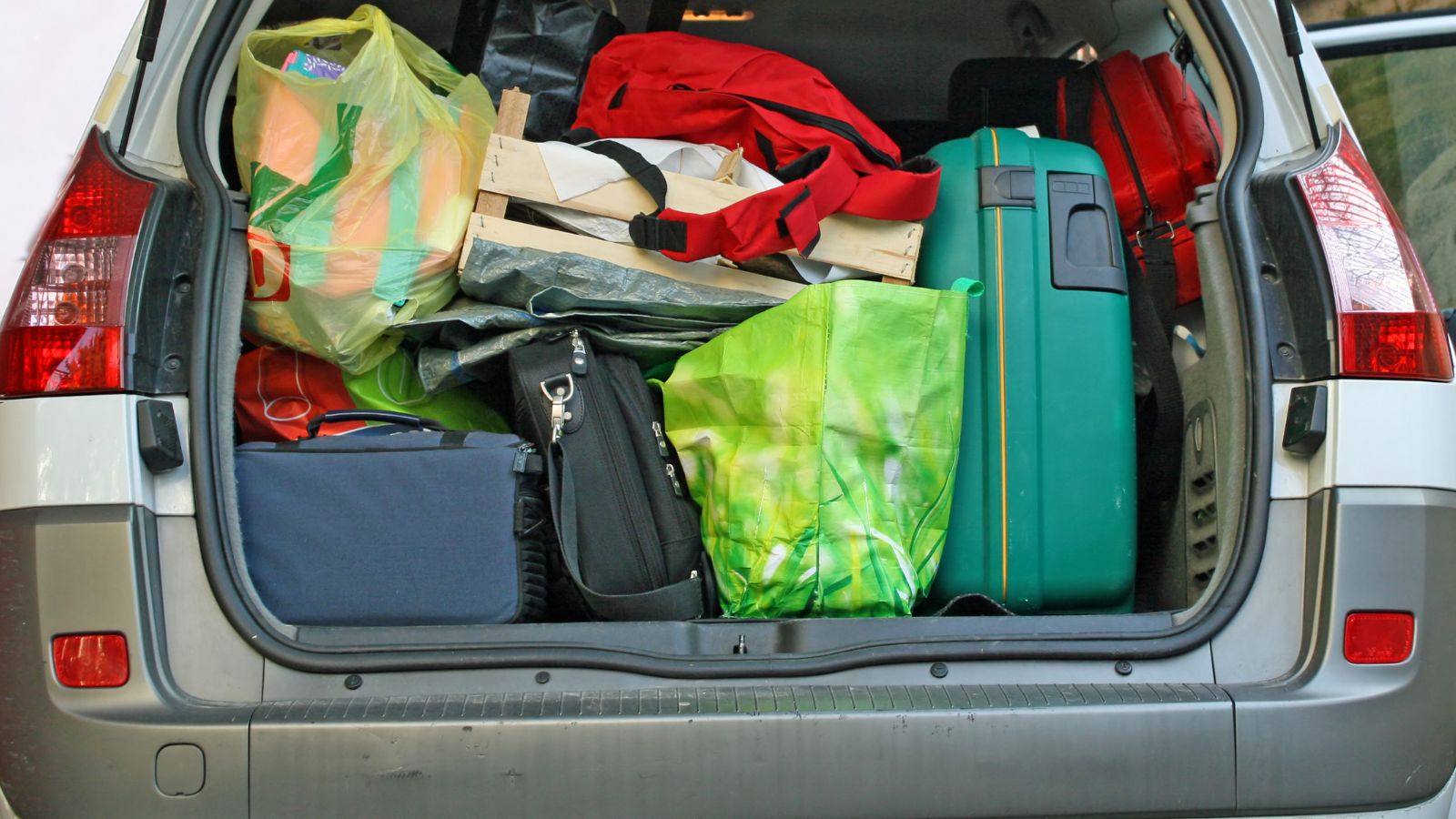
A cargo area can still have space after the vehicle has reached its allowable weight. NHTSA safety guidance requires manufacturers to provide load information and warns about the adverse consequences of overloading for tires, handling and stopping. Ford likewise warns that exceeding vehicle weight ratings can affect performance and handling, cause damage and increase stopping distance. Weight limits are engineering limits, not suggestions about whether another suitcase will fit.
Mechanics worry about overloading because the strain is spread across the vehicle. Tires carry more load, brakes must dissipate more energy, suspension components support greater forces and the powertrain works harder to accelerate the mass. Before a packed trip, the useful number is the payload or occupant-and-cargo limit on the vehicle label. Respecting it keeps the car within the range its tires, brakes, axles and suspension were designed to handle, reducing the chance that a normal trip becomes unusually hard duty.
Towing Beyond the Rating Can Overwork the Entire Vehicle
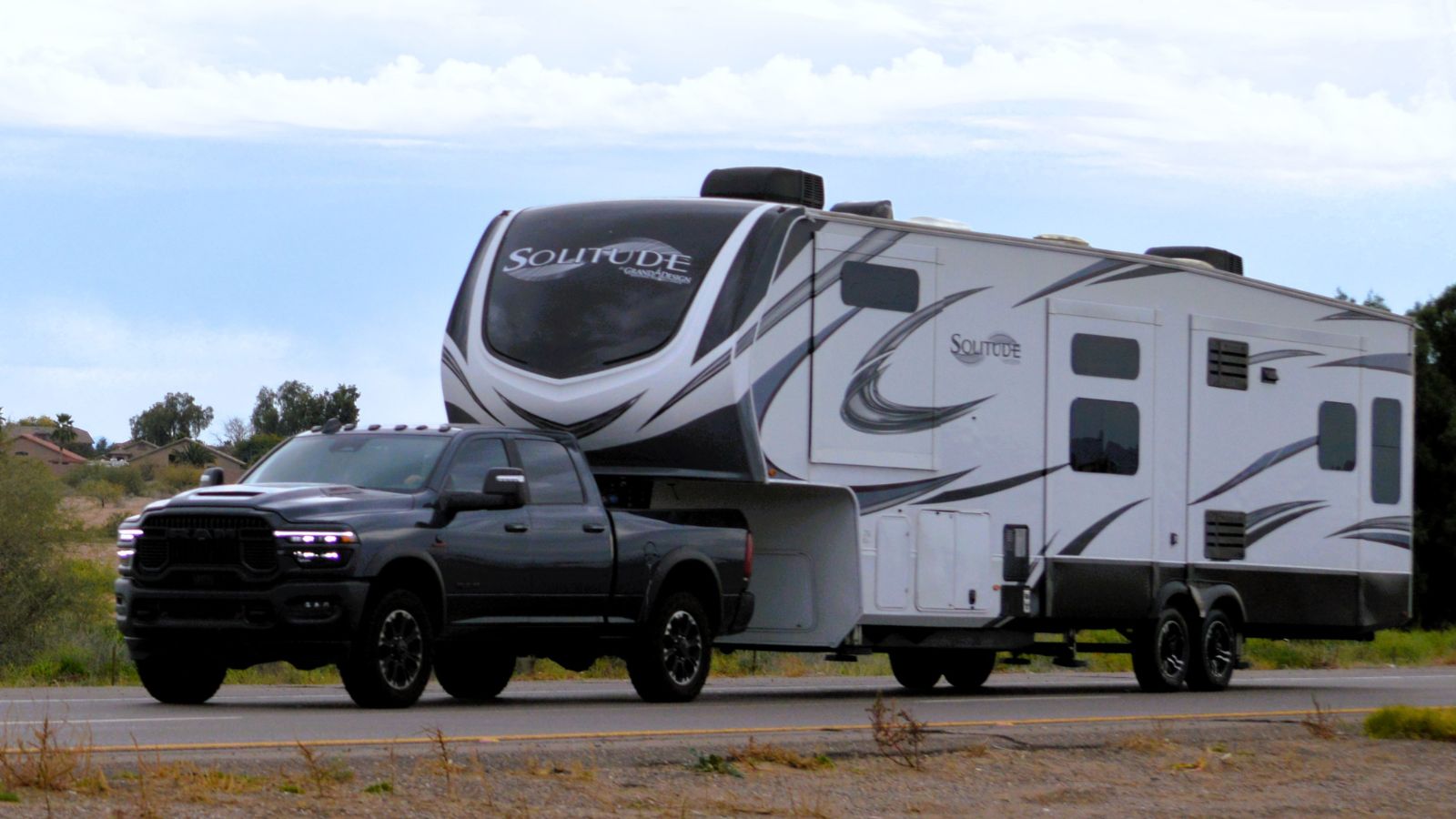
Towing adds demand to the engine, transmission, brakes, tires, axles, cooling system and suspension. Ford owner guidance warns that exceeding the recommended gross trailer weight can cause engine, transmission and structural damage as well as loss of control. Manufacturer towing charts matter even when the vehicle feels powerful enough to pull a heavier load away from a stop.
Mechanics are wary of the phrase, “It towed it fine.” Pulling a trailer on flat ground is only one part of the job; climbing grades, controlling speed downhill and managing heat can reveal the margin. Tongue weight and vehicle payload count, so a trailer can push a vehicle beyond limits before its advertised trailer maximum is reached. The correct approach is to use the exact ratings for that engine, axle, body style and equipment package. Towing within specification reduces preventable heat and load problems, especially during hot weather or long mountain climbs.
Fast Cornering Scrubs Away Tire Life
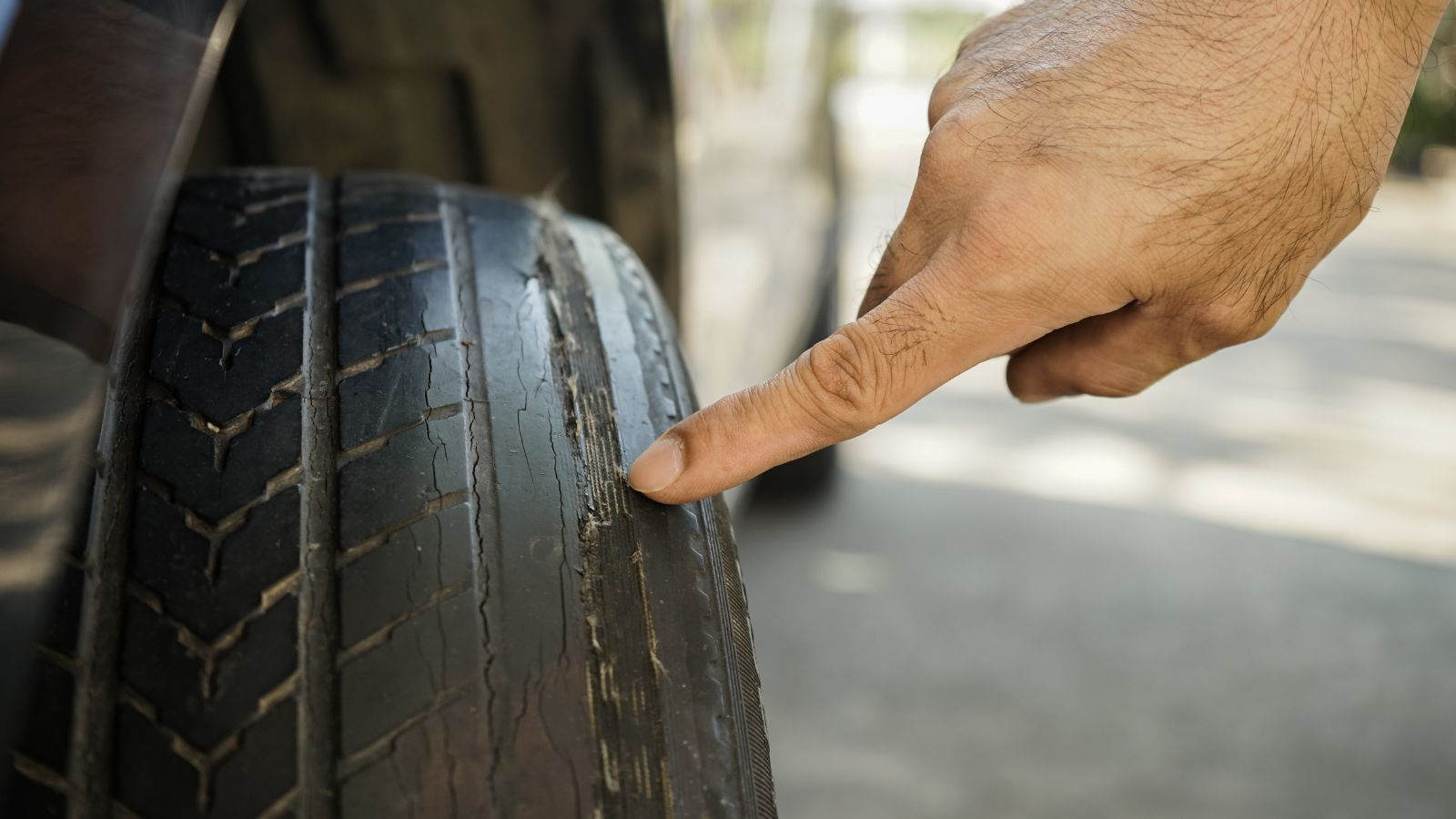
Fast cornering can turn tires into consumables. Michelin explains that aggressive cornering heavily loads the outer shoulder of a tire and can accelerate wear there. Its tire-wear guidance lists hard cornering among the possible causes of one-sided shoulder wear. Repeating high-load turns can therefore shorten tread life even when inflation and alignment are otherwise correct.
A mechanic may notice the pattern before the driver notices any handling problem. Outer shoulders can become more worn while the center tread appears healthy, creating the impression that a tire has aged strangely. Alignment and suspension issues must be ruled out because they can produce similar symptoms. When driving style is the cause, smoother steering inputs and lower corner-entry speeds reduce lateral scrubbing. The point is not to crawl around every bend; it is to stop asking road tires to behave like track-day consumables during routine commuting and make replacement arrive sooner prematurely.
Living on Very Short Trips Can Be Hard on the Battery
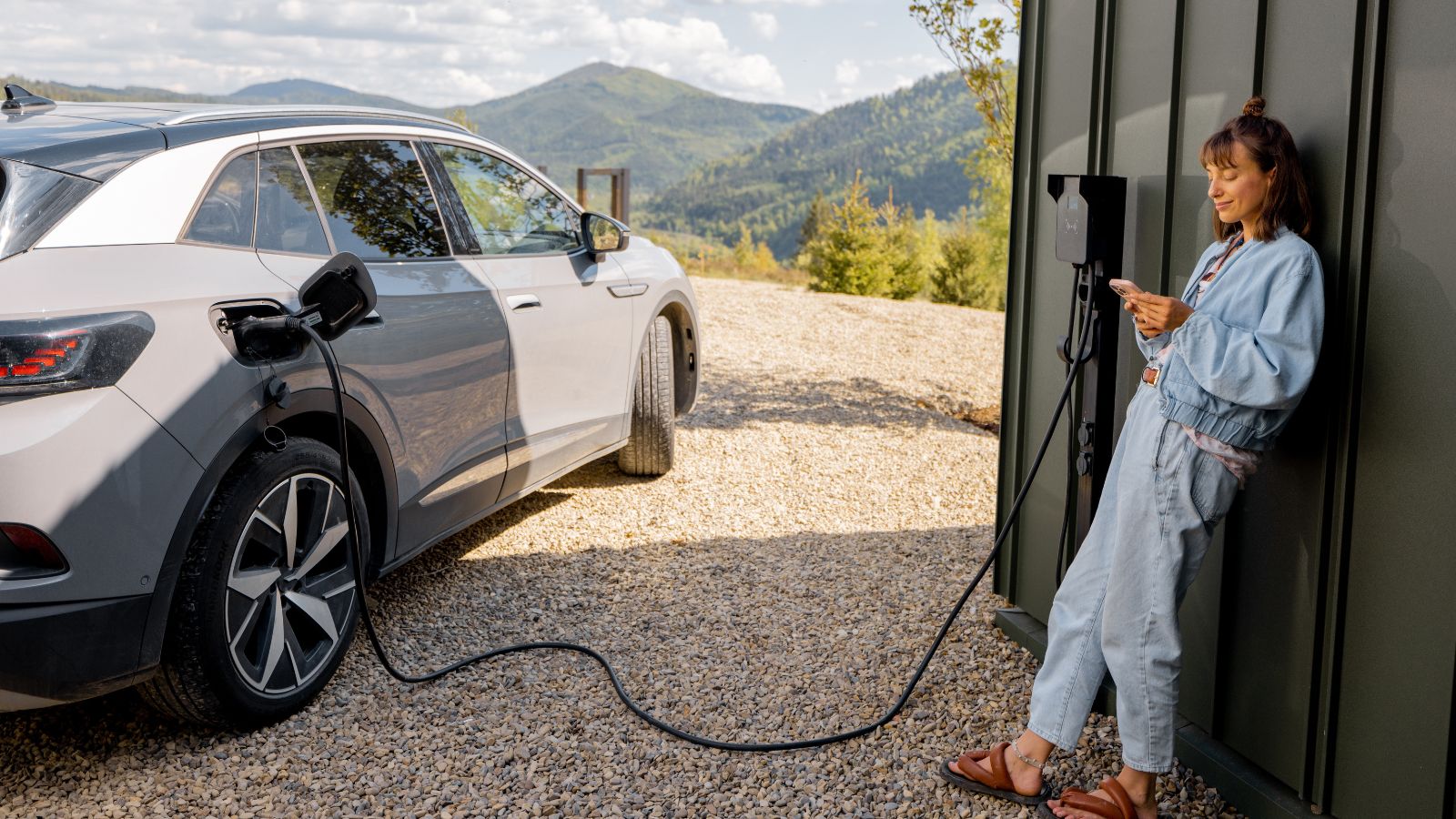
A car that starts many times but rarely runs for long can develop a charging deficit. AAA says batteries in vehicles driven mostly on short trips may not fully recharge after the energy used to start the engine. It also notes that car batteries have a service life of three to five years, with usage patterns affecting how quickly they age. Short errands can matter even when annual mileage is low.
Mechanics meet this pattern when a vehicle “hardly gets driven” yet repeatedly needs a jump. The starting system takes a burst of electrical energy, while the alternator needs running time to replenish the battery. Extreme temperatures and accessories can worsen the imbalance. Combining errands into one drive can help, while vehicles parked for long periods may benefit from a maintenance charger. Low mileage sounds gentle, but low mileage made entirely of short starts and stops is not easy duty.
Long Unnecessary Idling Adds Engine Hours Without Miles

An odometer does not record time spent idling, but the engine still runs. The U.S. Department of Energy says unnecessary idling wastes fuel and causes excess engine wear. Federal guidance estimates that idling vehicles can burn roughly 0.25 to 1 gallon of fuel per hour depending on conditions. A car can therefore accumulate operating time, fuel use and heat while appearing to add almost no mileage.
Mechanics know why this matters when maintenance decisions are based only on distance. Fleet and work vehicles may idle for hours with equipment running, giving the engine a harder life than the odometer suggests. Modern passenger vehicles do not need long warm-up idling sessions, and DOE guidance encourages reducing unnecessary parked idling. Traffic stops are different, of course. Cutting avoidable idle time lowers fuel waste and engine hours, making the car’s recorded mileage a more accurate reflection of how much the engine has operated.
Hard Acceleration Before Warm-Up Increases Engine Wear
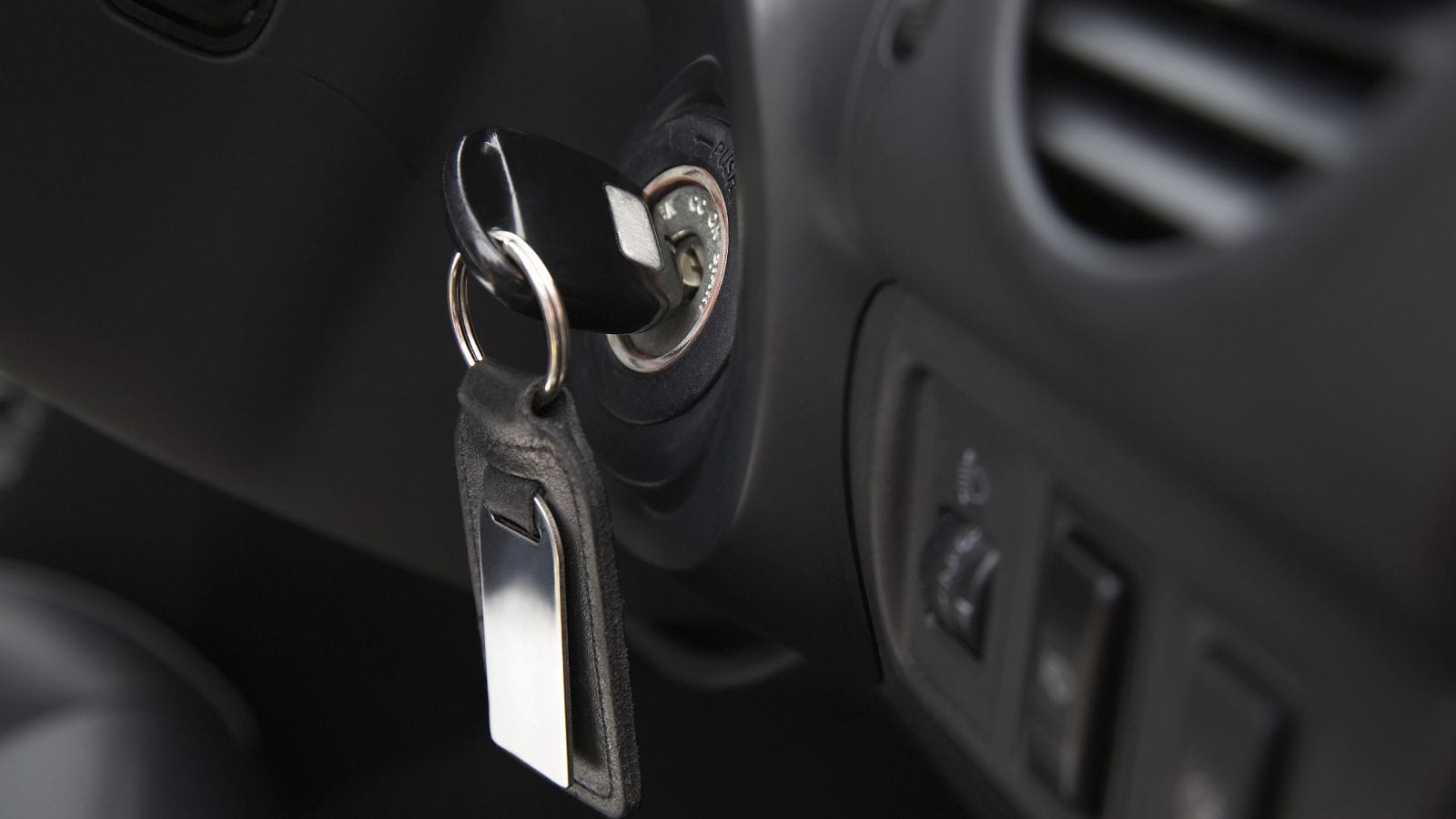
Modern engines can be driven soon after starting, but that does not make a cold engine ready for full-throttle treatment. AAA advises against hard acceleration until the engine reaches operating temperature and notes that hard acceleration with a cold engine can increase engine wear. Fluids and components are still moving toward normal conditions during the first part of a trip, especially in cold weather.
Mechanics distinguish between “warming up by driving” and immediately demanding maximum output. Long stationary warm-ups are unnecessary in modern cars, but gentle driving at first is different. A calm departure lets the engine warm under light load while saving fuel compared with extended idling. Drivers do not need to stare at a gauge; they need to avoid treating the first blocks after startup like a qualifying lap. The habit is relevant for turbocharged or performance vehicles that invite heavy throttle before the powertrain has fully settled.
Driving Through Deep Water Can Turn Into Major Damage
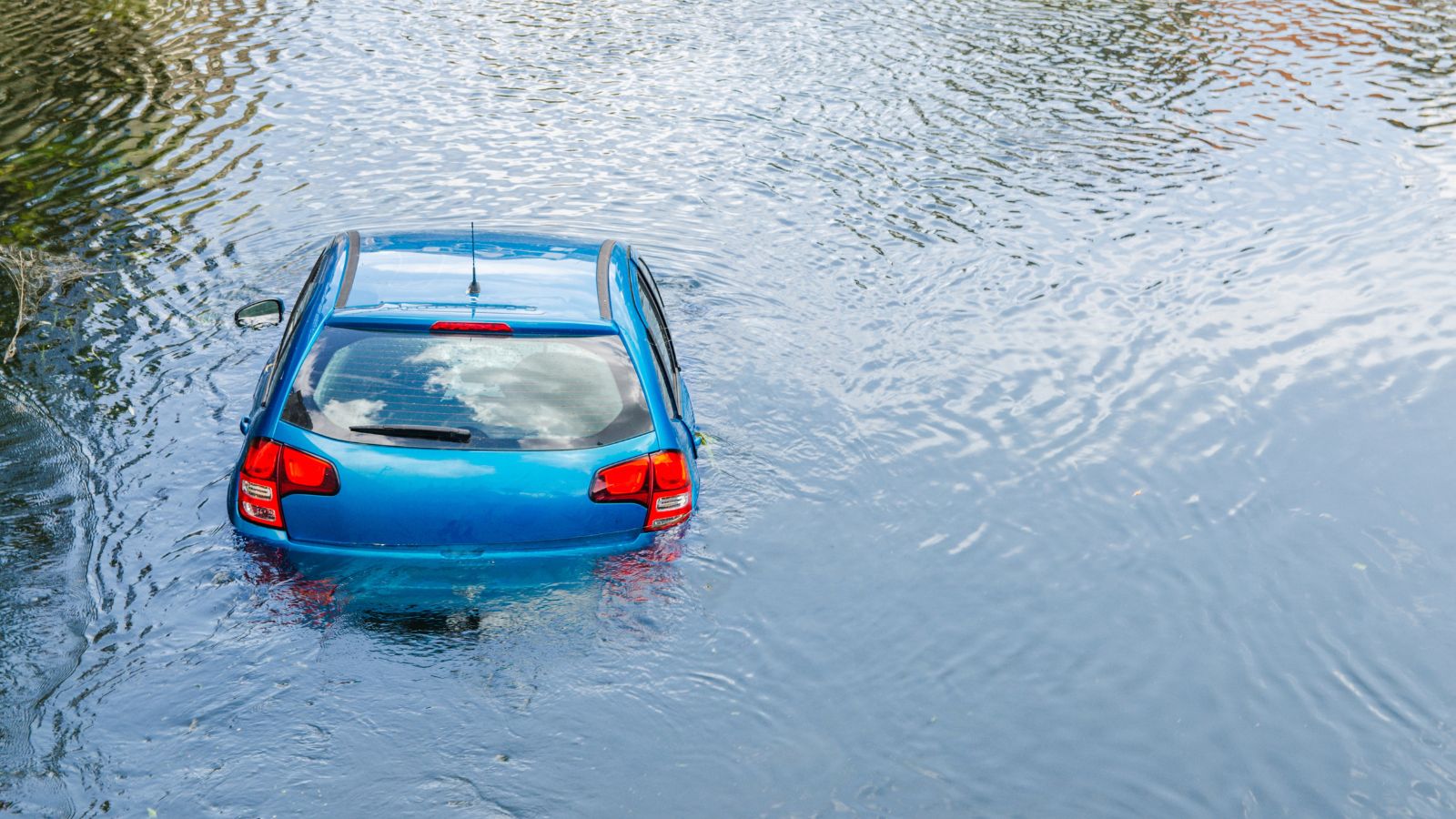
Standing water can hide a deep repair bill. Ford owner manuals warn that engine damage can occur if water enters the air intake or filter and advise against driving through deep or flowing water. Water can also reduce braking effectiveness after a crossing, which is why manufacturer guidance calls for checking brake operation once the vehicle is safely through.
Mechanics take water ingestion seriously because liquids do not compress like the air an engine normally draws. Floodwater can also reach electrical connections, drivetrain components and fluid systems, while corrosion may create problems later. Safe fording depth varies by model; an SUV designed for water crossings is not evidence that a low passenger car can do the same. When depth is uncertain, turning around is often the safer choice. If a vehicle has crossed deep water, new noises, warning lights, contaminated fluids or weak brakes warrant inspection before normal driving resumes.
Ignoring an Oil-Pressure Warning Can Turn a Problem Into an Engine
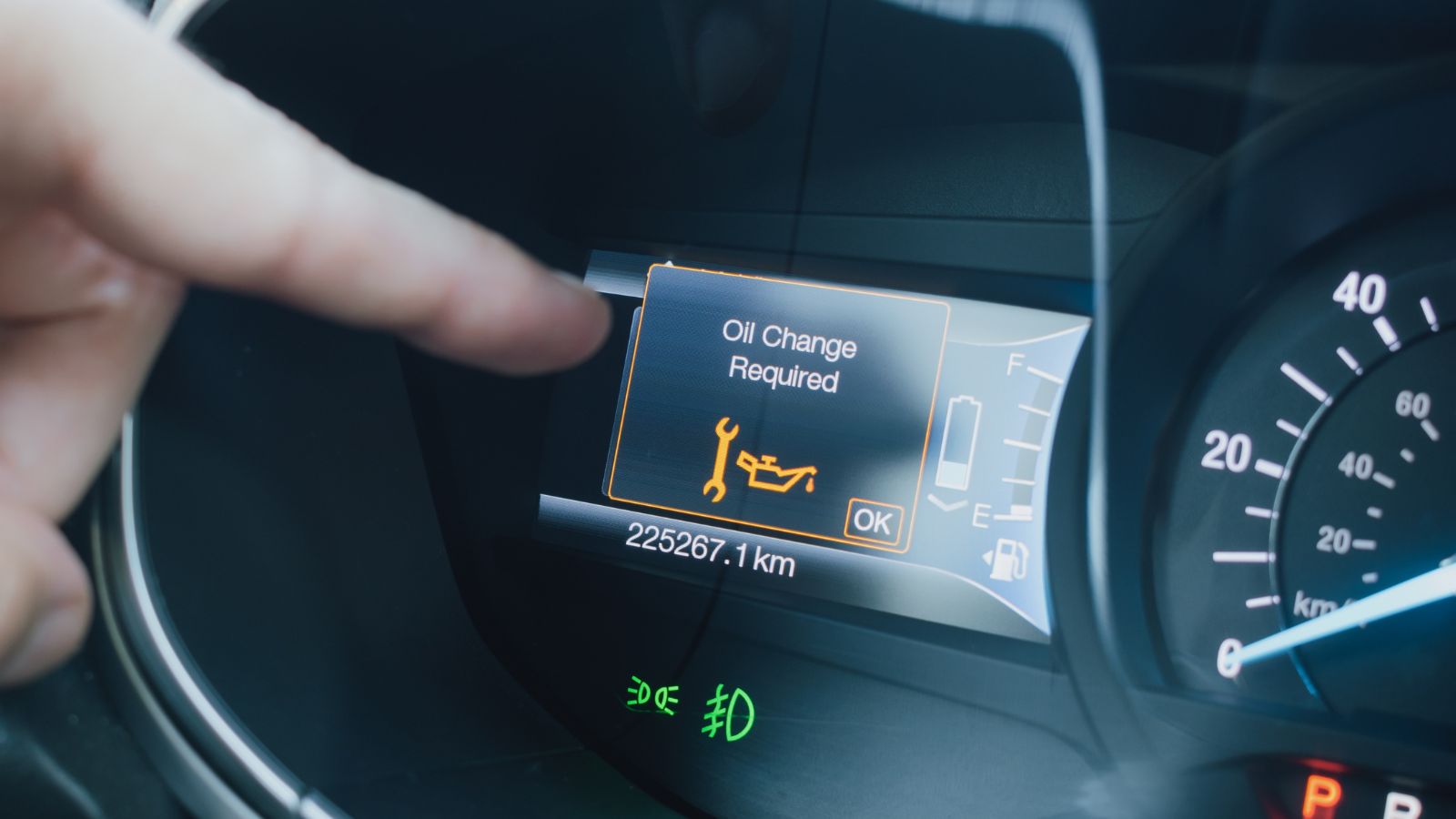
Some warning lights demand an immediate stop. Low oil pressure belongs in that category. Ford owner guidance states that if the oil-pressure warning remains on while the engine is running, continued operation can cause severe engine damage and the engine should be shut off as soon as it is safe. Oil pressure helps keep moving surfaces separated by a protective film of lubricant.
Mechanics dread hearing that a driver went “a few more miles” with the oil-pressure light glowing. The original cause might have been a leak, a failed pump, a clogged pickup, low oil level or a faulty sensor, but continued operation can make diagnosis far more expensive by damaging bearings, camshafts or other internal parts. A red oil-pressure warning should be handled according to the vehicle’s manual, not treated like a routine reminder. Stopping early can mean the difference between fixing the original fault and replacing an engine.
Continuing to Drive an Overheating Engine Risks Severe Damage
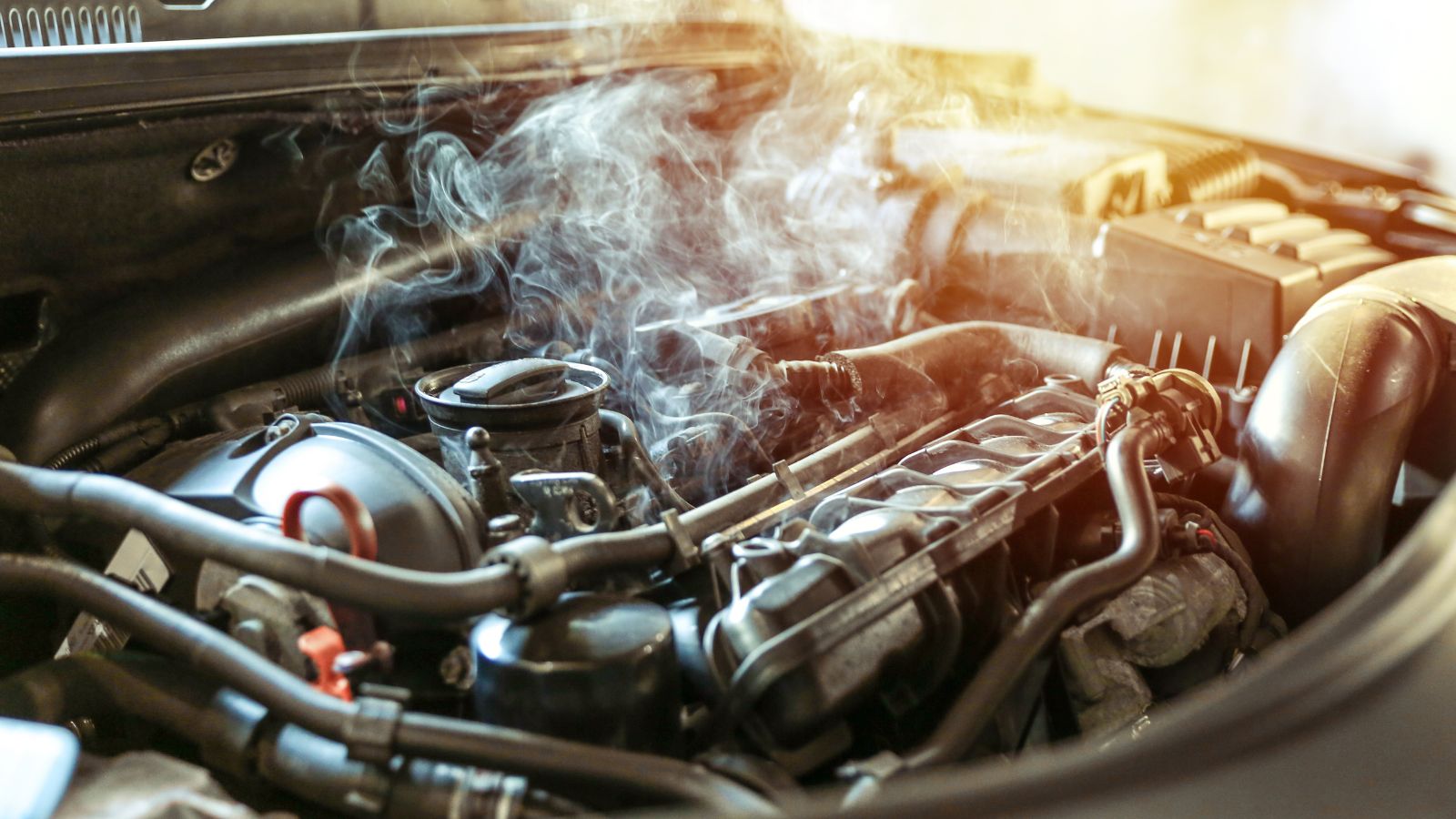
An overheating warning is another signal mechanics do not want drivers to negotiate with. Ford guidance warns that continued driving while the engine is overheating can lead to severe engine damage and, in some cases, the engine stopping without warning. The recommended response is to reduce speed, stop safely and follow the model-specific cooling instructions rather than hoping the temperature falls while continuing the trip.
Heat can turn a modest cooling-system fault into a much larger repair. A leaking hose, low coolant or failed fan may be manageable if caught promptly, but prolonged overheating can damage gaskets, warp components or compromise the engine itself. The shutdown procedure varies by vehicle, so the owner’s manual matters. Mechanics pay close attention when a customer says the temperature gauge was in the red for several miles. Treating a coolant-temperature warning as urgent can prevent a manageable cooling problem from becoming major engine damage.
Driving With the Parking Brake Applied Cooks the Brakes
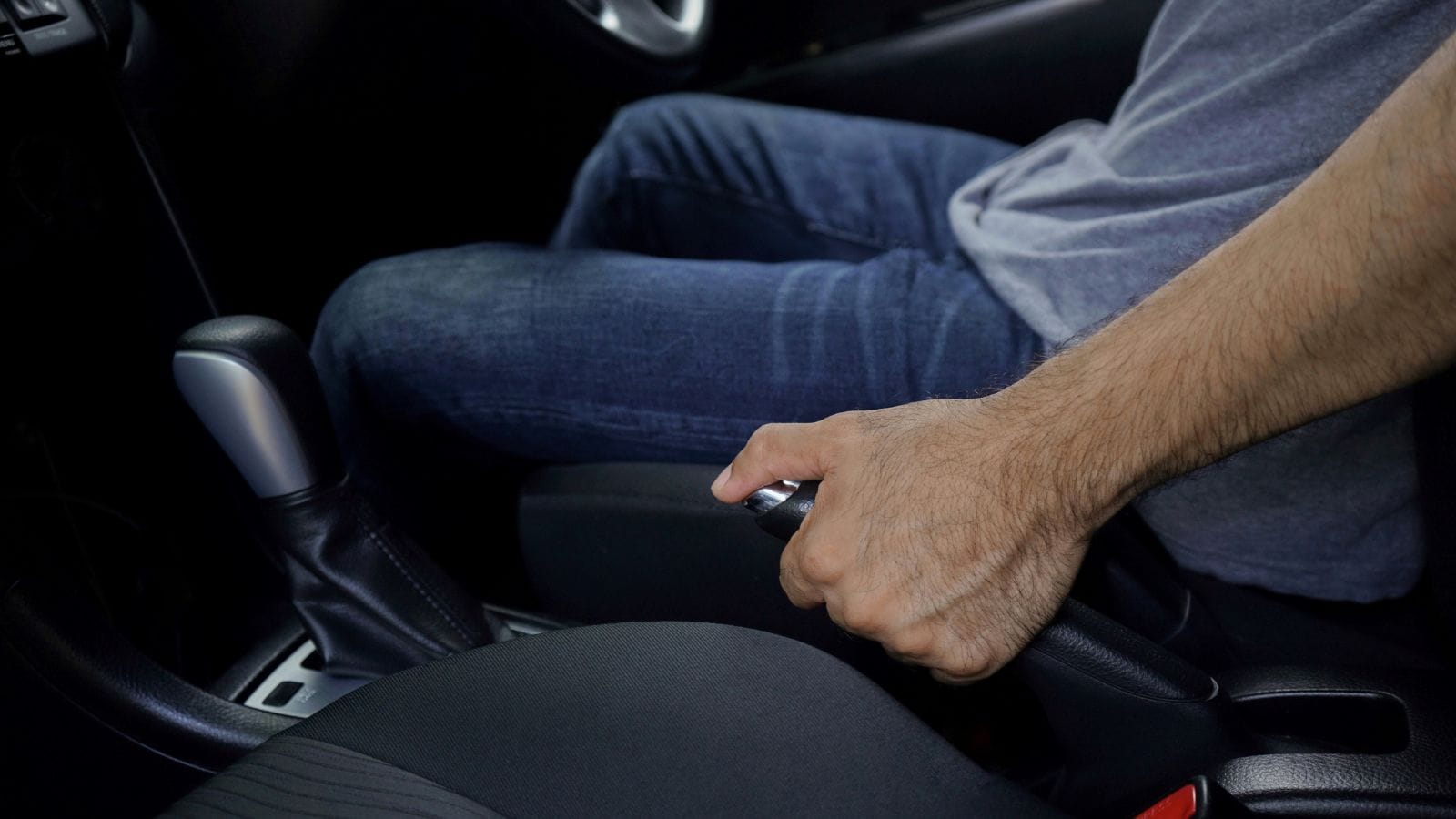
A dragging parking brake can be easy to miss in a noisy cabin, in a vehicle with a manual lever or pedal. Ford warns that driving extended distances with the parking brake applied can damage the brake system. The reason is straightforward: components intended to hold a stationary vehicle are forced to drag while the wheels are turning, creating friction and heat.
Mechanics may see overheated rear brakes, abnormal wear, a hot smell or reduced braking performance. Modern vehicles display a warning, and electronic parking brakes can release automatically, but drivers should not assume the system will rescue a mistake. A quick dashboard check before moving off can confirm the brake warning has cleared. If the car feels sluggish after departure, stopping to investigate is smarter than pressing harder on the accelerator. Fighting a dragging brake with more engine power only converts an oversight into additional heat and expensive wear.
19 Used Cars Canadians Should Avoid in 2026 (Based on Owner Complaints)

Buying a used car in Canada can feel safe until repair bills start stacking up. Owner complaints tell a different story than glossy listings. Transmission failures, electrical problems, and weak winter reliability show up again and again in consumer reports. Many of these issues appear after warranties expire, when owners least expect them. Some vehicles look affordable upfront, but become expensive to keep on the road. Others struggle in cold weather, urban driving, or long highway commutes. Here are 19 used cars Canadians should avoid in 2026 (based on owner complaints).
19 Used Cars Canadians Should Avoid in 2026 (Based on Owner Complaints)

Alanna Rosen is an experienced content writer that focuses on many EV and educational content. Her articles are regularly published on Get CyberTrucked and syndicated on large publications.