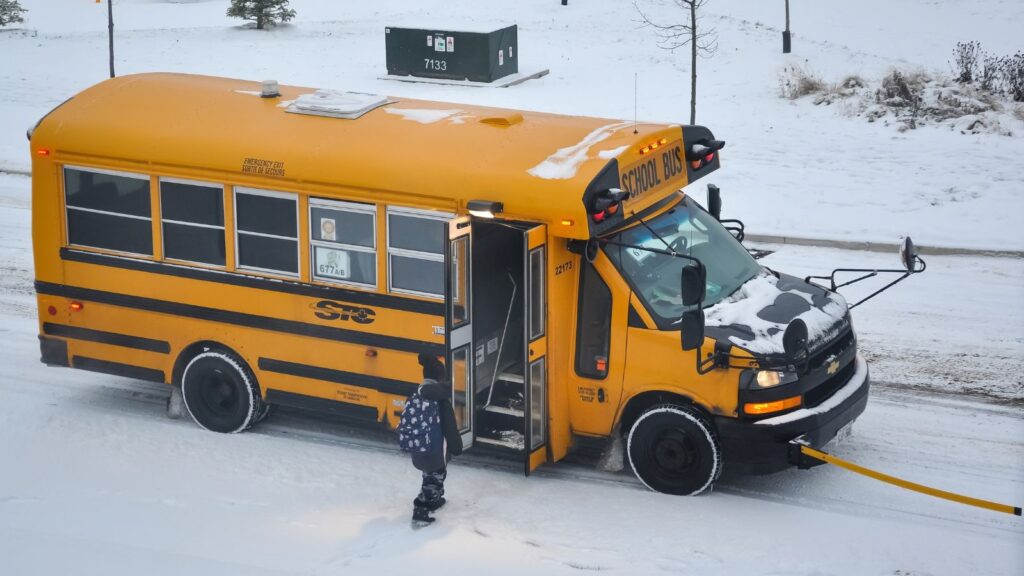
The return of backpacks, buses and crowded curb lanes makes fall one of the most demanding times of year around Canadian schools. Recent B.C. data underline the risk: crashes involving minors are more than twice as common during the morning and afternoon school commute periods than at other times of day, while September crashes involving minors are 37% higher than the monthly average.
The challenge is not simply recognizing a school-zone sign. Drivers must adjust speed, attention, stopping distance and even parking habits while understanding that the rules are not identical across Canada. These 12 school-zone mistakes show where ordinary driving habits can become dangerous surprisingly quickly once students return to class.
Slowing Down Only After Entering the School Zone
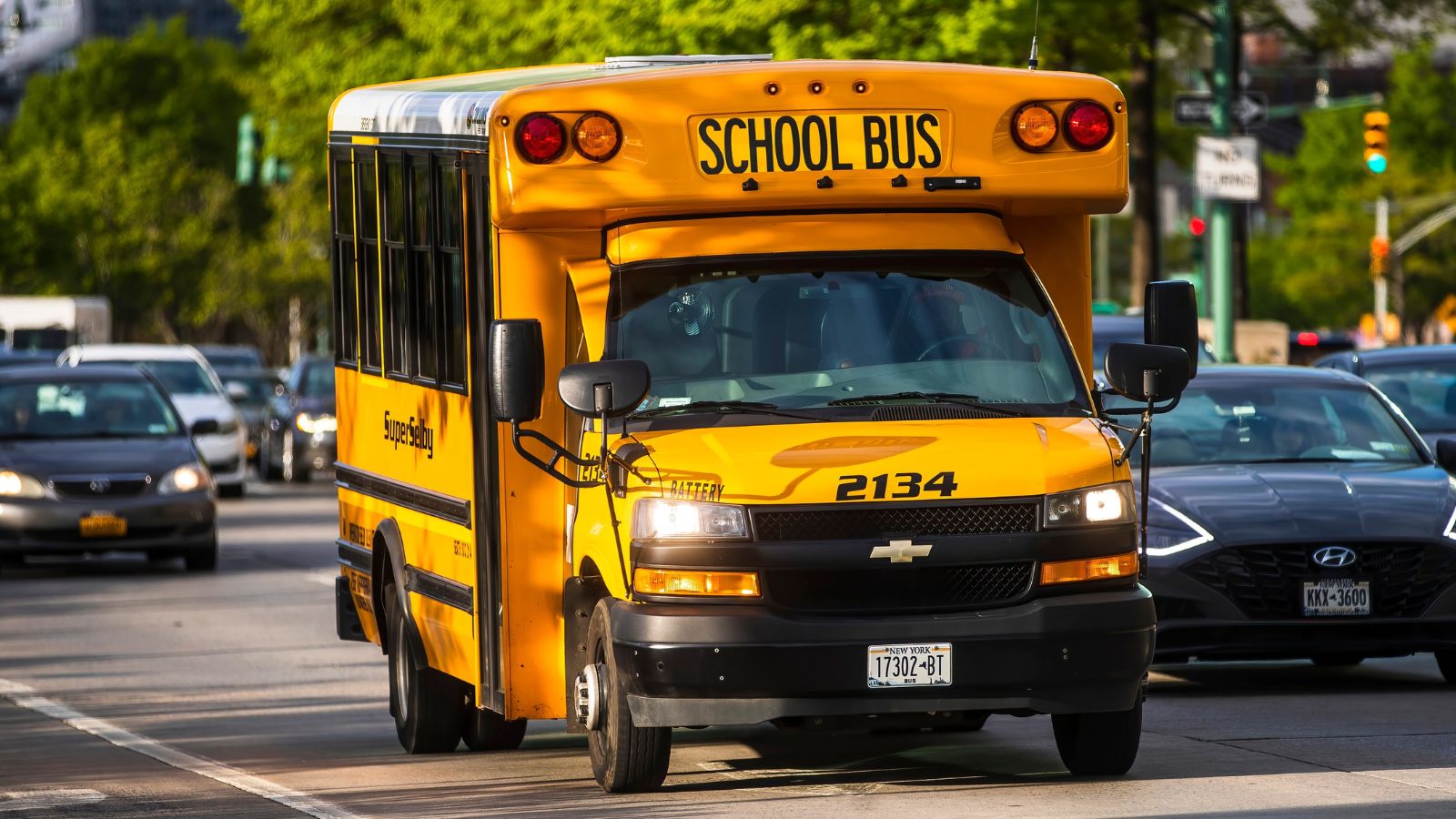
One of the simplest mistakes is waiting until the vehicle is already beside the school before reducing speed. A school-zone limit is not a suggestion to begin braking; drivers should be travelling at or below the posted limit once the restricted zone starts. That distinction matters because children can emerge from driveways, parked vehicles or side streets well before a driver reaches the main school entrance. A last-second brake application may technically reduce the speedometer reading, but it does little to restore the reaction distance already lost.
The problem remains common enough to appear in driver surveys. An ICBC-Ipsos survey released in 2025 found that 31% of surveyed B.C. drivers admitted speeding through an active school zone at least sometimes, while 4% said they always did so. Research led by SickKids has also demonstrated how meaningful lower speeds can be: automated enforcement in 250 Toronto school zones was associated with a 45% reduction in speeding vehicles. Arriving slower gives drivers more time to recognize the unexpected.
Assuming School-Zone Hours Are the Same Everywhere
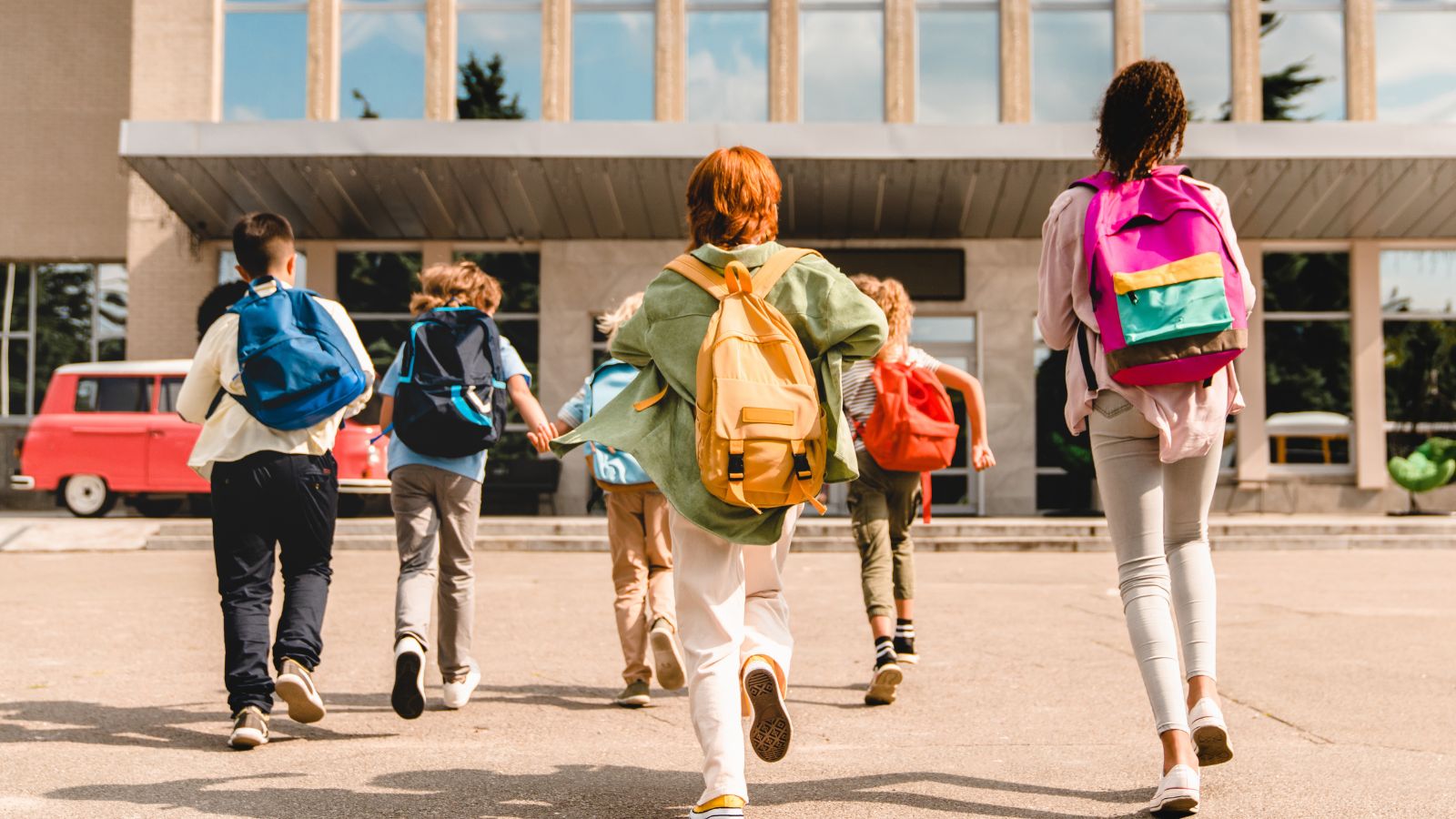
Canadian drivers who travel between provinces—or even neighbouring municipalities—can get into trouble by relying on memory instead of reading the sign. In B.C., a school zone carrying a 30 km/h tab generally applies from 8 a.m. to 5 p.m. on school days unless different hours are posted. Alberta uses a very different provincial default: 8 to 9:30 a.m., 11:30 a.m. to 1:30 p.m., and 3 to 4:30 p.m. on school days, with municipalities permitted to establish different posted periods.
That difference makes the familiar thought of “school must be out by now” unreliable. School activities also extend beyond the conventional morning bell and afternoon dismissal, while playground-zone rules may follow entirely different schedules. Calgary, for example, uses playground zones from 7:30 a.m. until 9 p.m. every day of the year. The safest habit is remarkably uncomplicated: read the entire sign every time, including the smaller panels showing hours, days and conditions.
Following Too Closely on Wet Fall Mornings

A dry September afternoon can make a school route feel routine, but autumn weather can change the stopping equation quickly. Rain reduces tire grip and visibility, while spray from other vehicles can hide lane markings and pedestrians. Ontario’s driver handbook specifically advises motorists to slow down on wet roads, leave more space ahead and drive slowly enough to stop within the distance that can actually be seen. Those principles become especially important around schools, where a lead vehicle may suddenly stop for a crossing guard or child.
The mistake is assuming that a familiar following distance remains sufficient simply because the posted speed is low. Stopping distance includes both the driver’s reaction and the vehicle’s physical braking distance, and Transport Canada uses wet-pavement conditions when calculating minimum stopping sight distances for road design. A driver following a minivan by only a few metres may suddenly discover that the minivan is stopping for a child hidden from view. Extra space creates the time needed to understand why traffic ahead has stopped before reacting.
Rolling Through Crosswalks and School Crossings

MFajarH/Shutterstock.
A near-stop can feel harmless when no pedestrian appears to be directly in front of the vehicle. Around schools, that habit can be dangerous because children are often partially hidden by SUVs, buses, snowbanks later in the season or groups of waiting students. Drivers also need to distinguish ordinary intersections from designated pedestrian crossovers and supervised school crossings, where specific provincial rules can require a complete stop and continued yielding until the crossing has cleared.
Ontario provides a clear example. Drivers and cyclists must stop and yield the entire roadway at pedestrian crossovers, school crossings and locations controlled by a crossing guard, remaining stopped until pedestrians and the guard have safely reached the sidewalk. Failing to yield can produce a fine of up to $1,000 and four demerit points, with fines doubled in designated Community Safety Zones. The broader lesson extends beyond penalties: creeping forward while someone is crossing creates uncertainty at precisely the location where predictability matters most.
Treating a Stopped School Bus Like an Ordinary Bus Stop
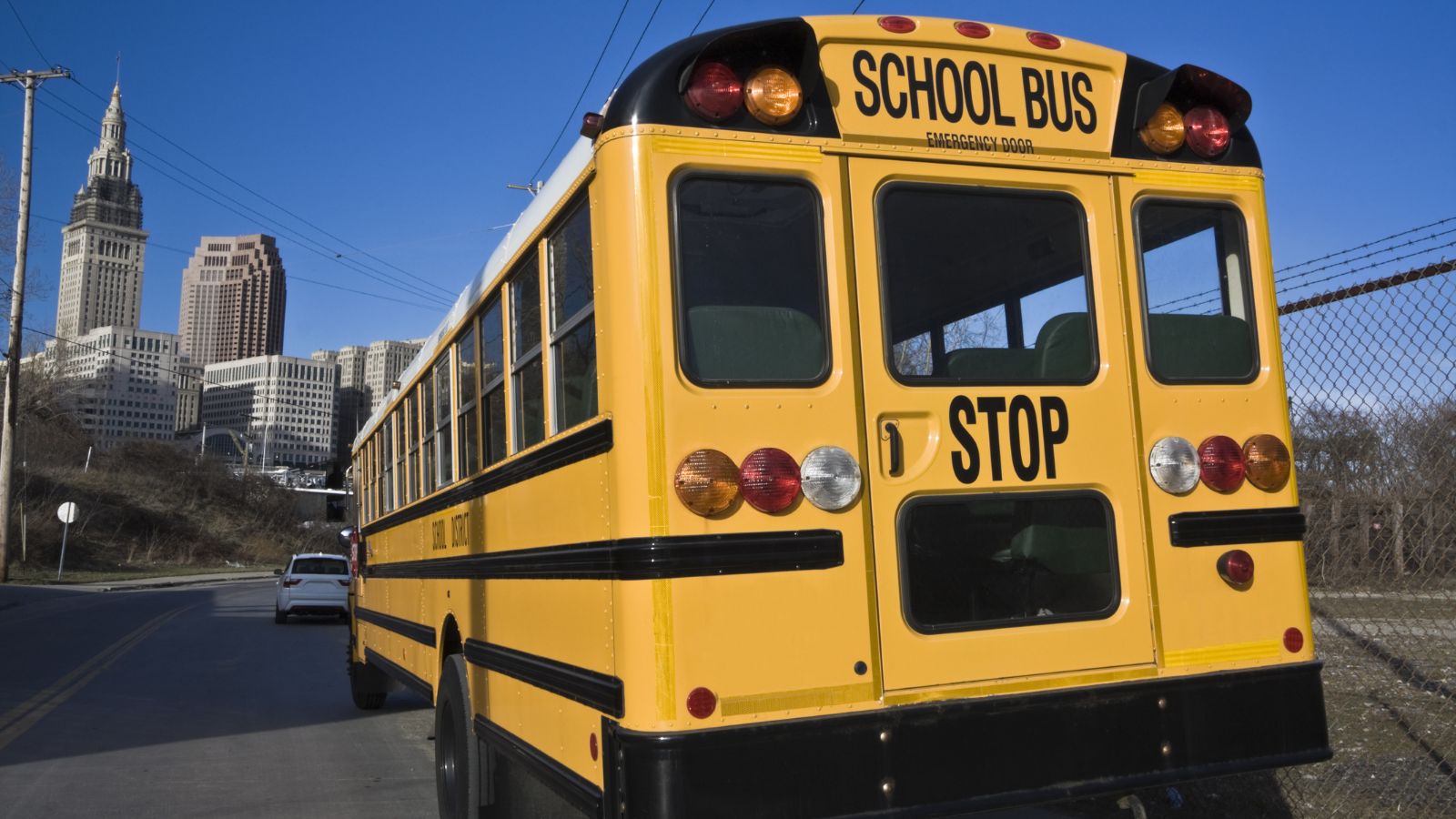
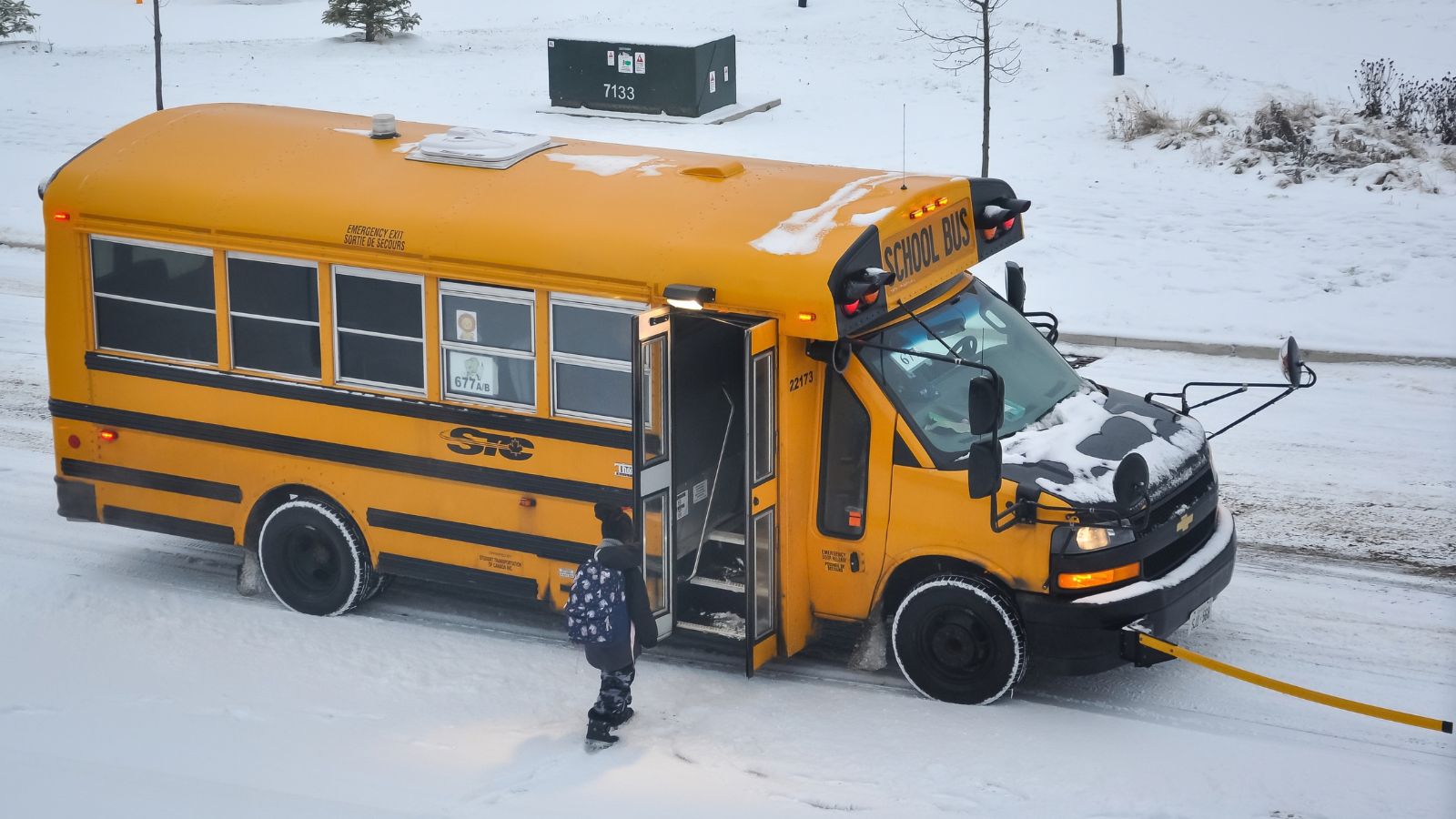
Few school-zone mistakes have consequences as immediate as trying to slip past a school bus that is loading or unloading children. Drivers may become impatient when a bus stops repeatedly, particularly during the morning commute, but flashing red lights and an extended stop arm signal that children may be entering the roadway. Those children can appear from directly in front of the bus, where visibility between the pedestrian and approaching vehicle is extremely limited.
Rules vary somewhat by jurisdiction and roadway design, so motorists need to know their provincial requirements. In Ontario, traffic in both directions must stop for a school bus displaying its red lights or stop arm on roads without a median. A vehicle approaching from behind must stop at least 20 metres away. On a divided roadway, opposite-direction traffic is treated differently. Ontario lists a first-offence fine of up to $2,000 and six demerit points. The few seconds saved by passing are insignificant compared with the risk created around children crossing the roadway.
Looking at a Phone Because Traffic Is Moving Slowly
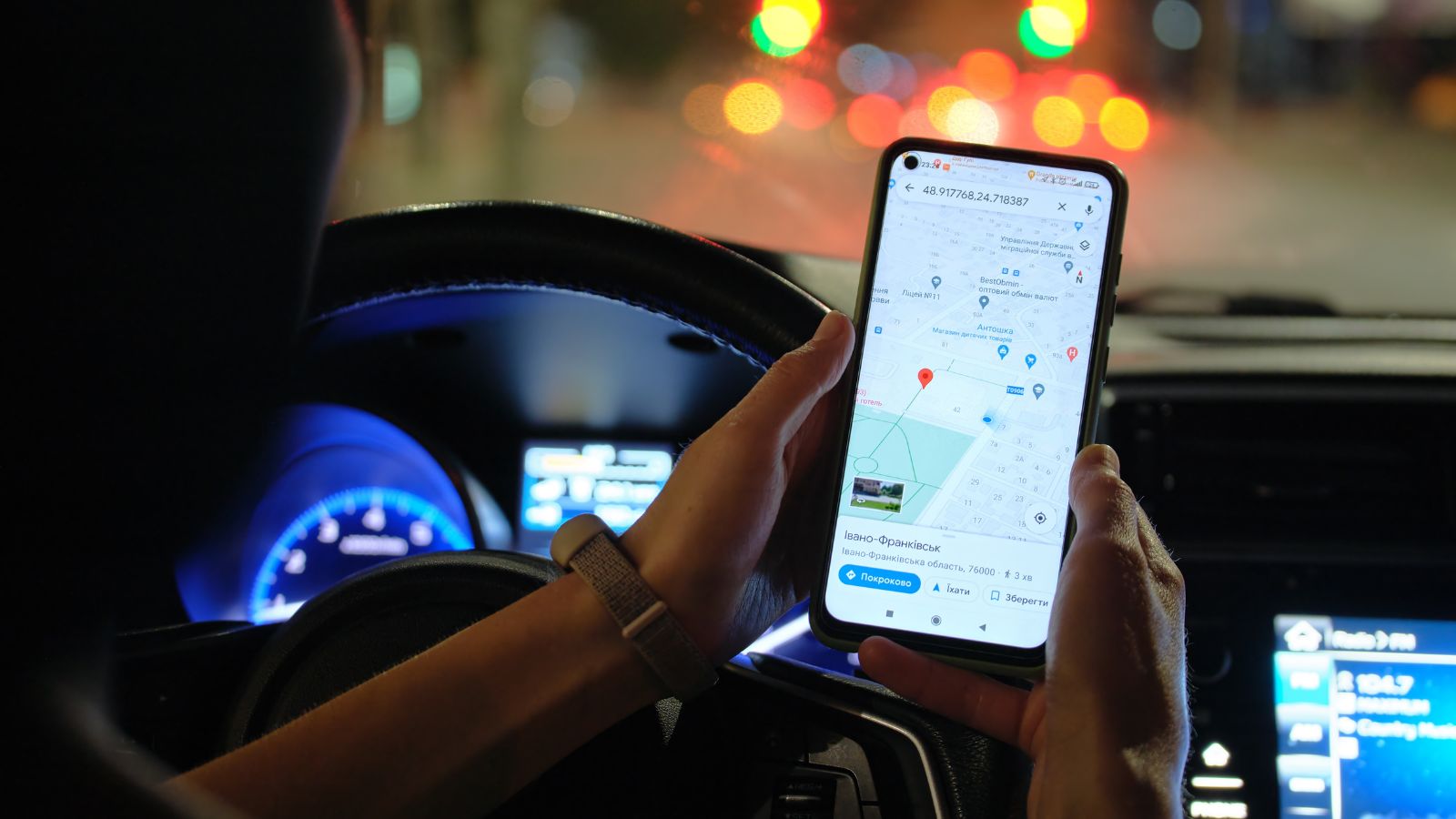
Congested school streets can create the illusion that distraction is less dangerous. Traffic may be crawling at 15 or 20 km/h, encouraging drivers to check a message, change a playlist or enter a destination into a navigation system. Yet slow school traffic is filled with exactly the events that demand constant observation: doors opening, children appearing between vehicles, crossing guards stepping into traffic and cyclists filtering past a queue.
Transport Canada reports that distracted driving contributed to an estimated 22.5% of fatal collisions and 25.5% of serious-injury collisions nationally in 2021. Distraction also extends beyond texting. Changing infotainment settings or interacting with navigation functions can remove attention from the road at the moment a school-zone situation changes. Provincial laws differ in their details, but the practical safety standard is simpler: configure the route and entertainment before moving. In a school zone, even a brief downward glance can cover the exact moment when the scene ahead becomes completely different.
Double Parking to Save a Minute at Drop-Off
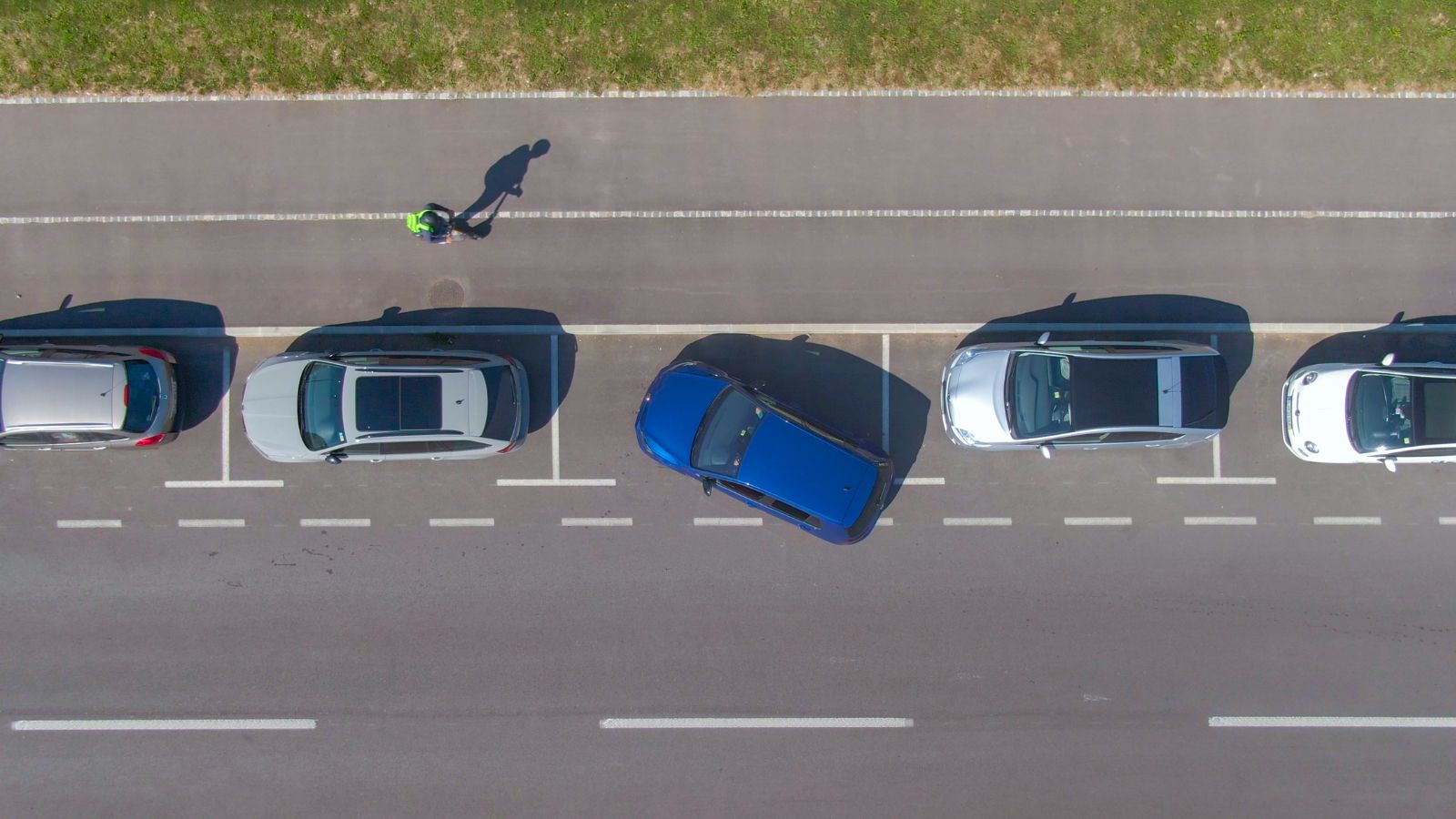
School drop-off areas often create an uncomfortable paradox. Families drive children because they want a safe trip, yet a rush of vehicles stopping wherever space appears can make the street less predictable for everyone. Double parking is particularly problematic because it narrows the travel lane, blocks sightlines and may force children to cross between vehicles. A quick stop that lasts only 30 seconds can still create a blind spot during the busiest part of the school morning.
Current Calgary school-safety guidance explicitly tells drivers not to double park and recommends using designated drop-off areas or parking a block or two away when necessary. Earlier school-travel observations in Toronto found congestion at nearly 80% of participating schools and recorded dangerous driver behaviour at every school observed, including double parking, opposite-side drop-offs and vehicles stopping where they blocked visibility. Walking one additional block may feel inconvenient on a cold morning, but it can remove a vehicle from the most crowded and visually complicated part of the street.
Blocking a Crosswalk While Waiting in the Pickup Queue
A driver does not have to be moving quickly to create a school-zone hazard. A vehicle stopped across a crosswalk, curb ramp or corner can block the view between children and other motorists. The problem is especially noticeable with taller pickups and SUVs: a child standing behind one may be almost completely invisible until stepping into the traffic lane. At dismissal time, when vehicles are inching forward to claim curb space, it is easy for a driver to unintentionally stop in precisely the space pedestrians need.
Calgary’s current school-patrol guidance emphasizes keeping crosswalks, intersections and curb ramps clear and warns that unsafe parking can obstruct visibility, access and movement. City guidance also calls for at least five metres of clearance from crosswalks in Calgary. The important principle applies regardless of the local distance requirement: a queue should never be allowed to erase a pedestrian’s sightline. When traffic ahead cannot clear the crossing, remaining behind it is safer than advancing simply because another vehicle has moved.
Making U-Turns and Three-Point Turns in Front of the School
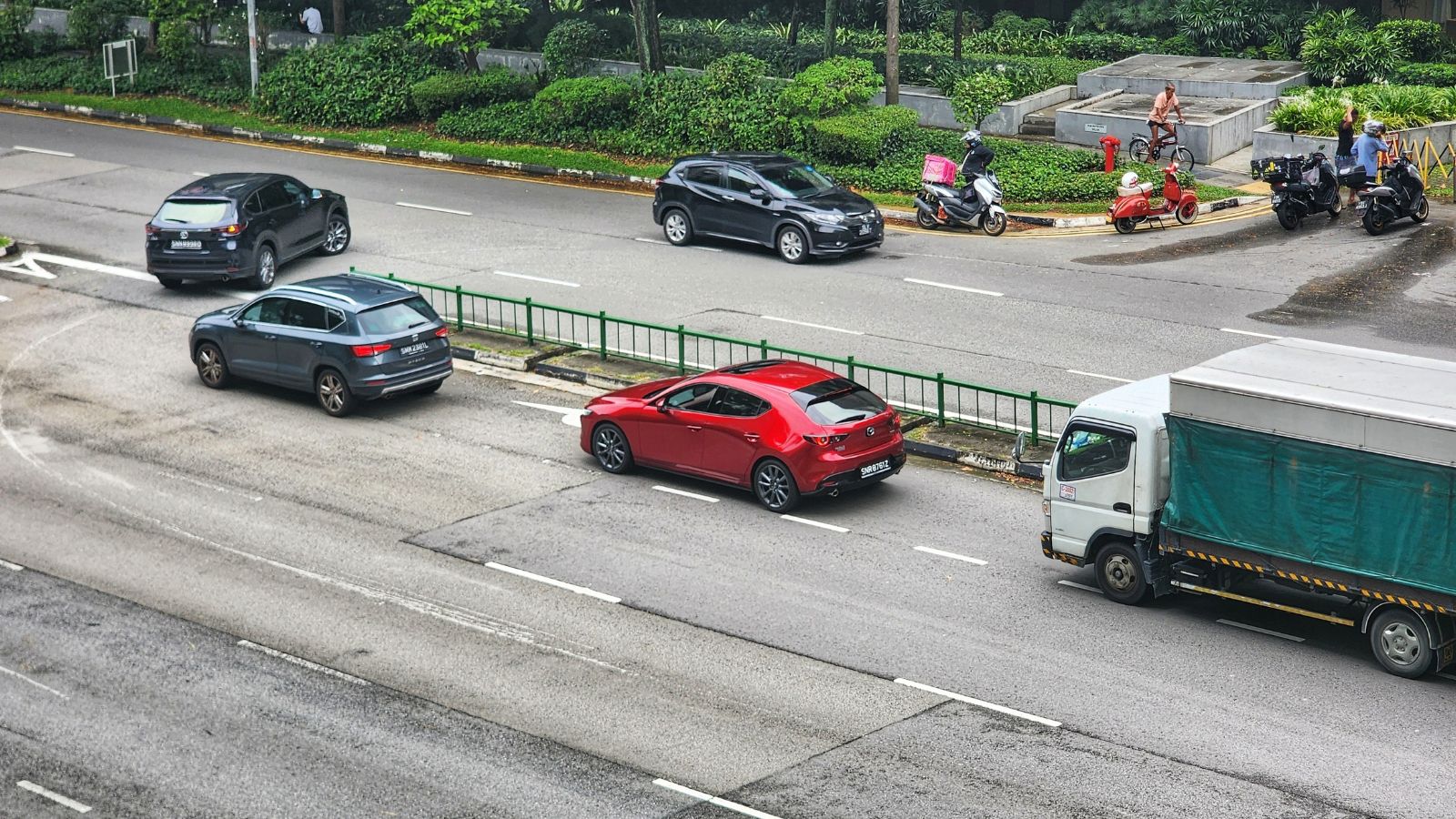
Missing the ideal drop-off spot often produces another risky improvisation: the sudden U-turn. A driver sees an opening on the opposite side, swings across the road and momentarily concentrates on completing the manoeuvre rather than monitoring children approaching from sidewalks, driveways or behind parked cars. Three-point turns can create even more conflict because the vehicle changes direction several times and may reverse toward pedestrians who did not expect it to move backward.
Saskatchewan RCMP specifically reminded drivers in September 2026 to avoid U-turns and three-point turns in school zones, noting that those manoeuvres are illegal in the circumstances covered by its guidance and difficult for children to anticipate. Elsewhere, municipal rules and signage can differ, but the visibility problem remains. Technology should not encourage overconfidence either. Transport Canada warns that backup-camera performance can be affected by darkness, glare, rain or dirt and recommends combining the camera image with mirrors and shoulder checks. Driving around the block is usually the more predictable option.
Passing a Vehicle That Has Slowed or Stopped Near a Crossing
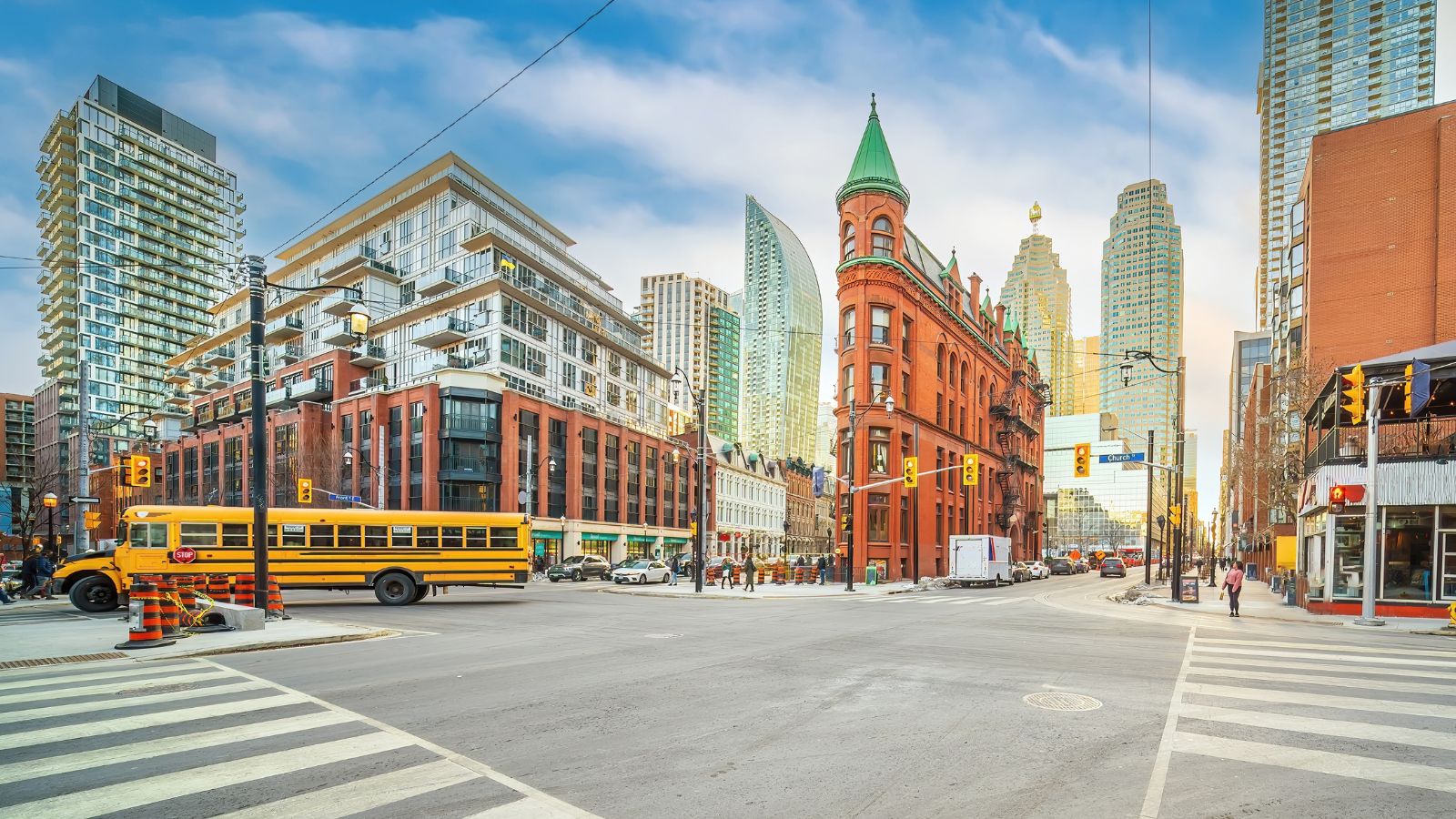
The car ahead suddenly slows in a school zone, and the instinctive reaction may be to move around it. That decision can be disastrous if the other driver is stopping for a pedestrian hidden from view. A stopped vehicle effectively becomes a moving visual barrier: until the reason for the stop is known, passing it assumes that the lane ahead is clear without providing the driver enough information to make that judgment.
Some provinces explicitly prohibit this behaviour in particular settings. Alberta does not permit drivers to pass or attempt to pass another vehicle travelling in the same direction while an active school zone is in effect. Ontario prohibits passing another vehicle within 30 metres of a pedestrian crossover and specifically warns motorists never to pass a vehicle stopped to allow pedestrians to cross. ICBC gives similar practical guidance, telling drivers that a vehicle stopping in front of them or in the adjacent lane may be yielding to a pedestrian. Patience is therefore a safety tool, not merely courtesy.
Expecting Children to Behave Like Adult Pedestrians
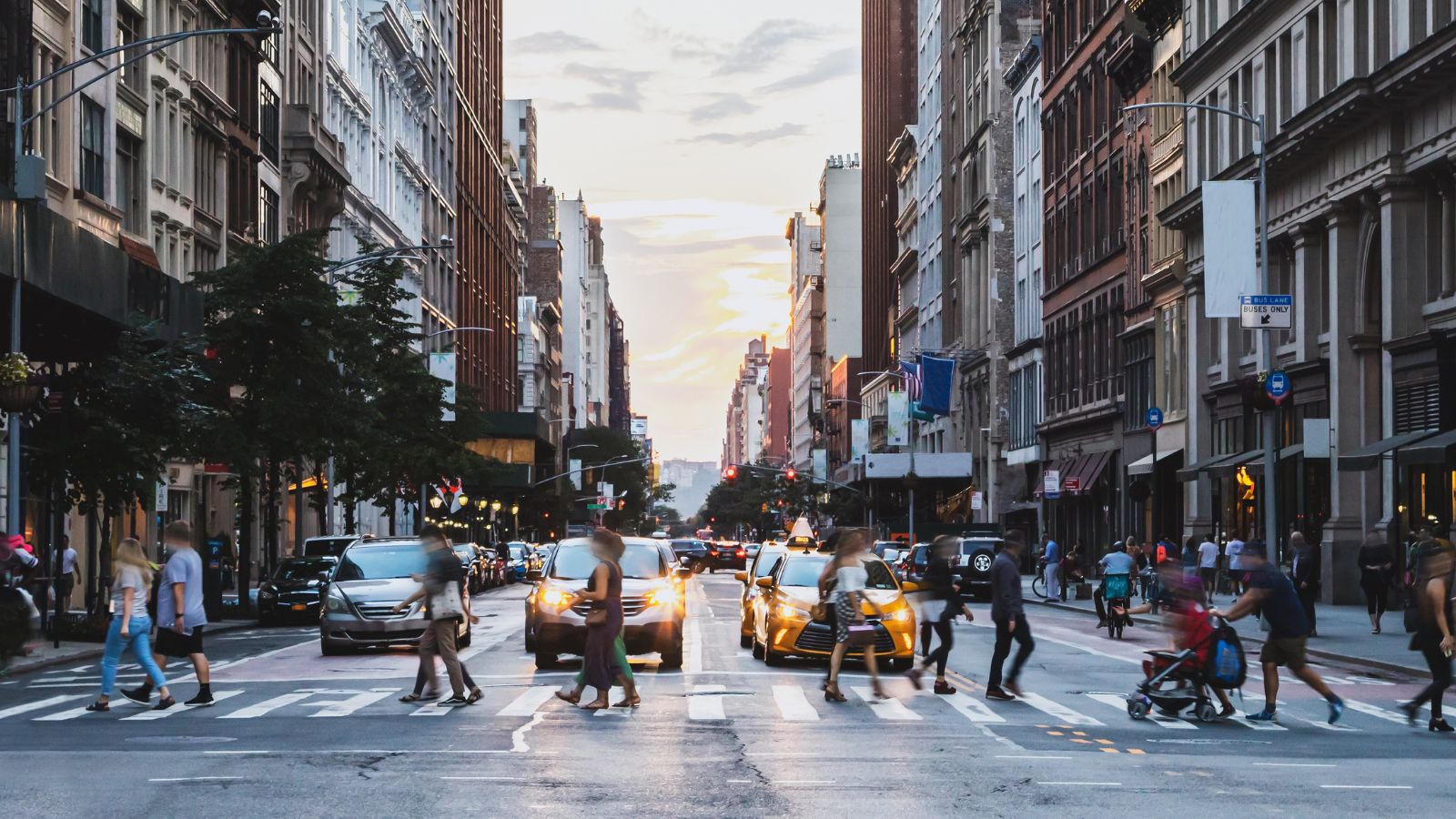
Experienced drivers often predict what another adult will do by watching body position, eye contact and walking speed. Children make those assumptions far less dependable. A student may suddenly turn back for a friend, chase a dropped object, ride a scooter off the sidewalk or emerge from behind a parked vehicle. ICBC’s 2026 back-to-school guidance specifically reminds motorists that children can behave unpredictably around traffic and urges extra caution around students walking, cycling and riding scooters.
Canadian injury research reinforces why school environments deserve special treatment. One multicity study examined child pedestrian and cyclist motor-vehicle collisions around 1,030 public elementary schools in Calgary, Toronto, Montreal, Laval and Peel Region, showing that roadway and built-environment characteristics influence collision risk. Earlier Ontario research also found child pedestrian collision density was highest around school zones and that many collisions within those areas occurred at mid-block locations. Drivers therefore cannot assume that every child will appear neatly at the painted crosswalk. The entire school environment deserves heightened observation.
Driving Through Fall Gloom With Inadequate Lighting
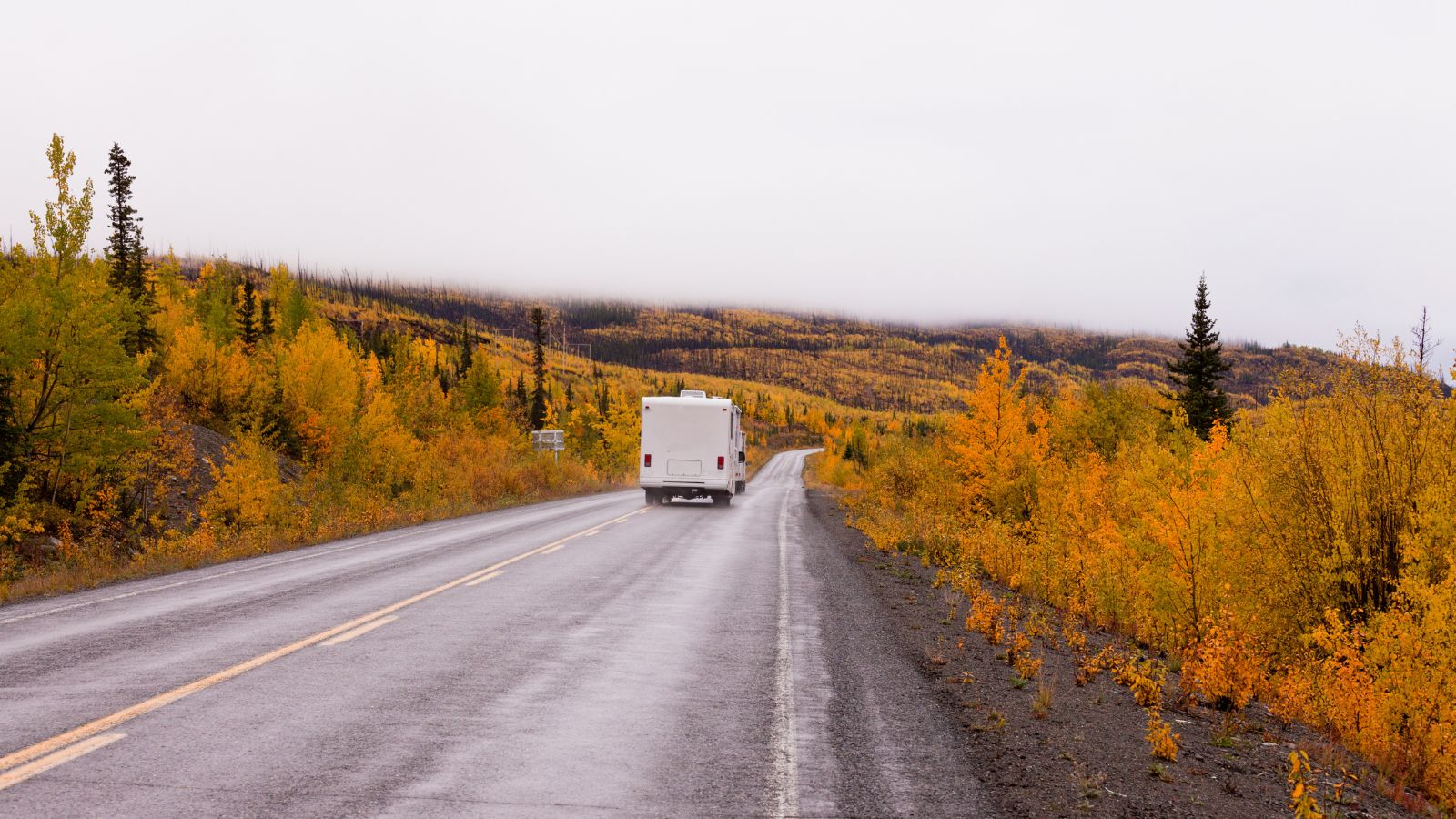
September begins with relatively comfortable daylight in much of Canada, but mornings and late afternoons become progressively darker as fall advances. Add rain, mist and low cloud, and a child wearing dark clothing can become much more difficult to see against parked vehicles or roadside shadows. The mistake is assuming that a glowing dashboard or daytime running lights automatically means the vehicle has all the lighting needed for poor conditions.
Transport Canada warns that daytime running lights do not provide enough illumination for driving in darkness and may not illuminate the vehicle’s rear marking lights. Automatic headlights also work properly only when their automatic setting is selected. The federal guidance recommends turning headlights on in darkness and bad weather, while Ontario’s driver handbook notes that rain reduces visibility and advises motorists to slow enough to stop within the distance they can see. During a wet fall school run, proper lighting, a clean windshield and reduced speed work together. Visibility is not just about seeing children sooner; it is also about being seen by them.
19 Used Cars Canadians Should Avoid in 2026 (Based on Owner Complaints)

Buying a used car in Canada can feel safe until repair bills start stacking up. Owner complaints tell a different story than glossy listings. Transmission failures, electrical problems, and weak winter reliability show up again and again in consumer reports. Many of these issues appear after warranties expire, when owners least expect them. Some vehicles look affordable upfront, but become expensive to keep on the road. Others struggle in cold weather, urban driving, or long highway commutes. Here are 19 used cars Canadians should avoid in 2026 (based on owner complaints).
19 Used Cars Canadians Should Avoid in 2026 (Based on Owner Complaints)

Alanna Rosen is an experienced content writer that focuses on many EV and educational content. Her articles are regularly published on Get CyberTrucked and syndicated on large publications.