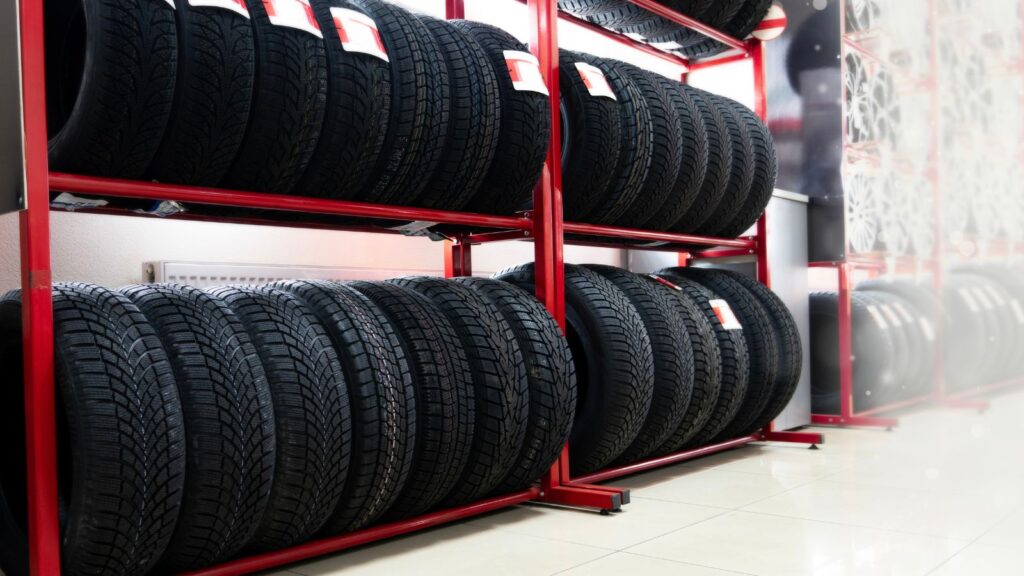
Winter-tire season has a habit of feeling distant until the first cold forecast suddenly sends thousands of drivers looking for the same appointment slots. By then, a simple seasonal change can uncover worn tread, missing wheel-lock keys, damaged rims, aging rubber or tires that need to be ordered rather than installed. Preparing earlier makes those problems much easier to solve.
The smartest approach is not simply getting winter tires onto the vehicle early. It is making sure the tires, wheels, sensors and vehicle are actually ready before demand peaks. These 22 commonly forgotten tasks can help drivers avoid rushed purchases, delayed appointments and unpleasant surprises when Canadian temperatures begin dropping toward winter levels.
Book the Appointment Before the First Snowfall
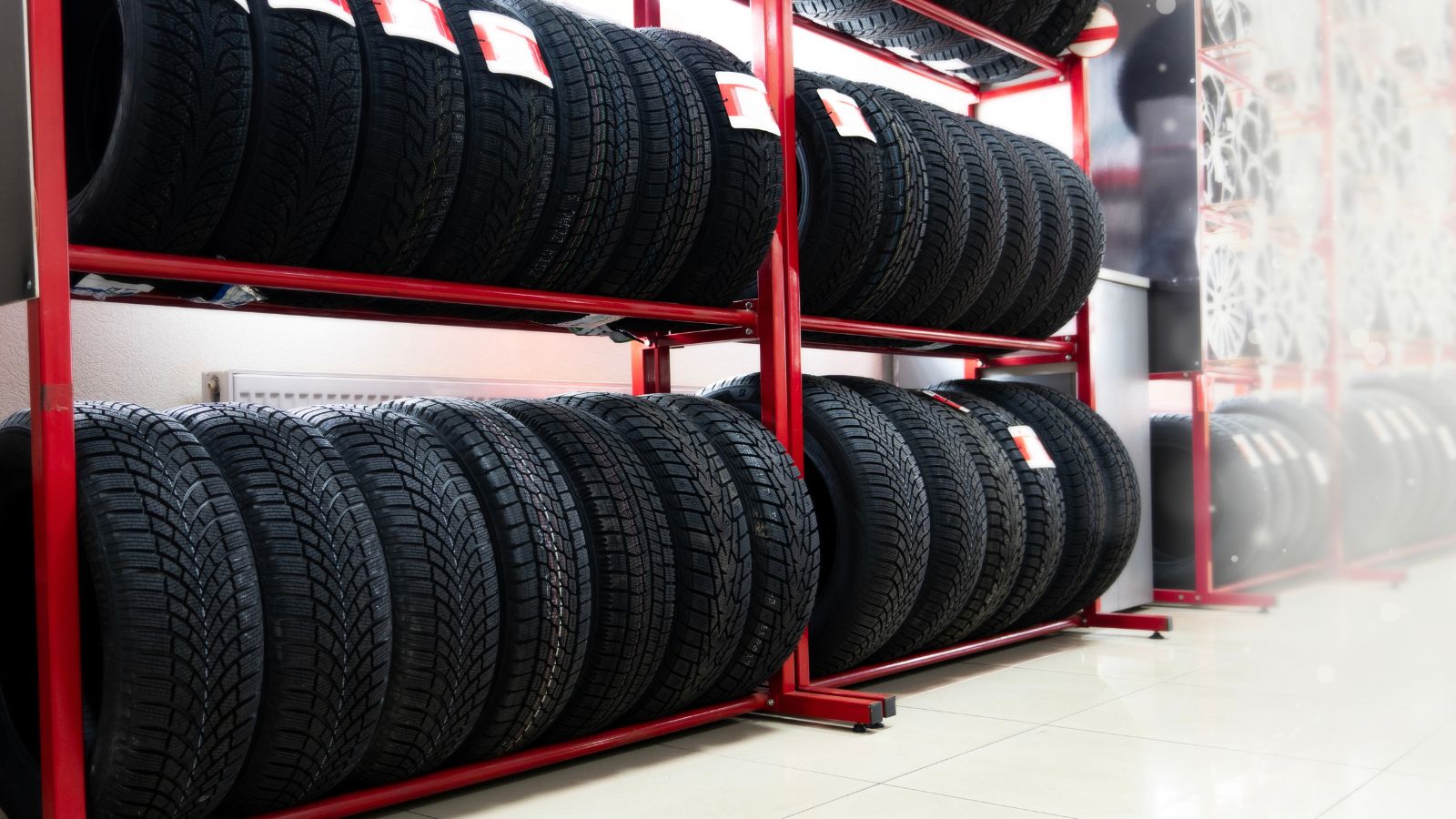
One of the easiest mistakes is treating snow as the reminder to call the tire shop. Unfortunately, that same snowfall reminds almost everyone else. Seasonal tire businesses routinely see demand accelerate as temperatures drop, and appointment flexibility can shrink quickly once cold-weather forecasts start appearing. Kal Tire’s fall 2026 campaign specifically encourages customers to schedule early because appointment availability fills as colder weather arrives.
Booking ahead does not necessarily mean putting winter tires on during unseasonably warm weather. It means reserving a sensible installation date before calendars become crowded. A Toronto commuter, for example, might book in September for an October appointment rather than waiting until wet snow appears in November. That leaves time to change the appointment if conditions remain unusually warm while avoiding the frantic search for an opening after the first major cold snap. Early scheduling can also leave room for additional work if technicians discover worn tires, damaged wheels or other problems.
Watch the Temperature Instead of Waiting for Snow
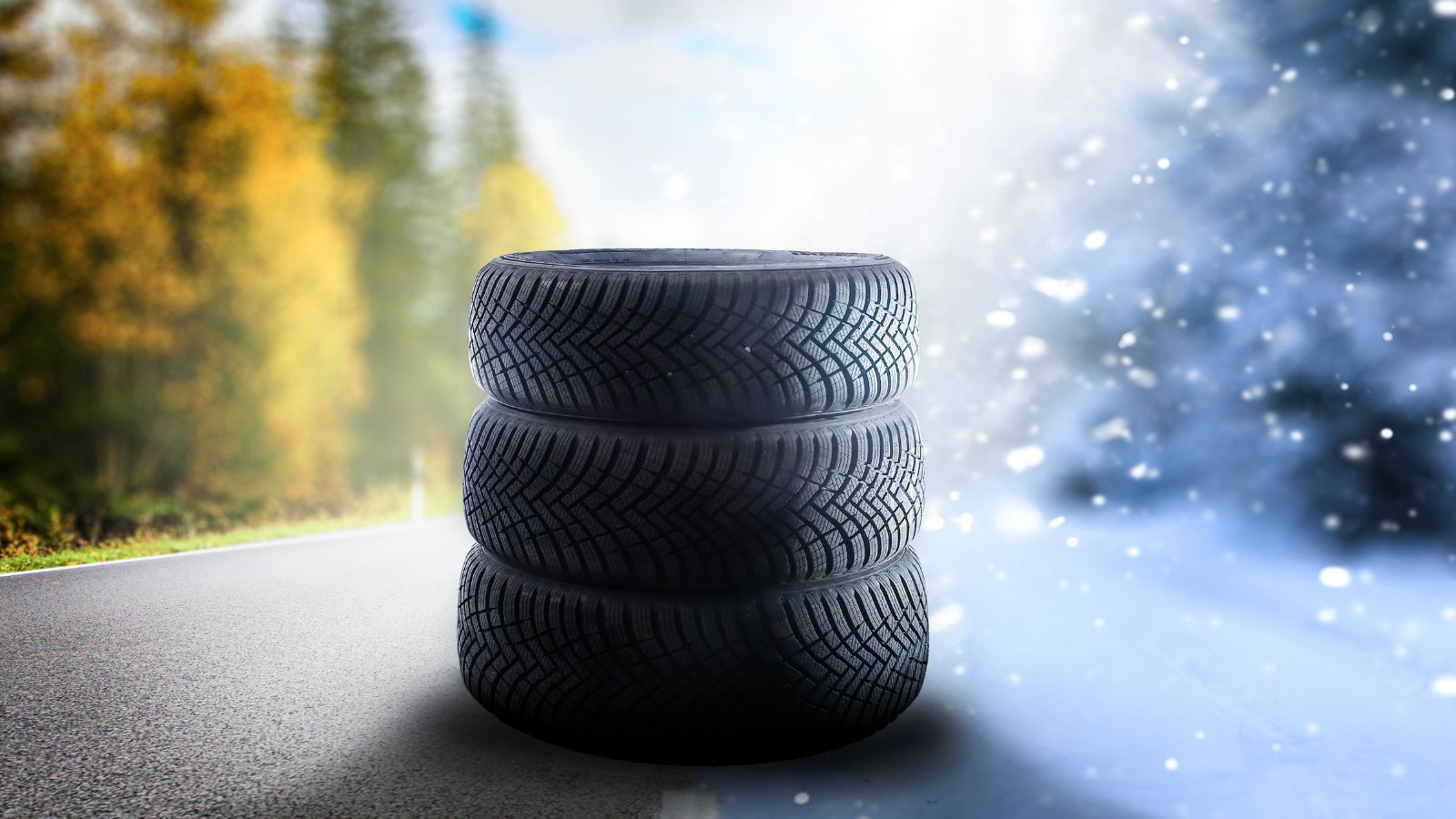
Winter tires are designed for cold conditions, not merely roads covered with snow. Transport Canada says all-season and summer tire compounds begin losing elasticity below roughly 7°C, while winter tires are designed to remain flexible at much lower temperatures. CAA likewise recommends thinking about the seasonal change once daytime temperatures begin falling below the 7°C range rather than waiting for the first substantial snowfall.
That distinction matters during the awkward weeks of autumn when roads may appear completely clear. An early-morning commute can still involve cold pavement, frost or freezing patches even if lawns remain green. Drivers who base their schedule entirely on snowfall can therefore end up using warmer-weather tires beyond their ideal operating conditions. Watching the general temperature trend provides a more useful signal. When temperatures are consistently moving into single digits and colder mornings are becoming routine, the winter-tire appointment should already be booked rather than sitting on a future to-do list.
Check the Rules for the Roads Actually Being Driven

Winter-tire regulations are not identical across Canada, so drivers should confirm the requirements that apply where they live and travel. Québec requires compliant winter tires on most registered motor vehicles from December 1 through March 15. British Columbia takes a different approach: winter tires or chains are required on most designated routes from October 1, with requirements generally ending March 31 or April 30 depending on the highway.
That can catch travellers by surprise. Someone living in relatively mild Metro Vancouver, for example, could encounter winter-tire requirements when heading into the Interior or crossing a mountain route long before snow becomes a concern at home. B.C. also requires qualifying passenger-vehicle winter tires on regulated routes to have at least 3.5 millimetres of tread. Checking provincial rules before booking helps determine both the installation date and what type of tire is appropriate. It is particularly important for people planning autumn road trips across provincial boundaries or into mountainous regions.
Pull the Stored Tires Out Before Appointment Day
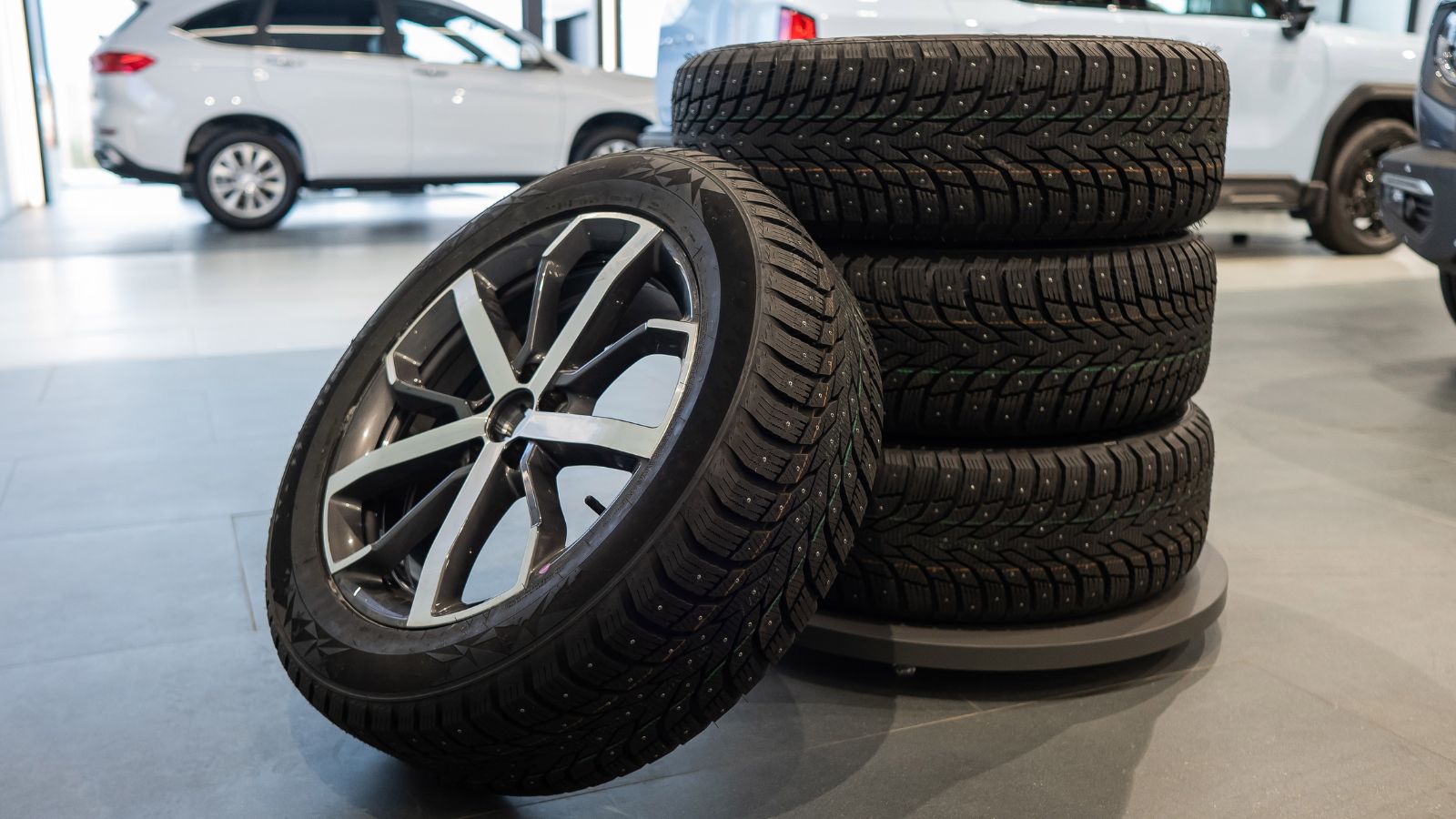
A set of winter tires that looked perfectly acceptable when it went into storage months earlier deserves another inspection before installation day. Rubber can age, previous damage can become more noticeable, and stored tires may reveal cracking, unusual wear or objects embedded in the tread once they are cleaned and examined under good light. Waiting until a technician puts the vehicle on a lift leaves little time to deal with a problem.
The better habit is to retrieve the winter set well before the appointment. Look at each tire individually rather than assuming four black circles stacked in a garage are ready to go. Michelin recommends inspecting tires for tread condition, cuts, deformation and other visible damage before mounting. This simple check can prevent an uncomfortable situation where three tires are serviceable but the fourth has a problem requiring professional evaluation. Discovering that issue two weeks early provides options; discovering it during an already packed November appointment can turn an ordinary tire swap into a search for replacements.
Measure the Tread Instead of Judging It by Eye

Winter tread needs room to move snow, slush and water, so a tire that still looks reasonably deep may already be approaching the point where winter performance becomes compromised. Transport Canada advises against using tires worn close to 4 millimetres of tread on snow-covered roads and says winter tires should have at least 4 millimetres for the safest winter driving. B.C.’s legal threshold on regulated routes is 3.5 millimetres.
A small tread-depth gauge removes the guesswork. Measurements should be taken in several grooves and positions because tires do not always wear evenly. One shoulder may be substantially lower than the centre, particularly when alignment or inflation has been incorrect. Finding an uneven pattern is useful information in itself because it may point to another maintenance problem. Measuring the tires before the busy season also prevents drivers from paying to install a set that may need replacement shortly afterward. Five minutes in the garage can therefore save another shop visit during the coldest part of the year.
Check How Old the Tires Actually Are
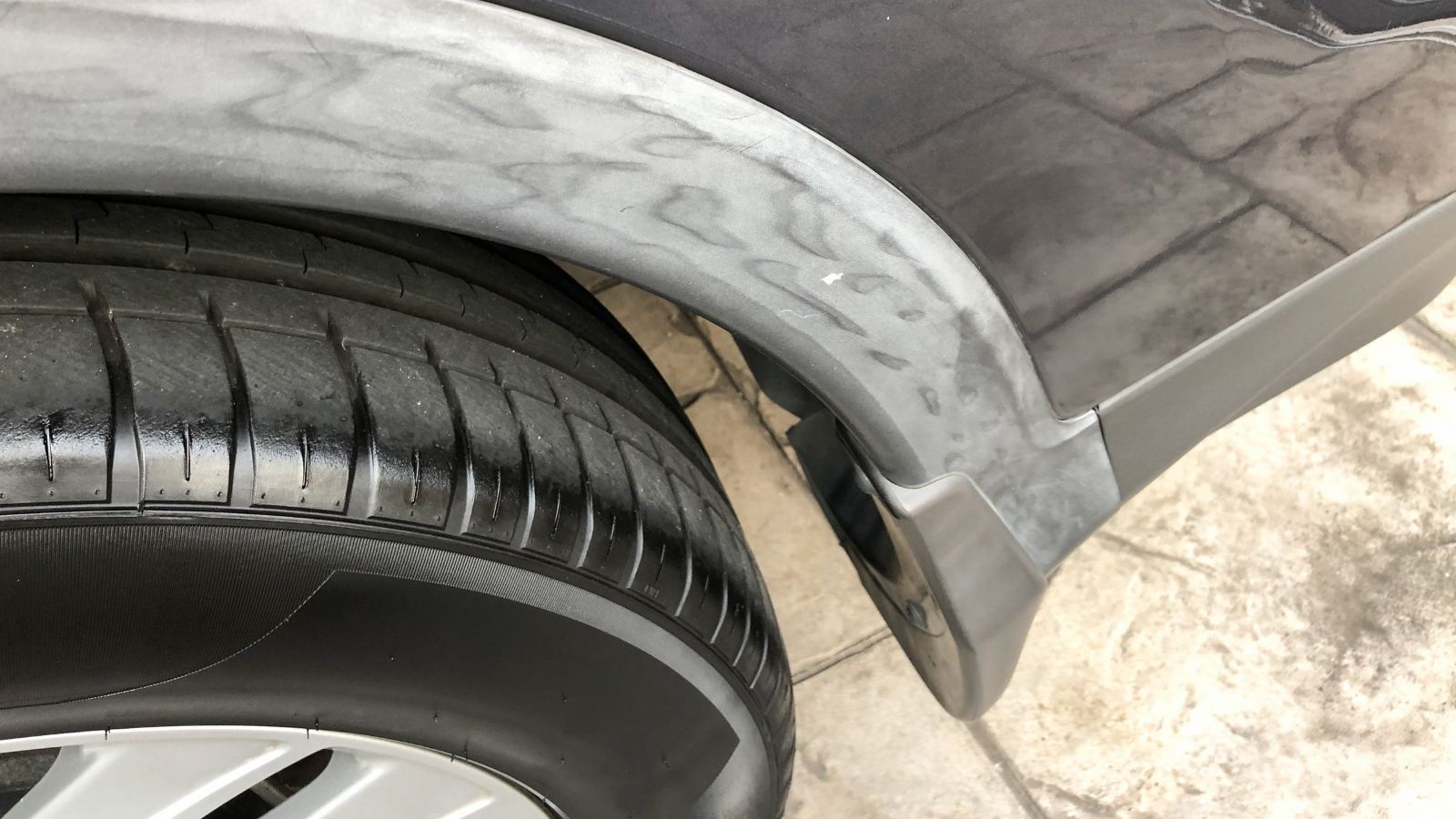
Tread depth does not tell the entire story. Tires also age as their materials are exposed to time, oxygen, heat and environmental conditions, which means a lightly driven winter set can become old even when substantial tread remains. The manufacturing date can be found in the tire identification markings on the sidewall, with the final four digits identifying the production week and year.
There is no universal rule requiring every passenger tire to be discarded on its sixth birthday. Manufacturer guidance matters. Michelin, for example, recommends that tires receive a thorough professional inspection at least annually after five years of use and recommends replacement as a precaution once tires reach 10 years from manufacture. NHTSA similarly notes that vehicle and tire manufacturers may recommend replacement within roughly the six-to-10-year range regardless of remaining tread. Drivers who bought a used vehicle or inherited a second set of wheels should therefore check the date rather than assuming the tires are as new as they appear.
Look Closely for Cracks, Cuts, Bulges and Previous Damage
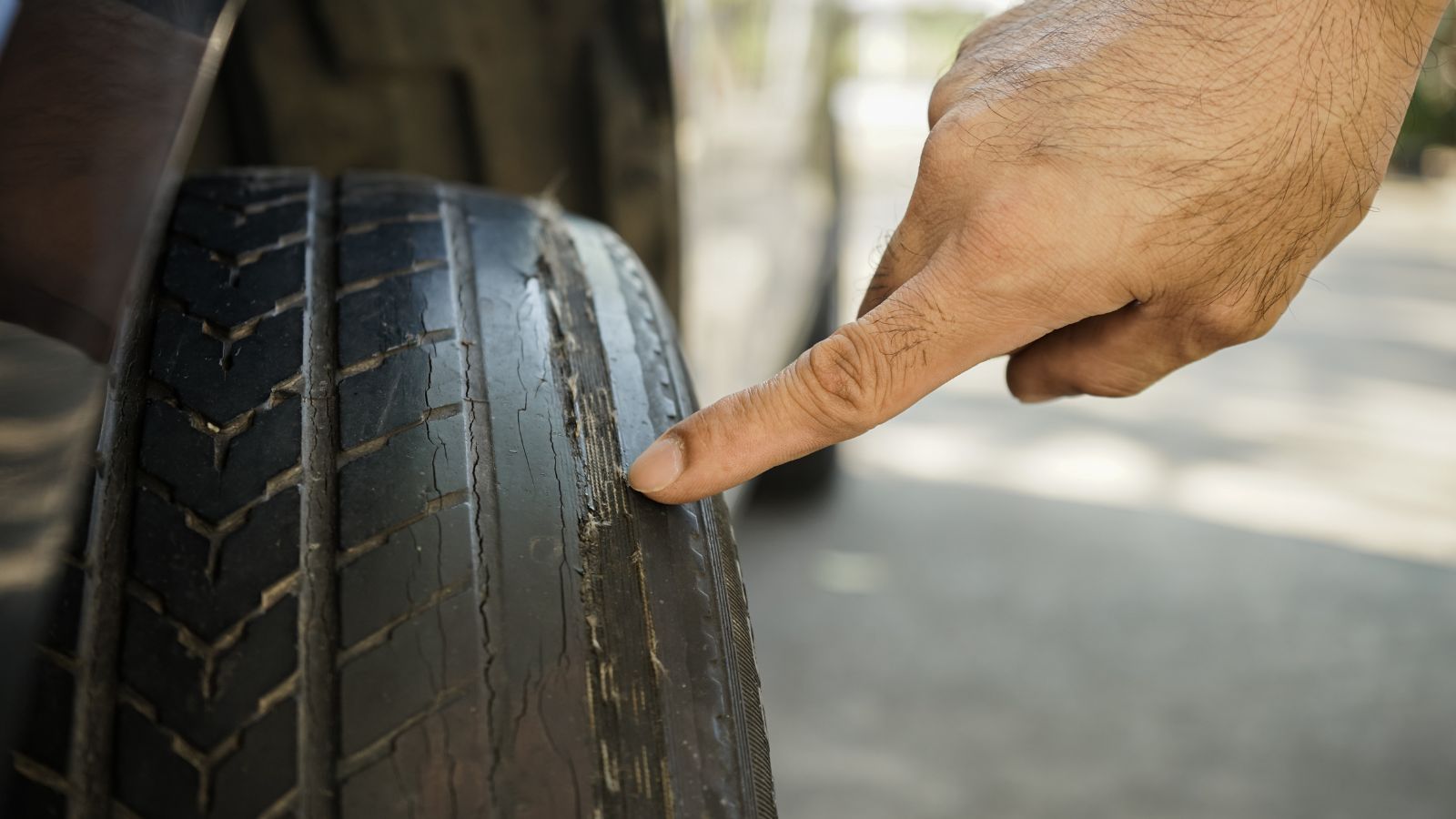
A tire can have plenty of tread and still be unsuitable for another winter. Sidewall bulges, deep cuts, cracks, exposed material, unusual deformation and questionable previous repairs deserve professional attention. Michelin says a sidewall bulge generally indicates internal cord damage and cannot simply be patched. Damage around the bead, where the tire seals against the wheel, can also create mounting or air-loss problems.
This is another reason not to perform the first inspection while rushing out the door for a tire appointment. Clean the tires enough to see the sidewalls and tread clearly, then examine both visible sides where possible. A driver who remembers clipping a pothole late the previous winter should be especially careful. Even a tire that remained inflated afterward may warrant closer inspection. Discovering damage in September or early October leaves time for a professional assessment and replacement shopping. Discovering it after the vehicle has already been disassembled at a packed service centre creates far fewer convenient choices.
Confirm the Tires Carry the Right Winter Marking
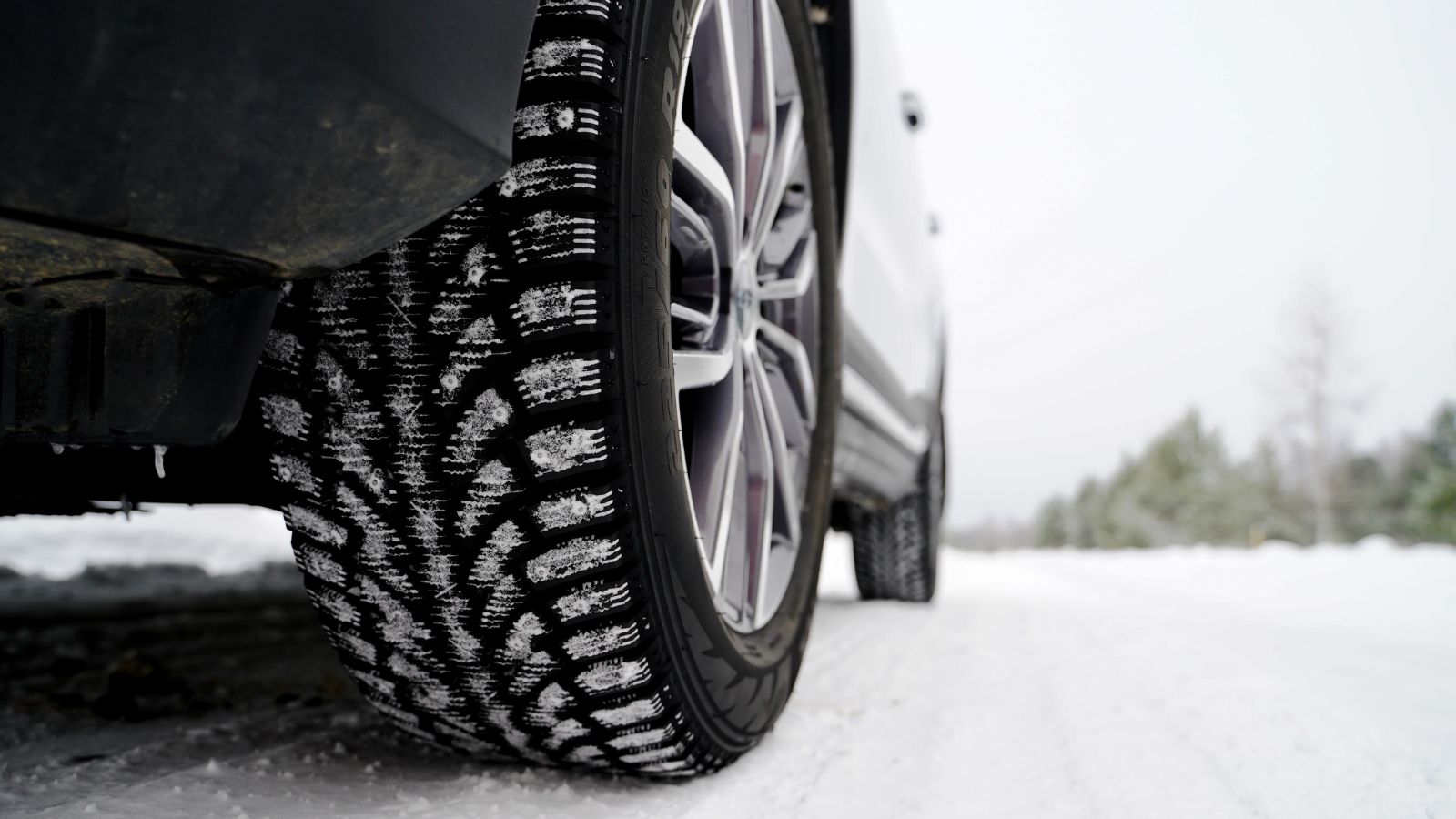
The Three-Peak Mountain Snowflake symbol, often shortened to 3PMSF, identifies tires that meet a defined snow-traction performance requirement. Transport Canada recommends looking for the mountain-and-snowflake marking when choosing winter tires. It is an important distinction because the familiar M+S, or Mud and Snow, marking does not by itself represent the same standardized severe-snow performance test.
Local regulations still matter. British Columbia accepts qualifying M+S tires as the minimum legal winter tire on designated passenger-vehicle routes when they have sufficient tread, although the province recommends mountain/snowflake tires for regular snow, ice and slush. Québec generally recognizes tires displaying the required winter pictogram, along with permitted studded tires, for its mandatory winter-tire period. Drivers pulling an unfamiliar set from storage should therefore read the sidewalls rather than relying on appearance. Aggressive tread alone does not establish which performance standard a tire has met, and knowing the markings becomes particularly important when buying used tires or year-round products advertised as winter-capable.
Make Sure the Vehicle Is Getting Four Proper Winter Tires
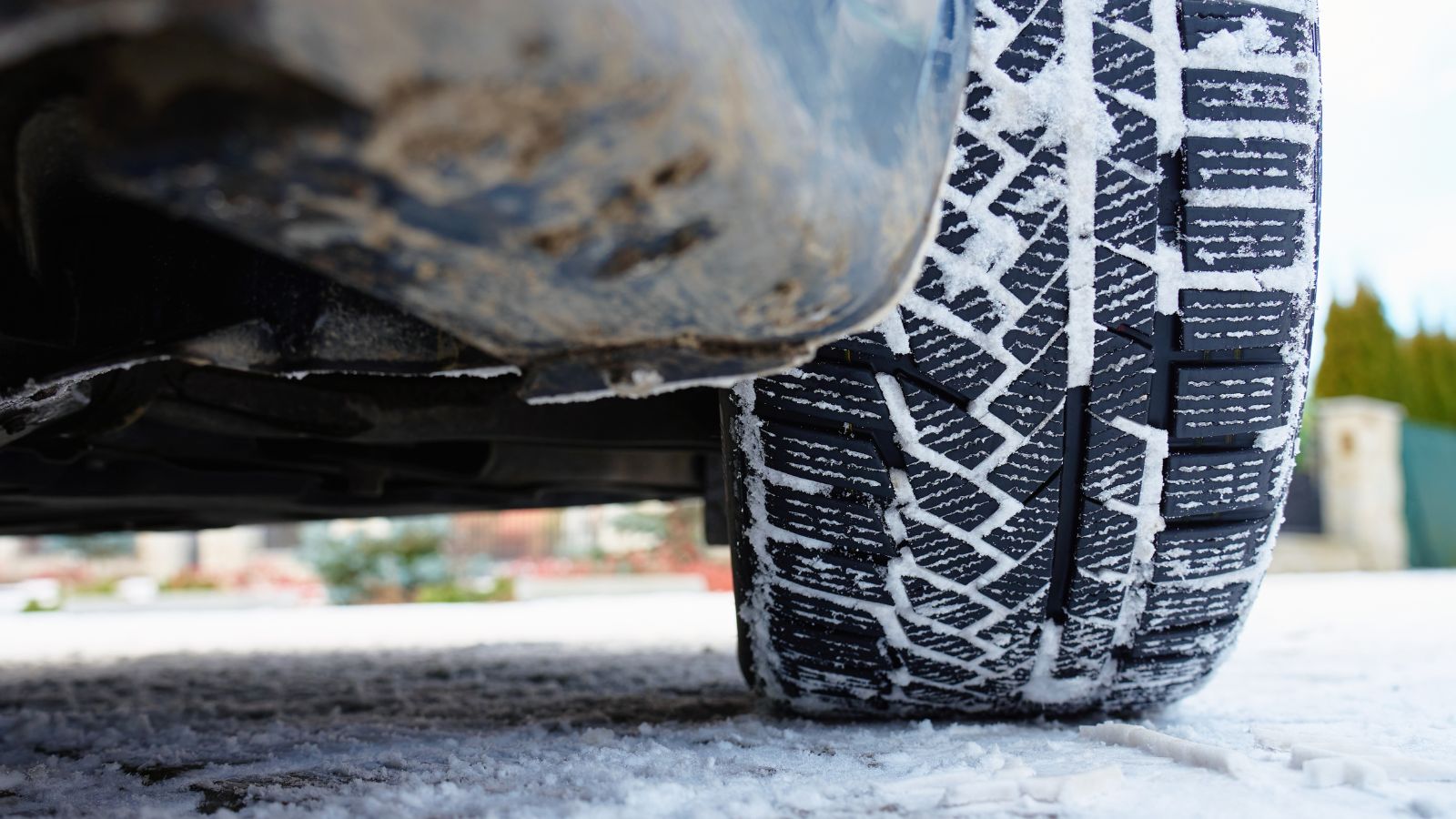
Installing only two winter tires can create a traction imbalance between the front and rear axles. Transport Canada recommends winter tires in sets of four and says vehicle handling improves when all four tires share the same type, size, speed rating and load index. The agency also advises against mixing substantially different tread patterns, construction types or sizes because doing so can reduce stability.
All-wheel drive does not eliminate this concern. AWD can help a vehicle distribute power while accelerating, but tires still provide the contact with the road when braking and turning. A family SUV with excellent traction leaving a snowy intersection can still have limited grip when the driver needs to stop. Before the seasonal rush begins, drivers should therefore count and compare the entire set rather than assuming two newer tires can simply be paired with whatever is already available. When tread depths differ, Transport Canada advises placing the best tires on the rear to support directional stability, although a properly maintained matched set should normally wear more evenly.
Verify the Size, Load Index and Speed Rating
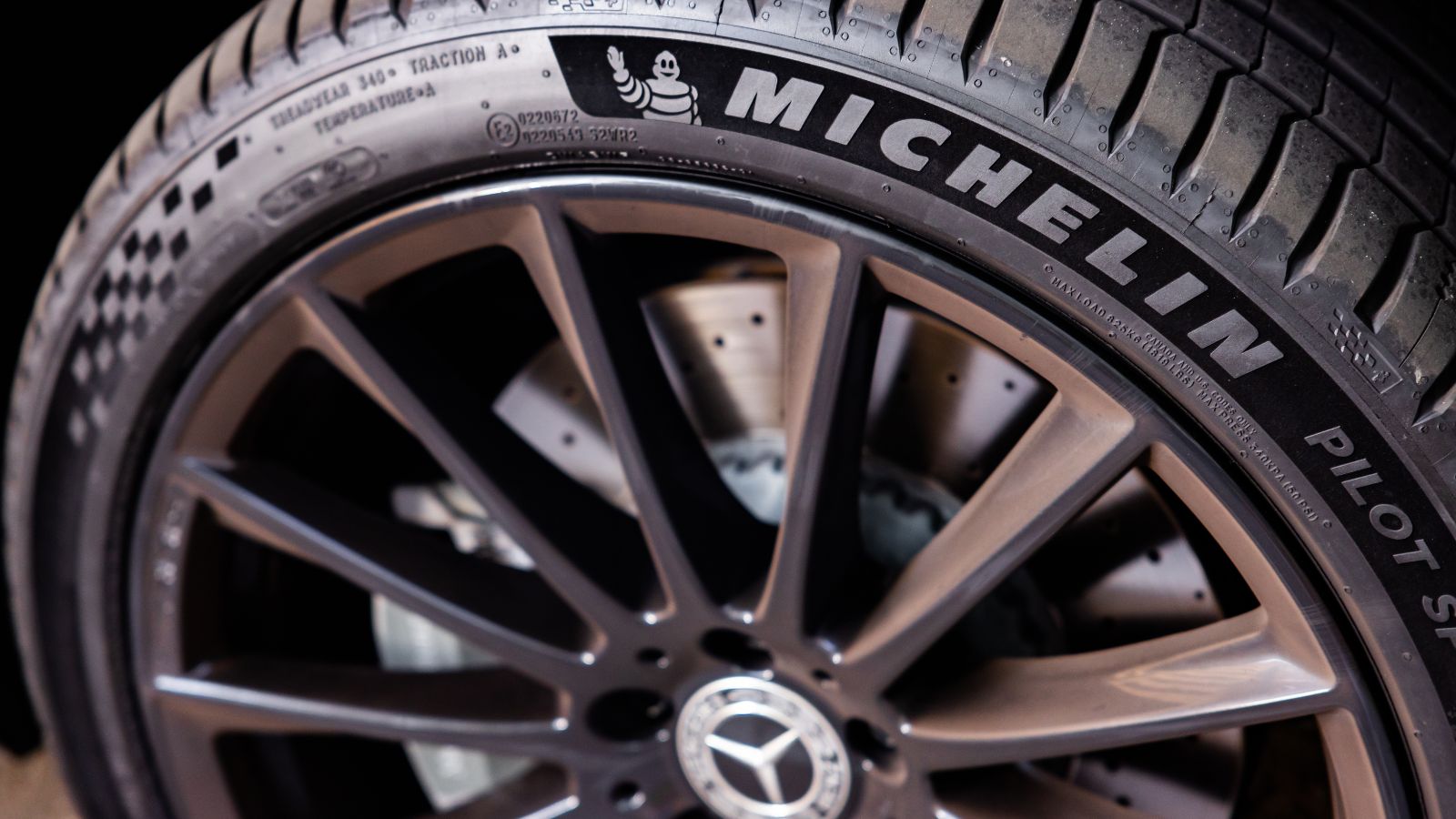
A tire that physically fits over a wheel is not automatically the correct tire for the vehicle. Size, load-carrying capacity and speed rating are part of the fitment decision. Transport Canada recommends matching the type, size, speed rating and load index across all four winter tires. Vehicle-specific information can normally be found on the tire-information label near the driver’s door and in the owner’s manual.
This deserves extra attention when buying a used set, moving tires from an older vehicle or purchasing smaller winter wheels. Some vehicles permit alternate winter fitments, but the overall package still needs to be compatible with the vehicle’s requirements, brakes, load and electronic systems. A bargain set advertised online may therefore become expensive if the dimensions or ratings are wrong. Checking the exact specifications before stores become busy gives a tire professional time to confirm alternatives instead of making a rushed decision at the counter. It also helps prevent ordering four tires only to discover that the intended wheels or vehicle configuration cannot properly use them.
Tell the Shop Whether the Tires Are On Rims
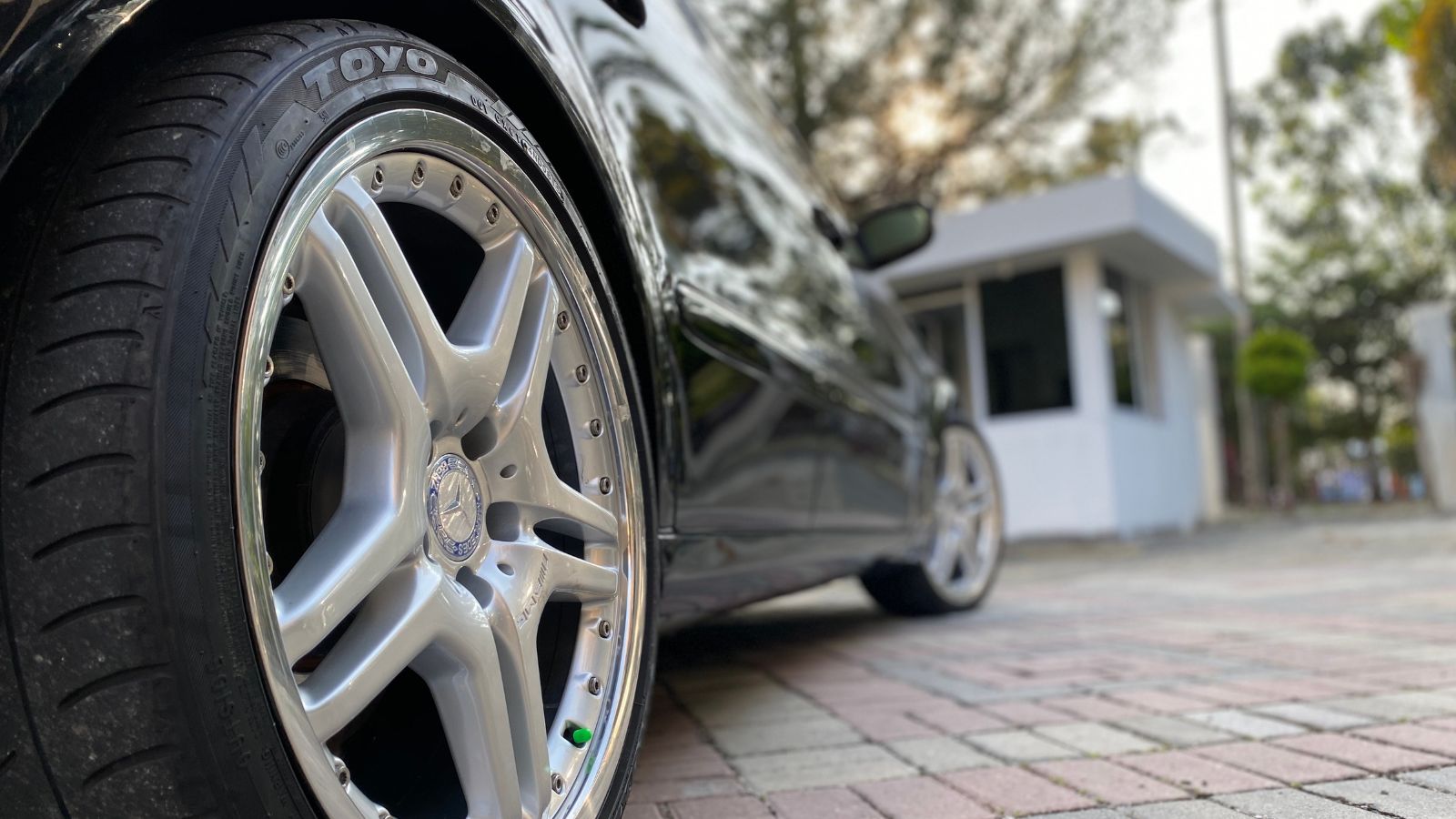
Drivers often use “tire change” to describe two different jobs. A seasonal set already mounted on dedicated wheels can generally be swapped as complete assemblies. Loose winter tires that share the vehicle’s existing wheels must instead be removed, mounted onto the wheels and balanced as necessary. Shops typically ask which situation applies because the equipment, labour and appointment length can differ.
That distinction is worth confirming when the appointment is booked rather than when the vehicle arrives. CAA’s mobile tire service, for example, allocates different amounts of time for on-rim and off-rim changes, while Kal Tire’s booking process explicitly asks whether the seasonal tires are already mounted on wheels. A driver who selects the wrong service can create scheduling problems during the busiest part of the season. Before booking, take a quick look at the stored set: if each tire has a complete wheel in the centre, it is an on-rim setup. If they are bare rubber tires, the appointment requires mounting work as well.
Inspect the Winter Wheels, Not Just the Rubber
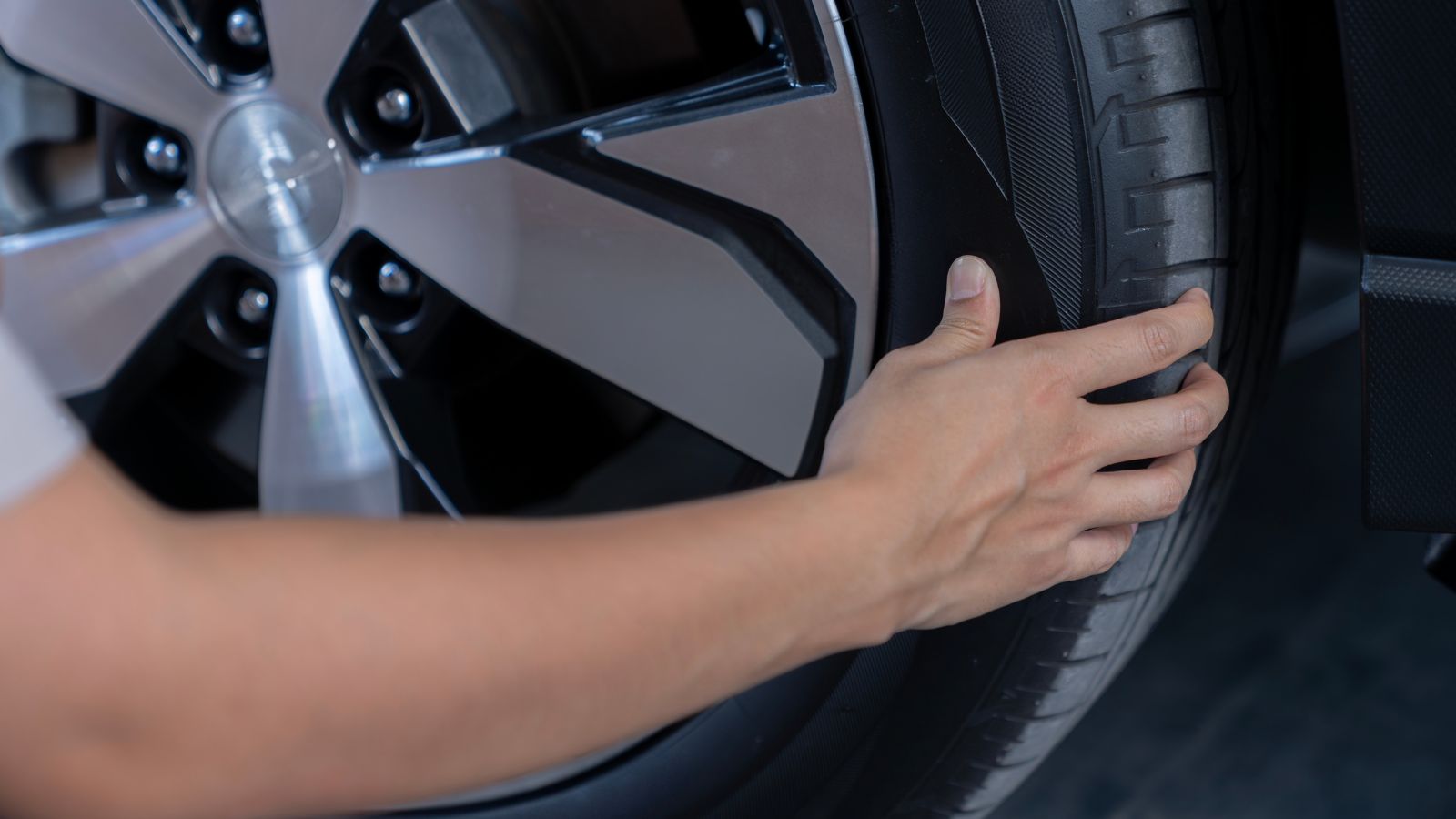
Dedicated winter wheels spend months exposed to moisture, road salt, potholes and repeated installation cycles, yet they are often ignored while drivers concentrate on tread depth. Michelin recommends examining wheels for cracks, bends, corrosion and damage, particularly around the bead seat and flange. Problems in those areas can interfere with the tire’s seal and contribute to leaks or vibration.
Steel wheels can look rough after several Canadian winters without necessarily being unusable, but significant corrosion or structural damage should be assessed professionally. Alloy wheels can also be bent or cracked by impacts. Pulling the set from storage early provides an opportunity to spot obvious trouble before the tire shop is overwhelmed. A wheel that slowly leaked the previous winter should receive special attention because corrosion or bead-area damage may be part of the problem. Dealing with the wheel before mounting day is much easier than discovering the technician cannot safely install a tire on it while the vehicle is already occupying a service bay.
Find the Wheel-Lock Key Before the Car Is on the Hoist

Anti-theft wheel locks are useful until the special key disappears into a glove compartment, trunk pocket or forgotten tool bag. Each locking nut or bolt requires a matching key for removal, and a missing key can stop an ordinary tire change immediately. CAA specifically tells mobile tire-change customers with locking lug nuts to make sure the key is available for the technician.
Drivers should locate it days before the appointment, not while a service advisor is waiting. Common storage locations include the glove box, centre console, spare-wheel compartment and factory tool kit. It is also worth checking that the normal seasonal hardware is present. Some aftermarket or winter wheels use different lug nuts or bolts from the summer setup, and those parts may have been stored separately. Keeping the correct hardware and lock key with the vehicle or clearly labelled tire set turns a potentially frustrating problem into a non-event when appointment calendars are full.
Make Sure the TPMS Will Work With the Winter Wheels
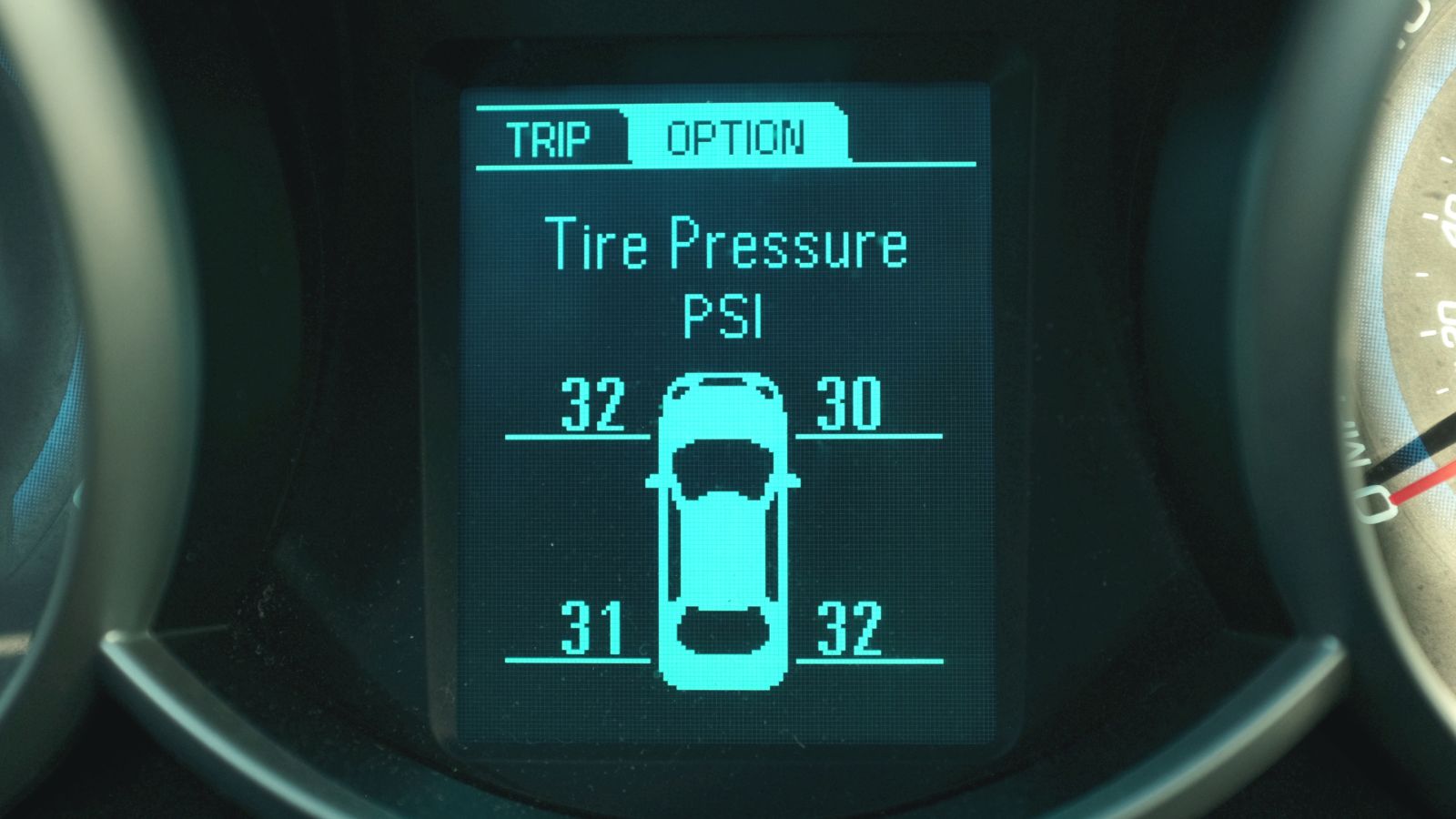
A Tire Pressure Monitoring System can use wheel-mounted sensors to measure pressure directly, or vehicle systems may estimate pressure changes through wheel-speed information. Transport Canada warns that some systems may not operate correctly after winter tires are installed unless the appropriate sensors are fitted. Replacement wheels also need to be compatible with the vehicle’s sensor system when direct TPMS is used.
This becomes particularly relevant when buying new winter wheels or purchasing a used wheel-and-tire package. A set can fit mechanically while still creating a TPMS warning or requiring sensor programming. Some vehicles can relearn sensors automatically, while others require specific reset or programming procedures. Checking before the rush allows the tire shop to identify the correct sensors and determine whether additional work is necessary. Otherwise, a driver may leave the appointment with a dashboard warning and no functioning pressure alert. TPMS does not replace manual pressure checks, but keeping the system operational preserves an additional warning layer during months when cold temperatures can reduce tire pressure.
Know the Correct Cold Tire Pressure Before Winter Arrives
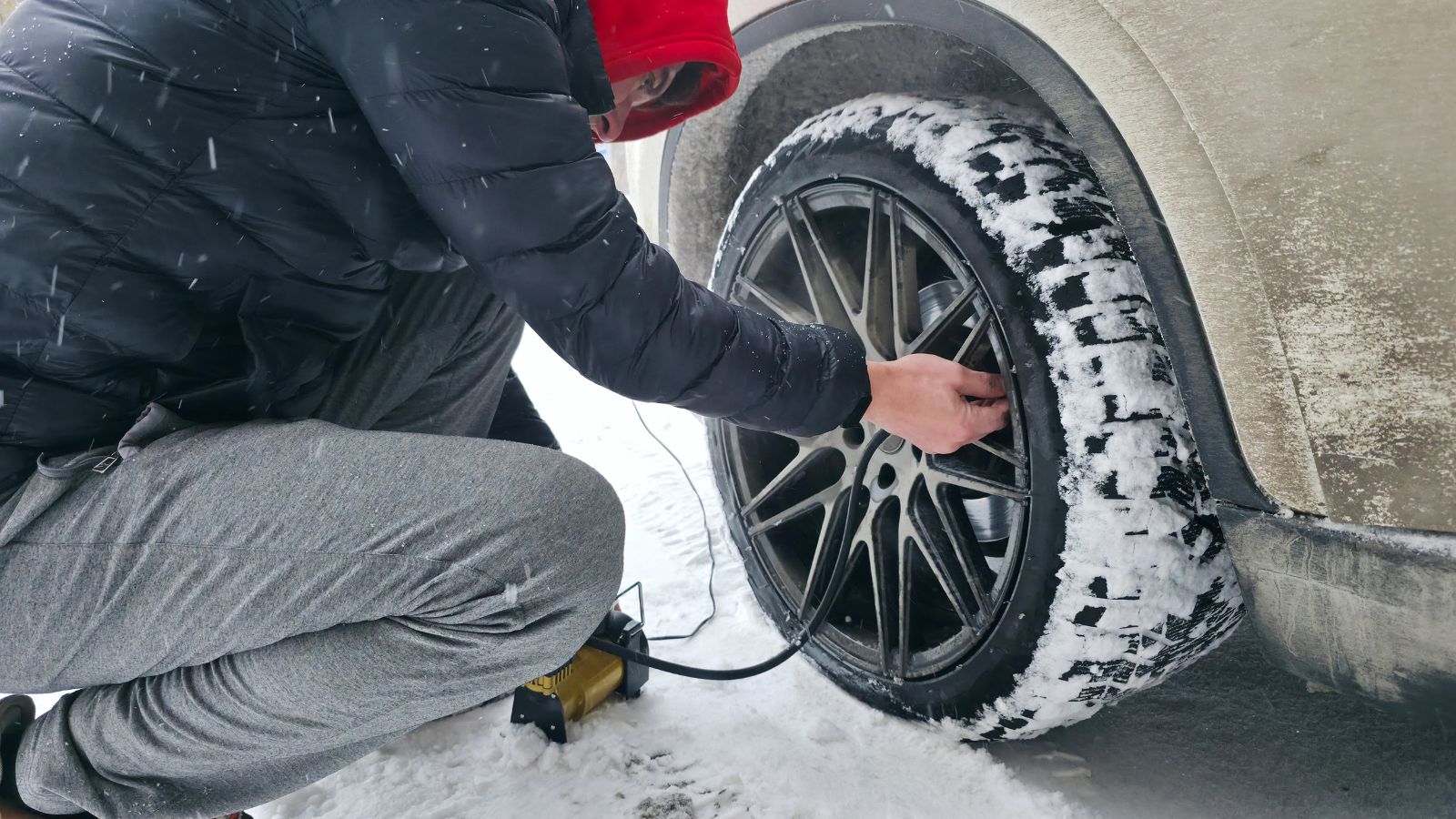
Temperature has a measurable effect on inflation pressure. Transport Canada notes that tire pressure can fall by roughly 1 psi for every 5°C decrease in temperature. A tire adjusted on a warm September afternoon can therefore read noticeably lower once winter temperatures settle in. Because visual inspection cannot reliably identify moderate underinflation, a pressure gauge remains an important piece of winter-tire equipment.
The correct target pressure should come from the vehicle’s tire-information placard or owner’s manual rather than the maximum number moulded into the tire sidewall. Measurements should be taken when the tires are cold. Drivers should also check the spare, where equipped, because a rarely used spare can quietly lose pressure for months or years. Establishing the correct figures before the seasonal change makes it easier to check the technician’s work and continue monthly monitoring. Cold weather should be expected to change the reading; it should not be allowed to turn routine seasonal pressure loss into prolonged underinflation.
Work Out the Rotation and Direction Before Installation

Seasonal changeovers are a natural opportunity to rotate tires, but the correct pattern depends on the tire and vehicle. Directional tires are designed to rotate in one direction and must be mounted accordingly. Michelin notes that directional tires of equal size are generally rotated front to rear on the same side rather than crossed from left to right. Transport Canada also recommends making sure directional winter tires are installed on the correct side.
Labelling tire positions when they are removed makes the next installation easier. A simple “LF,” “RF,” “LR” and “RR” marking can show where each wheel spent the previous season. That information helps a technician select an appropriate rotation pattern and promotes more even wear. It also prevents a common garage problem: four nearly identical wheels stacked for six months with no record of where they came from. Rotation is not merely housekeeping. Keeping tread depths more consistent across the set supports the balanced winter handling that a matched four-tire setup is intended to provide.
Deal With Wheel-Balance Problems Before the Rush
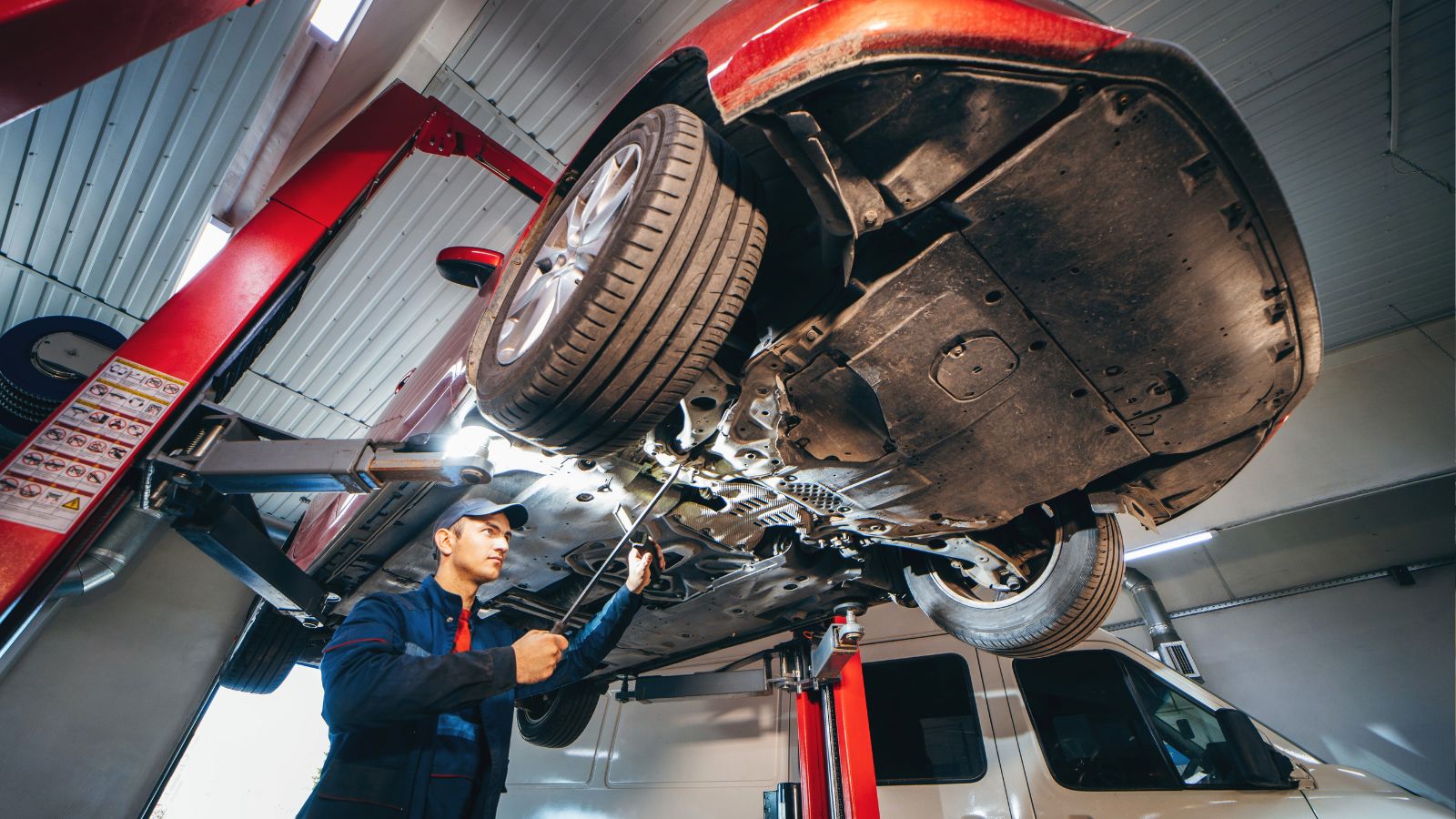
A vibration that appeared near the end of last winter should not automatically be forgotten when the tires go into storage. Wheel imbalance can produce steering-wheel, seat or floor vibration and contribute to irregular tread wear. Michelin recommends checking balance when tires are mounted and investigating vibration rather than simply continuing to drive with it.
The seasonal changeover provides a convenient opportunity, but the concern should be mentioned when the appointment is booked. That allows the shop to allocate the correct service rather than assuming the visit is a quick wheel swap. A missing balance weight, bent wheel or unevenly worn tire may require more time than a standard installation. Drivers should also remember that not every vibration is a balance problem; suspension, wheel and tire damage can produce similar symptoms. The goal before winter is therefore not to request balancing blindly, but to tell the technician what the vehicle was doing so the cause can be checked before icy roads make stable handling even more important.
Fix Alignment Problems Before They Ruin Another Set
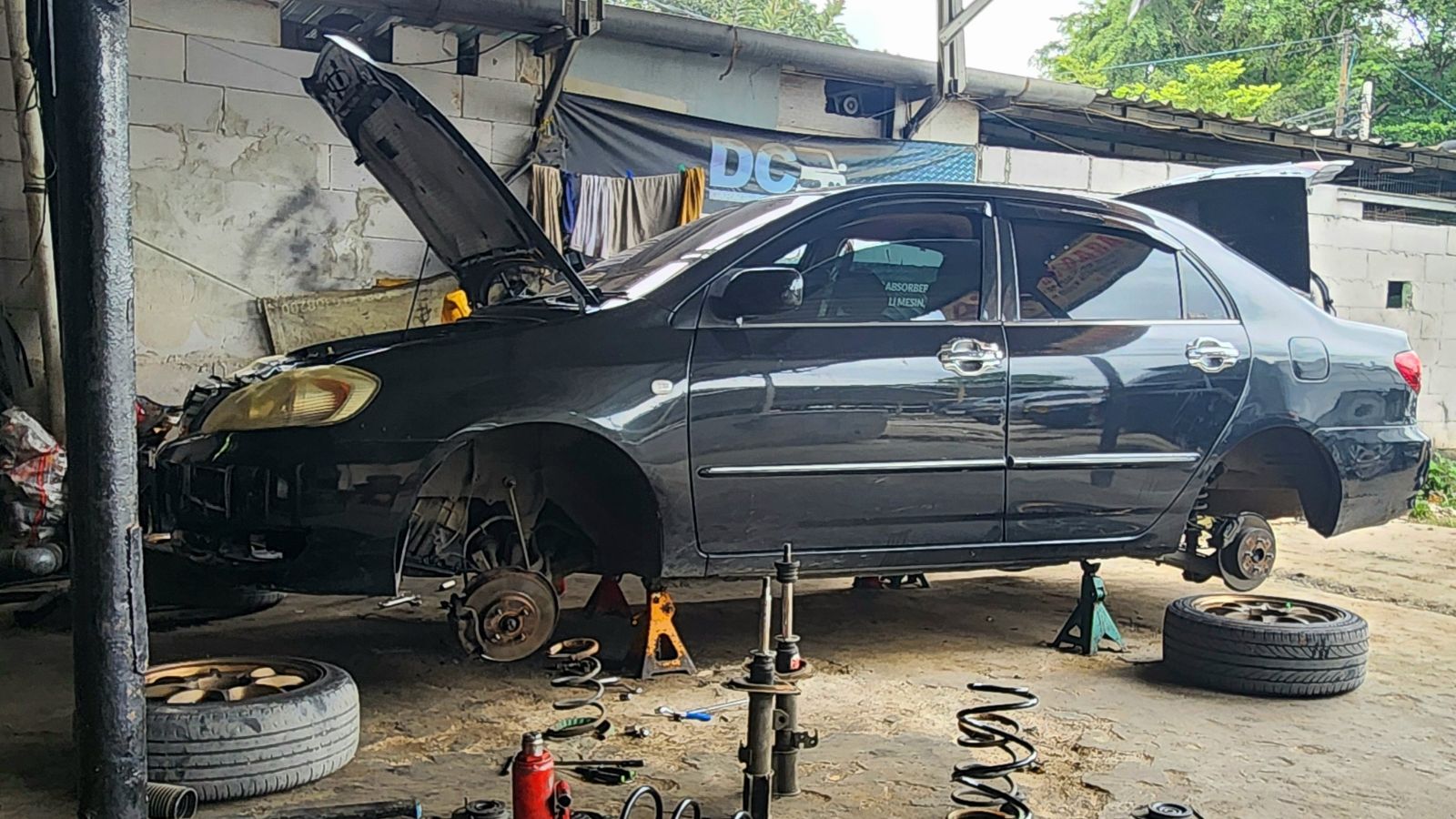
Uneven tread wear often tells a story. Heavy wear on one edge, a steering wheel that no longer sits centred or a vehicle that consistently pulls to one side can indicate an alignment problem. Michelin recommends an alignment check when these symptoms appear and notes that incorrect alignment can accelerate tire wear. Installing good winter tires without addressing the underlying problem can simply transfer the abnormal wear to the new set.
This is especially frustrating when expensive winter tires are involved. A driver may spend hundreds of dollars replacing worn tires, only to find the fresh set developing the same pattern because the vehicle was never aligned. Inspecting the outgoing and stored tires before seasonal demand peaks creates an opportunity to spot that pattern. Alignment and balancing are different services: alignment concerns wheel angles, while balancing addresses weight distribution in the rotating wheel-and-tire assembly. Knowing which symptoms were present helps the shop diagnose the right issue and protects the winter tires once they are installed.
Order Replacement Tires Before the Appointment Calendar Fills
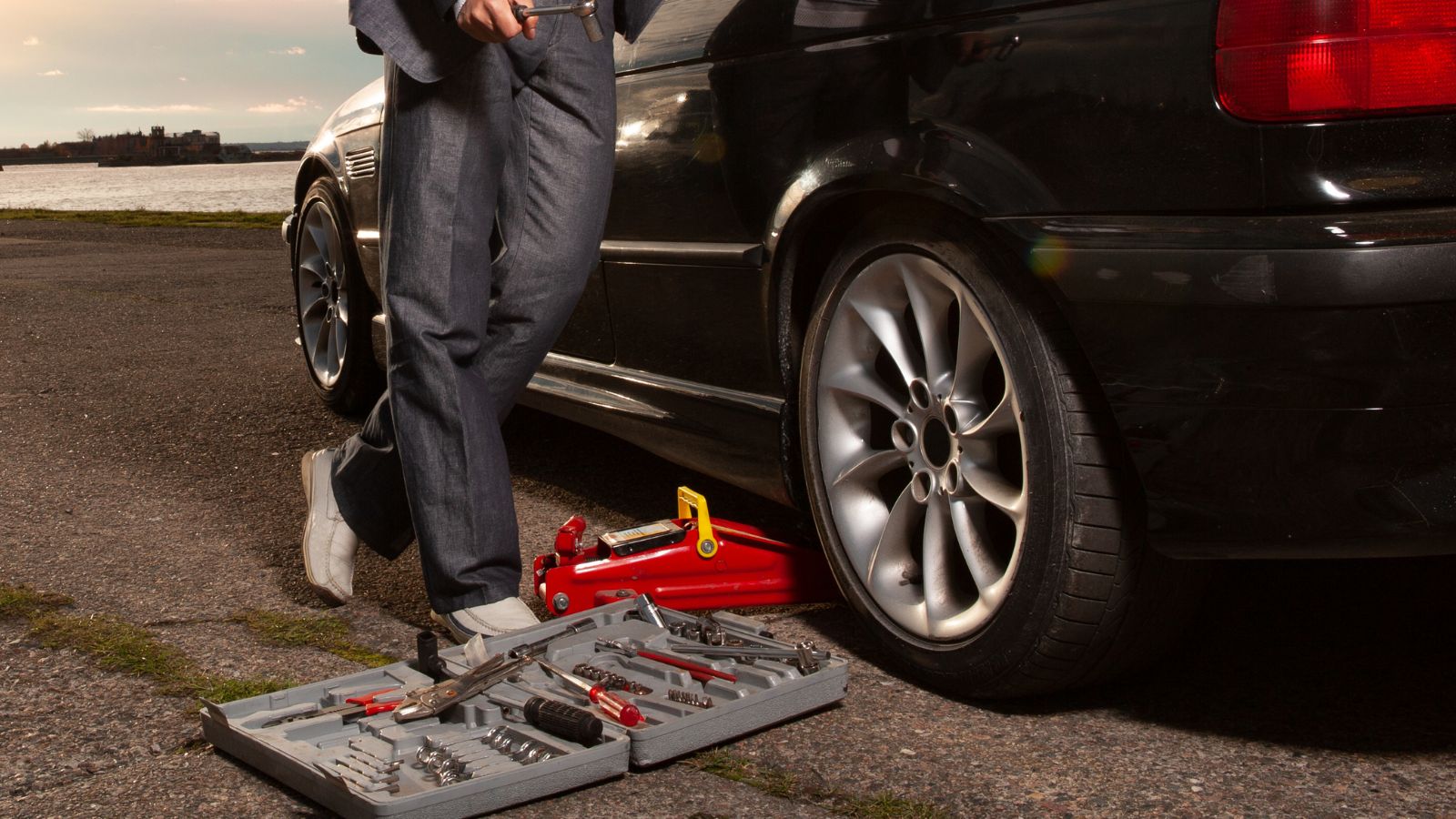
An inspection only helps if drivers act on what it reveals. If a winter tire is too worn, damaged, badly aged or otherwise unsuitable, the replacement decision should be made before the busiest weeks of the season. Waiting until installation day can turn a planned changeover into an urgent purchase, particularly if the vehicle uses a less common size or the driver wants a specific tire model.
Current Canadian tire retailers actively encourage early scheduling for this reason. Kal Tire’s 2026 seasonal campaign warns that appointment availability fills as temperatures fall, while recent Canadian tire-service guidance similarly emphasizes booking before October demand peaks. Early ordering does not guarantee that every model will always be available, but it gives the retailer more time to locate the required fitment and gives the customer more time to compare appropriate choices. It also reduces the temptation to compromise on size, rating or tire type simply because the first major cold spell has arrived and the vehicle needs tires immediately.
Check Insurance Discounts and Provincial Financing Before Paying

Winter tires may come with financial benefits that are easy to overlook. In Ontario, insurers are required to offer a winter-tire discount for qualifying private-passenger vehicles, although insurers determine their own qualification requirements. Newfoundland and Labrador likewise requires insurers to offer a rate reduction for private passenger automobiles equipped with winter tires. Drivers should ask what documentation and installation dates their insurer requires rather than assuming the discount appears automatically.
Manitoba offers another example. Manitoba Public Insurance’s Winter Tire Program provides eligible customers with financing of up to $2,000 per vehicle for qualifying winter tires and related costs. Beginning October 1, 2026, the program’s qualifying-tire rules specify manufacturer-designated winter tires carrying the Three-Peak Mountain Snowflake symbol, excluding year-round categories even when they have that symbol. Checking programs before buying matters because eligibility rules can influence which products and services qualify. A few minutes of research can prevent a driver from discovering after the purchase that paperwork or tire specifications were required.
Prepare a Proper Storage Spot for the Tires Coming Off
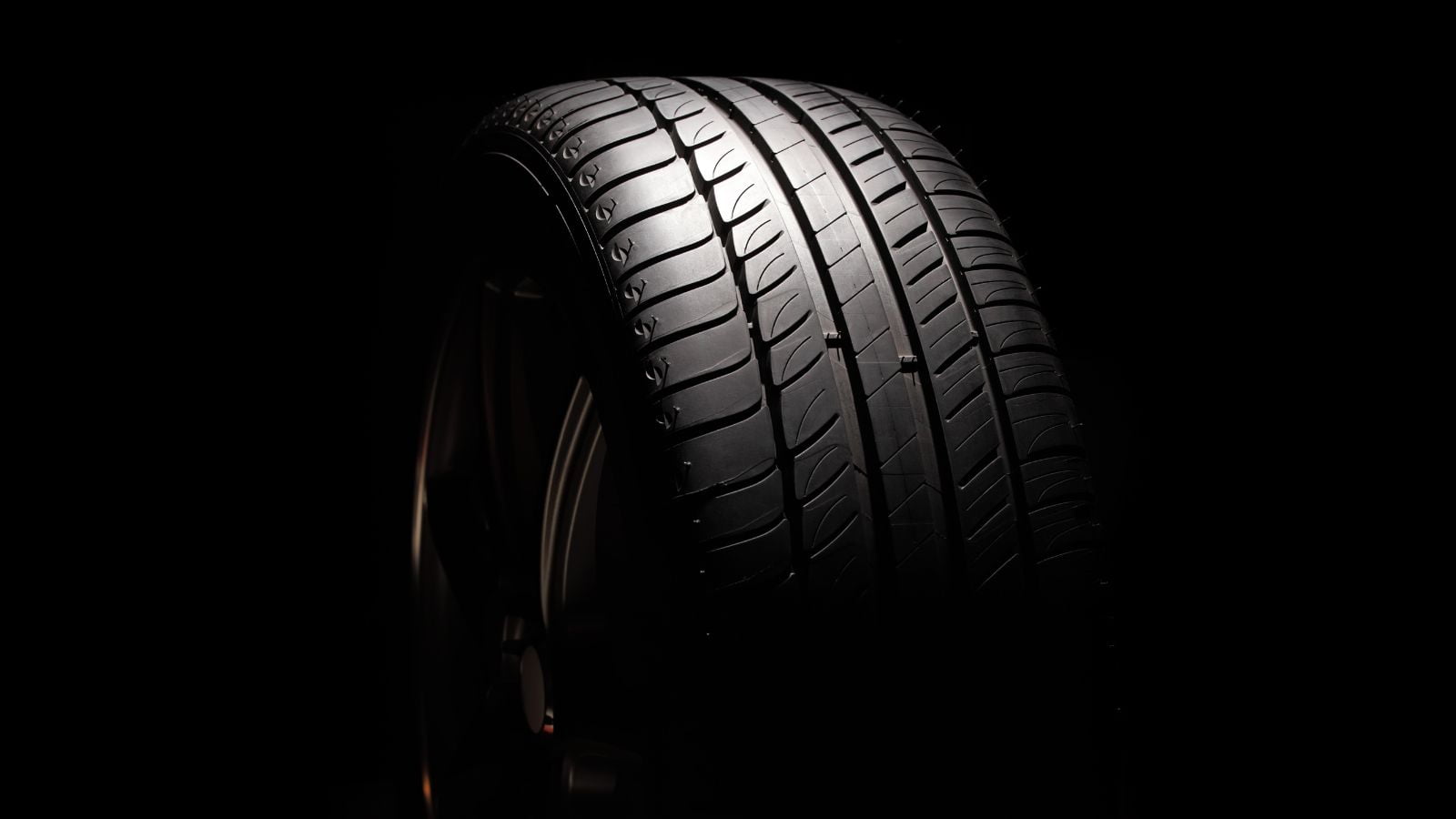
The winter set gets most of the attention in autumn, but the tires being removed also need somewhere suitable to spend several months. Michelin recommends storing seasonal tires indoors in a cool, dry and dark environment away from direct sunlight, heat and ozone-producing equipment such as some electric motors. Tires should also be cleaned and dried before long-term storage.
Storage position depends on whether tires remain on wheels. Michelin recommends stacking mounted tire-and-wheel assemblies horizontally, while unmounted tires are stored upright. Drivers should also mark the tires’ previous vehicle positions before putting them away so the information is available for the next rotation. Planning this before the appointment avoids the familiar scene of four dirty summer wheels sitting outside the garage because their normal storage space is full. Proper storage is not particularly complicated, but months of unnecessary UV exposure, moisture or contamination are avoidable when a clean indoor location has been prepared in advance.
Put the Post-Installation Checks on the Calendar Now

The job is not necessarily finished when the seasonal tires are installed. Some service providers recommend checking wheel-nut torque again after a short period of driving. CAA South Central Ontario, for example, advises customers using its mobile tire service to have wheels retorqued within approximately 100 to 150 kilometres. Other businesses use different procedures; Kal Tire says its current double-torque process is designed so customers do not have to return for a separate retorque.
The important lesson is to follow the installer and vehicle manufacturer’s instructions rather than relying on a rule remembered from another shop. Before leaving the appointment, ask whether a follow-up torque check is required and put it in the calendar if it is. Tire pressure also deserves continued attention after installation. Transport Canada recommends regular cold-pressure checks because temperatures keep changing after the tires go on. A seasonal changeover should therefore be treated as the beginning of winter tire maintenance, not the final time anyone looks at the wheels until spring.
19 Used Cars Canadians Should Avoid in 2026 (Based on Owner Complaints)

Buying a used car in Canada can feel safe until repair bills start stacking up. Owner complaints tell a different story than glossy listings. Transmission failures, electrical problems, and weak winter reliability show up again and again in consumer reports. Many of these issues appear after warranties expire, when owners least expect them. Some vehicles look affordable upfront, but become expensive to keep on the road. Others struggle in cold weather, urban driving, or long highway commutes. Here are 19 used cars Canadians should avoid in 2026 (based on owner complaints).
19 Used Cars Canadians Should Avoid in 2026 (Based on Owner Complaints)

Alanna Rosen is an experienced content writer that focuses on many EV and educational content. Her articles are regularly published on Get CyberTrucked and syndicated on large publications.