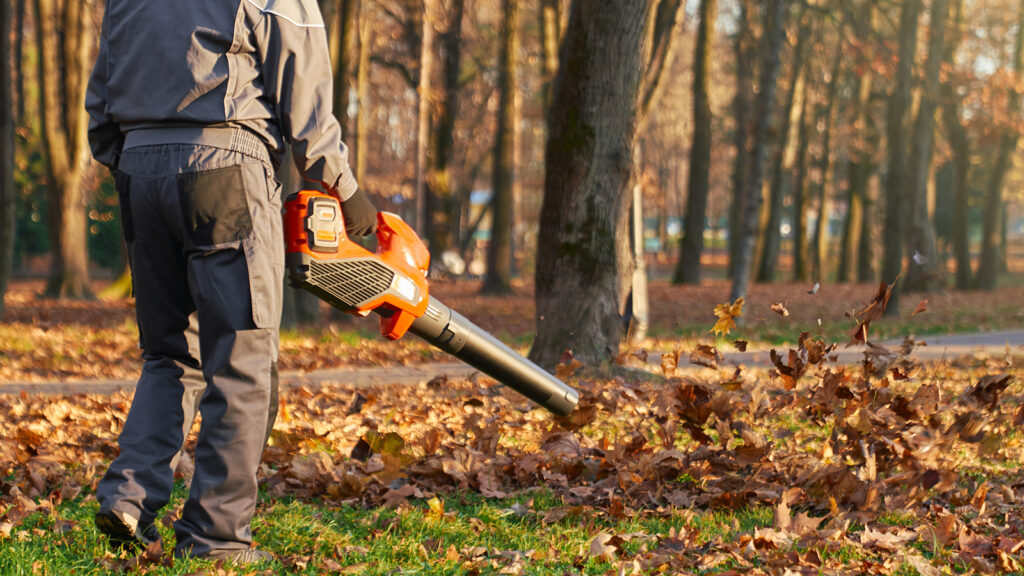
Few seasonal sights seem less threatening than a road scattered with red, yellow and orange leaves. Yet once autumn rain, cooler temperatures and heavier leaf buildup arrive, those colourful roads can become unexpectedly difficult to navigate. Fallen leaves can reduce traction, conceal pavement hazards, interfere with drainage and make already-challenging fall visibility even worse.
The danger is particularly easy to underestimate because a leaf-covered road may still appear relatively normal from behind the wheel. Conditions can change within metres as tires move from clean pavement onto a damp layer of organic debris. These 12 hazards explain why fallen leaves deserve more attention from drivers during the Canadian autumn and why slowing down can matter long before the first snowflake appears.
Wet Leaves Can Take Away More Grip Than Drivers Expect
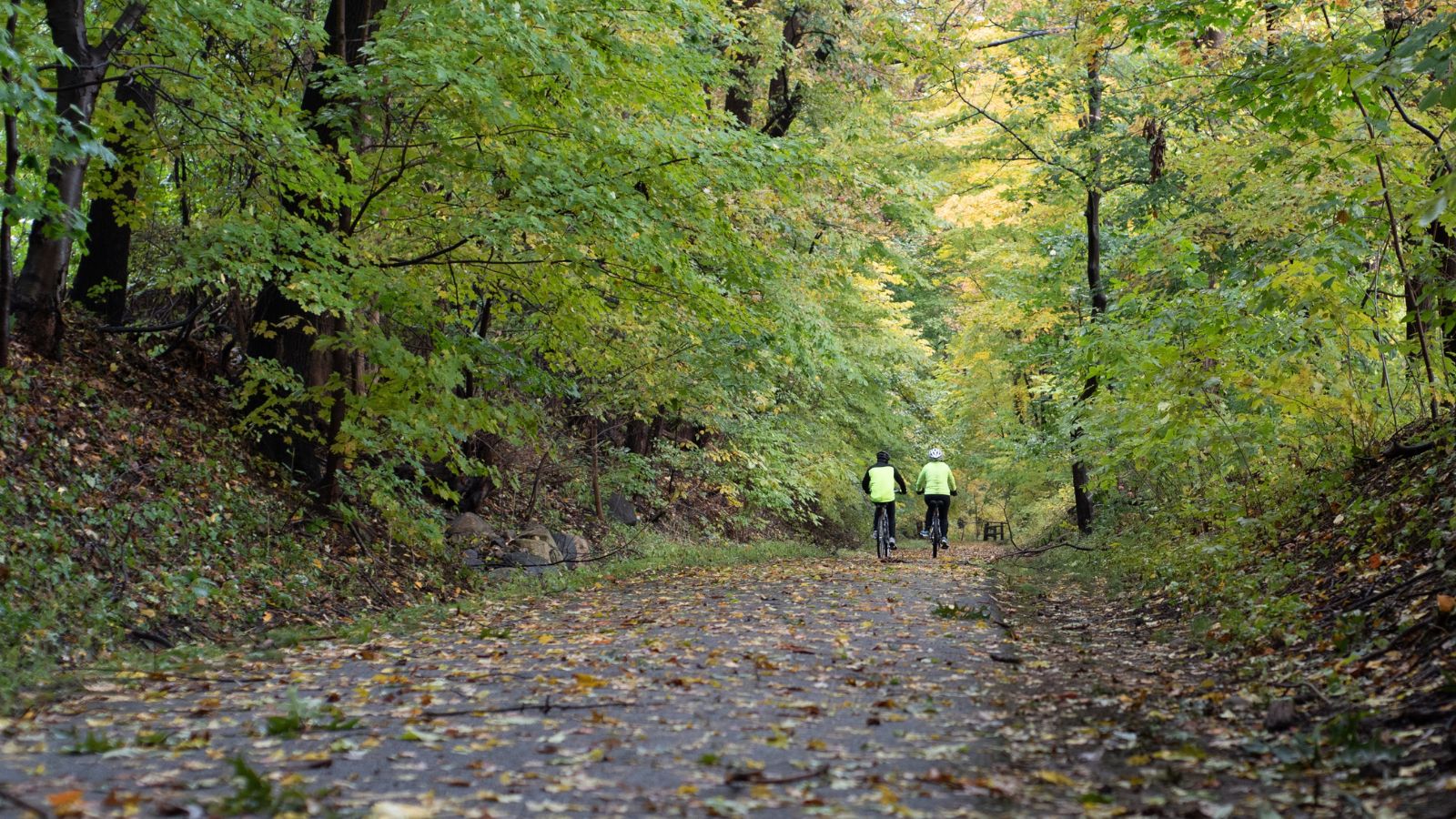
A thin scattering of dry leaves may not seem particularly concerning, but the situation changes quickly after rain. Road-safety organizations warn that wet leaves can create a low-traction surface, making acceleration, braking and steering less predictable. ICBC specifically includes wet leaves among the materials capable of making roads slippery and dangerous. Ontario motorcycle guidance similarly identifies wet leaves as a surface riders should avoid whenever possible.
The problem becomes more noticeable when traffic compresses layers of damp leaves against the pavement. A driver may be travelling normally on bare asphalt and then encounter a heavily covered section approaching an intersection or bend. Because the appearance of the road may not seem dramatically different, the reduced grip can come as a surprise. The safest response is generally to reduce speed before entering the leaf-covered area and keep steering, throttle and braking inputs smooth. Waiting until the vehicle begins sliding leaves far fewer options for correcting the situation.
Stopping Can Take Considerably More Room
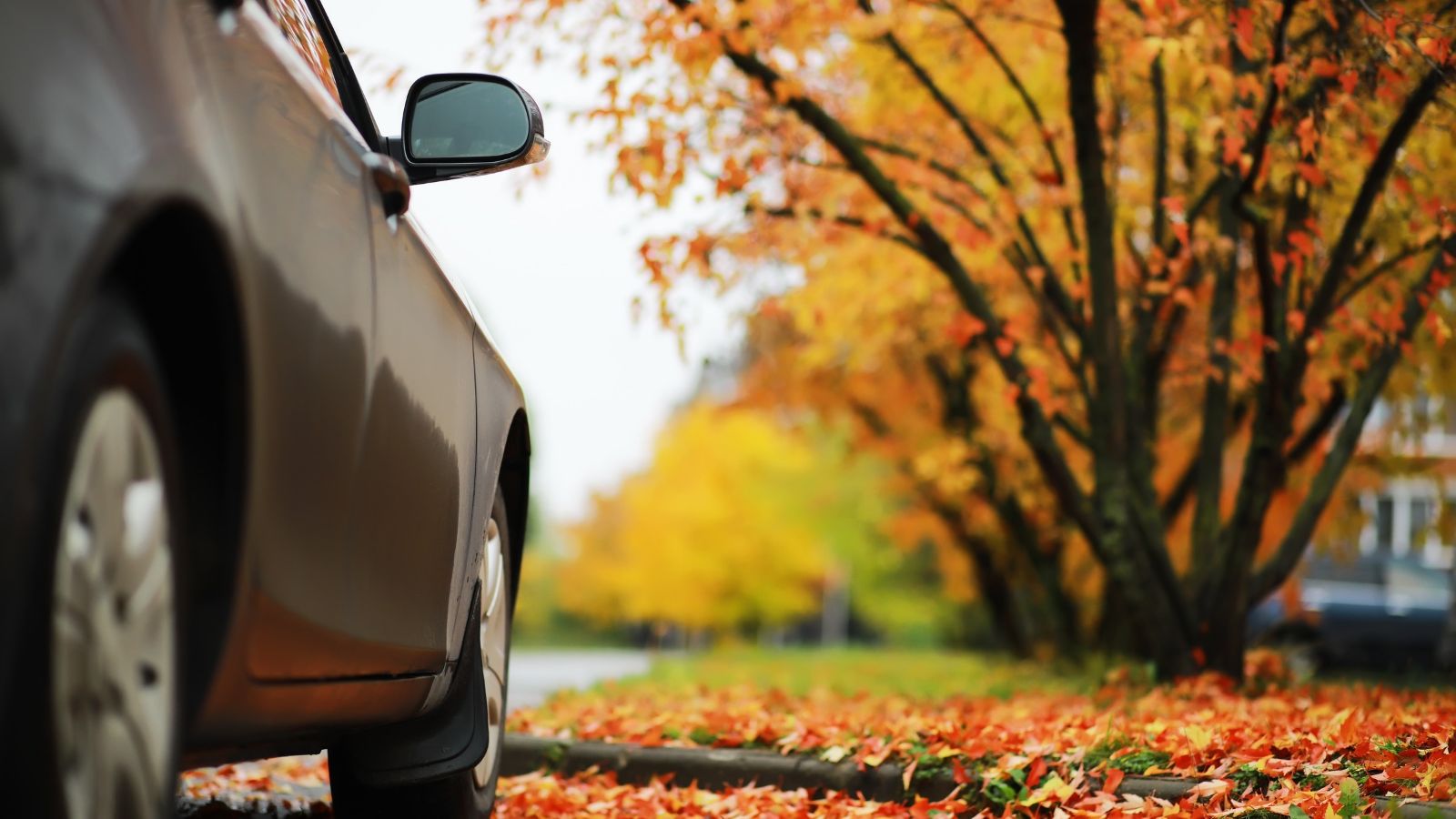
Reduced traction becomes especially important when something suddenly requires a stop. ICBC has advised motorists to allow at least twice their normal braking distance on wet, slippery roads or roads covered with leaves. That additional room can become critical when traffic stops unexpectedly, a pedestrian steps into a crosswalk or an animal appears on a rural road.
Speed makes the difference even greater. A driver travelling too quickly into a leaf-covered section may discover that braking response feels very different from the clean pavement only moments earlier. Hard braking can also demand more traction from the tires precisely when less traction is available. Building a larger following distance before reaching a potentially slippery area gives the vehicle more time and pavement in which to slow gradually. In busy autumn traffic, that may mean resisting the temptation to close a gap every time another driver moves ahead. A few extra seconds of space can become valuable when the surface unexpectedly changes.
Curves Can Become Much Less Forgiving
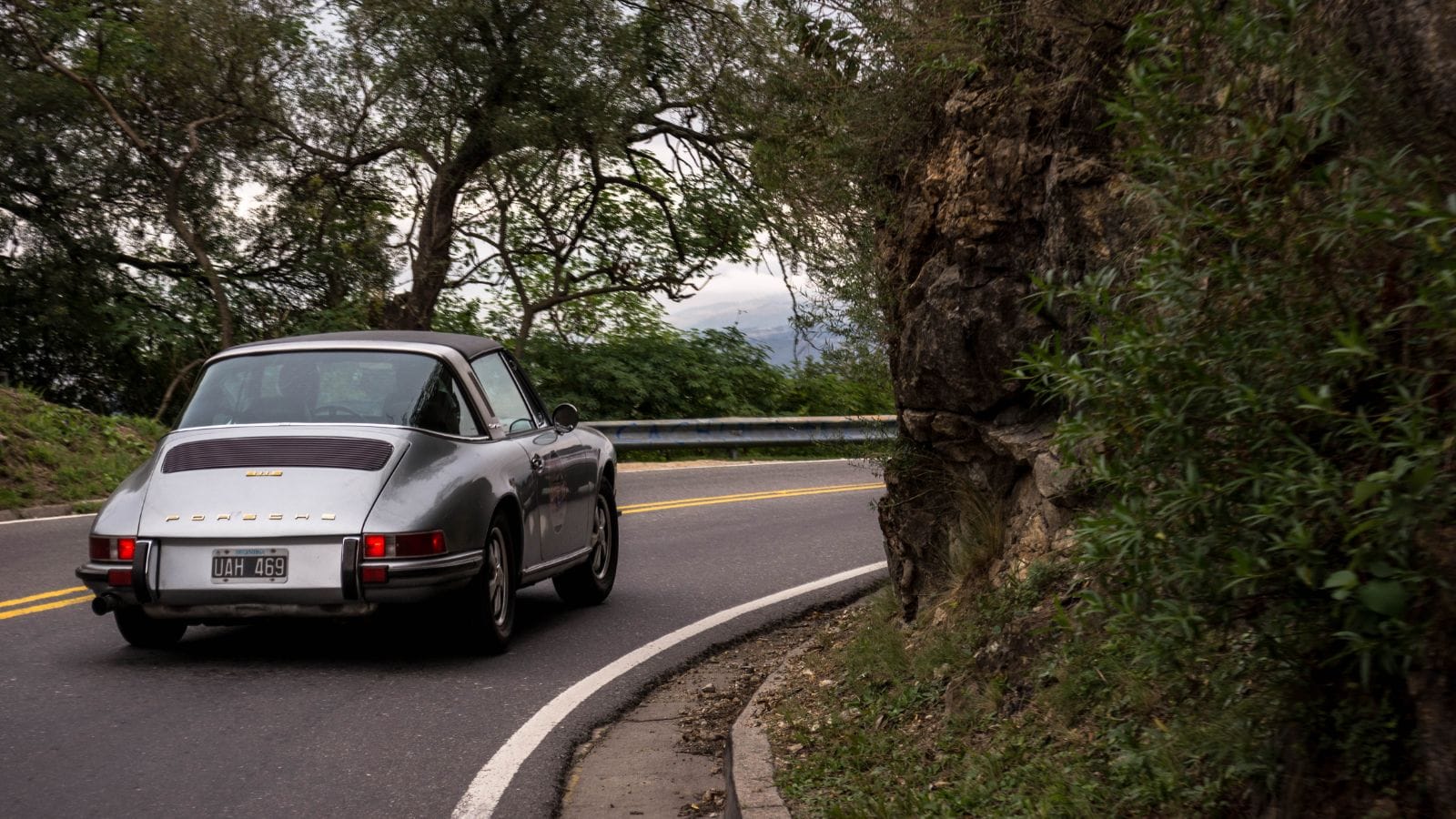
Leaf-covered bends deserve particular attention because cornering places additional demands on tire grip. A vehicle already using some of its available traction to change direction has less margin remaining if the driver suddenly brakes, accelerates or makes a sharp steering correction. Transport Canada advises drivers on slippery surfaces to slow down and avoid forceful braking or abrupt steering movements, particularly while changing lanes, turning or negotiating curves.
That principle applies well to wet autumn roads. A familiar rural corner that feels completely routine in July may behave differently when the pavement disappears beneath damp maple leaves in October. Entering the bend more slowly allows the driver to make smaller, smoother corrections rather than reacting abruptly halfway through it. This becomes especially important on downhill curves, neighbourhood streets lined with mature trees and narrow roads where leaves tend to collect near the edges. The safest manoeuvre is often the least dramatic one: reduce speed before the turn and maintain smooth control through it.
Leaves Can Make Lane Markings Disappear
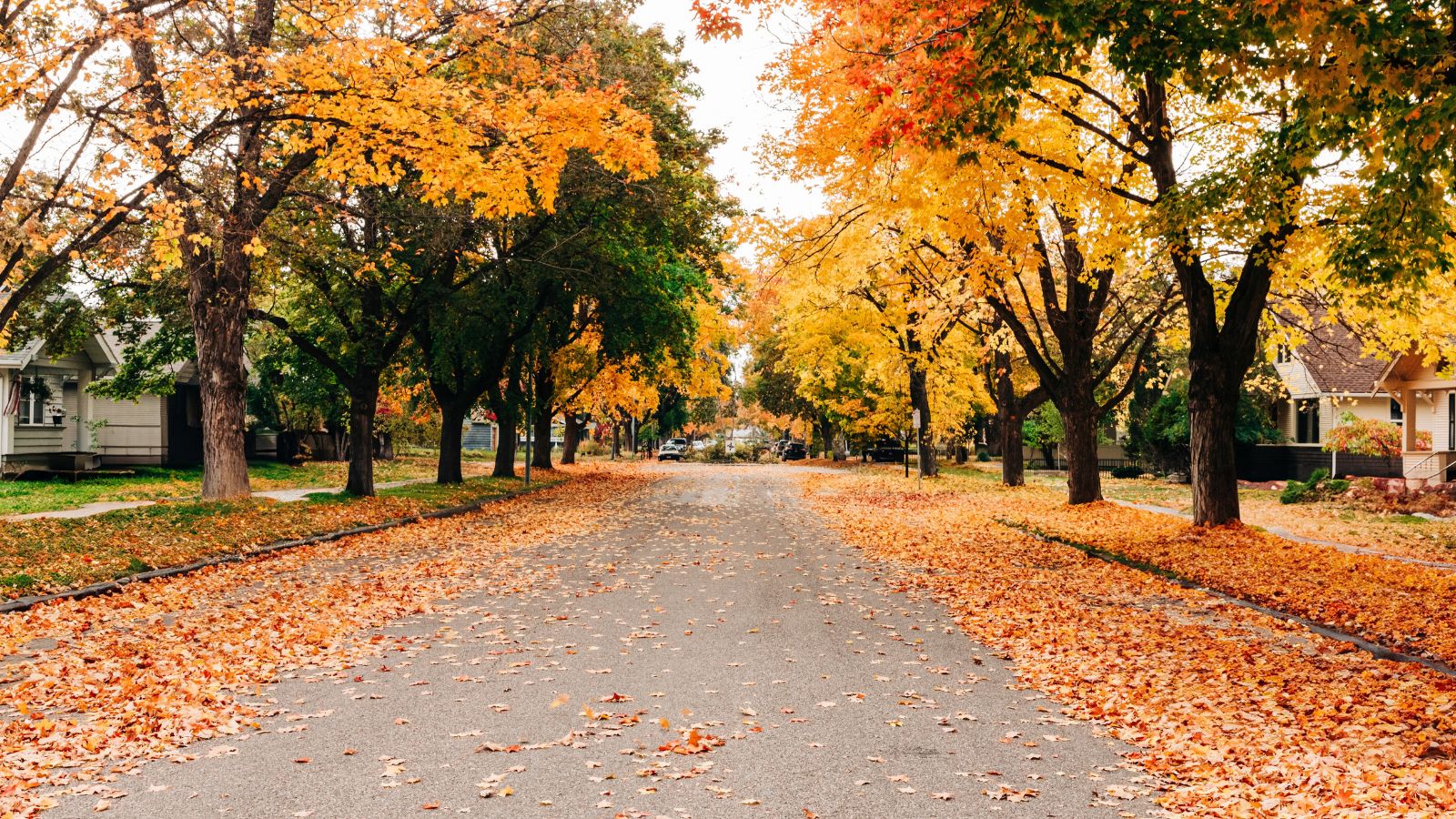
Fallen leaves do not have to make a road slippery to create trouble. A thick layer can partially or completely hide centre lines, edge lines, turning guides and other pavement markings. U.S. Army road-safety guidance specifically warns that leaves can cover road markings, while highway-safety research emphasizes the importance of visible lane boundaries in helping drivers maintain position on the road.
This matters most in places where visual guidance is already limited. A dark rural road may rely heavily on centre and edge lines to show how sharply it bends. At an urban intersection, leaf cover can make painted lane guides or parts of a crosswalk harder to distinguish. Add rain or early evening darkness and the roadway can become surprisingly difficult to read. Drivers should avoid assuming that a road continues exactly where memory suggests it does. Reducing speed, looking farther ahead and using permanent roadside features as additional visual references can help until clear pavement markings become visible again.
Potholes and Other Hazards Can Hide Underneath
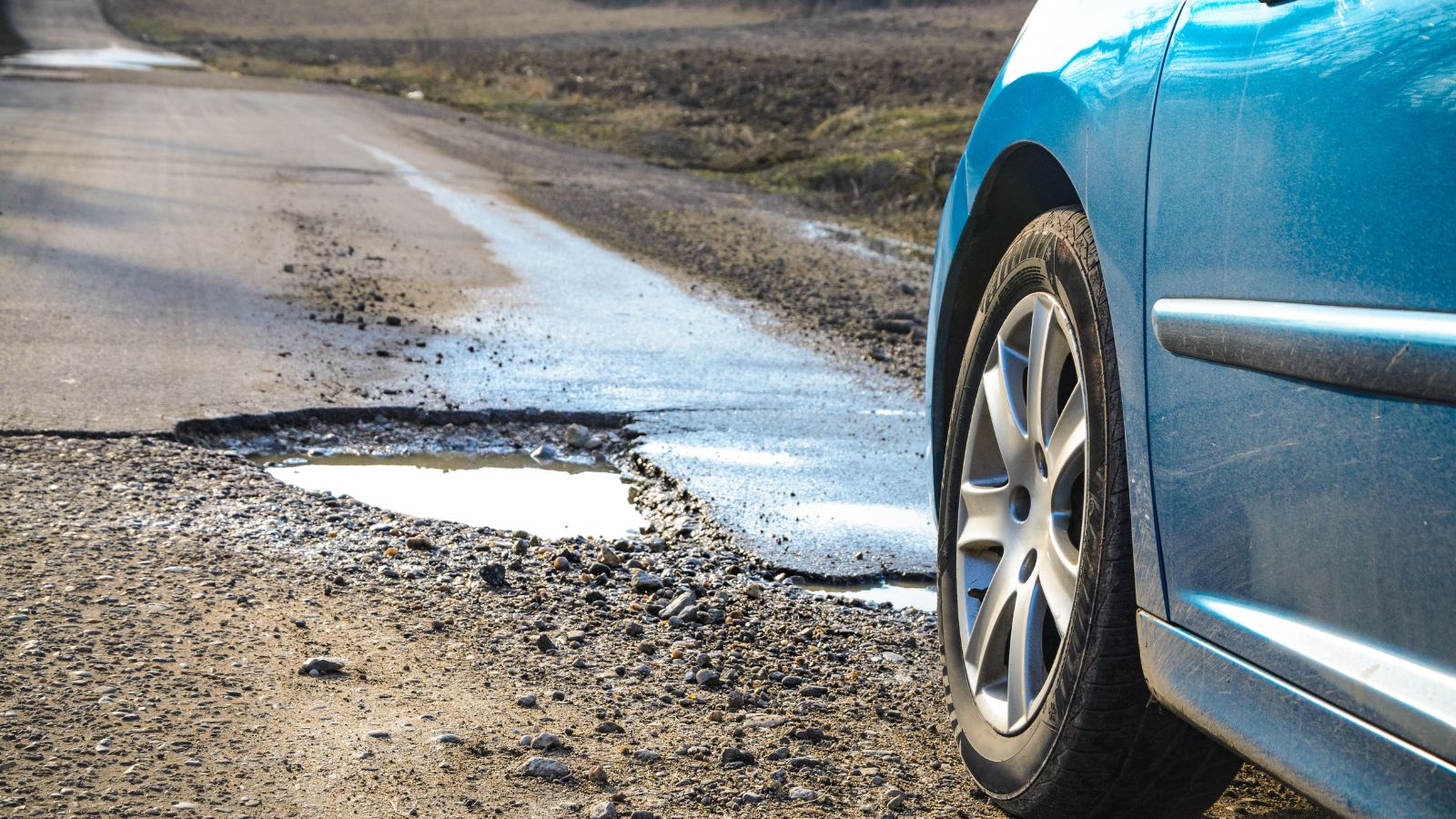
A pile of leaves may look soft and harmless while hiding something considerably less forgiving. Autumn safety guidance from AAA and the U.S. Army warns that fallen leaves can conceal potholes and other roadway hazards. Curbs, broken pavement, debris and uneven shoulders may also become harder to identify once the surface is covered.
For drivers, that means deliberately driving through a deep patch of leaves is rarely a good gamble. A hidden pothole can damage a tire or wheel, while an obscured curb can cause an abrupt steering impact. The danger can be greater for motorcycles and bicycles because even relatively small surface defects may upset their balance. Leaf piles near the side of the street also deserve particular caution because their depth can make it impossible to see exactly where the pavement ends. When a large accumulation cannot be avoided safely, slowing beforehand provides considerably more time to respond if the road underneath is not as smooth as it appears.
Fallen Leaves Can Block Road Drainage
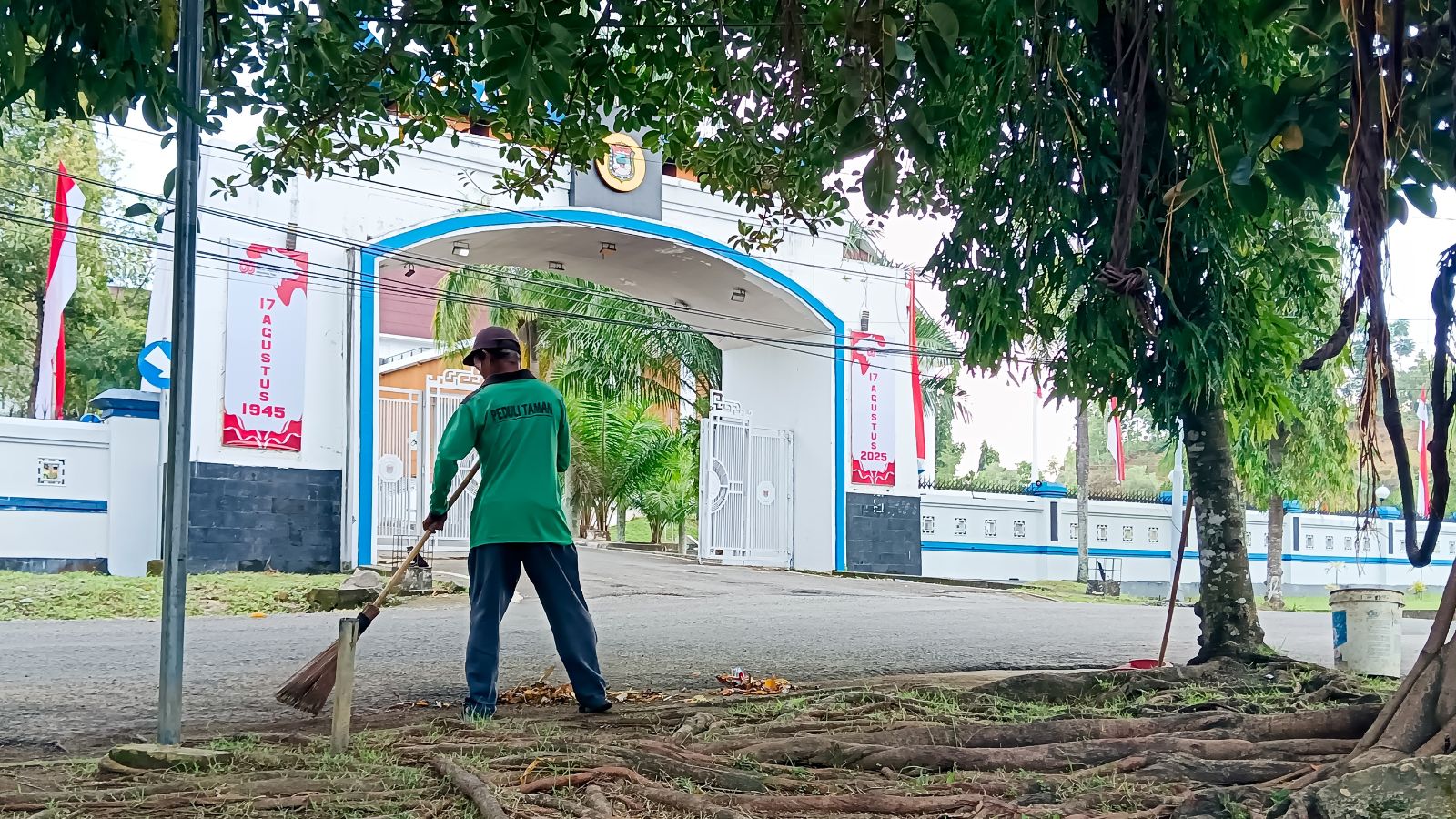
Leaves do not always stay where they land. Rainwater and passing vehicles can push them toward gutters, drainage grates and roadside channels. When enough material accumulates, drainage becomes less effective. Highway authorities specifically warn that autumn leaves can block drains, while road-safety guidance notes that plugged drainage systems can allow water to collect on paved surfaces.
That creates a second hazard from the same leaves. A road that might otherwise drain quickly after a shower can develop puddles or stretches of standing water near curbs and low points. These areas may become particularly difficult to judge at night because reflections from headlights can make depth hard to determine. Water can also hide potholes underneath it. Drivers should therefore treat unexpected standing water on an autumn road cautiously rather than assuming it is only a shallow puddle. Where drainage has been overwhelmed, the safest course is usually to slow substantially and avoid the water when that can be done without an abrupt lane change.
Standing Water Adds a Hydroplaning Risk

Once leaf-blocked drainage allows water to remain on the pavement, drivers face another familiar wet-weather hazard: hydroplaning. ICBC explains that hydroplaning occurs when tires lose direct contact with the road and ride on a film of water, reducing the driver’s ability to steer or brake effectively. The likelihood increases as vehicle speed rises.
Leaves can complicate the situation because the surface may contain both standing water and slippery debris. Drivers should therefore avoid treating a leaf-covered puddle as if it were ordinary dry pavement. Slowing before reaching the water is safer than braking aggressively while travelling through it. Cruise control is also discouraged on wet or slippery surfaces because drivers may need to reduce power immediately if traction begins to disappear. If steering suddenly feels unusually light, that can indicate the tires are losing contact with the pavement. Gentle inputs and gradually easing off the accelerator are generally preferable to abrupt steering or heavy braking.
Tire Condition Matters Even More in Autumn
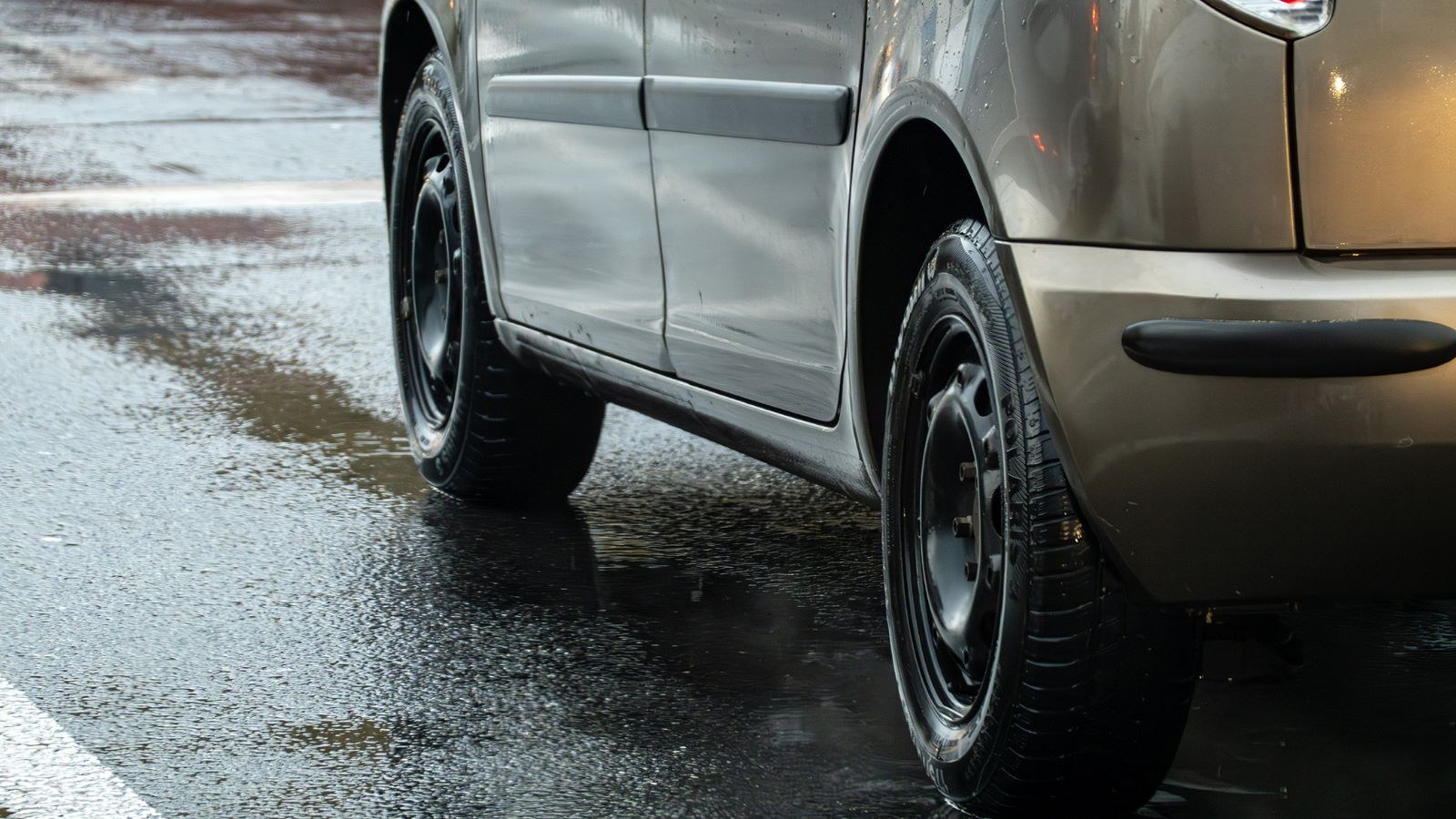
Good tires cannot eliminate a slippery surface, but poor tires can leave far less margin for dealing with one. Transport Canada describes the tire-road connection as one of the most important factors in maintaining vehicle control and notes that tread depth is essential for braking and cornering traction. As tires wear, their ability to maintain traction in wet conditions declines.
Autumn temperatures introduce another consideration. Transport Canada says tire pressure can drop by roughly 7 kPa, or about 1 psi, for every 5°C decrease in temperature. That means tires that appeared properly inflated during warmer weather may need attention after a series of cold mornings. Drivers should check pressure against the vehicle manufacturer’s specification rather than relying on appearance alone. Tread condition matters as well, particularly when rain, leaves and colder pavement arrive together. Inspecting tires before the season becomes consistently cold is one of the simplest ways to avoid discovering a traction problem during an emergency stop.
Motorcycles and Bicycles Have Even Less Room for Error
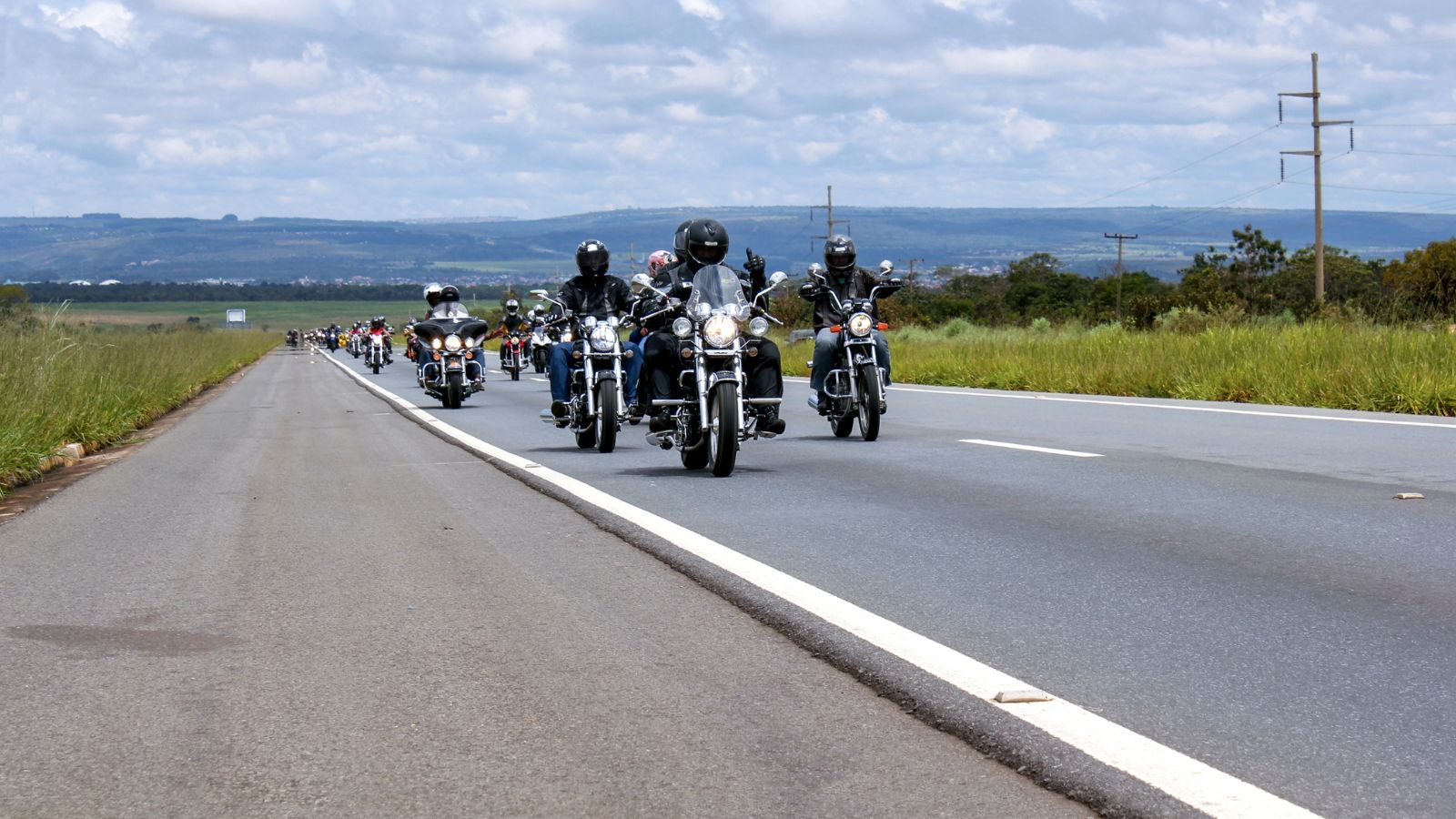
A slippery patch that produces a brief moment of wheelspin or understeer in a four-wheeled vehicle can be much more serious for someone travelling on two wheels. ICBC’s rider training material specifically identifies wet leaves and other debris as poor road surfaces capable of reducing motorcycle traction. British Columbia road-safety guidance also recognizes wet leaves and puddles as obstacles that cyclists and motorcyclists may need additional room to avoid.
That creates an important responsibility for drivers approaching vulnerable road users during autumn. A cyclist may suddenly move farther from the curb because the gutter is filled with wet leaves. A motorcyclist may adjust lane position to avoid a slippery patch that appears insignificant from inside a car. Those movements are not necessarily careless or unpredictable; they may be deliberate attempts to stay upright. Leaving additional passing space, avoiding close following and anticipating small changes in road position can prevent a routine encounter from becoming dangerous.
Leaves Can Interfere With Visibility Too
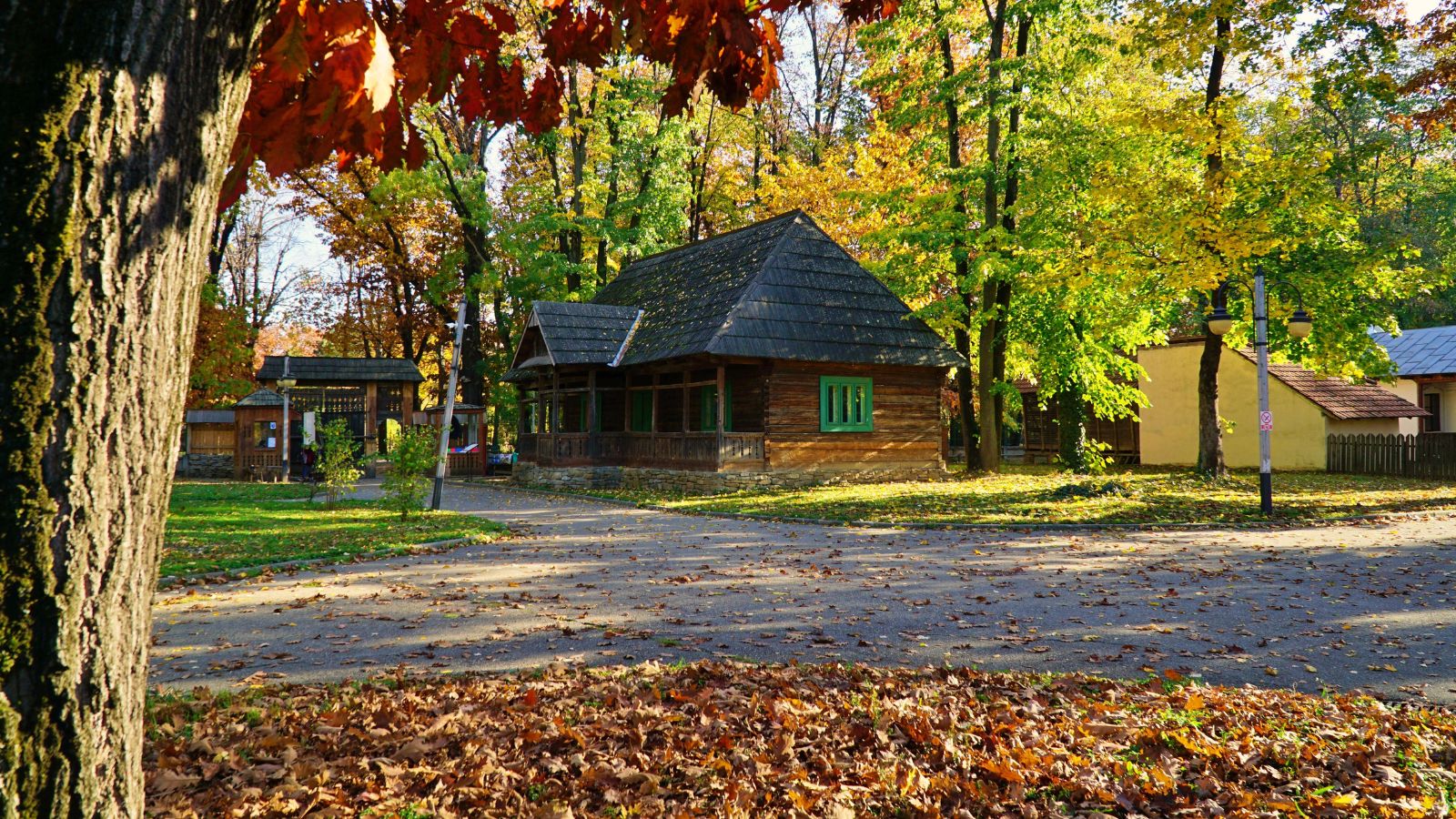
Some leaf hazards arrive from above rather than underneath the tires. Strong autumn winds can send large numbers of leaves across a roadway, temporarily obscuring lane markings, pedestrians or objects ahead. U.S. Postal Service safety guidance warns that wind-driven leaves can reduce visibility and advises drivers to slow down when that happens.
Leaves can also create problems after landing on the vehicle itself. AAA recommends clearing leaves from the windshield before driving because they can become trapped beneath wiper blades and interfere with their operation. A few leaves may seem harmless on a dry morning, but once the wipers are activated in rain, trapped debris can produce streaking or prevent the blades from clearing the glass properly. Drivers heading out beneath heavily treed streets should therefore take a few seconds to clear the windshield and the area around the wipers. Good visibility becomes particularly important during autumn’s frequent combination of rain, low sunlight and earlier darkness.
Dry Leaf Piles Can Become a Fire Hazard
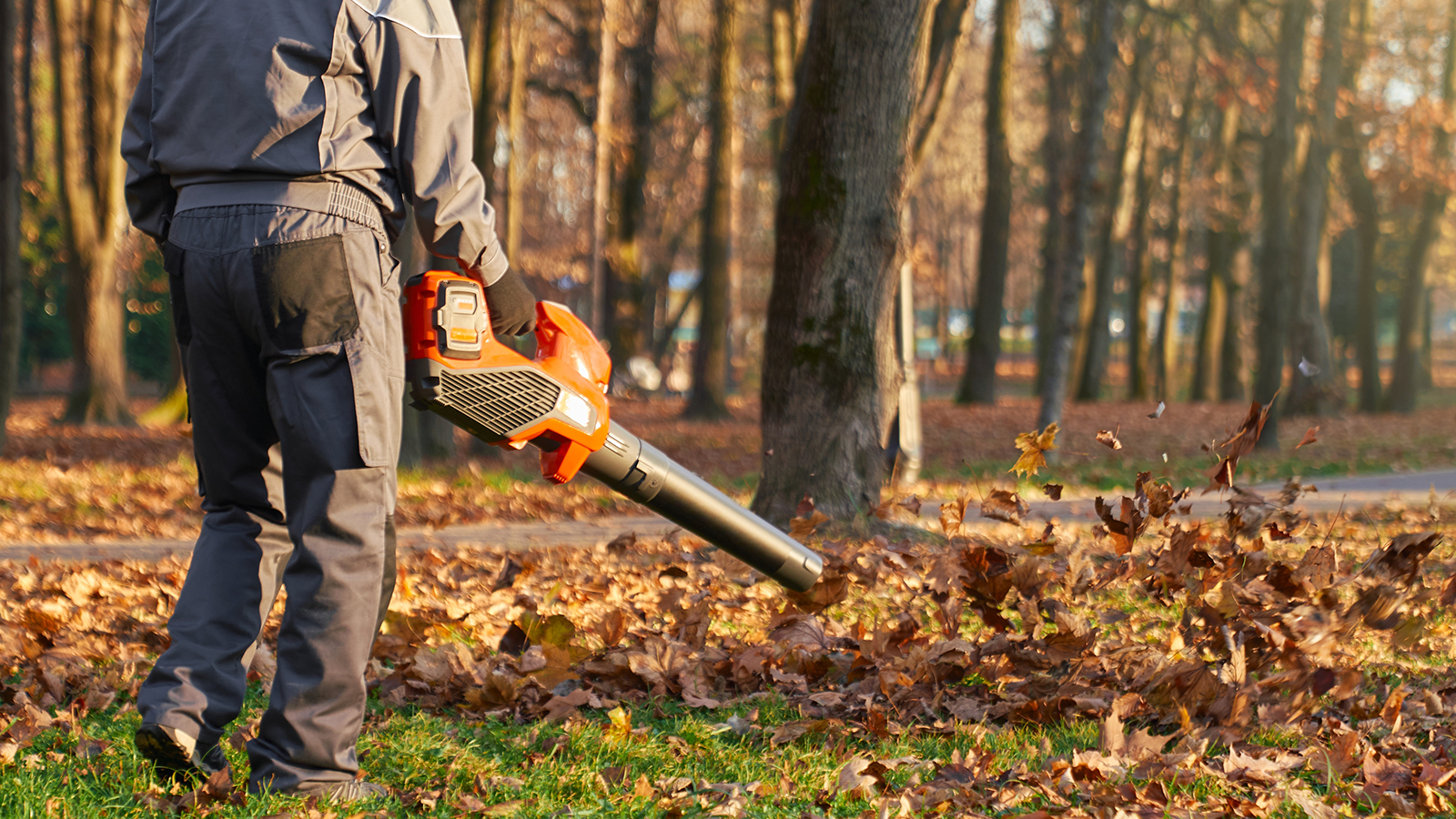
Wet leaves create traction problems, but completely dry leaves bring a different risk. Hot exhaust components underneath a vehicle can become hot enough to ignite combustible vegetation. Government environmental guidance and vehicle manufacturers have long warned motorists not to park over piles of dry leaves, grass or similar material because of the possibility of fire.
This is more than a theoretical concern. Fire investigators in Charlottesville, Virginia, determined that a 2024 vehicle fire began after radiant heat from a vehicle’s exhaust system came into contact with accumulated dry leaves beneath it. The incident prompted officials to remind motorists not to park on leaf piles. Drivers in heavily treed neighbourhoods may encounter exactly that situation when curbside leaves have accumulated around normal parking spaces. Choosing a clear patch of pavement or moving the leaves before parking eliminates a risk that is easily overlooked because the vehicle may remain hot even after the engine has been switched off.
Autumn Darkness Can Compound Every Other Leaf Hazard

Leaves rarely create just one problem at a time. Canadian autumn brings shorter daylight hours, cooler mornings and frequent periods of rain and fog. ICBC has warned that reduced seasonal visibility can make pedestrians harder to see, particularly at intersections. Add a dark, wet roadway covered with leaves and drivers may simultaneously have less traction, less visible pavement and less time to identify someone entering the road.
The combination is particularly important during evening commuting hours. A pedestrian wearing dark clothing may be approaching a crossing while the painted markings are partially hidden beneath leaves. A cyclist may move around debris at the roadside just as headlights from opposing traffic create glare. None of those hazards is unusual by itself, but together they can demand far more attention than the colourful autumn scenery suggests. Slowing down, increasing following distance, keeping lights and windows clean and scanning beyond the vehicle immediately ahead can provide the extra time needed when several fall hazards appear at once.
19 Used Cars Canadians Should Avoid in 2026 (Based on Owner Complaints)

Buying a used car in Canada can feel safe until repair bills start stacking up. Owner complaints tell a different story than glossy listings. Transmission failures, electrical problems, and weak winter reliability show up again and again in consumer reports. Many of these issues appear after warranties expire, when owners least expect them. Some vehicles look affordable upfront, but become expensive to keep on the road. Others struggle in cold weather, urban driving, or long highway commutes. Here are 19 used cars Canadians should avoid in 2026 (based on owner complaints).
19 Used Cars Canadians Should Avoid in 2026 (Based on Owner Complaints)

Alanna Rosen is an experienced content writer that focuses on many EV and educational content. Her articles are regularly published on Get CyberTrucked and syndicated on large publications.