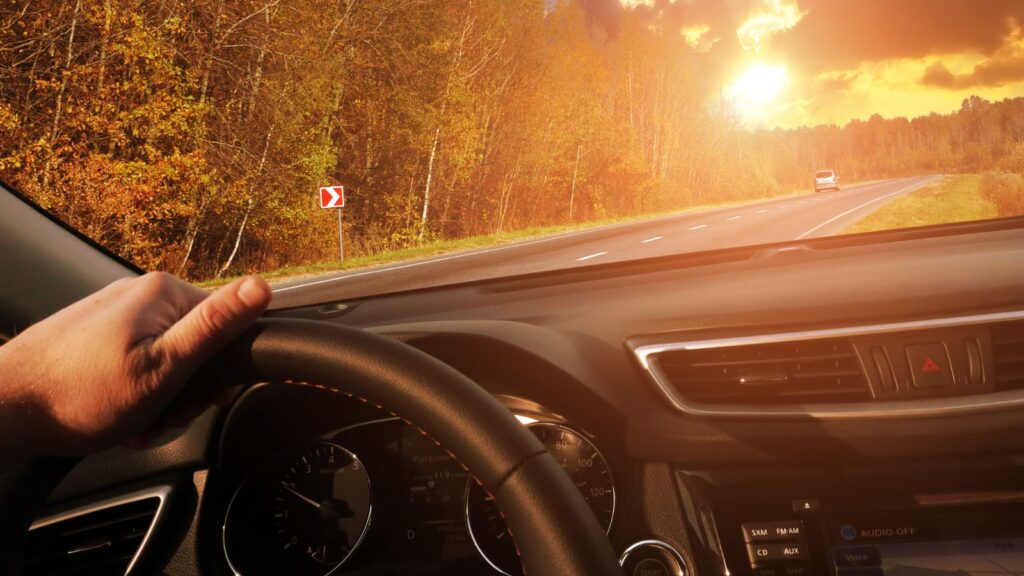
Summer roads can create plenty of problems of their own, but the change into fall introduces a different combination of hazards. Daylight disappears earlier, pavement temperatures drop, leaves cover the road, wildlife becomes more active, and conditions can shift from mild to slippery in only a few hours. At the same time, school traffic returns and many commuters suddenly find themselves travelling in darkness.
These 21 things that make fall driving more dangerous than summer driving show why autumn can make familiar routes considerably less forgiving. Not every province or region necessarily records more crashes in fall than summer, but the seasonal transition introduces risks that are absent, less frequent or easier to manage during warm-weather driving.
Earlier Darkness Changes the Evening Commute

One of the biggest differences between summer and fall is simply how much of the driving day happens in darkness. In June and July, many commuters can finish work, run errands and return home while there is still plenty of natural light. By October and November, the same routine may happen at dusk or after sunset. That matters because drivers cannot see as far ahead at night, even when headlights are working properly. Pedestrians, animals, cyclists and unlit roadside objects can disappear into the background much sooner than they would on a bright summer evening.
Nighttime driving carries measurable safety disadvantages. The U.S. Federal Highway Administration notes that roughly half of traffic fatalities occur at night even though only about one-quarter of travel takes place after dark. Alcohol, fatigue and other factors contribute to that difference, but limited visibility is part of the problem. Fall effectively shifts more ordinary commuting into those difficult conditions without drivers necessarily changing their routines.
The Autumn Sun Can Sit Directly in a Driver’s Line of Sight
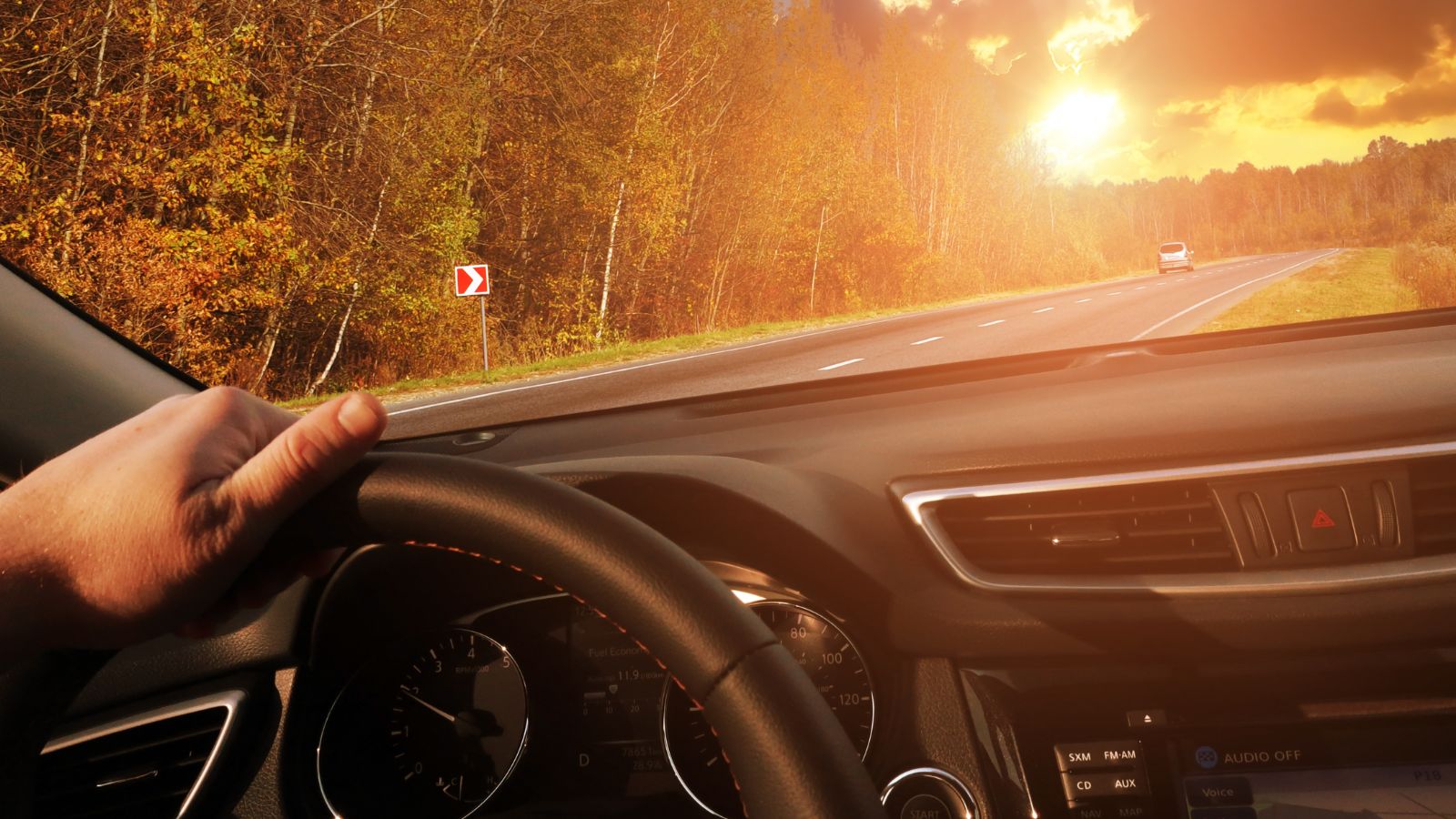
Bright sunshine does not disappear when summer ends. In some situations, it becomes more troublesome. During autumn mornings and evenings, the sun’s lower position near the horizon can place intense glare directly through a windshield. That can temporarily wash out traffic lights, brake lights, lane markings, pedestrians and vehicles ahead. The timing is especially inconvenient because sunrise and sunset can overlap with busy commuting periods.
Research has shown that glare can affect more than comfort. A driving-simulator study examining low-sun conditions found that glare reduced drivers’ safety margins when turning across approaching traffic and increased collisions in the simulated scenarios. Another large study of people hospitalized after traffic crashes found a 16% higher risk of a life-threatening collision during bright sunlight compared with normal weather conditions. Keeping the windshield clean, using the sun visor and reducing speed when the road ahead is washed in glare can therefore become more important in fall than many motorists expect.
Wet Pavement Gives Tires Less Grip
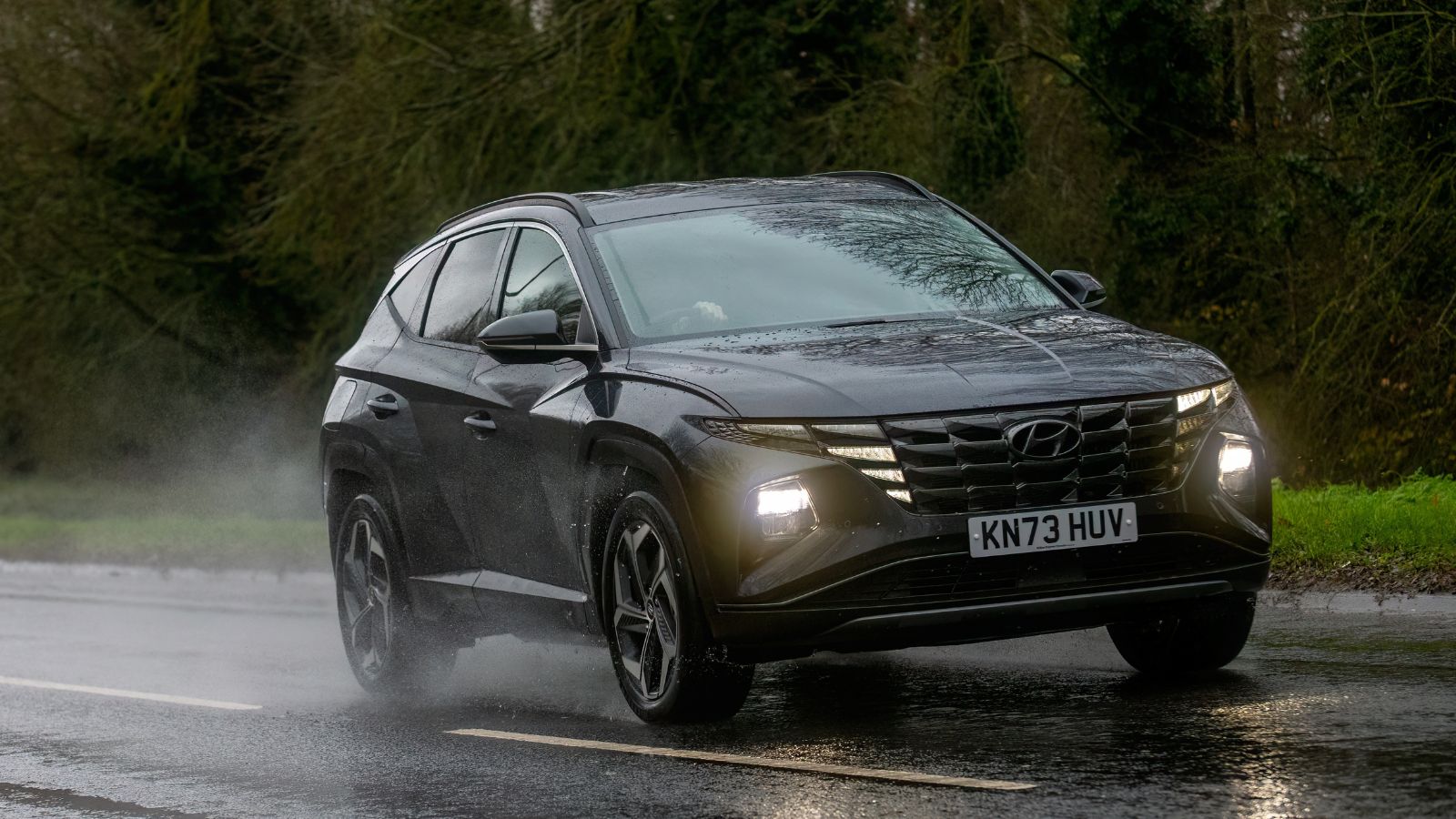
Summer thunderstorms can certainly soak a road, but fall often brings long stretches of cool, damp conditions in many parts of Canada and the northern United States. A road does not have to be flooded to become noticeably less forgiving. Even a relatively thin layer of water can reduce the amount of friction available between a tire and the pavement, affecting braking, acceleration and cornering.
Federal Highway Administration research notes that as little as 0.002 inches of water on pavement can reduce the coefficient of friction by roughly 20% to 30%. The exact effect depends on pavement, tires, speed and water depth, but the basic problem is straightforward: the vehicle has less grip available when the driver suddenly needs it. A braking manoeuvre that feels routine on a warm, dry August afternoon can become much more dramatic on a cold October morning. Extra following distance matters because modern stability control and anti-lock brakes cannot create traction that simply is not available.
Standing Water Creates a Hydroplaning Risk
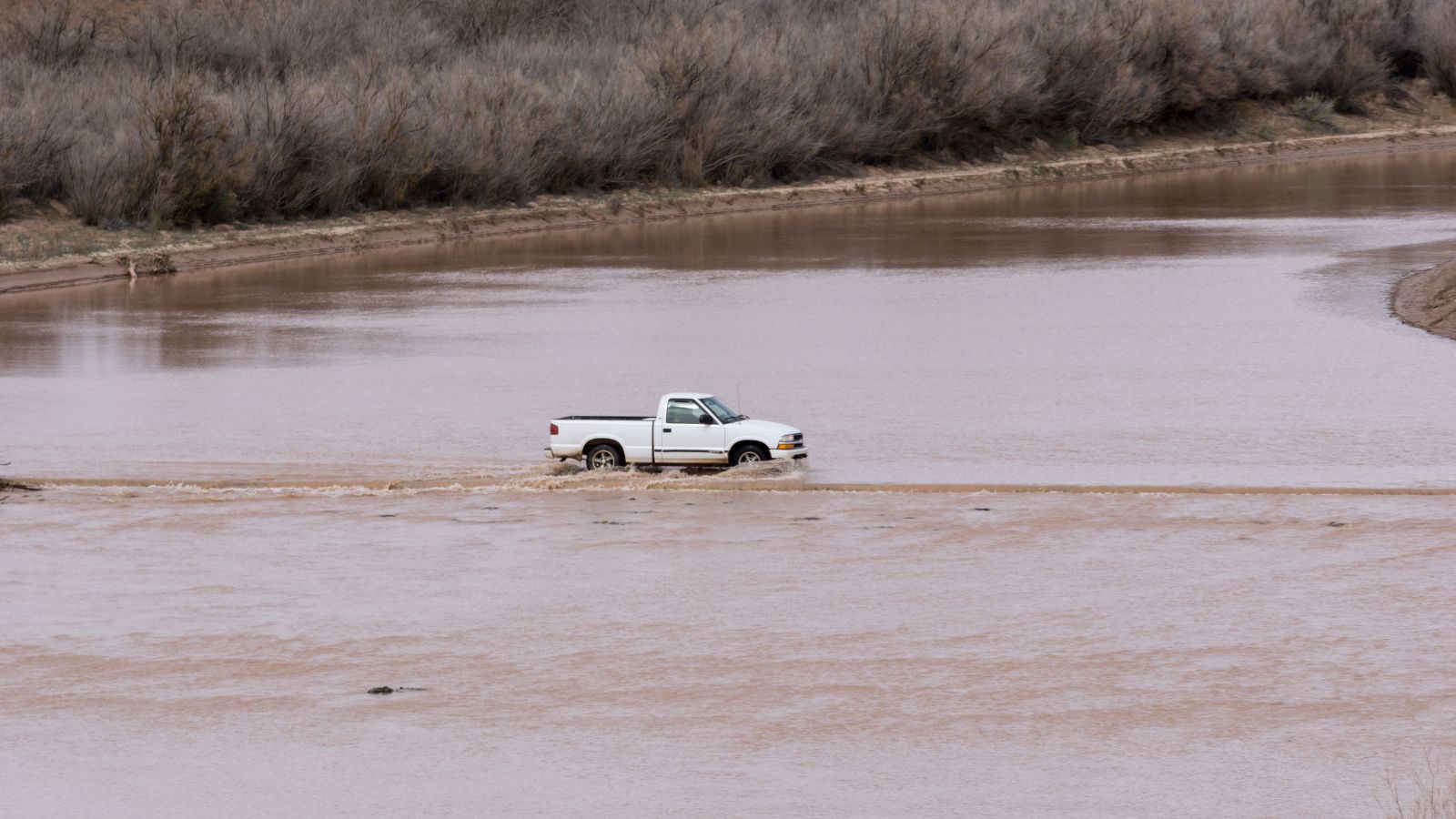
When water becomes deep enough, the problem goes beyond reduced friction. Tires can begin riding on top of the water instead of remaining firmly connected to the pavement, a condition known as hydroplaning. Steering and braking control can deteriorate quickly once that happens. Speed, water depth and tire condition all influence the likelihood of hydroplaning, which is one reason worn tires become particularly concerning during rainy fall weather.
Ontario’s driver’s handbook warns that as rainfall increases, tires make less contact with the road and can begin riding over water when a vehicle is travelling too quickly. Federal highway research similarly notes that thicker water films become increasingly problematic at higher speeds and that worn tires are especially sensitive. Deep puddles create another surprise: they can conceal potholes or damaged pavement. A seemingly harmless splash can therefore become either a loss-of-control situation or an expensive impact with something that was invisible beneath the surface.
Wet Leaves Can Become Surprisingly Slippery
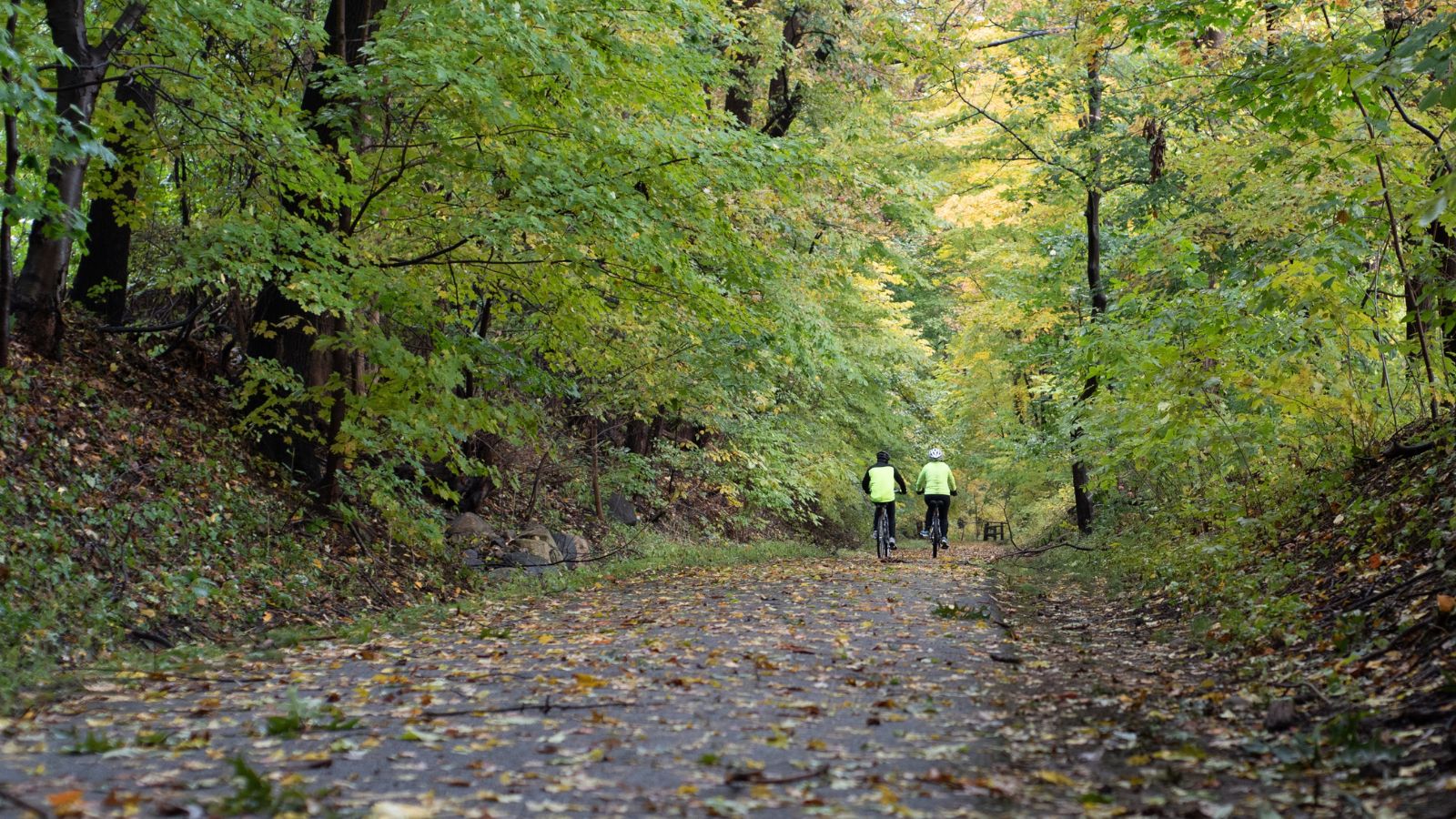
Few driving hazards look as harmless as a layer of autumn leaves. When those leaves become wet, however, they can create a slick surface between the tires and pavement. The Pennsylvania Department of Transportation goes so far as to warn that wet leaves can become as slippery as ice, particularly as temperatures fall. Drivers who brake hard or accelerate aggressively over a leaf-covered patch may discover the reduced traction only after the vehicle begins sliding.
The danger can be greatest in places where leaves repeatedly collect, including shaded residential streets, curves, gutters and intersections. A road may appear merely colourful until a driver tries to stop for a pedestrian or make a sharp turn. Leaves can also stay wet after surrounding pavement has begun drying because they trap moisture beneath them. Treating a dense layer of wet leaves as a potentially slippery surface — rather than harmless debris — gives the tires more margin for braking and steering.
Fallen Leaves Can Hide the Road Itself
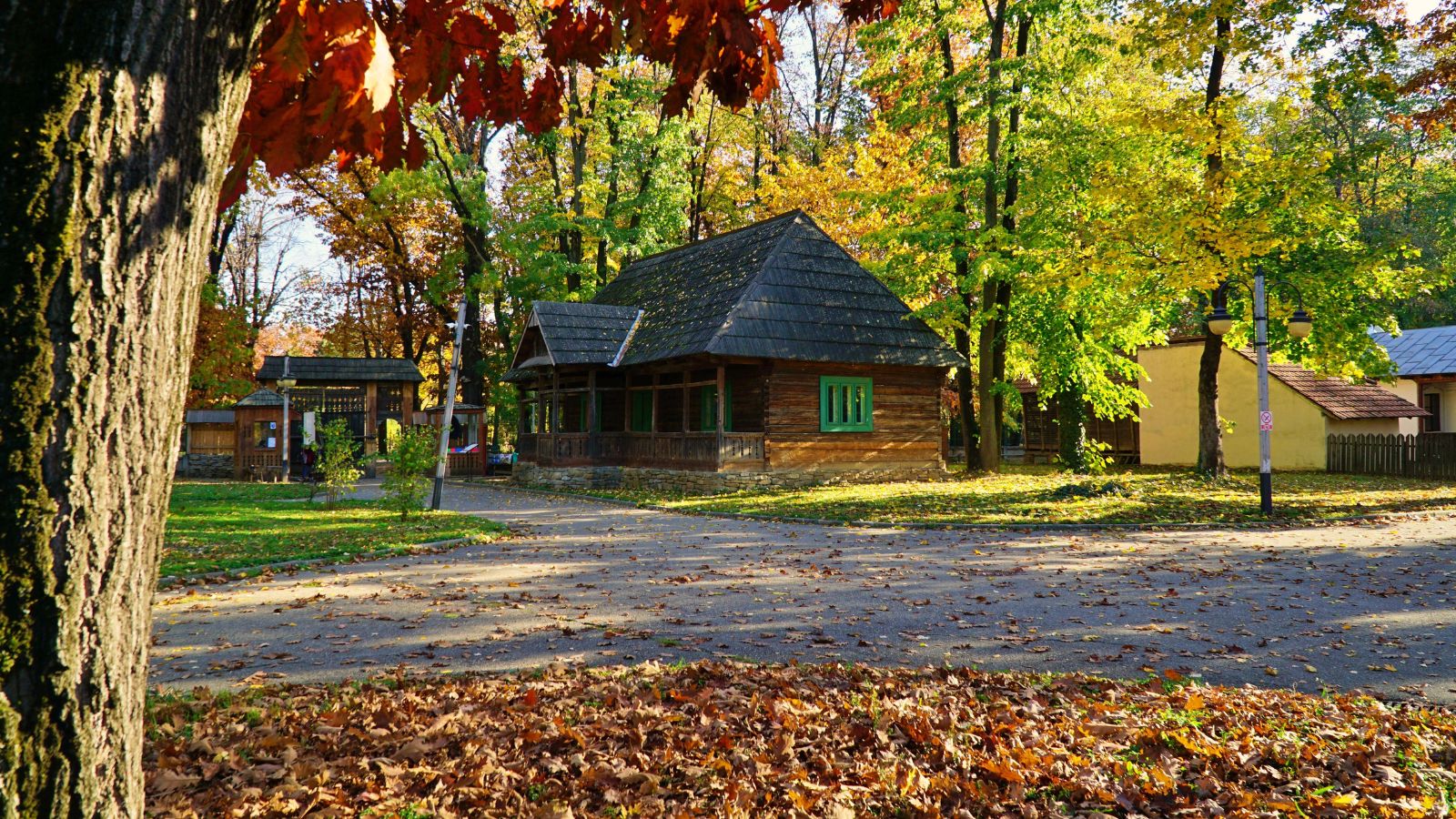
Traction is only half of the problem created by fallen leaves. A thick layer can cover pavement markings, curb edges, bike-lane boundaries and other visual references drivers normally use without thinking about them. PennDOT specifically warns that accumulated leaves can obscure traffic lines and pavement markings, making unfamiliar roads harder to navigate.
Leaves can also cover potholes, broken pavement, drainage grates and debris. That becomes especially troublesome at night or during rain, when contrast is already reduced. A driver may believe the shoulder begins farther from the vehicle than it really does, or fail to notice that a puddle underneath a pile of leaves contains a damaged section of asphalt. Summer roads generally provide clearer visual clues about where the usable pavement begins and ends. By mid-fall, those same clues can disappear beneath several layers of leaves, especially on lightly travelled neighbourhood and rural roads.
The First Black Ice Can Arrive Before Winter
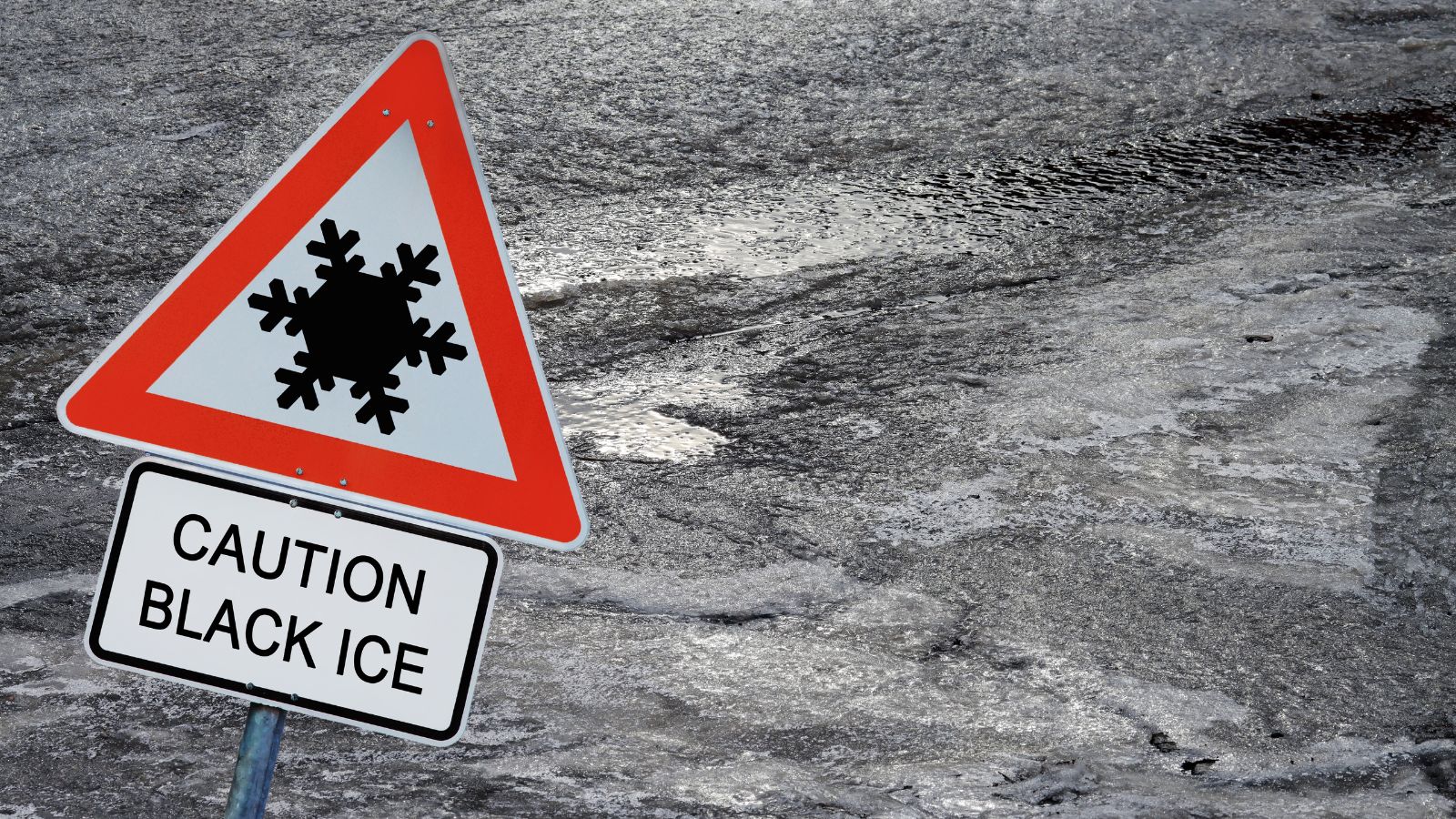
Snow does not need to be falling for a road to become icy. Once temperatures begin dropping below freezing, moisture already sitting on the pavement can turn into a thin layer of ice. Because the pavement may continue looking dark rather than obviously snow-covered, drivers sometimes encounter what is commonly called black ice without immediately realizing that traction has disappeared.
Ontario’s transportation guidance warns motorists to be suspicious when pavement looks unusually black and shiny during freezing conditions. The problem in fall is expectation. Most drivers recognize a January snowstorm as a reason to slow down, but a clear October or November morning can still produce icy patches after an overnight freeze. The surrounding grass may be green, the sky may be clear and most of the roadway may remain dry. That makes isolated frozen sections easier to underestimate than widespread winter conditions.
Bridges and Shaded Roads Can Freeze Before Everything Else
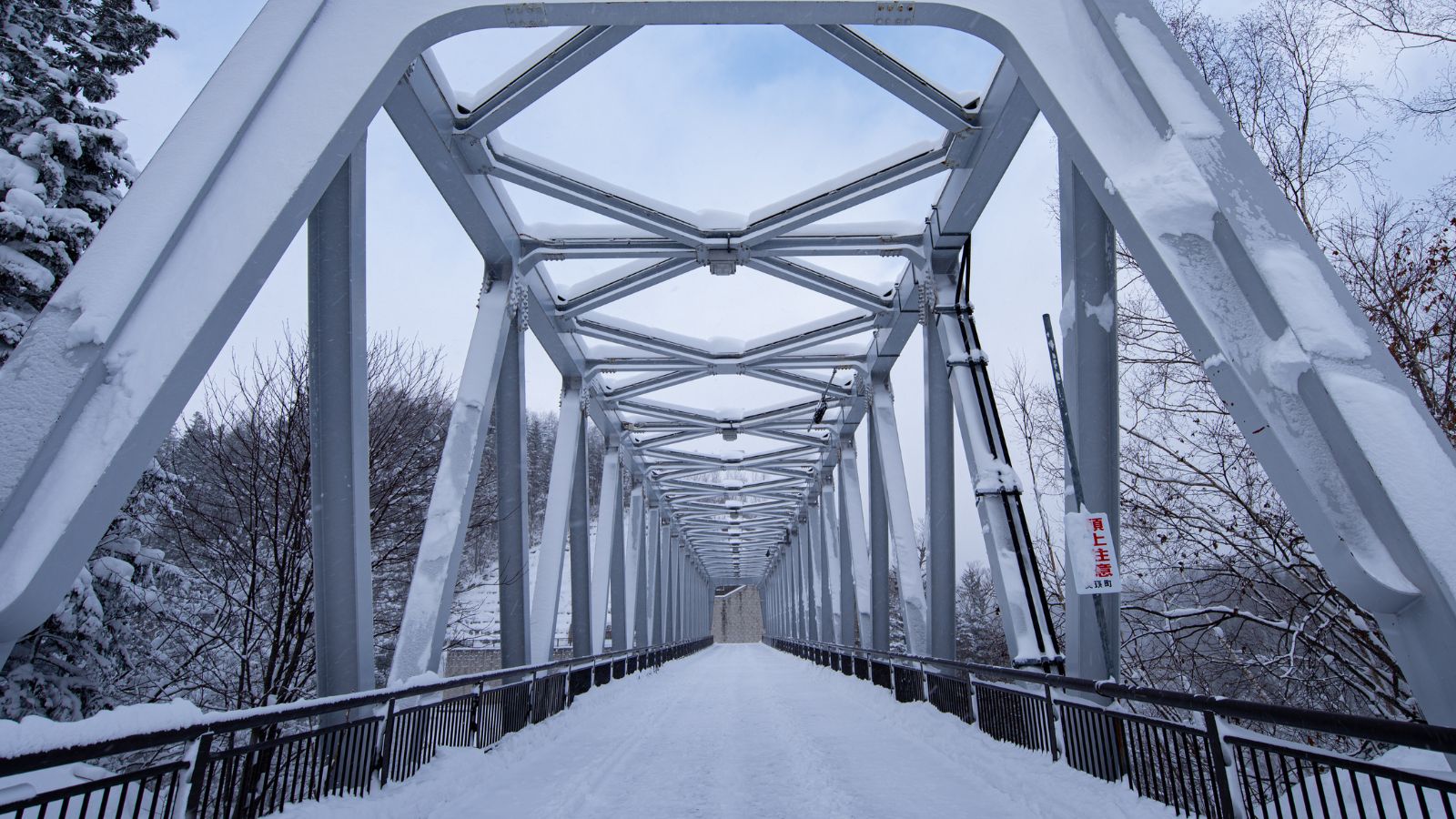
A dashboard temperature hovering near freezing does not mean every road surface is behaving the same way. Bridges and overpasses can cool more quickly because cold air circulates above and below the pavement. Shaded areas may also stay colder because they receive less direct sunlight. Ontario’s driver’s handbook specifically identifies bridges, overpasses and shaded sections as places that can freeze before surrounding roadway.
That creates one of fall’s classic surprises: a driver can travel kilometres on ordinary wet pavement and suddenly reach ice without seeing an obvious change in weather. A shaded curve, elevated ramp or bridge deck may provide dramatically less grip than the road immediately before it. The safest response begins before reaching the questionable surface. Hard braking, sudden acceleration or sharp steering after the tires are already on ice leaves very little room for correction. Autumn’s mixed conditions make anticipation especially valuable.
Fog Can Shrink the Visible Road in Seconds
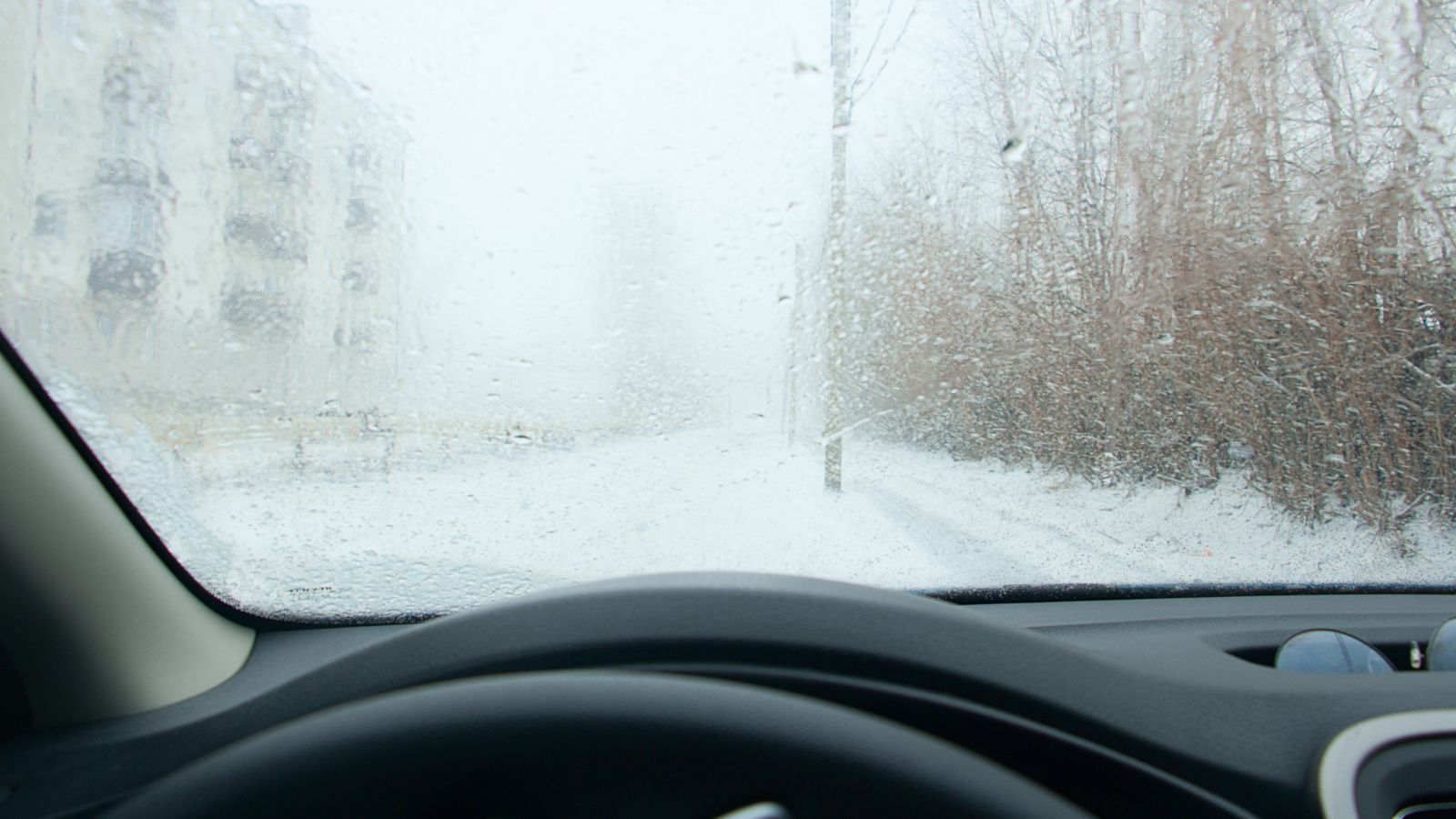
Cool nights, moist ground, valleys and bodies of water can contribute to fog formation, turning an otherwise routine fall drive into a low-visibility situation. Patchy fog can be particularly deceptive because drivers may move repeatedly between clear air and dense pockets. The National Weather Service warns that visibility can deteriorate quickly and recommends low-beam headlights, slower speeds and additional following distance.
Fog changes much more than how far ahead a driver can see. Road edges, curves and the speed of surrounding traffic become harder to judge. Research using naturalistic driving data has linked fog-impaired visibility with poorer lane-keeping performance, while other studies have found fog-related crashes can involve severe rear-end and head-on collisions. High beams generally make matters worse because the light reflects from suspended droplets toward the driver. The combination of darkness and fog can therefore turn an easy summer route into one requiring substantially more concentration.
Deer and Other Wildlife Become More Active Near Roads
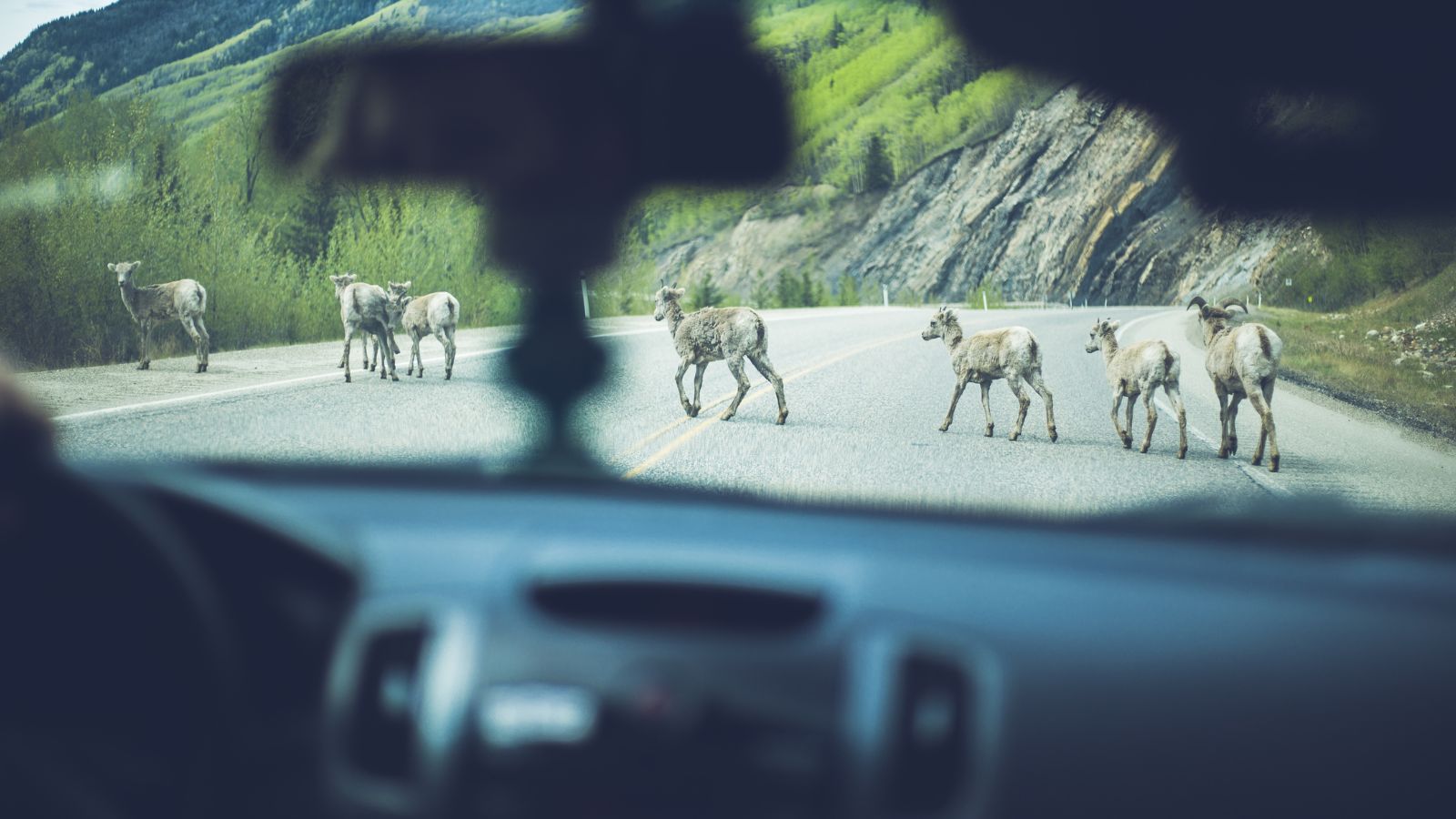
Autumn is one of the most important times of year for drivers to watch the ditches. Alberta’s government warns that deer-vehicle collision risk increases during October and November, while Manitoba Public Insurance identifies those same months as the riskiest period for wildlife collisions in that province. Deer activity frequently overlaps with dusk, dawn and nighttime — exactly when autumn visibility is deteriorating.
The numbers can be substantial. Manitoba’s driver’s handbook reports roughly 10,000 animal-vehicle collisions annually, with deer responsible for a large portion. Drivers should also remember that seeing one animal does not mean the road is clear behind it because deer commonly travel together. Swerving sharply can create an even more serious collision involving another vehicle, tree or ditch. Slowing in known wildlife areas and scanning both shoulders gives a driver more time to respond without making a desperate last-second manoeuvre.
School Traffic Returns to the Road
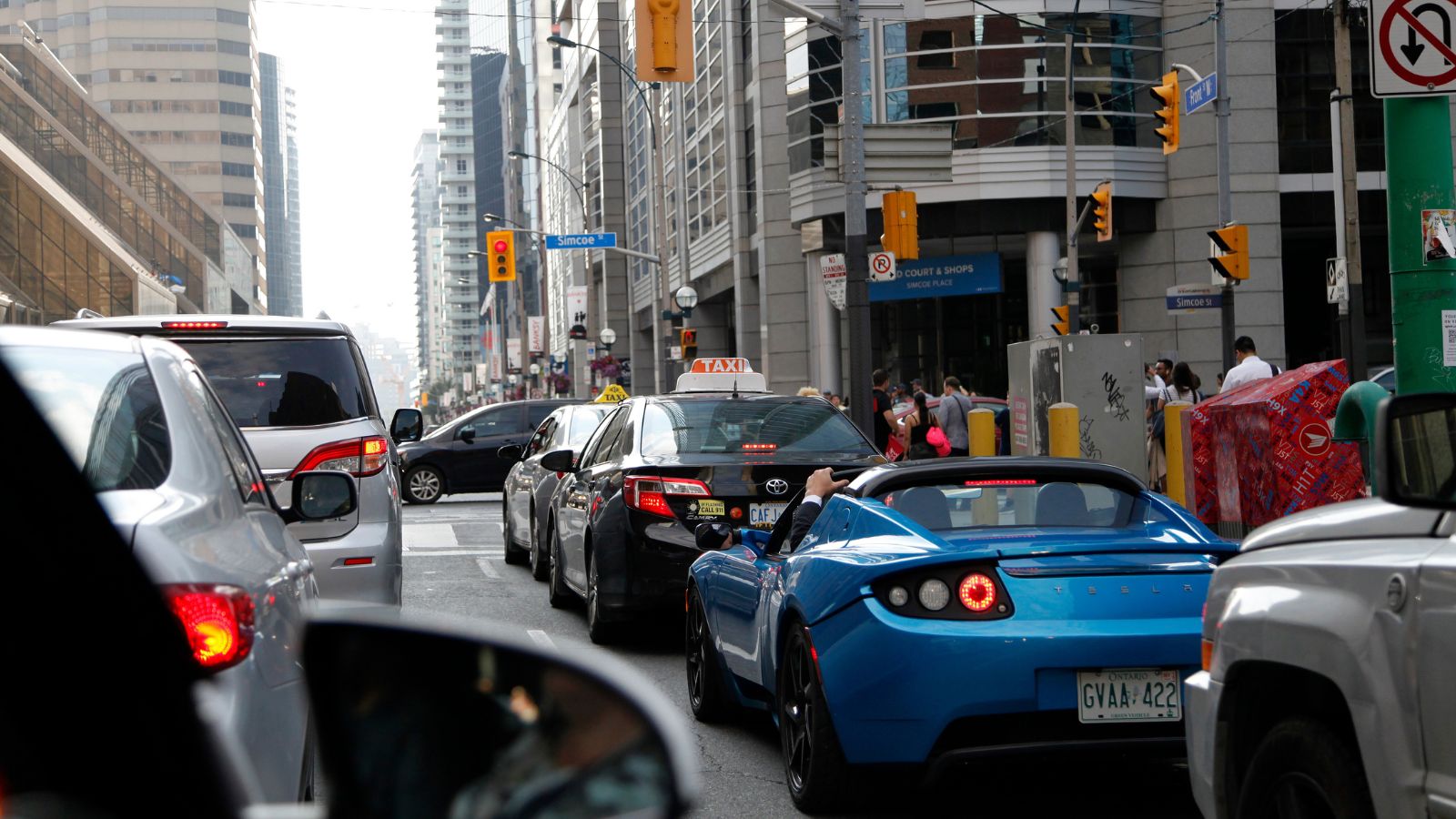
Summer driving happens while most schools are closed, removing a major source of weekday morning and afternoon traffic. Fall changes that almost overnight. School buses return, parents line up around schools, teenagers drive to class, and children begin walking or cycling along neighbourhood streets at predictable times.
The greatest danger around a school bus is not necessarily inside the bus. NHTSA notes that children are especially vulnerable while approaching or leaving school buses, when they may have to cross the roadway. Drivers have to watch not only the bus itself but also the space around it. Morning darkness can further complicate the situation later in fall. A familiar residential shortcut that was quiet at 8 a.m. during July can contain buses, children, crossing guards and parked vehicles by September. That increased complexity leaves much less room for distraction or impatience.
Pedestrians Become Harder to See Earlier in the Day
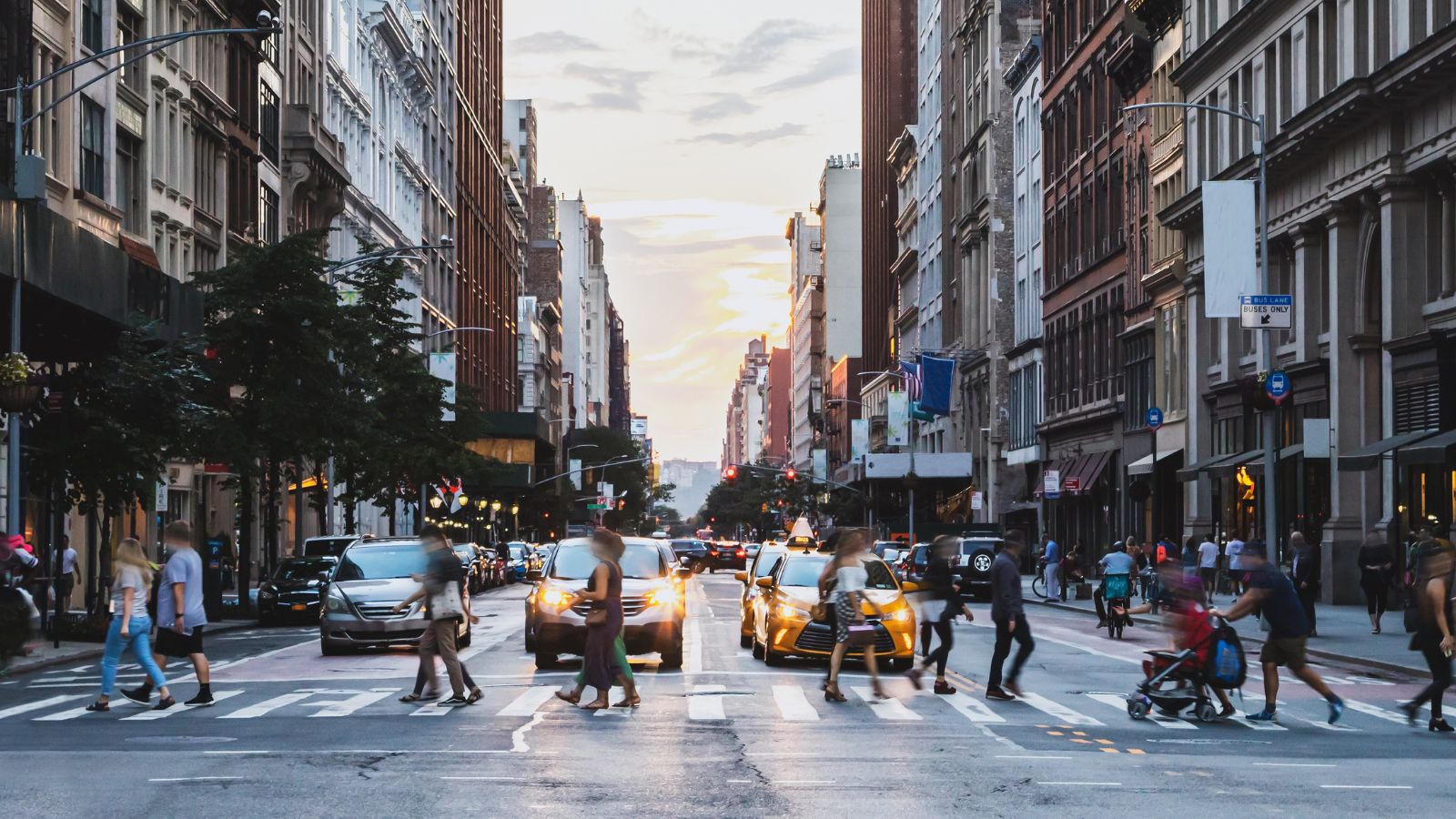
The shrinking daylight window affects people outside vehicles as much as those behind the wheel. Someone walking home, crossing a parking-lot entrance or waiting near a transit stop may become much harder to detect once evening darkness arrives during the commute. Dark clothing and poorly lit roads can make the problem worse.
Federal safety data show why nighttime visibility deserves attention. The Federal Highway Administration reports that roughly 76% of pedestrian fatalities occur at night. NHTSA has likewise highlighted the increased need for pedestrian awareness as fall brings earlier sunsets and the end of daylight saving time in areas that observe it. The danger is not simply that pedestrians disappear completely. More often, they are detected later, leaving the driver fewer seconds to process what is happening and brake. Summer provides more natural-light protection during those same evening travel periods.
Falling Temperatures Lower Tire Pressure
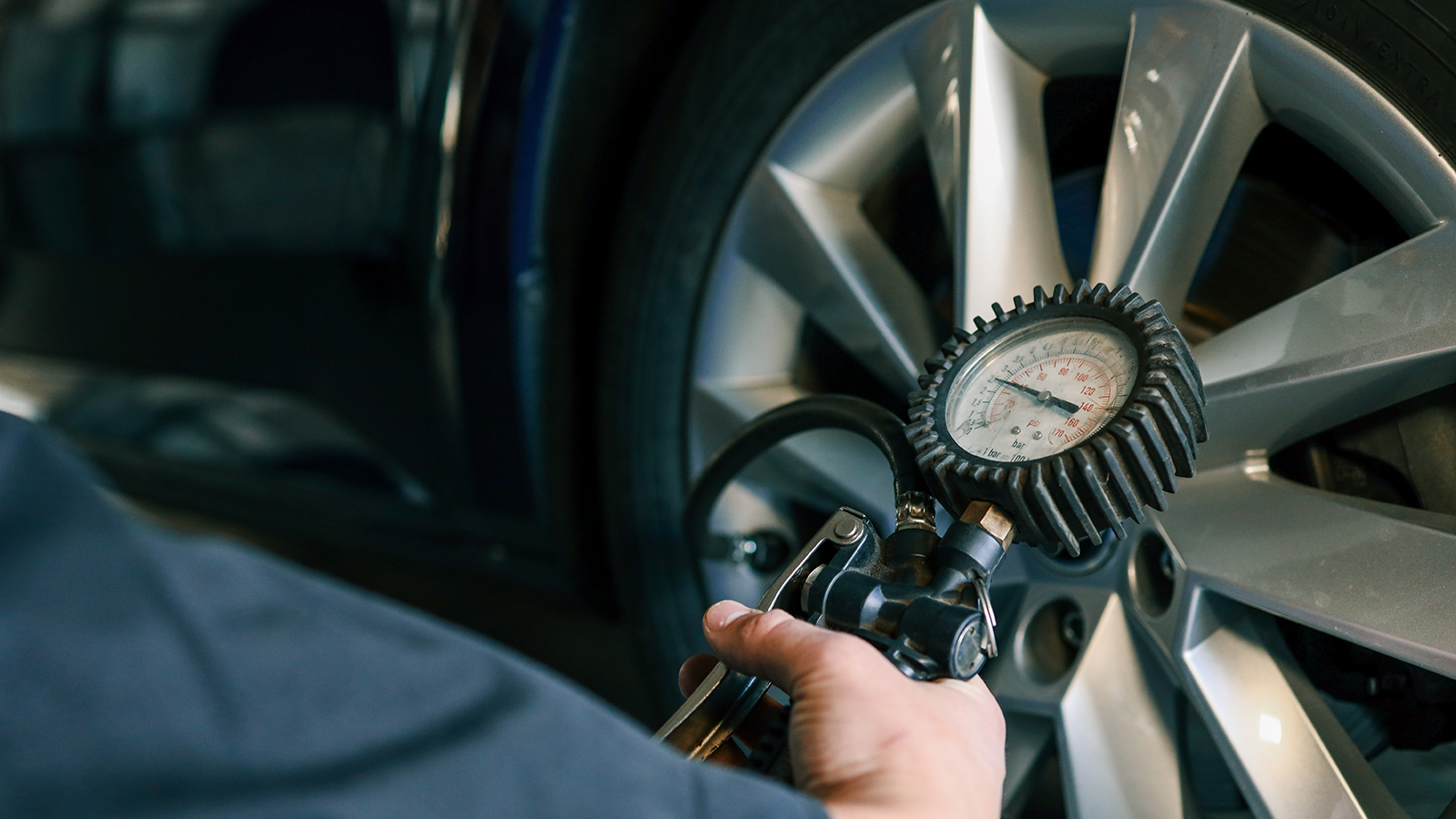
A vehicle can enter fall with perfectly normal tire pressure and become underinflated without developing a leak. Air pressure decreases as ambient temperatures fall. Transport Canada estimates that tire pressure drops by roughly 7 kPa, or about 1 psi, for every 5°C decline in temperature.
That becomes important during autumn because temperature changes can happen quickly. Tires set correctly during a warm September afternoon may be several psi lower during a cold November morning. Underinflation affects tire wear, fuel consumption and handling, and it can increase heat buildup in the tire during highway driving. Modern tire-pressure monitoring systems provide useful warnings, but they do not eliminate the value of checking pressures manually against the vehicle manufacturer’s specifications. Fall is therefore one of the times when a simple pressure gauge can identify a seasonal change before it becomes a larger safety or maintenance problem.
Some Tires Begin Losing Cold-Weather Grip Around 7°C
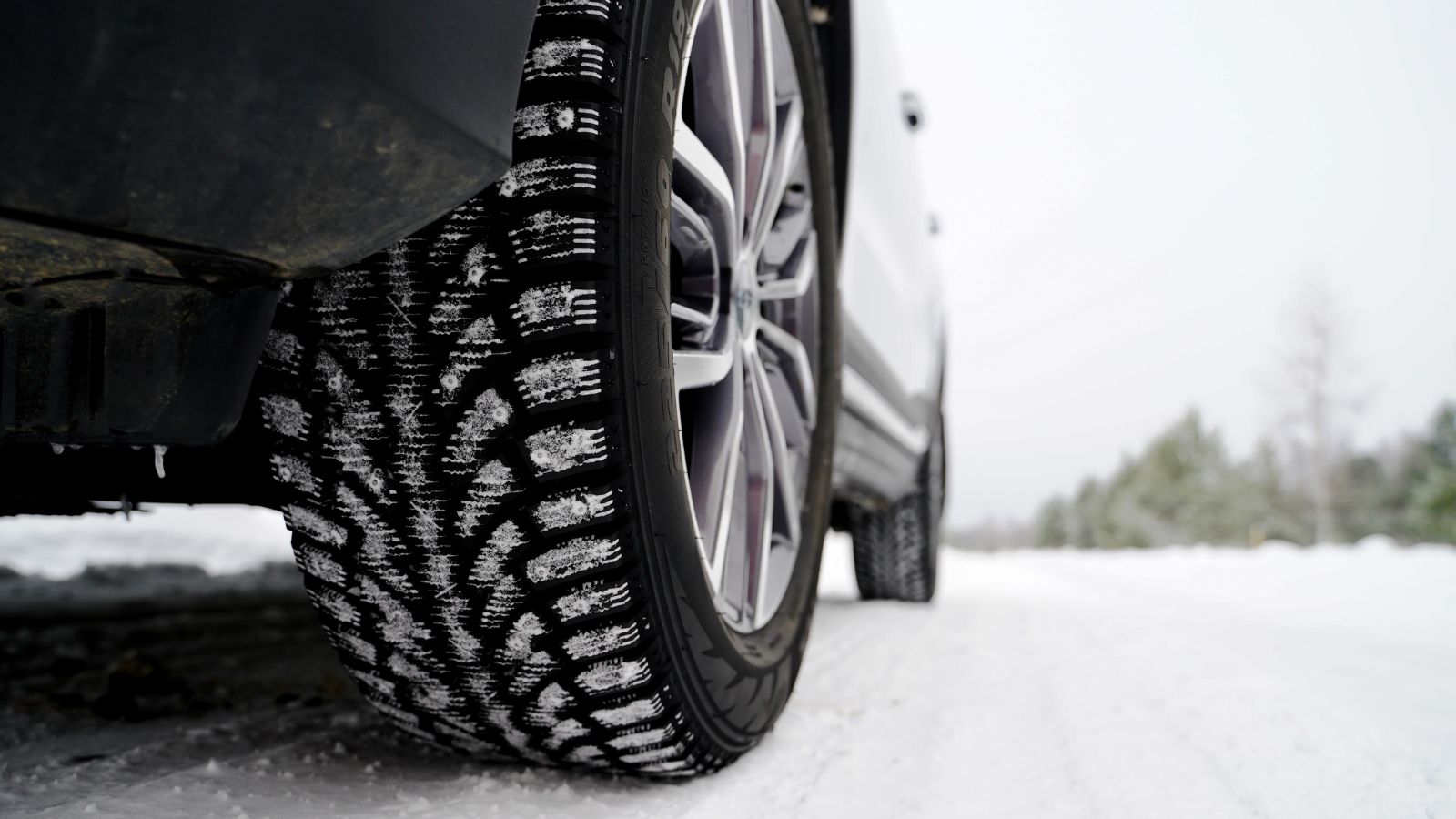
The road does not need to be covered in snow before tire compounds begin behaving differently. Transport Canada advises that at temperatures below approximately 7°C, summer and conventional all-season tires begin losing elasticity, which reduces their ability to maintain traction. Winter tires are formulated to remain more flexible as temperatures fall.
That matters because many Canadian regions routinely experience sub-7°C mornings weeks before the first major snowfall. A driver may look outside, see dry pavement and assume summer-like traction is still available even though the tires are already becoming less compliant. The effect becomes more important when cold temperatures combine with wet pavement, frost or emergency braking. Winter tires are not simply snow tires; their cold-weather rubber compound is part of their advantage. Waiting for a major snowstorm before thinking about the seasonal tire change can therefore leave a period when temperatures have already moved beyond the conditions summer-oriented rubber handles best.
Windshield Condensation Can Suddenly Destroy Visibility
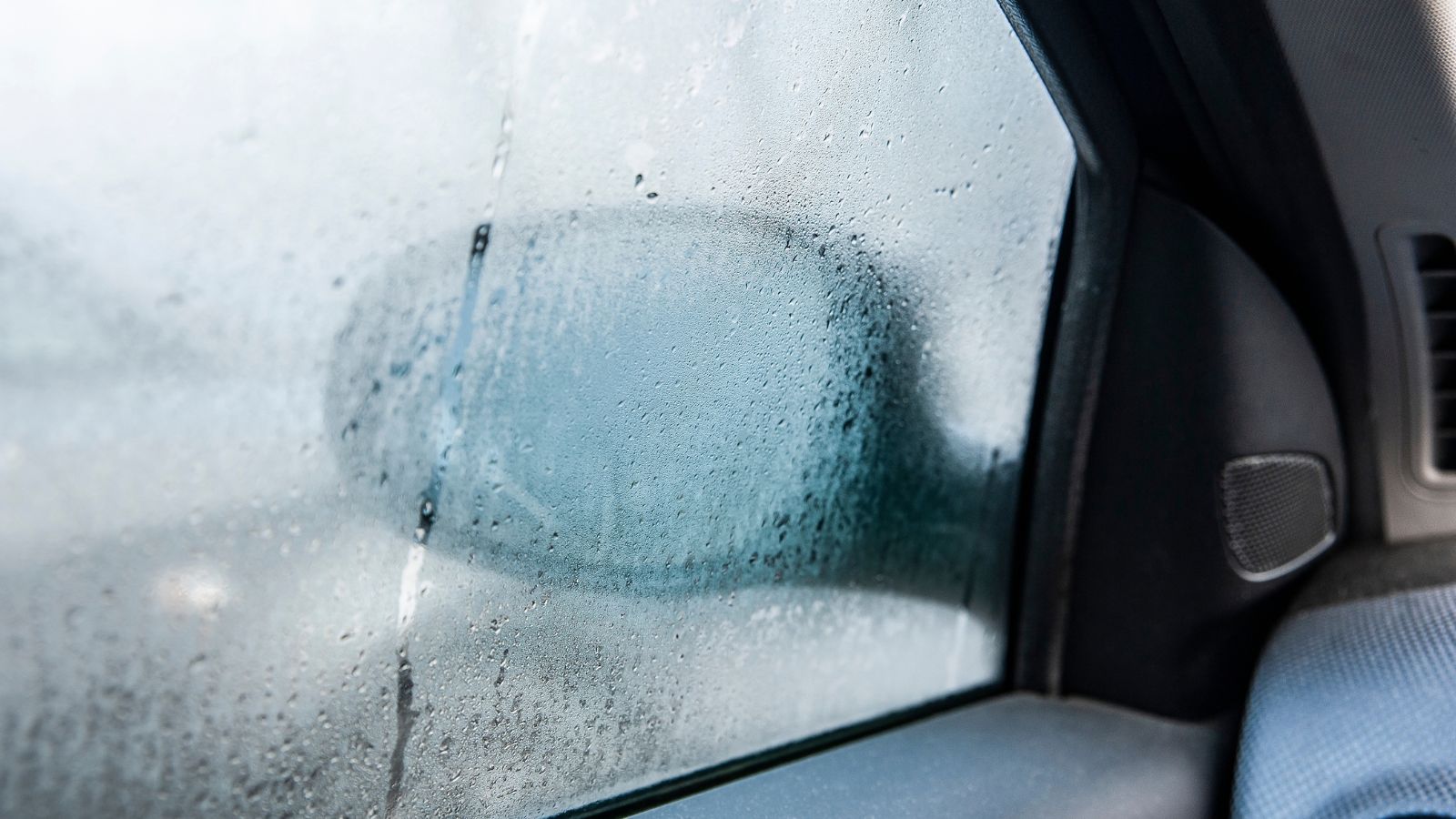
A warm, humid cabin meeting a cold windshield creates another unmistakably autumn problem: fogging on the inside of the glass. Moisture from passengers, wet clothing and damp floor mats can condense when it reaches the colder windshield surface. A clear window can become hazy surprisingly quickly, especially after several people enter a cold vehicle.
Automotive engineering research identifies condensation on the interior windshield as an important visibility issue in cold conditions, which is why defrosting and demisting systems are designed around maintaining a clear field of view. Ontario’s commercial vehicle inspection guidance similarly treats a functioning heater and defroster as important for keeping the windshield free of condensation. During summer, drivers may go months without thinking about the defroster. In fall, remembering how to direct warm, dry air toward the windshield can quickly become a safety issue rather than a comfort setting.
Worn Wipers Become Much More Noticeable
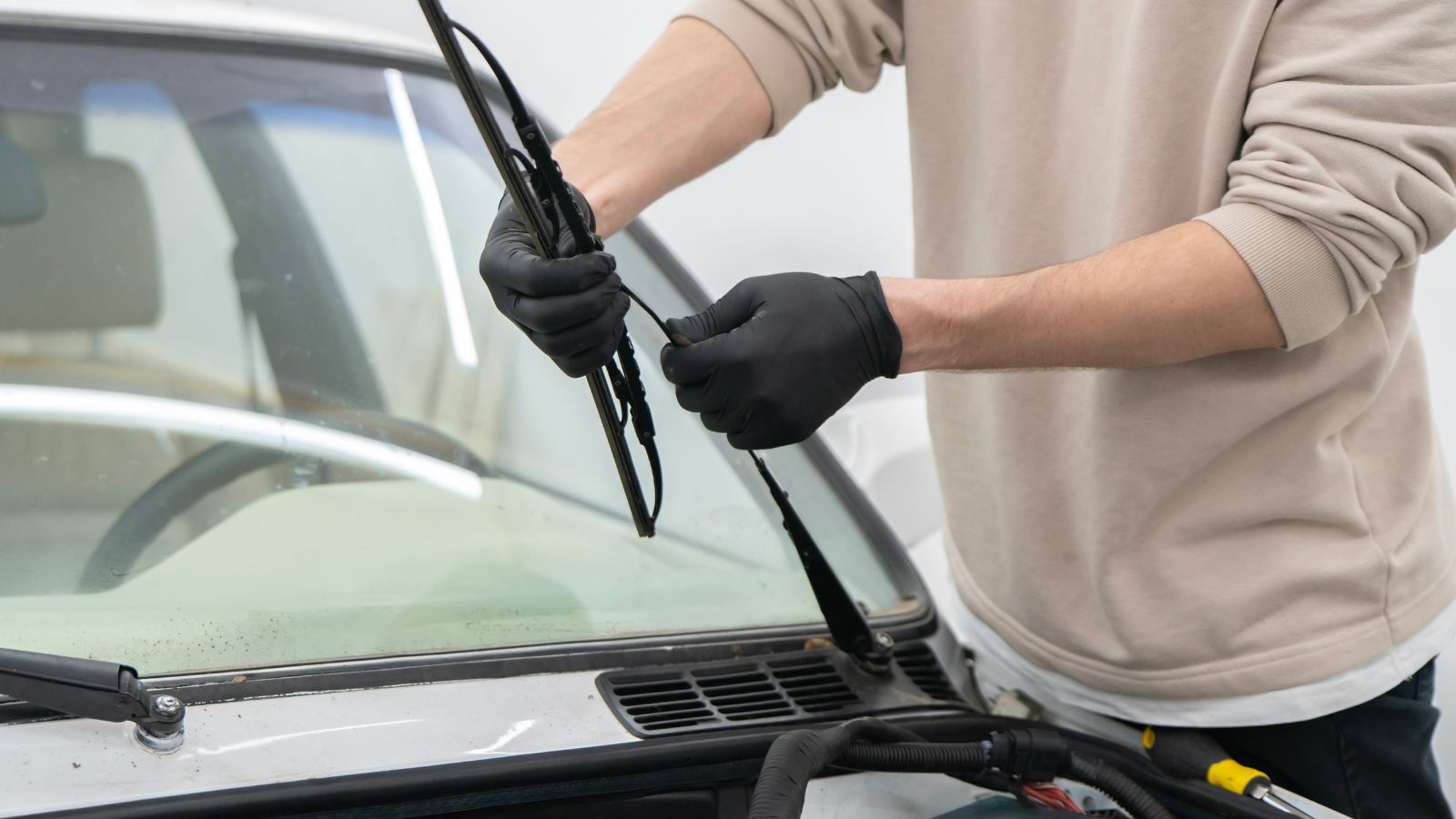
A wiper blade that seemed acceptable through a dry summer can become a serious annoyance — and visibility problem — once regular rain returns. Rubber exposed to heat, sunlight and dirt gradually hardens, cracks or loses its clean wiping edge. The result is streaking and hazing precisely when clear vision matters most.
Ontario’s driver’s handbook advises replacing blades that cannot clear the windshield without streaking. AAA similarly identifies worn wipers as a visibility concern during rain and storms and generally recommends regular inspection and replacement based on condition and climate. Fall road spray can make the situation worse by mixing water with dirt and grime thrown from vehicles ahead. When the windshield becomes smeared rather than cleared, lights and reflections can scatter across the glass at night. A relatively inexpensive maintenance item can therefore have an outsized effect on how well a driver sees during autumn weather.
Daytime Running Lights Can Create a False Sense of Visibility
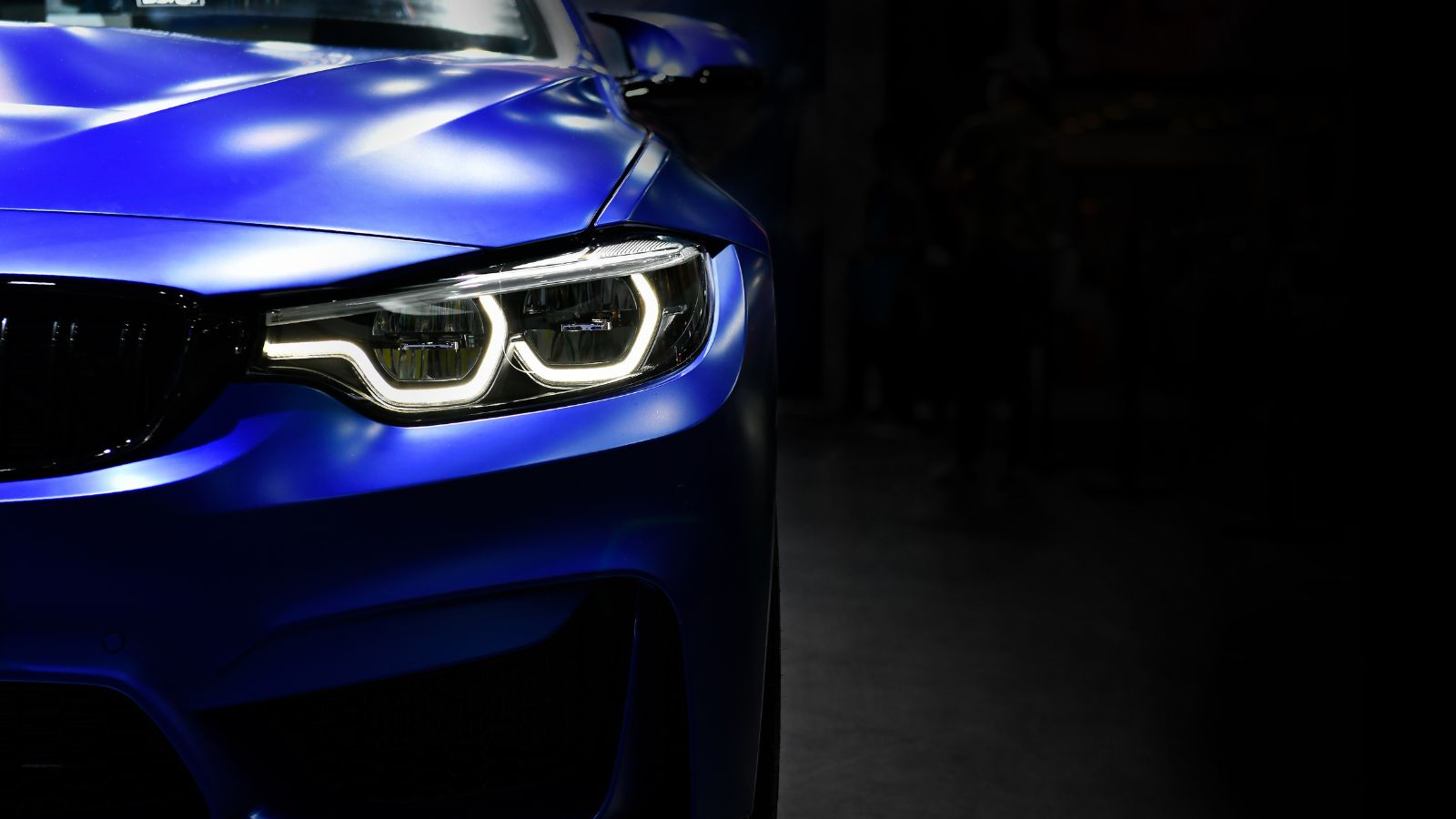
Canadian vehicles have long used daytime running lights, but older systems do not necessarily illuminate the vehicle’s rear lights at the same time. That can create a dangerous situation in rain, fog or early darkness when the driver sees light ahead and an illuminated dashboard and assumes the entire lighting system is active.
Transport Canada introduced updated lighting requirements beginning in September 2021 to address so-called phantom vehicles. New vehicles must use arrangements such as automatically illuminated tail lights with daytime running lights, automatic full lighting in darkness, or dashboards that remain dark until the driver switches the proper lights on. Older vehicles remain on the road, however. Transport Canada specifically warns that daytime running lights do not provide enough forward illumination for darkness or poor weather. Fall’s earlier sunsets and frequent low-visibility conditions make knowing whether the full lighting system is actually operating particularly important.
Strong Winds Can Put Debris in the Road
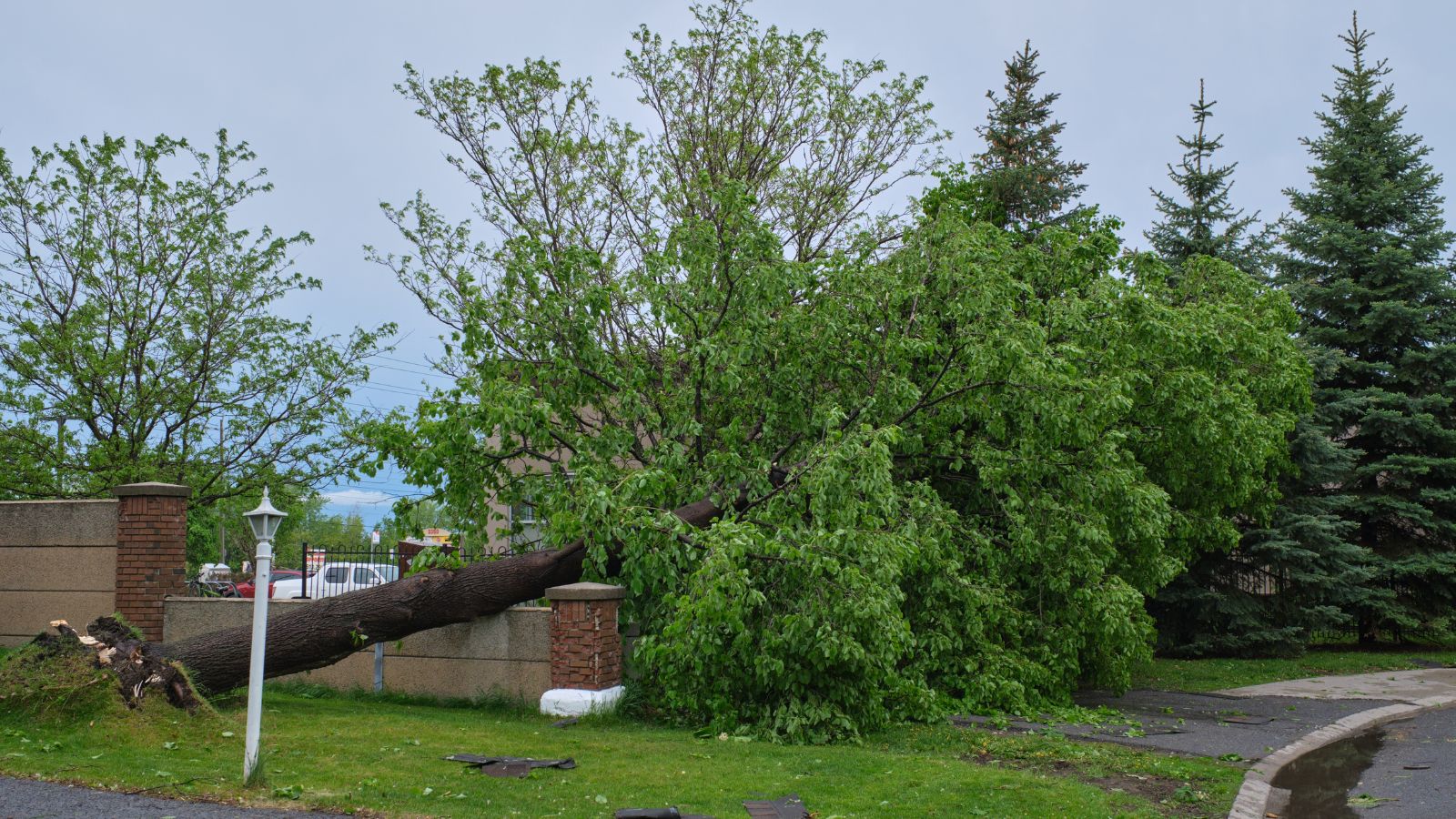
Autumn weather systems can bring strong winds capable of creating hazards even when the pavement itself is dry. Gusts can push high-profile vehicles sideways, move unsecured objects and bring branches or entire trees onto roadways. The National Weather Service advises drivers in strong winds to slow down, keep both hands on the wheel and watch for fallen trees, branches, power lines and other debris.
Wind can be especially troublesome when emerging from a sheltered area onto an exposed bridge, open field or highway. The sudden change in force can move a vehicle within its lane before the driver has much warning. Larger trucks and vehicles towing trailers may also be affected strongly, creating another reason to leave extra space. Summer certainly has thunderstorms, but fall windstorms add another variable to a season already dealing with darkness, rain, falling leaves and colder pavement.
Harvest Season Adds Slow-Moving Farm Equipment

Rural drivers often encounter a very different traffic mix during fall harvest. Tractors, combines, grain trucks and other agricultural machinery may travel between fields using public roads, sometimes after dark. Ontario’s transportation guidance notes that most tractors and combines have maximum speeds around 40 km/h and may travel even slower while towing implements or wagons.
The speed difference is what can surprise drivers. A vehicle travelling at highway speed closes the gap to a tractor far faster than it would to normal traffic. Farm machinery can also be unusually wide and may turn directly into fields rather than conventional intersections or driveways. Saskatchewan has repeatedly issued harvest-season reminders about increased numbers of slow agricultural vehicles on highways. Patience matters because passing an oversized machine without adequate sight distance can transform a minor delay into a dangerous head-on situation.
Headlight Glare Becomes Part of the Commute Again
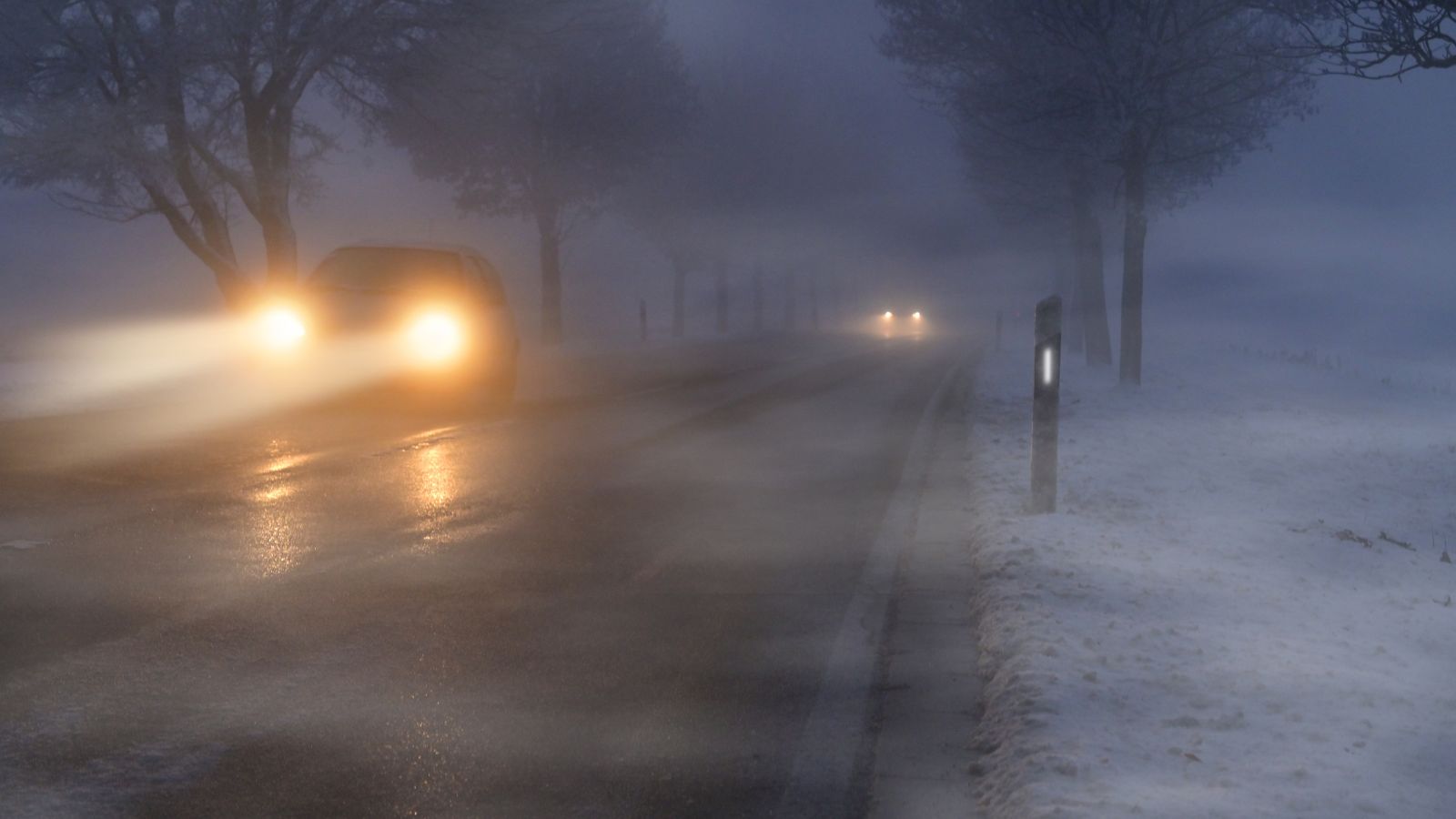
Earlier darkness does not only reduce visibility; it exposes drivers to more hours of oncoming headlights. Bright lights reflected in wet pavement, mirrors or a dirty windshield can temporarily make surrounding details harder to see. Ontario’s driver’s handbook describes glare as dazzling light that interferes with awareness of what other road users are doing and advises looking slightly to the right of bright oncoming lights rather than directly at them.
Headlight performance also matters. Research involving Insurance Institute for Highway Safety headlight ratings found that vehicles with better headlight visibility experienced lower nighttime single-vehicle crash rates after researchers controlled for other factors. The study estimated good-rated systems were associated with crash-rate reductions of roughly 12% to 29% compared with poor-rated headlights, depending on crash type. In summer, many commuters rarely test the limits of their headlights. Fall brings those limits back into daily use.
Freezing Fog Can Combine Poor Visibility With Ice
Normal fog is difficult enough. Freezing fog can add a second problem that is much harder to see. It develops when tiny suspended water droplets remain liquid even though surface temperatures are at or below freezing. When those droplets contact sufficiently cold surfaces, they can freeze onto roads, vehicles and other objects.
The National Weather Service warns that freezing fog can make transportation particularly hazardous because it combines reduced visibility with ice formation. In practical terms, a driver may enter a fog bank expecting only a sight-distance problem and discover that the pavement has also become slippery. Bridges and elevated surfaces deserve particular attention because they are already more prone to freezing. This combination illustrates why fall driving can become so unpredictable. Summer hazards are often obvious — heavy rain, construction or congestion — while late-autumn hazards can be nearly invisible until the vehicle is already on top of them.
19 Used Cars Canadians Should Avoid in 2026 (Based on Owner Complaints)

Buying a used car in Canada can feel safe until repair bills start stacking up. Owner complaints tell a different story than glossy listings. Transmission failures, electrical problems, and weak winter reliability show up again and again in consumer reports. Many of these issues appear after warranties expire, when owners least expect them. Some vehicles look affordable upfront, but become expensive to keep on the road. Others struggle in cold weather, urban driving, or long highway commutes. Here are 19 used cars Canadians should avoid in 2026 (based on owner complaints).
19 Used Cars Canadians Should Avoid in 2026 (Based on Owner Complaints)

Alanna Rosen is an experienced content writer that focuses on many EV and educational content. Her articles are regularly published on Get CyberTrucked and syndicated on large publications.