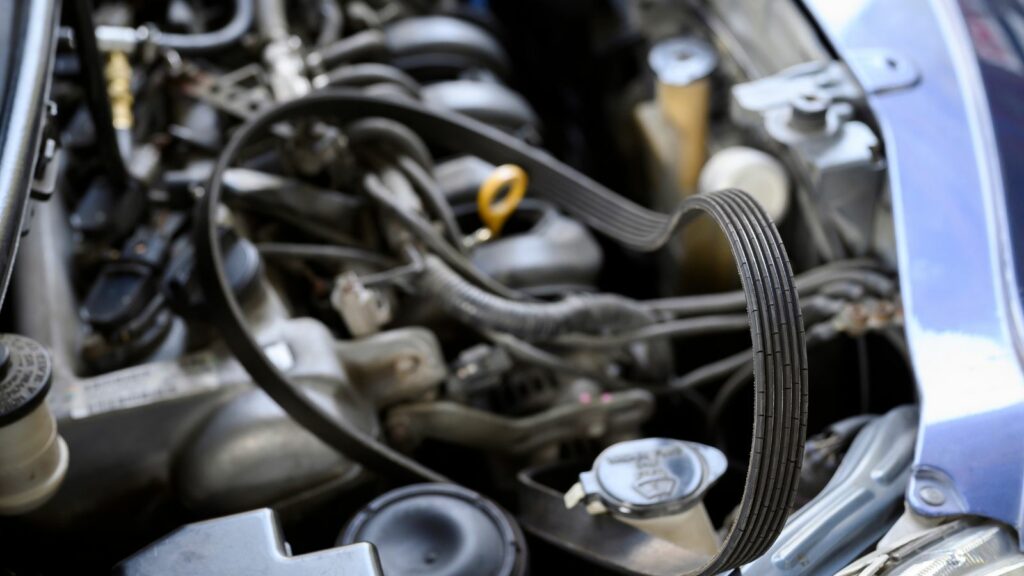
A car that sounded perfectly ordinary in September can suddenly develop a collection of ticks, squeals, groans and rattles once colder mornings arrive. That does not necessarily mean several parts failed at the same time. Temperature changes affect lubricants, rubber, plastics, metal components, tire pressure and even the amount of electrical power available for starting an engine. In many cases, cold weather simply makes an existing weakness easier to hear.
Some sounds disappear as components warm up, while others deserve prompt attention because cold weather has exposed genuine wear. These 12 reasons explain why vehicles can become noticeably noisier as temperatures fall, what is happening mechanically and which sounds should not be written off as normal seasonal behaviour.
Cold Engine Oil Can Make the Engine Sound Busier
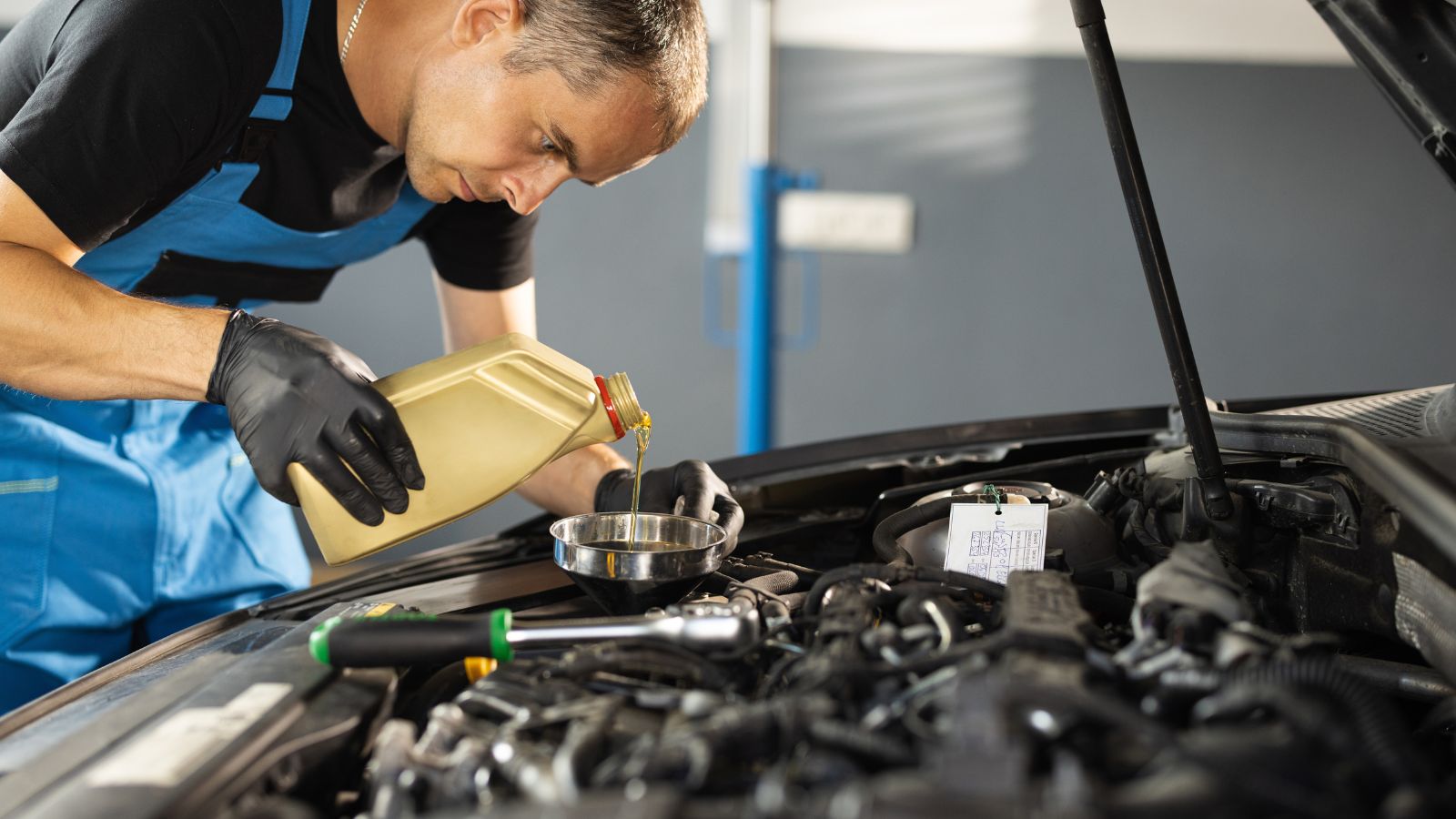
Motor oil does not behave exactly the same way at every temperature. As temperatures fall, oil becomes more resistant to flowing, which is one reason modern engines specify multigrade oils with carefully defined cold-temperature characteristics. Research into cold starting has repeatedly found that lubricant viscosity affects the effort required to crank an engine. An SAE study involving vehicles tested between roughly -40°C and -12°C found that lower cold-cranking viscosity generally made starting easier. That extra resistance helps explain why an engine can sound noticeably different during its first seconds of operation on a cold morning.
A temporary tick or clatter can also become more noticeable while oil is reaching components throughout the engine. Valve-train hardware and other rapidly moving parts depend heavily on proper lubrication, and some mechanical noises are naturally easiest to hear immediately after startup. That does not make every cold-start tick harmless. The correct oil grade specified by the manufacturer matters, and a new noise that becomes louder, persists after the engine warms, accompanies an oil-pressure warning or resembles a heavy knock deserves investigation rather than being dismissed as winter behaviour.
The Serpentine Belt System May Start Squealing
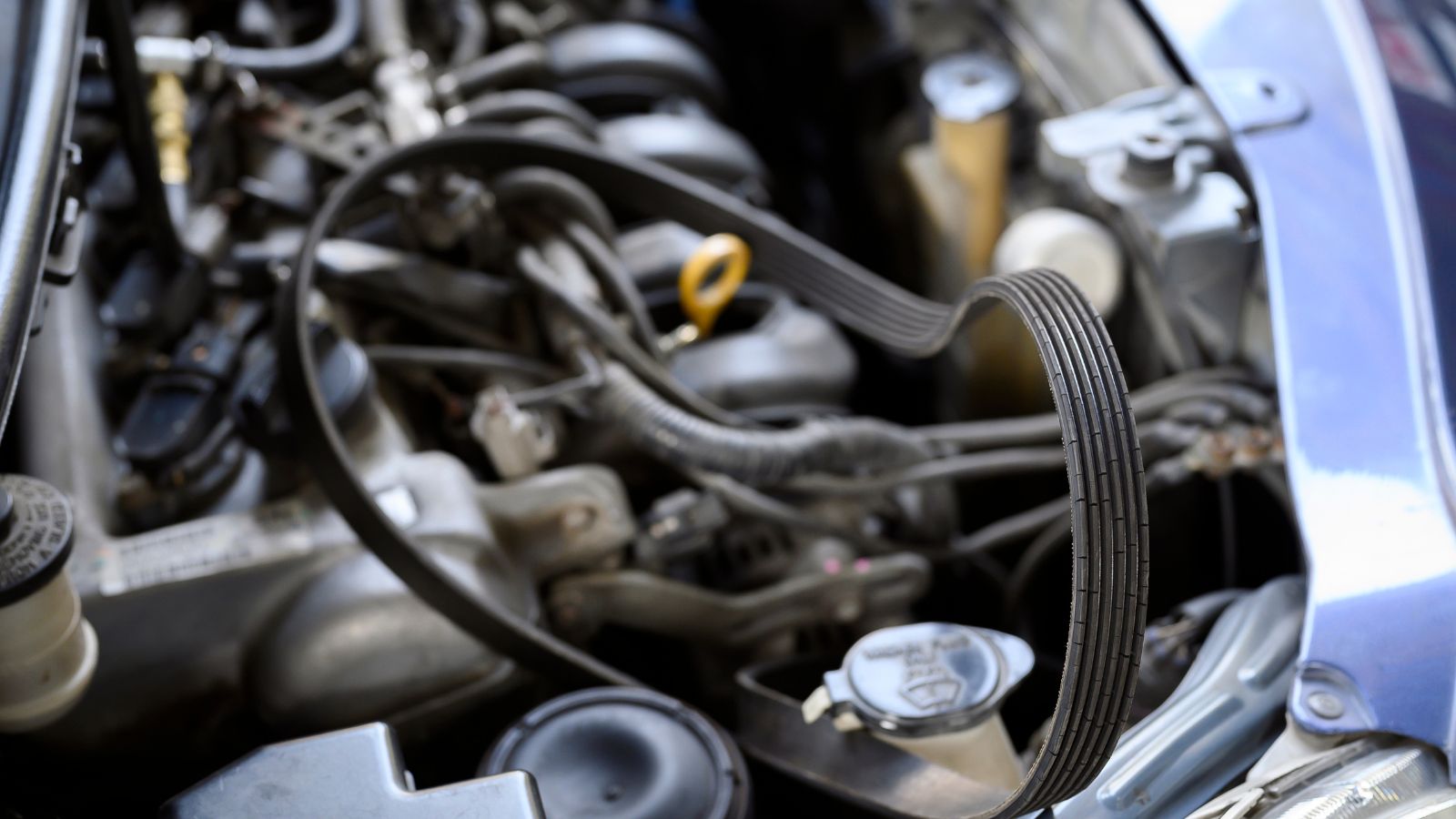
That brief squeal heard just after the engine fires can come from the accessory-drive system rather than the engine itself. Modern serpentine belts commonly use durable synthetic-rubber compounds, but the belt operates as part of a larger system containing pulleys, bearings and an automatic tensioner. Gates notes that symptoms including squeal, vibration and excessive belt wear can frequently be traced to a worn or failing tensioner. Dayco similarly advises technicians to inspect tensioner bearings, pulley alignment and belt tension when diagnosing accessory-drive noise.
Cold starts can make an already marginal system much easier to notice. A belt that slips slightly, a weak tensioner or a bearing beginning to dry out may remain quiet after everything has been rotating for several minutes, yet protest loudly first thing in the morning. Haynes specifically notes that a slipping drive belt is often especially audible when a vehicle is started from cold. A short chirp is therefore worth monitoring rather than automatically fearing, but repeated screeching, visible belt damage, pulley wobble or a sound that grows with engine speed should prompt an inspection before the belt-drive system fails outright.
Damp, Cold Brakes Can Scrape or Squeal at First

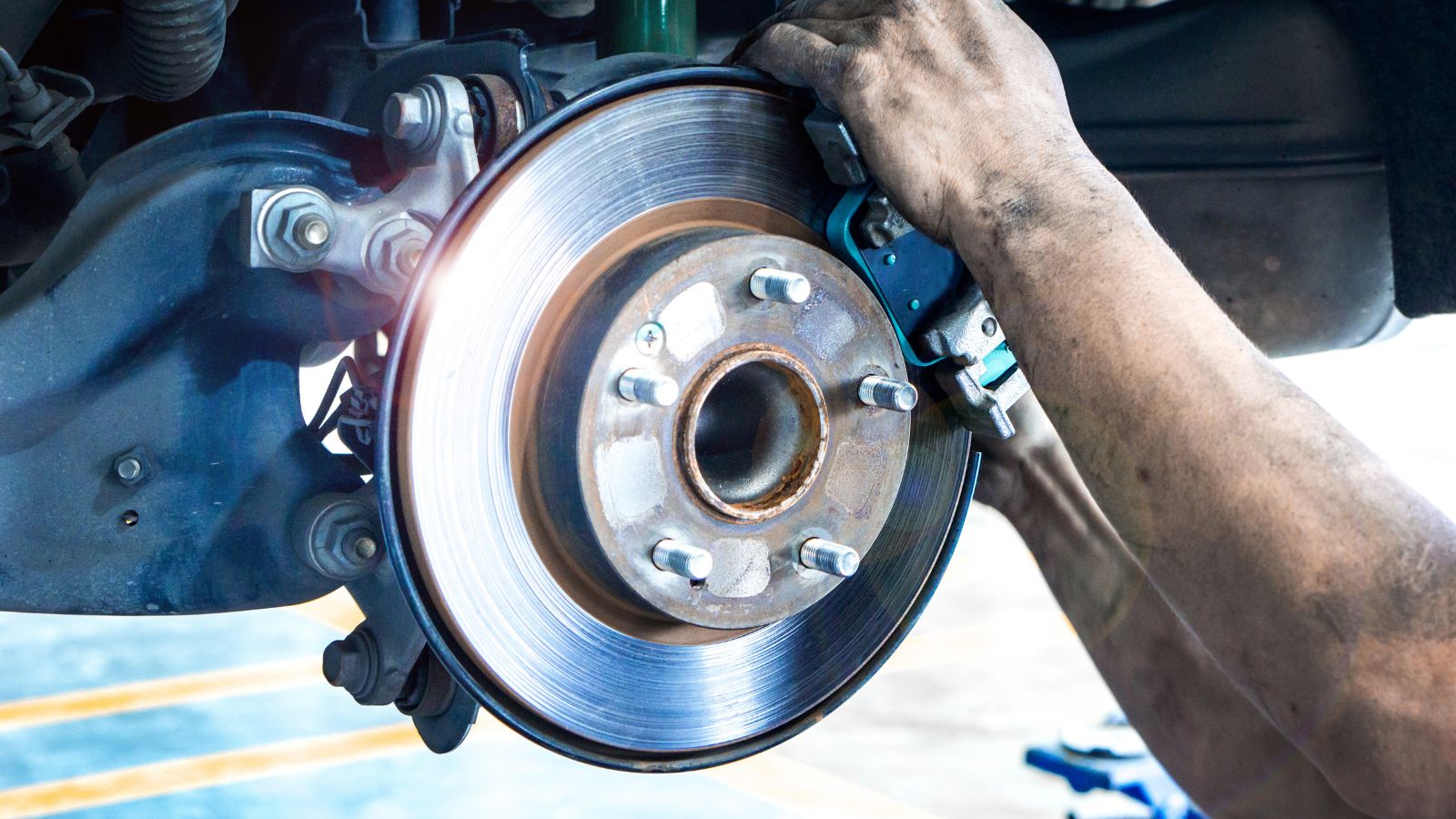
Few sounds are more alarming in a quiet driveway than the scrape of brakes during the first stop of the morning. Yet moisture can create a surprisingly ordinary explanation. Brake rotors are generally exposed metal surfaces. When a vehicle sits in damp conditions, a thin layer of corrosion can develop on the friction surface. General Motors service information notes that corrosion formed while a vehicle is parked overnight can produce grinding during the first few stops, usually disappearing as the brake pads clean the rotor surface.
Cold and humid mornings often make the phenomenon more noticeable because condensation, rain or melting snow can leave moisture on the brakes. Mazda likewise explains that moisture can produce a thin rust layer that causes temporary squeaking and may disappear after several brake applications. The important distinction is duration and severity. A faint scrape that quickly vanishes is very different from continuous metallic grinding. Honda owner guidance notes that a continuous metallic friction sound can indicate a brake wear indicator contacting the rotor. Noise that remains after several normal stops therefore warrants an inspection rather than repeated attempts to “wear it off.”
Falling Tire Pressure Can Change What Comes Through the Cabin
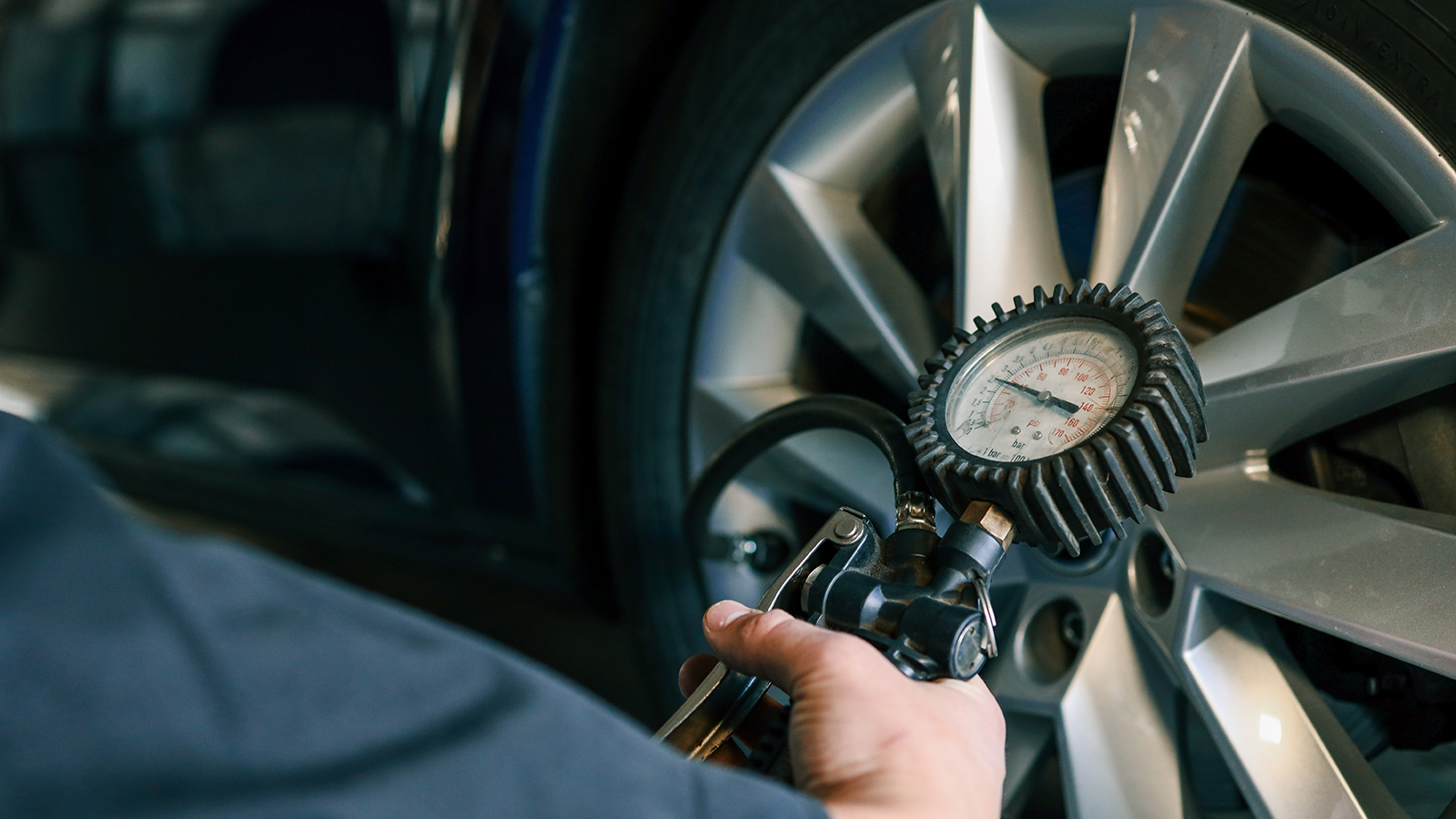
A cold snap can alter tire pressure even when no air has physically leaked through a puncture. As the temperature drops, the pressure measured inside the tire also decreases. Michelin and tire-industry guidance commonly use a useful rule of thumb: approximately 1 psi can be lost for every 10°F drop in temperature. NHTSA similarly advises drivers to expect lower inflation pressure as outside temperatures fall and to check tires cold against the pressure specified on the vehicle placard rather than the maximum printed on the tire sidewall.
The result can sometimes be felt and heard before anyone notices the pressure reading. An underinflated tire flexes differently, and low pressure can make vibration or temporary flat-spotting more pronounced. Changes in road texture may also become more noticeable through the chassis, making an established tire problem seem as though it suddenly appeared with colder weather. A substantial pressure difference between tires can affect handling as well. That makes the first sustained temperature drop of autumn a sensible time for a gauge check, especially if a rhythmic thump, steering vibration or unfamiliar tire-related sensation develops at the same time.
Suspension Bushings Can Become Less Forgiving in the Cold

Suspension systems contain more rubber than many drivers realize. Bushings and mounts are used to isolate vibration while allowing controlled movement between metal components. Rubber and other elastomers are temperature-sensitive materials, and engineering research has long documented that their stiffness can rise at low temperatures. Laboratory studies of elastomeric components have found particularly large stiffness increases at very low temperatures, although the exact response depends heavily on the rubber formulation and the temperature involved.
That matters because suspension noises frequently originate around mounting points and bushings. Monroe notes that worn rubber bushings can cause noise and excessive movement, while KYB identifies stabilizer-bar bushings, link pins and strut mounts as common sources of clunks or rattles. Colder conditions may therefore expose wear that was much less obvious during summer. A vehicle can feel slightly firmer and produce a few extra creaks at first, but repeated knocking over every bump is different. If a clunk worsens, steering feels loose or the vehicle begins bouncing excessively, the cold weather may simply have revealed a suspension component that already needed attention.
Exhaust Systems Can Tick and Rattle as Their Temperature Changes
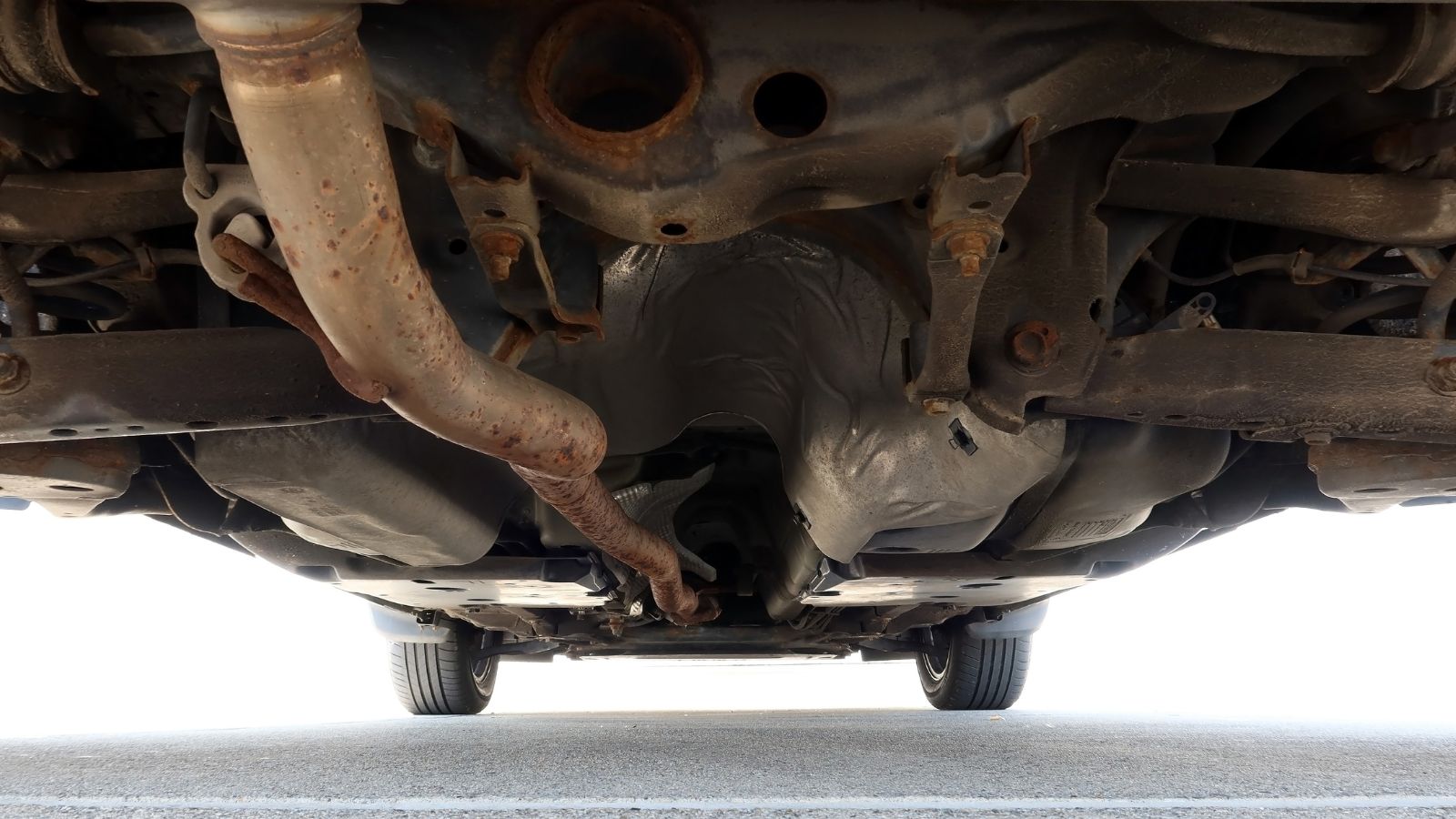
An exhaust system experiences an enormous temperature swing during a cold start. Pipes, manifolds, shields and mounting hardware begin near the outdoor temperature and then warm rapidly once hot exhaust gases start moving through them. Different components and materials do not always expand at exactly the same rate. General Motors has documented at least one cold-start exhaust rattle caused by inner and outer pipe components expanding at different rates, describing it as a normal characteristic on the affected vehicles.
There are also cases where a cold-start tick indicates an actual repair issue. An FCA service bulletin for certain Ram 1500 models describes ticking from the exhaust-manifold area when cold and instructs technicians to inspect the manifold. Other manufacturer bulletins document cold rattles involving exhaust valves, hangers and turbocharger-related hardware. That variety explains why exhaust noise can be difficult to diagnose by sound alone. A faint metallic tick that disappears as the system warms may be thermal movement, while a louder tick that becomes more pronounced under acceleration can point toward a leak, loose shield or damaged manifold component requiring inspection.
Older Hydraulic Power Steering Systems Can Whine More
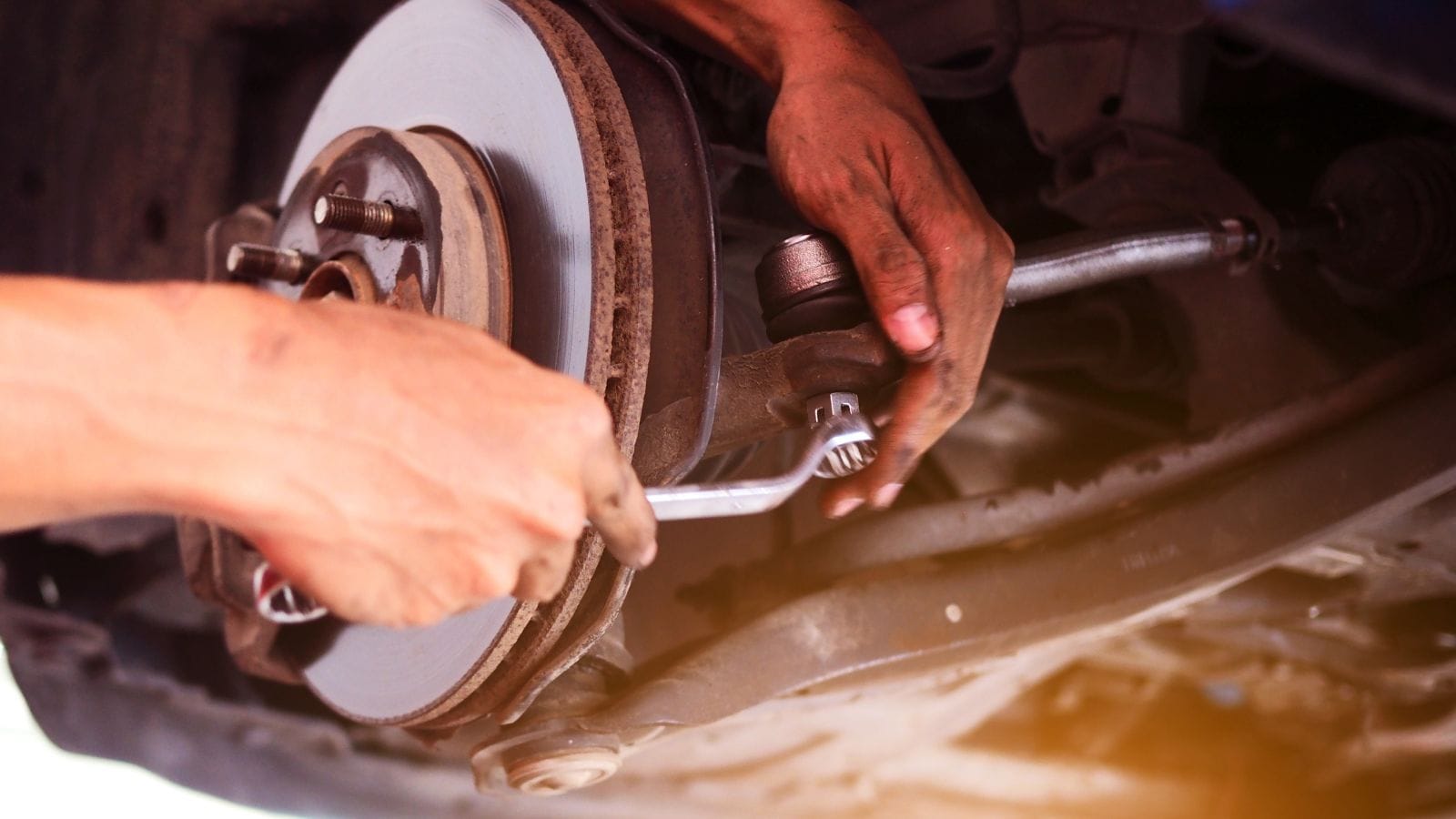
Many newer vehicles use electric power steering and have no hydraulic steering pump at all. Older cars, trucks and some heavy-duty vehicles are different. Their hydraulic systems circulate power-steering fluid through a pump, hoses and steering gear. Like other automotive fluids, power-steering fluid becomes more difficult to move under extreme cold conditions. That can make a marginal pump or fluid problem much more noticeable immediately after startup.
General Motors has issued service information specifically addressing power-steering whine and leaks during severe low-temperature operation. One bulletin explains that at approximately -30°C or colder, power-steering fluid in certain vehicles may thicken enough to increase system pressures and potentially create noise or component problems. Another specifies improved cold-temperature fluid for particular models. Those bulletins concern specific vehicles and unusually low temperatures, but they illustrate the underlying principle well. A brief increase in steering-pump noise during severe cold is possible on hydraulic systems; a persistent howl, unusually heavy steering, foamy fluid or a visible leak is not something to normalize. Those symptoms justify checking fluid condition, level and the steering system itself.
Transmission Fluid Also Behaves Differently Before It Warms
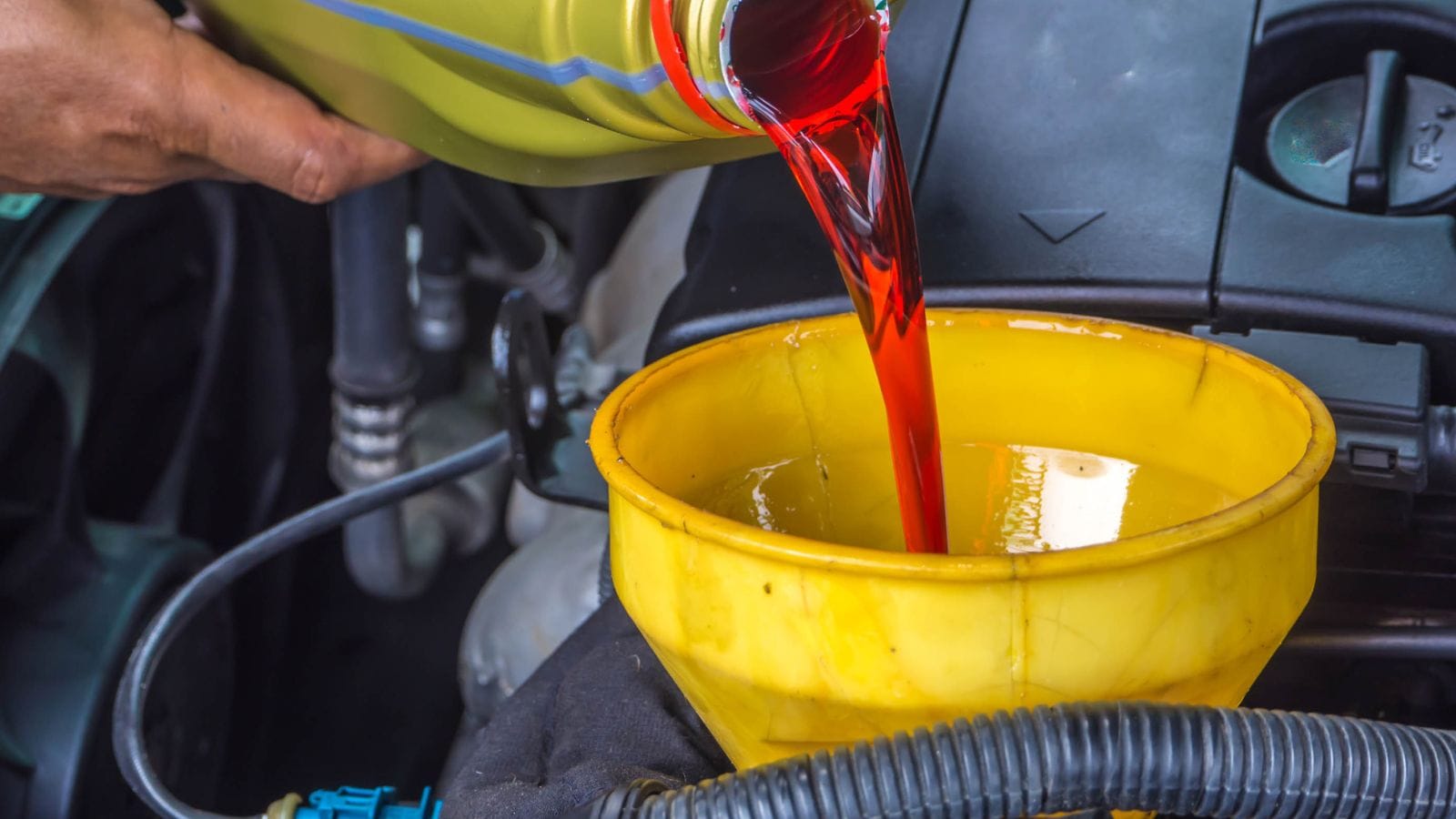
Engines are not the only major assemblies filled with temperature-sensitive lubricant. Automatic transmissions, continuously variable transmissions and manual gearboxes all rely on fluids whose viscosity changes with temperature. SAE research has demonstrated that transmission-fluid viscosity can have a significant effect on low-temperature operation. In one controlled study at -20°F, lowering automatic-transmission-fluid viscosity shortened shift and clutch-engagement times and substantially reduced the load required to turn the transaxle.
Real vehicles can consequently behave differently immediately after a long cold soak. General Motors has documented vehicles that can make a clunk accompanied by slight movement at startup because residual fluid creates a partial clutch application. Another bulletin explains that manual-transmission fluid is thicker when cold, increasing shift effort and the possibility of gear clash if shifts are rushed. Some CVTs are deliberately programmed to alter shift behaviour until their fluid warms. A slightly different sound or shift feel during the first part of a freezing drive can therefore have a technical explanation. Loud banging, repeated slipping, grinding or delayed engagement that continues when warm is a different matter and needs diagnosis.
A Weak Battery Can Turn a Normal Start Into Clicking and Groaning
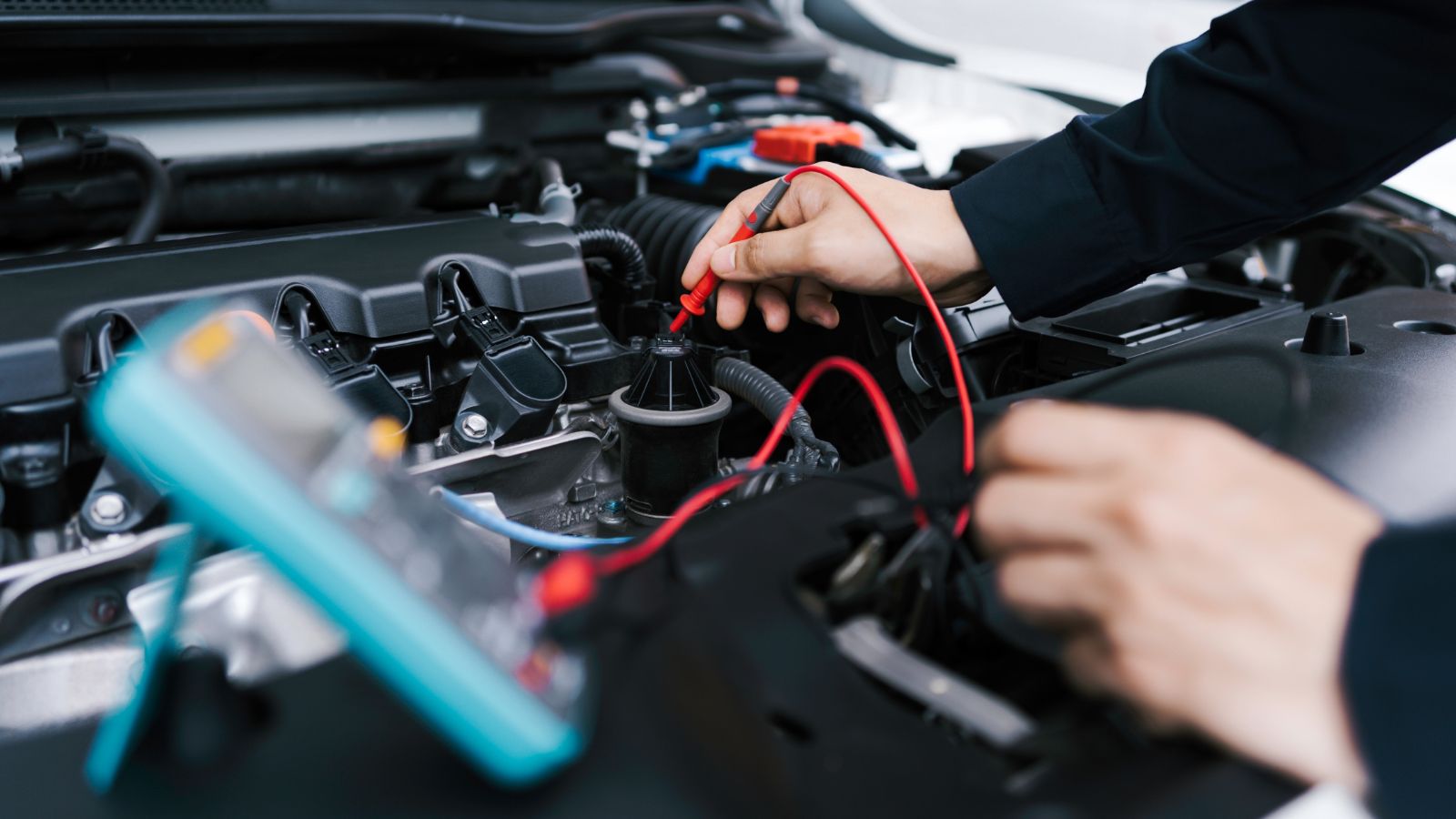
Cold weather creates an unfortunate combination for the starting system: the engine becomes harder to turn while the battery becomes less capable of supplying electricity. NHTSA advises that gasoline and diesel engines require more battery power to start in cold weather. General Motors service information also notes that a 12-volt battery’s available capacity and measured cold-cranking performance begin to decline below freezing, with the effect becoming stronger as the battery gets colder.
AAA has reported similarly dramatic changes, estimating that a conventional battery can lose roughly 35% of its strength at 32°F and considerably more around 0°F. At the same time, an engine may require substantially more starting energy. That is why an aging battery can seem perfectly healthy during warm weather and suddenly reveal itself during the first serious cold snap. Instead of the familiar quick starter sound, the vehicle may crank slowly, groan or produce repeated clicks. Those clicks are not simply another seasonal noise to tolerate. They can signal inadequate battery voltage, poor connections or a starting-system problem that should be tested before a complete no-start occurs.
Dashboard and Interior Plastics Can Develop New Rattles
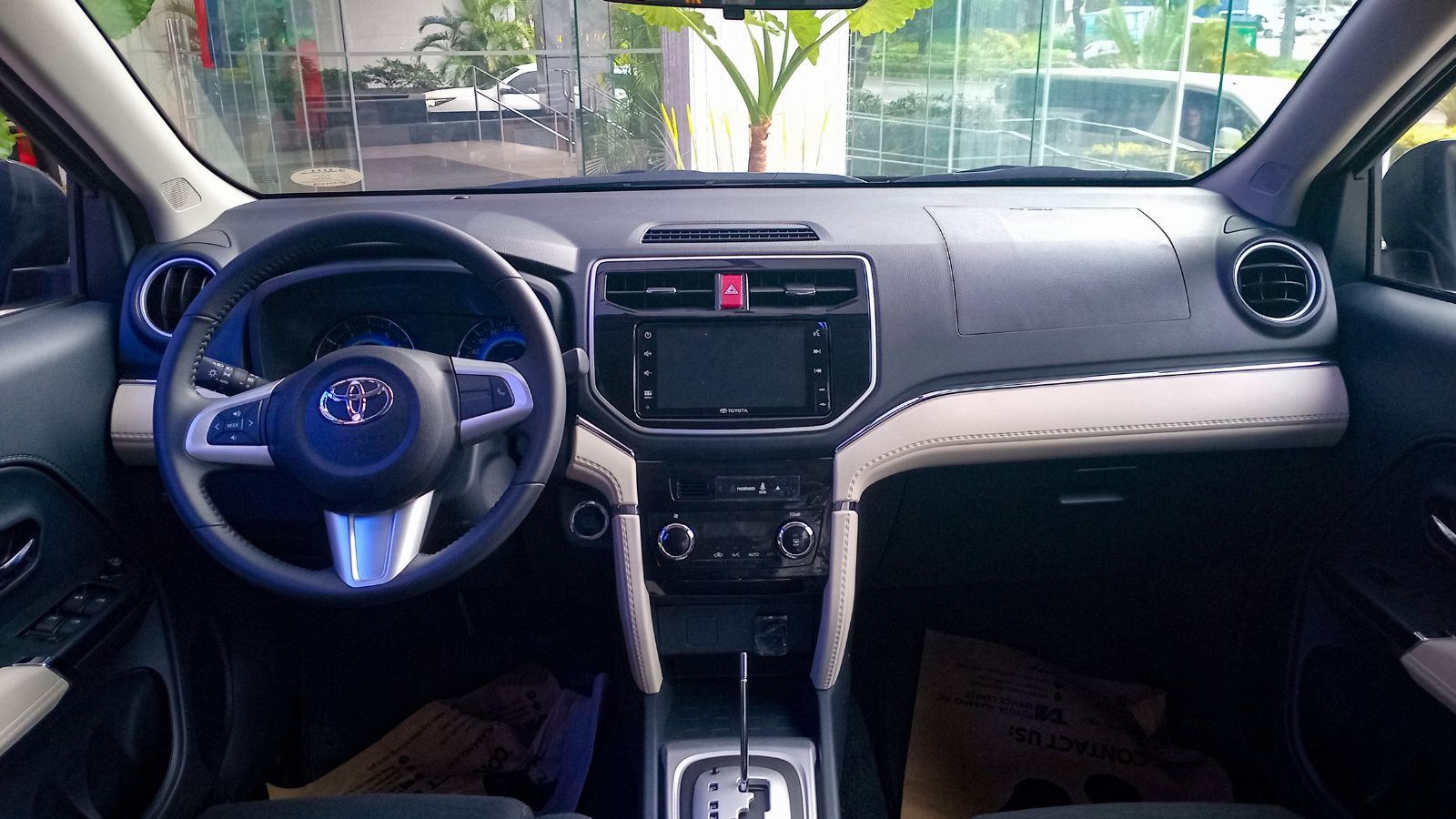
Sometimes the mysterious winter noise is not mechanical at all. Instrument panels, centre consoles, door panels and pillar trim contain numerous pieces made from plastics, clips, fasteners, foam and other materials. Temperature changes alter their dimensions. Automotive engineering research has specifically examined how thermal expansion and contraction can change joint clearances and clamp loads in interior components, contributing to squeaks and rattles.
A 2025 SAE study examining instrument panels and consoles at -30°C, 23°C and 60°C found that temperature could change the risk of certain rattles within the tested assemblies. Earlier research into automotive thermoplastic joints likewise identified temperature-driven expansion and contraction as relevant to squeak-and-rattle performance. Manufacturer troubleshooting guides tell technicians to pay attention to cabin temperature when tracking dashboard noises because some appear only within particular temperature ranges. The practical result is familiar: a dashboard may click over the first pothole on a freezing morning and become quiet once the cabin warms. Persistent rattles can still indicate loose trim, clips or wiring, but seasonal changes alone can make previously silent interfaces audible.
Cold Tires Can Develop a Temporary Rhythmic Thump
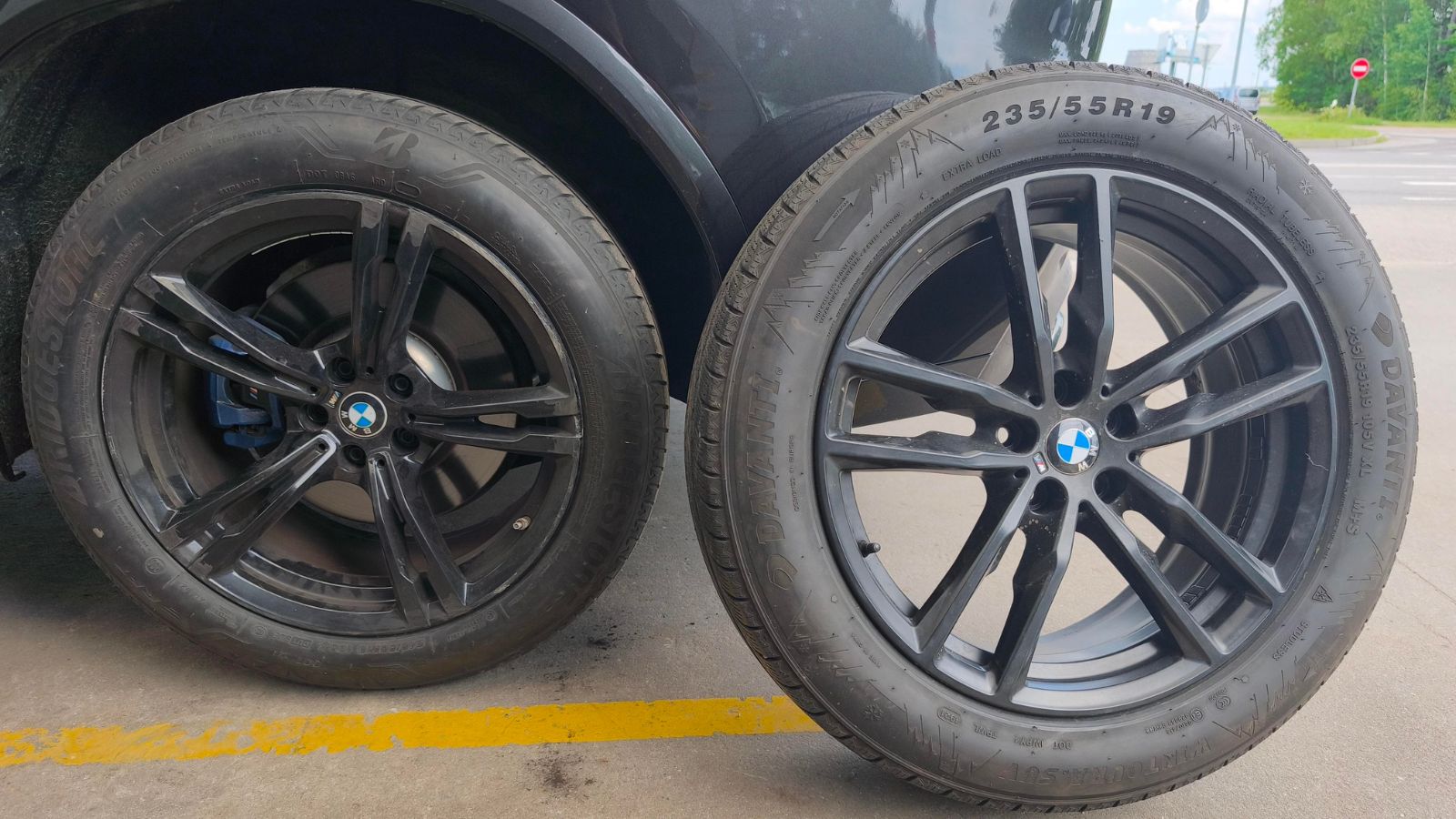
A car that feels perfectly smooth in the afternoon can produce a strange thump-thump-thump during the first few kilometres of a cold morning. One possible explanation is temporary tire flat-spotting. When a warm tire is parked, the section supporting the vehicle’s weight remains flattened against the pavement while the tire cools. Cold rubber and internal tire components can temporarily retain more of that shape, producing a vibration or rhythmic sound once the vehicle starts moving again.
Both Michelin and Continental describe this as a recognized cold-weather phenomenon. Michelin explains that the vibration commonly fades as rotation and heat allow the tire to regain its normal shape, while Continental notes that overnight parking in cold temperatures and major ambient-temperature swings make temporary flat-spotting more likely. Tire construction, load, pressure and time spent stationary all influence the effect. High-performance tires can make the sensation particularly obvious. A thump that disappears as the tires warm is therefore not necessarily evidence of a damaged wheel. A vibration that remains, becomes stronger or suddenly appears at highway speed should still be checked for balance, tire damage or other mechanical problems.
The Most Important Clue Is Whether the Noise Goes Away
Cold-weather noises cover an enormous range, from harmless expansion sounds to early warnings of component failure. Duration is one of the most useful clues. A mild tire thump that disappears as the tires warm, a short-lived brake scrape after a damp night or an interior click that vanishes after the heater raises cabin temperature can all have documented temperature-related explanations. Even then, the vehicle’s normal behaviour provides the best reference. A sound that is dramatically louder than last winter or appears suddenly deserves more attention than a familiar seasonal quirk.
Certain sounds should never be rationalized simply because the thermometer has fallen. AAA advises treating unfamiliar grinding, squealing, knocking and other persistent noises as warning signs. Grinding from the brakes may indicate worn components, while knocking from the engine can accompany lubrication or internal mechanical problems. Steering difficulty, warning lights, fluid leaks, severe vibration or a noise that grows louder with speed or engine rpm further changes the situation. Cold weather often does not create the defect—it exposes one that was already developing. That makes unusual winter noises useful information rather than merely an annoyance.
19 Used Cars Canadians Should Avoid in 2026 (Based on Owner Complaints)

Buying a used car in Canada can feel safe until repair bills start stacking up. Owner complaints tell a different story than glossy listings. Transmission failures, electrical problems, and weak winter reliability show up again and again in consumer reports. Many of these issues appear after warranties expire, when owners least expect them. Some vehicles look affordable upfront, but become expensive to keep on the road. Others struggle in cold weather, urban driving, or long highway commutes. Here are 19 used cars Canadians should avoid in 2026 (based on owner complaints).
19 Used Cars Canadians Should Avoid in 2026 (Based on Owner Complaints)

Alanna Rosen is an experienced content writer that focuses on many EV and educational content. Her articles are regularly published on Get CyberTrucked and syndicated on large publications.