Fall road trips can feel deceptively easy. The summer crowds have thinned, highways can be quieter, and cooler temperatures make long drives more comfortable. Yet autumn also creates an awkward transition period when vehicles, roads, and weather can change faster than many families expect. The biggest mistake is often surprisingly simple: leaving home without giving the vehicle and trip a proper pre-departure check.
A problem that barely registered during August can become much more serious during a cold October morning hundreds of kilometres from home. These 12 overlooked fall road-trip risks show how batteries, tires, fluids, weather, fuel planning, emergency supplies, and even car keys can turn an otherwise routine family getaway into hours spent waiting beside the road.
Assuming a Car That Ran Fine All Summer Is Ready to Go
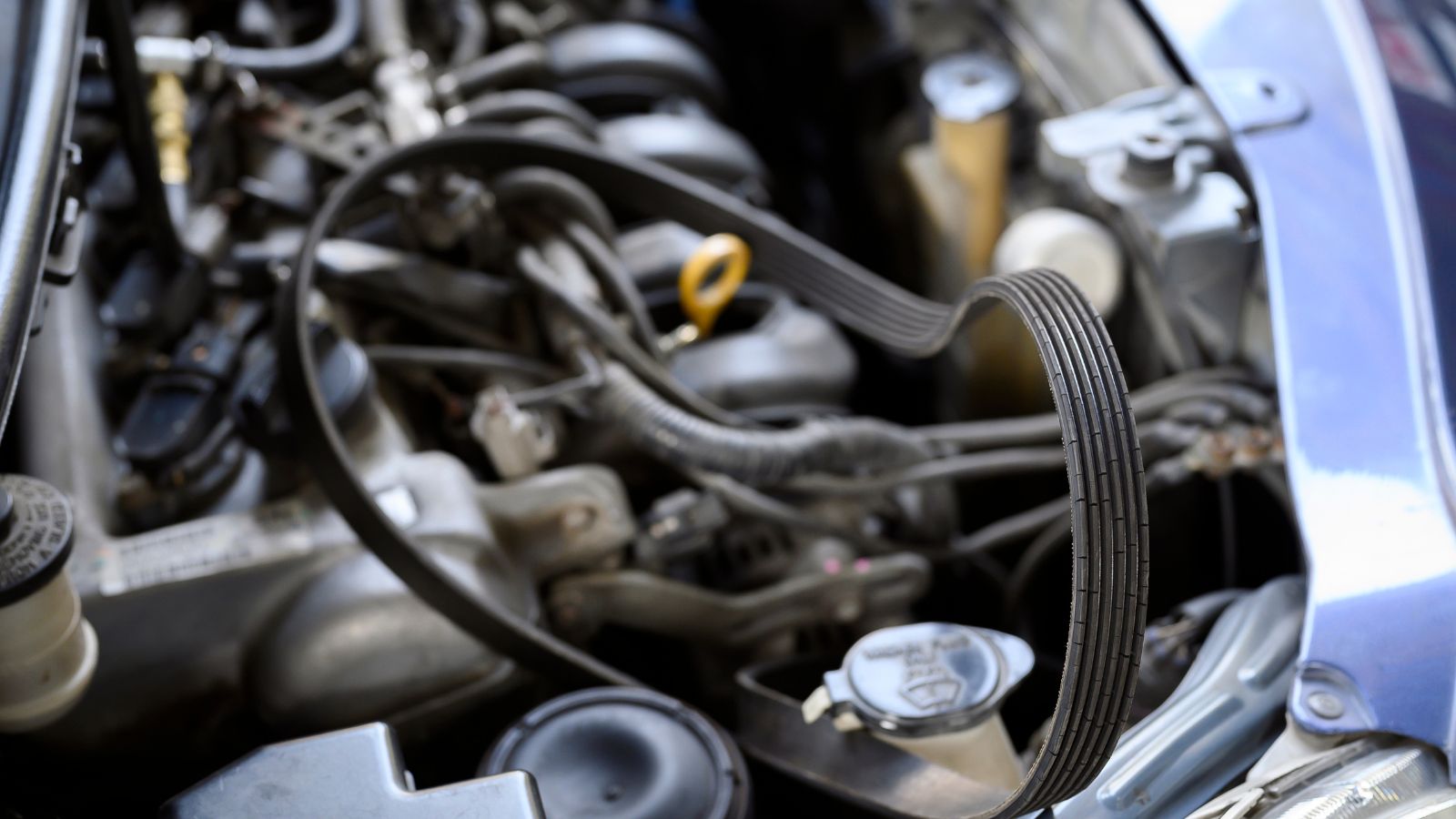
A trouble-free summer is not proof that a vehicle is ready for a long autumn drive. Transport Canada advises motorists to follow the manufacturer’s maintenance schedule and notes that seasonal inspections can include the battery, charging system, lights, brakes, cooling system, belts, tires, and other components. CAA has similarly recommended having a vehicle inspected before a road trip so developing problems can be discovered while there is still time to repair them.
That distinction matters because many failures offer hints before the car actually stops. A persistent dashboard warning light, an unexplained fluid spot in the driveway, slower starting, a strange belt noise, or a tire that repeatedly loses pressure deserves attention before departure. Transport Canada specifically warns that dashboard lights can signal problems before they become serious or expensive. A family leaving Friday evening may otherwise discover that the small issue postponed at home becomes a tow-truck call two hours away.
Leaving an Aging Battery Untested
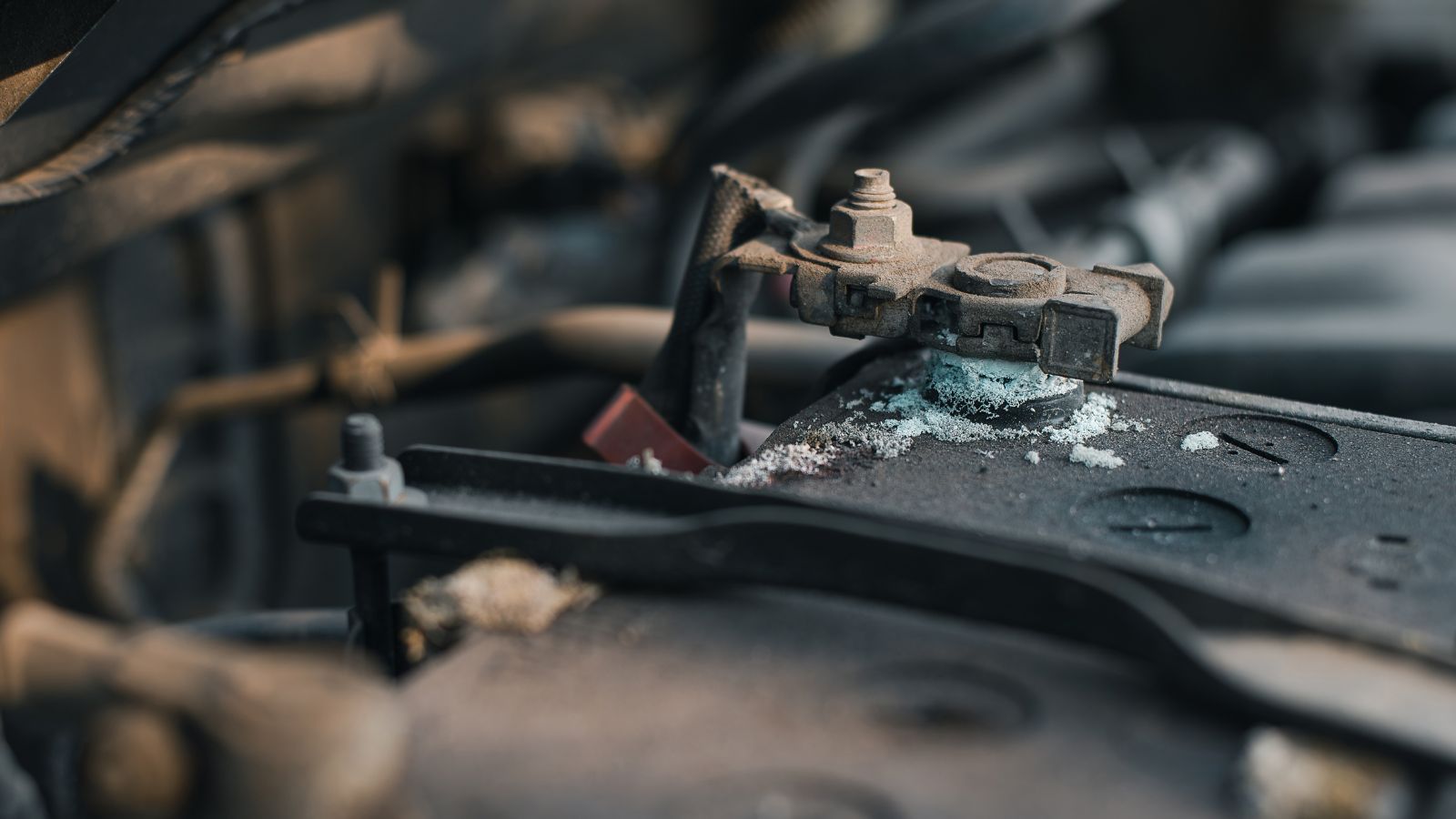
A weak 12-volt battery can remain surprisingly cooperative during warm weather and then struggle as temperatures decline. CAA notes that batteries work harder in cold temperatures and says batteries roughly three to five years old can be increasingly vulnerable to failure. Summer heat can also contribute to battery wear, meaning the first noticeably chilly mornings may expose deterioration that was already developing.
That makes a battery test one of the simplest ways to reduce the risk of an unwanted overnight stop. Warning signs can include slower-than-normal cranking, electrical issues, corrosion around the terminals, or headlights that appear weaker than usual. Imagine a family arriving at a rural inn after dark with no apparent problem, only to find the engine will not restart the next morning. The battery did not necessarily fail without warning; the seasonal temperature change may simply have revealed a weakness that a pre-trip test could have identified before departure.
Forgetting That Tire Pressure Drops With Temperature
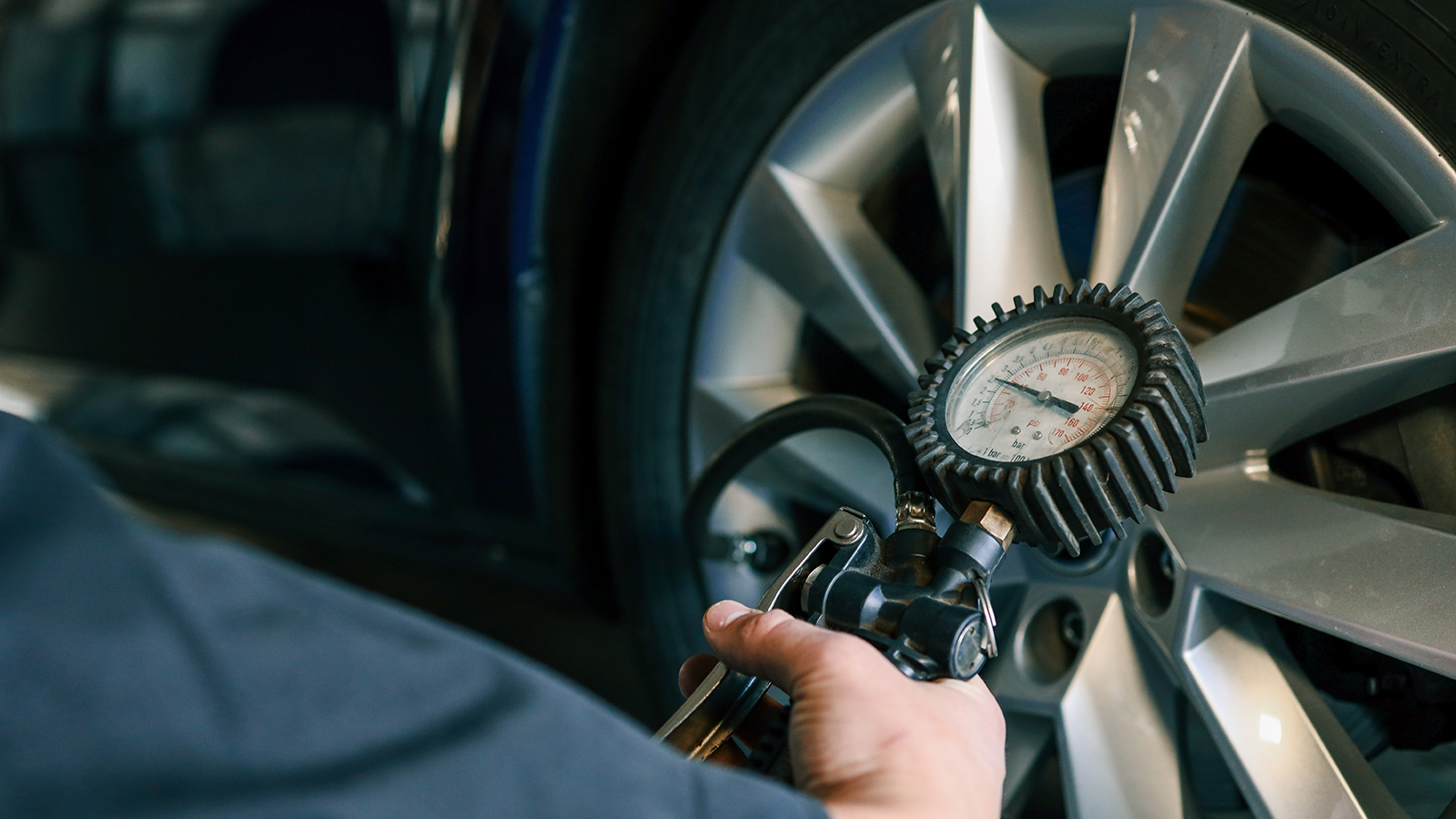
A temperature swing can change tire pressure even when there is no puncture. Transport Canada says tire pressure decreases by roughly 1 psi for every 5°C drop in air temperature. That means tires correctly inflated during a warm afternoon can be noticeably lower after several chilly nights. Transport Canada recommends checking pressure when tires are cold and paying particular attention before highway driving and longer trips.
Autumn also brings another traction issue. Transport Canada says summer and all-season tire rubber begins losing elasticity below roughly 7°C, while winter tires are designed to remain flexible at much lower temperatures. That does not mean every cool fall day requires immediate winter conditions, but it does mean temperature deserves attention. A heavily loaded family vehicle heading onto a highway with low pressure and marginal tread has less room for error. Checking all four tires before departure takes minutes and can prevent a pressure problem from becoming a roadside one.
Checking Four Tires but Forgetting the Spare
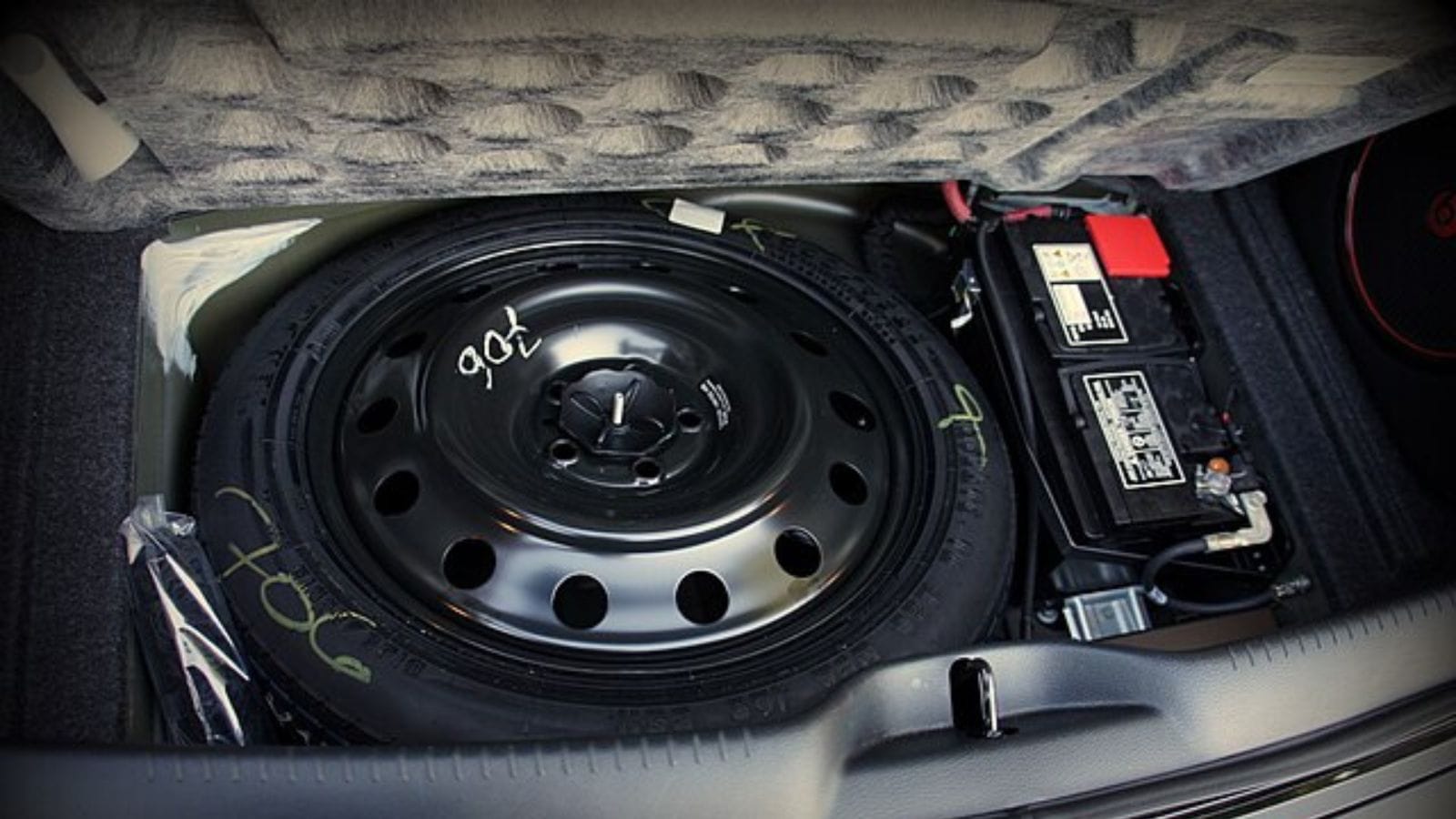
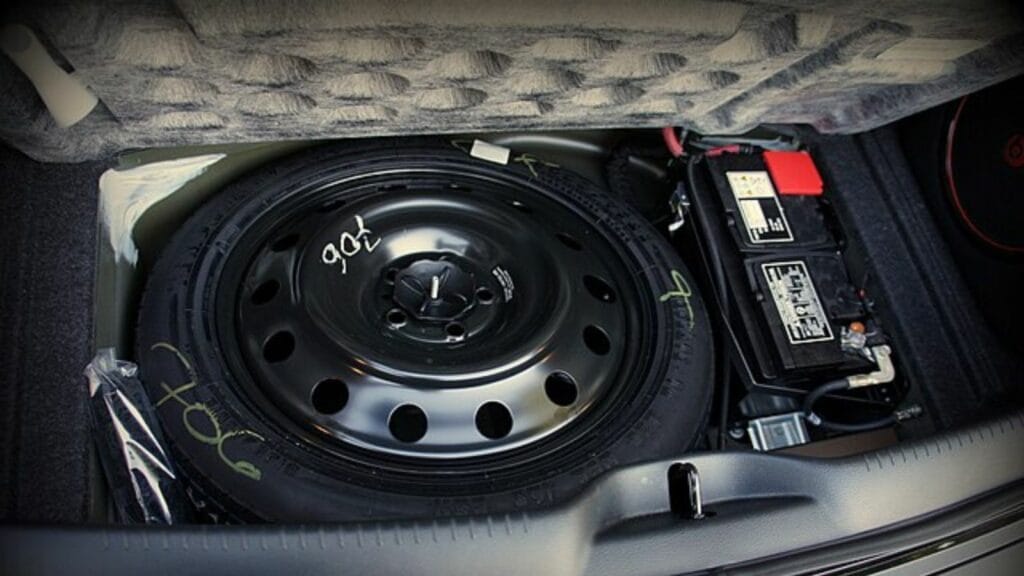
The spare tire may be the least-used tire on the vehicle, which is exactly why it is easy to forget. Transport Canada recommends checking spare-tire pressure along with the tires carrying the vehicle. CAA makes the same point in its seasonal guidance. A spare that has been untouched beneath a cargo floor for years can gradually lose pressure even though it looks perfectly clean when finally uncovered.
That becomes important because discovering a flat tire is only half the problem. Discovering that the emergency spare is also underinflated can turn a manageable roadside stop into a tow. Before a long fall trip, the spare should be inspected and inflated to the specification provided by the vehicle manufacturer. Drivers should also know where the wheel tools or manufacturer-supplied repair equipment are stored. On a rainy shoulder after sunset, with children waiting inside, is a particularly inconvenient time to learn that the equipment needed to get moving again has never been checked.
Treating Coolant, Hoses and Belts as Winter-Only Concerns
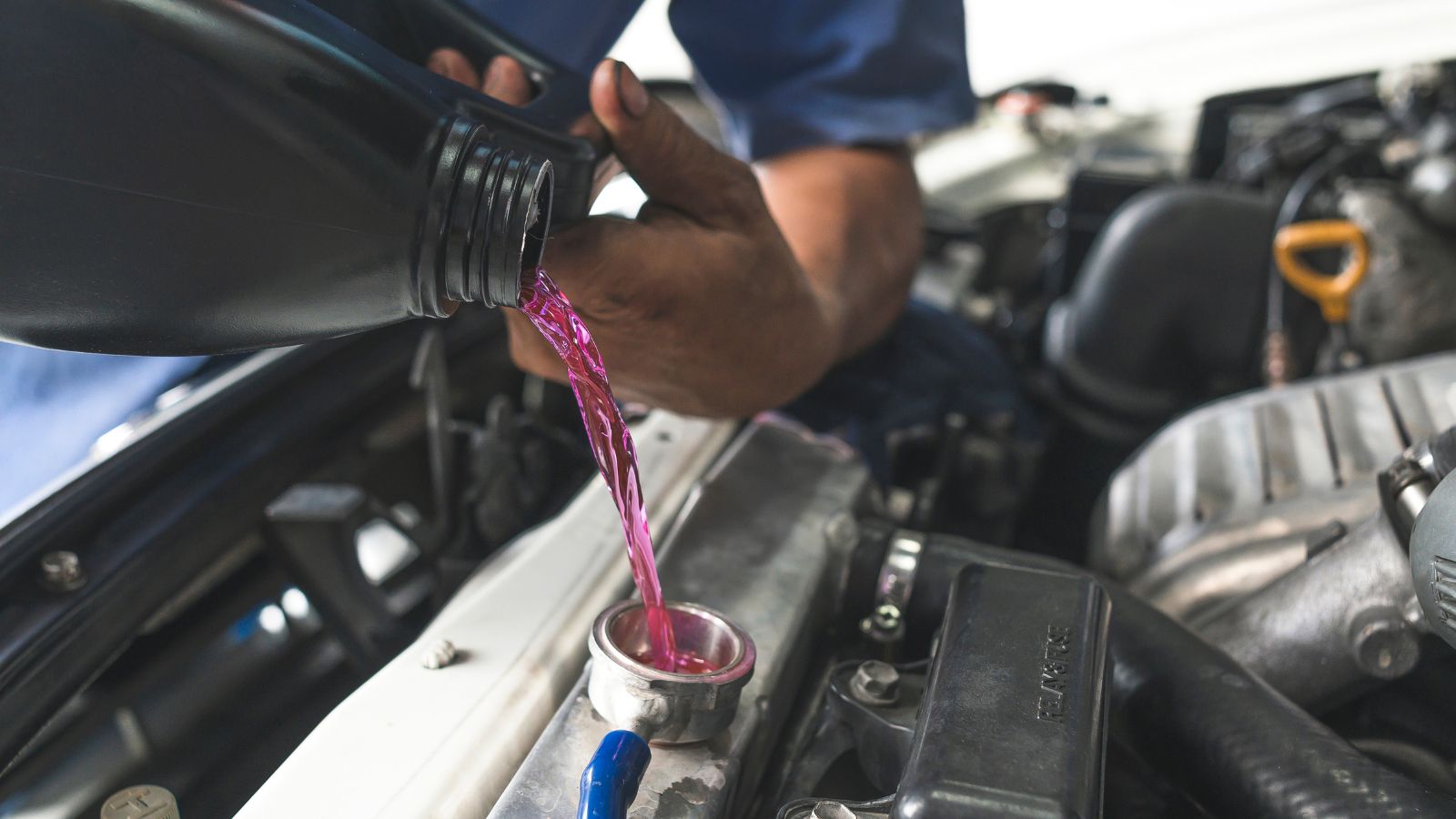
Antifreeze sounds like something that matters only once snow arrives, but the cooling system works year-round. Transport Canada recommends checking coolant strength and level, radiator hoses, drive belts, the water pump, thermostat, radiator cap, heater, and defroster as part of preparing a vehicle for colder conditions. The manufacturer’s own maintenance schedule should determine when fluids and components require service.
Fall road trips can put these systems through substantial temperature changes. A vehicle might leave a relatively mild city, spend hours at highway speed, climb into colder terrain, and sit outside overnight. A small coolant leak or aging belt does not become harmless simply because temperatures are no longer hot. Families often pack extra jackets while assuming the mechanical side of cold-weather preparation can wait until winter. A better approach is to investigate unexplained fluid loss, cracks, leaks, unusual noises, or temperature warnings before the vehicle is hundreds of kilometres from its regular repair shop.
Waiting Until Winter to Deal With Wipers and Washer Fluid
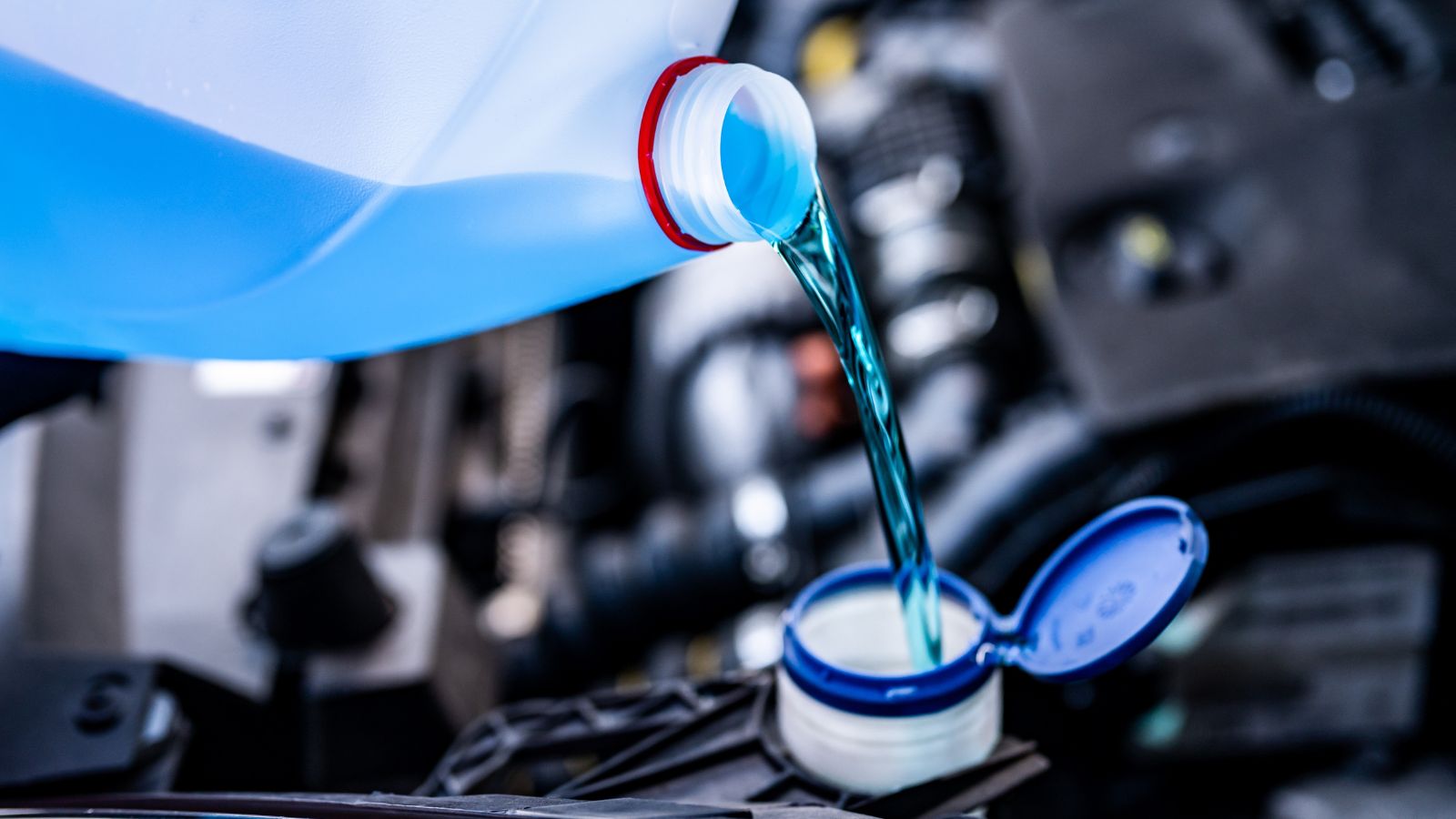
Autumn windshields can become dirty surprisingly quickly. Rain, road spray, wet leaves, mud, and eventually early-season slush all demand more from the wipers and washer system. CAA notes that an average wiper blade may last only about six months and recommends replacement when blades begin streaking. Transport Canada advises making sure wipers are in good condition and recommends winter-rated washer fluid as colder weather arrives.
The failure does not always strand a family mechanically, but it can make continuing the trip unsafe. A nearly empty washer reservoir combined with poor blades can become a serious visibility problem behind trucks spraying dirty water across the windshield. If temperatures fall far enough, inappropriate washer fluid can create additional difficulties. Transport Canada recommends fluid rated for temperatures around -40°C for winter preparation and suggests carrying extra. For a fall road trip heading into northern or elevated areas, checking the forecast and washer system before leaving is far easier than searching for supplies after visibility deteriorates.
Letting the Fuel Gauge Get Too Close to Empty
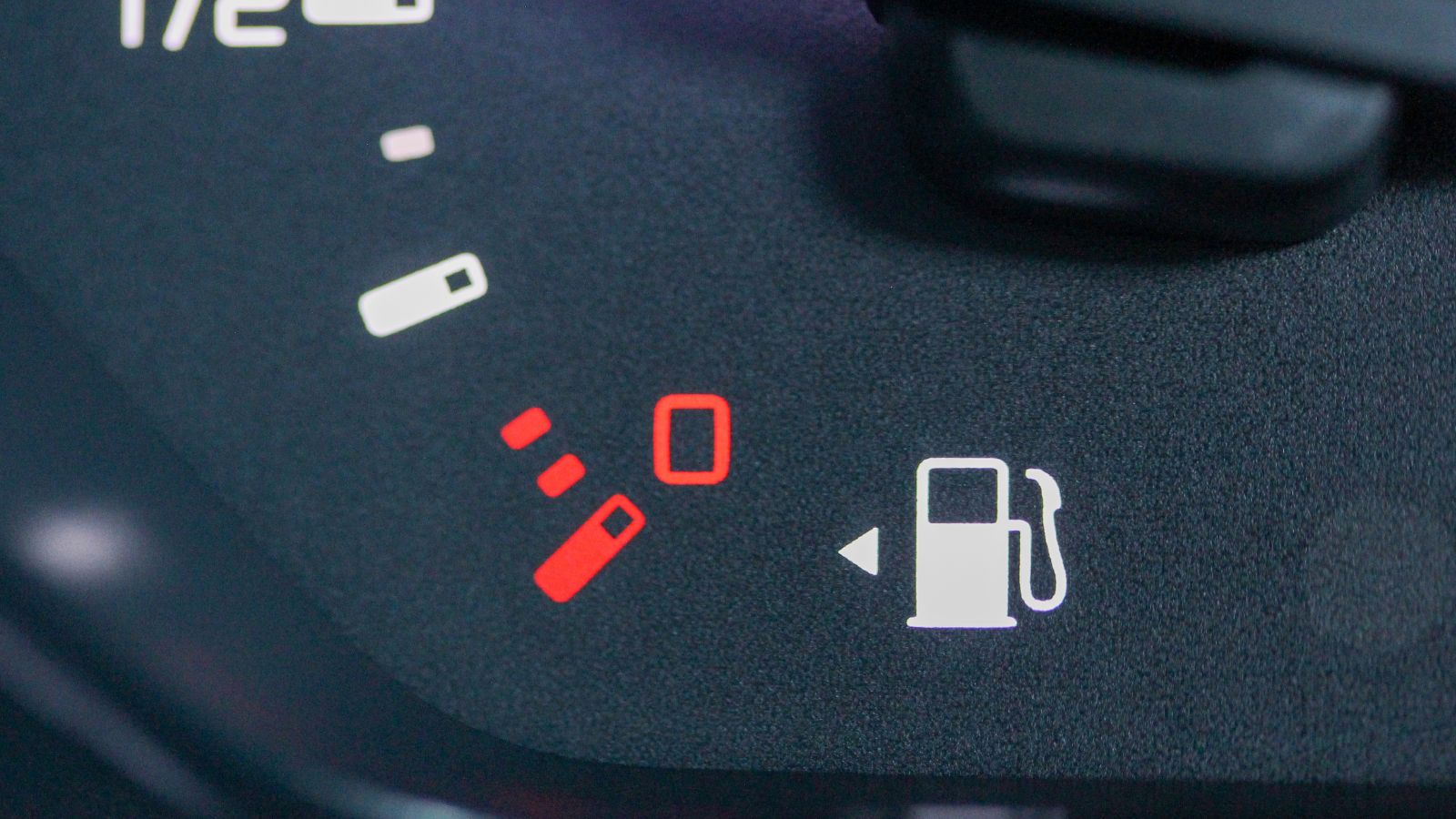
Stopping for fuel can feel like wasted time when everyone wants to reach the destination, but autumn travel can produce delays that were not in the original plan. Transport Canada recommends keeping a vehicle’s fuel tank at least half full during winter-driving conditions. CAA gives similar guidance because collisions, deteriorating weather, road closures, and lengthy traffic delays can dramatically extend the amount of time a vehicle spends on the road.
That reserve matters even before deep winter arrives. A highway detour may bypass the expected fuel stop, a rural station may be closed for the evening, or worsening weather may force a family to wait somewhere safe. A vehicle with plenty of fuel provides more flexibility than one already running on fumes. The sensible fall-road-trip habit is therefore not simply knowing the theoretical distance remaining on the dashboard. It is maintaining a comfortable reserve, especially when travelling through unfamiliar or sparsely populated areas where the next convenient station may be much farther away.
Checking the Forecast Once and Assuming It Will Hold

A sunny departure does not guarantee good conditions several hours down the road. Transport Canada specifically recommends checking weather before travel and notes that Environment and Climate Change Canada issues alerts for hazards including freezing rain, heavy snow, strong winds, and cold weather. Provincial and territorial traveller-information systems, including many 511 services, can also provide road conditions and other highway information.
That is particularly useful in fall because conditions can differ sharply along a long route. Rain near home may become freezing precipitation farther north or at higher elevation, while fog or an unexpected closure can make the planned road undesirable. The mistake is treating route planning as something completed the night before departure. A better habit is checking conditions again before leaving and during safe stops. The goal is not to push through every surprise. Transport Canada advises delaying travel or stopping somewhere safe when conditions become too risky, which can prevent an inconvenience from escalating into an emergency.
Packing Luggage but Leaving the Emergency Kit Behind
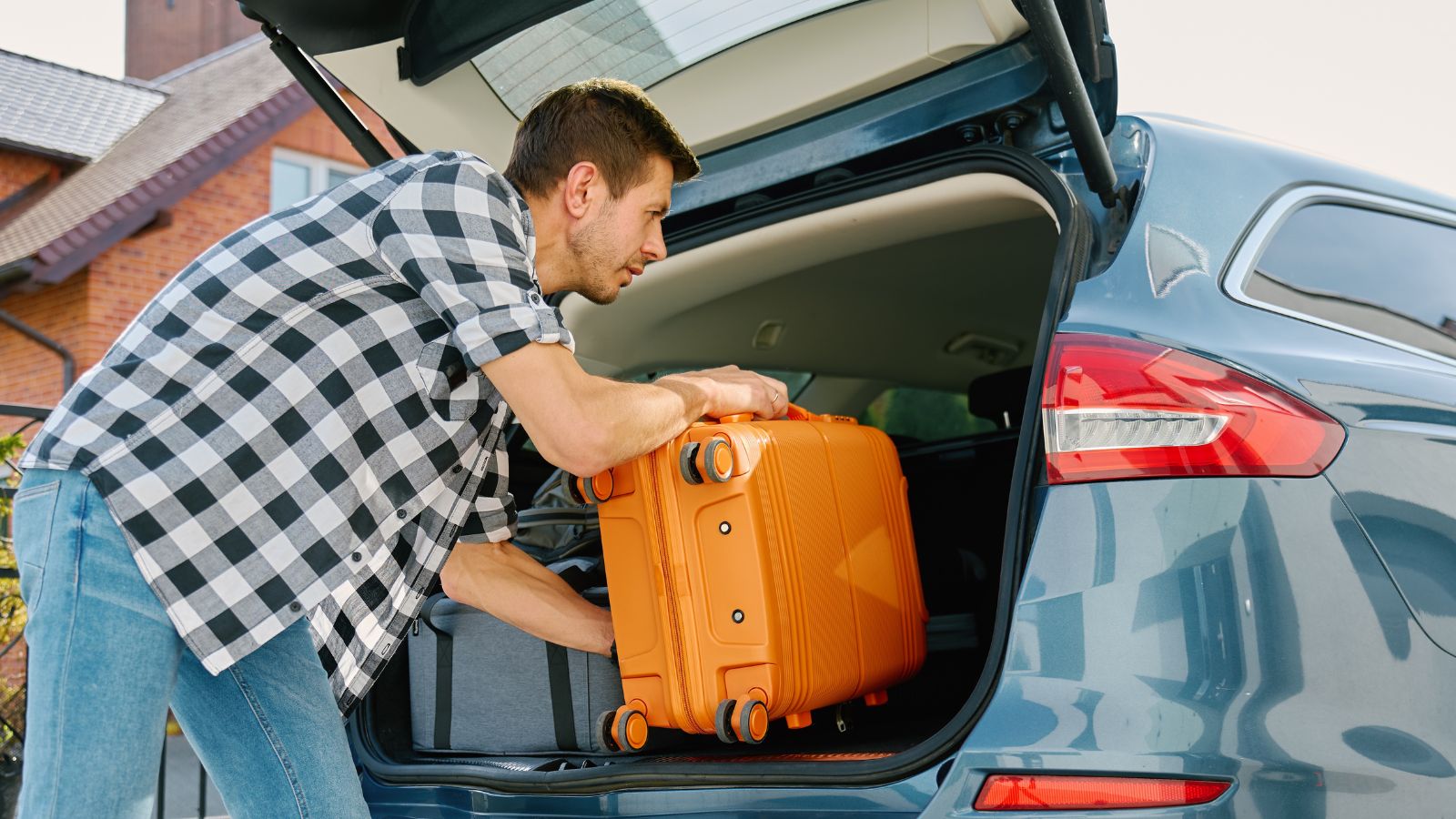
Most families spend more time deciding what goes into suitcases than what should remain accessible if the car stops moving. Transport Canada recommends carrying an emergency kit containing items such as a flashlight, first-aid supplies, blankets, water, non-perishable food, booster cables, warning devices, extra clothing, a shovel, traction aids, and extra washer fluid for cold-weather travel. CAA publishes a similar list.
Those supplies can transform what happens after a breakdown. A disabled car may be warm when everyone first pulls over, but conditions can change while roadside assistance is travelling to the scene. Children may need food or warmth, darkness may make the vehicle harder for other motorists to see, and a dead battery can eliminate access to some conveniences. Not every fall trip needs expedition-level equipment, but a compact seasonal emergency kit provides a practical buffer. It is especially worthwhile on long rural drives where assistance, shelter, and open businesses may not be immediately nearby.
Planning an EV Trip Around the Advertised Range Alone
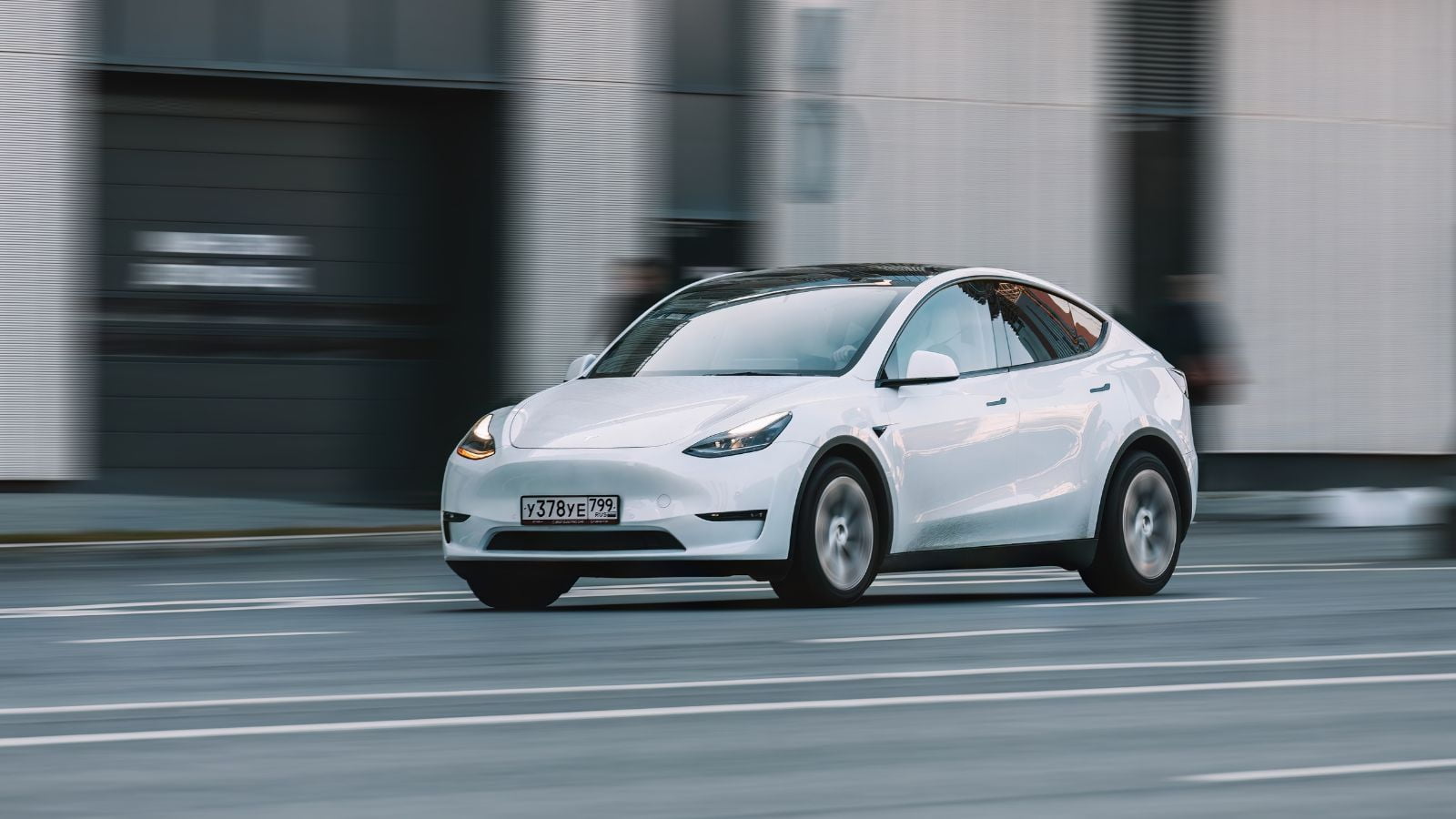
Electric vehicles require a slightly different version of the same preparation. In a 2025 Canadian Automobile Association winter test, EVs driven in temperatures between approximately -7°C and -15°C travelled 14% to 39% less than their official range, depending on the model. Those were winter conditions rather than ordinary fall weather, but the results illustrate why colder temperatures deserve consideration as autumn progresses.
CAA also found substantial differences in cold-weather charging performance. During 15-minute DC fast-charging sessions in its test, participating vehicles added roughly 100 kilometres of range on average, although results varied considerably by model. For a fall family trip, that makes additional charging margin more useful than a schedule built around arriving almost empty. Transport Canada similarly recommends ensuring an EV has enough range for unexpected events. Checking charger locations, allowing alternatives, and starting with a comfortable state of charge can keep a delayed journey from becoming a search for electricity with very little remaining range.
Assuming Car Keys Cannot Become a Roadside Emergency

Mechanical trouble is not the only way a family can become stranded. CAA has long treated vehicle lockouts as a significant roadside-assistance category. In a 2017 road-trip advisory, the organization said it had helped approximately 750,000 Canadians at the roadside during the previous summer, with battery trouble, tire problems, and keys locked in vehicles among the major reasons for calls. CAA specifically recommended taking a spare key and keeping it separate from the main set.
Modern smart keys reduce some old-fashioned lockout risks but introduce their own dependency on a small battery and electronic system. CAA advises replacing smart-key batteries according to manufacturer recommendations and protecting remotes from water. For a family road trip, handing a spare to another adult or storing it appropriately can be an easy safeguard. A key sitting inside a locked vehicle at a remote lookout, hiking trail, or roadside stop can immobilize a perfectly healthy car just as effectively as a failed battery.
Assuming a Charged Phone Is the Entire Backup Plan

A smartphone is invaluable during a breakdown, but relying on it alone is not a complete emergency strategy. Transport Canada recommends leaving with a fully charged phone, carrying a charging cable, and considering a portable battery pack on longer journeys. It also advises telling someone the planned destination, route, and expected arrival time. Location sharing can provide an additional layer of protection when appropriate.
That preparation matters because being stranded is partly a communication problem. A family that can identify its location, contact roadside assistance, and tell someone that plans have changed is in a far better position than one trying to reconstruct the route with a nearly dead phone. Transport Canada notes that sharing an itinerary can also help others know where to look if travellers fail to arrive as expected. The lesson behind all 12 risks is ultimately the same: the preventable fall road-trip mistake is assuming preparation can wait until something goes wrong. By then, home may already be several hours away.
19 Used Cars Canadians Should Avoid in 2026 (Based on Owner Complaints)

Buying a used car in Canada can feel safe until repair bills start stacking up. Owner complaints tell a different story than glossy listings. Transmission failures, electrical problems, and weak winter reliability show up again and again in consumer reports. Many of these issues appear after warranties expire, when owners least expect them. Some vehicles look affordable upfront, but become expensive to keep on the road. Others struggle in cold weather, urban driving, or long highway commutes. Here are 19 used cars Canadians should avoid in 2026 (based on owner complaints).
19 Used Cars Canadians Should Avoid in 2026 (Based on Owner Complaints)

Alanna Rosen is an experienced content writer that focuses on many EV and educational content. Her articles are regularly published on Get CyberTrucked and syndicated on large publications.