Autumn leaves can make an ordinary road look harmless right up until a driver asks the tires to brake, turn, or accelerate. Once leaves become wet, they can reduce the grip available between a vehicle and the pavement, sometimes creating conditions transportation agencies compare with driving on ice. The danger is not simply that leaves are “slippery.” Water, organic debris, colder temperatures, hidden road markings, blocked drains, tire condition, and vehicle speed can all combine to reduce the margin for error.
These 12 factors explain why a leaf-covered road can suddenly feel far more treacherous than its appearance suggests, particularly after rain or on cool fall mornings.
Leaves Put Another Surface Between the Tires and Pavement
Tires depend on direct interaction with the texture of the road. On clean, dry pavement, rubber can interact with the microscopic and larger-scale roughness built into asphalt or concrete. When leaves cover that surface, the tires are no longer dealing only with pavement. They are rolling across loose organic material that can move, fold, tear, compress, and slide beneath the contact patch. Federal highway guidance specifically recognizes organic contamination as something that can reduce a pavement surface’s skid resistance.
Moisture makes the situation considerably more troublesome. Transportation agencies routinely warn motorists that wet leaves can produce extremely slippery road conditions, with PennDOT using the familiar comparison that they can be “as slippery as ice.” That should be understood as a practical safety warning rather than a universal laboratory measurement: friction varies with the leaves, pavement, tires, water depth, temperature, and speed. The important point is that the familiar grip of clean pavement may suddenly disappear when a vehicle reaches a leaf-covered patch.
A Tiny Amount of Water Can Reduce Grip
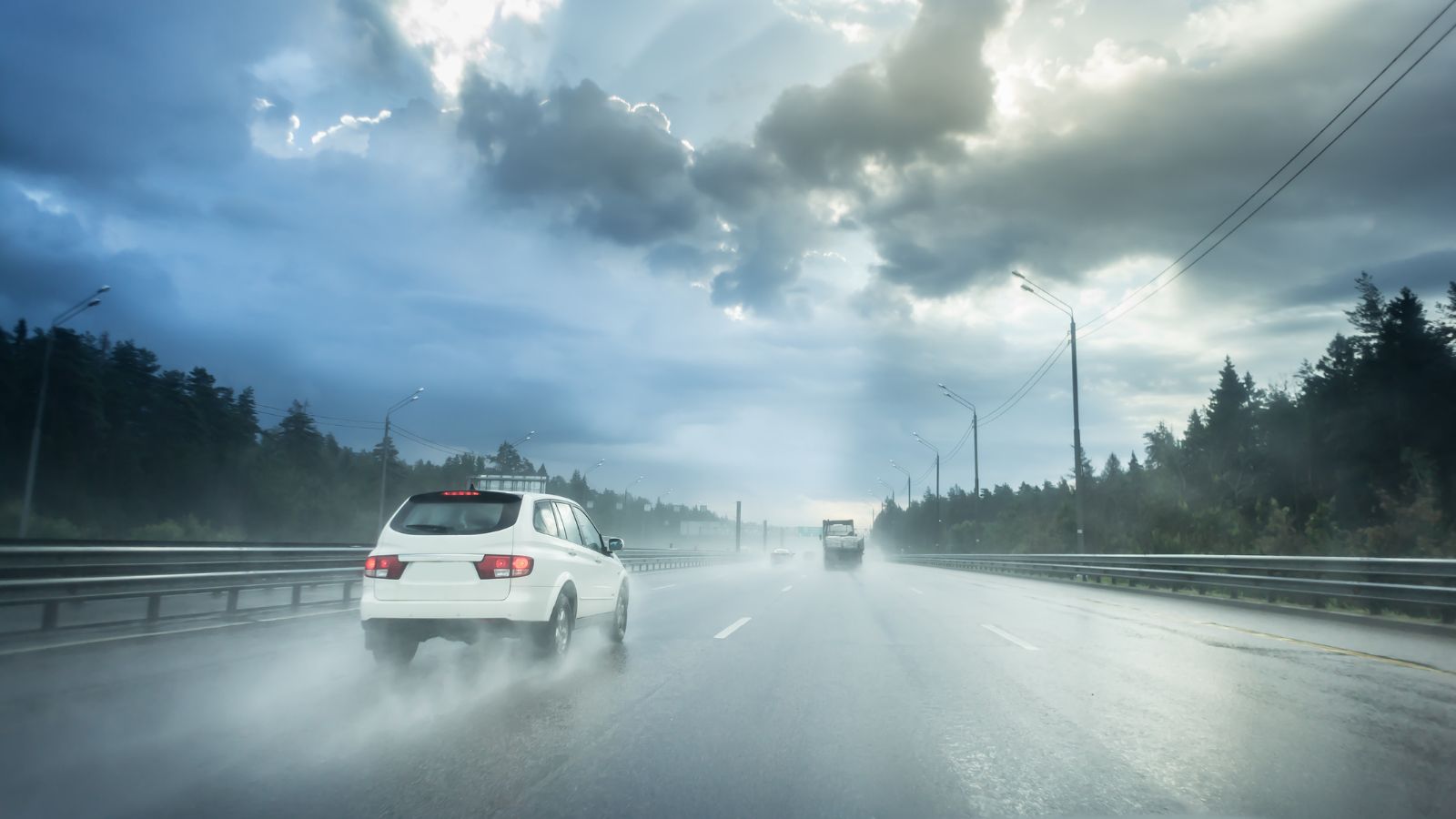
Leaves do not need to be sitting in a deep puddle before conditions change. Water by itself has a measurable effect on tire-pavement friction. Federal Highway Administration research notes that a water film only 0.002 inches thick can reduce the coefficient of tire-pavement friction by roughly 20% to 30% compared with dry conditions. Separate pavement research has also found that even thin water films are unfavourable to skid resistance.
Now put leaves into that already compromised contact area. Rainwater can remain on and around the foliage, while the leaves prevent the tire from interacting normally with the textured pavement below. Instead of the tread simply evacuating water from asphalt grooves and surface texture, it may encounter a mixture of water and loose vegetation. That helps explain why a road does not have to look flooded to feel unexpectedly slick. A damp layer of leaves after light rain can therefore deserve considerably more caution than its appearance might suggest.
Traffic Can Turn Loose Leaves Into a Slick Layer
A few scattered leaves may be easy to see individually, but heavily travelled roads can produce a different situation. Vehicle after vehicle can flatten, tear, and compress fallen foliage against the pavement. The result can be a dense layer of wet organic material sitting directly where tires need friction. Road-safety guidance identifies packed or compressed wet leaves as a traction hazard rather than treating them simply as harmless debris.
This also means the risk can change during the day. A road covered by freshly fallen leaves in the morning may look different after hours of rain and traffic have pressed the material into the pavement. In some places, what initially looks like a colourful scattering can become a dark, flattened surface that blends into wet asphalt. Drivers may not immediately recognize that the texture beneath the tires has changed. The danger is particularly easy to underestimate on familiar neighbourhood streets, tree-lined rural roads, parking areas, and approaches to intersections where repeated braking can compact the material further.
Braking Becomes Much Less Forgiving

Stopping a vehicle depends heavily on available friction. When that friction decreases, the tires cannot generate the same braking force against the road surface. FHWA research specifically notes that stopping distances increase as the coefficient of adhesion between tire and pavement decreases. Wet-road research likewise shows that stopping distances increase compared with dry pavement because tires have less friction available during braking.
Wet leaves add another variable to an already wet road. A driver who begins braking only after reaching a dense leaf patch may discover that the vehicle does not slow as sharply as expected. Modern anti-lock braking systems can help prevent wheels from locking during heavy braking, but they cannot create grip that is not available at the road surface. This is why slowing before reaching a leaf-covered area matters. Reducing speed early lowers the amount of energy that the tires must manage and reduces the likelihood that an otherwise routine stop turns into a sudden ABS activation or unwanted slide.
Curves Demand Grip at Exactly the Wrong Moment
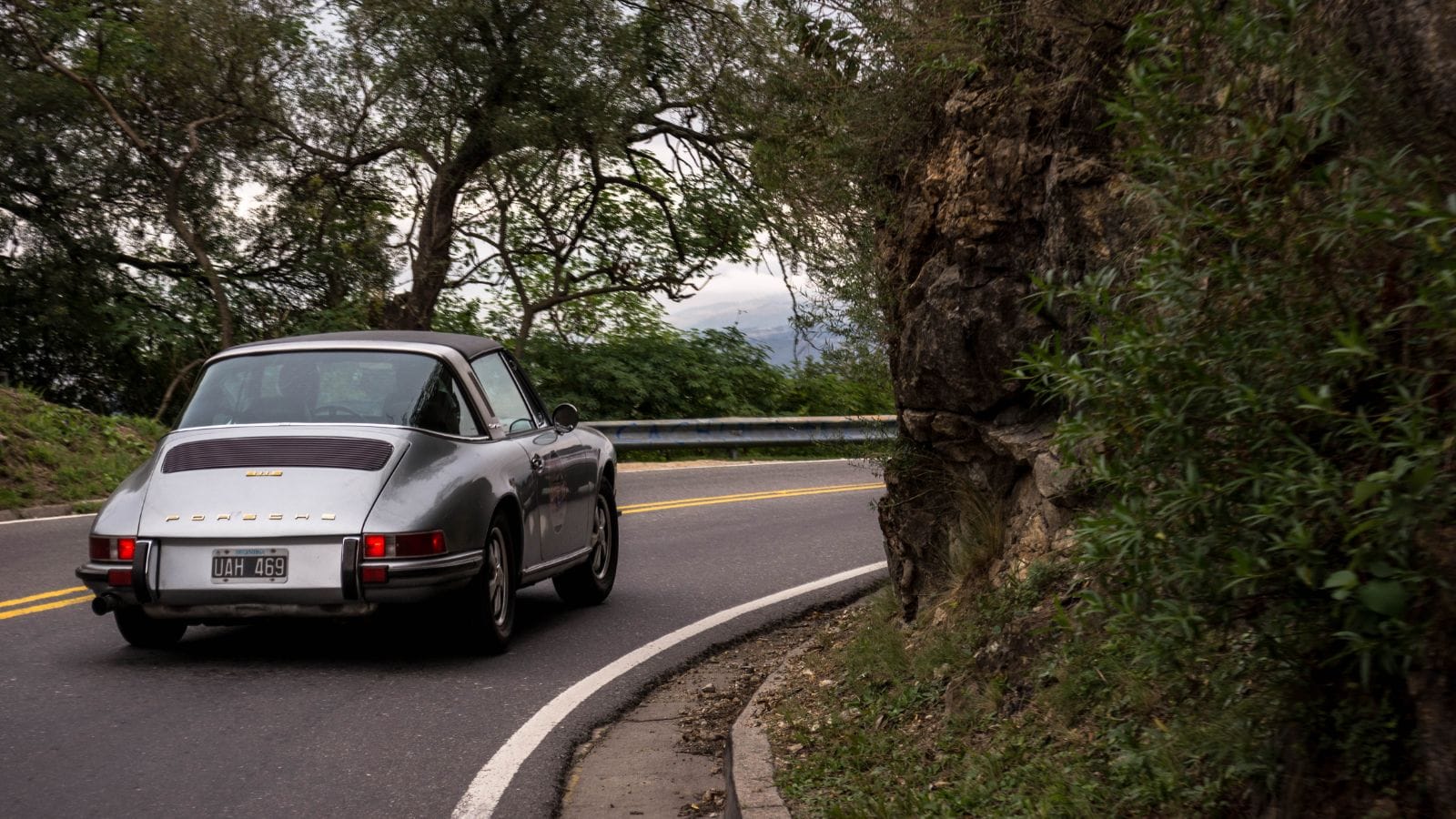
Straight-line cruising requires relatively little lateral tire force. Turning is different. A vehicle travelling through a curve needs sideways, or lateral, friction to remain on its intended path. FHWA guidance notes that vehicles on horizontal curves require greater lateral friction than vehicles travelling along straight road sections. That is one reason highway agencies sometimes install high-friction surface treatments on bends with recurring loss-of-control problems.
Wet leaves create an awkward combination: available friction can drop just as the vehicle’s demand for friction rises. Entering a leaf-covered curve too quickly may leave little reserve for additional steering or braking. If the driver suddenly tightens the steering angle or hits the brakes midway through the bend, the tires must divide their limited grip between turning and slowing the vehicle. This explains why a modest-looking pile of leaves can become especially consequential on rural curves, highway ramps, roundabouts, and residential corners. Reducing speed before the bend leaves considerably more traction in reserve.
Downhill Roads Can Make the Problem Worse
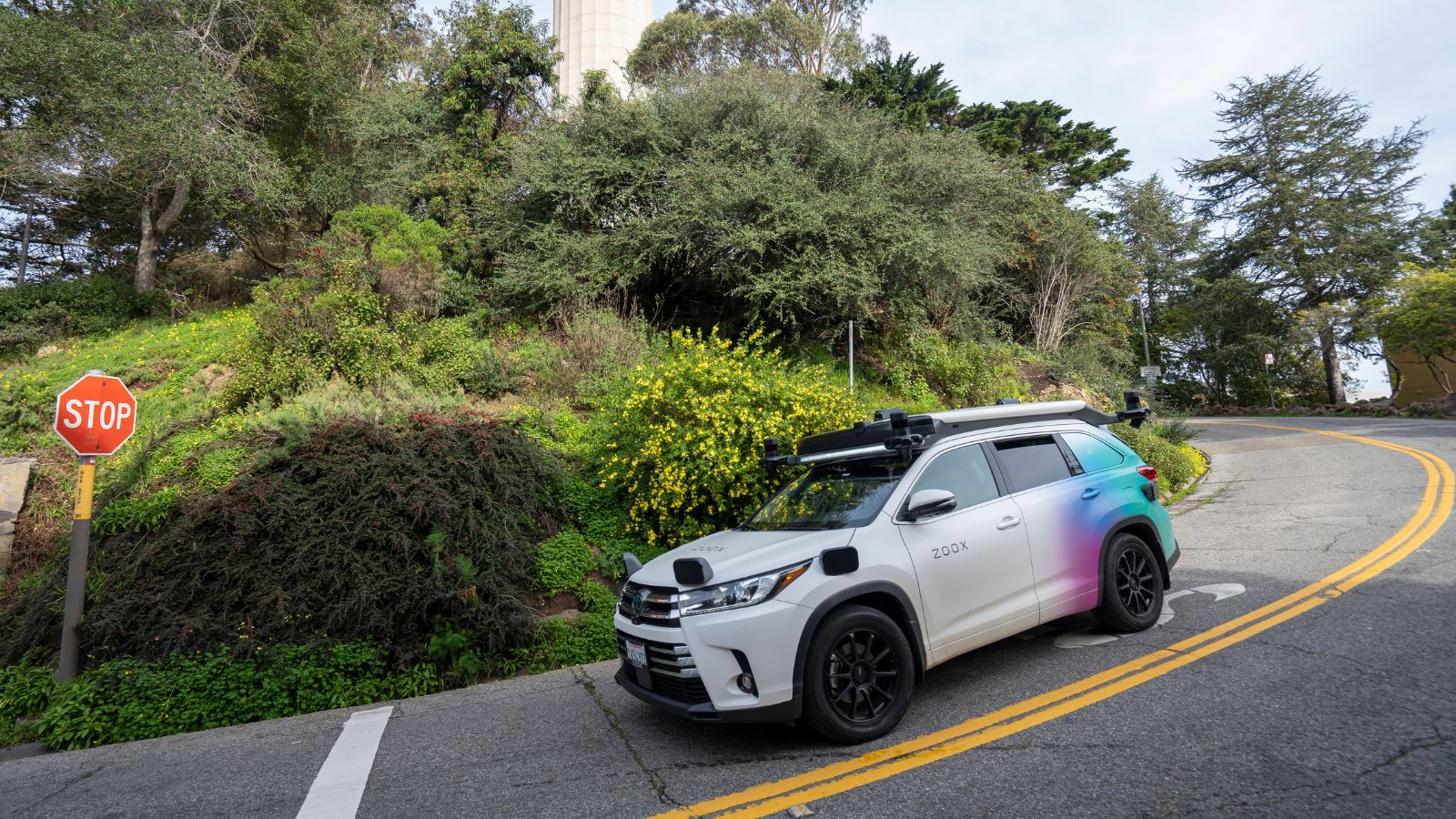
Gravity does not disappear when the road becomes slippery. On a descent, it continues pulling the vehicle downhill while the brakes and tires work to control speed. FHWA stopping-distance guidance recognizes roadway grade as one of the factors affecting how far a vehicle needs to stop, and steep downward grades are among the locations where transportation agencies identify a need for especially strong pavement friction.
Add wet leaves and the margin can shrink further. A driver approaching a downhill stop sign, intersection, or curve may need more braking than would be required on level pavement. If the tires encounter a slippery patch during that braking manoeuvre, the vehicle can feel as though it suddenly wants to continue straight ahead. The safer approach is to reduce speed before reaching the steepest or most heavily leaf-covered portion rather than relying on a strong brake application once already on it. Hills combining curves, shade, moisture, and thick leaf accumulation deserve particular respect during autumn.
The Change in Traction Can Happen Almost Instantly
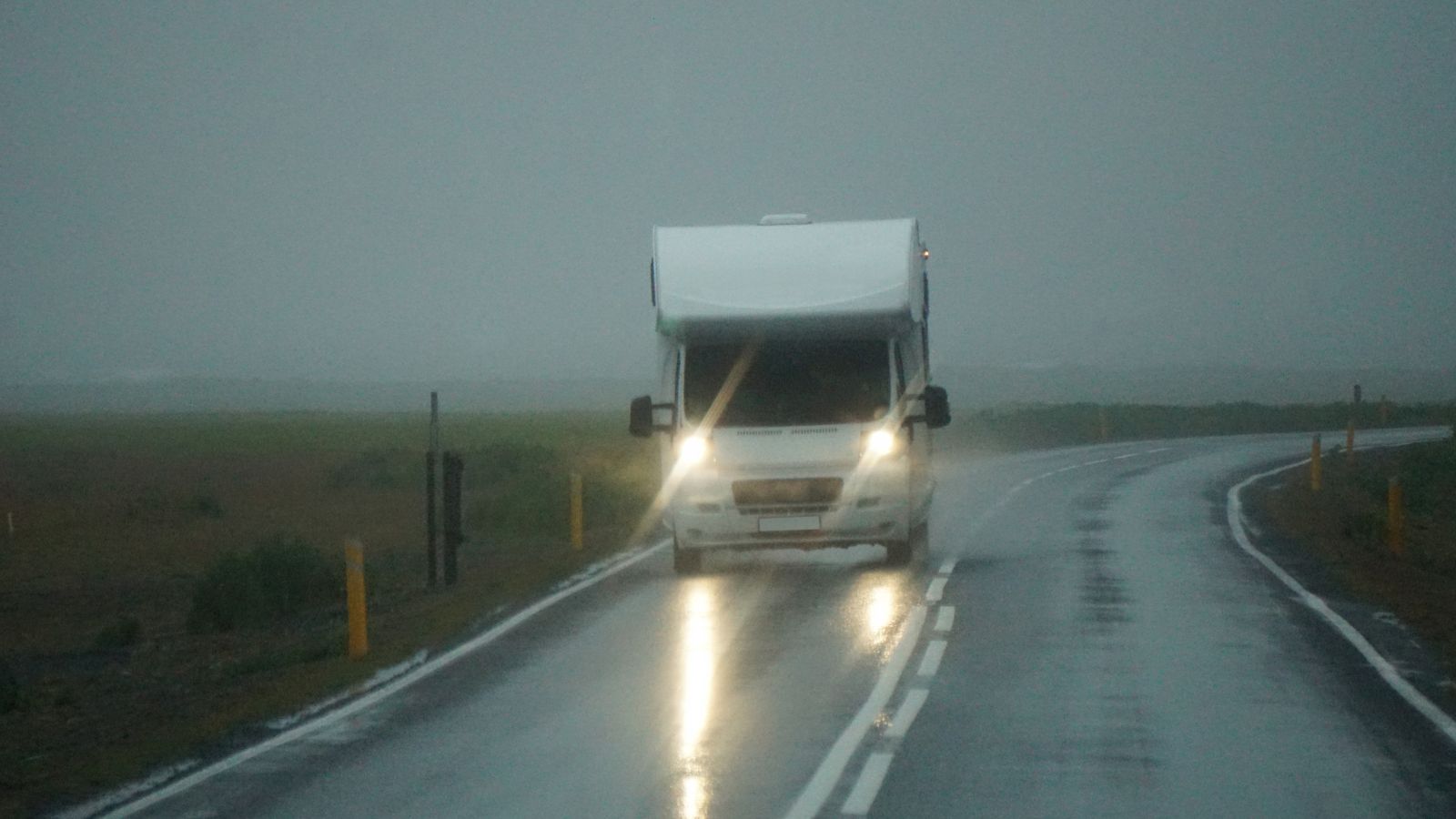
One reason wet leaves catch drivers by surprise is that the entire roadway does not need to be slippery. A vehicle may travel for kilometres on clean pavement and then cross a relatively short patch beneath a group of trees. Tire grip can therefore change quickly instead of declining gradually. Vehicle manufacturers have long advised motorists that road conditions can change from moment to moment, specifically identifying wet leaves as a surface capable of producing very low traction.
That sudden contrast matters psychologically as well as mechanically. A driver who has experienced normal grip for most of a trip has little reason to expect a dramatic change in the next few metres. FHWA guidance similarly notes that motorists cannot necessarily determine available pavement friction merely by looking at or driving across a road before emergency braking becomes necessary. Dark, compressed leaves can also resemble the surrounding pavement from a distance. The safest assumption is that a wet leaf patch may have considerably less grip than the clean asphalt immediately before it.
Leaves Can Hide More Than a Slippery Surface
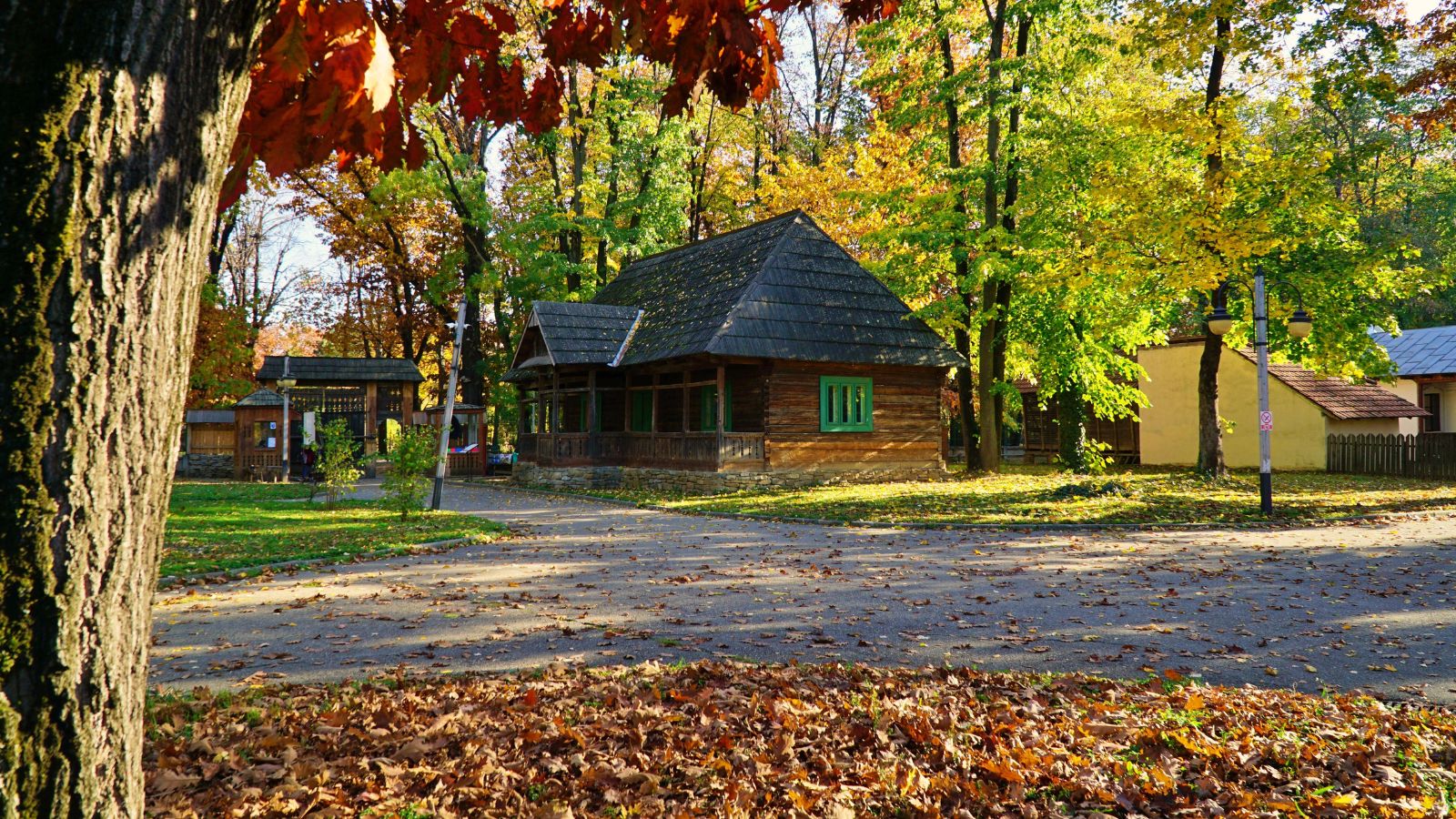
Loss of traction is only part of the autumn problem. Fallen leaves can cover painted lane lines, turn arrows, crosswalk markings, road edges, and other information that drivers use to position a vehicle. PennDOT specifically warns that wet leaves can obscure traffic lines and pavement markings, making unfamiliar roads more difficult to navigate. A driver may therefore be dealing with reduced grip while simultaneously receiving less visual information about the roadway.
Potholes can disappear too. A thick pile may make a depression, broken pavement edge, drainage grate, curb, or other obstacle difficult to recognize until the vehicle is almost on top of it. That can encourage exactly the manoeuvres that are least desirable on a slippery surface: sudden braking or a quick steering correction. The combination is especially problematic after dark, when wet pavement and reflections can already make markings harder to distinguish. Treating a deep pile of leaves as an unknown surface rather than simply driving through it at normal speed leaves more room to respond.
Leaves Can Block Drains and Create a Second Hazard
Fallen leaves do not always stay where they land. Rain and passing vehicles can move them toward gutters, storm drains, and roadway edges. FHWA drainage guidance specifically warns that storm drains or inlets clogged with debris such as leaves can cause water to pond on roads during and after storms. That means leaves can contribute to slippery conditions in two separate ways: directly beneath tires and indirectly by keeping water on the pavement.
Standing water introduces an additional traction problem. At sufficient speed and water depth, a tire can begin riding on water instead of maintaining normal contact with the roadway, producing hydroplaning. FHWA also notes that ponding can be particularly hazardous where vehicles are braking or changing direction. A tree-lined intersection with blocked drainage can therefore become much more challenging than a simple patch of leaves suggests. If a driver encounters both matted foliage and pooled water, reducing speed well before the area becomes especially important because the exact amount of grip may be difficult to predict.
Cold Mornings Can Turn a Leaf Problem Into an Ice Problem
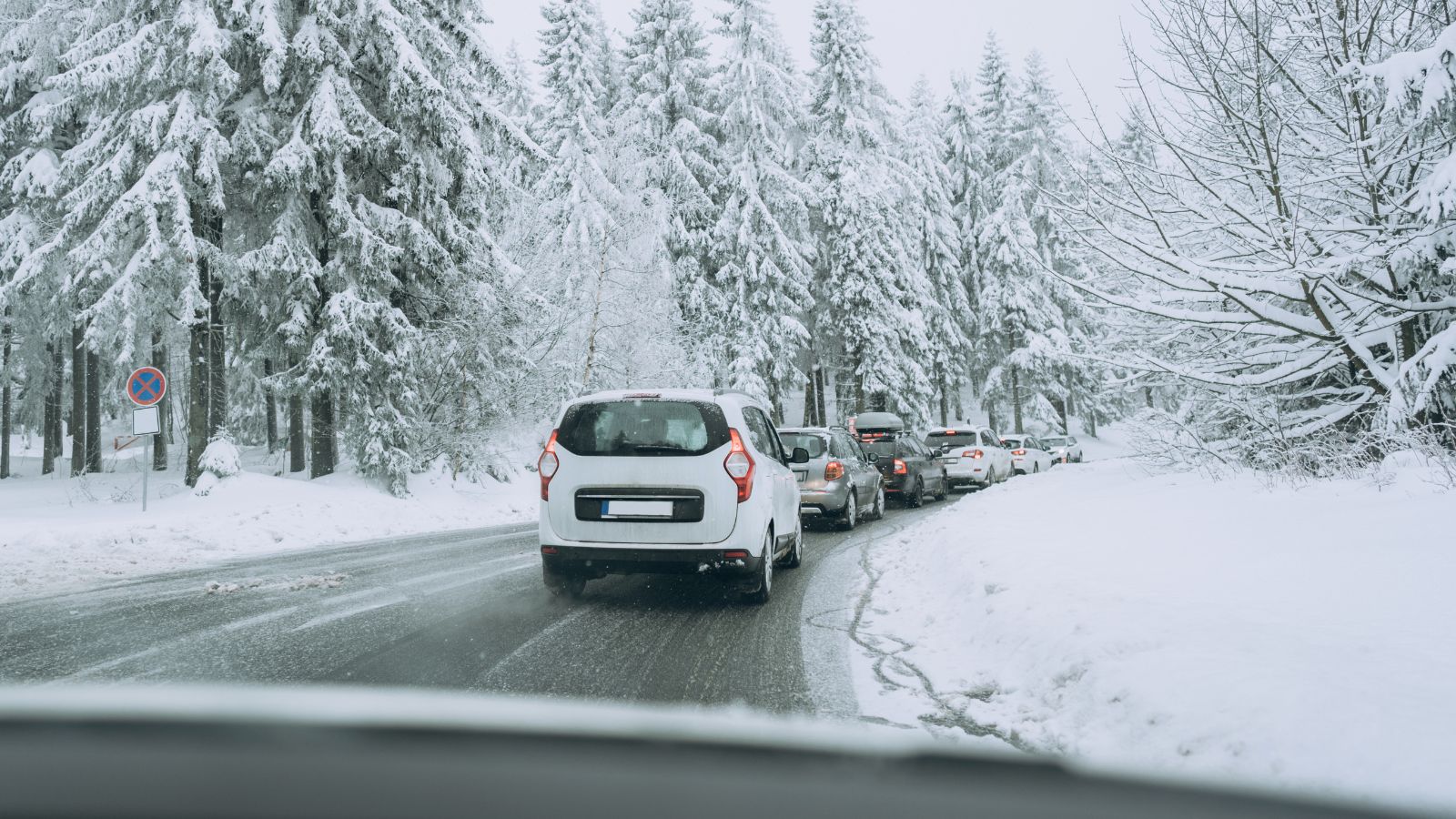
Autumn often produces large temperature swings. A road that was merely wet during the evening can be much colder by dawn, particularly in shaded locations. PennDOT lists both wet leaves and frost among common fall driving hazards and specifically warns that wet leaves become particularly dangerous as temperatures approach freezing. Local road-safety guidance also warns that piles of wet leaves can freeze when temperatures drop.
That creates the possibility of several slippery surfaces occupying the same patch of roadway. Moisture may be trapped among compressed leaves, frost may develop on exposed pavement, and some water may freeze as temperatures dip below freezing. A driver approaching the area may see only a familiar brown layer rather than obvious ice. Bridges, shaded roads, valleys, wooded streets, and sections that receive little morning sunlight deserve extra attention. The fact that surrounding pavement looks merely damp does not guarantee that every leaf-covered patch has the same temperature or traction.
Worn Tires Leave Less Margin for Wet Conditions
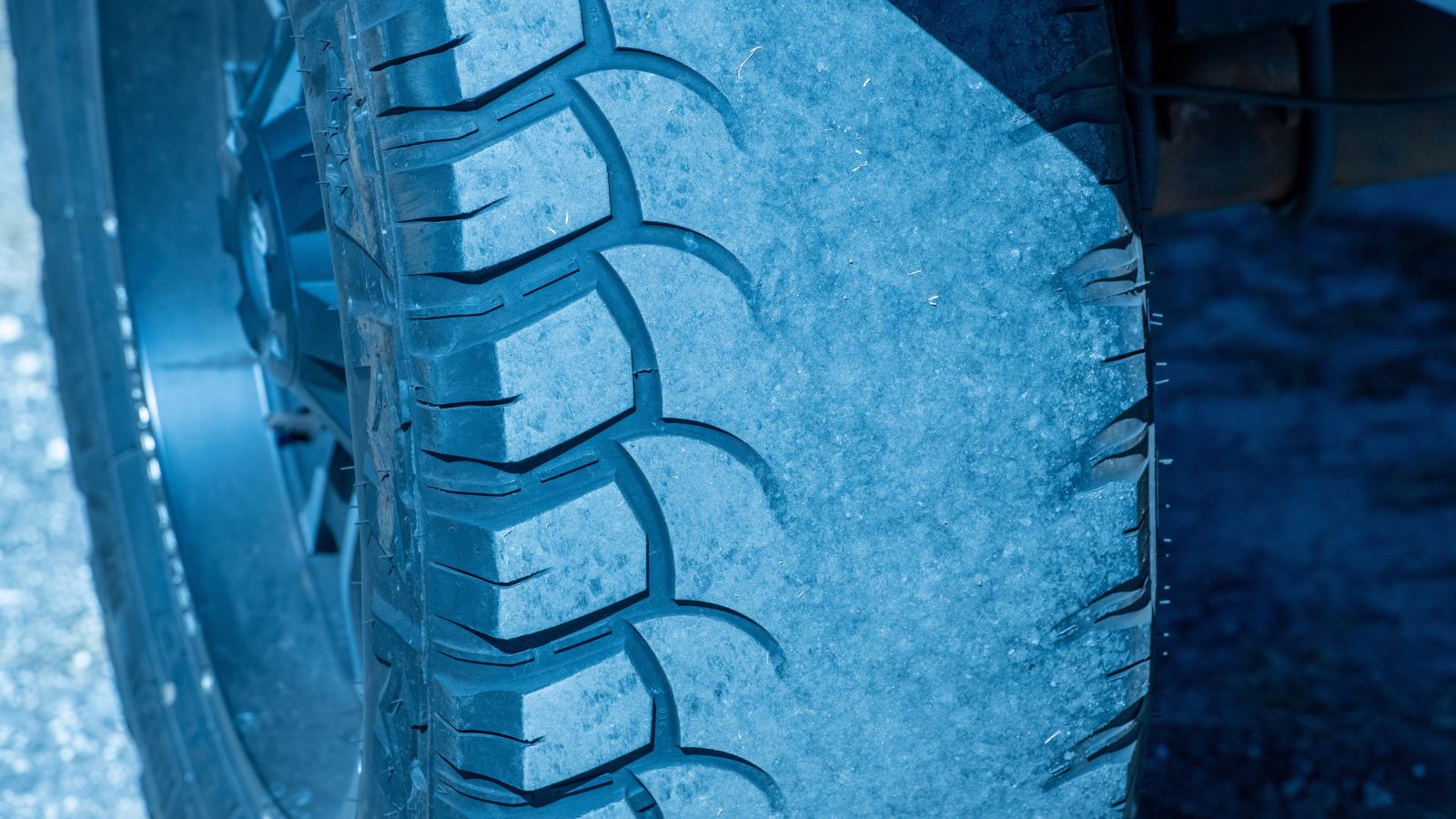
The condition of the tire matters whenever water is involved. Tread grooves are designed in part to move water out of the tire’s contact area so the rubber can maintain better interaction with the road. NHTSA explains that tire tread provides gripping action on wet surfaces and that tires become unsafe once they are worn to the minimum tread depth. The agency also rates passenger tires partly on their ability to stop on wet pavement.
FHWA research similarly notes that worn, smooth, or bald tires are especially sensitive as water-film thickness increases. Wet leaves do not somehow make tread irrelevant; they make the available traction margin more important. A tire already struggling to manage water on ordinary wet pavement has fewer advantages when the pavement is covered by damp organic material as well. Proper inflation also matters because a tire is designed to operate with a particular contact shape and load distribution. Autumn is therefore a sensible time to inspect tread depth, pressure, and obvious tire damage before rain, falling leaves, frost, and eventually snow begin arriving together.
Slower and Smoother Is the Safest Combination
The most effective response begins before the tires reach the leaves. PennDOT advises slowing down and using extra caution on leaf-covered roads, while driver-safety guidance recommends leaving more space behind other vehicles on slippery surfaces. California’s driver handbook also advises motorists to slow before curves, avoid fast turns and quick stops, and avoid especially slippery areas including wet leaves and standing water whenever possible.
Smoothness matters because acceleration, braking, and steering all demand traction. A sudden input can ask the tires for more grip than the surface can provide. Reducing speed early allows braking to happen progressively, while a larger following gap lowers the chance that an emergency stop will become necessary. The familiar phrase that wet leaves can feel like ice is useful precisely because it changes expectations. The safest driver is not trying to determine whether a particular patch is technically as slippery as frozen pavement. The driver is recognizing that grip may be sharply reduced and leaving enough speed, space, and steering margin to handle it safely.
19 Used Cars Canadians Should Avoid in 2026 (Based on Owner Complaints)

Buying a used car in Canada can feel safe until repair bills start stacking up. Owner complaints tell a different story than glossy listings. Transmission failures, electrical problems, and weak winter reliability show up again and again in consumer reports. Many of these issues appear after warranties expire, when owners least expect them. Some vehicles look affordable upfront, but become expensive to keep on the road. Others struggle in cold weather, urban driving, or long highway commutes. Here are 19 used cars Canadians should avoid in 2026 (based on owner complaints).
19 Used Cars Canadians Should Avoid in 2026 (Based on Owner Complaints)

Alanna Rosen is an experienced content writer that focuses on many EV and educational content. Her articles are regularly published on Get CyberTrucked and syndicated on large publications.