Winter rarely gives a marginal braking system much room for error. Snow, slush, ice and freezing rain can already increase the distance needed to stop, making small brake problems more important than they may have seemed on dry summer pavement. Cold-weather preparation therefore involves more than installing winter tires and topping up washer fluid.
Brakes can signal trouble through sounds, changes in pedal feel, warning lights, unusual smells and subtle differences in the way a vehicle slows. Some symptoms indicate ordinary wear, while others can point to hydraulic leaks, sticking components or problems with electronic braking systems. These 17 signs can help identify when a brake inspection deserves a place on the pre-winter maintenance list.
The Brakes Have Started Squealing
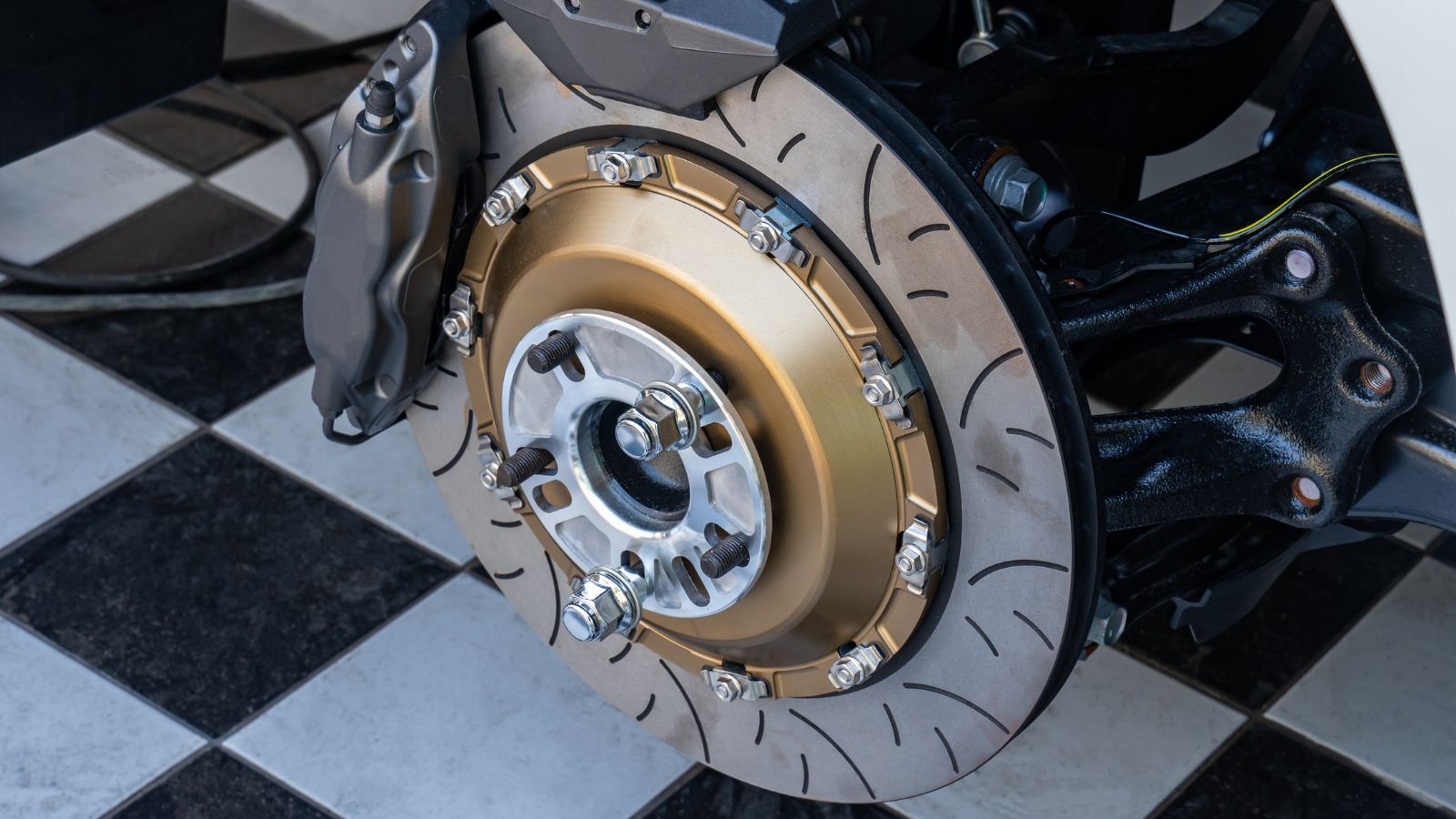
An occasional brief squeak does not automatically mean something is seriously wrong. Moisture, surface rust or certain pad materials can create temporary noise, particularly after a vehicle has been parked. Persistent squealing that appears almost every time the brake pedal is pressed is different. Some brake pads incorporate acoustic wear indicators specifically designed to make noise as the friction material approaches its replacement point.
That makes a new, recurring squeal worth investigating before snow arrives. Transport Canada specifically lists unusual squealing among the symptoms that can indicate brakes need repair during a winter inspection. A technician can measure the remaining friction material and inspect the rotor surface rather than relying on sound alone. The distinction matters because replacing worn pads at the appropriate time can be considerably simpler than continuing to drive until the backing material begins damaging the rotors.
A Grinding Sound Appears During Stops
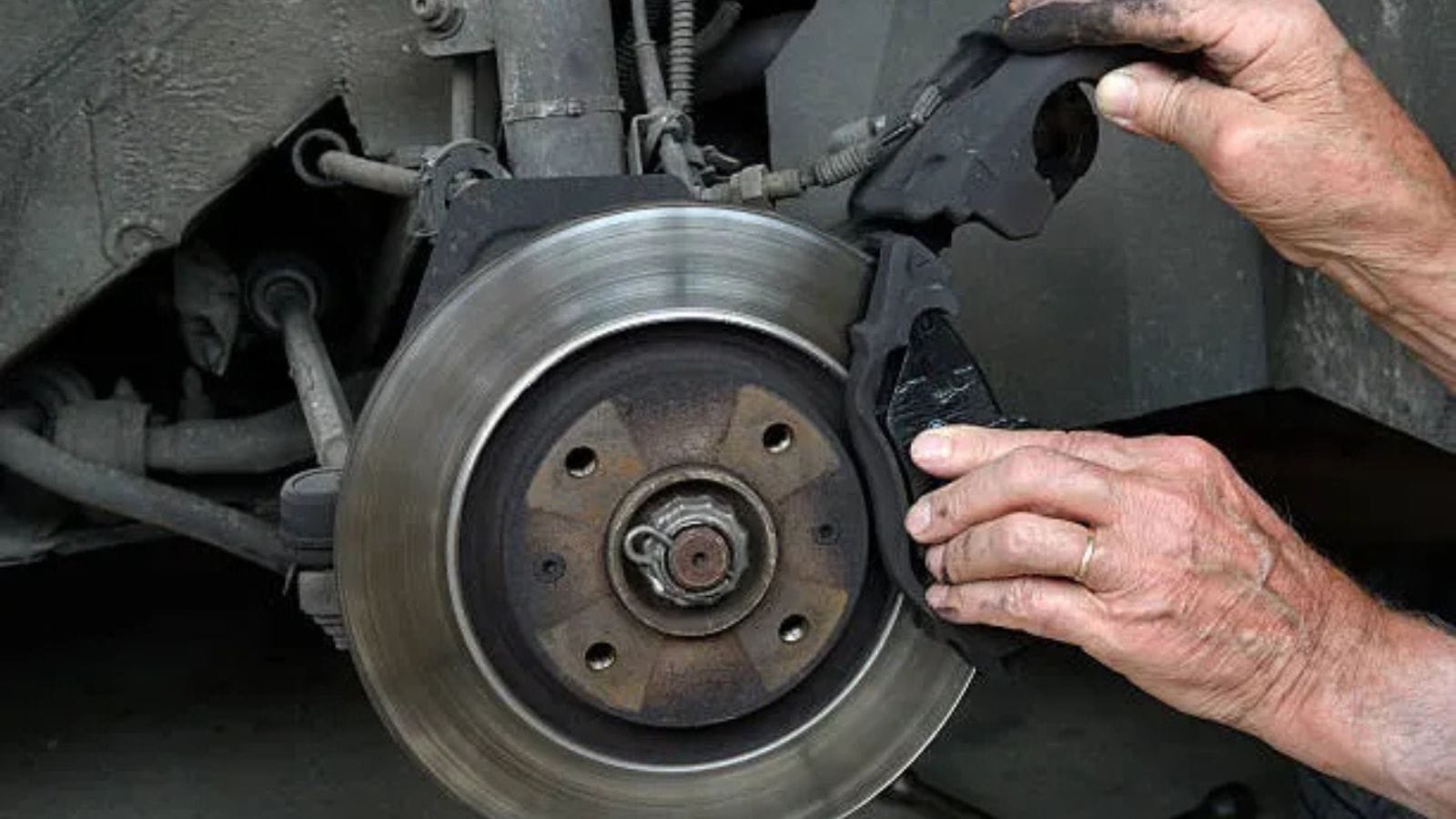
Grinding deserves more urgency than a mild squeak. One possible cause is friction material that has worn far enough for metal components to contact the rotor. Brembo documents extremely worn pads as a condition capable of producing very loud braking noise, longer stopping distances and damage to the disc. Dirt, damaged hardware and other faults can create grinding as well, which is why the sound should be diagnosed rather than assumed to have one cause.
Winter is a particularly poor time to postpone that diagnosis. A vehicle may still stop during an easy trip through town while providing far less confidence during an emergency stop on a slippery road. Continuing to drive can also turn what might have been a pad replacement into a repair involving discs and additional hardware. A harsh scraping or grinding noise every time the brakes are applied should therefore trigger an inspection before routine winter commuting begins.
The Vehicle Pulls to One Side While Braking
A healthy vehicle should generally remain predictable when slowing in a straight line. If it suddenly moves noticeably left or right whenever the brakes are applied, one side of the braking system may be producing a different amount of braking force. Possible causes include a sticking caliper, uneven pad wear or another mechanical problem, although alignment, tires and suspension faults can sometimes produce similar behaviour.
Transport Canada specifically identifies pulling during braking as a reason to have the brakes checked before winter. HELLA also notes that uneven brake wear or a sticking caliper can create braking imbalance. On a dry road, that movement may feel like a nuisance requiring a small steering correction. On packed snow or ice, uneven braking forces can make maintaining the intended direction more difficult. A qualified inspection can determine whether the problem originates with the brakes or another chassis component.
The Steering Wheel Shakes When Slowing Down
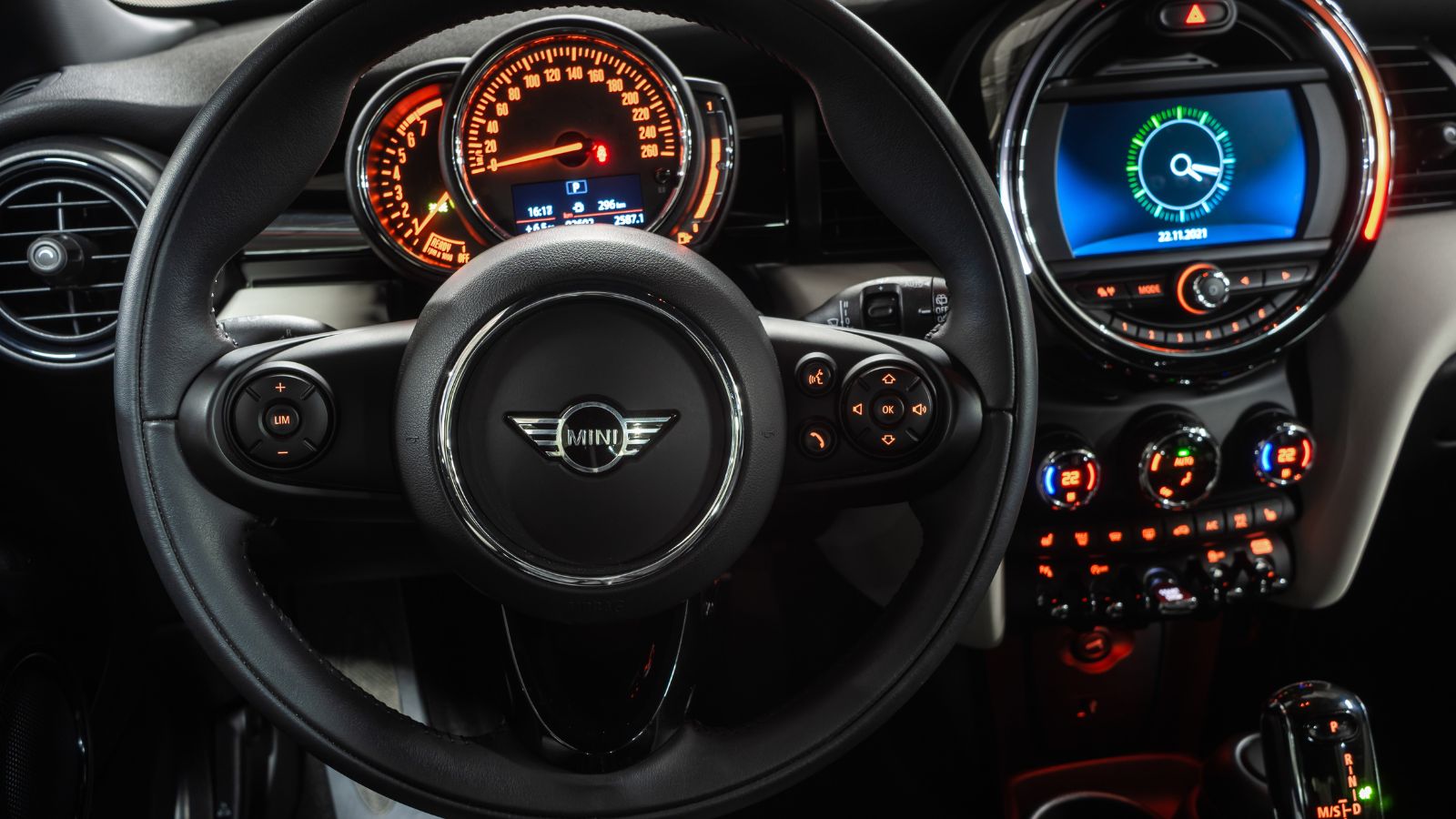
A steering wheel that remains smooth at cruising speed but begins shaking when the brake pedal is pressed provides an important clue. Brake-disc thickness variations, runout, heat damage and related conditions can produce brake judder that reaches the steering wheel. The sensation may become especially noticeable during braking from highway speeds, when greater energy must be converted into heat.
Rotor problems are not the only potential cause of steering vibration, so diagnosis matters. Tire, wheel, hub and suspension issues can produce similar symptoms. The timing of the vibration is useful: shaking that consistently begins with braking deserves a brake-system inspection. Winter can magnify the practical consequences because steering corrections are less forgiving when traction is limited. If a driver has become accustomed to a steering wheel that trembles on every highway exit ramp, the weeks before snow arrives are a sensible time to determine exactly why.
The Brake Pedal Pulses During Ordinary Stops
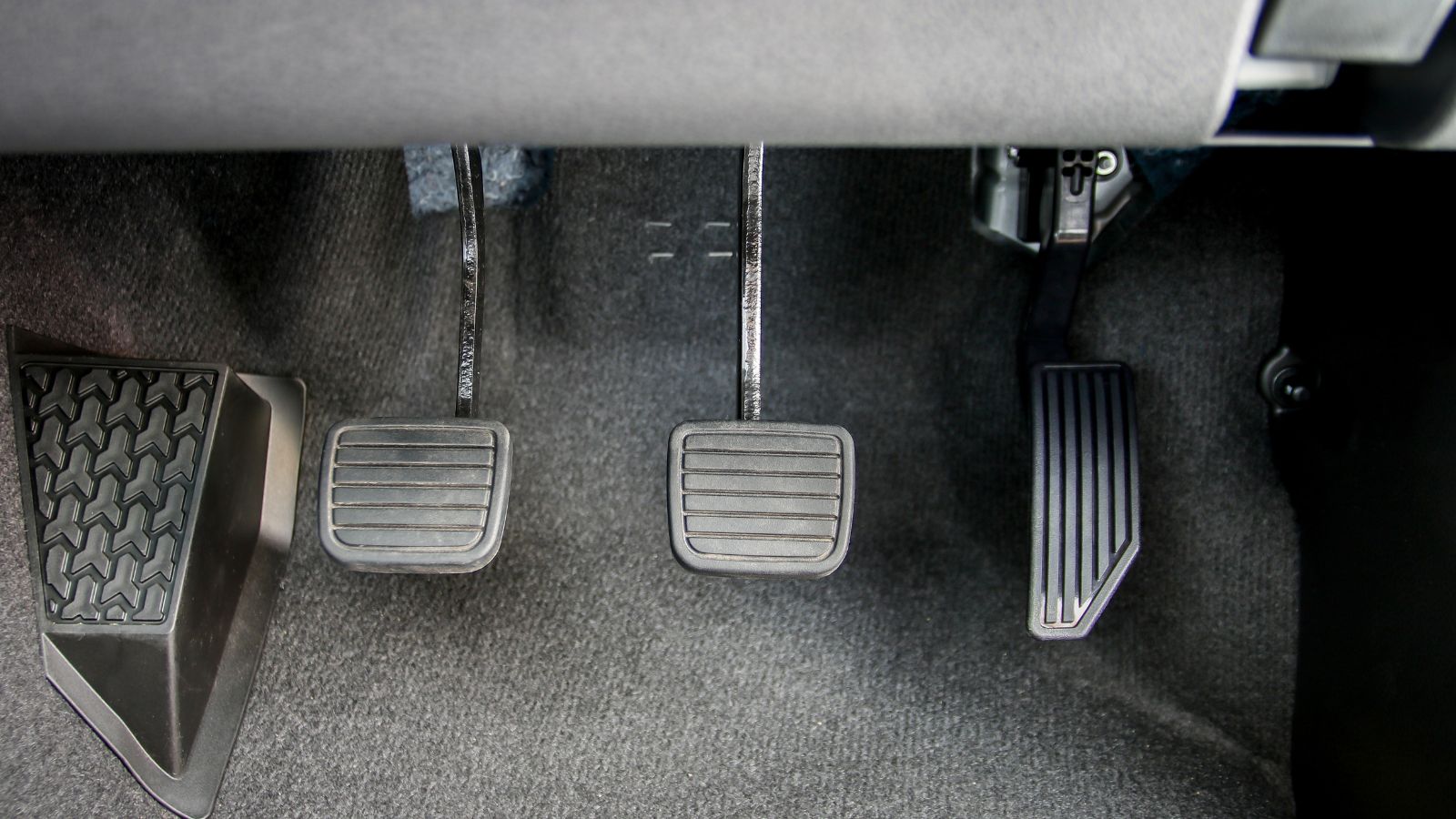
Pedal pulsation requires an important distinction. During a hard emergency stop, an anti-lock braking system can create rapid vibration or pulsation through the brake pedal as it controls wheel slip. That sensation can be normal. A rhythmic pulse that appears repeatedly during gentle or ordinary braking, however, can indicate brake judder associated with disc thickness variation, runout or other problems.
HELLA notes that brake-disc defects can produce a pulsating pedal, while NHTSA testing has documented pedal feedback as a normal characteristic when ABS is actively cycling. Context therefore matters. A pedal that only pulses during a genuine ABS event is different from one that rises and falls under the driver’s foot at nearly every stop sign. Before winter, repeated ordinary-braking pulsation is worth having inspected. It can reveal a mechanical issue that has gradually become familiar enough for the driver to stop noticing it.
The Pedal Feels Soft or Spongy

Brake pedals normally provide firm, predictable resistance. A pedal that suddenly feels soft, springy or unusually easy to push farther toward the floor can indicate a problem in the hydraulic system. Possible explanations include air in the system, fluid loss or other faults requiring diagnosis. Transport Canada includes changes in pedal feel among the brake symptoms that warrant attention before winter.
This is not a symptom to normalize simply because the vehicle still stops. Hydraulic brakes depend on pressure being transmitted through the system, and a change in pedal feel may signal that the system is no longer responding as designed. AAA advises prompt attention to soft or spongy brake pedals, particularly when accompanied by extra pedal travel. With icy intersections and unpredictable traction ahead, consistent braking response becomes even more valuable. A noticeably different pedal should be inspected rather than tested repeatedly through another season.
The Pedal Travels Much Farther Than It Used To
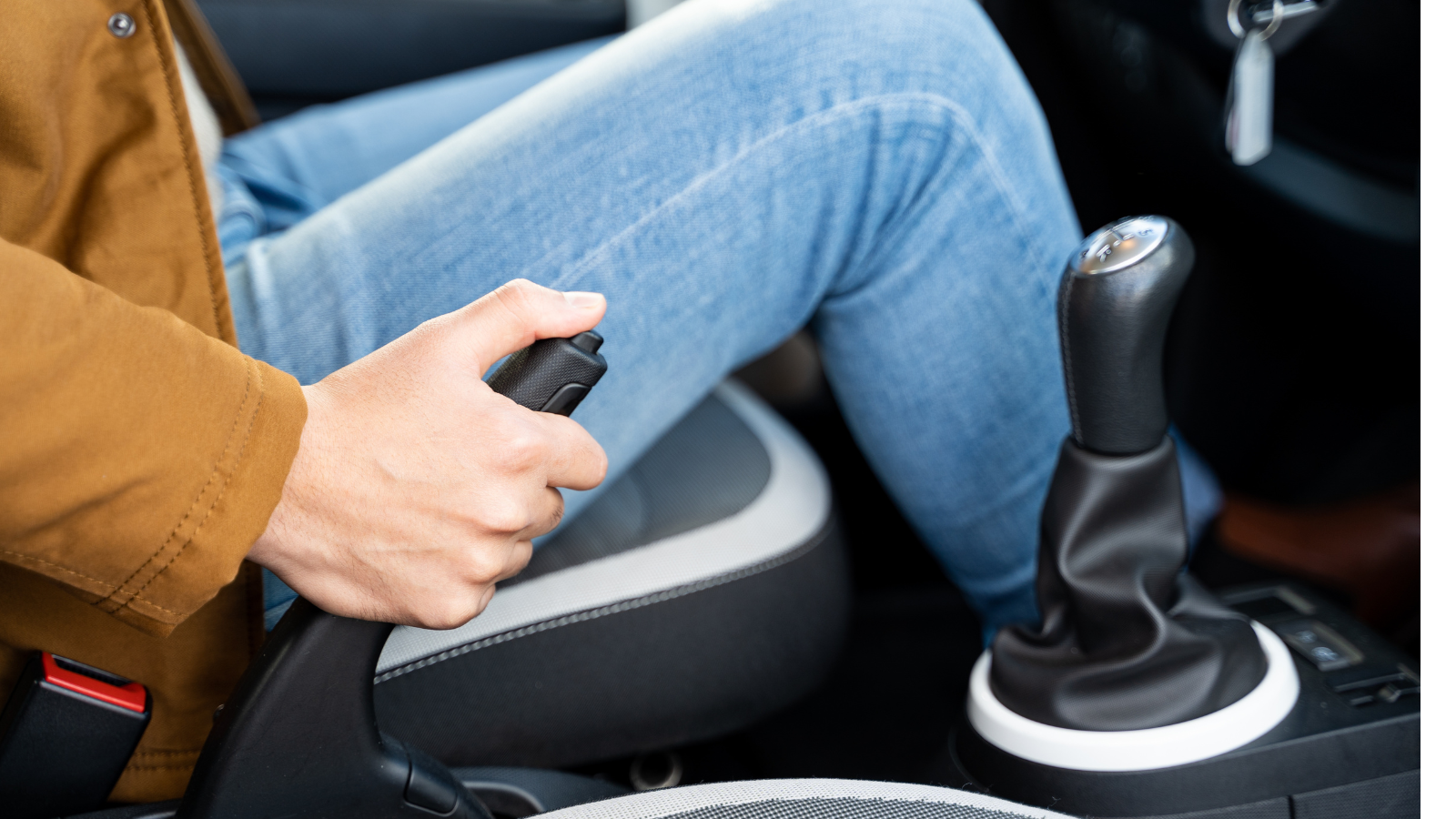
Drivers become surprisingly familiar with where a vehicle’s brakes begin to bite. When the pedal suddenly has to travel much farther toward the floor before meaningful braking occurs, that change is important even if the pedal does not feel obviously spongy. Excessive travel can be associated with worn components, hydraulic problems and, in some circumstances, heavily worn brake discs.
Brembo notes that excessive disc wear can increase pedal travel, while AAA advises immediate attention when a brake pedal depresses substantially farther than normal. The progression can be gradual, which is why owners sometimes unconsciously adjust by pressing deeper. A driver may not realize how much the pedal has changed until getting into another vehicle. Before winter, comparing present brake response with the vehicle’s normal behaviour can expose deterioration that has otherwise become familiar. Significant additional pedal travel deserves professional diagnosis rather than another season of adaptation.
The Brake Pedal Has Become Unusually Hard
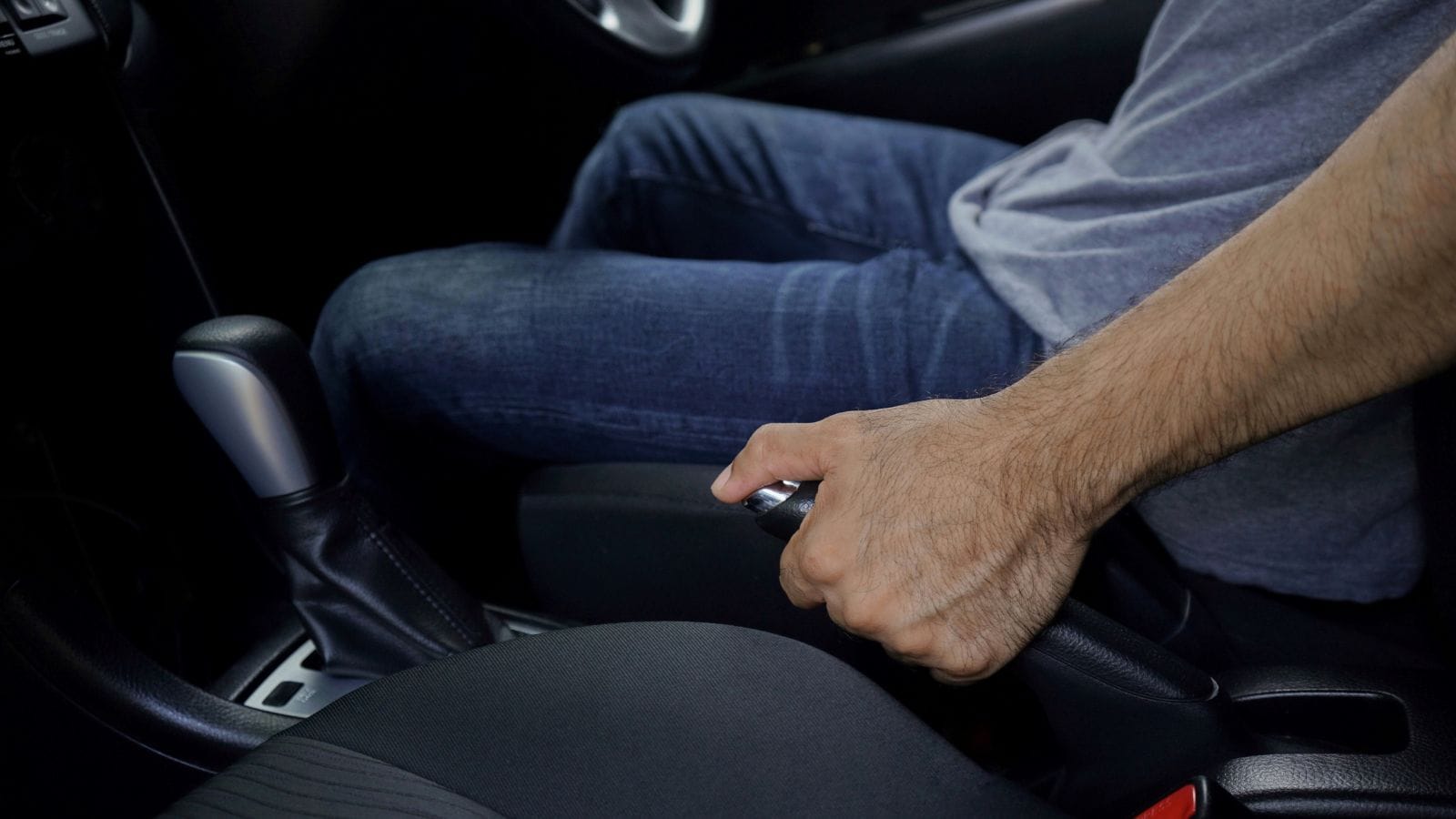
Not every brake problem produces a soft pedal. A pedal that suddenly requires substantially more force can point toward a problem with the brake-assist system. Many vehicles use vacuum assistance, while others employ electric pumps or different designs to reduce the physical effort necessary to generate braking force. HELLA lists increased pedal effort as one possible symptom of inadequate vacuum in an assisted braking system.
Loss of assistance does not necessarily mean the mechanical brakes disappear, but stopping the vehicle can require considerably greater driver effort. That difference is particularly unwelcome during an unexpected winter emergency when a quick, controlled response matters. A temporary hard pedal can also occur in some circumstances after brake assist has been depleted, so the complete system and vehicle design need to be considered. If the pedal has become consistently harder than normal, the cause should be diagnosed instead of assuming cold weather or vehicle age is responsible.
The Vehicle Is Taking Longer to Stop
One of the most meaningful brake warnings is also among the easiest to overlook. If a familiar vehicle begins needing noticeably more road to stop under comparable conditions, something has changed. Worn friction material, leaking hydraulic components, overheating, damaged discs and other mechanical issues can all reduce braking performance. AAA lists increased stopping distance as a significant warning sign that the brake system needs attention.
Winter already reduces the available safety margin. Transport Canada advises motorists to leave additional following distance on slippery roads specifically because stopping takes longer. Combining low-traction pavement with a braking system that is already performing below expectations creates an avoidable disadvantage. Drivers should not attempt aggressive road tests to measure the problem themselves. If normal stops begin requiring earlier braking or unusually heavy pedal pressure, a controlled professional inspection is safer and more informative than waiting for the first icy morning to confirm the suspicion.
The Red Brake Warning Light Stays On

Dashboard brake warnings should never become part of the background scenery. A red brake-system indicator can illuminate for several reasons depending on the vehicle, including an applied parking brake, low brake fluid or a brake-system malfunction. The owner’s manual provides the correct interpretation for a specific model. A light that remains illuminated unexpectedly while driving deserves immediate attention.
Transport Canada advises motorists to understand warning lights and follow the vehicle manufacturer’s instructions when one stays on. Vehicle documentation filed with NHTSA also warns that some brake-system faults can change pedal effort, pedal travel and stopping performance. Before assuming the problem is merely an electronic glitch, the parking brake should be confirmed as fully released and the manufacturer’s guidance followed. Winter conditions are not the time to postpone a dashboard warning involving the system responsible for slowing thousands of pounds of moving vehicle.
The ABS Warning Light Remains Illuminated
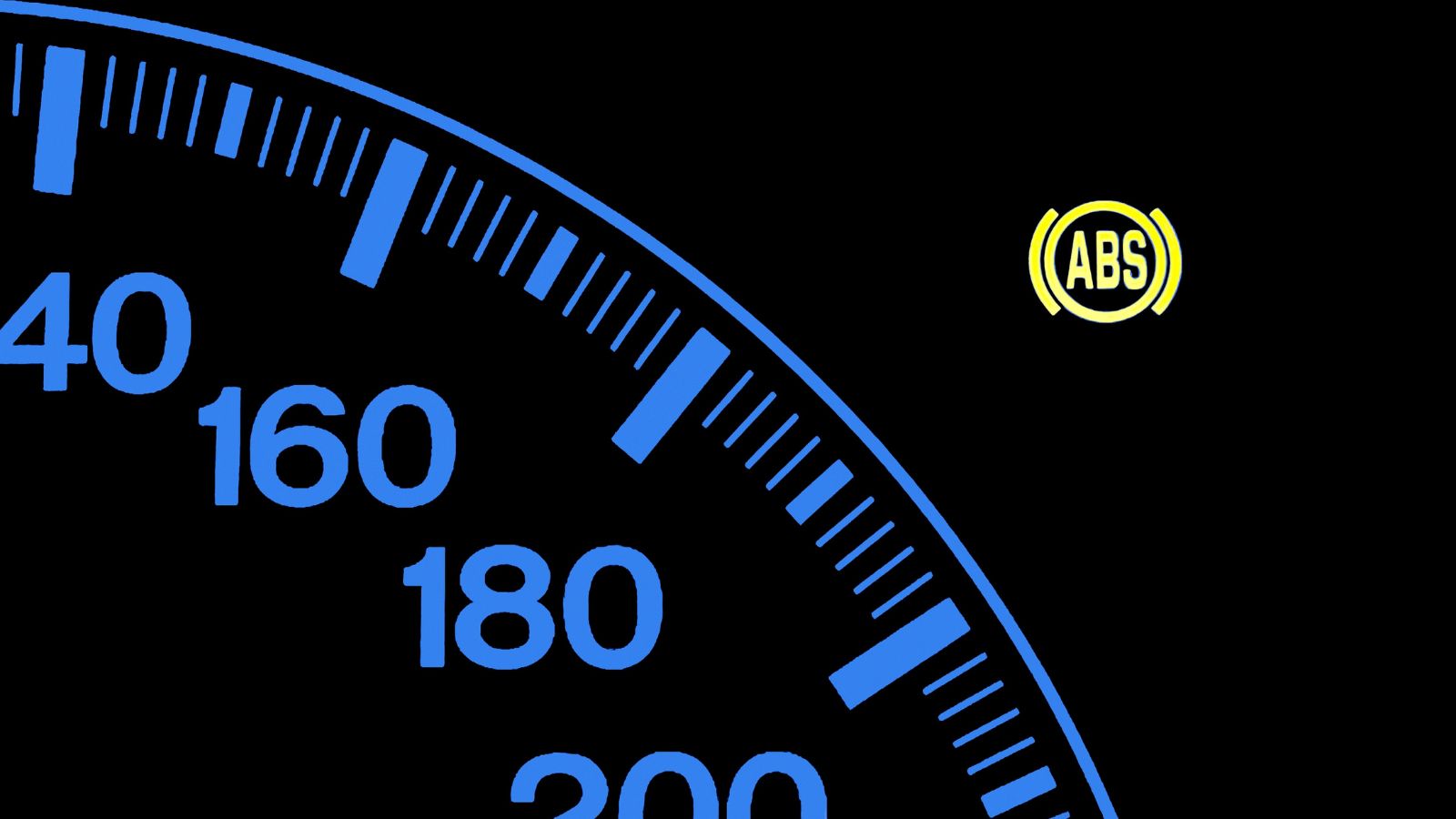
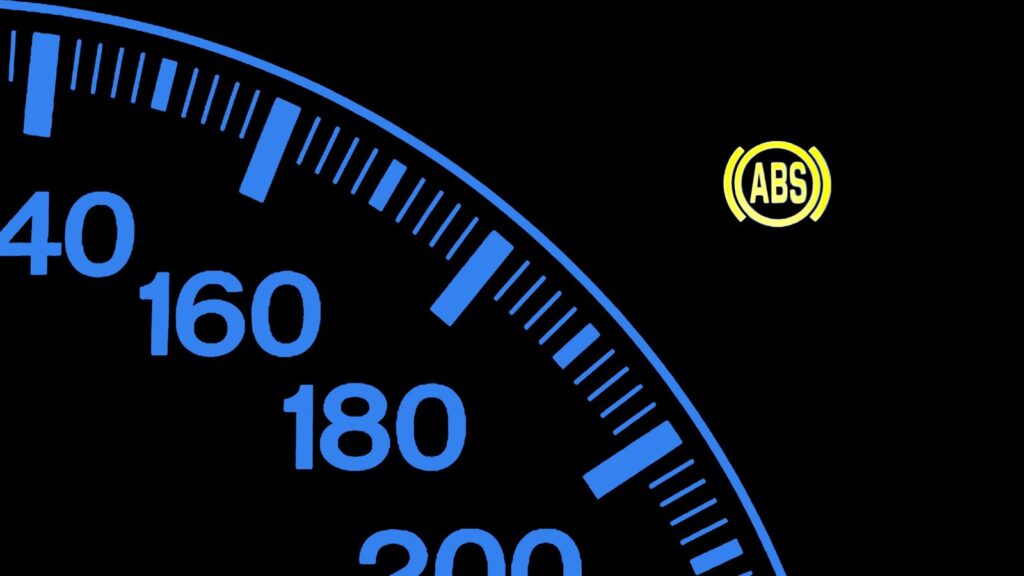
The amber ABS light normally illuminates briefly when many vehicles are started as part of a system check. If it remains on or appears while driving, the anti-lock braking system may have detected a fault. Conventional braking may still operate on many vehicles, but the anti-lock function or related electronic safety features may not perform normally. Exact behaviour varies by model, so the owner’s manual remains essential.
ABS becomes particularly relevant as slippery-road season approaches because its purpose includes helping prevent wheel lock during hard braking and preserving directional control. AAA recommends having an illuminated ABS indicator investigated, while NHTSA documentation describes a persistent ABS warning as evidence that the system may not be fully functional. The fact that a car still seems to stop normally on dry pavement is not a reason to ignore the light. A diagnostic scan can identify the fault before conditions demand the system’s assistance.
Brake Fluid Keeps Dropping Below Its Normal Level
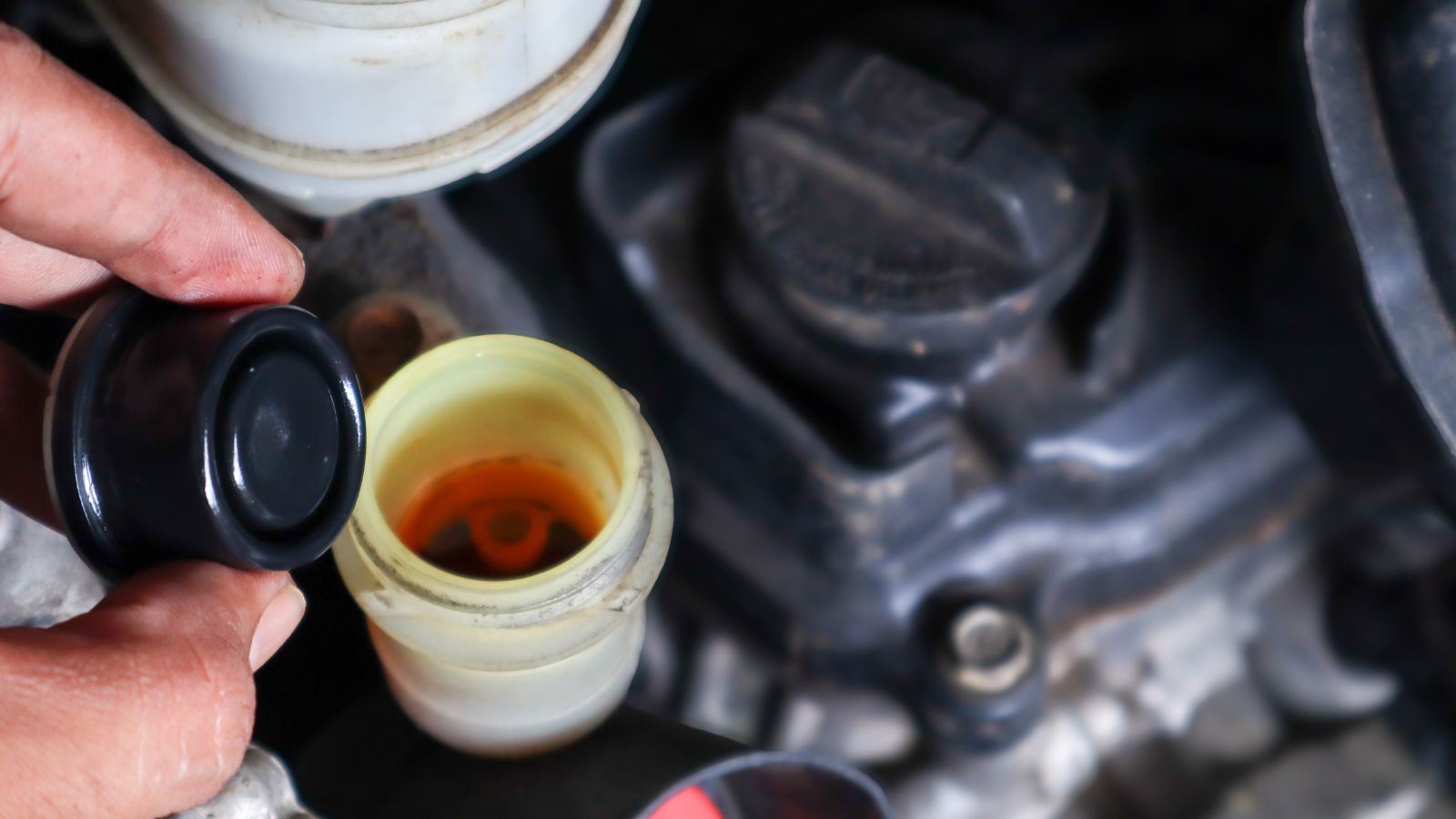
Brake fluid is not a reservoir that should require frequent topping up without explanation. The level can change somewhat as brake pads wear because caliper pistons extend farther, but a significant or continuing loss can also indicate leakage. Some vehicles will illuminate the brake warning indicator when fluid becomes low, making the reservoir level and dashboard warning part of the same diagnostic picture.
Brake fluid also performs demanding work. Bosch notes that conventional brake fluids are hygroscopic, meaning they absorb moisture over time, which lowers their boiling point. That is one reason fluid service intervals specified by manufacturers matter. If the reservoir is unusually low, simply adding fluid can conceal rather than solve the underlying problem. A technician should determine where the fluid went and whether the system is leaking, excessively worn or due for service. Brake fluid quantity and condition are both sensible pre-winter inspection points.
There Is Evidence of Brake Fluid Leakage
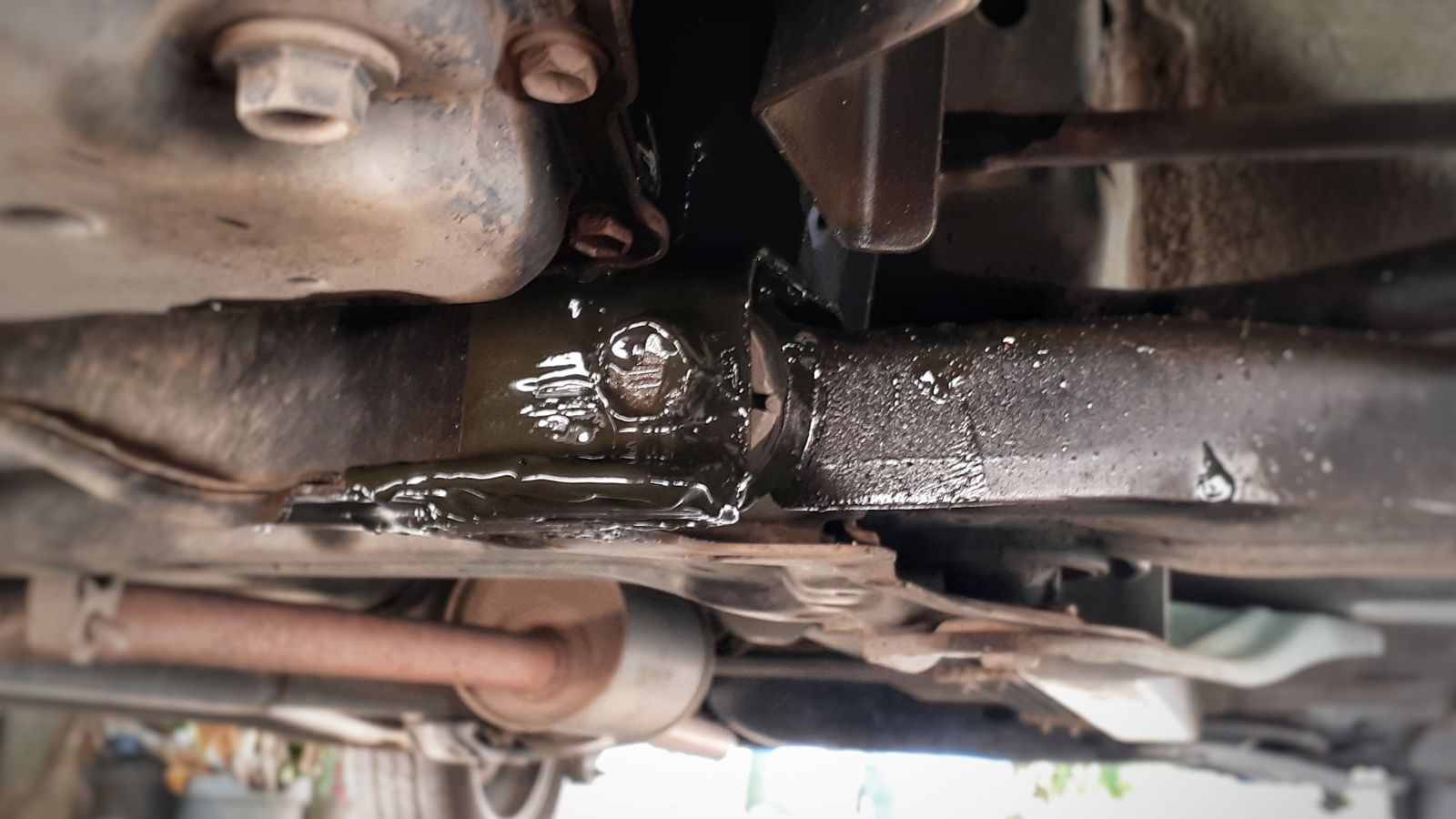
Any unexplained automotive fluid deserves investigation, but a confirmed brake-fluid leak carries obvious safety implications. Hydraulic braking depends on retaining fluid and pressure inside a sealed network of lines, hoses, cylinders and calipers. AAA notes that fluid loss can reduce hydraulic pressure and weaken braking strength. Transport Canada’s light-vehicle brake standards also treat visible brake-fluid leakage from key components as unacceptable.
Leaks are not always dramatic puddles. Dampness around a brake line, hose connection, caliper or master cylinder can be a warning before a major loss develops. Road salt adds another concern in snowy climates because corrosion has been linked to brake-line failures in documented vehicle recalls. A suspected brake-fluid leak should therefore be identified by a technician rather than guessed at from colour alone. If braking performance or pedal pressure has also changed, continued driving may be unsafe and towing may be the appropriate option.
There Is a Burning Smell or Smoke After Braking
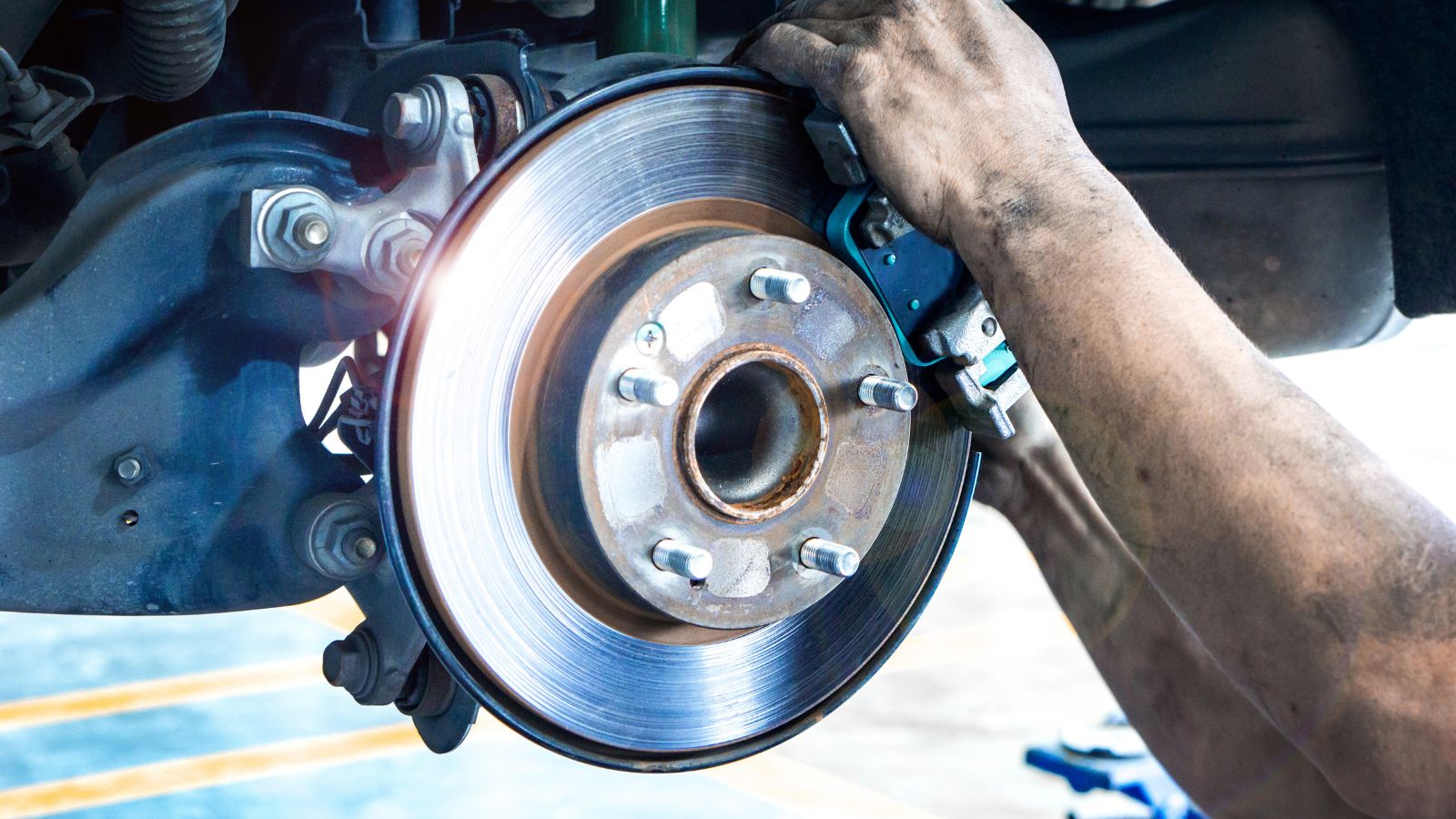
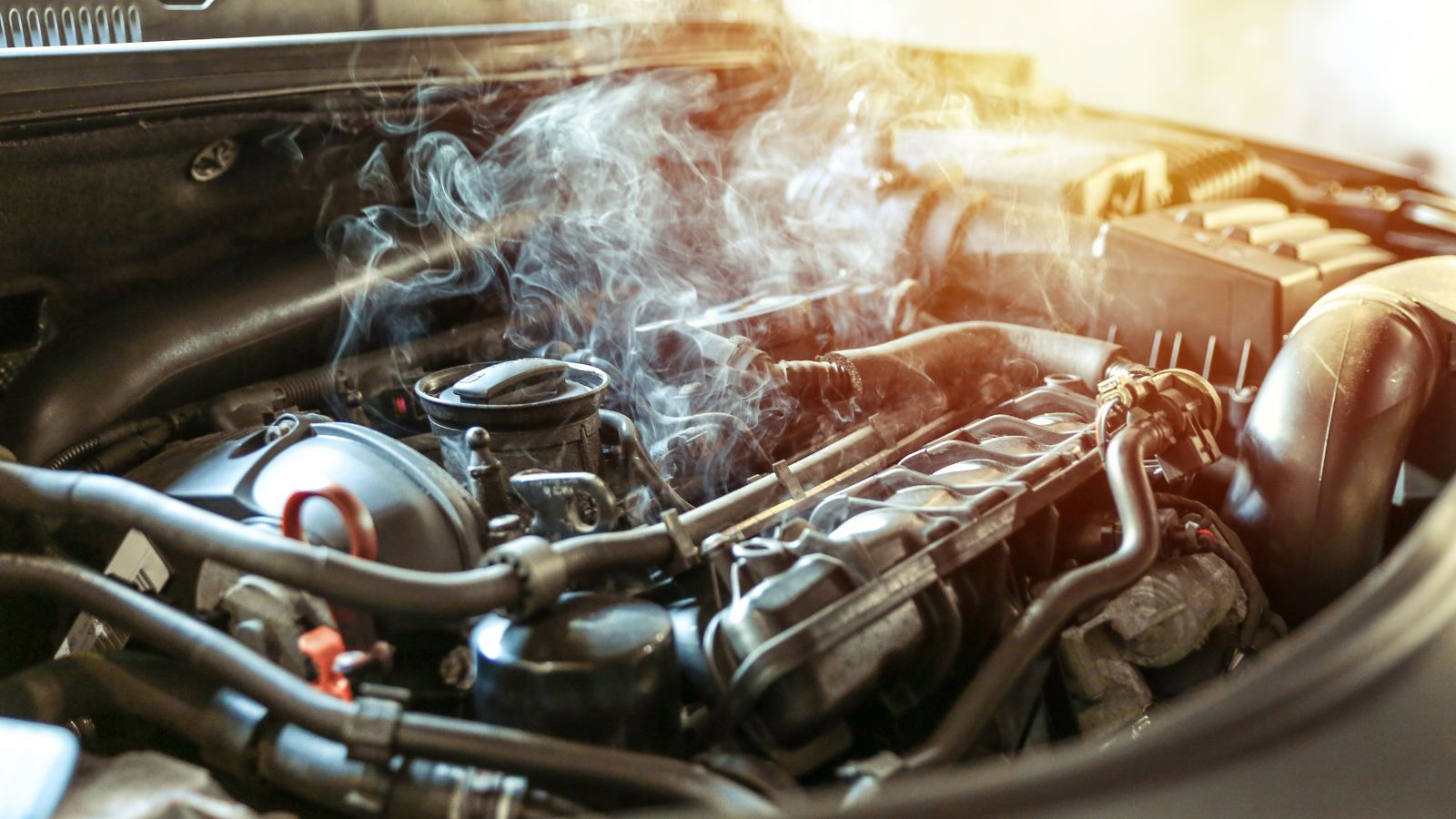
Brakes generate substantial heat by design, but a persistent acrid smell or visible smoke is not normal everyday operation. Extended downhill braking can temporarily overheat the system, while mechanical problems such as a sticking caliper can keep a brake partially applied even after the pedal has been released. Brembo identifies a burning smell as a potential sign of excessive brake temperature and deterioration.
AAA similarly warns that overheated brakes or a frozen caliper can produce a burning odour. If smoke appears, pouring cold water on hot brake components is not recommended because abrupt cooling can damage heated metal. The vehicle should instead be stopped safely and the cause assessed. Before winter, recurring brake heat deserves particular attention because corrosion, sticking hardware and road contamination can complicate component movement. A vehicle that regularly smells hot after an ordinary commute is providing a warning that should not be ignored.
One Brake Seems to Stick or Stay Hot
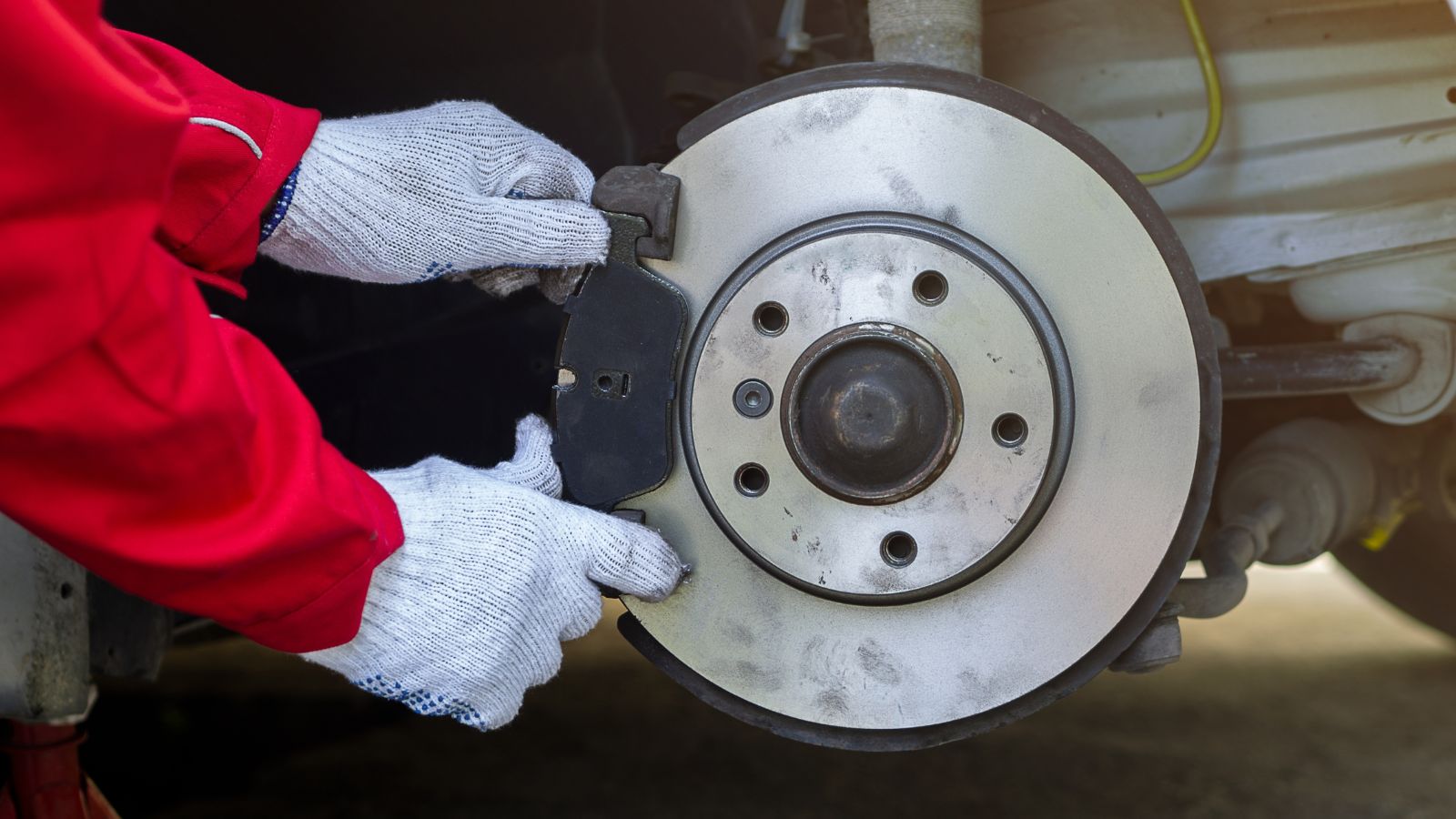
A brake caliper or pad that fails to release properly can continue rubbing against the rotor after the driver removes pressure from the pedal. The result may be unusual heat, accelerated wear, noise, reduced fuel efficiency or a vehicle that feels as though it is being held back. Depending on which wheel is affected, the vehicle may also pull to one side.
HELLA identifies sticking caliper pistons, guide components and brake pads as causes of uneven wear, overheating and poor braking characteristics. Heat can damage friction materials and place additional stress on neighbouring components. Because brake assemblies naturally become warm during use, drivers should not touch rotors or calipers to compare temperatures; they can become hot enough to cause injury. A recurring hot-brake smell, dragging sensation or wheel that is consistently behaving differently from the others is a safer reason to arrange an inspection before winter driving begins.
The Parking Brake No Longer Feels or Holds Normally
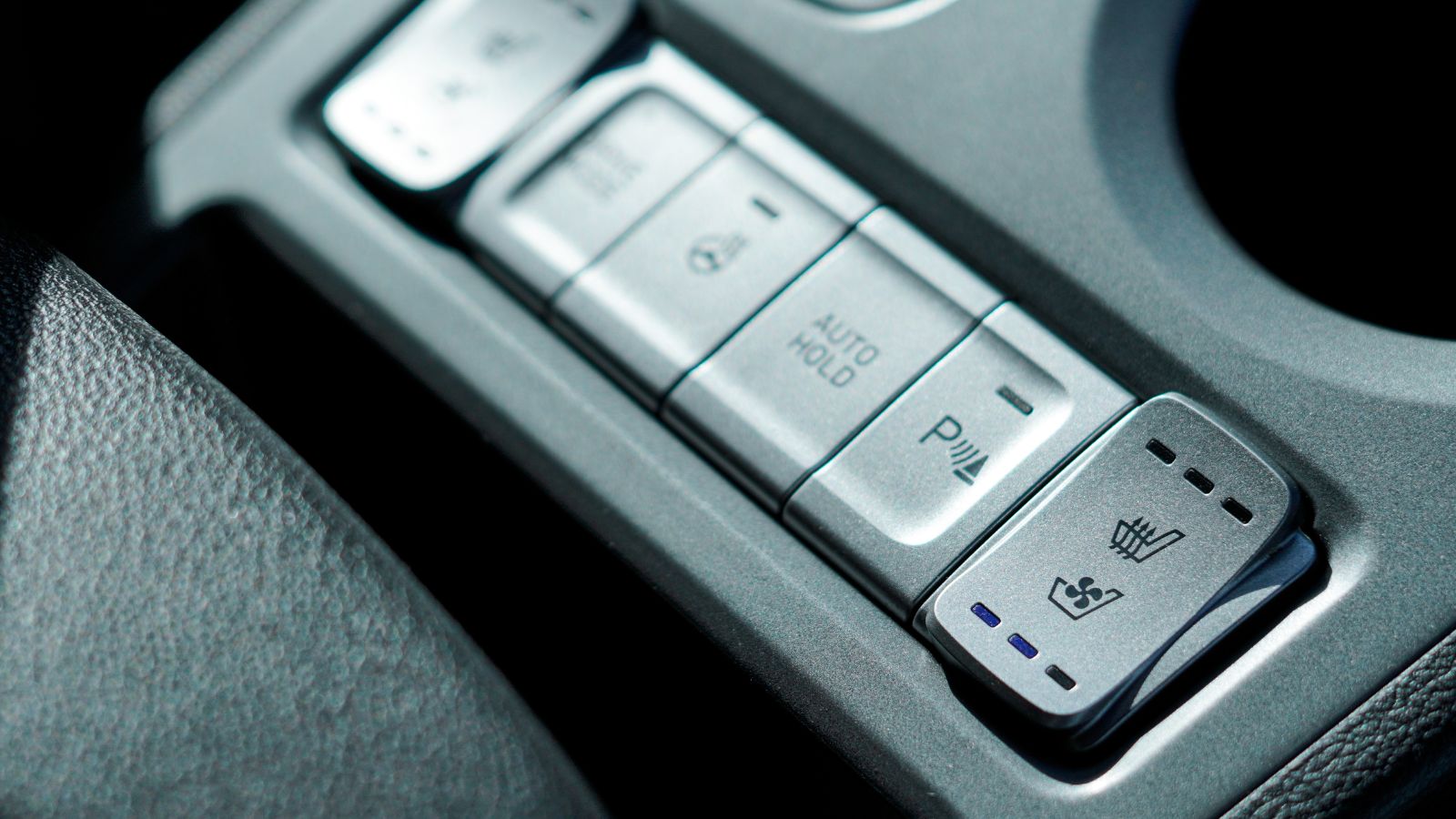
The parking brake is easy to overlook because many drivers use it only after the vehicle has already stopped. Yet a lever, pedal or electronic parking-brake system that suddenly behaves differently deserves attention. Traditional systems may feel unusually loose, require excessive travel or fail to hold the vehicle as securely as before. Electronic systems may generate dashboard warnings when a malfunction occurs.
AAA lists a parking brake with little or no normal resistance as a sign that adjustment or repair may be necessary. A functional parking brake is especially valuable when a vehicle is parked on an incline, and manufacturers generally specify how it should be used in the owner’s manual. Winter can expose cables, linkages and rear brake hardware to water, slush and corrosive de-icing material. Having a weak or unreliable parking brake corrected before those conditions arrive reduces the chance of discovering the problem on a snowy driveway or frozen parking lot.
Visible Wear, Scoring or Corrosion Is Getting Hard to Ignore
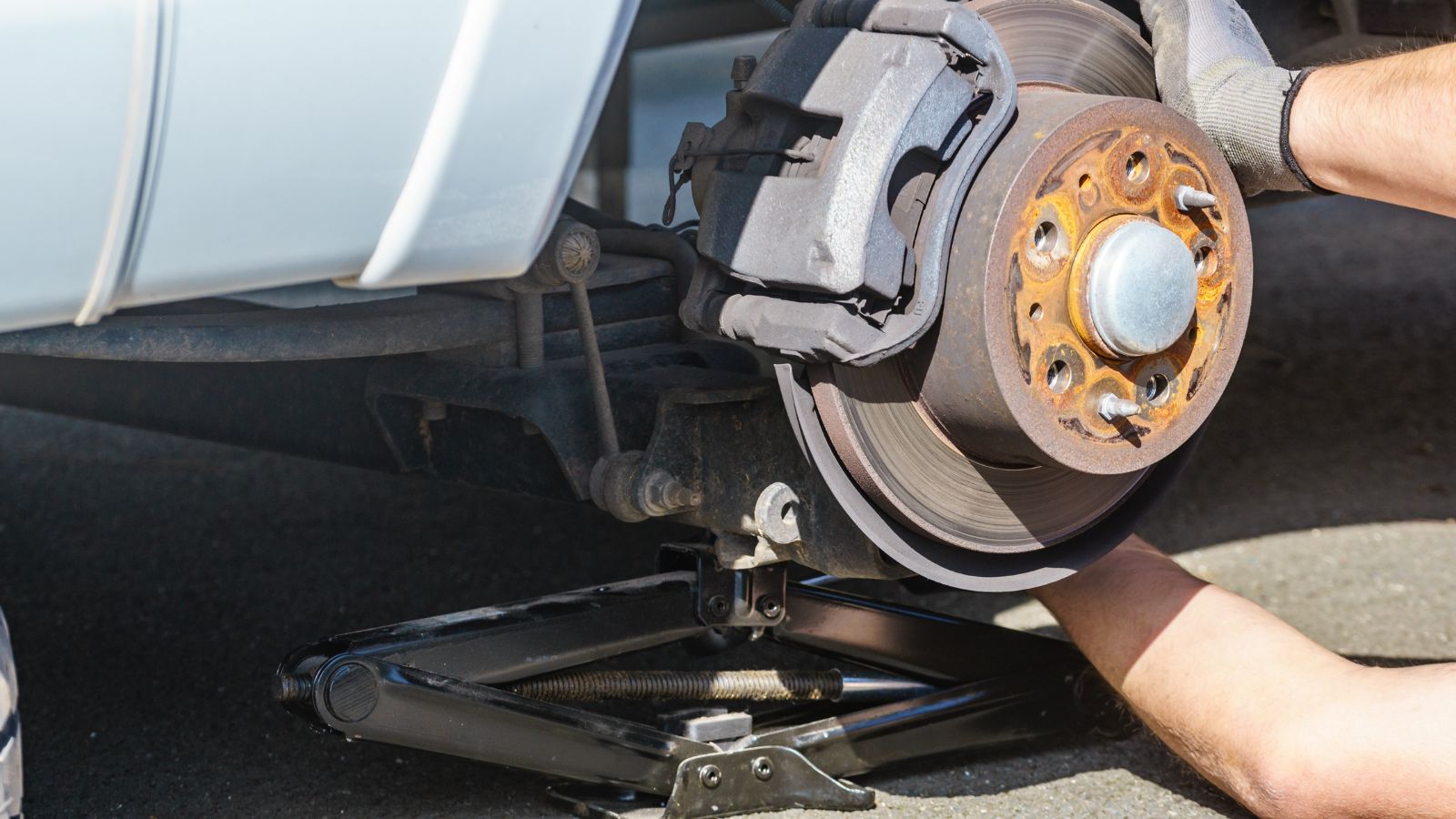
Sometimes the most convincing brake warning is visible before the vehicle develops a dramatic symptom. Deep grooves, cracks, severe scoring, excessively thin discs or badly worn pads can all justify further inspection. Brembo notes that brake discs have manufacturer-specified minimum thickness limits and that heavily worn discs can lose heat-dissipation capacity and develop vibration, cracking or reduced performance.
Corrosion deserves special attention in winter regions. Road salt and de-icing chemicals can attack underbody components, including brake lines and brake hardware. NHTSA recall records have documented brake-line corrosion and leakage associated with salt exposure, while AAA recommends regular underbody cleaning in areas where de-icers are widely used. Light surface rust on a rotor after rain can disappear during normal braking, but substantial corrosion, deeply damaged friction surfaces or rusty hydraulic lines are different. A pre-winter inspection can distinguish harmless surface oxidation from deterioration that requires repair.
19 Used Cars Canadians Should Avoid in 2026 (Based on Owner Complaints)

Buying a used car in Canada can feel safe until repair bills start stacking up. Owner complaints tell a different story than glossy listings. Transmission failures, electrical problems, and weak winter reliability show up again and again in consumer reports. Many of these issues appear after warranties expire, when owners least expect them. Some vehicles look affordable upfront, but become expensive to keep on the road. Others struggle in cold weather, urban driving, or long highway commutes. Here are 19 used cars Canadians should avoid in 2026 (based on owner complaints).
19 Used Cars Canadians Should Avoid in 2026 (Based on Owner Complaints)

Alanna Rosen is an experienced content writer that focuses on many EV and educational content. Her articles are regularly published on Get CyberTrucked and syndicated on large publications.