Halloween can transform an ordinary residential street in minutes. Children appear between parked cars, families gather near driveways, costumes blend into the darkness and drivers encounter far more pedestrians than they would on a typical autumn evening. The dangerous mistake is surprisingly simple: driving as though nothing has changed.
Research has found a measurable increase in pedestrian danger on Halloween evenings, particularly for children. Avoiding that risk requires more than simply obeying the posted limit. These 12 Halloween driving mistakes show why motorists need to slow down, widen their field of attention and expect movements that would seem unusual on almost any other night of the year.
Treating the Posted Speed as the Right Speed
A residential speed limit represents the maximum legal speed under appropriate conditions, not a promise that the same speed is suitable every night. Halloween changes those conditions dramatically. Instead of relatively empty sidewalks, drivers may encounter clusters of children moving from house to house, parents pushing strollers and teenagers crossing between groups of trick-or-treaters. A speed that normally feels conservative can suddenly leave very little margin when someone unexpectedly steps into the roadway.
The difference matters because reducing speed gives a driver additional time to recognize a developing hazard and react. Safety agencies specifically advise motorists to travel more slowly in residential areas on Halloween, even when that means going below the posted limit. The goal is not simply avoiding a speeding ticket. It is creating enough time to respond when a small child changes direction without warning. On Halloween night, arriving a few minutes later is far less consequential than discovering that normal neighbourhood speed was too fast for abnormal conditions.
Watching the Lane but Missing the Curb
Most everyday driving encourages motorists to concentrate primarily on the lane ahead: vehicles, traffic lights, signs and anything directly in the path of the car. Halloween requires a wider scan. Children can be standing on curbs, waiting beside parked vehicles, walking along medians or moving across lawns toward the roadway. A driver staring exclusively toward the centre of the lane can technically be looking forward while still missing the most important developing hazard.
Parked vehicles deserve particular attention. Children are small enough to disappear behind cars, SUVs and landscaping before suddenly becoming visible near the roadway. Safety organizations specifically warn children not to cross between parked cars because doing so limits their visibility to motorists. Drivers need to compensate for exactly that possibility. Instead of assuming an empty stretch of pavement will remain empty, the safer approach is to repeatedly scan sidewalks, gaps between vehicles and curb areas. Halloween driving is less about reacting to visible pedestrians and more about anticipating where the next one might appear.
Backing Out of Driveways Too Casually

MFajarH/Shutterstock.
For many families, the first dangerous manoeuvre of the evening can occur before the vehicle reaches the street. A driveway that is normally quiet may suddenly have children walking across its entrance, approaching a neighbouring home or moving behind a parked vehicle. Backing out at the usual pace without carefully checking the entire area can create a serious visibility problem, particularly when small children are close to the vehicle.
Backover crashes are a recognized child-safety hazard because drivers may simply be unable to see a small child positioned behind the vehicle. Rear cameras improve visibility, but they should supplement rather than replace a deliberate physical check of the surroundings. Halloween adds another complication: pedestrians may enter the driveway area after the driver has initially looked. Moving slowly, checking mirrors and cameras repeatedly and pausing when visibility is uncertain provides much more reaction time. The same caution applies to alleys and parking spaces. On Halloween, a driveway should be treated less like private space and more like an active pedestrian crossing.
Rolling Through Turns and Crosswalks
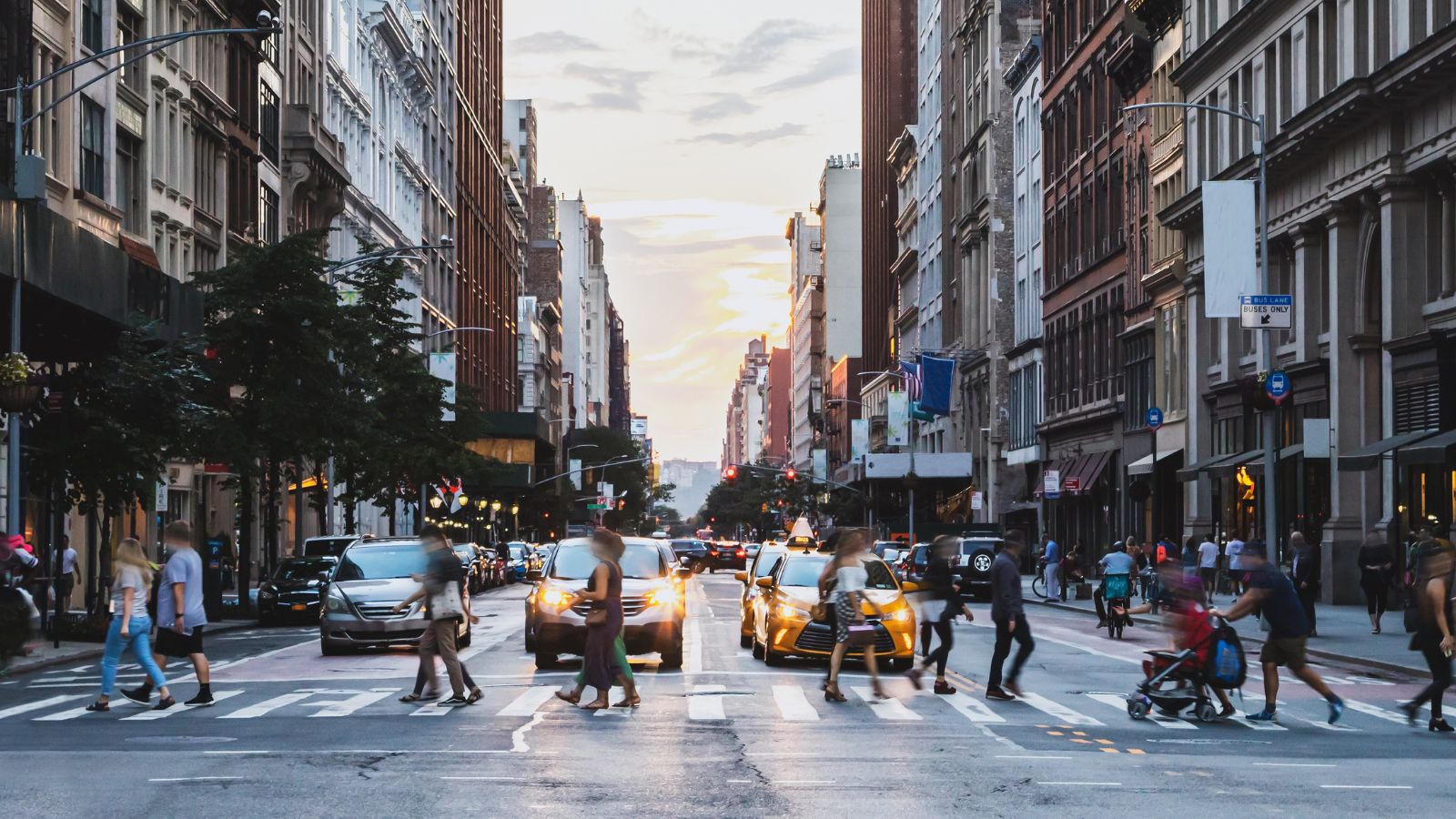
A familiar intersection can become surprisingly complicated when several families arrive at once. Drivers turning right or left may naturally focus on finding an opening in vehicle traffic, then begin accelerating through the turn. That habit can become dangerous when children are entering a crosswalk from the opposite side, standing close to the curb or trailing several steps behind a larger group that has already crossed.
Pedestrian-safety guidance consistently emphasizes slowing before turns, yielding at crosswalks and checking for people in every direction. Halloween makes that second look particularly important because groups do not always move as one unit. A parent may cross first while a child hesitates and then runs to catch up. Another child may approach from behind a costume or decoration that briefly blocks the driver’s view. A complete stop and deliberate scan can feel unnecessary when the roadway appears clear, but Halloween is precisely the kind of night when the first glance may not reveal the entire situation.
Passing a Vehicle That Has Slowed or Stopped
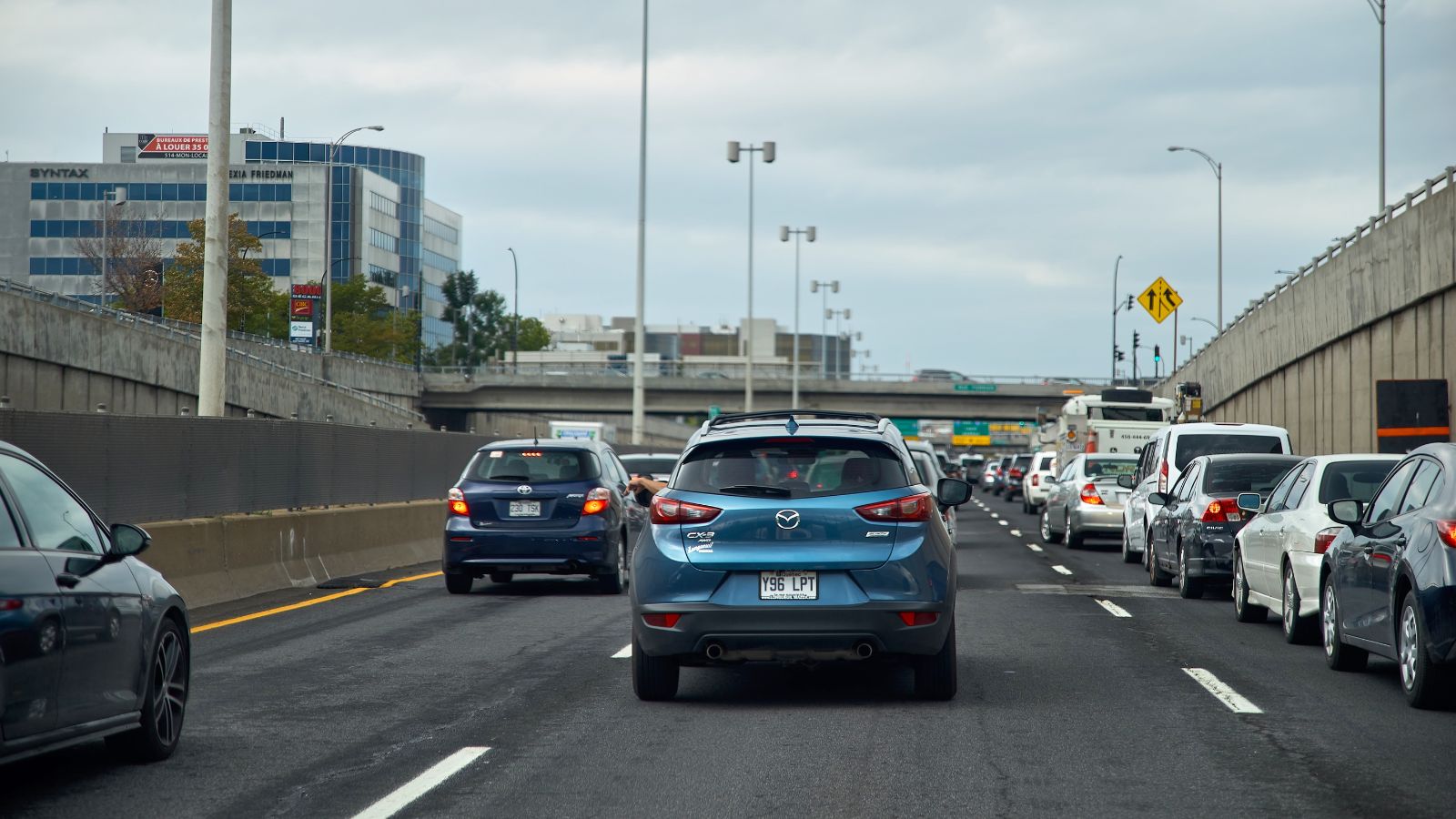
Impatience can become particularly dangerous when the vehicle ahead suddenly slows on a residential street. The temptation is to assume that the other driver is lost, dropping somebody off or simply moving unnecessarily slowly. On Halloween, however, there is another possibility: that driver may see a child the following motorist cannot.
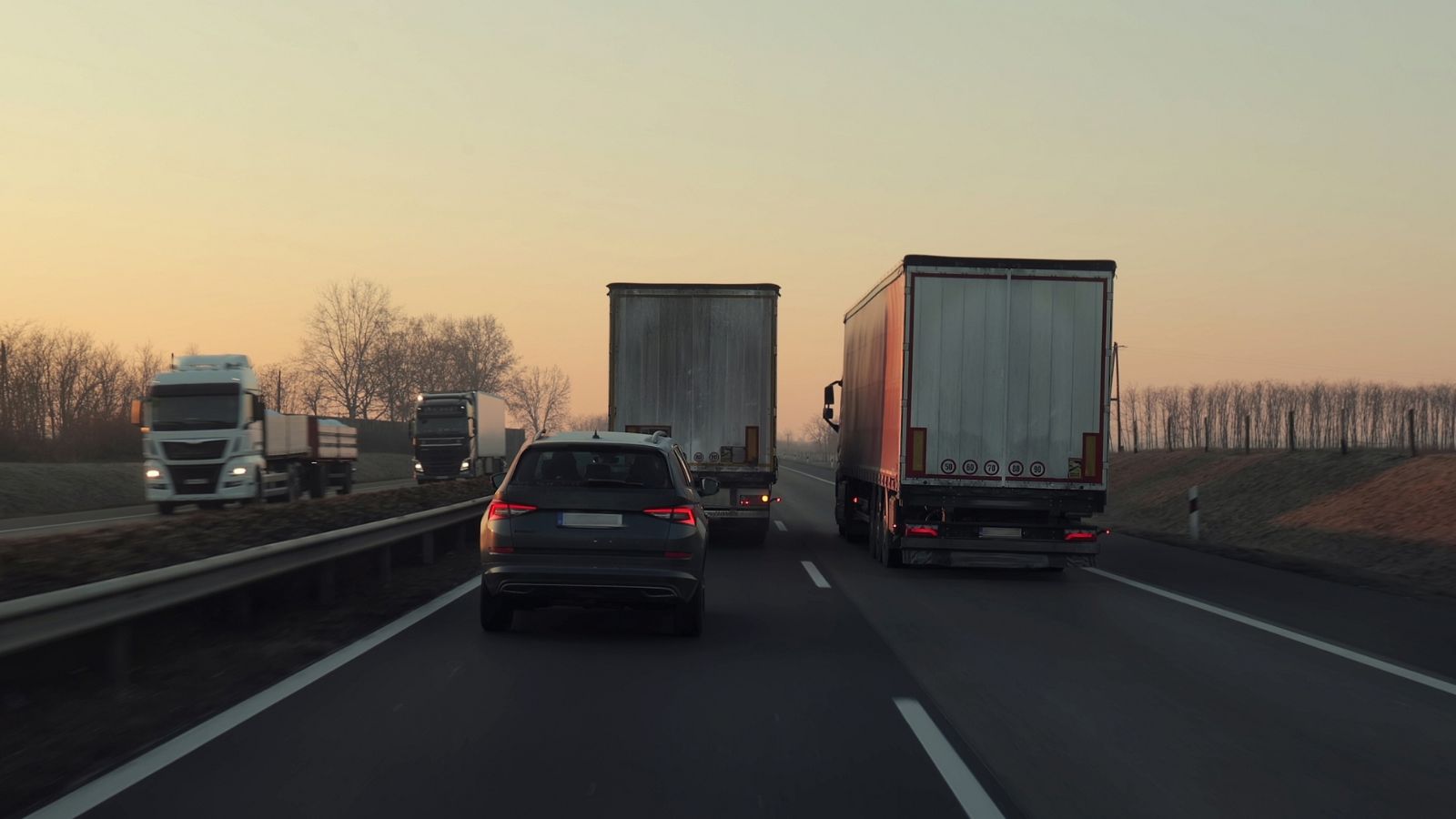
ICBC has repeatedly cautioned drivers against passing slow or stopped vehicles on Halloween because the first vehicle may be yielding to children or reacting to another hidden hazard. The same principle applies beyond marked crosswalks. A child could be crossing from behind a parked vehicle, standing near the centre of the road or approaching from an angle that is hidden from the second driver’s view. Instead of immediately changing lanes or accelerating around a stopped vehicle, Halloween calls for patience. A mysterious stop should be treated as information. There may be something important ahead that has not yet entered the trailing driver’s field of vision.
Checking the Phone for “Just a Second”
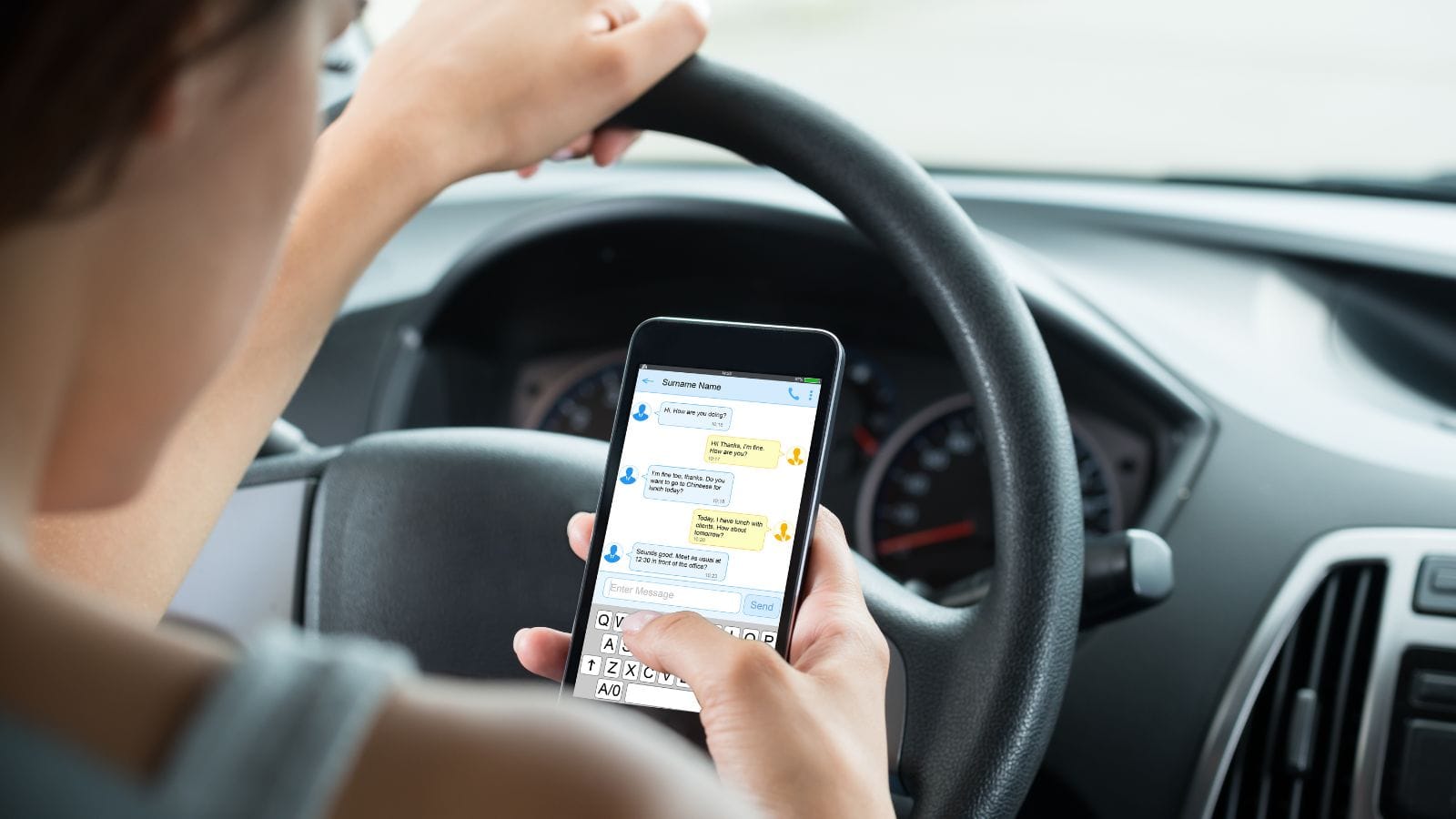
A quick glance at a navigation app can feel harmless on a quiet residential street. On Halloween, that glance may coincide with the exact second a child steps from between parked vehicles. The problem is not limited to texting. Changing music, reading a notification, searching for an address or entering a new destination all shift attention away from an environment where conditions can change almost instantly.
ICBC identifies distracted and inattentive driving as an important contributor to pedestrian crashes and advises motorists to keep phones out of sight while driving. Its broader distracted-driving guidance says using a hand-held phone substantially increases crash risk. Halloween adds more visual distractions than an ordinary evening: elaborate decorations, flashing lights, groups of costumed pedestrians and vehicles stopping unexpectedly. Navigation should therefore be programmed before the vehicle moves. If directions need to be changed, pulling over safely is the better choice. The objective is to preserve continuous attention during the few hours when residential streets contain an unusually high concentration of vulnerable road users.
Trusting Headlights Too Much
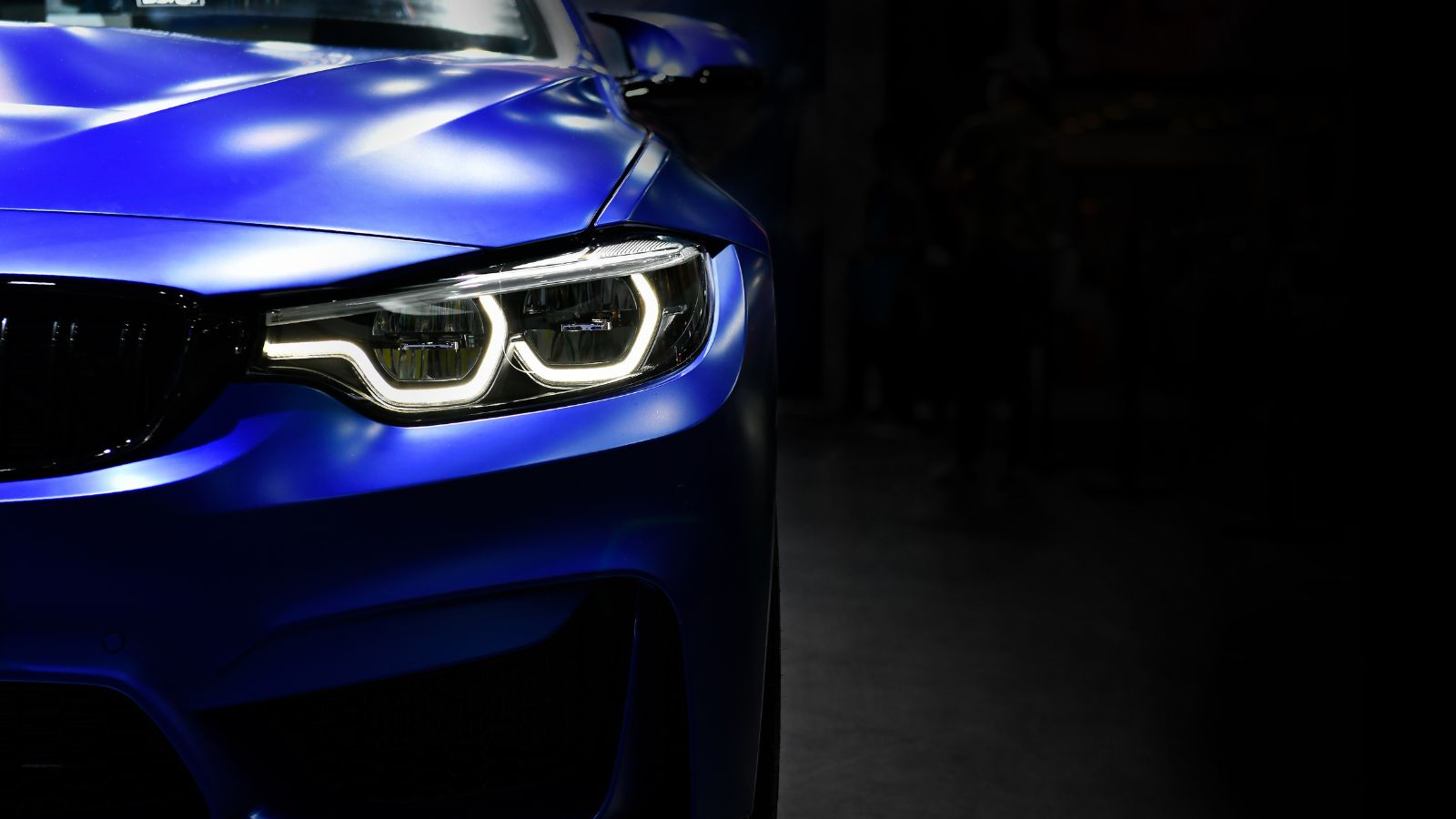
Headlights illuminate the road, but they do not turn nighttime into daylight. Dark clothing can significantly reduce how quickly a pedestrian is recognized, particularly when combined with glare or low-beam headlights. Halloween costumes create an obvious version of that problem. Black robes, dark jackets and masks may look dramatic under porch lights yet blend into poorly illuminated sections of a street.
Controlled research on nighttime pedestrian visibility has shown large differences in recognition distance depending on clothing and reflective material. One study found particularly poor recognition under challenging combinations of dark clothing, low beams and glare, while reflective configurations dramatically improved pedestrian detection. That is why Halloween safety guidance encourages reflective tape, lights and brighter costumes. Drivers, however, cannot assume every family will use them. The safest approach is to drive at a speed that allows for pedestrians who become visible later than expected. Seeing an empty road through the windshield does not necessarily mean the roadside environment is actually empty.
Driving Home After Drinking or Using Cannabis
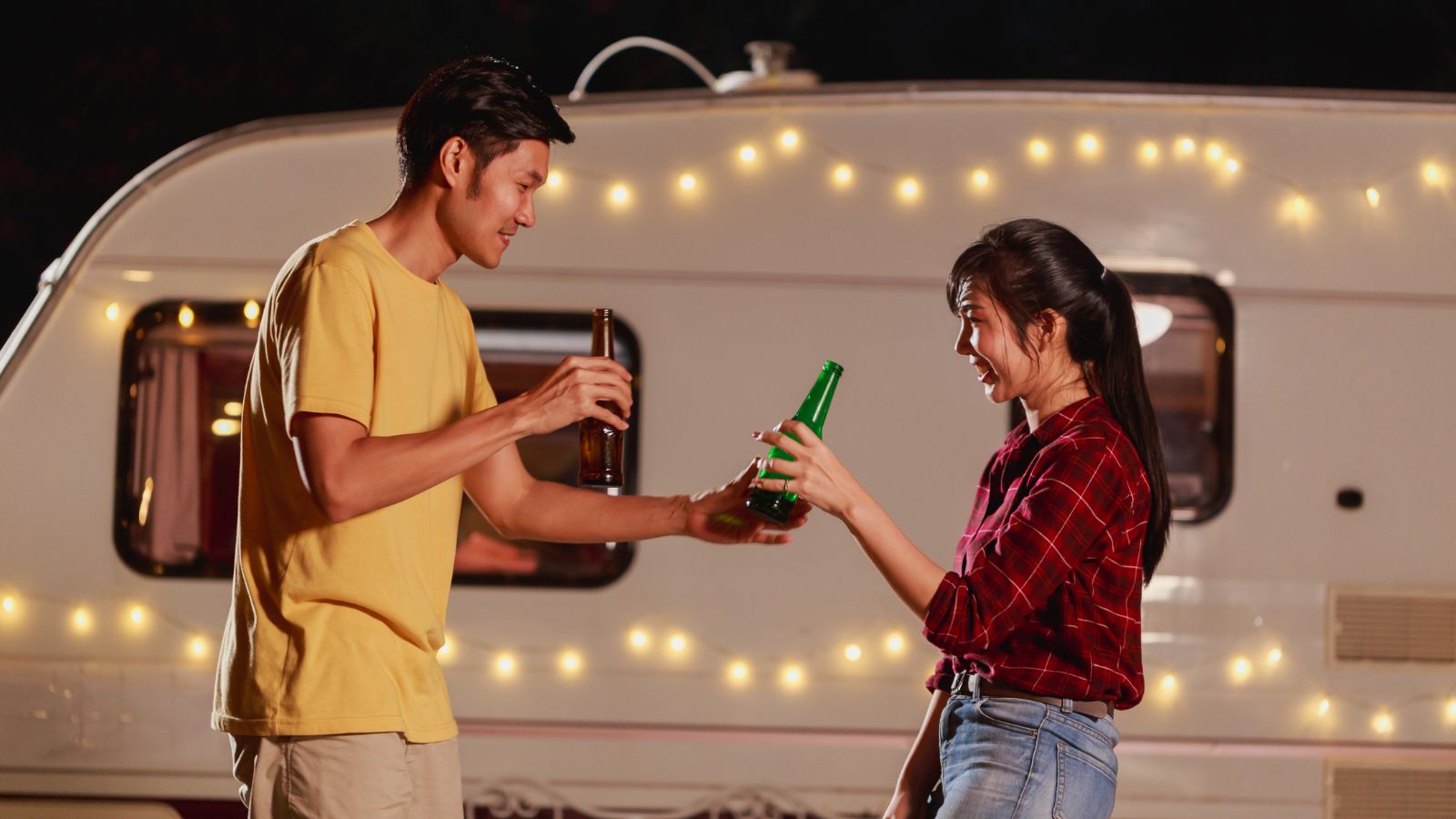
Halloween is not exclusively a children’s celebration. Adult parties, bars and neighbourhood gatherings mean some drivers may be travelling after consuming alcohol or cannabis. That becomes especially concerning on a night when residential streets already demand faster reactions, careful scanning and the ability to make quick decisions around unpredictable pedestrian movement.
Canadian health authorities warn that even relatively small amounts of alcohol or drugs can impair skills required for driving, including attention, judgment, reaction time, coordination and decision-making. Cannabis can also affect the ability to judge distance and react quickly, and combining cannabis with alcohol increases impairment further. There is no reliable strategy in which an impaired driver simply promises to “be extra careful” because the destination is nearby. Halloween is precisely when normal driving ability needs to be at its sharpest. Planning a designated driver, taxi, rideshare, transit trip or overnight stay before celebrations begin removes an avoidable source of risk from already complicated streets.
Rushing Through Peak Trick-or-Treating Hours
The busiest part of Halloween often overlaps with dusk and early darkness, creating a difficult combination of heavy pedestrian activity and declining visibility. Safe Kids Worldwide identifies roughly 5:30 p.m. to 9:30 p.m. as popular trick-or-treating hours. Long-term research examining Halloween pedestrian fatalities also found risk was especially pronounced around the early evening, when large numbers of families are likely to be outside.
That means a routine errand at 6:30 p.m. may require far more patience than the same trip on another night. Drivers can encounter repeated stops, children crossing side streets and slow traffic through neighbourhoods. Trying to recover lost time by accelerating between groups defeats the purpose of slowing near them. A better approach is to assume the entire residential portion of the trip will take longer and plan accordingly. When there is no urgency, postponing unnecessary neighbourhood driving until pedestrian activity decreases can eliminate many of the interactions that create risk in the first place.
Starting With a Dirty or Fogged Windshield

Visibility problems are easy to overlook until headlights, streetlights and wet pavement begin producing glare. A windshield with interior haze, moisture, dirt or streaks can scatter light and reduce contrast, making pedestrians harder to distinguish from the background. The problem becomes especially noticeable on dark autumn evenings when oncoming headlights and brightly lit decorations create rapidly changing light conditions.
Research and federal safety guidance on nighttime driving recommend keeping the windshield, mirrors and headlights clean. NHTSA has noted that dirt and spray buildup on vehicle glass can scatter light and reduce the contrast of objects along the road. Before Halloween driving begins, clearing condensation and cleaning both sides of the windshield is a small precaution with an important purpose. Defrosters should also be given enough time to clear the glass completely rather than merely creating a narrow viewing area. When children may already be difficult to see because of darkness and costumes, voluntarily accepting another layer of reduced visibility makes little sense.
Forgetting What a Tall Vehicle Can Hide

Modern pickups and SUVs can give drivers an excellent view of distant traffic while still creating sizeable areas close to the vehicle where a small child is difficult or impossible to see directly. That matters on Halloween because children frequently move close to vehicles in driveways, parking areas and crowded residential streets. A driver can check forward and believe the area is clear while a very small pedestrian remains hidden below the hood line.
Vehicle-visibility research has increasingly examined this problem. The Insurance Institute for Highway Safety notes that larger vehicles often have substantial blind zones and that small children are particularly difficult to see close to them. Recent measurements have also documented changes in forward visibility across several popular vehicle designs. Cameras and pedestrian-detection systems can help, but drivers should not treat technology as a guarantee. Before moving a large vehicle in an area filled with children, checking the immediate surroundings and moving slowly provides an additional safeguard that electronic systems alone cannot replace.
Expecting Children to Behave Like Adult Pedestrians
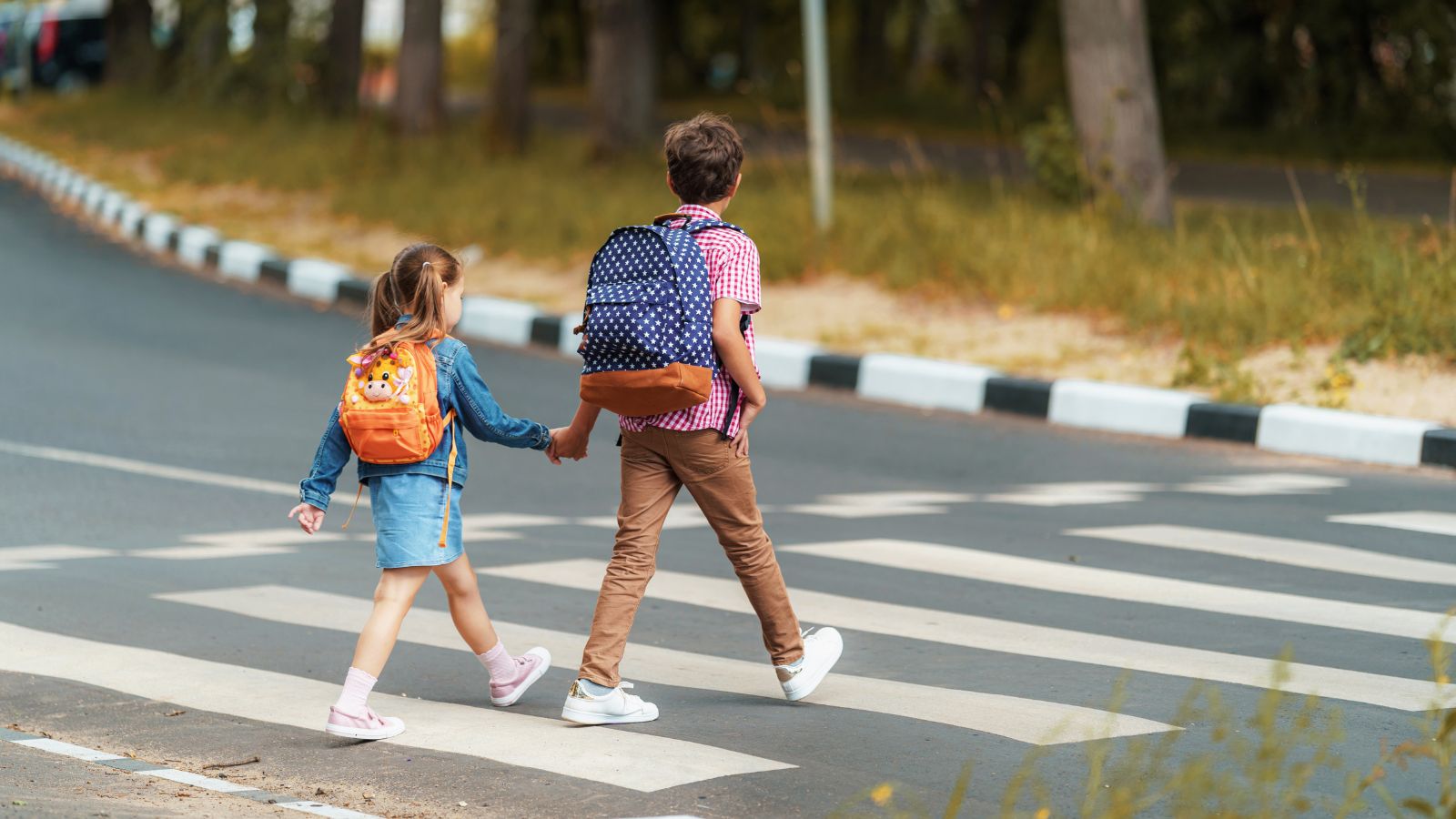
Perhaps the biggest mental error is assuming children will make the same traffic judgments an experienced adult would. A driver may see a child standing at the curb and assume the child understands the vehicle’s speed, recognizes how quickly it is approaching and will wait for it to pass. Developmental research shows that younger children do not necessarily evaluate approaching traffic with the same accuracy.
Studies of child pedestrians have found important age-related differences in judging safe crossing opportunities. Research has shown that young children can rely heavily on a vehicle’s distance rather than properly integrating distance and speed, leading to unsafe crossing decisions in some circumstances. Halloween excitement adds another reason to expect unpredictability rather than perfect judgment. For the driver, the practical lesson is straightforward: never build safety around the assumption that a child will remain where expected. Slow enough that an unexpected dash into the roadway remains manageable. On Halloween night, adults behind the wheel must provide the safety margin children cannot always provide themselves.
19 Used Cars Canadians Should Avoid in 2026 (Based on Owner Complaints)
Buying a used car in Canada can feel safe until repair bills start stacking up. Owner complaints tell a different story than glossy listings. Transmission failures, electrical problems, and weak winter reliability show up again and again in consumer reports. Many of these issues appear after warranties expire, when owners least expect them. Some vehicles look affordable upfront, but become expensive to keep on the road. Others struggle in cold weather, urban driving, or long highway commutes. Here are 19 used cars Canadians should avoid in 2026 (based on owner complaints).
19 Used Cars Canadians Should Avoid in 2026 (Based on Owner Complaints)

Alanna Rosen is an experienced content writer that focuses on many EV and educational content. Her articles are regularly published on Get CyberTrucked and syndicated on large publications.