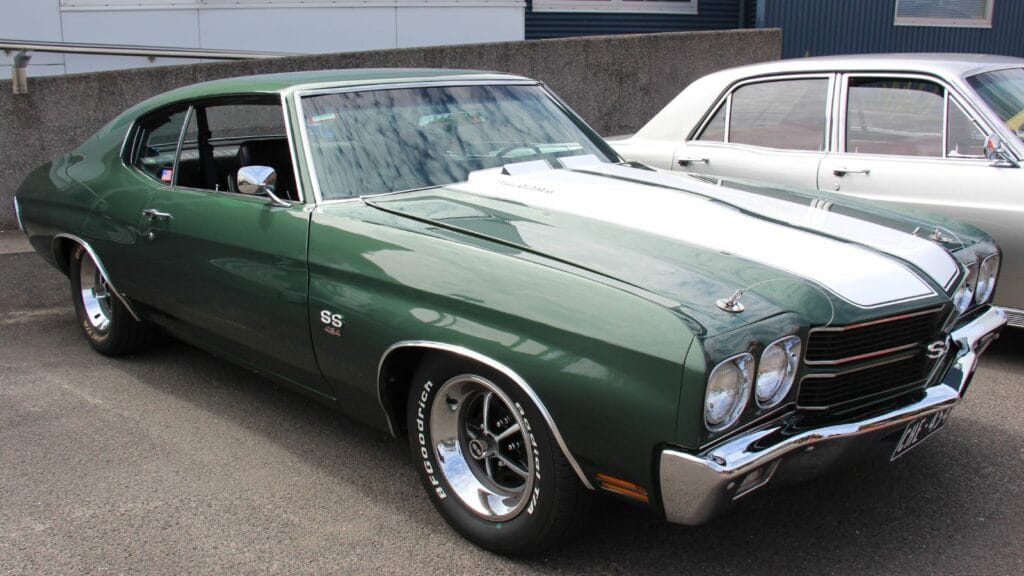
The 1970s were a complicated time for performance cars. The decade began with the final years of the muscle car era but quickly collided with rising fuel prices and tightening emissions regulations. Despite the changing landscape, many cars from the early and mid 70s still carried large displacement engines designed in a different era. These machines delivered strong torque and unmistakable sound, but they also had a serious appetite for premium gasoline.
Chevrolet Corvette Stingray 454 (1970 to 1974)
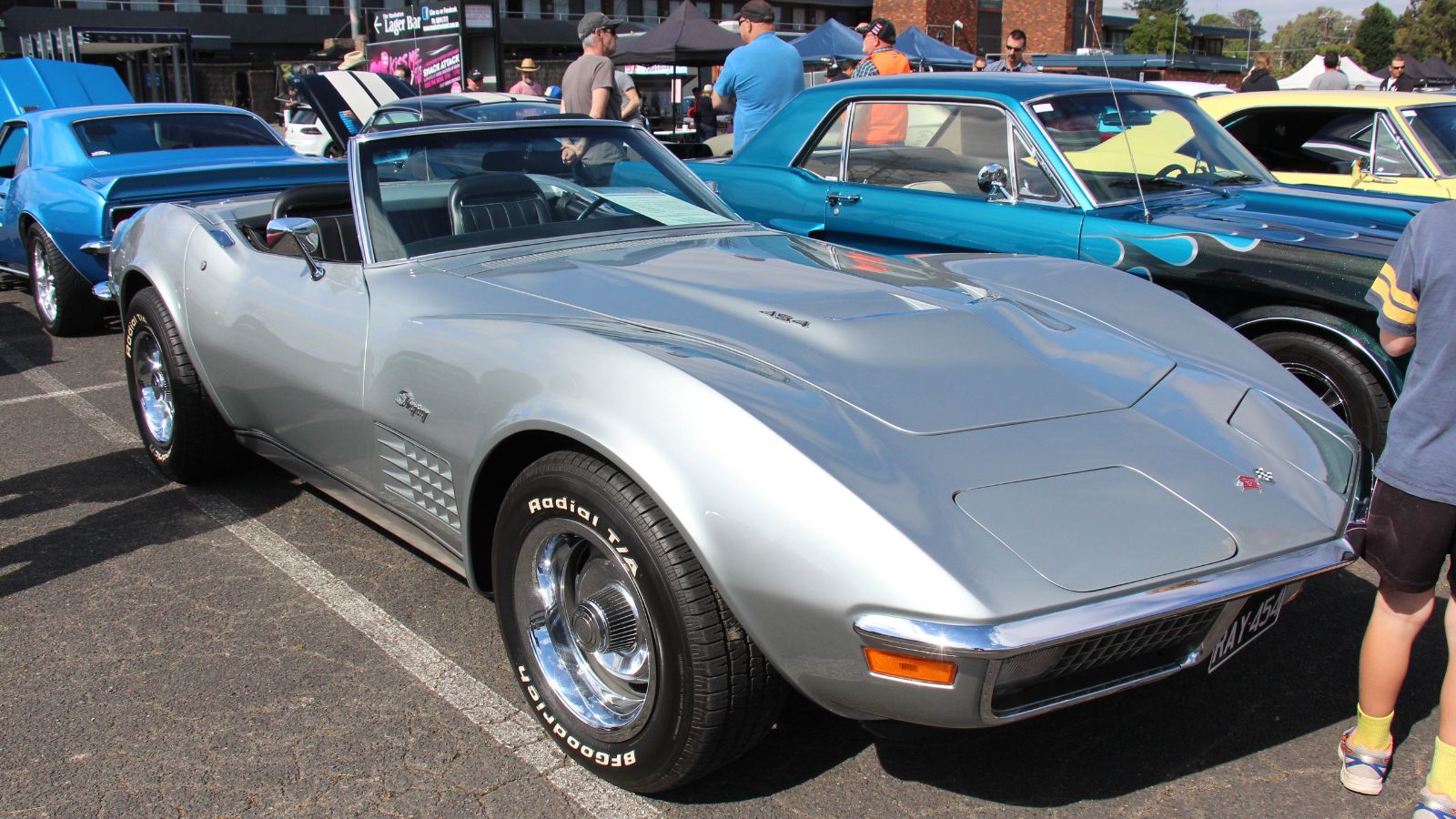
The Corvette Stingray equipped with the massive 454 cubic inch big block engine represented one of the final explosions of American muscle. The engine delivered enormous torque and strong acceleration.
However the price of that power was fuel consumption. With its huge displacement and performance tuning, the big block Corvette could burn through premium gasoline quickly, especially when driven enthusiastically.
Pontiac Trans Am 455 Super Duty (1973 to 1974)
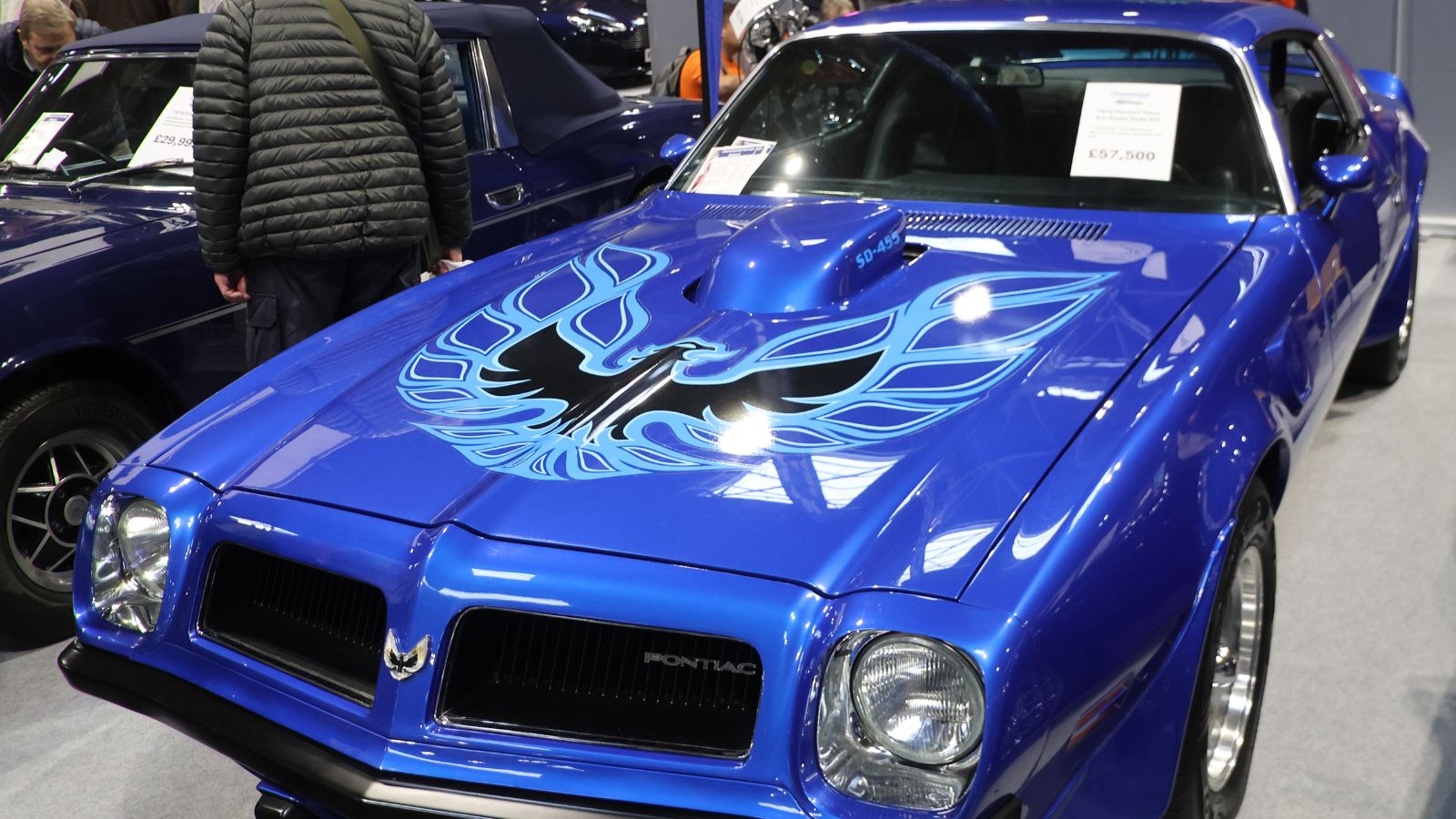
Pontiac’s Super Duty 455 engine became one of the most legendary engines of the early 1970s. Installed in the Trans Am, it delivered impressive torque and strong real world performance.
Despite tightening emissions regulations, the engine still maintained serious muscle car character. Fuel efficiency, however, was never its priority.
Dodge Charger 440 (1970 to 1974)
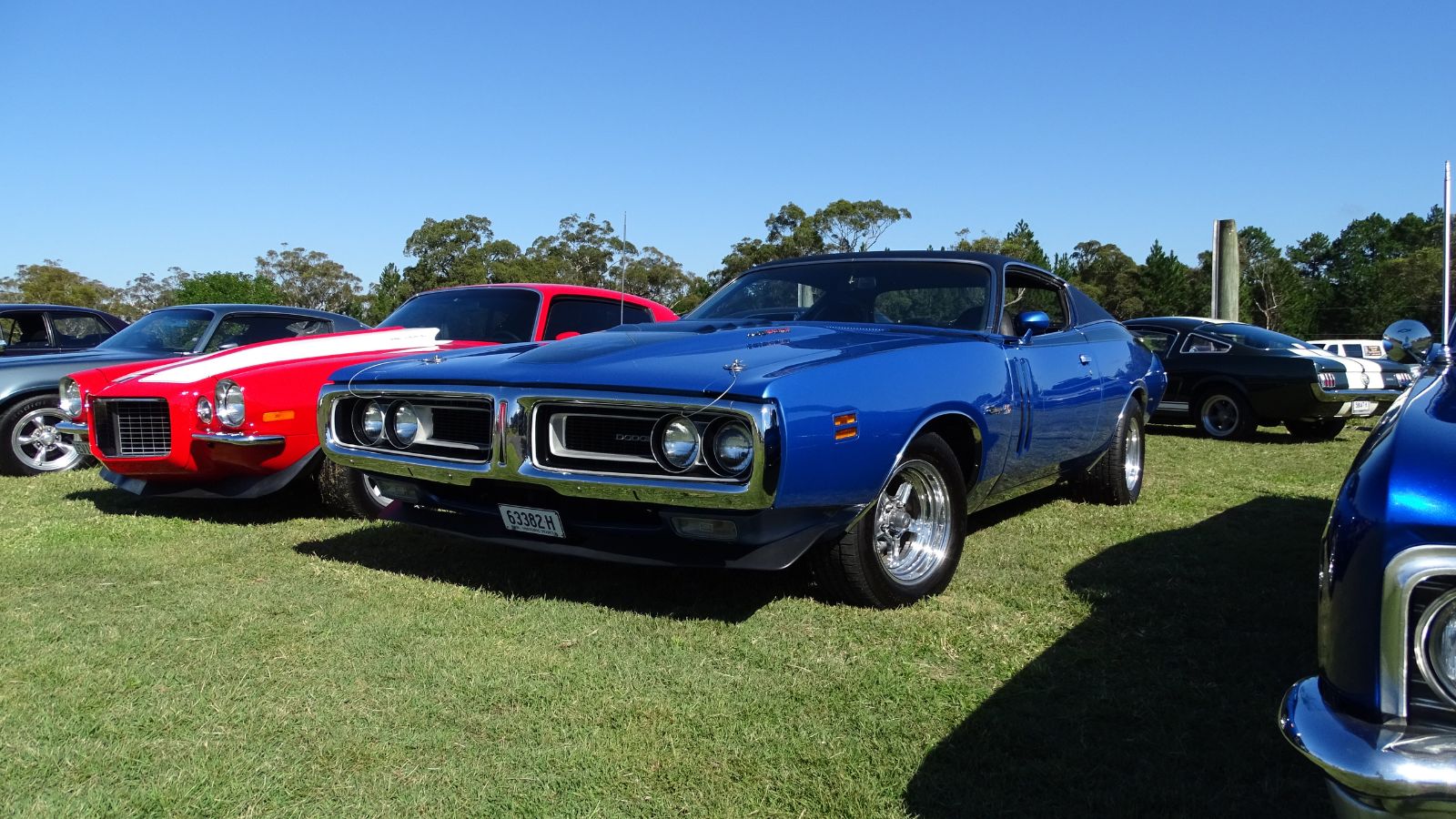
The Dodge Charger equipped with the 440 cubic inch V8 was another example of classic American muscle entering the 1970s. The large engine produced effortless power and highway performance.
Yet engines of this size consumed premium fuel at a rapid pace. Long drives could empty the fuel tank surprisingly quickly.
Ford Mustang Mach 1 429 Cobra Jet (1970 to 1971)
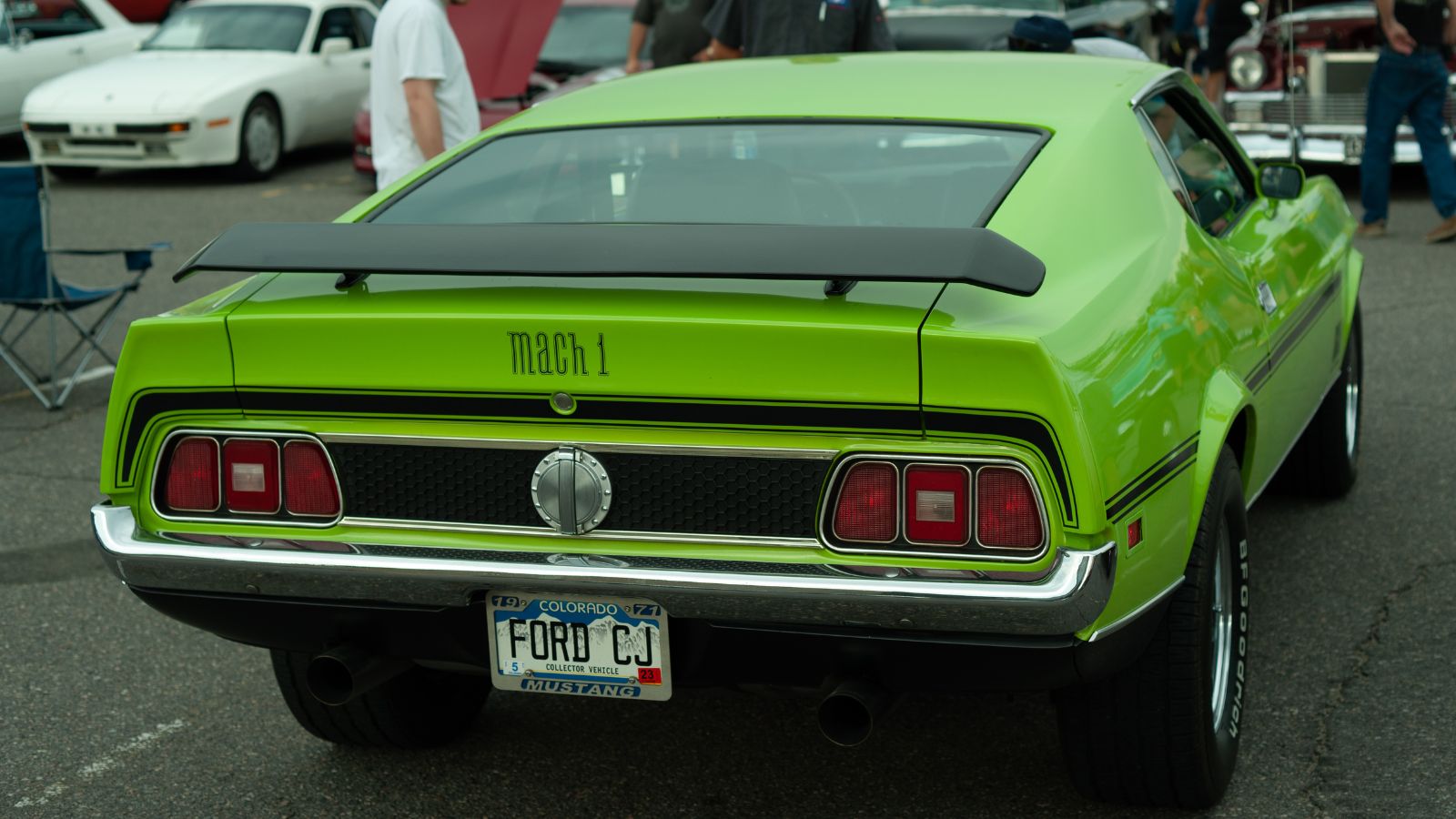
The 429 Cobra Jet engine turned the Mustang Mach 1 into a formidable performance machine. Its massive displacement and strong torque made it a favorite among enthusiasts.
However engines built for performance during this era were not designed with fuel economy in mind. Premium gasoline consumption was simply part of the ownership experience.
Oldsmobile 442 W30 (1970 to 1971)
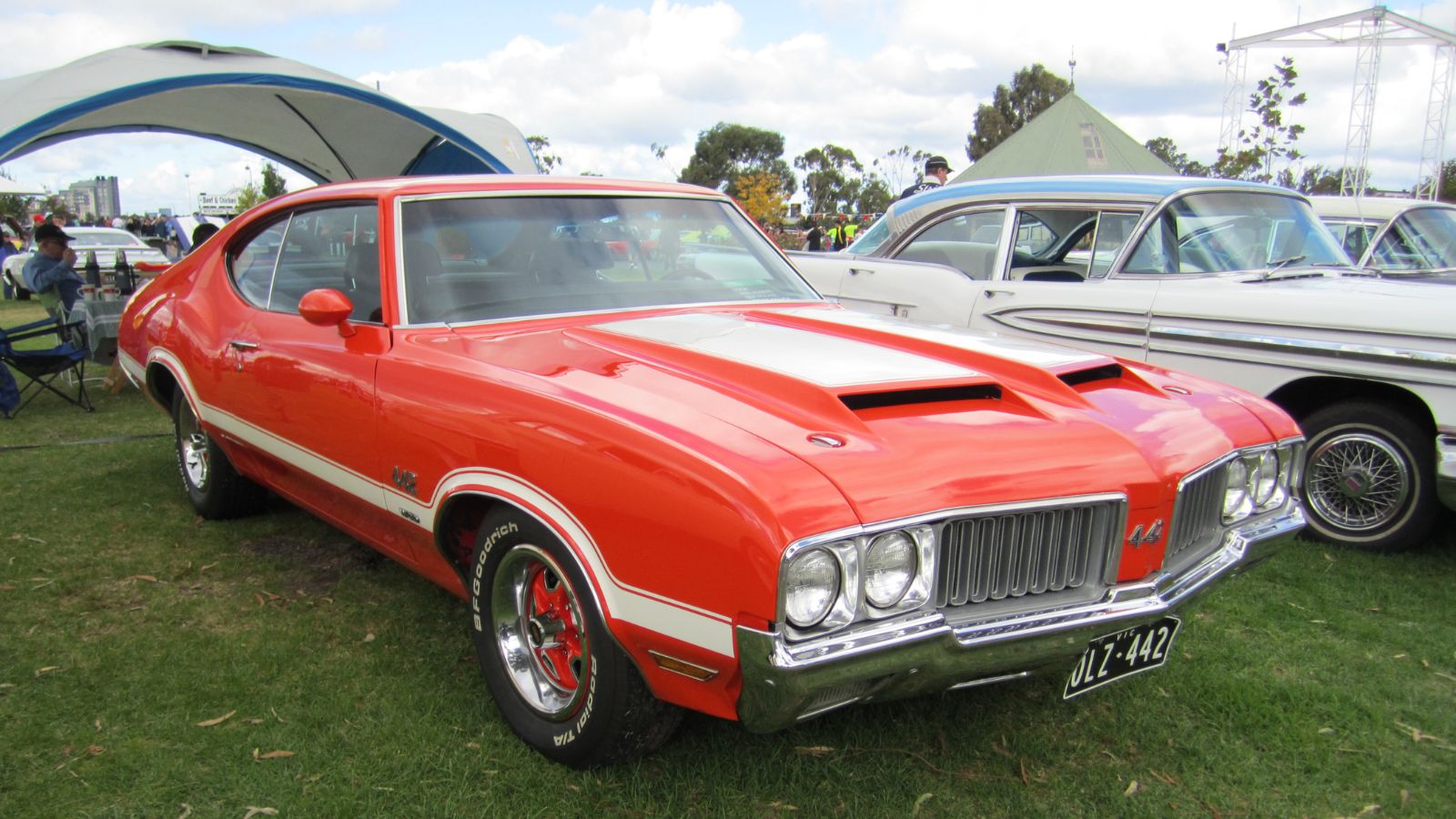
Oldsmobile’s 442 equipped with the W30 performance package delivered serious performance thanks to its high output V8 engine.
The engine’s performance tuning required high octane fuel, and spirited driving could quickly send fuel consumption soaring.
Chevrolet Chevelle SS 454 (1970 to 1973)
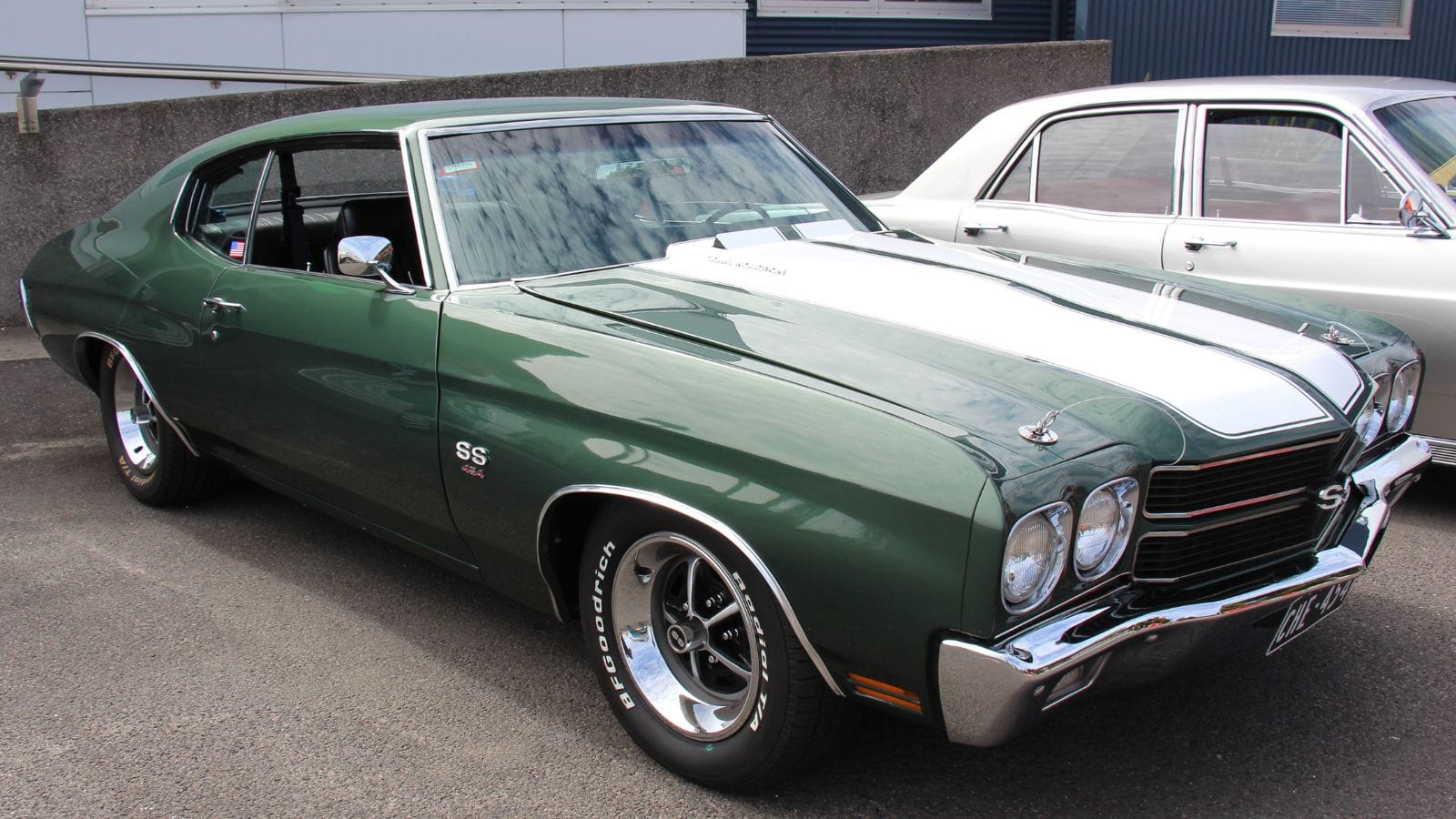
The Chevelle SS with the legendary LS6 454 engine represented the peak of Chevrolet muscle. Its immense torque made it one of the most powerful street cars of its time.
Naturally the massive engine also required plenty of premium gasoline to keep delivering that performance.
Buick Riviera GS 455 (1971 to 1973)
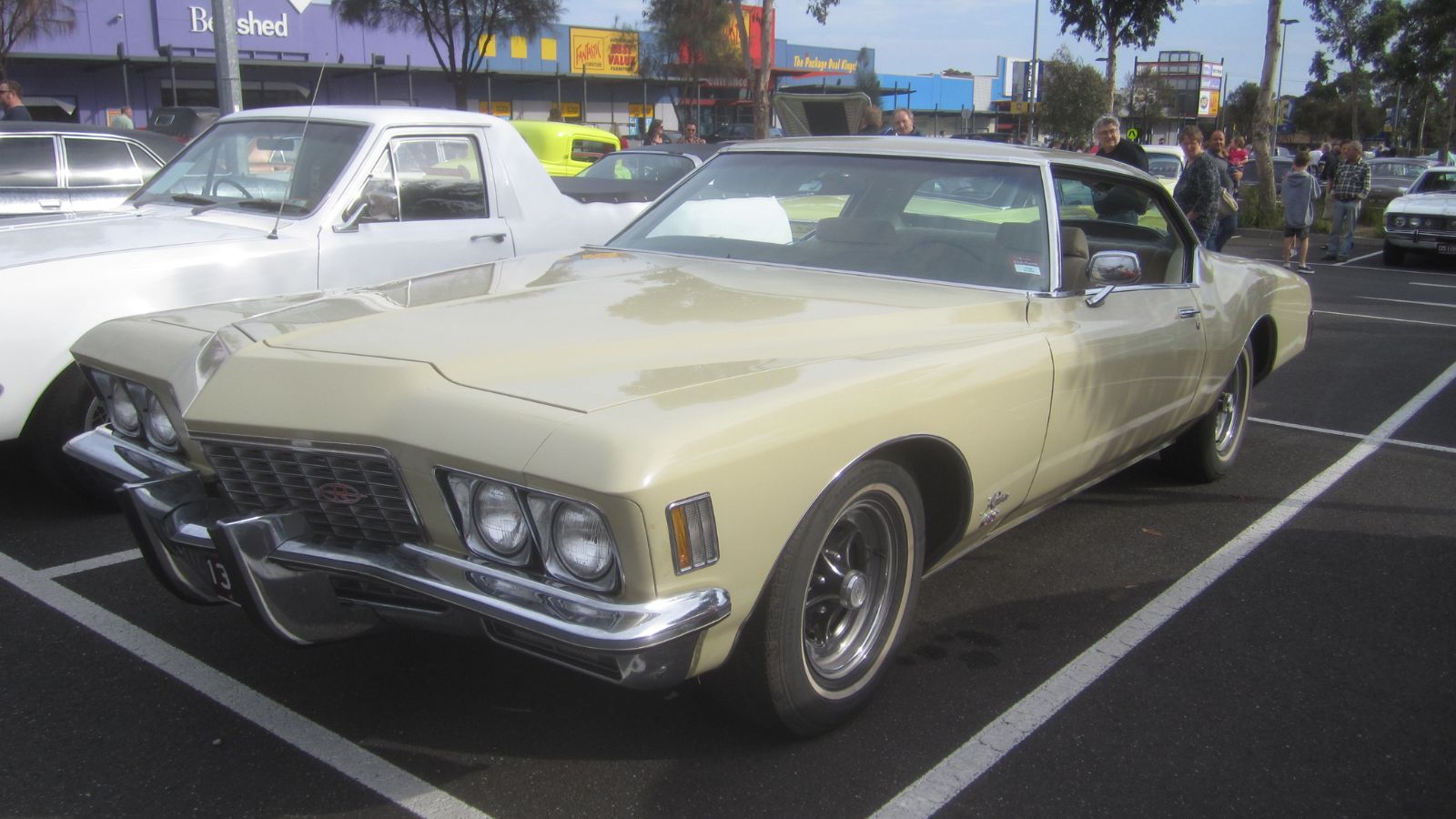
The Buick Riviera GS combined luxury coupe styling with serious V8 performance. Its 455 cubic inch engine delivered strong acceleration and smooth highway cruising.
While comfortable and refined, the Riviera GS still carried the fuel appetite of a large displacement performance car.
Cadillac Eldorado 500 (1970 to 1976)
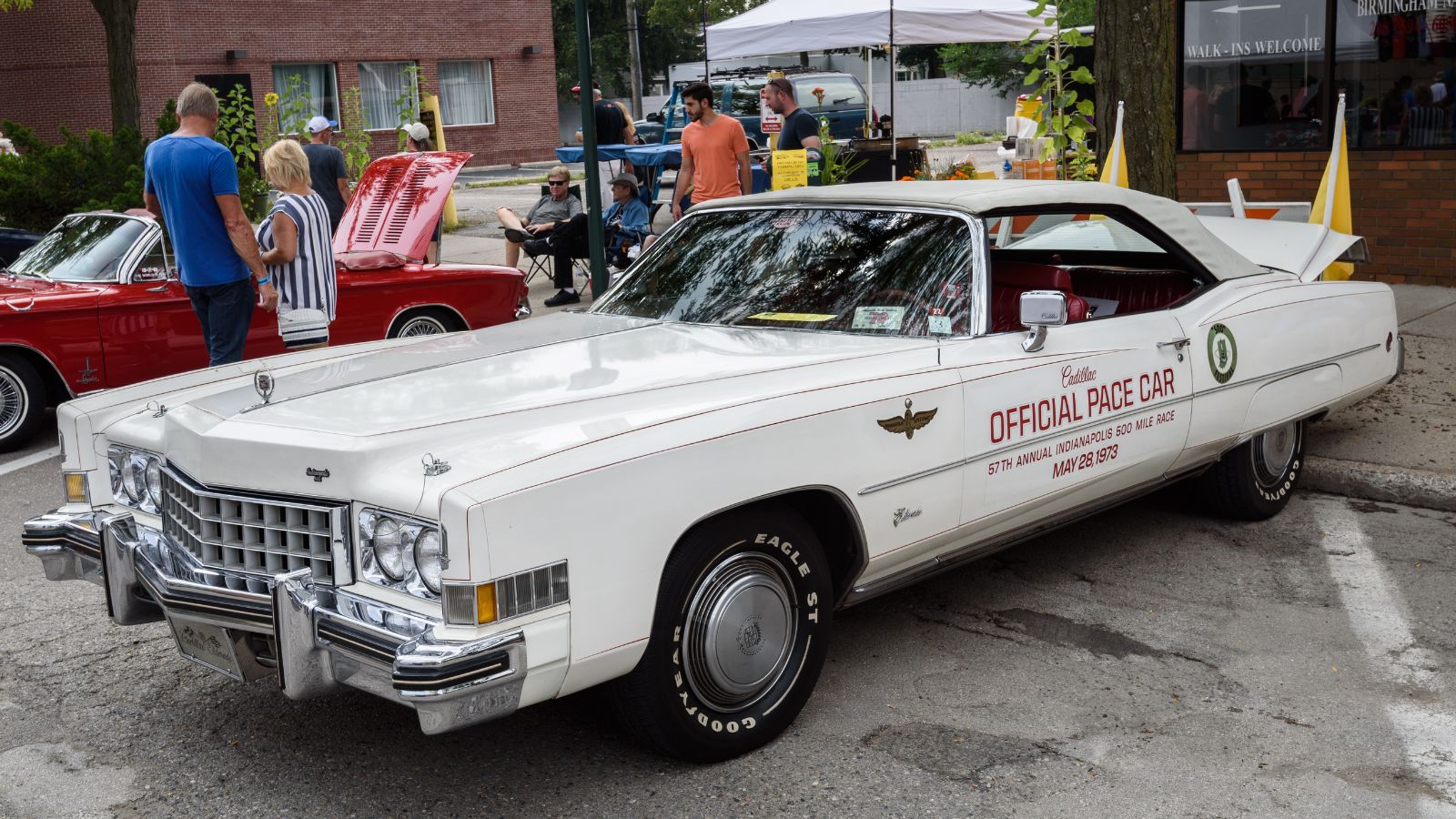
The Cadillac Eldorado featured one of the largest production engines ever installed in a passenger car. Its enormous 500 cubic inch V8 prioritized smooth torque and effortless cruising.
Although the Eldorado was more about luxury than outright performance, its massive engine could consume premium gasoline quickly.
Pontiac Grand Prix SJ 455 (1970 to 1973)
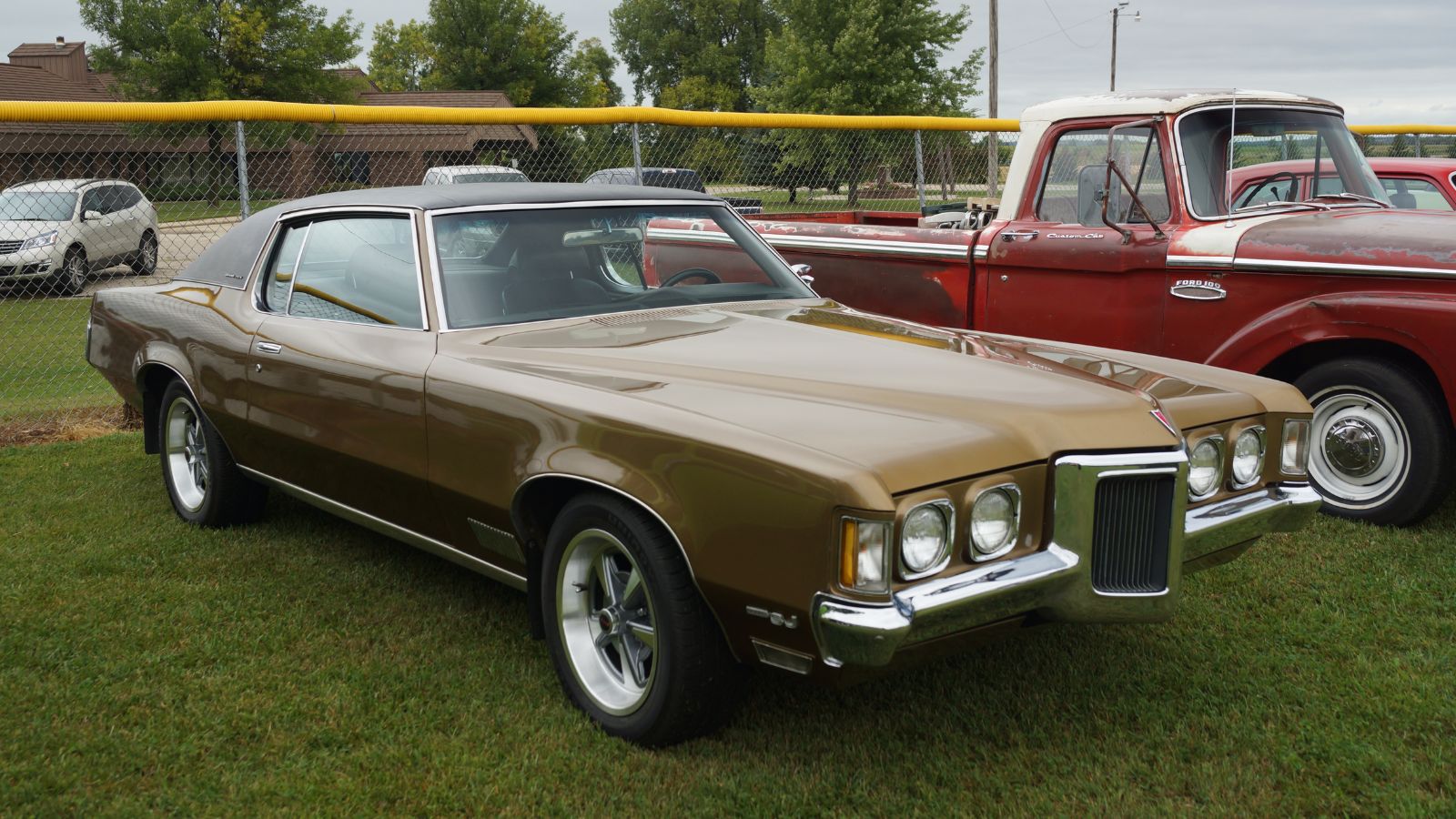
The Grand Prix SJ offered muscle car performance in a more refined package. The large 455 V8 delivered strong power and smooth cruising ability.
But like many big engines of the era, it required generous amounts of high octane fuel.
Lincoln Continental Mark IV (1972 to 1976)
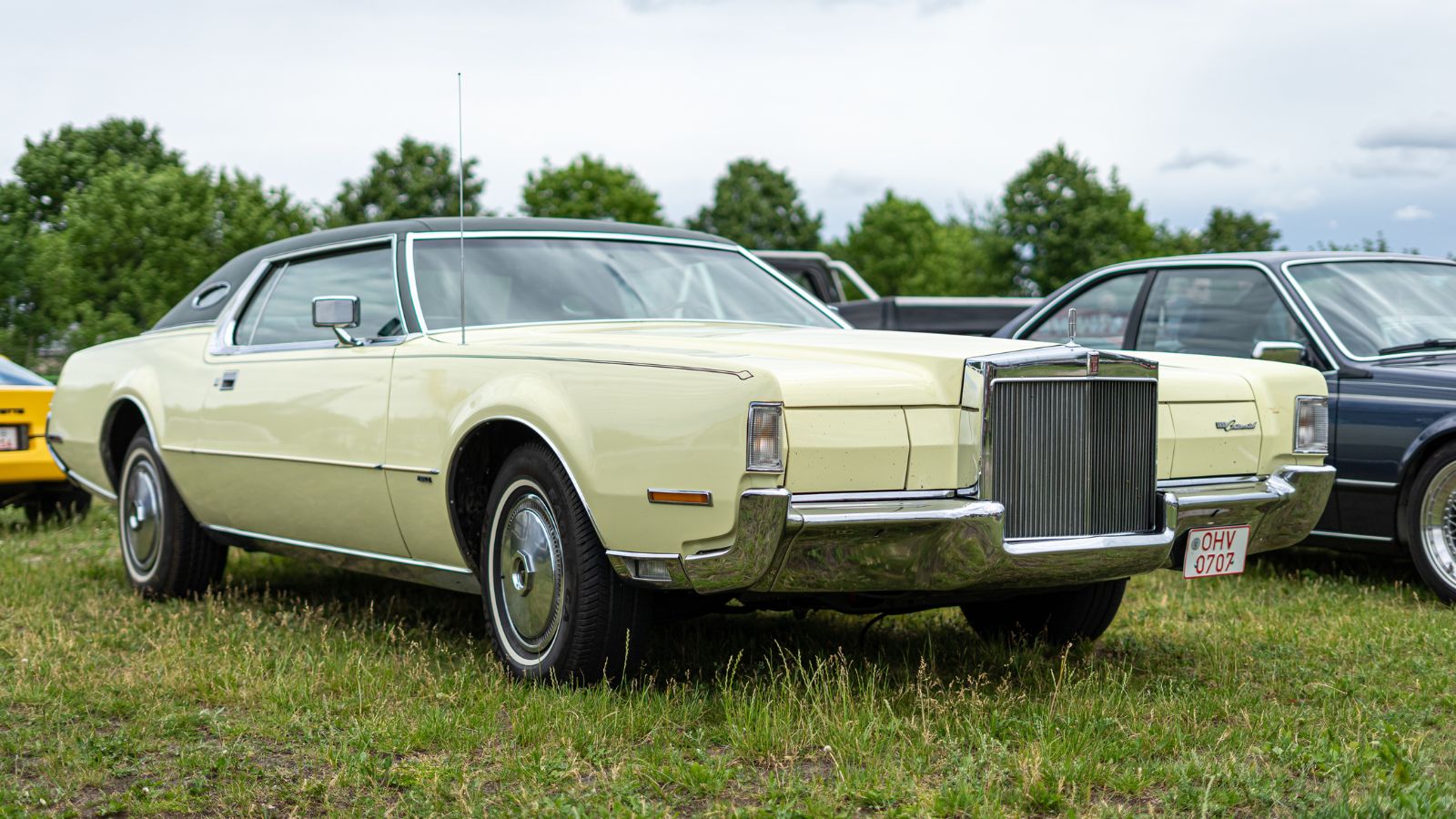
The Lincoln Continental Mark IV represented classic American luxury during the 1970s. Its large V8 engine delivered quiet, effortless power.
Fuel economy was never a major concern for buyers of these cars. The focus was comfort, presence, and smooth highway cruising, even if it meant frequent stops at the gas pump.
The performance cars of the 1970s were built during a transitional period in automotive history. Many still carried the massive engines of the muscle car era, but rising fuel prices soon changed the direction of the industry. Today these cars are admired for their character and power, even if their love of premium gasoline would surprise many modern drivers.
25 Facts About Car Loans That Most Drivers Don’t Realize

Car loans are one of the most common ways people fund car purchases. Like any other kind of loan, car loans can have certain features that can be regarded as an advantage or a disadvantage to the borrower. Understanding all essential facts about car loans and how they work to ensure that you get the best deal for your financial situation is essential. Here are 25 shocking facts about car loans that most drivers don’t realize:
25 Facts About Car Loans That Most Drivers Don’t Realize
