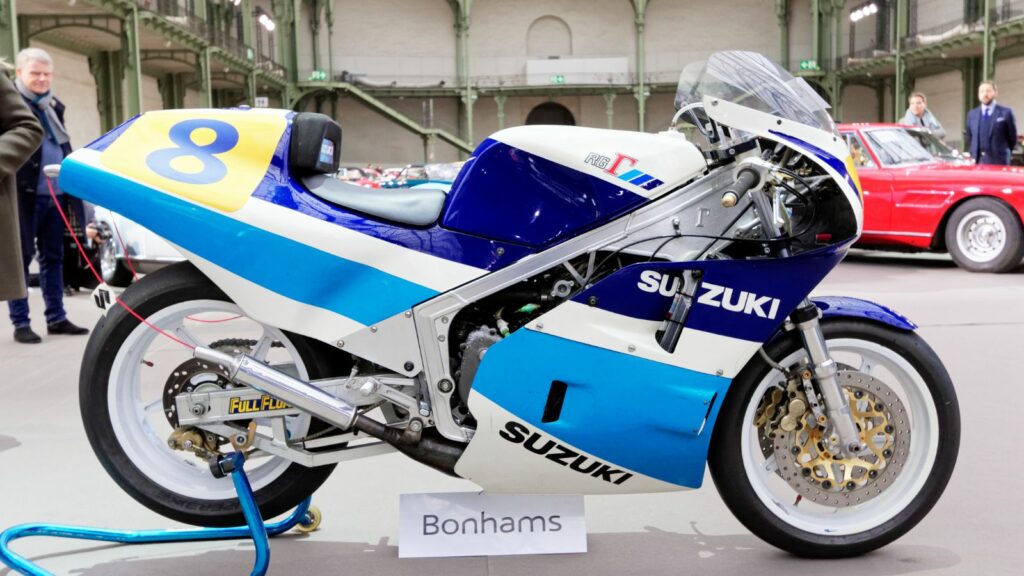
The 1980s were the decade when motorcycles stopped pretending to be polite. Power jumped dramatically, frames got stiffer, brakes improved, and manufacturers began racing what they sold. These bikes were fast, loud, sometimes unruly, and endlessly exciting. They created the modern superbike template and turned performance riding into a global obsession. These ten machines lit the fuse.
Honda CB750F 1981 to 1983
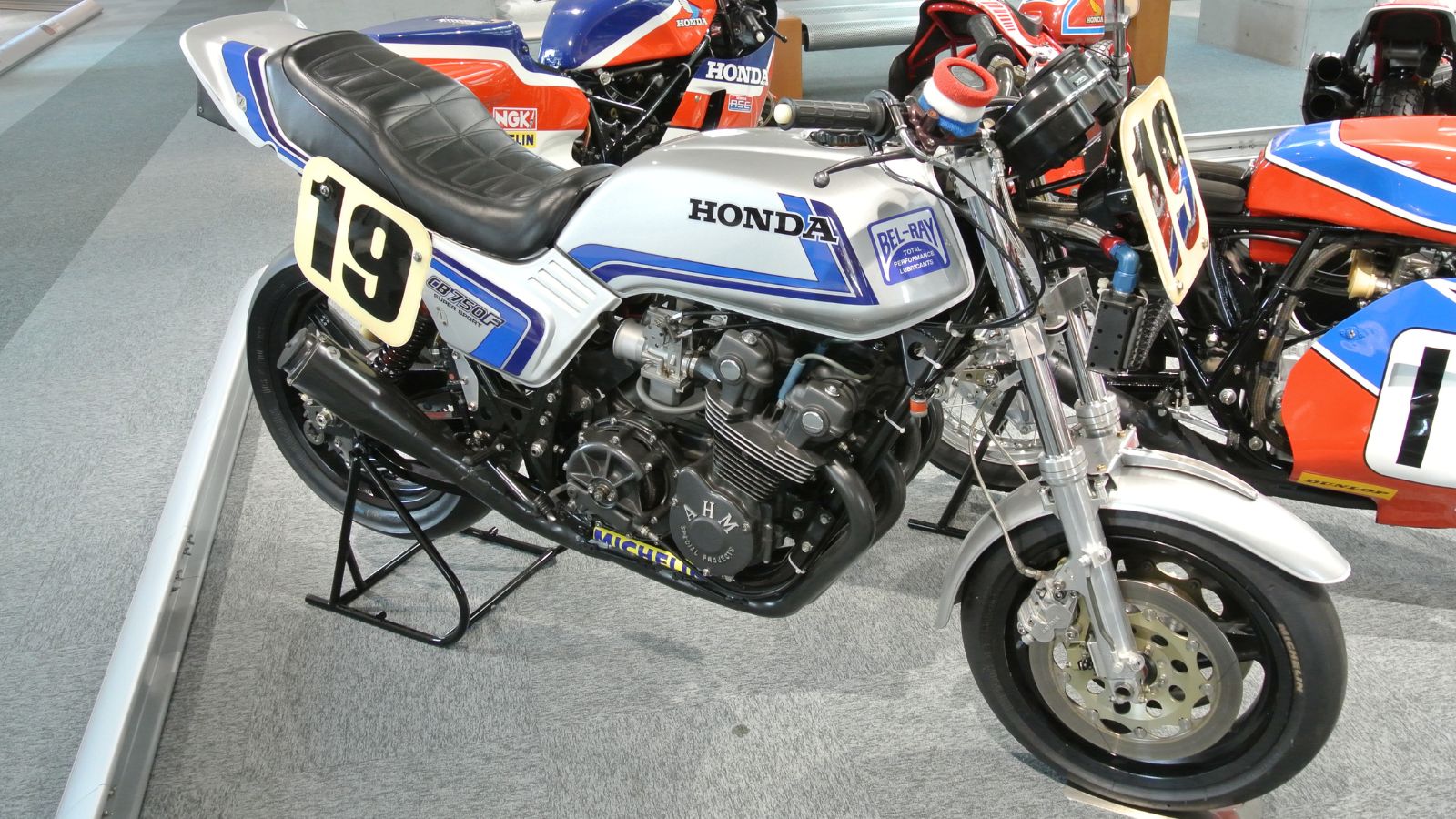
The CB750F bridged the gap between classic muscle bikes and modern superbikes. It carried real racing influence straight to the street, especially through Superbike competition success. Strong inline four power, improved chassis stiffness, and better brakes made it feel serious compared to earlier UJMs. It showed riders that production bikes could genuinely reflect what was happening on the track.
Suzuki GSX R750 1985 to 1987
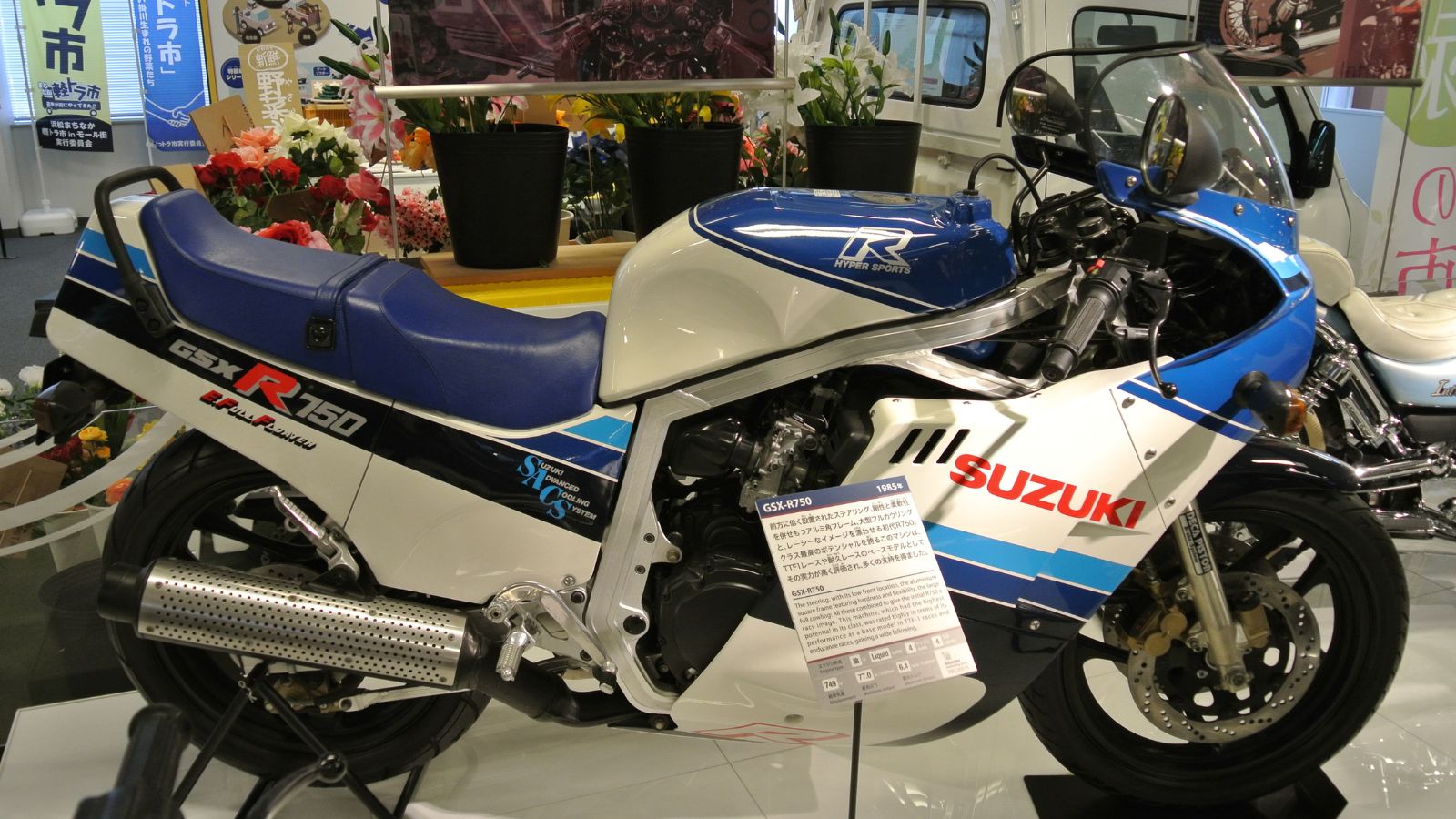
This is the bike that truly changed everything. Lightweight construction, an aluminum frame, and race focused ergonomics made it feel like a street legal endurance racer. Power was strong, but the real revelation was how little it weighed and how sharp it felt. The GSX R750 created the blueprint every superbike followed afterward.
Kawasaki GPz900R Ninja 1984 to 1989
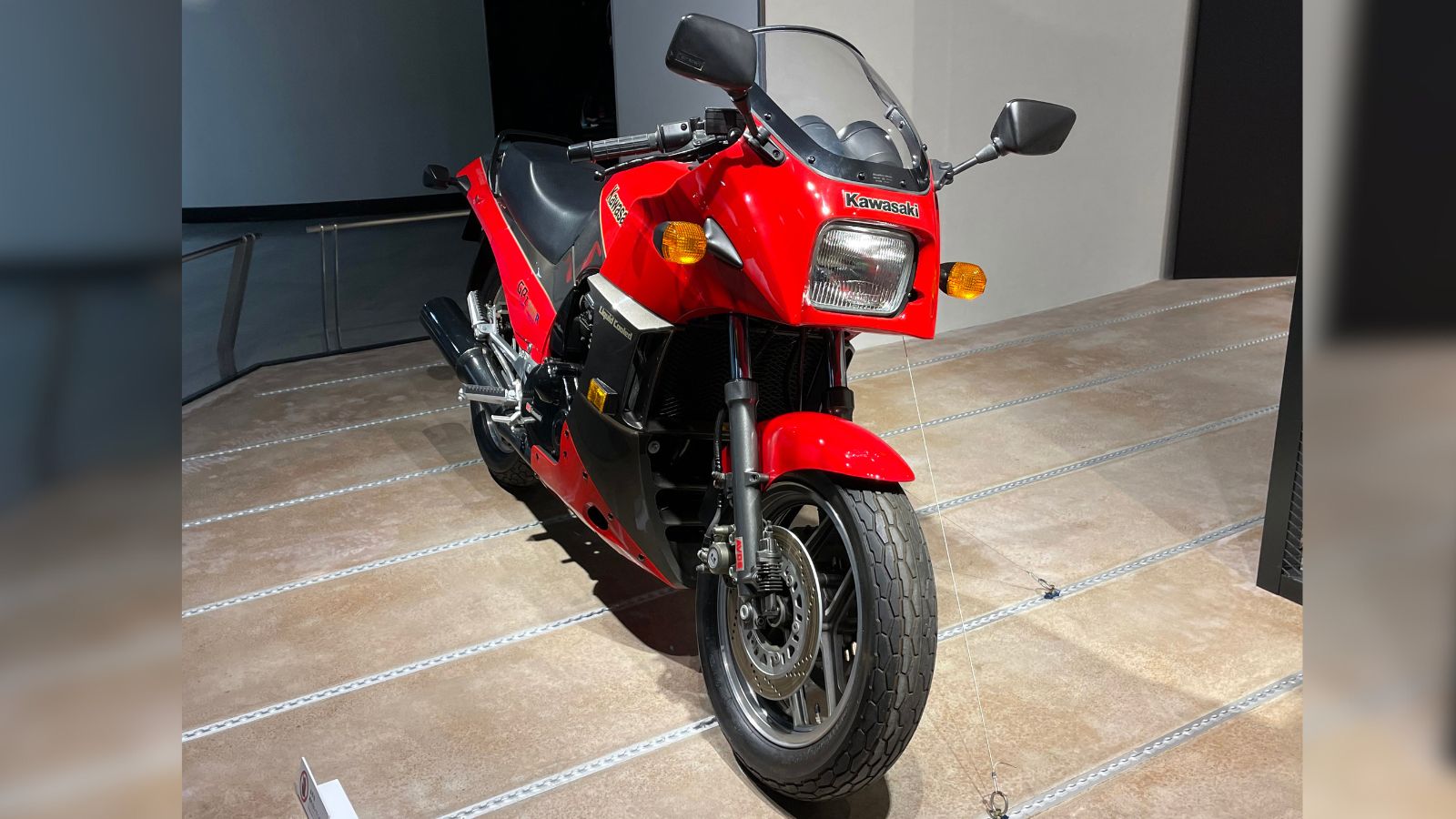
The original Ninja made headlines for its speed and technology. Liquid cooling, a 16 valve engine, and aerodynamic bodywork pushed it far beyond anything most riders had experienced. It was the first production bike to break the 150 mph barrier. More importantly, it proved that outright performance could coexist with everyday usability.
Yamaha FJ1100 1984 to 1985
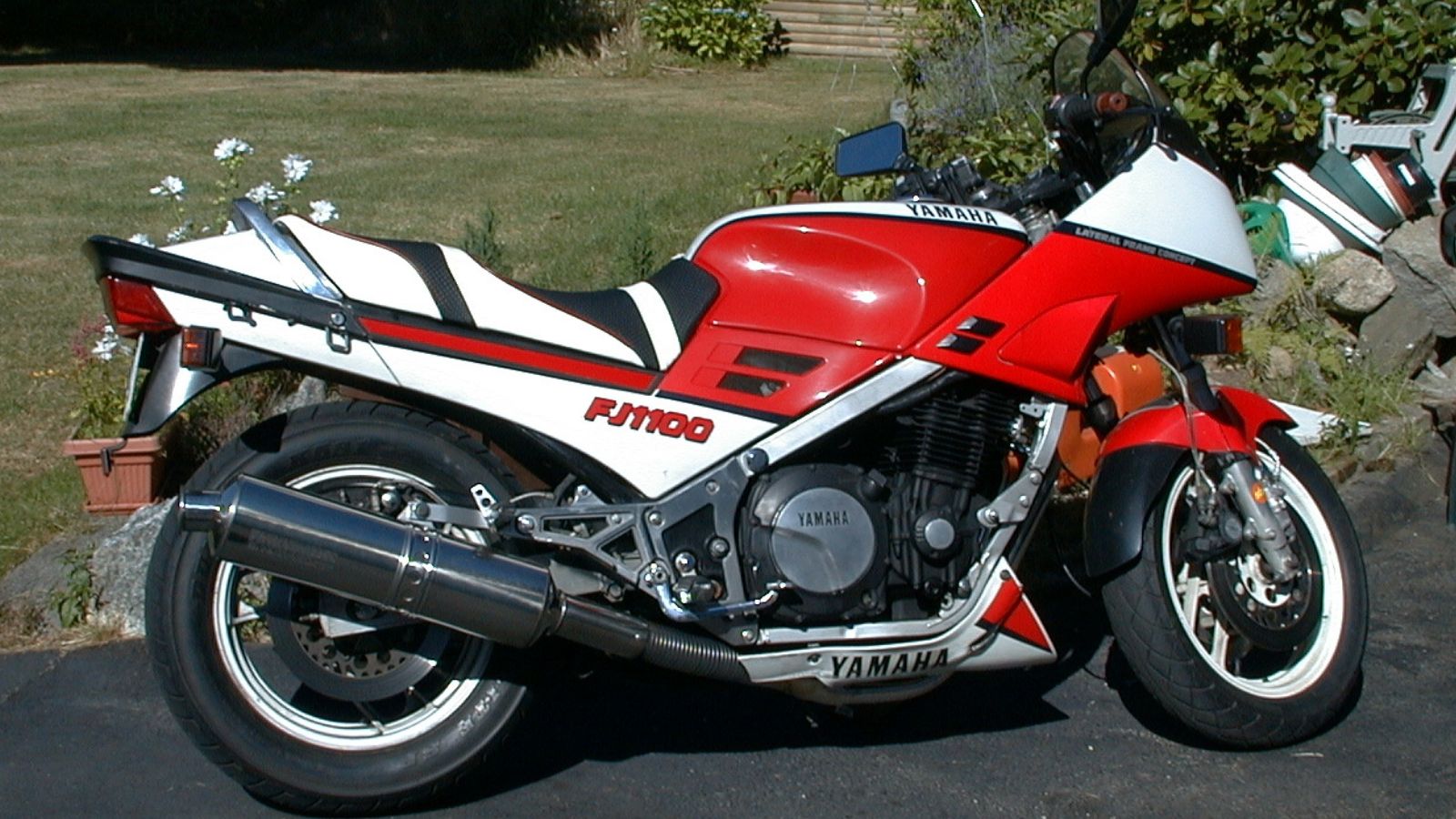
The FJ1100 delivered brute force in a way few bikes had before. Massive torque, stability at speed, and long distance comfort made it devastatingly quick on real roads. While heavier than pure race replicas, it showed how usable speed mattered just as much as peak numbers. Riders loved its effortless pace.
Suzuki GS1000S Wes Cooley Replica 1980 to 1982
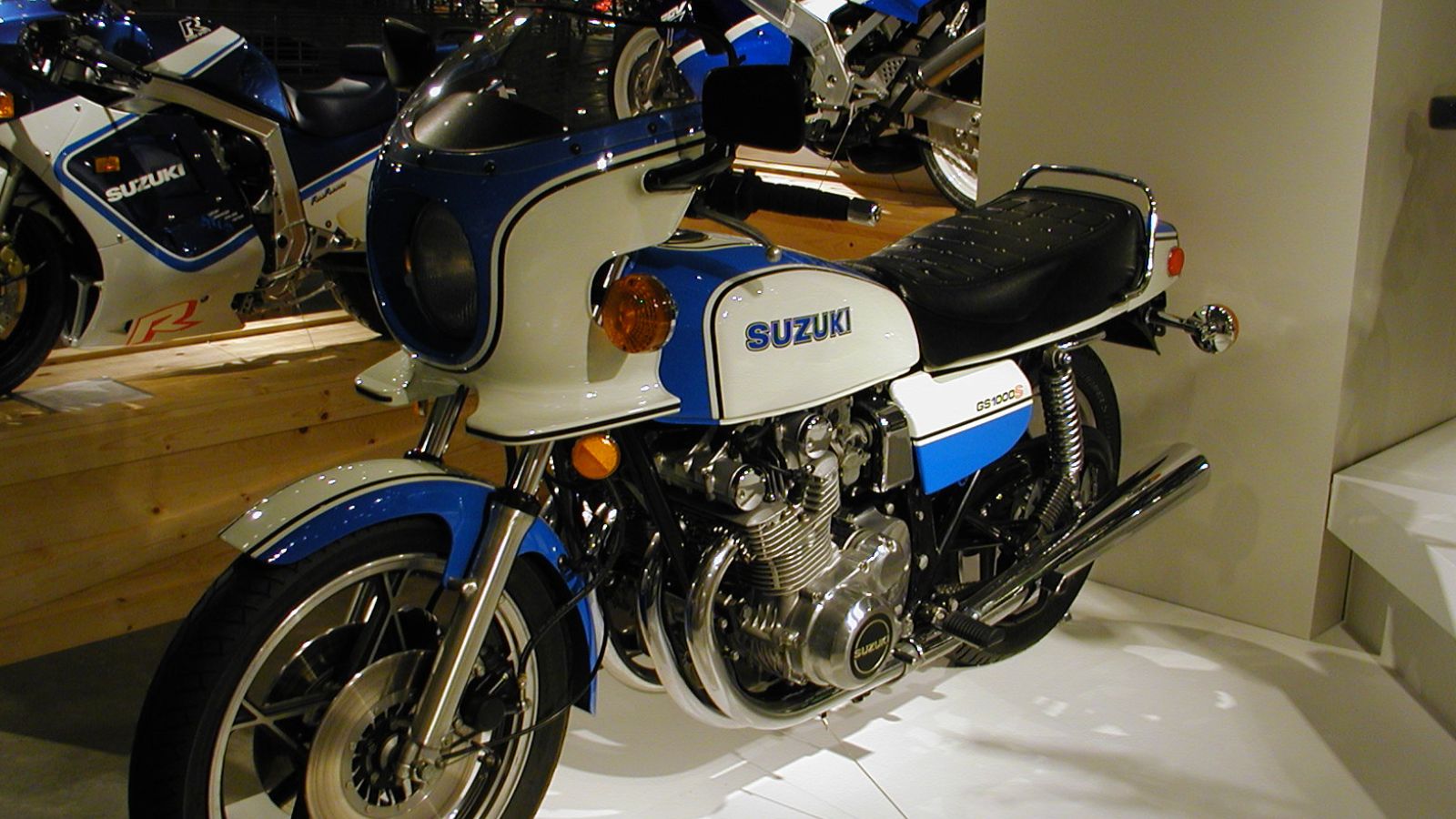
Built to celebrate Superbike success, this machine connected racing glory directly to the showroom. Strong air cooled power and improved suspension gave it real credibility. It looked purposeful and felt serious. Riders saw it as proof that American Superbike racing mattered and that street bikes could carry that DNA.
Honda VF1000R 1984 to 1986
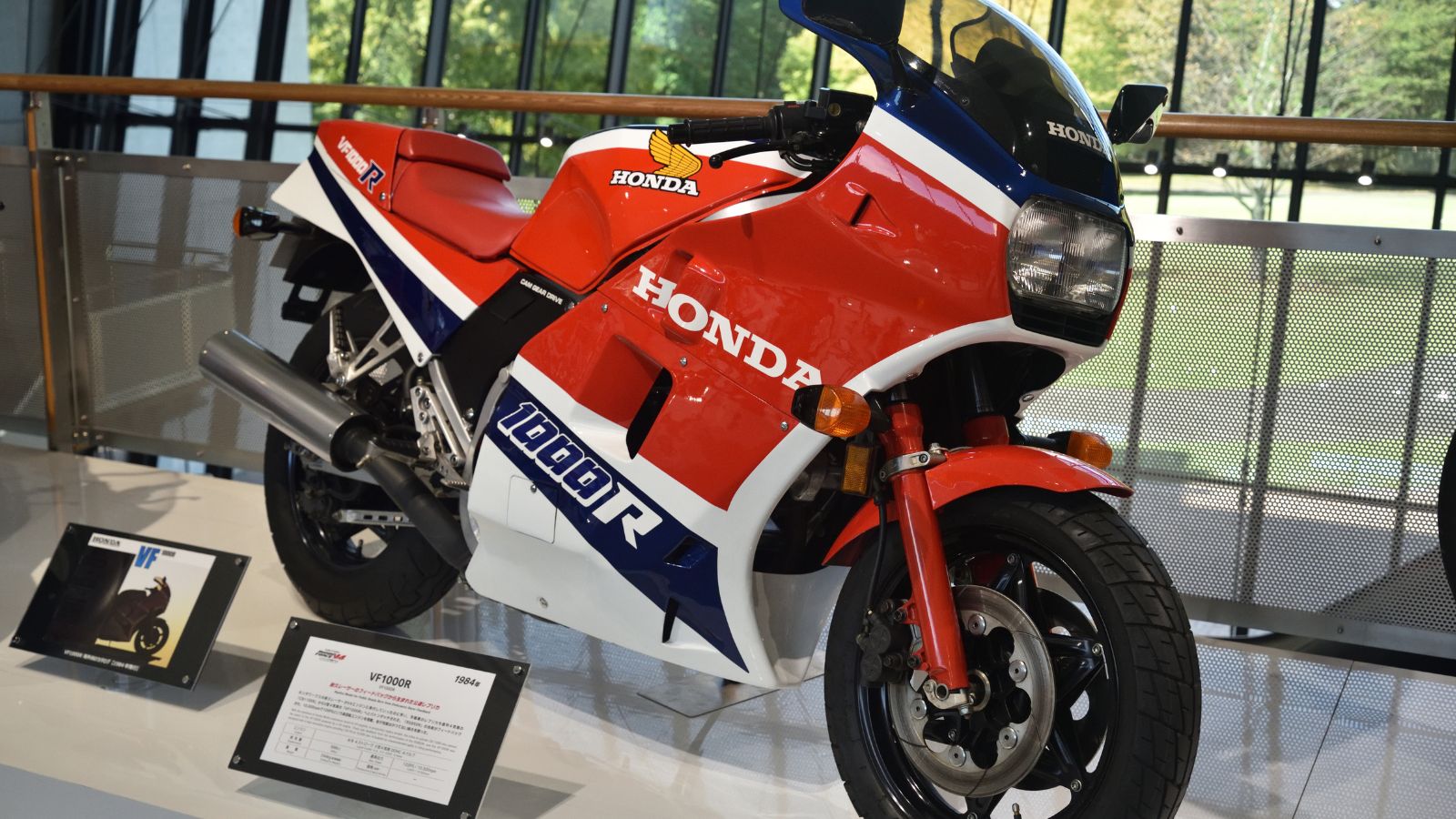
The VF1000R was Honda’s no compromise statement. Gear driven cams, endurance racing styling, and serious build quality gave it a factory race bike feel. It was heavy and expensive, but incredibly stable at speed. This bike showed how far manufacturers were willing to go to establish superbike dominance.
Yamaha FZR750 Genesis 1987 to 1988
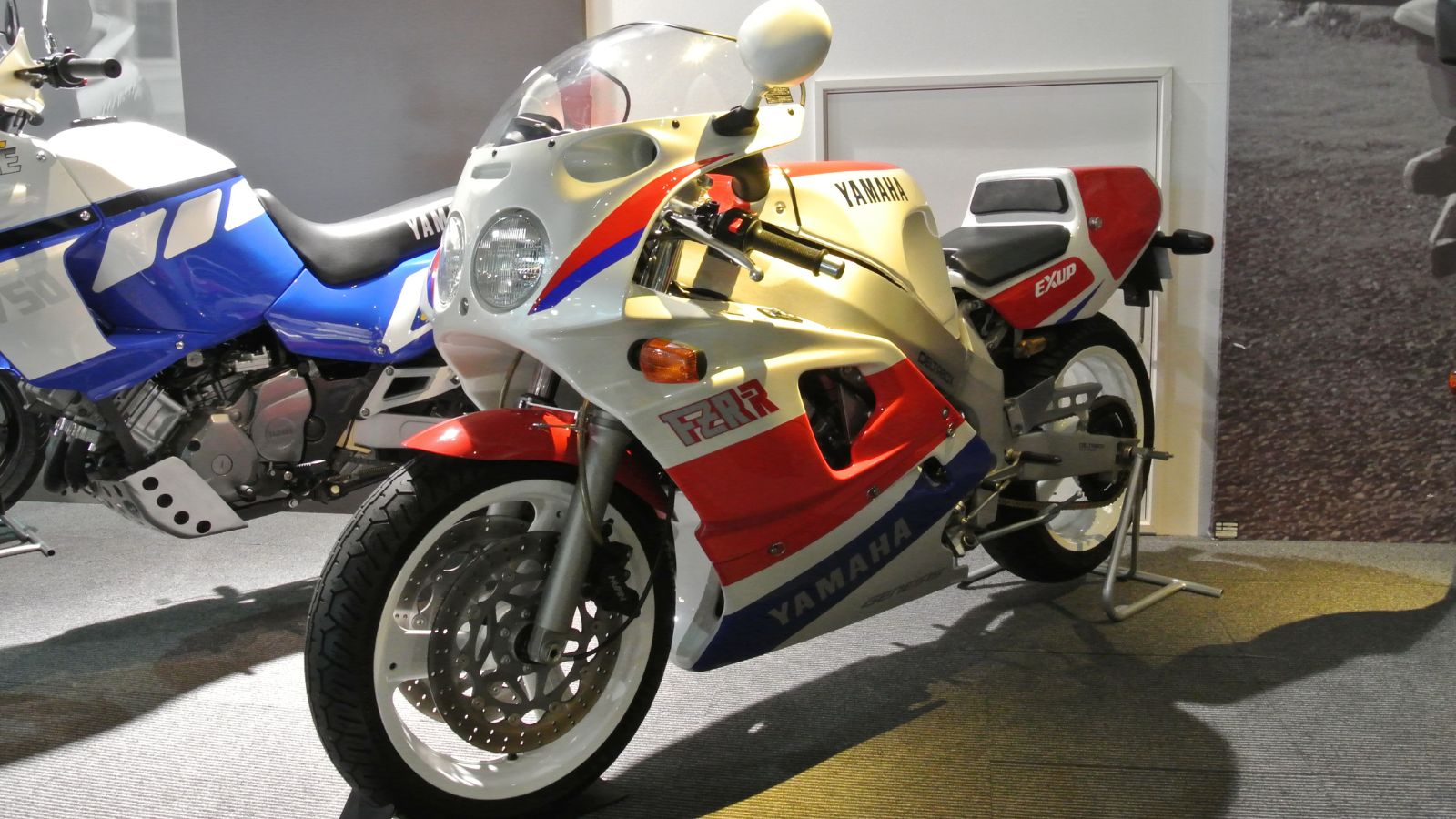
The Genesis marked Yamaha’s leap into modern superbike thinking. Advanced cylinder head design, aluminum frame construction, and sharp handling made it a genuine rival to the GSX R. It felt more refined while still being aggressive. This bike helped push the arms race forward rather than chasing it.
Kawasaki GPZ750 Turbo 1984 to 1985
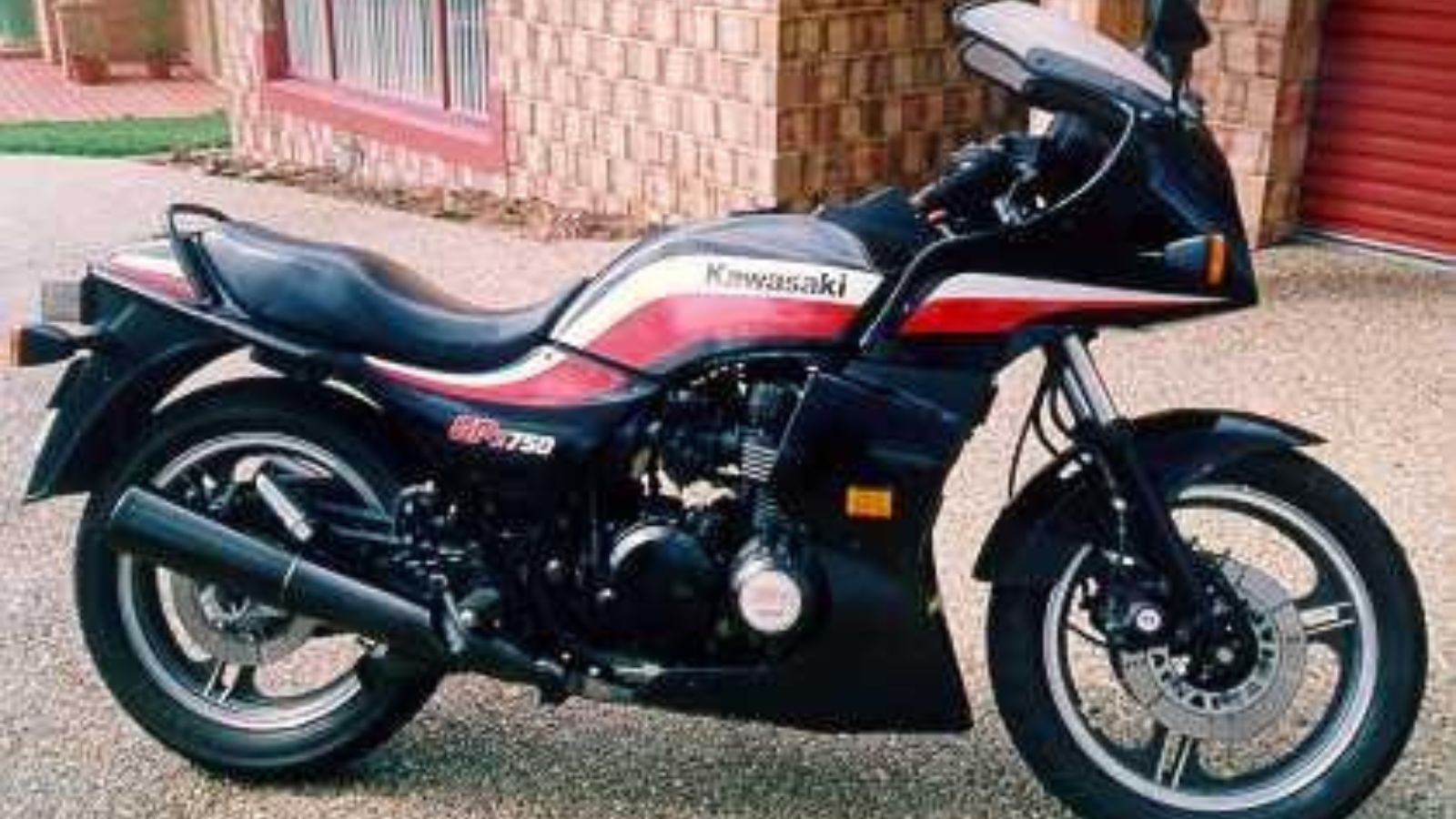
Turbocharging in the 1980s was wild and unpredictable, and this bike embodied that spirit. When boost arrived, acceleration was shocking. Handling required respect, but the thrill was undeniable. It proved manufacturers were willing to experiment boldly in the pursuit of speed, even if the results were sometimes challenging.
Suzuki RG500 Gamma 1985 to 1987
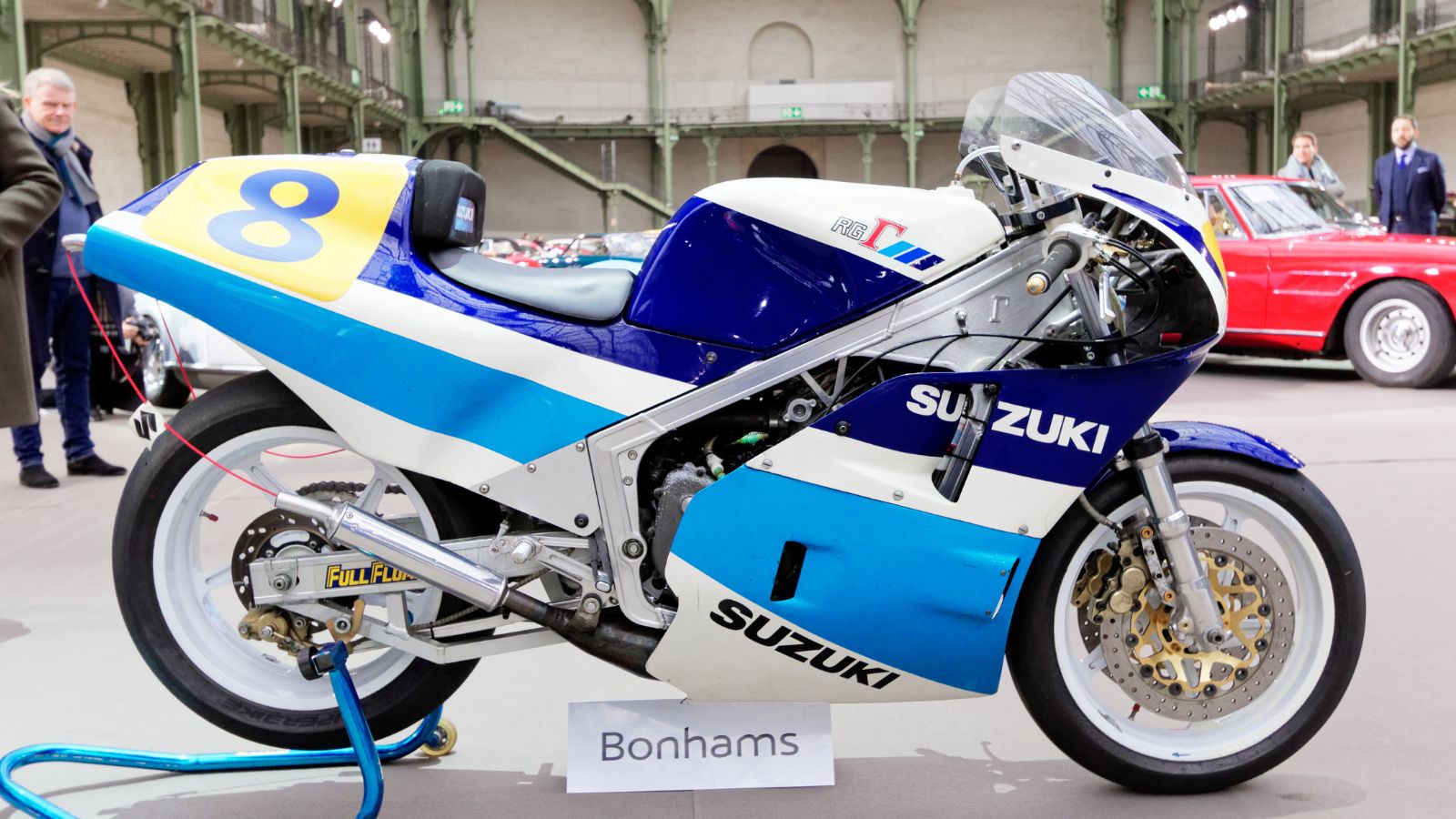
A street legal two stroke Grand Prix bike should not have existed, but Suzuki built it anyway. Lightweight, explosive power delivery, and razor sharp responses made it unforgettable. It demanded skill and attention, but rewarded riders with an experience nothing else could match. This was racing excess brought to the street.
Honda VFR750F 1986 to 1989
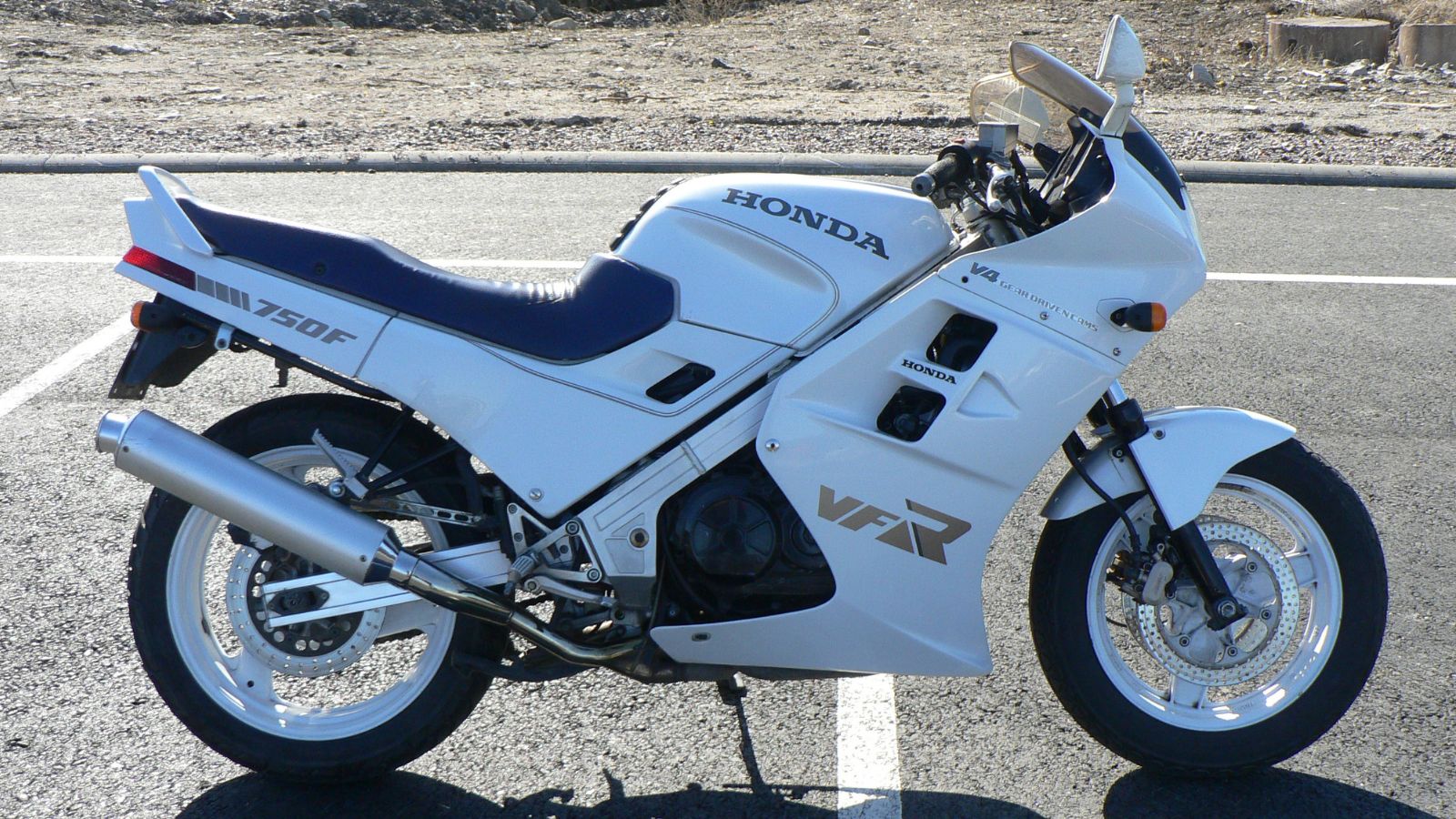
The VFR750F balanced performance with usability better than most of its rivals. Gear driven cams, excellent reliability, and predictable handling made it a favorite for riders who wanted speed without constant drama. It proved that superbike performance did not need to be fragile or intimidating to be thrilling.
25 Facts About Car Loans That Most Drivers Don’t Realize

Car loans are one of the most common ways people fund car purchases. Like any other kind of loan, car loans can have certain features that can be regarded as an advantage or a disadvantage to the borrower. Understanding all essential facts about car loans and how they work to ensure that you get the best deal for your financial situation is essential. Here are 25 shocking facts about car loans that most drivers don’t realize:
25 Facts About Car Loans That Most Drivers Don’t Realize
