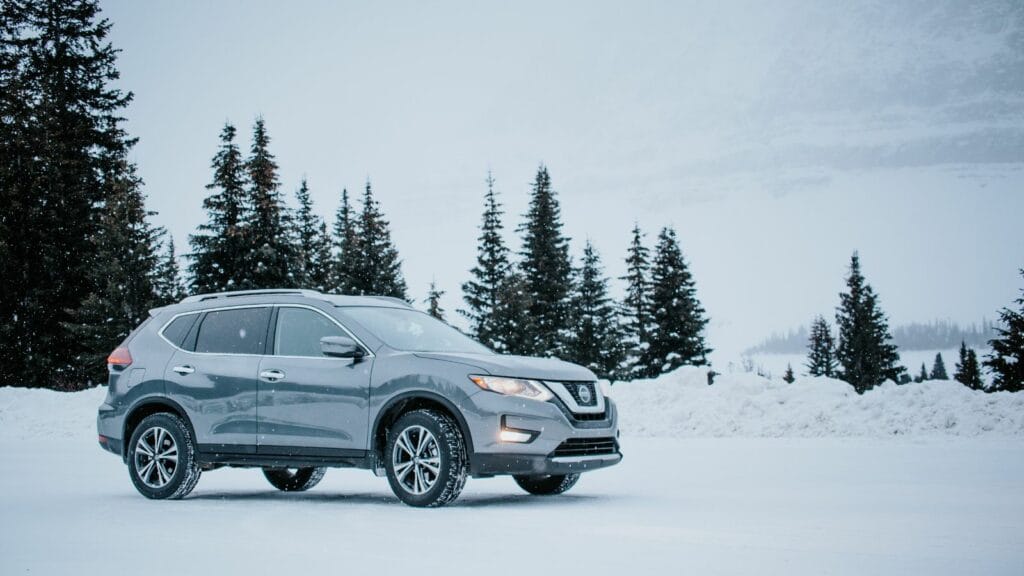
Winter in Canada does not gently arrive. It drops in like it has a personal grudge. Batteries get weak, plastics crack, oil thickens, windows freeze shut, and every cold start sounds like a cry for help. Over decades Canadians have built up their own science of winter survival for cars. These tricks are not theories from a manual. They are real world habits learned from years of early morning commutes at temperatures that feel hostile to human life. When the cold hits hard, these tricks are the reason the engine fires up instead of leaving you stranded in a snow covered driveway.
Plugging in the Block Heater Long Before Bed
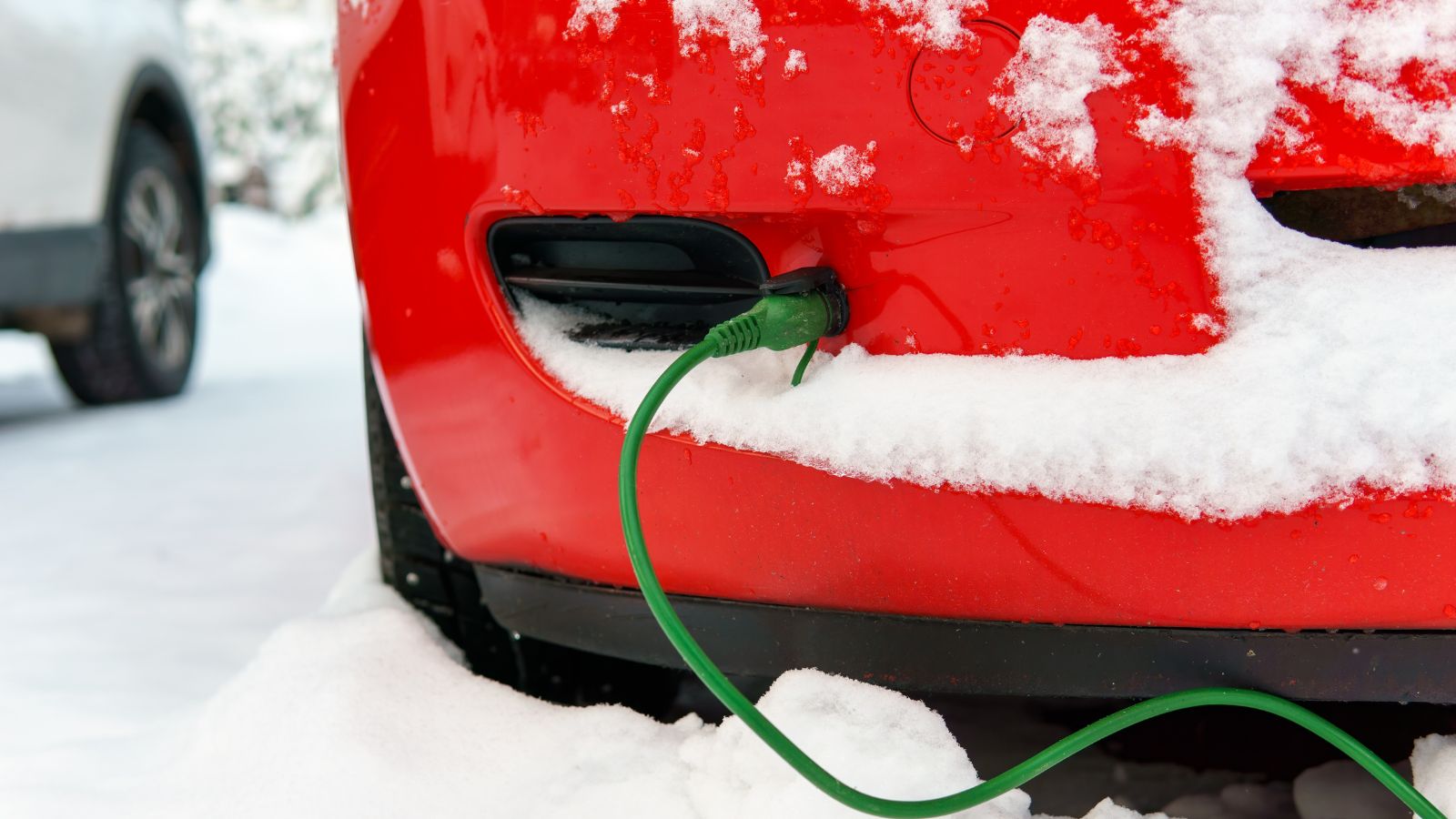
The block heater is one of the most Canadian inventions ever adopted by drivers. It keeps the engine block and coolant warm enough that the car can start without grinding and struggling. Some people plug in right before bed, others use a timer so it kicks on a few hours before the morning commute. The difference is dramatic. A cold engine sounds brittle and chokes on fuel, but a warmed engine acts like it slept indoors on a heated blanket. It also reduces wear because oil circulates immediately instead of fighting its way through a freezing slush of lubrication.
Switching to Winter Oil for Easier Cold Starts
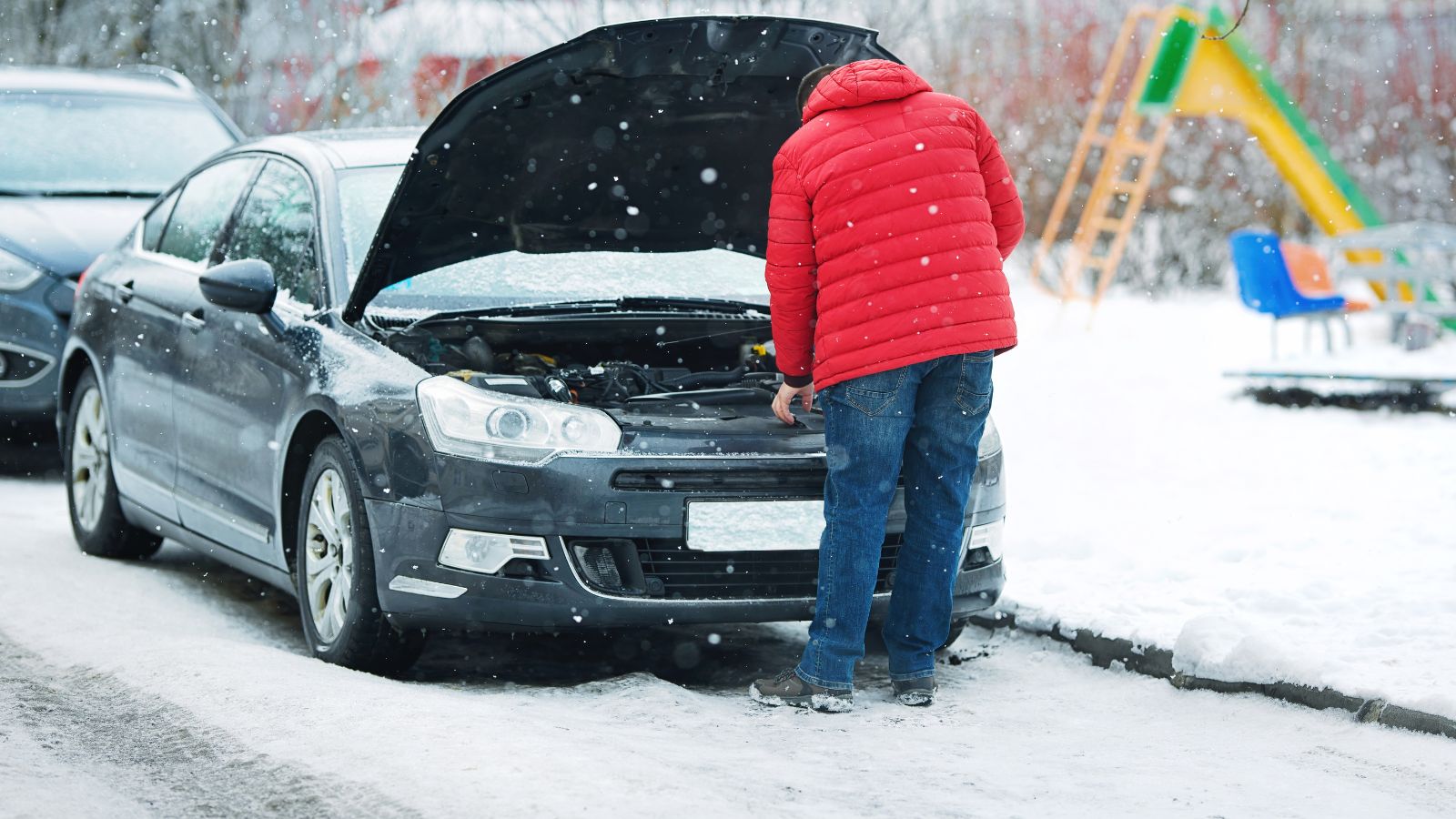
Oil viscosity is the silent killer of winter startups. A thick summer oil grade moves slowly in extreme cold which stresses the starter motor and makes the engine crank longer. Switching to winter grade oil gives the engine a fighting chance. The oil flows faster, protects internal parts sooner, and stops that terrifying screech when a frozen motor tries to spin. Many Canadian mechanics recommend switching early in the fall instead of waiting until the first snow. By the time winter arrives the proper oil is already in place and the engine feels noticeably happier every morning.
Letting the Fuel Tank Stay at Least Half Full
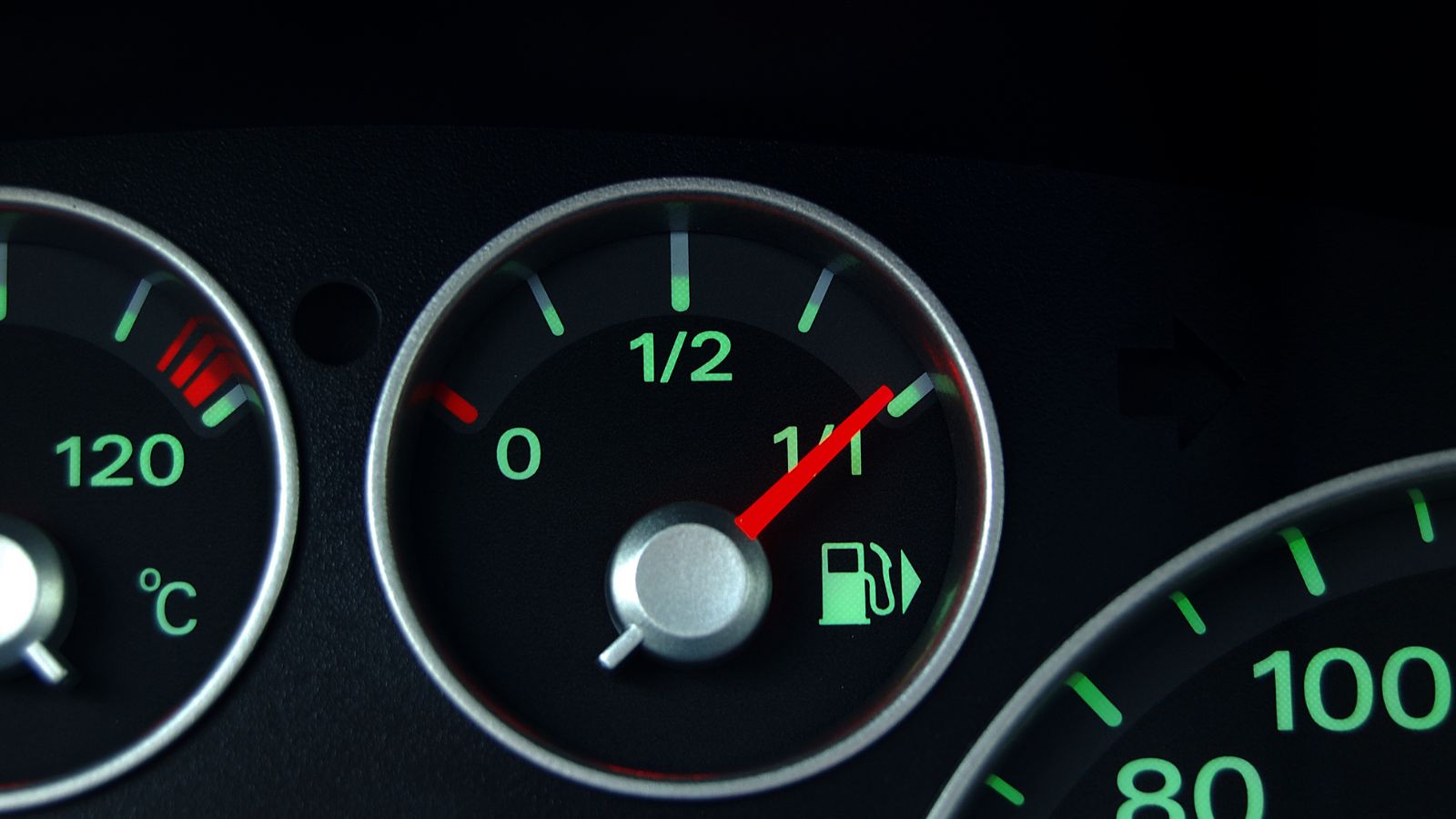
Gas expands and contracts with temperature and that means condensation forms in the tank when fuel levels get low. In normal weather it is harmless, but in deep winter the water turns to ice and can block fuel lines. That is why experienced Canadian drivers refuse to let the gauge drop below halfway. It keeps moisture down, protects fuel delivery, and prevents those heartbreaking moments when the car will crank but not fire. Staying topped up also matters for long highway delays or snowstorm traffic jams where running on fumes becomes a real safety risk.
Installing a Battery With More Cold Cranking Amps
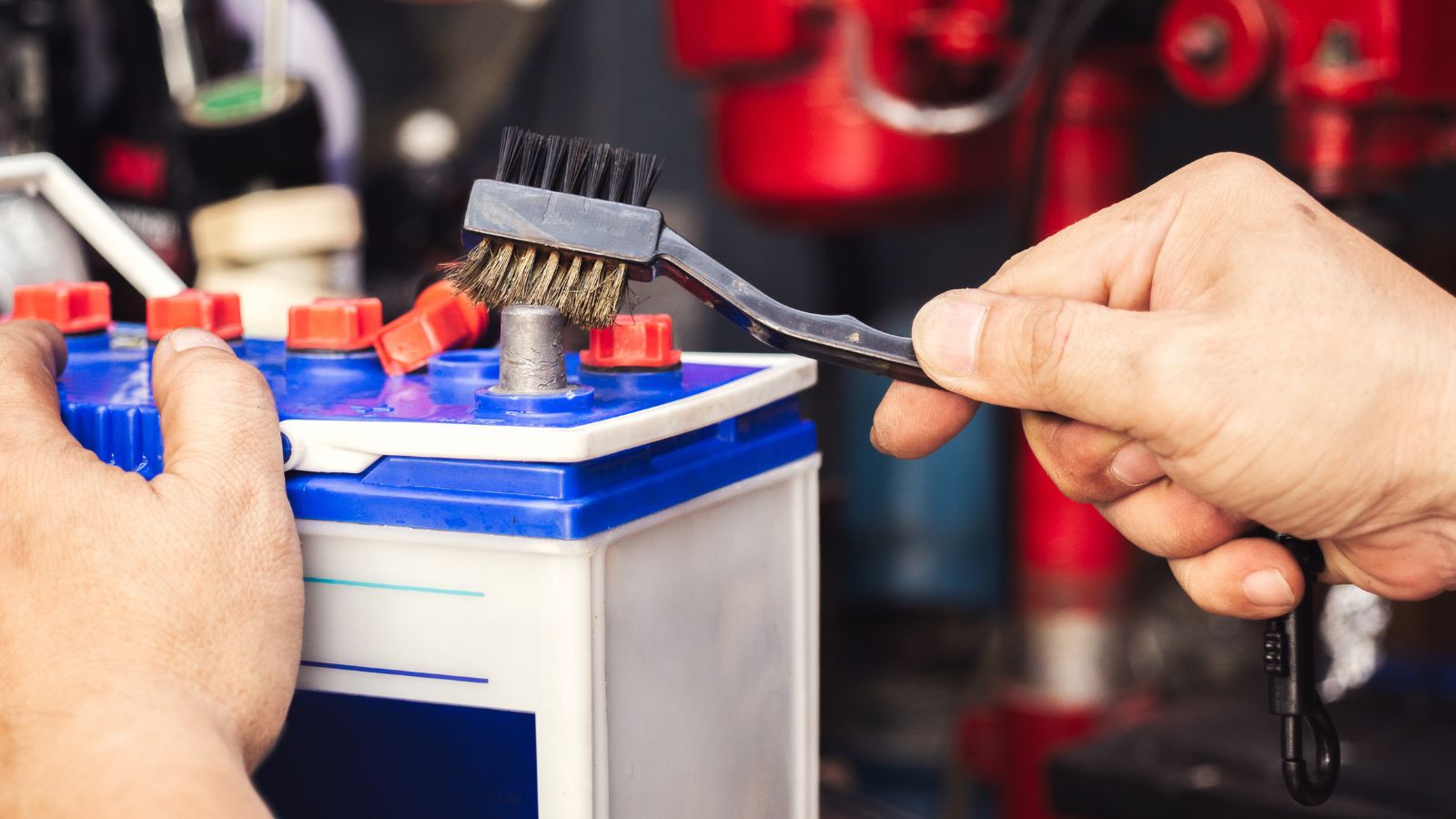
There is nothing more Canadian than buying a new battery not because the old one is dead but because winter is coming. Cold cranking amps matter more than anything else when the temperature dives. A battery that works fine in the summer might fold instantly when the air hits deep negative territory. Many Canadians upgrade before winter and keep the old battery as a backup. It is not paranoia. It is preparation. When that first minus thirty morning hits and the engine turns confidently, the decision pays for itself.
Using a Winter Front to Keep Heat Inside

Truck owners will swear by winter fronts. They cover part of the grille to keep icy air from constantly stripping heat out of the engine bay. Without it, the vehicle might warm up at idle but lose heat as soon as it hits highway speed. A winter front keeps the engine operating in its optimal temperature range which delivers better cabin heat, better fuel economy, and consistency in brutal weather. Modern ones are easy to remove if temperatures spike so they do not cause overheating on the occasional warm day.
Parking Away From the Wind and Snow Drifts

Where you park matters as much as what you drive. A car parked nose first in the direction of the cold wind soaks in freezing air all night and becomes sluggish in the morning. Parking in a sheltered direction or beside a building protects the battery from direct cold and shields door seals from freezing shut. Even choosing the sunny side of a driveway helps. In the Canadian winter you take heat wherever you can find it.
Lifting Wiper Blades Before a Snowfall
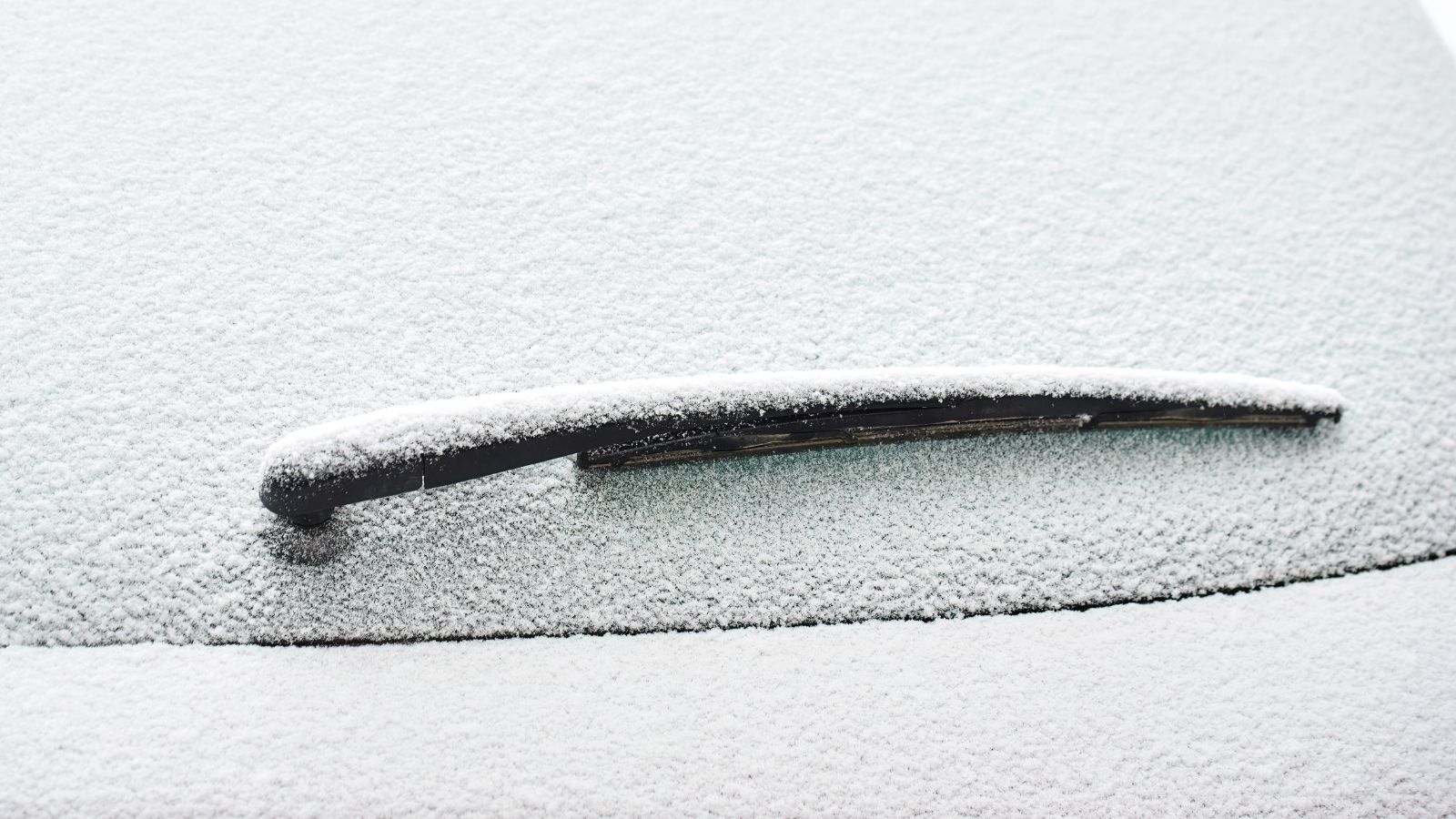
Frozen wipers are a disaster waiting to happen. If they are stuck to the glass and you switch them on, the rubber separates or the wiper arm motor strains and burns out. Lifting them before a storm keeps them free, which makes morning clearing faster. It also prevents refreezing from wet slush during short stops. This tiny habit saves money and prevents a surprising amount of unnecessary repairs.
Using Remote Start for Practical Reasons Not Vanity

Remote start has a reputation as a luxury feature but in the Canadian winter it becomes a mechanical advantage. Letting the engine run for a few minutes circulates oil and warms transmission fluid before demanding full power. It keeps the engine from fighting physics in its most vulnerable state. A warm interior and ice free windows are the bonus. The real benefit is that the drivetrain experiences far less abuse over the course of a winter.
Cleaning Snow Out of the Wheel Wells to Prevent the Frozen Shake

There is nothing as alarming as a steering wheel vibrating like a jackhammer after driving through slush that froze solid behind the tires. As snow packs around the wells it forms uneven blocks of ice that throw off wheel balance. Kicking the snow loose before driving ensures the suspension and steering operate normally. It also prevents fatigue on bushings, shocks, and wheel bearings. Canadians learn this one the hard way once and adopt it forever.
Switching to Winter Tires Long Before the First Blizzard
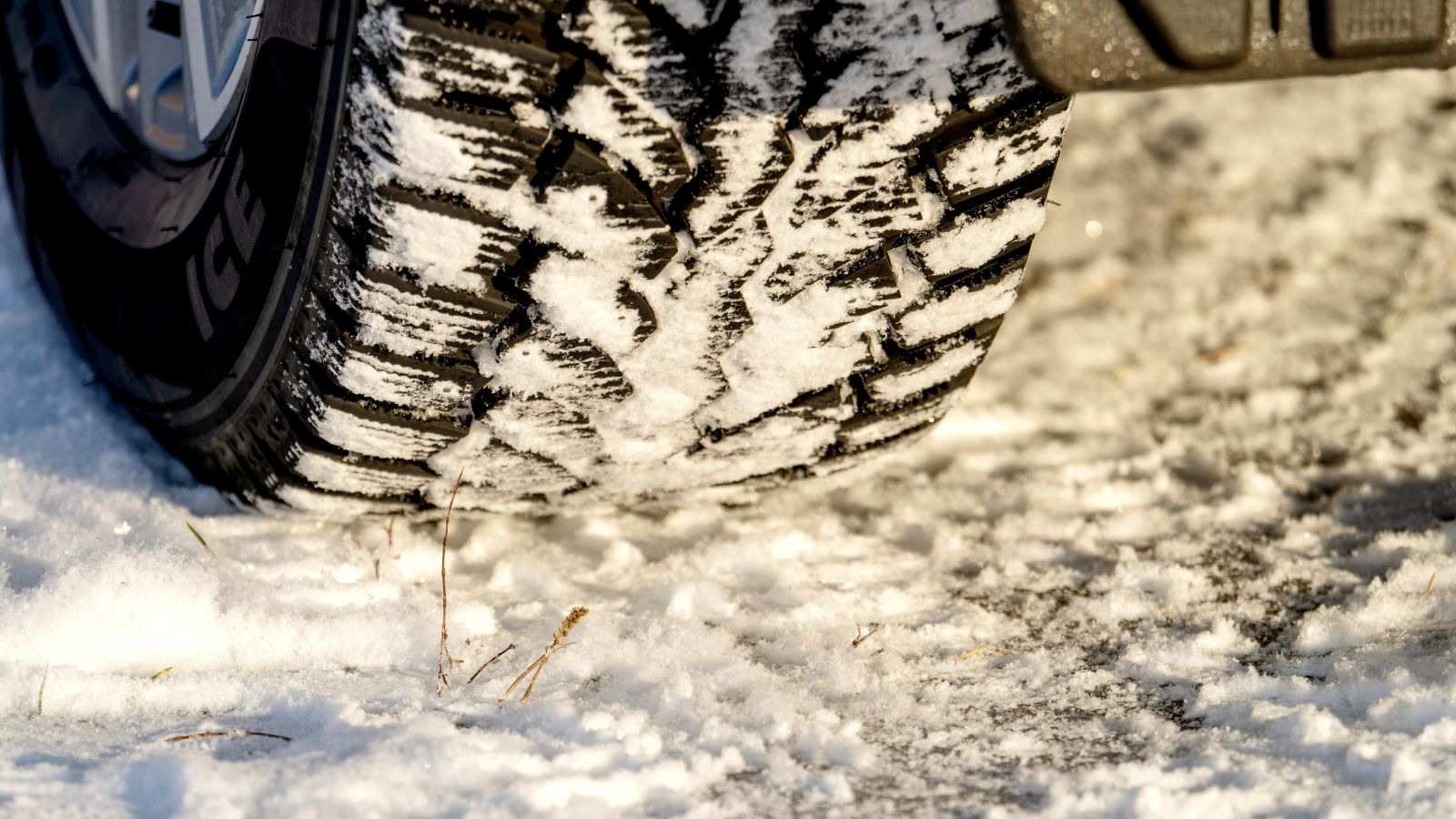
Winter tires are not only for deep snow. Their rubber formula stays soft in extreme cold, gripping pavement when temperatures fall well below freezing. The difference in braking and cornering is massive even on dry roads. Canadians who switch early enjoy peace of mind before icy mornings arrive. Those who wait until after the first storm spend the season sliding around and wishing they had planned ahead. It is not drama. It is physics.
25 Facts About Car Loans That Most Drivers Don’t Realize

Car loans are one of the most common ways people fund car purchases. Like any other kind of loan, car loans can have certain features that can be regarded as an advantage or a disadvantage to the borrower. Understanding all essential facts about car loans and how they work to ensure that you get the best deal for your financial situation is essential. Here are 25 shocking facts about car loans that most drivers don’t realize:
25 Facts About Car Loans That Most Drivers Don’t Realize
