
The 1990s were an interesting time for car design. Automakers experimented with new shapes, unusual proportions, and bold styling ideas that sometimes worked brilliantly. Other times the results were far less successful. While the decade produced some legendary vehicles like the Mazda RX7 and the Toyota Supra, it also gave us a number of cars that left drivers scratching their heads. These ten machines stand out as some of the most awkward looking vehicles the 1990s put on the road.
Pontiac Aztek (2001 to 2005)
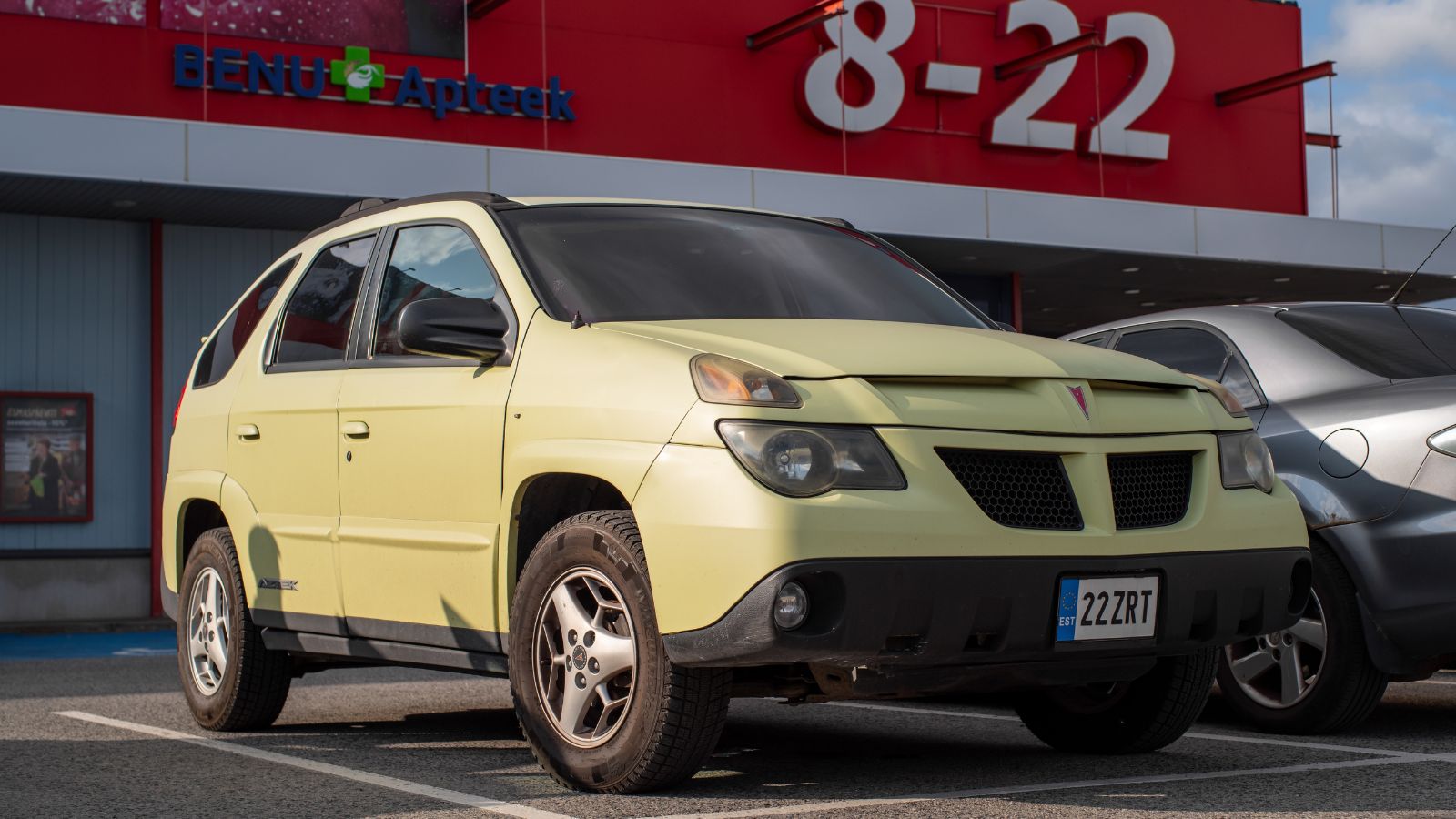
Technically the Pontiac Aztek arrived just after the 1990s ended, but its design philosophy was clearly born during that decade. The Aztek attempted to combine SUV practicality with futuristic styling.
Instead the result looked confused and bulky. The split body panels and awkward proportions made the vehicle appear unfinished. While it offered clever features like a camping package and removable cooler, its unusual design quickly turned it into one of the most criticized vehicles of its era.
Fiat Multipla (1998 to 2010)

The Fiat Multipla may be one of the most recognizable oddities ever produced. When it launched in 1998 the car shocked drivers with its unusual double layer front end and wide stance.
The raised headlight section sitting above the hood created a shape unlike anything else on the road. Inside the vehicle offered excellent practicality with six seats arranged in two rows of three. Despite its usefulness many buyers simply could not look past the unconventional styling.
Ford Scorpio (1994 to 1998)
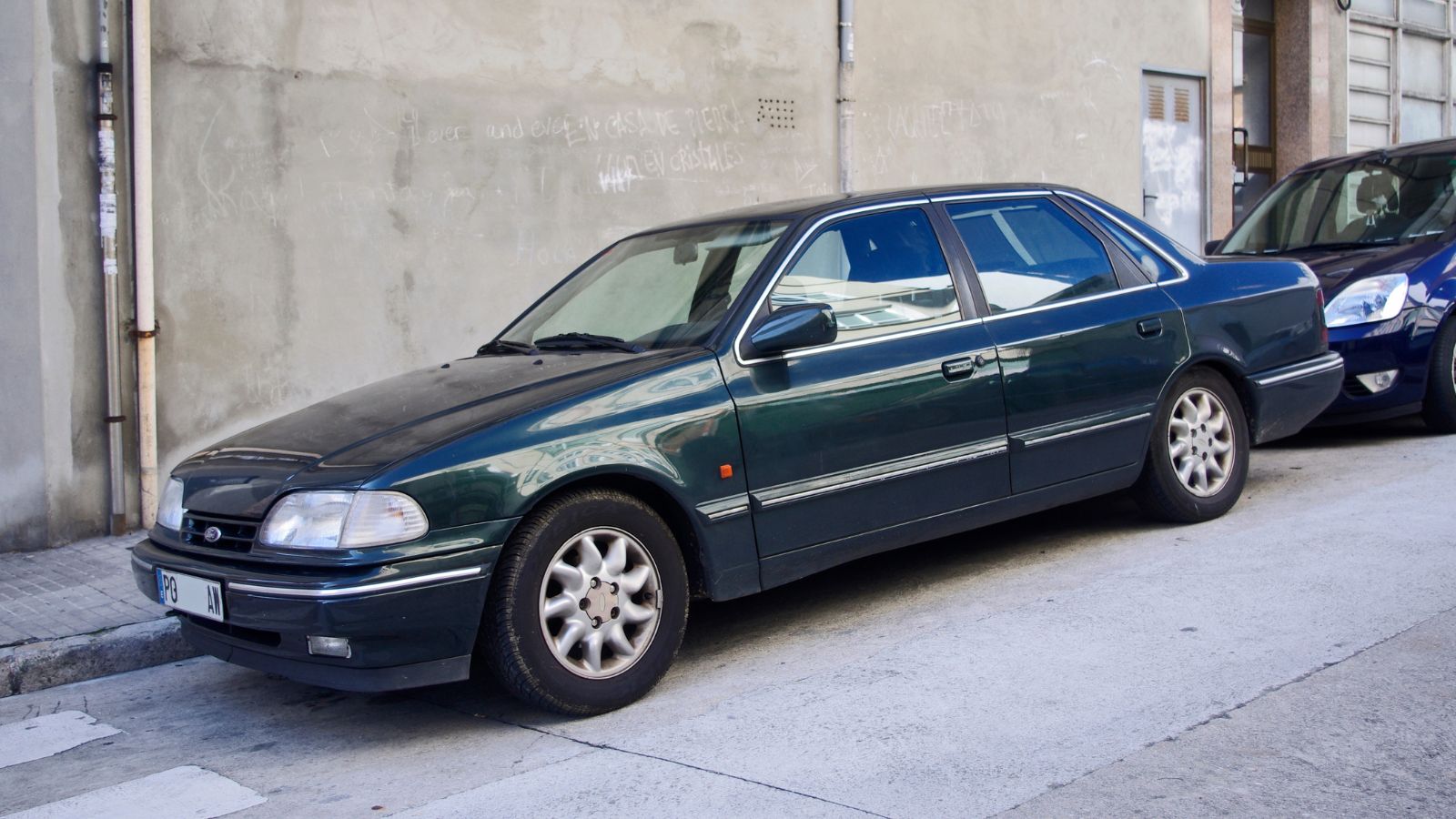
Ford redesigned the Scorpio in the mid 1990s hoping to compete more strongly in the European luxury sedan market. Unfortunately the styling took a strange direction.
The front end featured oversized headlights and rounded shapes that made the car look oddly inflated. Combined with the tall body and unusual proportions, the Scorpio struggled to attract buyers who expected something more elegant from a flagship sedan.
Nissan S Cargo (1989 to 1992)
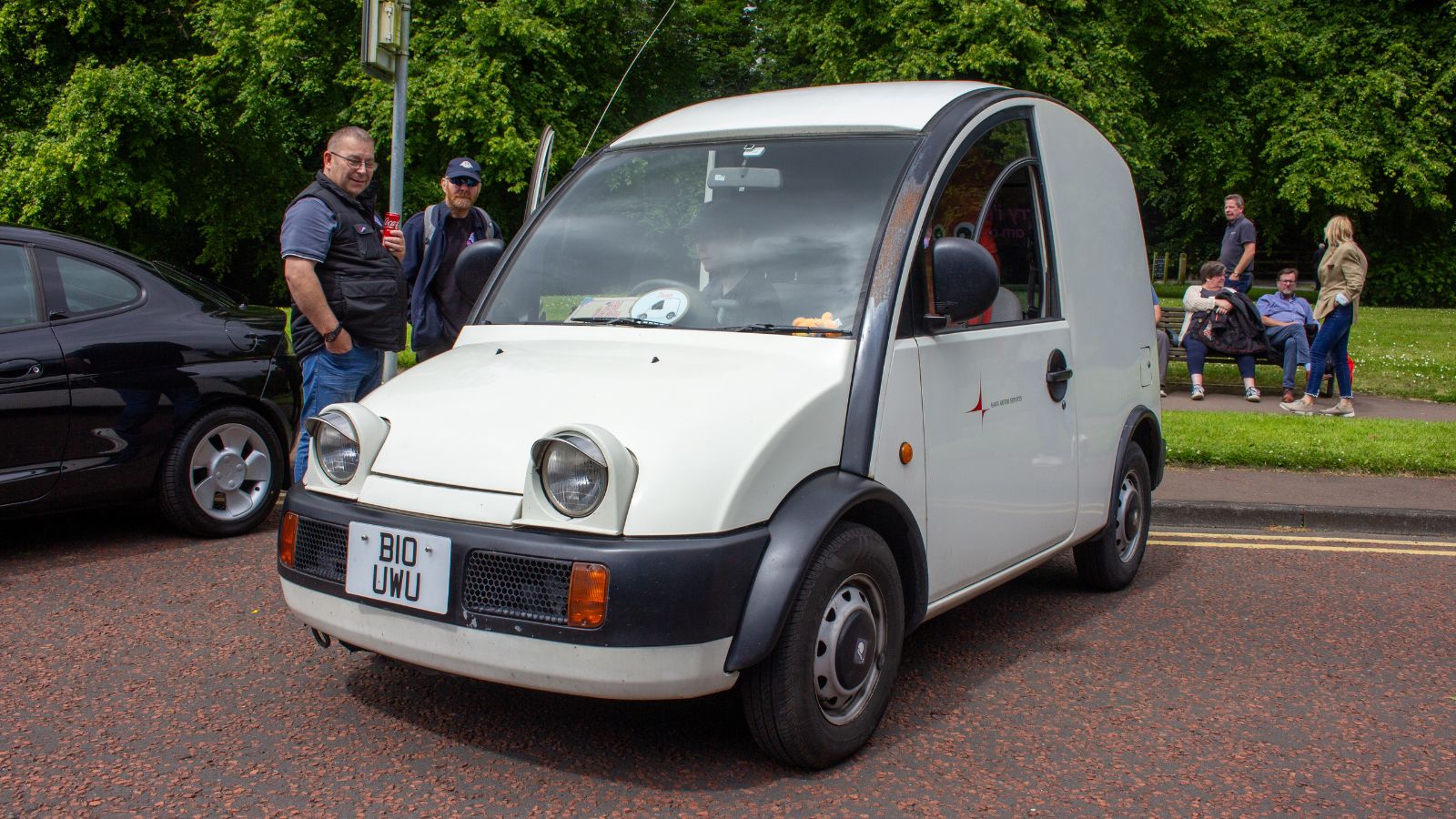
The Nissan S Cargo was part of a series of retro themed vehicles created by Nissan around the turn of the decade. Inspired by European delivery vans, it featured rounded bodywork and a distinctive bulbous shape.
The name itself played on the phrase escargot, referencing the car’s snail like appearance. While the design certainly stood out, many drivers found it difficult to take the vehicle seriously as a practical daily driver.
Subaru SVX (1991 to 1996)
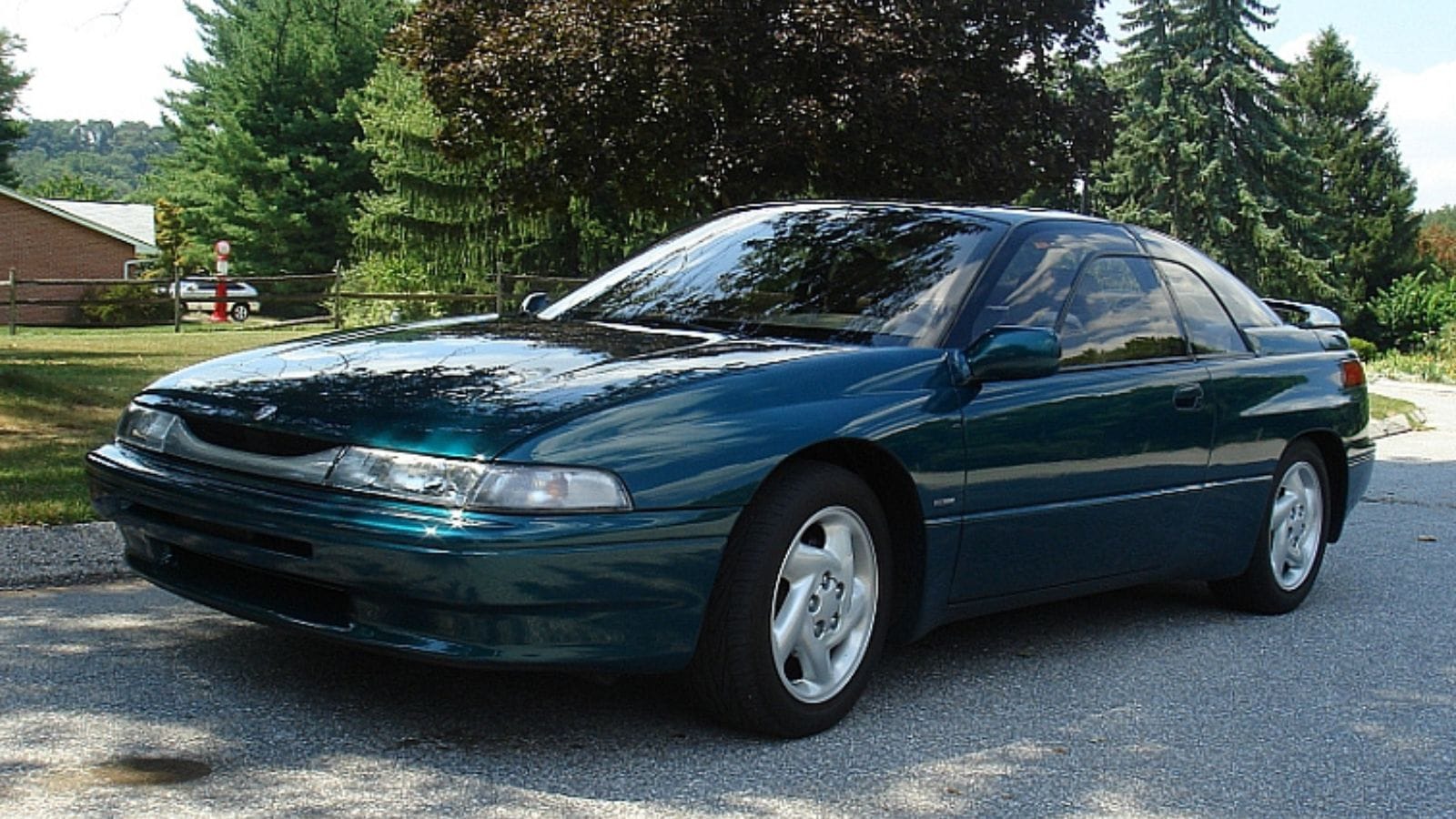
The Subaru SVX was intended to be a high tech grand touring coupe that would showcase the company’s engineering. It featured a smooth aerodynamic body designed by Italian designer Giorgetto Giugiaro.
However the most controversial element was the unusual window within a window design on the side glass. The thick pillars and unusual proportions made the car look heavy and awkward despite its advanced technology. The SVX remains a fascinating car, but its styling divided opinions from the beginning.
Toyota Previa (1990 to 1997)
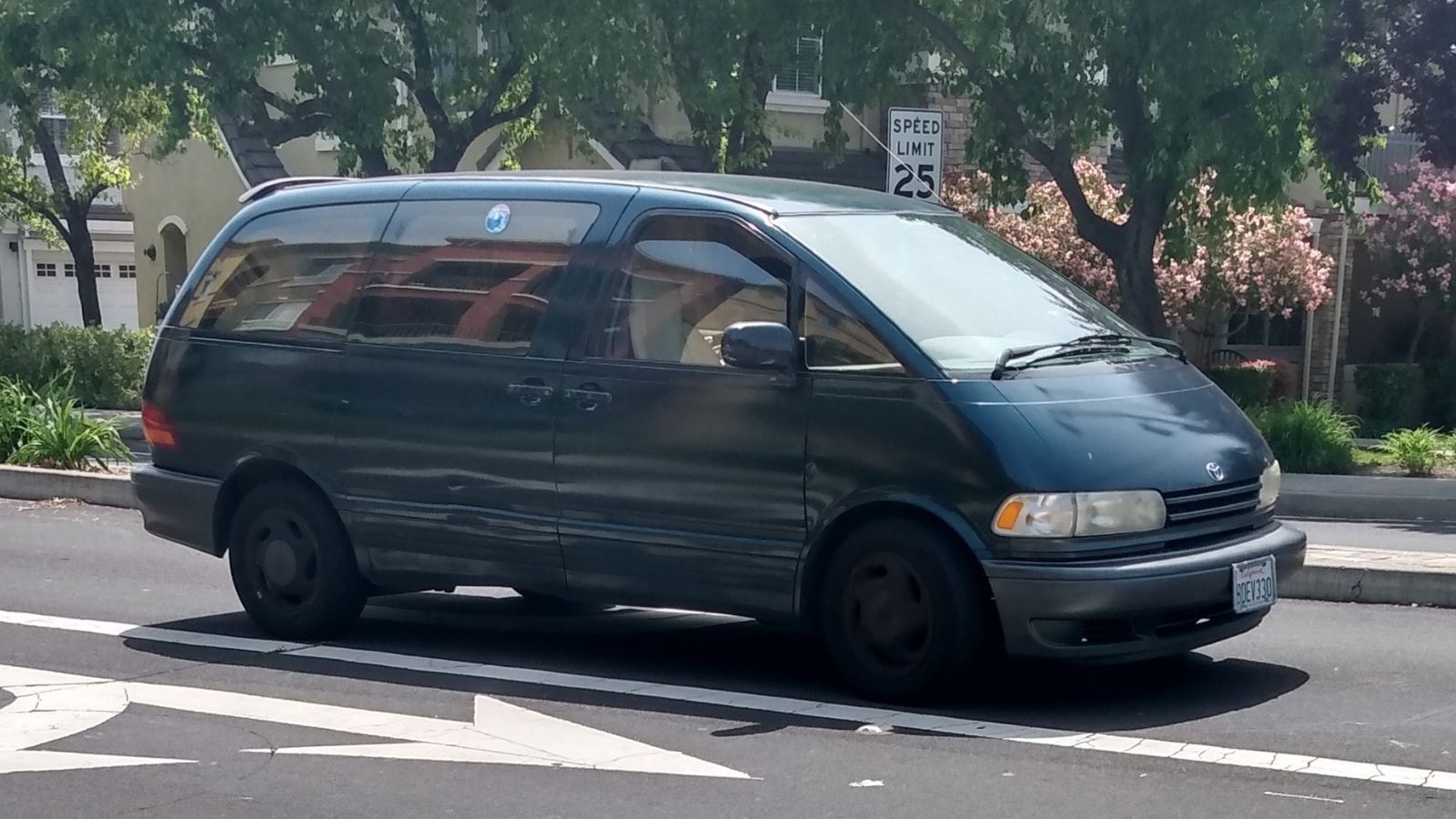
The Toyota Previa offered remarkable practicality for families during the 1990s. Its mid engine layout and spacious interior made it extremely versatile.
Visually, however, the van’s egg shaped design earned plenty of jokes. The rounded nose and tall curved roof gave it a cartoon like appearance that stood out even in a decade full of unusual designs. Despite the styling, the Previa earned respect for reliability and clever engineering.
Chevrolet Lumina APV (1990 to 1996)
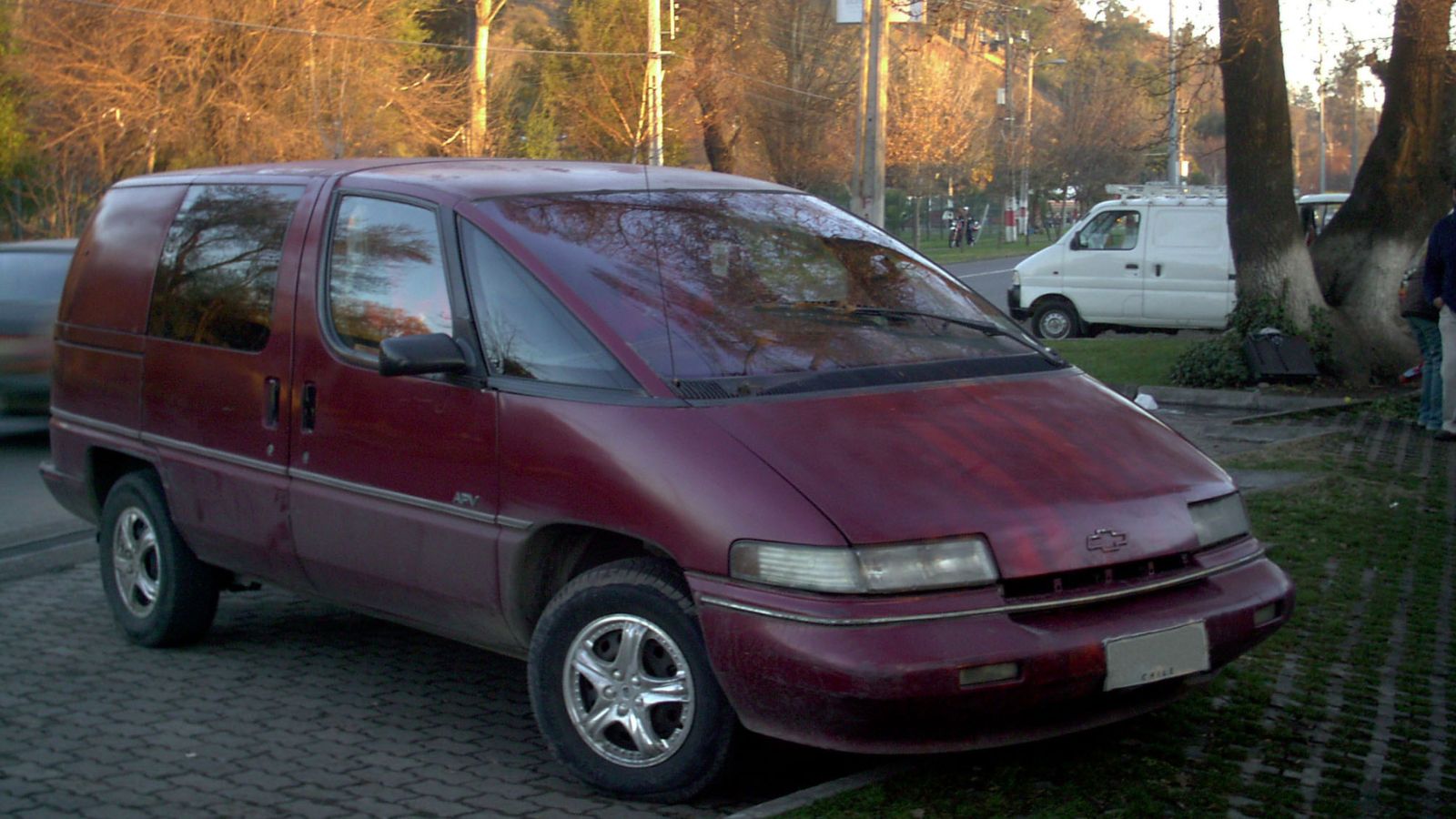
General Motors introduced a trio of futuristic minivans during the early 1990s including the Chevrolet Lumina APV. The vehicles attempted to bring aerodynamic styling to the family van segment.
The result looked more like a spaceship than a traditional minivan. The long sloping windshield and sharply angled nose created proportions that many buyers found strange. Practicality remained strong, but the unusual styling limited its appeal.
Plymouth Prowler (1997 to 2002)
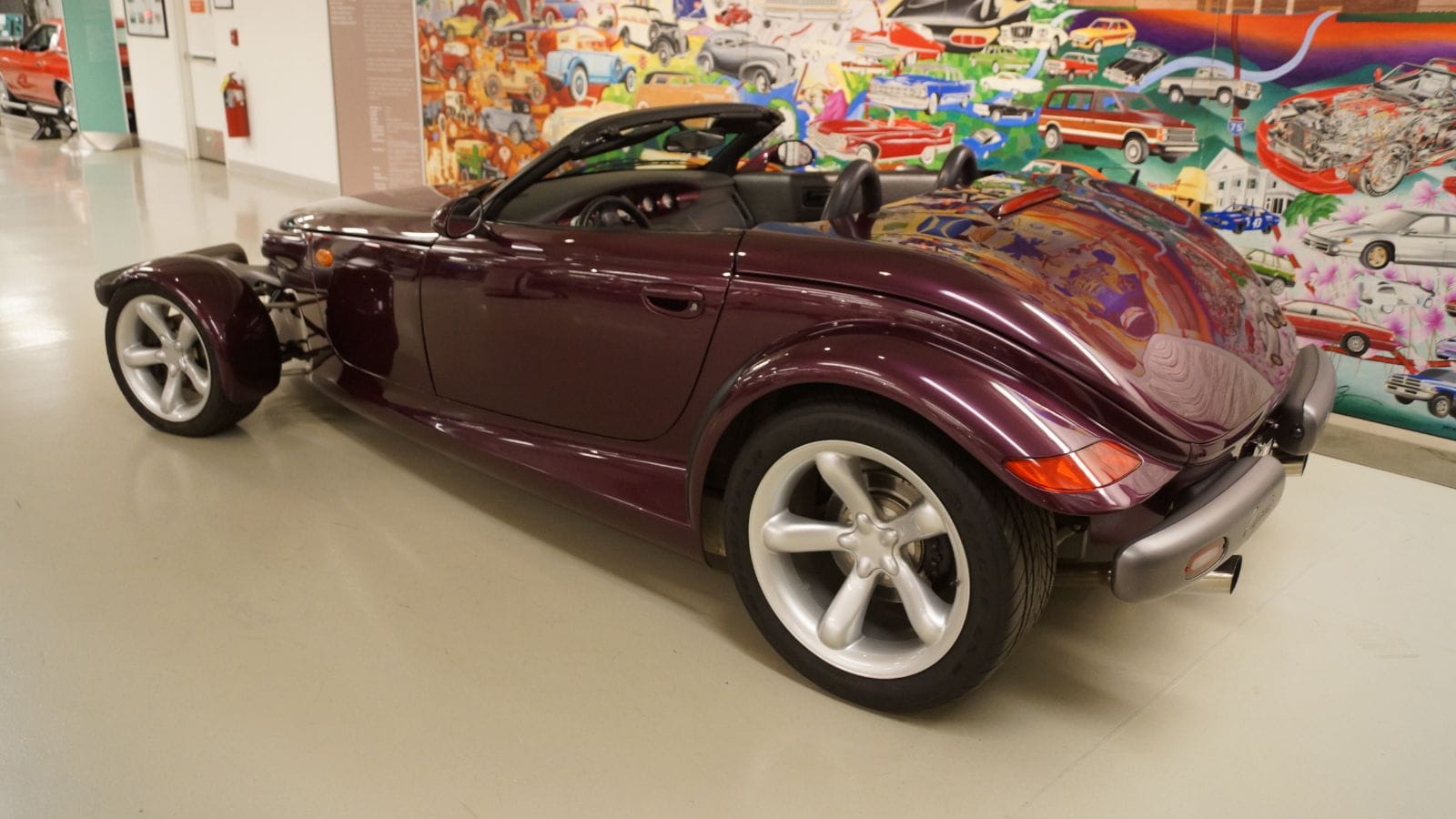
The Plymouth Prowler aimed to bring hot rod inspiration to a modern production car. With exposed front wheels and dramatic curves, the vehicle certainly attracted attention.
However the proportions looked unusual compared with traditional hot rods. Many enthusiasts also felt the styling promised performance that the car did not fully deliver. The Prowler remains a memorable design experiment, though opinions about its appearance remain sharply divided.
Hyundai Tiburon (1997 to 2001)
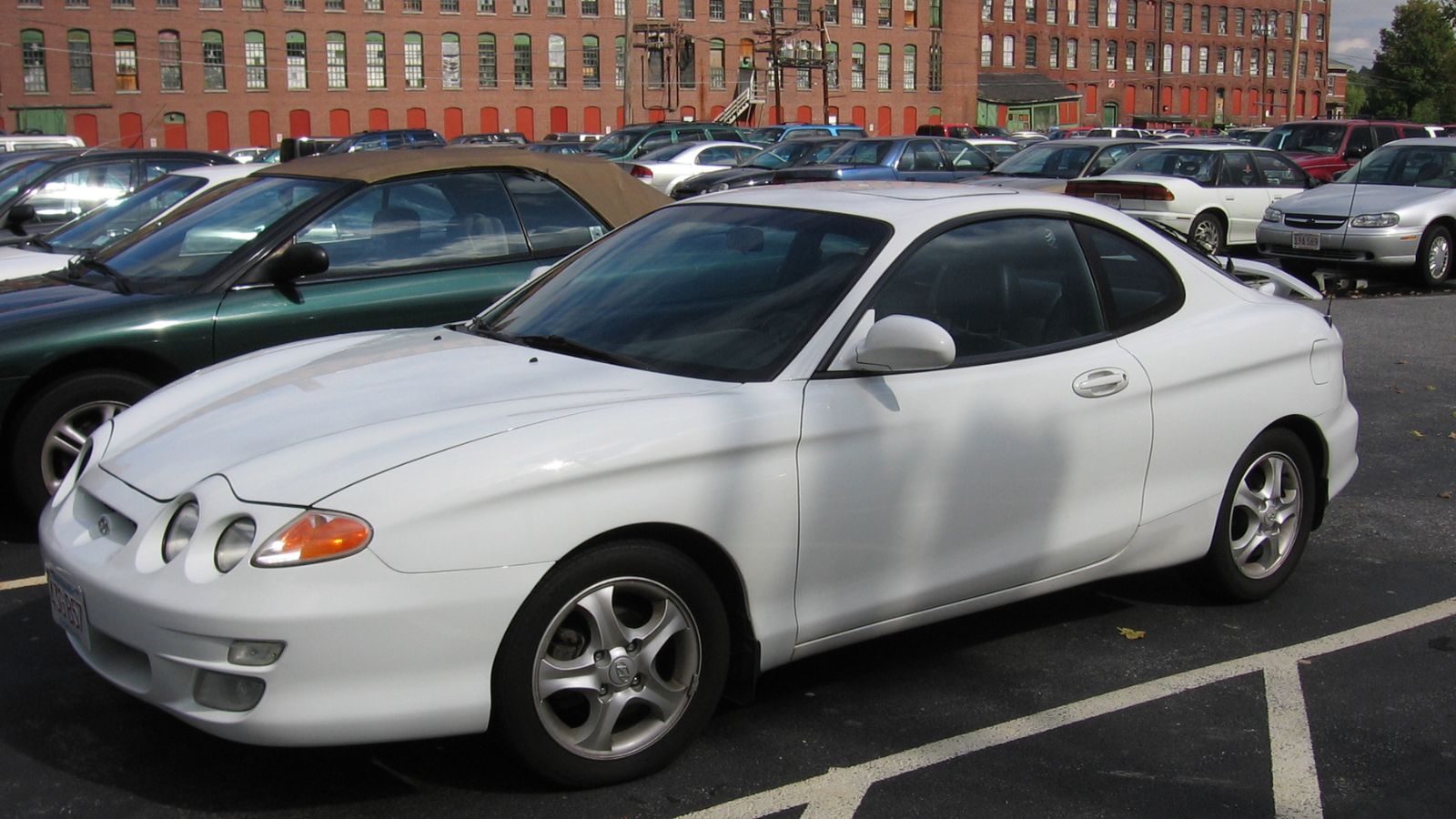
The first generation Hyundai Tiburon attempted to deliver affordable sports coupe styling during the late 1990s. Its designers experimented with aggressive lines and bold shapes.
Unfortunately the execution created awkward proportions and unusual body panels that did not age well. While the car offered reasonable value for the price, the styling often felt overdone compared with more balanced rivals of the time.
Suzuki X 90 (1995 to 1997)

The Suzuki X 90 might be one of the strangest vehicles produced during the decade. It combined elements of a compact SUV, a two seat sports car, and a T top roof design.
The result looked confused and oddly proportioned. With a short wheelbase, tiny cargo area, and unusual stance, the X 90 struggled to find a clear purpose. Its quirky design has since earned a cult following, but at the time many drivers simply found it bizarre.
25 Facts About Car Loans That Most Drivers Don’t Realize

Car loans are one of the most common ways people fund car purchases. Like any other kind of loan, car loans can have certain features that can be regarded as an advantage or a disadvantage to the borrower. Understanding all essential facts about car loans and how they work to ensure that you get the best deal for your financial situation is essential. Here are 25 shocking facts about car loans that most drivers don’t realize:
25 Facts About Car Loans That Most Drivers Don’t Realize
