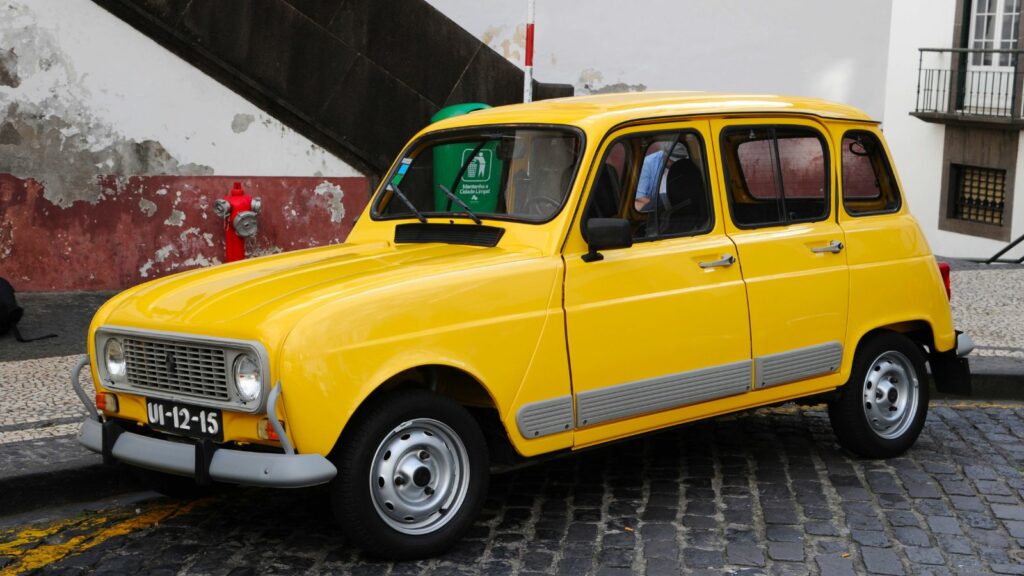
Small cars have done more to move the world than most people realize. While supercars grab headlines and luxury cars define aspiration, it is machines like the Volkswagen Beetle, Mini, and Fiat 500 that truly changed how people lived. They made mobility affordable, accessible, and global. In crowded cities and developing economies alike, these cars became tools of freedom. They reshaped daily life, influenced culture, and proved that simplicity, when done right, can have a far greater impact than outright performance.
Volkswagen Beetle (1938 to 2003 Original Production)
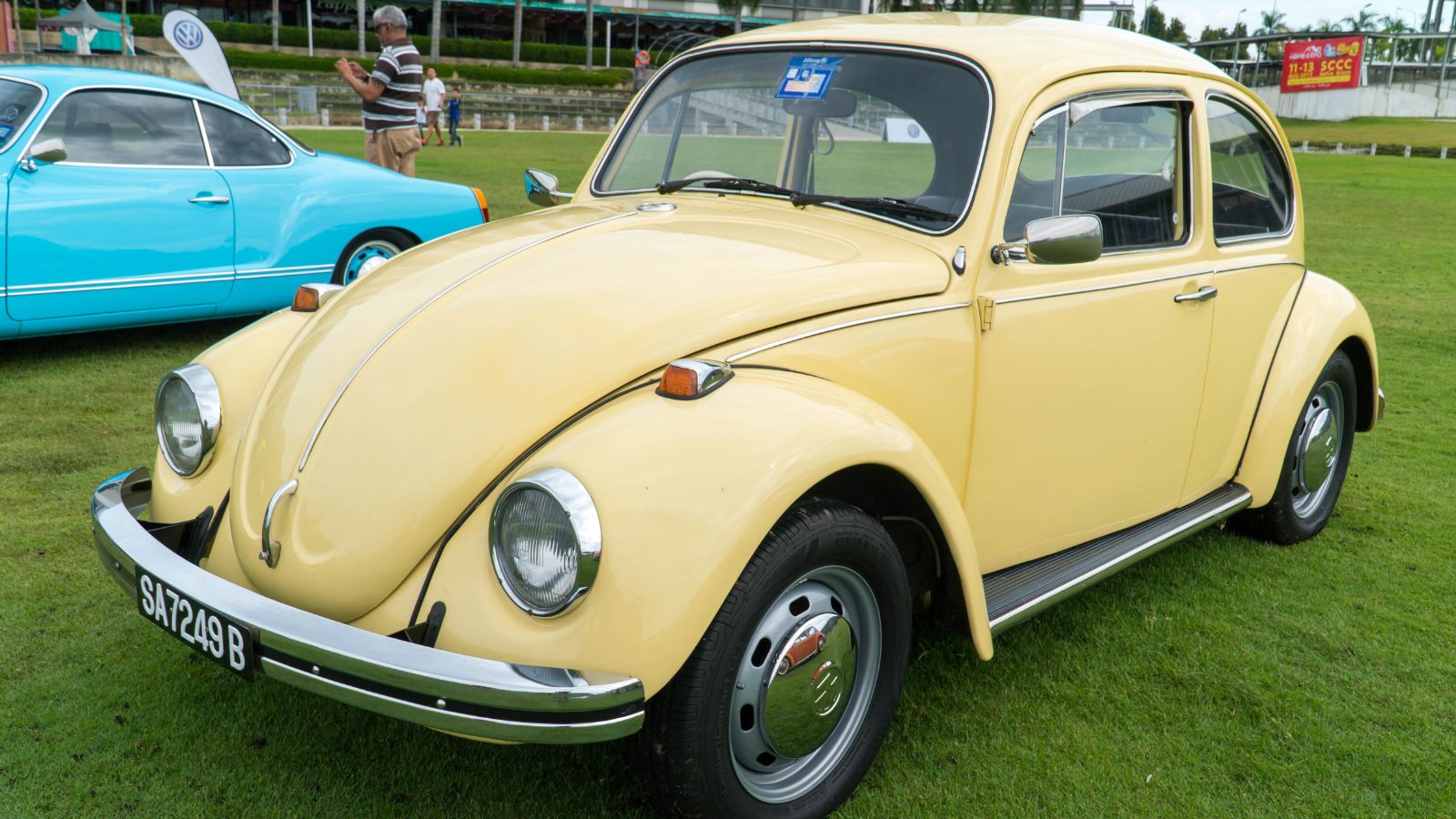
The Beetle is perhaps the ultimate people’s car. Designed with simplicity and affordability in mind, it became one of the longest running and most recognizable vehicles ever built.
Its air cooled engine and rugged construction meant it could survive in harsh conditions with minimal maintenance. From Europe to South America, it became part of everyday life. What made it truly special was not just its design, but its ability to adapt to different markets and cultures while remaining instantly recognizable.
Mini (1959 to Present)
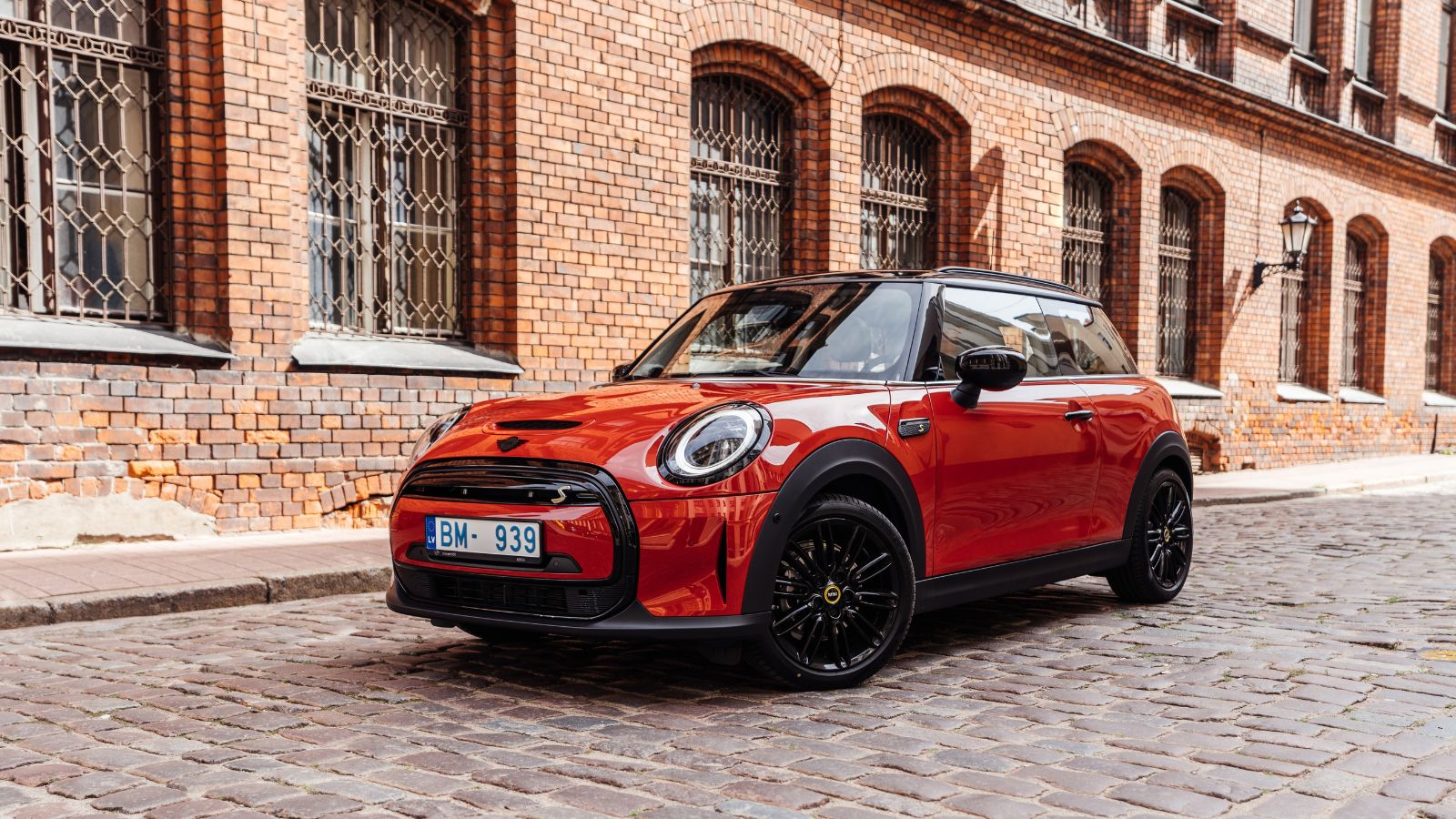
The original Mini completely rethought how a small car should be built. By mounting the engine sideways and pushing the wheels to the edges, it created interior space that seemed impossible for its size.
It was not just practical. It was fun. Its sharp handling turned it into a giant killer in motorsport, proving that small cars could outperform much larger machines. In cities, it became a symbol of smart design and urban efficiency.
Fiat 500 (1957 to 1975 Original)
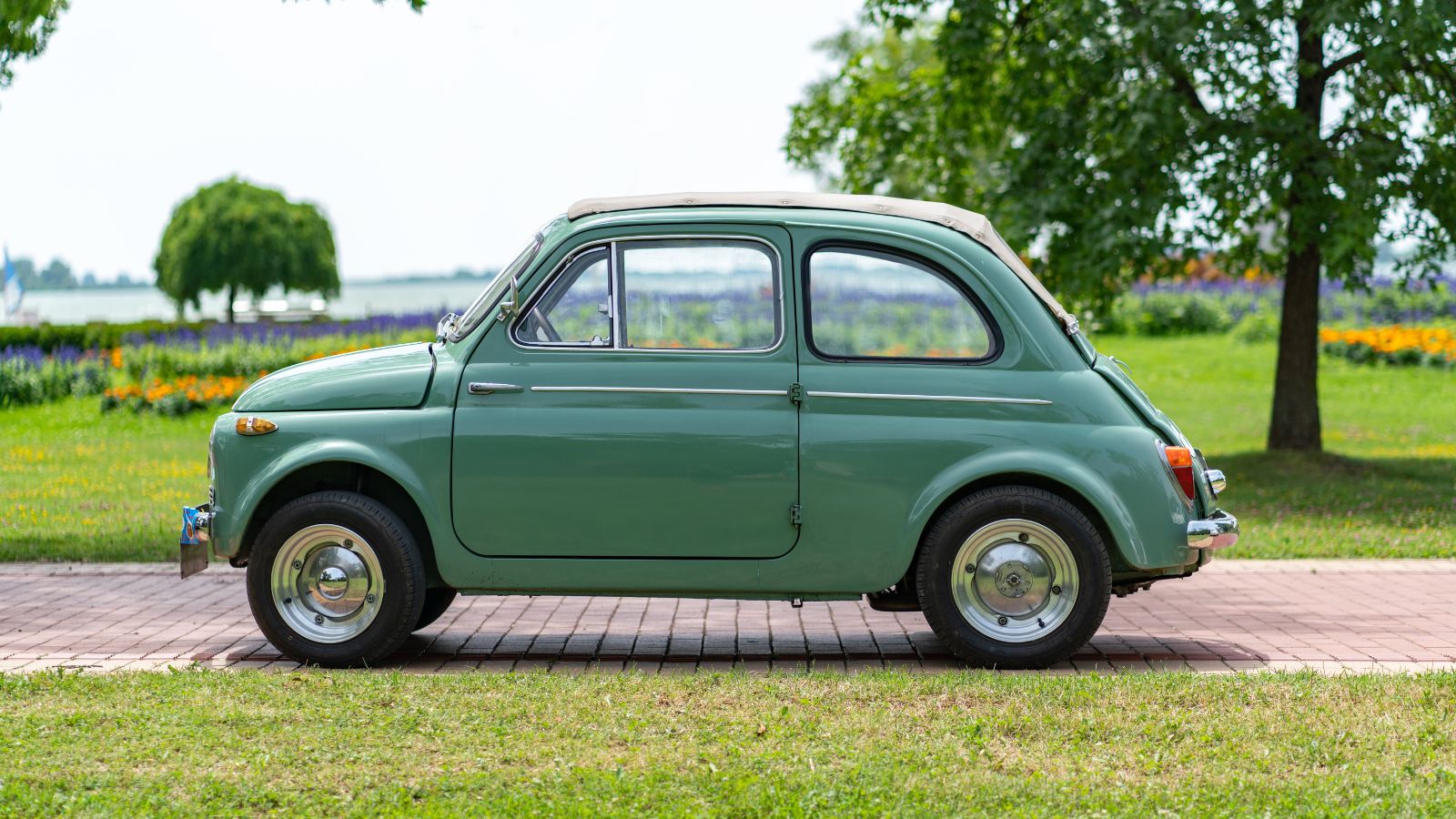
The Fiat 500 was built for narrow streets and tight parking spaces. It was tiny, lightweight, and incredibly efficient.
For post war Italy, it represented progress and independence. Families who had never owned a car suddenly had access to one. Its charm and simplicity made it more than just transport. It became part of Italian identity, and its influence still echoes in modern city cars.
Citroën 2CV (1948 to 1990)
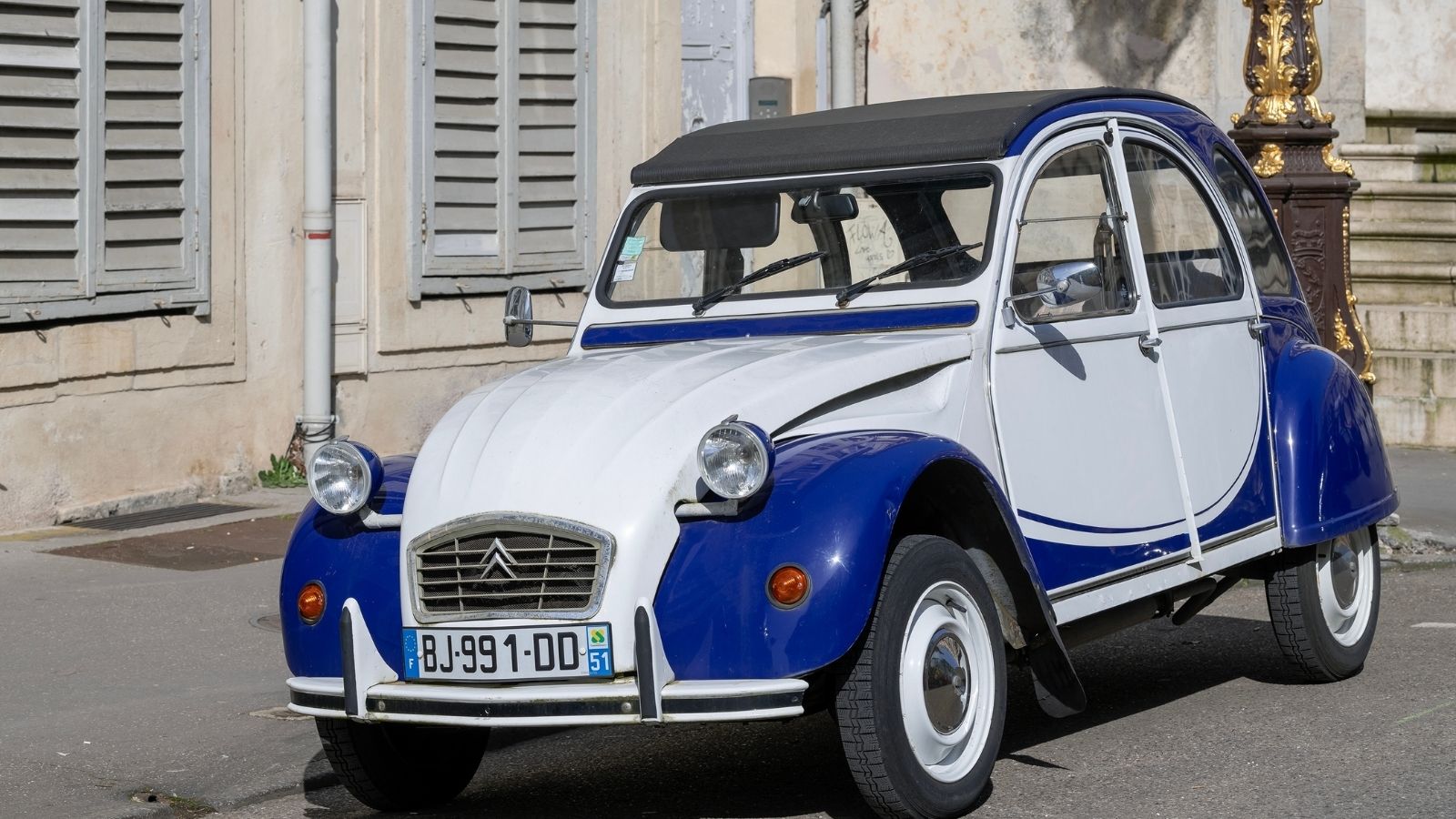
The 2CV was designed with a very specific goal. It had to carry farmers and goods across rough countryside without breaking.
Its soft suspension allowed it to glide over uneven terrain, and its minimalistic design kept costs low. It was not fast or refined, but it was incredibly effective. For rural communities, it became an essential tool rather than a luxury.
Ford Model T (1908 to 1927)
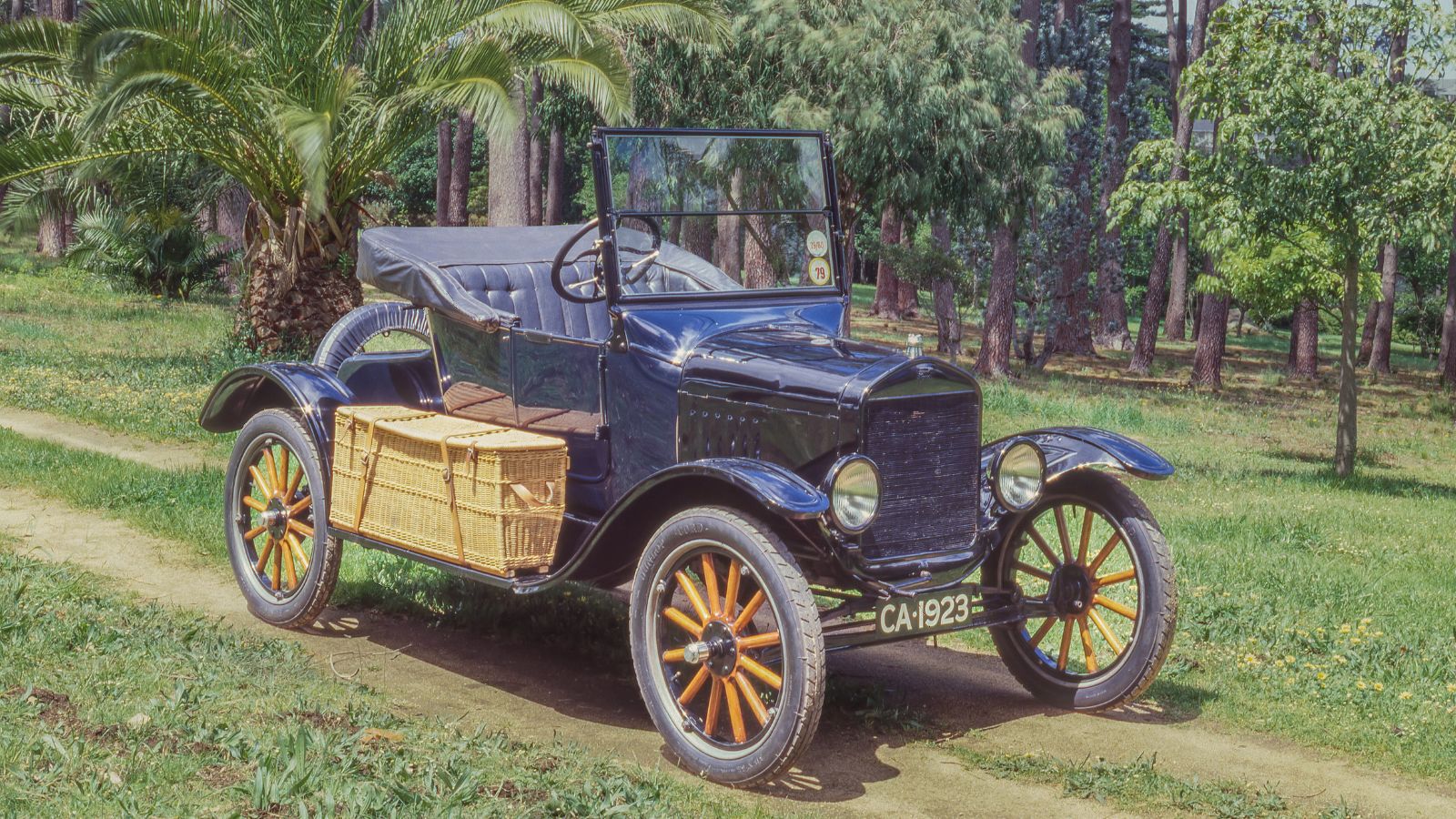
The Model T changed everything. While not small by today’s standards, it played the same role as later compact cars by making mobility widely accessible.
Its production methods introduced mass manufacturing to the automotive world. More importantly, it made car ownership possible for ordinary people. It set the foundation for everything that followed.
Honda Civic (1972 to Present)
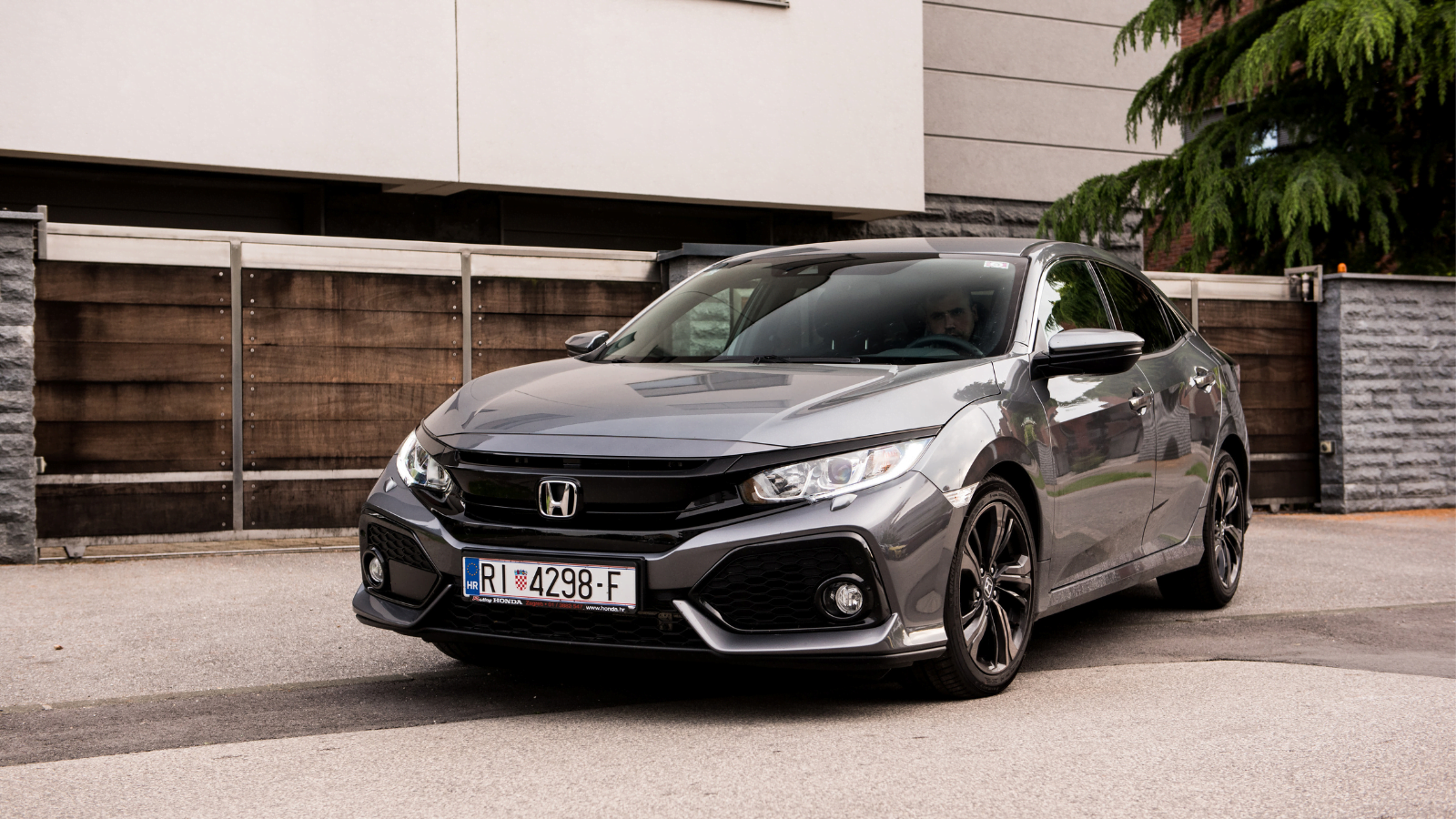
The Civic arrived at a time when efficiency and reliability were becoming priorities. It delivered both in a compact, well built package.
It also showed that small cars could be refined and enjoyable to drive. Over generations, it evolved into a global staple, appealing to everyone from first time buyers to enthusiasts.
Toyota Corolla (1966 to Present)
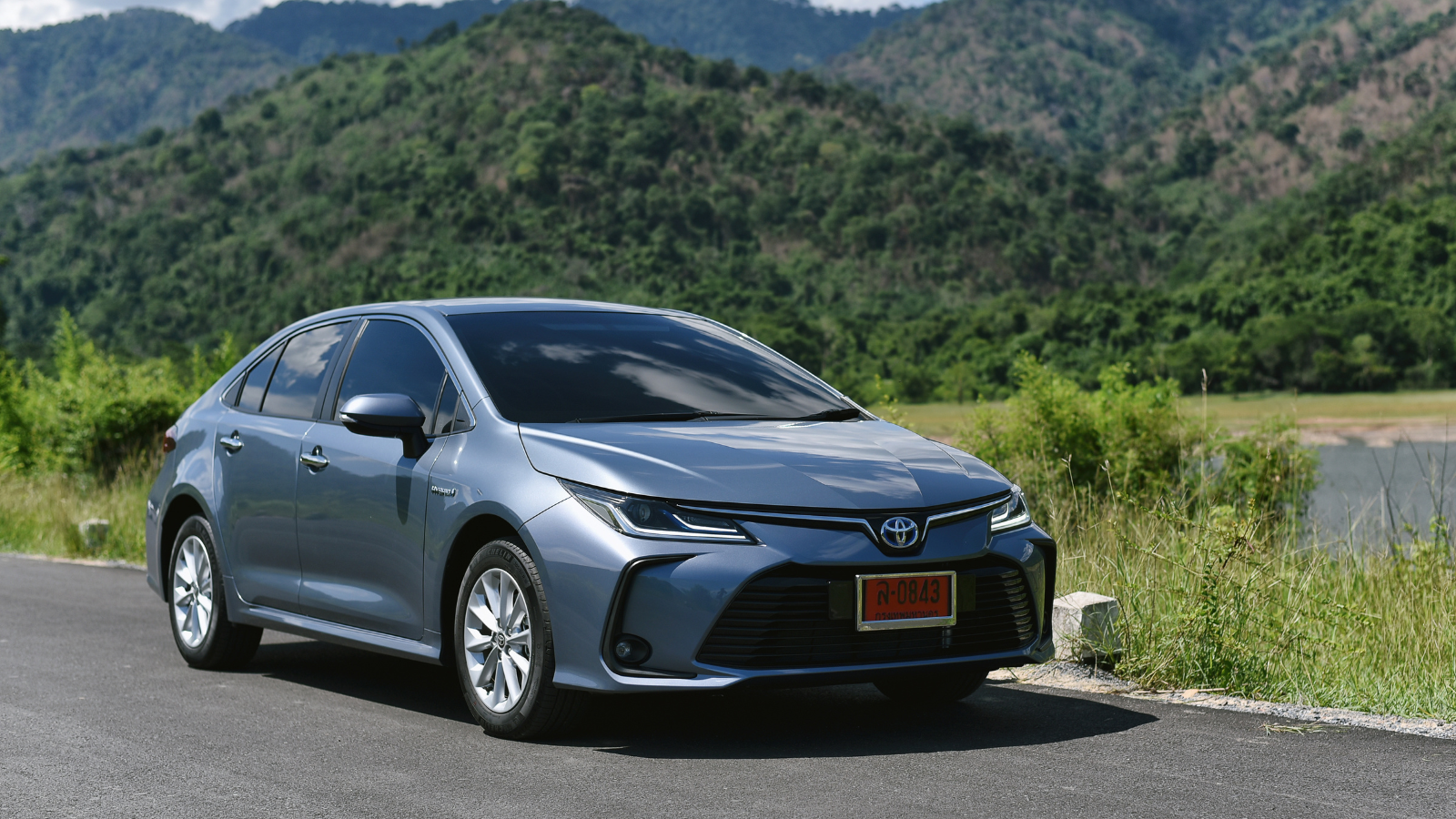
The Corolla represents consistency. It has built its reputation on reliability, low running costs, and ease of ownership.
For millions of drivers, it has been a dependable companion that simply works. Its global success is not based on excitement, but on trust, which in many ways is even more valuable.
Renault 4 (1961 to 1994)
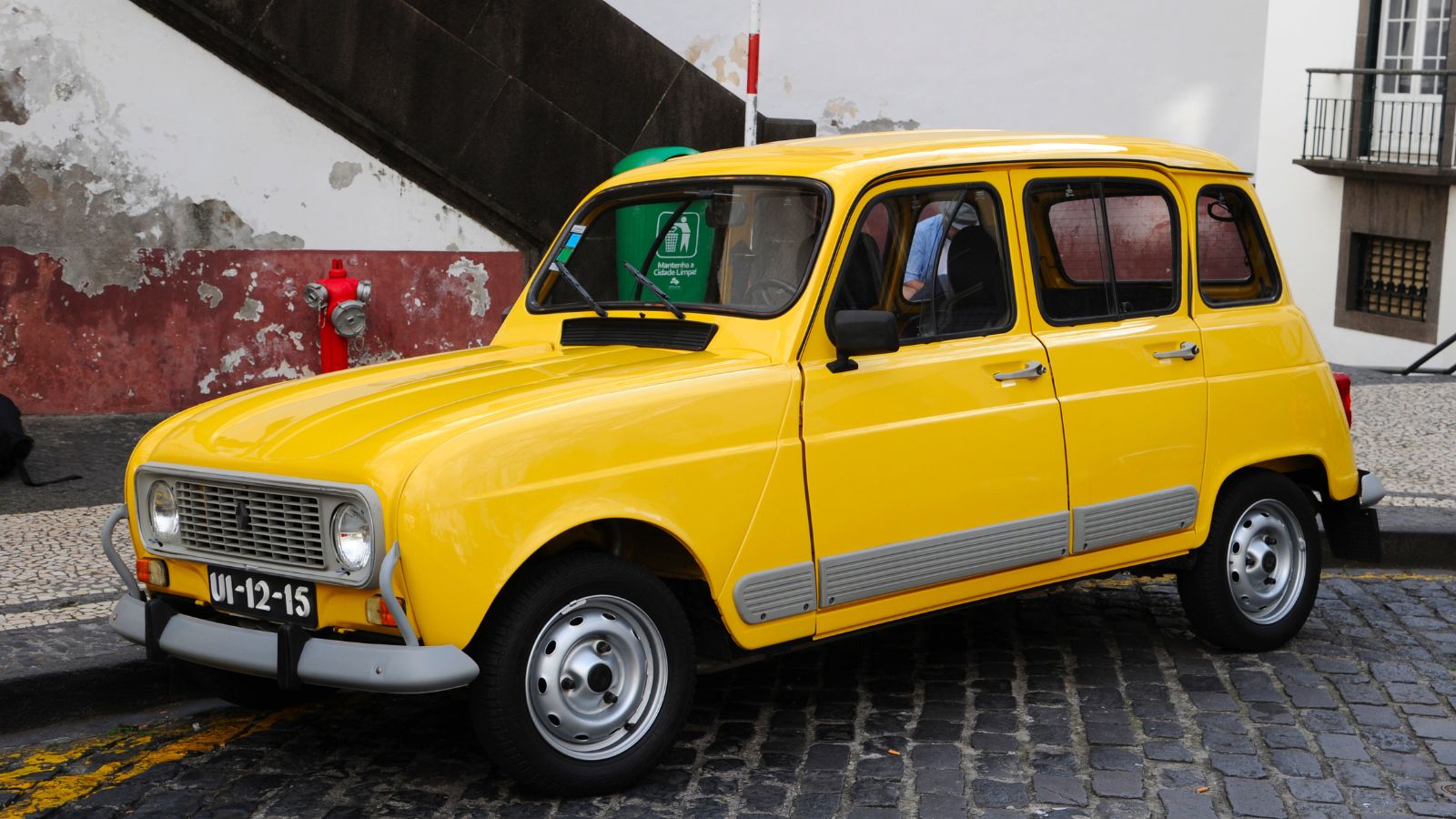
The Renault 4 was one of the first truly versatile small cars. Its hatchback design allowed it to carry passengers and cargo with ease.
It was simple, durable, and adaptable. From city streets to rural roads, it proved that a small car could handle a wide range of tasks without complexity.
Austin Seven (1922 to 1939)
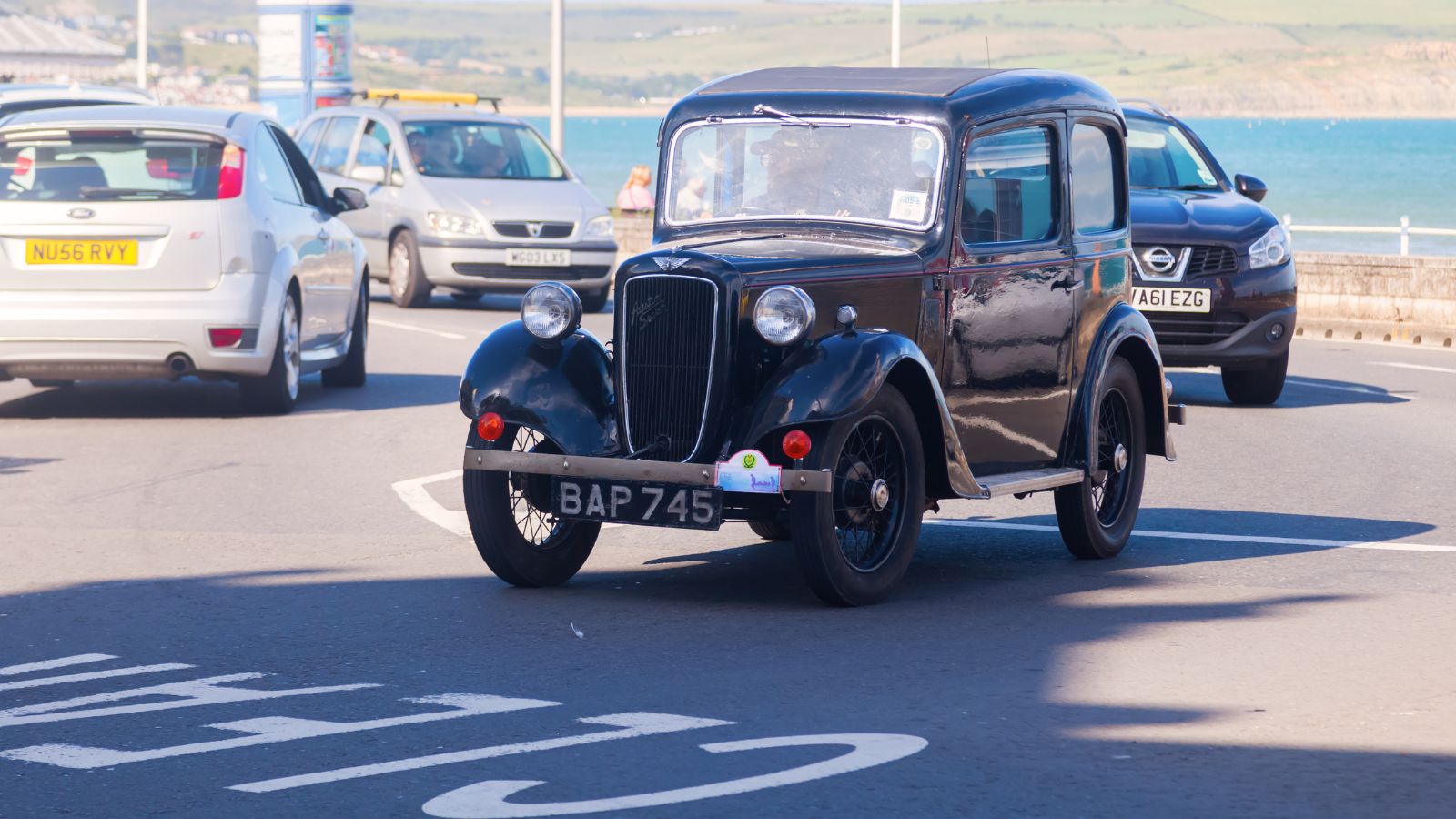
The Austin Seven helped define what an affordable car could be. It was compact, simple, and accessible to a growing middle class.
Its influence extended far beyond the UK, inspiring early car designs in multiple countries. It laid the groundwork for the idea that small cars could drive mass adoption.
Smart Fortwo (1998 to Present)
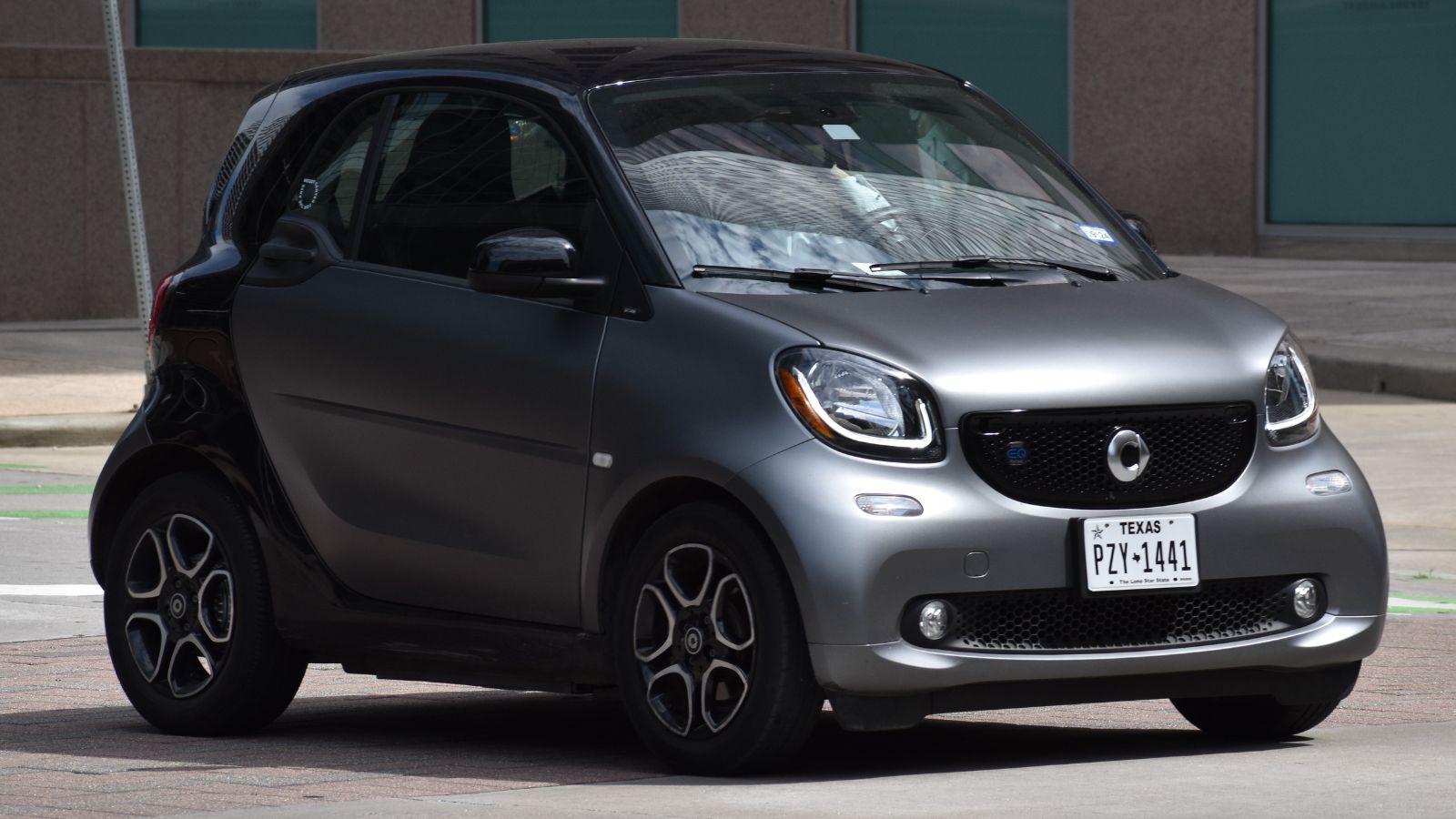
The Smart Fortwo represents a modern interpretation of the small car concept. Designed specifically for dense urban environments, it focuses on efficiency and practicality.
Its tiny footprint makes it ideal for tight city streets, while its design challenges traditional ideas about what a car should be. It shows that even today, the small car concept continues to evolve.
Small cars have always been about more than size. They represent accessibility, innovation, and a shift in how people interact with transportation. These vehicles changed not just the automotive industry, but the way societies move and function. They may be small in physical form, but their impact on the world has been enormous.
25 Facts About Car Loans That Most Drivers Don’t Realize

Car loans are one of the most common ways people fund car purchases. Like any other kind of loan, car loans can have certain features that can be regarded as an advantage or a disadvantage to the borrower. Understanding all essential facts about car loans and how they work to ensure that you get the best deal for your financial situation is essential. Here are 25 shocking facts about car loans that most drivers don’t realize:
25 Facts About Car Loans That Most Drivers Don’t Realize
