Hybrids are usually presented as the sensible middle ground between gas and electric. They promise lower fuel bills, fewer compromises, and easy ownership. In reality, living with a hybrid over several years reveals drawbacks that rarely show up in brochures or first-drive reviews. These are the issues many owners only admit after the honeymoon period fades.
Real-World Fuel Savings Often Fall Short
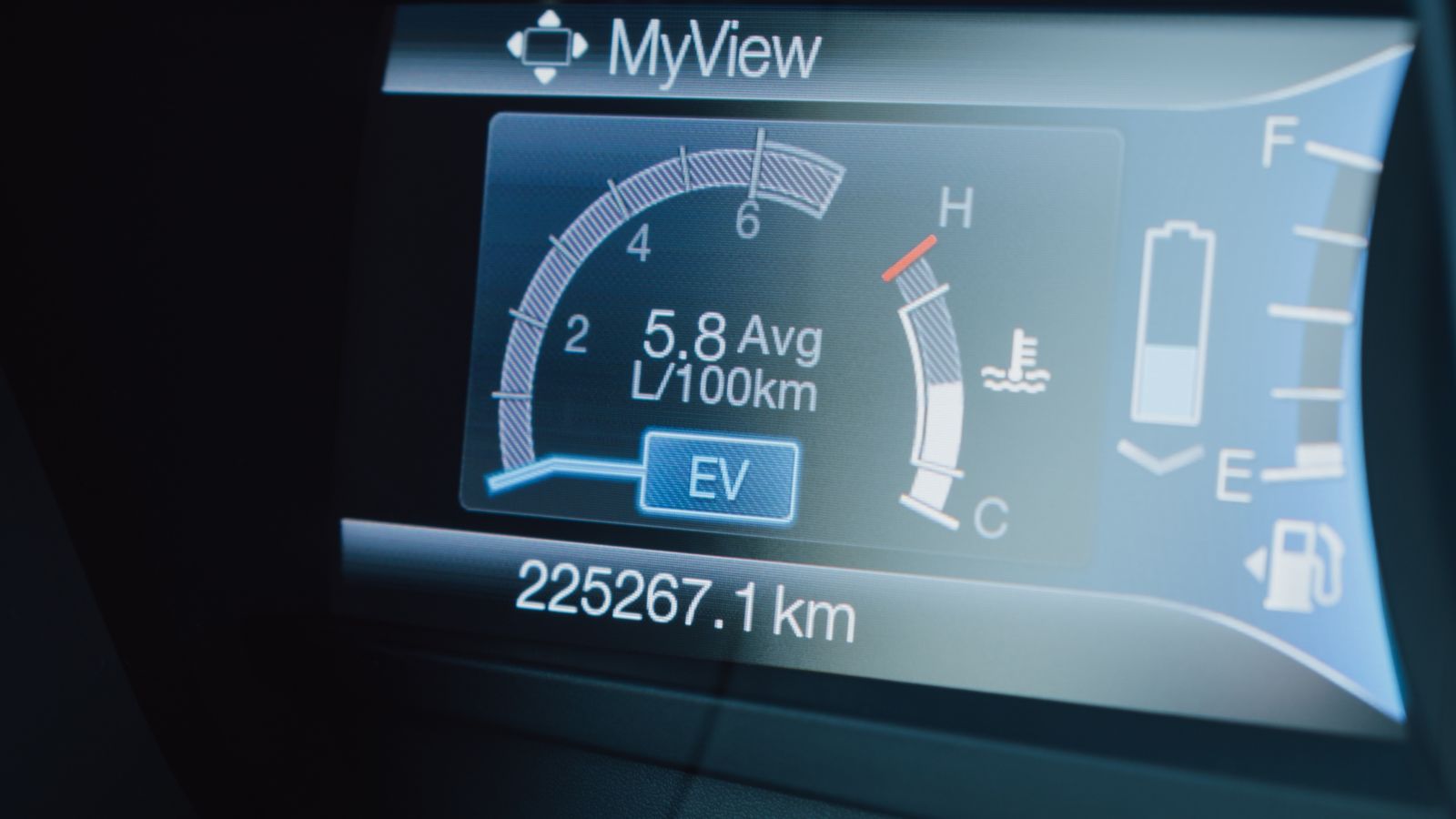
Hybrids shine in stop-and-go traffic, but many drivers spend most of their time on highways. At steady speeds, the advantage over a modern gas engine shrinks dramatically. Add cold weather, winter tires, and heavier loads, and the fuel savings can be far less than expected. For some owners, the math never actually works in their favor.
Higher Purchase Prices Are Hard to Recover

Hybrids usually carry a noticeable price premium over gas versions. That extra cost has to be recovered through fuel savings, which can take many years. If fuel prices stabilize or driving habits change, the break-even point moves further away. Owners who trade vehicles every few years often never recoup the upfront difference.
Battery Replacement Anxiety Never Fully Goes Away
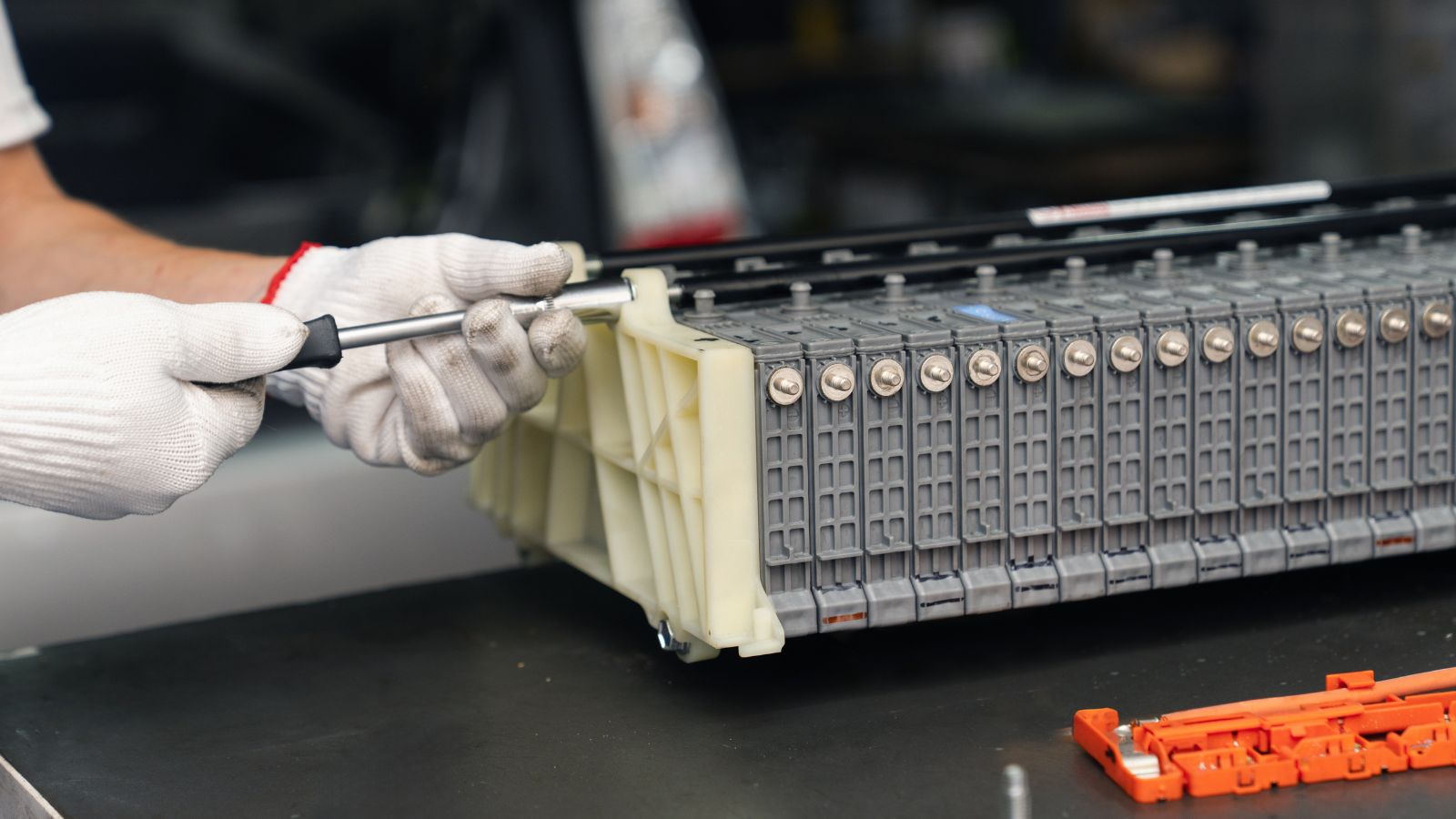
Even if failures are rare, the idea of a large battery replacement hangs over long-term ownership. As hybrids age out of warranty, resale values can suffer because buyers worry about potential costs. Unlike engine wear, battery health is harder to judge, which adds uncertainty to private sales and long-term planning.
Winter Performance Changes the Experience

Cold weather affects hybrids more than many drivers expect. Electric assistance is reduced, batteries warm slowly, and gas engines run more often to maintain cabin heat. Fuel economy drops, sometimes sharply, which can be frustrating for owners who bought hybrids expecting consistent efficiency year-round.
Repair Costs Can Be Higher Than Expected

Hybrids have fewer traditional wear items, but when things do break, repairs can be expensive. Power electronics, cooling systems, and hybrid-specific components are not cheap. Independent shops may be less comfortable working on them, pushing owners back to dealerships where labor rates are higher.
Insurance Premiums Are Often Higher

Hybrids can cost more to insure than their gas counterparts. Repair complexity, battery-related claims, and higher replacement costs factor into premiums. Even small accidents can become costly if hybrid systems are affected. Many owners only notice this downside when renewal notices arrive.
Towing and Load Limits Are Often Lower

Hybrid systems are optimized for efficiency, not heavy work. Towing capacity and payload are often reduced compared to gas versions of the same vehicle. Owners who later decide to tow a trailer or carry heavy gear may find their hybrid less capable than expected.
Driving Feel Can Be Less Engaging
Not everyone likes how hybrids drive. Regenerative braking can feel unnatural, throttle response may be inconsistent, and transitions between electric and gas power can be noticeable. While many drivers adapt, others never fully enjoy the experience, especially those who value predictable pedal feel.
Long-Term Reliability Is Still Evolving

Hybrids have been around for decades, but newer systems are more complex than ever. Multiple motors, batteries, inverters, and software layers increase potential failure points over time. Owners who keep cars for ten or fifteen years face more unknowns than with simpler gas vehicles.
Resale Value Depends Heavily on Perception

Hybrid resale values are sensitive to public opinion. When fuel prices rise, demand increases. When gas becomes cheaper or new technology appears, interest drops. That volatility can hurt owners trying to sell at the wrong time. Resale stability is not as predictable as many expect.
Hybrids are not bad vehicles, and for some drivers they make perfect sense. But they are not the universal solution they are often sold as. Understanding these quieter drawbacks matters, because the true cost of ownership only becomes clear long after the test drive is over.
25 Facts About Car Loans That Most Drivers Don’t Realize

Car loans are one of the most common ways people fund car purchases. Like any other kind of loan, car loans can have certain features that can be regarded as an advantage or a disadvantage to the borrower. Understanding all essential facts about car loans and how they work to ensure that you get the best deal for your financial situation is essential. Here are 25 shocking facts about car loans that most drivers don’t realize:
25 Facts About Car Loans That Most Drivers Don’t Realize
