Hybrids are often marketed as the perfect compromise for Canadian drivers, promising lower fuel bills without the charging headaches of full EVs. In reality, higher purchase prices, winter efficiency losses, insurance costs, and long-term ownership risks often erase the savings. When you run the numbers over several years, these ten hybrids frequently cost Canadians more than their conventional gas alternatives.
Toyota RAV4 Hybrid
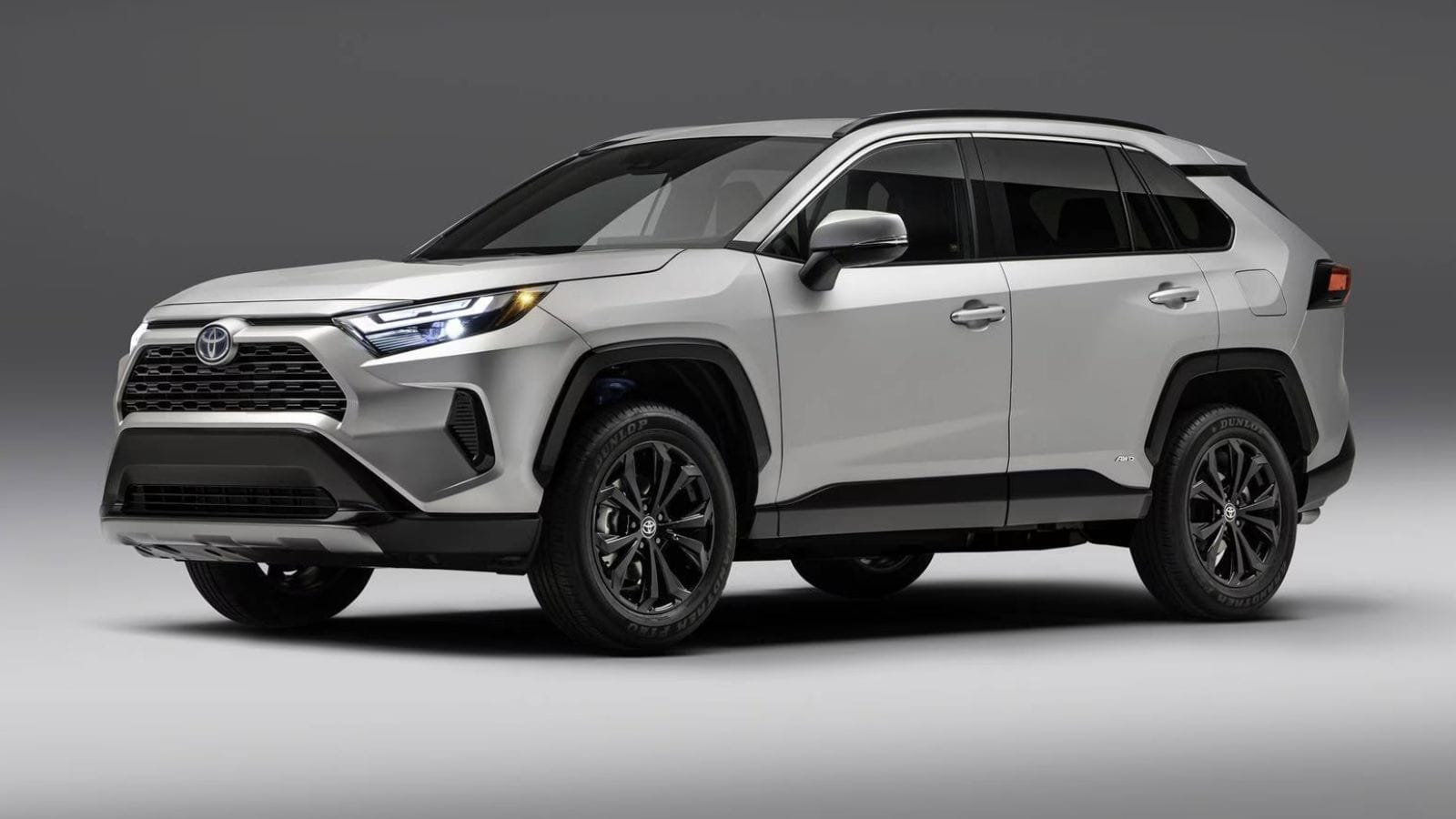
The RAV4 Hybrid is wildly popular, but popularity does not equal value. The price premium over the gas model is substantial, and in Canada many owners do long highway drives where hybrid benefits shrink. Winter fuel economy drops, insurance costs are higher, and long wait times often push buyers into overpriced used examples. For many households, the break-even point arrives far too late.
Toyota Highlander Hybrid
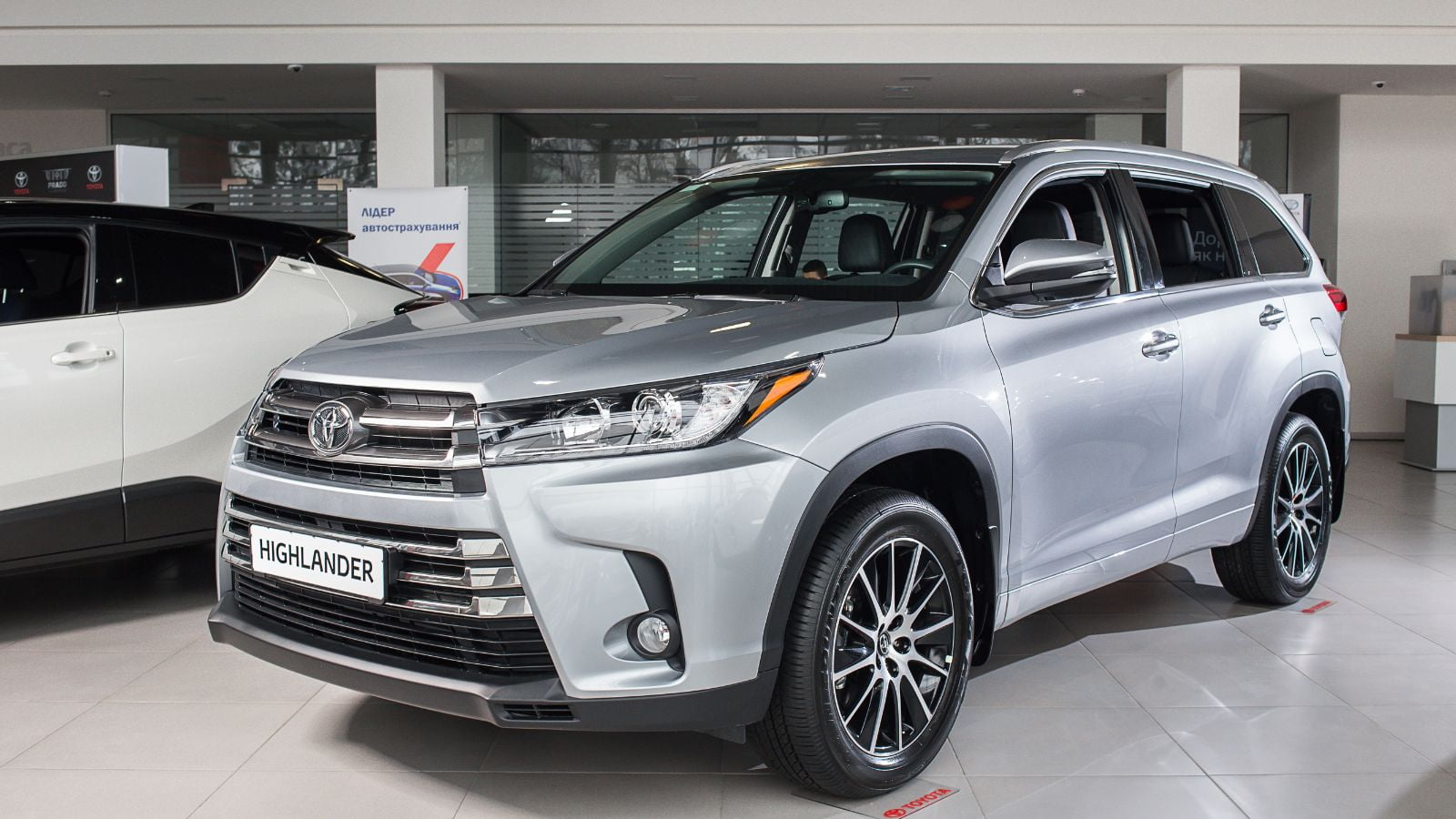
On paper, the Highlander Hybrid looks like a win, but the math rarely works out. The upfront cost is significantly higher than the gas V6, and cold weather reduces efficiency enough to matter. Depreciation also accelerates once new generations arrive. For families doing frequent highway trips, the gas version often costs less to own long term.
Ford F-150 PowerBoost
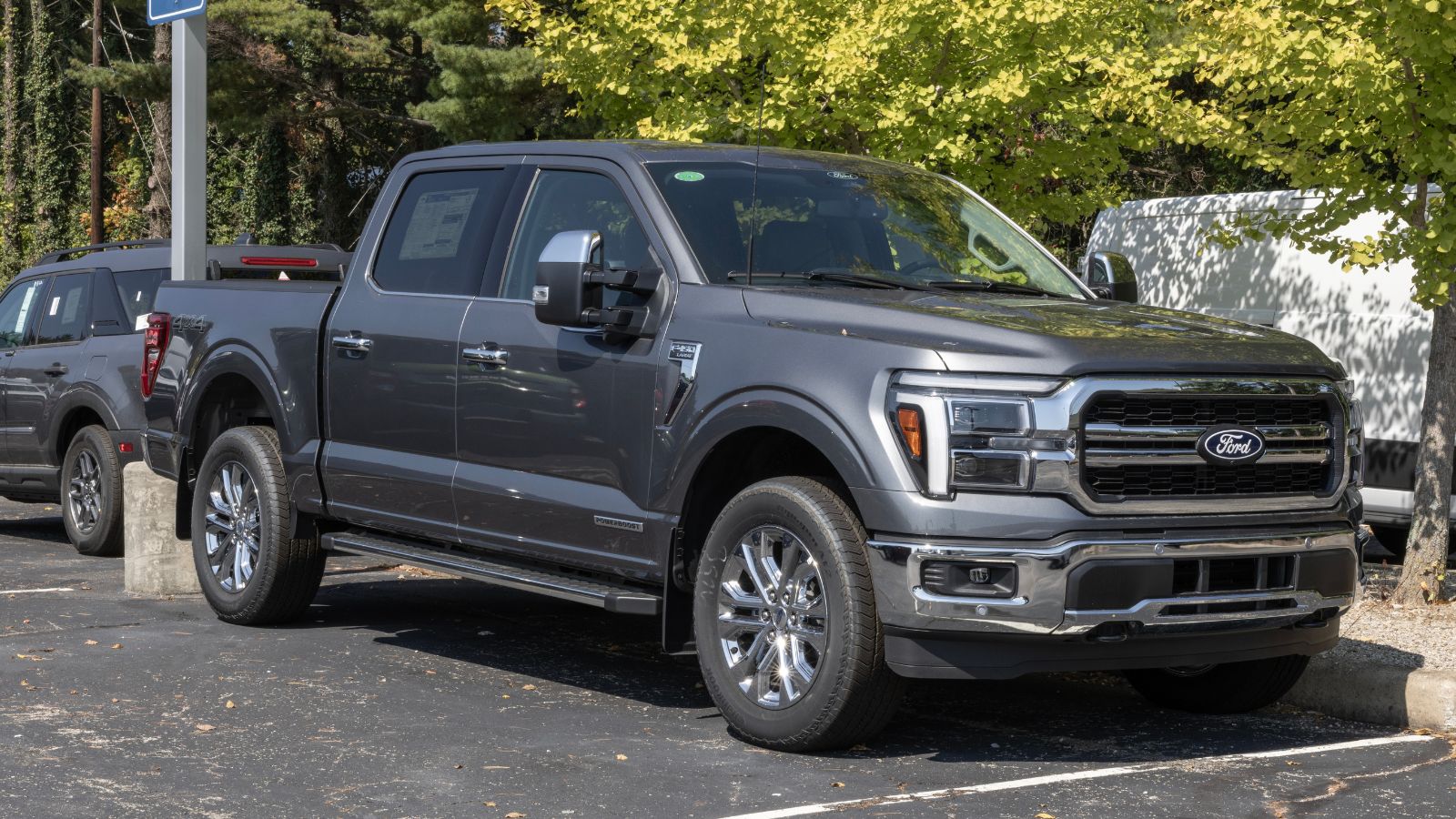
The PowerBoost system adds complexity and cost to an already expensive truck. Fuel savings depend heavily on city driving, while towing, winter use, and highway cruising cut deeply into the advantage. Insurance and repair costs are higher, and many owners discover they would have spent less with a conventional EcoBoost over five to seven years.
Lexus RX Hybrid
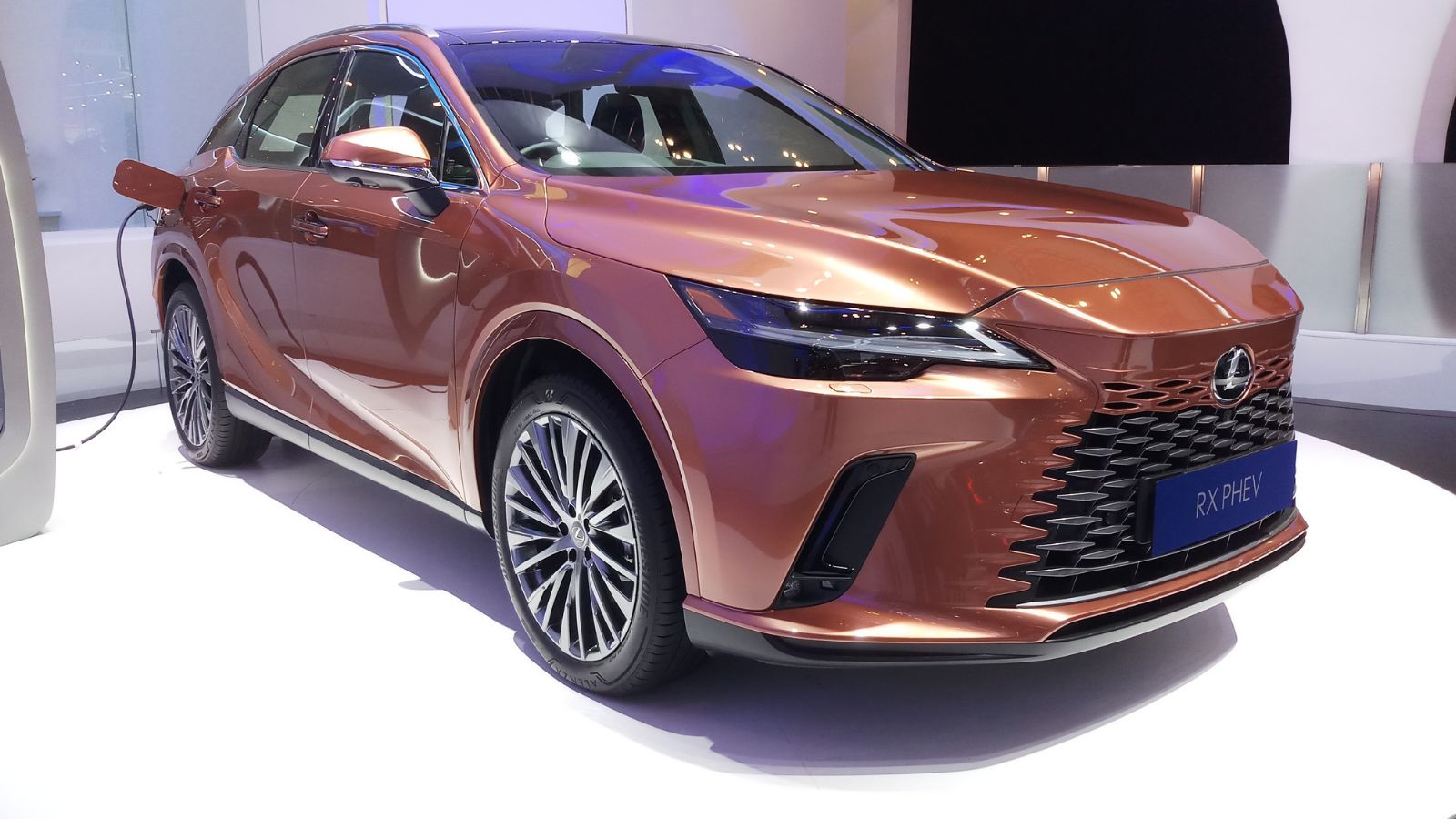
Luxury hybrids carry luxury pricing, and the RX Hybrid is no exception. Fuel savings are modest compared to the premium paid, especially in Canadian winters. Once out of warranty, repair costs can be significant. Many buyers would be financially better off with the standard RX or a non-hybrid luxury rival.
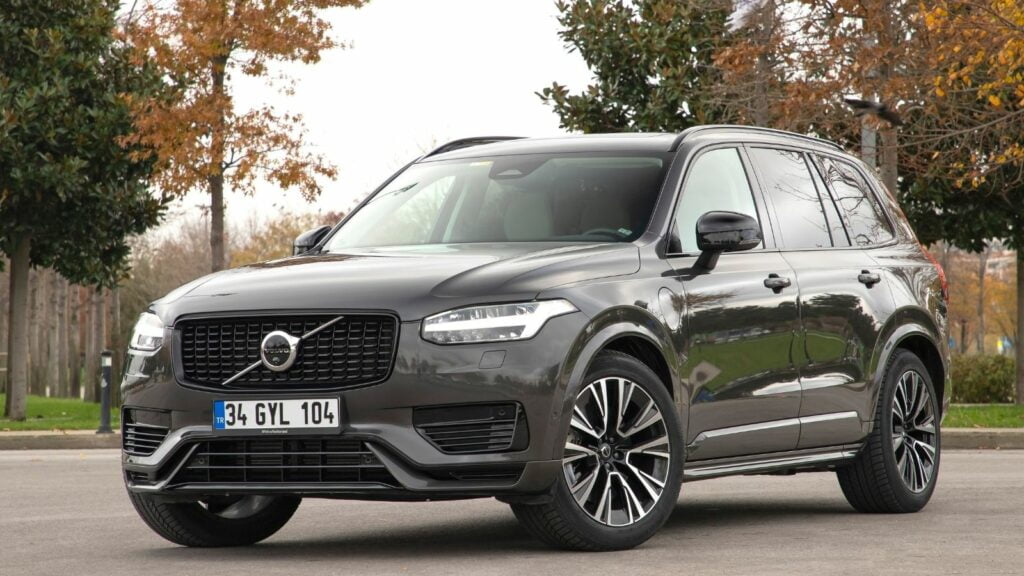
Volvo XC90 Recharge
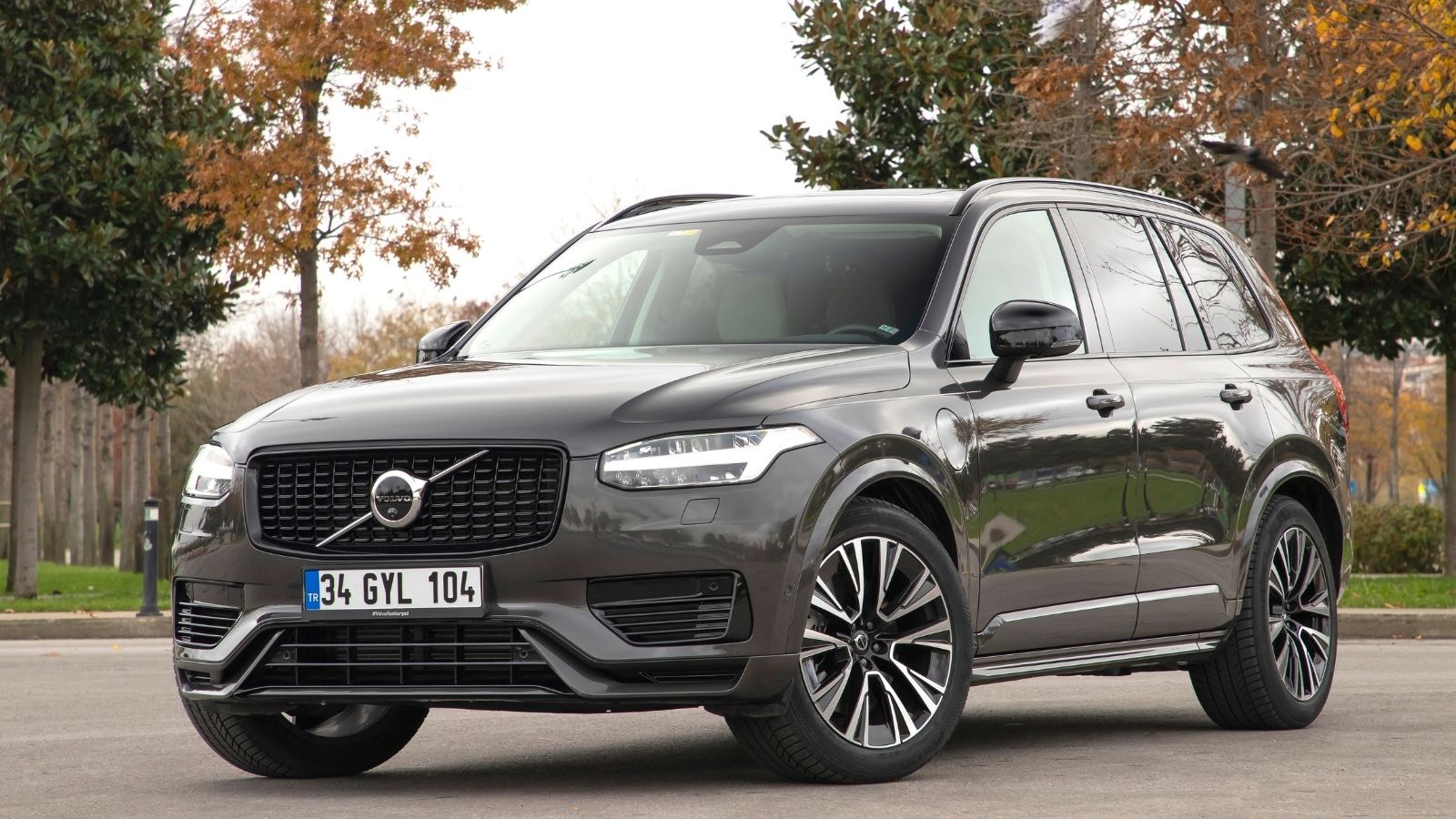
Plug-in hybrids sound ideal until winter arrives. Electric range drops sharply in cold weather, pushing the XC90 Recharge into gas mode more often than expected. The purchase price is high, depreciation is steep, and maintenance costs are not small. Unless charging habits are perfect year-round, the savings case collapses.
BMW X5 xDrive45e
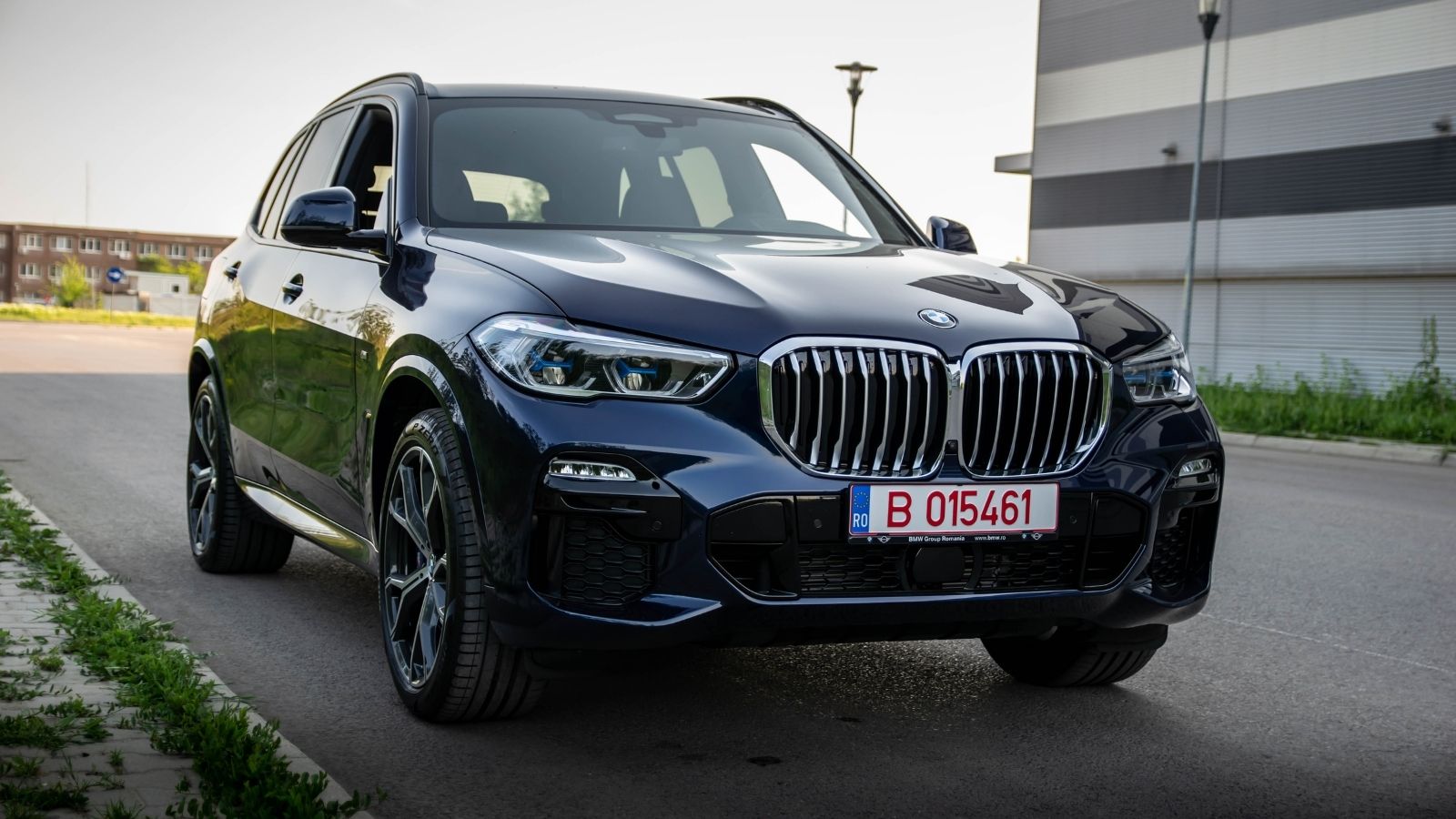
In warm conditions, the X5 hybrid can make sense. In Canada, winter range loss and short electric-only driving windows undermine its value. High insurance premiums, complex systems, and strong depreciation mean many owners spend more overall than with a conventional gas X5.
Honda CR-V Hybrid
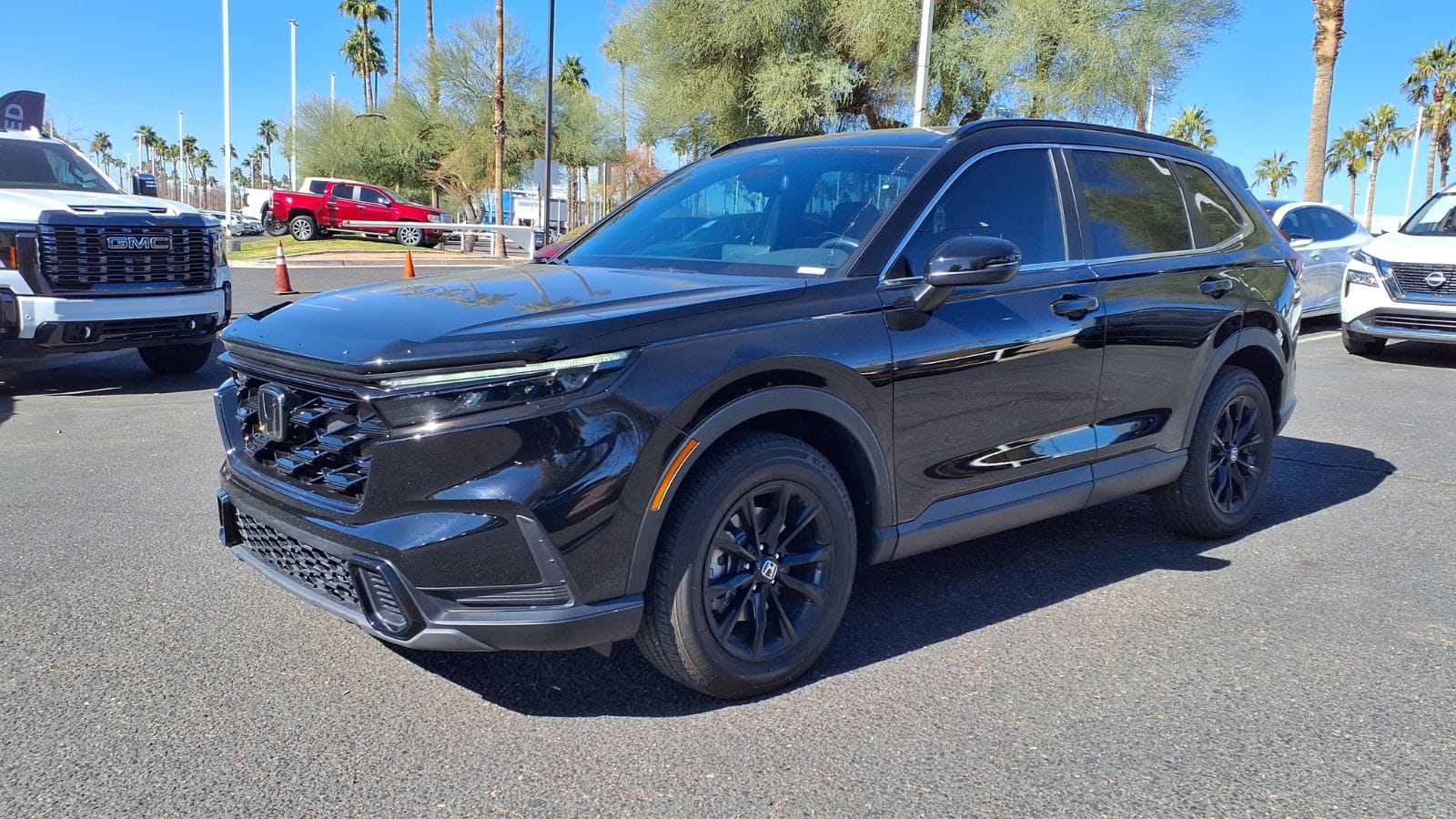
The CR-V Hybrid works best in stop-and-go city use, but many Canadians drive long distances at steady speeds. On highways, the fuel savings shrink while the purchase premium remains. Over a typical ownership cycle, the financial benefit is often negligible or nonexistent.
Toyota Camry Hybrid
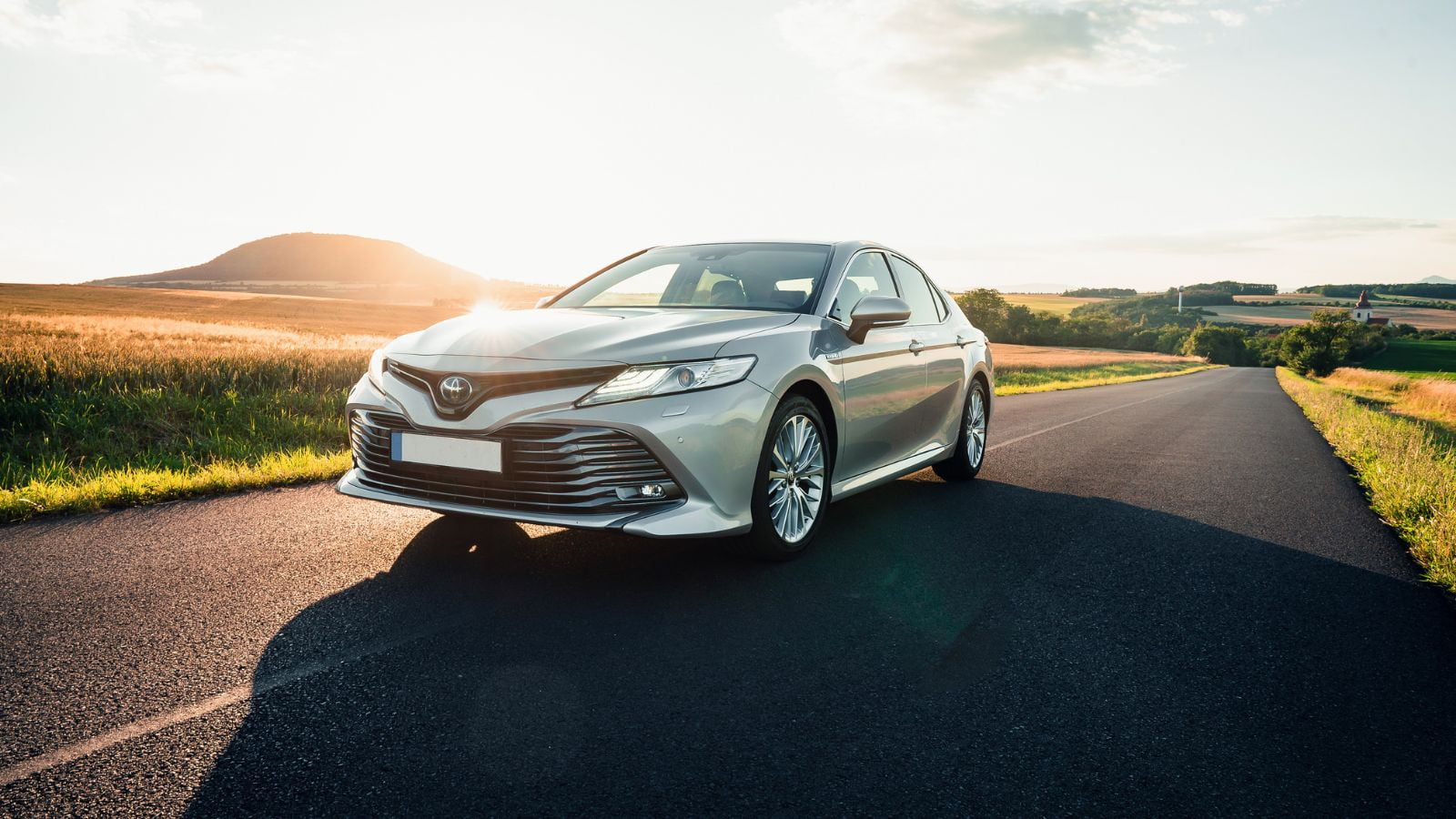
The Camry Hybrid delivers excellent fuel economy, but the price gap over the gas model, higher insurance, and long-term battery concerns narrow the advantage. For drivers who keep cars well beyond warranty, the financial risk offsets much of the fuel savings.
Jeep Wrangler 4xe

The Wrangler 4xe looks efficient on paper, but real-world Canadian use tells a different story. Cold weather slashes electric range, off-road driving relies heavily on gasoline, and insurance costs are high. Depreciation is steep, making it one of the least convincing hybrid value propositions available.
Chrysler Pacifica Hybrid
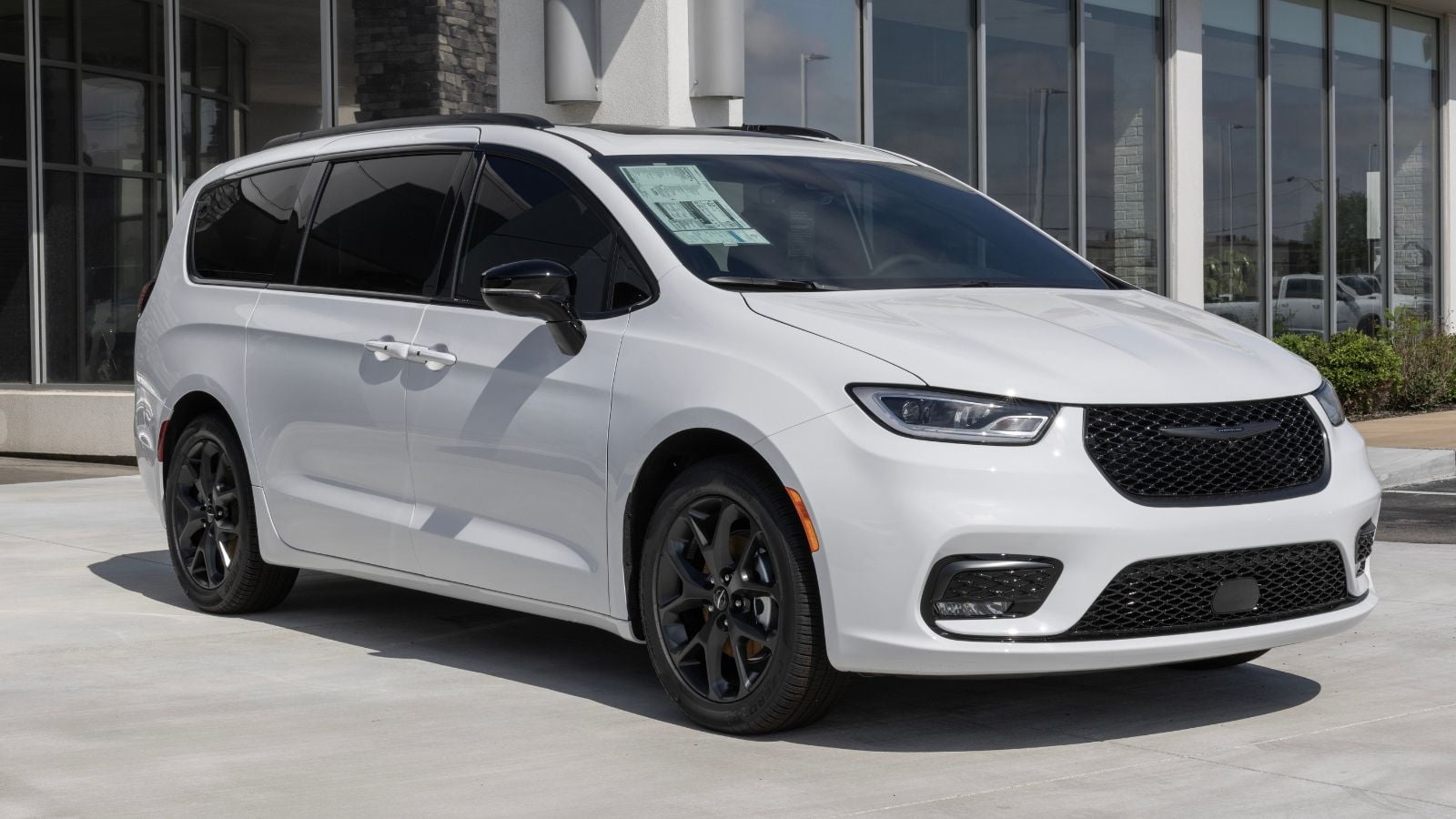
The Pacifica Hybrid promises big savings for families, but winter conditions and limited electric range work against it. Repair costs are higher than the gas version, and consistent home charging is essential to see any benefit. Without ideal usage, many owners end up spending more overall.
Hybrids are not bad vehicles, but they are not automatic money savers in Canada. Climate, driving patterns, insurance, depreciation, and long-term reliability matter more than brochure fuel numbers. For many Canadians, these hybrids simply do not deliver the savings they promise.
25 Facts About Car Loans That Most Drivers Don’t Realize

Car loans are one of the most common ways people fund car purchases. Like any other kind of loan, car loans can have certain features that can be regarded as an advantage or a disadvantage to the borrower. Understanding all essential facts about car loans and how they work to ensure that you get the best deal for your financial situation is essential. Here are 25 shocking facts about car loans that most drivers don’t realize:
25 Facts About Car Loans That Most Drivers Don’t Realize
