
Electric vehicles get most of the headlines, but for many Canadian drivers hybrids are the smarter, more realistic choice. Canada’s climate, geography, and driving habits expose EV weaknesses quickly, while hybrids quietly solve those problems without demanding lifestyle changes. These ten reasons explain why hybrids often make far more sense than full EVs in Canada.
Cold Weather Does Not Crush Range

Canadian winters are brutal on batteries. Cold temperatures can cut EV range dramatically, sometimes by 30 percent or more in real driving. Hybrids avoid that problem by relying on a gasoline engine when conditions get tough. Fuel economy may dip slightly in winter, but you are never stranded watching your range collapse as the temperature drops.
No Charging Anxiety in Remote Areas
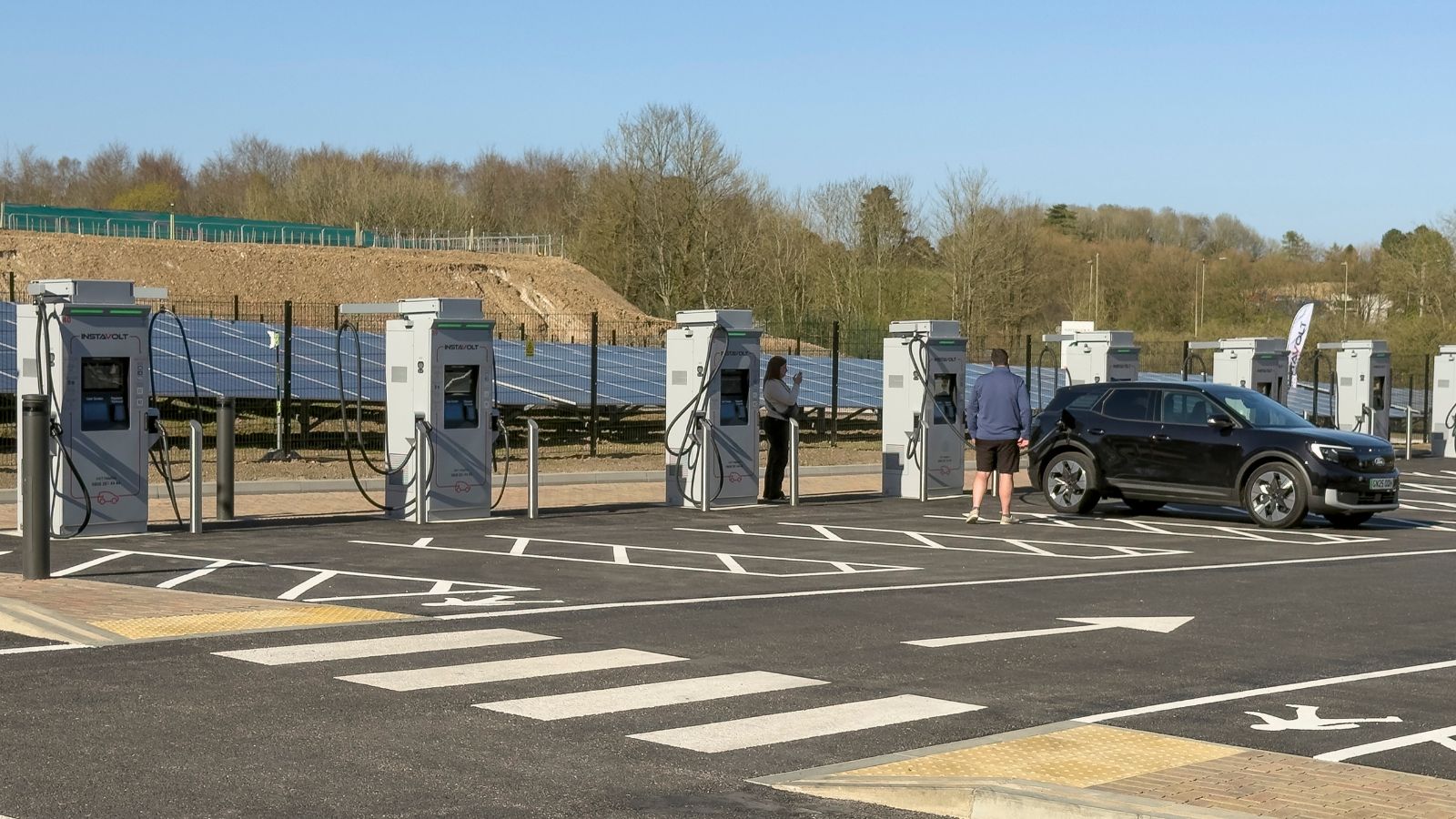
Canada is vast, and many regions still lack reliable fast charging infrastructure. Outside major cities, EV planning becomes stressful very quickly. Hybrids eliminate that anxiety completely. You can refuel anywhere, anytime, and keep moving. For road trips, rural living, or cottage country, that peace of mind matters far more than theoretical emissions savings.
Faster Refueling in Real Life
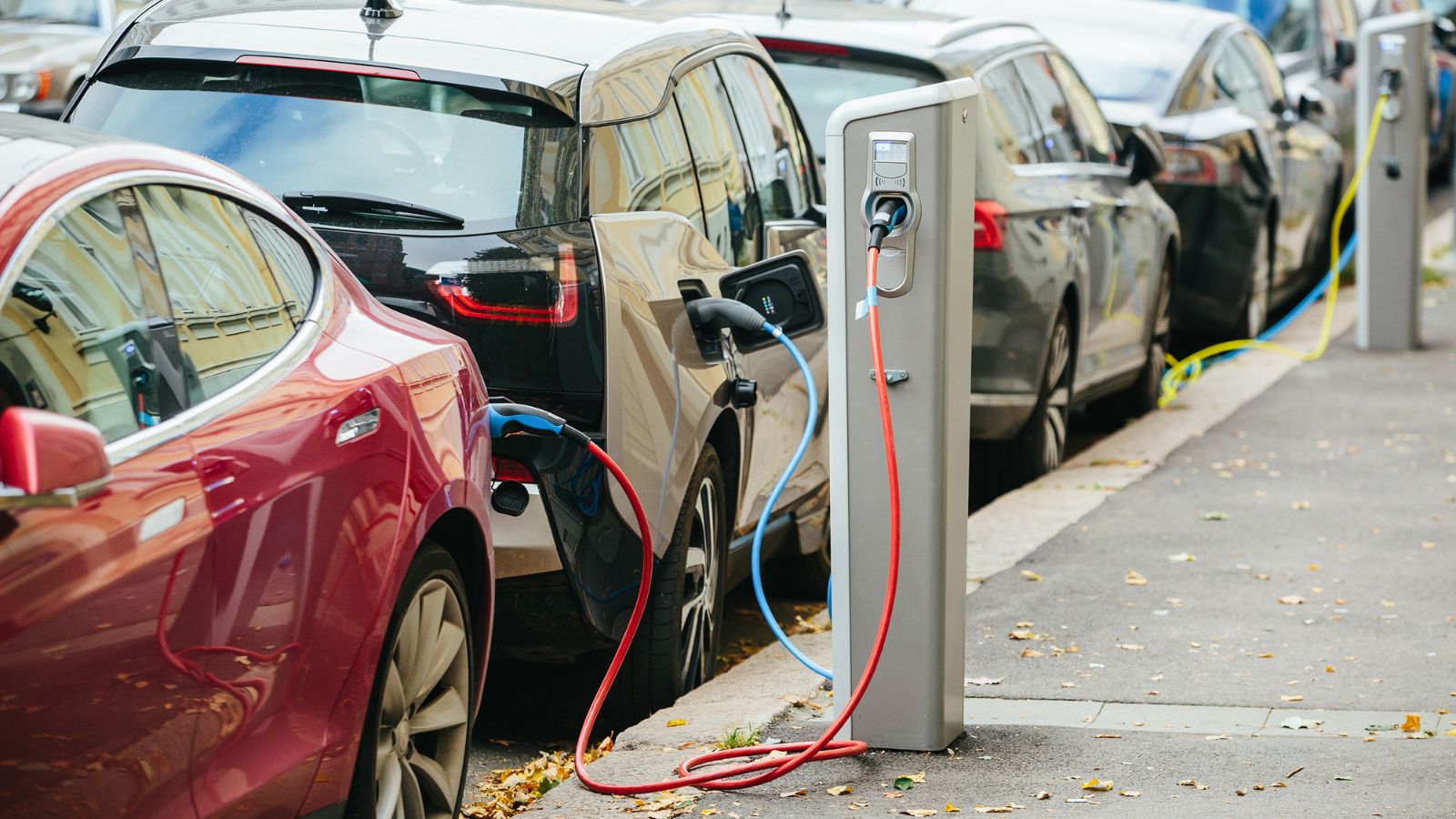
Charging an EV is fine when time is not an issue, but Canadian driving often involves long distances and unpredictable schedules. Even fast chargers take far longer than filling a tank. Hybrids refuel in minutes, not hours, which makes them better suited to real world Canadian travel patterns where time and flexibility matter.
Better Performance in Extreme Heat and Cold

Battery systems struggle not just in cold but also during extreme heat, especially when towing or climbing. Hybrids distribute workload between electric motors and internal combustion engines, keeping performance consistent. Whether crossing mountain passes or dealing with heat waves, hybrids feel predictable rather than compromised.
Lower Purchase Prices for Most Buyers
EV prices remain high, even with incentives. Hybrids usually cost less upfront and require fewer compromises. For many Canadian households, that lower entry price makes the difference between buying new and buying used. Value matters, especially as interest rates and living costs remain elevated.
Proven Reliability Over Time

Hybrid systems have been on the road for decades and have built a reputation for durability. Batteries are smaller, less stressed, and often last longer than full EV packs. For Canadians who keep cars for many years, long term reliability matters more than early adoption bragging rights.
Easier Ownership for Apartment and Condo Dwellers

Home charging is often impossible for people living in apartments or condos. Relying on public chargers adds cost, inconvenience, and unpredictability. Hybrids sidestep that entire problem. You do not need to redesign your living situation to make the car work, which is a huge advantage in urban Canada.
Stronger Resale Value Stability

EV technology changes quickly, and older models feel outdated fast. That hurts resale value. Hybrids depreciate more slowly because their technology evolves gradually and remains compatible with existing fuel infrastructure. For Canadians who think long term, resale stability is a major financial consideration.
Better Towing and Load Flexibility

Many Canadians tow trailers, boats, or snowmobiles. EV towing range drops sharply under load, especially in winter. Hybrids handle towing more gracefully by leaning on gasoline power when needed. That flexibility makes them better suited to Canadian lifestyles that mix work, recreation, and long distances.
Emissions Reduction Without Lifestyle Disruption

Hybrids deliver meaningful emissions reductions compared to traditional gas vehicles without forcing drivers to change habits. You get electric assistance in city driving and efficient highway cruising without planning charging stops or worrying about weather. For many Canadians, that balance makes hybrids the most practical environmental choice available today.
Hybrids may not dominate headlines, but they dominate real life practicality. In a country defined by cold weather, long distances, and varied living situations, they offer a smarter path forward than full EVs for a large portion of Canadian drivers.
25 Facts About Car Loans That Most Drivers Don’t Realize

Car loans are one of the most common ways people fund car purchases. Like any other kind of loan, car loans can have certain features that can be regarded as an advantage or a disadvantage to the borrower. Understanding all essential facts about car loans and how they work to ensure that you get the best deal for your financial situation is essential. Here are 25 shocking facts about car loans that most drivers don’t realize:
25 Facts About Car Loans That Most Drivers Don’t Realize
