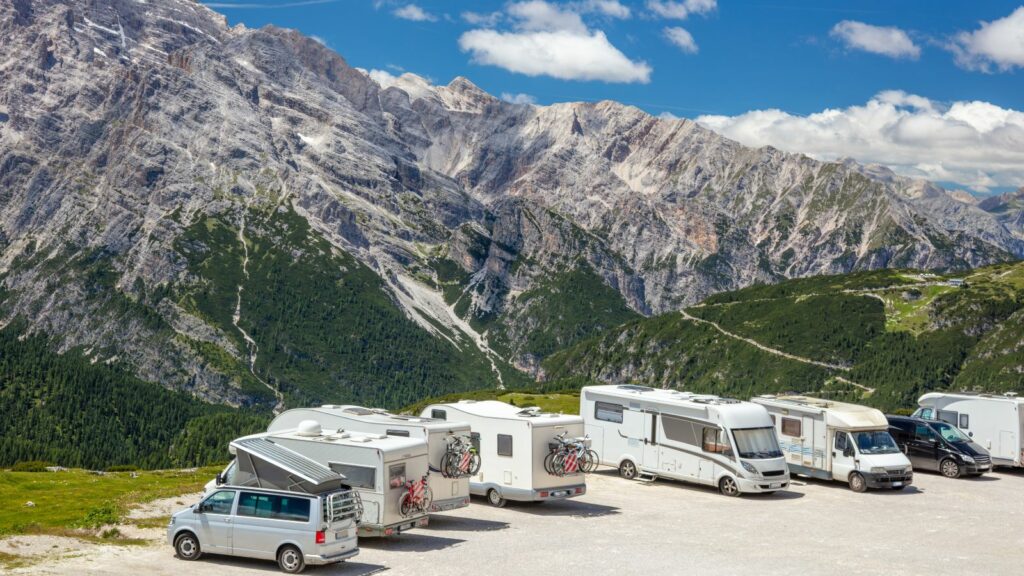
Buying a motorhome opens the door to a completely different style of travel. Instead of rushing between airports or hotels, you bring your accommodation with you and explore at your own pace. Yet new RV owners often discover that the first trips involve a steep learning curve. A few practical habits can make the difference between frustration and a genuinely enjoyable adventure.
Practice Driving Before Your First Big Trip
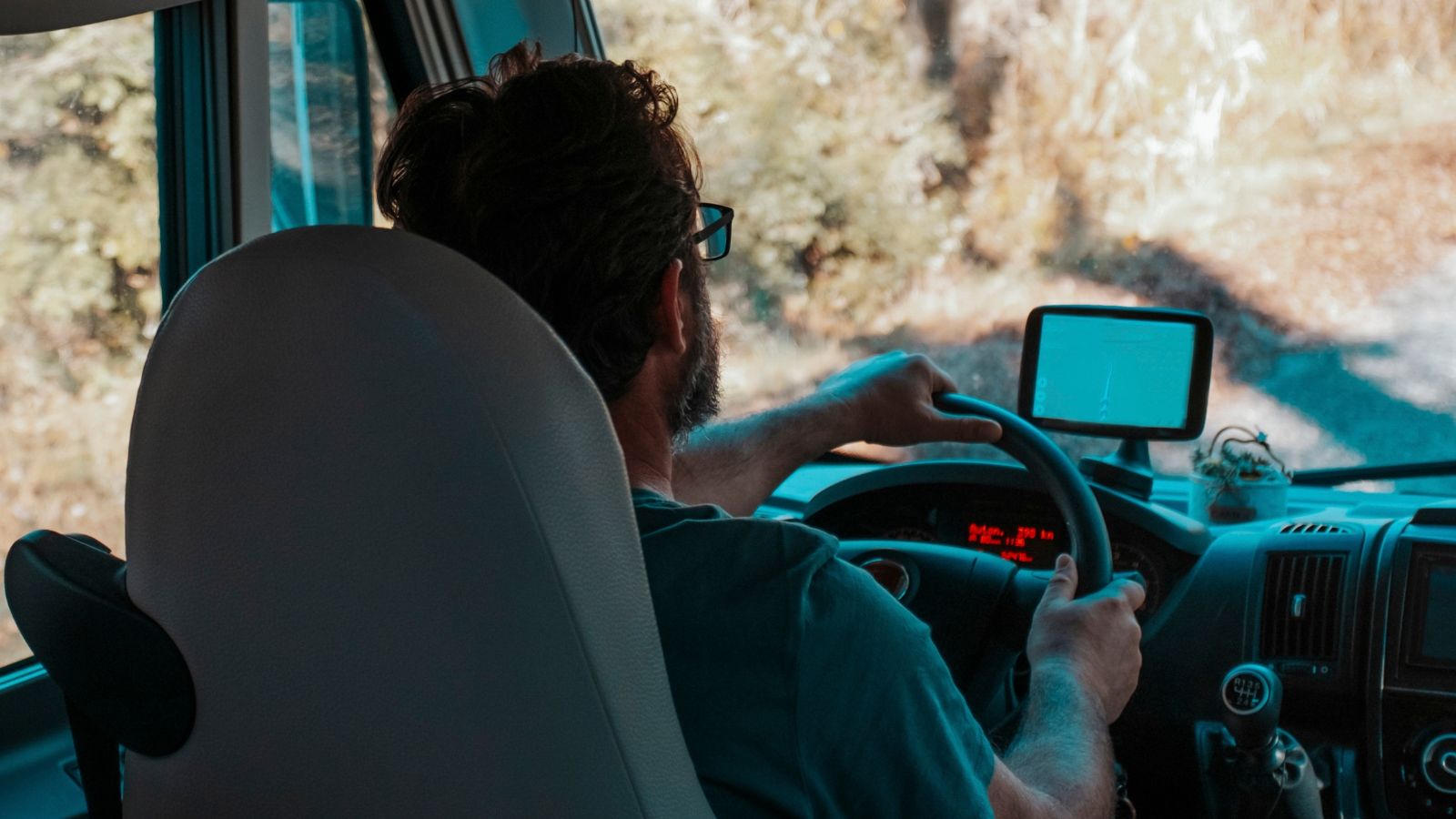
A motorhome handles very differently from a regular car or SUV. It is taller, wider, and heavier, which changes everything from braking distances to turning radius.
New owners often underestimate how different the experience feels on the road. Spending time practicing in empty parking lots or quiet roads can build confidence quickly. Learning how the vehicle responds when reversing, turning tightly, or merging onto highways will make the first real trip far more relaxing.
Learn Your RV’s Height and Width
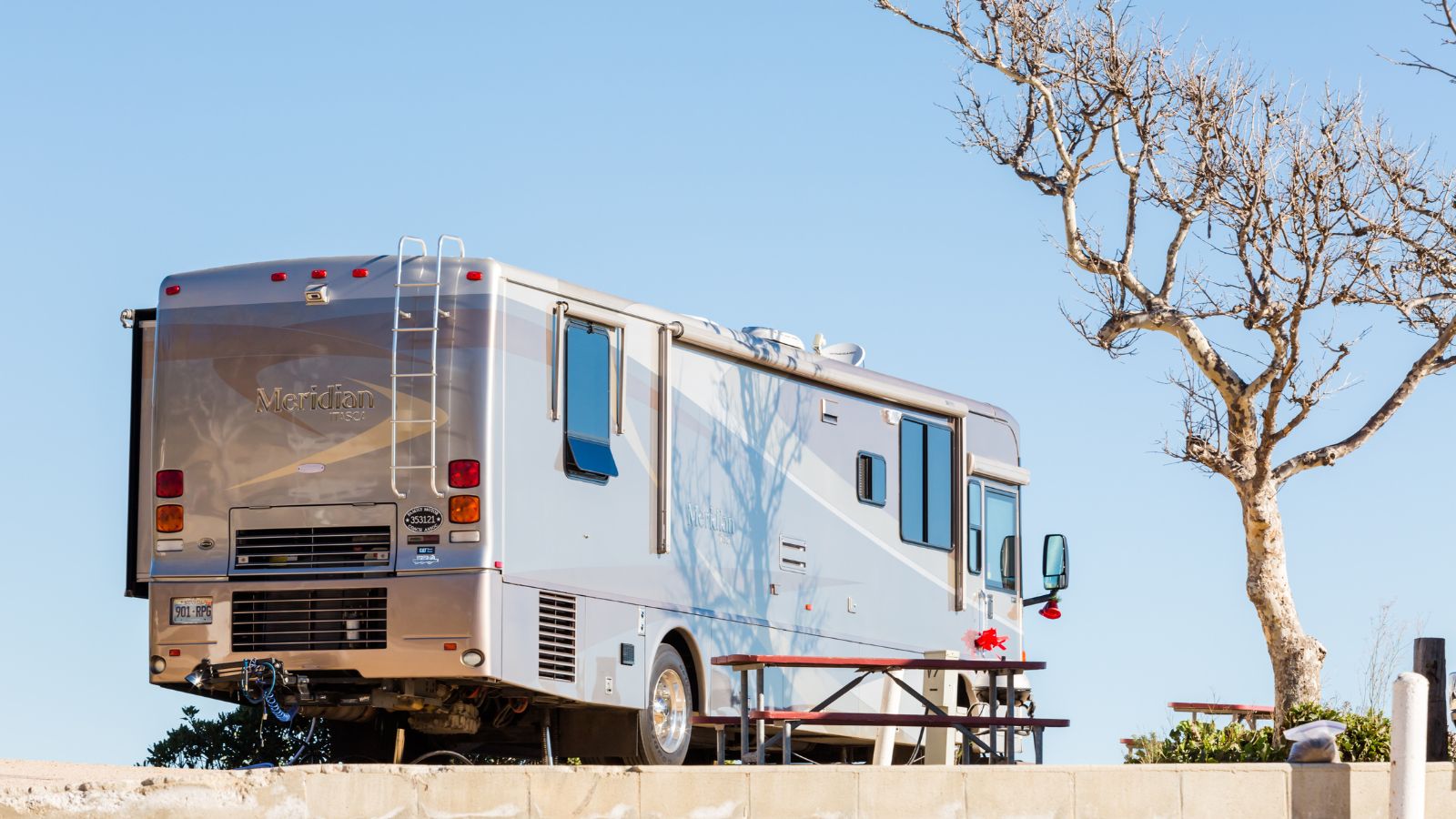
Motorhomes are significantly taller than most vehicles. Bridges, parking garages, and even tree branches can become obstacles if drivers are not paying attention.
Every RV owner should know the exact height and width of their vehicle and keep that information easily visible in the cab. This awareness prevents stressful situations when navigating unfamiliar roads or entering older campgrounds with low clearances.
Do Not Overpack the Motorhome
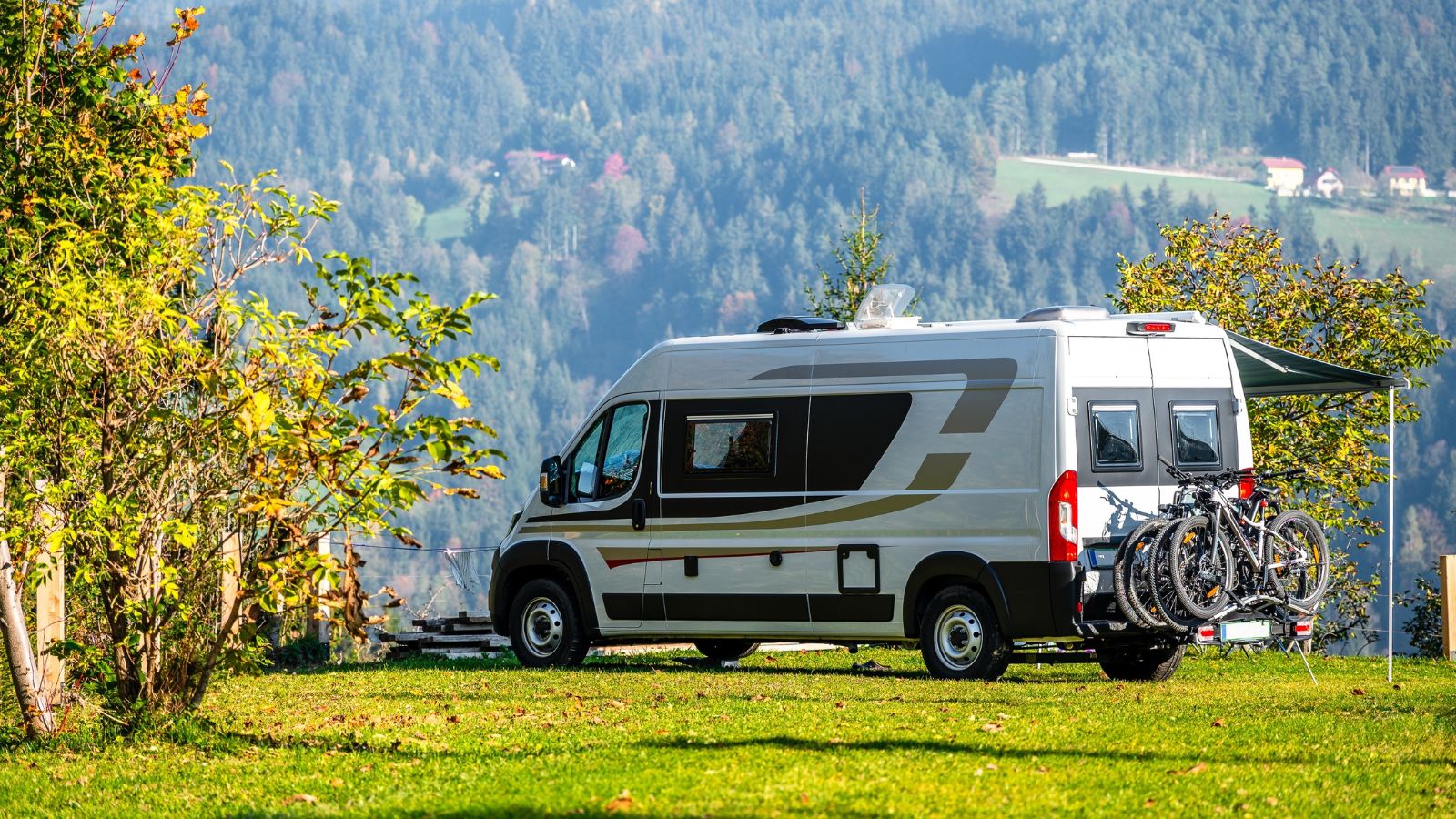
One of the biggest mistakes beginners make is loading the RV with far more gear than they need. The available storage space makes it tempting to bring everything imaginable.
Excess weight can affect fuel economy, handling, and braking. It also adds unnecessary clutter inside the living space. Experienced RV travelers often recommend starting with the essentials and gradually adding items based on actual needs discovered during trips.
Always Check Campsite Connections
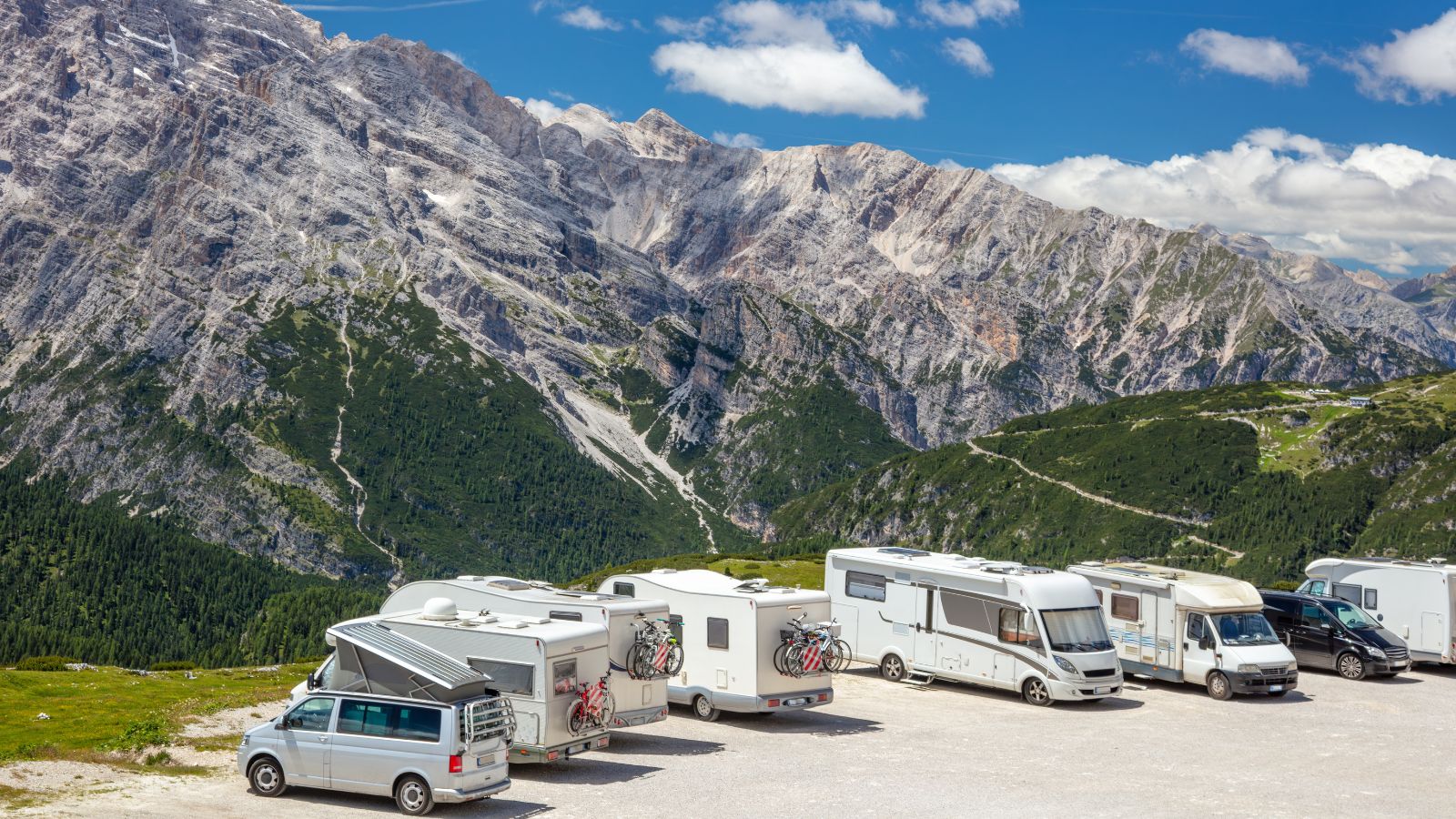
Not all RV parks offer identical hookups. Some campsites provide full connections for water, electricity, and sewage, while others may offer only partial services.
Before arriving at a campground it helps to confirm what utilities are available. Knowing whether the site offers 30 amp or 50 amp electrical service, for example, can prevent unpleasant surprises after a long day of driving.
Leveling the RV Matters More Than You Think

A motorhome that is not properly leveled can quickly make life uncomfortable. Sleeping, cooking, and even using the refrigerator can become awkward if the vehicle sits at an angle.
Most modern motorhomes include leveling systems or jacks designed to stabilize the vehicle. Taking a few minutes to level the RV properly improves comfort and helps appliances operate correctly.
Learn How the Holding Tanks Work
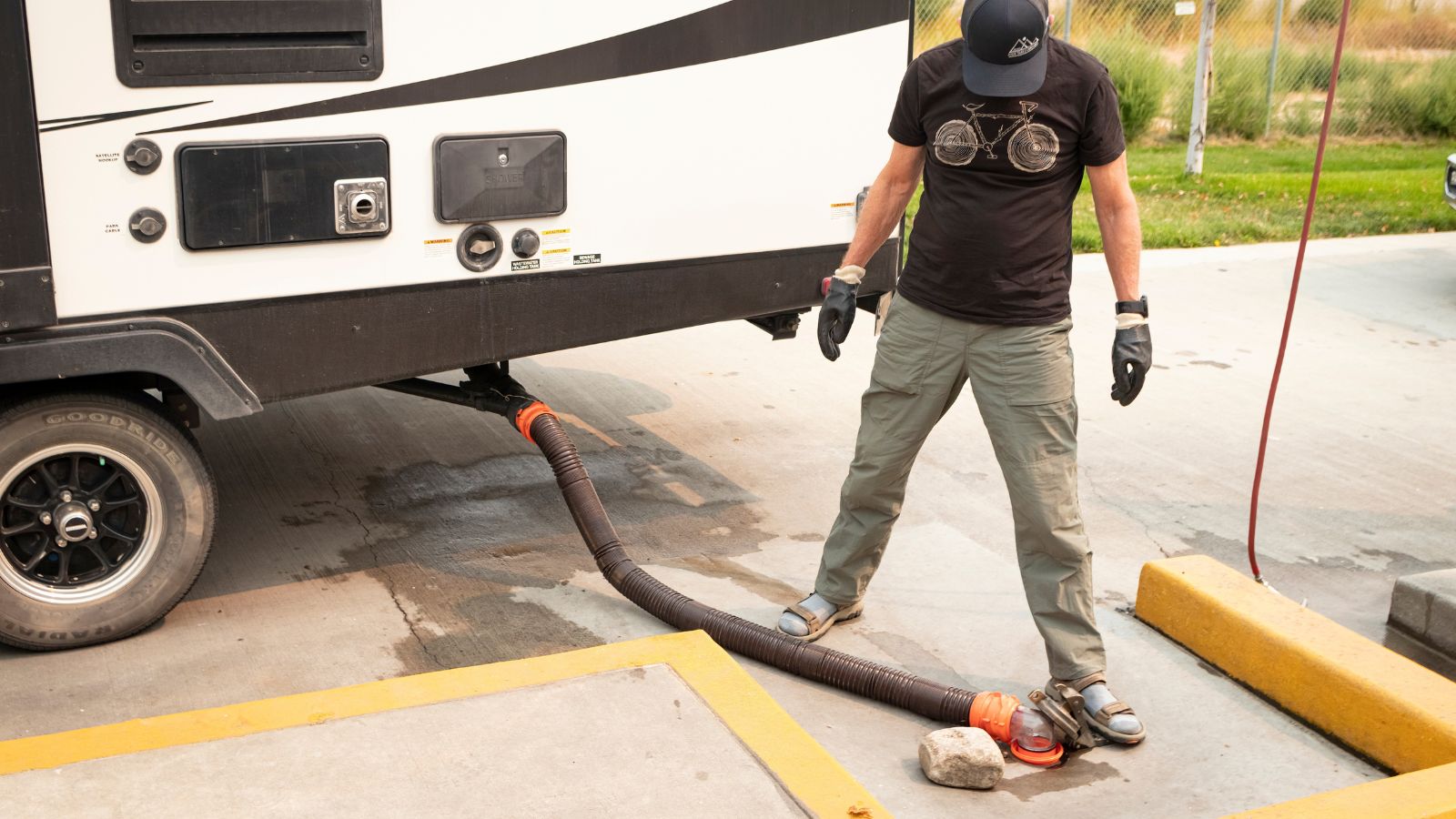
Every motorhome includes separate tanks for fresh water, grey water, and black water. Understanding how these systems function is essential for a smooth RV experience.
New owners sometimes forget to monitor tank levels or follow proper dumping procedures. Learning these basics early prevents messy situations and keeps the motorhome’s plumbing system working as intended.
Plan Fuel Stops in Advance
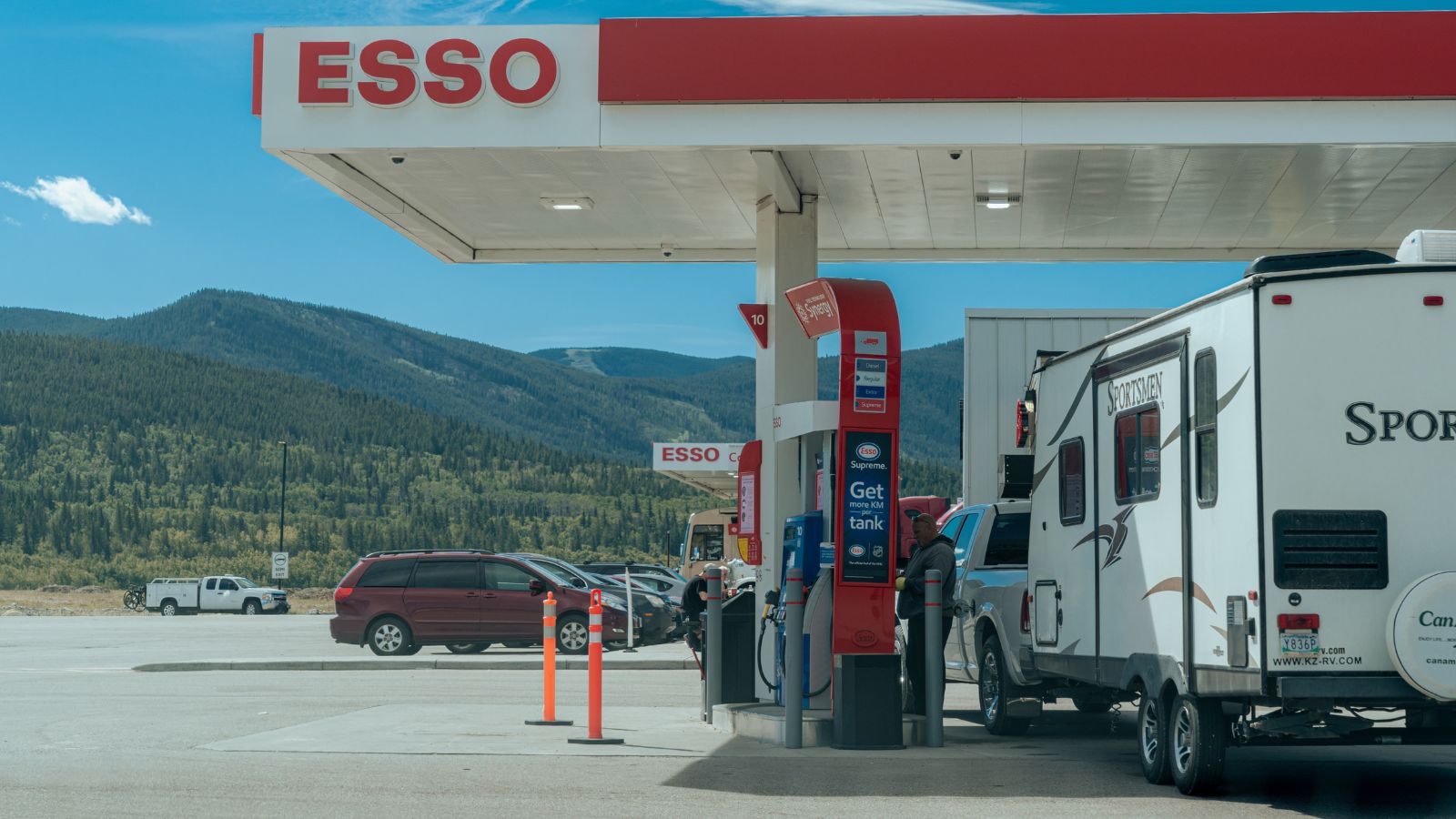
Large motorhomes consume more fuel than typical passenger vehicles. They also cannot easily fit into every gas station layout.
Planning fuel stops ahead of time makes travel much easier. Truck stops and larger service stations often provide easier access for bigger vehicles and allow drivers to maneuver without tight turns or awkward reversing.
Use Checklists Before Leaving Camp
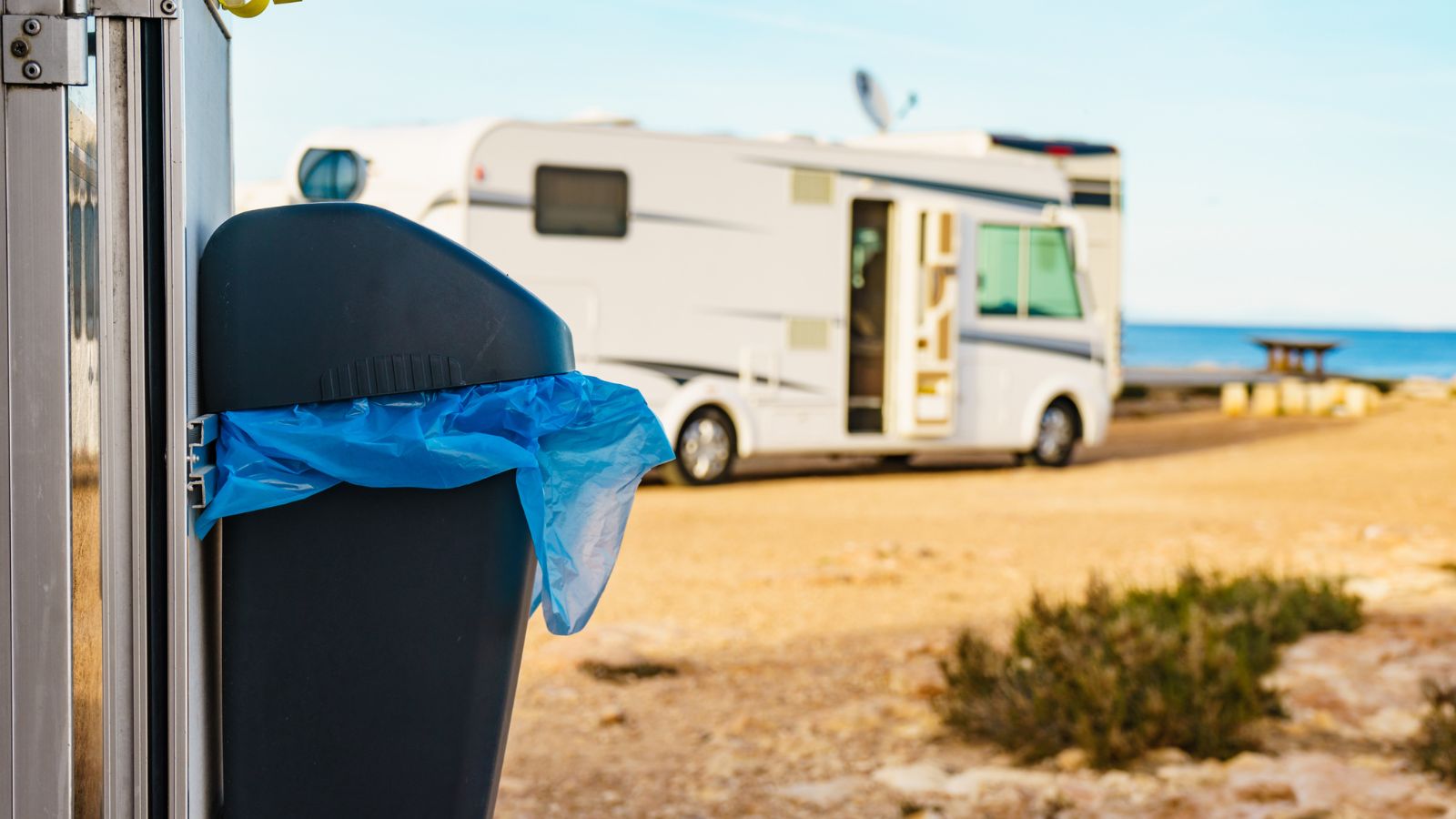
Even experienced RV owners rely on checklists when preparing to leave a campsite. It is surprisingly easy to forget small tasks such as disconnecting hoses, retracting steps, or securing interior items.
A simple checklist helps ensure everything is packed properly and prevents damage during travel. Many beginners quickly discover that a routine makes departures far smoother.
Expect Slower Travel Days
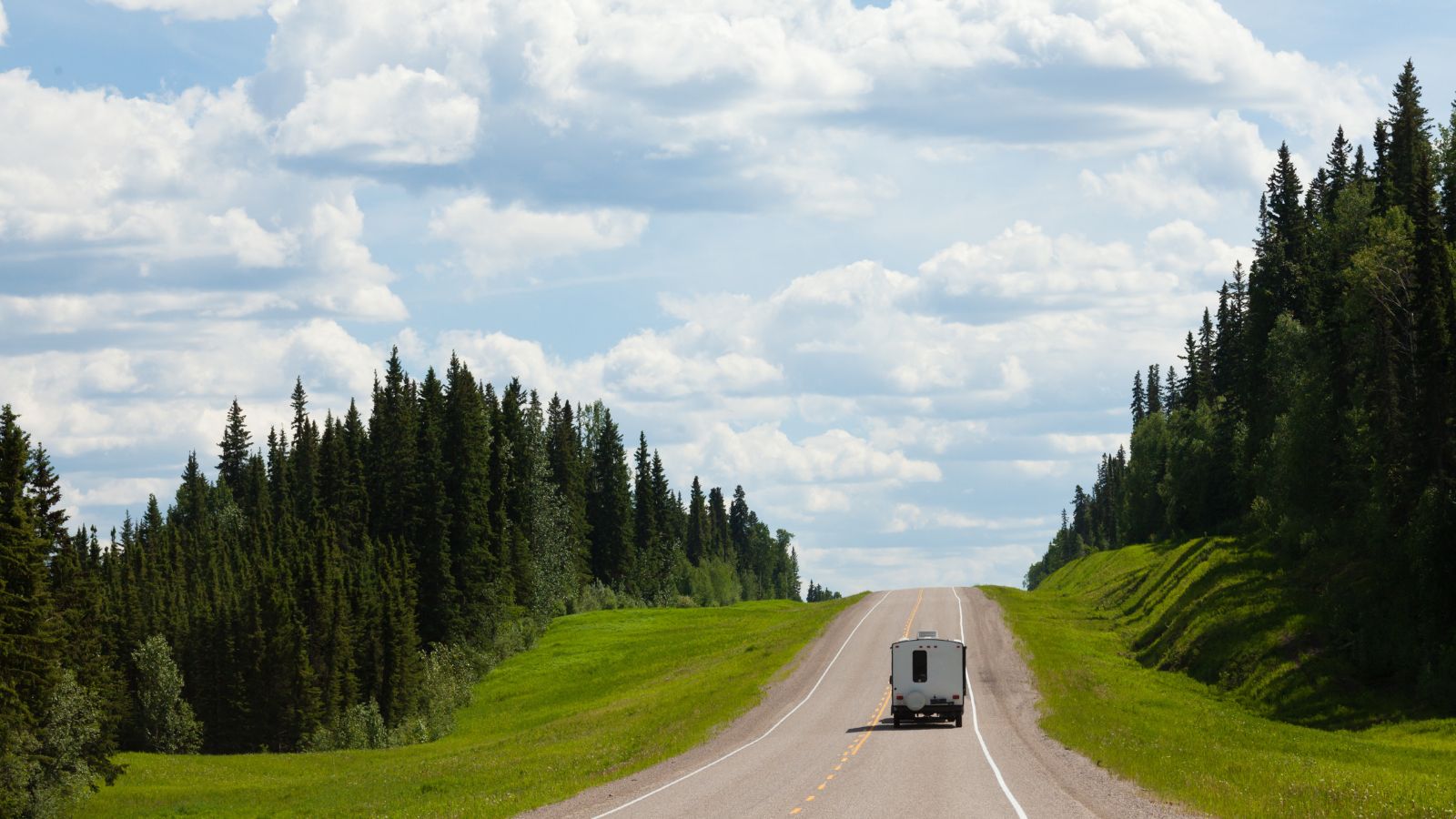
Driving a motorhome naturally changes the pace of travel. These vehicles accelerate more slowly and require more space to maneuver safely.
New RV owners often plan travel distances similar to those they would cover in a regular car. In reality shorter driving days usually lead to a more enjoyable trip. Taking time to enjoy stops along the way is part of the motorhome lifestyle.
Keep Maintenance Simple and Regular
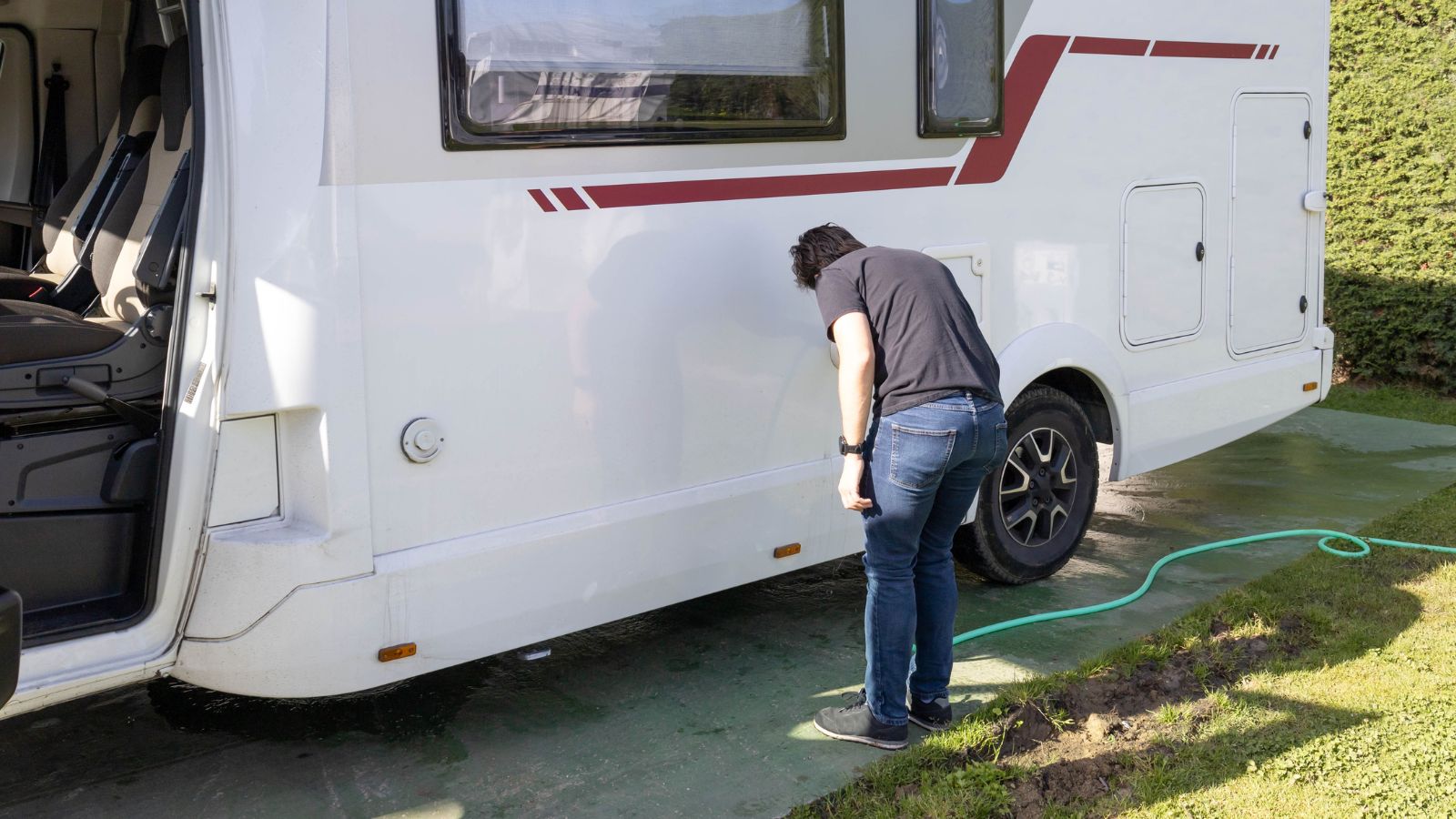
Motorhomes combine the complexity of a vehicle with the systems of a small home. Regular inspections help prevent small issues from becoming larger problems.
Checking tire pressures, monitoring fluids, and inspecting seals and hoses are simple habits that can prevent breakdowns. Many experienced RV owners say that staying ahead of maintenance is the key to stress free travel.
For beginners the RV learning curve may feel steep at first, but the rewards are significant. With a little preparation and the right habits, motorhome travel can become one of the most enjoyable ways to explore new places.
25 Facts About Car Loans That Most Drivers Don’t Realize

Car loans are one of the most common ways people fund car purchases. Like any other kind of loan, car loans can have certain features that can be regarded as an advantage or a disadvantage to the borrower. Understanding all essential facts about car loans and how they work to ensure that you get the best deal for your financial situation is essential. Here are 25 shocking facts about car loans that most drivers don’t realize:
25 Facts About Car Loans That Most Drivers Don’t Realize
