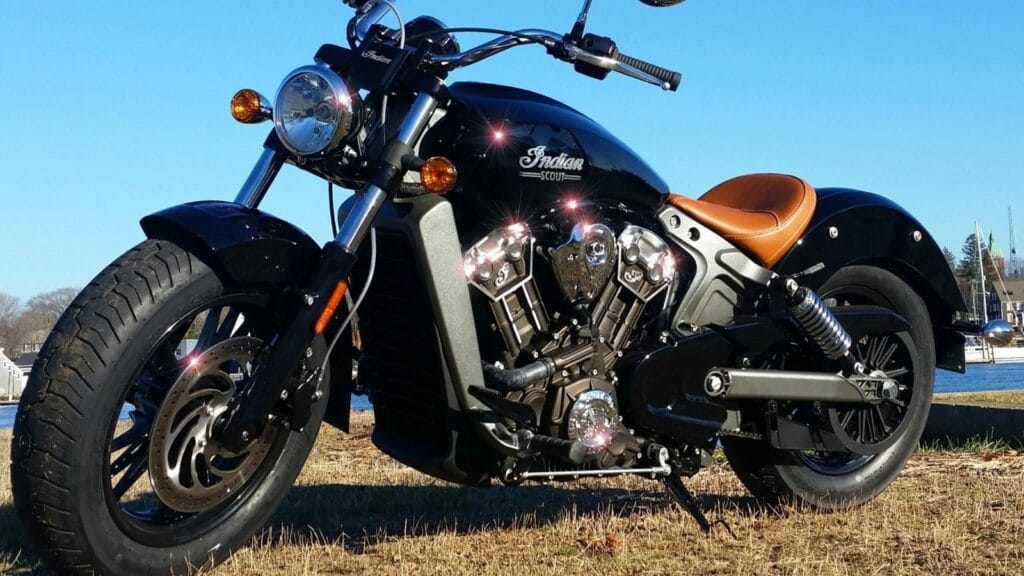
The rivalry between Indian and Harley Davidson is one of the most enduring in motorcycle history. Both brands were born in the early 1900s, both became symbols of American motorcycling, and both have battled for decades to claim the crown as the true king of the road. While Harley often dominates the spotlight, Indian has never been just a runner up. Time and again, Indian has delivered innovations, victories, and machines that outshone Harley in performance, design, and cultural impact. Here are ten times Indian proved it could beat Harley at its own game, with expanded detail on how it happened and why it mattered.
The First American Motorcycle Manufacturer
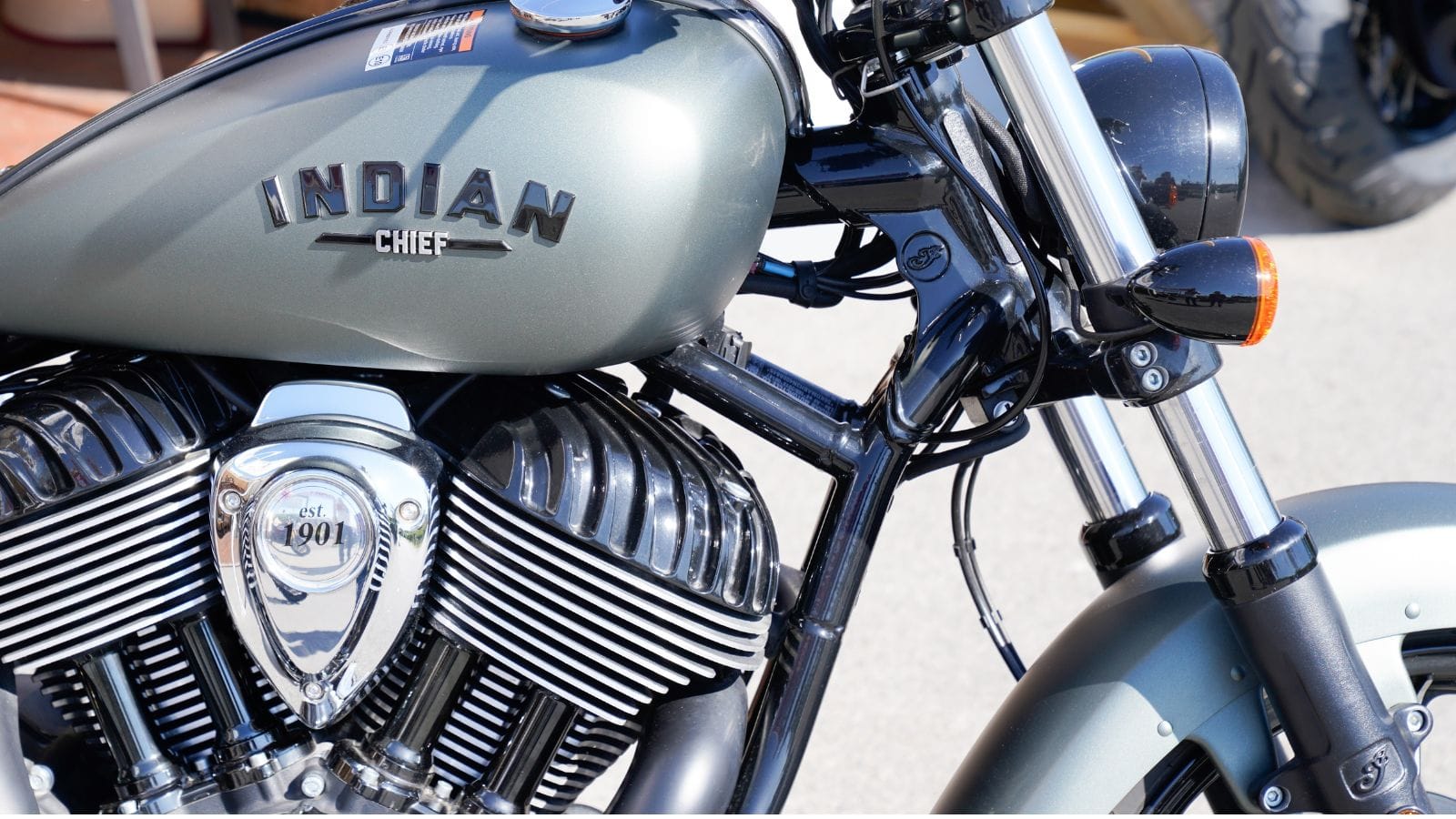
Indian Motorcycle, founded in 1901, was producing bikes years before Harley Davidson was even established in 1903. This gave Indian bragging rights as the original American motorcycle manufacturer. At a time when motorized bicycles were still a novelty, Indian was already building purpose made motorcycles with engineering that rivaled European machines. Harley eventually became the dominant name, but Indian was first on the scene, which gives it a heritage Harley cannot outmatch.
Flat Track Racing Dominance
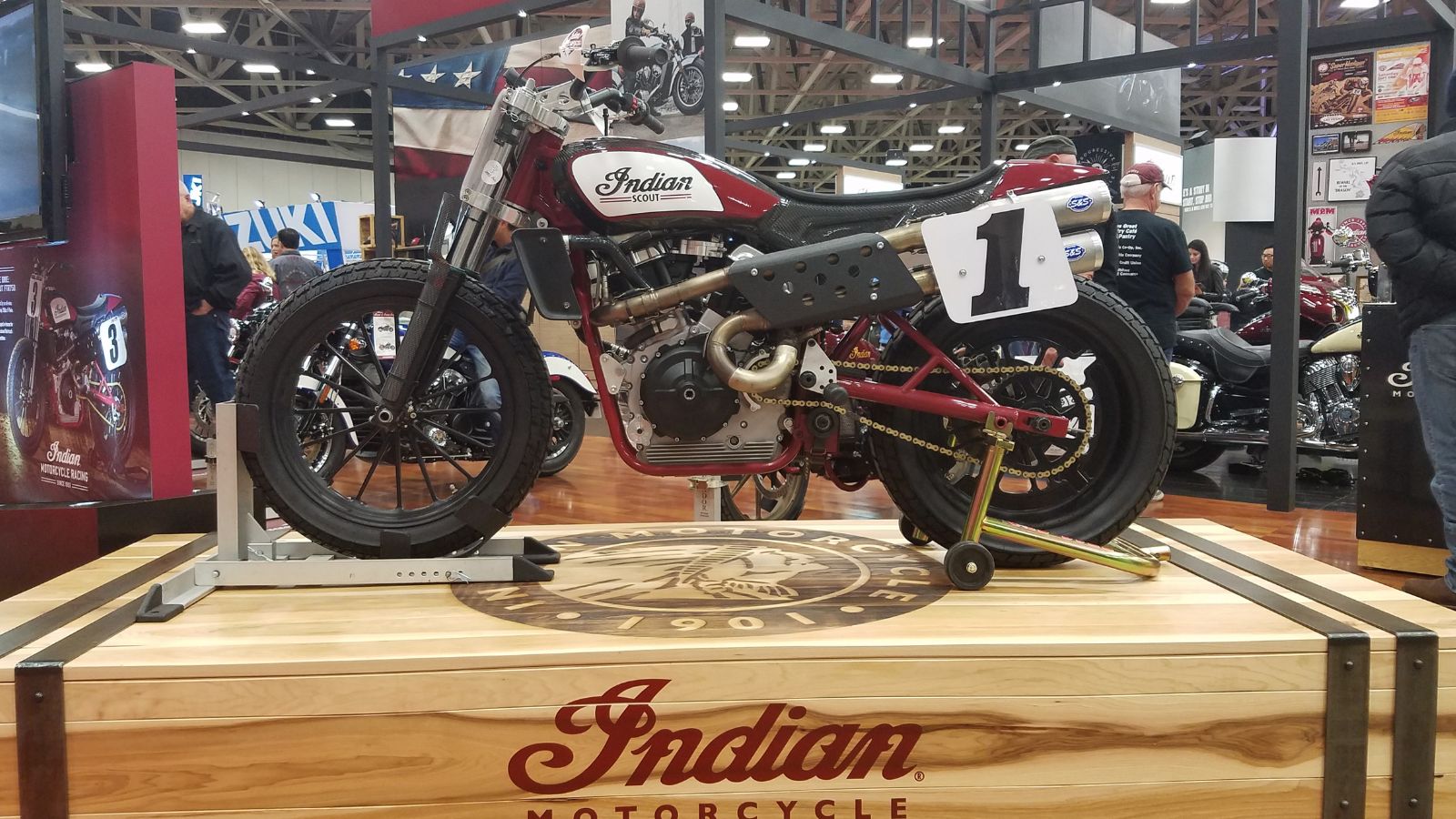
Flat track racing has long been Harley’s playground, with decades of dominance on American dirt ovals. Yet in the modern era, Indian turned the tables. With the FTR750 race bike, Indian returned to the track after decades away and absolutely dismantled Harley’s supremacy. Indian riders swept championships in the American Flat Track series year after year, with Jared Mees and others building dynasties on Indian machines. Harley was forced to watch its crown jewel sport slip away, as Indian’s modern engineering left its factory efforts struggling to keep up.
The First V Twin
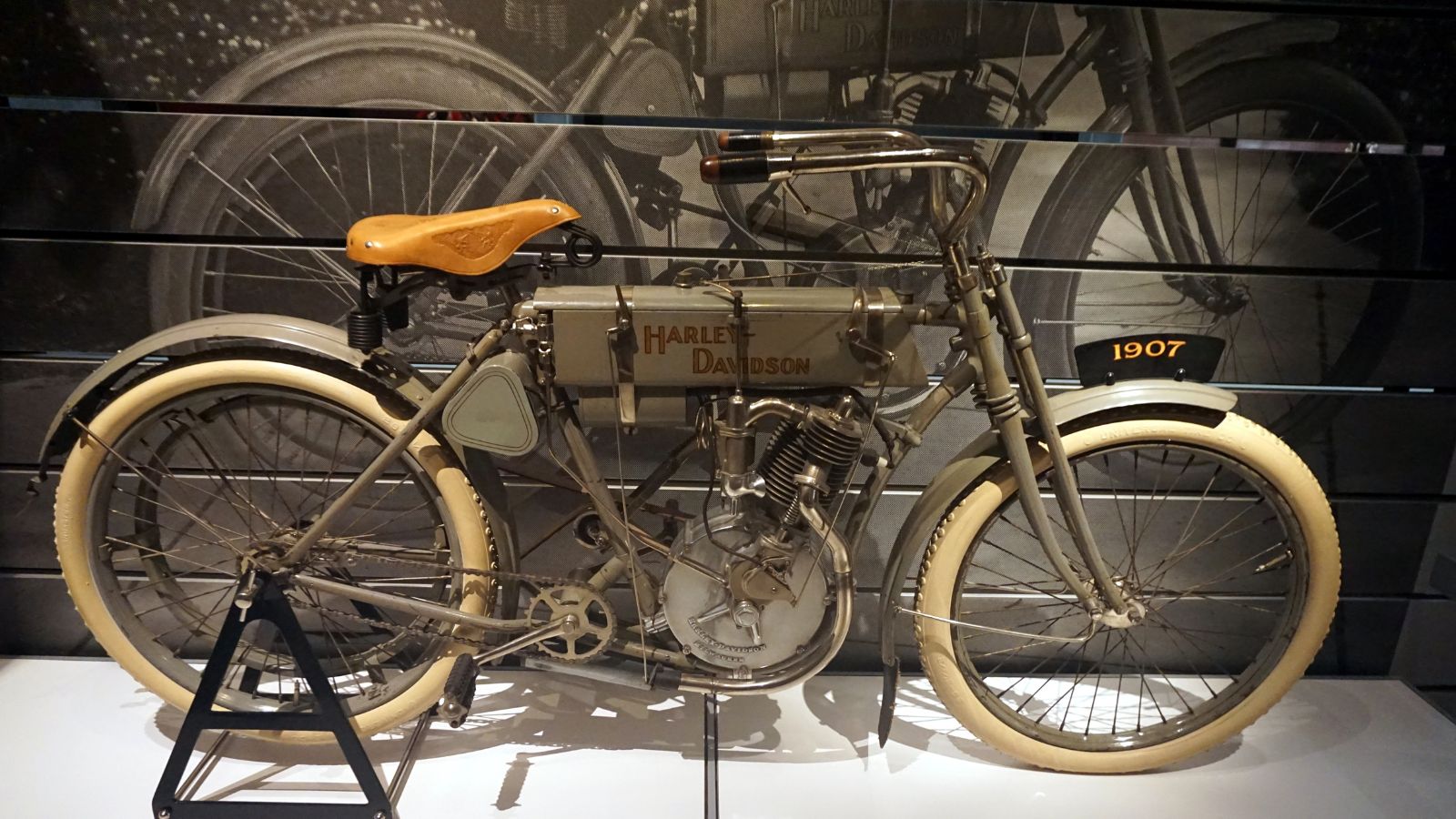
Harley Davidson is synonymous with the V twin engine, but Indian was there first. In 1907, Indian introduced the first American V twin motorcycle engine, beating Harley to the punch by several years. The layout went on to become the heart of American motorcycling, celebrated for its torque rich character and iconic sound. While Harley built its entire identity around the V twin, Indian’s early adoption of the format proves the Springfield company was a pioneer rather than a follower.
The Scout Outselling Harley Rivals
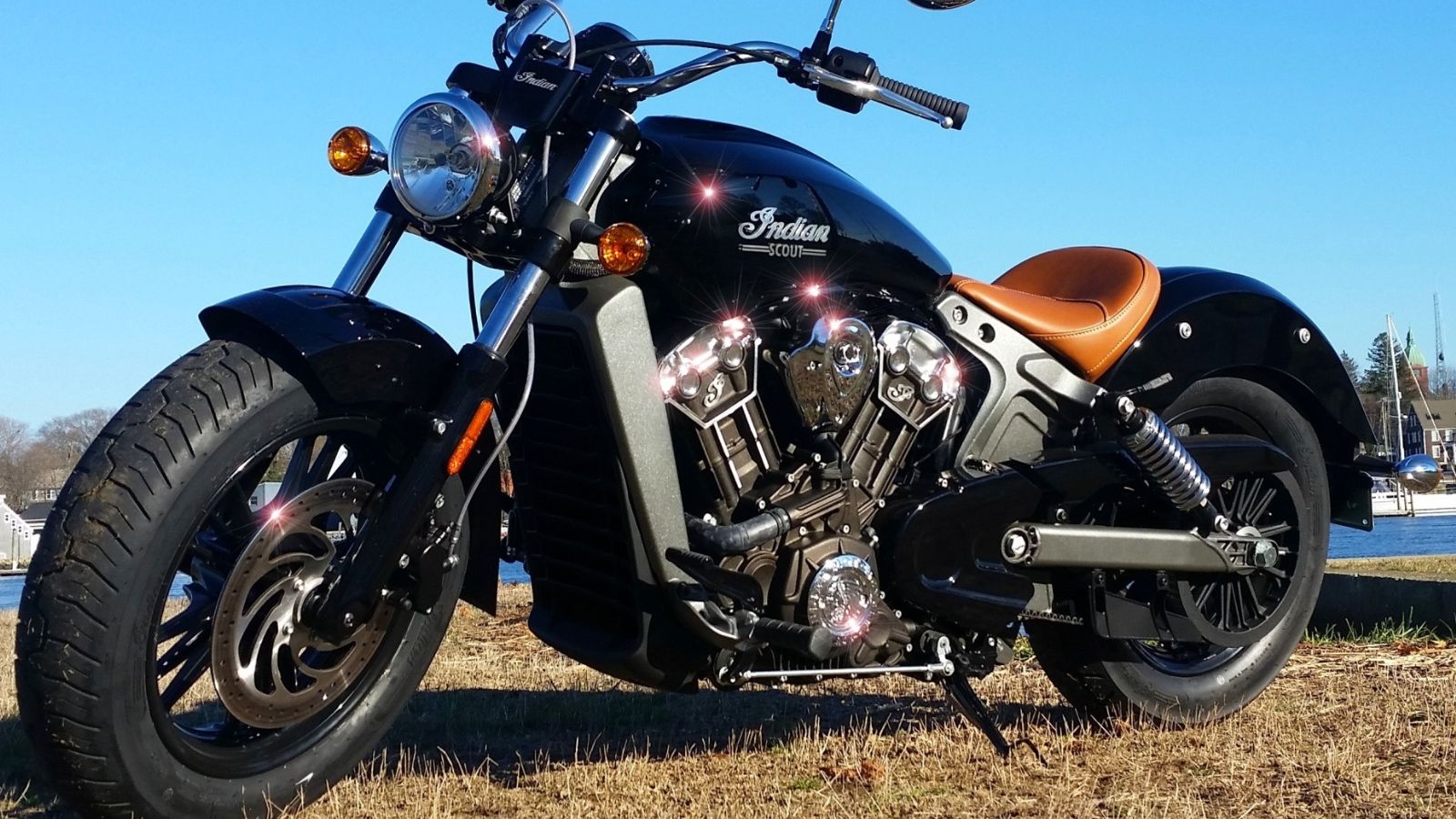
When Indian revived the Scout in the mid 2010s, it became a runaway hit. Combining classic looks with modern engineering, the Scout appealed to a wide audience of riders who wanted style and performance without the weight and price of Harley’s big twins. In some markets, the Scout even outsold Harley’s legendary Sportster line, a blow to Milwaukee pride. With liquid cooled engines, better braking, and a more accessible design, the Scout showed that Indian could take on Harley’s bread and butter models and come out on top.
The World War II Workhorse
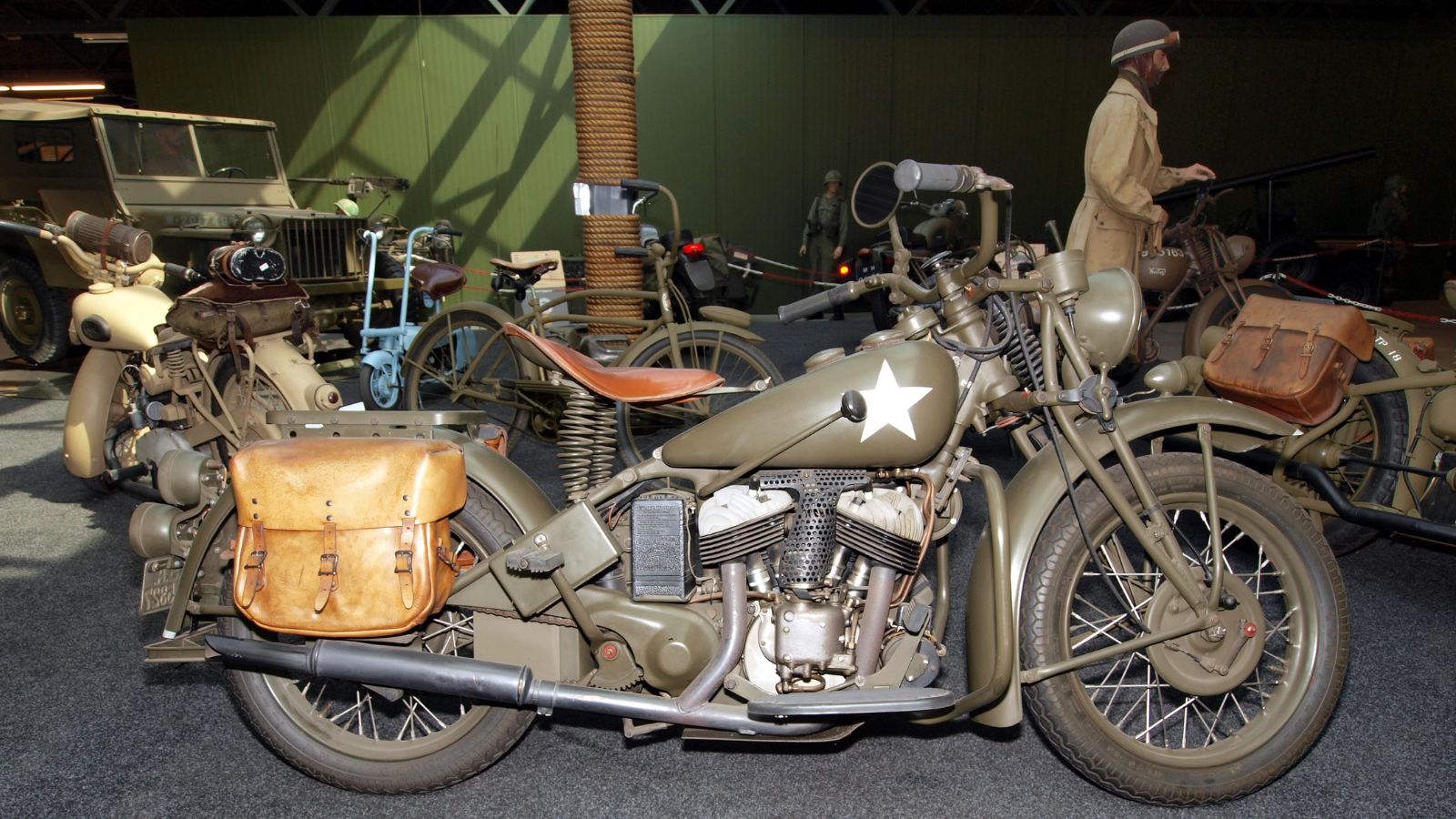
During World War II, both Harley and Indian supplied motorcycles to the military. Harley’s WLA became iconic, but Indian’s 741B and 640B earned respect in the field for being easier to handle and more adaptable in combat environments. Soldiers often praised the lighter, more maneuverable Indian machines, especially in European and Asian theaters where terrain could be rough. While Harley won the contract numbers game, Indian quietly built a reputation as the more practical warhorse.
Land Speed Records
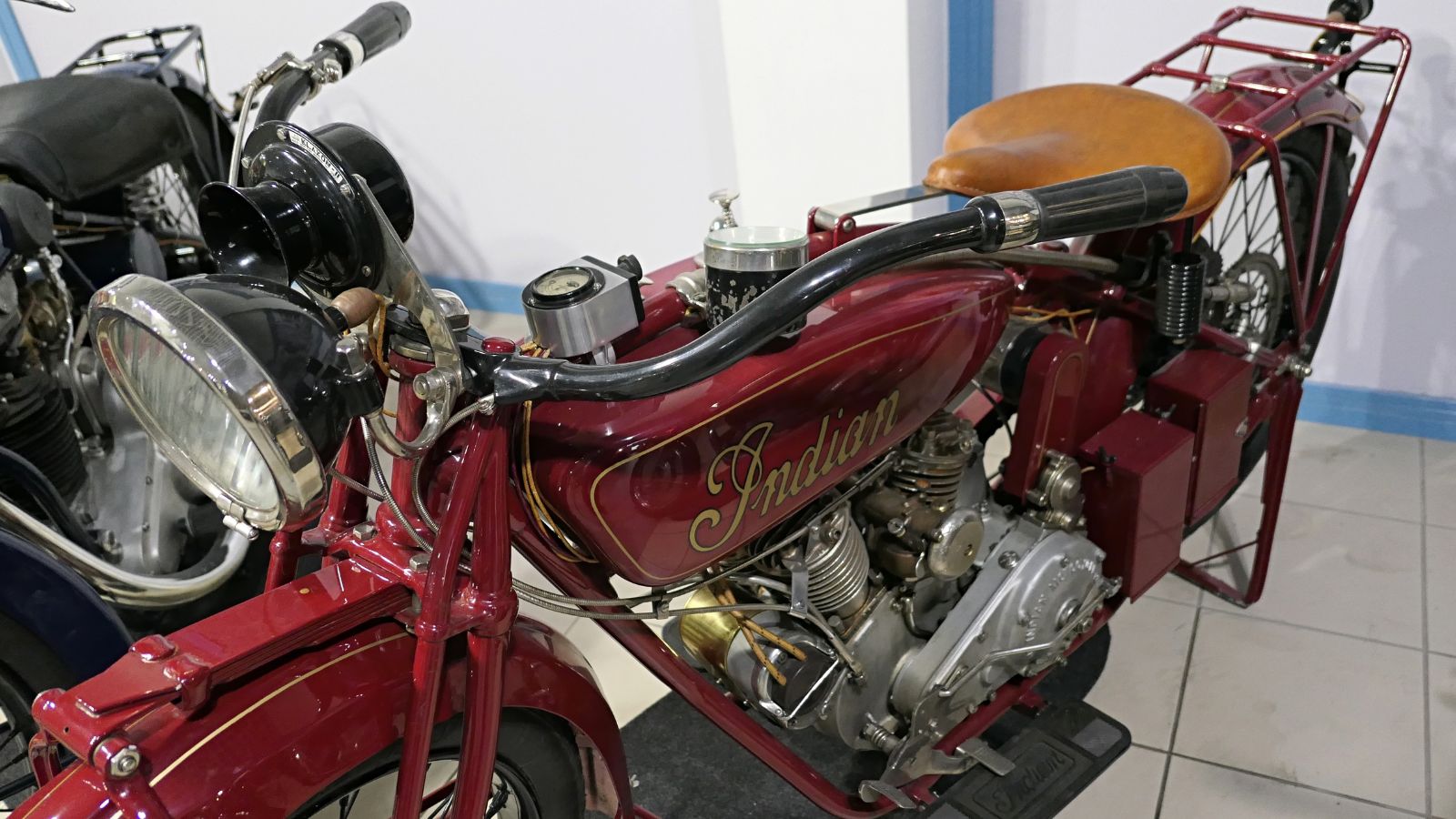
One of the most romantic chapters in motorcycle history belongs to Burt Munro and his Indian Scout. In the 1960s, Munro modified his 1920 Indian Scout into a streamlined speed machine and set multiple land speed records at the Bonneville Salt Flats. His record setting runs became legend and were immortalized in the film The World’s Fastest Indian. Harley has its own racing heritage, but nothing captures the spirit of pushing limits quite like Indian’s story of one man, one machine, and an undying pursuit of speed.
Styling Innovation
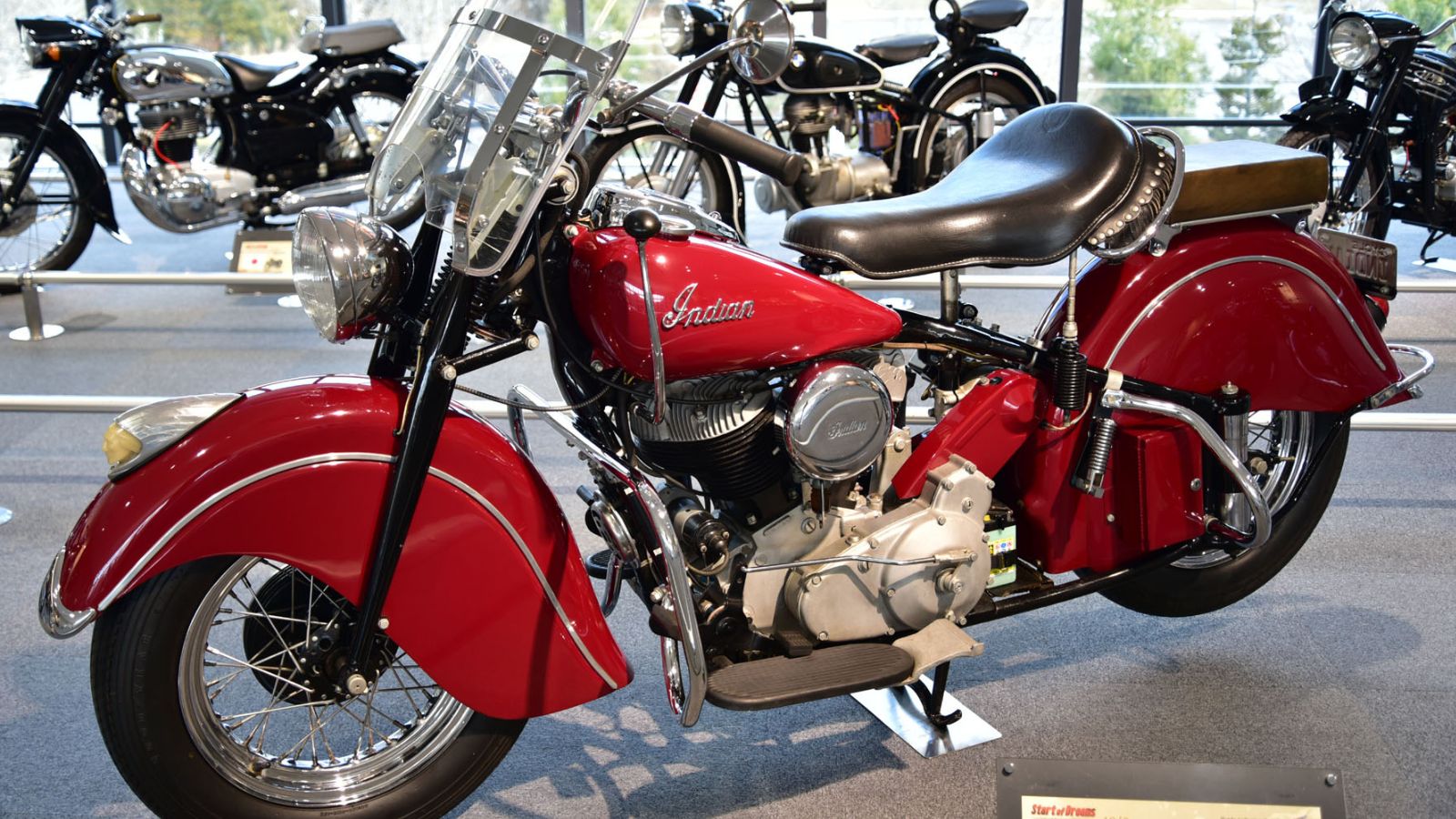
Harley is known for its traditional look, but Indian has often been more daring. In the 1940s, Indian introduced the Chief with deeply valanced fenders and sweeping art deco lines that instantly set it apart. The styling was bold, elegant, and ahead of its time, while Harley continued with more conservative designs. Even today, the 1940s Indian Chief remains one of the most recognizable and beautiful motorcycle designs ever produced, proving that Indian could outdo Harley in creativity and visual flair.
The Return of the Chief
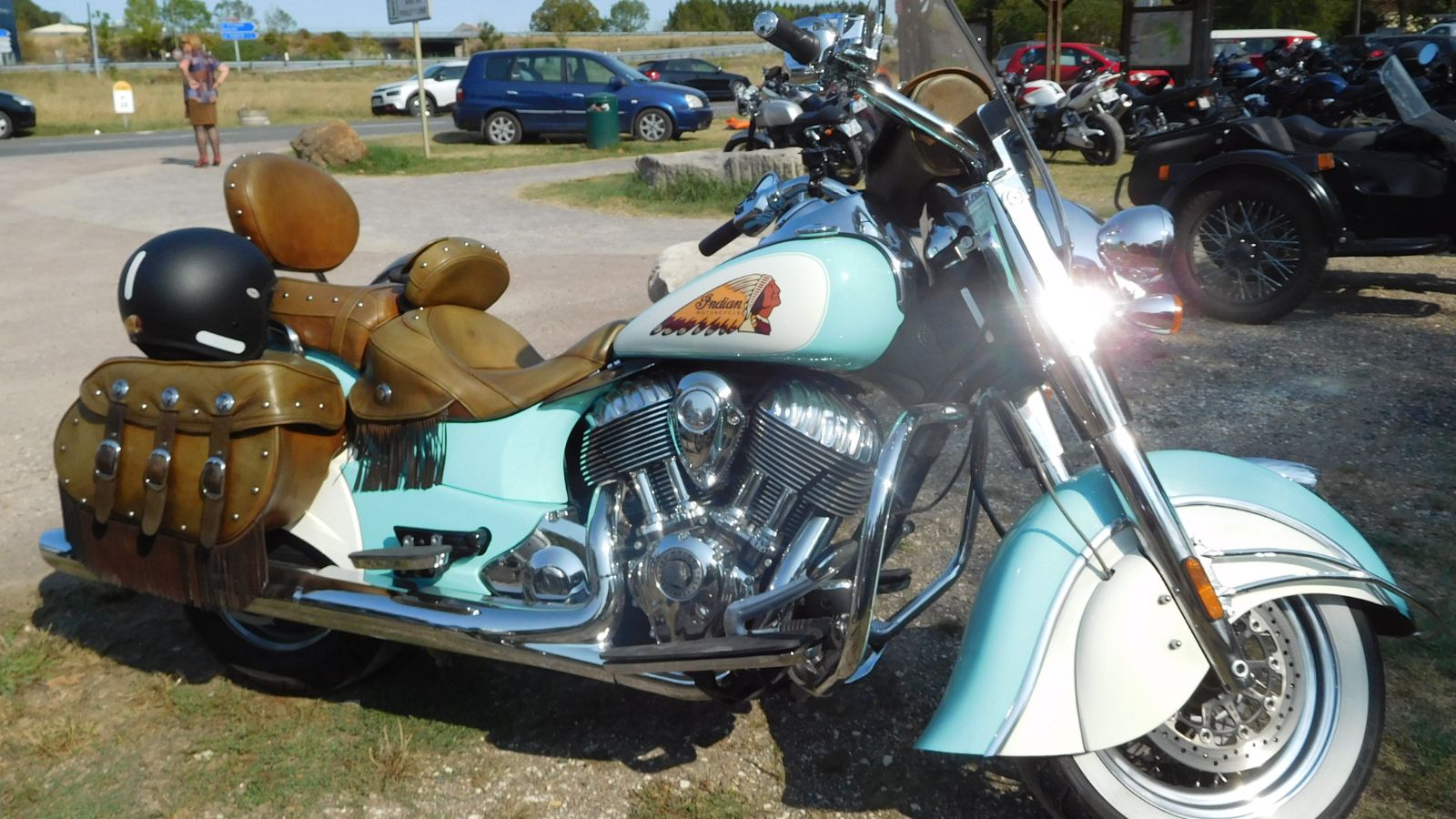
When Polaris Industries revived Indian in the 2010s, skeptics doubted the brand could compete with Harley’s entrenched dominance. But the new Indian Chief proved the doubters wrong. With modern suspension, strong brakes, ride by wire throttle, and powerful Thunderstroke V twin engines, the Chief outperformed Harley’s touring models in many tests. Riders praised its superior handling and build quality, often noting that Harley’s equivalents felt dated by comparison. The Chief’s revival forced Harley to modernize its own lineup in response.
The Challenger in Performance Touring
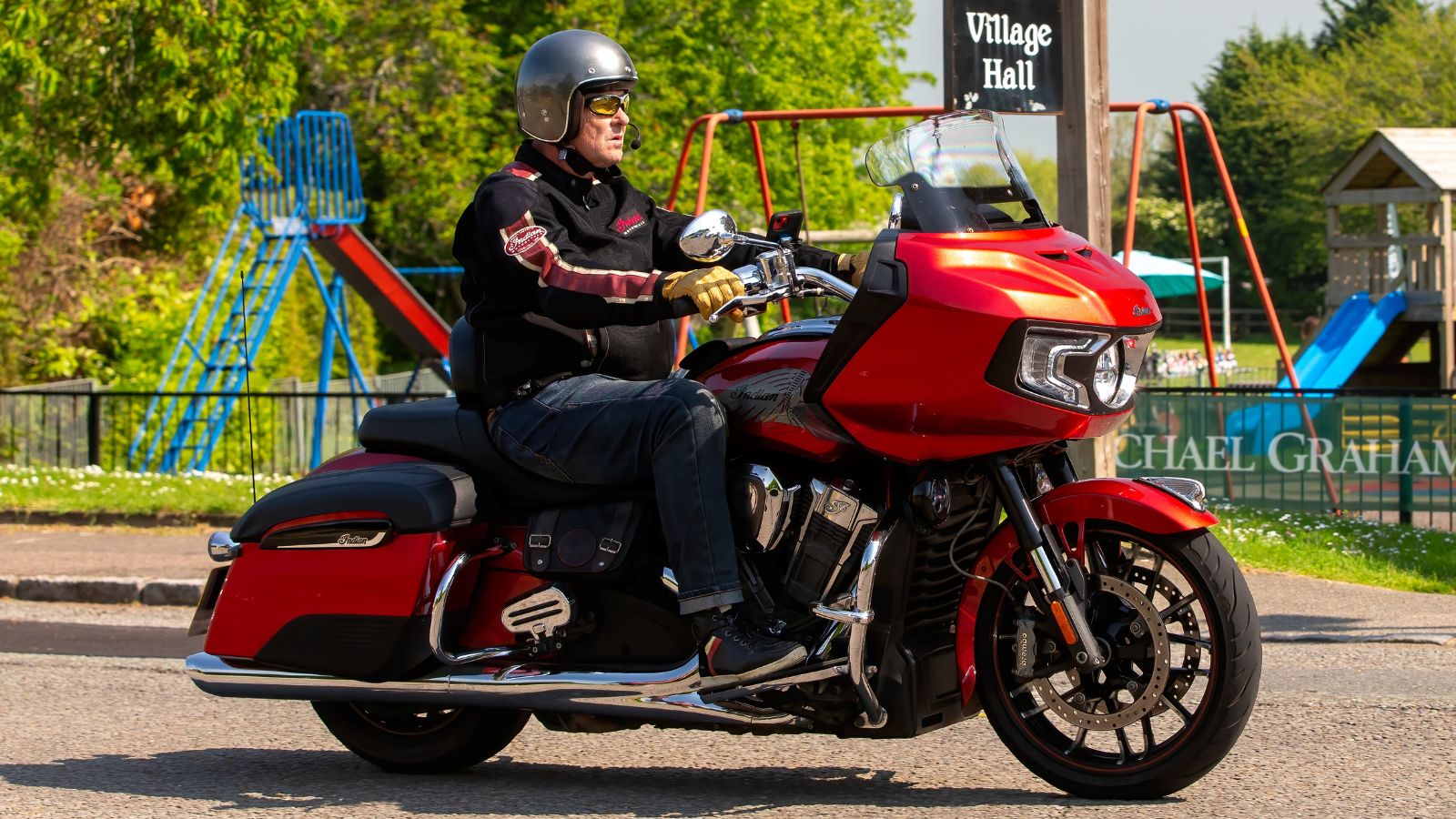
In 2020, Indian unveiled the Challenger, a bike designed specifically to challenge Harley’s dominance in the bagger category. Equipped with a liquid cooled PowerPlus 108 engine producing over 120 horsepower and 128 pound feet of torque, it delivered more performance than Harley’s air cooled big twins. Its frame mounted fairing, modern electronics, and excellent handling set a new standard in the segment. Head to head comparisons often crowned the Challenger the better machine, proving that Indian could beat Harley on its home turf of performance touring.
A Modern Brand Resurgence
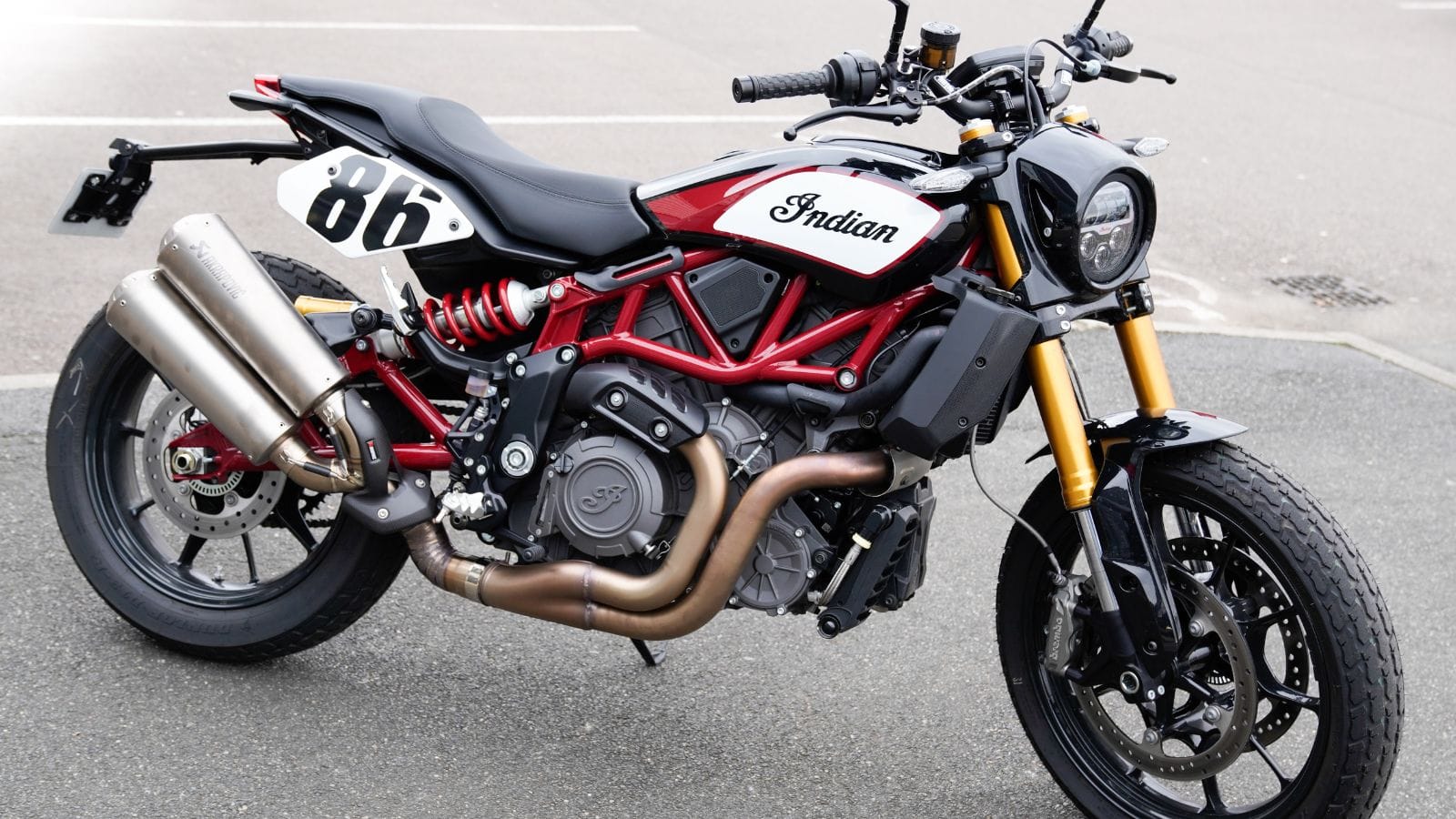
While Harley Davidson has struggled with aging demographics, declining sales, and questions about its future, Indian has enjoyed a strong resurgence under Polaris ownership. By offering bikes that appeal to both traditional cruiser fans and younger riders interested in modern styling and technology, Indian has grown its market share and rebuilt a brand that once disappeared. Models like the Scout, Challenger, and FTR have broadened Indian’s appeal, giving it momentum where Harley has faltered. In the battle for the next generation of riders, Indian currently has the upper hand.
Why Indian Still Matters
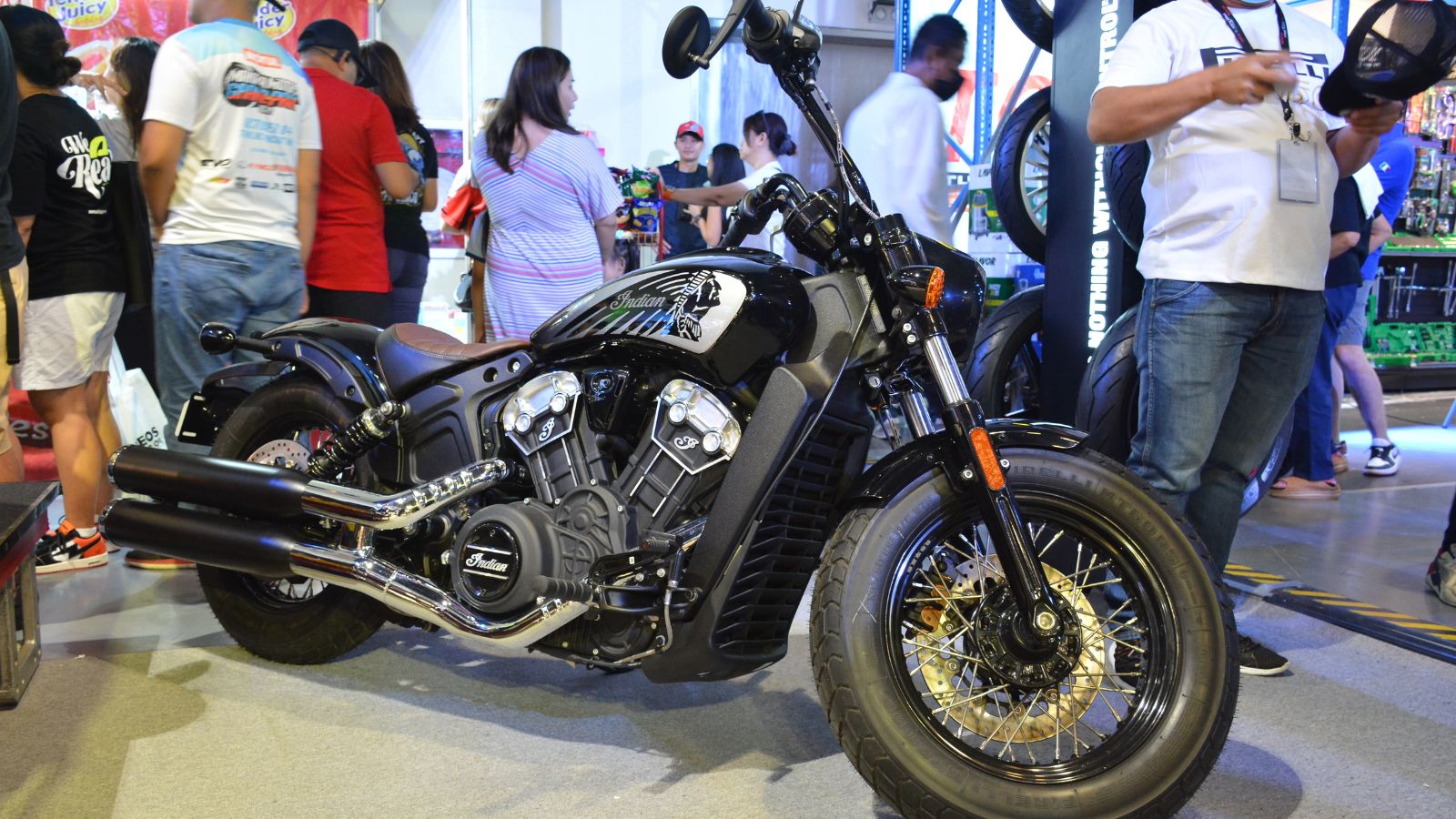
The rivalry between Harley and Indian is more than a century old, and it continues to shape American motorcycling. Indian has beaten Harley at its own game more than once, whether through racing dominance, styling breakthroughs, or modern engineering. While Harley remains a powerful cultural symbol, Indian represents innovation and resilience, constantly proving it can rise to the challenge. For riders, the competition between these two giants has always meant better bikes, more choice, and the preservation of an American legacy built on two wheels.
25 Facts About Car Loans That Most Drivers Don’t Realize

Car loans are one of the most common ways people fund car purchases. Like any other kind of loan, car loans can have certain features that can be regarded as an advantage or a disadvantage to the borrower. Understanding all essential facts about car loans and how they work to ensure that you get the best deal for your financial situation is essential. Here are 25 shocking facts about car loans that most drivers don’t realize:
25 Facts About Car Loans That Most Drivers Don’t Realize
