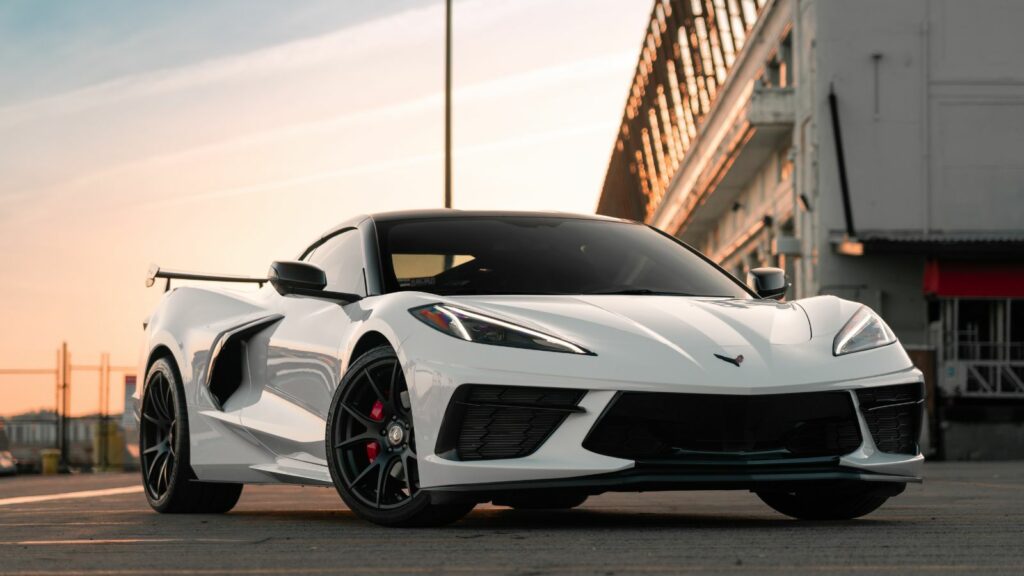
Insurance premiums in Canada can feel like a tax on taste. Some vehicles aren’t just expensive to buy, they’re expensive to insure too, and that’s not random. Insurers price risk based on repair costs, theft rates, claim history, and how aggressively a vehicle tends to be driven. The following ten cars and trucks consistently show up at the top of Canadian insurance charts — and understanding why they cost so much can save you serious money when you shop next.
Porsche 911 Turbo / Turbo S

Few cars carry as much performance as a 911 Turbo, and Canadian insurers price that accordingly. Quick acceleration, high top speeds, and a tendency to attract sporty driving all jack up risk assessments. When repairs involve advanced tech and costly parts — ceramic brakes, variable turbos, and bespoke body panels — insurers shift more cost back to the owner. If you enjoy the thrill, be prepared to pay for it with your annual premium.
Chevrolet Corvette
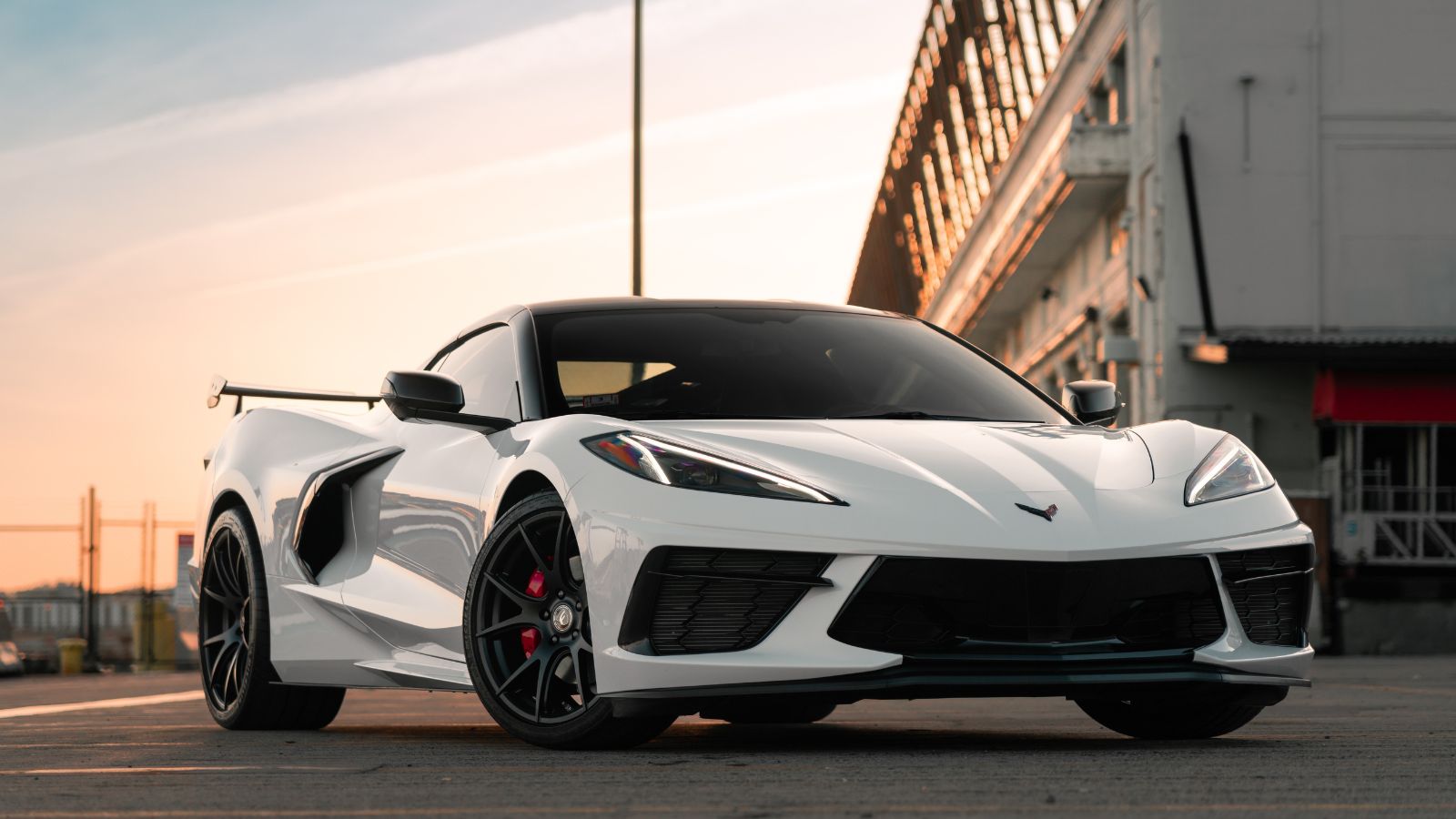
The Corvette blends supercar levels of horsepower with relatively affordable pricing, which ironically fuels higher insurance. It splits the difference between track performance and everyday usability, and that makes insurers uneasy. In provinces where theft rates for performance cars are higher, Corvettes push premiums even further. The sticker shock doesn’t come from your driving record alone, it comes from what happens when the unexpected occurs.
Ford F-150 Raptor
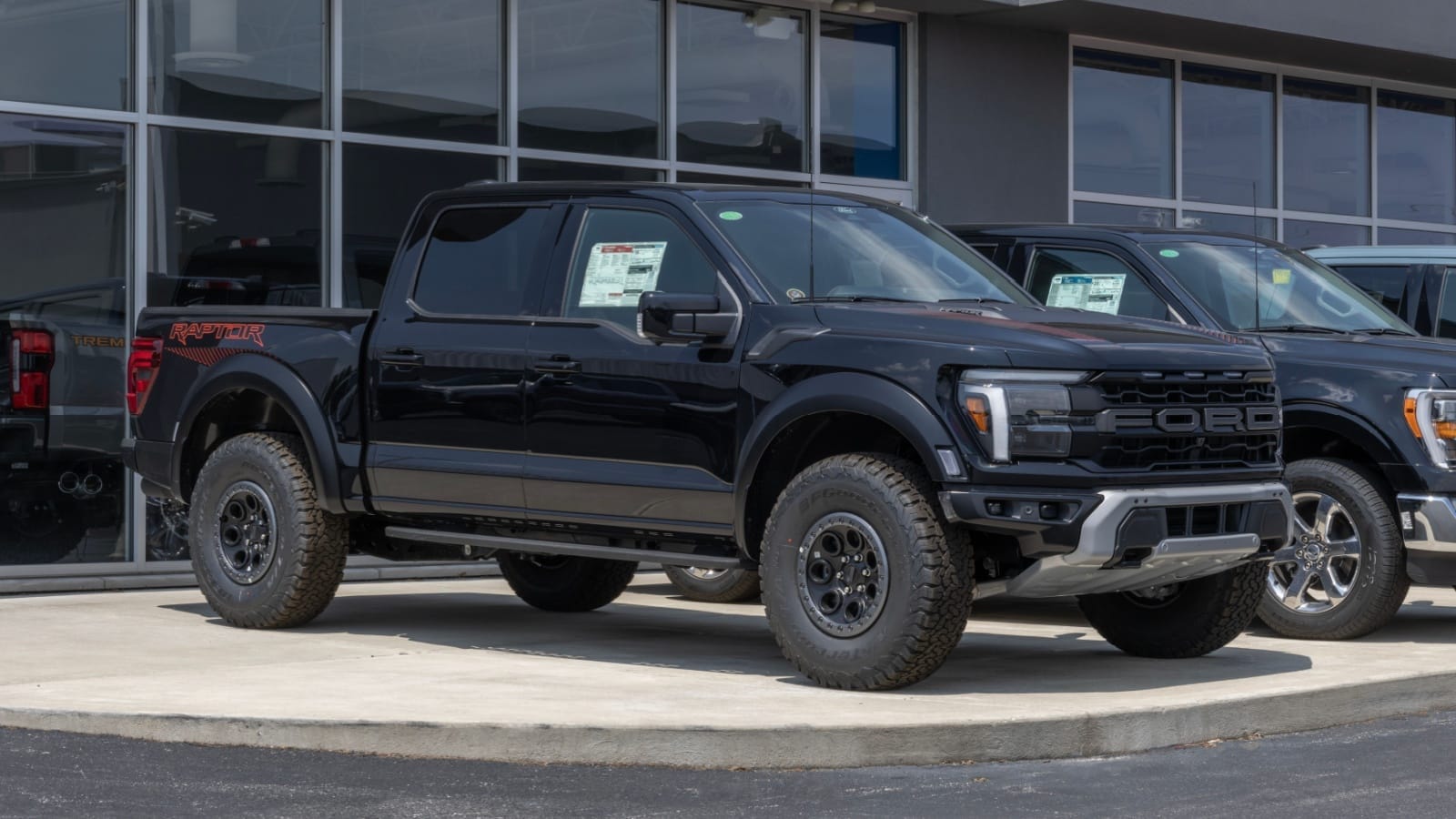
Big trucks are one thing, but the Raptor is a different breed. It’s built for high speed desert runs and aggressive off-road use, which shows up in claims data. Combined with its wide stance, long travel suspension, and expensive Fox or King shock packages, repair costs on Raptors climb quickly after even minor impacts. Add in high theft interest in performance-oriented trucks, and the insurance scorecard gets ugly fast.
BMW M3 and M4
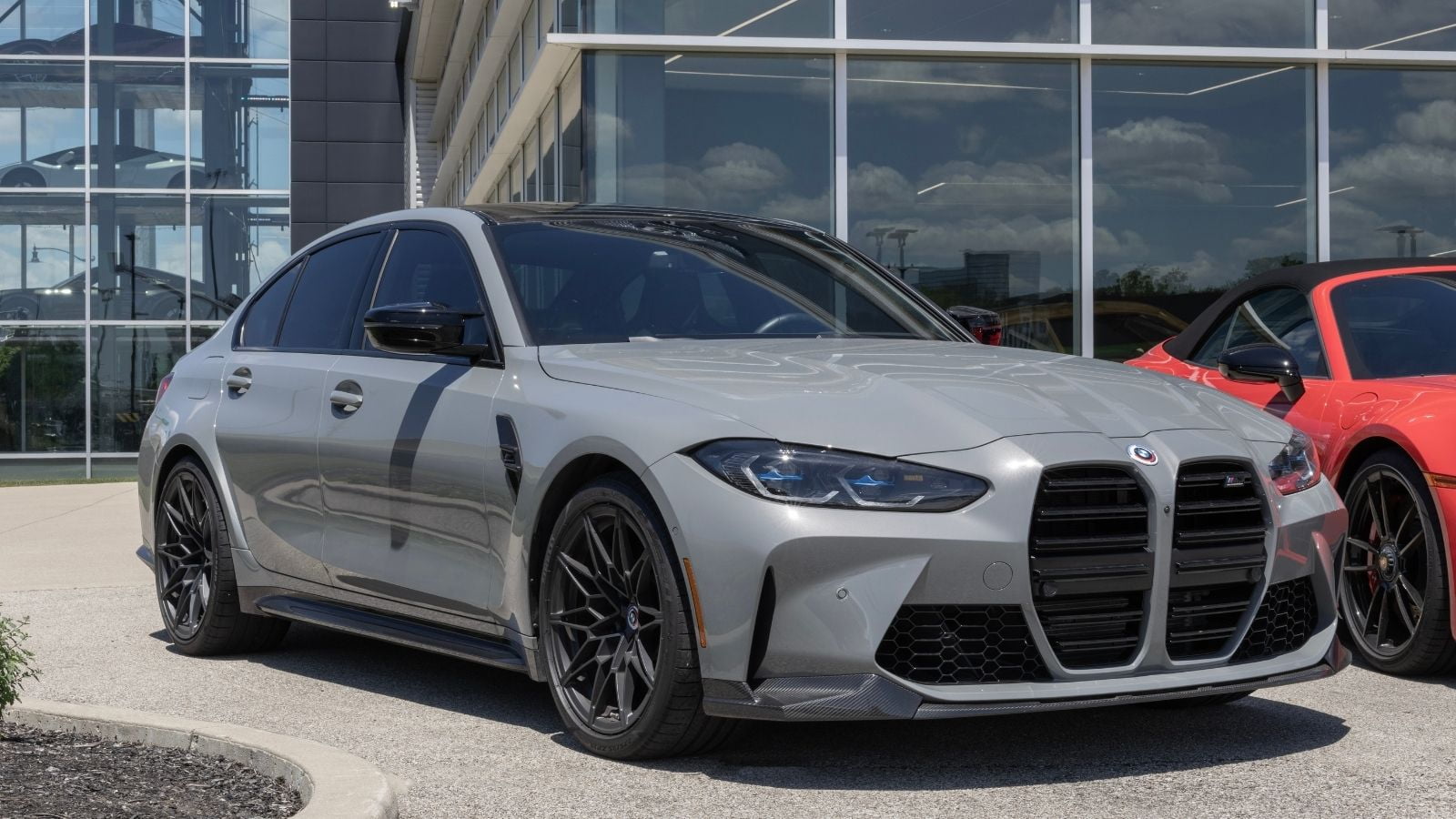
BMW’s M division breeds performance that delights enthusiasts but terrifies actuaries. The M3 and M4 are compact sedans and coupes with brakes, engines, and chassis built for track use. They also command premium parts and specialist labour when things go wrong. In many Canadian markets, these models also appear more often in tickets and collisions, which pushes insurers to boost premiums to compensate for trend risk.
Mercedes-Benz AMG GT
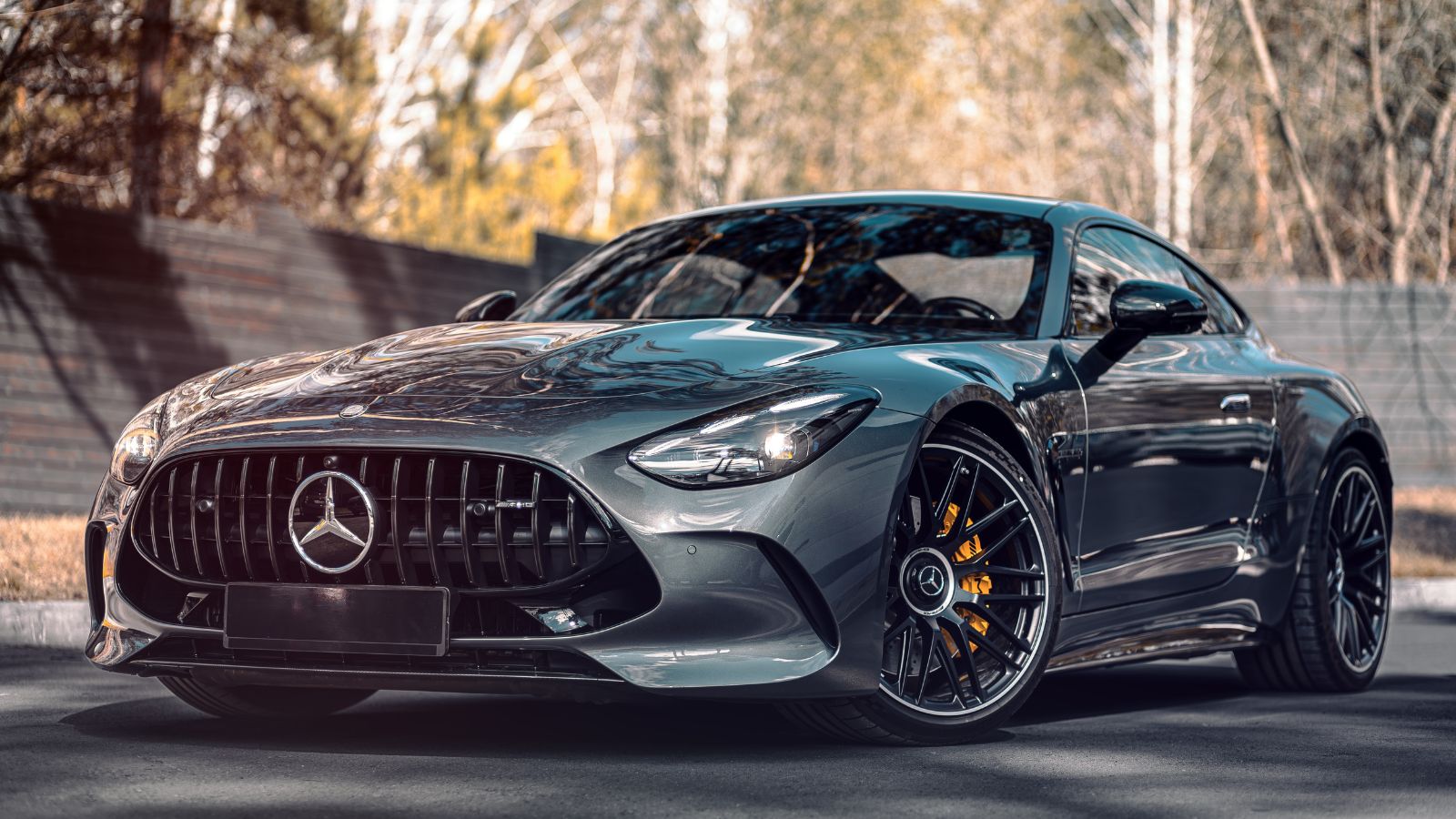
Luxury and performance together make this coupe a costly car to insure. Strong power figures, exotic parts, and a repair ecosystem that demands brand-specific expertise all increase claim costs. Canadian insurers see AMG GT ownership as a combination of high performance and high replacement value, which equals high premiums. If you want presence and pace without the price shock, this one is a steep pill to swallow.
Jeep Grand Cherokee Trackhawk
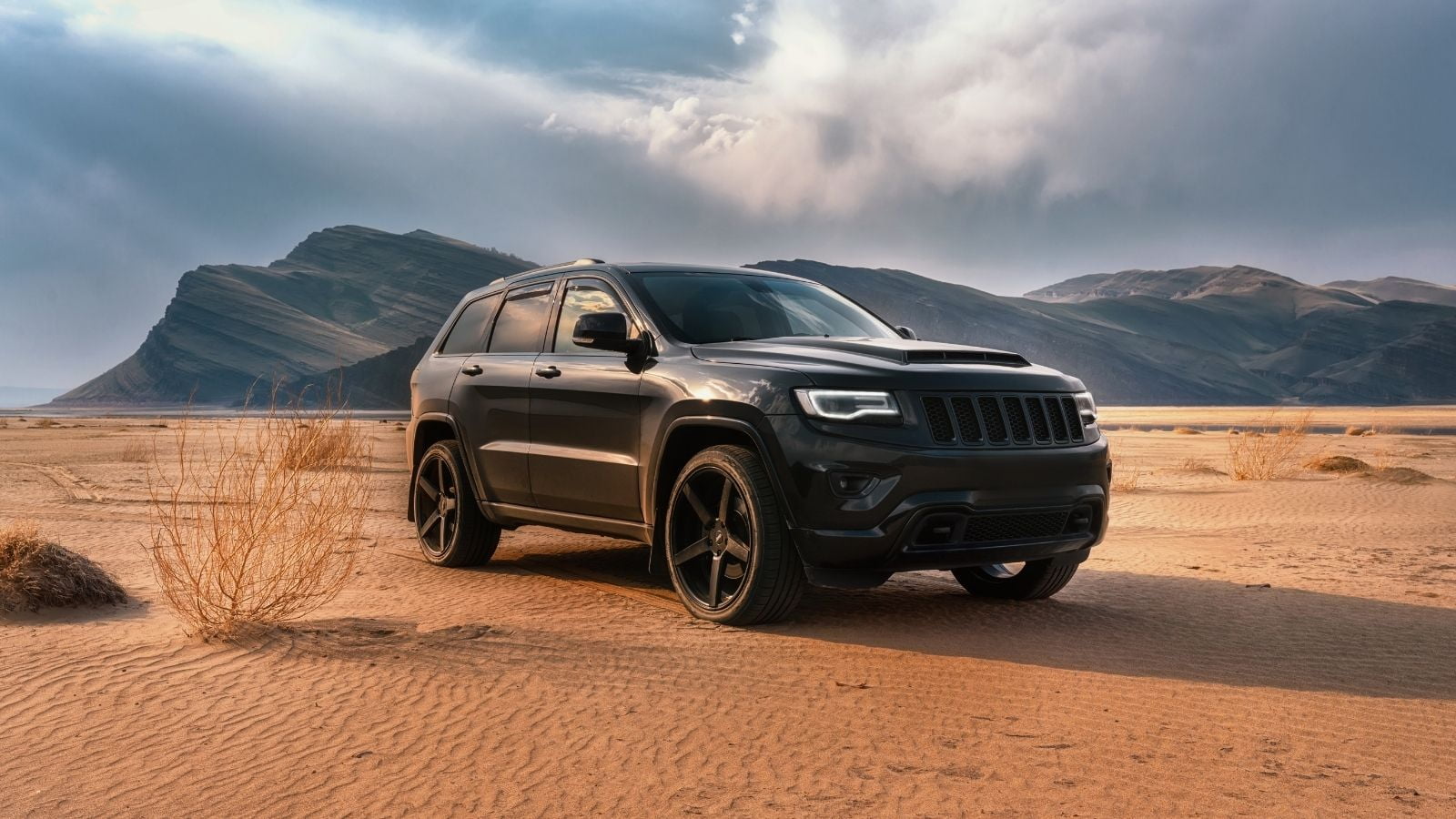
A truck with supercar power sounds amazing until the insurance bill arrives. The Trackhawk pairs a Hellcat-derived V8 with the mass and size of a full-size SUV, making its dynamics intense in the wrong hands. That intensity shows up in loss ratios, which insurers interpret as elevated risk. Combine that with expensive drivetrain components and premium suspension, and Canada’s insurers price accordingly.
Dodge Charger and Challenger Hellcat Variants
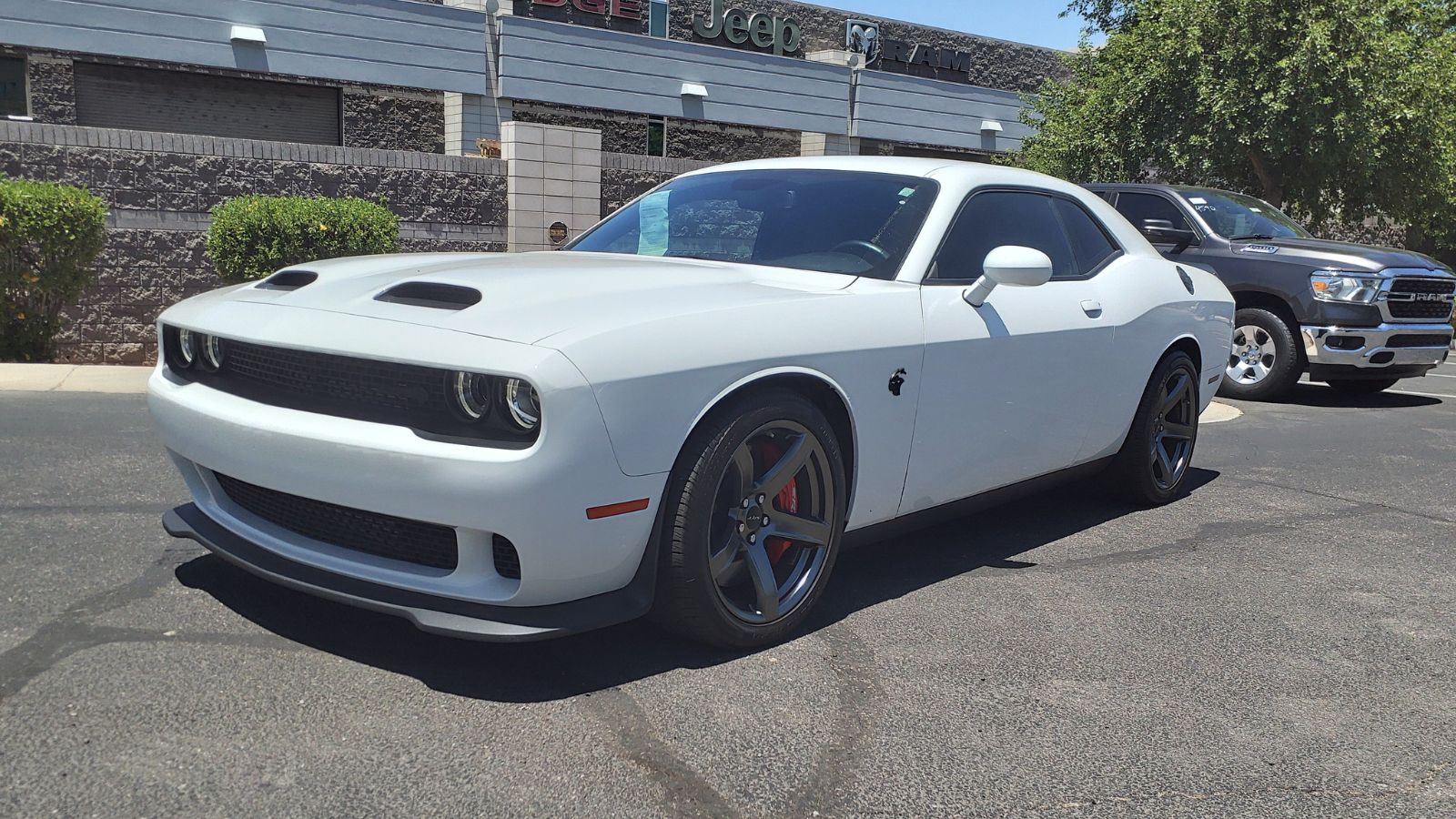
There’s no surprise here. Hellcat engines put out more horsepower than some exotic cars from 20 years ago. Insurers don’t love horsepower without a correlated reduction in risk. When these cars show up in speeding tickets or loss claims with significant damage, insurers react by pricing the next owner at a higher level. If you like the grunt, it’s worth budgeting for the insurance as part of total ownership cost.
Tesla Model X and Model S
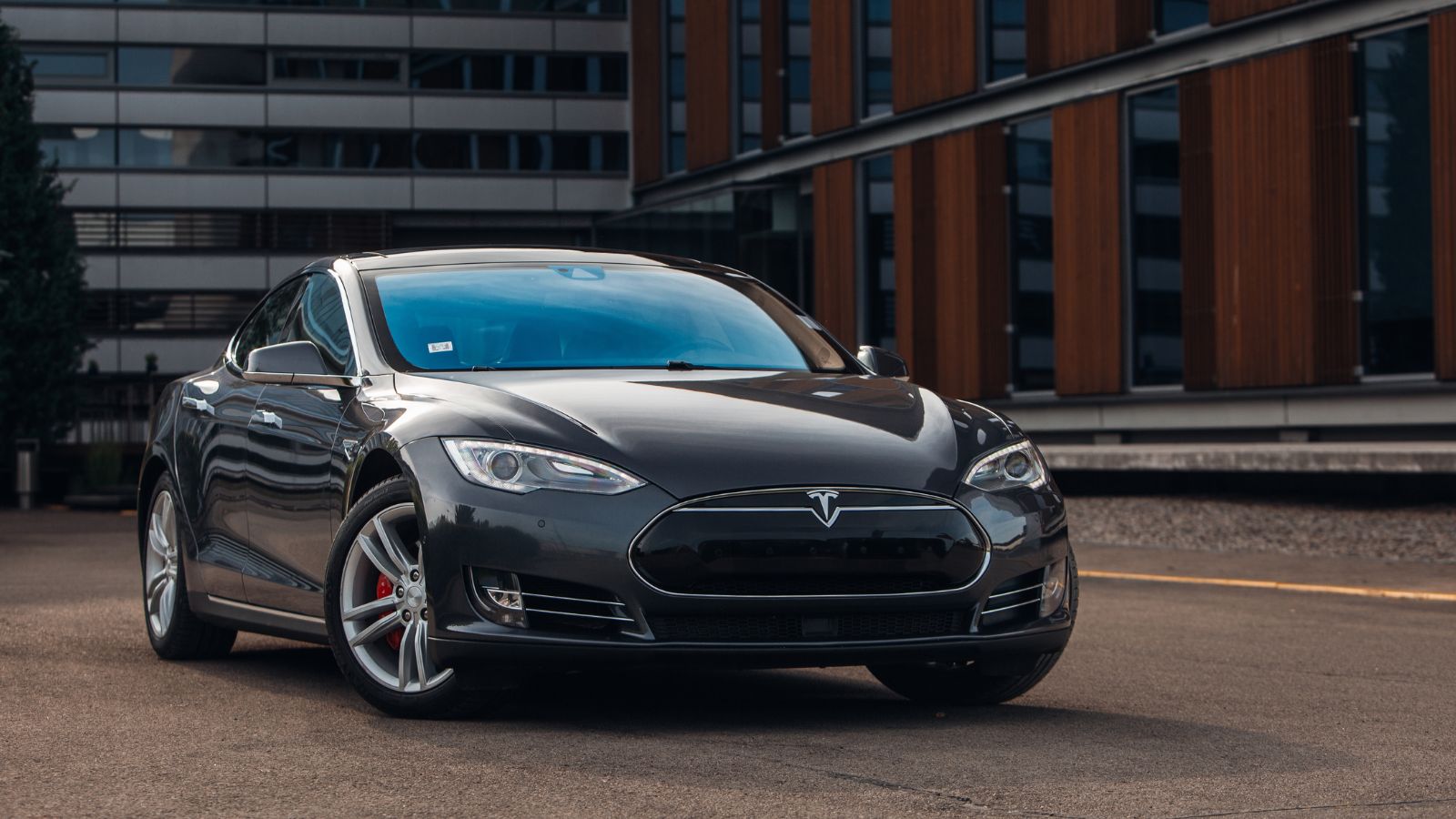
Insurance isn’t just about speed. Teslas demand sky-high premiums because of expensive battery packs, specialized body panels, and tech-heavy components that cost more to diagnose and repair. Even minor collision repairs often involve recalibration of sensors and cameras, which adds labour costs. In Canada’s larger cities where both Teslas and theft claims are rising, insurers factor all that into steeper premiums.
Land Rover Range Rover
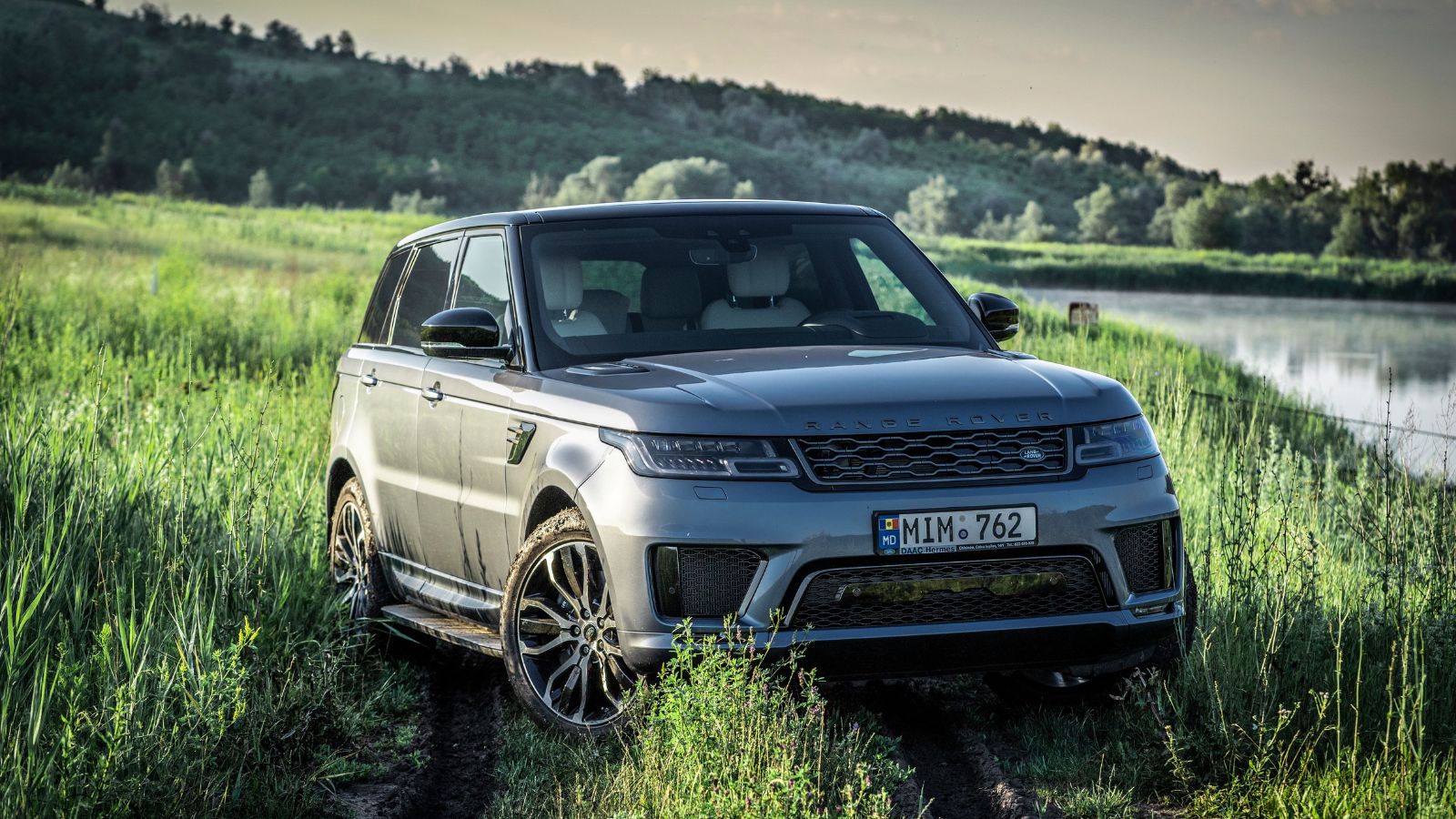
Range Rovers combine luxury, complexity, and high replacement values — a recipe insurers don’t like. Air suspension systems, advanced off-road tech, and bespoke interior materials all drive repair costs into the stratosphere. Even a moderate claim can mean significant out-of-pocket expenses beyond the deductible, and insurers reflect that by charging more up front.
Subaru WRX STI
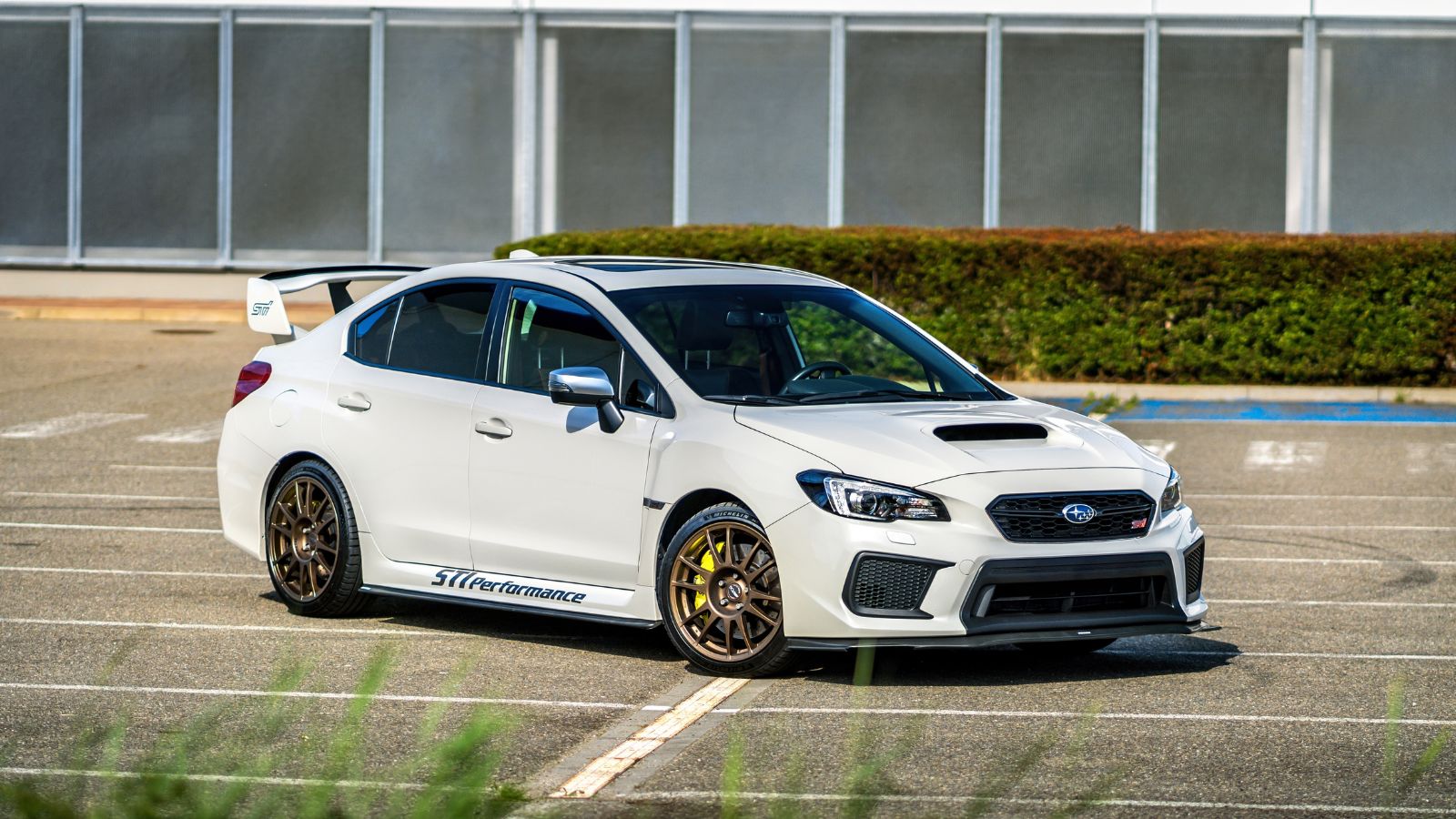
You might wonder why a rally-bred Japanese sport sedan lands here, and the answer is simple: driving behaviour and claim trends. The WRX STI attracts a lot of spirited driving, and that shows up in loss data. Combined with its all-wheel drive and turbocharged engine, parts and repair costs run higher than average small sedans. If you’re chasing fun in winter, be ready for higher insurance dollars.
Mandatory Purchase

Insurance is a fact of life in Canada, and choosing a new ride means balancing excitement with ongoing costs. Cars and trucks that look great on a spec sheet can feel very different on your insurance statement, especially if they trend toward performance, luxury, or expensive repairs. Knowing which ones carry the highest premiums helps you make a smarter choice, or at least prepare your wallet before you sign.
25 Facts About Car Loans That Most Drivers Don’t Realize

Car loans are one of the most common ways people fund car purchases. Like any other kind of loan, car loans can have certain features that can be regarded as an advantage or a disadvantage to the borrower. Understanding all essential facts about car loans and how they work to ensure that you get the best deal for your financial situation is essential. Here are 25 shocking facts about car loans that most drivers don’t realize:
25 Facts About Car Loans That Most Drivers Don’t Realize
