
Hybrid vehicles have become a common sight on roads across North America. Cars like the Toyota Prius, Ford Escape Hybrid, and Toyota RAV4 Hybrid promise impressive fuel economy and lower emissions while still offering the convenience of gasoline power. For many owners the experience is positive, but the transition from traditional gasoline vehicles can come with a few surprises. These are fifteen things hybrid owners often say they did not expect before living with one.
The Car Can Be Completely Silent at Low Speeds
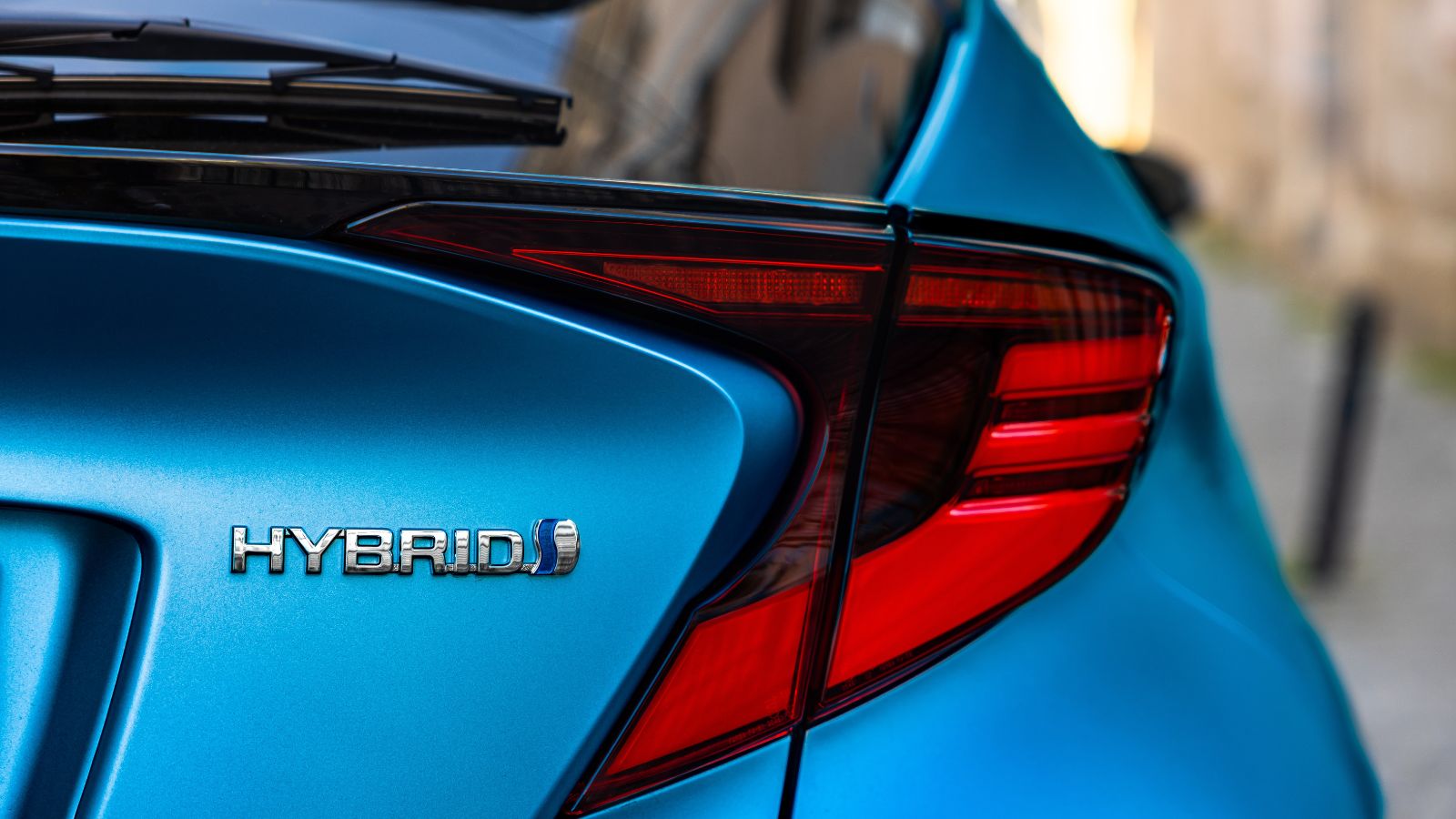
One of the first things new hybrid owners notice is how quiet the car can be. When driving slowly through neighborhoods or parking lots the gasoline engine often shuts off entirely and the vehicle moves using electric power alone.
For drivers accustomed to hearing an engine, this silence can feel strange at first. Some owners even say they occasionally glance at the dashboard to confirm the car is actually running. Pedestrians sometimes fail to notice the vehicle approaching as well, which is why many hybrids now include artificial sounds at very low speeds.
Fuel Economy Changes With Temperature
Many buyers expect the fuel economy figures advertised for hybrids to remain consistent year round. In reality colder weather can significantly reduce efficiency.
During winter months the gasoline engine may run more often to provide cabin heat or maintain battery temperature. Canadian owners in particular often notice that their fuel consumption rises during cold seasons. Once temperatures warm up again the fuel economy usually improves.
The Brakes Feel Different

Hybrid braking systems often combine traditional brake pads with regenerative braking. When the driver slows down, the electric motor helps recharge the battery while also reducing speed.
Because of this system the brake pedal can feel slightly different compared with a conventional car. Some drivers notice a smoother slowing sensation or a change in pedal feel at very low speeds. Most owners adapt quickly, but it can feel unfamiliar during the first few weeks of ownership.
The Engine Starts and Stops Frequently
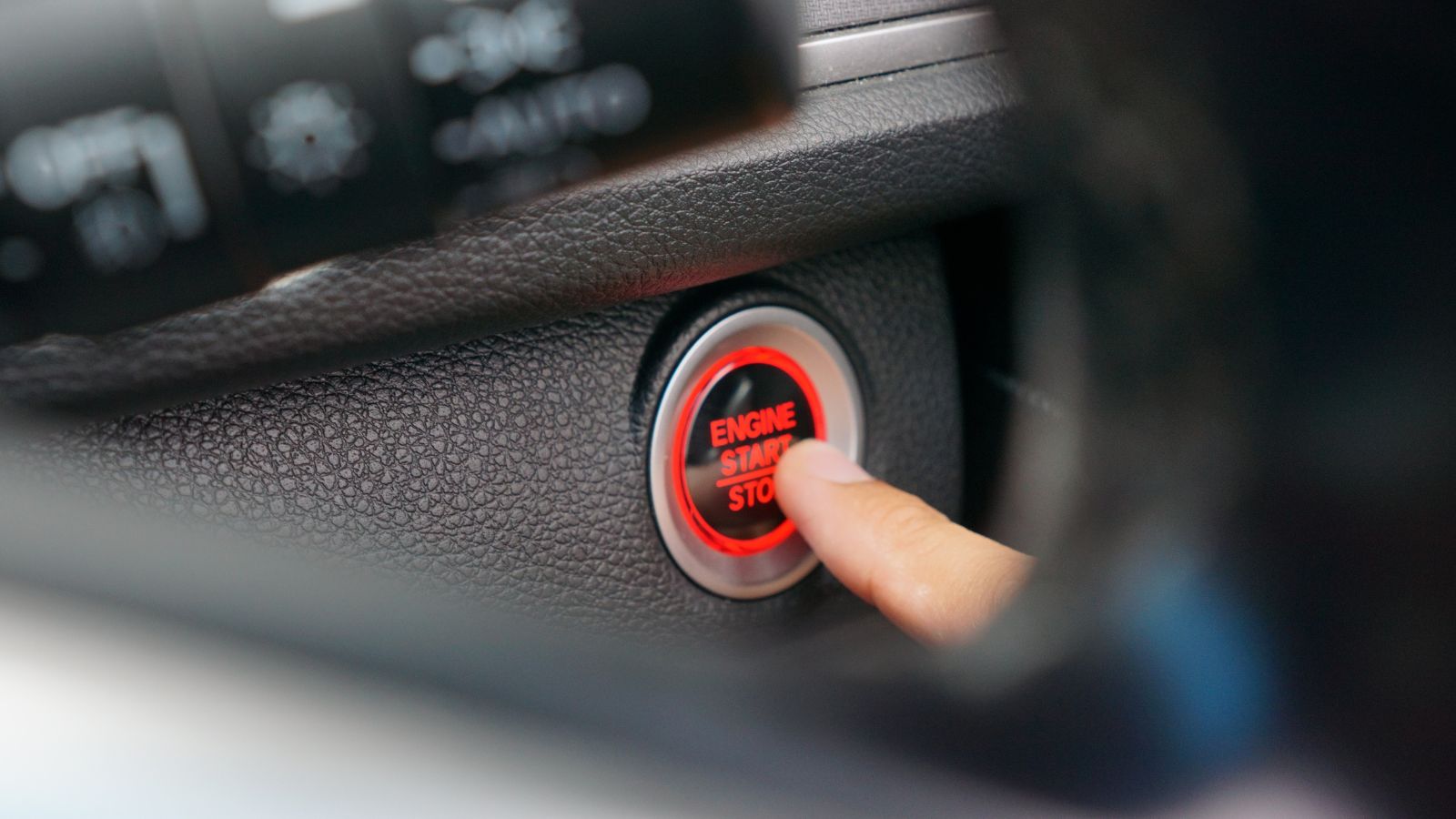
Hybrid engines do not run continuously like those in traditional cars. Instead they start and stop automatically depending on driving conditions and battery charge.
New owners sometimes think something is wrong the first time the engine shuts off at a traffic light. In reality the system is simply conserving fuel. Over time the frequent transitions between electric and gasoline power become part of the normal driving experience.
Tires Can Wear Faster Than Expected
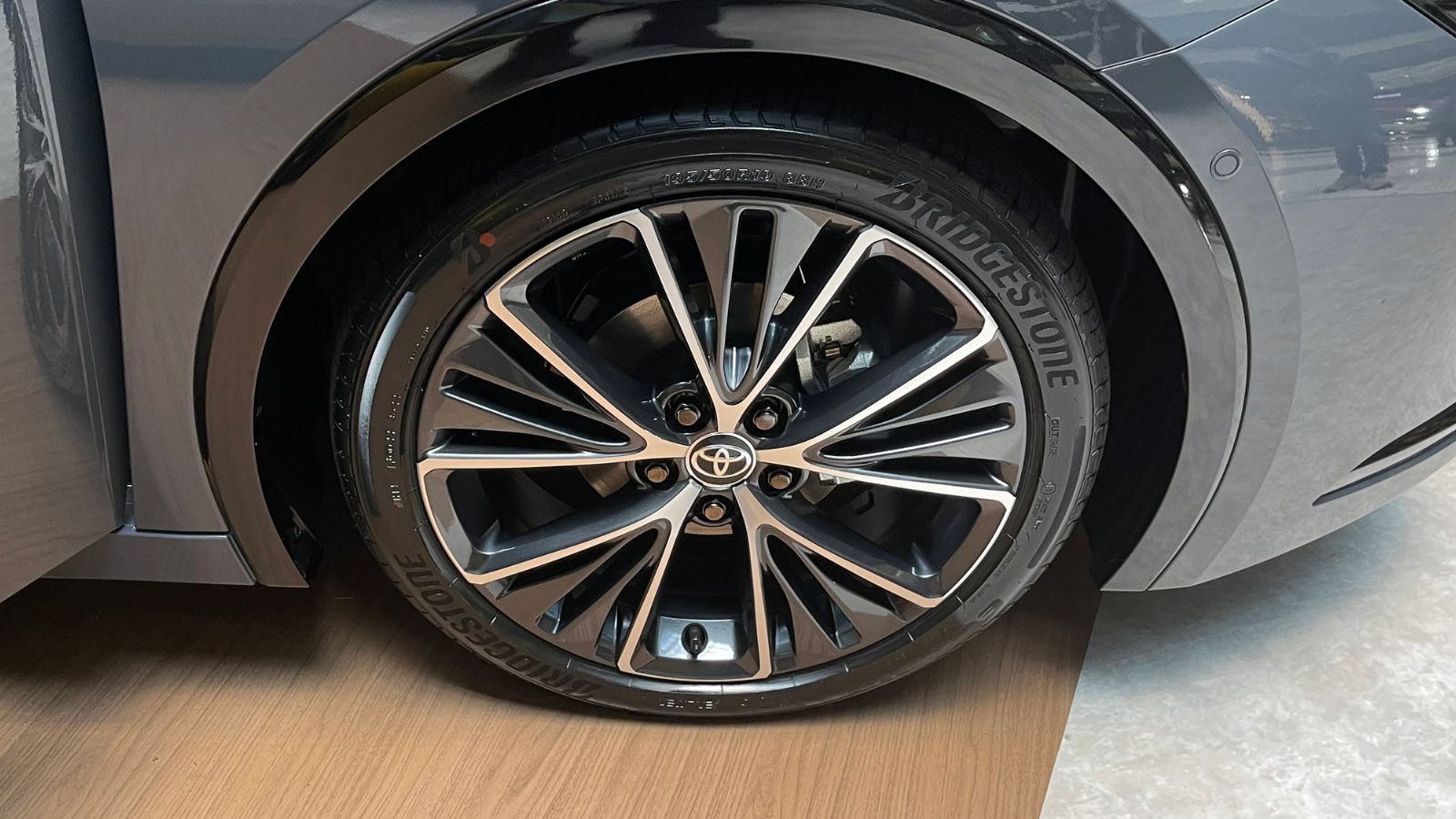
Some hybrid vehicles carry extra weight due to their battery packs. That additional mass can place slightly more stress on tires, particularly if the vehicle is driven aggressively.
Owners sometimes discover they are replacing tires sooner than expected compared with lighter gasoline cars. Regular rotations and proper tire pressure can help extend tire life.
Battery Replacement Eventually Becomes a Concern
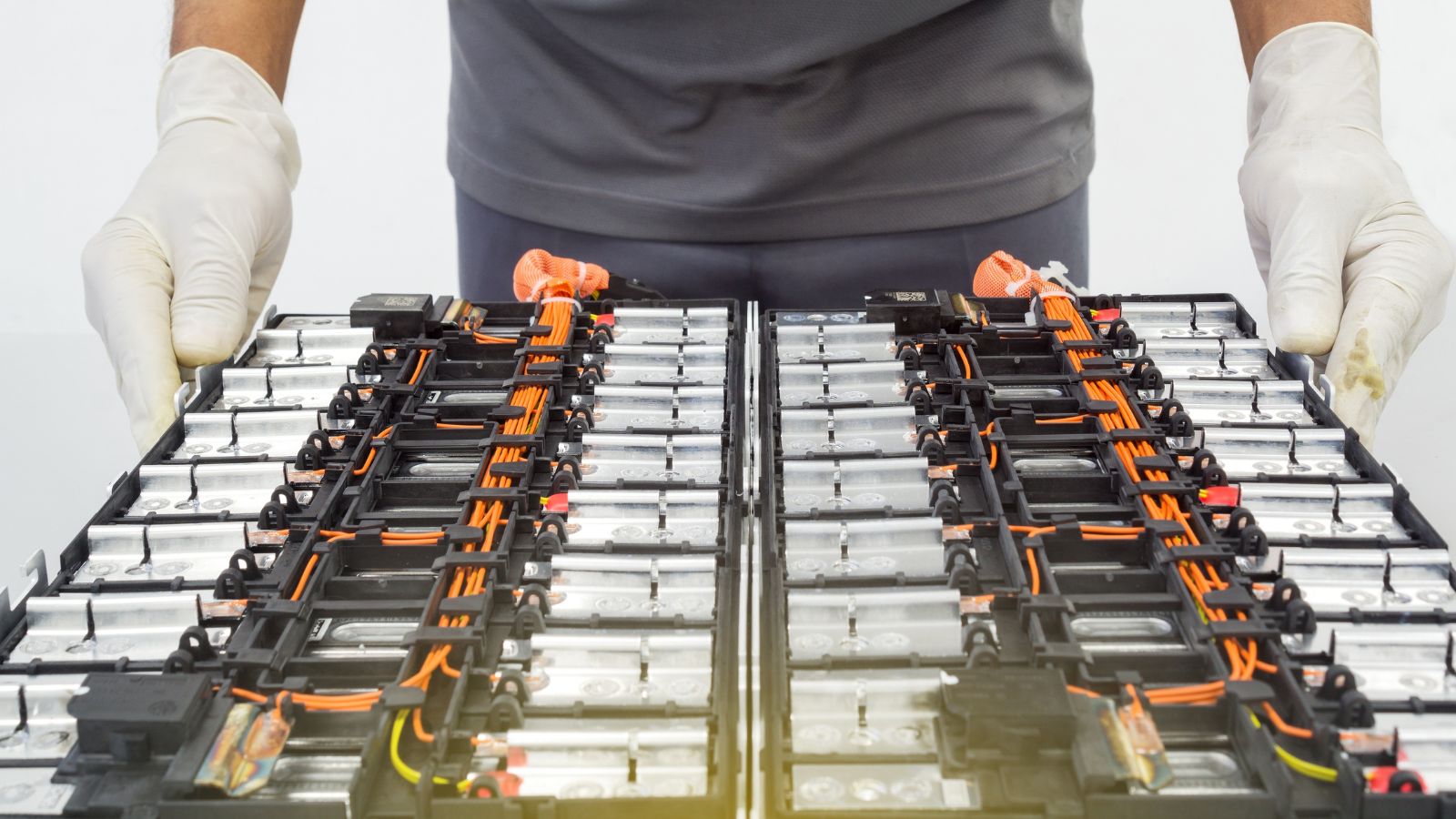
Hybrid batteries are designed to last many years, but they do not last forever. Most manufacturers provide long warranties for the battery pack, which gives many owners peace of mind.
Still, drivers occasionally begin thinking about long term replacement costs once the vehicle ages. Fortunately battery durability has improved significantly, and many hybrids run well for hundreds of thousands of miles before needing major battery work.
Maintenance Is Still Necessary
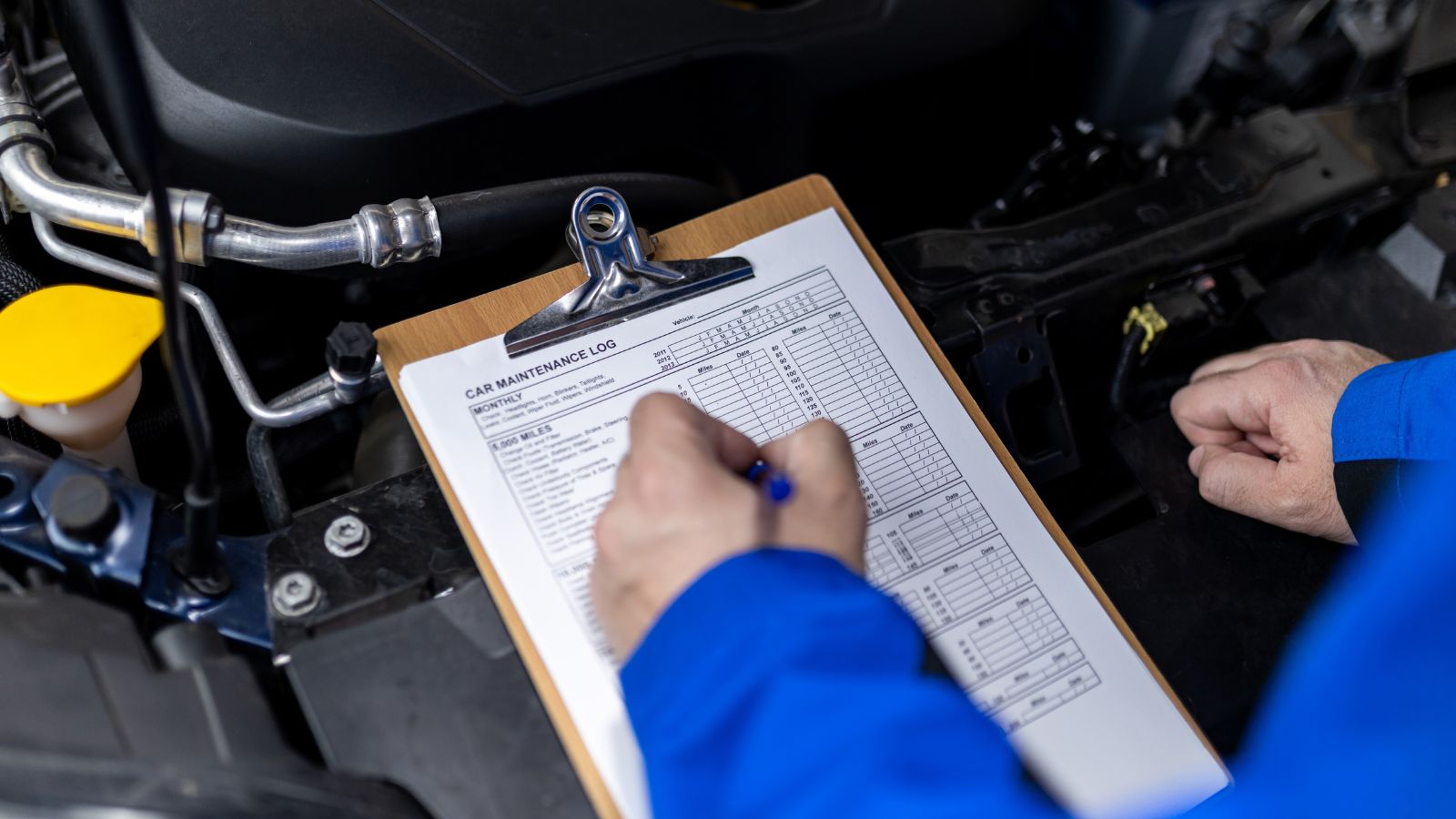
Some buyers assume hybrids require almost no maintenance because of their electric components. While certain parts may last longer, regular service is still important.
Oil changes, brake inspections, coolant maintenance, and tire rotations remain essential. The good news is that regenerative braking often reduces brake wear, which can lower maintenance costs over time.
Heating the Cabin Can Affect Efficiency
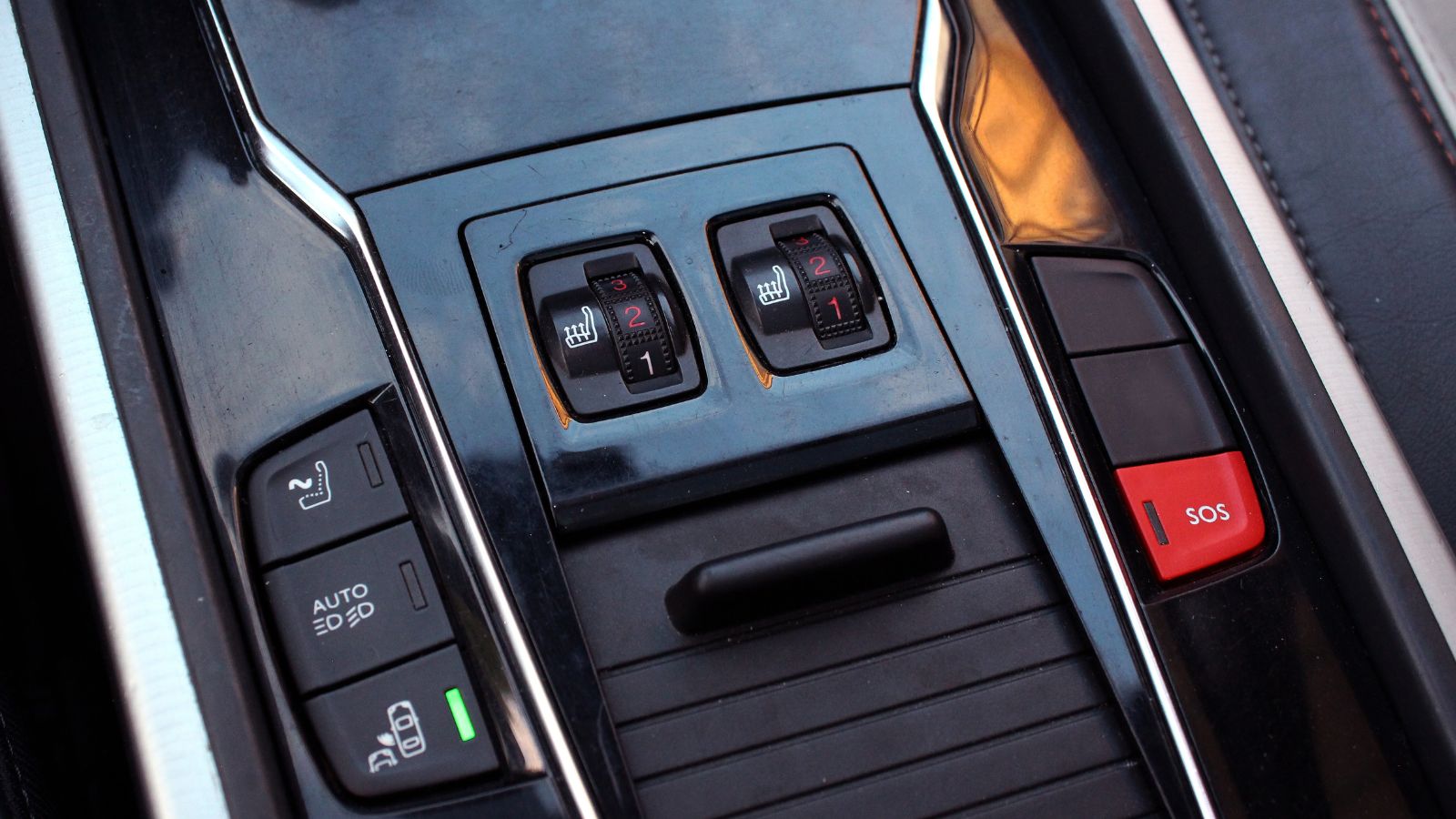
Heating systems in hybrids sometimes rely on the gasoline engine for warmth, particularly in cold climates. When drivers turn on the heater during winter, the engine may run more often than expected.
This extra engine activity can reduce fuel economy during colder months. Owners who frequently drive short distances in winter climates sometimes notice this effect more than those in warmer regions.
Acceleration Can Feel Different
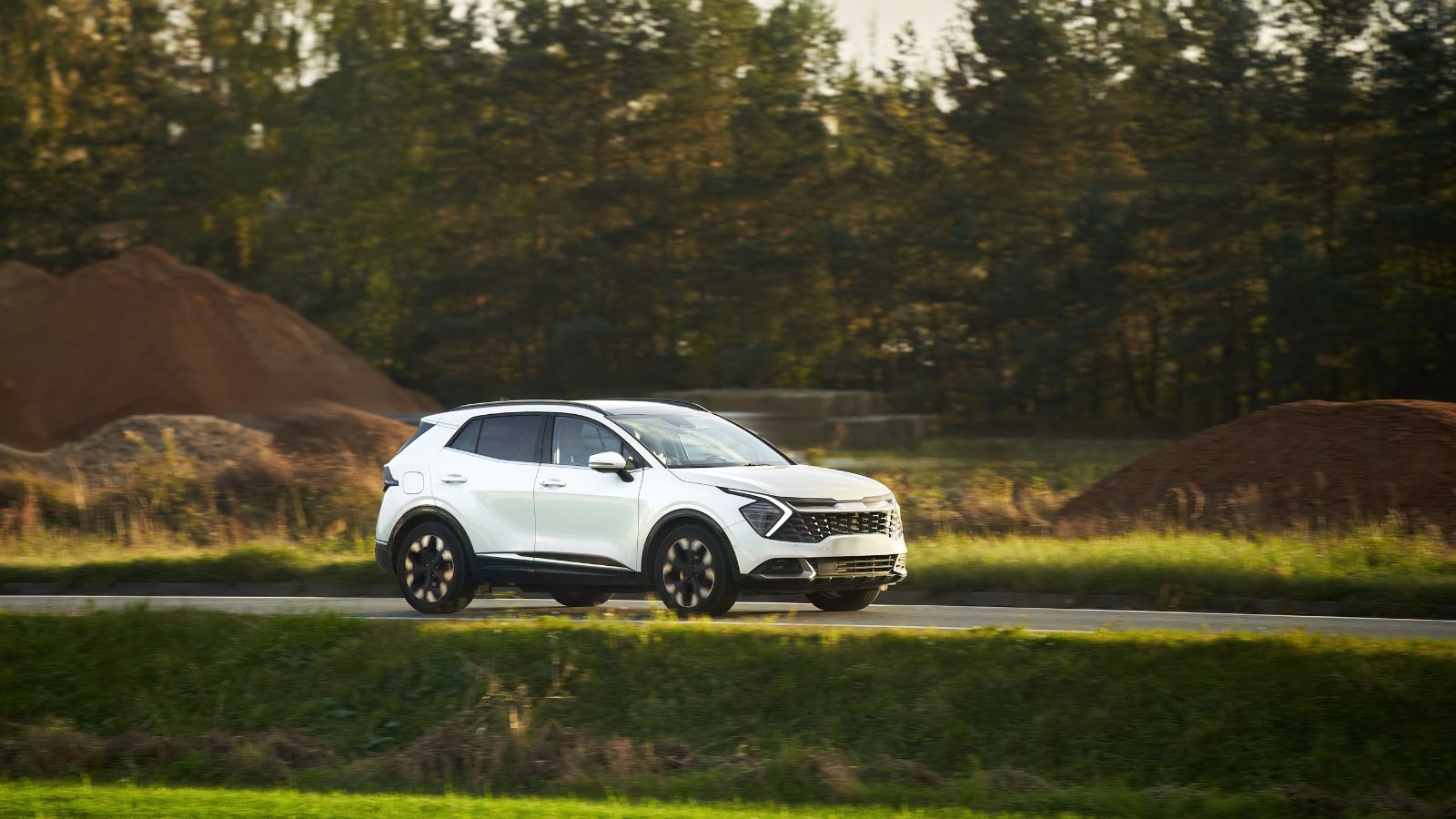
Hybrid powertrains deliver power differently compared with traditional engines. Electric motors provide instant torque, which can make the car feel surprisingly responsive at low speeds.
At higher speeds the gasoline engine often takes over more of the workload. Some drivers describe the transition as unusual at first, particularly in vehicles that use continuously variable transmissions.
Regenerative Braking Takes Time to Master
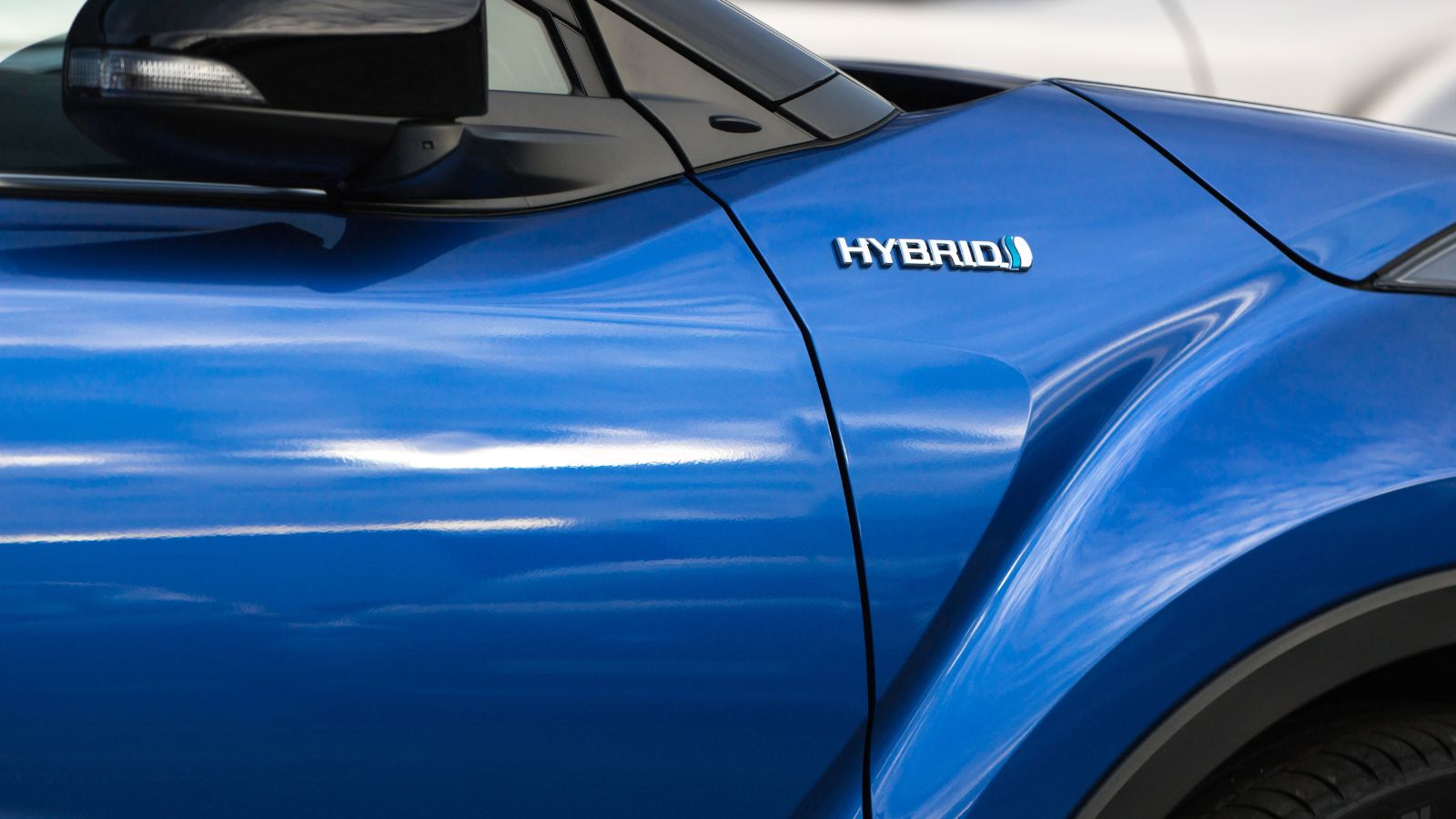
Experienced hybrid drivers sometimes adjust their driving style to take advantage of regenerative braking. By anticipating traffic and slowing gradually, drivers can recover more energy for the battery.
New owners often learn this technique over time. Many discover that smoother driving improves fuel economy and makes the most of the hybrid system.
The Dashboard Displays Can Be Addictive
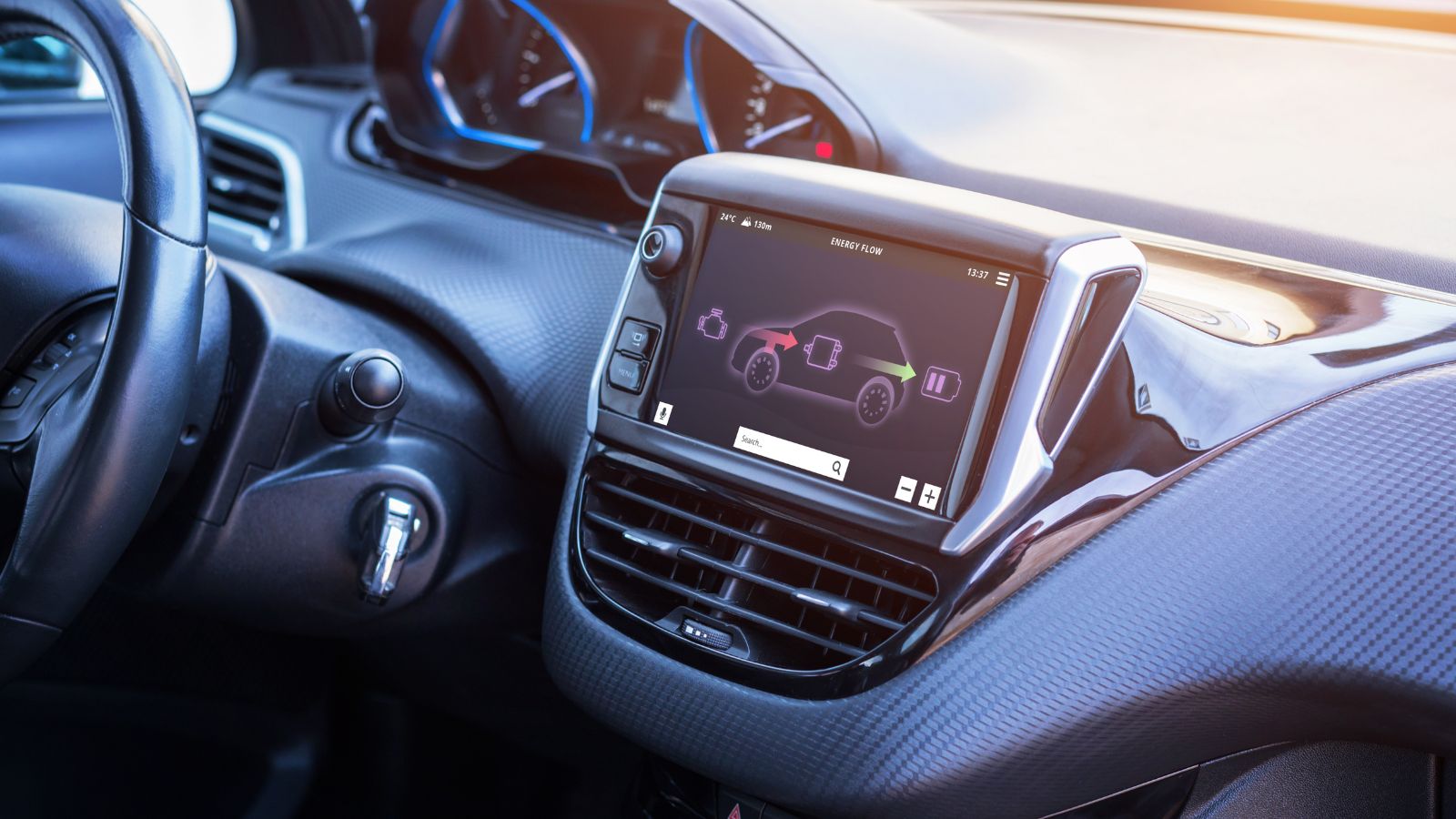
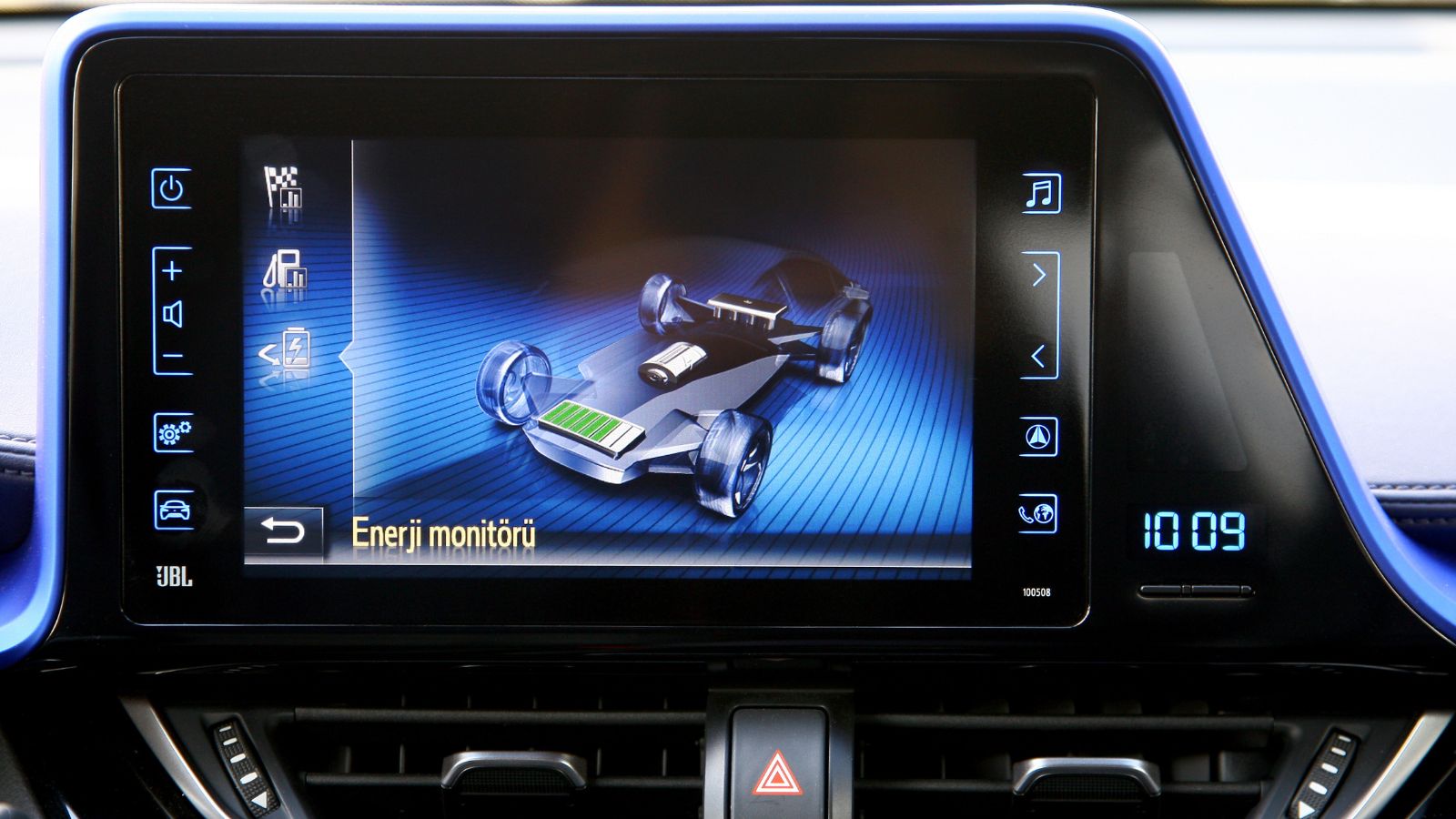
Many hybrids include detailed displays that show energy flow, battery levels, and fuel economy in real time. These screens encourage drivers to experiment with more efficient driving habits.
Owners often find themselves paying closer attention to their driving style as they try to improve fuel economy numbers. For some drivers the challenge of maximizing efficiency becomes part of the fun of hybrid ownership.
Hybrids Can Be Extremely Reliable
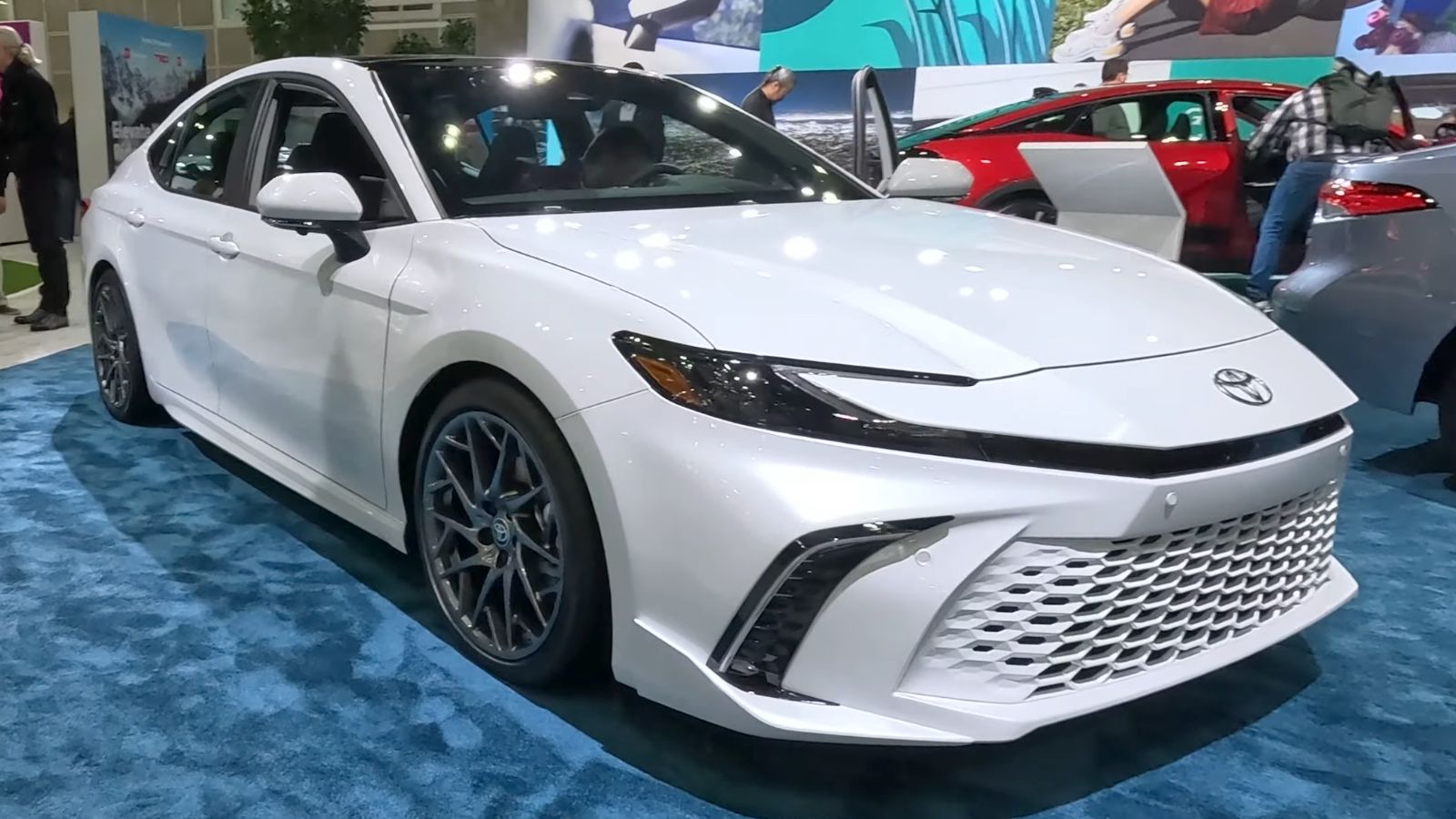
One surprise many owners mention is how durable hybrid systems have become. Early concerns about reliability have largely faded as millions of hybrids have proven themselves over long distances.
Models like the Toyota Prius and Toyota Camry Hybrid have built reputations for excellent longevity. Many drivers report years of trouble free ownership, which helps explain why hybrids have gained strong popularity worldwide.
Resale Values Are Often Strong

Hybrid vehicles often hold their value well compared with conventional gasoline cars. Buyers interested in fuel efficiency frequently search for used hybrids, which keeps demand high.
Owners who eventually sell their vehicles sometimes discover the resale value remains surprisingly strong. That can offset some of the higher purchase price compared with similar gasoline models.
Insurance Can Vary by Model

Insurance costs for hybrids are sometimes similar to those of traditional vehicles, but certain models may carry higher premiums depending on repair costs and safety ratings.
Drivers often learn this when requesting quotes before purchasing a hybrid. Checking insurance pricing in advance can prevent unexpected surprises.
The Driving Experience Is Surprisingly Smooth

Perhaps the biggest surprise for many drivers is how smooth hybrids feel on the road. Electric motors deliver quiet, vibration free power, and the constant switching between power sources often feels seamless.
Once drivers adjust to the unique characteristics, many find hybrids relaxing and easy to live with. For everyday commuting and city driving, the combination of efficiency and smooth performance can be remarkably satisfying.
25 Facts About Car Loans That Most Drivers Don’t Realize

Car loans are one of the most common ways people fund car purchases. Like any other kind of loan, car loans can have certain features that can be regarded as an advantage or a disadvantage to the borrower. Understanding all essential facts about car loans and how they work to ensure that you get the best deal for your financial situation is essential. Here are 25 shocking facts about car loans that most drivers don’t realize:
25 Facts About Car Loans That Most Drivers Don’t Realize
