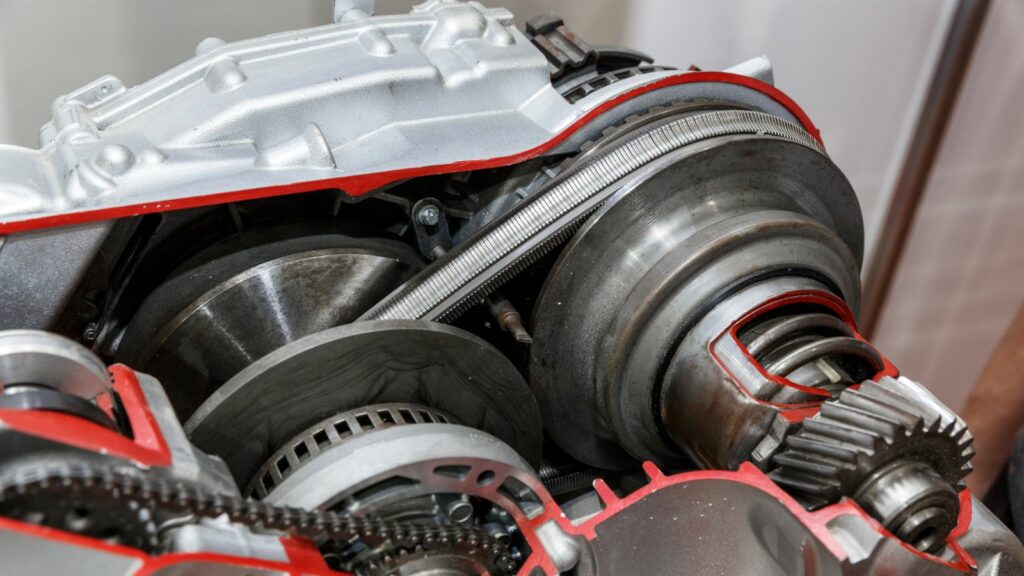
A continuously variable transmission can look like an ordinary automatic from the driver’s seat, but what happens underneath is considerably different. Instead of relying on a fixed sequence of conventional gears, many CVTs continually adjust their ratio to balance acceleration, engine speed and fuel efficiency. That difference affects everything from driving feel to maintenance, towing and used-car inspections. It also matters in Canada, where freezing temperatures, short winter trips and demanding driving conditions can influence maintenance requirements. Just as importantly, not every transmission carrying a CVT badge uses the same technology. Before signing for a new or used vehicle, these 17 things can help Canadian buyers understand what they are actually getting and what ownership may involve.
A CVT Does Not Shift Like a Conventional Automatic

A conventional automatic transmission moves through a predetermined set of gear ratios. A traditional CVT instead changes ratios continuously, commonly using two variable-diameter pulleys connected by a belt or chain. As the effective diameter of each pulley changes, the transmission can alter the relationship between engine speed and road speed without making the distinct first-to-second or second-to-third shifts drivers expect from a geared automatic.
That engineering difference is central to the CVT experience. Subaru describes its Lineartronic system as using hydraulically controlled pulleys connected by a steel chain, while U.S. transportation regulators describe the same basic pulley principle in conventional CVTs more broadly. The result can be smooth acceleration with little or no traditional shift sensation. A buyer accustomed to feeling every gear change should therefore spend enough time behind the wheel to decide whether the more continuous response feels natural or strangely disconnected.
High Engine Revs Under Acceleration Can Be Completely Normal

One of the easiest ways to misunderstand a healthy CVT is to judge it by the behaviour of a conventional automatic. Under strong acceleration, a CVT may raise the engine to an efficient or powerful rpm and hold it there while road speed continues increasing. To someone accustomed to hearing an automatic shift several times during an on-ramp sprint, that can sound as though the transmission is slipping.
Subaru specifically identifies sustained higher engine speed during moderate or heavy acceleration as a normal CVT operating characteristic. Once the vehicle reaches a steadier cruising speed, the transmission can select a taller effective ratio and allow engine rpm to fall. This makes a thorough test drive valuable before buying. A perfectly functioning CVT might initially sound busier than expected during passing or merging, especially for someone coming from a traditional six-, eight- or ten-speed automatic. Familiarity can prevent normal behaviour from being mistaken for an expensive mechanical problem.
Some CVTs Deliberately Pretend to Have Gears
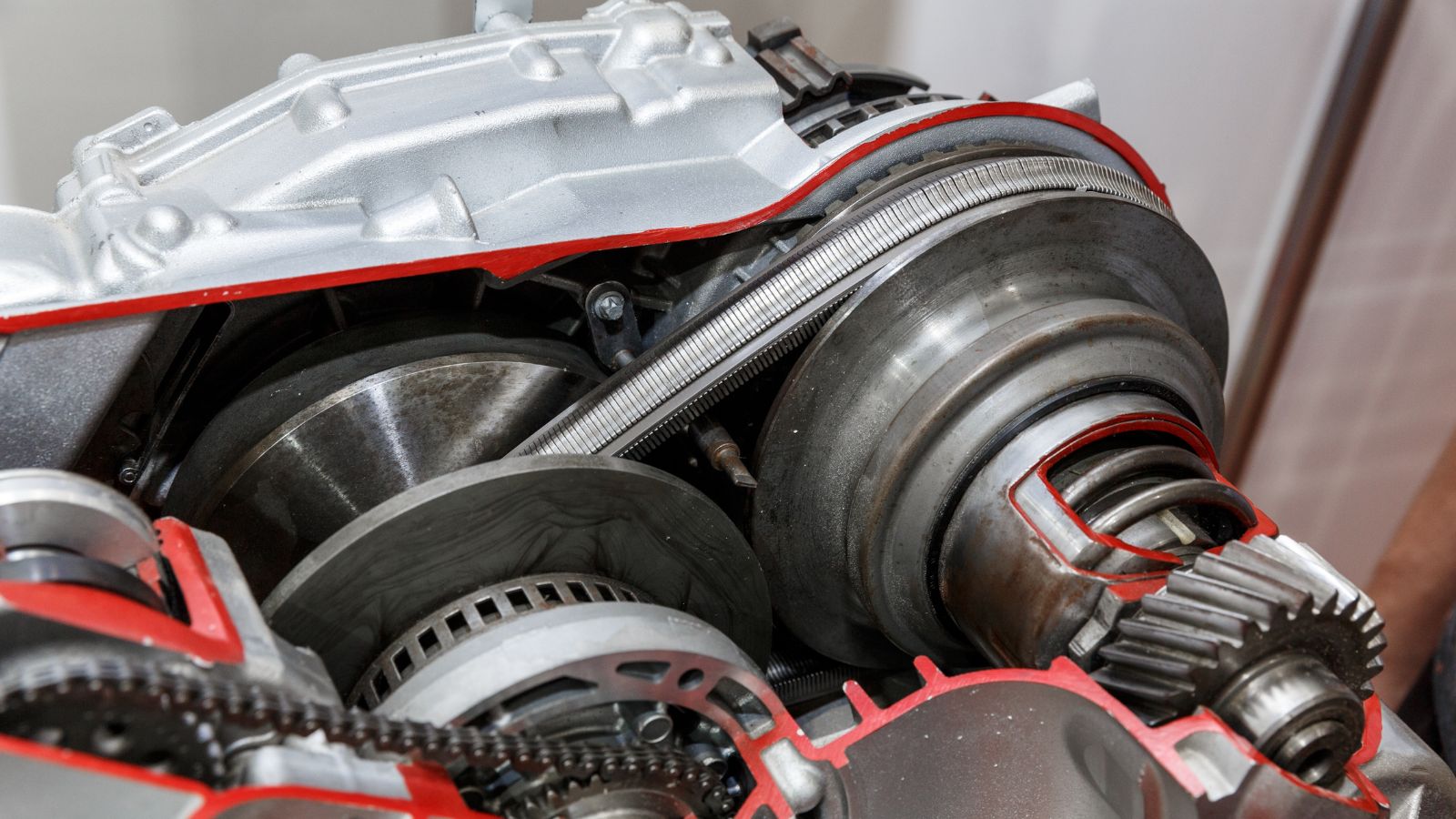
The absence of fixed gears does not mean every CVT delivers perfectly seamless acceleration. Automakers know many drivers associate rising and falling engine speed with normal acceleration, so some transmission software creates simulated shift points. Subaru, for example, documents CVT manual modes and paddle shifters that let drivers select preset ratios, while certain models intentionally reproduce a more conventional shifting sensation during harder acceleration.
Toyota takes another approach with some gasoline-powered Corolla models. Its Dynamic Shift CVT uses a physical launch gear when the vehicle starts moving, then hands power delivery over to the continuously variable pulley system. These designs can make two CVT-equipped cars feel surprisingly different even when their specification sheets appear similar. Canadians comparing vehicles should therefore test the actual model and trim rather than assuming every CVT will produce the familiar “rubber-band” sensation sometimes associated with the technology. Software calibration and mechanical design can substantially change the experience.
Even Conventional CVTs Are Not Built the Same Way
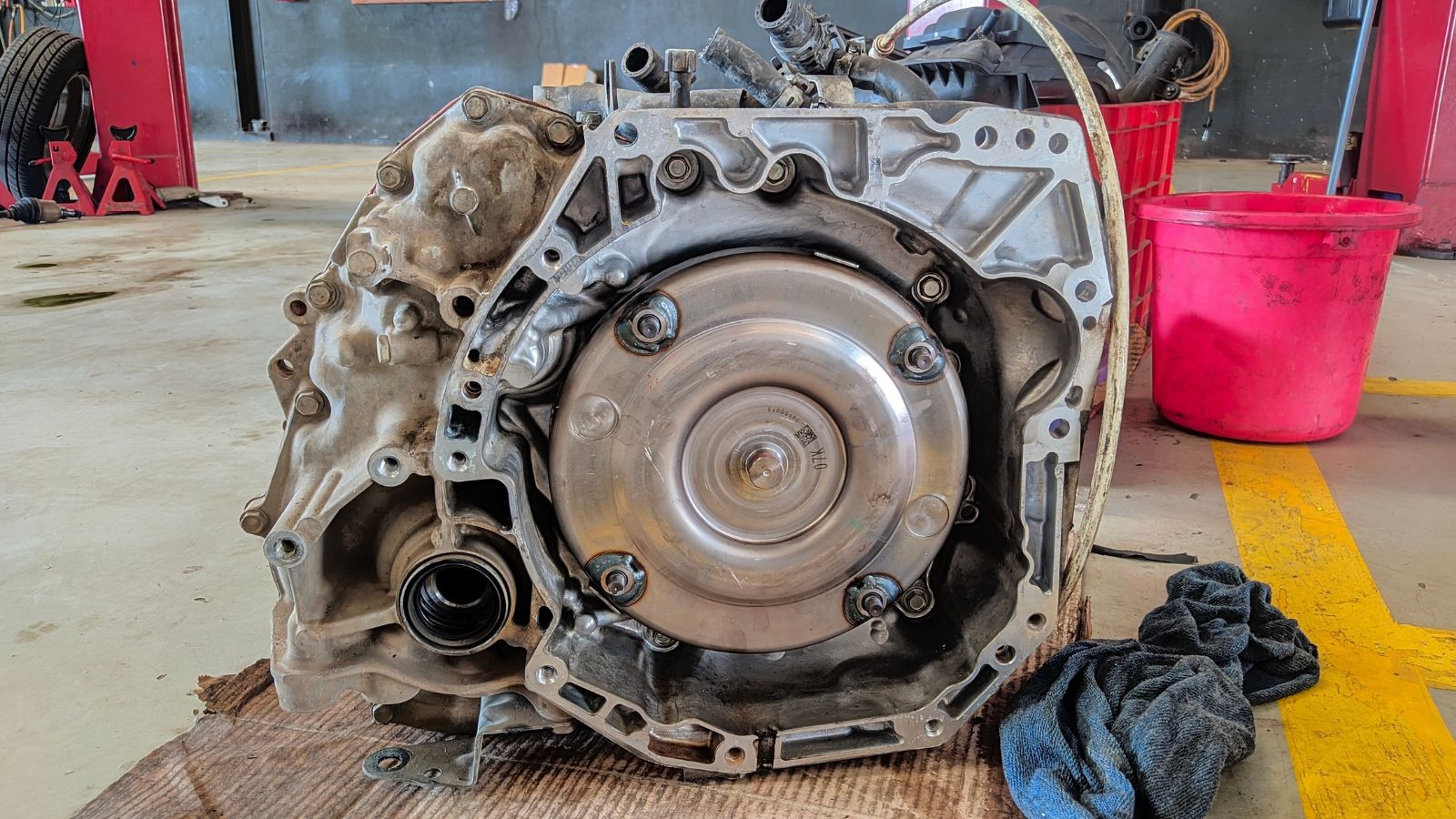
The letters CVT describe a type of transmission strategy, not one standardized collection of components. Many conventional CVTs use a belt between variable pulleys, while Subaru’s Lineartronic system uses a chain. Some designs add torque converters, cooling systems, simulated ratios or specialized launch mechanisms. Toyota’s Dynamic Shift CVT goes further by incorporating a physical first gear before transitioning to the continuously variable portion of the transmission.
That variety matters when researching reliability or maintenance. An owner complaining about one CVT design online may be describing hardware that has little in common with the vehicle another shopper is considering. Model year matters as well because automakers revise transmissions, software and maintenance schedules over time. Instead of asking whether “CVTs are reliable,” buyers are better served by identifying the exact transmission fitted to a particular engine, trim and model year. The broad label alone does not provide enough information to judge an individual vehicle.
Fuel-Economy Benefits Are Real, but They Are Not Automatic

One reason manufacturers adopted CVTs is their ability to keep an engine operating closer to an efficient speed rather than forcing it through a limited number of fixed ratios. Subaru says its Lineartronic transmission can maintain an appropriate engine operating range and reduce the interruptions associated with conventional shifts. This capability can contribute to lower fuel consumption, particularly when the powertrain has been designed around the transmission.
That does not mean simply choosing a CVT guarantees the lowest fuel bill. Vehicle weight, engine size, aerodynamics, all-wheel drive, tires, temperature and driving style still matter. The correct comparison is the official fuel-consumption rating for the specific vehicle configuration being considered, not a general assumption about transmission type. Toyota’s current lineup also demonstrates how manufacturers combine different CVT concepts with engines and hybrid systems to pursue efficiency. Buyers should treat a CVT as one part of the fuel-economy equation rather than a guarantee of exceptional mileage.
The Correct Transmission Fluid Matters More Than Many Buyers Realize
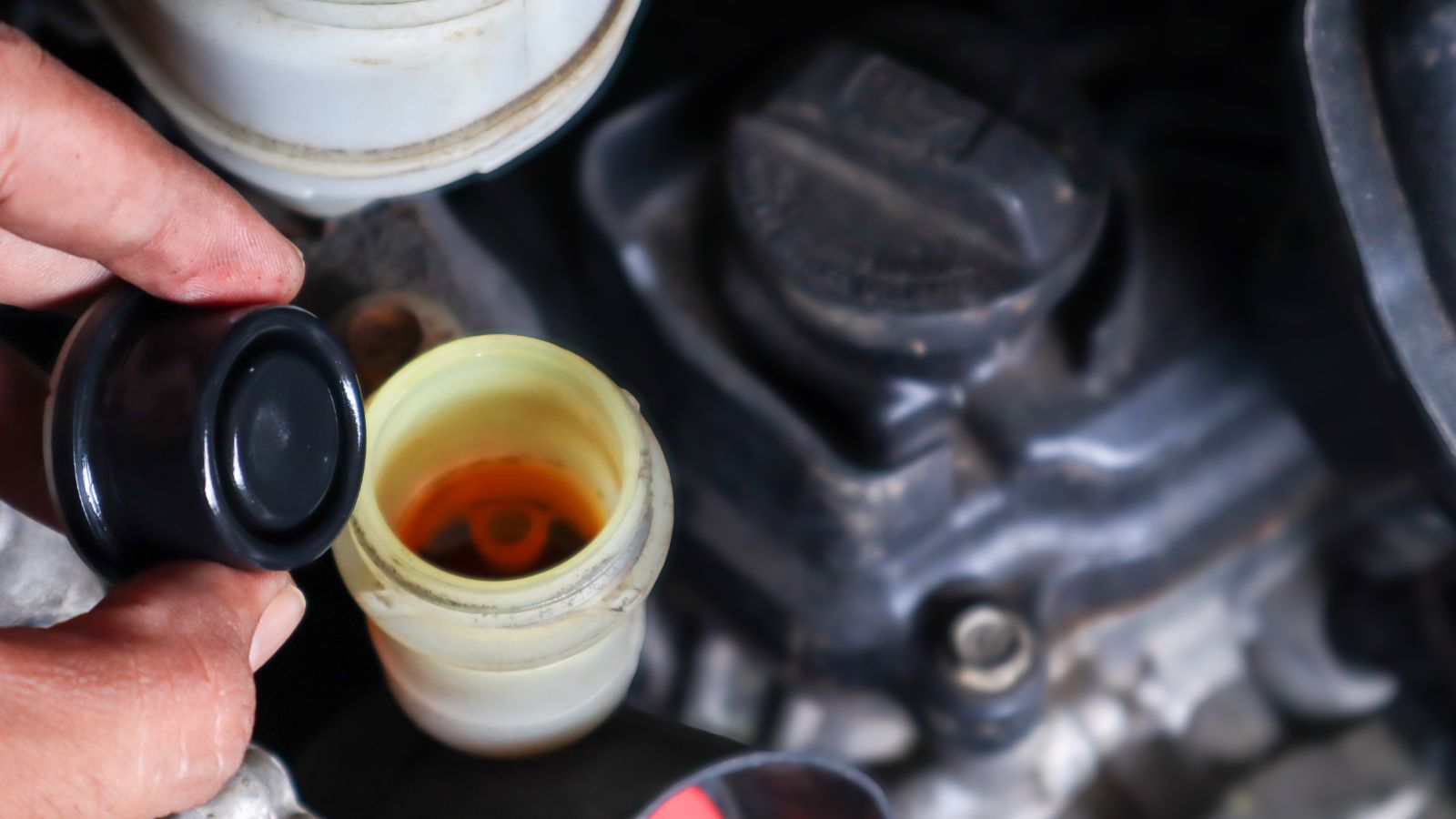
CVT fluid is not merely a generic lubricant. It must help control hydraulic operation while protecting components and providing the friction characteristics required by a particular transmission design. Nissan Canada describes CVT fluid as supporting hydraulic ratio changes while protecting the belt-and-pulley system. Using the correct specification is therefore a significant part of maintaining the transmission as its manufacturer intended.
Hyundai makes the warning especially clear for its Intelligent Variable Transmission, a CVT-family design. Its Canadian owner documentation states that using non-specified fluid, even fluid advertised as compatible, can cause poorer shift quality and vibration and may eventually contribute to transmission failure. That makes maintenance receipts especially valuable on a used vehicle. A record saying only “transmission serviced” is less reassuring than an invoice identifying the correct fluid. Before buying, it is worth confirming both when the service occurred and exactly what product was installed.
CVT Fluid Replacement Intervals Can Vary Dramatically
There is no universal Canadian rule saying CVT fluid must be replaced at one particular kilometre reading. Manufacturer schedules can differ substantially by vehicle and operating conditions. Nissan Canada, for example, lists replacement every 48,000 kilometres for certain versions of the Kicks Play, while its 2025 Sentra schedule calls for inspection at regular intervals and specifies replacement at 96,000 kilometres or 72 months under severe conditions.
Subaru Canada currently recommends CVT-fluid replacement at 110,000 kilometres or 66 months for applicable models, while noting that more frequent replacement may be appropriate under severe conditions or frequent towing. These differences demonstrate why generic maintenance advice can be misleading. A buyer should locate the Canadian maintenance schedule for the exact year, engine and model under consideration. For a used car, receipts showing that the previous owner followed the applicable schedule can be more meaningful than an odometer reading alone, particularly once the vehicle has accumulated substantial mileage.
Canadian Driving Can Qualify as Severe Service
“Severe service” sounds as though it applies only to taxis, towing vehicles or cars used on construction sites, but manufacturer definitions can cover ordinary Canadian routines. Nissan Canada notes that frequent short trips, extreme temperatures, road salt exposure, towing and certain commercial driving conditions can require additional or more frequent maintenance. Those situations are hardly unusual across Canada, particularly during winter.
Honda similarly warns that its Maintenance Minder cannot account for every extreme-use condition and specifically identifies heavy towing and demanding environments as situations that may require additional attention. That means a commuter making repeated short trips on freezing mornings may need to look beyond a simplified normal-service schedule. When considering a used CVT-equipped car, buyers should think about how the vehicle was used as well as how far it travelled. A low-kilometre urban vehicle that repeatedly completed short winter journeys has experienced a very different operating life from a similar car driven mainly on long highway trips.
Heat and Towing Deserve Extra Attention
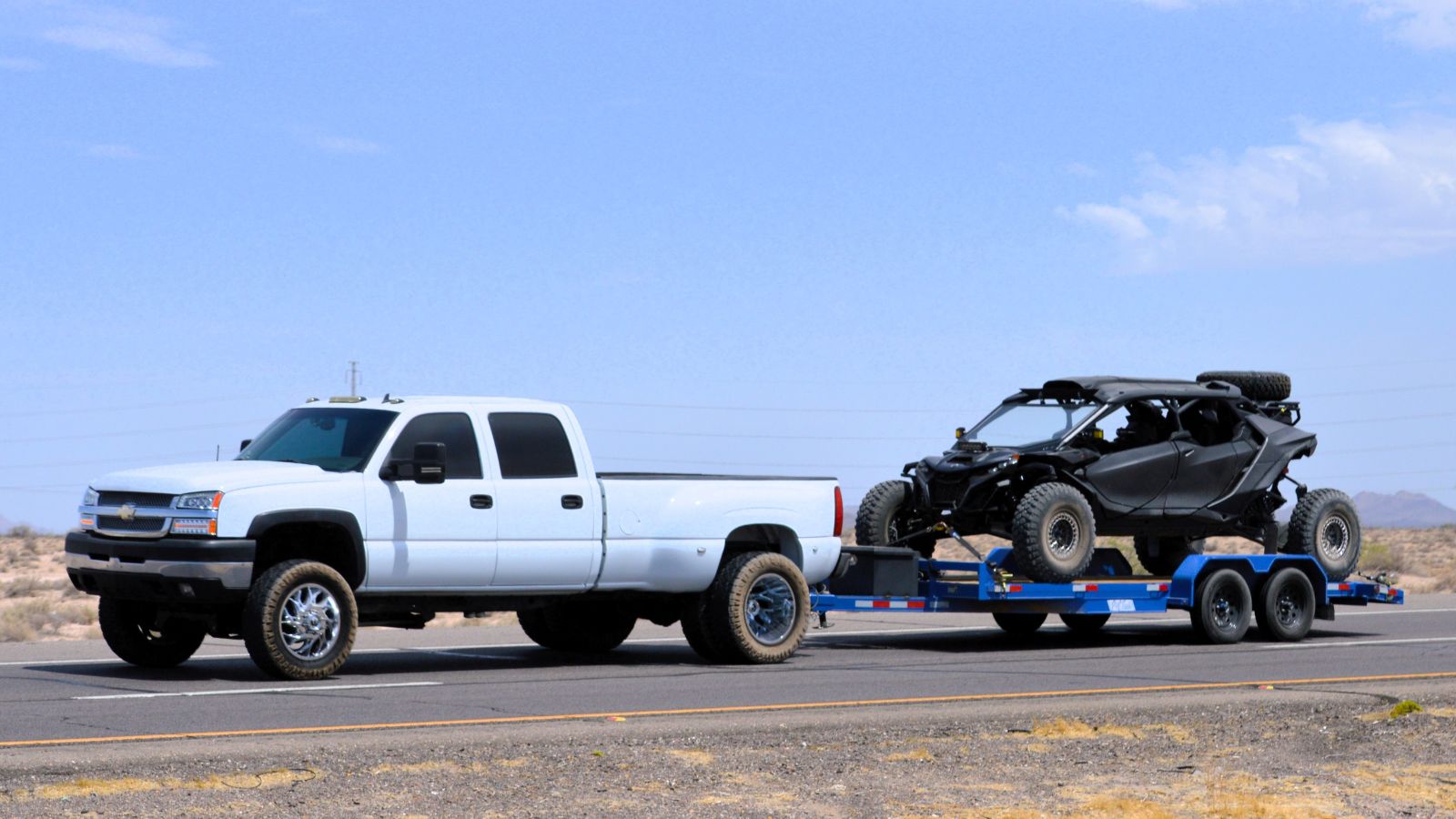
CVTs generate and manage considerable heat, making the manufacturer’s towing limits and maintenance instructions important rather than optional. Nissan’s Canadian Sentra documentation describes a high-fluid-temperature protection mode that can reduce engine power and, in some situations, vehicle speed if transmission temperature becomes excessive. The manual gives steep grades, high temperatures and heavy loads as examples of conditions that can contribute to high transmission-fluid temperatures.
Honda also links towing and slow driving in mountainous areas with higher transmission temperatures in its maintenance documentation and calls for more frequent transmission-fluid replacement under specified demanding conditions. This does not mean every CVT-equipped vehicle is unsuitable for towing. Some Subaru CVT models, for example, carry manufacturer-specified trailer ratings. The important point is that towing capability belongs to the whole vehicle—not merely the transmission label. Anyone planning to tow a boat, utility trailer or camper should verify the exact rating, cooling equipment and maintenance requirements before buying.
Cold Weather Can Change How a CVT Feels

A CVT may behave somewhat differently on a bitter winter morning than it does after the drivetrain has reached normal operating temperature. Subaru Canada specifically explains that its vehicles can operate at higher engine rpm when cold as the engine and transmission control systems work to bring the powertrain and emissions equipment toward their intended temperatures. It also notes that certain brief transmission noises can become more noticeable in colder conditions.
That is useful context for Canadian buyers because unusual sounds or engine speeds immediately after a cold start are not automatically evidence of transmission trouble. At the same time, severe winter operation can affect maintenance requirements. Manufacturer severe-service definitions may include repeated short trips below freezing and driving on salt-covered roads. Ideally, a used-car test should include a cold start when practical rather than beginning only after the seller has warmed the vehicle. Buyers can then observe both cold and fully warmed behaviour before making a decision.
Learn the Difference Between CVT Character and Warning Signs
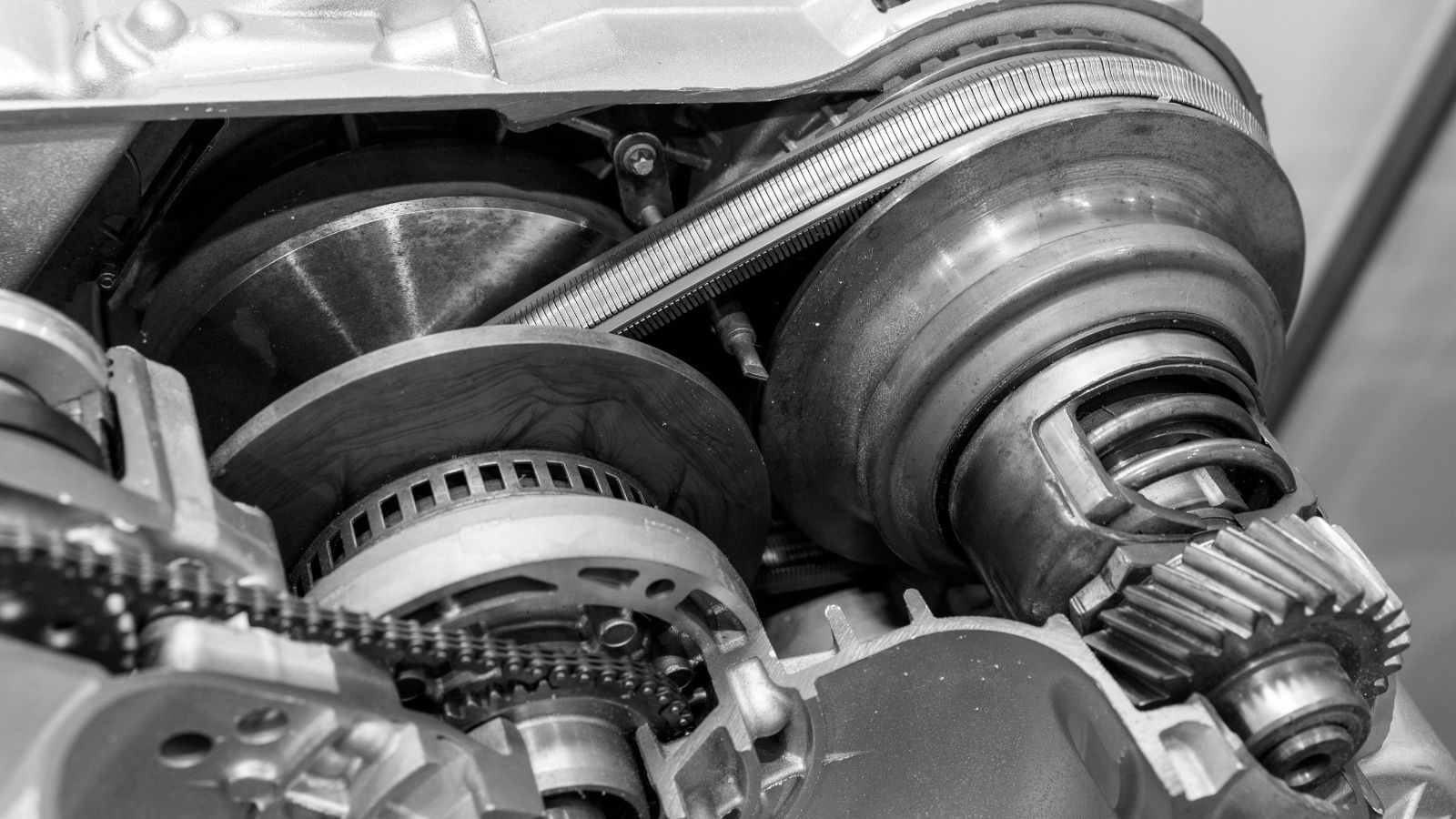
Some characteristics that would seem suspicious in a traditional automatic can be normal in a CVT. Subaru lists droning during acceleration, higher sustained rpm, certain whining sounds and simulated shift sensations among possible normal operating characteristics of its Lineartronic transmission. That makes familiarity with the specific model important before assuming every unfamiliar sound signals an imminent failure.
There is still a clear difference between normal design behaviour and an actual warning. Nissan documentation, for example, instructs drivers to have the vehicle checked when a CVT malfunction warning appears. A used-car test should therefore include gentle acceleration, harder acceleration, steady highway cruising where practical, low-speed manoeuvring and engagement of both Drive and Reverse. Persistent abnormal vibration, warning messages or behaviour inconsistent with the manufacturer’s description deserves investigation. The goal is not to diagnose a transmission in the driveway but to identify anything that warrants professional inspection before money changes hands.
Service History Is Especially Valuable on a Used CVT

A clean exterior and low odometer reading reveal little about whether a transmission received appropriate maintenance. CARFAX Canada recommends reviewing available service history because records can show when a vehicle was maintained and expose gaps that deserve questions. For a CVT-equipped vehicle, invoices documenting transmission-fluid service can be particularly useful because manufacturer requirements vary so widely.
Vehicle-history reports are not complete maintenance diaries, however. CARFAX Canada notes that service information depends on data supplied by participating facilities, meaning missing records do not automatically prove maintenance was skipped. Buyers should ask the seller for receipts and work orders as well. Ideally, those documents will identify the date, odometer reading and fluid or parts used. A car showing 120,000 kilometres with organized transmission-service records can tell a very different ownership story from an apparently similar vehicle whose seller cannot explain whether the CVT has ever been serviced.
A Pre-Purchase Inspection Is Worth More Than Guesswork

Even a detailed test drive cannot reveal every internal or developing mechanical problem. CARFAX Canada recommends a pre-purchase inspection by a licensed mechanic or automotive technician when buying used. A thorough inspection can assess the vehicle’s mechanical and safety condition, look for leaks or previous damage and give the technician an opportunity to evaluate unusual sounds or operating behaviour.
For a CVT-equipped car, buyers can improve the usefulness of that inspection by telling the technician about any hesitation, vibration, noises or warning messages noticed on the test drive. Providing maintenance records also helps establish whether required transmission service has been performed. A general inspection is not a guarantee that a CVT will never experience trouble, but it adds professional evidence to a decision that otherwise relies heavily on appearance and seller assurances. Considering what modern powertrain repairs can involve, spending money on an independent inspection before purchase is a comparatively modest form of due diligence.
Check the VIN for Recalls Before Buying
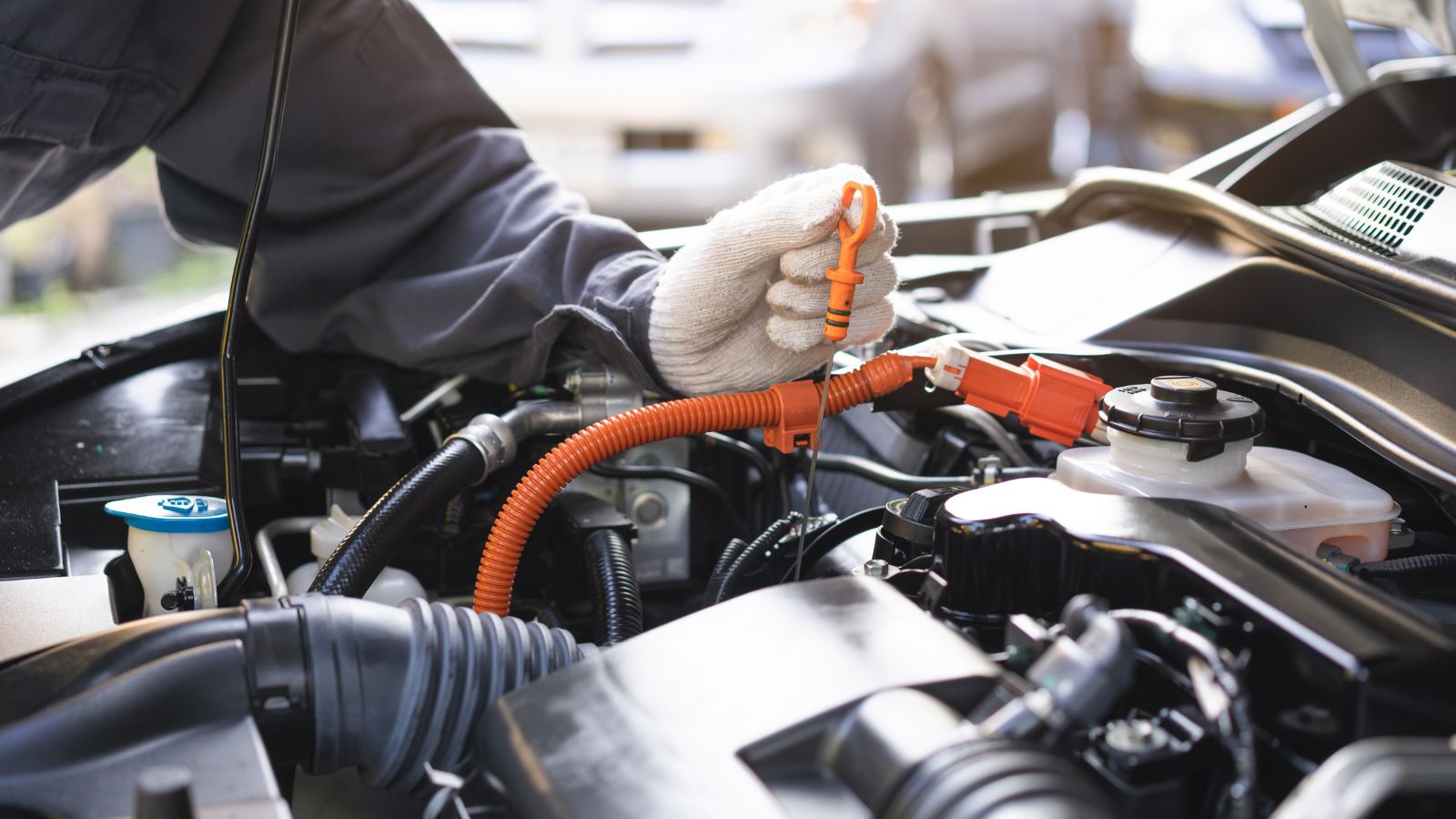
Transmission reputation should never replace a vehicle-specific recall check. Transport Canada maintains a national motor-vehicle safety recall database and advises people shopping for used vehicles to determine whether recalls apply before completing a purchase. Manufacturer websites may also provide VIN-based lookup tools capable of identifying campaigns that remain outstanding on an individual vehicle.
This matters because recalls apply to specific production ranges, components and vehicles rather than every example carrying the same model badge. It is therefore inaccurate to assume that all cars from a brand share a problem—or that a particular used vehicle has already received every required repair. Transport Canada says an authorized dealer can use the VIN to help determine whether applicable recall work has been completed. CARFAX Canada reports can also contain open-recall information when available. A few minutes spent checking the 17-digit VIN can prevent a buyer from relying on vague online discussions about an entire model generation.
Know Exactly How Much Warranty Is Left

Warranty coverage can materially change the financial risk of buying a newer CVT-equipped vehicle. Several major Canadian manufacturers provide substantial powertrain protection. Honda’s current Canadian warranty includes five years or 100,000 kilometres of powertrain coverage, and Nissan’s Canadian warranty documentation lists the same duration. Toyota also provides 60 months or 100,000 kilometres for covered powertrain components, including specified transmission and transaxle parts.
Hyundai Canada currently advertises five years or 100,000 kilometres of new-vehicle coverage, including its powertrain. The details and exclusions still matter, particularly when purchasing used, because coverage depends on the vehicle, in-service date, maintenance requirements and warranty terms. Certain older CVT populations have also received special warranty extensions; Subaru Canada, for example, previously established enhanced CVT coverage for specified model years. Buyers should confirm warranty status using the VIN rather than assuming coverage from the model year displayed in an advertisement.
CVTs Are Not Automatically Unsuitable for Towing or AWD
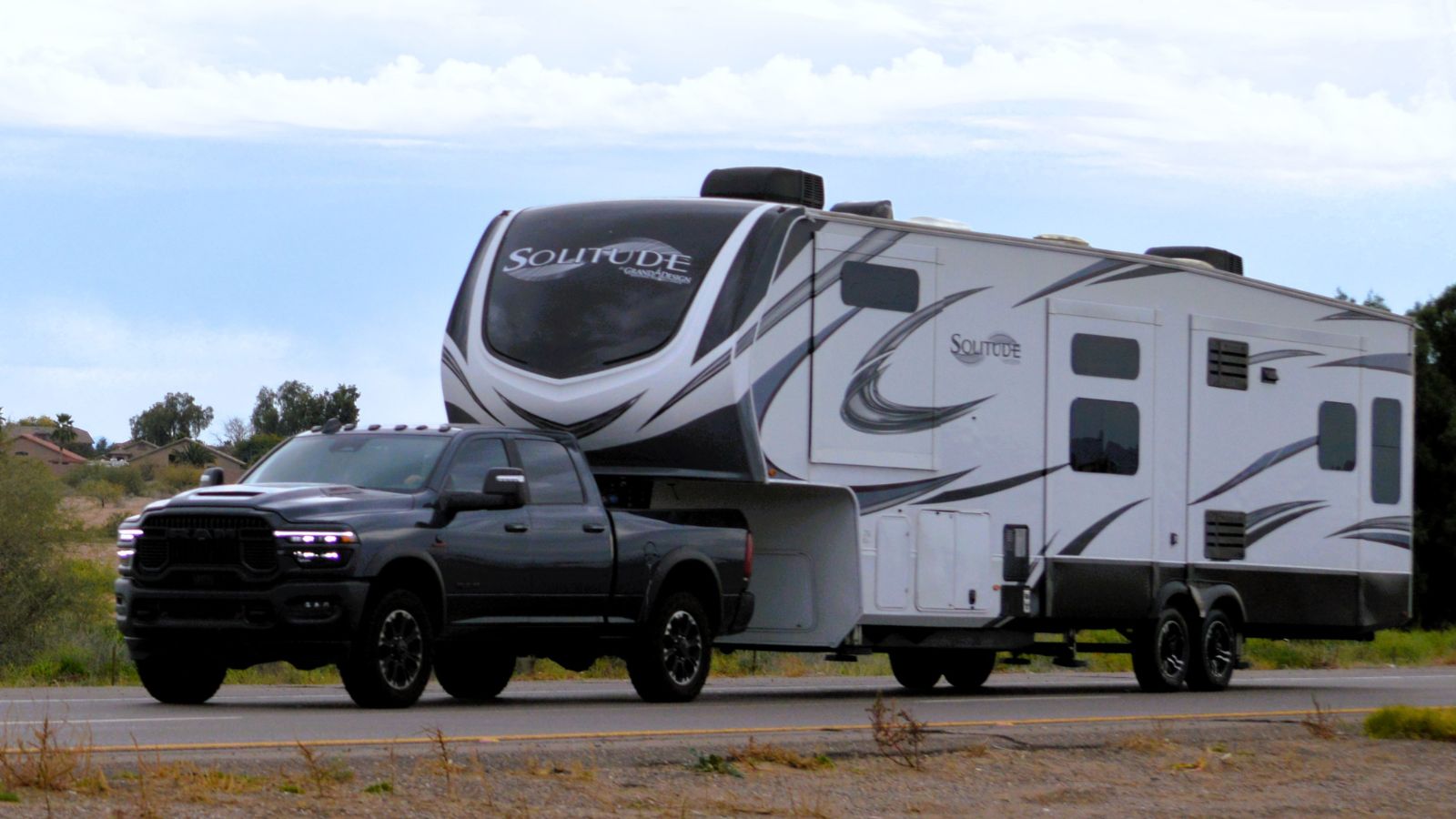
A common oversimplification is that CVTs belong only in lightweight front-wheel-drive commuter cars. Subaru demonstrates why that generalization fails: its Lineartronic CVT is integrated with full-time all-wheel-drive systems across much of its Canadian lineup, and several models have published towing capacities. Some variants even use a high-torque version of the transmission, while certain configurations include a CVT oil cooler.
The more useful question is whether the exact vehicle is engineered for the work expected of it. Trailer mass, tongue weight, cooling equipment, engine output and manufacturer instructions all matter. A compact sedan with a CVT and an AWD SUV with a high-torque CVT should not be judged by the same assumptions. Drivers who regularly pull snowmobiles, small boats or camping trailers should compare the vehicle’s official towing specification and severe-service requirements against their actual needs. Choosing within those limits is more meaningful than avoiding an entire transmission category based solely on its name.
Stop Completely Before Switching Between Reverse and Drive

Fast parking-lot manoeuvres can tempt a driver to shift from Reverse into Drive while the vehicle is still rolling backward. Subaru specifically warns against this behaviour in its explanation of CVT operating characteristics. Its documentation says the vehicle should come to a complete stop before changing direction because a sudden directional shock can cause the CVT chain to slip against the variators and potentially damage components.
That is a small ownership habit, but it illustrates an important point: mechanical sympathy still matters in an electronically controlled transmission. Buyers accustomed to hurried three-point turns or rapid back-and-forth manoeuvres may need to change their routine slightly. The advice is simple—apply the brake, allow the vehicle to stop, then select the opposite direction. The extra moment costs virtually nothing during everyday driving. Over years of ownership, following the operating instructions designed for the specific transmission is considerably cheaper than assuming every automatic transmission tolerates exactly the same treatment.
A Hybrid eCVT Can Be Mechanically Very Different
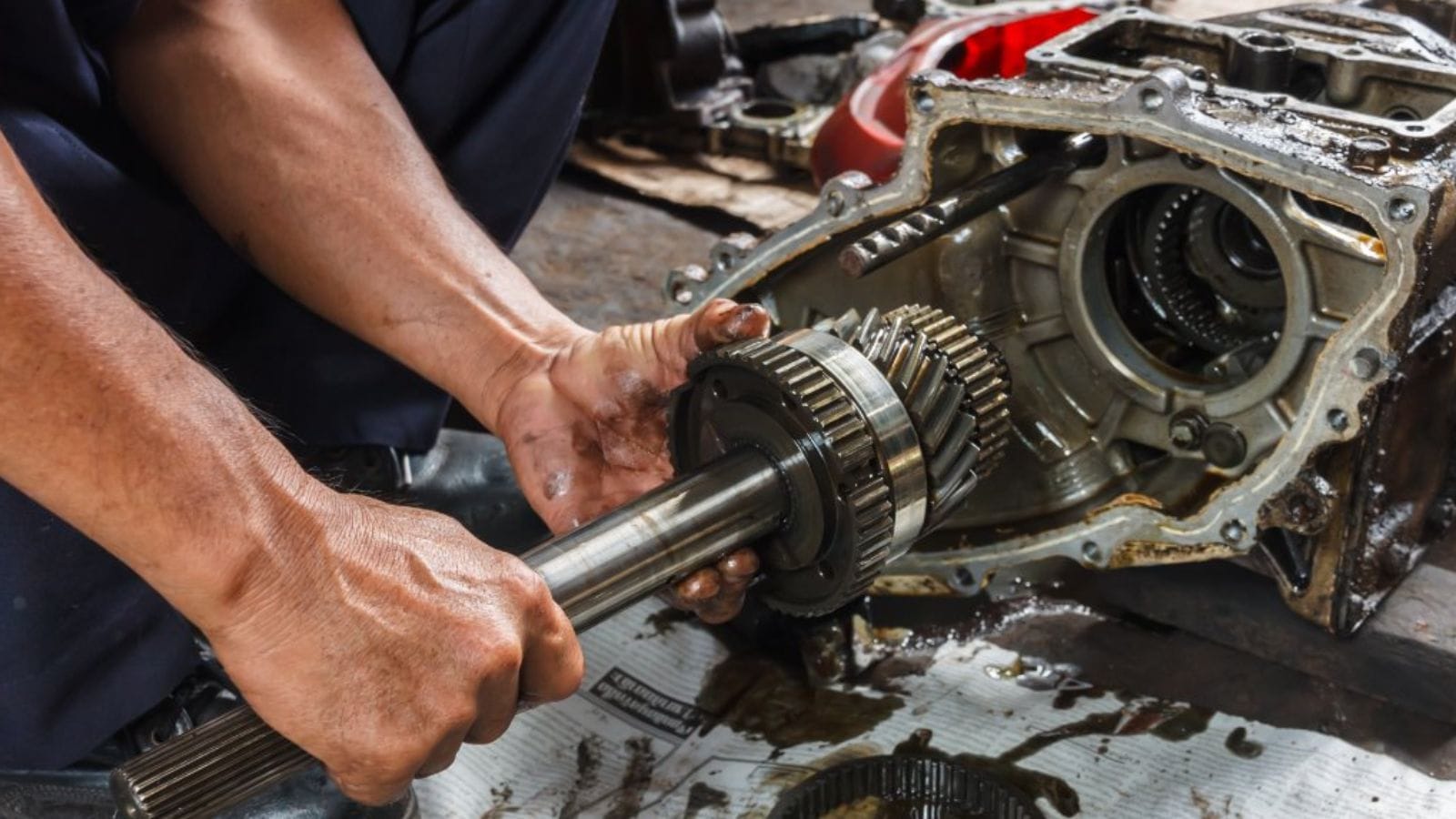
The “CVT” name can be particularly confusing when hybrids enter the conversation. Toyota’s hybrid eCVT does not simply duplicate the belt-or-chain-and-pulley arrangement found in many gasoline CVTs. Toyota states that the current Corolla Hybrid’s electronically controlled CVT uses a planetary gear system and electric motor-generators to blend power from the gasoline engine and hybrid battery. Other Toyota hybrid documentation likewise describes a hybrid transaxle built around motor-generators and planetary gearing.
That distinction is important when researching reliability, maintenance or online complaints. A discussion about belt wear in a conventional CVT may have little relevance to a Toyota hybrid eCVT that uses a fundamentally different power-split architecture. Buyers should therefore identify the actual transmission technology before drawing conclusions from the three letters on a specification sheet. For Canadians considering hybrids such as the Corolla Hybrid, understanding that difference can prevent conventional-CVT concerns from being incorrectly applied to a mechanically different system.
19 Used Cars Canadians Should Avoid in 2026 (Based on Owner Complaints)

Buying a used car in Canada can feel safe until repair bills start stacking up. Owner complaints tell a different story than glossy listings. Transmission failures, electrical problems, and weak winter reliability show up again and again in consumer reports. Many of these issues appear after warranties expire, when owners least expect them. Some vehicles look affordable upfront, but become expensive to keep on the road. Others struggle in cold weather, urban driving, or long highway commutes. Here are 19 used cars Canadians should avoid in 2026 (based on owner complaints).
19 Used Cars Canadians Should Avoid in 2026 (Based on Owner Complaints)

Alanna Rosen is an experienced content writer that focuses on many EV and educational content. Her articles are regularly published on Get CyberTrucked and syndicated on large publications.