
A long highway drive can expose small vehicle problems that barely show up during short city trips. Hours of sustained speed, changing weather, heavier cargo, and fewer convenient places to stop can turn an overlooked warning sign into a breakdown or safety problem. Good preparation is less about obsessing over every component and more about catching the issues that matter before the vehicle is far from home. These 17 checks cover the most important areas drivers should never ignore before a long highway drive, from tires and fluids to visibility, cargo, route planning, and fatigue. A few minutes of attention beforehand can make the difference between an uneventful journey and an expensive roadside interruption.
Tire Pressure
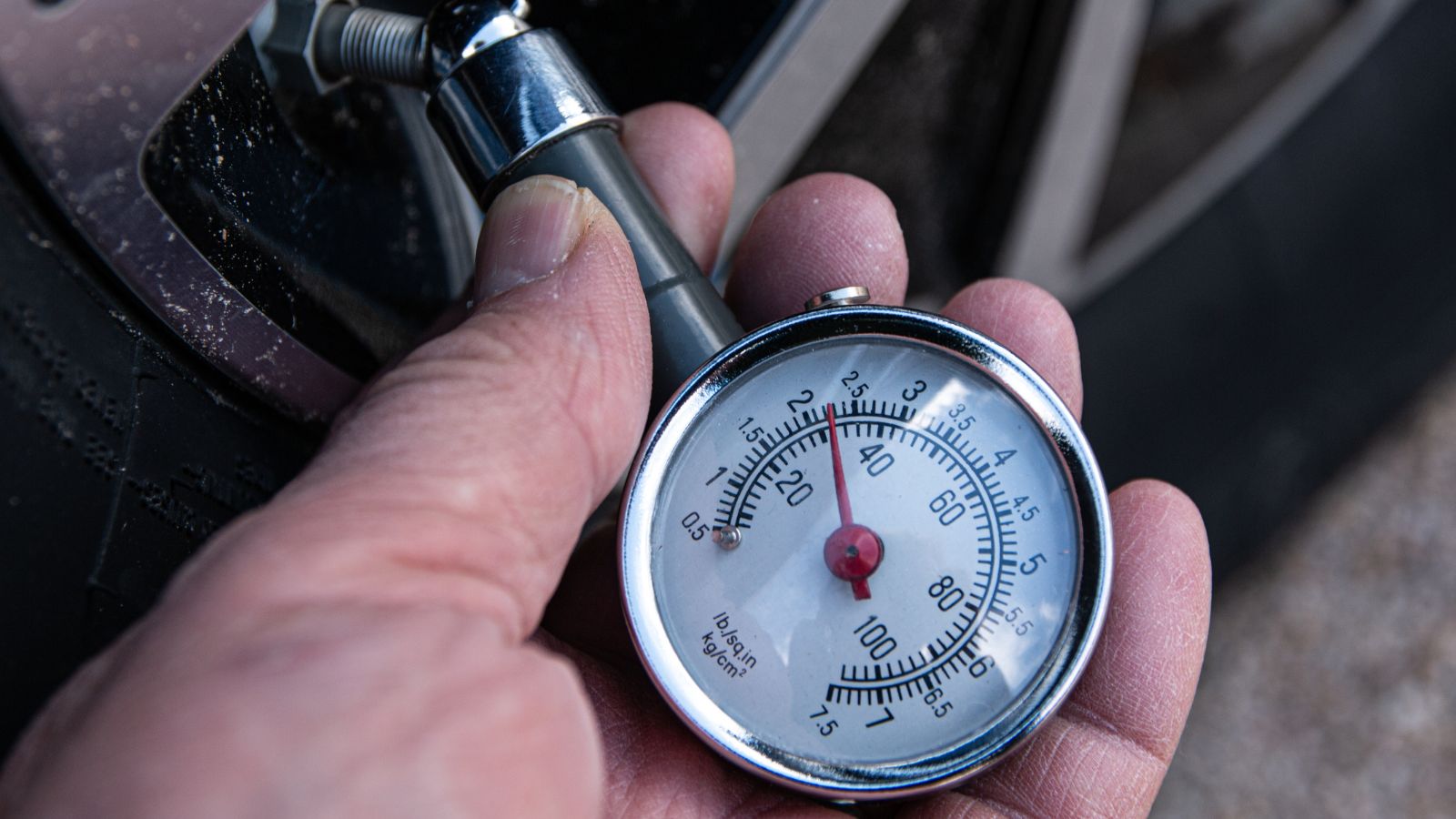
Tire pressure deserves attention before any long highway run because sustained speed builds heat in the tires, and underinflation makes the sidewalls flex more than intended. Transport Canada advises checking pressure when tires are cold and using the vehicle manufacturer’s recommended figure from the door placard or owner’s manual, not the maximum pressure molded into the tire sidewall. The spare should be checked at the same time.
A visual glance is not enough. Transport Canada notes that a tire can look normal while still being significantly underinflated. Low pressure can increase rolling resistance, fuel use, tire wear, and the risk of heat-related tire damage. Highway driving magnifies those problems because the tires remain loaded and rotating at speed for long periods. A small gauge kept in the glove box is inexpensive, and checking all four tires before departure takes only a few minutes, especially before hours of sustained high-speed travel.
Tread and Sidewall Condition

Correct pressure cannot compensate for worn or damaged rubber. Before a long drive, each tire should be inspected for low tread, uneven wear, cuts, cracks, bulges, embedded objects, or other visible damage. Transport Canada says tires worn level with the built-in tread-wear indicators should be replaced, and it warns that cuts, cracks, or bulges can make a tire unsafe. Uneven wear can also point to alignment or balance problems.
This matters especially in rain, where tread channels help move water away from the tire’s contact patch. A tire that feels acceptable on dry neighbourhood streets may provide much less margin during a sudden highway downpour. Drivers should also pay attention to recurring vibration or pulling, because those symptoms can accompany wheel or tire problems. If anything looks questionable, an inspection before the trip is far safer than discovering the problem during a high-speed lane change hundreds of kilometres from home.
Spare Tire and Flat-Tire Tools
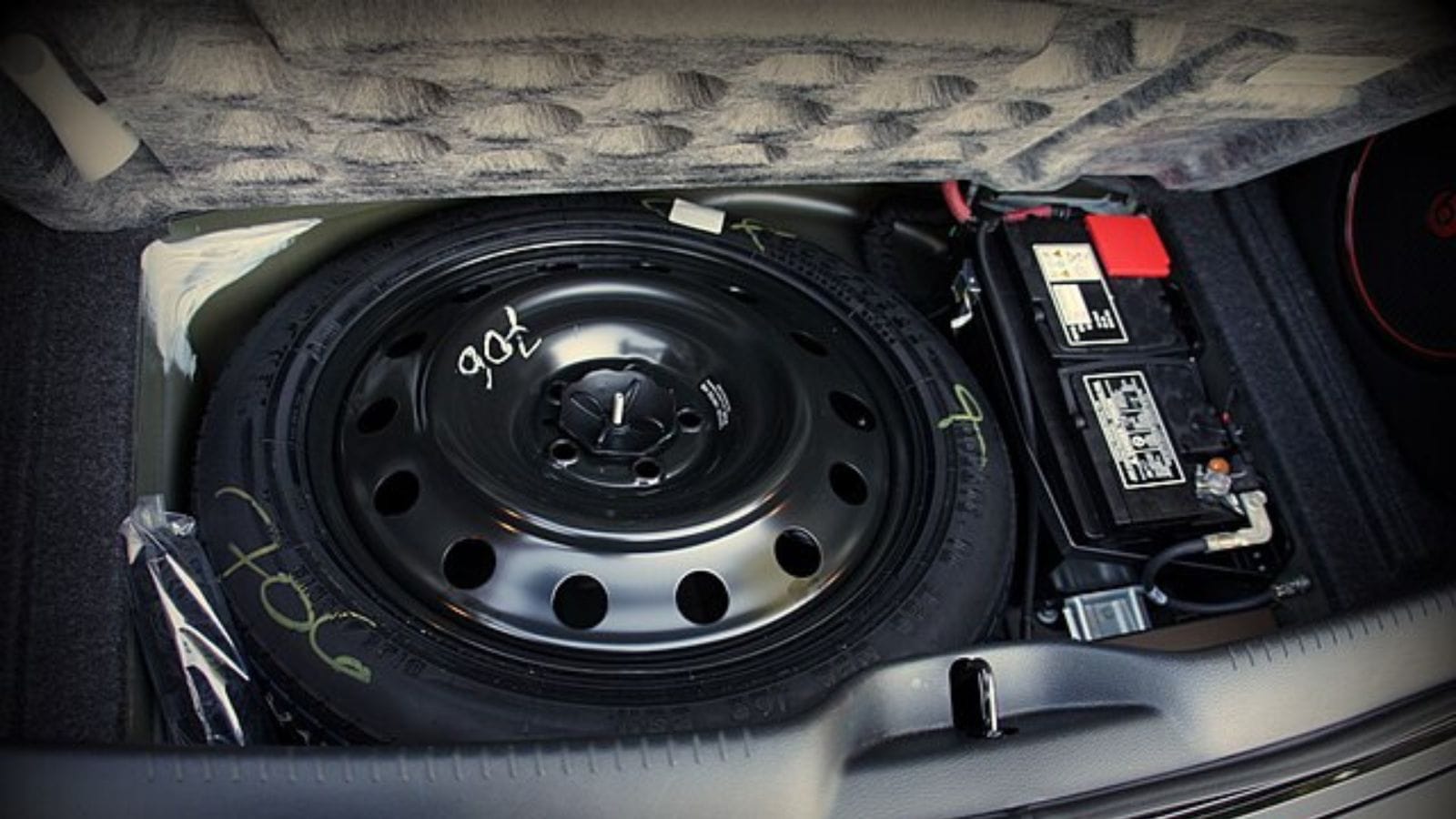
A flat tire is frustrating anywhere, but it becomes much more serious when the spare, jack, wheel wrench, inflator, or sealant kit is missing or unusable. NHTSA recommends making sure a vehicle has a spare tire and jack kit before a road trip, while Transport Canada also advises checking the spare’s pressure. Some newer vehicles use temporary mobility kits instead of a conventional spare, so drivers should know what their vehicle actually carries.
Preparation also means knowing how the equipment works. A compact spare may have speed and distance limits, while sealant kits may not repair sidewall damage or large punctures. Drivers should check the owner’s manual, confirm that the locking-wheel-nut key is present if required, and make sure the jack points are understood before an emergency occurs. Trying to learn the system at night on a narrow shoulder is the wrong time to discover that an essential tool was left in the garage.
Engine Oil and Service Timing
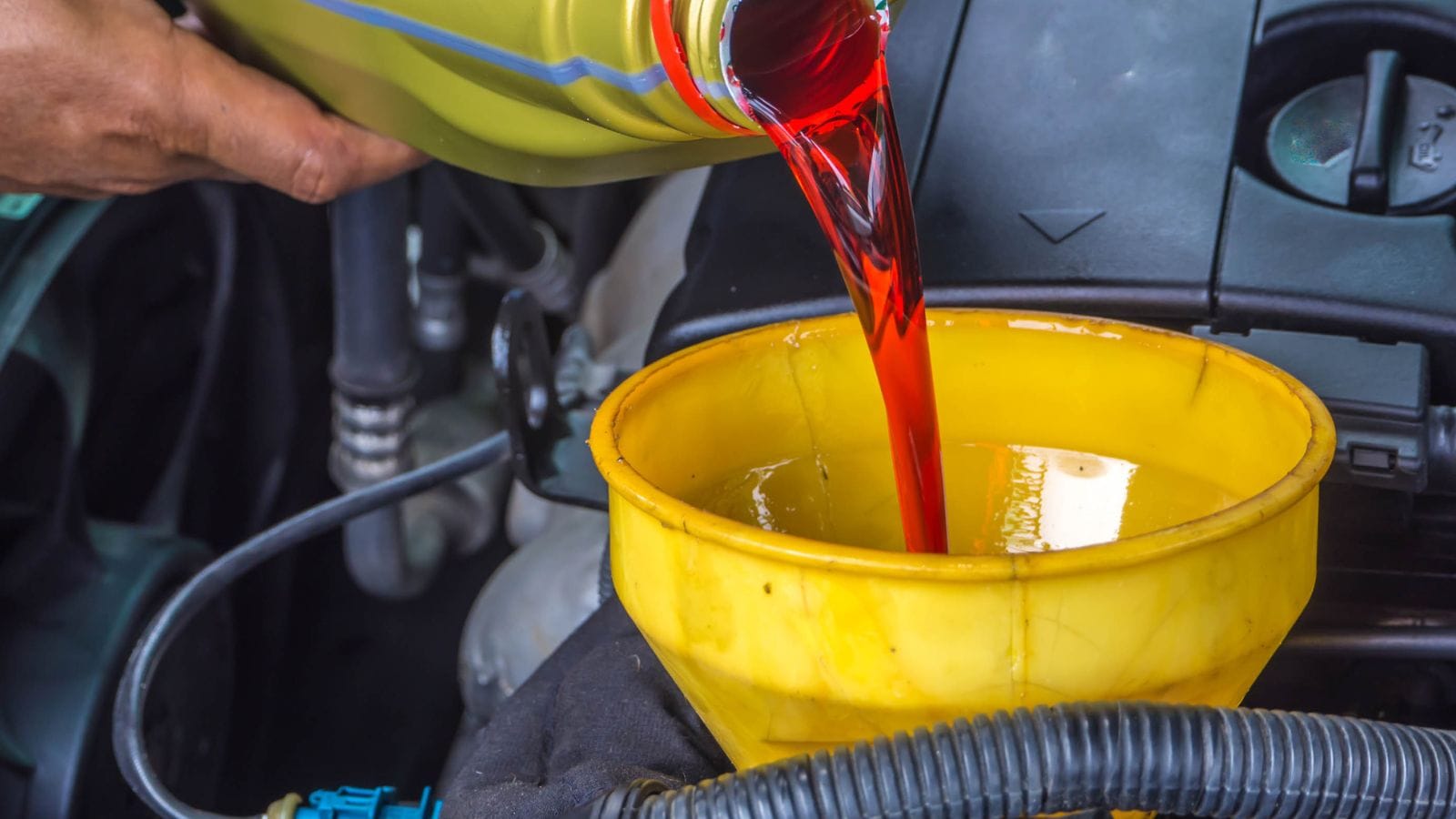
Long highway kilometres are usually easier on an engine than repeated cold starts, but that does not make oil level or service timing optional. NHTSA recommends checking engine oil periodically and completing an oil change before travel if the vehicle is nearly due. AAA gives similar guidance and notes that some newer vehicles display oil level electronically rather than through a traditional dipstick. The correct oil grade and specification should come from the owner’s manual.
A driver who already knows the engine consumes some oil should be especially careful before a long run. Starting a trip near the low mark leaves less margin if consumption continues over several hundred kilometres. Warning messages should not be dismissed simply because the engine sounds normal. If the oil level is unexpectedly low, or fresh spots appear under the vehicle, the cause deserves attention before departure. Routine maintenance is far easier to schedule at home than after an oil-pressure warning appears on a remote stretch of highway.
Coolant and the Cooling System
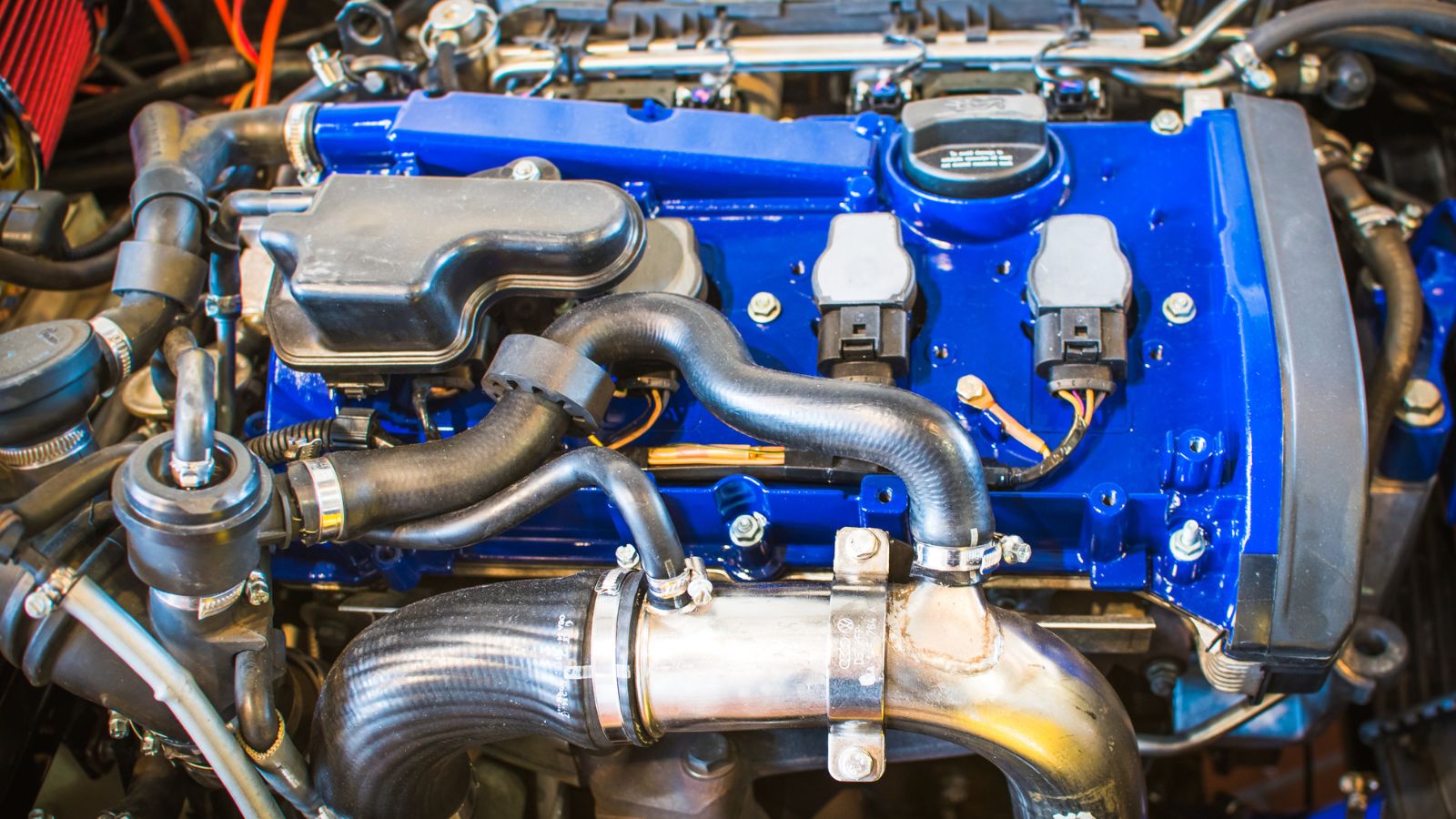
Highway driving keeps the engine working continuously, so the cooling system has to control temperature hour after hour. NHTSA recommends checking that the coolant level is adequate, that the coolant meets the manufacturer’s specification, and that the system is inspected for leaks. AAA also advises checking coolant when the engine is cold and warns against opening a hot cooling system, where pressurized fluid can cause serious burns.
A low reservoir may be more than a topping-up issue. Repeated coolant loss can indicate a leak from a hose, radiator, water pump, connection, or another part of the system. Before leaving, drivers should look for wet spots, residue around hose connections, unusual sweet-smelling vapour, or a temperature gauge that has recently been running higher than normal. An overheating engine can force an immediate stop and may suffer expensive damage if driven further. A stable coolant level and normal operating temperature are basic signs that the vehicle is ready for sustained highway use.
Brakes and Brake Fluid
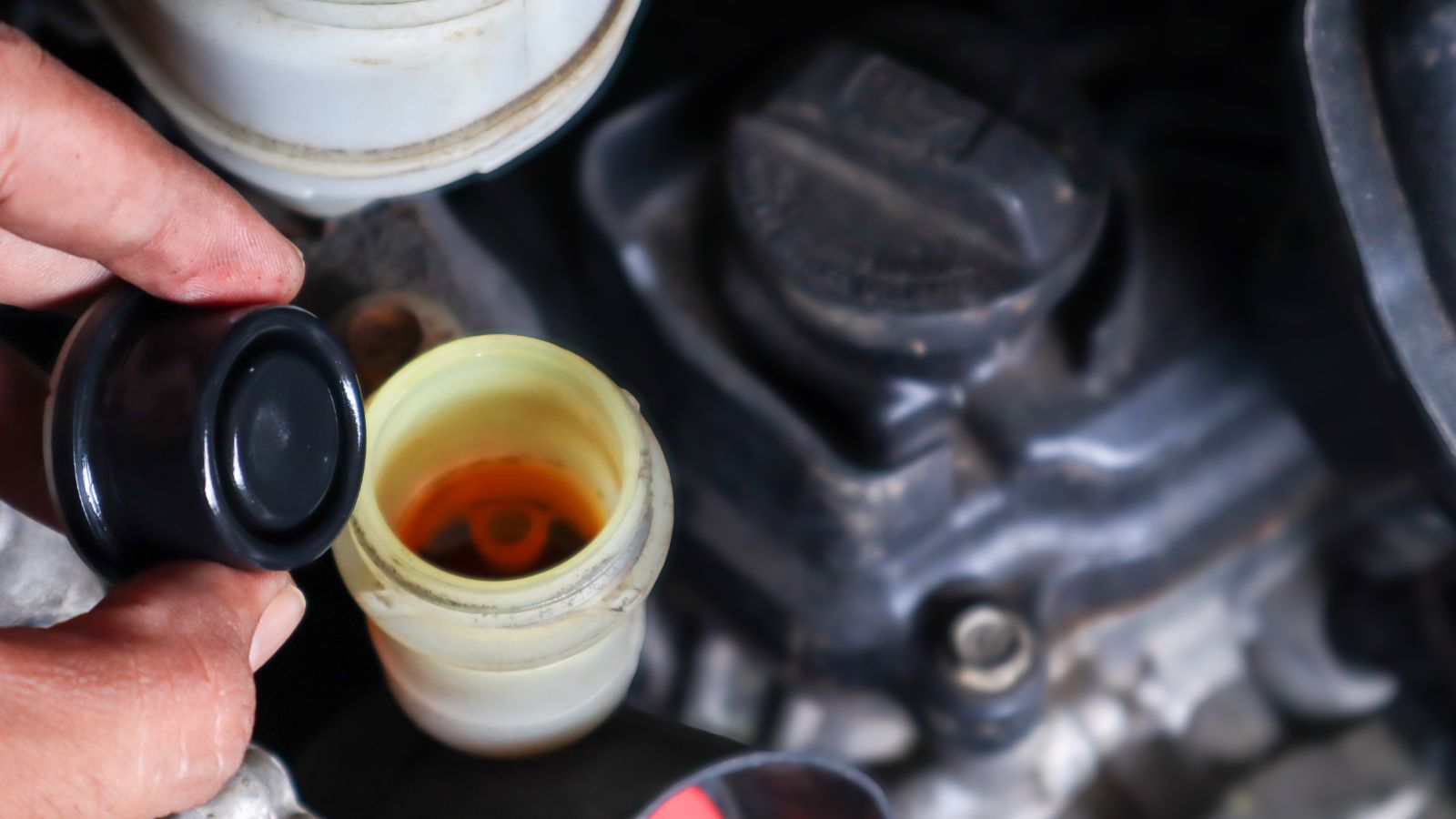
Long trips can include abrupt traffic slowdowns, steep grades, construction zones, and emergency stops, so weak brakes should never be treated as a problem for later. AAA advises drivers to have the braking system inspected if they hear grinding or feel vibration while braking. Transport Canada also lists pulling, changes in pedal feel, unusual squealing, and grinding as signs that brake service may be needed. Brake fluid should be at the proper level as well.
A car can still stop while giving early warning signs, which makes them easy to normalize during everyday driving. That is risky. A soft pedal, new vibration, scraping noise, or vehicle that pulls under braking deserves professional attention before hours of highway travel. Drivers should also be cautious if the brake-fluid level is unexpectedly low, because simply adding fluid does not explain why it dropped. The goal is not merely to leave with functioning brakes, but with enough braking performance and confidence for repeated high-speed demands.
Battery and Charging Health
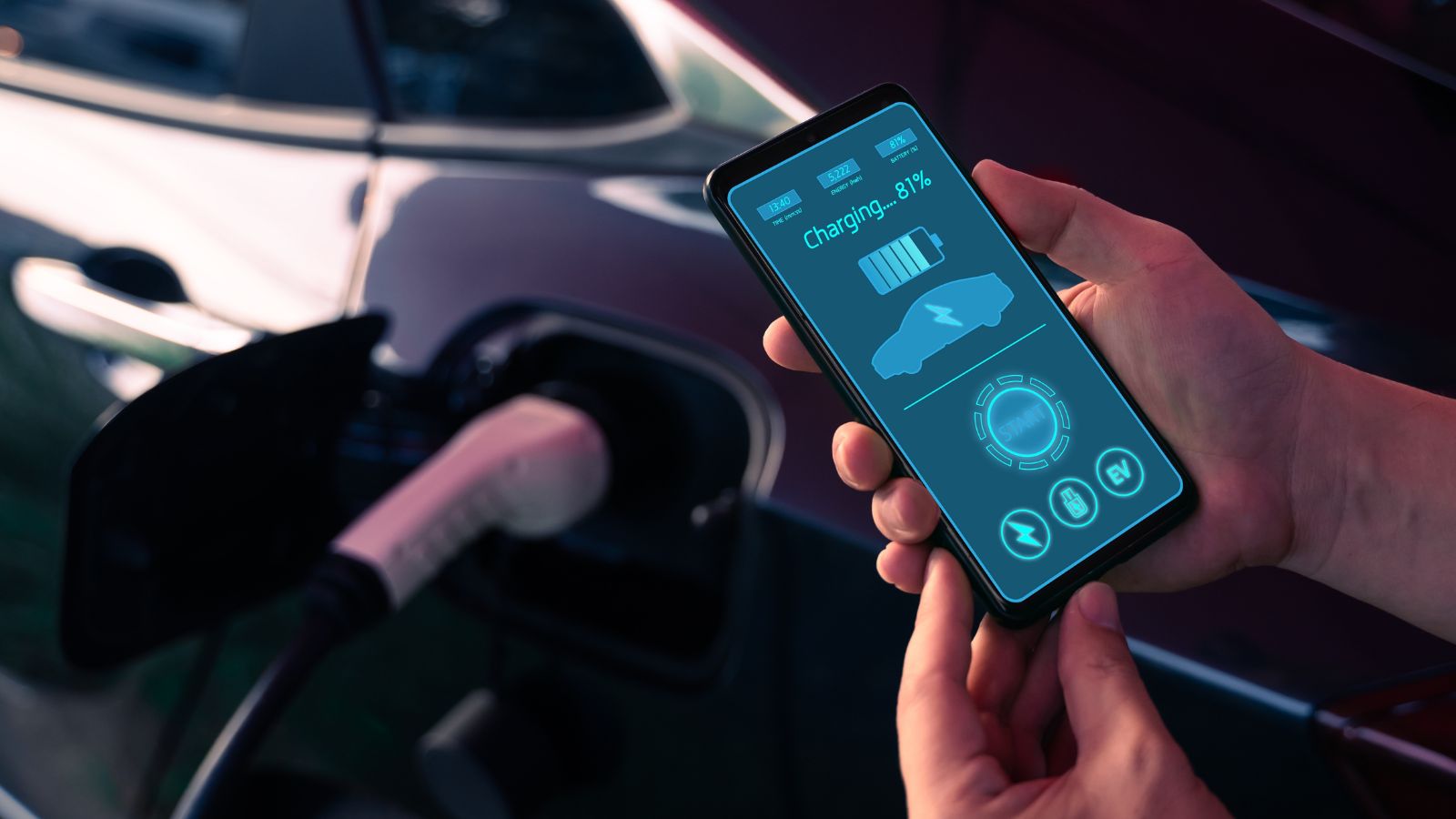
A weak battery often gives little warning before it leaves a vehicle unable to start. AAA recommends checking that battery connections are clean and tight and having the battery tested to determine its remaining capacity. NHTSA similarly advises having the battery and charging system checked before road travel. Temperature extremes can make marginal batteries more likely to fail, which is especially inconvenient when the vehicle is parked far from home after a long day.
Drivers should pay attention to slow cranking, dim lights at idle, battery warnings, corrosion, or repeated need for boosting. The charging system matters too, because a healthy battery will not stay charged if the alternator or related components are failing. For vehicles with start-stop systems or extensive electronics, low voltage can also produce confusing warning messages. A quick battery test before departure is simpler than diagnosing a no-start condition in a hotel parking lot, at a rest stop, or after stopping for fuel late at night.
Belts and Hoses
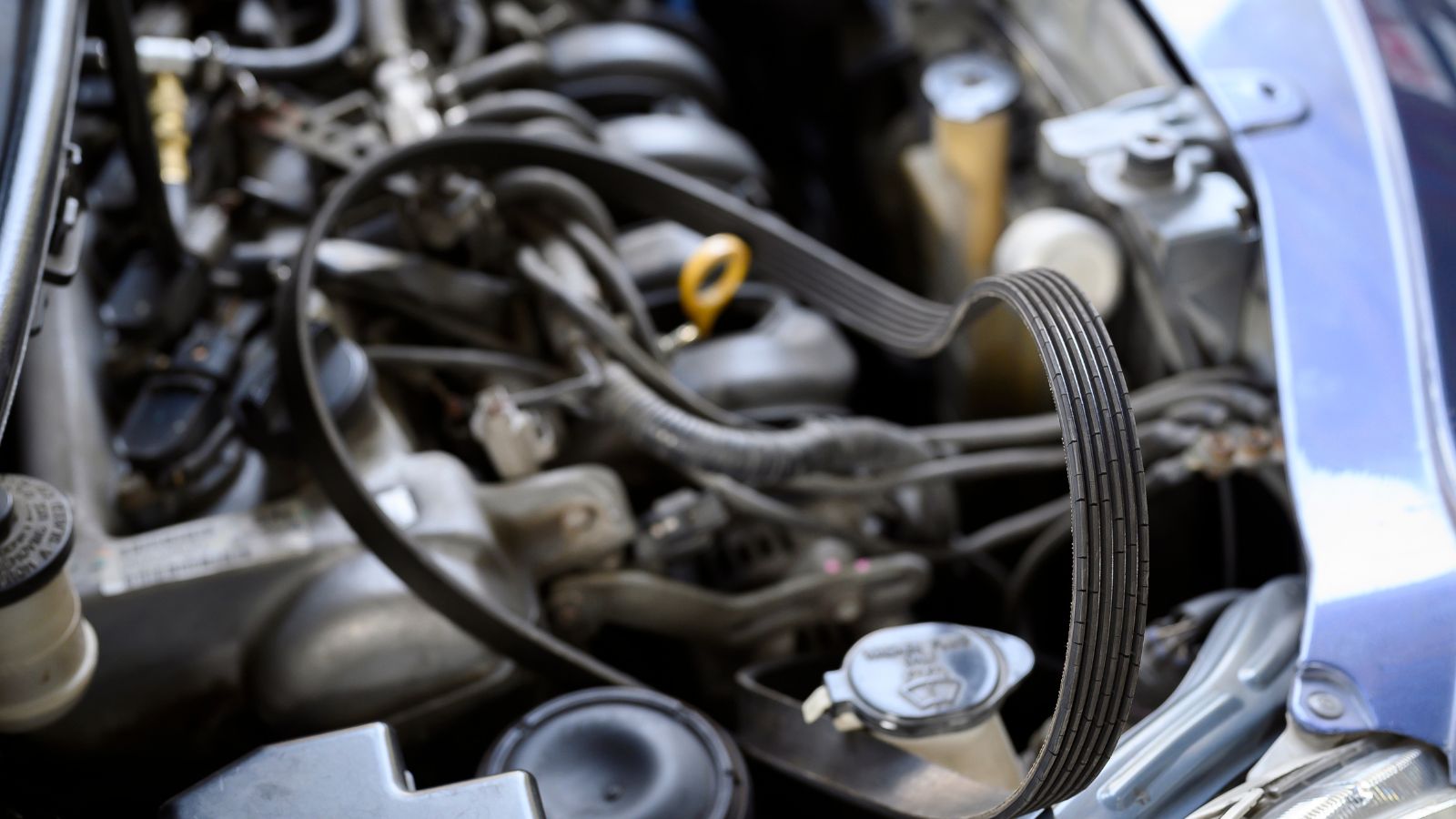
Rubber belts and hoses live in a hot, vibrating engine compartment, and long highway driving gives a weakened component plenty of time to fail. NHTSA advises inspecting belts and hoses for bulges, blisters, cracks, or cuts. AAA also recommends replacing worn, brittle, bulging, excessively soft, glazed, or frayed components and checking for leaks around hose connections. These parts can affect cooling, charging, air conditioning, and other essential systems depending on the vehicle.
Not every modern belt shows obvious age in the same way, so the maintenance schedule still matters even when the surface looks acceptable. Drivers should investigate squealing noises, coolant residue, or a hose that looks swollen near a clamp. A failed serpentine belt can quickly disable the alternator or water pump on vehicles that use it for those functions, while a ruptured coolant hose can cause rapid overheating. If a component already looks questionable in the driveway, highway speed will not make it healthier.
Lights and Signals

A long drive can begin in daylight and end after dark, pass through rain, fog, or tunnels, and require sudden lane changes in dense traffic. NHTSA recommends checking headlights, brake lights, turn signals, emergency flashers, and other essential lighting before a trip. Transport Canada also emphasizes that headlights and tail lights help a vehicle both see and be seen, particularly in darkness or poor weather.
Checking lights is easier with a helper, but a driver can also use reflections from a garage door or wall to confirm some functions. Burned-out brake lamps and turn signals are easy to miss from behind the wheel. Headlamp lenses should be clean, and drivers should understand whether their vehicle’s automatic-light setting actually illuminates the rear lamps in all relevant conditions. A glowing dashboard does not necessarily mean exterior lights are on in every vehicle. Good lighting becomes especially important when a trip runs later than planned or weather cuts visibility unexpectedly.
Wipers, Washer Fluid, and Defogging
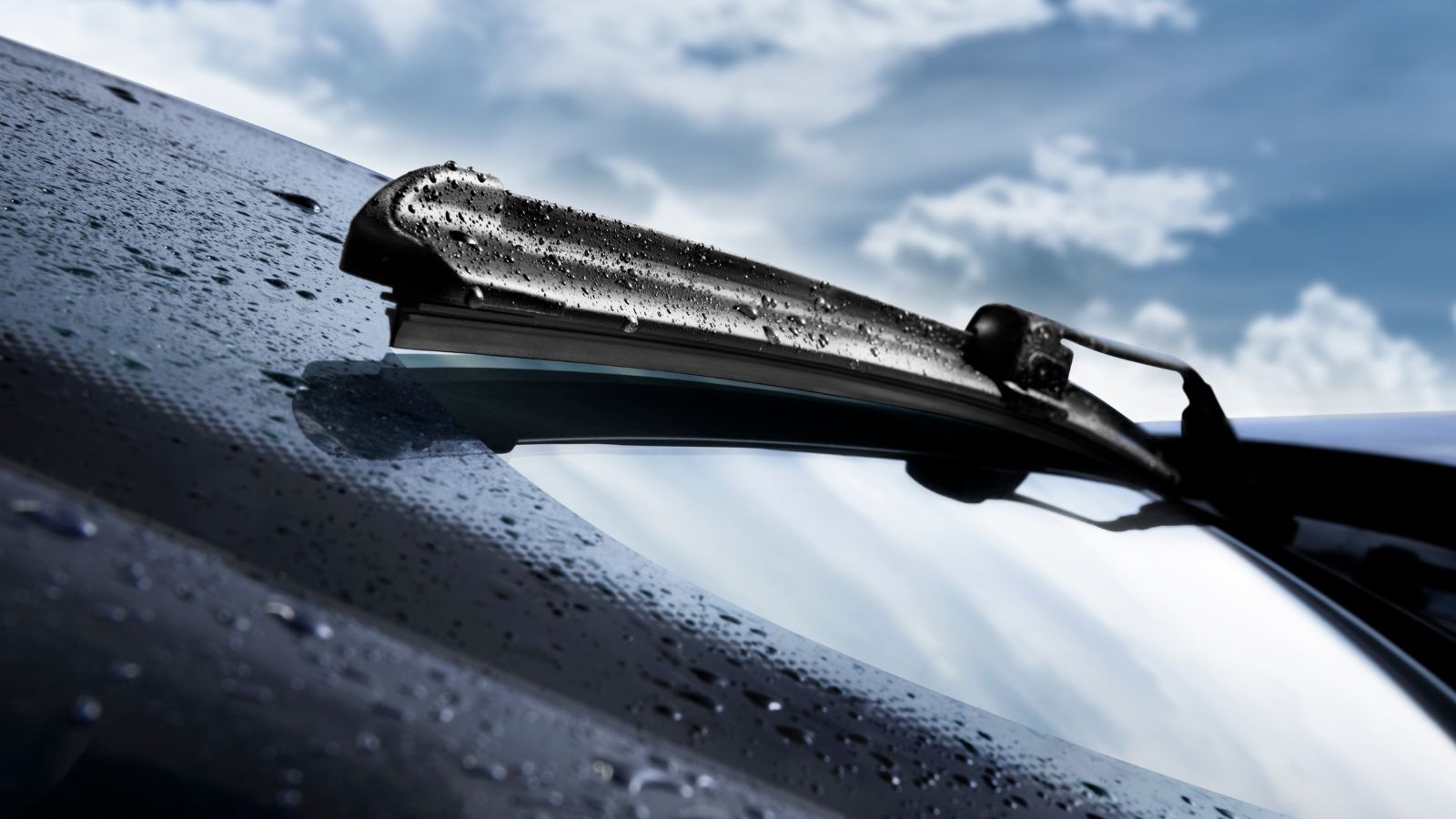
Clear glass is a basic safety requirement, yet wipers often go unnoticed until the first heavy rain. NHTSA recommends inspecting wiper blades and replacing them if they are worn or no longer work properly. AAA advises replacing blades that streak or fail to clear the windshield and checking that washer fluid is full and the spray nozzles operate correctly. In freezing conditions, the fluid must also be suitable for the expected temperature.
Drivers should test the front and rear wipers, washers, and defroster before leaving. A blade that chatters in light rain may become nearly useless in a thunderstorm, while an empty washer reservoir can turn insects, salt, or road grime into a visibility problem. The defogging system matters as well because temperature and humidity changes can cloud the glass quickly. Replacing a pair of worn blades at home is trivial; trying to see through a smeared windshield at highway speed is not.
Warning Lights and Open Recalls
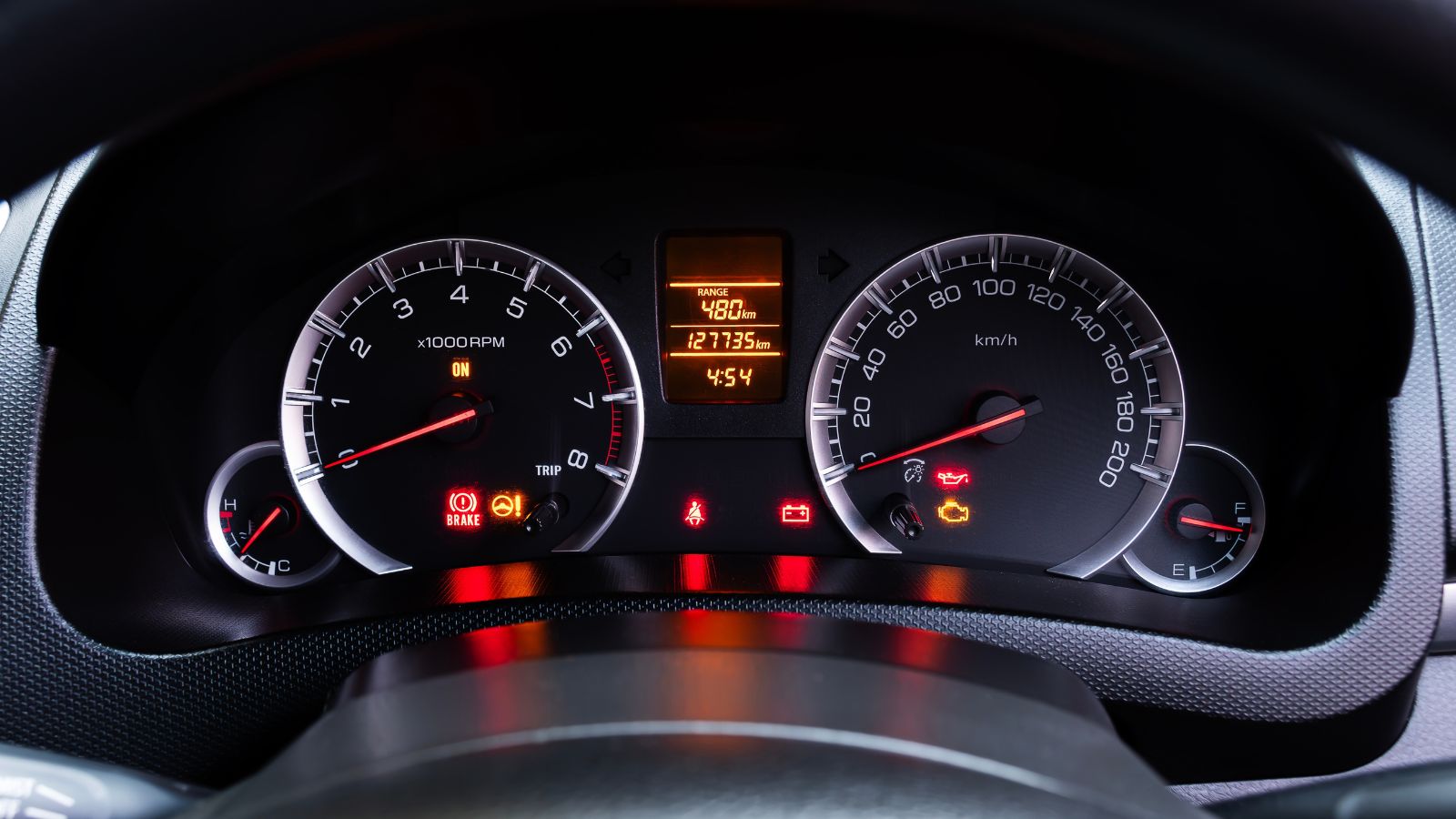
Dashboard warnings and unresolved safety recalls deserve attention before a vehicle is committed to hours of highway travel. Transport Canada maintains a recall database and VIN-based recall resources, and it advises owners to have recalled vehicles repaired as soon as directed by the manufacturer. NHTSA offers similar recall lookup tools and notes that open recalls can involve critical safety issues. An owner’s manual can help explain unfamiliar warning symbols.
Not every dashboard light means the car must stop immediately, but ignoring an unexplained warning is a poor road-trip strategy. A tire-pressure, brake, charging, temperature, oil-pressure, or engine warning may represent very different levels of urgency, so the correct response depends on the vehicle and the symbol. Drivers should identify the cause before departure rather than hoping it disappears. The same principle applies to recalls: a quick VIN lookup can reveal a known defect that has a prescribed remedy. Highway distance is not a good test of whether a warning was harmless.
Cargo and Vehicle Loading

Packing for a long drive can change how a vehicle behaves. NHTSA warns that unsecured loads can injure people and create road hazards, and it recommends tying down cargo with proper straps, netting, or other secure methods. Heavy items inside the cabin should also be restrained or stored so they cannot become projectiles during sudden braking. Drivers should avoid exceeding the vehicle’s load limits listed by the manufacturer.
The safest packing job is not necessarily the one that fits the most luggage. Weight should be kept within the vehicle’s rated capacity, and loose objects should not block rearward visibility or interfere with seats and belts. Roof boxes, bicycles, trailers, and hitch carriers introduce additional weight and aerodynamic load, so their hardware should be checked carefully. After the first stop, it is sensible to inspect straps or external carriers again. A bag shifting in the trunk is annoying; a poorly secured object leaving a roof rack at highway speed can threaten everyone behind it.
Fuel or EV Charging Range
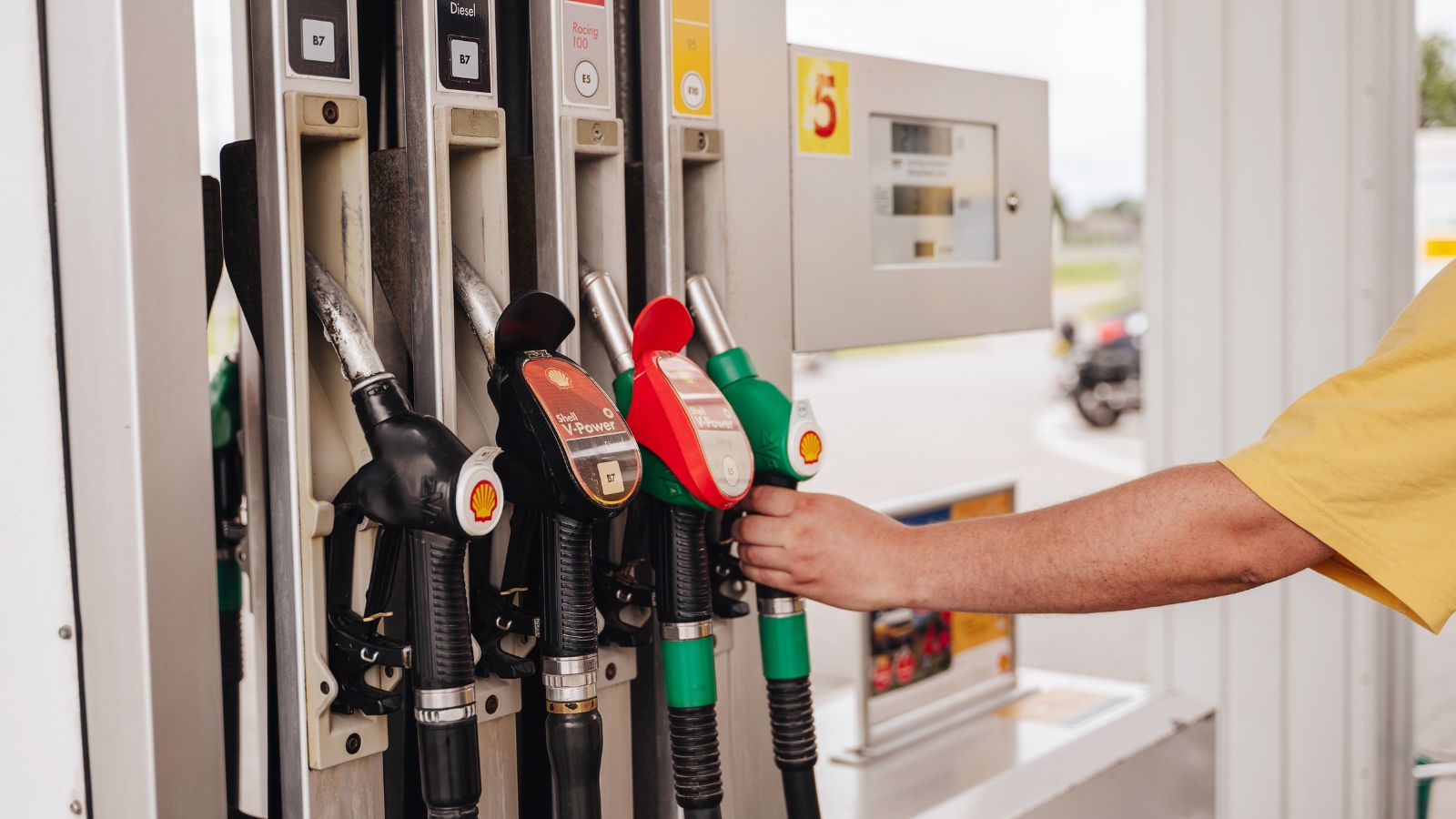
A long drive should start with enough energy reserve to handle detours, traffic, closed stations, or unexpected weather. Transport Canada recommends keeping the fuel tank at least half full during winter travel and advises electric-vehicle drivers to make sure they have enough range for unplanned events, noting that cold temperatures can reduce EV range. NHTSA likewise recommends understanding charging locations, connector types, and charging speeds when planning an electric-vehicle trip.
Even in mild weather, it is sensible to identify fuel or charging stops before entering long rural stretches. An EV route should account for the fact that stations vary in power, availability, and compatibility, while a gasoline vehicle may encounter long gaps between open stations in remote areas. Drivers do not need to obsess over every kilometre, but they should avoid beginning a demanding segment with little reserve. Range planning turns an unpredictable roadside problem into a routine stop for fuel, charging, food, or rest.
Emergency and Roadside Kit
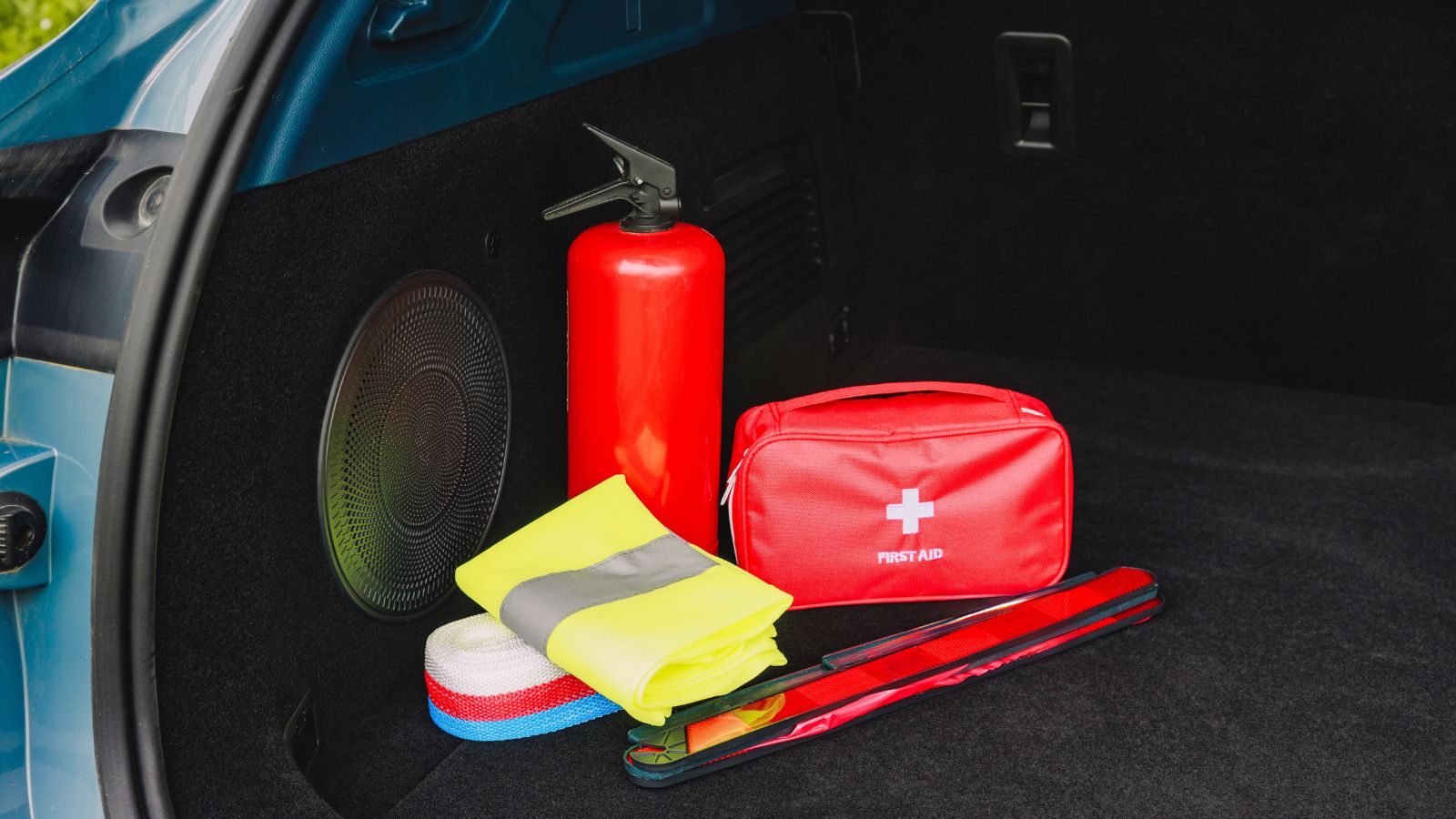
Even a well-maintained vehicle can suffer a puncture, collision, mechanical failure, or weather delay, which is why both NHTSA and AAA recommend carrying a roadside emergency kit. Typical essentials include a charged phone and cable, first-aid supplies, flashlight, jumper cables or a jump pack, warning devices, water, non-perishable food, basic tools, and items appropriate for the season. The kit should be accessible rather than buried under luggage.
Drivers should check the kit before a major trip instead of assuming last year’s supplies are still usable. Flashlight batteries can die, bottled water can leak, medications or first-aid items can expire, and a phone cable may no longer match the current device. Winter travel may justify blankets, warm clothing, a shovel, traction aids, and extra washer fluid. In hot conditions, additional drinking water becomes more important. The best emergency kit is not the largest one; it is the one matched to the route, weather, occupants, and vehicle.
Driver Sleep and Fatigue

Mechanical preparation cannot compensate for a tired driver. NHTSA says adequate sleep is the only reliable protection against drowsy driving and recommends seven to eight hours before a long trip. Research from the AAA Foundation found that drivers who slept less than seven hours in the previous 24 hours had elevated crash rates, with risk increasing sharply as sleep time fell. Highway driving is especially vulnerable because monotony can mask declining alertness.
Drivers should plan rest rather than treating it as a sign of weakness. Transport Canada recommends sleeping well before long trips, sharing the driving when possible, and taking regular rest stops. Warning signs such as repeated yawning, wandering within the lane, missing exits, or difficulty remembering the last few kilometres mean it is time to stop. Caffeine may provide short-term help, but it does not replace sleep. A twenty-minute nap in a safe location is far better than trying to force alertness through another hour of motorway driving.
Weather, Road Conditions, and Route
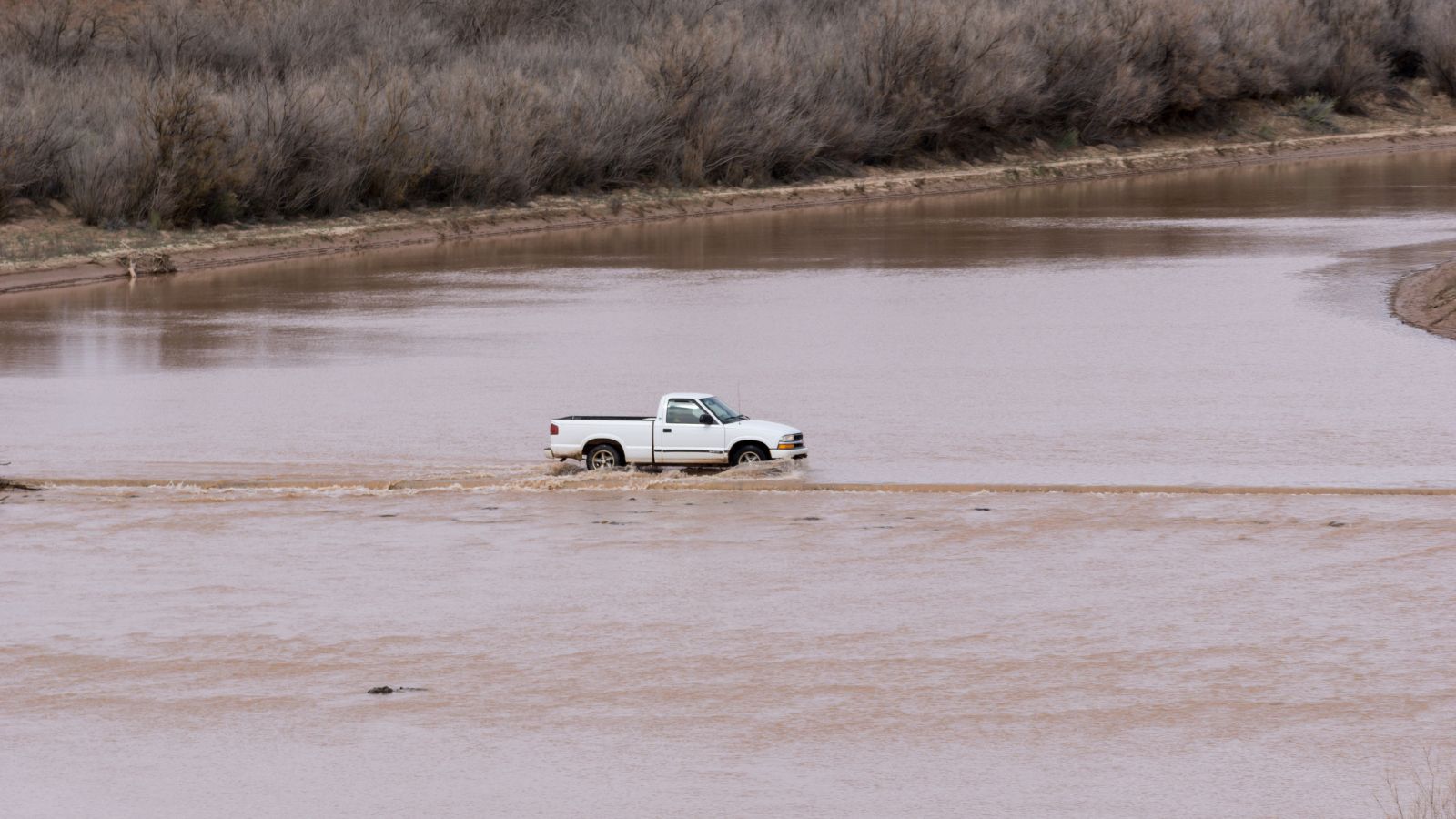
A mechanically sound car can still be caught by a closed highway, flooded road, snow squall, wildfire detour, or severe storm. NHTSA recommends checking weather, road conditions, traffic, and route information before departure. Transport Canada similarly advises monitoring weather warnings and provincial or territorial traveller-information services, including 511 systems where available. If conditions are dangerous, delaying non-essential travel can be the safest decision.
Route planning should include more than typing a destination into navigation software. Drivers should know the broad direction of travel, identify likely fuel or charging stops, and leave enough time for rest, construction, and weather delays. Someone at home should know the route and expected arrival time on remote or winter trips, and the phone should be fully charged. Familiarity with alternate roads also helps when navigation apps suddenly reroute traffic. A few minutes spent checking conditions can prevent hours of unnecessary exposure to hazards that were already known before departure.
Floor Mats and Pedal Area
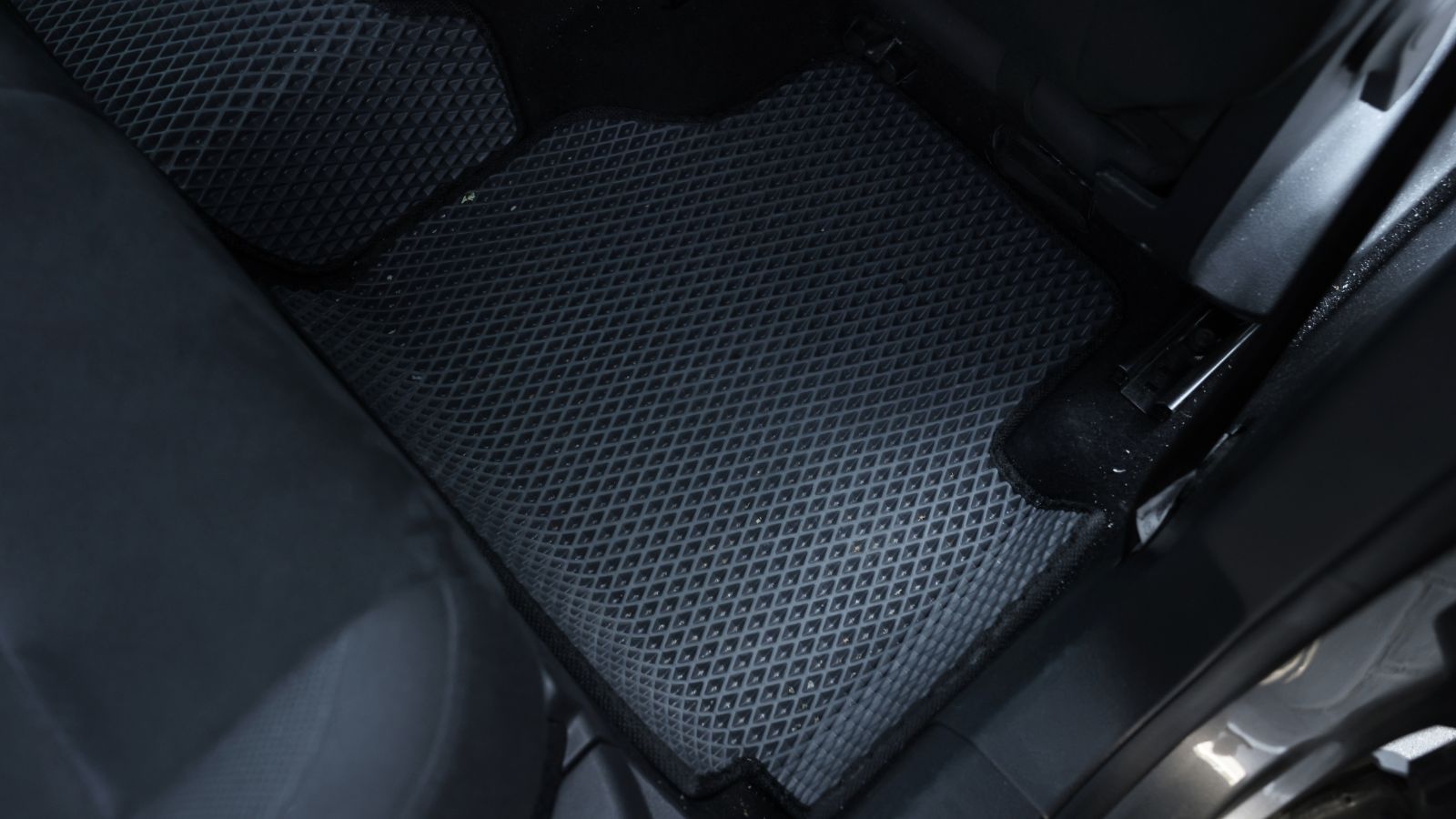
One of the smallest pre-trip checks is also one of the easiest to overlook: making sure nothing can interfere with the accelerator or brake pedal. NHTSA specifically warns that improperly installed floor mats can interfere with pedal movement and increase crash risk. Mats should be the correct size for the vehicle, installed according to the manufacturer’s instructions, and secured with the available retention clips or anchors.
Long trips often add bottles, bags, charging cables, snacks, and other loose items around the cabin. Anything near the driver’s feet can migrate under braking or cornering, so the pedal area should remain completely clear. Stacking an aftermarket mat on top of the factory mat is particularly unwise if it changes the fit or allows movement. The same check applies after a car wash or service visit, when mats may have been removed and reinstalled. It takes seconds to verify, yet it protects the controls the driver needs in every emergency stop.
19 Used Cars Canadians Should Avoid in 2026 (Based on Owner Complaints)

Buying a used car in Canada can feel safe until repair bills start stacking up. Owner complaints tell a different story than glossy listings. Transmission failures, electrical problems, and weak winter reliability show up again and again in consumer reports. Many of these issues appear after warranties expire, when owners least expect them. Some vehicles look affordable upfront, but become expensive to keep on the road. Others struggle in cold weather, urban driving, or long highway commutes. Here are 19 used cars Canadians should avoid in 2026 (based on owner complaints).
19 Used Cars Canadians Should Avoid in 2026 (Based on Owner Complaints)

Alanna Rosen is an experienced content writer that focuses on many EV and educational content. Her articles are regularly published on Get CyberTrucked and syndicated on large publications.