
Few car-maintenance moments are more confusing than spending money on fresh tires and then driving away with a steering wheel that shakes, a ride that feels harsher, or handling that seems less precise. New tires can genuinely change how a vehicle feels, but the cause is not always the tire itself. Installation details, inflation settings, alignment, wheel condition, tire construction, and even the depth of brand-new tread can all alter the experience.
Some changes are temporary; others are warning signs that deserve immediate attention. These 17 things explain why a car can feel worse after new tires, what sensations may be normal, and which ones suggest the vehicle should return to the shop before excess wear or a safety problem develops.
The Tire Pressure Was Set Incorrectly
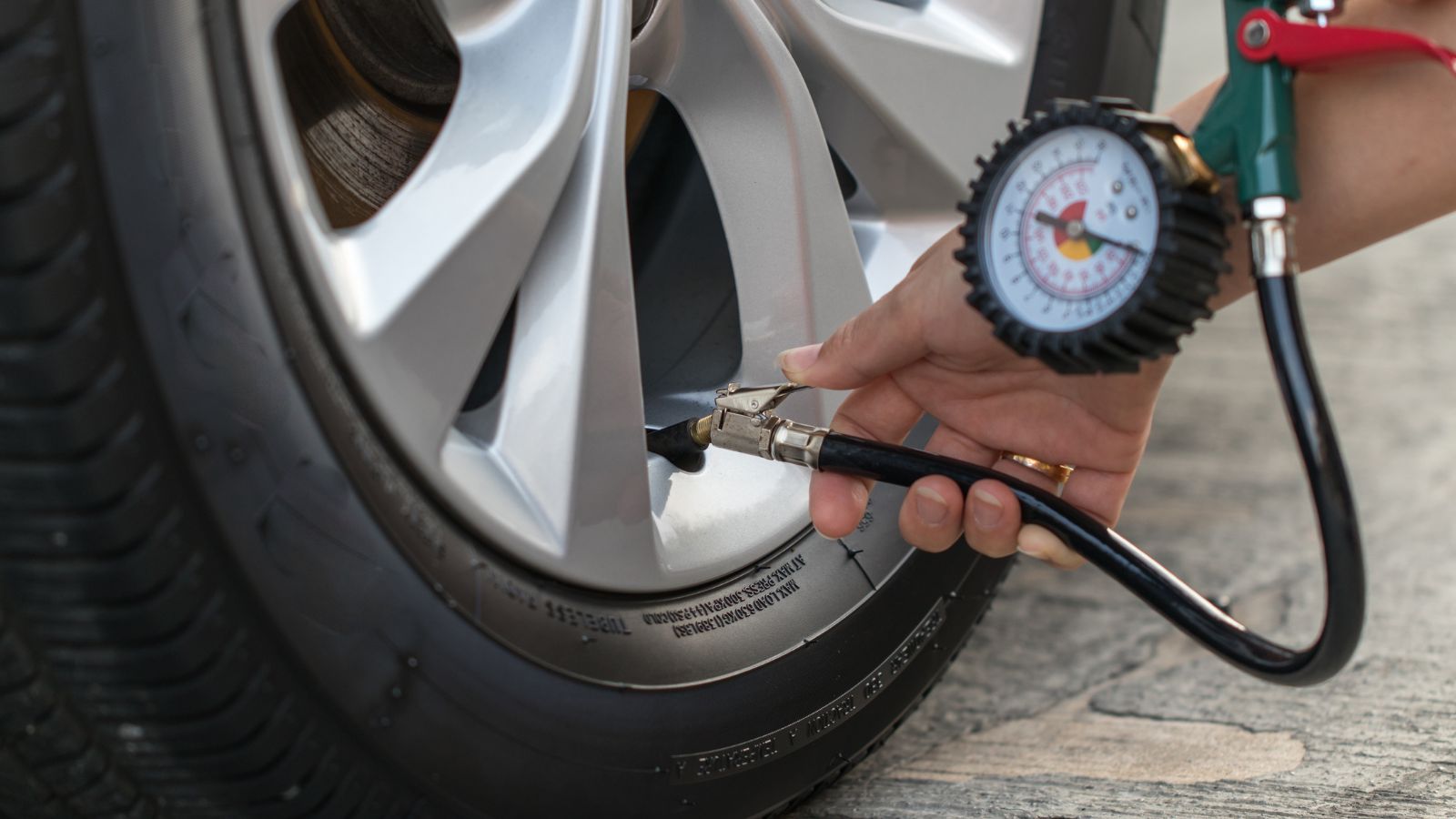
The first check should be the simplest: cold inflation pressure. Shops sometimes inflate tires to a generic target or leave them at a pressure that does not match the vehicle placard. Too much pressure can make the ride feel stiffer and increase the sense of impact harshness over broken pavement. Too little pressure can make steering feel less precise and increases sidewall flex. NHTSA stresses that the correct pressure is the vehicle manufacturer’s cold recommendation on the doorjamb label or in the owner’s manual, not the maximum pressure molded into the tire sidewall.
A noticeable left-to-right pressure difference can also change steering behaviour. Michelin notes that a pressure difference between the front tires can make a vehicle pull. That is why a car can feel normal before replacement and wrong immediately afterward even when the tires themselves are sound. The useful comparison is not simply whether all four tires show the same PSI, because some vehicles specify different front and rear pressures. Each tire needs to match the cold-pressure specification for its axle.
The New Tires Were Not Balanced Properly
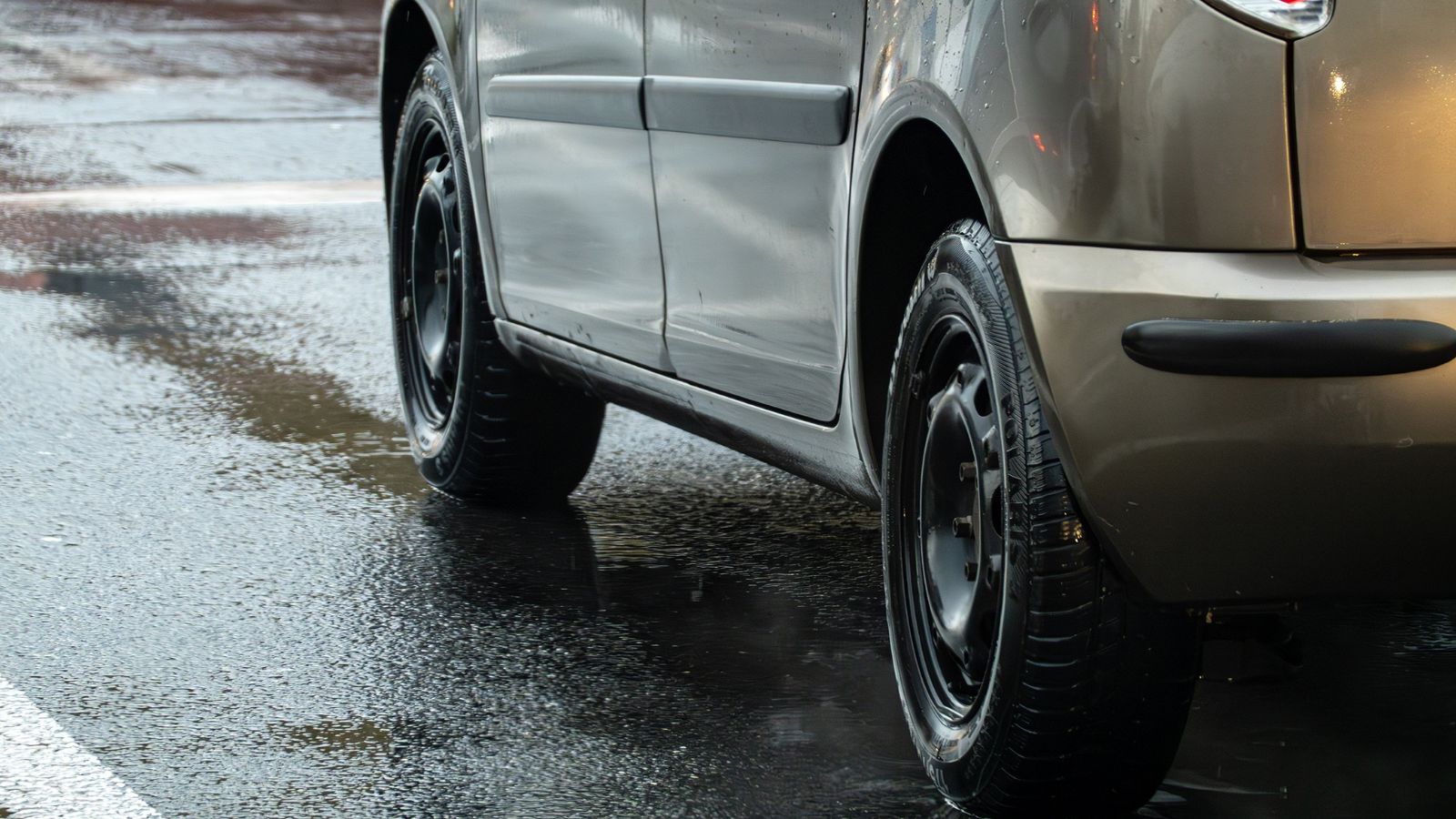
A freshly mounted tire and wheel assembly should be dynamically balanced, because even small differences in mass distribution can become obvious once the wheel is spinning at road speed. The classic symptom is a vibration that appears in a particular speed range. It may be felt through the steering wheel if the problem is at the front, or through the seat and floor if it is more noticeable at the rear. Michelin says imbalance can generate vibration in the suspension and vehicle structure and recommends balancing whenever tires are mounted or remounted.
A balance problem can happen even when the shop used a balancing machine. A weight can detach, the machine can be miscalibrated, or the wheel can be mounted on the balancer with the wrong centering method. U.S. Tire Manufacturers Association guidance notes that balancing equipment must be properly set up, with particular attention to hub-centric and lug-centric wheel alignment. If the car was smooth before the tire change and now develops a speed-specific shake, rebalancing is one of the first checks worth requesting.
An Existing Alignment Problem Is Suddenly More Obvious

New tires do not create a bad wheel alignment, but they can make an existing alignment problem much easier to notice. Fresh tread provides a clean, unworn contact surface, so a vehicle that has been compensating for incorrect toe, camber, or caster may suddenly pull, wander, or hold the steering wheel slightly off-centre. Bridgestone lists pulling to one side, an off-centre steering wheel, vibration, and uneven tread wear among common signs that alignment should be checked.
This matters because alignment is really a suspension-angle issue, not a tire adjustment. A pothole strike, curb contact, worn parts, or previous repairs may have moved those angles out of specification long before the new tires arrived. Michelin specifically recommends checking alignment when new tires are fitted or when handling changes are noticed. A proper alignment inspection can show whether the vehicle is within manufacturer tolerances. If it is not corrected, the problem is more than an annoyance: the new tread can begin wearing unevenly long before the tires reach their expected service life.
The Wheel Fasteners Were Torqued Incorrectly
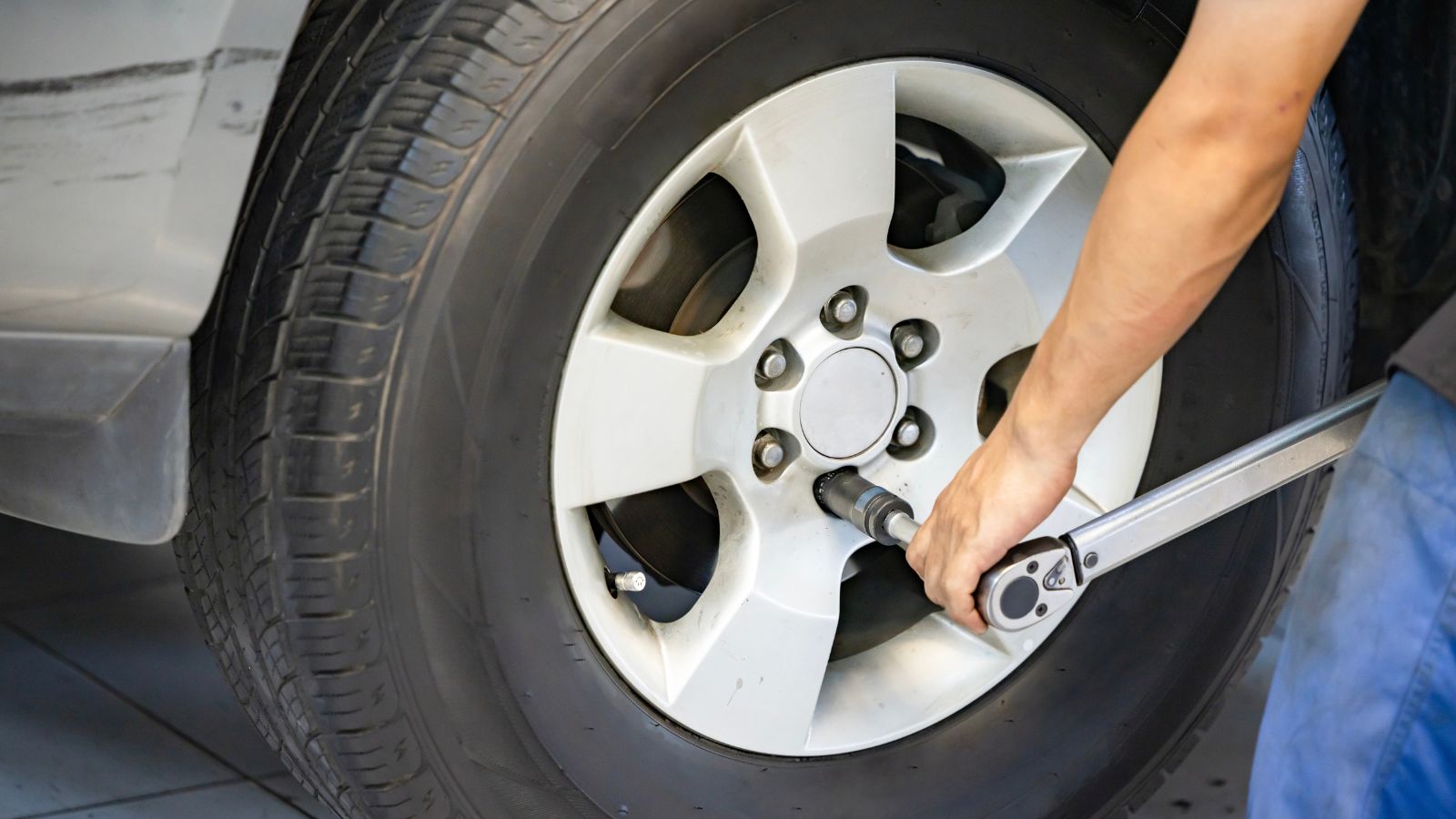
Wheel fasteners are easy to overlook because they are hidden behind a routine tire installation, yet incorrect torque can make a car feel disturbingly different. Lug nuts or bolts that are under-torqued can allow movement between the wheel and hub, producing wobble, vibration, or clunking. Excessive torque can damage studs, threads, hubs, or other components. Continental advises tightening wheel fasteners to the vehicle manufacturer’s specification with a torque wrench and notes that loose fasteners can cause shaking, especially under acceleration or braking.
There is also a settling period after a wheel has been removed and reinstalled. Continental recommends a re-torque check after roughly 50 kilometres because normal loads, heat cycles, and small shifts in seating can change clamping force. The precise recommendation varies by vehicle and wheel type, so the owner’s manual or installer guidance takes priority. Any new wobble after a tire change should be treated as a reason for prompt inspection, not as something that new tires simply “need time” to cure.
A Tire Bead Is Not Seated Evenly
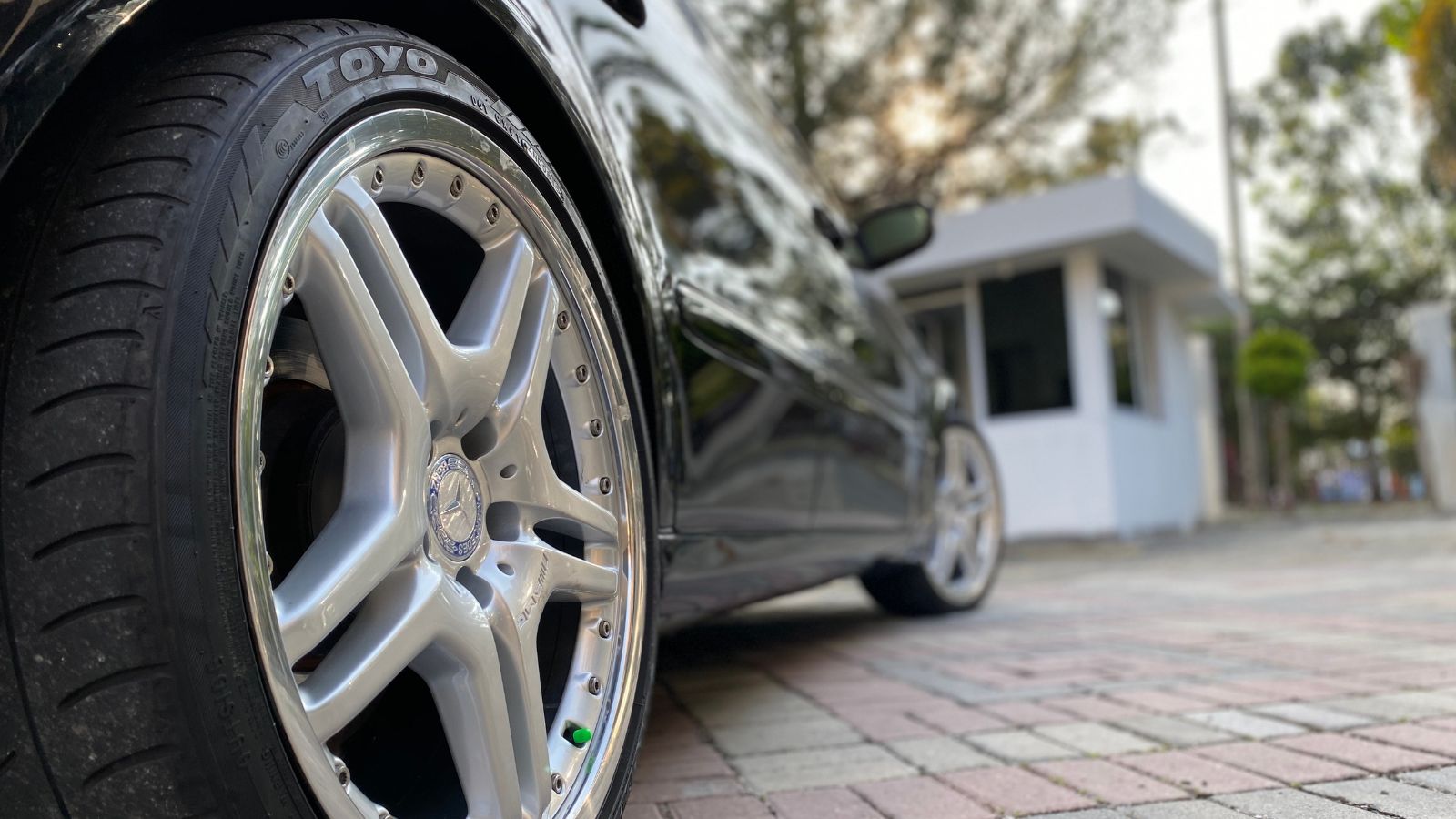
A tire can be perfectly balanced on the machine and still cause a rough ride if its bead is not seated uniformly on the rim. The bead is the reinforced edge of the tire that locks against the wheel. During mounting, approved lubricant and correct inflation procedures help both beads move evenly into position. Michelin notes that proper bead seating supports a uniform tire shape and helps reduce vibration, while Continental’s fitting guidance calls for confirming that the beads are correctly seated before the tire is adjusted to its operating pressure.
This problem can be subtle. A tire may look normal from several feet away, yet the molded reference line near the rim can sit noticeably higher in one area than another. That uneven seating can create a sensation similar to an out-of-round tire. It may also complicate balancing because the assembly is not rotating in its intended shape. If vibration begins immediately after installation and ordinary balancing does not solve it, a technician can deflate, inspect, lubricate, and reseat the tire rather than simply adding more wheel weights.
The Replacement Tire Size Is Not Quite Right
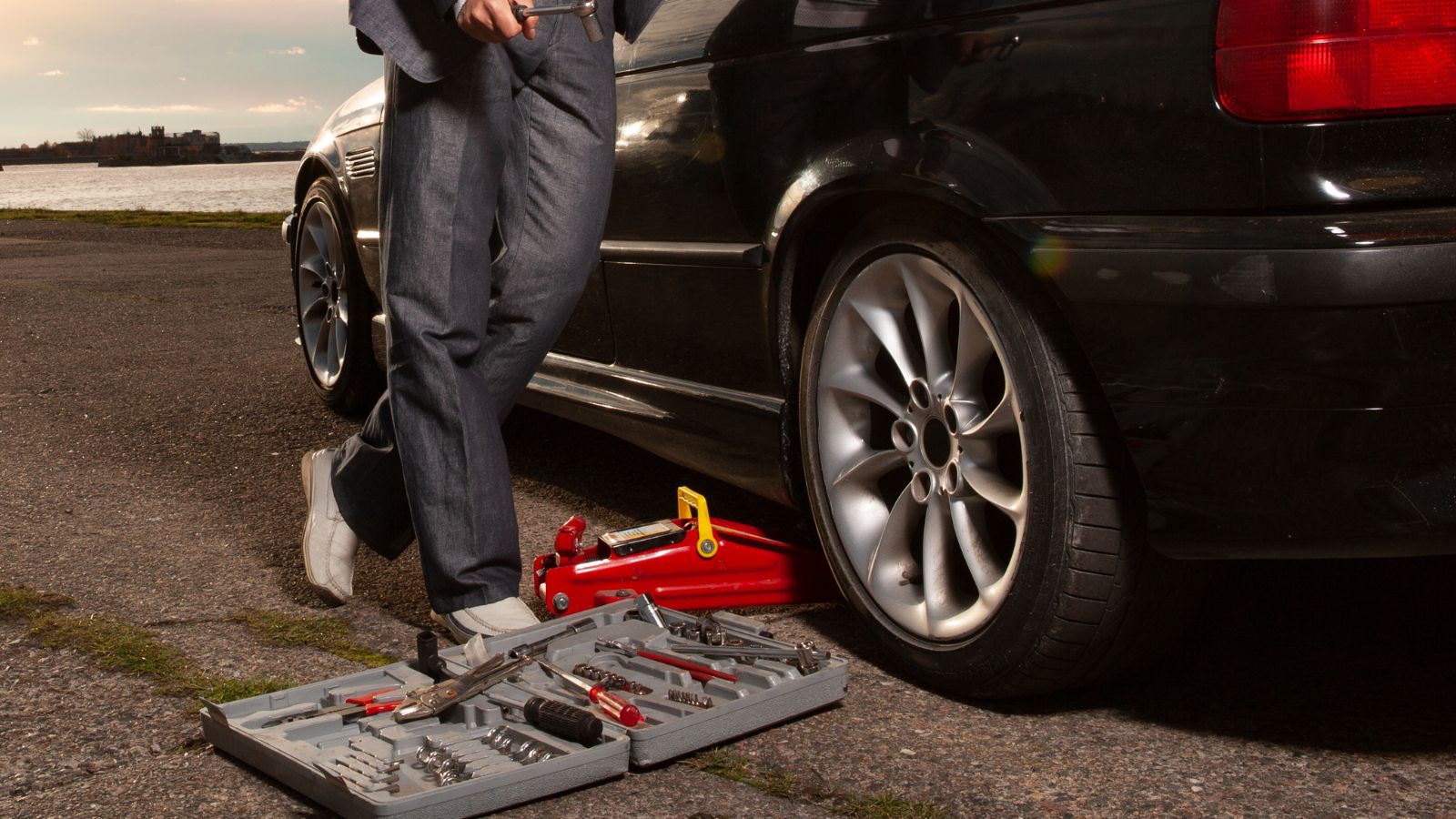
Changing tire size can alter the personality of a car even when the new tire physically fits the wheel well. Overall diameter, section width, and sidewall height influence steering response, ride compliance, gearing, and the way electronic systems interpret wheel speed. NHTSA advises drivers to use the size specified by the vehicle manufacturer or an approved alternative. Subaru likewise warns that non-specified sizes can affect controllability, ride comfort, braking performance, speedometer accuracy, odometer accuracy, and clearance.
A common example is moving to a lower-profile tire with a shorter sidewall. That setup may feel more immediate in steering but can transmit sharper impacts into the cabin, while a taller sidewall generally provides more impact absorption. The problem becomes more serious when overall rolling diameter changes enough to affect ABS, traction control, or all-wheel-drive operation. A tire shop should therefore confirm fitment by vehicle, not merely match the wheel diameter. “It bolts on” and “it is the correct replacement specification” are two very different standards.
The Load Index or Speed Rating Does Not Match
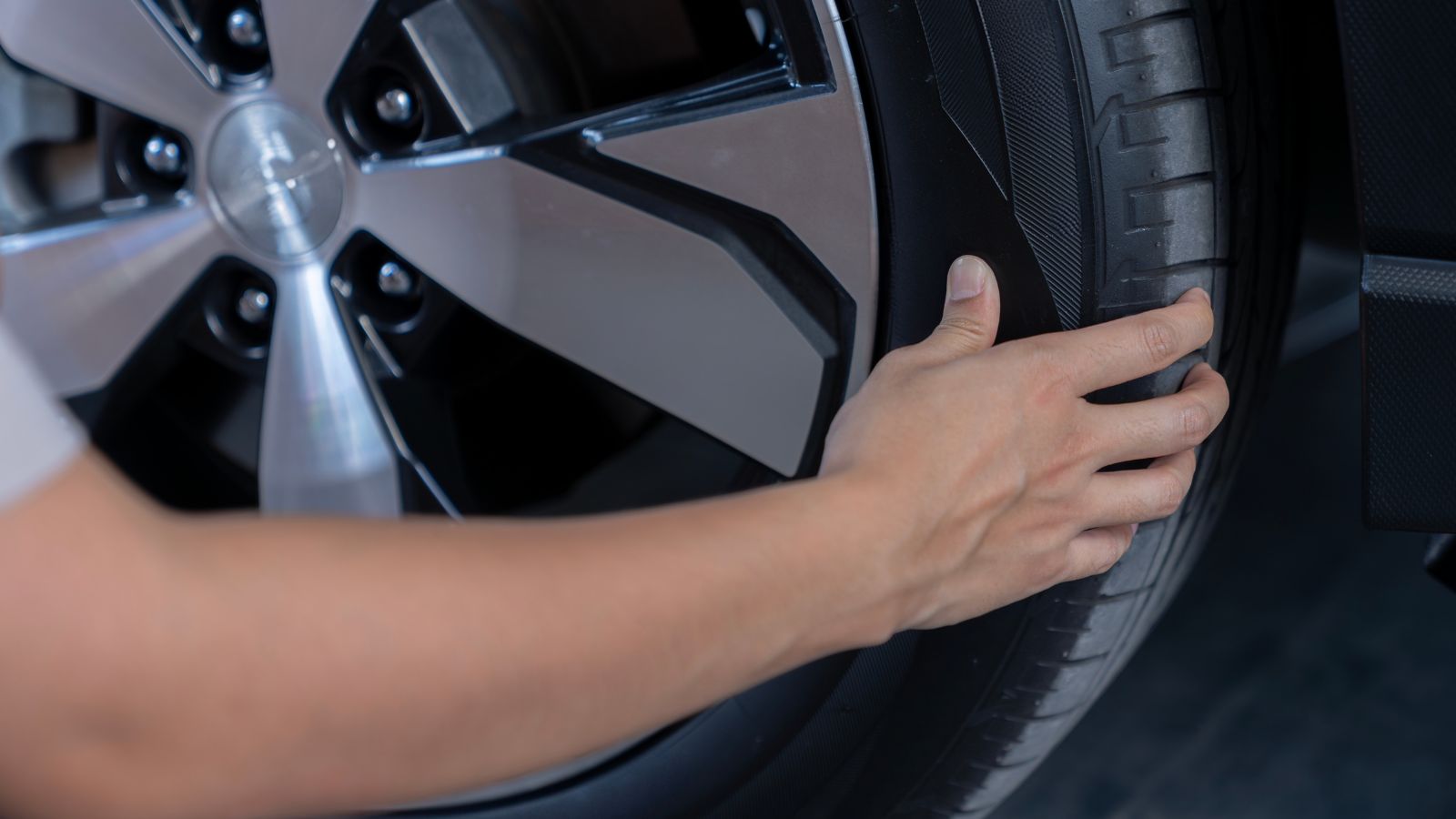
Size is only one part of the code on a tire sidewall. Load index and speed rating also matter because they describe the tire’s intended load-carrying capability and performance envelope. Replacement guidance from Goodyear’s Cooper materials says a new tire should not have less load-carrying capacity than the vehicle placard specifies, and that lower speed capability can affect vehicle handling. Industry guidance similarly recommends following the vehicle manufacturer’s original-equipment requirements when replacing tires.
A mismatch can make a new set feel different even when the nominal size is correct. Tires built for different loads may use different internal construction or stiffness, while a tire selected mainly for long wear or a different performance category may respond differently than the original equipment. That does not mean a higher load index automatically creates a harsh ride; individual designs vary widely. The important point is that the complete specification must be appropriate for the vehicle. Drivers noticing an unexpected change should compare the full sidewall description with the door placard and owner’s manual rather than checking only the familiar width, aspect ratio, and wheel diameter.
The New Tire Is Designed for Different Priorities
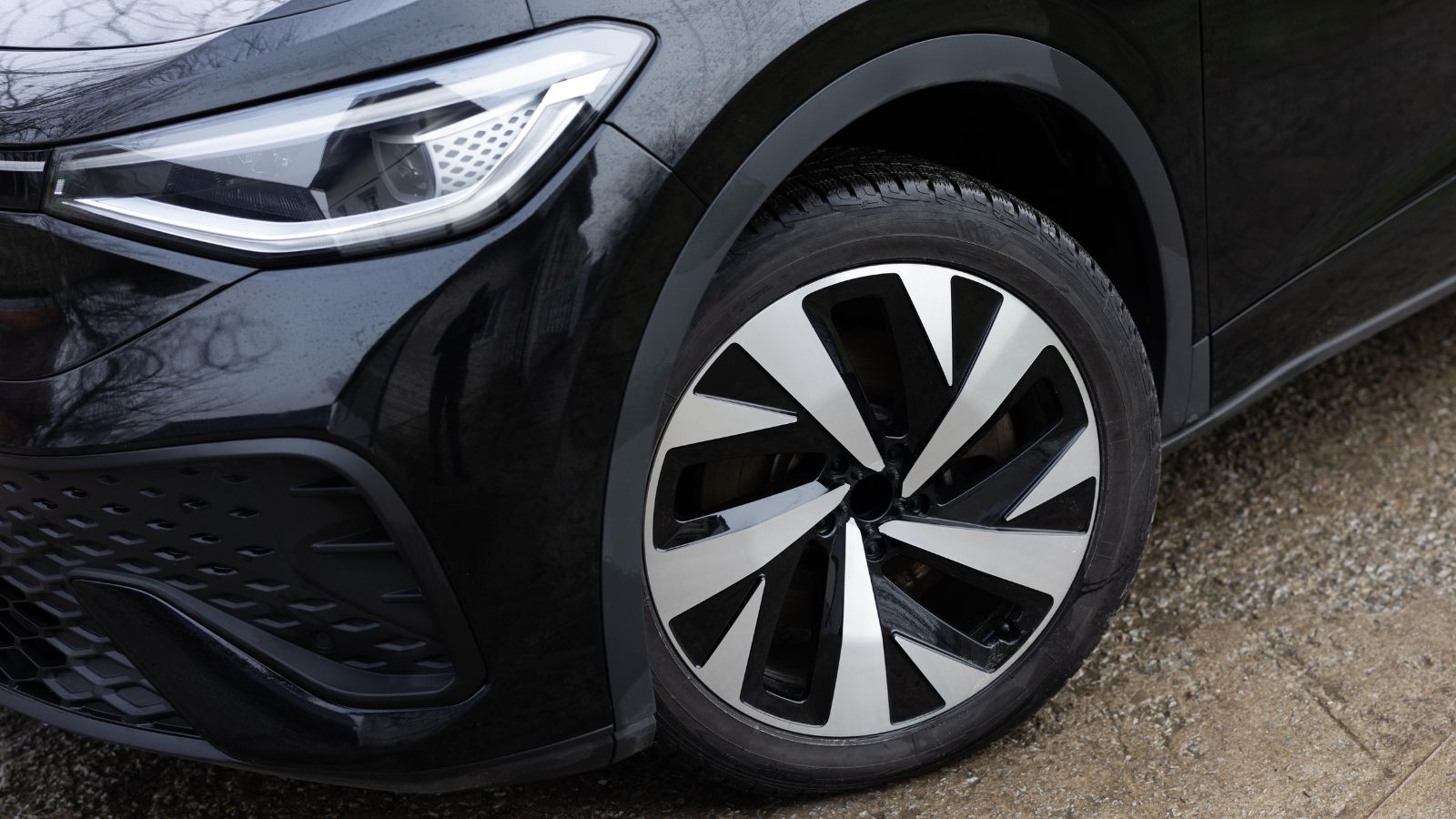
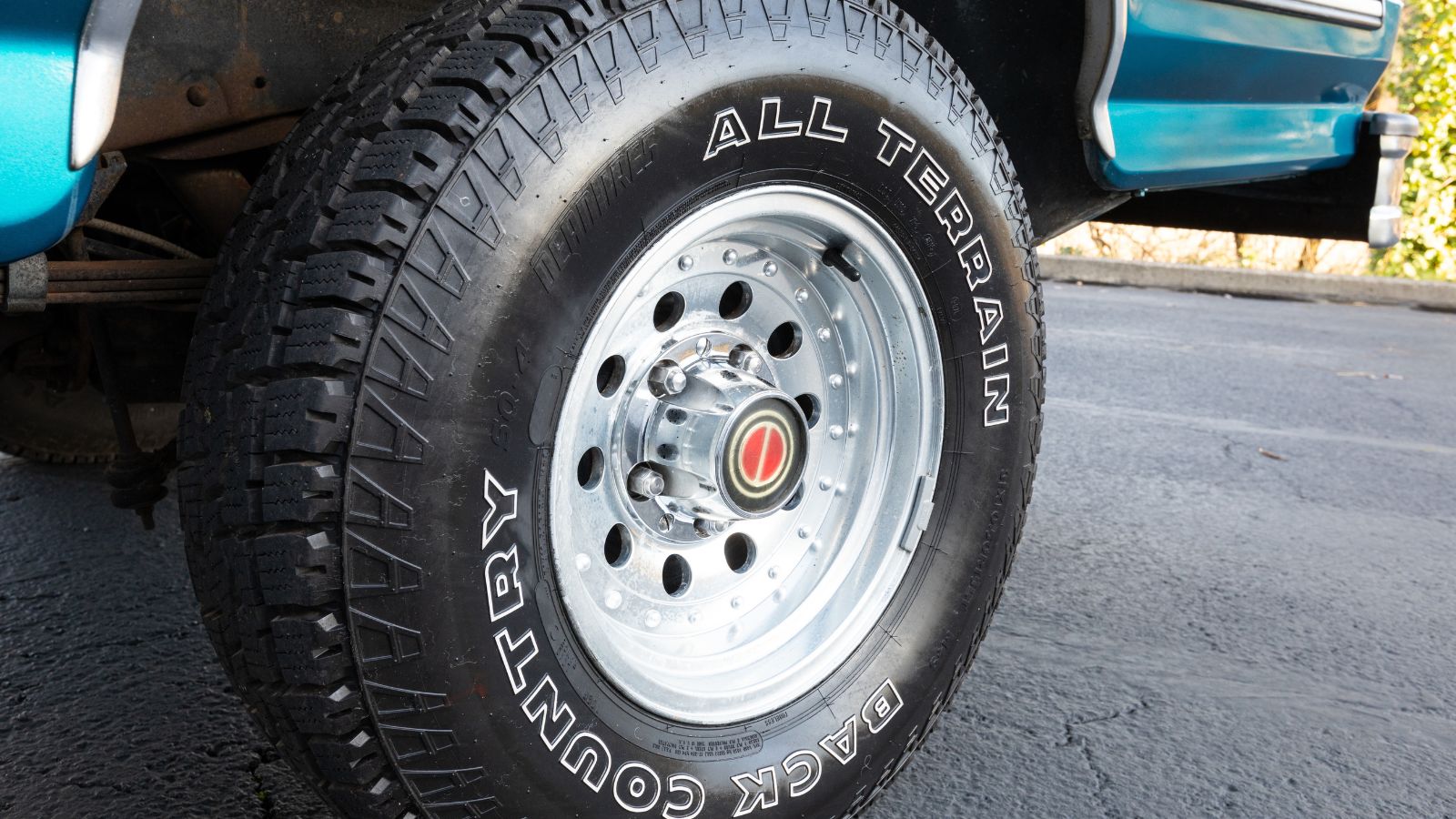
Two tires can share the same size and still deliver very different ride, noise, and steering characteristics. Tire categories are engineered around different priorities. Tire Rack describes touring all-season tires as generally emphasizing smoother ride, pleasant road manners, and tread life, while performance categories put more weight on steering response and dry or wet grip. All-terrain designs, by contrast, typically accept more noise and a firmer paved-road feel in exchange for off-road capability.
That trade-off explains many complaints that appear after replacing an original-equipment tire with a completely different design. A driver may buy a highly rated tire expecting a universal upgrade, only to discover that its strengths are not the qualities most valued in daily use. Comparative tire testing has also found meaningful differences within the same category: some tires isolate bumps better, others steer more directly, and some generate a more noticeable tread tone. The new set may be functioning exactly as designed while still making the car feel worse to that particular owner. Good fitment involves matching priorities, not merely dimensions.
Brand-New Tread Can Feel Less Precise at First

Sometimes the strange feeling after a tire change is real but temporary. Brand-new tires have full tread depth, and the tall tread blocks can flex more than the worn, shallow tread they replaced. Continental calls this movement “tread squirm,” and Tire Rack notes that new tires can respond a little more slowly because full-depth tread moves more under steering loads. That difference can be especially noticeable when replacing tires that were close to the end of their usable tread life.
Manufacturing and mounting processes also leave new tires needing a short adjustment period. Continental recommends smooth acceleration, braking, and cornering during roughly the first 500 miles so the tire surface and components can settle into normal operation. This does not mean a violent shake, strong pull, or wheel wobble should be ignored; those are not normal break-in symptoms. The more typical sensation is slightly softer steering response or a less “locked-in” feel than the worn tires provided. If the behaviour steadily improves, new-tread characteristics may have been the explanation.
Different Tire Models Were Mixed Together

Mixing tire models, tread designs, constructions, or performance categories can upset the balance a vehicle had before replacement. The U.S. Tire Manufacturers Association recommends using compatible tires and cautions against mixing certain tread-pattern types on four-wheel-drive and all-wheel-drive vehicles. Toyota also warns against mixing different makes, models, tread patterns, constructions, and substantially different treadwear levels on applicable vehicles because vehicle behaviour can be affected.
The effect can be surprisingly noticeable even on ordinary front- or rear-wheel-drive cars. One axle may react faster to steering inputs or generate more wet grip than the other, changing how the vehicle transitions through a corner. A driver who replaces only two tires with a model featuring a very different compound or tread architecture may describe the car as nervous, slow to respond, or oddly disconnected. Matching all four tires is the cleanest way to preserve consistent behaviour. When that is not practical, the vehicle and tire manufacturers’ guidance should determine which combinations are acceptable and where they should be installed.
Two New Tires Were Put on the Wrong Axle
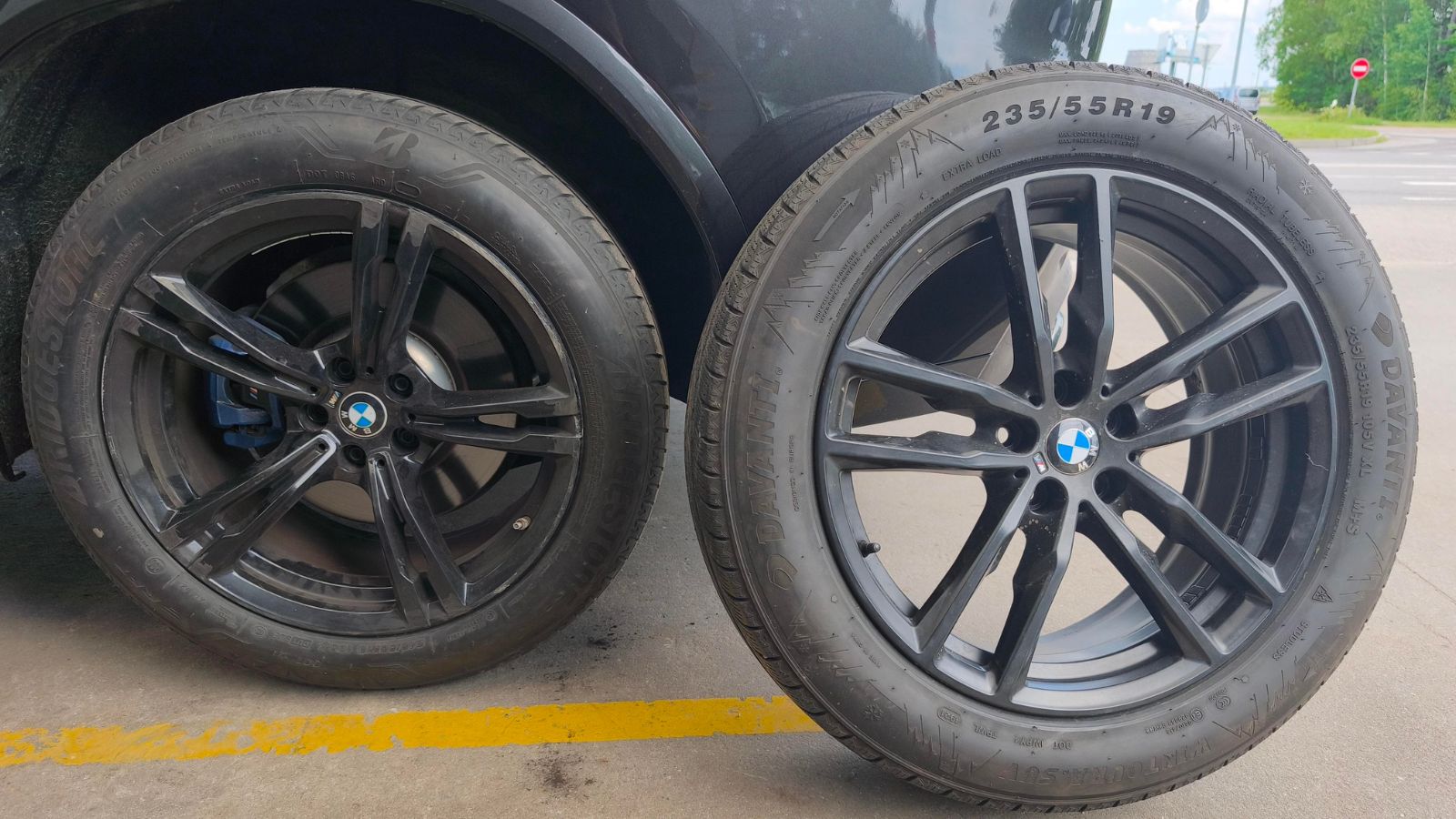
When only two tires are being replaced, their location matters. Industry guidance generally calls for installing the pair with deeper tread on the rear axle, regardless of whether the vehicle is front-wheel drive or rear-wheel drive, unless the vehicle manufacturer specifies otherwise. The U.S. Tire Manufacturers Association explains that deeper tread generally offers better wet grip and water evacuation, while placing the greater traction at the rear helps reduce the risk of oversteer and loss of stability on wet roads.
That recommendation can conflict with intuition. Owners of front-wheel-drive cars sometimes expect the newest tires to go on the front because those wheels steer and often handle most of the acceleration work. However, a strong front-axle grip advantage can leave the rear axle more likely to lose traction first in rain. If a shop changes axle placement compared with what the driver was accustomed to, steering response may feel different at first even when the installation is correct. What should not be accepted is a mismatched setup that contradicts the vehicle manufacturer’s specific tire requirements.
An AWD System Does Not Like the Tread-Depth Difference

All-wheel-drive vehicles can be unusually sensitive to differences in tire circumference. A brand-new tire has more tread and therefore a slightly larger rolling diameter than an otherwise identical heavily worn tire. U.S. Tire Manufacturers Association guidance warns that even small outside-diameter differences on some AWD and 4WD vehicles may cause drivetrain damage or mechanical malfunction. Subaru owner guidance similarly emphasizes matching size, construction, tread design, and degree of wear on many AWD models.
That makes single-tire replacement more complicated than it appears. A driver may leave the shop with one fresh tire and three significantly worn ones, then notice unusual driveline behaviour, warning lights, binding sensations, or a change in how the car corners. Exact allowable tread-depth or circumference differences vary by manufacturer, so there is no universal safe number for every AWD system. Depending on manufacturer instructions, the appropriate solution can involve replacing additional tires or otherwise matching the tires’ rolling circumference. The owner’s manual should decide the acceptable difference rather than a rule of thumb that may not apply to that drivetrain.
A Directional or Asymmetric Tire Was Mounted Incorrectly
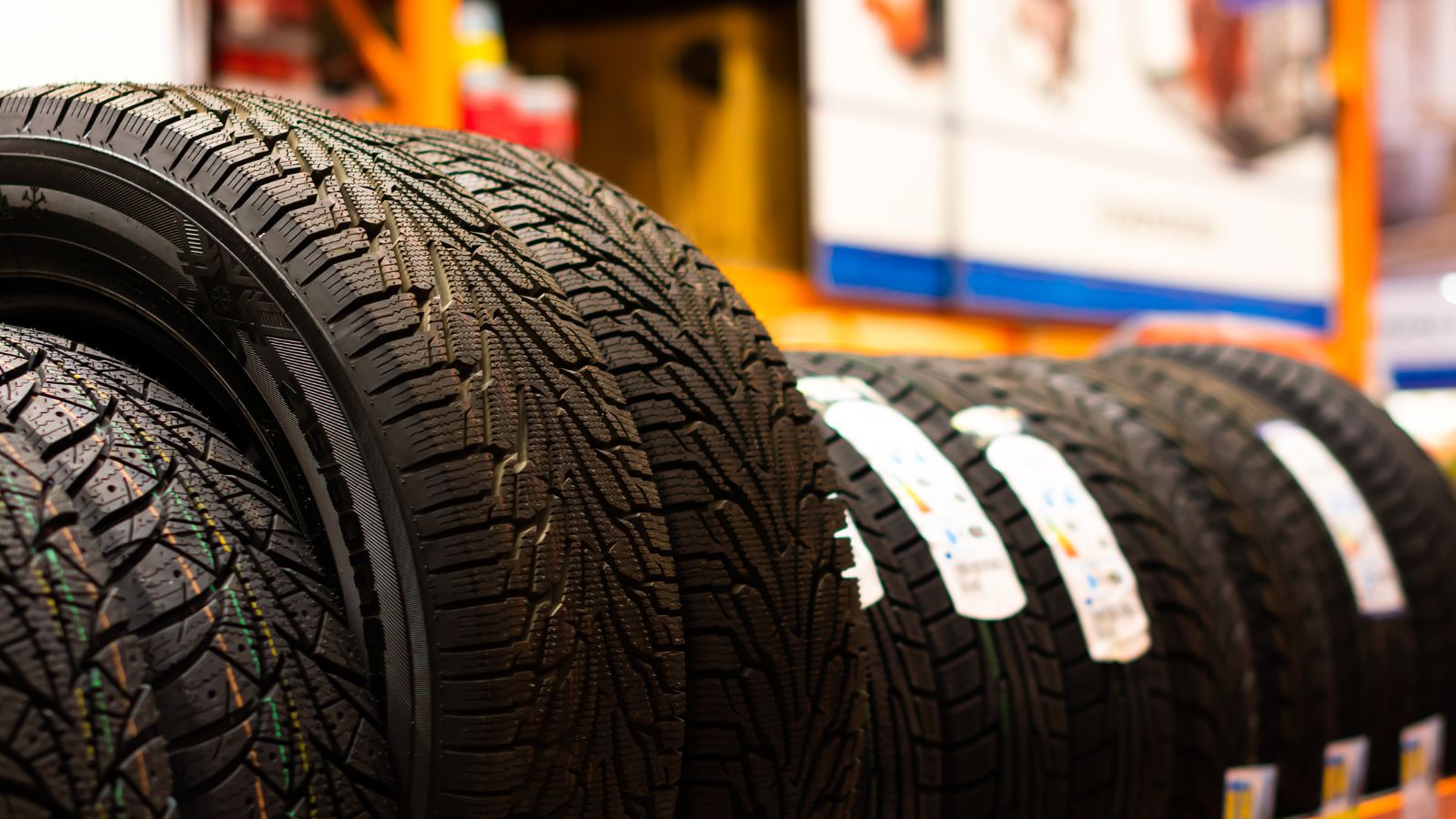
Directional and asymmetric tread patterns have installation rules that are easy to miss when tires are being swapped quickly. Directional tires carry an arrow showing the required forward rotation. Asymmetric tires use markings identifying which side should face outward. Michelin and Continental both state that these markings need to be followed during mounting because the tread was engineered to function in a particular orientation.
An incorrectly mounted directional tire may still roll down the road, so the mistake is not always obvious during the first few kilometres. The issue is that the tread’s intended water-channeling and handling characteristics are no longer being used as designed. Continental notes that reversing a directional pattern defeats its intended tread benefits, including hydroplaning resistance and road-holding characteristics. A quick visual inspection can catch this: the rotation arrow should point in the direction the wheel travels when the vehicle moves forward, while “outside” markings on asymmetric tires should face away from the vehicle. Incorrectly positioned tires need to be remounted in accordance with their sidewall markings.
Ordinary Balancing Did Not Catch Road-Force Variation
A standard spin balance corrects weight imbalance, but it cannot always identify every source of a ride disturbance. Tires and wheels can also have radial force variation, meaning the assembly produces changing forces as it rolls under load. Hunter Engineering’s road-force balancing documentation explains that tire stiffness variation and loaded runout can produce ride disturbances even when conventional unloaded measurements do not appear severe. This helps explain why some cars continue shaking after being “balanced twice.”
Road-force equipment presses a roller against the tire to simulate load while measuring variation around the assembly. That information can help identify whether the tire should be repositioned on the wheel, whether the wheel has excessive runout, or whether the tire itself is creating excessive variation. This is particularly useful when a vibration appeared immediately with a new set and conventional balancing has not corrected it. Not every measurable force variation means a tire is defective because vehicles differ in sensitivity, but persistent speed-related vibration deserves diagnosis based on measurement rather than repeated attempts to solve the problem by adding balance weights.
A Bent Wheel Was Hiding Behind the Old Tire
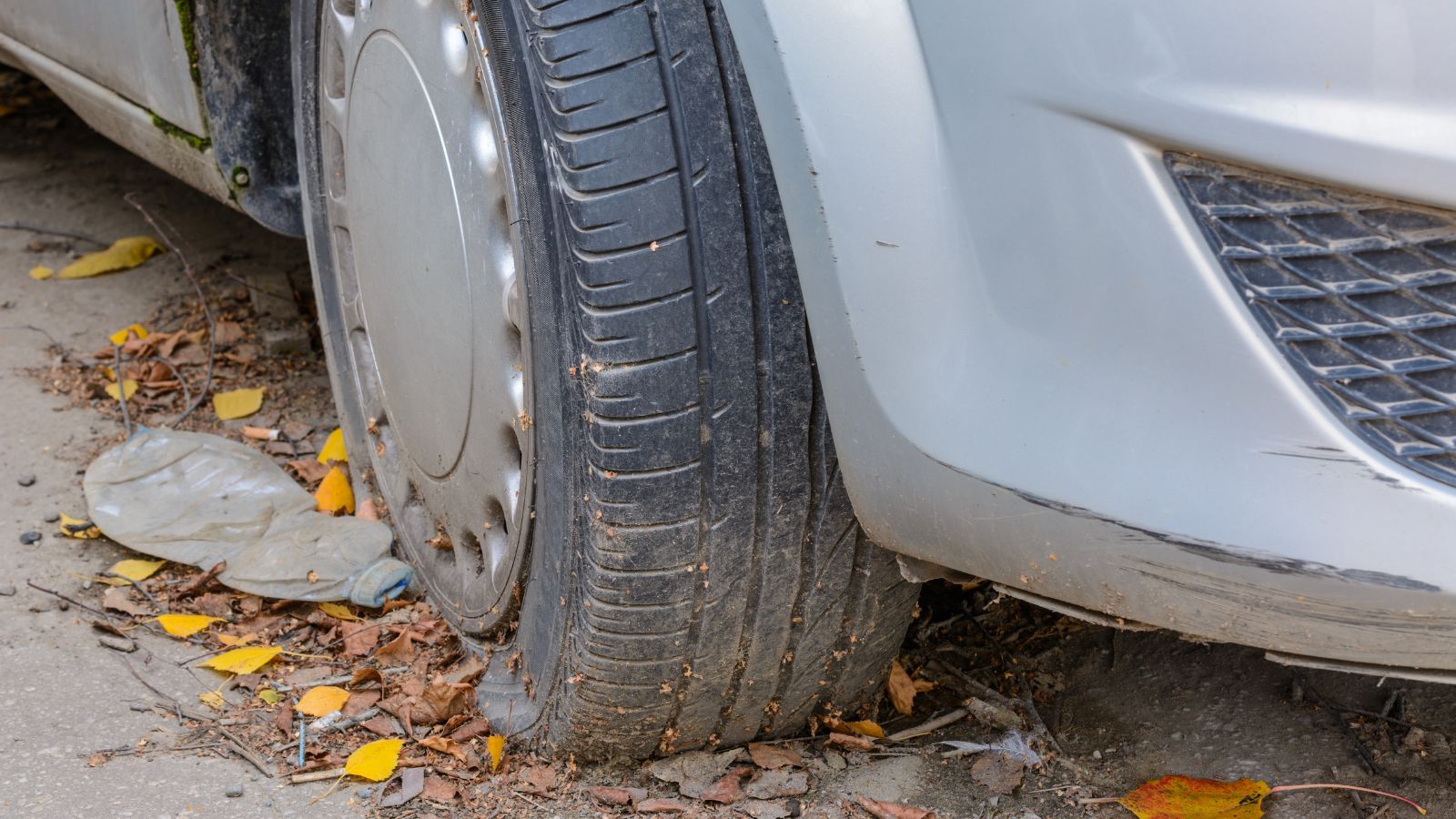
A tire replacement does not repair a bent wheel, and the mounting process can reveal wheel damage that was masked by the old tire. Michelin notes that curb impacts can damage rims and create balancing problems. Continental also says replacement tires should be fitted to rims that are the correct size and in good condition. Even a relatively small bend in a wheel can contribute to lateral or radial runout as the assembly rotates.
The confusing part is the timing. Because the vibration becomes obvious after new tires are installed, the tire naturally gets blamed first. Yet the wheel may have been bent months earlier by a pothole, with the previous tire’s wear pattern or construction making the symptom less noticeable. During diagnosis, a technician can measure wheel runout, inspect the inner rim flange, and separate the tire from the wheel when necessary to determine which component is responsible. Rebalancing may lessen certain vibrations, but it cannot make a physically distorted wheel round again. Persistent vibration therefore deserves a wheel-condition inspection rather than an assumption that another balance attempt will automatically solve it.
Worn Suspension Parts Are Now Easier to Feel
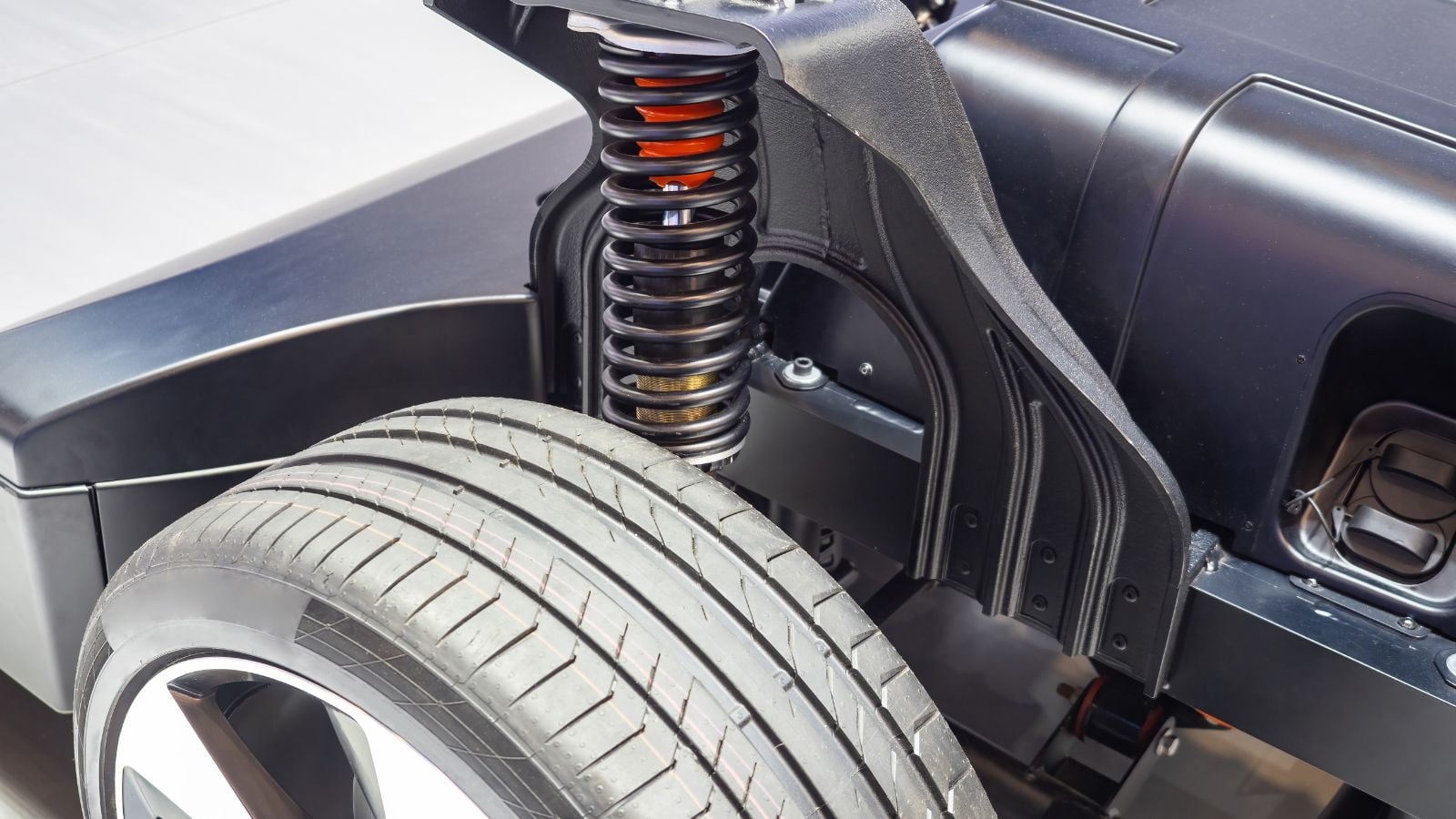
Fresh tires can expose wear elsewhere in the chassis. Shocks and struts are responsible for controlling wheel and body movement so the tire maintains consistent contact with the road. KYB explains that worn dampers allow more bouncing after bumps, reduce steering precision, and can increase stopping distance. Monroe also lists excessive bouncing, cornering roll, and uneven or cupped tire wear among the common signs associated with worn shocks and struts.
The connection to a tire change is easy to miss. New tires restore a uniform contact surface and may remove the noise or unusual behaviour of worn tread, making previously hidden suspension problems easier to recognize. If balancing and alignment are correct but the car still floats, bounces, wanders, or reacts badly over rough pavement, the next inspection should include shocks, struts, bushings, ball joints, tie-rod ends, and other relevant steering or suspension components. Replacing tires without correcting worn chassis parts can also shorten the life of the fresh tread. The tire replacement may have changed the symptom, while the actual problem remains elsewhere underneath the vehicle.
The Tire Is Wrong for the Current Temperature
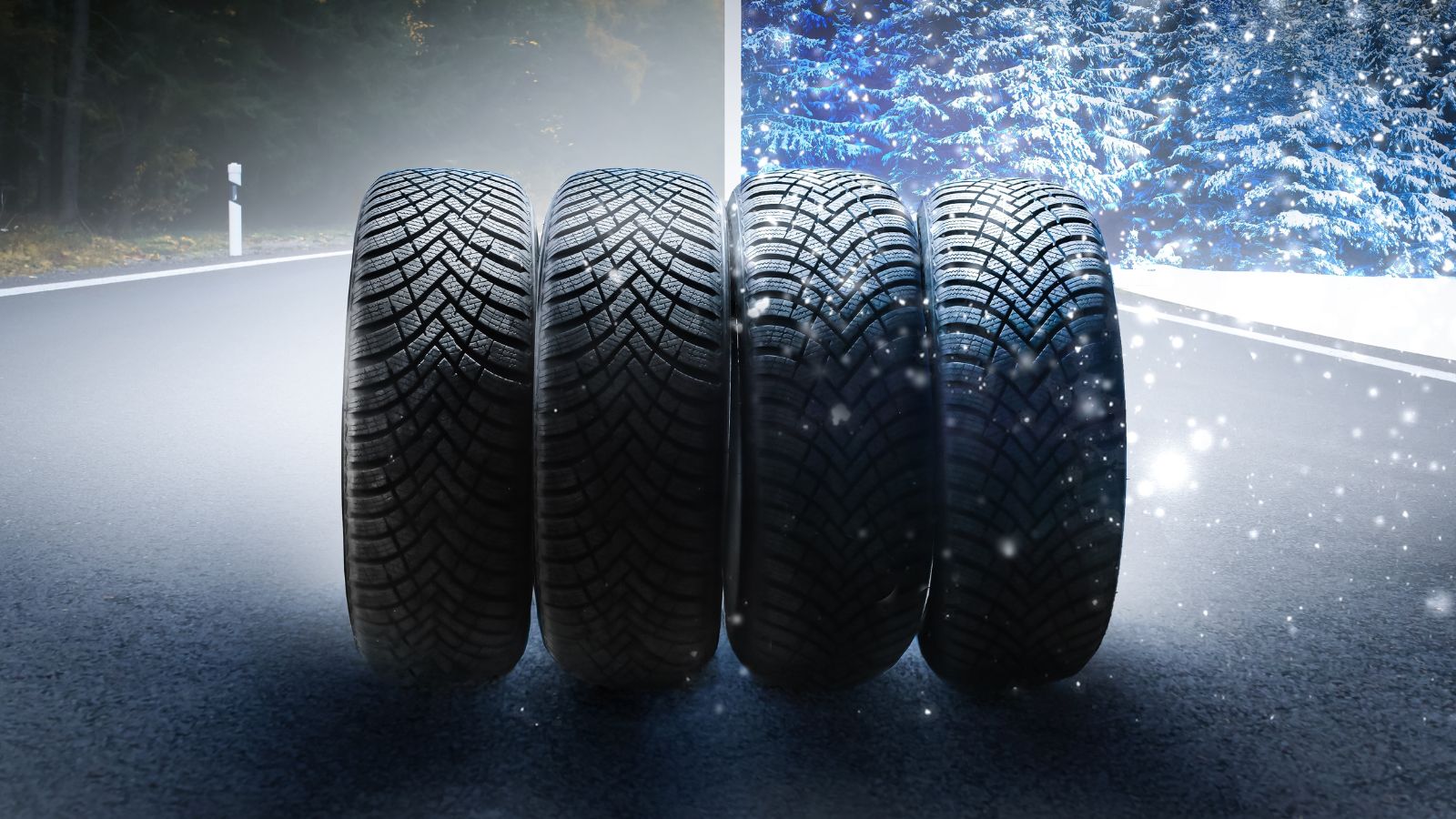
The “wrong” tire can be wrong only for the temperature and season in which it is being used. Winter tires are built with softer compounds and deeper, more flexible tread features so they remain effective in cold conditions. Continental explains that those same characteristics can make winter tires less responsive and increase stopping distance on warm, dry pavement. Conversely, summer-tire compounds become stiffer as temperatures fall, reducing their suitability for cold conditions even before snow is present.
That seasonal behaviour can make a perfectly installed new set feel like a downgrade. Someone switching from a summer or performance all-season tire to winter tires may immediately notice softer steering and more tread movement on a mild day. A driver installing summer tires during a cold snap may experience less grip than expected. Michelin uses approximately 45°F, or 7°C, as a useful temperature point for choosing cold-weather tires. The answer is not to keep “breaking in” a tire that is poorly suited to the conditions; the tire category needs to match the temperatures and road environment the vehicle actually encounters.
19 Used Cars Canadians Should Avoid in 2026 (Based on Owner Complaints)

Buying a used car in Canada can feel safe until repair bills start stacking up. Owner complaints tell a different story than glossy listings. Transmission failures, electrical problems, and weak winter reliability show up again and again in consumer reports. Many of these issues appear after warranties expire, when owners least expect them. Some vehicles look affordable upfront, but become expensive to keep on the road. Others struggle in cold weather, urban driving, or long highway commutes. Here are 19 used cars Canadians should avoid in 2026 (based on owner complaints).
19 Used Cars Canadians Should Avoid in 2026 (Based on Owner Complaints)

Alanna Rosen is an experienced content writer that focuses on many EV and educational content. Her articles are regularly published on Get CyberTrucked and syndicated on large publications.