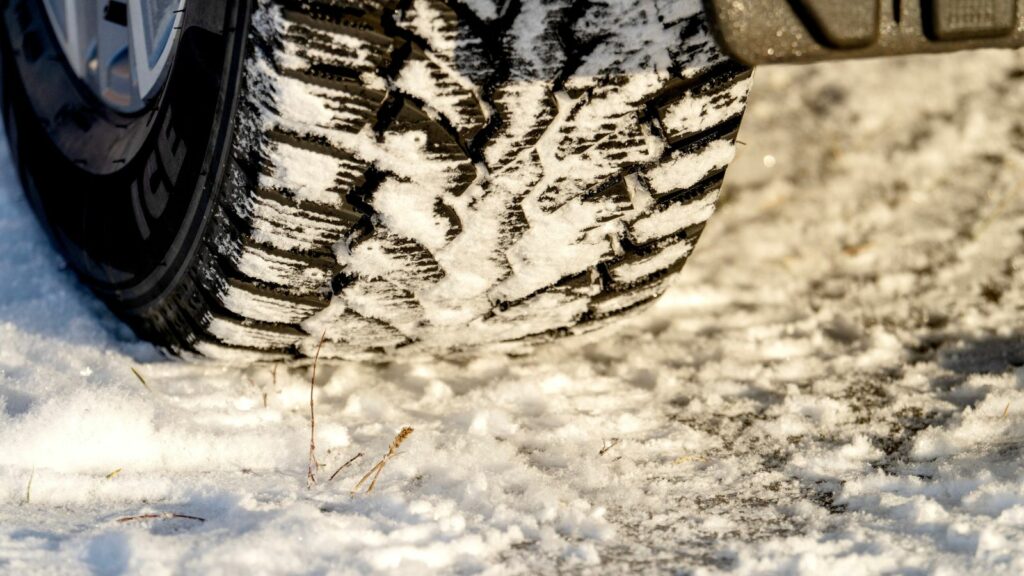
Winter tires are built to handle conditions that ordinary rubber struggles with, but the snowflake symbol on the sidewall does not make them immune to neglect. Their ability to grip depends on tread depth, inflation, temperature, installation, age, vehicle condition, and even how the vehicle is driven.
Small problems can quietly erase some of the advantage a good winter tire provides. A few pounds of lost pressure after a cold snap, uneven tread wear, or another summer spent baking in a garage can matter when the road turns icy. These 17 things that can make winter tires less effective show why getting the right tires is only the beginning. Keeping their winter performance intact requires attention throughout the tire’s life.
Letting the Tread Get Too Shallow
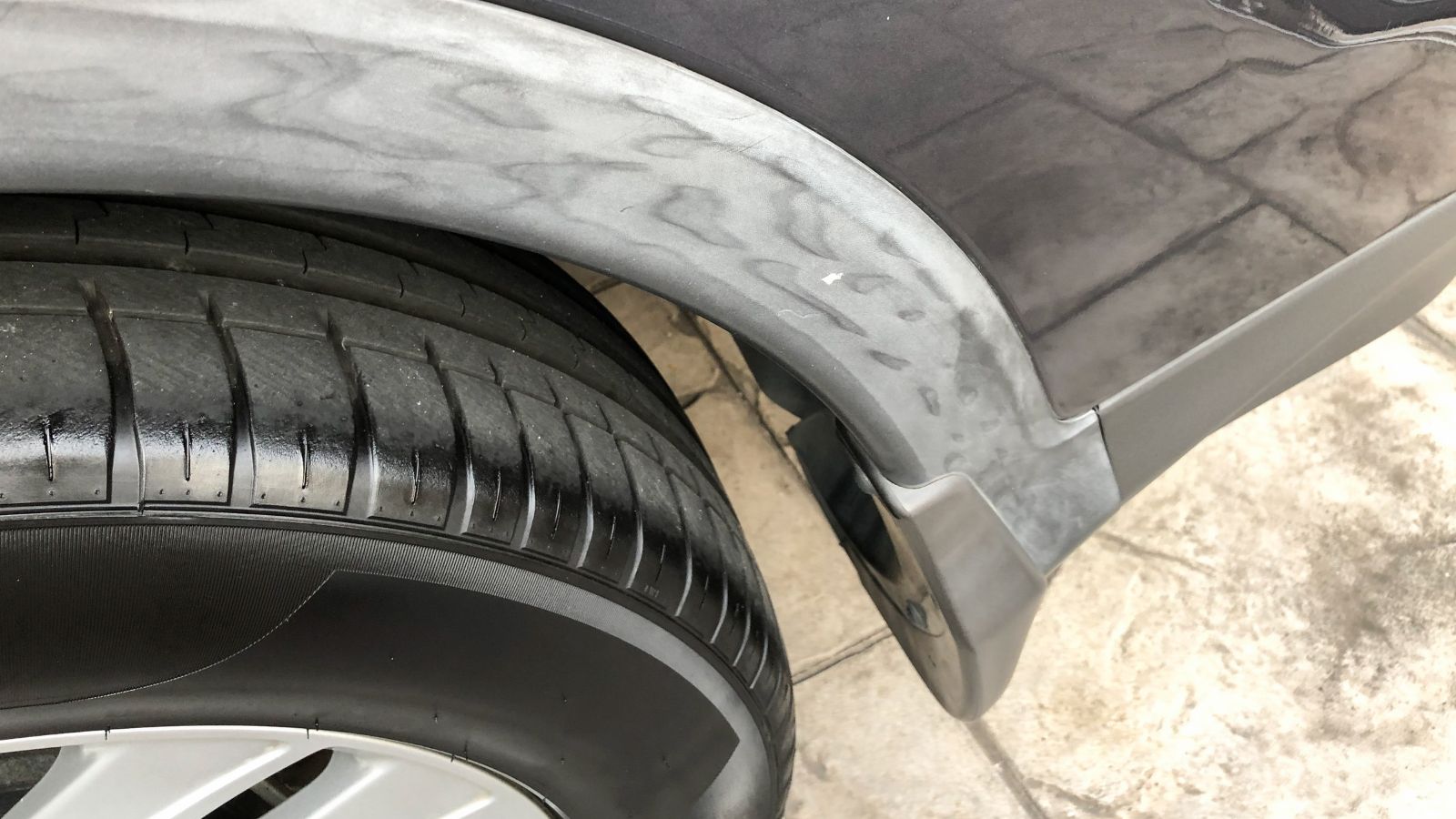
Deep tread is one of the features that gives a winter tire its advantage in snow and slush. The grooves provide space for loose snow, water and slush to move away from the contact area, while the tread blocks and their small cuts, known as sipes, create biting edges. As tread disappears, there is simply less useful structure available to do that work. A tire can therefore remain legally usable in some jurisdictions while already being noticeably less suitable for serious winter conditions.
Transport Canada takes a more conservative approach to winter performance than the ordinary wear-bar minimum. Its guidance says winter tires should have at least 4 mm, or roughly 5/32 of an inch, of tread for the safest winter driving and advises against using tires near that level on snow-covered roads. That distinction matters. Waiting until a tire reaches its absolute minimum tread depth may squeeze out additional kilometres, but those final kilometres can come with substantially less winter capability precisely when grip is needed most.
Ignoring the Pressure Drop When Temperatures Fall
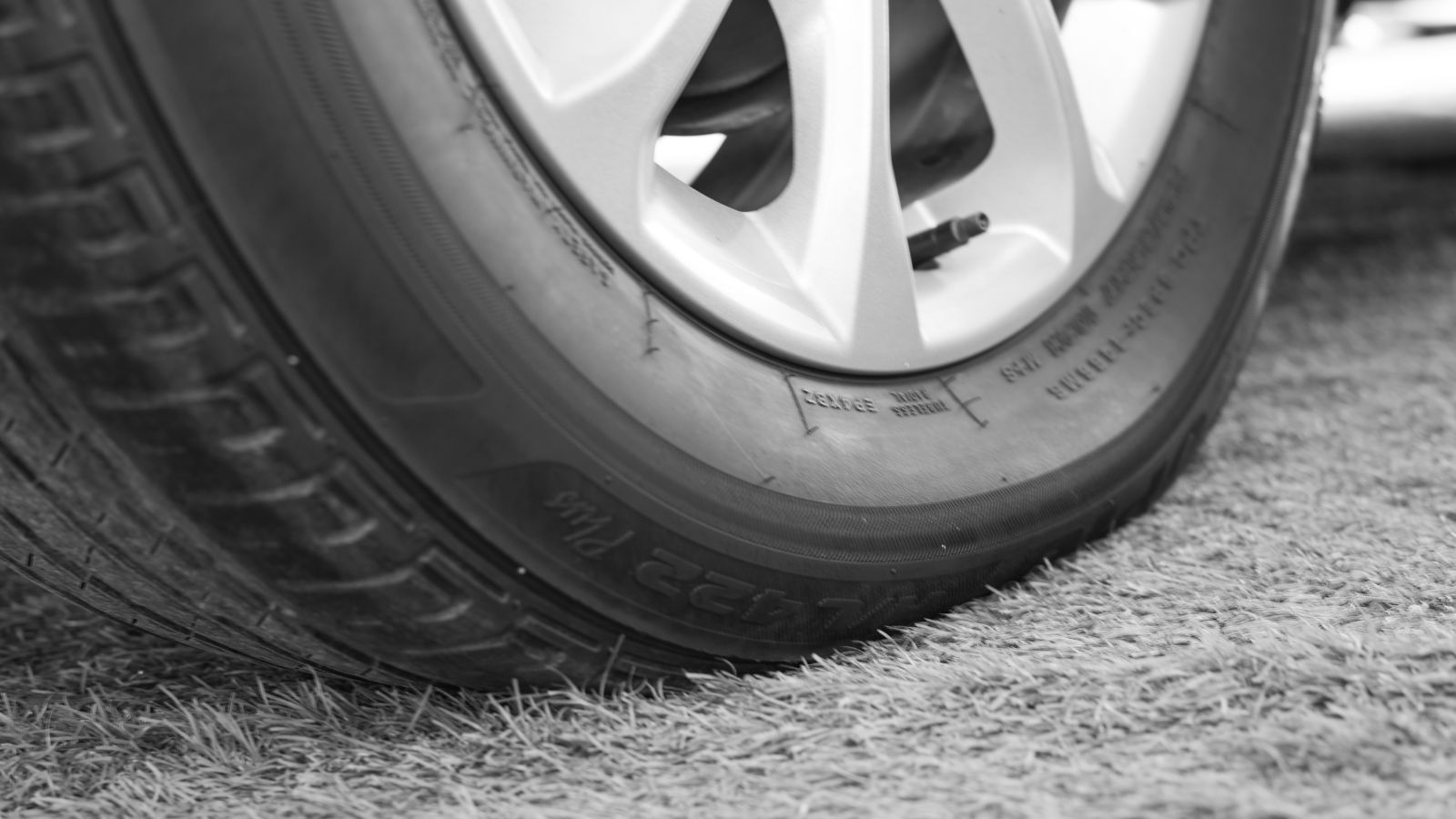
A tire that was properly inflated during a mild autumn afternoon may not remain that way after the first serious cold snap. Air pressure falls as temperatures decline, and Transport Canada estimates that tire pressure can decrease by roughly 7 kPa, or 1 psi, for every 5°C drop in temperature. A 20°C temperature swing can therefore produce a pressure change large enough to matter even though nothing is visibly wrong with the tire.
Underinflation changes the way a tire carries the vehicle’s weight and how its tread contacts the road. It also produces additional sidewall flex and heat, increasing wear and potentially damaging the tire. Winter makes the issue particularly easy to overlook because a vehicle may spend the night in a relatively warm garage before heading into much colder outdoor conditions. Pressure should be checked when the tires are cold and adjusted to the vehicle manufacturer’s specification on the door placard or in the owner’s manual, rather than the maximum pressure printed on the tire’s sidewall.
Putting Too Much Air in the Tires
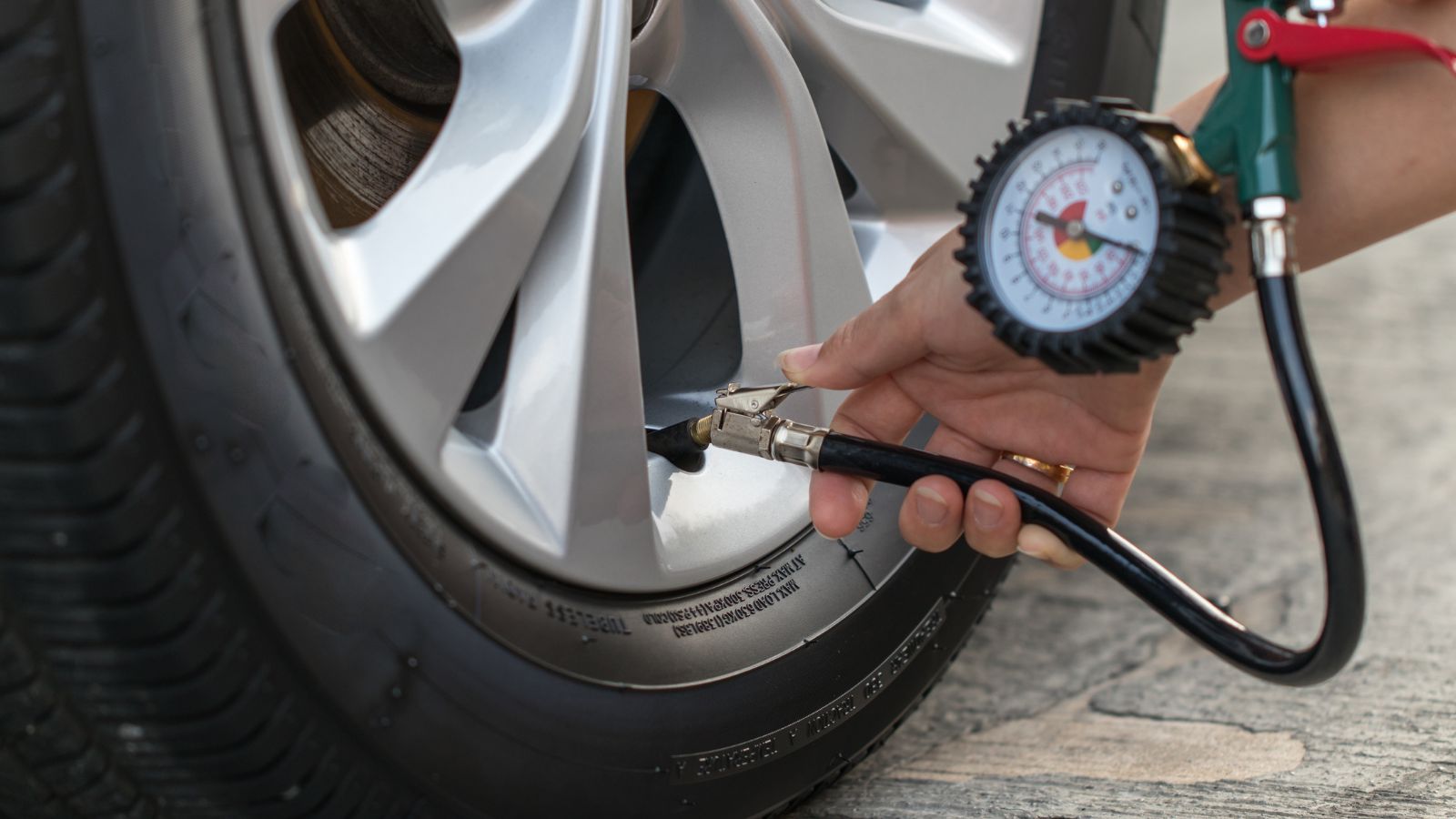
Some drivers respond to winter pressure losses by deliberately adding extra air, assuming a firmer tire will cut through snow more effectively. More pressure is not automatically better. The goal is the pressure specified by the vehicle manufacturer for the particular vehicle, load and tire configuration. Transport Canada warns that excessive inflation can reduce the amount of tread effectively contacting the road because the centre portion of the tire carries more of the load.
That smaller contact area can mean reduced grip along with poorer steering and stopping behaviour. Overinflation can also create a harsher ride and make a tire more vulnerable to impact damage from winter potholes. The mistake sometimes begins with confusion over the numbers on the sidewall. The pressure molded onto a tire generally represents a maximum, not the recommended operating pressure for the vehicle. Winter pressure adjustments should therefore be based on a cold reading and the vehicle placard. Adding a few extra pounds simply because snow is in the forecast can work against the traction the tire was designed to provide.
Leaving Winter Tires On Through Warm Weather
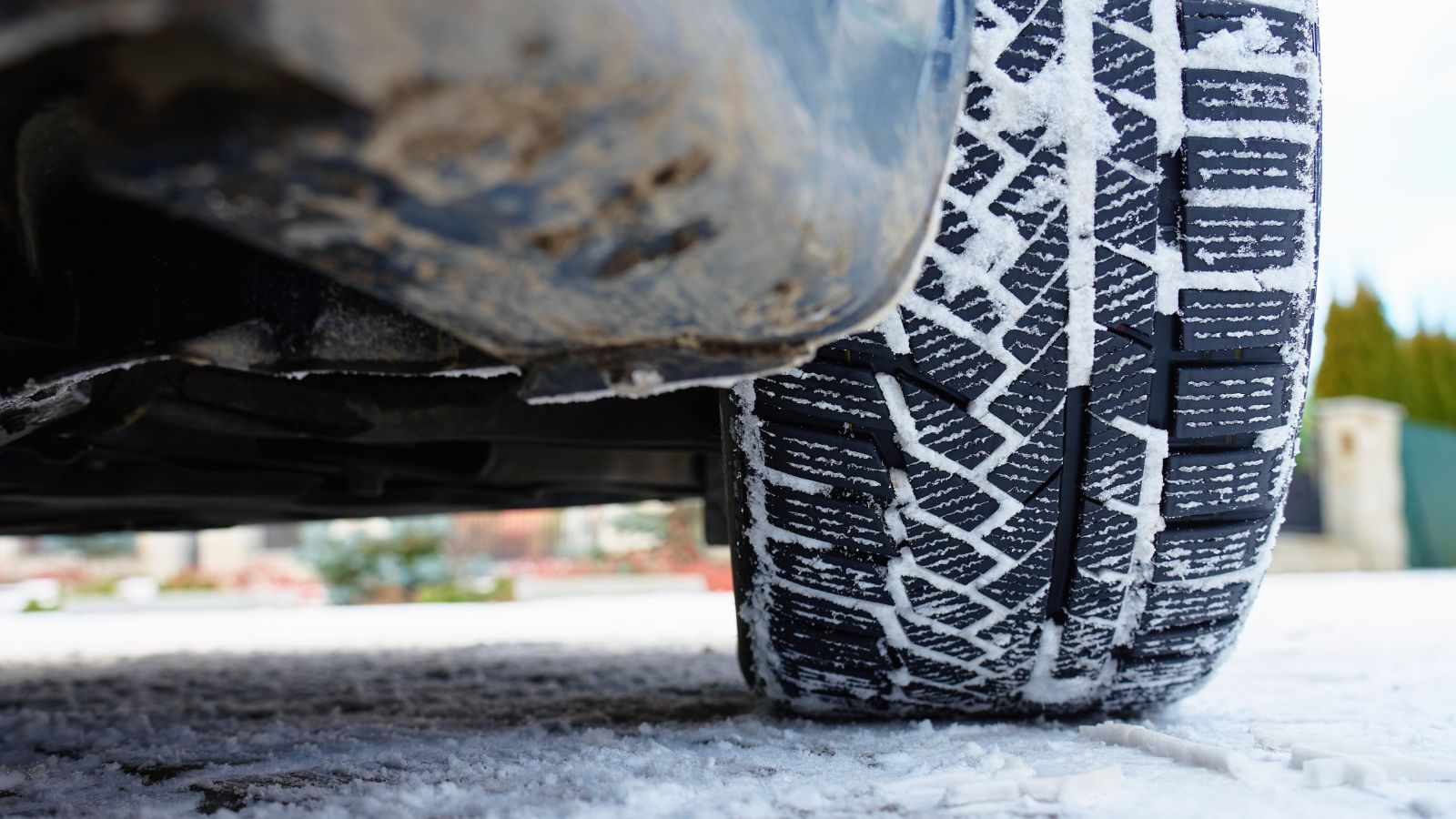
The soft compound that helps a winter tire stay flexible in freezing weather becomes a disadvantage once pavement temperatures climb. Winter tires are engineered around cold conditions, and their tread blocks and rubber compounds can feel comparatively soft when driven through spring and summer. Michelin recommends returning to summer or all-season tires once temperatures consistently rise above about 7°C, while Continental similarly warns of poorer warm-weather handling and increased wear.
The immediate issue is not just fuel economy or a slightly softer steering response. Extended warm-weather driving can consume the tread that will be needed during the next winter. A driver who leaves winter tires installed through an entire hot summer may return to snowy conditions with noticeably shallower tread blocks despite having driven relatively few winter kilometres. Warm pavement can also produce longer braking distances than tires designed for those conditions. Keeping winter tires on year-round may appear to save the cost and inconvenience of a seasonal changeover, but it can shorten the useful winter life of the more expensive specialized set.
Installing Winter Tires on Only Two Wheels
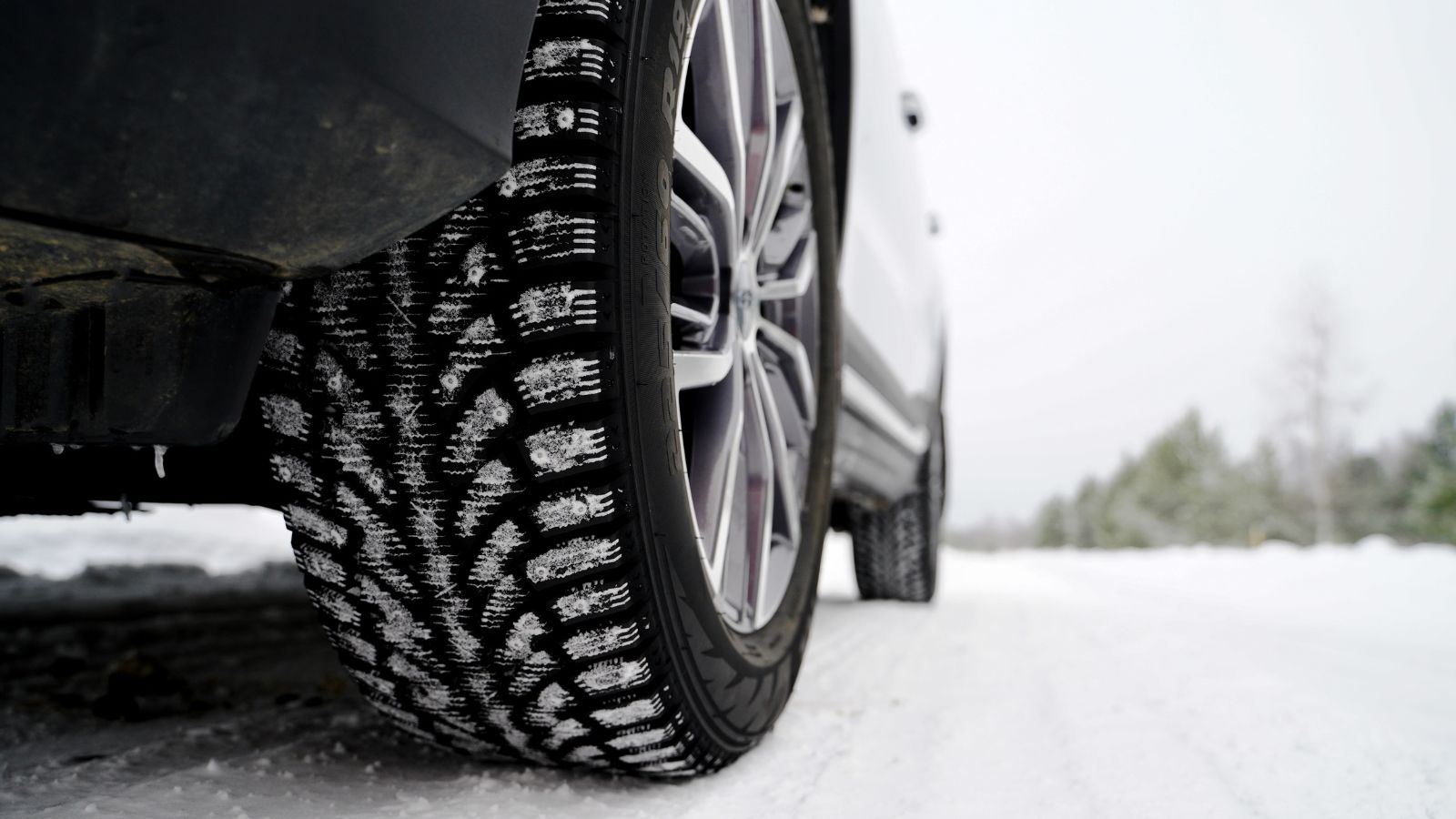
Putting winter tires on the drive wheels alone once seemed like a reasonable compromise. Modern safety guidance strongly favours four. Traction is not only needed to accelerate. Tires also determine how the vehicle steers, corners and remains stable while braking. If one axle has substantially more grip than the other, the car’s behaviour can change rapidly as available traction shifts during a turn or emergency manoeuvre.
Transport Canada recommends winter tires on every wheel and has demonstrated why the configuration matters. In testing involving a multi-function passenger vehicle on snow, the vehicle was tested with winter tires on all wheel positions and with a mixed winter/all-season setup. With winters fitted to every wheel, its average stopping distance was 5.6 metres shorter in the reported braking comparison. Passenger cars are not identical to that test vehicle, but the underlying lesson remains useful: balanced grip matters. A full set gives the suspension, brakes and stability-control systems a more consistent foundation from which to work when the pavement becomes slippery.
Mixing Different Types of Tires
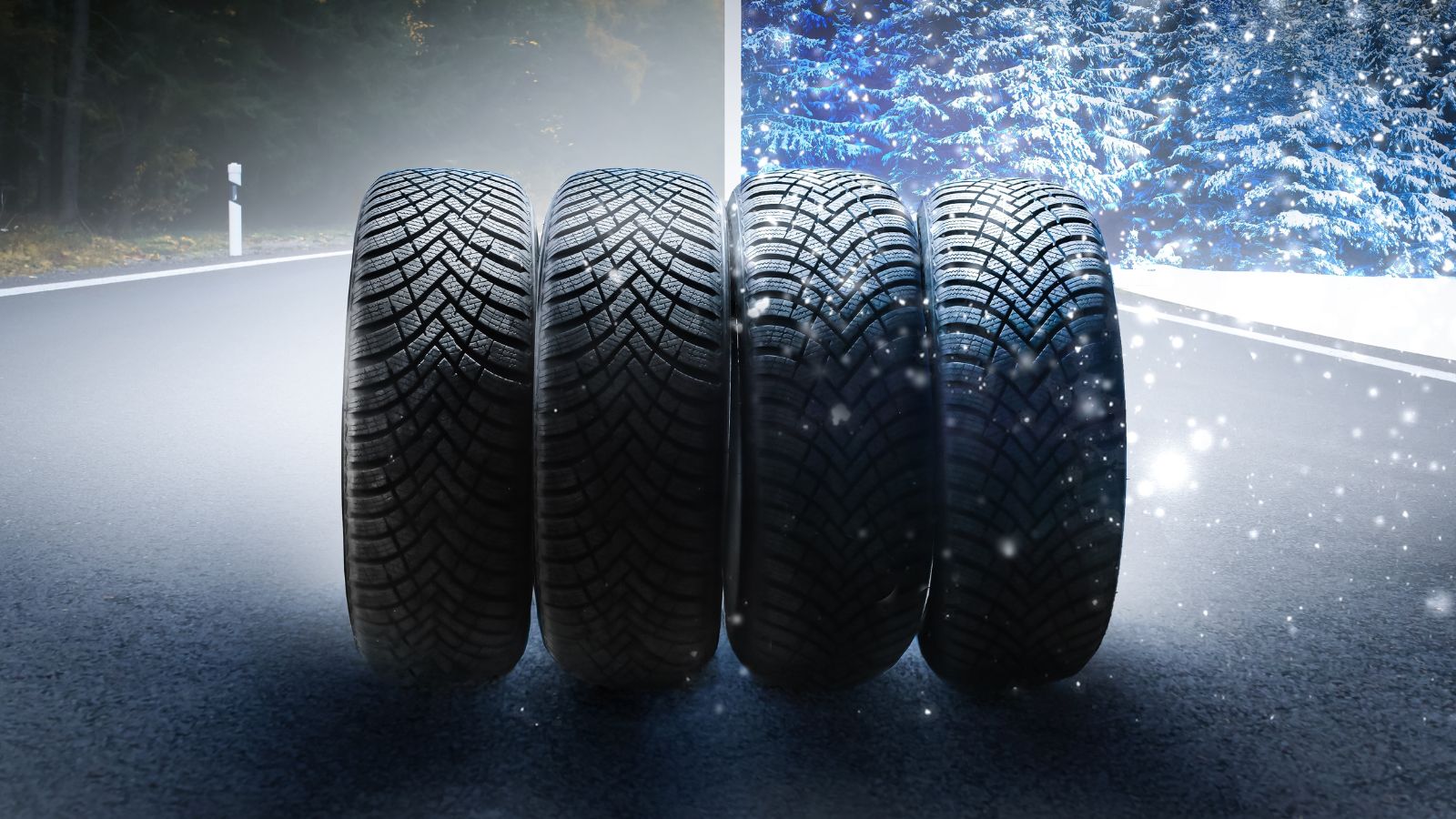
Even four tires labeled for winter use do not automatically make an ideal set if their construction, dimensions or tread characteristics are substantially different. Transport Canada recommends matching the type, size, speed rating and load index on all wheel positions. It also specifically cautions against combining different tread patterns, internal constructions and sizes because doing so can reduce vehicle stability.
The reason becomes clearer on a slippery corner. Tires do not all reach their traction limits at exactly the same moment, and mismatched designs may respond differently as snow depth, road temperature and steering load change. One end of the vehicle can therefore begin sliding before the other in a way that is harder to predict. The problem can become especially important on all-wheel-drive vehicles, where manufacturers may impose tight limits on differences in tire circumference. When one winter tire is damaged beyond repair, replacing it with whatever happens to be available can therefore be a false economy. Matching the remaining tires, or replacing more than one when necessary, helps preserve predictable handling.
Using the Wrong Size, Load Index or Speed Rating
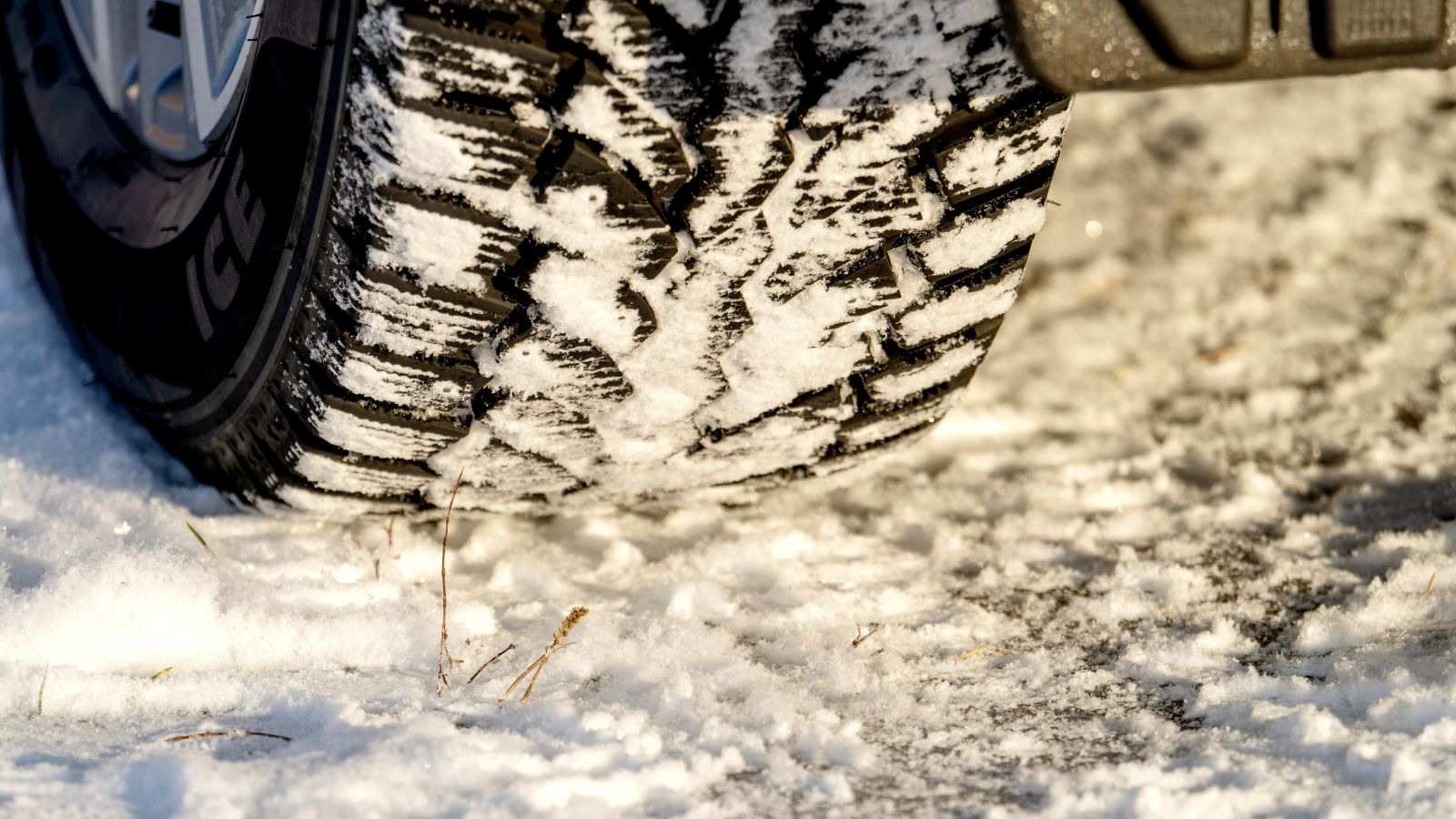
A winter tire can carry the right snowflake symbol and still be unsuitable for the vehicle wearing it. Tire size determines far more than whether the rubber physically fits inside the wheel opening. Load index, construction and other specifications affect how much weight a tire can safely support and how it behaves under steering, braking and acceleration. Transport Canada recommends fitting the same type, size, speed rating and load index across all wheel positions unless the vehicle manufacturer specifies otherwise.
This becomes particularly relevant when drivers build a separate winter wheel package. Downsizing wheels for winter can be legitimate when an approved tire size is used, but choosing dimensions simply because a used set happens to bolt onto the car can introduce problems. A heavier SUV, pickup or electric vehicle may also require greater load capacity than a similarly sized passenger car. The safest reference is the tire information placard and owner’s manual, or an alternative size specifically approved for the vehicle. Winter performance depends on the tire operating within the conditions for which both it and the vehicle were designed.
Mounting Directional Tires Backwards
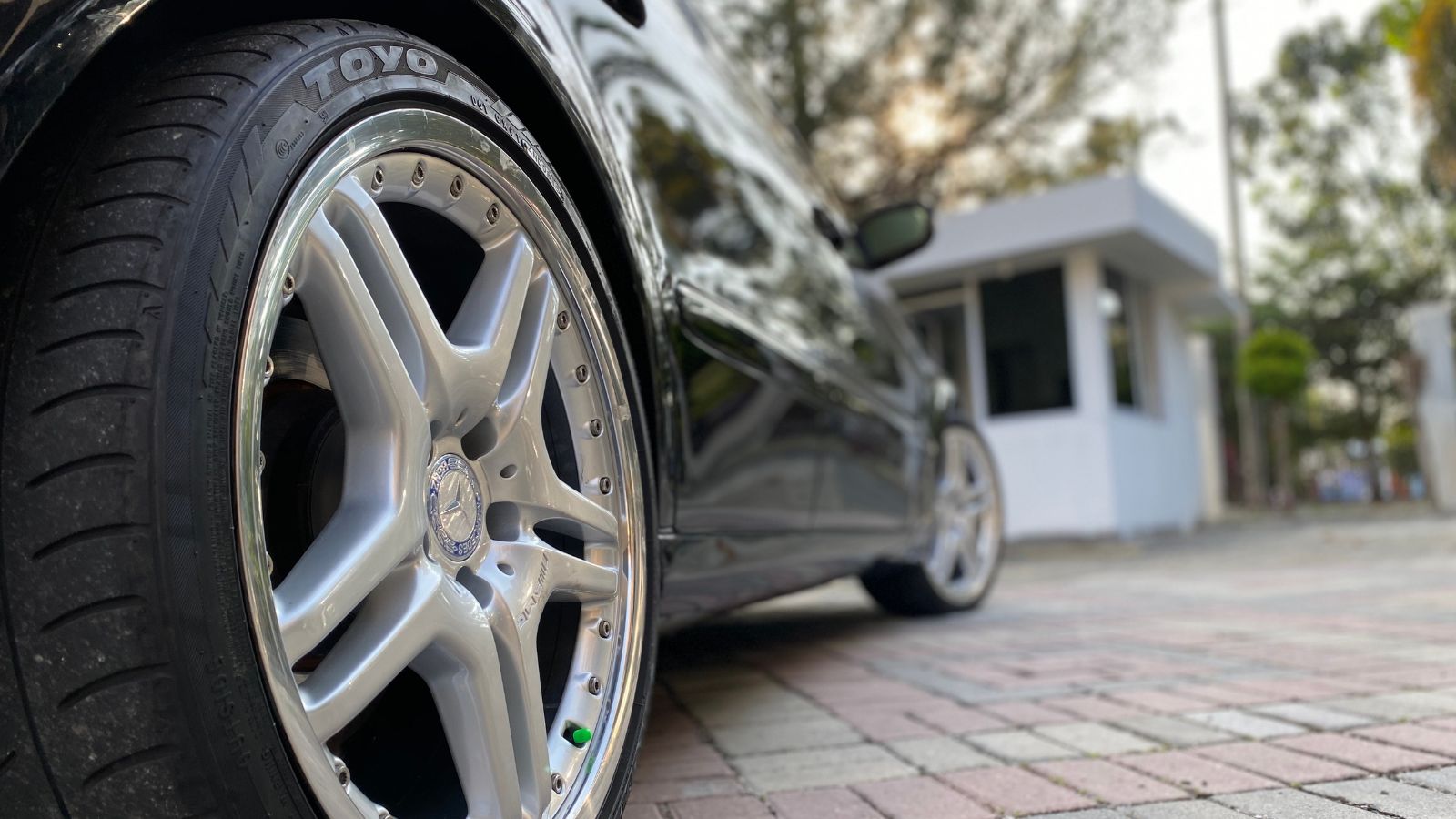
Many winter tires use directional tread patterns designed to rotate in one particular direction. An arrow molded into the sidewall identifies that direction. The arrangement of the grooves is intentional, helping the tire perform its designed functions as it rolls forward. Transport Canada specifically tells drivers to make sure directional tires are fitted on the correct side of the vehicle, while tire manufacturers similarly instruct installers to follow the rotation arrows.
This error is surprisingly easy to create during a seasonal changeover, particularly when complete wheel-and-tire assemblies are stored without being marked by position. A tire that was on the passenger side one season can end up on the driver’s side the next, reversing its intended rotation if the wheel is simply moved across the car. Directional tires also require an appropriate rotation pattern; they generally move front-to-rear on the same side unless they are remounted. A quick look at the sidewall arrows after installation can catch a mistake that might otherwise remain unnoticed until the first serious snowfall.
Assuming Good-Looking Old Tires Are Still Good
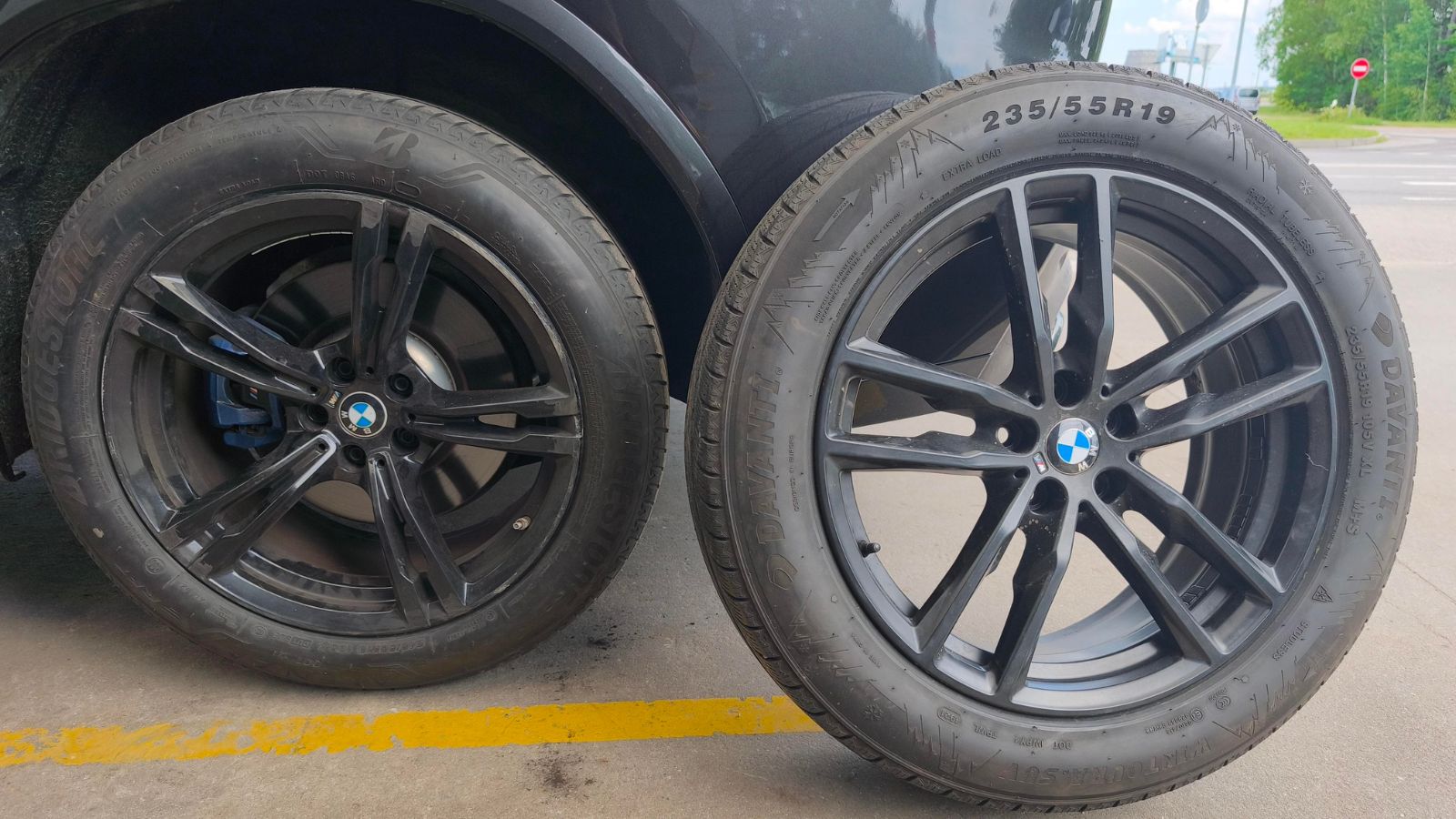
Low-mileage winter tires can create a misleading sense of security. Because they are commonly used for only part of the year, a set may retain substantial tread long after an ordinary all-season tire would have been worn out. Tread depth, however, is not the only way a tire changes. NHTSA notes that rubber and other tire components change with age because of service conditions, storage and environmental exposure.
There is no single universal expiration date that applies identically to every tire, but age should become part of the inspection. NHTSA says some vehicle and tire manufacturers recommend replacement after six to 10 years regardless of tread wear. The manufacturing date can be identified from the tire’s identification code on the sidewall. Winter tires deserve particular attention because their advantage depends heavily on rubber flexibility in low temperatures. A deeply treaded tire that has become hardened, cracked or otherwise degraded with age may not behave like the same model did when new. Visual condition, manufacturing date and changes in performance should all factor into the decision.
Continuing to Use Tires With Cracks, Cuts or Bulges
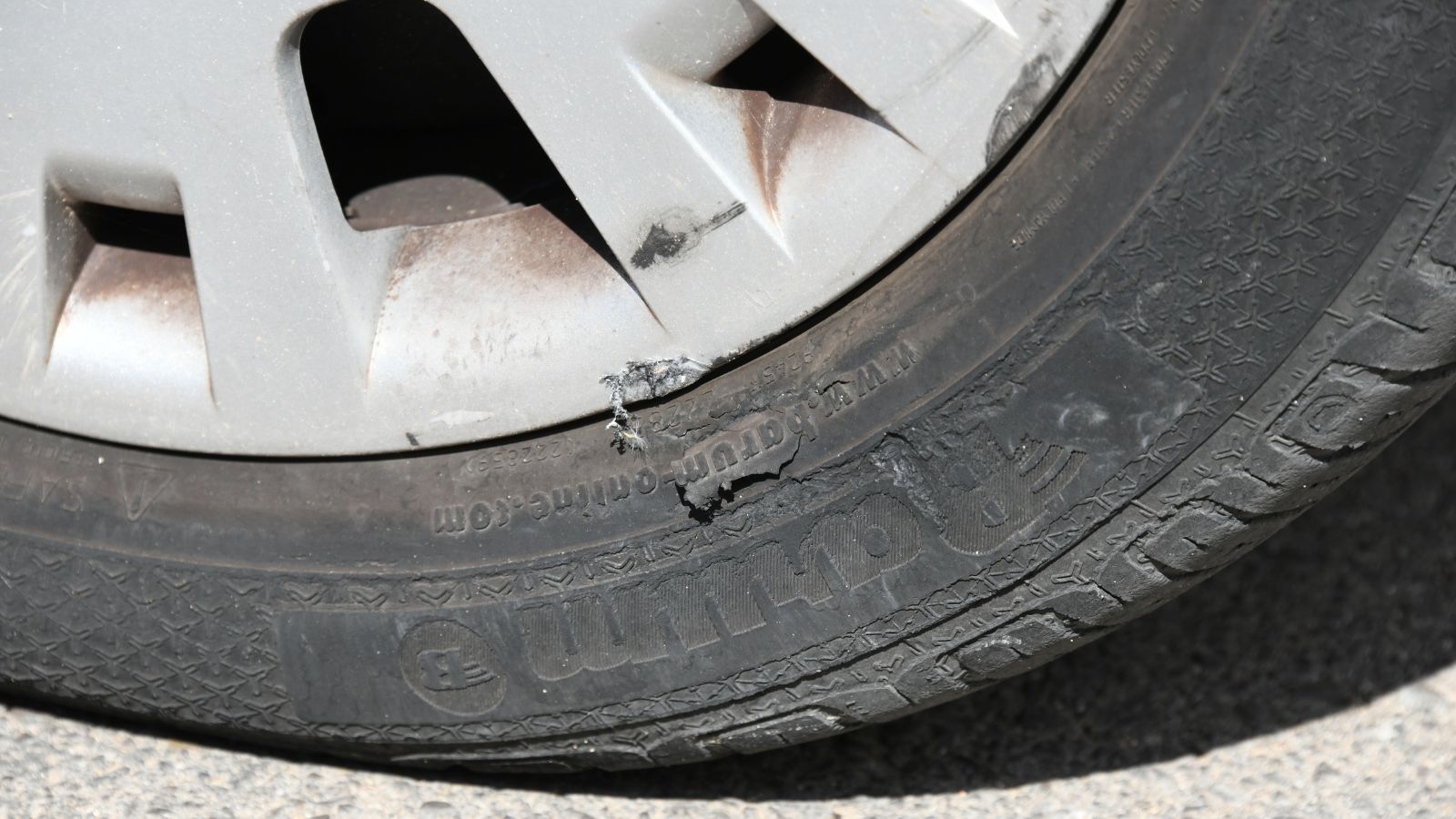
Winter roads are hard on tires. Potholes can appear rapidly after freeze-thaw cycles, curbs can disappear under snowbanks, and sharp road debris may be difficult to see in slush. A winter tire can therefore suffer structural damage while still having plenty of tread. Cracks, deep cuts, blisters and bulges are not merely cosmetic problems; Transport Canada identifies these conditions as potentially dangerous and advises replacement when they occur.
A bulge can indicate that internal tire components have been damaged, while cracks may point to deterioration of the rubber. Punctures require proper evaluation as well, because location and internal damage determine whether repair is appropriate. NHTSA advises inspecting both tread and sidewalls for cuts, punctures, bulges, scrapes and cracks. Winter performance assumes that the entire tire structure is functioning properly. A damaged tire may lose pressure, deform or fail under load, and a compromised casing cannot be restored simply by having an aggressive snow tread pattern. Monthly visual checks are inexpensive insurance during pothole season.
Driving With Bad Wheel Alignment
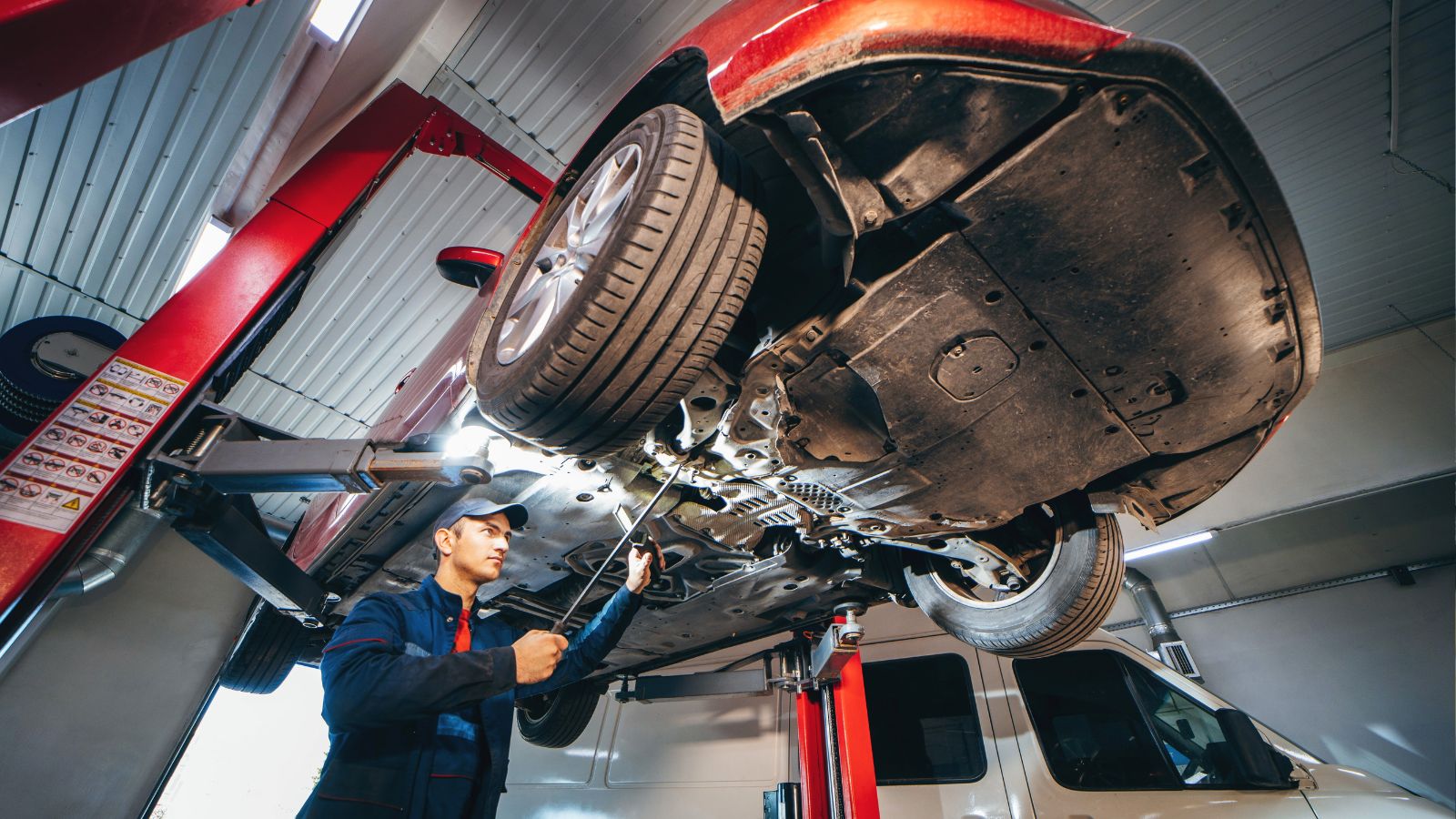
A vehicle does not need to be visibly pulling across the road for alignment problems to start harming its winter tires. Incorrect alignment can concentrate wear on one edge or area of the tread. Transport Canada identifies improper wheel alignment as one possible cause of uneven tire wear, while NHTSA notes that correct alignment helps maximize tire life. That matters because a winter tire’s effectiveness depends on having useful tread distributed across the surface contacting the road.
Consider a winter tire that measures healthy tread depth in the centre but is badly worn along an inner shoulder. A quick inspection from outside the vehicle may make it appear ready for another season even though part of the tire has lost a significant amount of its usable tread. Pothole strikes and curb impacts can also change alignment during winter. Unusual shoulder wear, steering pull or a steering wheel that no longer sits straight on a level road deserve attention. Correcting the alignment protects both the tire investment and the consistency of available grip across all four corners.
Skipping Tire Rotations for Several Seasons
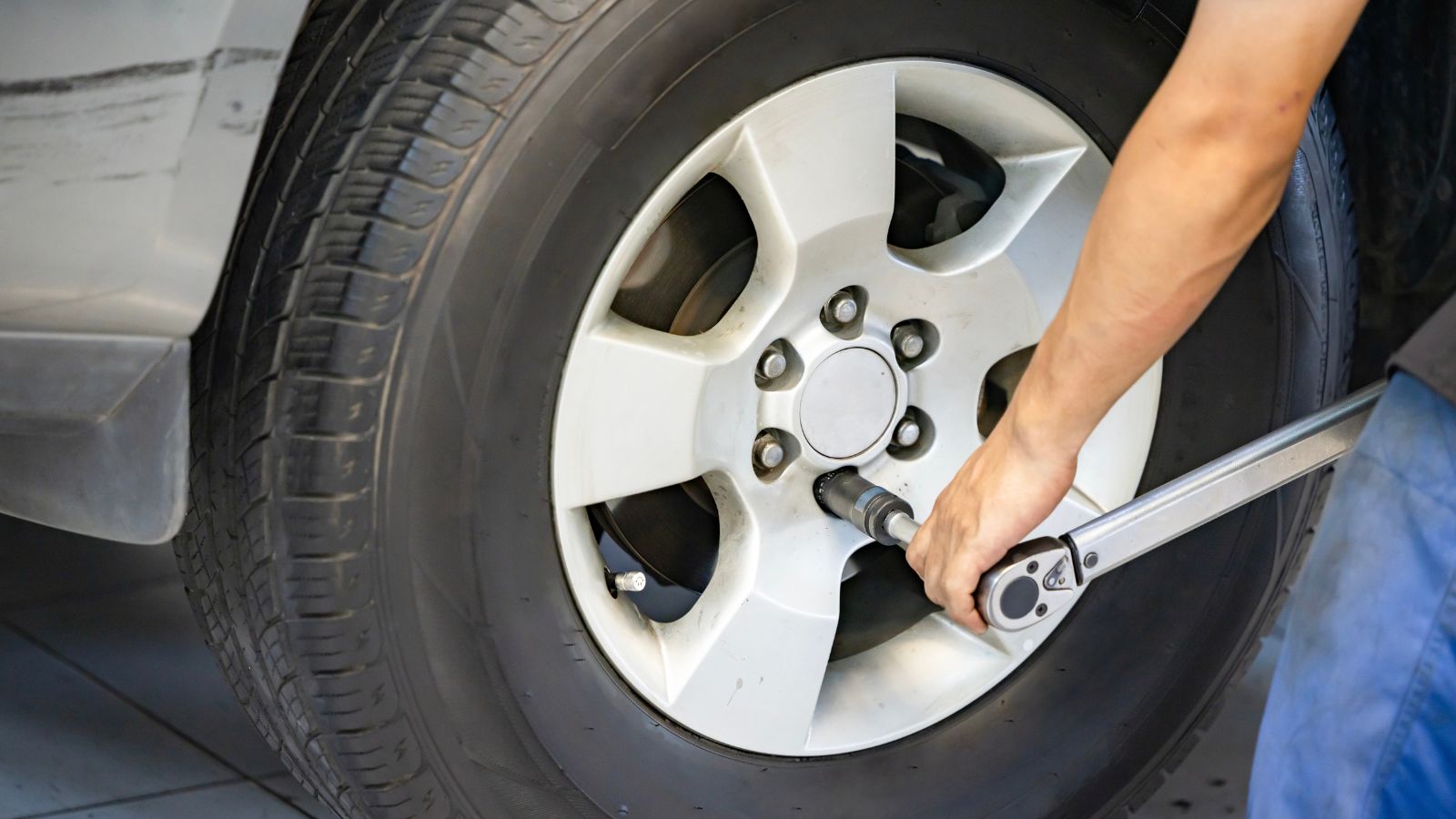
Front and rear tires do different jobs. Steering, braking, acceleration and differences in vehicle weight distribution mean they often wear at different rates. Front-wheel-drive vehicles can make that disparity particularly obvious because the front tires handle steering and much of the propulsion in addition to significant braking forces. Transport Canada recommends regular rotation according to the vehicle manufacturer’s instructions, noting that front and rear tires normally wear differently.
Rotation does not create new tread, but it can distribute wear more evenly through the set. NHTSA likewise states that rotation can reduce irregular wear and recommends following the vehicle manufacturer’s interval and pattern. This is especially important for winter tires because Transport Canada advises placing the tires with the greatest tread depth on the rear to support directional stability. A properly maintained set should ideally remain relatively even from tire to tire. Drivers who reinstall winters in exactly the same positions year after year without considering wear can end up with a set that ages very unevenly.
Storing Them in Heat, Sunlight or Around Chemicals
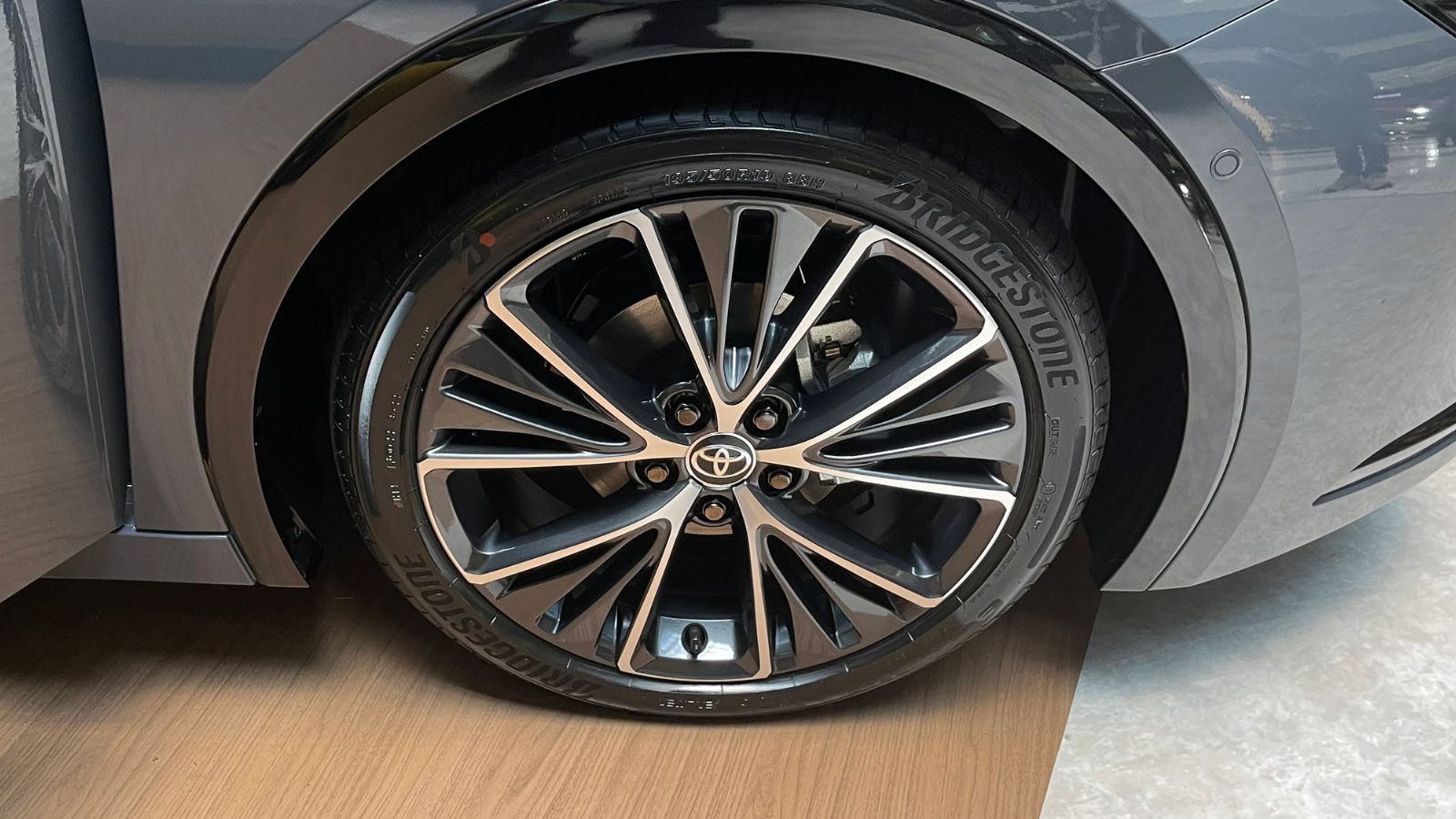
A winter tire continues aging even when it is nowhere near a road. Months spent beside a sunny garage window, next to a furnace, or near equipment that produces ozone can expose rubber to conditions tire makers recommend avoiding. Transport Canada advises storing seasonal tires indoors away from sunlight, strong artificial light, heat, ozone sources such as electric motors, and hydrocarbons. Michelin similarly recommends a cool, dark, dry and clean location.
Storage also provides an opportunity for basic maintenance. Tires can be cleaned and dried, inspected for damage and marked according to their former wheel positions so that the correct rotation can be planned at the next installation. Michelin advises keeping tires away from substances such as gasoline, grease, oils and solvents that can attack rubber. This may sound overly cautious for a product built to survive potholes and freezing roads, but winter performance depends on the condition of specialized rubber compounds. Six months of poor storage every year can undermine the care taken during the six months the tires are actually being driven.
Overloading the Vehicle
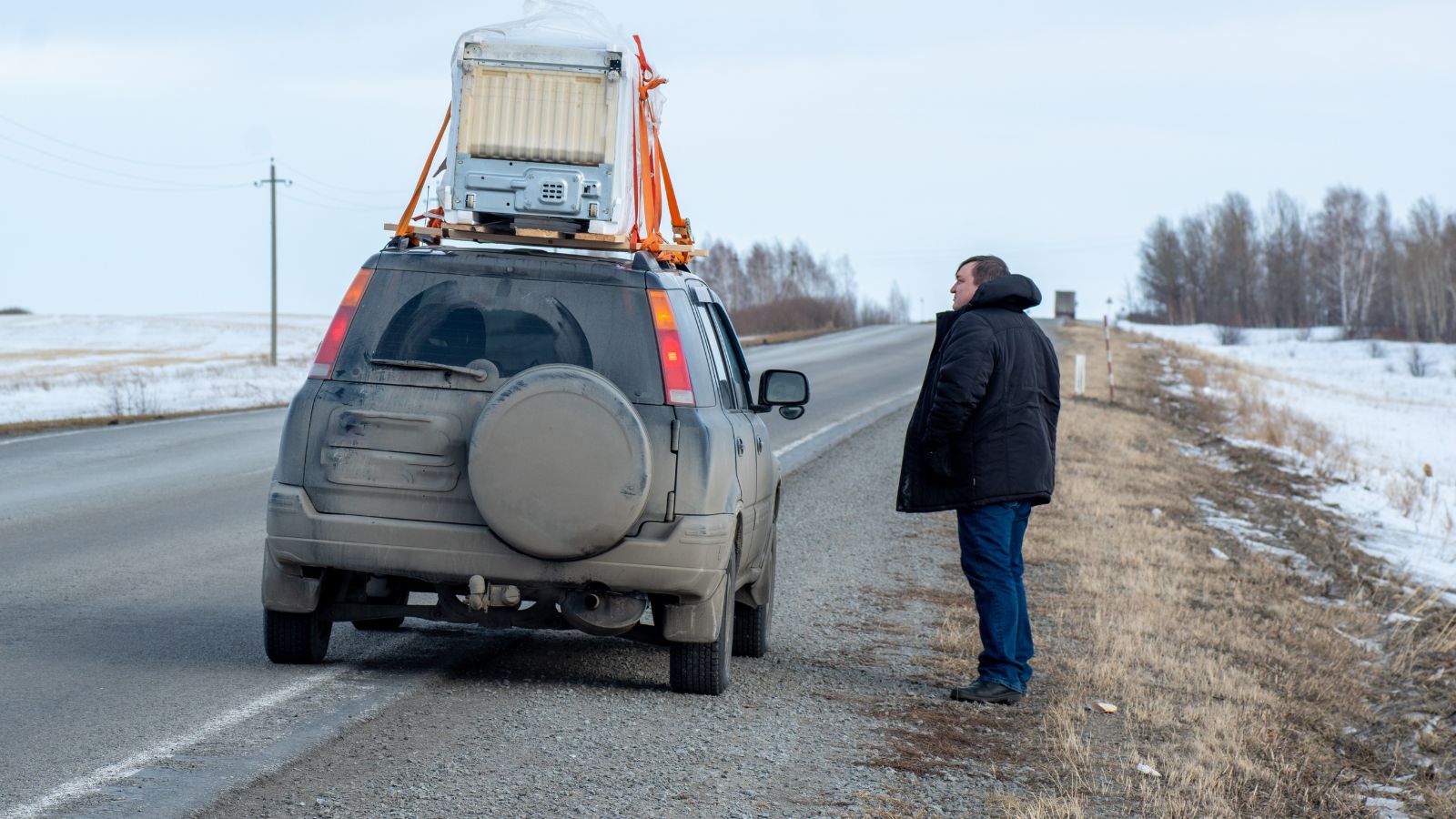
Winter trips can put unusually heavy loads into a vehicle. Holiday luggage, passengers, sports equipment, roof boxes and towing loads can accumulate quickly. Every tire has a finite load-carrying capacity, and the vehicle itself has specified loading limits. Transport Canada advises drivers not to overload their vehicles and points to the tire information label for the recommended maximum load.
Excess weight does more than make the engine work harder. Tires depend on inflation pressure to support vehicle load, and excessive weight increases stresses in the tire. NHTSA-hosted tire safety guidance warns that overloading can produce excessive heat buildup and internal structural damage. In winter, there is an additional practical consideration: greater vehicle mass does not create proportionally greater tire grip. The tires still have to manage accelerating, cornering and stopping forces through a limited contact area on potentially slippery pavement. A heavily loaded SUV on premium winter tires can therefore require much more restraint than its rugged appearance suggests. Staying within the vehicle’s published limits protects both the tires and overall handling.
Driving Too Fast for Winter Conditions
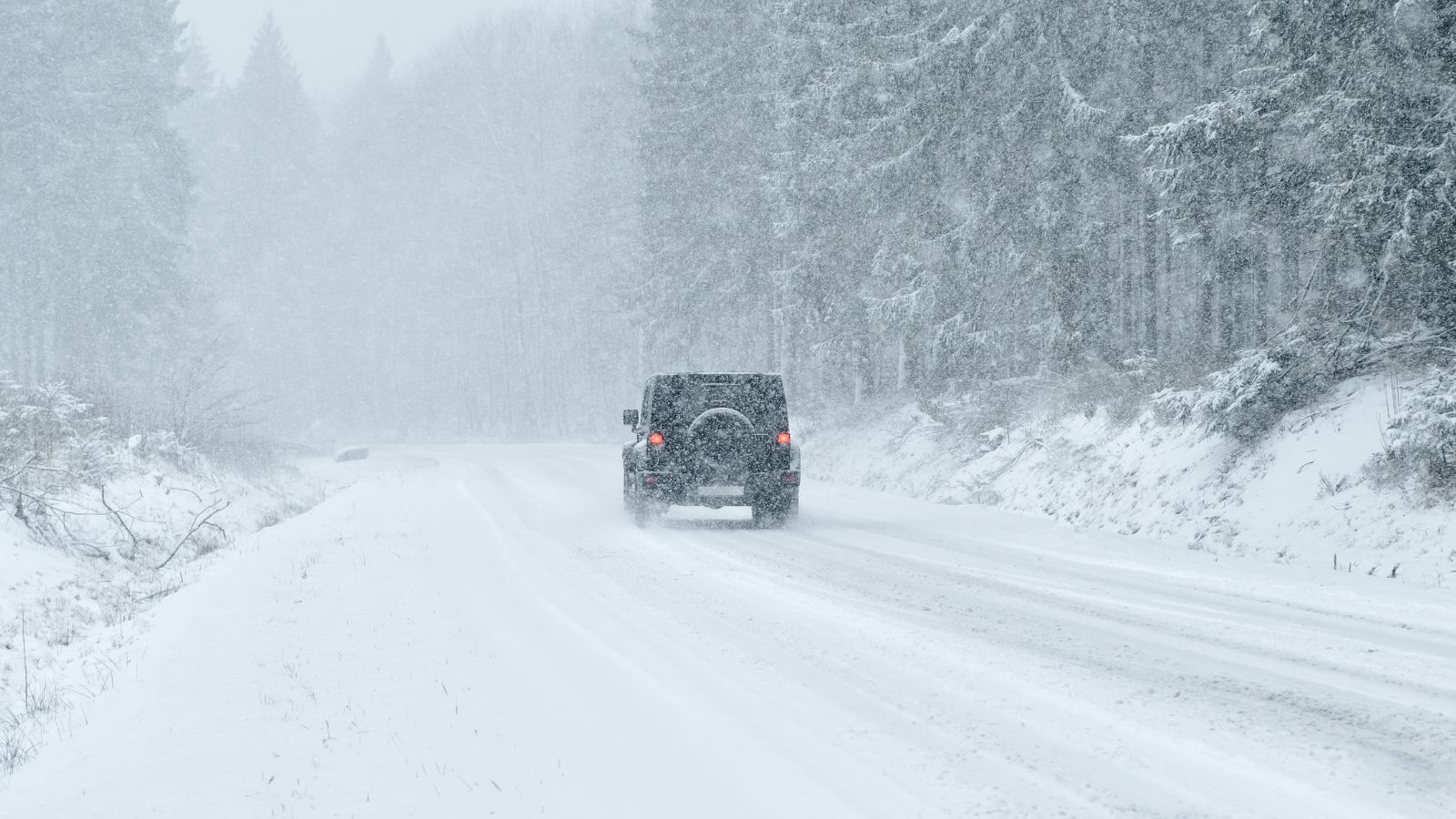
Winter tires increase available grip; they do not repeal the physics of snow and ice. The same tire that feels reassuring at one speed can be unable to generate enough braking or cornering force at another. Transport Canada tells motorists to match speed to road and weather conditions and notes that slippery roads require greater stopping distances. That advice remains relevant even when a vehicle has high-quality winter rubber, anti-lock brakes and electronic stability control.
Speed also reduces the margin available when conditions change unexpectedly. A clear-looking bridge may be icy, blowing snow can cover part of a lane, or slush can accumulate between tire tracks. The driver then asks the tires to change direction or reduce speed rapidly while they are already using much of their available traction. Winter tires can substantially improve the situation compared with unsuitable rubber, but their capability is finite. Treating them as permission to maintain dry-road speeds can effectively erase much of the safety margin the tires were purchased to create.
Using Abrupt Throttle, Braking and Steering Inputs
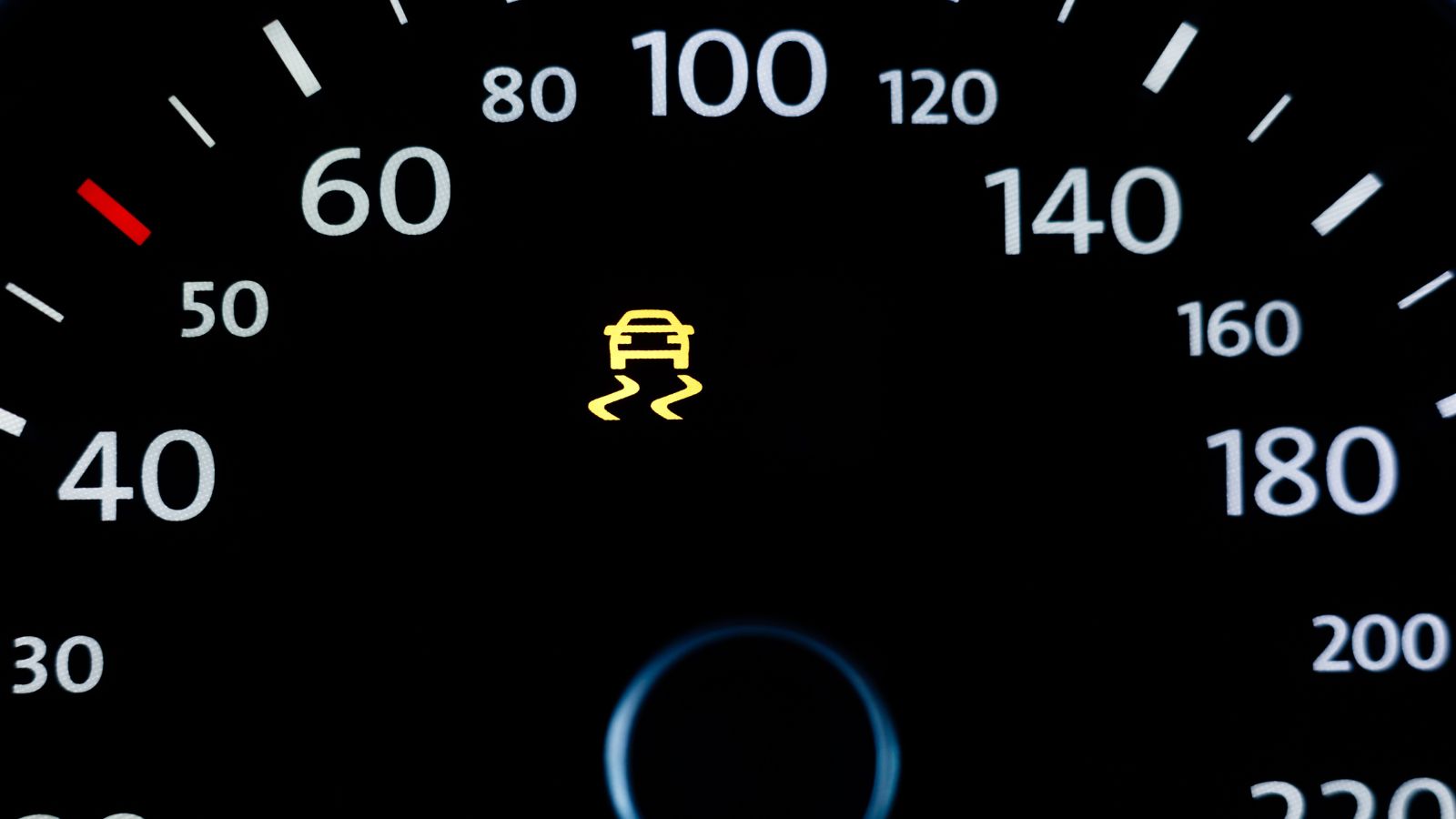
Traction on a slippery road is a limited resource shared among acceleration, braking and cornering. A driver who abruptly floors the accelerator, hits the brakes or jerks the steering wheel can demand more grip than even an excellent winter tire can provide at that moment. Transport Canada advises avoiding forceful braking and sudden steering movements in poor conditions, while its traction-control guidance notes that excessive throttle can cause wheelspin on slippery surfaces.
Wheelspin is particularly deceptive in powerful vehicles. All-wheel drive and modern traction-control systems can make acceleration feel impressively secure, encouraging a driver to assume there is equally abundant grip for the next corner or stop. Electronics can reduce wheelspin, but they cannot manufacture friction that does not exist. Smooth inputs allow the tires to make better use of the traction that is available and reduce abrupt transfers of vehicle weight. Winter tires work best as part of a complete winter-driving strategy, not as a substitute for adjusting driving behaviour to snow, slush and ice.
Confusing M+S Tires With Certified Winter Tires
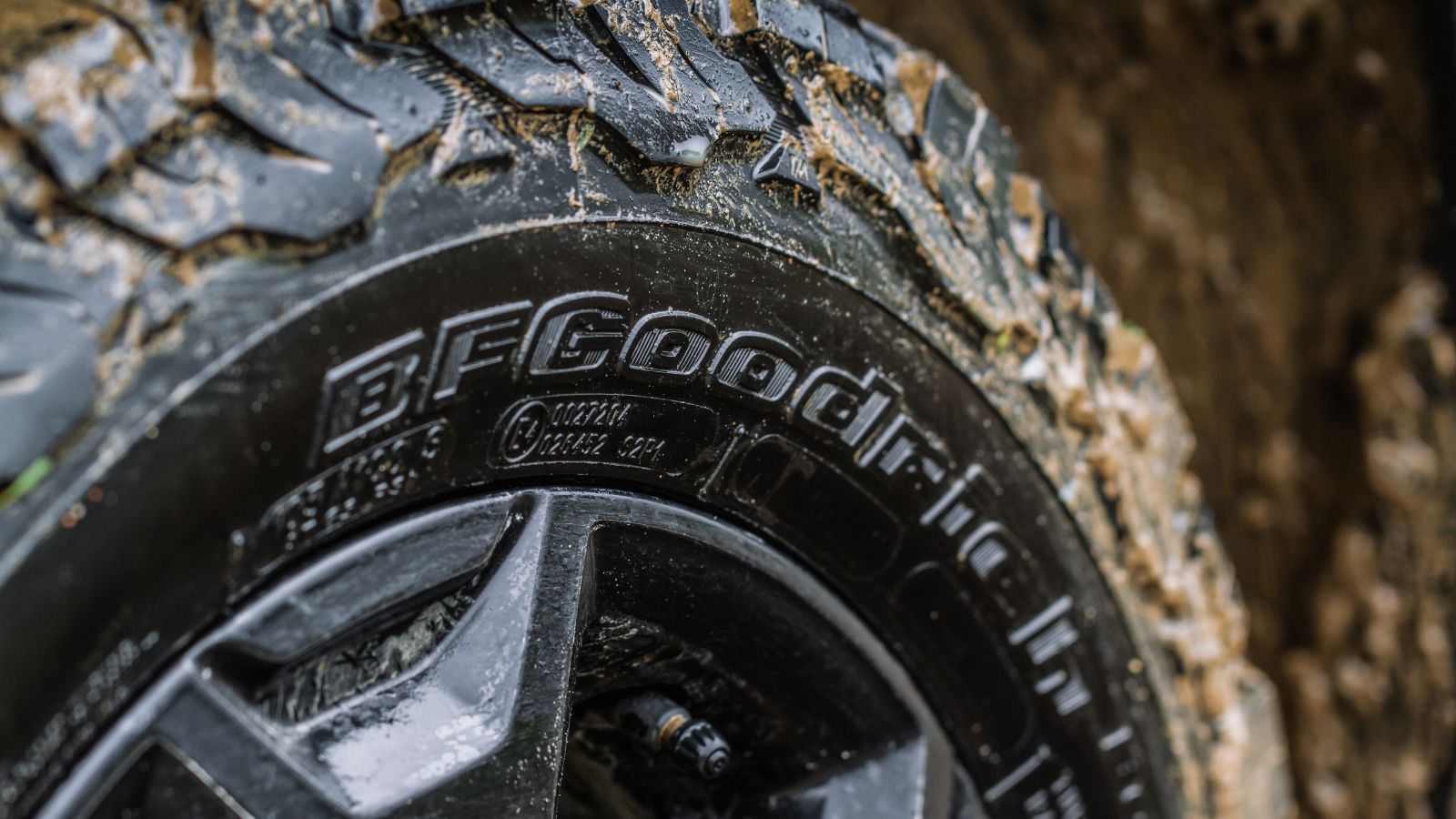
The letters M+S, meaning mud and snow, appear on many all-season tires and can look reassuringly winter-specific. They should not automatically be treated as equivalent to a dedicated winter tire carrying the Three-Peak Mountain Snowflake symbol. Transport Canada tells shoppers to look for the mountain-and-snowflake symbol because tires displaying it are associated with specific snow-traction performance requirements and are designed for severe snow conditions.
The Tire and Rubber Association of Canada explains that tires displaying the 3PMSF symbol undergo a standardized snow-traction test, while ordinary all-season designs marked M+S do not provide the same winter performance. The distinction is especially important when buying used tires or an unfamiliar inexpensive brand, where the sidewall markings may be the fastest way to establish what kind of product is actually being offered. Provincial legal definitions can vary, so an M+S tire may satisfy particular regional requirements in some circumstances. Meeting a legal definition, however, should not be confused with having the performance characteristics of a dedicated certified winter tire.
19 Used Cars Canadians Should Avoid in 2026 (Based on Owner Complaints)

Buying a used car in Canada can feel safe until repair bills start stacking up. Owner complaints tell a different story than glossy listings. Transmission failures, electrical problems, and weak winter reliability show up again and again in consumer reports. Many of these issues appear after warranties expire, when owners least expect them. Some vehicles look affordable upfront, but become expensive to keep on the road. Others struggle in cold weather, urban driving, or long highway commutes. Here are 19 used cars Canadians should avoid in 2026 (based on owner complaints).
19 Used Cars Canadians Should Avoid in 2026 (Based on Owner Complaints)

Alanna Rosen is an experienced content writer that focuses on many EV and educational content. Her articles are regularly published on Get CyberTrucked and syndicated on large publications.