A new vehicle’s warranty can make the first few years of ownership feel unusually predictable. Then age and mileage begin accumulating, rubber hardens, seals lose elasticity, lubricants become contaminated, and mechanical parts complete millions of operating cycles. Manufacturer warranties vary considerably and generally cover specified defects for a defined period or mileage rather than guaranteeing that every component will remain trouble-free afterward.
That distinction matters. A warranty expiration does not cause a failure, and plenty of vehicles travel far beyond their original coverage with few major repairs. Still, certain age-related problems become increasingly plausible as vehicles move deeper into their service lives. These 17 vehicle problems illustrate the kinds of issues that can begin appearing once the comparatively protected early ownership period is over.
The 12-Volt Battery Finally Gives Up
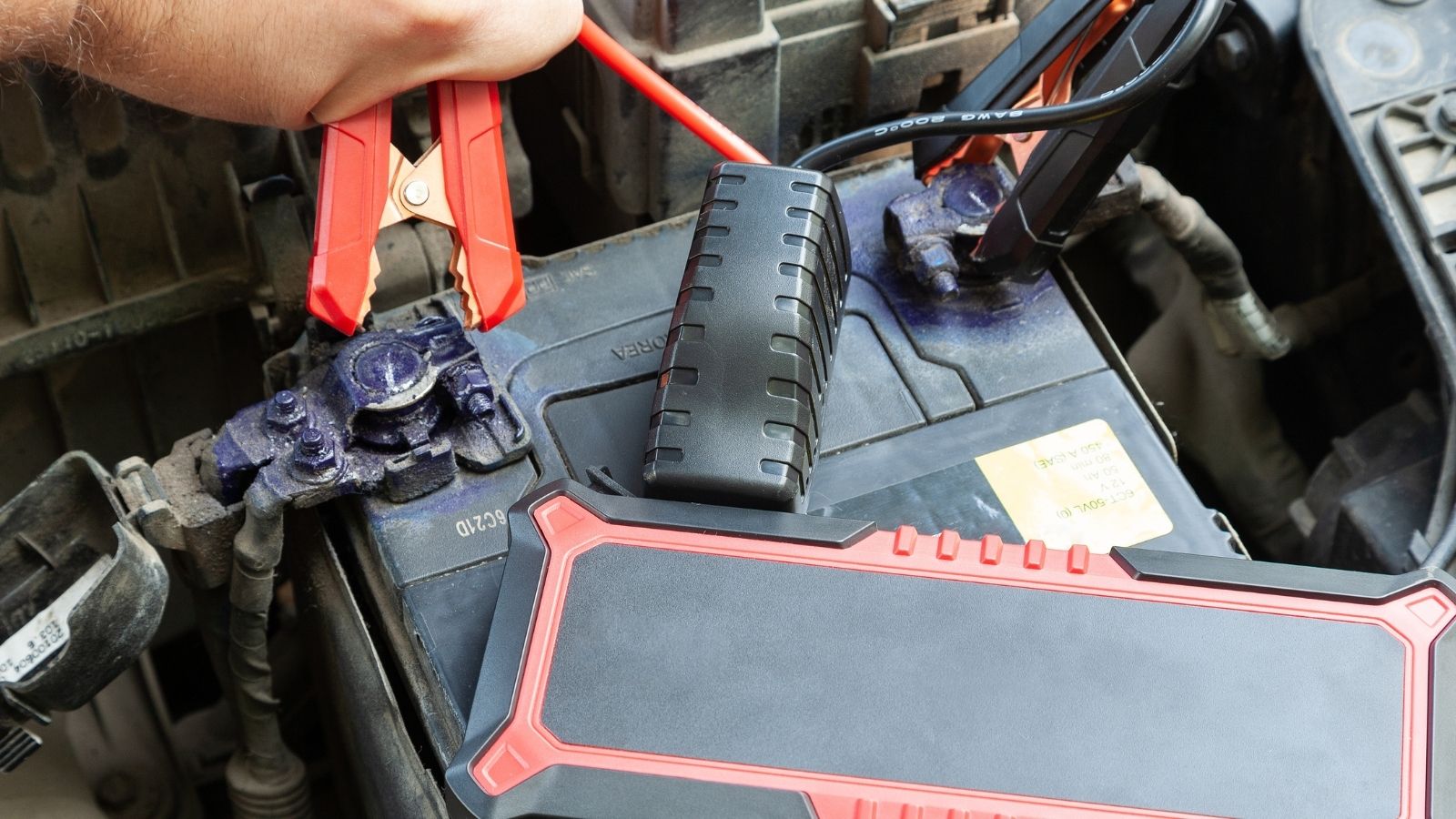
Few failures fit the post-warranty stereotype as neatly as a conventional 12-volt battery. AAA says automotive batteries commonly last roughly three to five years, although climate and operating conditions make a substantial difference. Heat accelerates chemical deterioration, which is why batteries can have shorter lives in consistently hot regions. A battery that still starts the engine normally at three years old may therefore become noticeably weaker over the next year or two.
The first warning can be surprisingly subtle. Cranking may sound slower on a cold morning, interior lights may briefly dim, or the vehicle may suddenly need a jump after sitting overnight. Modern cars also depend on stable voltage for numerous electronic systems, so a weak battery can sometimes produce warning messages that seem unrelated to the battery itself. Because battery age often overlaps with the period when many basic new-vehicle warranties have already expired, the timing can feel suspicious even though ordinary chemical aging is usually the simpler explanation.
Alternator Trouble Starts Affecting Everything Electrical
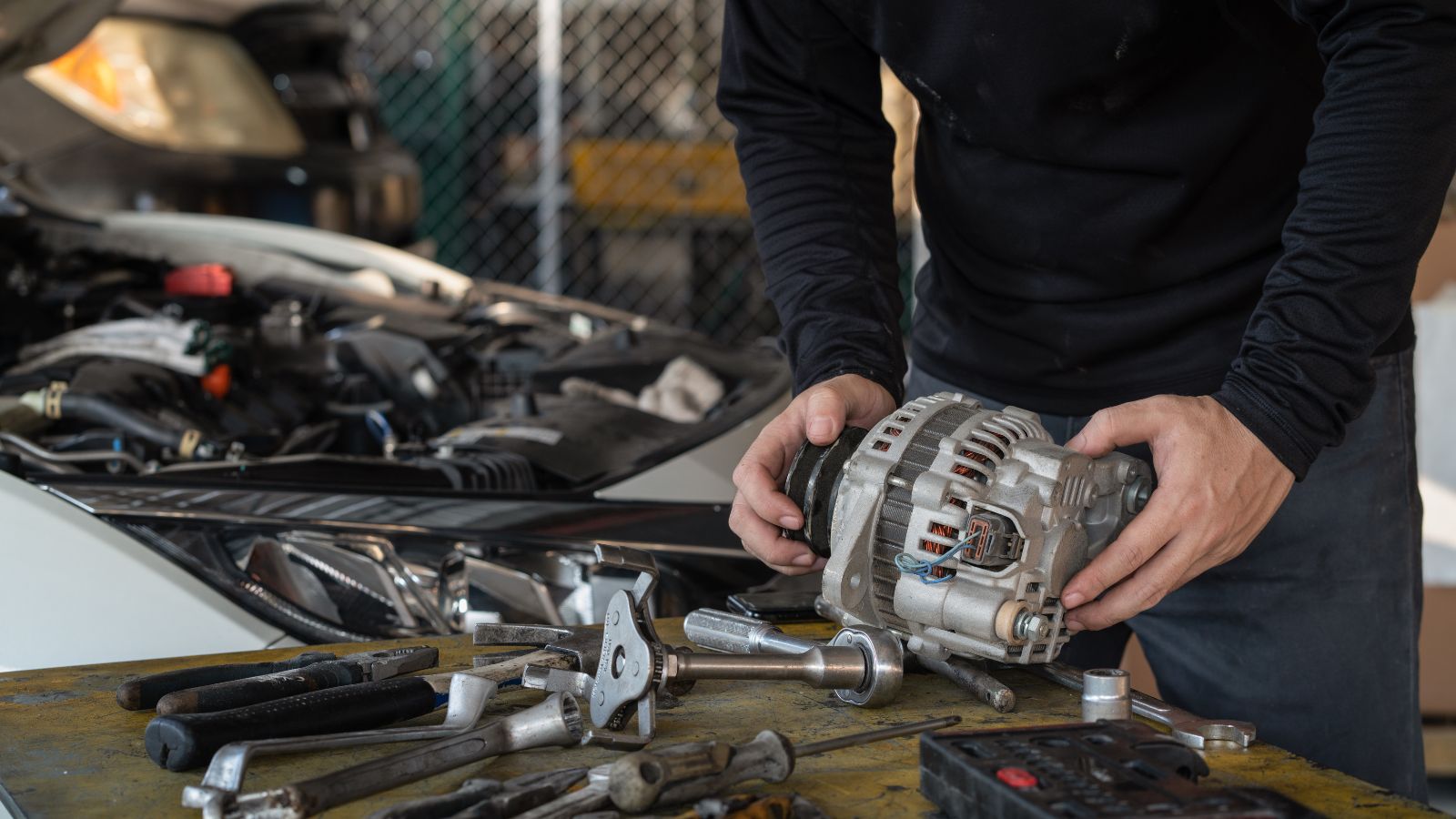
The alternator spends its life generating electricity while the engine runs and replenishing the energy taken from the battery during starting. As bearings, internal electrical components, pulleys, and charging-system hardware age, problems can begin showing up as an older vehicle accumulates miles. AAA notes that dim or unusually bright lights, charging-system warnings, electrical irregularities, and repeated battery problems can all point toward alternator trouble.
This is also why an alternator problem is sometimes mistaken for a worn-out battery. A driver might replace the battery after the vehicle refuses to start, only to discover days later that the replacement is losing its charge too. In that situation, the battery may simply be the victim of a charging system that is no longer doing its job properly. Unusual pulley or bearing noises can provide another clue. Diagnosis matters because repeatedly installing batteries without testing charging voltage and alternator output can turn one repair into an expensive process of elimination.
The Starter Motor Becomes Less Dependable
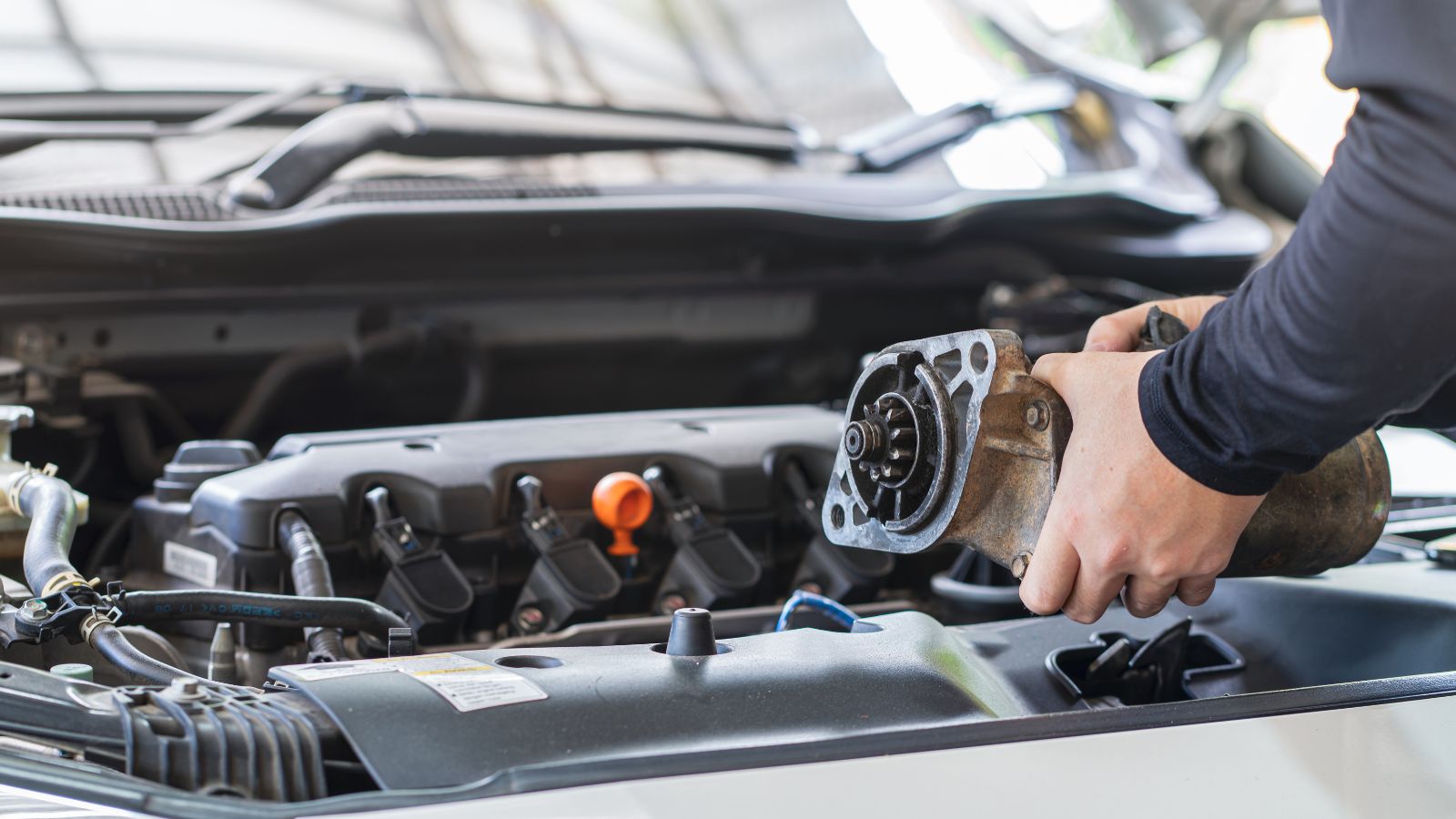
Starter motors can operate thousands of times without attracting attention. Every trip, however, requires the starter to engage the engine and turn it fast enough for combustion to begin. Internal electrical contacts, bearings, gears, and the motor itself can eventually wear. AAA notes that starters may fail either gradually or suddenly, which explains why an aging car can start perfectly one day and respond with little more than a click the next morning.
Gradual failures often provide clues. The engine may crank more slowly or inconsistently even though the battery tests well. At other times, turning the key or pressing the start button produces a clicking sound without normal cranking. Because weak batteries, poor connections, alternator faults, and starter problems can create overlapping symptoms, professional testing is preferable to replacing whichever component seems most obvious. The frustrating part for owners is timing: a starter can remain completely dependable throughout the early years and reveal its accumulated wear only after the vehicle has moved well beyond its original coverage.
The Water Pump Begins Leaking or Wearing Out
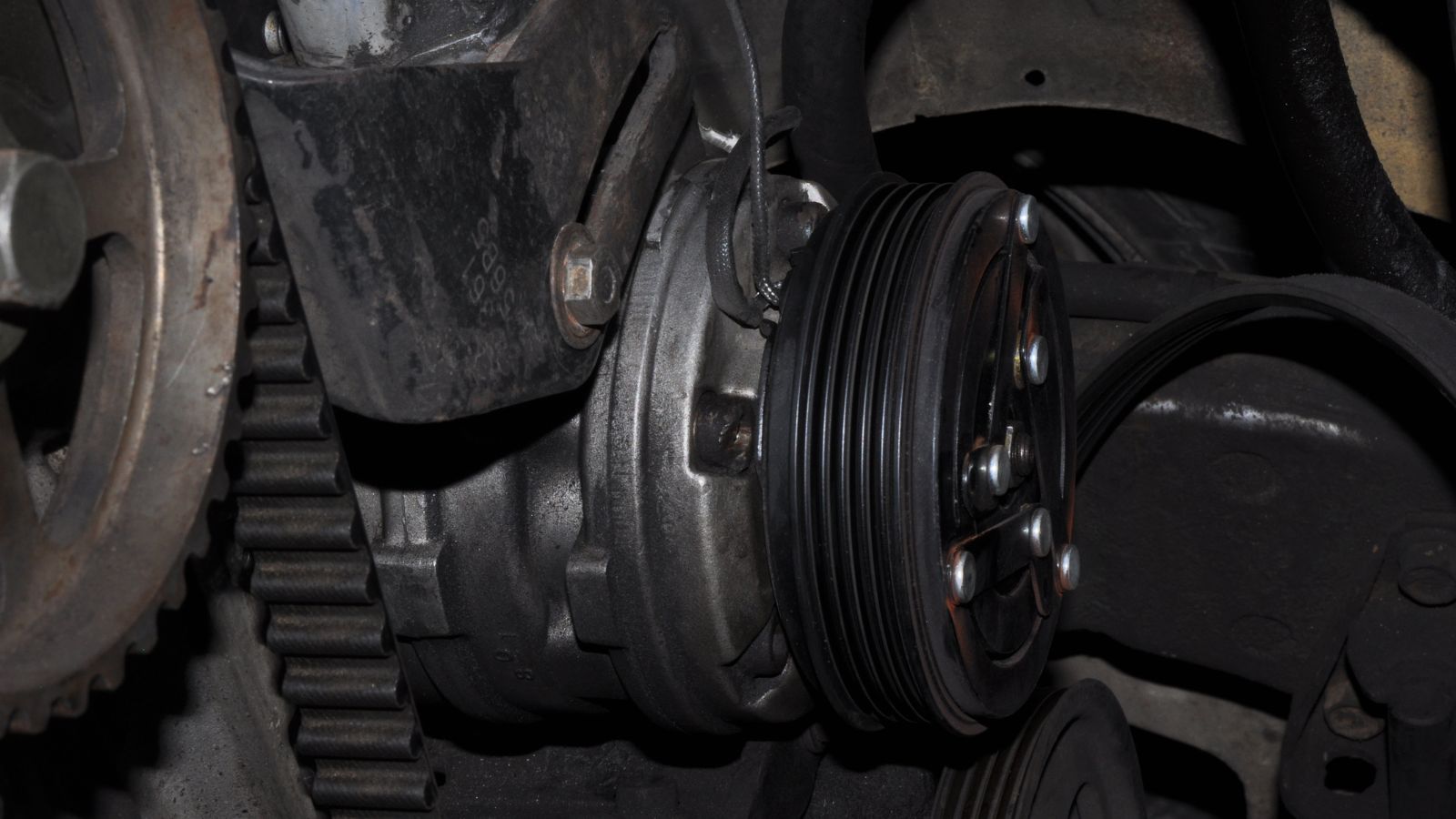
A water pump performs an enormous amount of work while circulating coolant through an operating engine. Gates estimates that a typical pump can move about 1.7 million litres of coolant over roughly four years or 100,000 kilometres. Mechanical seals and bearings consequently experience continuous heat, pressure, and motion. As those components deteriorate, coolant seepage, bearing noise, and eventually overheating can result.
One classic warning is coolant appearing around the pump’s weep hole. Gates explains that persistent dripping or a significant coolant trail from that location can indicate impending pump failure. Contaminated or degraded coolant can also damage seals and shorten component life. The consequence can be much more serious than the cost of the pump itself: inadequate coolant circulation can allow engine temperatures to rise dangerously. On engines where the water pump is driven by a timing belt, mechanics may recommend replacing related components together because reaching the pump can require substantial labour. What starts as a minor leak can therefore become a repair worth addressing quickly.
Thermostats and Coolant Hoses Show Their Age
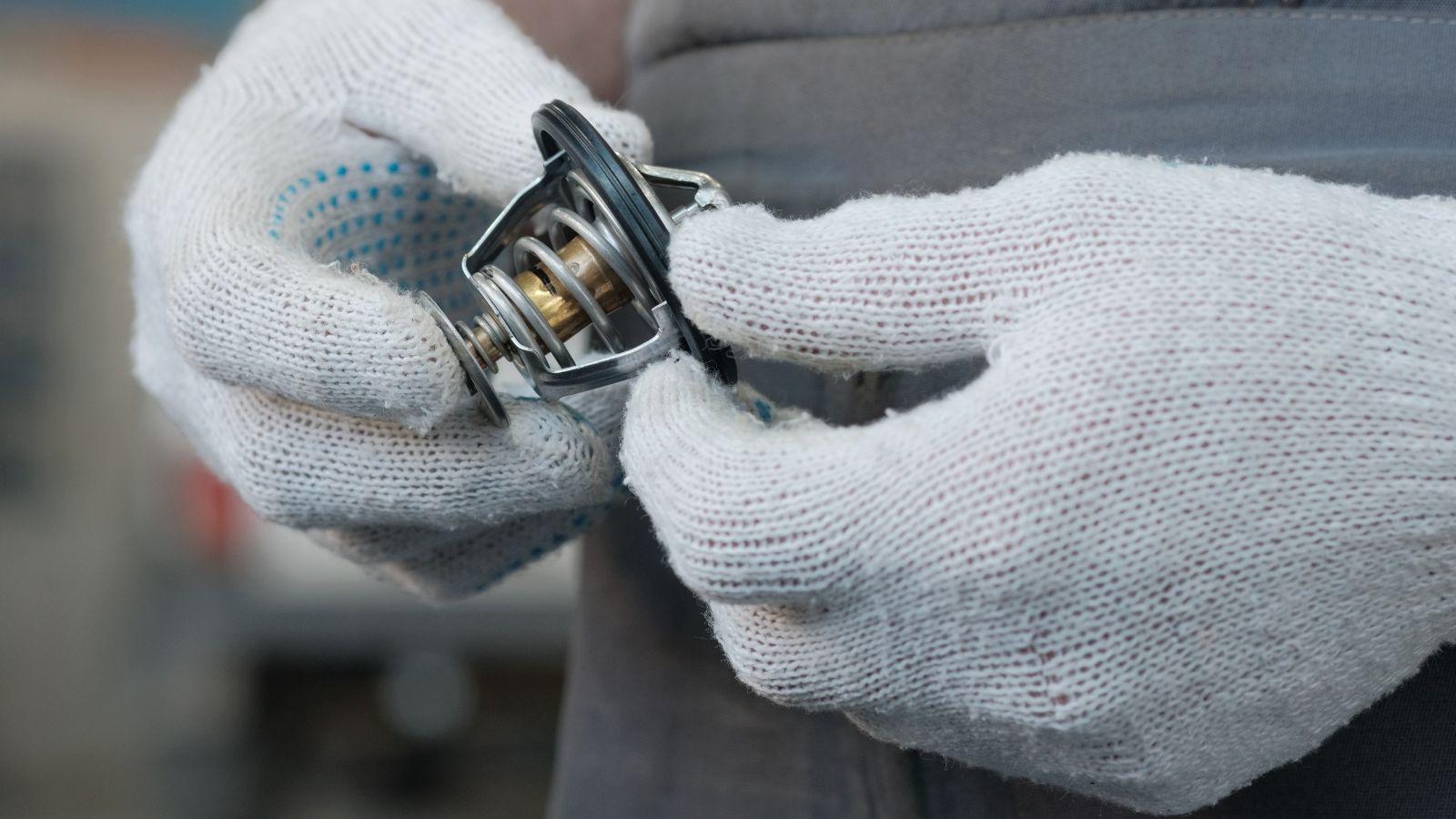
Cooling systems contain several relatively inexpensive components capable of causing disproportionately expensive trouble. Gates says thermostat failures are commonly related to age and mileage. A thermostat stuck open can prevent the engine from reaching its intended operating temperature efficiently, while one stuck closed can restrict coolant circulation and cause overheating. Older hoses create another vulnerability because heat, pressure fluctuations, chemical exposure, and internal deterioration gradually affect rubber.
The symptoms are not always dramatic at first. Cabin heat may become inconsistent, the temperature gauge may behave differently, or a small amount of coolant may disappear between inspections. A hose can appear acceptable externally while deteriorating internally, and Gates identifies electrochemical degradation as an important cause of coolant-hose failure. This makes periodic inspection more valuable than simply waiting for a puddle. Once the vehicle has accumulated years of heating and cooling cycles, thermostats, seals, connections, and hoses deserve more attention—especially before long trips, heavy towing, or hot-weather driving where a marginal cooling system has less room for error.
Air Conditioning Starts Losing Its Cool

Air conditioning can seem almost maintenance-free during a vehicle’s younger years. Eventually, however, seals, hoses, condensers, electrical controls, and compressors have accumulated thousands of thermal and pressure cycles. AAA identifies warm air from the vents as an obvious indication that an automotive A/C system needs attention and notes that low refrigerant can be one possible cause. Leaks may develop at several points in the system, and simply adding refrigerant without identifying the leak does not address the underlying problem.
Compressor problems can be more expensive. The compressor circulates refrigerant and lubricant through the system, making it central to cabin cooling. Unusual noises, reduced cooling, leakage, or a clutch-related problem may indicate that the compressor or its supporting hardware needs diagnosis. Consider the owner who notices that the air is merely “not quite as cold” one summer and ignores it until the next heat wave. By then, a minor loss of performance may have developed into a complete loss of cooling. Age-related A/C deterioration rarely respects the calendar date printed on a warranty booklet.
Shocks and Struts Gradually Lose Their Control
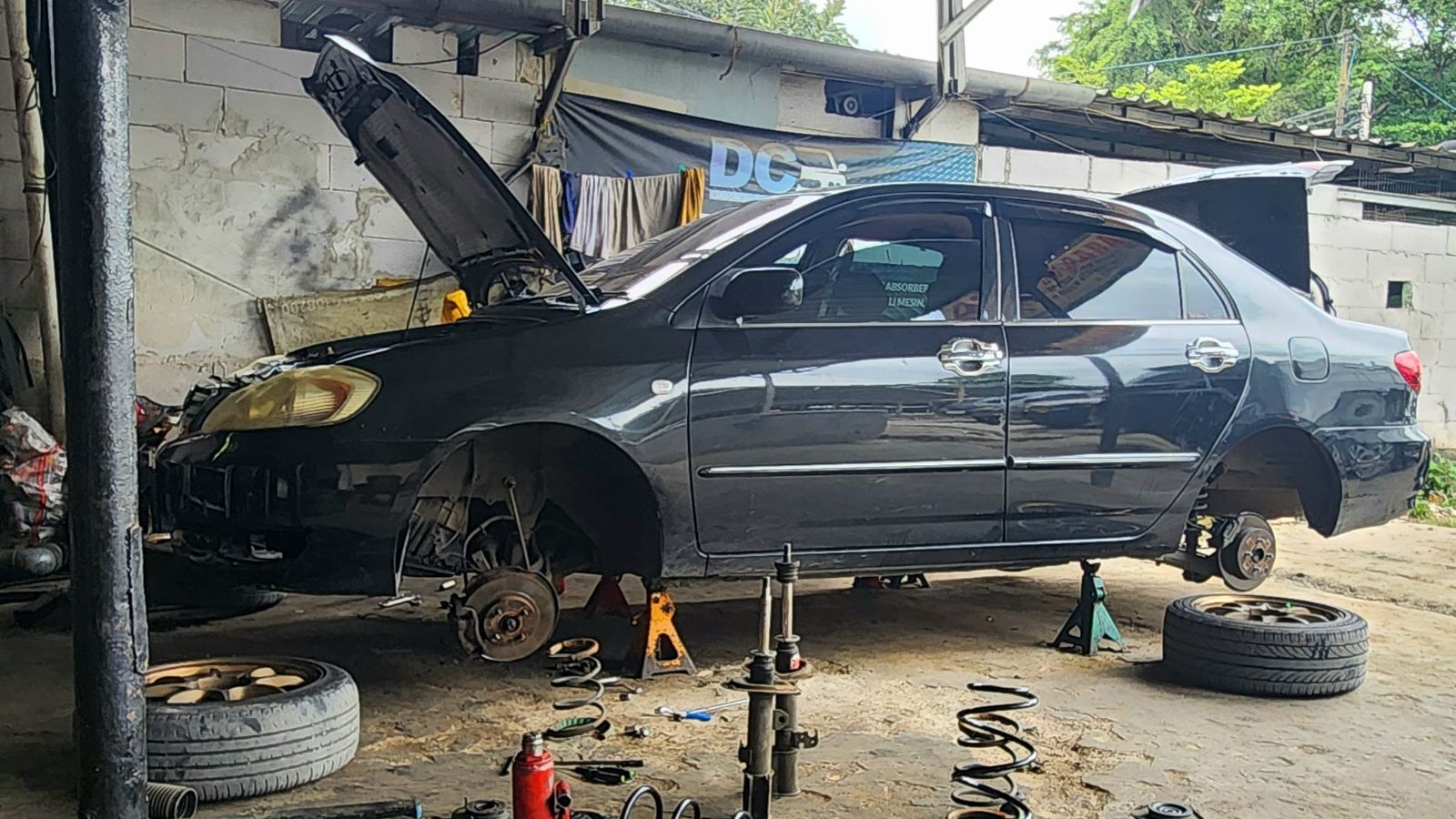
Suspension wear rarely arrives with the drama of a dead battery. Shocks and struts usually deteriorate progressively, so drivers can unknowingly adapt to a vehicle that rides and handles differently from when it was new. Monroe recommends inspection as mileage accumulates and identifies excessive bouncing, nose-diving under braking, body movement in corners, unusual noises, fluid leakage, and uneven tire wear among the signs of worn dampers.
That gradual change is precisely what makes suspension deterioration easy to overlook after several years of ownership. A bump that once produced one controlled suspension movement may begin causing repeated bouncing. Highway crosswinds may seem more noticeable, or the front end may dive more sharply during braking. Rough roads and potholes can accelerate wear, while driving conditions mean there is no universal replacement mileage that applies to every vehicle. Because shocks and struts influence tire contact and vehicle stability, their condition matters for more than comfort. A car can still feel perfectly driveable while its once-tight suspension has quietly become much less controlled.
Wheel Bearings Begin to Hum and Growl
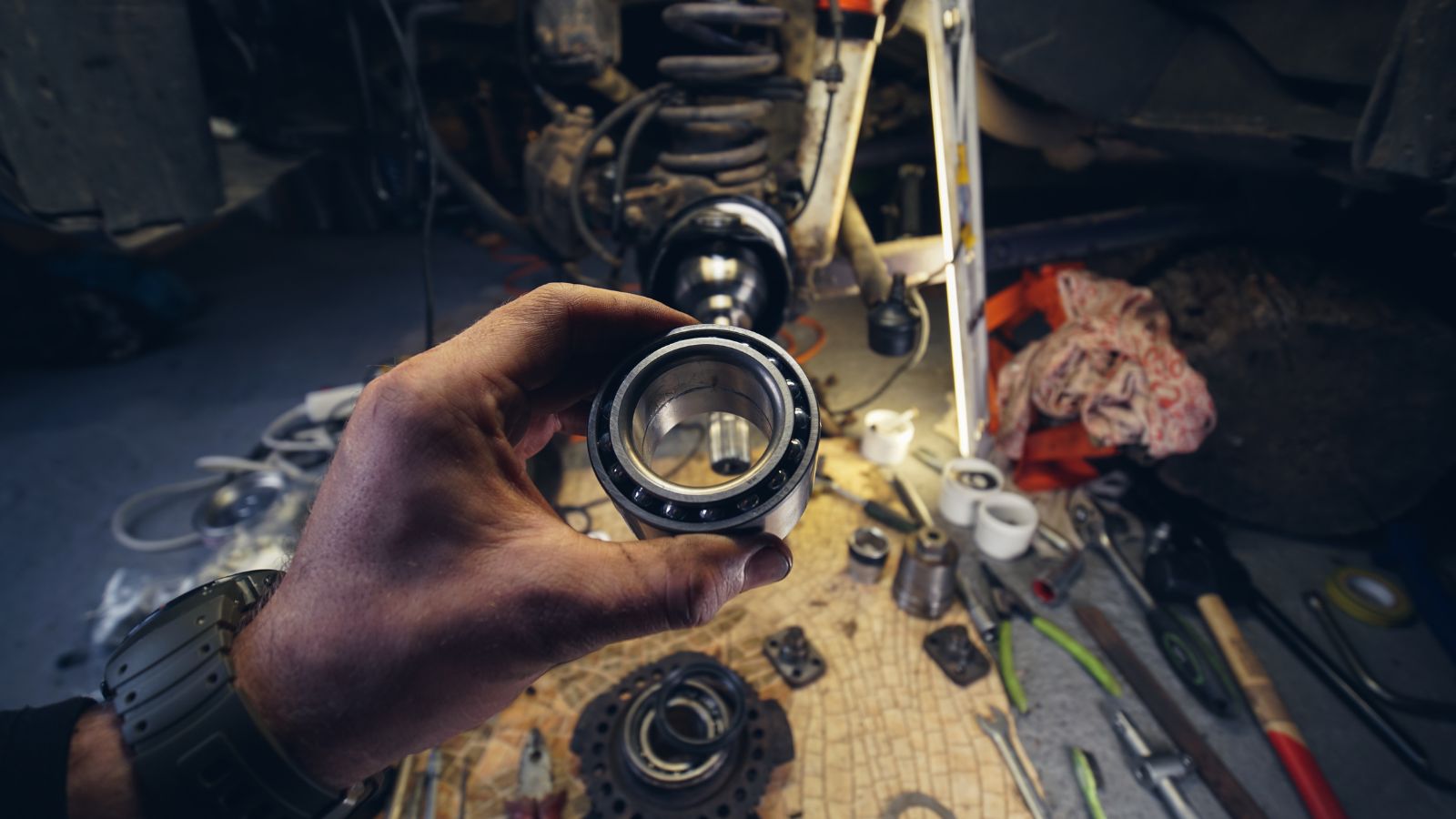
Wheel bearings endure vehicle weight, cornering loads, road impacts, heat, moisture, and constant rotation. With enough time or harsh use, wear can reveal itself through a distinctive humming, rumbling, growling, or grinding sound. MOOG notes that worn wheel or hub bearings can also contribute to poor handling and uneven tire wear, while the noise may change as the vehicle turns and load shifts between sides.
A common scenario begins with what sounds like louder-than-normal tire noise. The driver turns up the radio and continues driving because the vehicle otherwise feels normal. Weeks later, the hum becomes a pronounced growl that rises with road speed. Since tire problems and other rotating components can produce similar noises, diagnosis is important before parts are ordered. Potholes, harsh environmental conditions, corrosion, and wheel or suspension modifications can increase stresses on wheel-end components. Wheel-bearing trouble is therefore less about reaching one magic mileage and more about cumulative mechanical punishment finally becoming audible after years of otherwise uneventful operation.
CV Boots Crack and CV Joints Begin Clicking
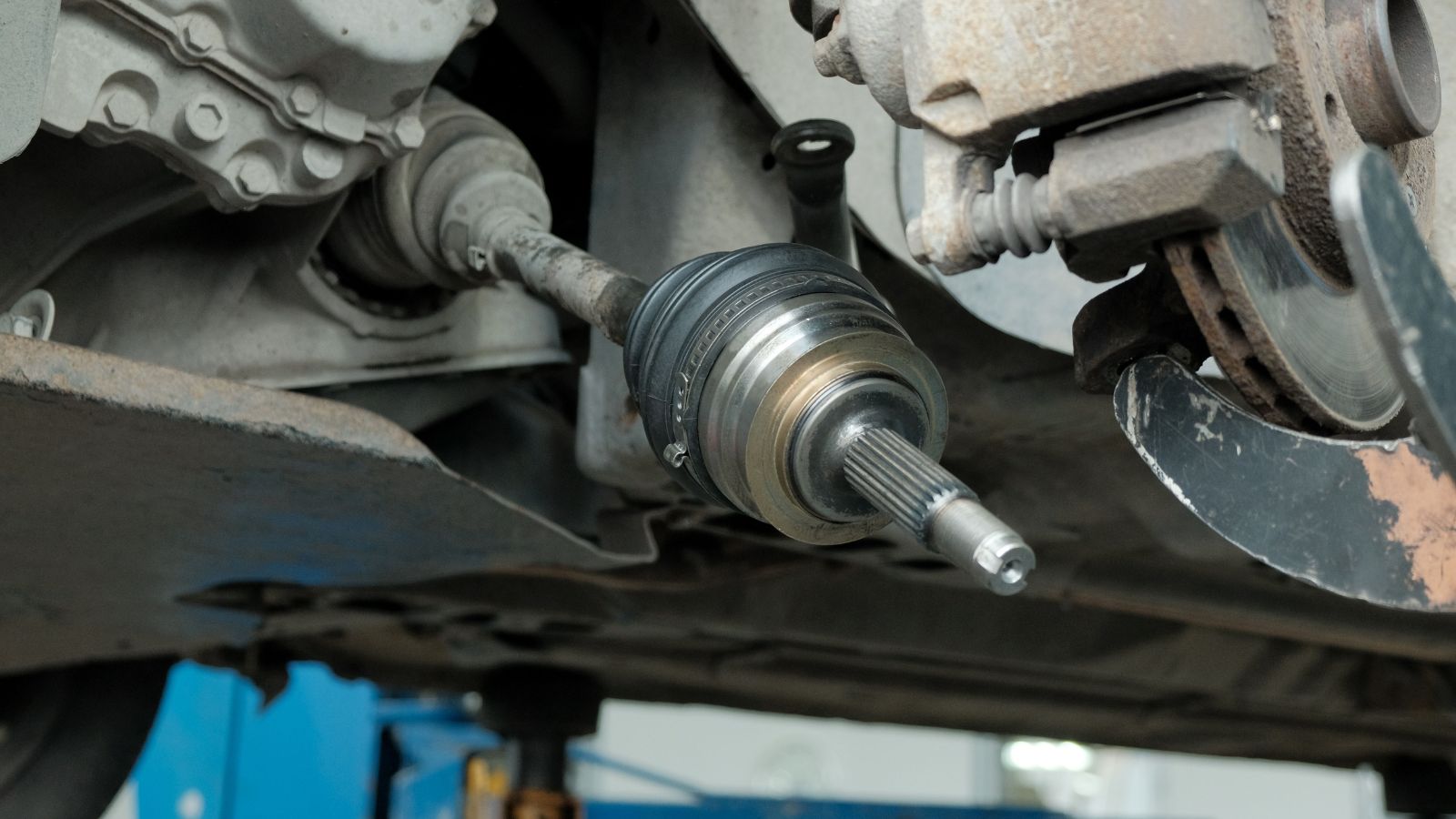
Constant-velocity joints allow driven wheels to receive power while steering and moving with the suspension. Their longevity depends heavily on the flexible boots surrounding them. Those boots retain lubricating grease while keeping water, grit, and road contamination away from the precision joint. Once a boot cracks or tears, grease can escape and contamination can enter, creating conditions that accelerate wear.
MOOG identifies grease around the inside of a wheel, clicking or popping during turns, clunking during acceleration or deceleration, and vibration as possible signs of CV-axle trouble. The recognizable parking-lot “click-click-click” during a tight turn often develops only after a damaged joint has already operated for some time. This is why discovering a cracked boot during routine maintenance can be far cheaper than waiting for noise. A boot is fundamentally a protective barrier; after years of flexing through heat, cold, steering movement, and suspension travel, deterioration should not be surprising. Catching it early may prevent the protected joint from becoming the expensive part of the repair.
Engine Mounts Stop Isolating Vibration
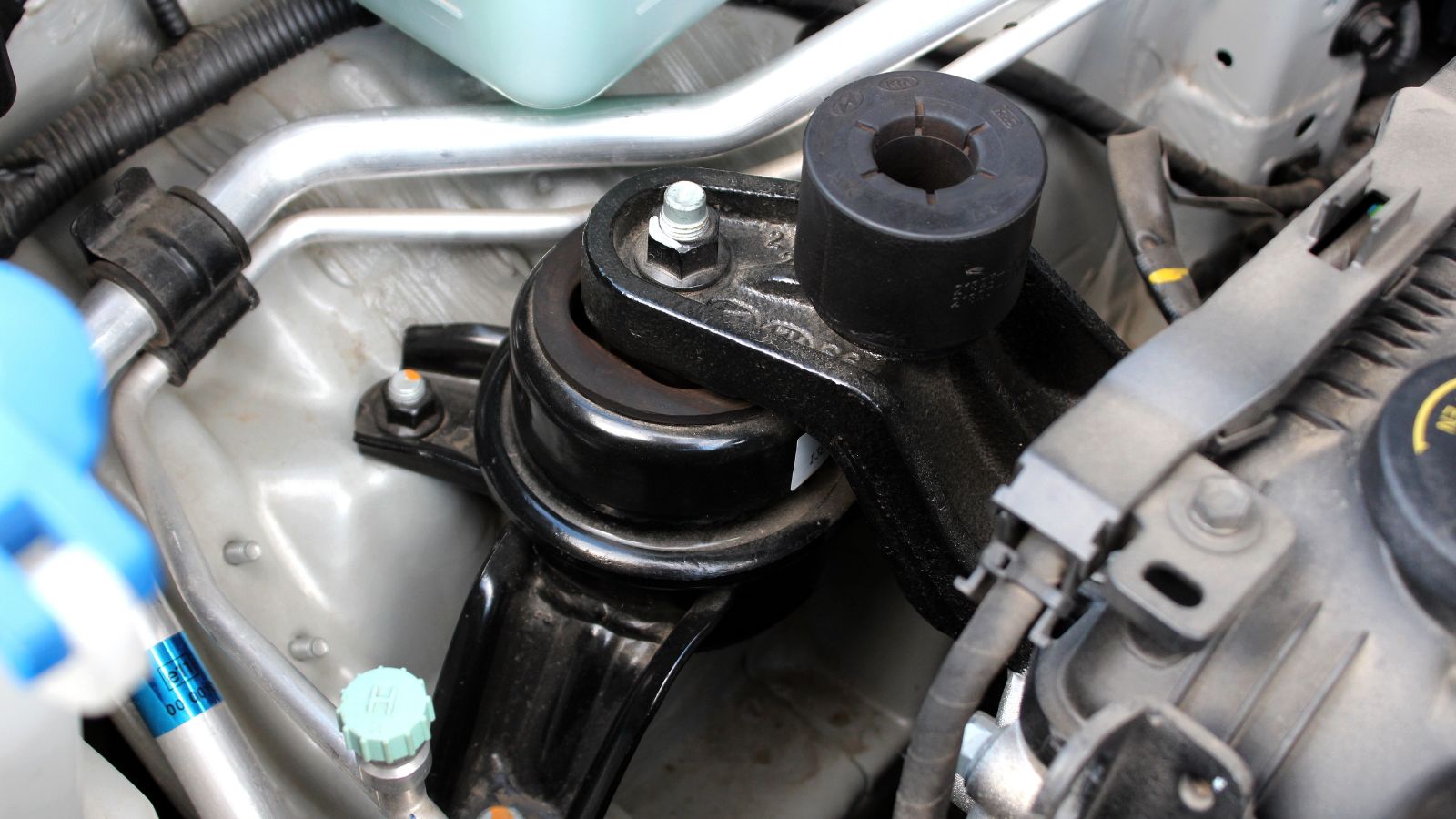
Engine mounts perform two jobs that are easy to appreciate only when they stop working: they hold the powertrain securely in position and isolate much of its vibration from the passenger compartment. Many mounts use rubber, while some designs incorporate hydraulic fluid. Firestone notes that rubber can harden, crack, or separate as it ages, while fluid-filled mounts can also deteriorate or leak.
The result may first feel like an engine problem even when the engine itself is running normally. More vibration can enter the cabin at idle, particularly when the transmission is placed in gear or the air conditioner is switched on. Clunks during acceleration or braking can appear if excessive powertrain movement develops. In severe cases, extra movement can place stress on surrounding hoses, exhaust components, driveline parts, and other hardware. Engine mounts sometimes last for an exceptionally long time, so they should not be replaced solely because a vehicle has reached a certain age. However, increasing vibration in an older car deserves diagnosis rather than being dismissed as normal aging.
Oxygen Sensors Become Slower or Fail
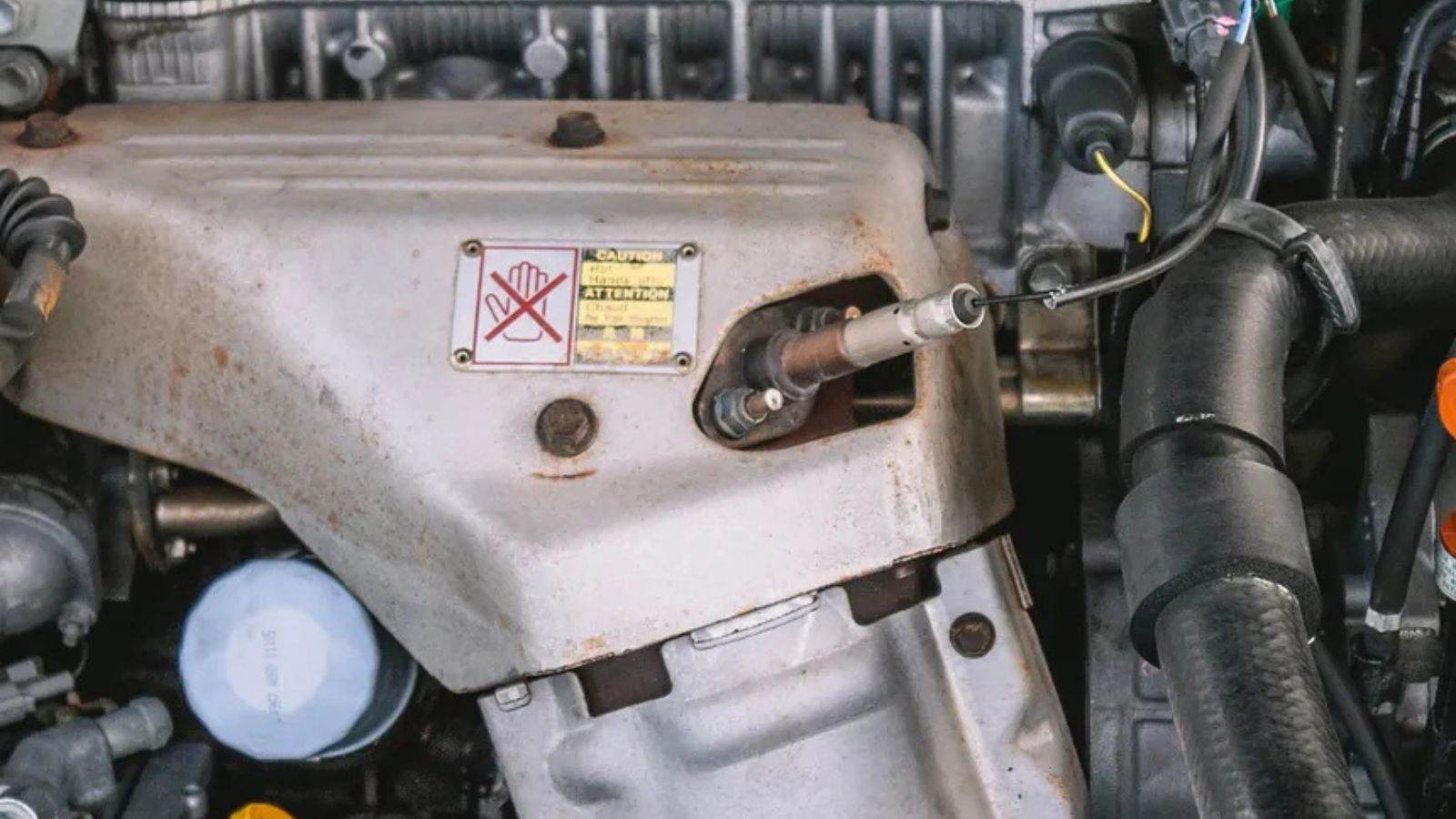
Oxygen sensors sit in an exceptionally hostile environment. They monitor exhaust oxygen so the engine-control system can manage fueling and emissions, while enduring high temperatures and exposure to combustion byproducts. Modern vehicles may use multiple sensors positioned before and after the catalytic converter. Cars.com notes that oxygen sensors generally do not have a universal scheduled replacement interval; they are typically replaced when diagnosis shows that one has failed.
The symptoms can be easy to confuse with other problems. A malfunctioning sensor may contribute to a check-engine light, poor running, increased fuel consumption, or emissions-related trouble, but diagnostic codes must be interpreted carefully because a sensor can sometimes be reporting a separate engine or exhaust fault rather than causing it. Contamination from oil, coolant, or combustion deposits can also affect sensor operation. This is a classic example of why aging vehicles increasingly benefit from proper scan-tool diagnosis. Swapping parts based solely on a warning light can become expensive when several components interact within the same emissions-control system.
Turbocharger and Boost-System Problems Surface
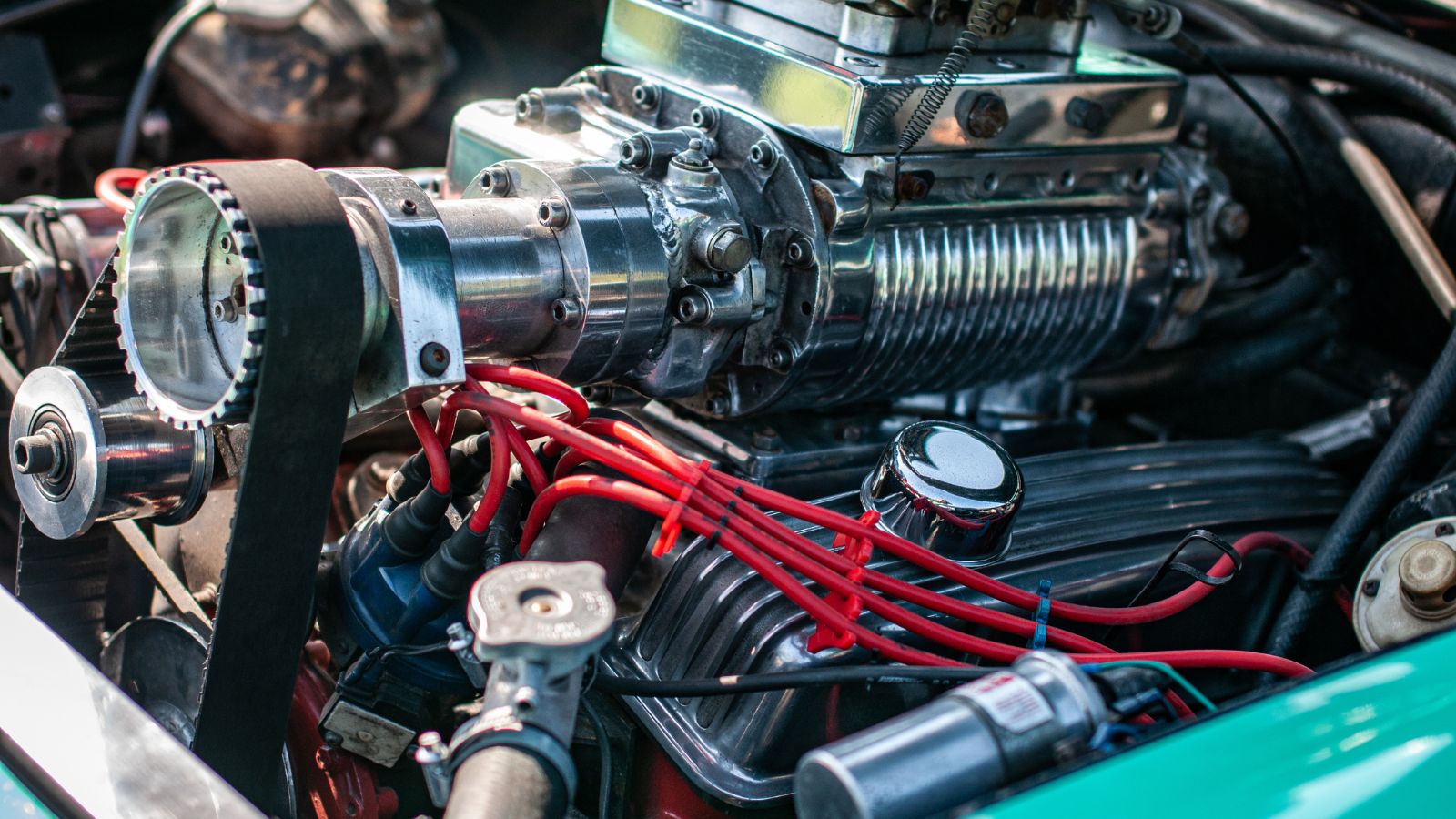
Turbochargers operate under conditions that make maintenance quality especially important. They spin at extremely high speeds while exposed to hot exhaust gases and relying on engine oil for lubrication and cooling. Garrett Motion says most turbo failures are associated with factors such as oil starvation, oil contamination, or foreign-object damage rather than manufacturing defects. That makes a vehicle’s service history increasingly relevant as mileage climbs.
Failure does not always mean the turbo suddenly disintegrates. Reduced boost, declining performance, unusual noises, smoke, oil consumption, or fault codes can appear first. Hoses, charge-air plumbing, actuators, and related controls can also create boost problems that imitate a failed turbocharger, so diagnosis should extend beyond the turbo itself. A high-mileage turbocharged engine that has received correct oil at appropriate intervals may remain healthy for years, while neglected lubrication can produce trouble considerably earlier. Once factory coverage is gone, seemingly minor oil-service decisions become especially important because a turbocharger repair can involve far more labour and expense than a conventional routine-maintenance item.
Direct-Injection Engines Develop Intake Deposits
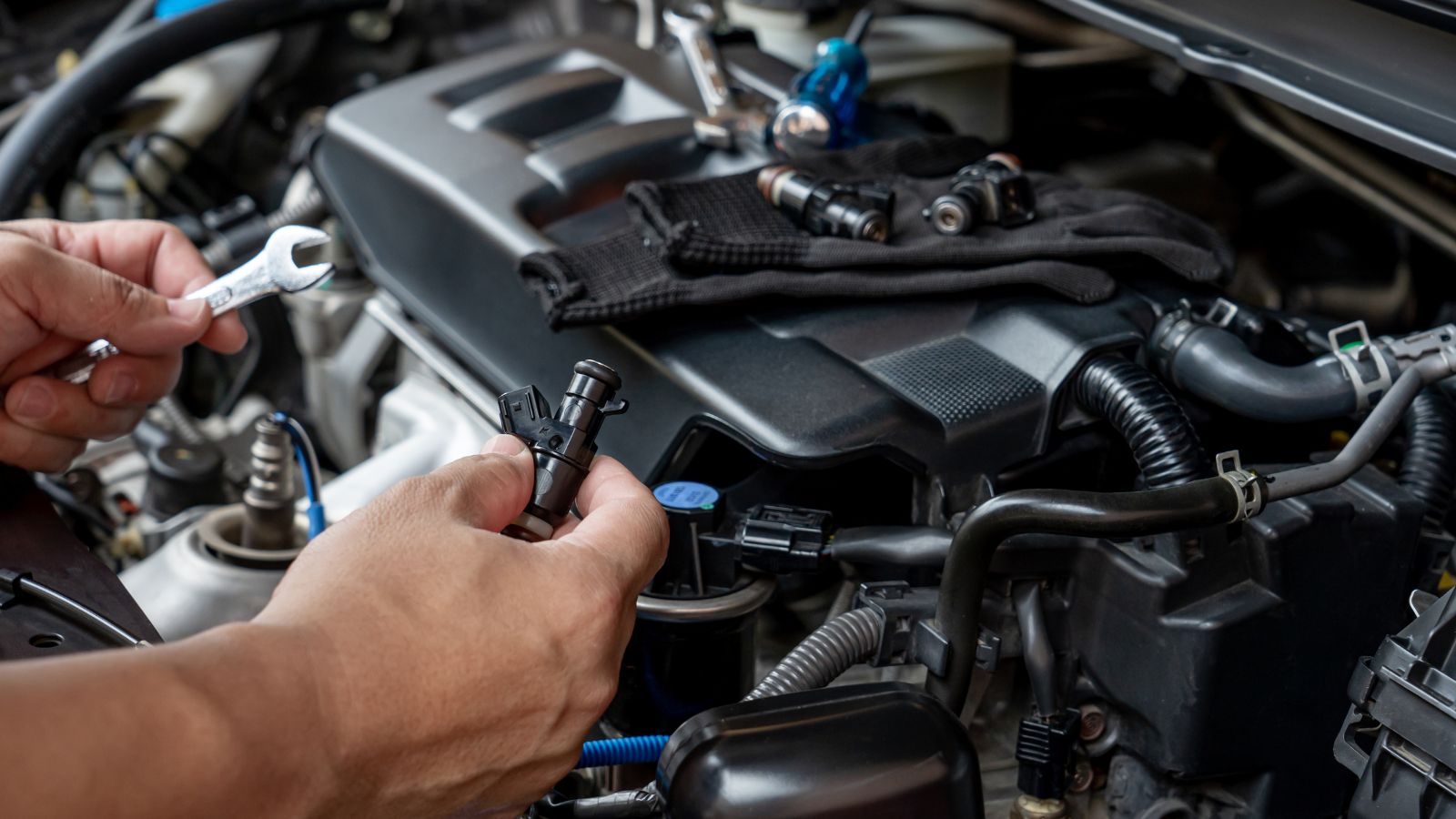
Gasoline direct injection helped automakers improve engine efficiency and performance, but its architecture changed how fuel reaches the engine. In a direct-injected engine, gasoline is sprayed directly into the combustion chamber instead of passing over the intake valves. That means the fuel does not provide the same valve-washing action found in conventional port-injected designs.
Research published through SAE has documented intake-valve deposits in gasoline direct-injection engines and linked accumulated deposits with changes in performance, fuel economy, and emissions under tested conditions. The degree of buildup varies considerably by engine design, operating conditions, oil control, crankcase ventilation, and whether the engine combines direct injection with port injection. Problems therefore should not be assumed simply because a vehicle uses GDI. Still, when significant deposits develop, an older vehicle can exhibit rough running, hesitation, reduced performance, or other drivability complaints that require diagnosis. In some engines, specialized intake-valve cleaning may eventually become part of keeping a higher-mileage powertrain operating properly.
Timing Chains and Tensioners Begin Making Noise
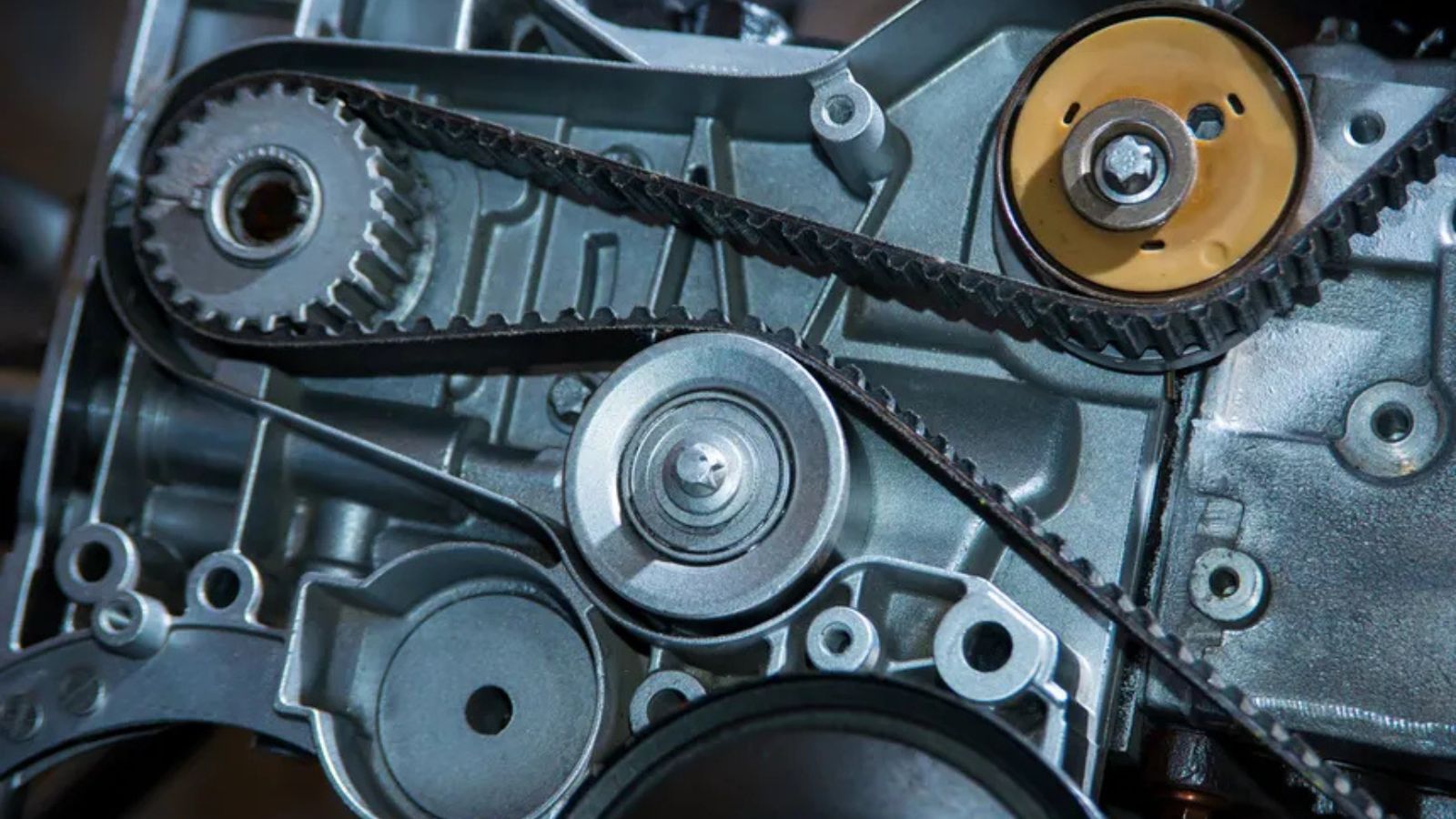
Timing chains are often described as lasting the life of an engine, but the entire timing system includes guides, sprockets, tensioners, and lubrication-dependent components that can wear. Cloyes explains that timing chains can develop wear over time and that guides or tensioners may also deteriorate. Gates identifies rattling—particularly around startup or changes in engine load—as a potential symptom of a tensioner that is no longer controlling chain slack properly.
Oil condition is particularly important because many modern tensioners depend on oil pressure and the chain itself requires continuous lubrication. Using incorrect oil or stretching service intervals can increase wear in some applications. A brief startup rattle on an older engine should therefore not automatically be dismissed as harmless “old-car noise.” If excess slack eventually allows valve timing to move out of specification, drivability problems or diagnostic trouble codes may appear. In the worst cases, major timing-system failure can stop the engine and potentially produce serious internal damage, depending on the engine’s design.
Transmission Solenoids and Valve Bodies Start Acting Up
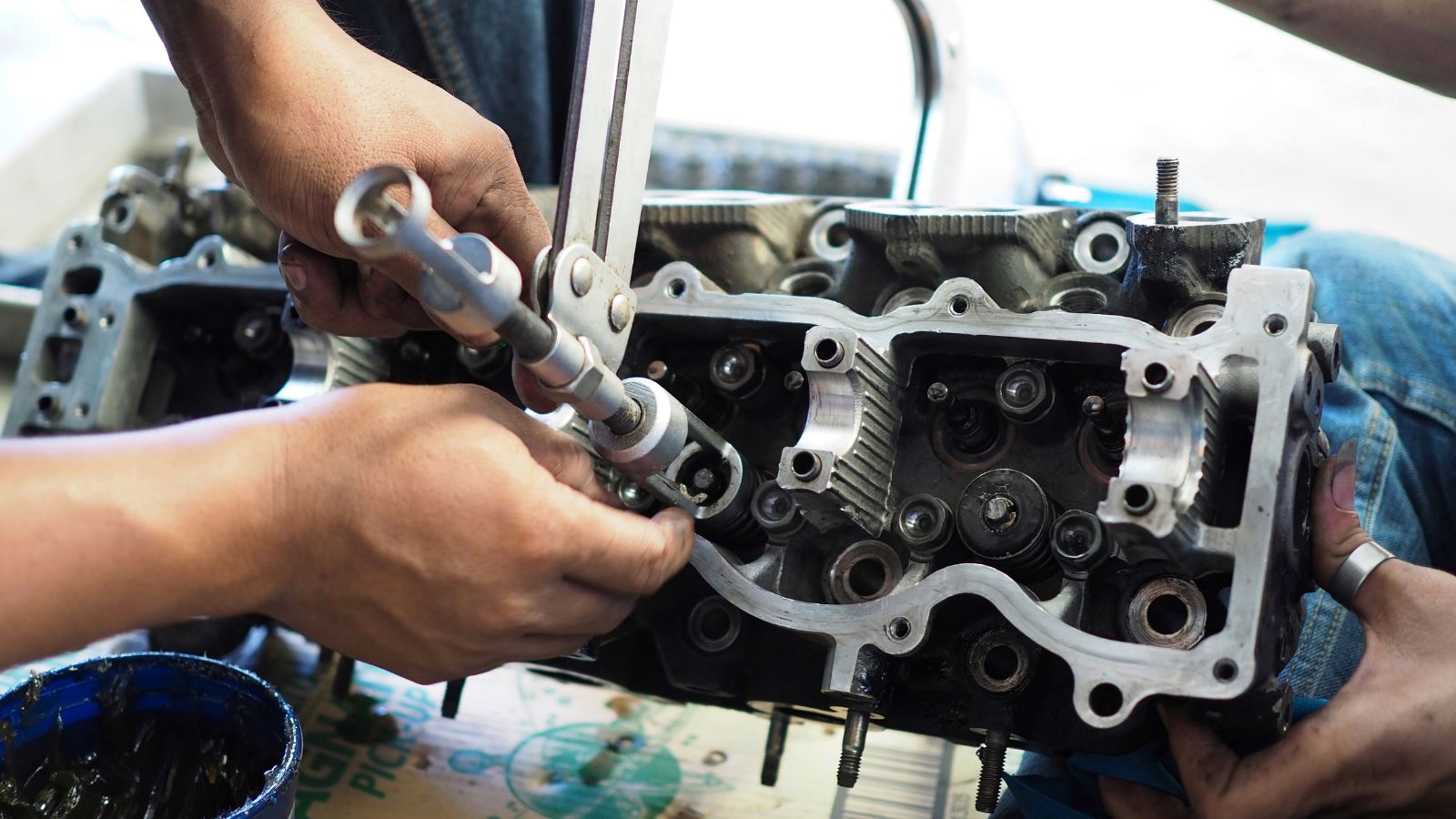
Modern automatic transmissions depend on precisely controlled hydraulic pressure. The valve body routes transmission fluid through numerous passages, while electronically controlled solenoids help determine where and when that pressure is applied. As transmission components accumulate wear and fluid becomes contaminated or degraded, hydraulic-control problems can develop. Sonnax documents valve-body wear and solenoid-related issues as causes of complaints such as delayed engagement, slipping, flared shifts, missing gears, or harsh shifting in various transmission designs.
For the owner, the first symptom may be a hesitation when selecting Drive, an unusually hard downshift, or an occasional flare in engine speed between gears. These symptoms do not automatically mean the entire transmission is ruined. Electrical faults, fluid level, programming, worn valves, individual solenoids, and internal mechanical wear can produce overlapping behavior. That is why diagnosis before approving a complete transmission replacement is valuable. Problems that initially appear only when the transmission is hot or during a particular shift can sometimes provide technicians with important clues about the specific hydraulic circuit involved.
Engine Gaskets and Seals Begin Seeping Oil
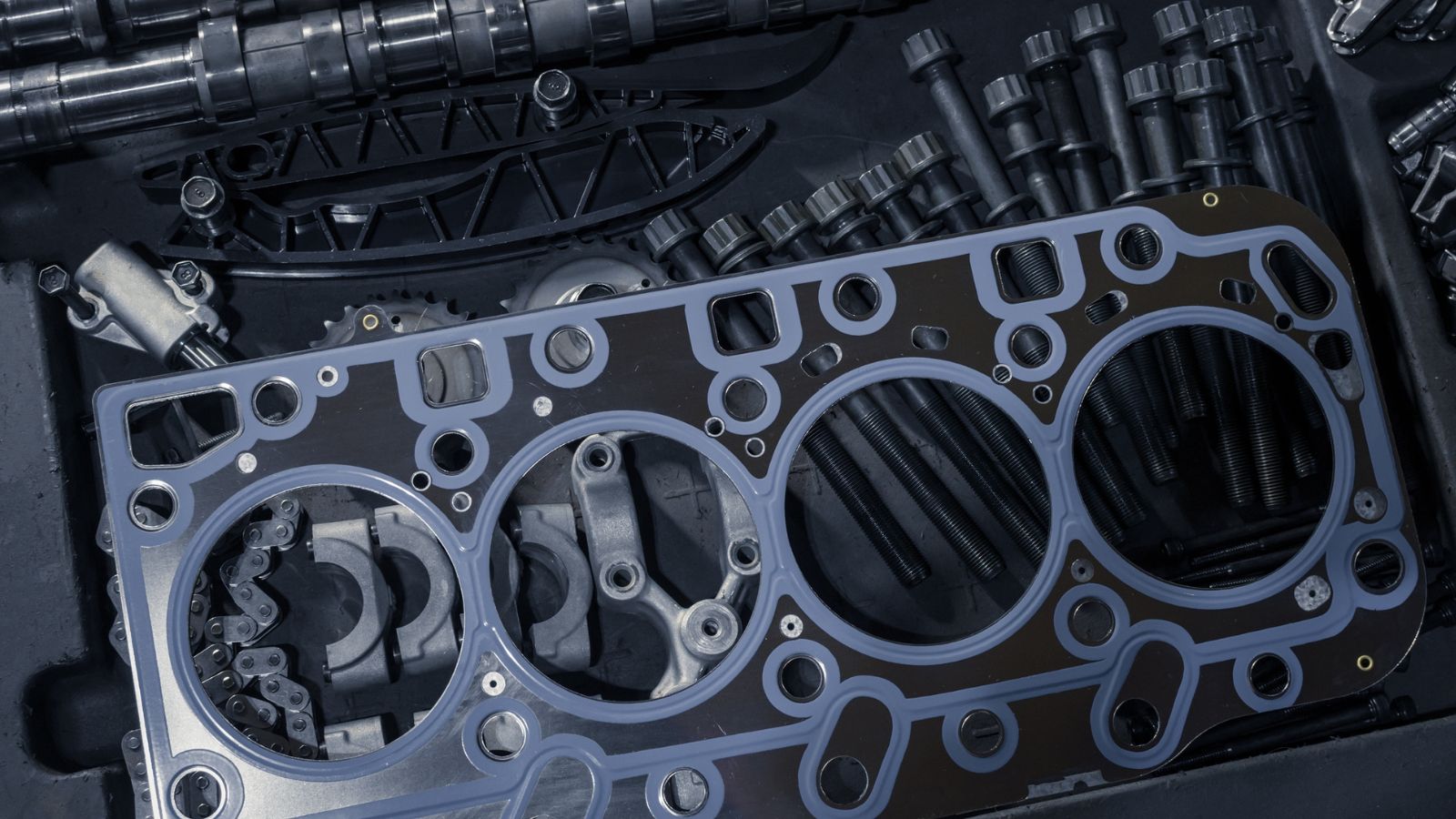
An older engine can remain mechanically strong while gradually becoming less successful at keeping every drop of oil inside. Gaskets and seals operate through years of heat cycles, vibration, chemical exposure, and expansion and contraction of surrounding components. Fel-Pro notes that gaskets can lose elasticity and sealing effectiveness over time and identifies the valve-cover gasket as a common place to begin when diagnosing an engine-oil leak.
Early seepage may amount to little more than an oily film collecting dust around the engine. Eventually, owners might notice spots where the vehicle is parked, a declining oil level, or the smell of oil reaching hot engine or exhaust surfaces. Other possible leak points include oil-pan gaskets, crankshaft seals, camshaft seals, timing covers, and oil-filter or cooler housings. The repair cost depends heavily on access: an inexpensive seal can require substantial labour if major components must be removed. Regularly checking the oil level remains important because even a slow leak can become consequential if enough lubricant is lost between services.
The Fuel Pump Struggles to Maintain Pressure
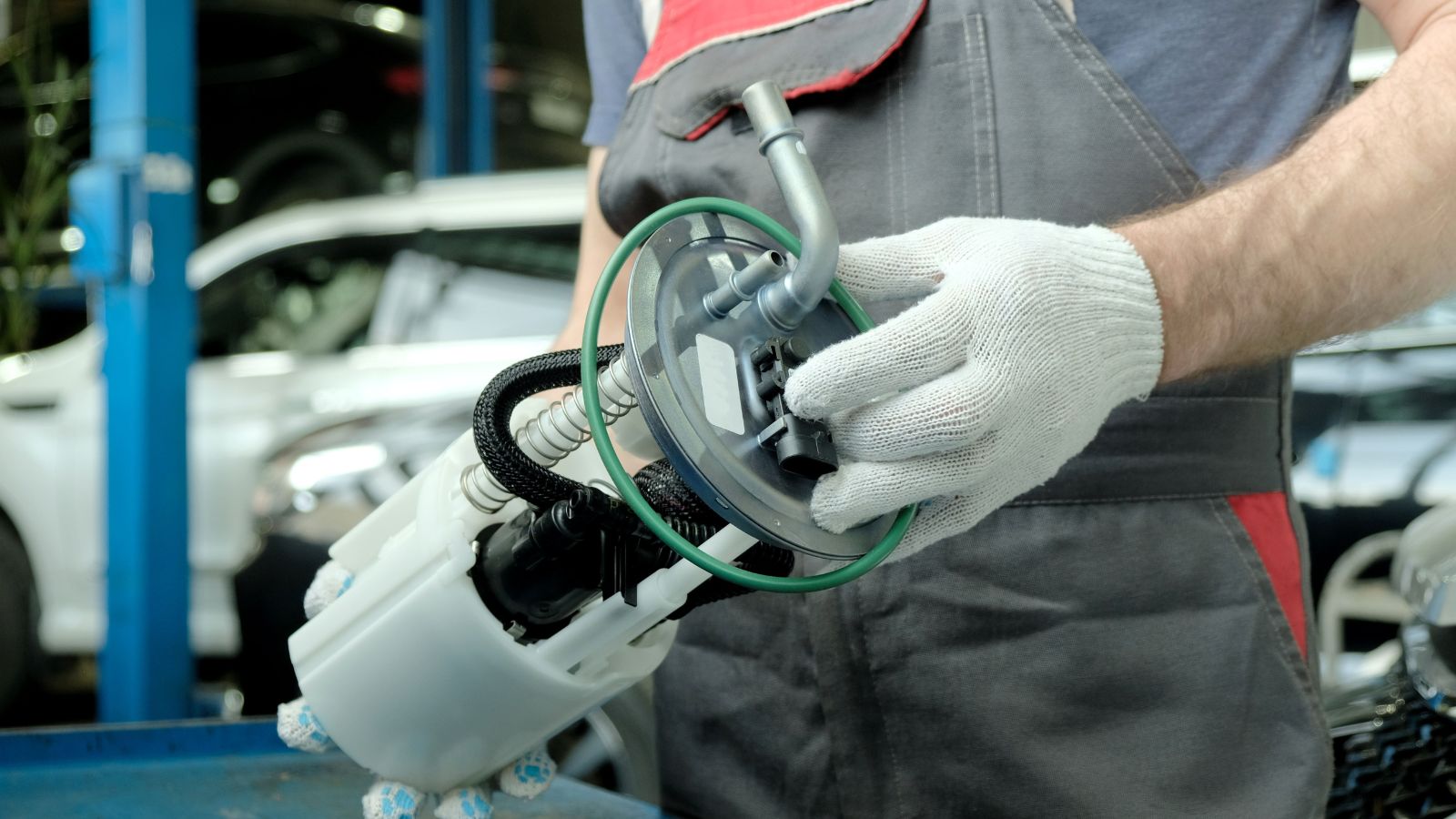
A gasoline fuel pump can spend years quietly operating inside the fuel tank before wear, contamination, electrical problems, or restricted flow begin affecting its performance. Delphi’s technical guidance emphasizes contamination and electrical-connection problems as important causes to investigate when a pump fails. A replacement pump can even be damaged prematurely if debris or an underlying wiring fault is left unresolved.
Symptoms can include extended cranking, intermittent stalling, hesitation, sputtering, or loss of power when the engine demands more fuel. The tricky part is that ignition faults, clogged filters, faulty sensors, injectors, and electrical problems can create similar behavior. Proper fuel-pressure and electrical testing therefore matters before the tank is opened and an expensive pump is replaced. A weakening pump may also behave normally during light driving yet struggle during acceleration or sustained load, making the problem seem frustratingly intermittent. As vehicles accumulate mileage beyond their early warranty years, that kind of gradual loss of fuel-system performance becomes another reason accurate diagnosis is worth more than simply replacing suspected parts.
19 Used Cars Canadians Should Avoid in 2026 (Based on Owner Complaints)

Buying a used car in Canada can feel safe until repair bills start stacking up. Owner complaints tell a different story than glossy listings. Transmission failures, electrical problems, and weak winter reliability show up again and again in consumer reports. Many of these issues appear after warranties expire, when owners least expect them. Some vehicles look affordable upfront, but become expensive to keep on the road. Others struggle in cold weather, urban driving, or long highway commutes. Here are 19 used cars Canadians should avoid in 2026 (based on owner complaints).
19 Used Cars Canadians Should Avoid in 2026 (Based on Owner Complaints)

Alanna Rosen is an experienced content writer that focuses on many EV and educational content. Her articles are regularly published on Get CyberTrucked and syndicated on large publications.