
October is when a vehicle’s summer weaknesses can start turning into cold-weather problems. Across much of Canada, the month can bring heavy rain, darker commutes, sharp overnight temperature drops and the first frosty mornings; Environment and Climate Change Canada climate normals show that first fall frost commonly arrives in October at many reporting stations. That seasonal shift puts more pressure on tires, batteries, visibility systems, brakes and cooling components that may have seemed perfectly adequate only weeks earlier.
These 17 warning signs can reveal that a vehicle is not fully ready for October weather yet. None requires panic, but each deserves attention before colder mornings, slippery pavement and early winter conditions make a minor maintenance issue more difficult, expensive or dangerous.
Your Tire Tread Is Getting Too Shallow

October rain can expose weak tread long before snow arrives. If the grooves are already looking shallow, the vehicle is entering the cold season with less ability to move water and slush away from the contact patch. Transport Canada advises against using winter tires worn close to 4 mm, or 5/32 of an inch, on snow-covered roads. That figure is far above the absolute wear-bar limit, which shows why “still legal” and “well prepared for bad weather” are not the same thing. A tread-depth gauge is inexpensive and gives a clearer answer than judging by eye.
Uneven wear deserves just as much attention as overall depth. A tire with decent tread across most of its width may still have a badly worn inner or outer shoulder, leaving less usable rubber when the road is wet or frosty. October is a good time to inspect all four tires before temperatures drop sharply. If one axle is much more worn than the other, or if the wear is patchy, a tire professional can also check whether rotation, alignment or replacement is needed before the first serious cold snap.
All-Season or Summer Tires Are Staying On Too Long
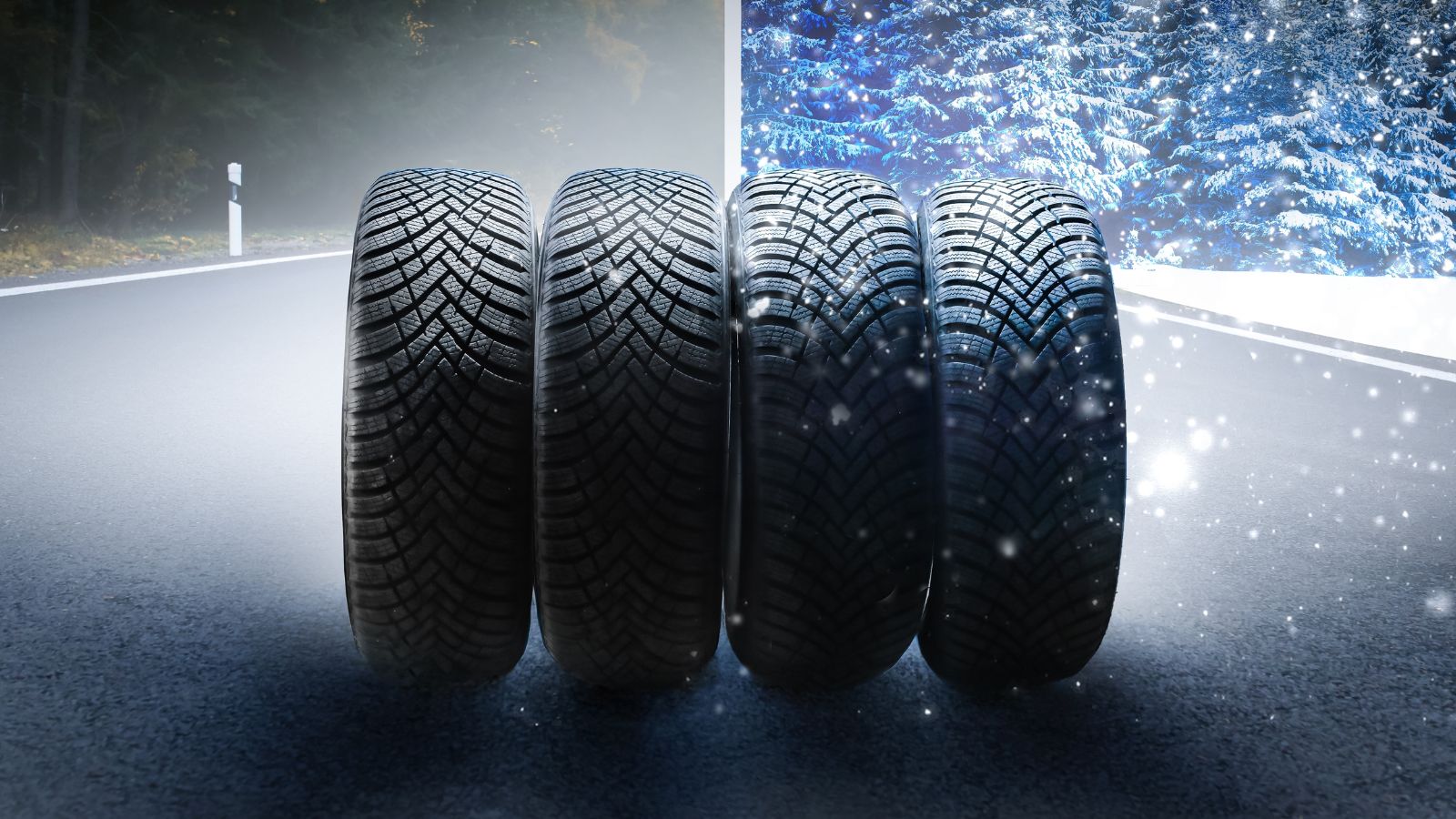
A warm afternoon can make October feel like an extension of September, but tire compounds respond to temperature rather than the calendar. Transport Canada says all-season and summer tires begin to lose elasticity below about 7°C, which reduces traction. Winter tires are designed to remain more flexible at lower temperatures, and models carrying the three-peak mountain snowflake symbol meet specific snow-traction performance requirements. That makes a string of chilly mornings a practical warning that a seasonal tire change should no longer be treated as a distant winter task.
The change matters even before roads turn white. Cold pavement, wet leaves, frost and early-morning ice can all reduce available grip, so waiting for the first major snowfall may leave the vehicle poorly matched to conditions for days or weeks. Transport Canada also recommends fitting winter tires on all four wheel positions rather than mixing tire types. A vehicle with two winter tires and two all-seasons can behave unpredictably because the two axles may have very different traction during braking or cornering.
The Tire-Pressure Warning Keeps Appearing
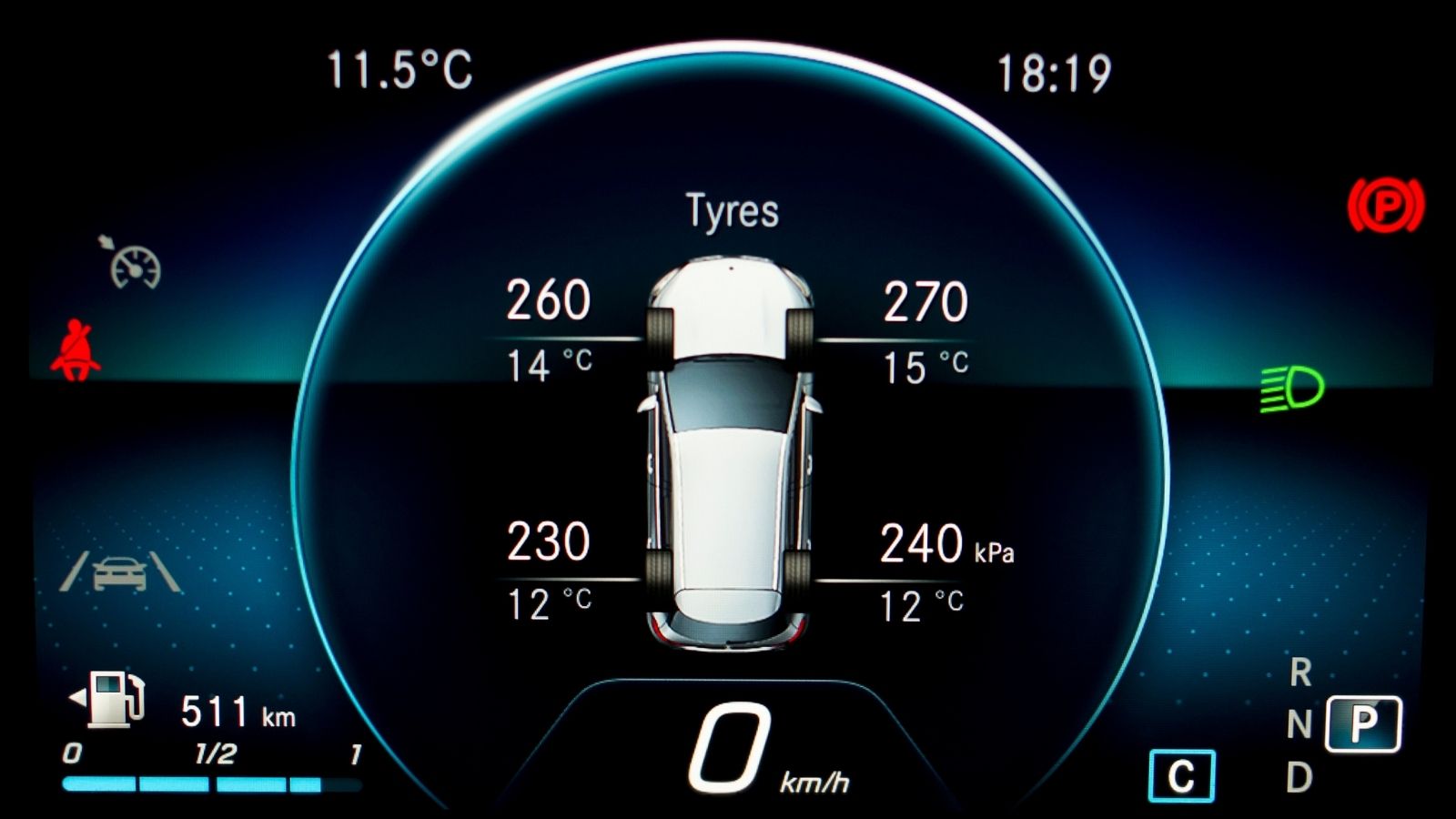
A tire-pressure warning in early fall should not be dismissed as a seasonal nuisance. Air pressure drops as temperatures fall, and Transport Canada estimates a loss of roughly 7 kPa, or 1 psi, for every 5°C decrease in air temperature. A tire that was set correctly during a warm September afternoon can therefore be noticeably underinflated after several cold October nights. Underinflation affects handling, accelerates wear and can increase rolling resistance, exactly when wet and slippery roads already demand more from the tires.
Pressure should be checked when the tires are cold, using the vehicle manufacturer’s specification on the door placard or in the owner’s manual. Transport Canada defines “cold” as a vehicle that has been parked for at least three hours or driven less than about 2 km. The spare should be checked as well. If one tire repeatedly loses more pressure than the others after being corrected, that can point to a puncture, leaking valve or wheel issue rather than temperature alone. A recurring warning deserves inspection before colder weather magnifies the problem.
You Can See Cracks, Bulges or Embedded Debris in a Tire
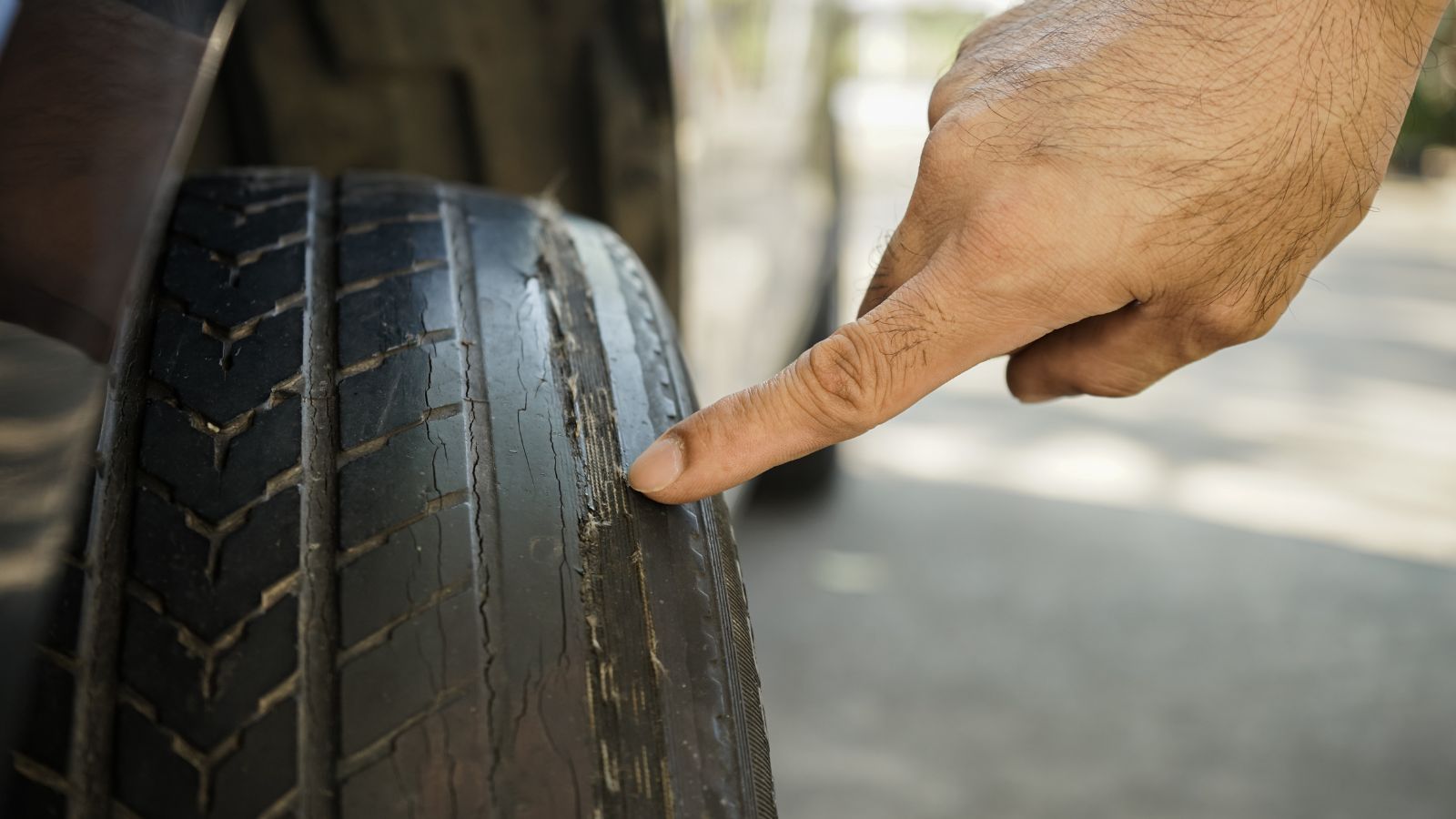
October is not the time to gamble on visible tire damage. Transport Canada warns that deep cuts, slits, cracks, blisters and bulges can make a tire dangerous and may require replacement. A bulge in the sidewall can indicate internal structural damage, while a nail, stone or piece of glass lodged in the tread can eventually work deeper and create a leak. These problems may be easy to ignore during dry summer driving, but colder temperatures and rough, wet roads reduce the margin for error.
A quick inspection should cover both sidewalls and as much of the tread surface as possible. Drivers should look for unusual swelling, exposed cords, cuts around the shoulder and objects stuck in the grooves. A slow leak may first show up as one tire needing air every few days. Transport Canada recommends regular tire inspections because catching a problem early can prevent a sudden failure and reduce repair costs. If damage looks questionable, a professional inspection is more useful than simply topping up the pressure and hoping it holds.
The Engine Is Cranking More Slowly in the Morning
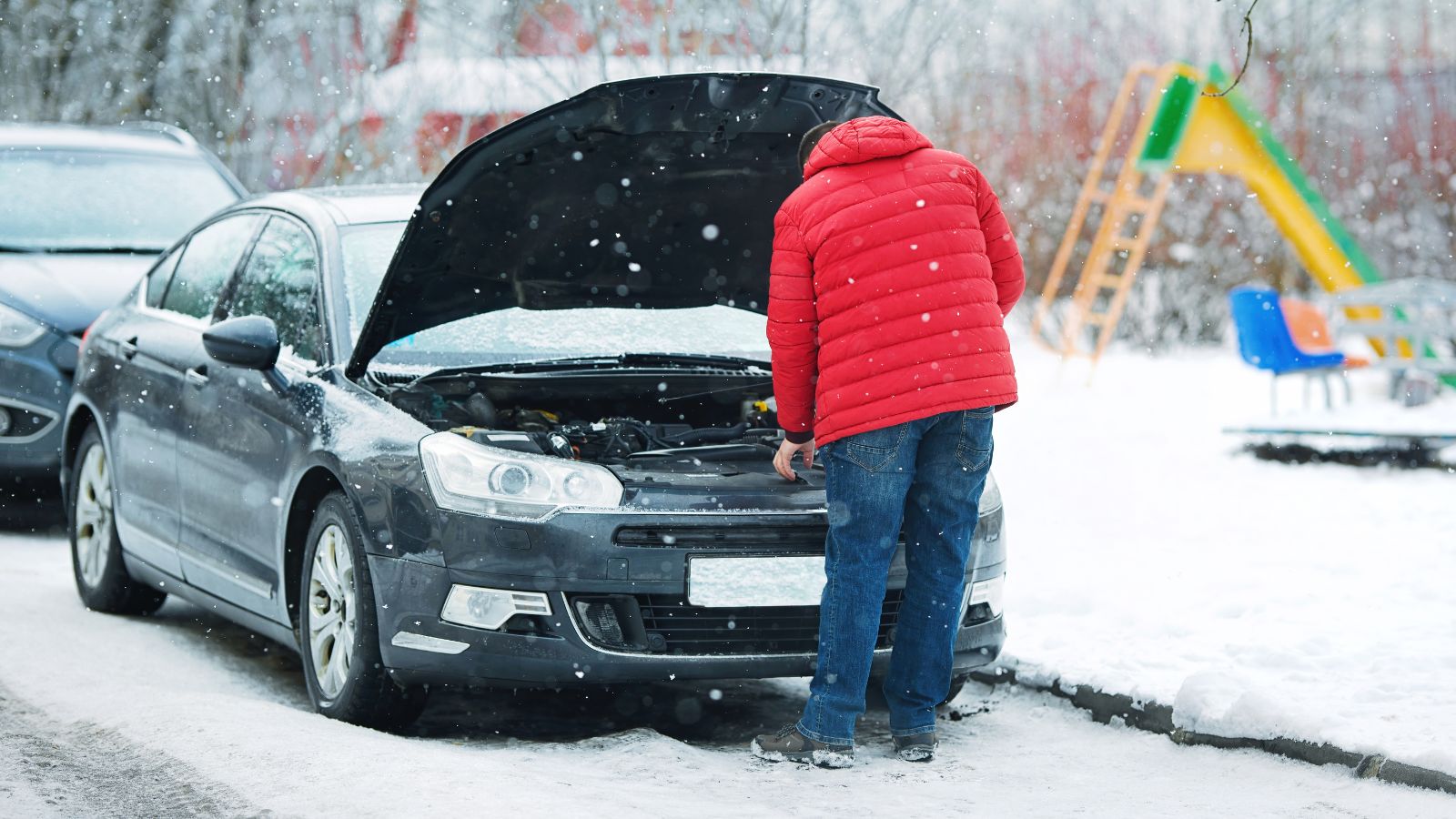
A hesitant start on a cool October morning can be an early warning from the 12-volt battery. CAA notes that batteries work harder in cold temperatures and says a battery between roughly three and five years old has an increasing chance of failure. Slow cranking, dimmer-than-usual lights before startup or repeated need for a boost are signs that should be investigated before overnight temperatures fall further. Corrosion around the terminals, moisture around the case or a swollen battery case are additional reasons to have the system checked.
Battery condition is especially important because colder weather increases starting demands at the same time a weak battery has less reserve to give. CAA recommends testing questionable batteries before winter rather than waiting for a no-start situation. The charging system matters too: a healthy alternator and clean, tight connections are needed to restore the energy used during startup. A driver who hears the starter turning slower each week is getting useful advance notice. October is the easier time to deal with it, before a dark, freezing morning turns the warning into a roadside call.
The Wipers Leave Streaks or Miss Part of the Glass
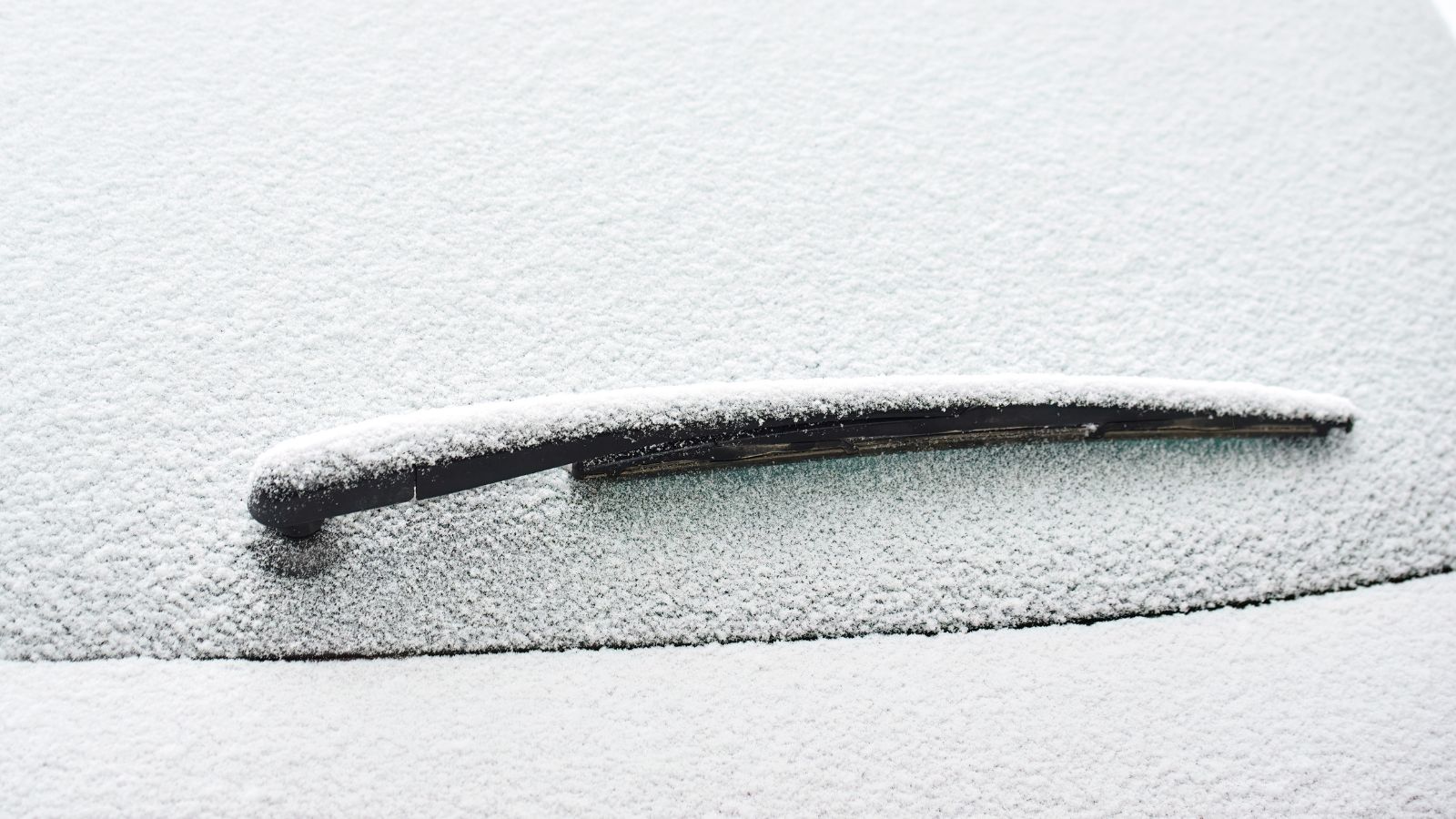
Streaking wipers are more than an annoyance once October rain, spray and early frost become regular parts of the commute. Transport Canada specifically recommends replacing blades that streak and making sure the wipers are in good condition before winter. CAA says the average wiper blade lasts only about six months, although actual life varies with climate, storage and use. Rubber that has hardened, split or taken a permanent bend may leave broad bands of water precisely where clear vision is most important.
A simple test is to run the washers on a clean windshield and watch both blades through a full sweep. Chattering, skipping, squeaking or untouched arcs are clues that the blades or arms need attention. Ice and slush place extra load on the system, so a blade that is already marginal in rain is unlikely to improve as conditions worsen. Winter-specific blades can also help in areas where snow and freezing precipitation are common. Good wipers are one of the cheapest seasonal fixes, but their value rises quickly on a dark October evening with glare from oncoming headlights.
The Washer Reservoir Is Low or Still Filled With Summer Fluid
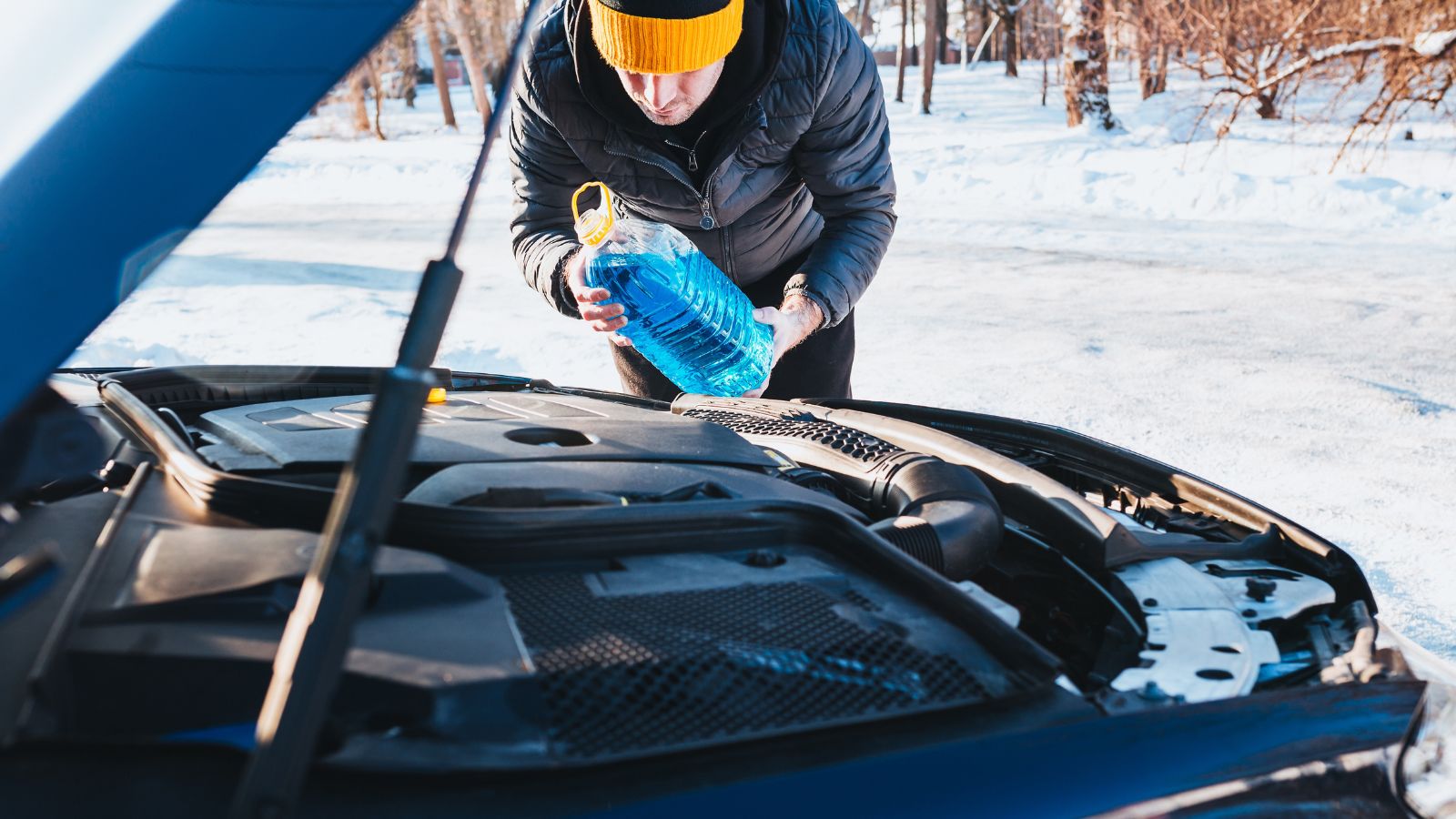
A nearly empty washer reservoir can become a serious visibility problem when roads turn dirty and wet. Transport Canada recommends winter washer fluid rated for temperatures around -40°C and suggests carrying an extra jug in the vehicle. The exact product needed depends on local climate, but the larger point is simple: fluid that freezes in the reservoir, lines or nozzles is not useful when spray, slush and road grime are coating the windshield. October is the right time to use up or replace warm-weather fluid before the first hard freeze.
The warning sign is not only the fluid level. Weak spray, one nozzle working while another does not, or a pump that sounds normal but produces little fluid can point to clogged jets, a leak or a failing pump. Those problems are much easier to diagnose before freezing weather arrives. Drivers should also confirm that the rear washer works on vehicles equipped with one, because hatchback and SUV rear glass can collect grime rapidly. A full reservoir and properly functioning spray system help the wipers do their job instead of dragging dirt across dry glass.
Some Exterior Lights Are Dim, Dirty or Not Working
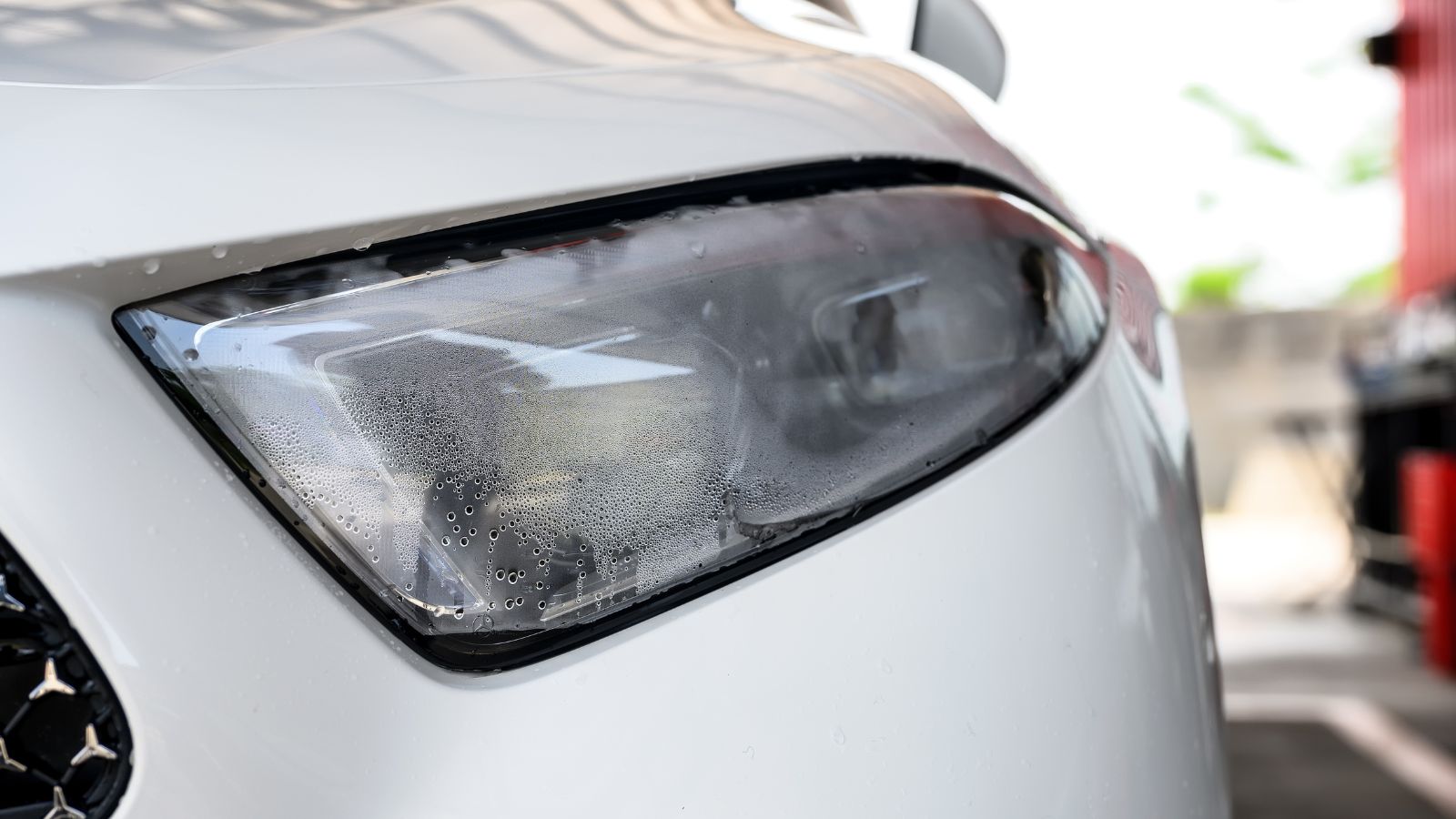
Shorter October days make lighting faults much more noticeable, and poor weather makes them more consequential. Transport Canada advises checking that all exterior lights work and that headlights are aimed correctly. A burned-out tail lamp, weak headlamp, dirty lens or badly aimed beam can reduce a driver’s ability to see and make the vehicle harder for others to spot in rain, fog or early darkness. This is especially important on older vehicles where daytime running lights may not automatically illuminate the rear lamps.
Canada tightened new-vehicle lighting requirements beginning in September 2021 to reduce “phantom vehicles” being driven in the dark without proper exterior lighting. That does not eliminate the need to check what a specific vehicle is actually doing. A bright instrument panel is not proof that the headlights and tail lights are on. A useful October check is to walk around the vehicle with the lights, brake lamps and turn signals activated. If the beam pattern suddenly seems uneven or the road ahead looks much darker on one side, headlamp aim or a failed bulb may need attention.
The Brakes Pull, Grind, Squeal or Feel Different
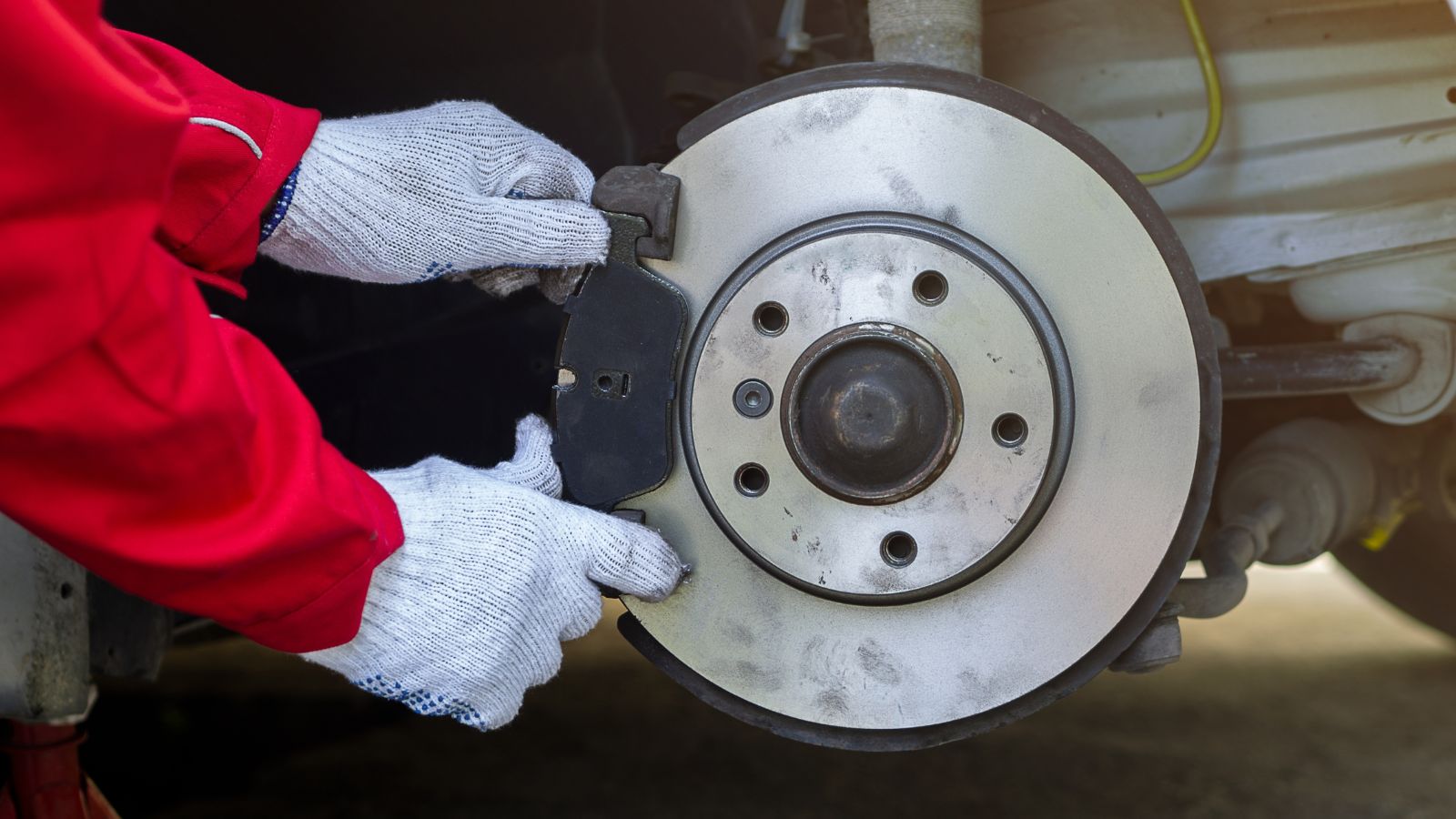
A brake pedal that suddenly feels softer, harder or lower than usual should not be saved for a later service visit. Transport Canada identifies pulling, changes in pedal feel, and unusual squealing or grinding as signs that brakes may need repair. October’s wet roads and colder mornings can expose weaknesses that were less obvious in dry summer conditions. A vehicle that pulls to one side under braking or produces a metallic grinding sound is giving a clear mechanical warning, not merely making a seasonal noise.
The reason to deal with it early is straightforward: stopping distances increase when roads are slippery, so the brake system and tires need to be working as intended. Transport Canada advises leaving more space than normal in winter conditions because stopping takes longer on slick surfaces. Even sophisticated systems such as ABS and electronic stability control cannot compensate for badly worn friction material, a hydraulic problem or tires with poor grip. If braking behaviour has changed, an inspection before the first frost is more sensible than discovering the problem during an emergency stop on a cold, wet morning.
Coolant Level or Freeze Protection Is Questionable
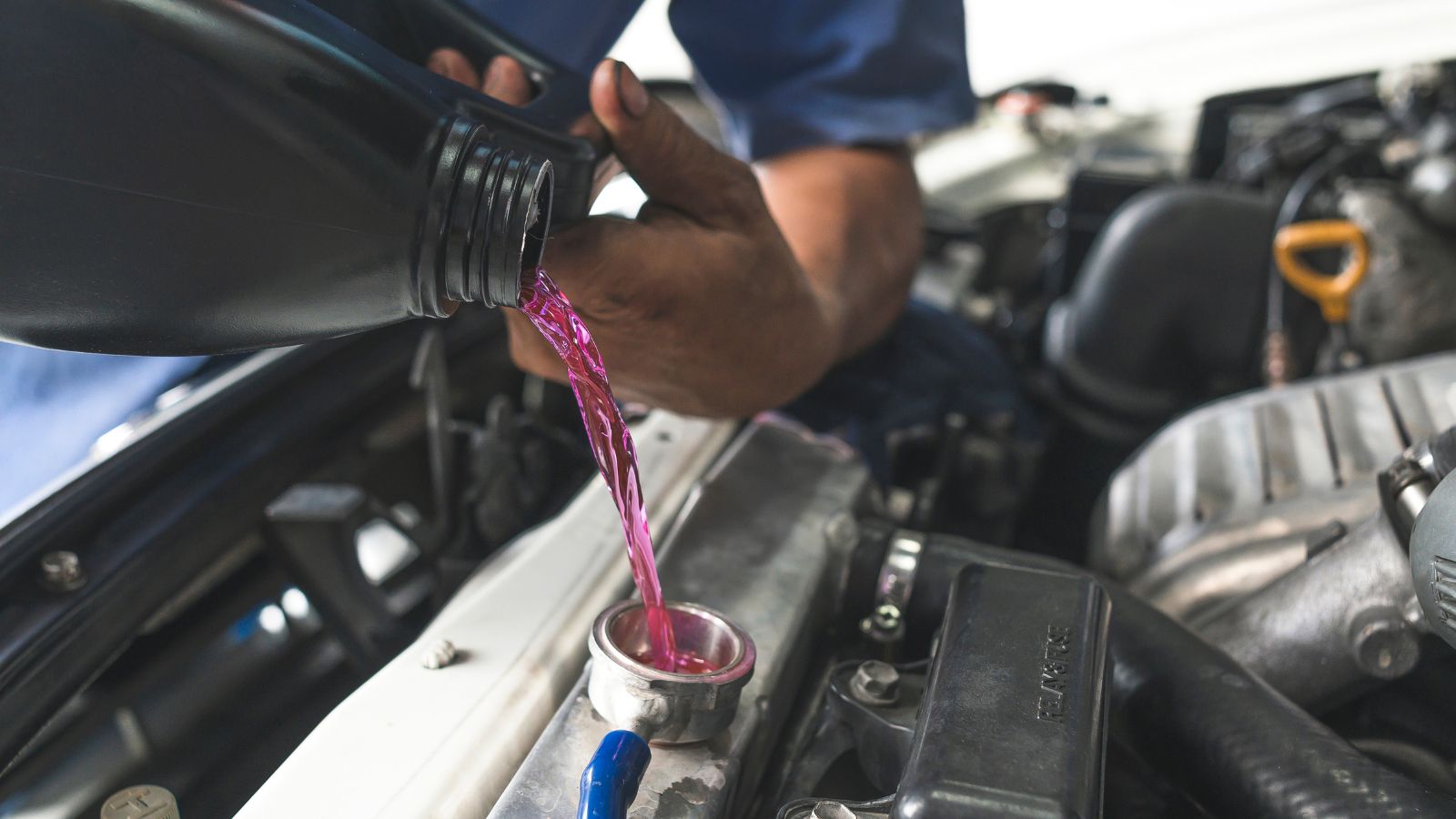
Coolant does more than prevent an engine from overheating in summer. The cooling system must also protect against freezing and circulate heat properly as temperatures fall. Transport Canada recommends checking the strength and level of the coolant or antifreeze before winter, along with the radiator cap, water pump and thermostat. A low reservoir, recurring coolant smell, visible seepage or a temperature gauge that behaves unusually can all indicate that the system is not ready for colder weather.
The correct coolant type and replacement interval vary by manufacturer, so the owner’s manual should guide top-ups and service. Mixing incompatible coolants or adding plain water without understanding the required concentration can reduce protection. A system that has been neglected may first reveal itself when the heater struggles, the engine takes unusually long to reach operating temperature, or a leak leaves coloured residue around a hose connection. October is a useful checkpoint because a cooling-system issue can affect both engine reliability and cabin heat. Testing the coolant’s freeze protection is a quick service that can provide more certainty before overnight temperatures drop below freezing.
The Heater or Defroster Is Weak
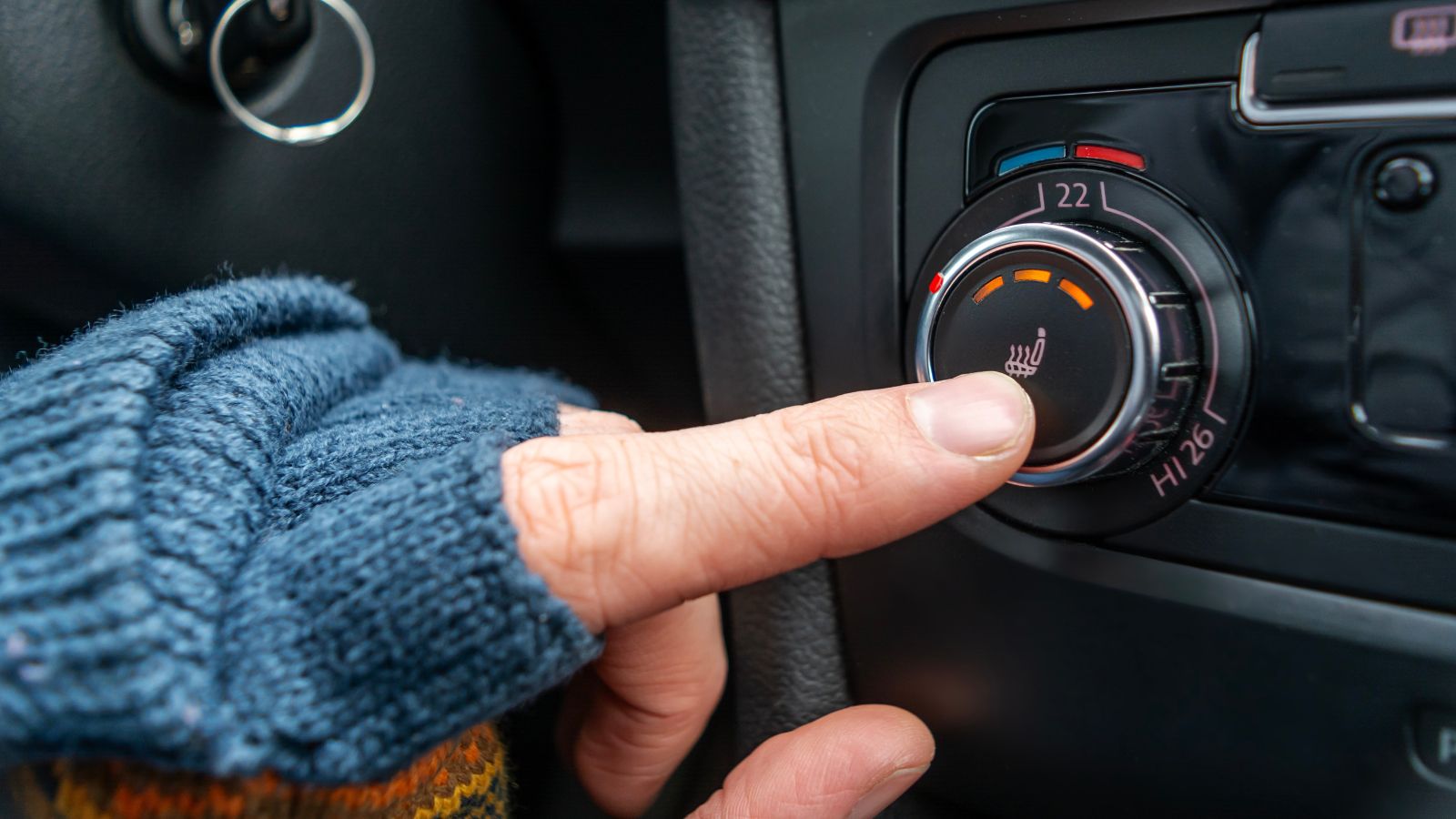
A heater that takes forever to warm the cabin may seem like a comfort issue in early October, but a weak defroster is a visibility problem. Transport Canada specifically includes heater and defroster performance in its winter-preparation checklist. As outside air cools and cabin humidity rises, windshields can fog quickly. If warm, dry airflow cannot clear the glass, the driver may be forced to wipe the inside of the windshield by hand or drive with a restricted view, neither of which is acceptable in heavy traffic or darkness.
Poor performance can have several causes, including low coolant, a thermostat problem, a blocked heater core, an HVAC control fault or a blower issue. A useful test is to run the front defroster and rear defogger before a cold, rainy day arrives, making sure airflow reaches the glass and the rear grid clears evenly. Heated mirrors should be checked too if equipped. A vehicle that cannot clear condensation promptly is not truly ready for October weather, even if the engine itself runs perfectly. Visibility systems deserve the same seasonal attention as tires and brakes.
Hoses or Drive Belts Show Cracks, Glazing or Leaks
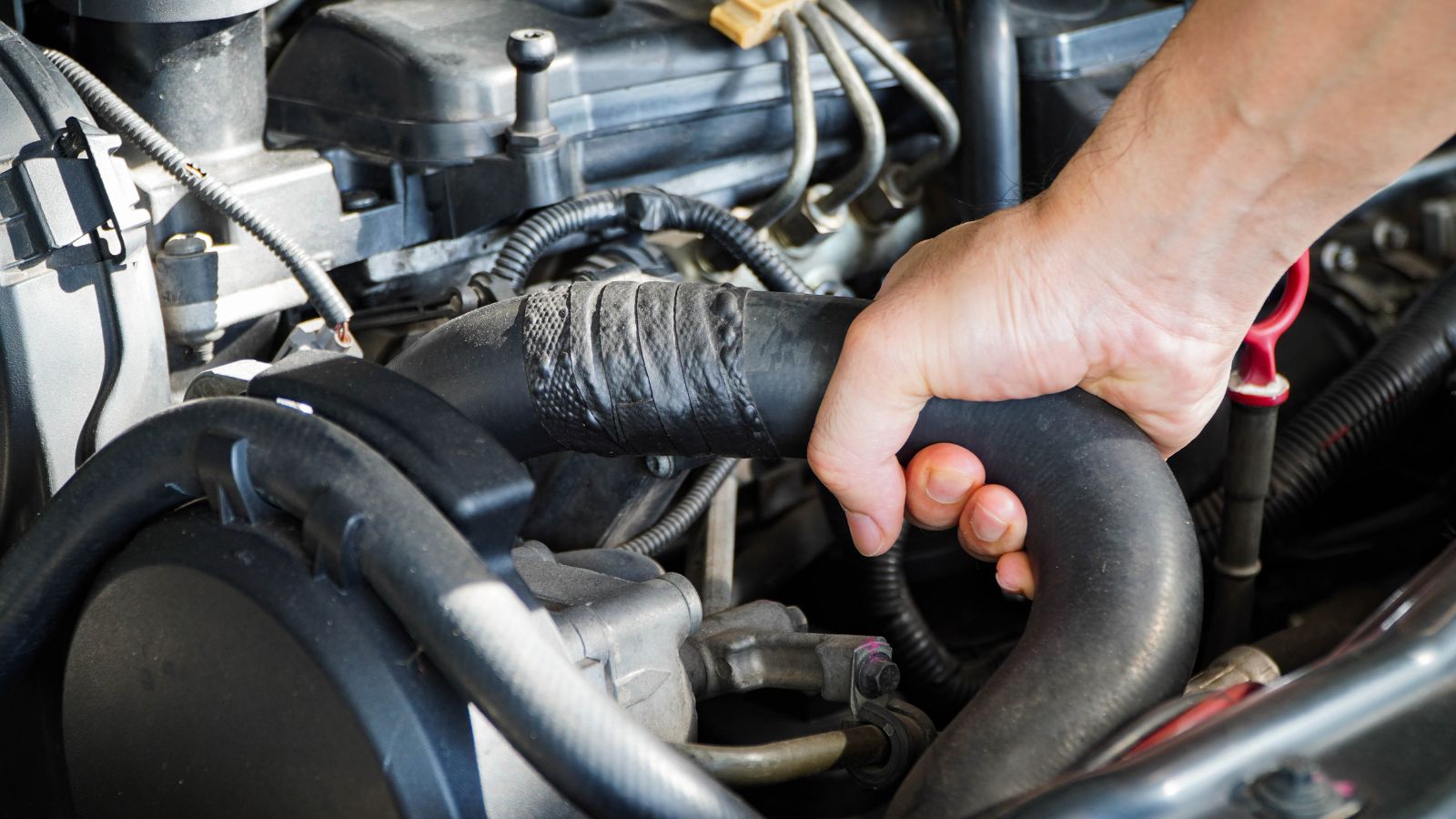
Rubber hoses and drive belts often fail quietly until they do not. Transport Canada recommends inspecting radiator hoses and drive belts for cracks and leaks as part of winter preparation. A hose that feels excessively soft, looks swollen near a clamp or shows dried coolant residue may be deteriorating. A belt with visible cracks, frayed edges or a polished, glazed surface can also be nearing the end of its service life. Cold mornings do not create every failure, but they are a poor time to discover that a marginal component was already close to letting go.
The consequences can range from an inconvenient warning light to an overheated engine or loss of charging assistance, depending on what the component drives. Modern vehicles may use a single serpentine belt to run several accessories, so one failure can affect multiple systems at once. October inspection is especially worthwhile if the vehicle has accumulated substantial mileage or its maintenance history is unclear. Service intervals vary, so visual condition and the manufacturer’s schedule should guide replacement. Any active coolant leak, squeal that persists after startup or belt damage deserves attention before harsher weather arrives.
A Windshield Chip Has Been Left Unrepaired
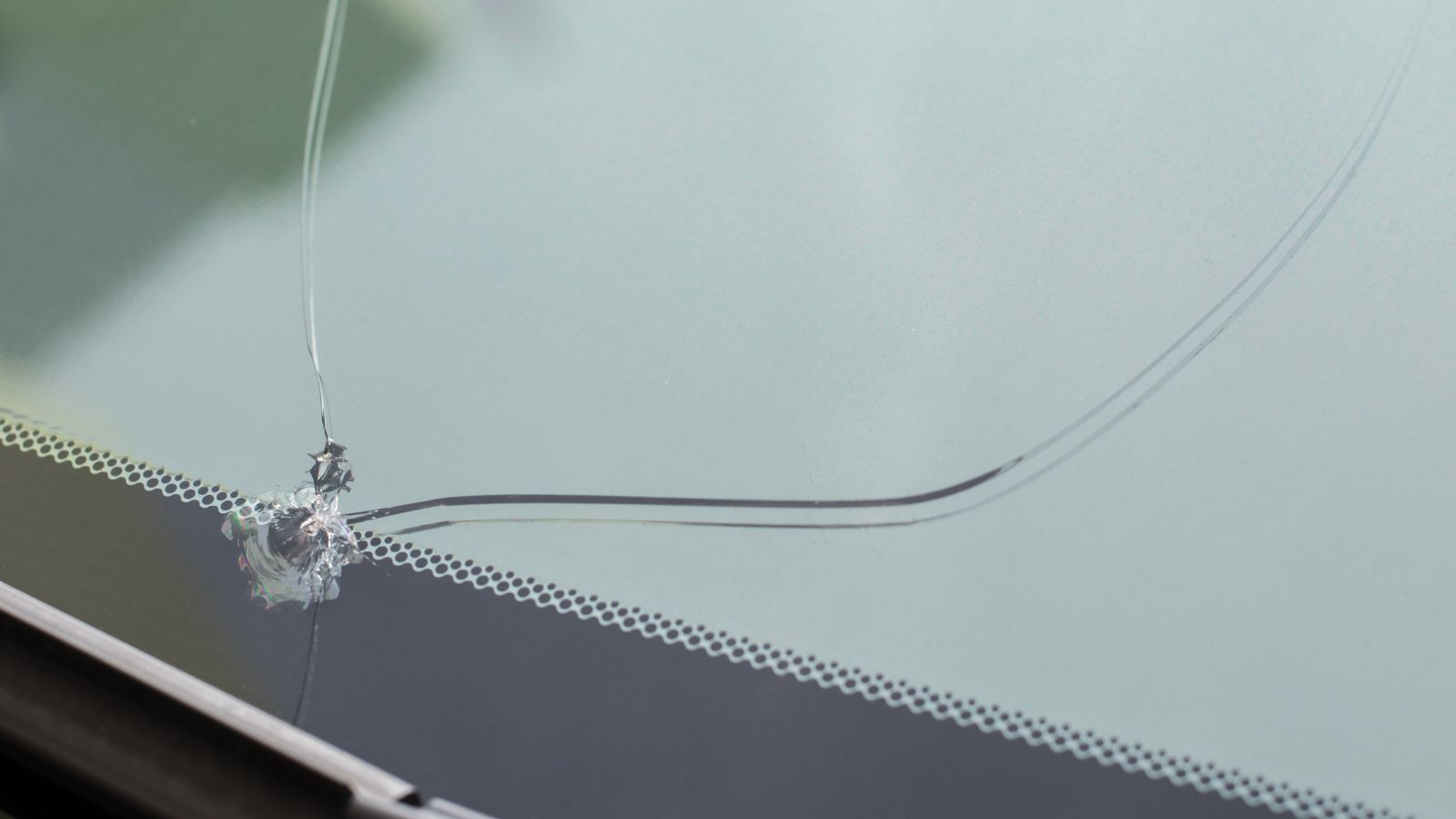
A small windshield chip can become a much larger problem when autumn temperatures swing. CAA notes that damaged glass is vulnerable to temperature changes because heating and cooling make the windshield expand and contract. A chip creates a weak point where stress can concentrate, and sudden heat from a defroster on very cold glass can encourage an existing crack to spread. That makes an unrepaired chip in late September or October more than a cosmetic flaw.
The practical warning is any chip or short crack that has been stable through summer but is still present as overnight temperatures begin to fall. Moisture, road vibration and repeated heating cycles can all make damaged glass harder to ignore. CAA recommends dealing with small repairable chips promptly rather than waiting for them to grow into damage that requires windshield replacement. The windshield also needs to remain clear for safe visibility, and many newer vehicles mount cameras or sensors near the glass. On those models, replacement can involve calibration work as well as the glass itself, making early repair potentially simpler and less disruptive.
The Steering Wheel Shakes or the Tires Are Wearing Unevenly

Vibration through the steering wheel or seat is a useful warning that the wheels or tires may not be rotating as smoothly as they should. Transport Canada says uneven tread wear can result from improper wheel alignment or imbalance, and notes that out-of-balance wheels may produce pounding or shaking. Misalignment can also reduce tire life and affect handling. Those issues matter more when October brings wet pavement and the available grip is already lower than on a warm, dry road.
Transport Canada suggests checking alignment about once a year or when rapid or uneven wear appears. The tire inspection should look at the inner and outer shoulders, not only the centre tread that is easy to see from beside the car. Cupping, bald patches or one edge wearing much faster than the other can point to a problem that deserves diagnosis. A seasonal tire change is a convenient time to have wear patterns noticed and corrected. Fresh winter tires will not deliver their best performance if a vehicle’s alignment or balance problem immediately starts wearing them unevenly.
There Is an Exhaust Leak, Rattle or Damaged Tailpipe
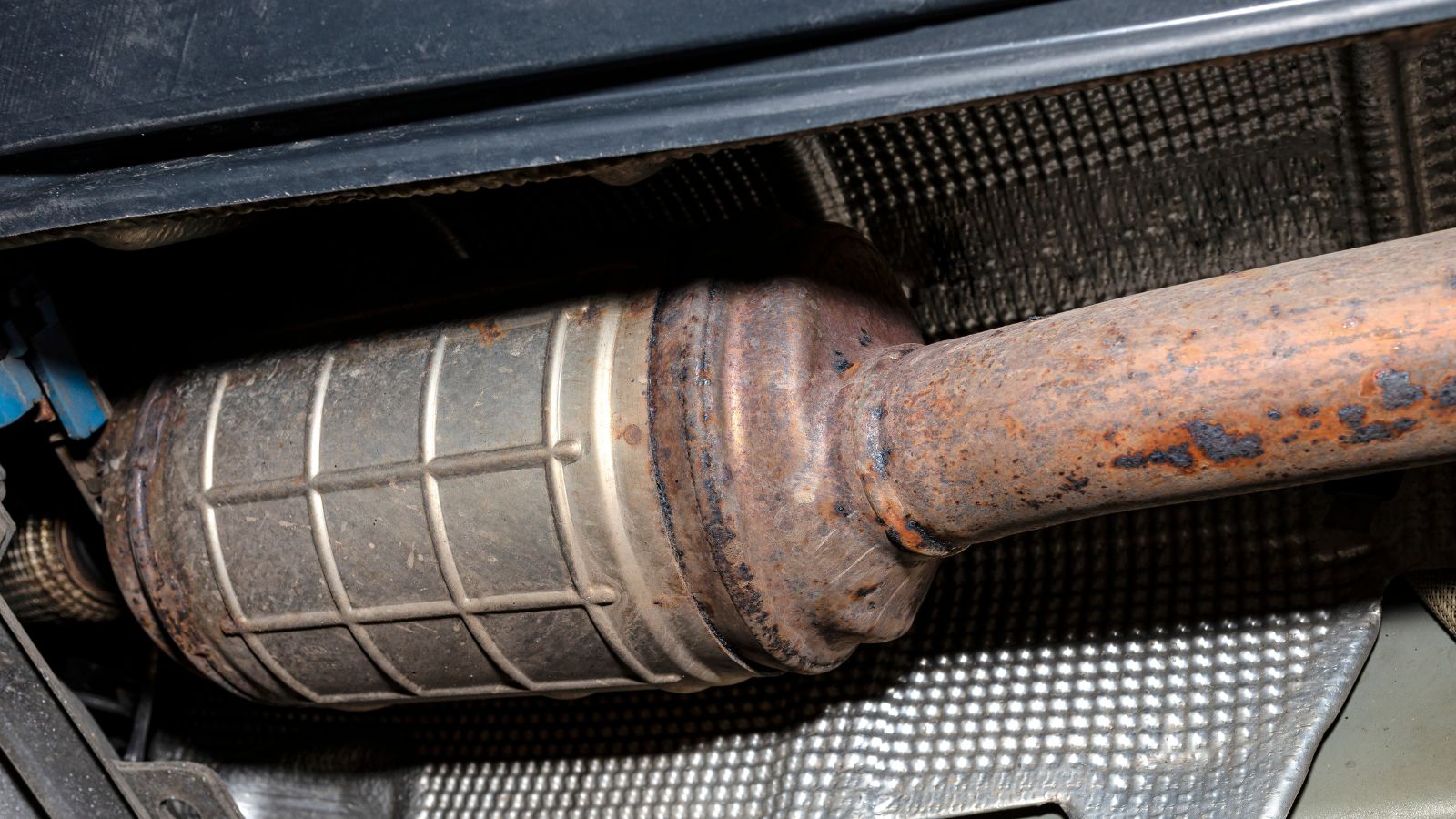
An exhaust leak should move up the priority list as windows stay closed and cold-weather driving begins. Transport Canada recommends checking the exhaust system for leaks because exhaust gases can allow deadly carbon monoxide to enter the vehicle. A new metallic rattle, louder exhaust note, visible corrosion around a joint or fumes that seem unusual are reasons to have the system inspected. The absence of a strong smell does not prove everything is safe, because carbon monoxide itself is colourless and odourless.
October is also a good time to look at the tailpipe area before snow becomes a regular concern. Transport Canada warns drivers who become stuck in snow to make sure the tailpipe is not blocked, specifically to reduce the risk of carbon monoxide entering the cabin. A damaged or low-hanging exhaust can be more vulnerable to snowbanks, ice chunks and road debris. Any suspected leak should be repaired rather than treated as a noise problem. This is one seasonal check where the potential consequence is serious enough that waiting for winter makes little sense.
Driver-Assistance Systems Are Already Struggling in Bad Weather

If lane warnings disappear in heavy rain, a camera view becomes blurry when dirty, or automatic emergency braking reports that it is unavailable, the vehicle may be showing how vulnerable its sensors are to October conditions. Transport Canada says driver-assistance technologies do not always work in poor weather or visibility. Its guidance for automatic emergency braking specifically notes that performance can be limited in heavy rain, snow, dense fog, strong sunlight, darkness and on curved roads. Surround-view cameras can also be affected by rain, glare and dirt on the lens.
That does not necessarily mean the system is defective, but it does mean the vehicle needs realistic preparation. Cameras, radar covers and windshield areas used by sensors should be kept clean, and drivers should know where those sensors are located. A system that remains unavailable after the sensor area is clean and weather improves may need service. October is a good month to review the owner’s manual and learn the limitations before snow and slush start coating bumpers and glass. These features can assist a driver, but they cannot substitute for clear visibility, good tires and attentive driving.
The Emergency Gear Is Still Sitting in the Garage
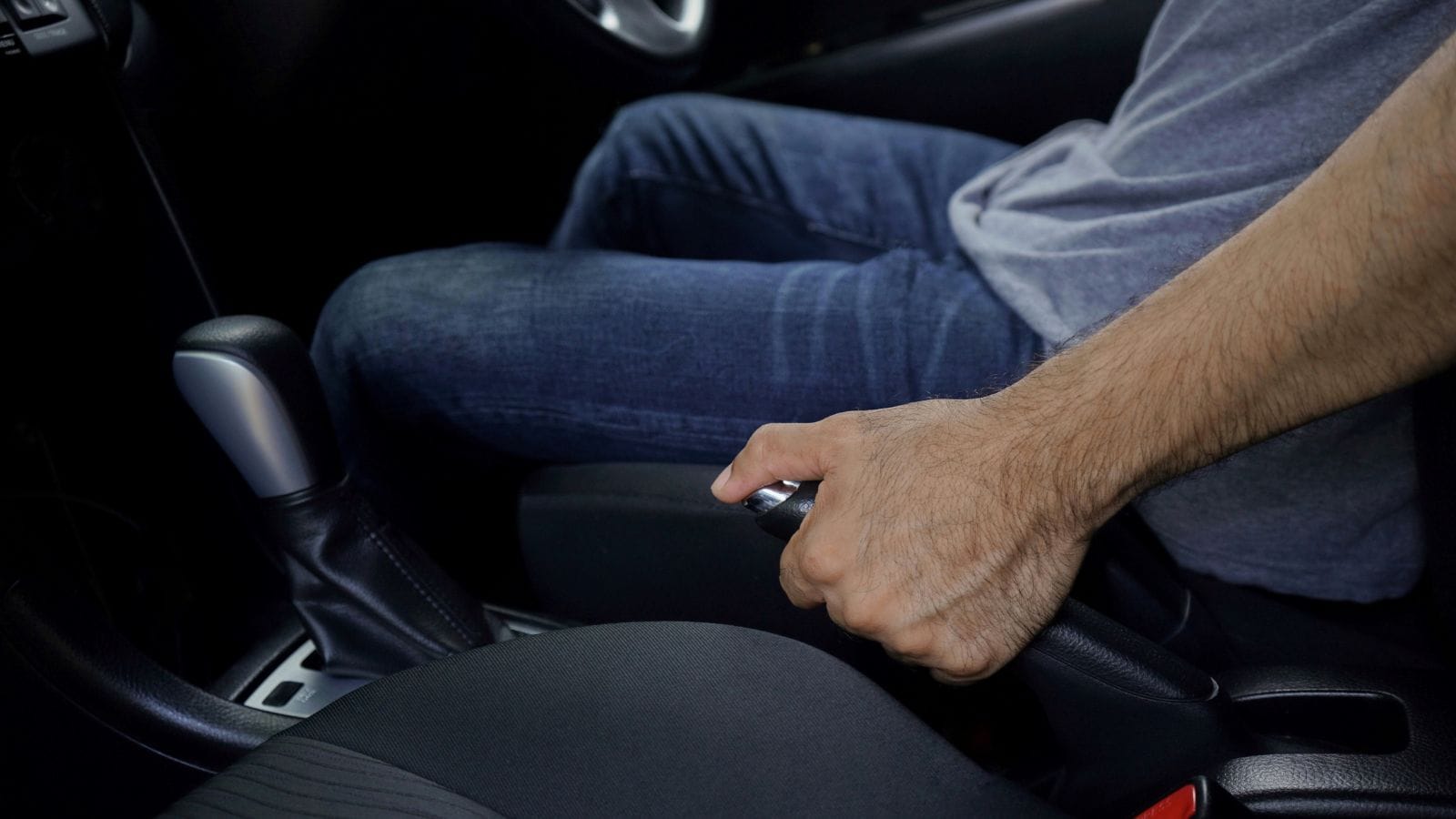
A mechanically healthy vehicle can still be poorly prepared for October if basic cold-weather supplies are missing. Transport Canada recommends carrying winter equipment such as a small shovel, traction aids, warning triangles or flares, booster cables, extra washer fluid, a flashlight, a first-aid kit and blankets. Those items are easy to postpone when daytime temperatures remain mild, but the first frost, freezing-rain event or early snow can arrive before a driver feels that winter has officially begun.
The kit should be checked, not simply assumed to exist. Flashlights need power, booster cables should be usable, first-aid supplies should be intact, and an ice scraper should be somewhere accessible rather than buried in seasonal storage. Transport Canada also recommends a charged phone and charging cable for winter travel. Drivers heading outside urban areas may want extra warm clothing, water and non-perishable food. The point is not to turn the trunk into a survival store; it is to make sure a routine breakdown or weather delay does not become a bigger problem because the simplest tools were left at home.
19 Used Cars Canadians Should Avoid in 2026 (Based on Owner Complaints)

Buying a used car in Canada can feel safe until repair bills start stacking up. Owner complaints tell a different story than glossy listings. Transmission failures, electrical problems, and weak winter reliability show up again and again in consumer reports. Many of these issues appear after warranties expire, when owners least expect them. Some vehicles look affordable upfront, but become expensive to keep on the road. Others struggle in cold weather, urban driving, or long highway commutes. Here are 19 used cars Canadians should avoid in 2026 (based on owner complaints).
19 Used Cars Canadians Should Avoid in 2026 (Based on Owner Complaints)

Alanna Rosen is an experienced content writer that focuses on many EV and educational content. Her articles are regularly published on Get CyberTrucked and syndicated on large publications.