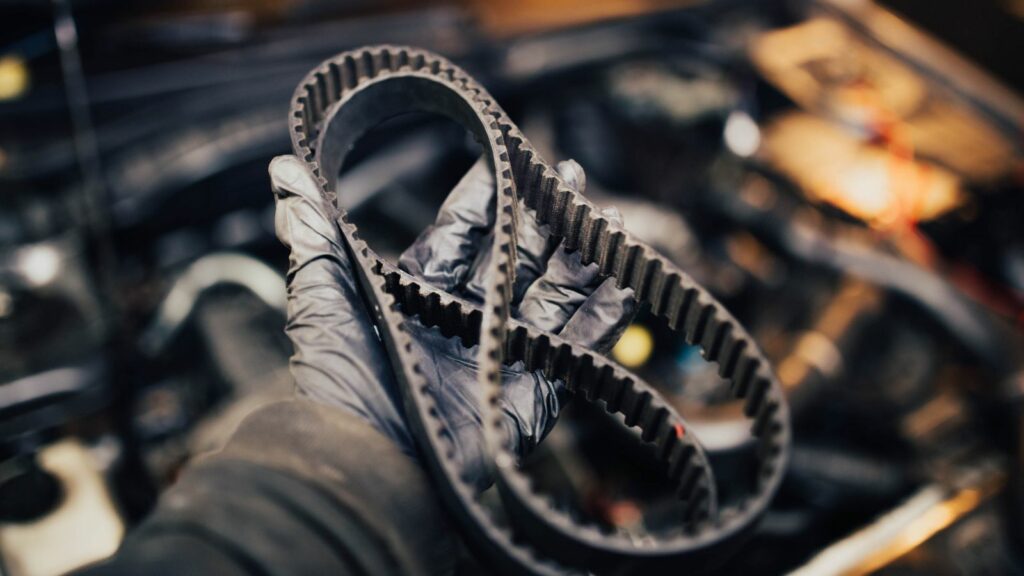
Crossing 100,000 kilometres does not suddenly turn a dependable vehicle into a mechanical disaster. Many modern cars can travel far beyond that distance when they have been properly maintained. The problem is that this point in a vehicle’s life can expose years of deferred servicing, aging rubber components, worn suspension parts and fluids that should have been replaced earlier.
One repair may still be manageable. Several arriving within the same year can completely change the ownership equation. These 17 ways a vehicle can become a money pit after 100,000 km show how ordinary wear can gradually turn an apparently affordable car into one that seems permanently booked into the repair shop.
Deferred Maintenance Starts Arriving All at Once
A vehicle with 105,000 kilometres and complete maintenance records can be a very different financial proposition from another with the same odometer reading but years of skipped service. Manufacturers schedule inspections and replacements according to time, kilometres and operating conditions because different systems deteriorate at different rates. Around this stage of ownership, brake fluid, transmission or driveline fluids, coolant, belts, spark plugs and other items may begin appearing on the service calendar, depending on the model.
The danger comes when previous owners have postponed several of those jobs. Instead of paying for one service visit, the new owner may discover that three or four overdue items need attention almost immediately. A technician may also uncover leaking components or worn parts while performing those services. None of the individual problems necessarily means the vehicle is unreliable. The financial shock comes from accumulated maintenance arriving in one concentrated burst, transforming a seemingly inexpensive used car into an unexpectedly expensive project.
Small Oil Leaks Stop Being Small
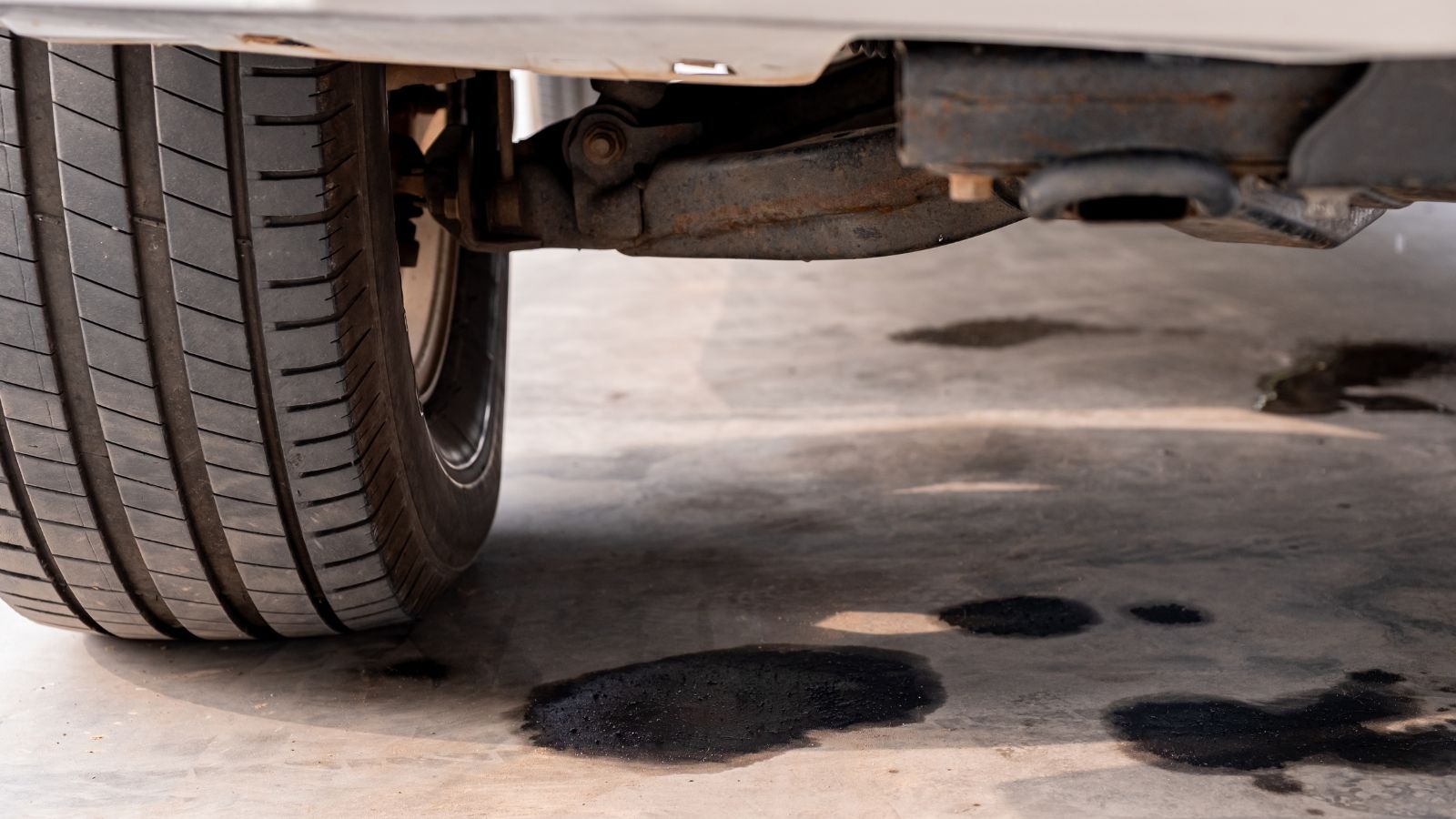
A few drops of oil on the driveway can look harmless, especially when the engine still runs smoothly. As vehicles accumulate years and kilometres, however, seals, gaskets and oil lines can develop leaks. Common sources include valve-cover gaskets and oil-pan gaskets, while internal oil consumption can involve piston rings, valve seals or other engine components. The difficult part is determining whether the problem is an inexpensive external seal or something requiring substantial engine work.
Leaking oil can also create secondary problems. Engine oil that reaches belts or pulleys can contaminate rubber surfaces, causing deterioration or slippage. Oil landing on hot engine or exhaust components can create burning smells and smoke. A vehicle that needs frequent top-ups may therefore be signalling something more serious than an inconvenient leak. Once diagnosis, gasket replacement, contaminated belts and possible internal engine repairs enter the picture together, the cost can climb quickly. Regularly checking the oil level becomes increasingly important as mileage accumulates.
Cooling-System Weakness Can Become Engine Damage
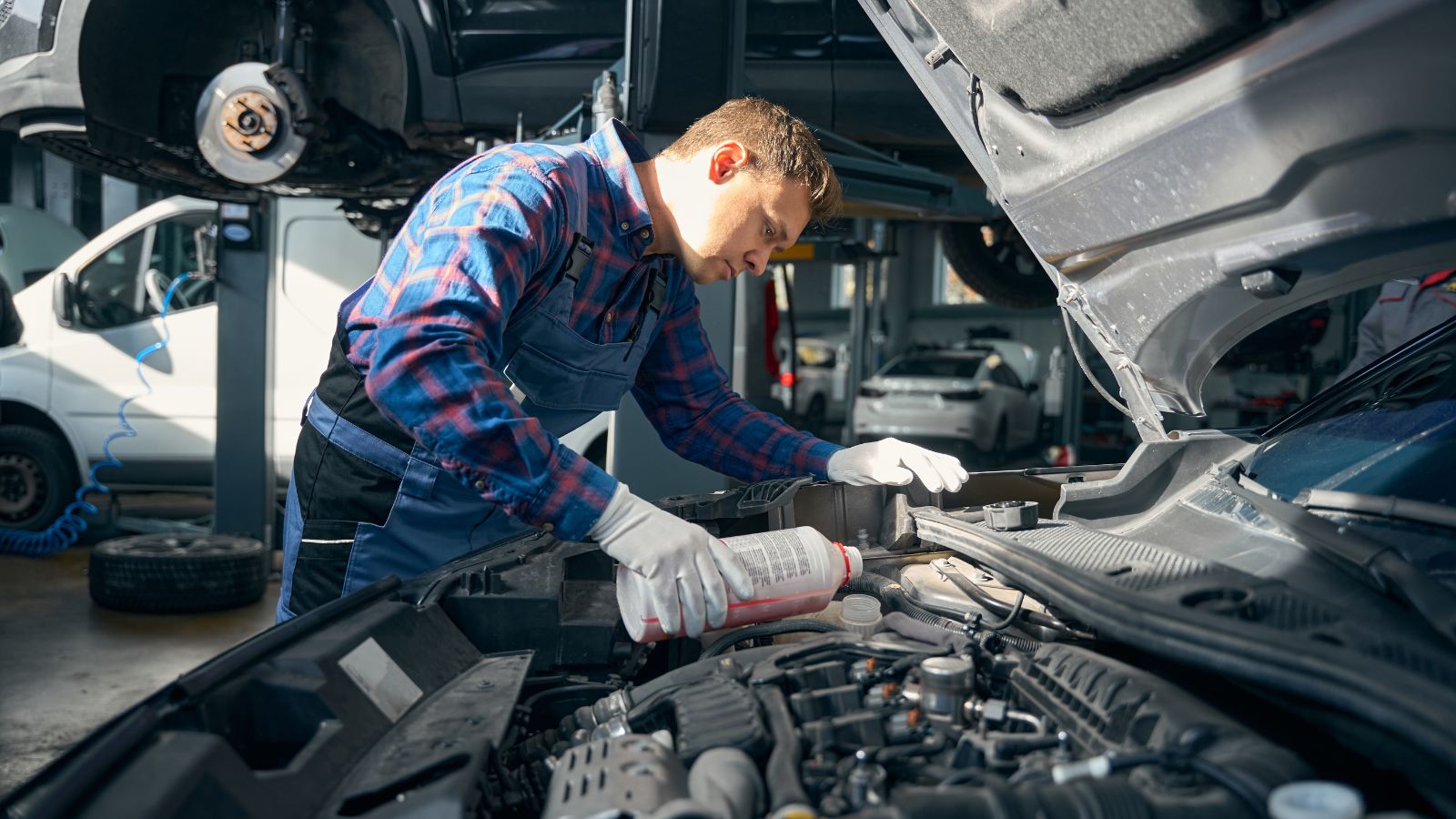
The cooling system contains several relatively ordinary components capable of causing an extraordinarily expensive problem. Radiators, thermostats, cooling fans, hoses and water pumps all help regulate engine temperature. Aging hoses can crack or leak, radiators can corrode or become damaged, and water pumps eventually wear. A coolant puddle that initially looks like a minor maintenance issue can therefore become much more serious if the engine is allowed to overheat.
That is what makes cooling problems especially dangerous on higher-mileage vehicles. Replacing a hose or thermostat is one thing; dealing with the consequences of severe overheating can be another matter entirely. Excessive heat can damage head gaskets and other major engine components. Owners sometimes make the situation worse by repeatedly adding coolant without identifying where it is disappearing. Around and beyond 100,000 km, coolant condition, hoses, belts, the radiator and water pump deserve closer attention. The cheaper repair is almost always the one discovered before the temperature gauge begins climbing.
Timing-Belt Service Can Be Expensive to Ignore
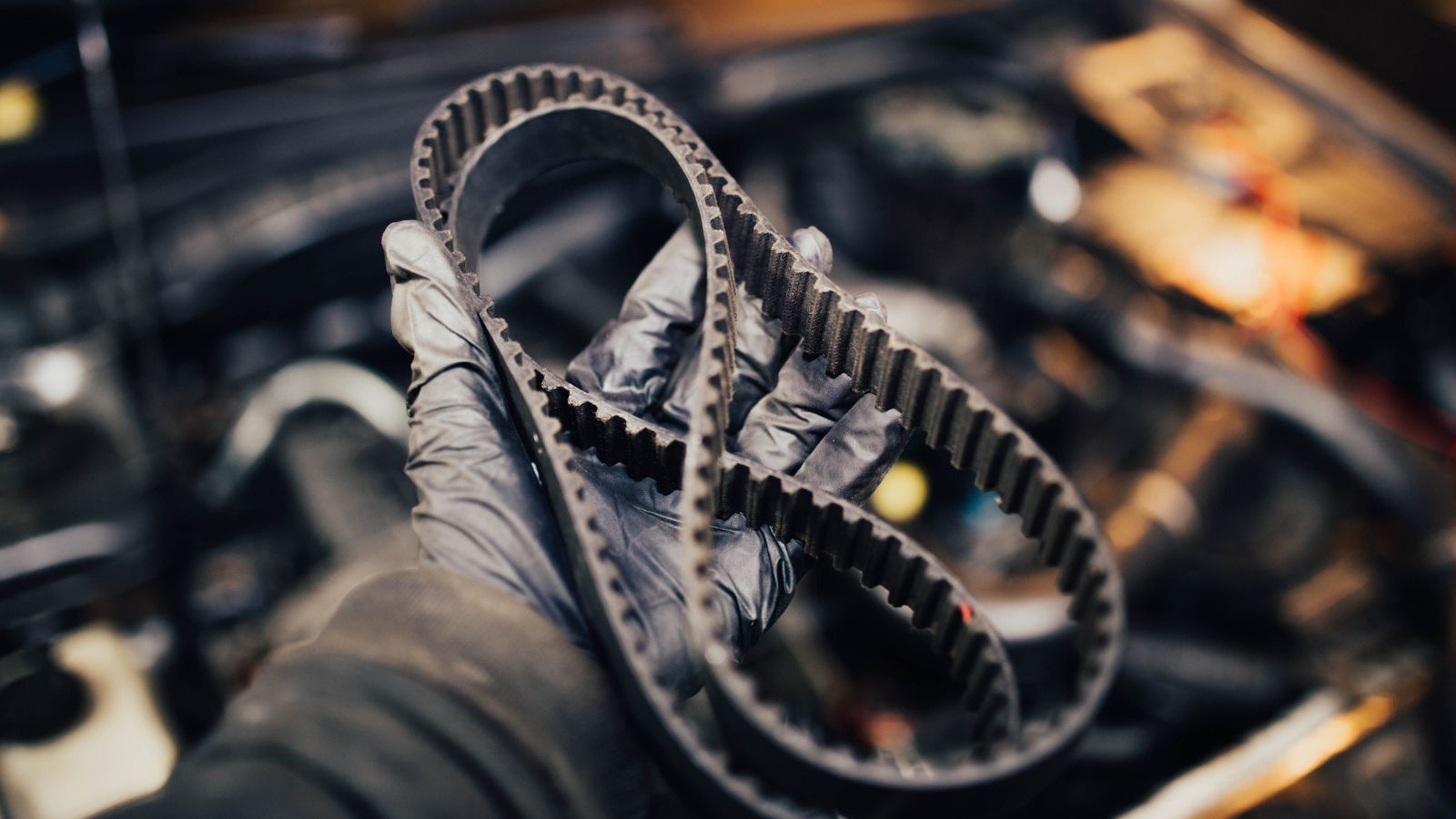
Not every engine uses a timing belt, and replacement intervals vary considerably, but vehicles that do have one can face a significant scheduled expense as kilometres accumulate. Honda, for example, includes timing-belt replacement among specified maintenance items on certain V6 models and calls for replacement at 100,000 km under particular extreme-temperature operating conditions. The correct interval for any vehicle should come from its own maintenance schedule rather than a universal mileage rule.
The belt is only part of the equation. Timing systems may also contain tensioners, pulleys and related components that experience wear. Technical guidance from belt manufacturers notes that tensioner degradation and oil leakage can interfere with proper operation. Shops frequently inspect associated parts when the timing system is opened because much of the labour required to reach them has already been performed. A vehicle whose previous owner ignored an applicable timing-belt interval can therefore arrive with a substantial maintenance bill waiting. It is exactly the kind of invisible expense that a clean body and tidy interior cannot reveal.
Transmission Neglect Becomes Harder to Hide
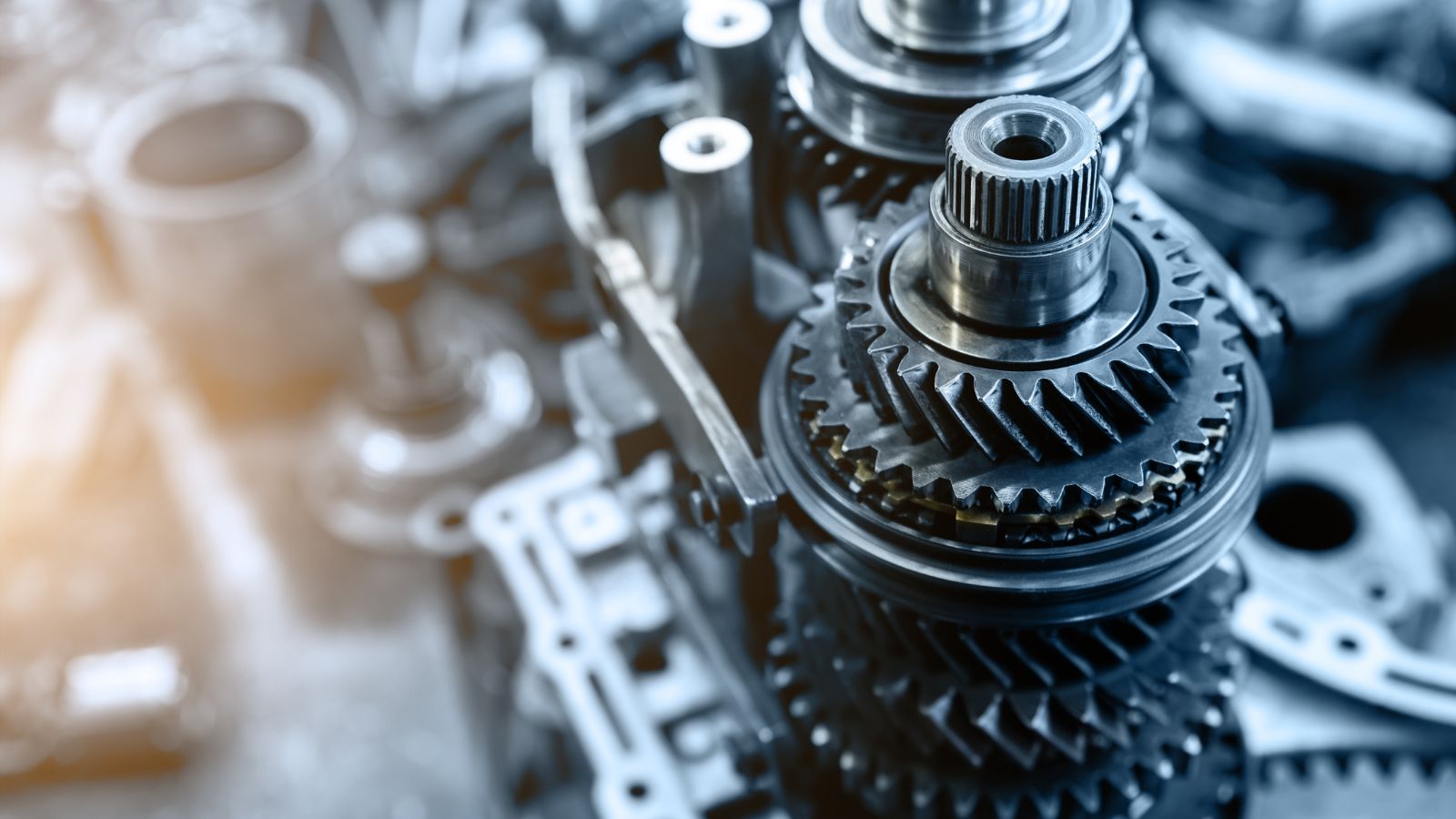
Automatic transmissions and continuously variable transmissions rely on fluid to lubricate, cool and support the operation of internal components. Manufacturers specify fluid-service requirements according to vehicle design and operating conditions. Honda, for example, notes that automatic-transmission fluid deteriorates over time and should be replaced according to the recommended schedule. Its maintenance information also calls for shorter intervals under certain severe operating conditions such as regular towing or mountainous driving.
Leaks make the situation more concerning. Worn seals, damaged lines or pan gaskets can lower the fluid level, while insufficient transmission fluid can contribute to slipping and overheating. By the time noticeable hesitation, harsh engagement or slipping appears, diagnosis may be more complicated than simply performing routine maintenance. A high-mileage vehicle with no documentation of transmission servicing therefore deserves careful inspection. The transmission might continue operating normally for years, but a neglected unit can produce one of the largest repair decisions an older vehicle owner will face.
Suspension Wear Starts Affecting More Than Ride Quality
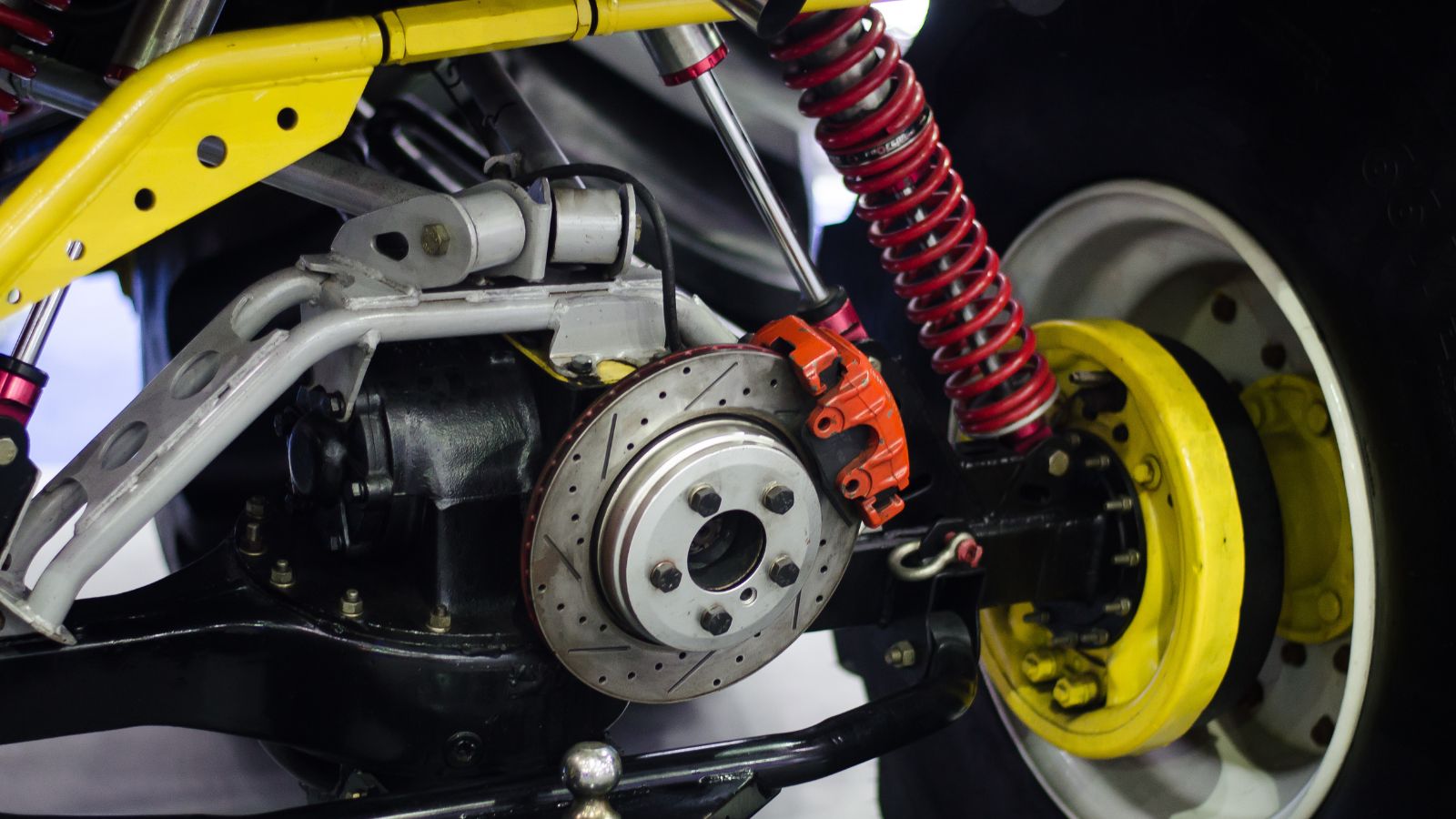
Suspension deterioration often happens gradually enough that drivers adapt to it. A vehicle may begin bouncing slightly more over dips, leaning more through corners or producing an occasional clunk without suddenly becoming undriveable. Shocks, struts, control arms, bushings, tie rods and springs are all components technicians examine when assessing an aging suspension. By higher kilometre counts, wear in several parts can exist at the same time.
The expense is not limited to comfort. Suspension and steering condition also influence alignment and how tires contact the road. A worn component can contribute to uneven tire wear, meaning a driver may buy new tires only to begin damaging the replacements before correcting the underlying problem. Labour can also grow when multiple bushings, links or arms need attention during the same visit. This is why a slightly loose-feeling high-mileage vehicle deserves more than a quick road test. What feels like an old car simply riding like an old car may actually represent a growing list of chassis repairs.
Wheel Bearings and CV Joints Join the Repair List
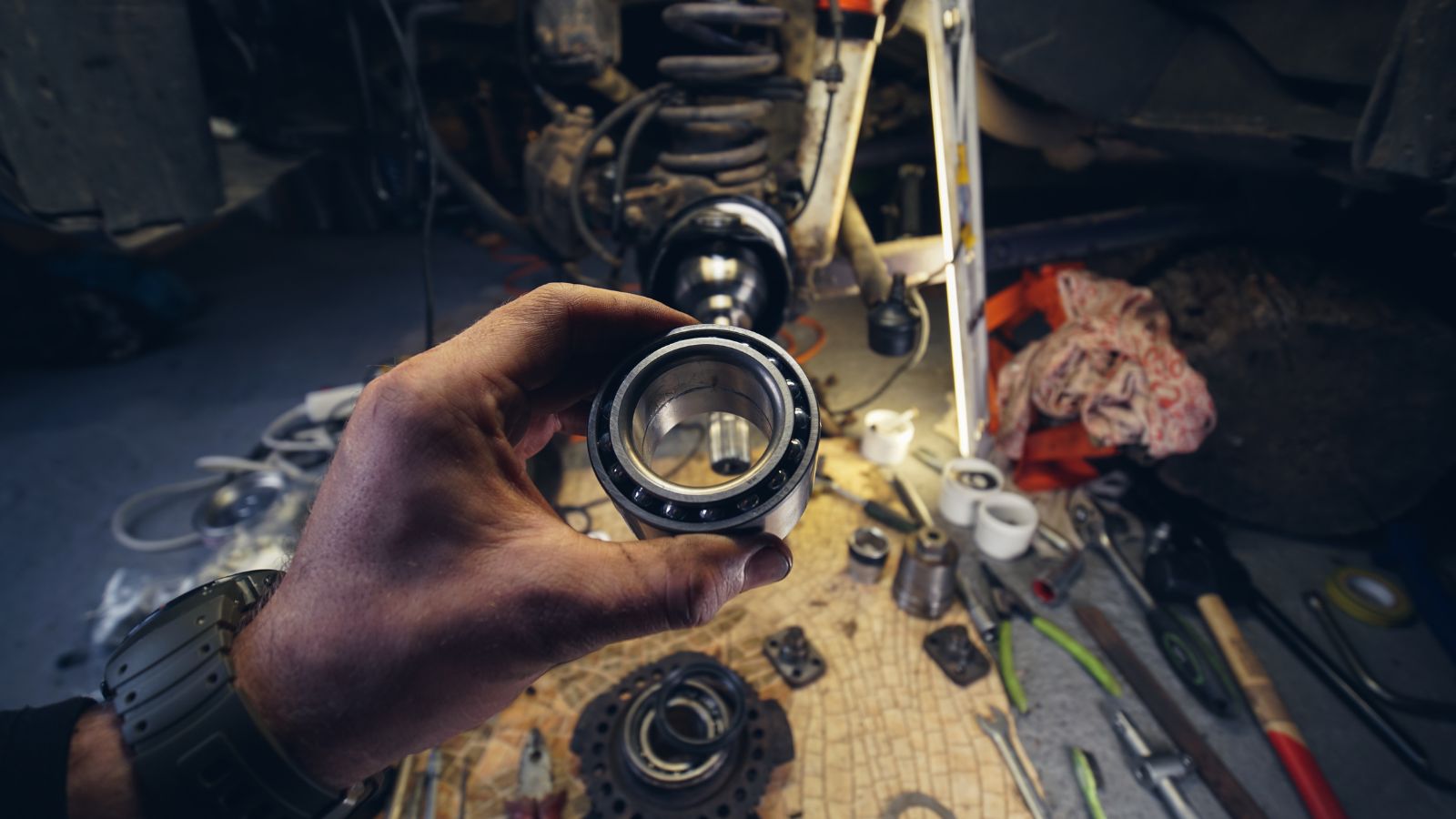
A humming noise that rises with road speed or clicking while turning can introduce another category of high-mileage expense. Wheel bearings, CV joints and related driveline components spend their lives handling rotation, vehicle weight and changing loads. AAA includes wheel bearings, CV joints and driveline components among the areas that deserve deeper inspection as vehicles approach major higher-mileage service milestones.
Problems are sometimes hidden by ordinary road and tire noise. A worn bearing may initially create a faint hum, while a damaged CV boot can lose grease and allow contamination into the joint before pronounced clicking appears. Once multiple corners of an aging vehicle begin showing wear, the individual repair bills can add up surprisingly quickly. These problems are also difficult to judge from appearance alone; an otherwise clean used car can still have significant wear underneath. A thorough road test and mechanical inspection therefore become increasingly valuable once the odometer has moved well beyond the vehicle’s early years.
Brake Work Can Expand Beyond Pads
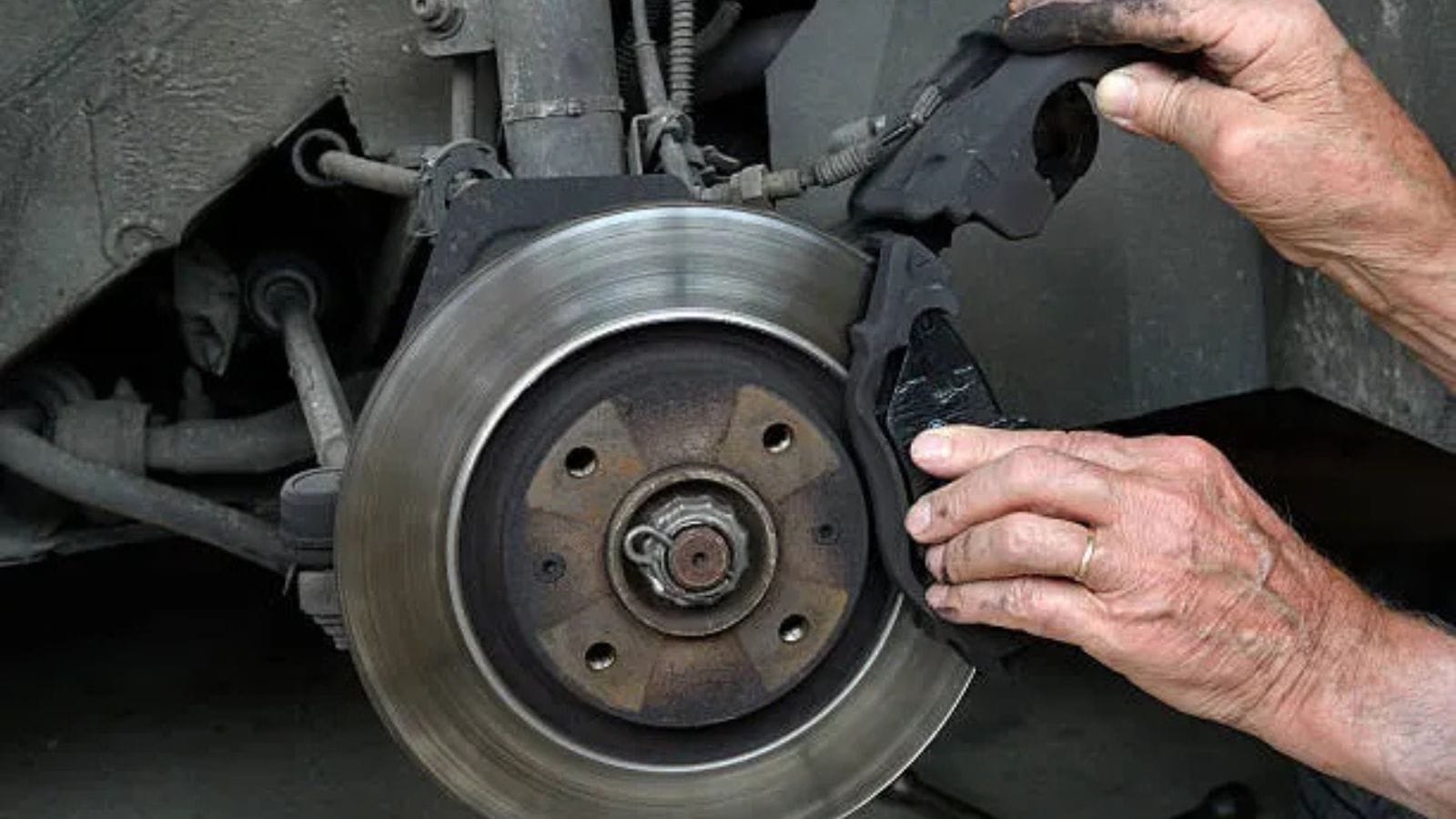
Brake pads are expected wear items, so owners generally understand that they will eventually need replacement. What can make an older vehicle expensive is everything surrounding them. Rotors can wear, calipers can seize, flexible hoses can deteriorate and hydraulic components can leak. Brake fluid also absorbs moisture over time, which is why manufacturers specify time-based replacement intervals. Honda Canada, for example, recommends brake-fluid replacement every three years on the vehicles covered by its guidance.
That means a brake job discovered after 100,000 km may be considerably larger than installing another set of pads. A technician could find rotors below specification, a sticking caliper producing uneven wear or fluid that is overdue for replacement. Corrosion can make matters worse in regions where winter road salt is common. The result may be work on several corners rather than a single axle. Preventive inspections matter because braking problems generally become more expensive when one worn component is allowed to damage another before anyone notices.
Tire Wear Can Reveal a More Expensive Alignment Problem
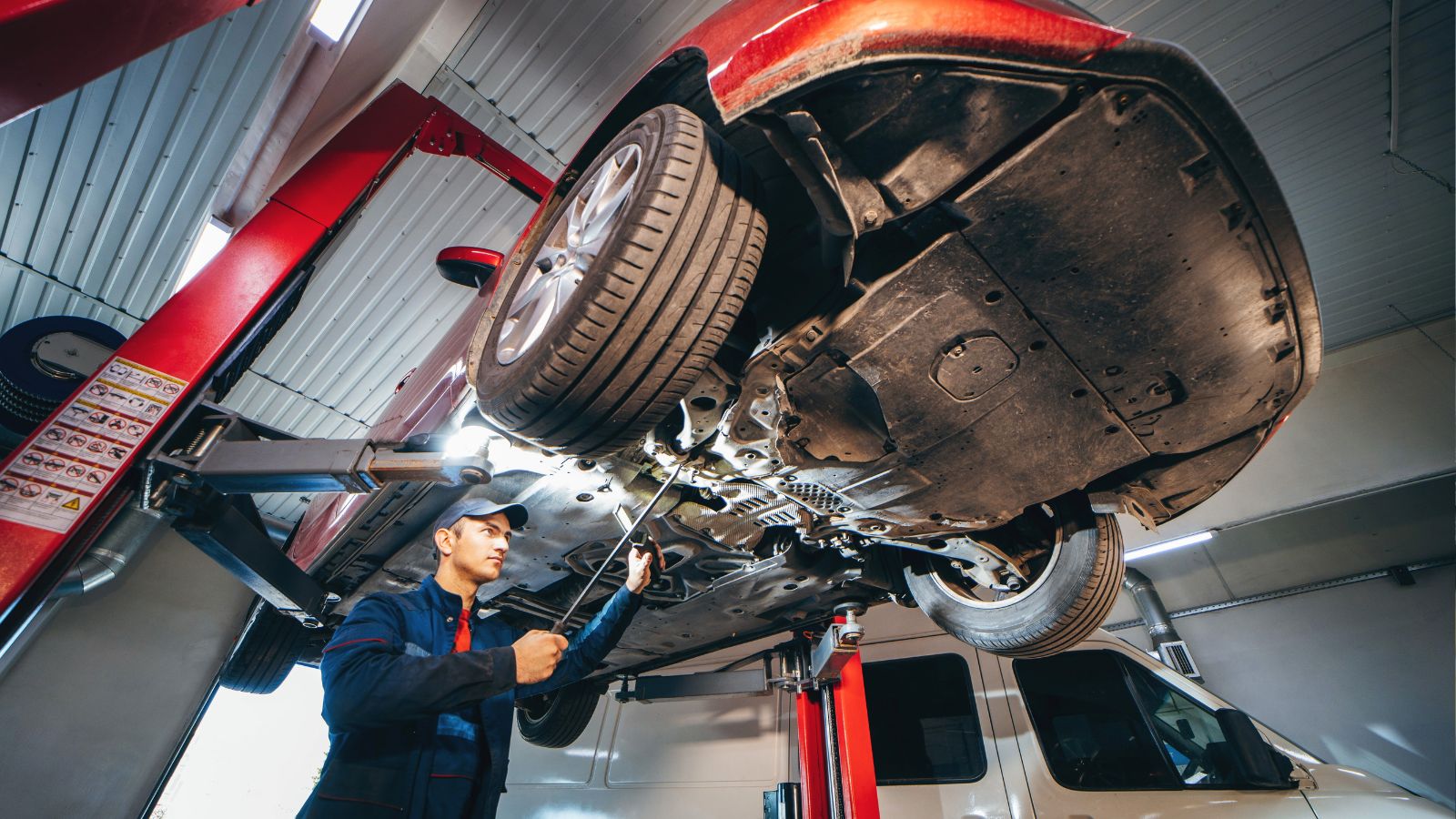
Tires can tell a surprisingly detailed story about the vehicle underneath them. Transport Canada notes that uneven tread wear can result from improper wheel alignment or imbalance, while incorrect inflation also affects wear and handling. A high-mileage car advertised with nearly new tires may therefore look reassuring until closer inspection reveals that one edge of the tread is already disappearing faster than the rest.
An alignment by itself is usually routine maintenance. The bill changes when the alignment cannot be brought into specification because steering or suspension parts are worn. Tie rods, bushings, control arms or other components may need repair before the vehicle can properly hold its settings. Then comes the possibility that already damaged tires must be replaced as well. This creates a familiar money-pit sequence: a driver notices tire wear, books an alignment, discovers suspension wear and ends up paying for chassis repairs plus another set of tires. Checking tread across the entire width can expose the problem before the invoice does.
AWD and 4WD Systems Add More Fluids and Hardware
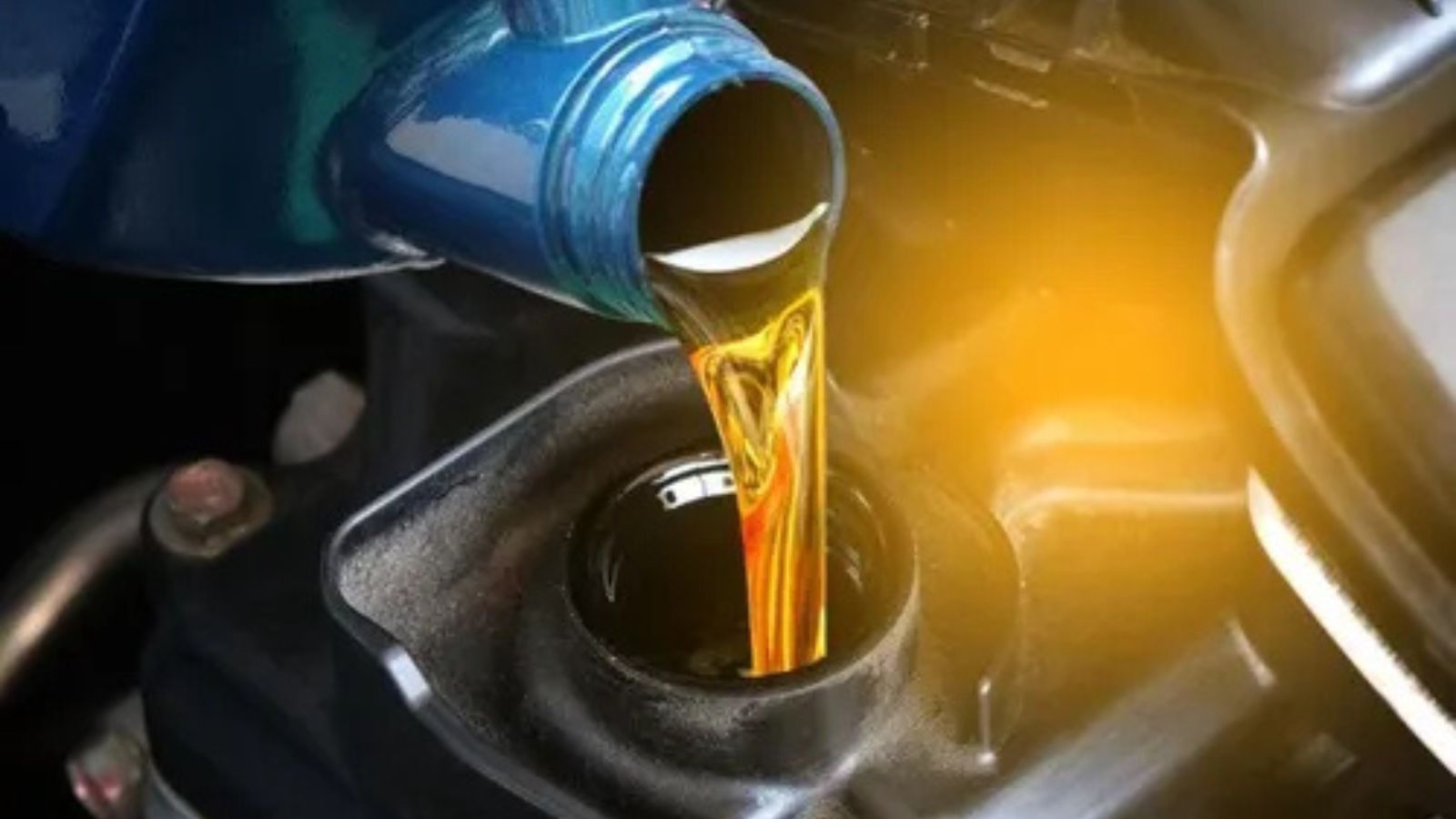
All-wheel-drive and four-wheel-drive vehicles provide useful traction, but their drivetrains can contain additional components that need maintenance. Depending on the design, that can include transfer cases, rear differentials, propeller shafts and additional fluid reservoirs. Toyota notes that differentials and other drivetrain components use fluids that must be checked and replaced according to the appropriate maintenance schedule. Honda schedules also specify differential or transfer-fluid service on applicable vehicles.
Those extra systems become especially relevant as kilometres increase. Leaks that were previously minor can lower fluid levels, while neglected lubricants can leave expensive gears and bearings operating with degraded protection. Towing and mountainous driving may require more frequent service on some vehicles. An AWD badge therefore comes with maintenance obligations that are easy for a previous owner to overlook. When shopping for an older crossover or SUV, documented engine-oil changes are only part of the history worth checking. Missing records for differentials and transfer cases can represent an entirely separate category of future expenditure.
Spark Plugs and Ignition Parts Start Demanding Attention
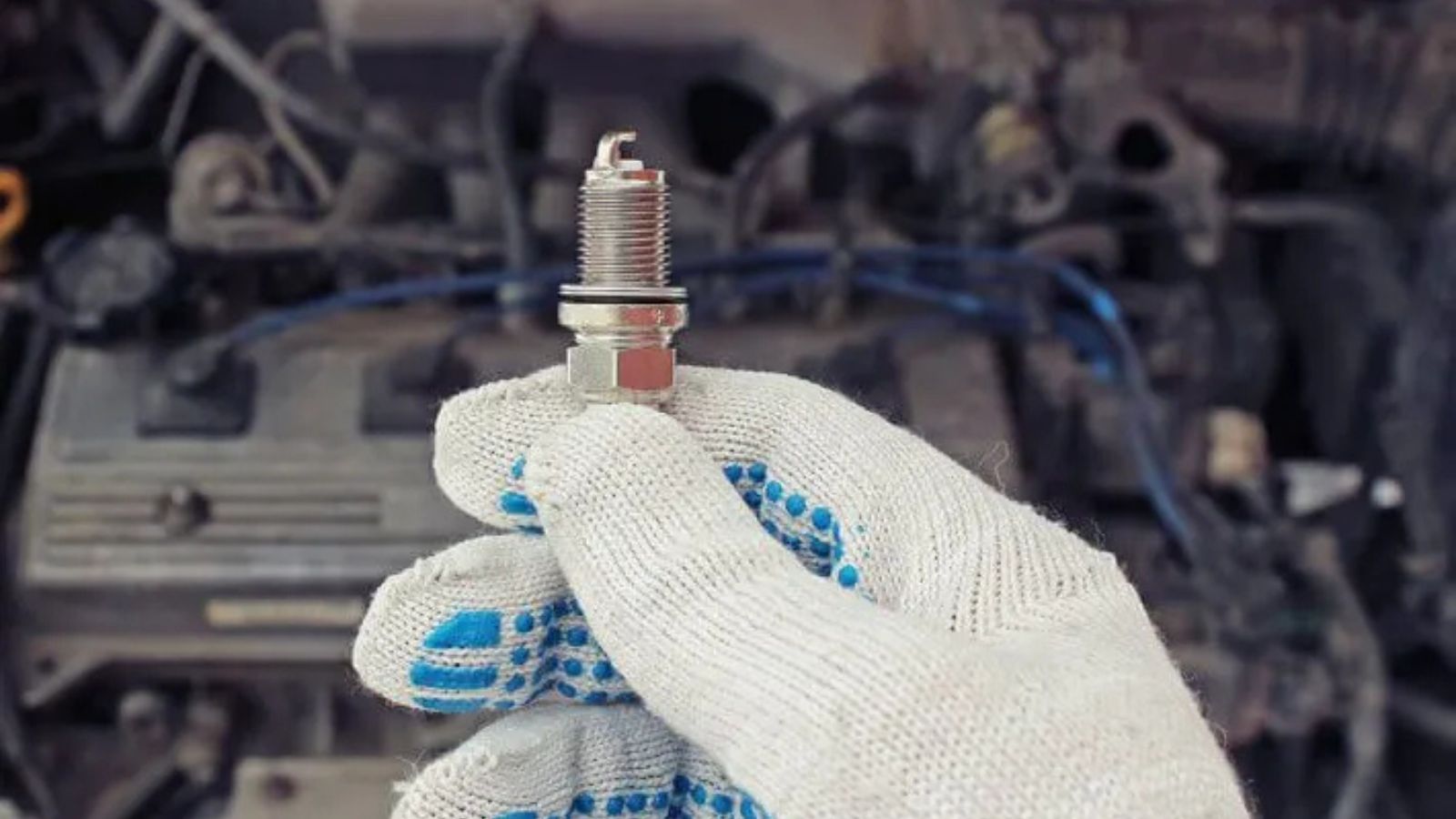
Spark plugs do not last forever, and their service life varies according to design and manufacturer specifications. Honda includes spark-plug replacement as a defined maintenance item in its Maintenance Minder schedule. CAA also recommends checking ignition components such as spark plugs during seasonal vehicle preparation because faulty ignition parts can cause starting and drivability problems.
Age can complicate what would otherwise be straightforward maintenance. A vehicle may need spark plugs while also developing a weak ignition coil, damaged connector or other electrical issue. Symptoms can include rough running, hesitation, difficult starting or a check-engine warning. More importantly, an unresolved misfire should not simply be tolerated because the vehicle still moves. Misfires can send unburned fuel into the exhaust and place the catalytic converter at risk. What begins as routine ignition maintenance can therefore become much more expensive if warning lights and poor running are repeatedly ignored. On an older vehicle, early diagnosis can prevent one repair category from creating another.
Fuel-System Deposits and Delivery Problems Can Build
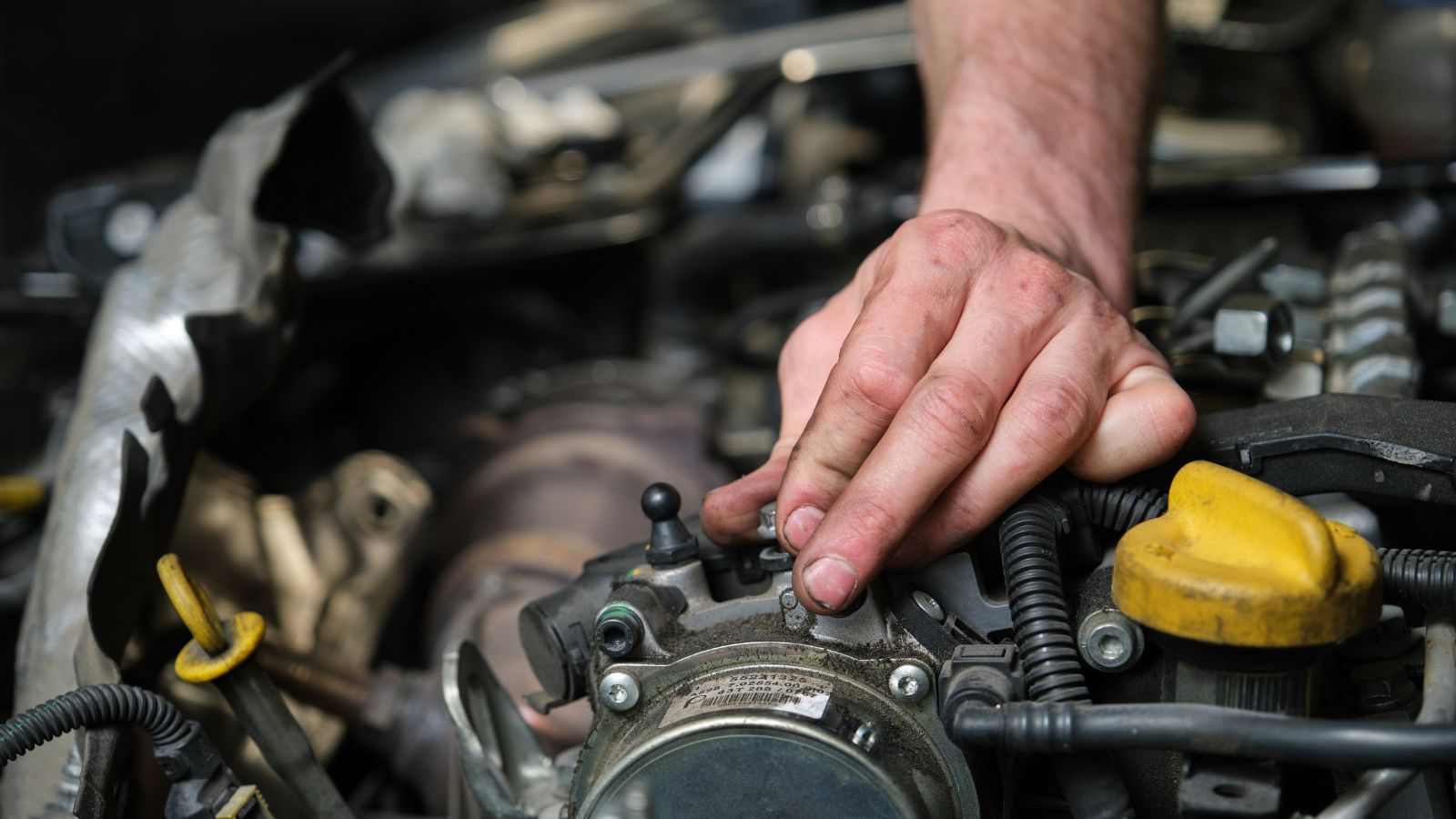
Fuel injectors and combustion chambers operate under demanding conditions, and deposit formation can affect performance. AAA laboratory testing found substantial differences in deposit formation between the fuels it tested with different detergent packages. The current TOP TIER gasoline performance standard also includes requirements specifically designed to minimize deposits in fuel injectors, intake valves and combustion chambers, including updated testing for gasoline direct-injection technology.
That does not mean every high-mileage engine requires an expensive cleaning service. Manufacturer recommendations remain the place to start, and unnecessary treatments should not be confused with scheduled maintenance. The financial risk arises when genuine fuel-delivery problems develop and are misdiagnosed or allowed to continue. Deposits, clogged filters where serviceable, injector problems or fuel-delivery faults can produce hesitation, poor running or starting difficulties that resemble ignition and sensor failures. Diagnosing the cause rather than replacing parts by guesswork becomes increasingly important as an engine accumulates kilometres and several plausible sources of the same symptom begin to overlap.
Emissions Problems Can Lead to Catalytic-Converter Bills
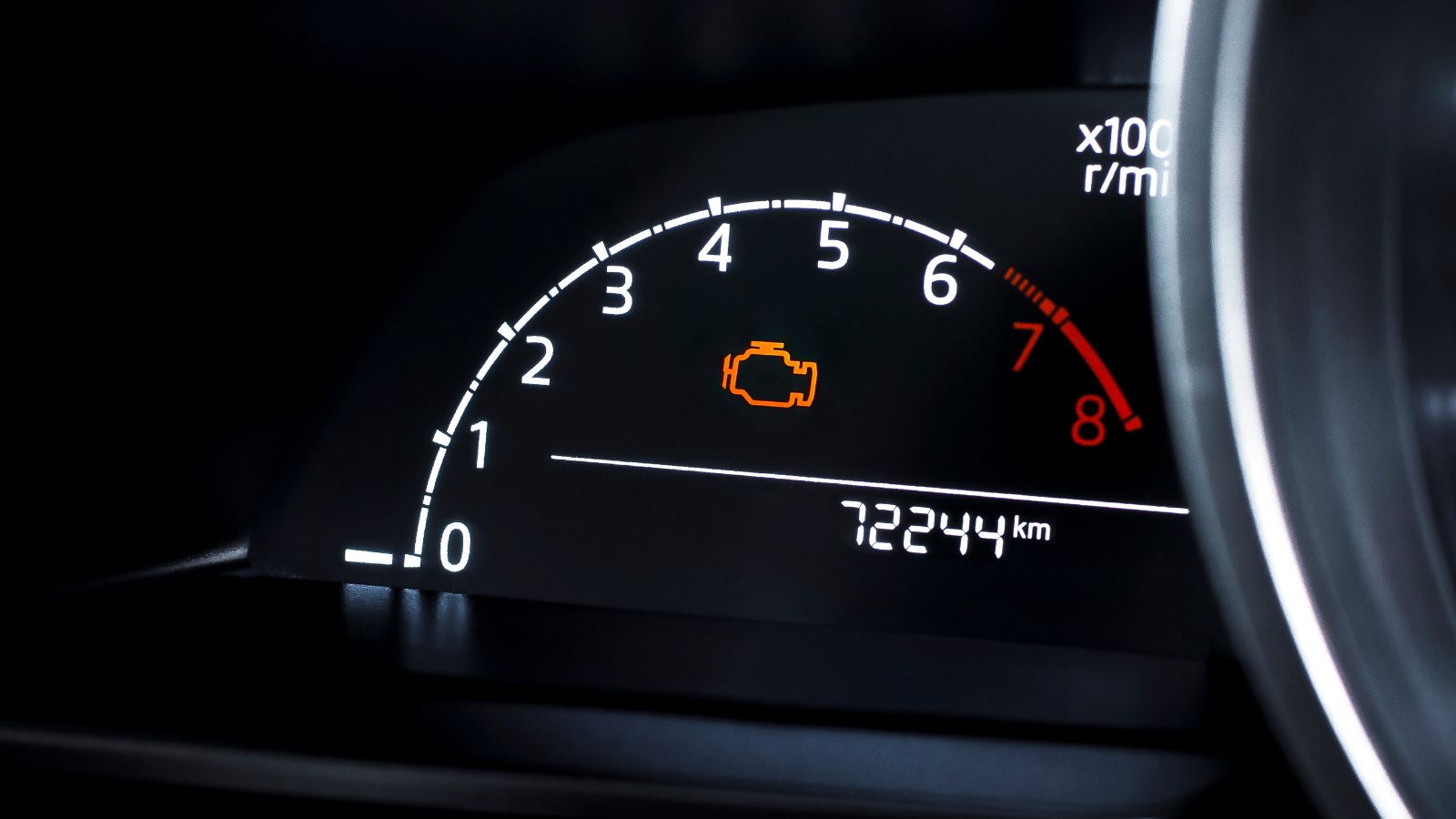
A check-engine light can represent anything from a relatively minor fault to an expensive emissions-system problem. Oxygen sensors monitor exhaust conditions and help the engine-management system control combustion, while the catalytic converter handles pollutants in the exhaust stream. The danger comes when an underlying engine or ignition problem is allowed to continue long enough to damage other components.
AAA specifically warns that a flashing check-engine light can indicate a problem capable of damaging the catalytic converter. Misfires can allow unburned fuel into the exhaust, while other fuel-management problems may create abnormal operating conditions. Catalytic converters are costly components partly because they contain precious metals such as platinum, palladium and rhodium. A neglected misfire can therefore turn an ignition repair into an emissions-system repair costing considerably more. After 100,000 km, repeated warning lights should not automatically be dismissed as harmless age-related quirks. Proper diagnosis can mean the difference between replacing the failed component and replacing everything it damaged afterward.
Air Conditioning Can Become a Multi-Part Repair
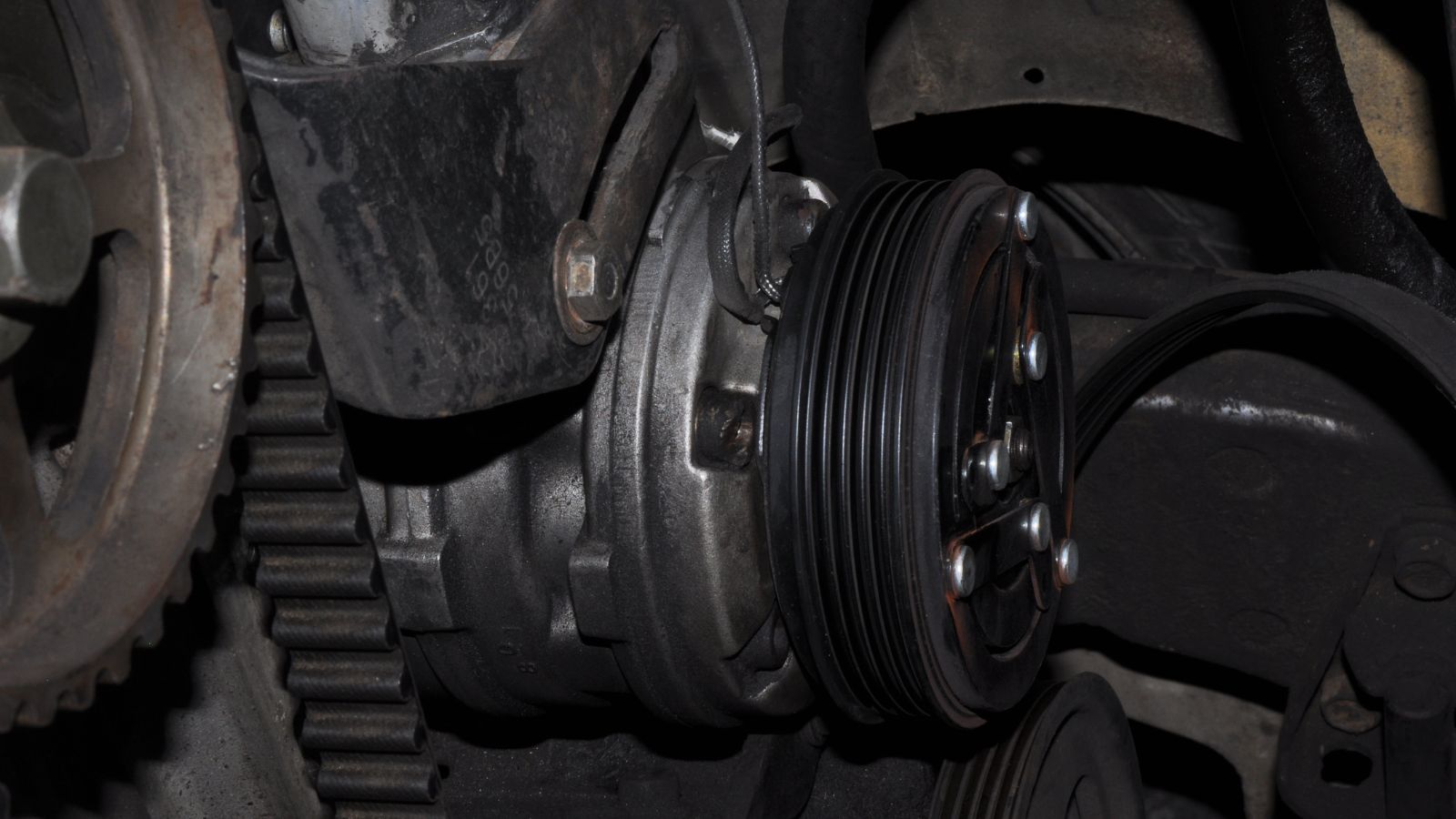
Weak air conditioning is easy to postpone, particularly when the vehicle still runs perfectly well. Yet an automotive A/C system contains compressors, condensers, evaporators, hoses, seals, service ports and electrical controls. AAA notes that refrigerant leaks can occur at several of those points and that a system requiring repeated recharging likely has a larger problem that should be diagnosed.
Low refrigerant is not simply an inconvenience. Refrigerant and compressor oil circulate through the system, and operating with an incorrect charge can increase strain on components. A quick recharge may restore cold air temporarily without fixing the source of the loss. On an aging vehicle, the repair can expand if the compressor, condenser or another major component has failed. Modern systems can also be electronically complex, making accurate diagnosis important before parts are replaced. A high-mileage car with non-functioning A/C may therefore be hiding far more than the cost of adding refrigerant, particularly when the system has been neglected for several seasons.
Battery and Charging Problems Can Arrive Together
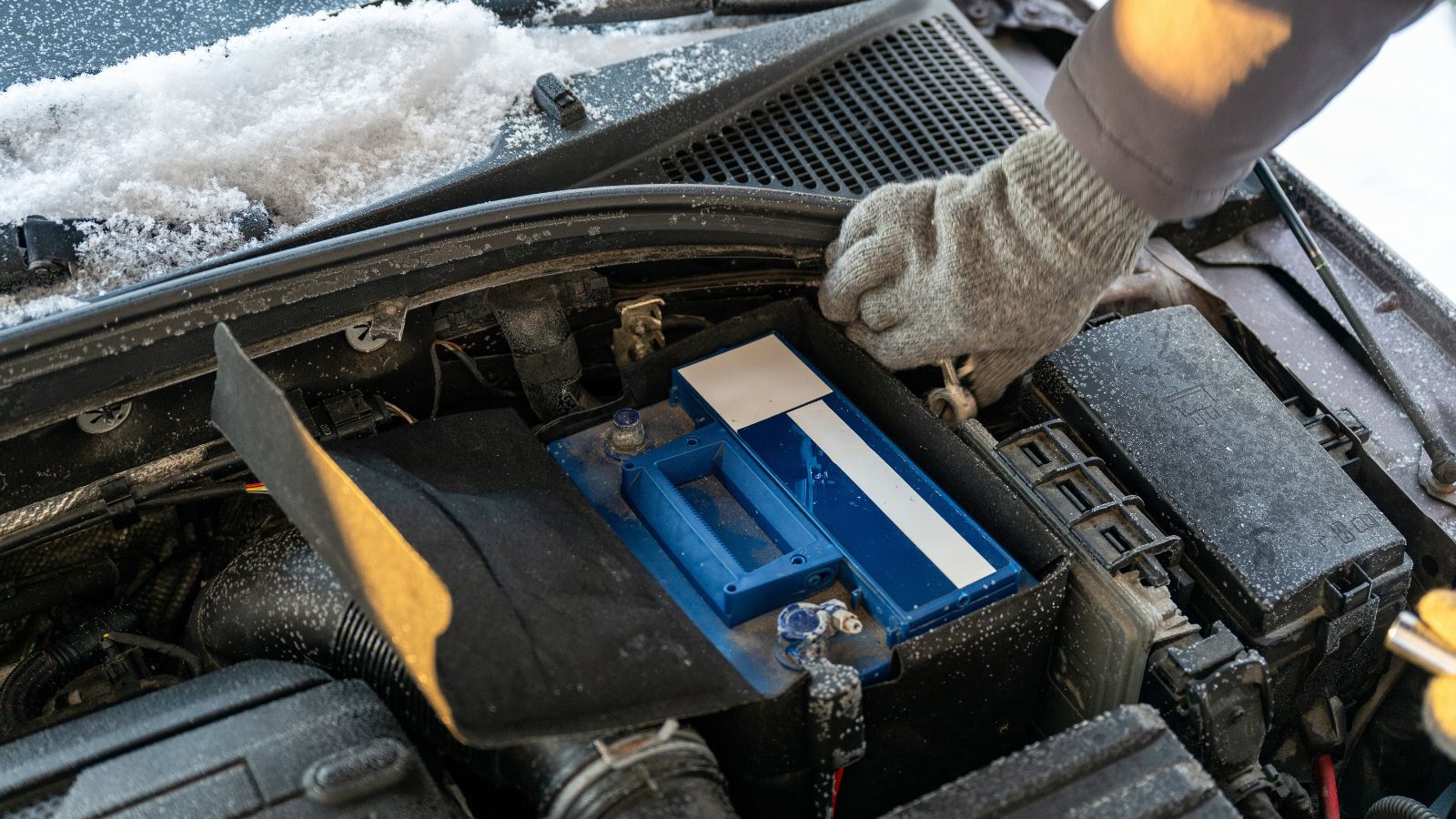
The odometer does not determine battery life, but the age that often accompanies higher mileage matters. AAA says conventional vehicle batteries commonly last roughly three to five years, with heat, vibration, usage patterns and charging-system condition affecting lifespan. By the time many vehicles have travelled beyond 100,000 km, they may already be on their second battery—or approaching another replacement.
The complication is that a no-start problem is not always the battery. The alternator, starter, cables, grounds and other electrical components can create similar symptoms. A malfunctioning charging system can also shorten battery life, potentially causing an owner to replace the battery without fixing the reason it failed. Starter motors themselves experience mechanical and electrical wear as vehicles age. When an older car begins cranking slowly or intermittently showing charging warnings, proper testing matters. Otherwise, repeated batteries, emergency jump-starts, alternator work and finally a starter can make what looked like one electrical problem feel like a long-running series of expenses.
Corrosion Can Turn Routine Repairs Into Bigger Jobs
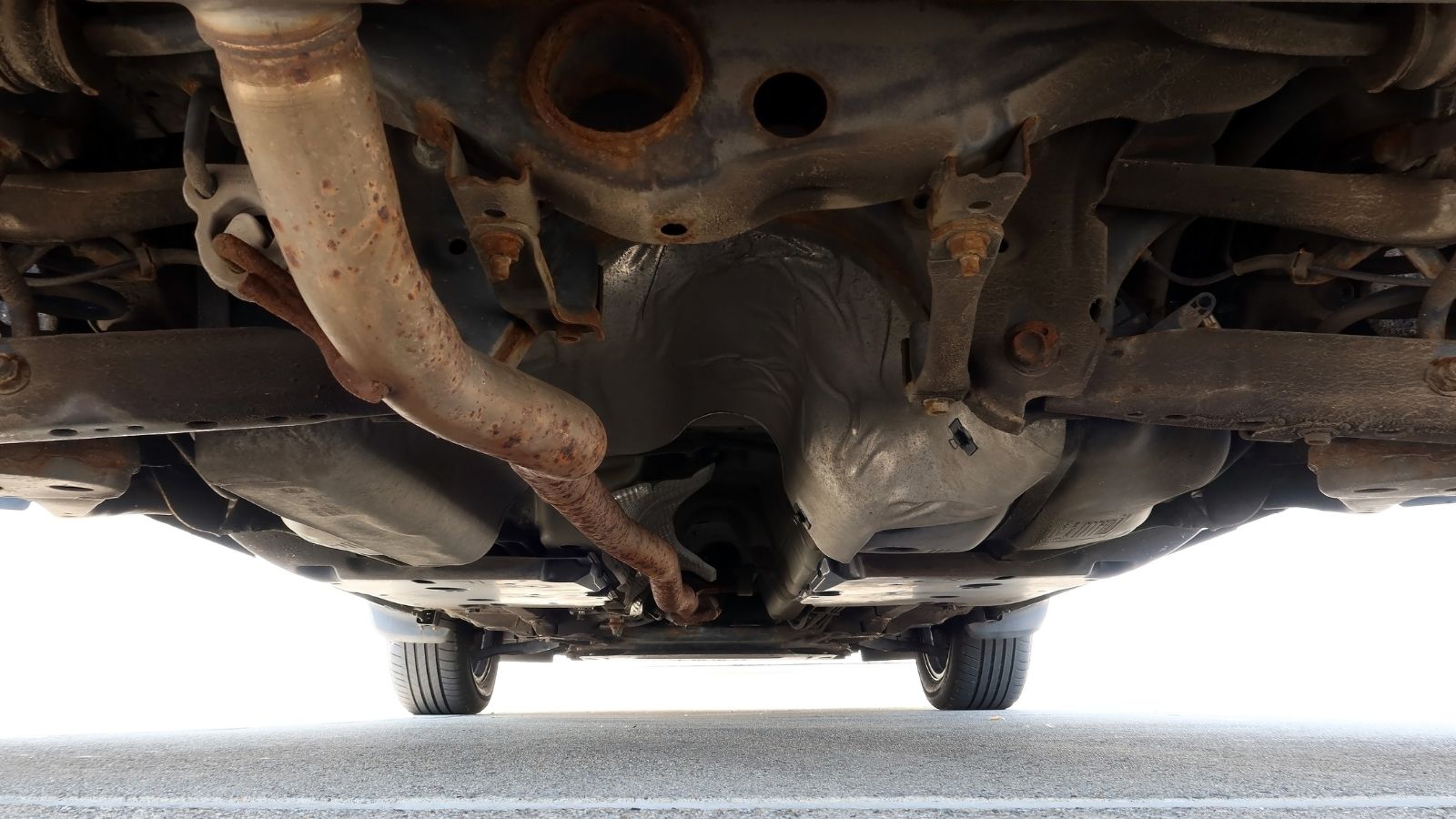
Canadian winters can be particularly hard on an older vehicle’s underside. Road salt combined with moisture accelerates corrosion, while components such as brake lines, fuel lines, suspension hardware, exhaust parts and structural areas can be exposed underneath the vehicle. Quebec’s SAAQ notes that winter humidity, precipitation and salt-based de-icing products are detrimental to vehicle condition and that long-term corrosion can eventually compromise structural integrity.
Corrosion also makes unrelated repairs more difficult. A job that should involve removing a few bolts can become far more labour-intensive when fasteners are heavily rusted or lines and brackets break during disassembly. The Automobile Protection Association notes that in high-salt regions of Canada, older vehicles can experience mechanical and body deterioration that increases maintenance costs and reduces resale value. A shiny exterior therefore tells only part of the story. For an older Canadian vehicle, inspecting the underbody, brake lines, suspension mounting areas and structural corrosion can be as important as listening to the engine.
Several Moderate Repairs Can Make the Car Feel Like a Money Pit
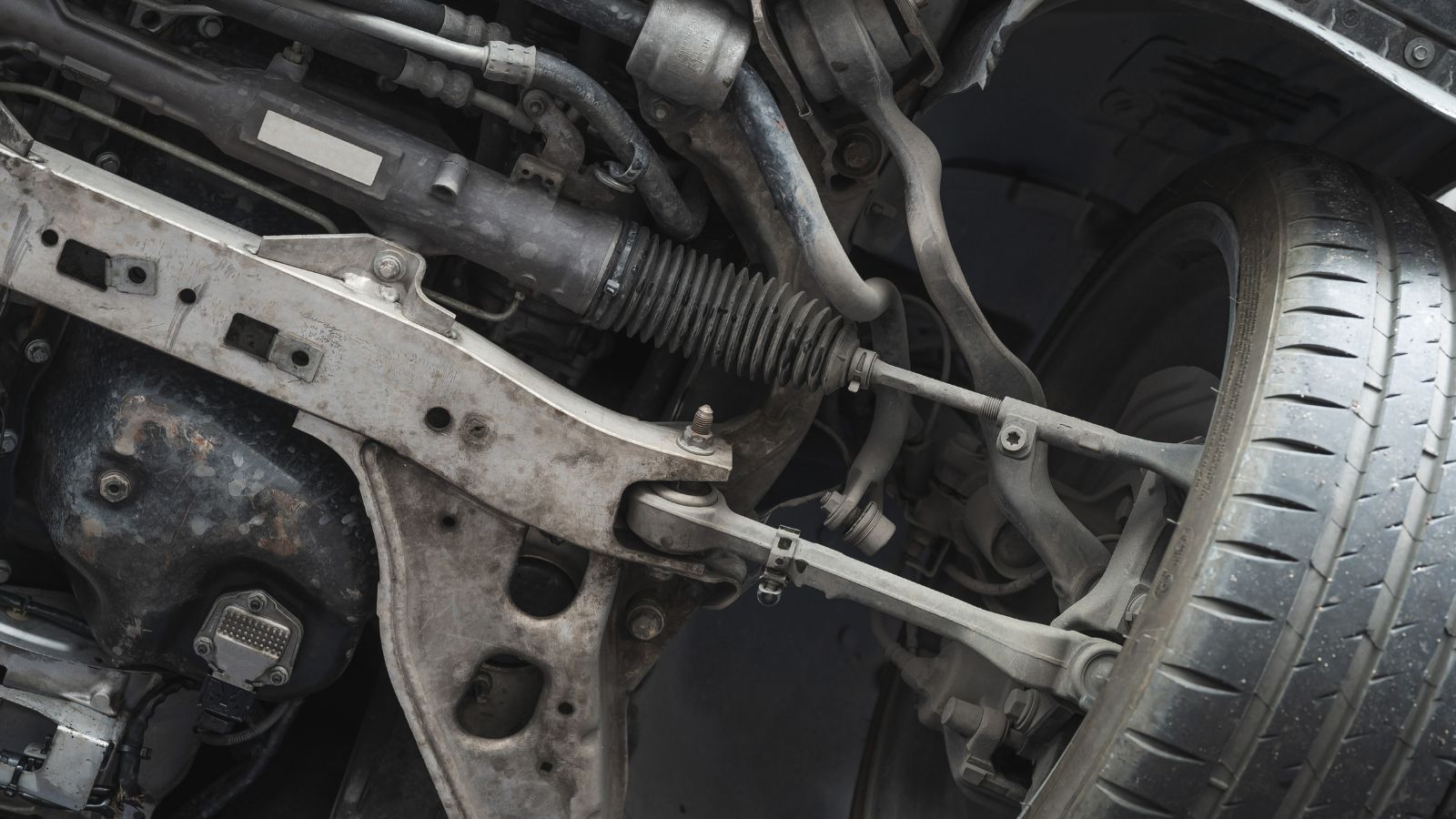
The defining characteristic of a money pit is often not one catastrophic failure. It is repair stacking. A vehicle may need tires this month, suspension work two months later, an A/C repair during summer and a battery before winter. Individually, every job might be defensible. Collectively, the owner can feel as though another invoice appears every time the previous one has finally been paid.
Research on vehicle spending has found that several categories of repair expenditure rise as vehicles age, while automotive organizations consistently emphasize that higher-mileage vehicles experience more age-related wear. That still does not make 100,000 km a reason to abandon an otherwise dependable car. Maintenance history, model reliability, corrosion, current condition and the likely repairs ahead matter much more than one odometer number. The smartest comparison is between the vehicle’s realistic upcoming costs and its remaining value and usefulness. A well-maintained car can keep going for many years; a neglected one can make every additional kilometre feel increasingly expensive.
19 Used Cars Canadians Should Avoid in 2026 (Based on Owner Complaints)

Buying a used car in Canada can feel safe until repair bills start stacking up. Owner complaints tell a different story than glossy listings. Transmission failures, electrical problems, and weak winter reliability show up again and again in consumer reports. Many of these issues appear after warranties expire, when owners least expect them. Some vehicles look affordable upfront, but become expensive to keep on the road. Others struggle in cold weather, urban driving, or long highway commutes. Here are 19 used cars Canadians should avoid in 2026 (based on owner complaints).
19 Used Cars Canadians Should Avoid in 2026 (Based on Owner Complaints)

Alanna Rosen is an experienced content writer that focuses on many EV and educational content. Her articles are regularly published on Get CyberTrucked and syndicated on large publications.