
Cold weather has a way of turning small inconveniences into much bigger problems. A windshield that needs scraping, a car stuck in fresh snow or an unexpected roadside delay can become far more serious once temperatures plunge and daylight disappears early. That is why Canadian transportation authorities consistently recommend preparing a vehicle before winter conditions become routine.
A useful cold-weather kit does not need to consume the entire trunk. Most essentials are inexpensive, compact and easy to forget until the moment they are needed. These 18 items Canadians should keep inside their vehicles before cold nights begin cover visibility, traction, warmth, communication and the basic tools that can make an uncomfortable winter breakdown considerably easier to manage.
An Ice Scraper and Snow Brush
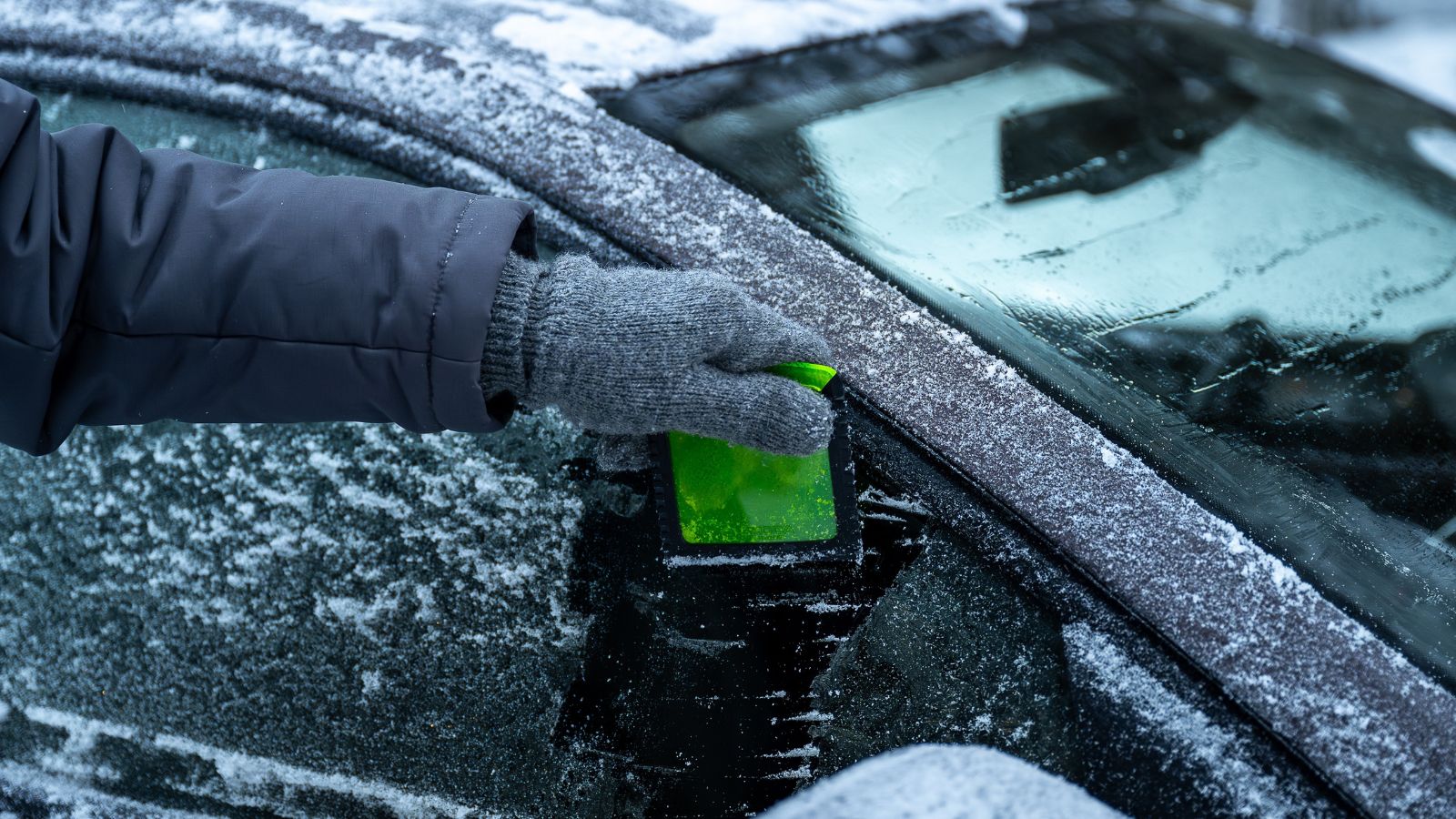
An ice scraper and snow brush may seem too obvious to deserve a place on a preparedness list, but autumn is precisely when many drivers discover last winter’s scraper has disappeared. A clear windshield is only part of the job. Snow and ice should also be removed from side and rear windows, mirrors, lights and the vehicle’s roof. Québec’s road-safety agency specifically tells motorists to have both a snow brush and ice scraper ready when temperatures fall below freezing because accumulated snow and ice can obstruct the driver and create hazards for surrounding traffic.
Keeping the tools in the vehicle eliminates the temptation to improvise. A commuter discovering a windshield coated in freezing rain at 6:30 a.m. should not have to search the garage for an old plastic card. A longer snow brush is particularly useful on SUVs, crossovers and pickups because it makes the centre of the roof easier to reach. Store both somewhere accessible rather than underneath a trunk full of luggage.
Winter-Rated Windshield Washer Fluid
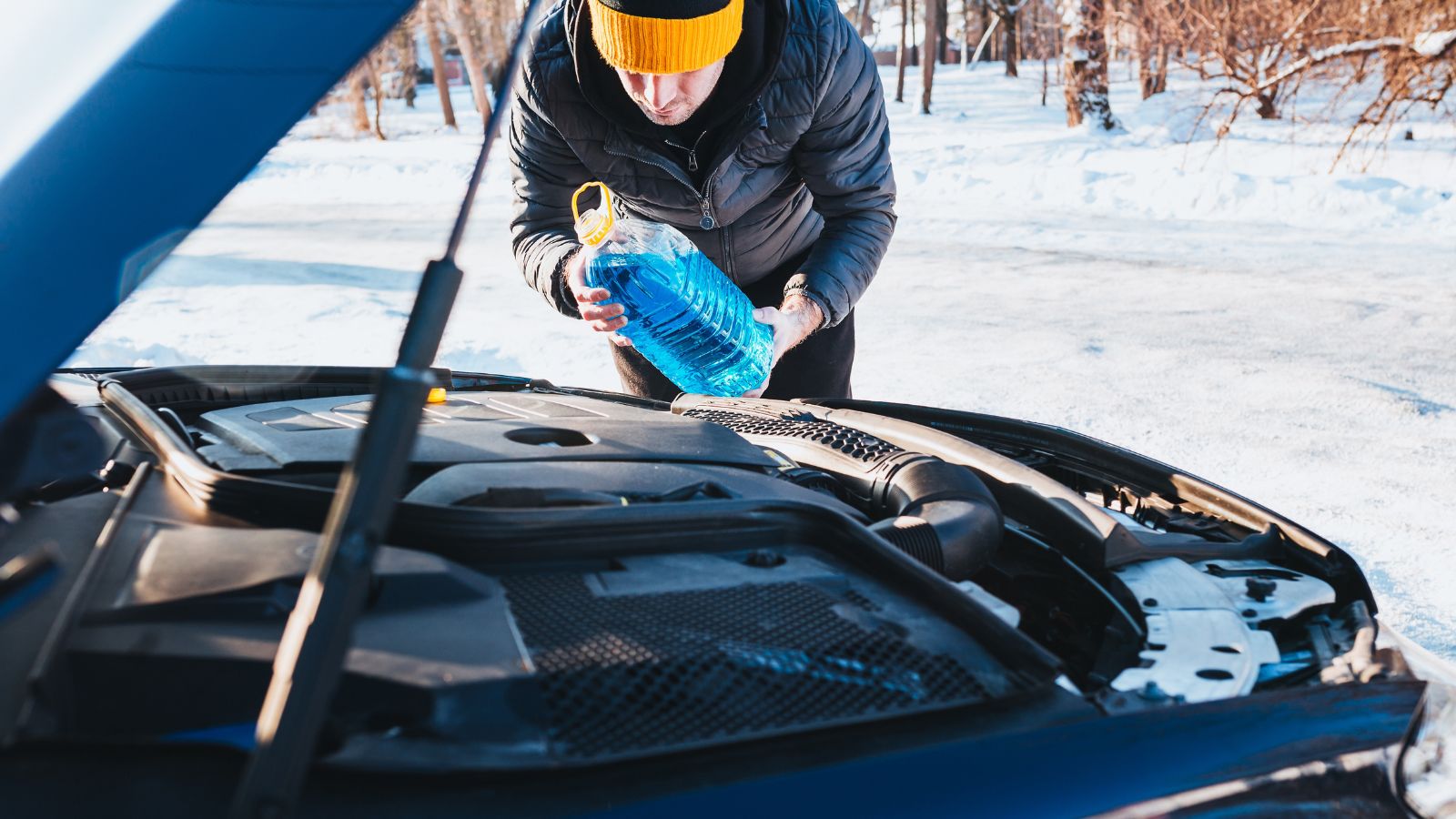
An extra jug of proper winter windshield washer fluid belongs in a Canadian vehicle long before the first major snowfall. Transport Canada recommends filling the vehicle with winter washer fluid rated in the -40°C range and carrying another jug. Ontario offers similar advice, telling drivers to use washer fluid capable of working down to -40°C. That distinction matters because summer formulations are designed primarily to remove insects and road grime and can freeze when temperatures drop sufficiently.
The spare jug becomes especially valuable on long highway drives. Salt, slush and dirty road spray can empty a washer reservoir surprisingly quickly when traffic is heavy, and visibility can deteriorate long before a service station appears. Drivers changing over from a summer formula should not simply assume whatever remains in the reservoir is ready for January conditions. Checking the label before cold nights begin is a small seasonal chore, but it helps ensure the fluid remains usable when a windshield is repeatedly being coated with winter grime.
A Compact Snow Shovel
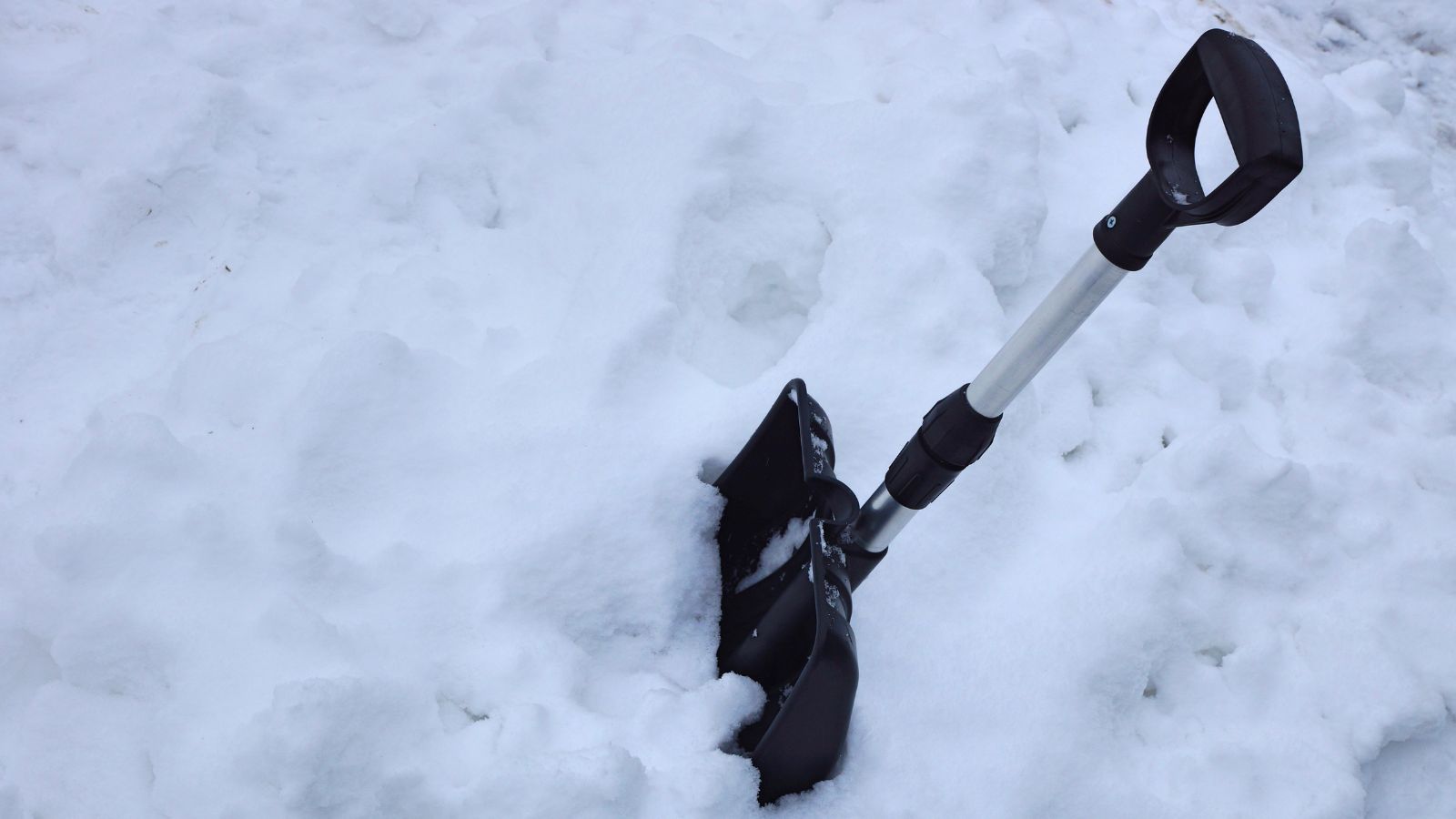
A small shovel with a reasonably long handle can turn a vehicle that appears hopelessly stuck into one that can move again. Transport Canada specifically includes one in its recommended winter supplies. The goal is not to carry a full-size driveway shovel but something strong enough to clear packed snow from around the tires, underneath the vehicle or behind the exhaust. Folding and telescoping models make it possible to keep one in the trunk without sacrificing much cargo space.
There is another important reason a shovel can matter when a vehicle becomes buried. Transport Canada warns stranded motorists to make sure the tailpipe is not blocked by snow because exhaust gases, including carbon monoxide, can enter the vehicle. That does not mean someone should undertake exhausting digging in dangerously cold conditions—the federal guidance specifically warns against heavy shovelling in bitter cold. Instead, the shovel is a practical tool for targeted clearing around tires and the exhaust while avoiding unnecessary physical exertion.
Traction Mats
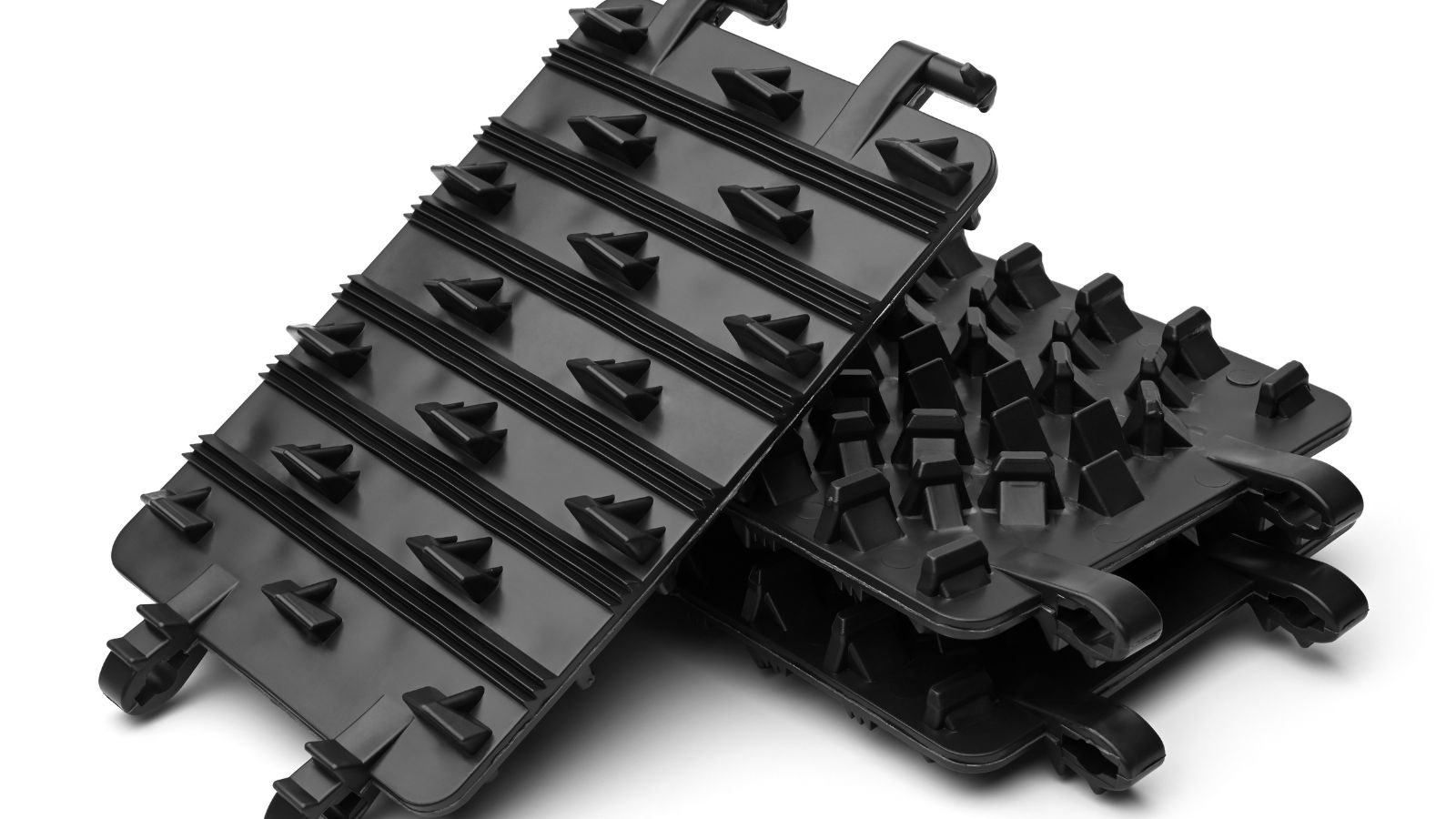
Traction mats are easy to ignore until a vehicle is sitting on polished snow while its drive wheels spin without moving it forward. Both Transport Canada and the Ontario government include traction mats in their winter emergency recommendations. Their job is simple: create a firmer, more textured surface beneath a tire when snow or ice offers too little grip. They can be particularly useful after a vehicle becomes stuck at the edge of an unplowed parking area or after fresh snow hides a slippery layer underneath.
They are also a reminder that four-wheel drive and all-wheel drive do not eliminate the possibility of getting stuck. Those systems can distribute driving power more effectively, but the tires still require usable grip against the road surface. Compact traction boards can remain flat in the trunk for months without taking much room. When temperatures begin dropping below freezing at night, placing them beside the shovel makes far more sense than waiting until the first major storm sends thousands of drivers searching for the same winter equipment.
Sand or Kitty Litter

A small bag of sand or non-clumping kitty litter can provide another source of traction when a tire is struggling on packed snow or a slick surface. Transport Canada lists sand or kitty litter among the supplies motorists should carry in the trunk, while Ontario recommends traction mats or sand as part of a winter survival kit. The material can be scattered in front of the drive tires to create a rougher surface where bare ice or compacted snow is preventing the tire from biting.
This is not a substitute for proper winter tires, nor should it encourage aggressive acceleration. It is simply a useful backup for those awkward moments when a vehicle needs enough initial grip to get moving. A sealed container or durable bag is preferable to an open paper sack that can tear and scatter material throughout the trunk. Drivers living in apartments may find this especially useful because they do not always have immediate access to the sand or salt that homeowners may already have sitting beside a garage.
Booster Cables or a Portable Jump Starter
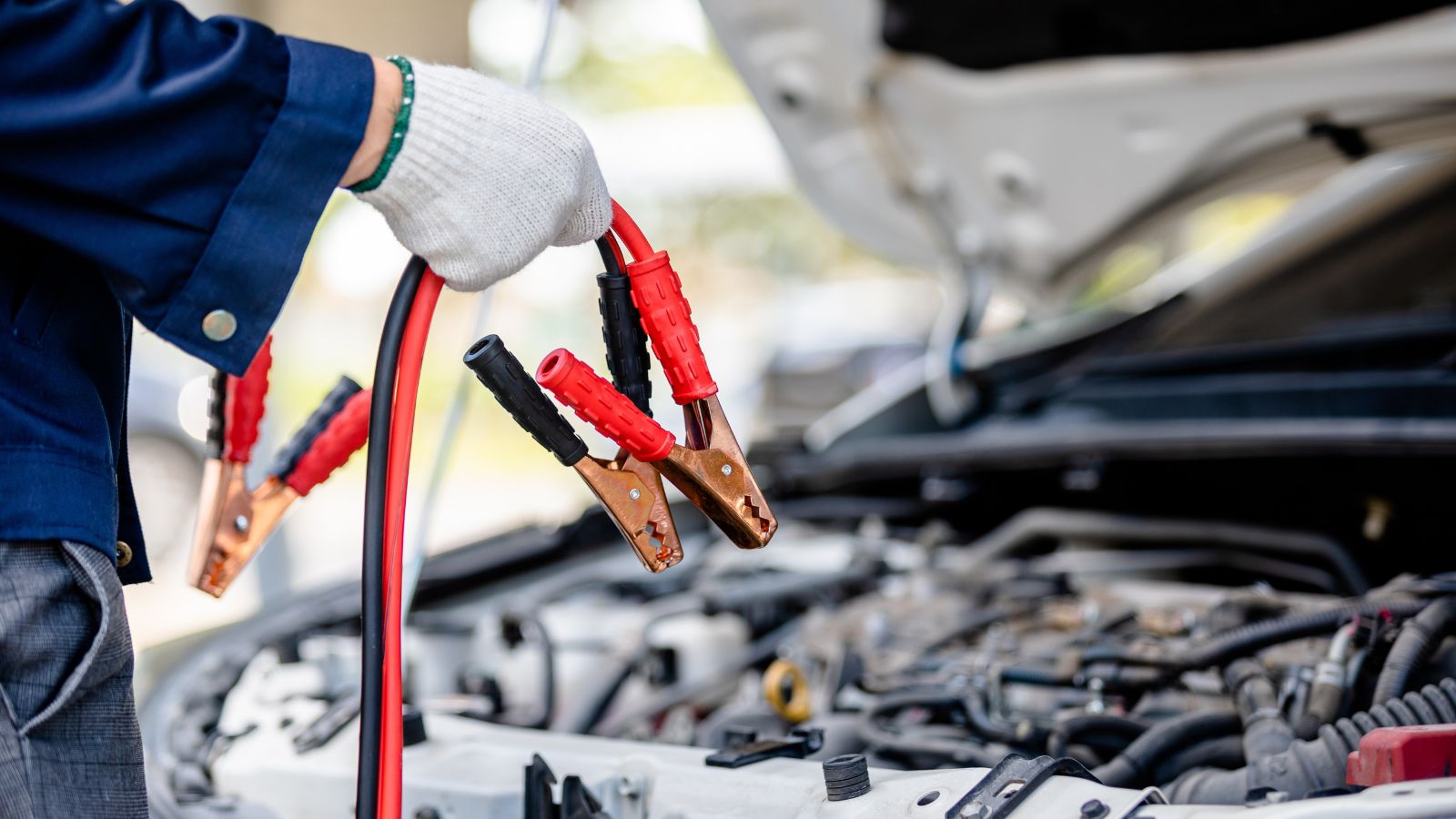
Cold weather exposes weak vehicle batteries quickly. Transport Canada notes that engines require a fully charged battery to start in cold weather and recommends replacing weak batteries before they fail. That makes booster cables one of the most sensible permanent additions to a winter kit. Québec goes further by recommending either jumper cables or a portable jump-starting power pack. A dead battery in a warm parking garage is frustrating; the same problem beside a dark road on a freezing evening is much more consequential.
Traditional booster cables require another vehicle, while a charged portable jump starter can provide more independence. Either option should be inspected before winter rather than assumed to be ready. Cable clamps can corrode, and battery-powered boosters need periodic charging. Drivers should also know the correct procedure before an emergency occurs and follow both the vehicle and booster manufacturer’s instructions. Carrying equipment without knowing how it connects safely is far less useful than spending a few minutes reviewing the procedure at home.
A Flashlight and Extra Batteries

Winter darkness arrives early across much of Canada, making a flashlight more than a convenience. Transport Canada and Québec both recommend carrying one, with Québec specifically calling for extra batteries as well. A flashlight can illuminate a tire, engine compartment, warning triangle or snow-covered roadside without forcing a driver to depend on a phone battery that may be needed for communication. A headlamp can be even more practical because it leaves both hands free for another task.
Cold temperatures also affect battery performance. Energizer’s technical information says alkaline batteries can operate down to about -20°C but deliver significantly less performance as temperatures fall. Petzl similarly reports that battery-powered headlamp runtime can be reduced substantially between 0°C and -20°C. That makes the annual autumn check important: replace weak batteries, inspect the light and confirm it actually turns on. A flashlight that has sat untouched beside the spare tire for three years should not automatically be trusted when the temperature suddenly drops.
Reflective Triangles, Warning Lights or Road Flares

When a vehicle is disabled on a dark winter road, being seen can become just as important as fixing the original problem. Transport Canada recommends carrying a warning light, reflective safety triangles or road flares. Its emergency guidance also advises motorists who are stranded to set out appropriate warning devices when circumstances allow. Heavy snow, blowing snow and long winter nights can make an immobile vehicle difficult for approaching traffic to identify until drivers are uncomfortably close.
The safest choice depends on the vehicle, location and conditions, but reflective equipment has one major advantage: it does not require the disabled car’s electrical system to remain healthy. Battery-powered warning lights should be tested periodically, while reusable reflective triangles require very little maintenance. Whatever system is chosen should be stored somewhere accessible. Burying emergency markers underneath suitcases or hockey equipment defeats much of their purpose. A roadside problem can already be stressful; searching through an overloaded trunk in freezing darkness only makes it harder.
A Proper Emergency Blanket

A blanket may spend the entire winter untouched, which is exactly what most motorists would prefer. Yet Transport Canada lists blankets among the important items that should stay in the vehicle, and its winter emergency guidance notes that a lightweight heat-reflective blanket is a useful option. If a breakdown leaves occupants waiting for assistance, the vehicle provides shelter but may not be able to provide unlimited heat, especially if fuel is low or running the engine is unsafe.
A compact emergency blanket takes almost no trunk space, while a traditional fleece or wool blanket can provide more familiar comfort during a long delay. Families travelling with children may reasonably carry more than one. The important point is to think about the passengers normally using the vehicle rather than checking a box by carrying a single tiny blanket for everyone. A 20-minute breakdown near home and a multi-hour delay on a rural highway are very different situations, and cold-weather equipment should reflect the longer, less convenient scenario.
Extra Gloves, Socks, Boots and a Toque
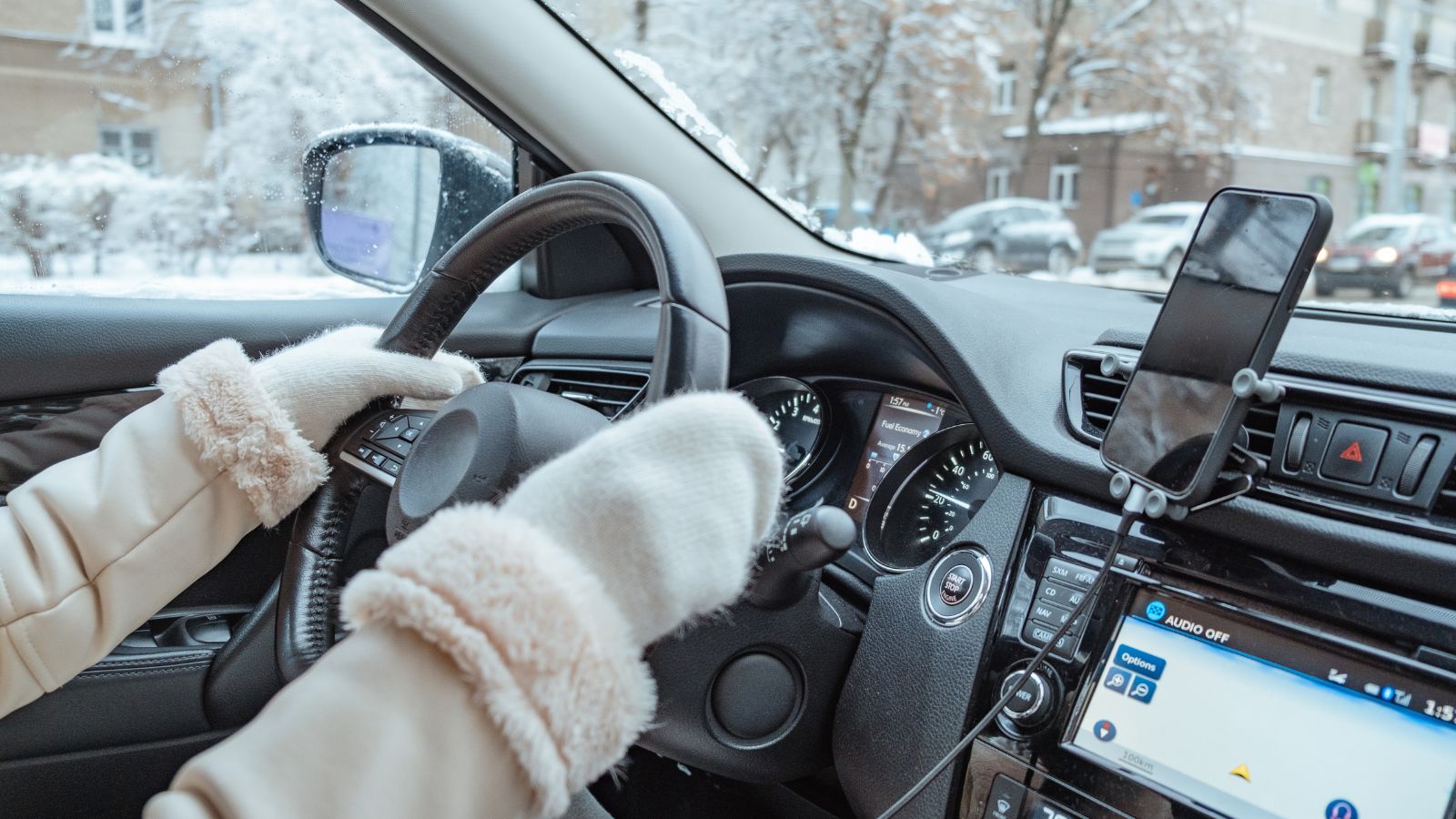
Warm clothing stored in the vehicle can become unexpectedly valuable when the person driving was dressed for the destination rather than the roadside. Transport Canada specifically recommends extra socks, gloves, a toque and footwear. Québec similarly advises keeping a blanket, gloves or mitts, boots, a scarf and a toque in the car. Someone heading from a heated home to an office may reasonably leave in ordinary shoes and a light coat, only to discover that clothing is inadequate after getting stuck outside town.
Extra socks deserve particular attention because clearing snow, pushing a vehicle or walking through a slushy parking lot can leave regular footwear wet. Once clothing becomes damp, sitting in a cold vehicle becomes significantly less comfortable. A small bag containing thick socks, insulated gloves, a hat and inexpensive winter boots can remain untouched all season without causing inconvenience. For families, the kit should account for passengers as well; adult-sized gloves and footwear will not do much for a child stranded in the same vehicle.
Hand and Foot Warmers

Disposable hand and foot warmers are tiny, inexpensive and specifically included in Transport Canada’s winter-driving recommendations. Their usefulness becomes clearer in the federal government’s stranded-vehicle advice: motorists are told to use hand and foot warmers rather than relying continuously on the vehicle’s heater. That can matter when preserving fuel or battery power becomes important during a lengthy delay. They are not a replacement for adequate winter clothing, but they can add concentrated warmth where it is appreciated most.
Keep several sealed packages together with the gloves and blankets, and check them periodically rather than forgetting about them for a decade. A stranded passenger may be sitting relatively still for a long period, and fingers and toes can become painfully cold even when the rest of the body is reasonably protected. Because they take so little space, there is little penalty for carrying enough for several occupants. It is the kind of preparedness item that seems unnecessary right up until a roadside wait stretches much longer than anyone expected.
Bottled Water
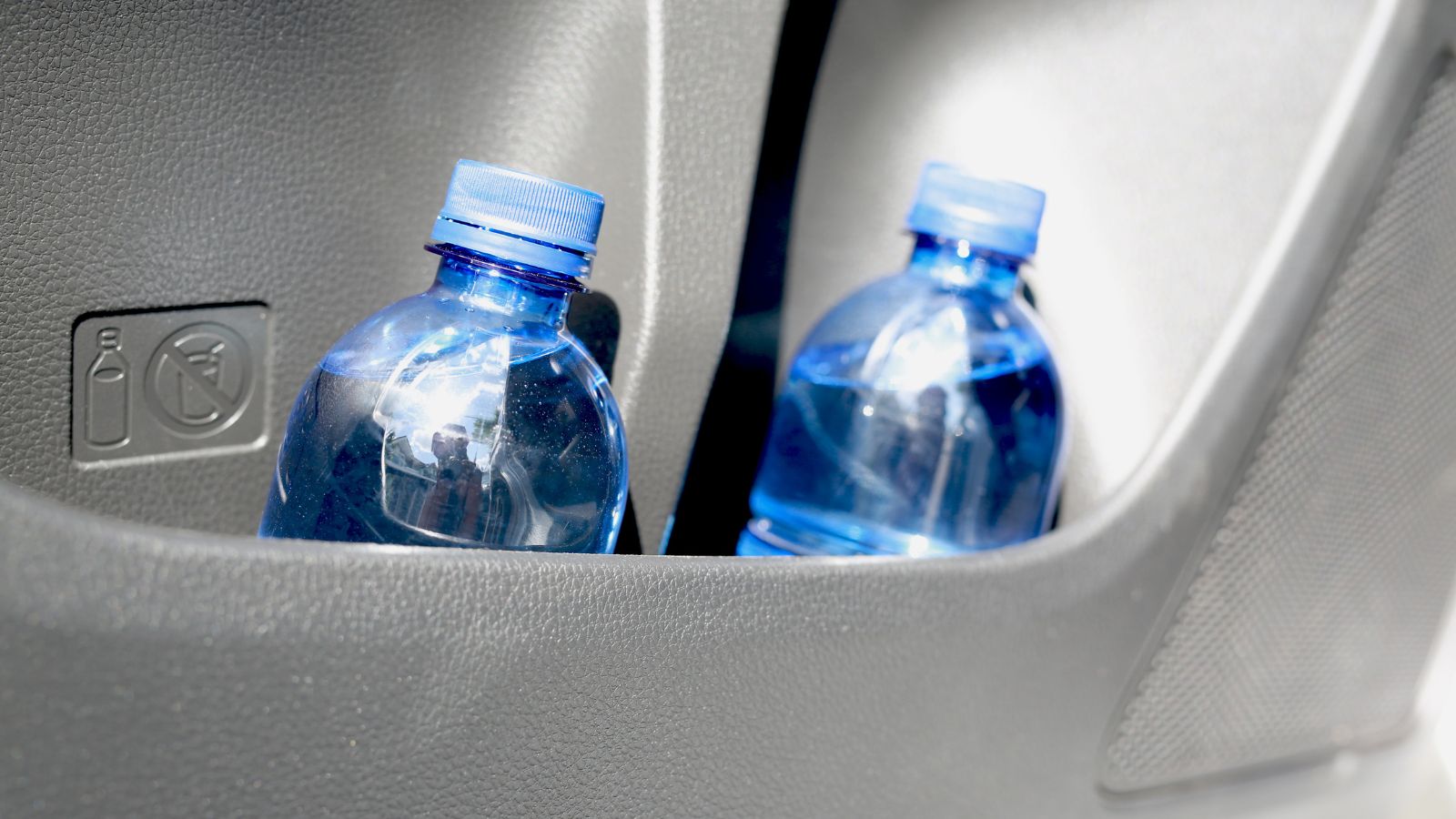
Transport Canada recommends keeping water bottles in a winter emergency kit, and both Ontario and Québec include water in their cold-weather vehicle guidance. A mechanical failure, collision-related road closure or severe snowstorm can keep occupants in a vehicle considerably longer than a normal commute. Having drinking water removes one basic problem from an already difficult situation and is particularly worthwhile on rural routes where stores and service stations can be widely separated.
Winter storage does require some thought. Water expands as it freezes; the U.S. Geological Survey notes that the density change associated with freezing is roughly nine percent. A bottle left in a Canadian car can therefore freeze solid during severe weather and may deform or leak depending on its container. Rotating the supply, using durable containers and avoiding completely overfilled rigid bottles helps make the emergency water more practical. On longer trips, an insulated container can also improve the chances that at least some water remains immediately drinkable.
Non-Perishable Snacks

Hunger is rarely the first concern during a winter breakdown, but it becomes much more noticeable as an hour turns into several. Transport Canada recommends non-perishable snacks, while its winter emergency-kit guidance gives examples such as granola bars and canned fruit. Ontario and Québec similarly tell drivers to keep non-perishable food in a winter survival kit. Compact food is especially useful when a highway closure traps traffic for an extended period with no realistic opportunity to reach a restaurant or service centre.
For everyday vehicle storage, foods that tolerate temperature swings and require no preparation are the easiest choices. Granola or energy bars, crackers and dried fruit are generally more convenient than food requiring a can opener. Drivers should also consider allergies and the people most likely to travel in the car. The stash needs occasional attention: crushed packages and forgotten food well beyond its recommended date do not make a useful emergency supply. An autumn check provides a convenient time to replace old snacks before winter travel begins.
A First-Aid Kit

A first-aid kit belongs in a vehicle year-round, but winter provides extra reasons to make sure one is actually there. Transport Canada includes it in its recommended winter emergency equipment. Minor cuts can happen while handling sharp ice, damaged vehicle parts or roadside debris, while slips around an icy vehicle can produce scrapes and other small injuries. Having basic supplies immediately available is far preferable to discovering the kit was removed during the summer and never returned.
A useful kit does not need to resemble a paramedic’s bag. The important part is making sure the contents are complete, dry and within their usable dates. Adhesive bandages, sterile dressings and other supplies can be gradually consumed during the year without anyone remembering to replace them. The beginning of cold-weather season is therefore a sensible time to open the case and inspect it. It should also be secured in a predictable location so another passenger can find it quickly rather than searching through every storage compartment during an emergency.
A Seat-Belt Cutter and Window Escape Tool
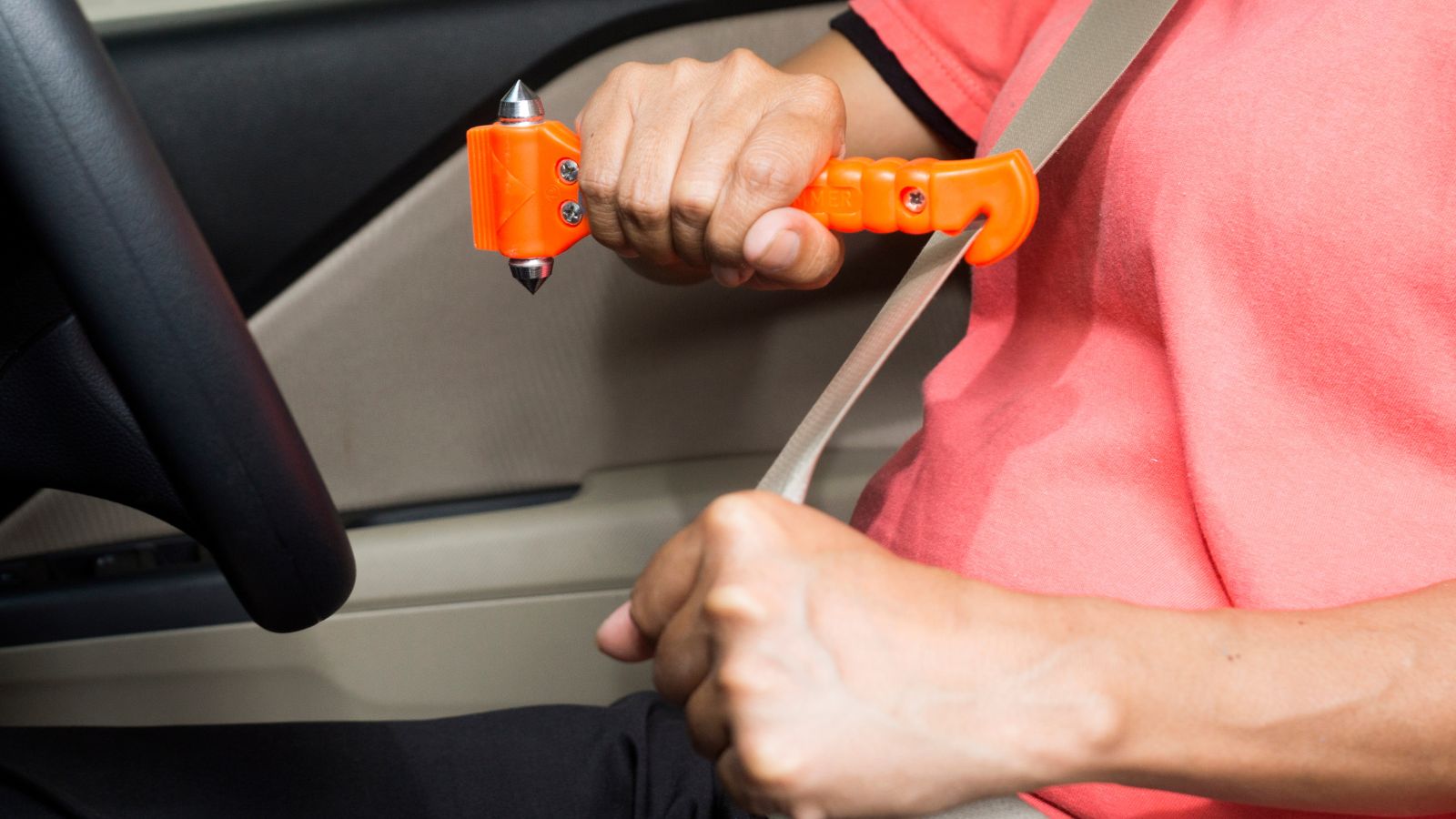
Transport Canada specifically recommends keeping an emergency seat-belt cutter and window hammer in the vehicle. These tools are intended for uncommon but potentially serious situations in which a damaged seat belt will not release or a normal exit cannot be used. They should be stored within reach of the occupants, not buried underneath cargo in the trunk. An escape tool that cannot be reached from a seat after a collision provides little practical value.
There is an important limitation many drivers do not realize. AAA testing found that common consumer escape tools could break tempered side glass but were ineffective against laminated side windows. In AAA’s testing, only four of six tools shattered tempered glass, while none penetrated laminated glass. Drivers should therefore check the markings near the corner of their side windows to determine which type their vehicle uses. Knowing the tool’s limitations before an emergency is far more useful than discovering them while trying to exit a damaged vehicle.
A Small Tool Kit and Spare Fuses
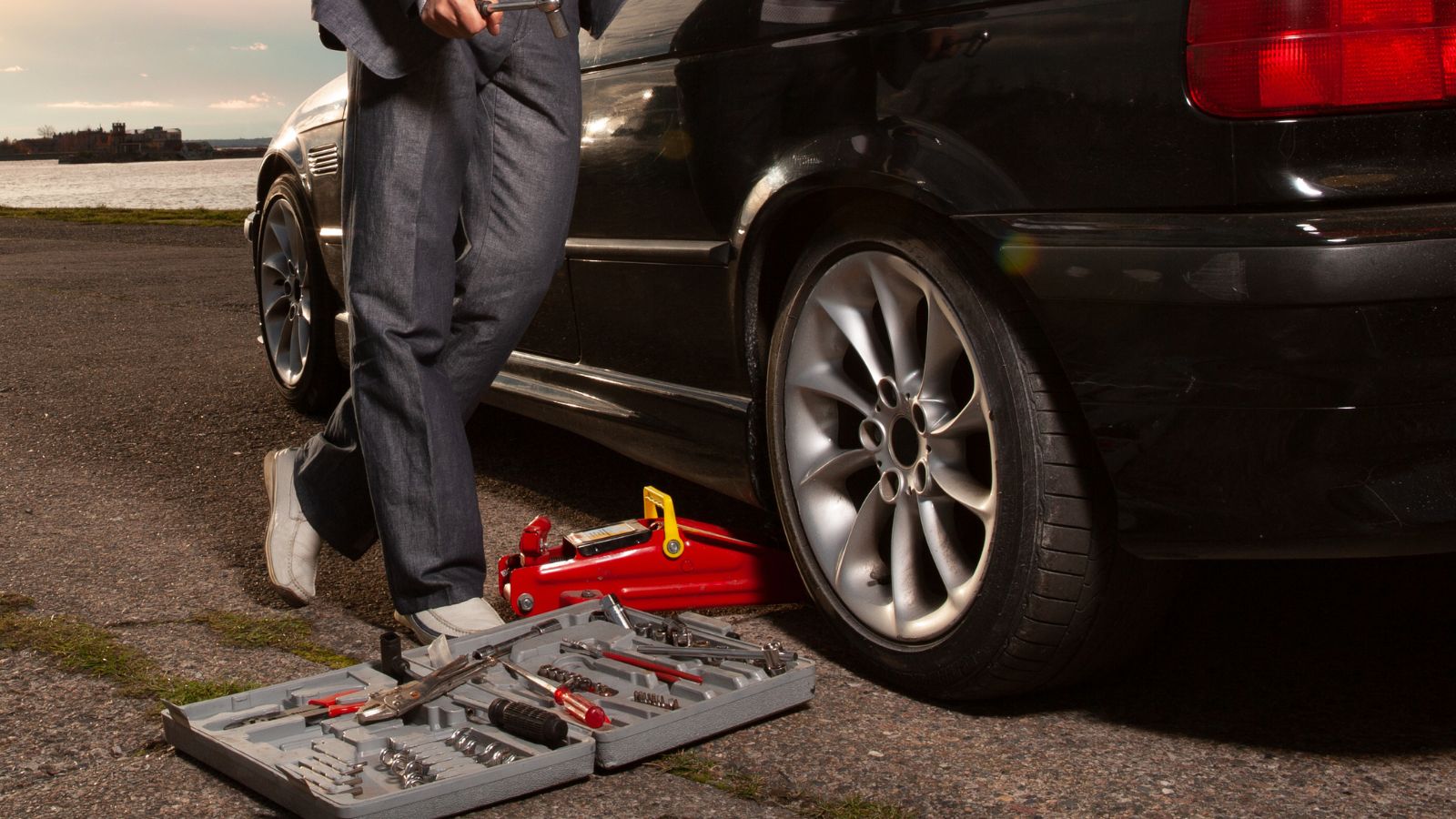
Transport Canada recommends carrying both a small tool kit and extra fuses as part of winter preparedness. Modern vehicles may be heavily computerized, but that does not mean every roadside problem requires sophisticated diagnostic equipment. A basic kit can still help tighten a loose fastener, remove a small obstruction or deal with another simple problem that would otherwise be impossible without even the most basic hand tools.
Spare fuses are small enough to take almost no space, although they need to be the correct type and amperage for the vehicle. The owner’s manual normally explains fuse locations and specifications, and drivers should never substitute a higher-rated fuse simply to keep a circuit operating. The goal of an emergency kit is not to encourage complicated roadside repairs in dangerous conditions. It is to provide practical options for manageable problems. Keeping a few vehicle-appropriate tools together in a dedicated pouch also prevents them from becoming scattered through the trunk over the course of the year.
A Vehicle-Rated Fire Extinguisher
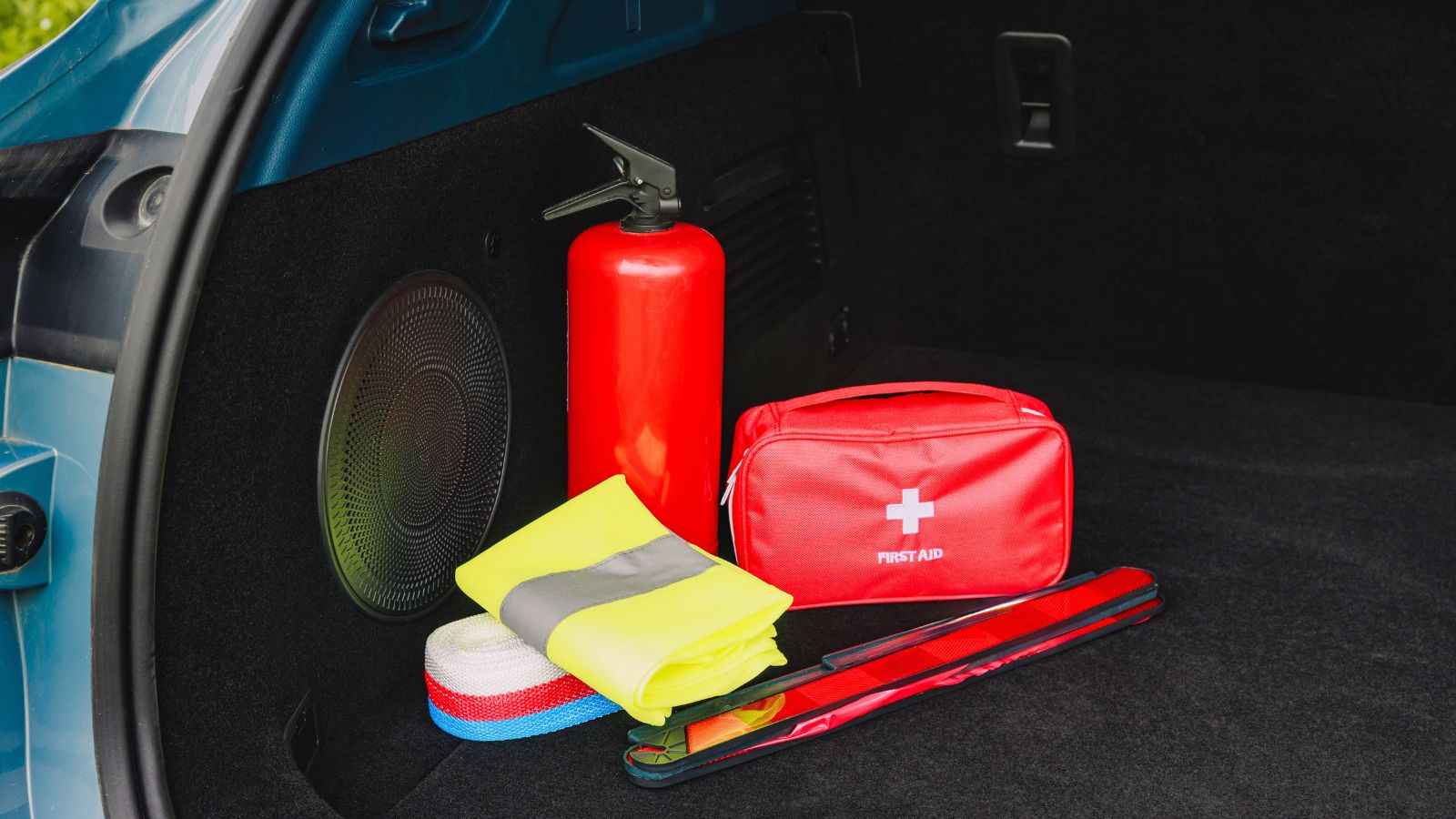
A fire extinguisher is another item Transport Canada recommends carrying among winter vehicle supplies. Vehicle fires are unusual, but an appropriate extinguisher can provide an additional response option when a small, manageable fire is discovered early. The extinguisher should be secured so it cannot become a heavy projectile during hard braking or a collision, and occupants should understand that personal safety and calling emergency services take priority over attempting to fight a growing fire.
Cold-weather suitability matters because not every extinguisher is designed for the same environment. Kidde says its applicable extinguishers may be stored in vehicles as long as temperatures remain within their specified range, with some models rated from -40°F to 120°F. Amerex sells ABC dry-chemical extinguishers with even broader published temperature ranges. The practical lesson is to check the rating printed on the specific extinguisher rather than assuming any household model belongs in a Canadian trunk. Mounting, pressure condition and manufacturer inspection instructions should also be checked periodically.
A Charged Phone, Cable and Backup Power Bank
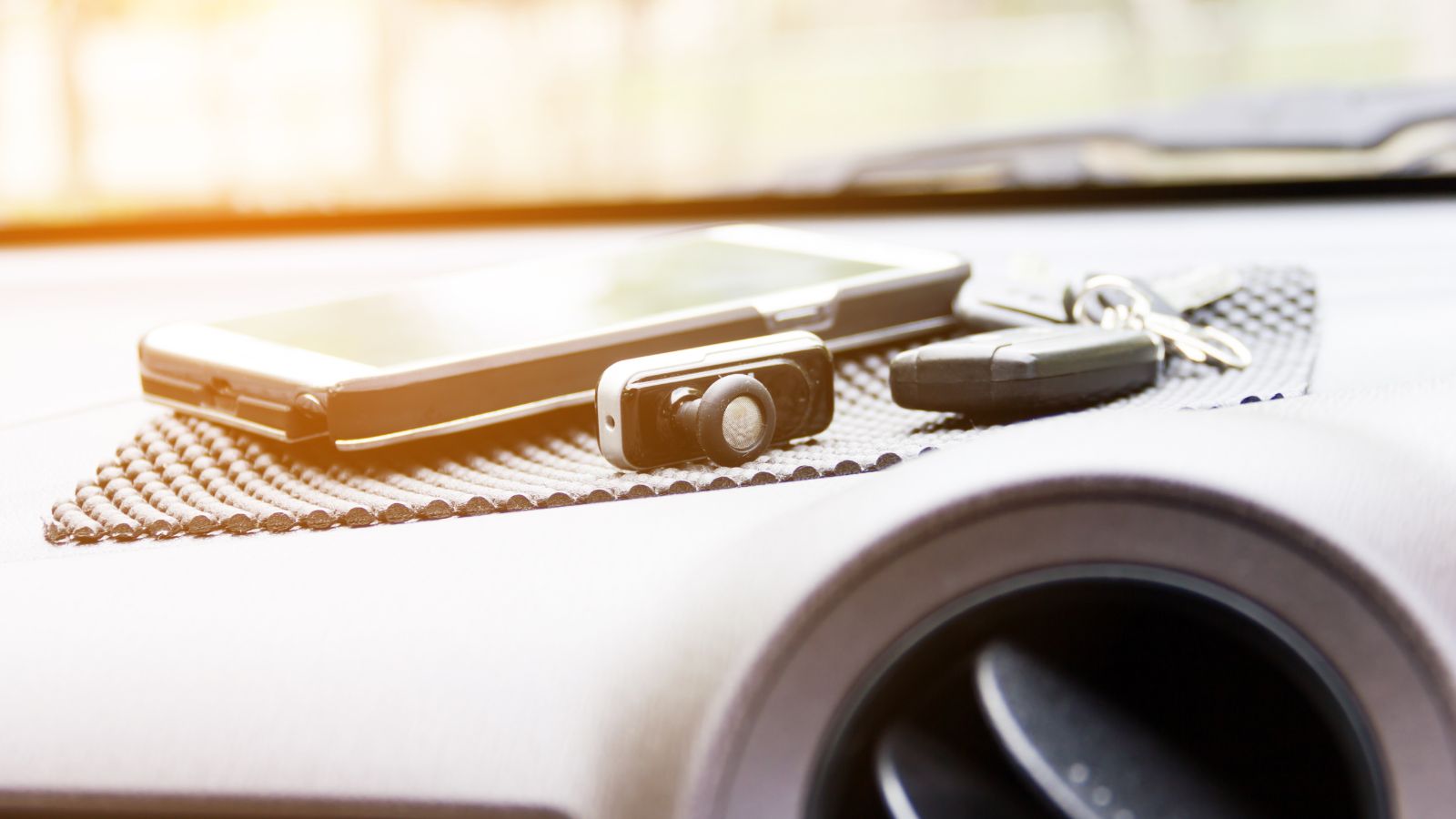
A phone may already travel everywhere with its owner, but winter preparation means ensuring it can remain useful during an emergency. Transport Canada tells motorists to make sure their phone is fully charged and to bring a charging cable. For longer journeys, the agency specifically recommends considering a battery pack as well. A working phone can provide access to emergency services, family members, weather information and provincial 511 road-condition systems when travel plans suddenly change.
Backup power should be treated as equipment rather than something forgotten indefinitely in the glove box. Many power banks have temperature limits; for example, several current Belkin models list normal operating temperatures starting at 0°C even though their permitted storage ranges extend below freezing. That makes it sensible to keep the pack charged, follow its manufacturer’s instructions and allow an extremely cold unit to warm appropriately before charging or using it if required. The combination of a charged phone, cable and dependable backup power is one of the smallest emergency kits a driver can carry—and one of the most versatile.
19 Used Cars Canadians Should Avoid in 2026 (Based on Owner Complaints)

Buying a used car in Canada can feel safe until repair bills start stacking up. Owner complaints tell a different story than glossy listings. Transmission failures, electrical problems, and weak winter reliability show up again and again in consumer reports. Many of these issues appear after warranties expire, when owners least expect them. Some vehicles look affordable upfront, but become expensive to keep on the road. Others struggle in cold weather, urban driving, or long highway commutes. Here are 19 used cars Canadians should avoid in 2026 (based on owner complaints).
19 Used Cars Canadians Should Avoid in 2026 (Based on Owner Complaints)

Alanna Rosen is an experienced content writer that focuses on many EV and educational content. Her articles are regularly published on Get CyberTrucked and syndicated on large publications.