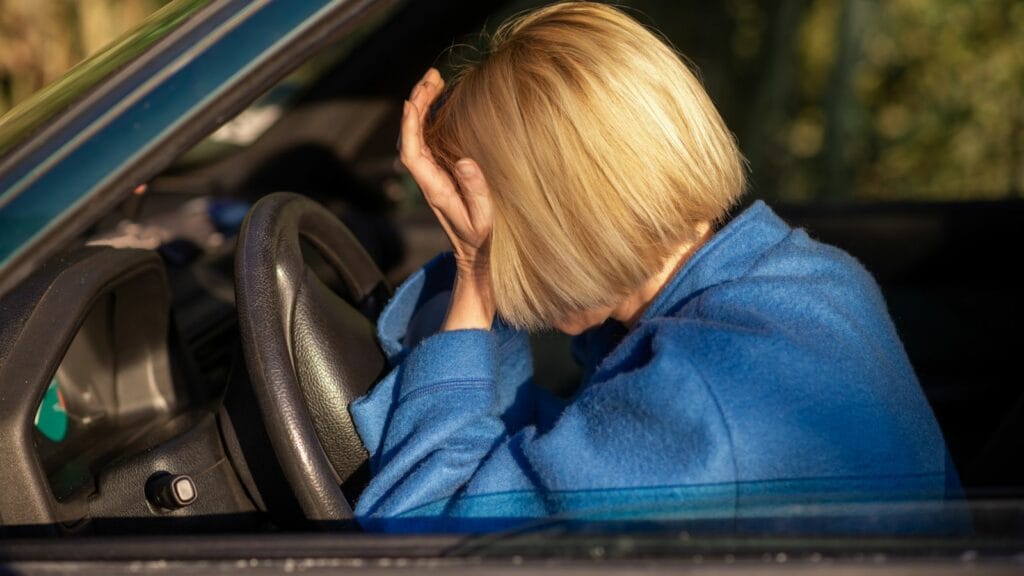
Canada’s shorter autumn days can turn a routine commute into a much less forgiving drive. Sunset shifts into rush hour, glare arrives at lower angles, pedestrians and wildlife become harder to see, and colder weather begins changing the road and vehicle long before deep winter. The challenge is that many drivers keep using summer habits even as visibility and traction quietly deteriorate.
Small choices—waiting too long to switch on the full lighting system, following at the same distance, glancing at a touchscreen, or assuming a wet-looking bridge is harmless—can remove valuable reaction time. These 18 driving mistakes show where the seasonal risks tend to build, and how modest changes in speed, spacing, lighting, attention, and vehicle preparation can make darker Canadian commutes safer.
Waiting Too Long to Turn the Headlights On
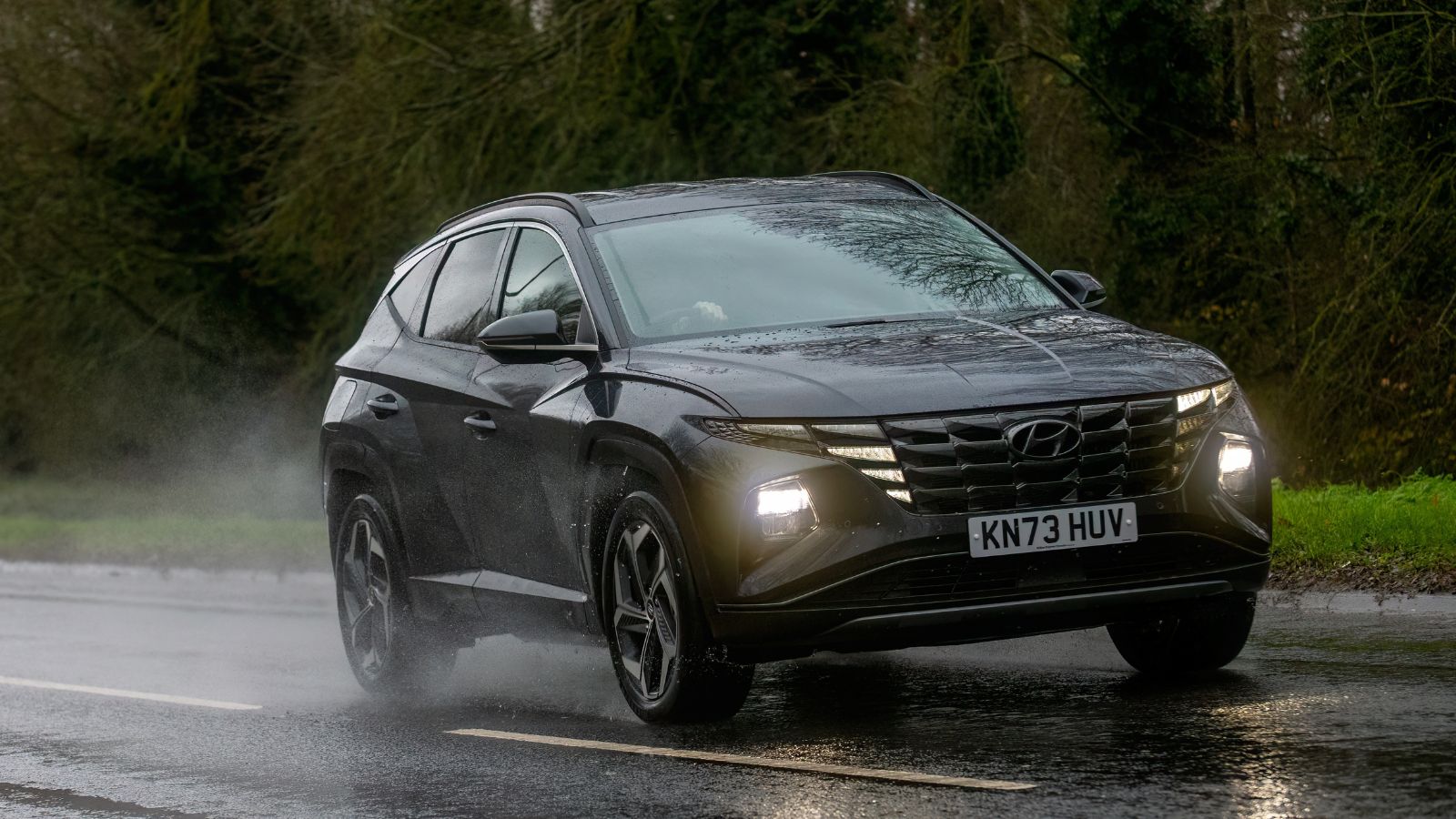
One of the easiest autumn mistakes is treating headlights as something needed only after darkness arrives. Dusk can make the road look brighter than it really is, especially on a familiar commute. Transport Canada advises drivers to turn on headlights when it is dark, at dusk or dawn, and in poor weather. The point is not only to illuminate the road ahead; a full lighting system also helps other road users recognize a vehicle sooner.
This matters more as sunset moves into the evening rush. A driver leaving work at the same clock time may suddenly be travelling in substantially dimmer conditions than a few weeks earlier. Waiting until lane markings or pedestrians become difficult to see means the visibility margin has disappeared. A better habit is to switch the full lighting system on early, rather than treating the first few minutes of twilight as if they were still daytime.
Assuming Daytime Running Lights Mean the Whole Car Is Lit
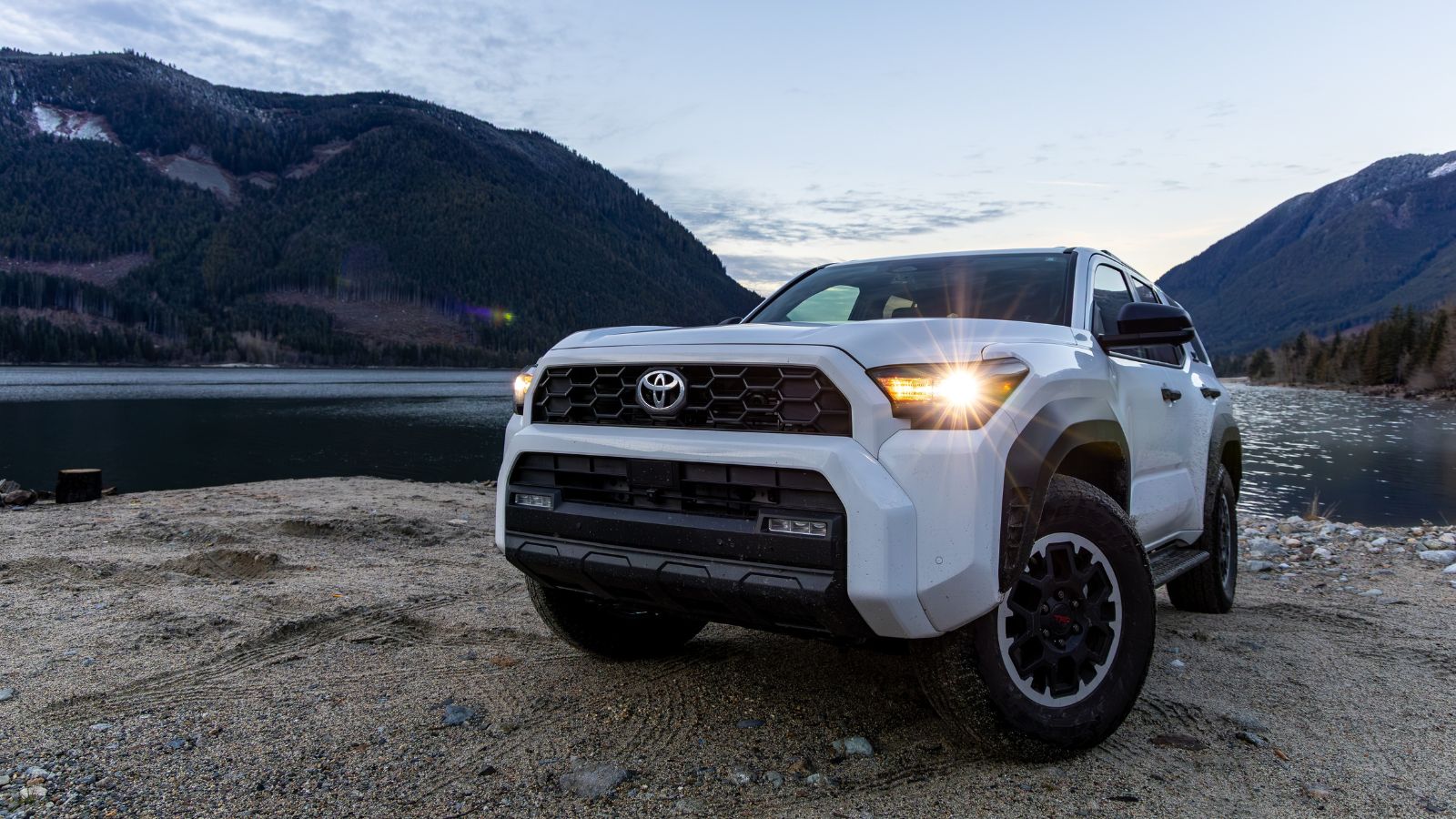
Canadian vehicles have long used daytime running lights, but that can create a false sense that the complete lighting system is active. Transport Canada warns that a bright dashboard does not necessarily mean headlights and tail lights are on, and daytime running lights do not provide enough illumination for darkness or poor weather. Older vehicles can therefore become “phantom vehicles,” visible from the front yet difficult to see from behind.
Canada tightened new-vehicle lighting requirements in September 2021. New vehicles must now use one of several approaches, such as automatically activating tail lights with daytime running lights, turning the full lighting system on in darkness, or keeping the dashboard dark to prompt the driver. That improvement does not make every vehicle on the road foolproof. Drivers in older cars, rentals, or unfamiliar vehicles should still confirm that the headlight switch is in the correct position before a dark commute begins.
Driving Faster Than the Headlights Can Safely Support
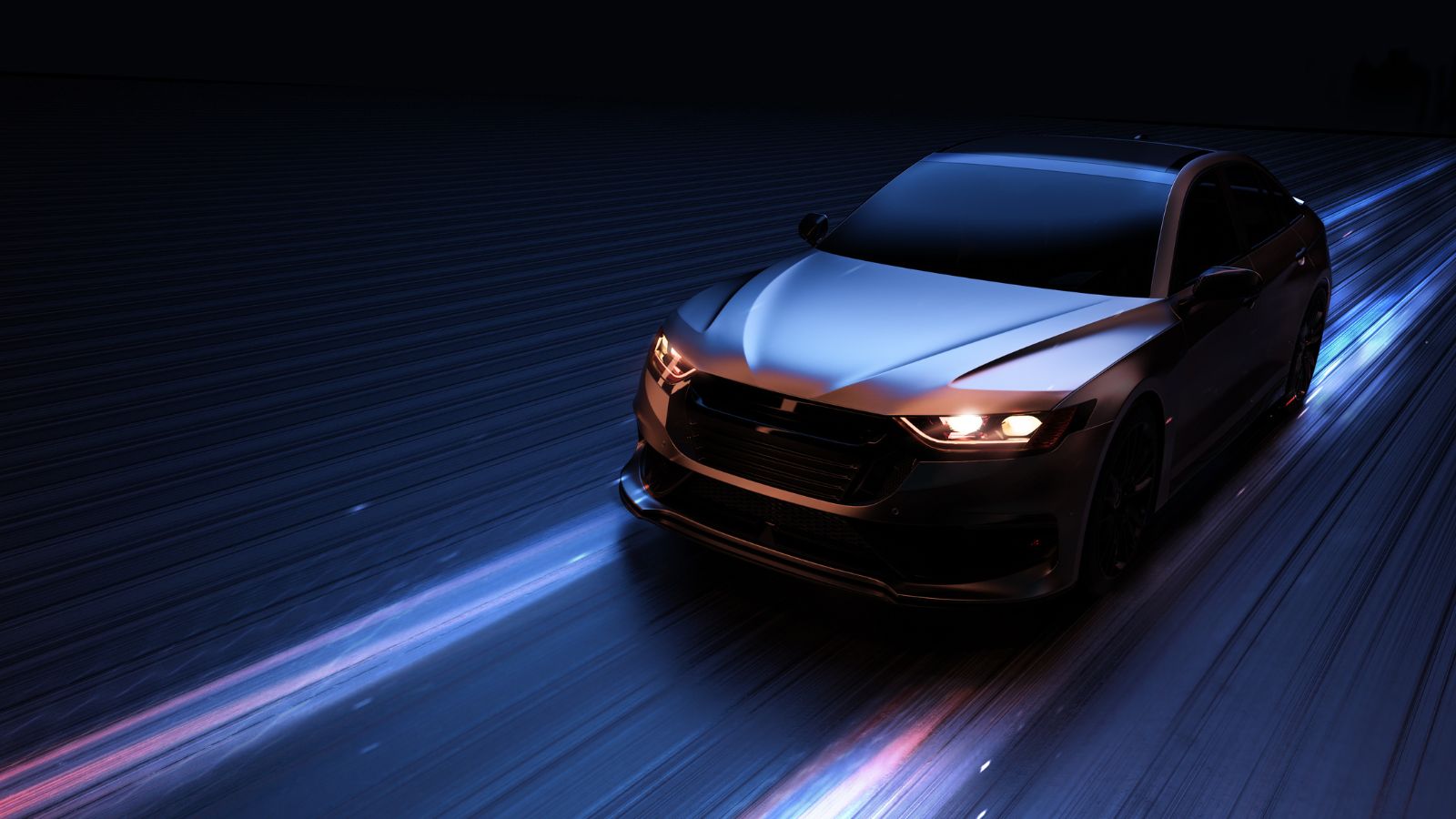
A posted speed limit does not guarantee that a speed is safe after dark. The critical question is whether the vehicle can stop within the roadway that its headlights illuminate. Transport Canada describes driving beyond that margin as “overdriving” the headlights. It can happen on an empty rural road where reflective signs remain visible far ahead, giving the impression that the driver can see more of the roadway than is truly illuminated.
The danger becomes obvious when an unlit object, animal, stalled vehicle, or pedestrian appears near the edge of the beam. At highway speed, the time between detection and impact can shrink quickly. Shorter autumn days increase the number of routine trips made under those conditions, so drivers need to change speed with visibility rather than habit. Slowing slightly on unlit roads, crests, and curves preserves stopping distance and gives the eyes more time to identify what is ahead.
Using High Beams at the Wrong Time
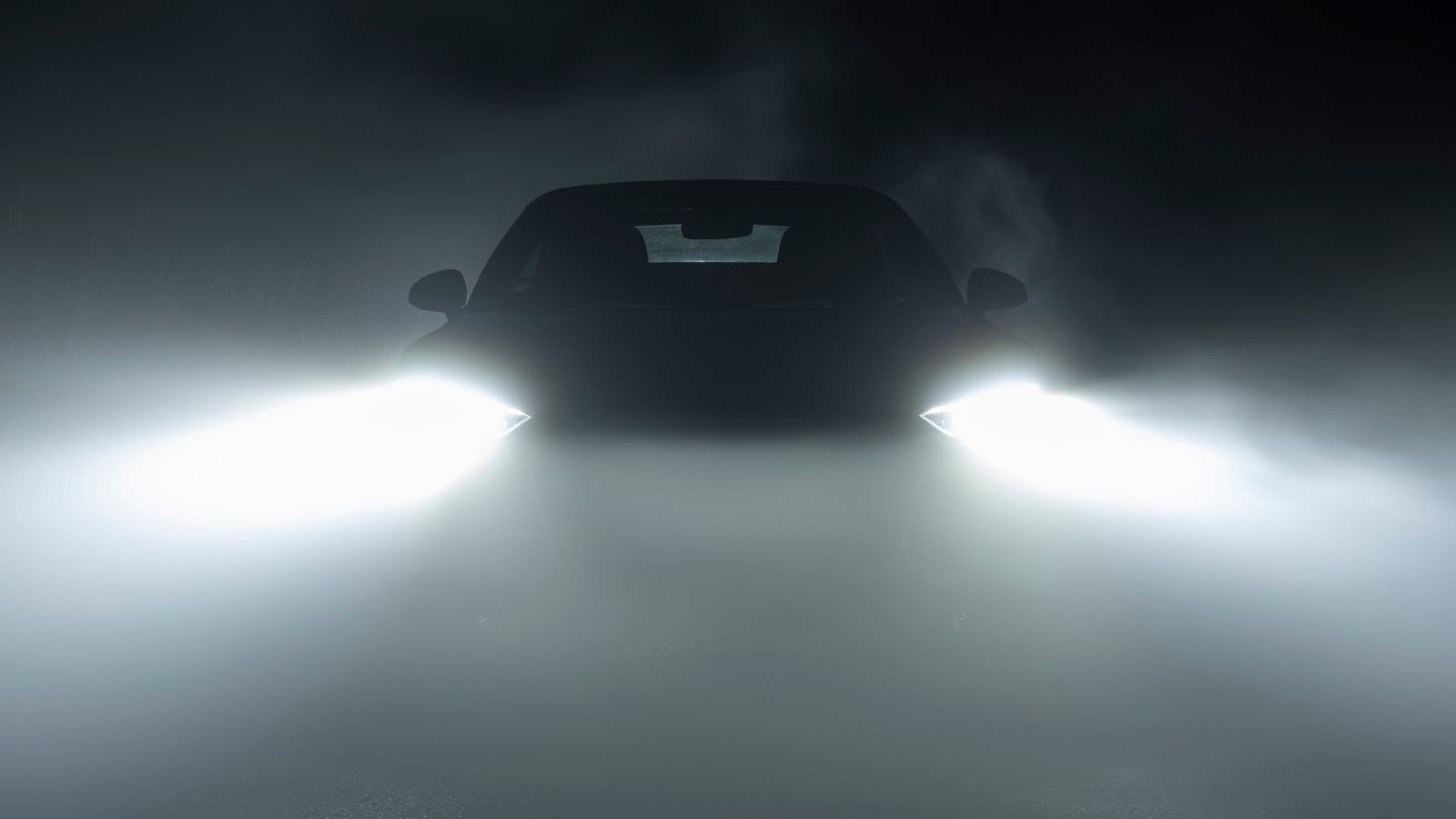
High beams are useful on dark rural roads because they project light farther ahead, but more light is not always better. Transport Canada advises switching them off when approaching another vehicle, following one closely, or driving through fog, rain, or snow. Moisture can reflect high-beam light back toward the driver, reducing contrast and making hazards harder to distinguish. Oncoming drivers can also be temporarily dazzled by an undimmed beam.
The mistake often appears when drivers leave automatic high-beam systems to make every decision. Those systems can be helpful, but Transport Canada stresses that they do not replace attention and judgment. A driver should know how to switch beams manually and recognize situations where the system may react late. In autumn, when darkness arrives during busier traffic periods and wet weather is common, disciplined beam use properly helps preserve everyone’s vision rather than turning extra illumination into another source of glare.
Letting the Windshield Become a Glare Multiplier
A windshield can look acceptably clean in daylight and become a different surface after sunset. Film inside the glass, dried washer fluid, fingerprints, and road grime scatter light from oncoming headlights and street lamps. ICBC specifically advises cleaning the windshield inside and out because glare on dirty glass can make night driving harder and less safe. Ontario’s driver guidance also recommends keeping windows and mirrors clean when visibility is poor.
This is a small maintenance task with an outsized effect during fall. A driver who has spent weeks looking through a hazy windshield may not notice the buildup until a wet evening creates reflections across the glass. Fresh wiper blades and working defrosters matter for the same reason: streaks and fogging reduce contrast precisely when pedestrians, lane markings, and roadside hazards are harder to detect. Cleaning the glass before night driving is more useful than simply turning the headlights brighter.
Ignoring Low Sun and Rapidly Changing Glare
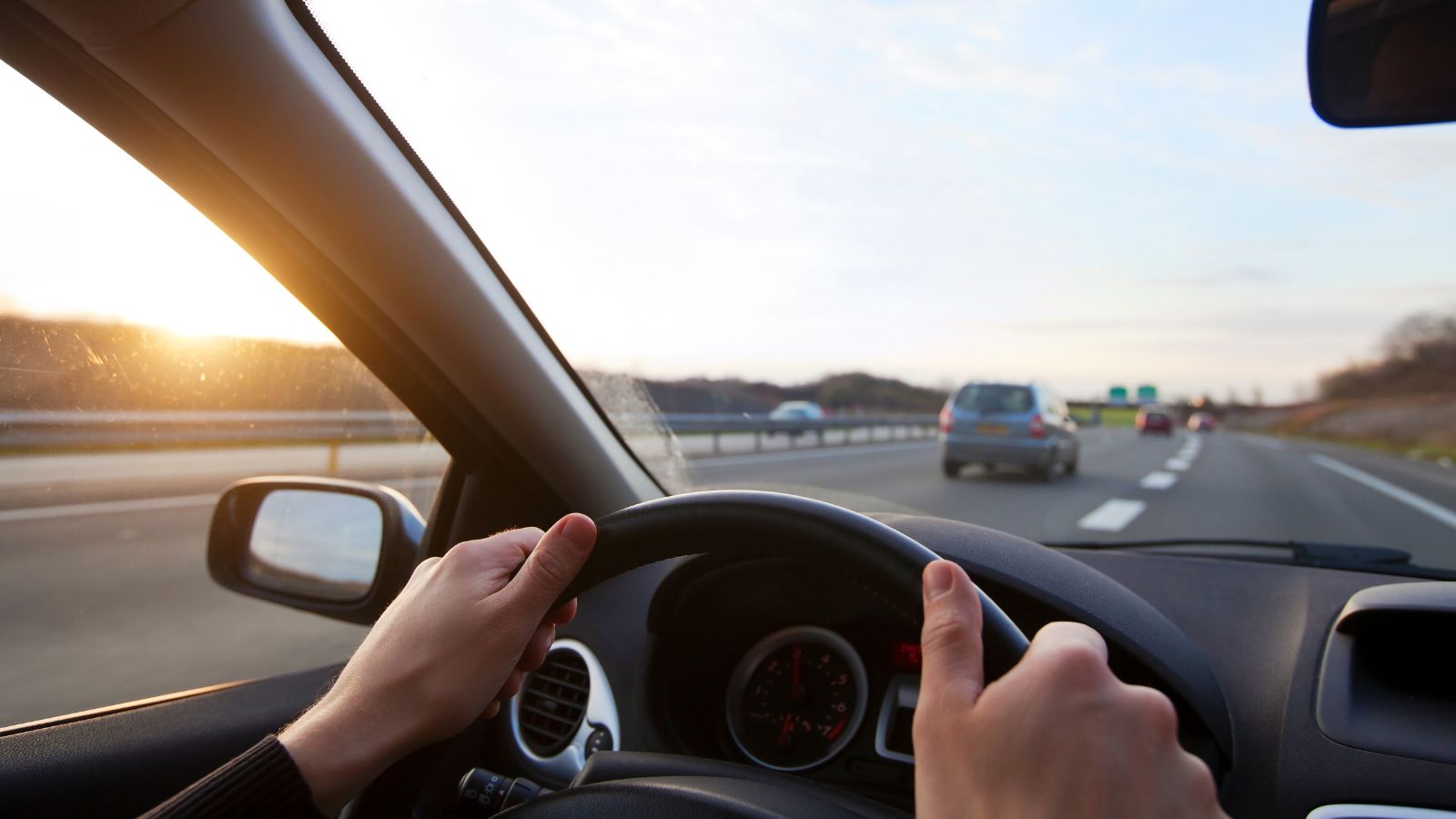
Shorter days do not only create more darkness; they also put sunrise and sunset closer to commuting hours. A low sun can sit in a driver’s line of sight, while shadows from buildings, trees, and overpasses create changes in contrast. Ontario’s driver handbook notes that glare can make it difficult to see traffic and recommends using a sun visor or quality sunglasses during daytime glare. ICBC similarly warns that changing light conditions can blind drivers.
The risky habit is maintaining the same speed while vision is compromised. When the road ahead disappears behind glare, slowing down creates time for the eyes to recover and for hidden hazards to emerge. Clean glass also matters because smears intensify scattered light. Once the sun drops, sunglasses should come off. Autumn commutes can move from bright glare to deep shade and then darkness within a short distance, demanding more adjustment than midsummer driving does.
Following Too Closely After Dark
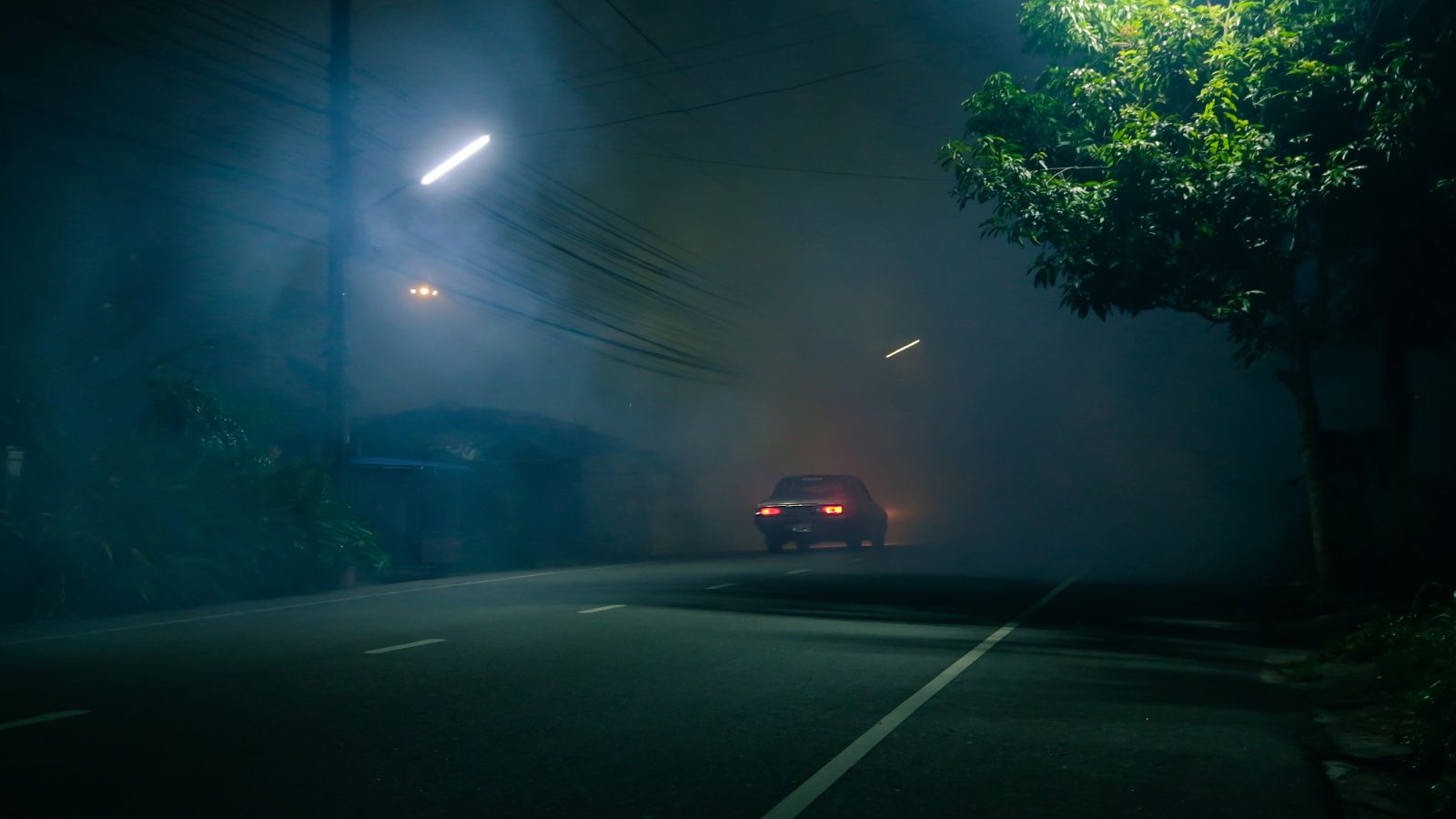
A gap that feels comfortable in daylight can become inadequate when visibility falls. CAA advises drivers at night to slow down and increase following distance to four seconds or more, giving time to recognize and respond to hazards. Ontario’s driver handbook treats two seconds as a minimum under ideal conditions and calls for more space when weather or other conditions are poor. Darkness adds reason to build that cushion.
Extra spacing does more than improve braking room. It opens the driver’s view beyond the vehicle ahead, making it easier to spot pedestrians, debris, brake lights farther up the road, or an animal near the shoulder. Following too closely can increase glare from headlights reflected in mirrors. During dark, wet evening commutes, a larger gap can turn a sudden stop into a controlled one. The goal is not an enormous empty lane, but enough time to see, interpret, and react safely.
Driving a Familiar Route on Autopilot
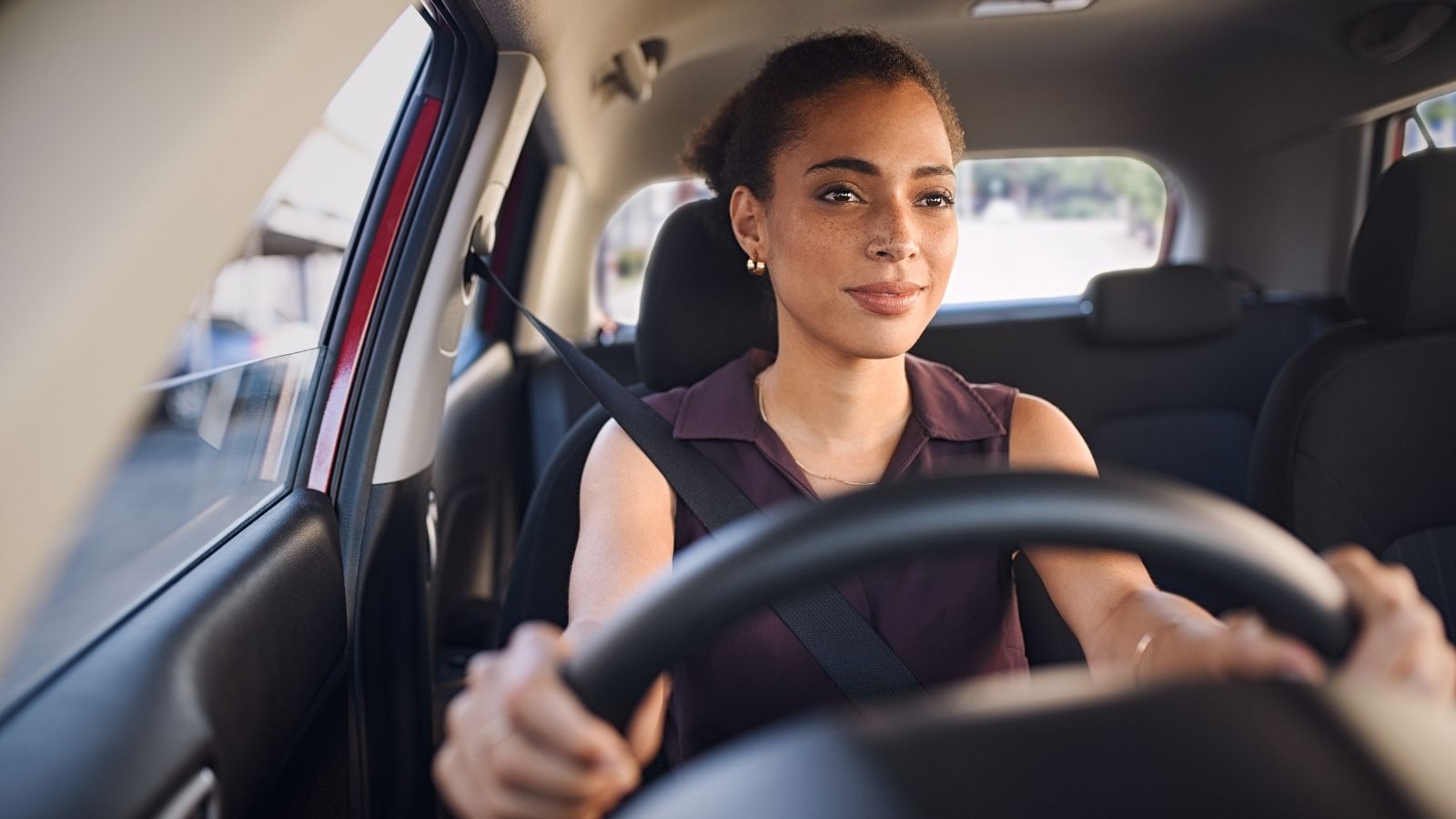
Familiar roads can encourage drivers to rely on memory rather than active observation. That becomes more dangerous when the same commute suddenly happens in twilight or darkness. Ontario’s defensive-driving guidance emphasizes scanning ahead, to the sides, and in mirrors so hazards are identified early. ICBC also notes that pedestrians are difficult to see at night, particularly around crosswalks and intersections where parked vehicles, turning traffic, and street furniture can block the view.
The road may be familiar, but the visual scene is not the same in October as it was in August. A cyclist without prominent lighting, a child stepping from between parked cars, or construction that began that morning can appear late in the headlight beam. Drivers who rescan intersections, driveways, bus stops, and shoulders are less likely to be surprised. The useful mindset is that every dark commute brings new conditions, even when every turn is already memorized.
Looking for Cars but Missing Pedestrians and Cyclists
Shorter days shift more walking and cycling into low-light periods, as drivers head home. ICBC reports that 42% of B.C. crashes involving pedestrians occur between October and January, and about 79% happen at intersections. Those figures show why a green light or familiar turn cannot replace a check for people crossing. Pedestrians in dark clothing and cyclists approaching from a blind spot can blend into the background until late.
Left and right turns deserve attention because a driver may be watching opposing traffic while someone enters the crosswalk. Slowing before the turn, checking both sides of the crossing, and scanning near transit stops creates time to detect movement. The problem is not simply that pedestrians should make themselves visible; drivers remain responsible for seeing and yielding where required. As evening darkness arrives earlier, the safest routine is to expect vulnerable road users even when they are not immediately obvious.
Treating Wildlife Warnings as Background Scenery
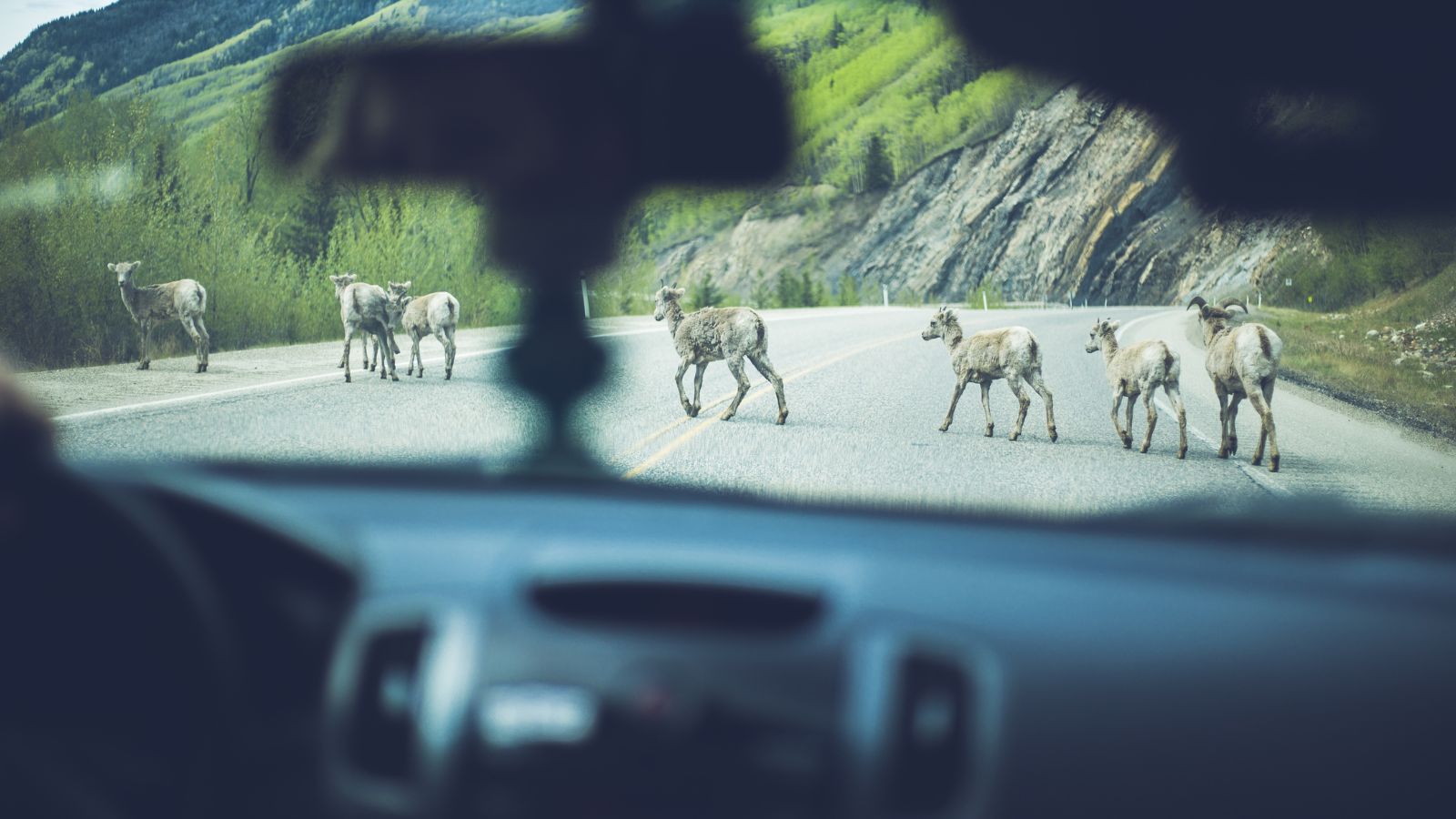
Dawn and dusk are wildlife hours across much of Canada, and fall can increase overlap between animal activity and commuter traffic. Newfoundland and Labrador says most moose collisions occur between dusk and dawn, when visibility is limited and moose are active. A provincial fall advisory has warned that moose activity increases in September and October as temperatures cool and the rut approaches. Similar risks exist with deer and other wildlife in many regions.
A yellow wildlife sign is not decorative. It marks an area where slowing down and scanning both road edges can buy crucial reaction time. Large animals may be difficult to see against a dark background, and moose can stand high enough that their eyes do not always reflect headlights as drivers expect. When one animal appears, others may be nearby. The mistake is waiting until an animal enters the lane before reacting; earlier speed reduction creates options.
Driving Tired Because the Trip Is Routine
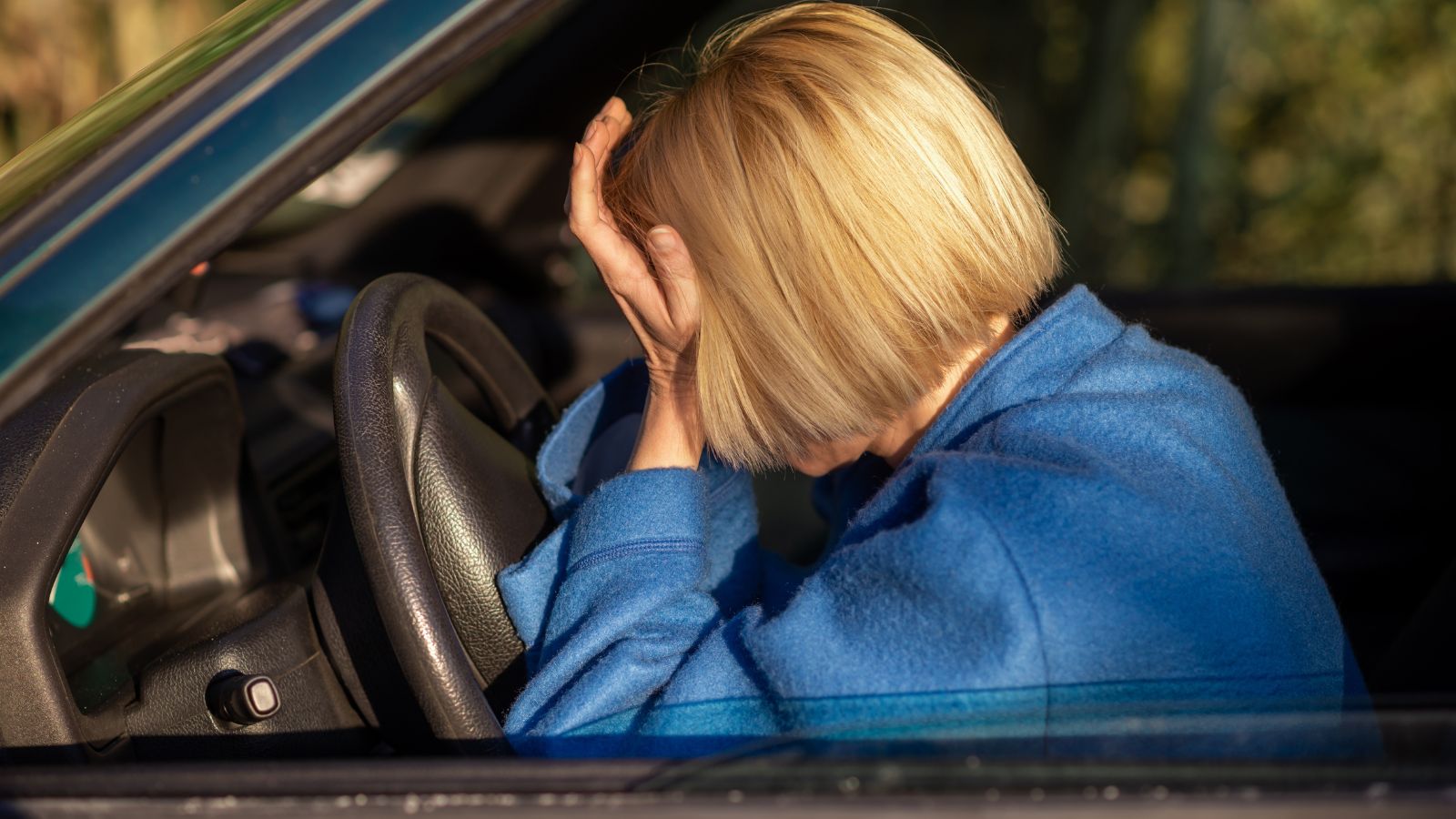
Darkness can make a routine drive feel more tiring, especially at the end of a long workday. Fatigue reduces attention, delays reactions, and can produce lane drifting or late braking. Transport Canada’s 2023 collision statistics identified fatigue as a reported contributing factor in 3.3% of fatal collisions, while older Canadian research suggests fatigue is often difficult to identify after a crash and may be undercounted. Drowsiness should therefore be treated as a driving impairment, not an inconvenience.
The warning signs are familiar: repeated yawning, heavy eyelids, difficulty remembering the last few kilometres, inconsistent speed, or drifting within the lane. Opening a window or turning up music does not replace sleep. If those signs appear, a break in a safe location is the useful response. Shorter days do not directly cause fatigue, but they can place more commuting in darkness, when tired drivers have fewer visual cues helping them stay alert.
Giving a Phone or Touchscreen Even a Few Seconds
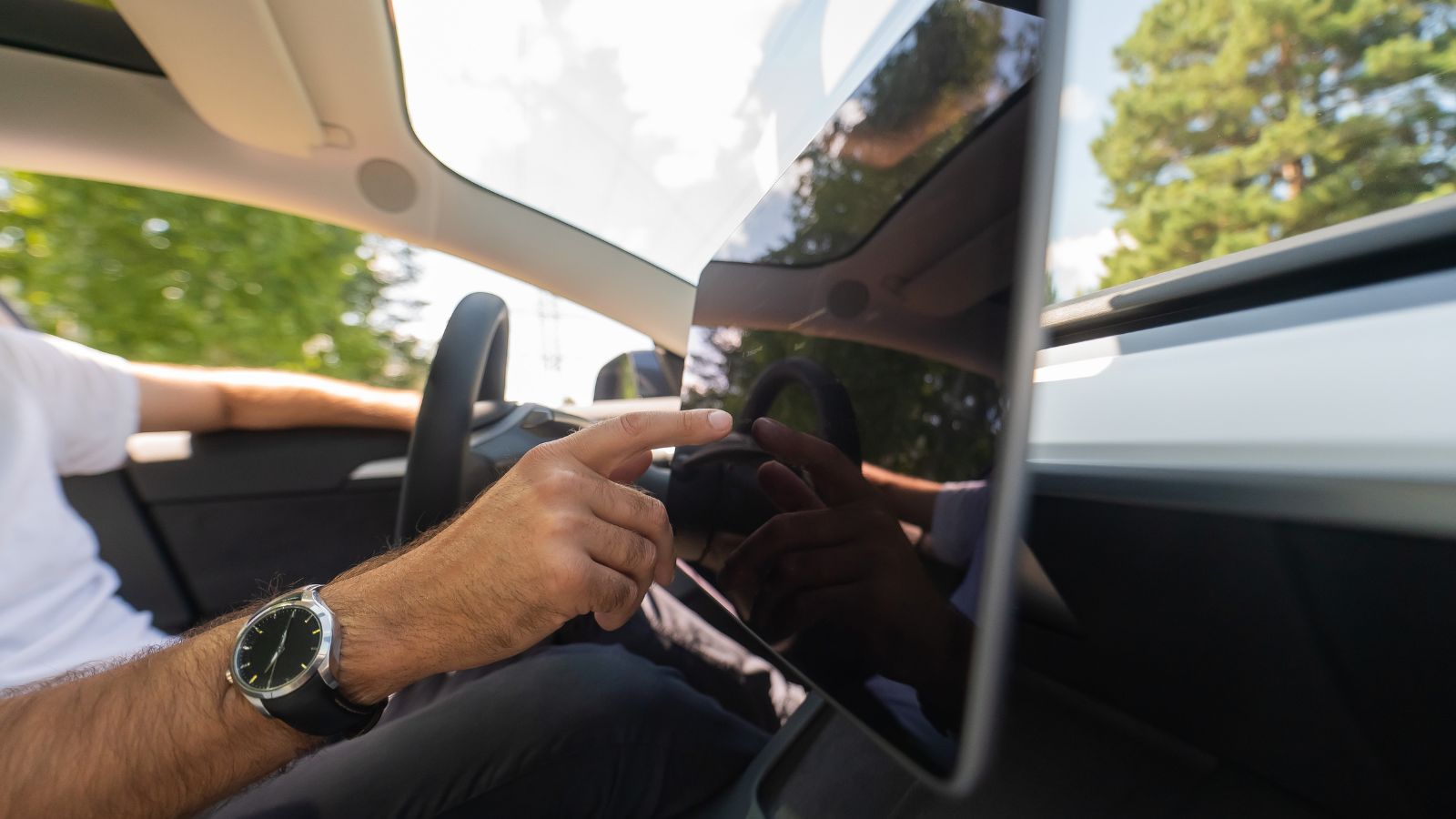
Distraction becomes especially unforgiving when the visible roadway is already compressed by darkness. Transport Canada says distracted driving reduces awareness and slows a driver’s ability to respond to critical events. In its 2023 national collision data, distraction was reported as a contributing factor in 17.8% of fatal collisions. Phones are an obvious problem, but changing navigation settings, searching through infotainment menus, eating, or looking down at controls can all pull attention away.
At night, those missing seconds may contain the first appearance of a pedestrian, a stopped vehicle, or wildlife at the edge of the beam. The practical fix is to handle navigation, playlists, climate settings, and messages before moving whenever possible. If something genuinely needs attention, stopping somewhere safe is better than trying to multitask. A driver cannot recover visual information that was never seen, and shorter autumn daylight leaves less margin for a glance away from the road.
Driving Through Rain or Fog as if Visibility Were Normal
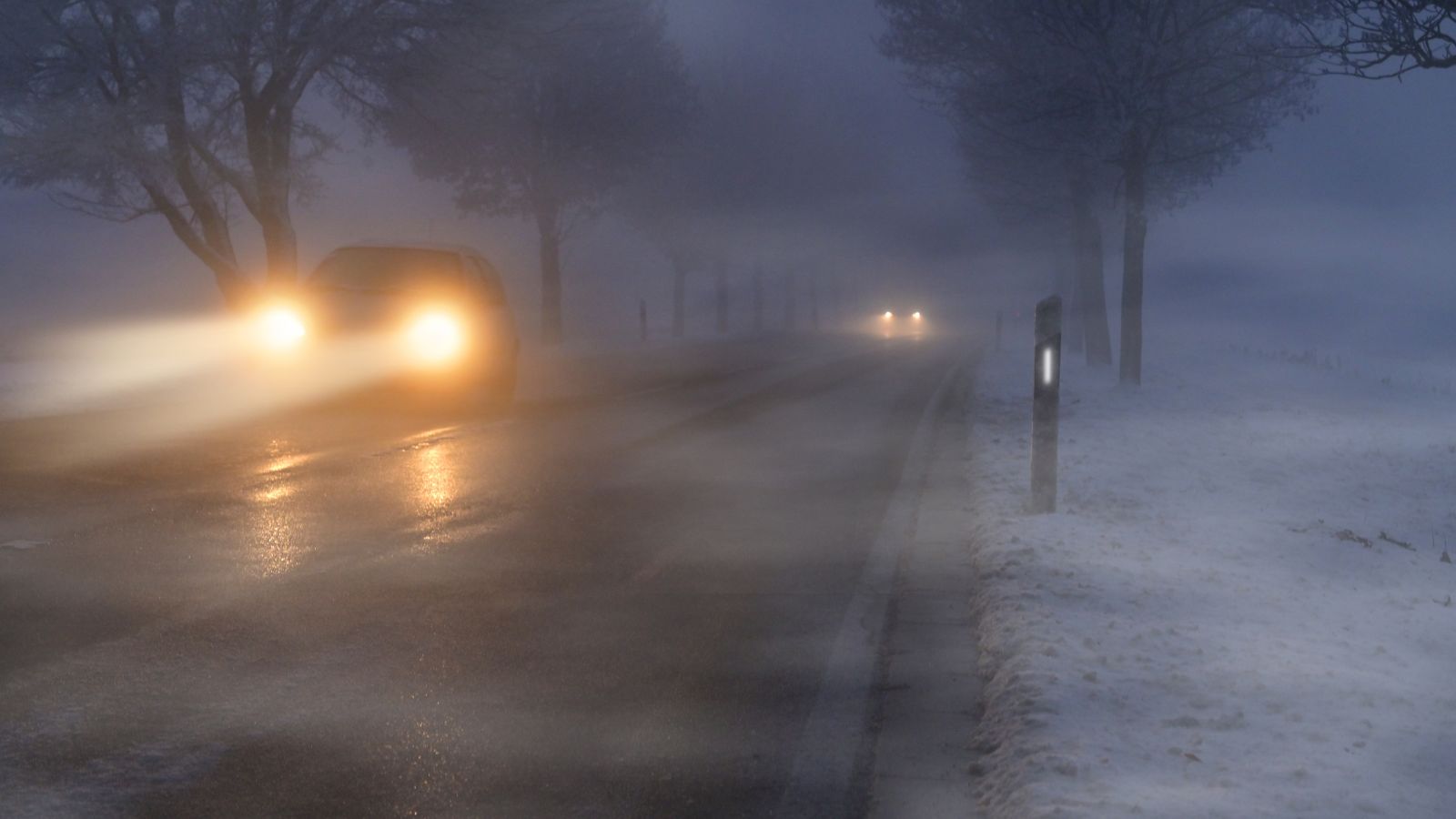
Autumn darkness often arrives with rain, mist, or fog, creating two problems at once: less light and less usable contrast. Ontario’s driver handbook advises slowing when visibility is reduced, increasing following distance, and using low beams in fog because high beams reflect from moisture droplets and can make the road harder to see. Rain also reduces visibility and can reduce tire contact with the road enough to create hydroplaning when water builds up.
The mistake is treating bad weather as only a traction issue. Spray from vehicles, wet pavement reflections, fogged windows, and streaking wipers can obscure lane lines and pedestrians before the road becomes slippery. Speed should be chosen for the distance that can actually be seen, not the posted maximum. Keeping wipers, washers, and defrosters working properly becomes part of night-driving safety. When visibility deteriorates enough, continuing at normal pace is not perseverance; it simply reduces reaction time.
Skipping Tire-Pressure Checks as Temperatures Fall
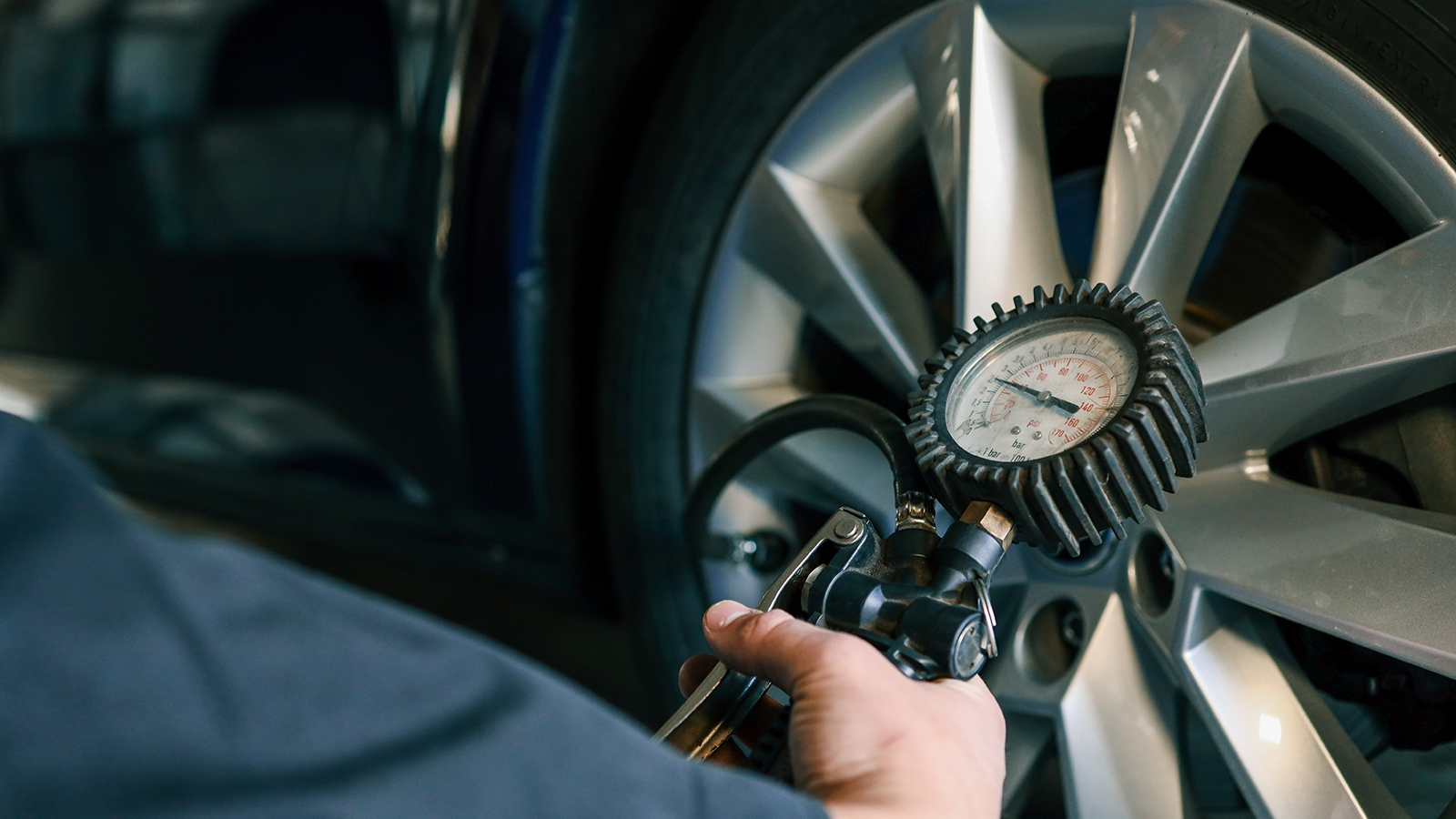
Cooler autumn air changes tire pressure even before snow appears. Transport Canada says tire pressure drops by about 7 kPa, or 1 psi, for every 5°C decrease in air temperature. That means a vehicle correctly inflated during a warm spell can become underinflated after a sharp cold snap. Proper pressure supports handling, tread life, fuel efficiency, and safe braking, so the seasonal change deserves more than waiting for a dashboard warning.
Pressure should be checked when tires are cold and compared with the manufacturer’s specification on the door label or in the owner’s manual. Transport Canada also notes that some tire-pressure monitoring systems warn only after a tire is significantly underinflated, so the light is not a substitute for routine checks. As temperatures fall toward winter, tread condition matters too. A car entering darker, wetter months with marginal tires has less grip just as drivers are dealing with reduced visibility.
Assuming the Road Is Fine Because Snow Has Not Arrived
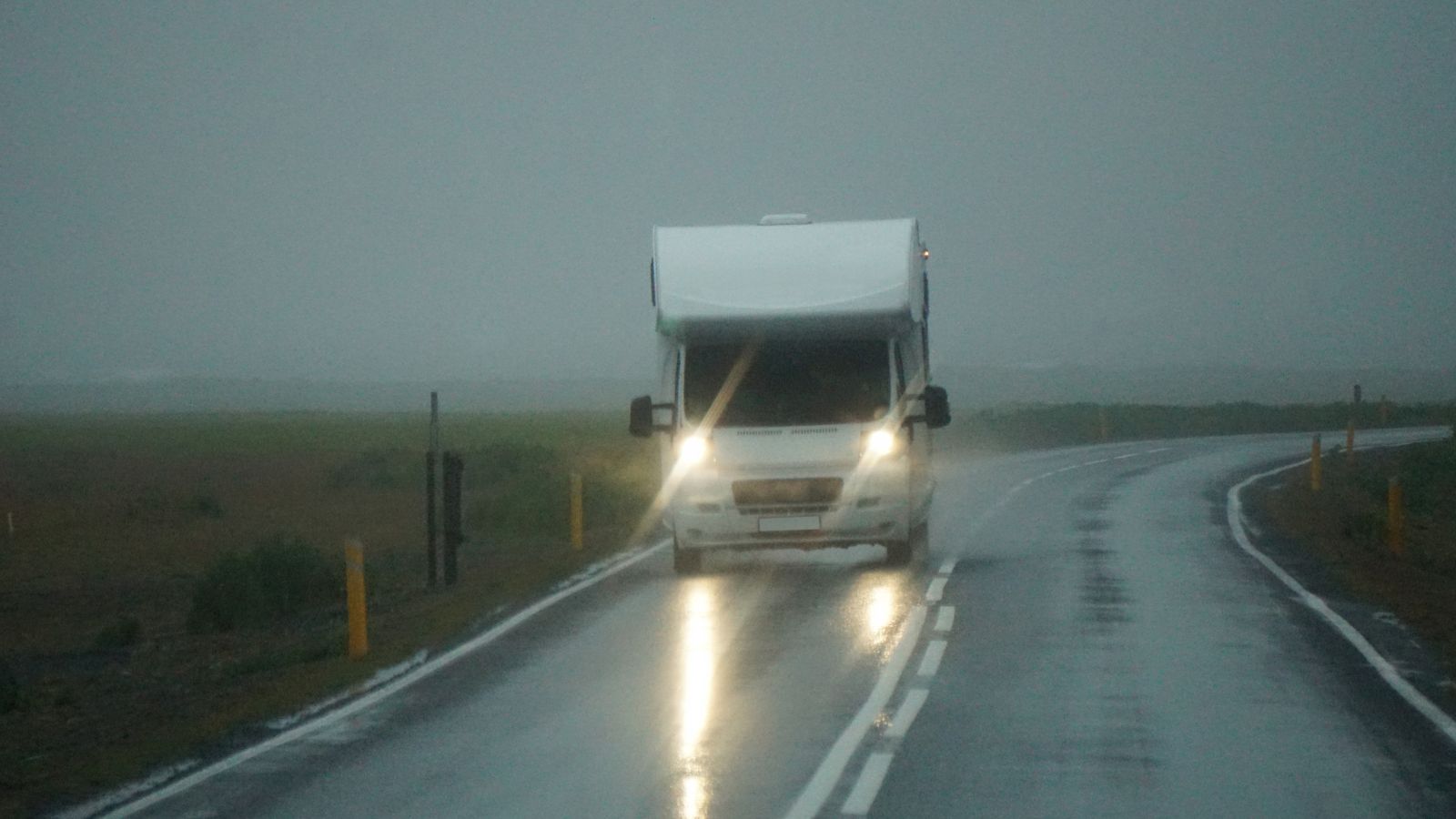
The first slippery road of the season does not need a snowstorm. Ontario warns that wet pavement can freeze as temperatures fall below zero, with shaded areas, bridges, and overpasses freezing first. Black ice can look like dark, shiny asphalt, making it easy to mistake for a wet surface. This matters in autumn, when daytime temperatures may be mild but overnight or early-morning conditions can cross the freezing point.
Drivers who wait for obvious snow before changing technique can be caught by that transition. Hard braking, sudden acceleration, or steering can overwhelm grip on a thin layer of ice. Slowing before bridges, shaded curves, and low-lying areas gives the vehicle more stability and leaves room for inputs. The same caution applies after rain when temperatures are dropping. The road can change character over a few kilometres, so dry-looking conditions at the start of a trip do not guarantee traction ahead.
Trusting Driver-Assistance Systems More in the Dark
Automatic emergency braking, forward-collision warning, lane support, and other driver-assistance features can reduce risk, but they do not turn darkness into daylight. Transport Canada warns that some automatic emergency braking and forward-collision warning systems may not work in all conditions, including heavy rain, snow, dense fog, strong sunlight, nighttime driving, or curved roads. Their performance depends on sensors, software, road markings, weather, and the specific system installed.
The mistake is allowing that technology to justify shorter following distances or less scanning. A warning may arrive late, a pedestrian may not be detected, or a camera may struggle with poor contrast. Drivers should know what their particular vehicle can and cannot do by reviewing the owner’s manual, especially after switching vehicles. These systems are best treated as a backup layer, not a replacement for speed choice and attention. The darker the commute becomes, the more valuable careful, informed human anticipation remains.
Neglecting Headlight Aim, Cleanliness, or a Burned-Out Lamp
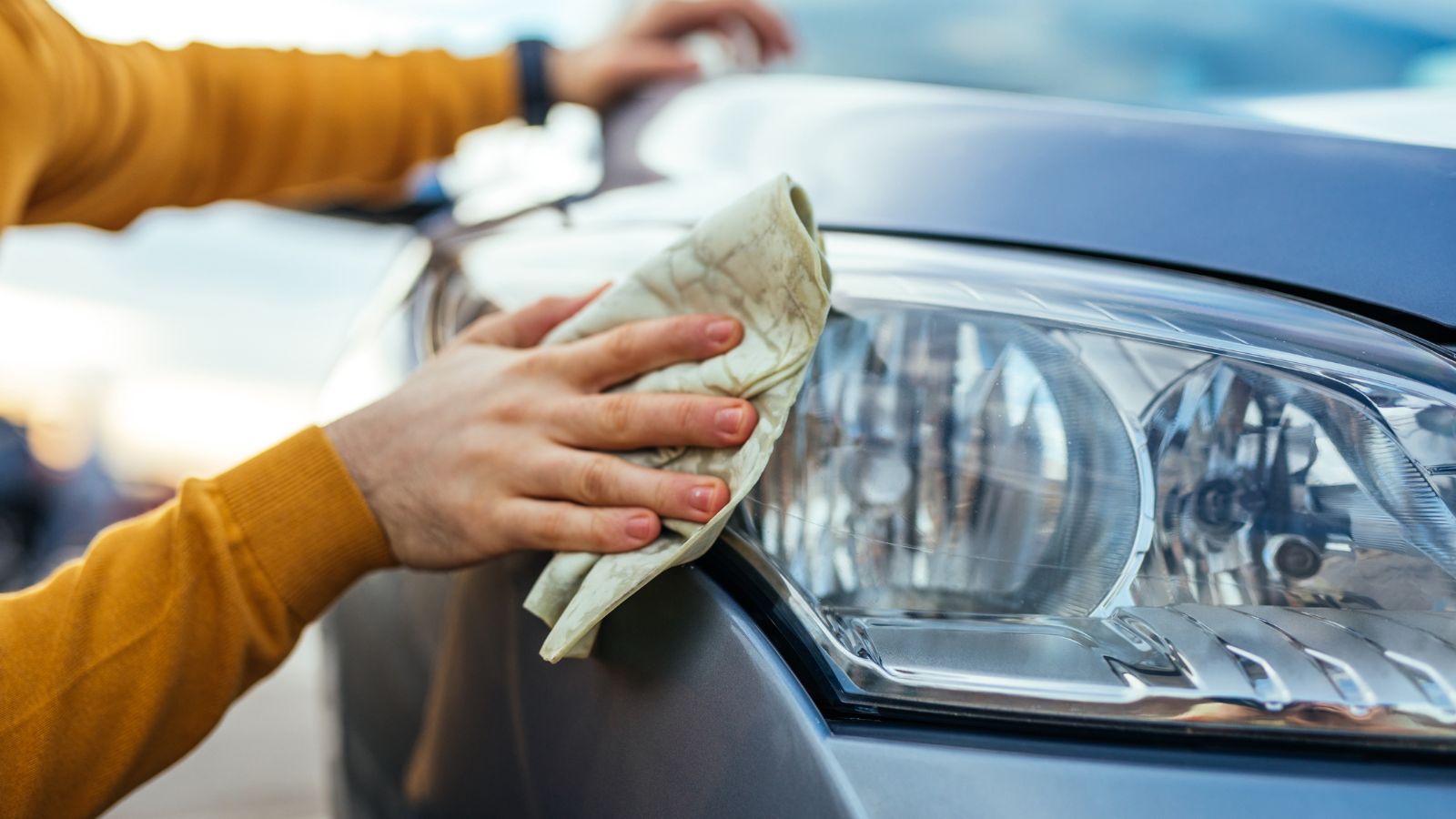
Headlights can be switched on and still perform poorly. Transport Canada advises keeping vehicle lights clean, in good working condition, and properly aimed. Its winter-preparation guidance also recommends checking that all lights work and that headlights are positioned correctly, noting that some newer vehicles with automatic aiming may need professional inspection. Ontario similarly advises replacing burned-out bulbs and regularly checking the full lighting system for operation.
Autumn exposes these problems because headlights are used for longer portions of daily travel. A lamp aimed too low shortens useful seeing distance, while one aimed too high can add glare for other drivers without putting enough light where it is needed. Dirt, road film, and early slush can further reduce output. A quick walk-around in the driveway can reveal a failed tail lamp or headlamp that the driver may not notice from the seat. Good lighting is maintenance, not merely a switch position.
Failing to Reset Driving Habits When the Evening Suddenly Gets Darker
The seasonal transition can be abrupt, when clocks move back in jurisdictions that observe daylight saving time. The same 5 p.m. trip can suddenly happen under darker skies, yet drivers may keep the same speed, following distance, and attention habits used a week earlier. ICBC has repeatedly warned that pedestrian crashes are concentrated in the darker months and that crashes involving pedestrians are highest during the 3 p.m. to 6 p.m. period.
The mistake is failing to treat autumn as a new driving environment. Leaving earlier, turning lights on before they seem essential, slowing near crosswalks, and building more space into the commute all help restore the margin daylight once provided. The change is not limited to the clock; sunset moves earlier throughout the season. Drivers who reset their routine before winter arrives are better prepared for rain, glare, frost, wildlife, and vulnerable road users sharing the road after dark.
19 Used Cars Canadians Should Avoid in 2026 (Based on Owner Complaints)

Buying a used car in Canada can feel safe until repair bills start stacking up. Owner complaints tell a different story than glossy listings. Transmission failures, electrical problems, and weak winter reliability show up again and again in consumer reports. Many of these issues appear after warranties expire, when owners least expect them. Some vehicles look affordable upfront, but become expensive to keep on the road. Others struggle in cold weather, urban driving, or long highway commutes. Here are 19 used cars Canadians should avoid in 2026 (based on owner complaints).
19 Used Cars Canadians Should Avoid in 2026 (Based on Owner Complaints)

Alanna Rosen is an experienced content writer that focuses on many EV and educational content. Her articles are regularly published on Get CyberTrucked and syndicated on large publications.