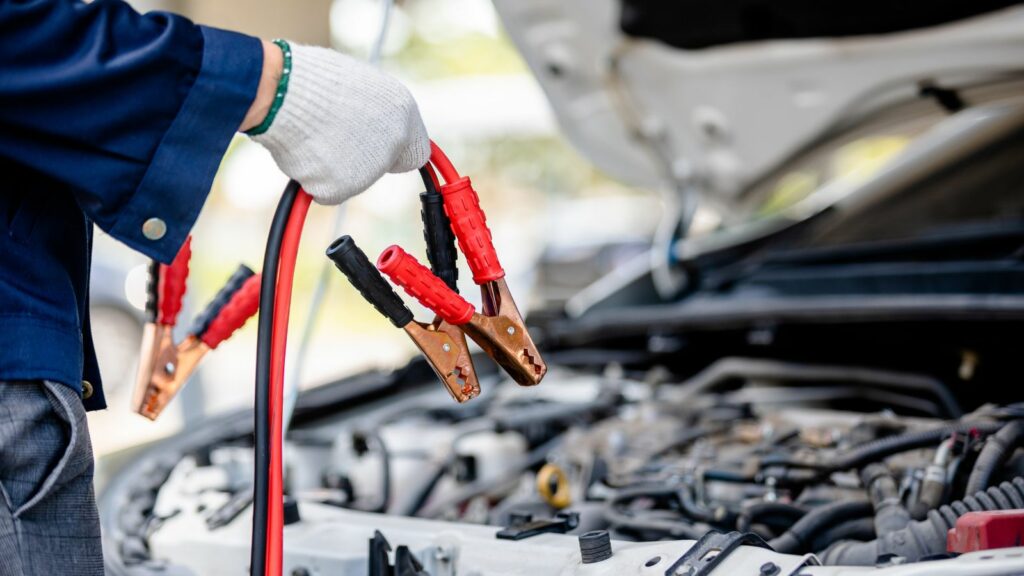
A vehicle can look surprisingly fresh after months of inactivity. A wash, a charged battery, and a quick trip around the block may hide many of the effects that develop when a car spends too much time parked. Tires can deform, brake surfaces can corrode, fuel can deteriorate, seals can dry out, and unwanted visitors may move into quiet corners under the hood.
None of those clues, by itself, proves that a seller neglected a vehicle. Climate, age, mileage, maintenance, and storage conditions all matter. Still, several warning signs appearing together can tell a much more revealing story than the odometer alone. These 18 signs a vehicle has been sitting too long before sale can help identify a car that deserves a closer mechanical inspection before money changes hands.
A Thump or Vibration on the First Drive

A vehicle that has remained parked in one position for weeks or months can develop tire flat spotting. The portion of each tire carrying the vehicle’s weight remains compressed against the pavement, temporarily changing its shape. On a test drive, the result can feel like a repeating thump, vibration through the steering wheel, or a slightly lumpy ride that is most noticeable during the first few kilometres.
Some temporary flat spots disappear as the tires warm and regain their normal shape. Longer storage periods, high temperatures, improper inflation, or aging rubber can make the effect more persistent. Michelin specifically notes that vehicles left parked for extended periods can experience flat spotting, while manufacturer storage procedures call for periodically moving vehicles to reduce the risk. If the vibration remains after a meaningful test drive, it should not simply be dismissed as a harmless storage quirk. Tire imbalance, damage, or suspension problems can produce similar symptoms and deserve professional inspection.
Tires That Are Noticeably Low on Air
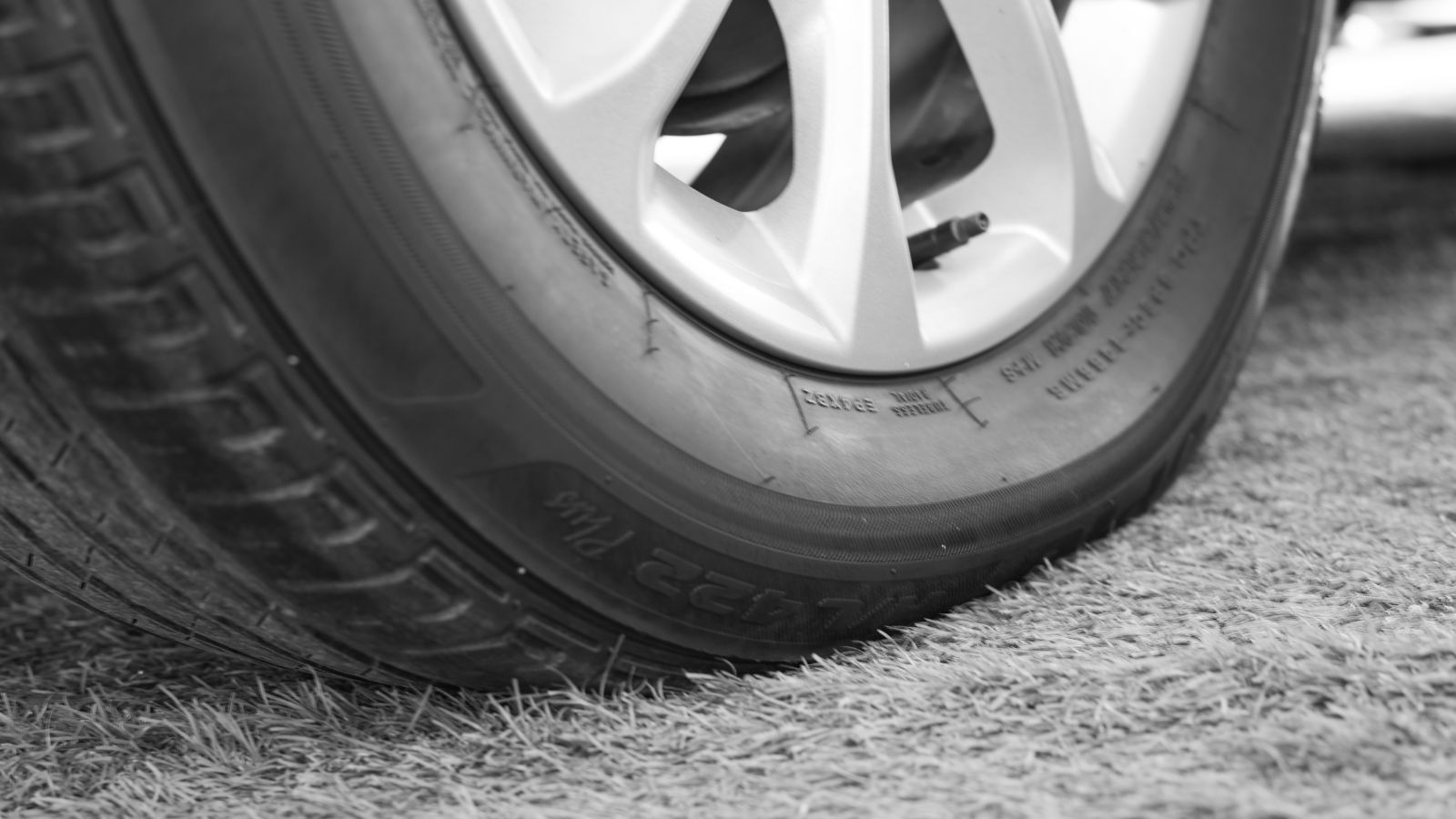
Four soft-looking tires on an otherwise polished vehicle can say a surprising amount about how closely it has been watched. Tires naturally lose some air over time, which is why safety agencies recommend checking pressure regularly. A car that has spent a long period untouched may therefore emerge with pressures noticeably below the specification on the driver’s door placard.
Low pressure is not proof of lengthy storage because punctures, temperature swings, leaking valve stems, or neglected routine maintenance can cause the same condition. The pattern matters. If all four tires are similarly low, the vehicle has very little recent mileage, and other inactivity clues are present, prolonged parking becomes more plausible. Proper inflation also matters because underinflated tires are more susceptible to deformation while carrying the vehicle’s weight in one position. A pre-purchase inspection should check pressures cold rather than relying solely on the dashboard tire-pressure monitor, since those systems generally warn only after pressure has already fallen significantly.
Cracked or Aged Tires With Plenty of Tread
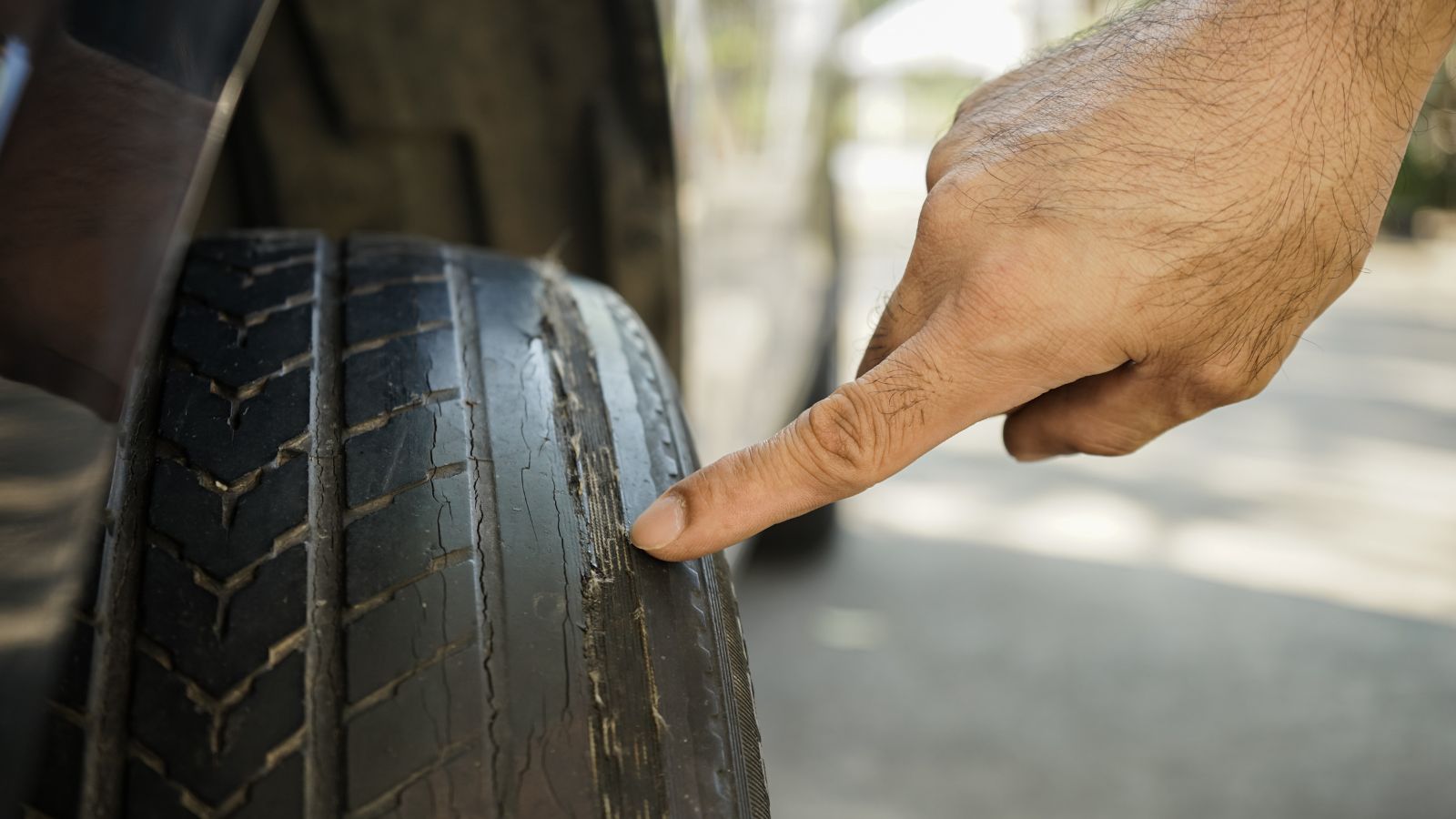
Deep tread can create a false sense of security. A low-mileage car may have tires that look almost unused across the tread face while the rubber itself has spent years exposed to oxygen, heat, sunlight, and long periods of inactivity. Fine cracks in the sidewalls, hardened rubber, discoloration, or cracking between tread blocks can therefore be more revealing than tread depth.
Tire age can also be checked using the DOT Tire Identification Number molded into the sidewall. The final four digits normally identify the week and year of manufacture. NHTSA warns that tire components change with time because of service, storage, and environmental conditions, with infrequently driven vehicles among those that may face greater aging concerns. Some vehicle and tire manufacturers recommend replacement within roughly six to 10 years regardless of tread remaining. A lightly worn tire that is nevertheless old and weathered does not prove a car sat on a dealer lot, but it shows that mileage alone has not protected the rubber from time.
Slow Cranking or a Battery That Needs a Boost
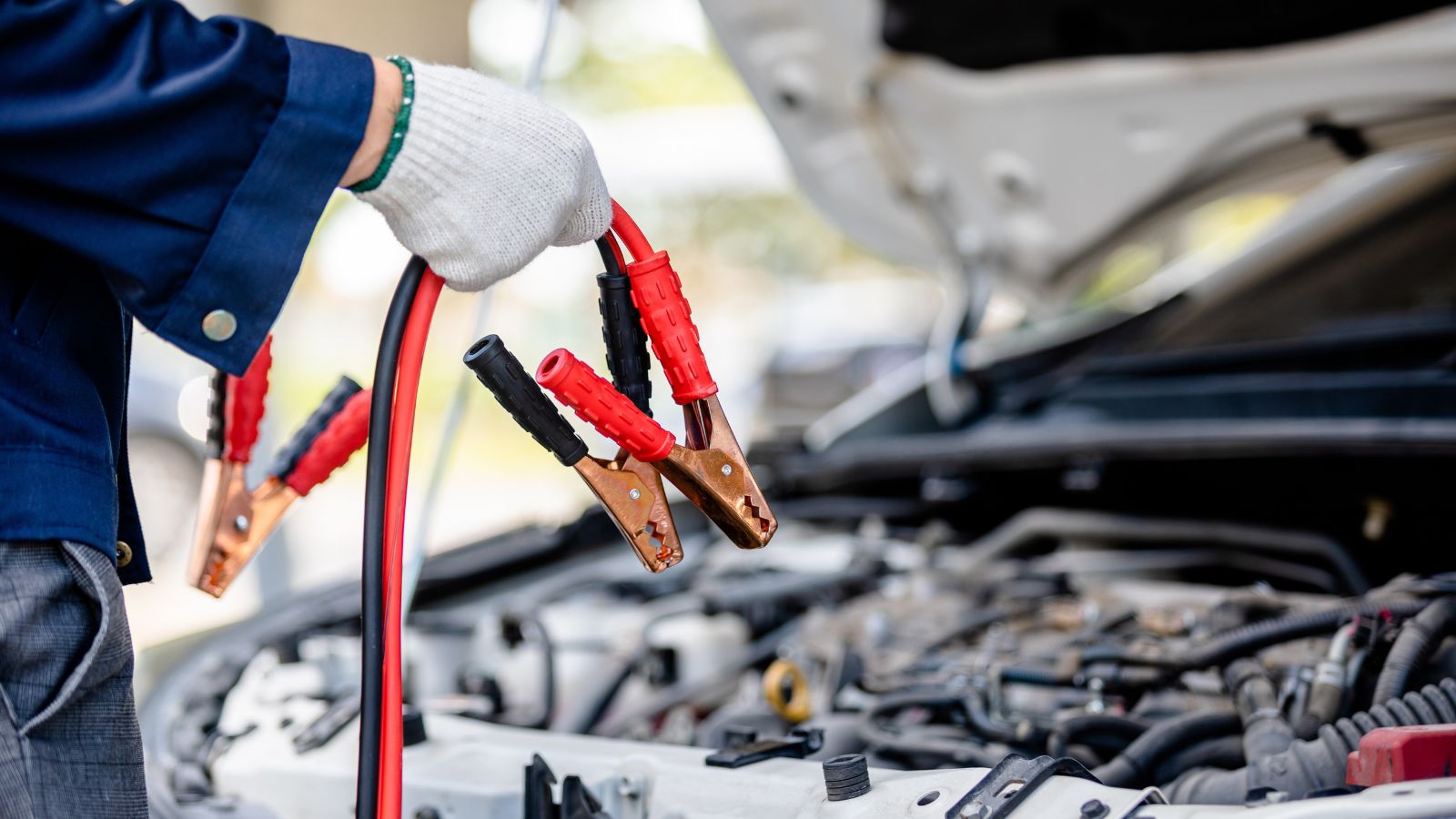
One of the quickest consequences of an idle vehicle can appear the moment the starter button is pressed. Modern vehicles continue using small amounts of electricity when switched off to maintain alarms, computers, clocks, keyless-entry systems, and memory functions. Given enough time without charging, that parasitic draw can leave a battery too weak to crank the engine normally.
A hesitant starter, clicking sound, recently jump-started vehicle, or battery that immediately tests weak should therefore prompt questions about how frequently the car has been driven. AAA notes that automotive batteries are intended for regular use and can discharge during extended inactivity. Interstate Batteries likewise explains that leaving lead-acid batteries discharged can encourage sulfation, reducing capacity and performance. Of course, an old battery can fail on a regularly driven car as well. Battery age, charging-system output, and an actual load test should be considered together rather than assuming storage is automatically responsible for a reluctant start.
Brake Rotors Covered in Heavy Surface Rust
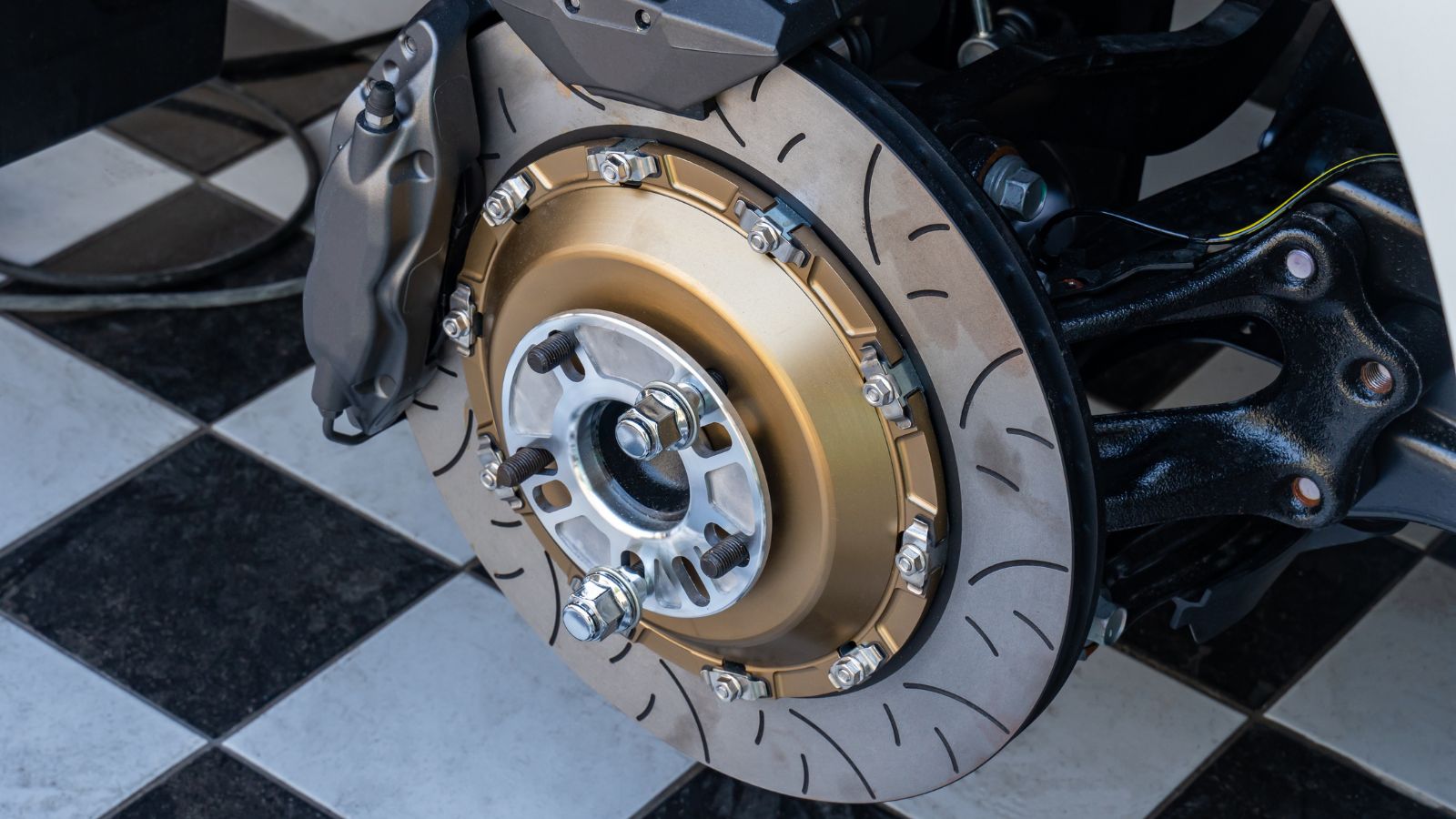
A light orange film on brake rotors after rain or even overnight humidity can be completely normal. Routine braking usually scrubs that thin layer away quickly. A different picture emerges when the rotor faces show thick, uneven corrosion, substantial pitting, or rusty patches that remain after several firm but normal stops during a test drive.
Long-term vehicle-storage procedures from manufacturers specifically address brake-rotor corrosion because cast-iron rotors can gradually accumulate rust when vehicles remain stationary. Brembo has also warned that extended parking allows corrosion to spread across disc surfaces and may contribute to noise and reduced braking performance. That makes heavy corrosion particularly worth investigating on a supposedly road-ready vehicle. Buyers may notice grinding, pulsing, vibration, or unusually rough braking as the pads cross the damaged surface. Those symptoms should not automatically be blamed on storage, however. Road salt, coastal conditions, flooding, poor-quality replacement parts, and ordinary age can also cause corrosion, making an inspection of the entire braking system important.
A Parking Brake That Will Not Release Cleanly

A parking brake that drags, sticks, or refuses to release normally can be more than a minor inconvenience. When certain vehicles are stored for months with the parking brake applied, pads can adhere to rotors, brake shoes can stick to drums, and corrosion can affect mechanical components. That is why long-term-storage guidance often recommends using wheel chocks rather than leaving a conventional parking brake engaged indefinitely.
The symptom can appear immediately when the vehicle begins moving. One wheel may feel reluctant to turn, the car may require unusual throttle to roll away, or a scraping sensation may appear from the rear brakes. AAA has specifically warned about parking brakes sticking during lengthy storage, including the possibility of pads or shoes adhering to braking surfaces. A seized caliper, damaged cable, electronic parking-brake malfunction, or unrelated mechanical defect can produce similar symptoms. Because brakes are safety-critical, a vehicle that does not roll freely after the brake is released should be inspected before a buyer treats the problem as something that will simply disappear with use.
Hard Starting, Rough Idle, or Stalling From Old Fuel
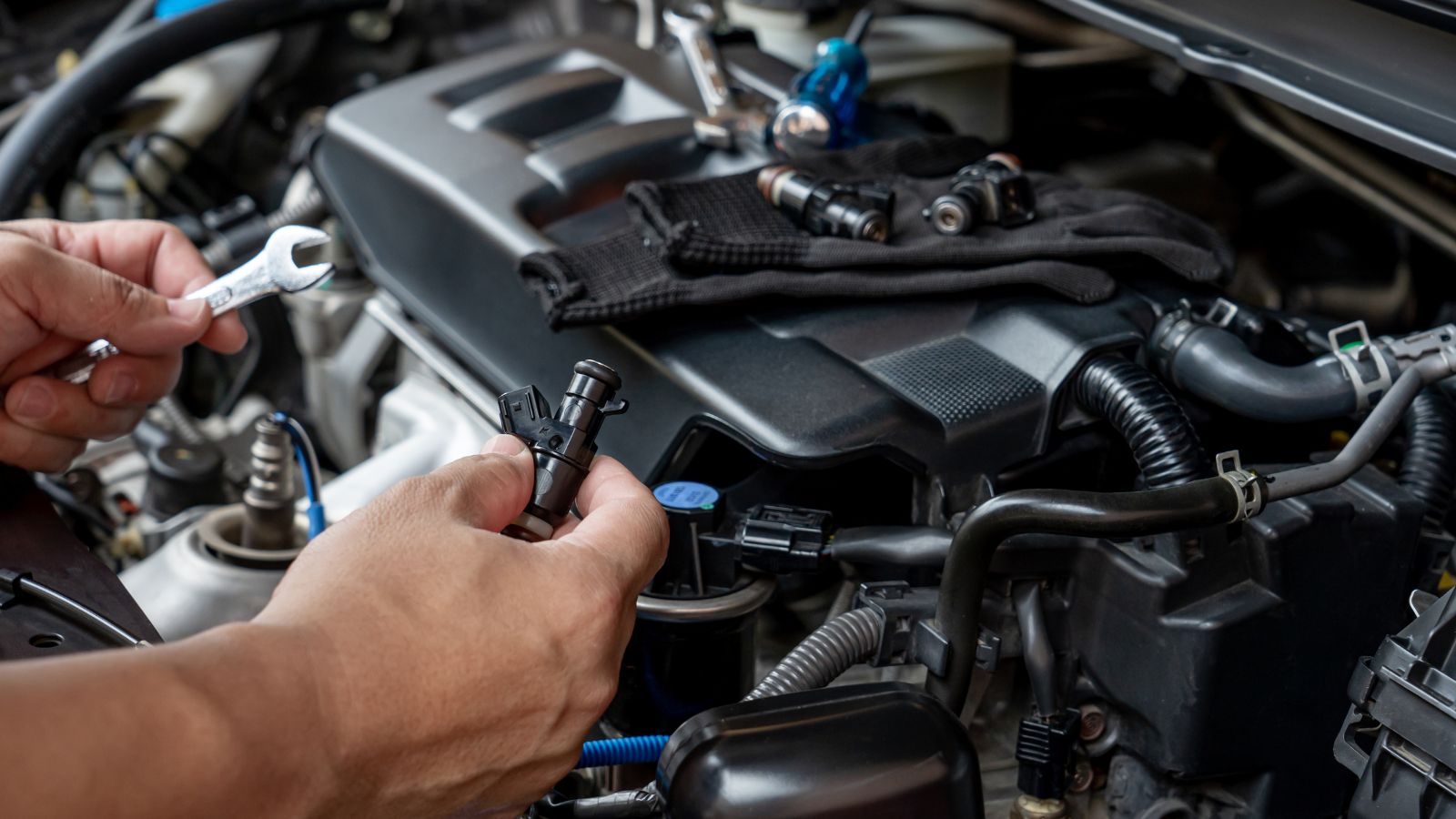
Gasoline does not remain chemically unchanged forever. As it ages, lighter volatile compounds can evaporate and oxidation can alter the fuel’s characteristics. AAA notes that ordinary gasoline can deteriorate within months, with storage conditions and ethanol content influencing how quickly problems appear. That becomes relevant when a vehicle has spent an entire season—or longer—without meaningful use.
Aged fuel can reveal itself through difficult starting, uneven idle, hesitation, stalling, reduced performance, or other drivability complaints. Those symptoms are hardly exclusive to old gasoline; ignition problems, dirty injectors, failed sensors, weak fuel pumps, and dozens of other faults can produce similar behaviour. Context is therefore crucial. If a seller mentions that the vehicle has barely moved for months and it simultaneously struggles to run smoothly, fuel condition belongs on the inspection list. A proper diagnostic check is preferable to repeatedly driving the car and hoping fresh gasoline will make every symptom disappear.
Fuel That Smells Sour or Appears Obviously Degraded

The engine’s behaviour is not the only potential clue to fuel that has spent too long in a tank. Aging gasoline can develop a noticeably different smell and appearance as evaporation and oxidation progress. AAA identifies a sour odour, darkened fuel, or visible contamination as possible indications that gasoline has deteriorated.
That does not mean a buyer should attempt to siphon fuel or open parts of a pressurized fuel system during an informal inspection. If fuel quality is genuinely questionable, a technician can examine it safely. The history surrounding the car is often just as useful: a nearly empty tank that remained parked through major seasonal temperature changes, combined with a seller who cannot remember the last fill-up, deserves more scrutiny than a vehicle that was properly prepared for storage. AAA recommends keeping stored fuel tanks relatively full to reduce air space where condensation can form and using stabilizer when gasoline will remain unused for extended periods. Fuel-related evidence is strongest when combined with other storage clues.
Fresh Fluid Seepage After the Engine Is Started
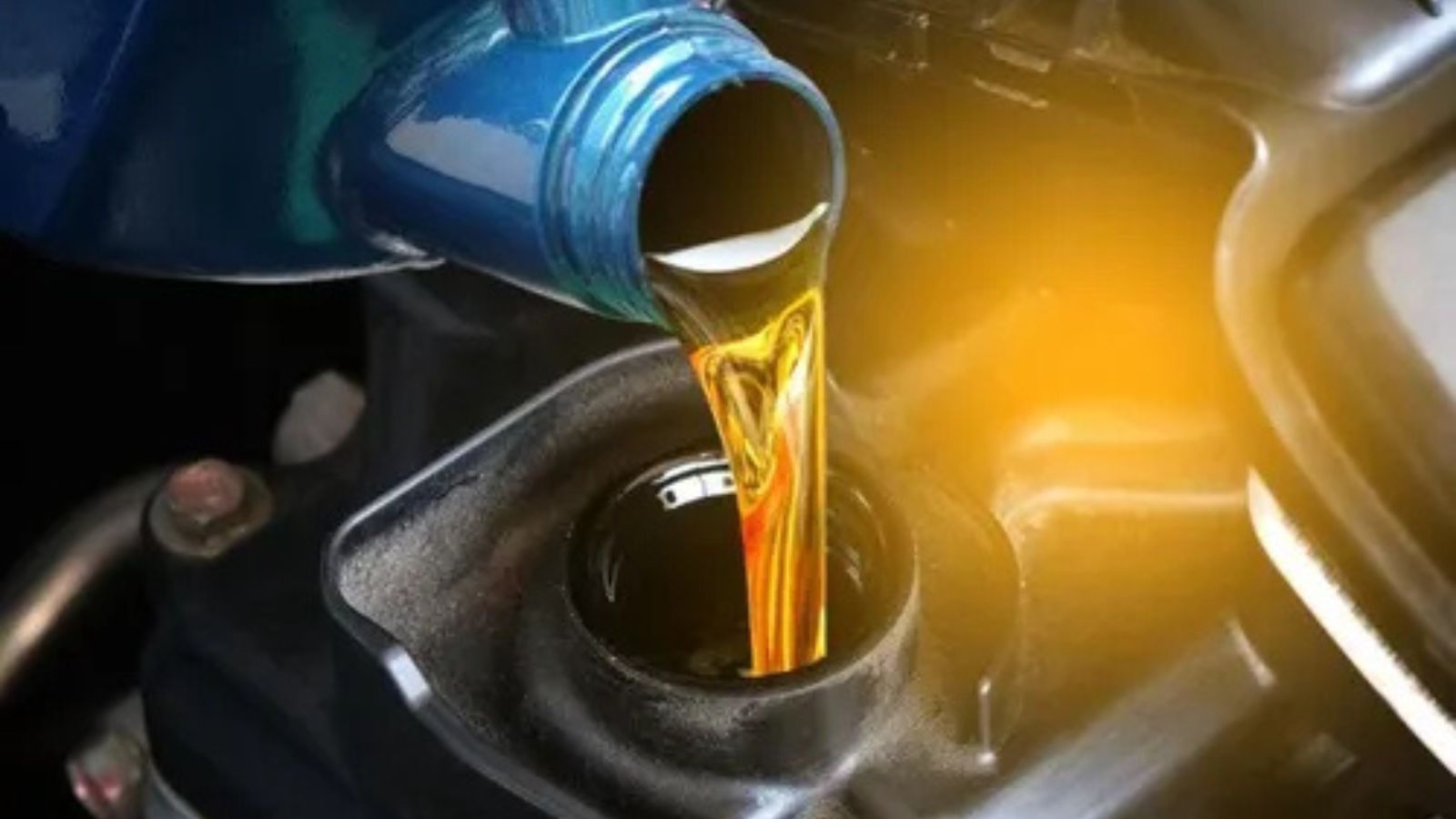
A dry driveway does not necessarily mean an idle vehicle is leak-free. Some seals and gaskets can become less effective as vehicles age and spend long periods without normal fluid circulation. Once the engine is restarted, heat and pressure can expose seepage that was not obvious while everything was cold and stationary.
AAA’s guidance for infrequently driven vehicles notes that certain engine seals benefit from regular lubrication and can dry or shrink during extended inactivity. That makes the area underneath the vehicle worth checking both before and after a test drive. Fresh drops of engine oil, coolant, transmission fluid, or another automotive fluid deserve identification rather than dismissal. Storage is only one possible contributor: worn gaskets, damaged hoses, loose fittings, corrosion, and ordinary mechanical aging can all cause leaks. The important clue is the contrast between exceptionally low mileage and surprisingly active seepage. A professional inspection can determine the fluid’s source and whether a minor seal is involved or a larger repair is approaching.
A Soft or Spongy Brake Pedal

Mileage is not the only thing that affects brake-system condition. Most conventional brake fluids are hygroscopic, meaning they absorb moisture over time. That process continues even when a vehicle is scarcely driven. As moisture content rises and the fluid ages, braking performance and corrosion protection can deteriorate.
AAA notes that old, moisture-contaminated brake fluid may be associated with a soft or spongy pedal and can contribute to internal corrosion. For a vehicle advertised as exceptionally low mileage because it “was hardly driven,” an old brake-fluid service history therefore matters. Sitting does not automatically mean the fluid is unsafe, and a spongy pedal can have more serious causes such as air in the hydraulic system, a leak, failing master cylinder, damaged brake hose, or mechanical brake trouble. What matters is recognizing that very low kilometres do not erase calendar-based maintenance. Any unusual pedal feel should be investigated before purchase rather than accepted because the vehicle supposedly has little wear.
Brittle Hoses or Cracked Belts Despite Low Mileage
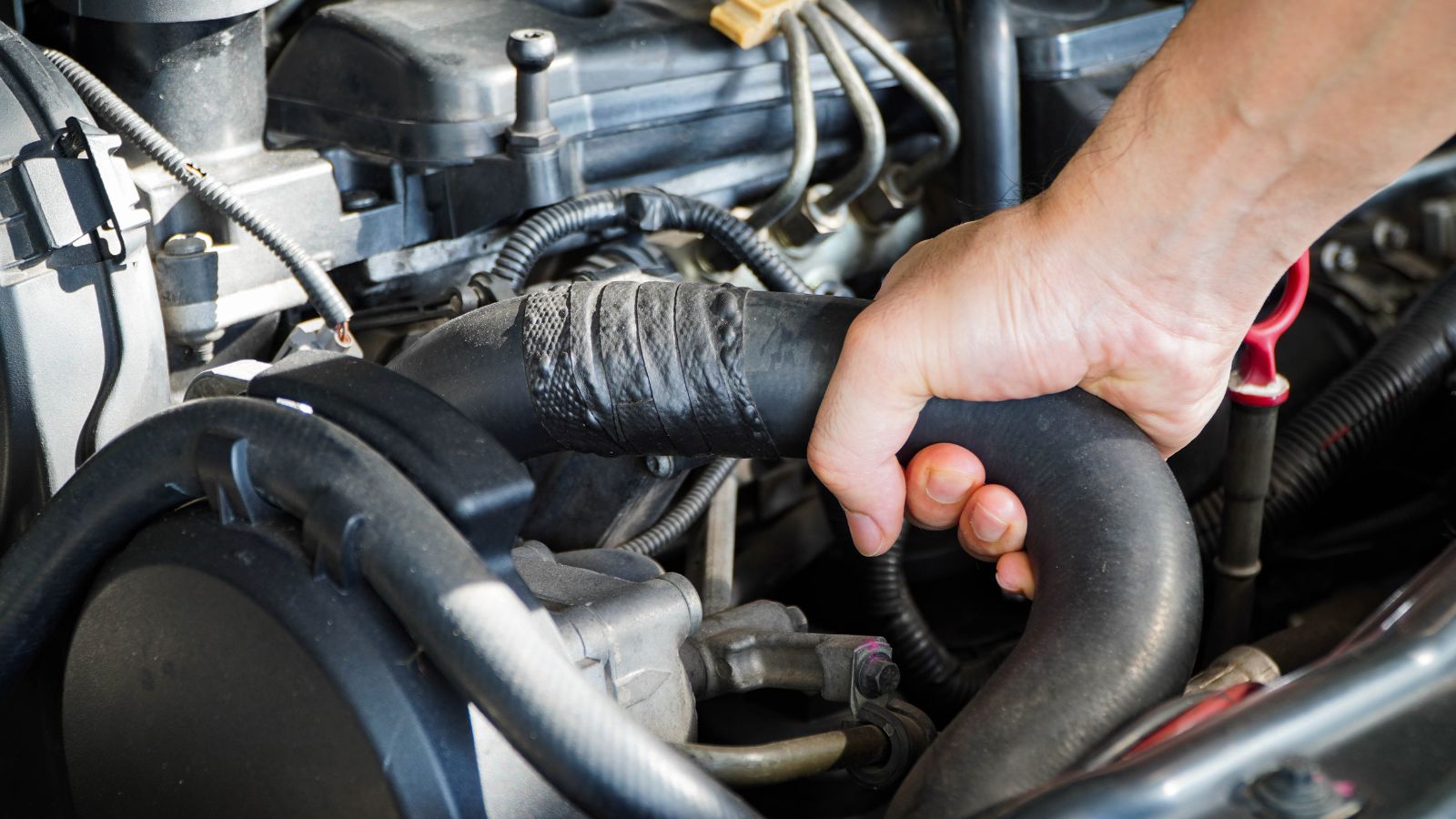
A seller may proudly point to low kilometres while overlooking components that age whether the wheels turn or not. Rubber and elastomer parts are exposed to heat, ozone, chemicals, sunlight, temperature swings, and time. As a result, a low-mileage engine compartment can still contain hardened hoses, cracked fittings, glazed belts, or rubber pieces that no longer feel as flexible as expected.
AAA recommends inspecting drive belts for cracking, glazing, or fraying and cooling-system hoses for brittleness, bulges, softness, and leaks. Gates likewise designs automotive rubber components specifically to resist heat, ozone, weather, and aging—conditions that highlight why storage environment matters. These defects do not establish that the vehicle sat immediately before being listed for sale; they can simply reflect calendar age or harsh exposure. Their importance lies in the mismatch. A vehicle marketed as nearly untouched should not automatically be assumed mechanically youthful. Older rubber parts can turn an apparently low-wear purchase into a round of preventative maintenance soon after ownership begins.
A Musty Cabin or Damp Carpets
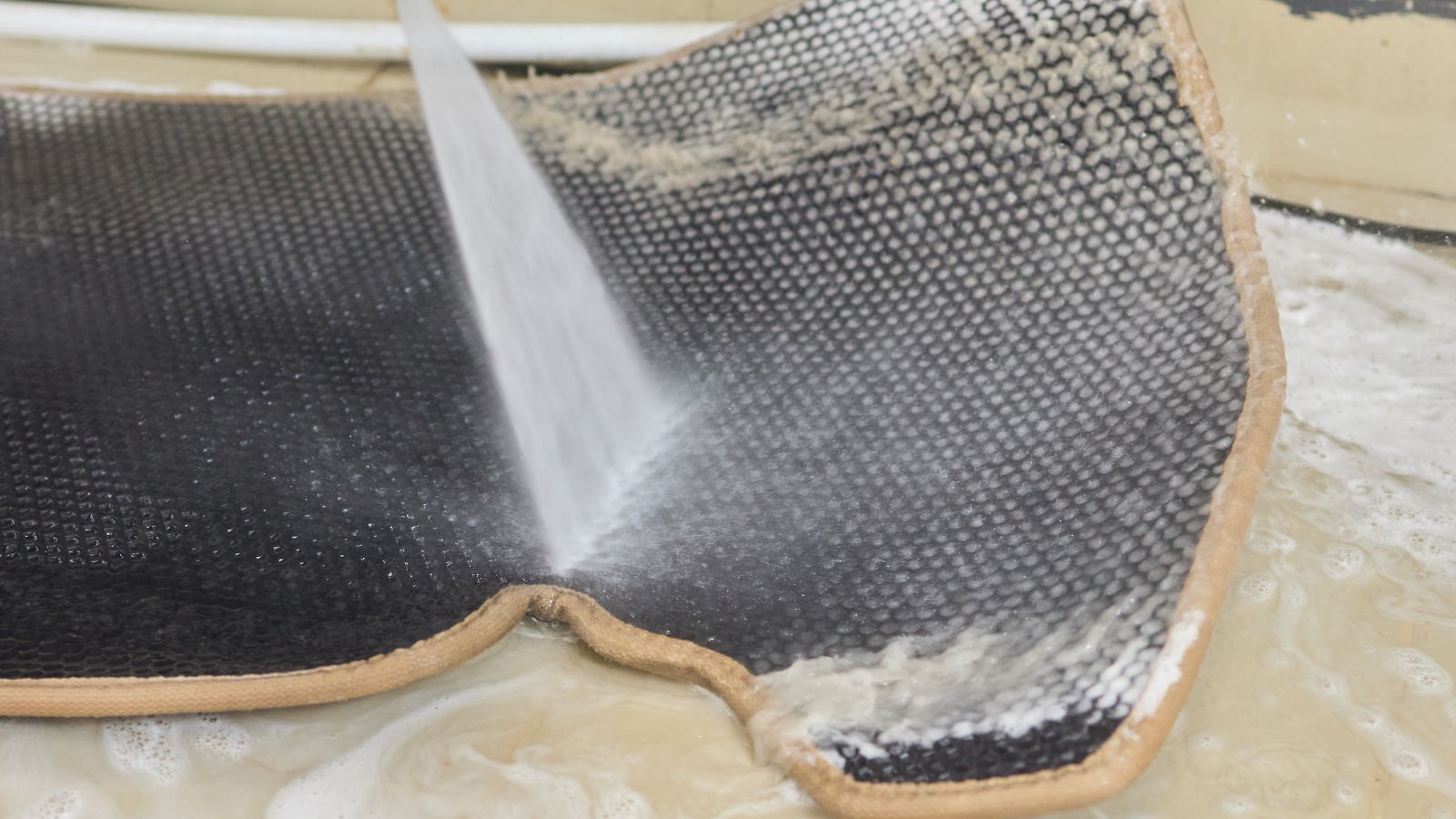
Opening the door should not feel like opening an old basement. A persistent musty smell can indicate that moisture entered the cabin and remained trapped long enough for mildew or mold to develop. Vehicles parked for extended periods can be particularly vulnerable when stored in damp locations, under covers that trap moisture, or with unnoticed leaks around glass, drains, doors, or body seams.
AAA recommends storing long-term vehicles in a cool, dry location and using moisture-control products when dampness is a concern. Its guidance on vehicle odours also notes that a mildew smell means the interior was wet and failed to dry completely. During an inspection, carpeting, the trunk floor, spare-tire well, under-seat areas, and footwells deserve attention. A musty smell alone does not establish lengthy storage—an air-conditioning drain problem or single rain leak could cause it—but damp padding, staining, condensation, and a persistent odour together justify finding the moisture source before purchase.
Rodent Droppings, Nests, or Chewed Wiring
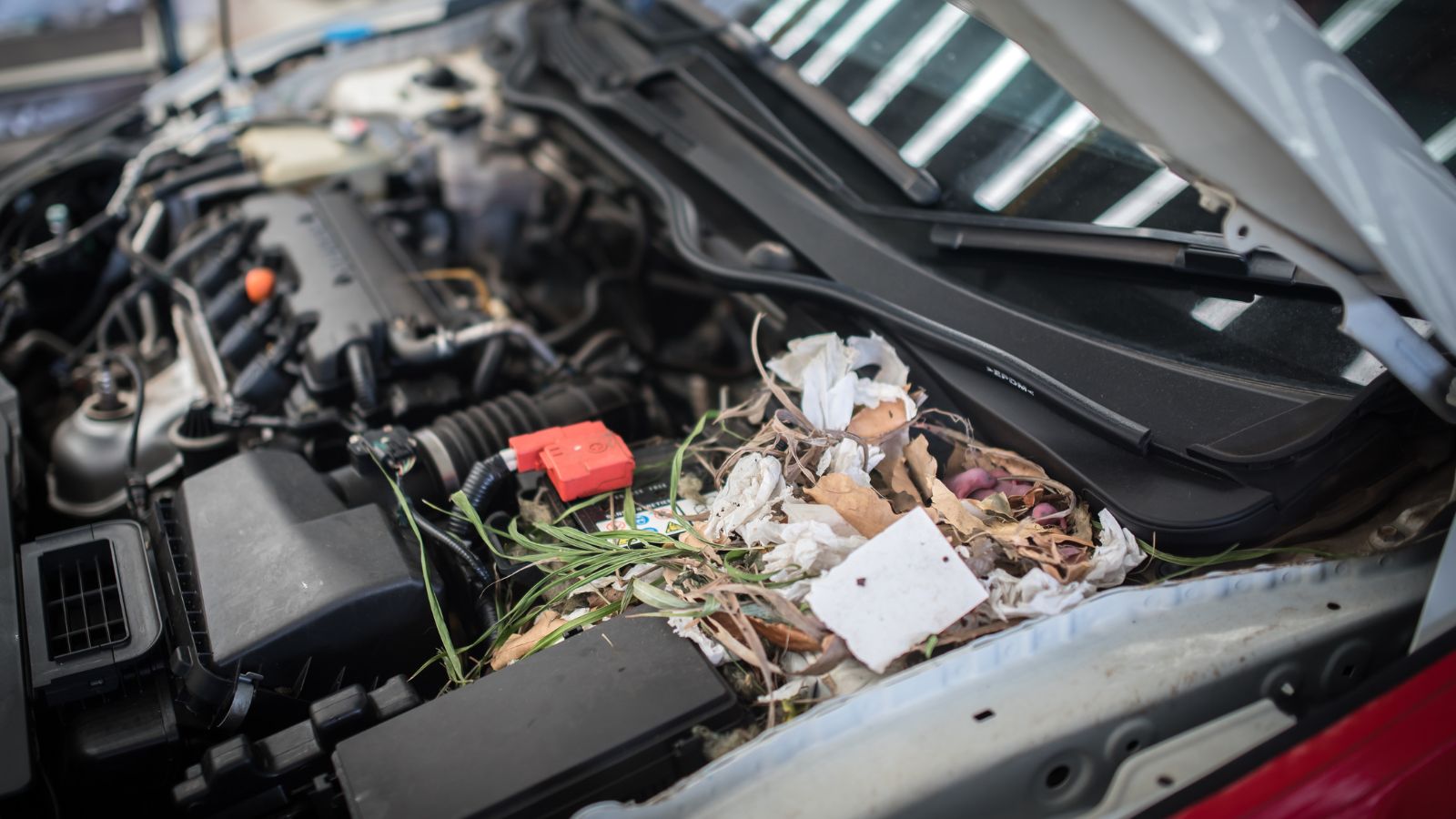
Few clues say “undisturbed for a while” more convincingly than evidence that an animal has moved in. Quiet, sheltered vehicles can attract mice, rats, squirrels, and other rodents, especially when parked near vegetation, food sources, barns, storage buildings, or rarely visited areas.
Signs can include droppings, shredded insulation, seeds, leaves, nesting material around the battery or engine cover, gnaw marks, damaged hoses, or exposed copper wiring. AAA warns that vehicles left idle for days or weeks can offer rodents attractive shelter and that damage may extend to wiring, insulation, air filters, hoses, and even safety-related systems. Repair costs can escalate quickly when a wiring harness is involved. An unexplained warning light, electrical fault, or strong odour after the car has been sitting should therefore receive more than a cosmetic cleanup. Rodent evidence does not tell exactly how long a vehicle was parked, but it strongly supports a closer look at areas normally hidden during a quick dealership walk-around.
Leaves, Twigs, or Debris Packed Into Air Intakes
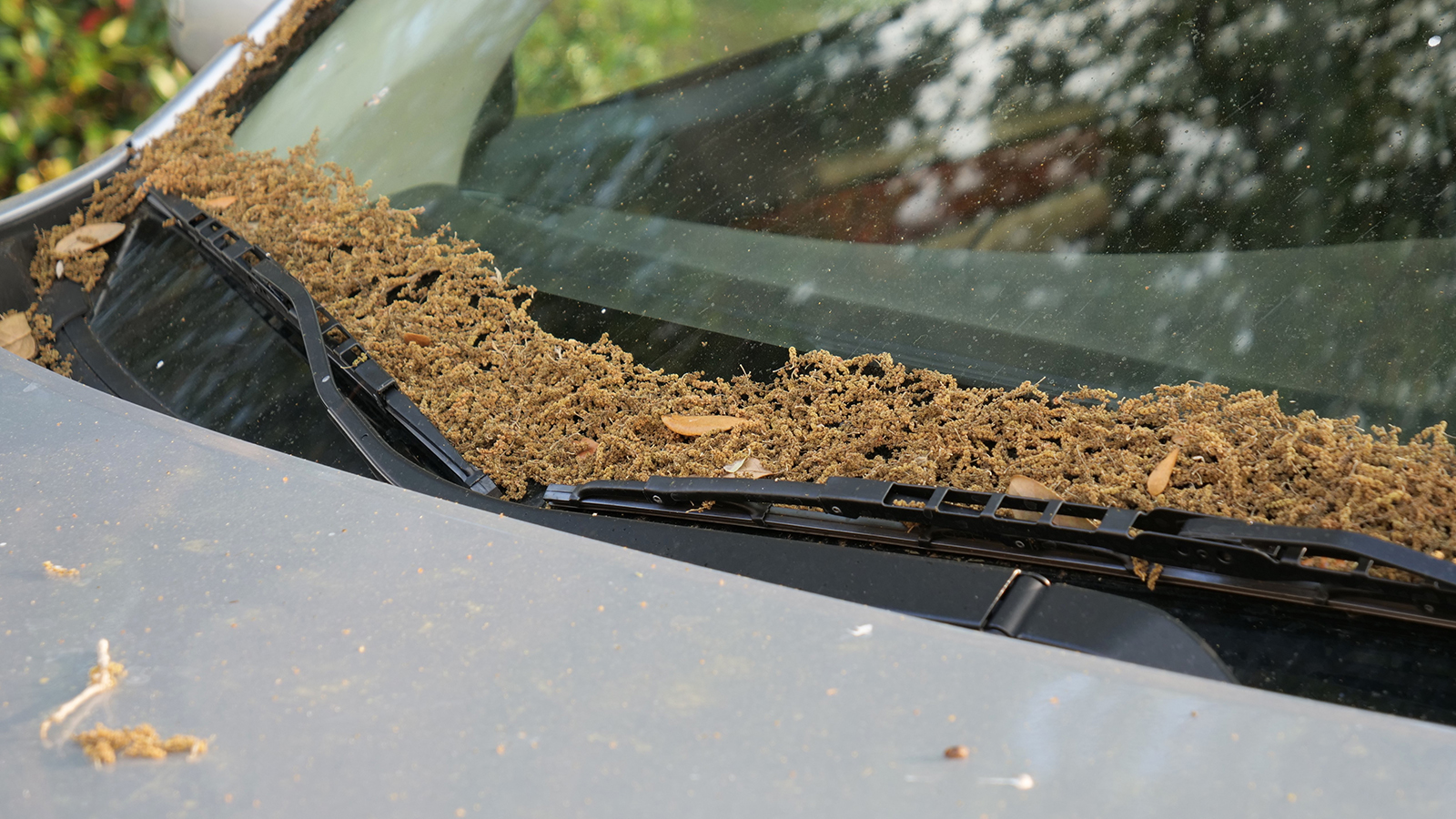
A car stored outdoors can quietly collect environmental debris even while its odometer remains unchanged. Leaves, seeds, insects, dust, twigs, and other material can gather around the windshield cowl, engine-air intake, cabin-filter housing, drains, and sheltered sections of the engine bay. Rodents can add even more material when they begin nesting.
AAA notes that cabin air filters may trap leaves, twigs, insects, mold, pollen, rodent droppings, and other debris. Its long-term-storage advice also recommends blocking vulnerable intake openings when rodents are a concern. A few leaves near the windshield prove little, especially during autumn. A densely packed filter housing, blocked cowl drain, old nesting material, and a very low-mileage sales history present a more meaningful combination. Restricted airflow may show up as weak ventilation, unpleasant smells, or unusual blower noise. Cleaning the visible surface without checking deeper areas can leave moisture, blocked drains, or damaged wiring undiscovered, so extensive debris warrants a more thorough inspection.
Sun-Faded Paint or a Heat-Damaged Interior
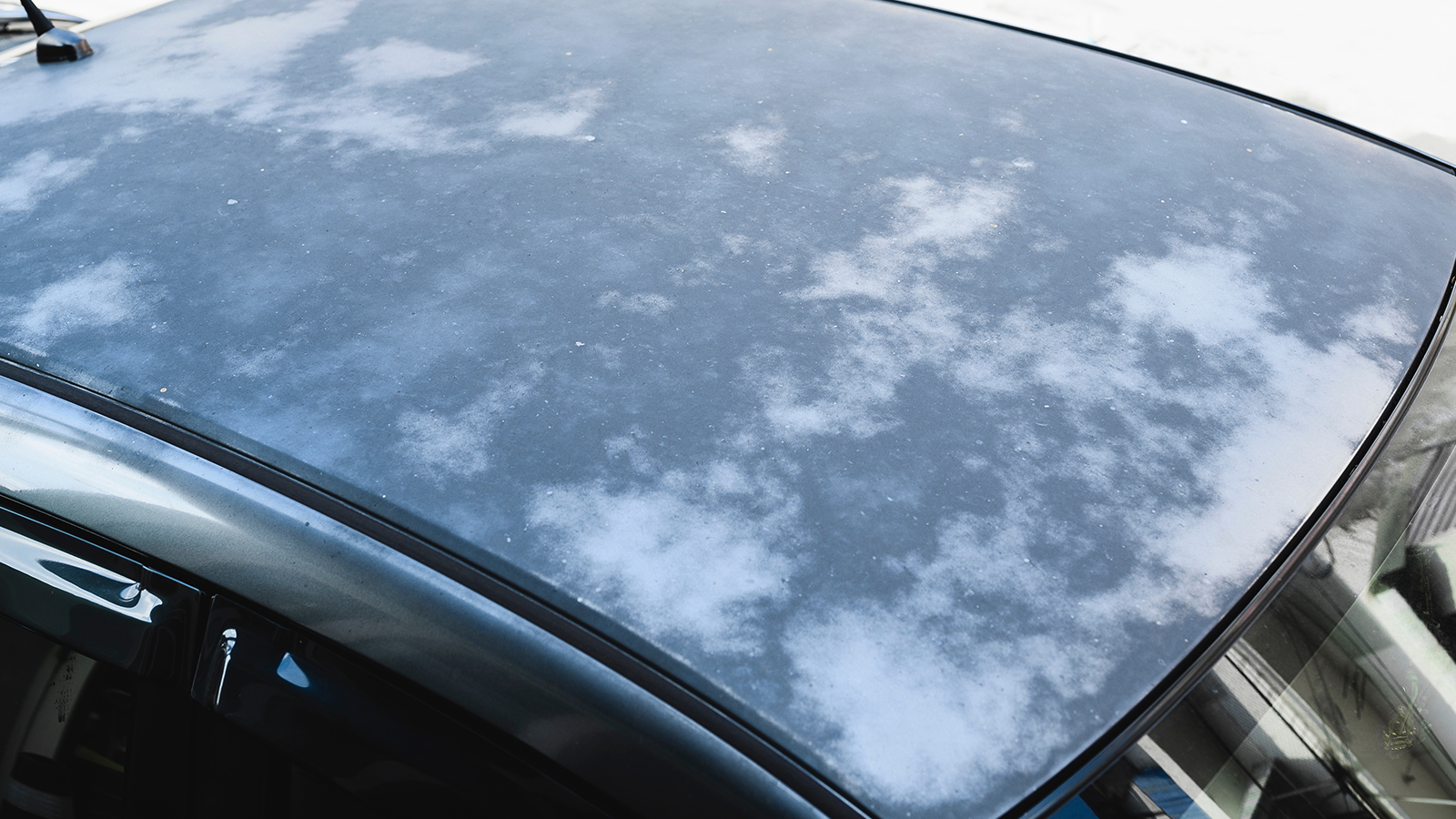
Cars do not need to accumulate kilometres to accumulate weather damage. A vehicle can sit almost motionless while ultraviolet radiation and heat work on its paint, plastics, upholstery, rubber, and trim every day. Prolonged outdoor exposure may leave chalky or oxidized paint, faded plastic, dry leather, discoloured trim, or cracking across the dashboard.
AAA specifically identifies prolonged sun exposure as a cause of fading, oxidation, cracking, brittleness, and deterioration in vehicle materials. Heat inside a closed automobile can also rise well above the outside temperature, intensifying stress on interior surfaces. Sun damage cannot determine precisely how long a particular car was parked because regularly driven vehicles can suffer exactly the same exposure. The clue becomes more useful when wear is inconsistent with the odometer and overall presentation. A remarkably low-mileage vehicle with severe sun-baked trim, weathered tires, old wipers, and faded paint may have spent much of its life stationary outdoors rather than protected in controlled storage.
Wipers That Skip, Chatter, or Stick to the Glass
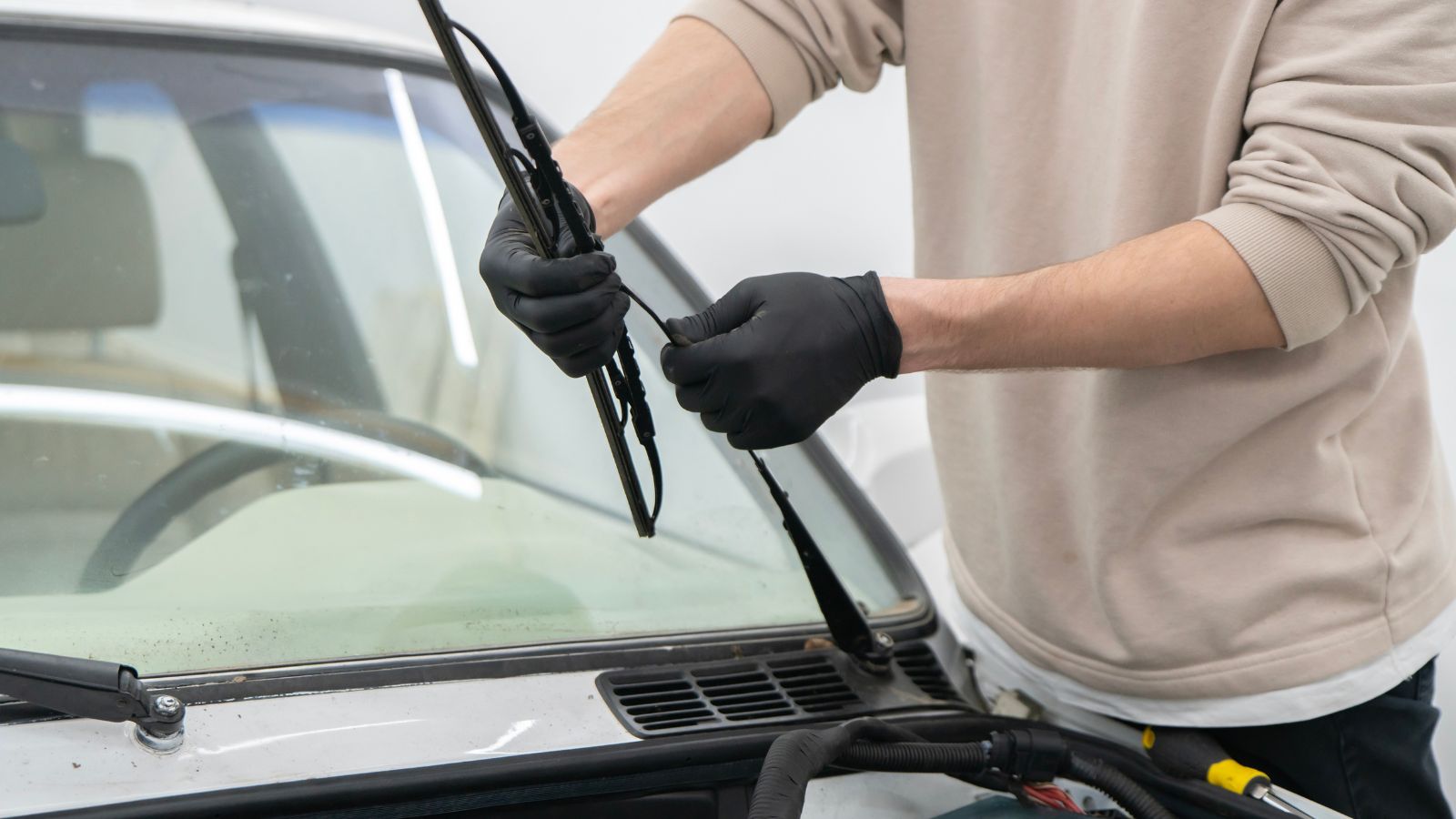
Windshield wipers can expose neglect before the vehicle ever reaches highway speed. Rubber blades continue aging while parked, especially when subjected to heat, sunlight, cold, and long periods pressed against the same portion of the windshield. AAA notes that UV exposure can degrade blade rubber and that underuse can contribute to curvature that makes a blade skip across the glass.
During an inspection, washer fluid can be used to check whether the blades wipe smoothly and evenly. Streaking, chattering, hard rubber, splitting edges, or sections that fail to contact the windshield may simply mean inexpensive new blades are needed. They are not, by themselves, a reason to reject a vehicle. Their value is as another piece of the storage story. When weathered wipers appear alongside flat-spotted tires, rotor rust, faded exterior trim, and a weak battery, the combined evidence can suggest that the car was left exposed and unused rather than regularly maintained while awaiting sale.
Rust Showing Up in Places That Normally Stay Clean
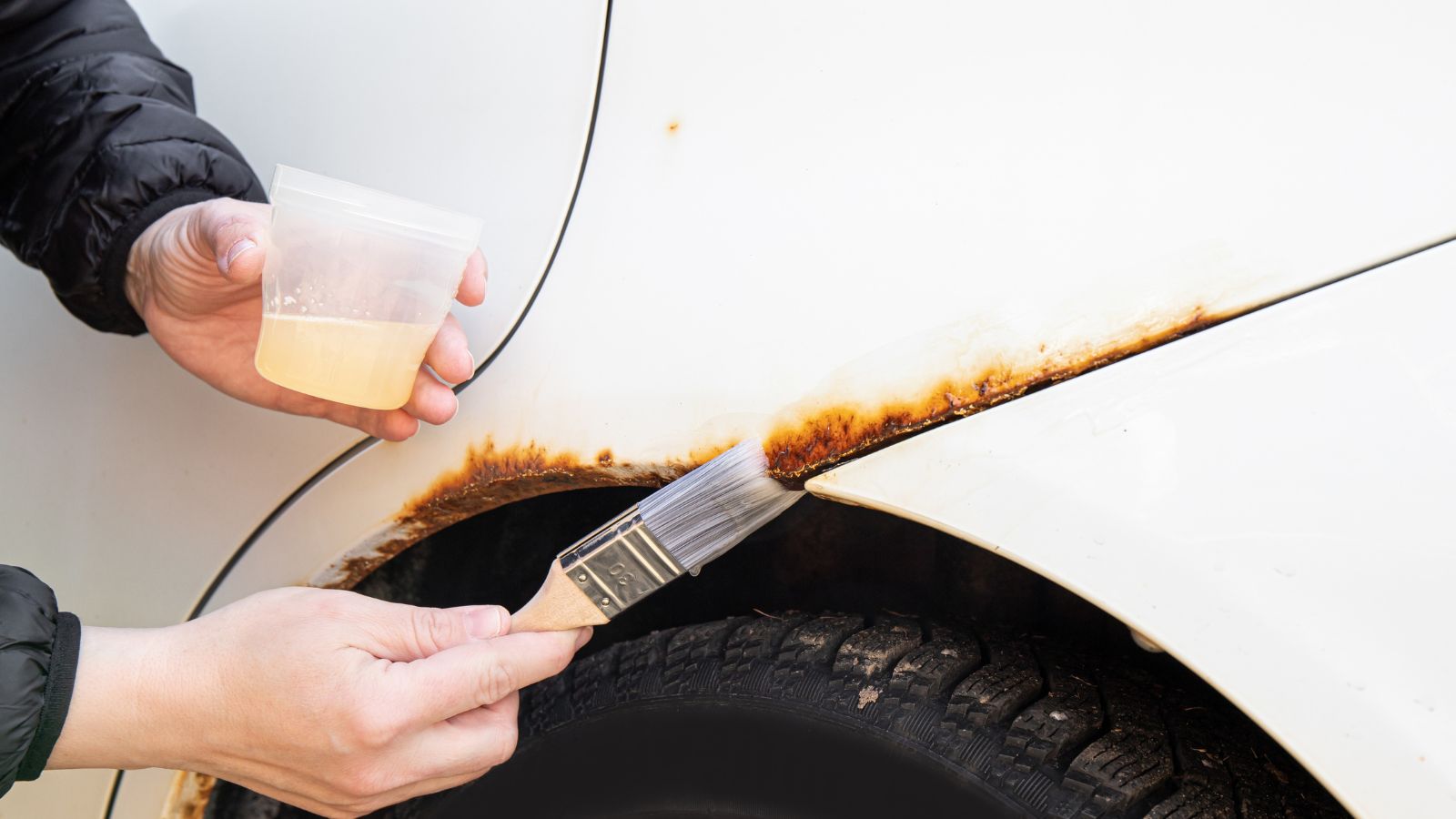
Rust underneath a vehicle depends heavily on climate and exposure, so its presence needs interpretation rather than panic. Coastal air, road salt, heavy precipitation, bare metal, and repeated wetting can all accelerate corrosion. A stationary outdoor vehicle can continue experiencing those conditions even while accumulating no mileage at all.
Manufacturer long-term-storage guidance specifically calls for periodic rust inspections because vehicles exposed to precipitation or salty air can develop corrosion while parked. AAA likewise warns that rain, salt, and environmental exposure can cause long-term deterioration to bodywork and the undercarriage. During a pre-purchase inspection, attention should go beyond obvious body panels to fasteners, suspension components, exhaust sections, brake hardware, seams, and other exposed metal. Light surface oxidation may be cosmetic, while scaling, perforation, weakened mounting points, or severely corroded brake components are much more serious. A clean odometer cannot compensate for years of poor storage conditions, which is why an underbody inspection matters.
Air Conditioning That Is Weak After Long Non-Use
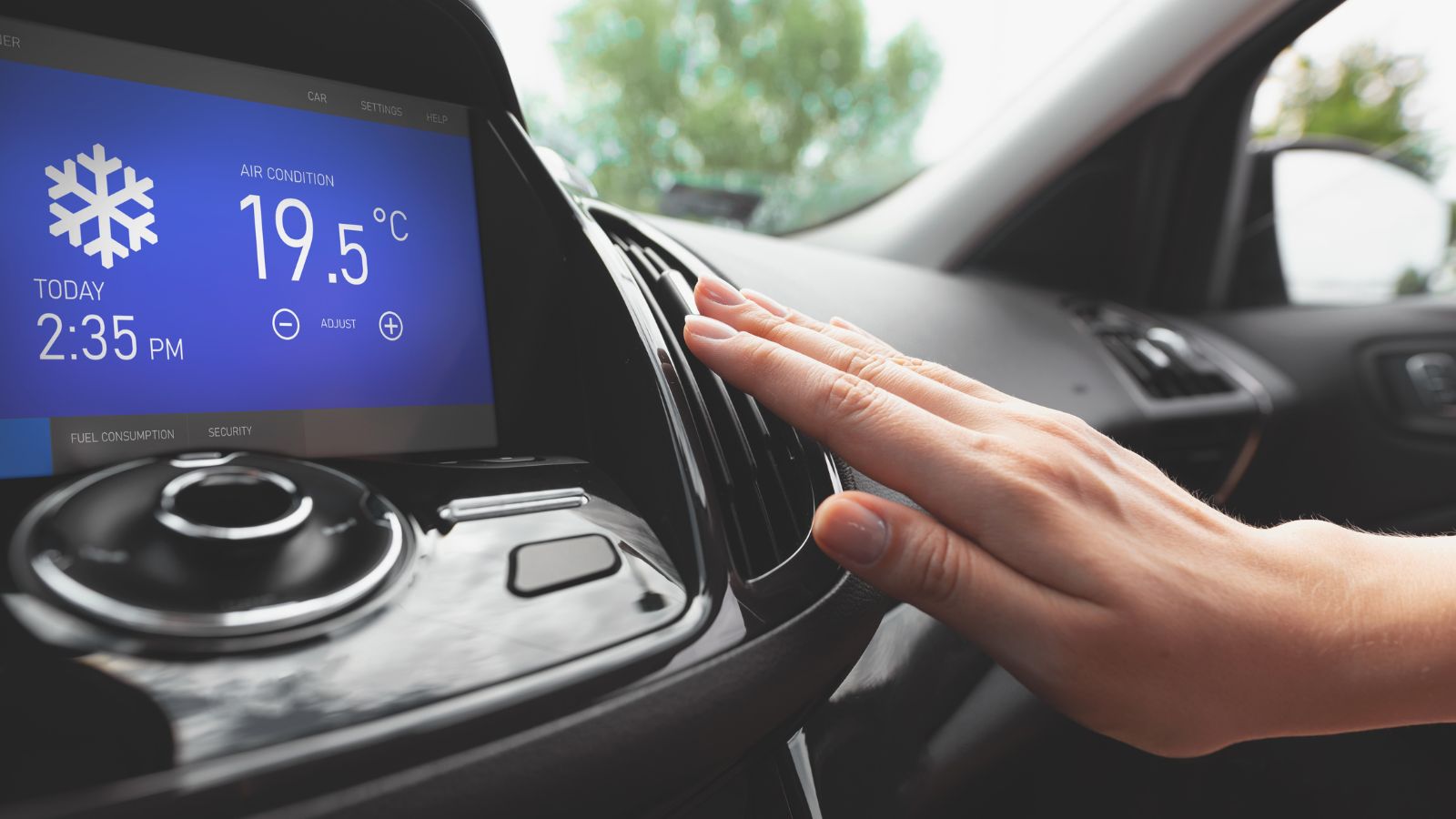
Air conditioning is easy to overlook when inspecting a vehicle in mild weather, but extended non-use can matter to the system. Automotive A/C systems circulate refrigerant and lubricant through the compressor and associated seals during normal operation. Manufacturer long-term-storage procedures therefore commonly instruct caretakers to operate the A/C periodically so the compressor receives lubrication.
AAA has also noted that seals can dry during lengthy periods of non-use, potentially allowing refrigerant to escape. A vehicle coming out of storage may consequently cool poorly, take unusually long to lower cabin temperature, or show signs of refrigerant leakage. Weak air conditioning has many other possible causes, including damaged condensers, failed compressors, electrical faults, low refrigerant from an unrelated leak, or malfunctioning blend doors. It is not proof of inactivity. Still, on a car with several other long-storage clues, a suddenly ineffective climate-control system belongs on the inspection list—particularly because modern A/C repairs can involve considerably more than simply adding refrigerant.
19 Used Cars Canadians Should Avoid in 2026 (Based on Owner Complaints)

Buying a used car in Canada can feel safe until repair bills start stacking up. Owner complaints tell a different story than glossy listings. Transmission failures, electrical problems, and weak winter reliability show up again and again in consumer reports. Many of these issues appear after warranties expire, when owners least expect them. Some vehicles look affordable upfront, but become expensive to keep on the road. Others struggle in cold weather, urban driving, or long highway commutes. Here are 19 used cars Canadians should avoid in 2026 (based on owner complaints).
19 Used Cars Canadians Should Avoid in 2026 (Based on Owner Complaints)

Alanna Rosen is an experienced content writer that focuses on many EV and educational content. Her articles are regularly published on Get CyberTrucked and syndicated on large publications.