A freshly repaired car can look convincing under shop lights and still reveal problems once it returns to everyday driving. Modern collision work involves far more than straightening sheet metal and applying paint; alignment, corrosion protection, wiring, restraint systems, cameras, radar sensors, seals, and structural components may all be affected by an impact.
Some imperfections are cosmetic, while others deserve immediate professional attention because they can involve steering or safety systems. No single symptom automatically proves that a repair shop made a mistake, but changes that appear only after collision work should not be dismissed. These 18 signs can help identify repairs that deserve a closer inspection, especially when several problems appear together.
Uneven Gaps Between Body Panels
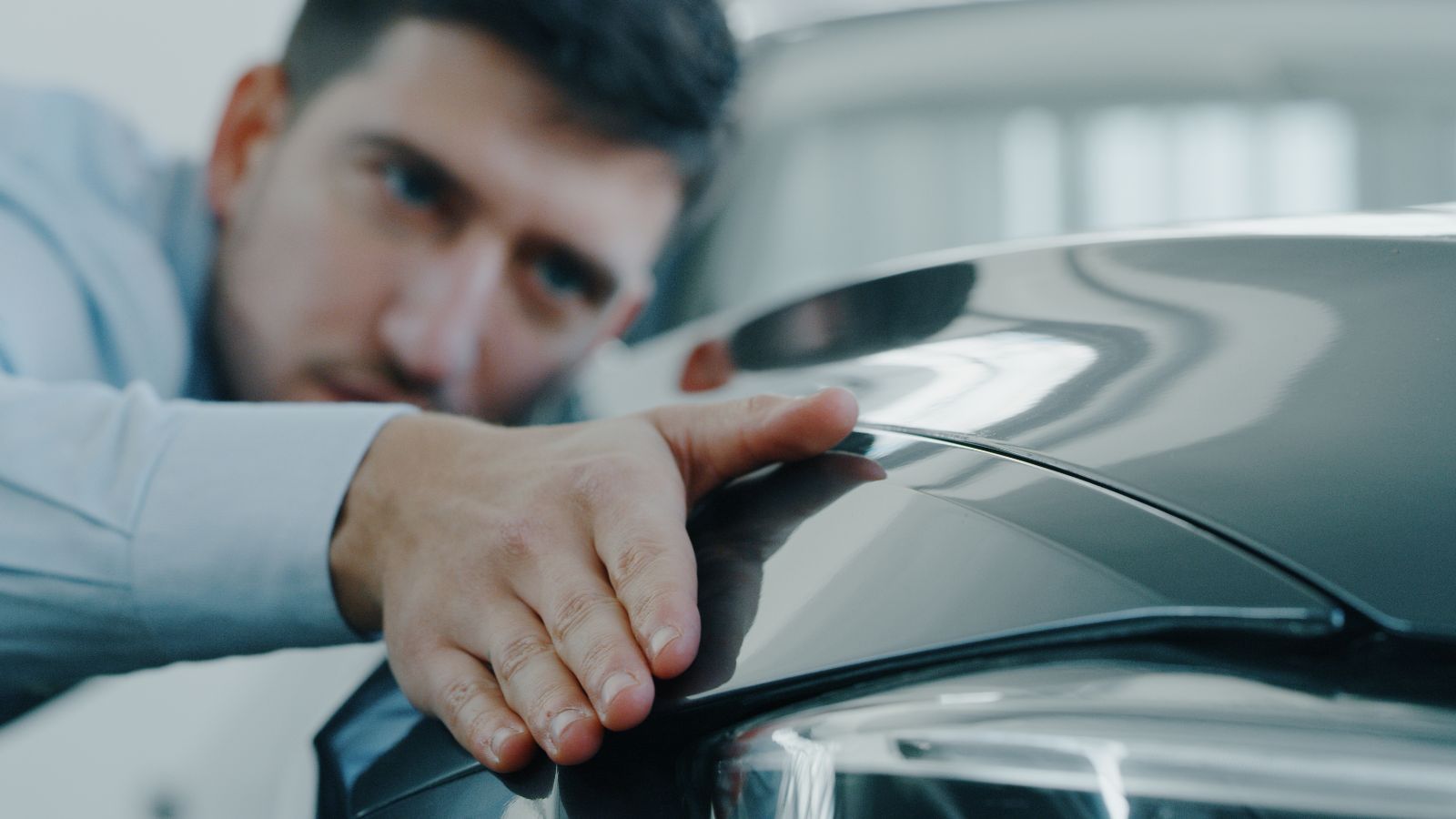
A repaired car should generally have body panels that sit consistently relative to the surrounding panels. Look along the spaces between the hood and fenders, doors and quarter panels, trunk lid and rear bodywork, or bumper and adjacent panels. If one side has a noticeably wider gap than the other, or a panel appears recessed or raised, the fitment deserves another look. Manufacturing tolerances mean factory gaps are not always mathematically identical, so a tiny difference by itself is not proof of poor repair.
The more meaningful clue is a clear change from the vehicle’s pre-collision condition or a group of irregularities around the repaired area. Imagine a front-end repair where the driver’s-side hood gap is tight near the windshield but progressively widens toward the headlight. That could simply require panel adjustment, but it could also justify checking brackets, hinges, mounting points, and underlying measurements. A reputable repair facility should be willing to inspect obvious fitment concerns rather than dismiss them as purely cosmetic.
Doors, the Hood, or the Trunk No Longer Close Normally
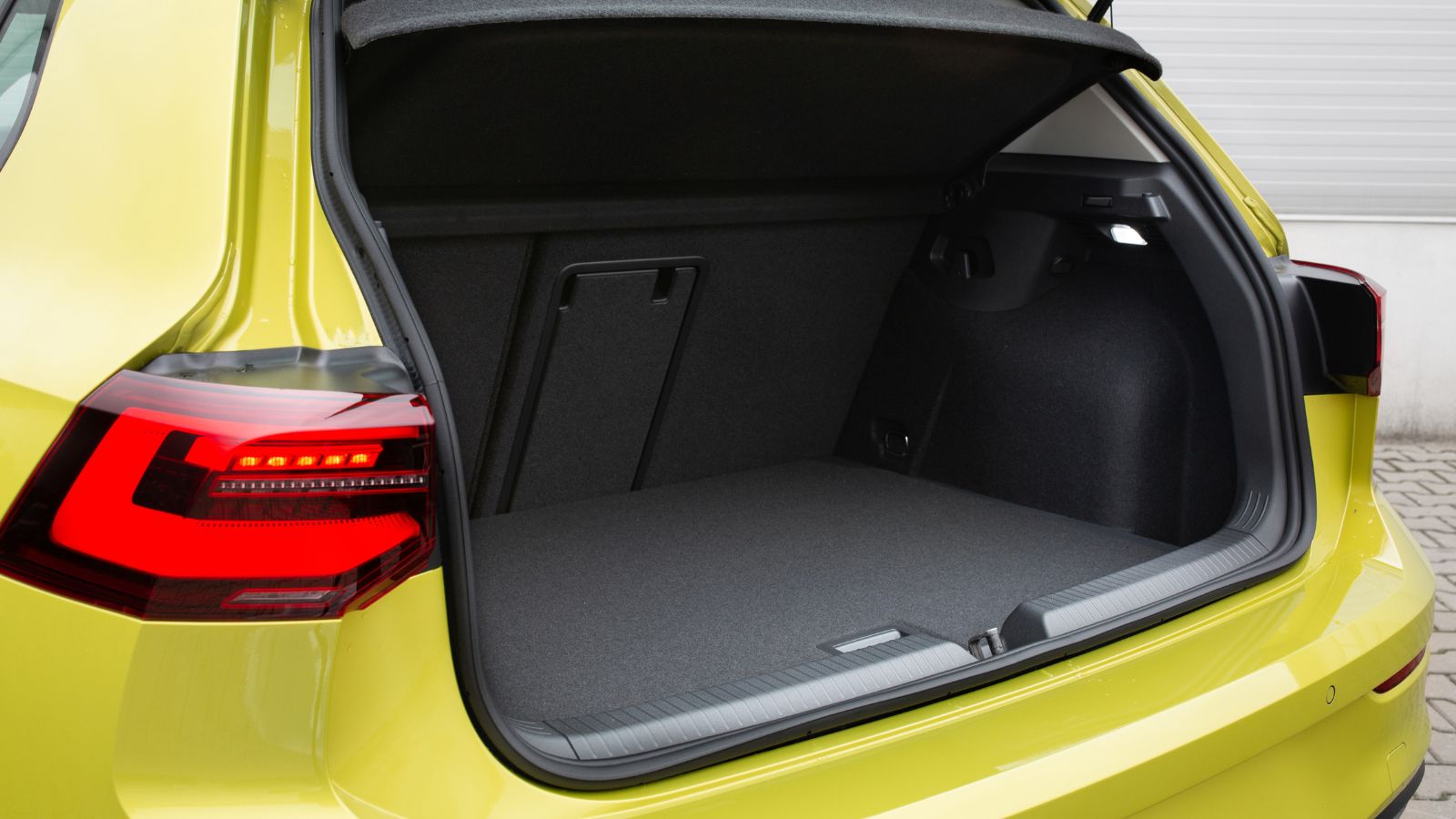
Opening and closing repaired panels is one of the simplest post-repair checks. A door should latch without an unusual amount of force, the hood should settle into its normal position, and the trunk or liftgate should close squarely. Consumer Reports has long identified doors, hoods, or trunks that do not close correctly as clues worth investigating when evaluating previously damaged vehicles. Hinges, striker positions, replacement-panel fitment, seals, or surrounding body structure can all influence how a closure operates.
Pay attention to changes rather than expecting every vehicle to feel identical. A heavy SUV door may naturally require more effort than a small sedan’s door. The concern is a door that suddenly must be slammed after repairs, rubs against another panel, rises or drops as it closes, or repeatedly fails to latch. Likewise, a trunk lid that contacts one taillight before settling into place deserves attention. Properly diagnosing the cause may require measurements rather than simply moving the latch until the symptom disappears.
The Repaired Paint Is an Obvious Different Shade
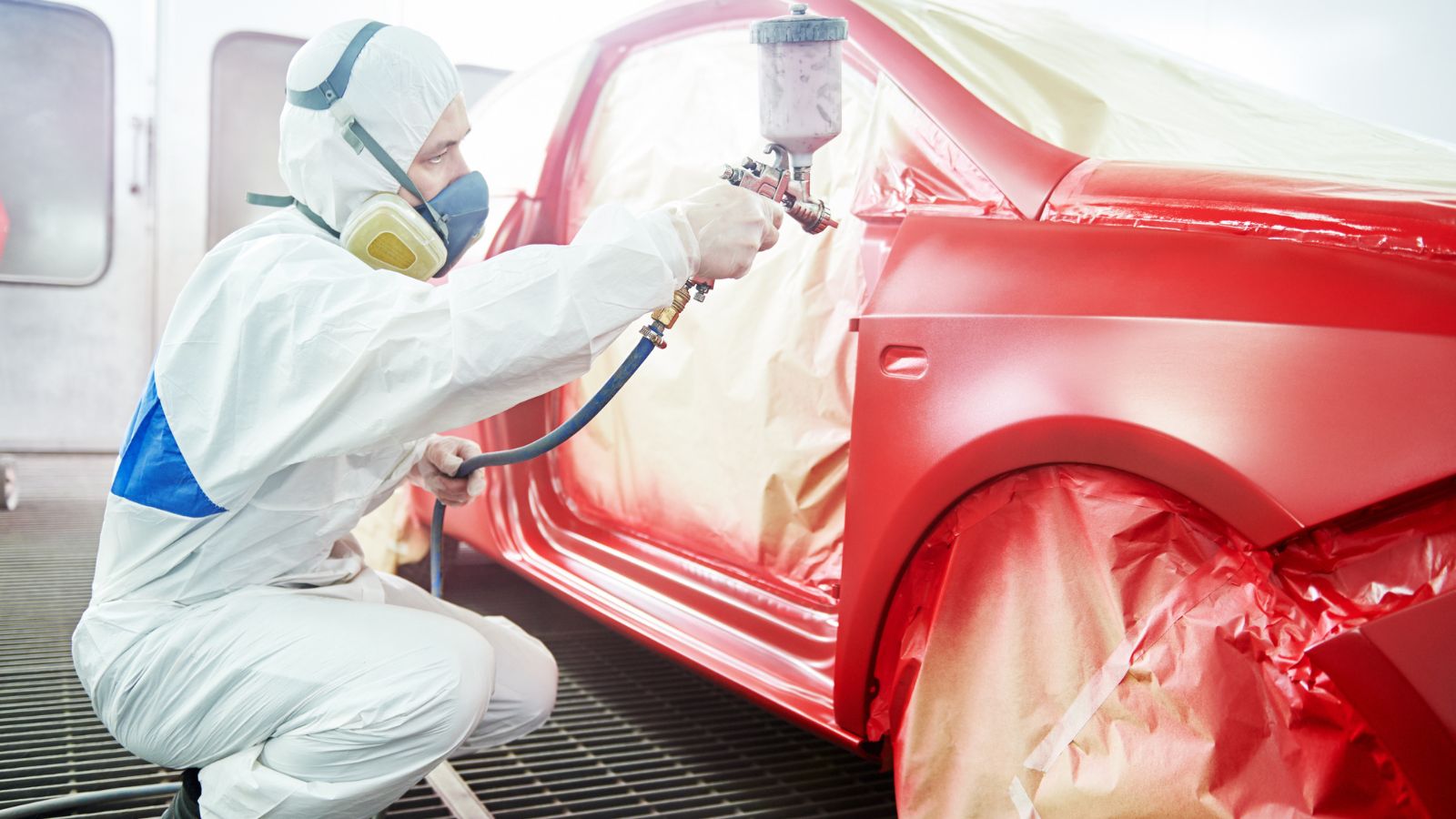
Automotive paint matching is more complicated than choosing a colour name from a catalogue. Age, sun exposure, metallic flakes, pearlescent effects, application technique, and the viewing angle can make the same nominal colour appear different. That is one reason collision refinishing often involves careful colour matching and blending. Consumer Reports specifically advises watching for paint that does not match when inspecting vehicles for previous collision work.
The best inspection takes place outdoors in natural light and from several angles. A silver door might appear perfect inside a shop yet look darker than the front fender when viewed in afternoon sun. Metallic colours can be particularly revealing because differences in flake orientation change how light reflects from the surface. A slight variation does not automatically mean the underlying repair is unsafe, but an obvious colour boundary is a reasonable quality complaint. It can suggest insufficient colour matching, inadequate blending, or a refinishing process that did not reproduce the surrounding finish convincingly.
Overspray Appears on Trim, Rubber, Glass, or Other Parts
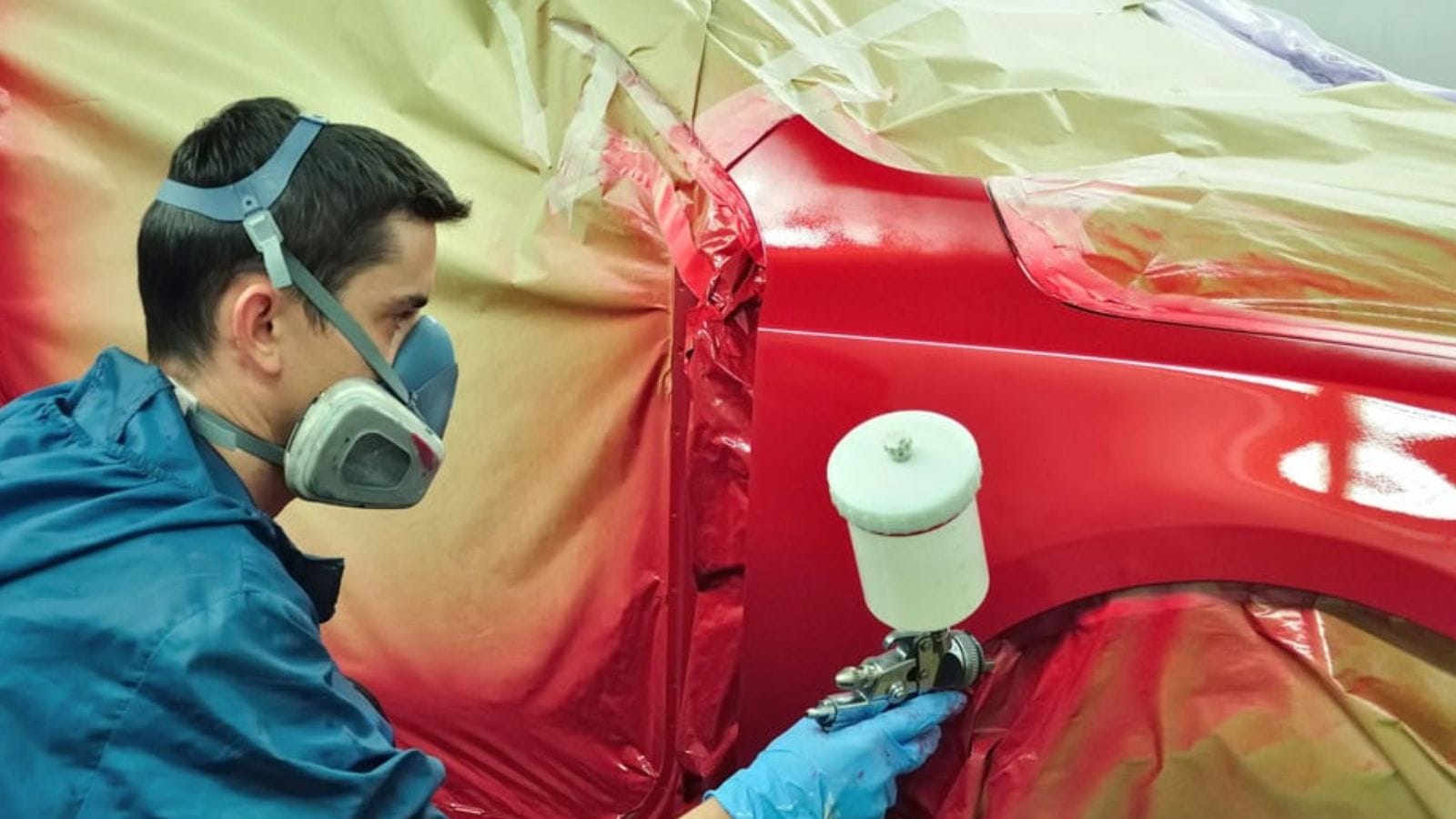
Paint belongs on the surfaces that were supposed to be refinished. Fine paint mist on window seals, black plastic trim, wheel-well liners, mouldings, glass, lights, or nearby panels can indicate insufficient masking or incomplete removal of surrounding components during refinishing. I-CAR specifically notes that the decision to remove or mask parts can affect repair quality and that components must be protected from overspray.
Overspray is often easiest to detect by touch. A normally smooth window or piece of trim may feel slightly gritty even though the contamination is difficult to see. Look closely around door handles, weatherstripping, emblems, headlights, wheel openings, and the edges of repaired panels. A few isolated specks may be correctable without major work, but widespread overspray suggests the finishing stage was not carefully controlled. The problem becomes more concerning if attempts to remove it have scratched trim or damaged surrounding finishes. Clean edges and properly protected adjacent surfaces are reasonable expectations after professional refinishing.
New Paint Starts Peeling, Chipping, or Delaminating
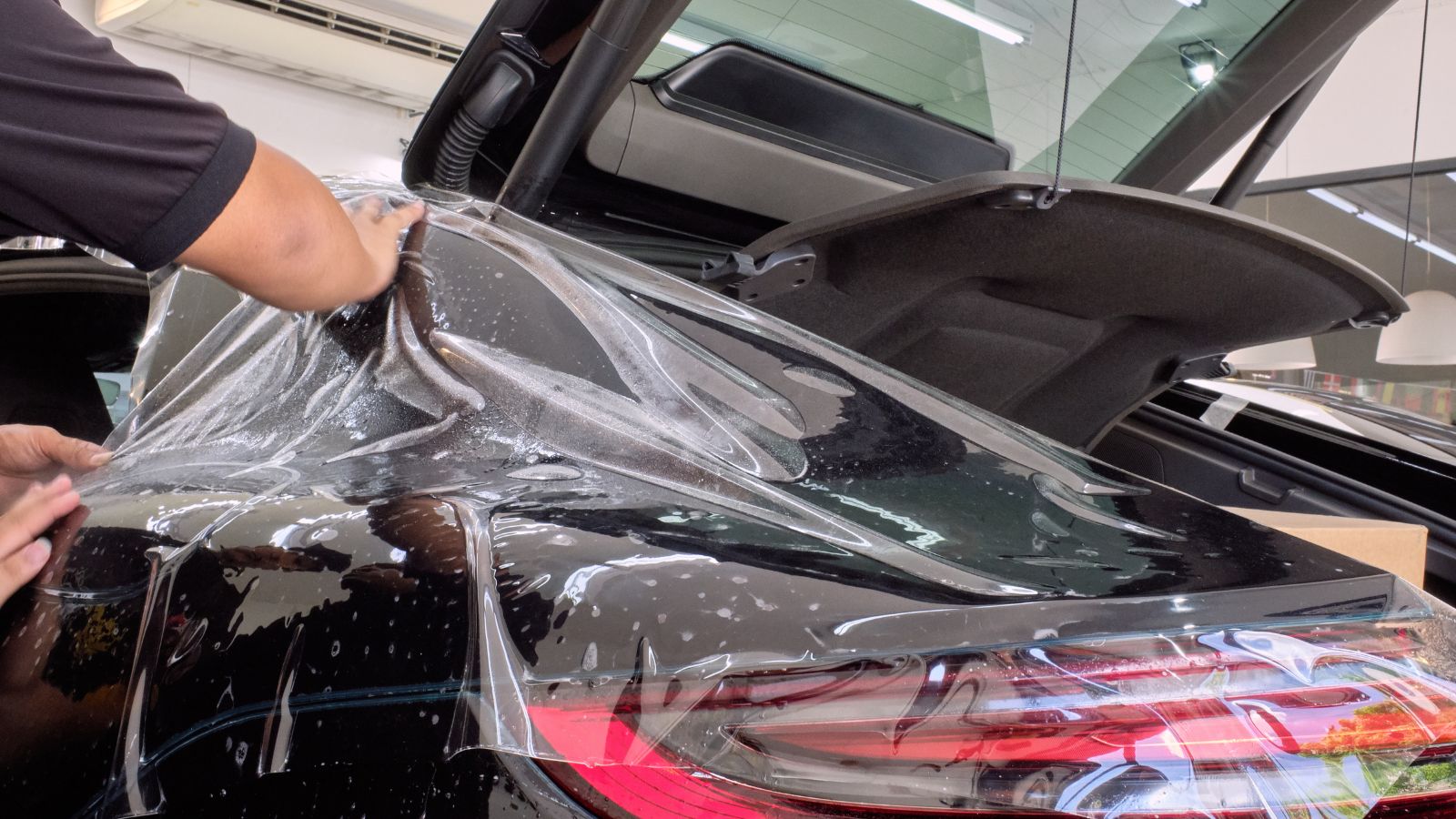
Fresh collision paint should not begin separating from the surface shortly after the repair under ordinary conditions. I-CAR describes adhesion failure as peeling, delaminating, or chipping within refinish coatings. Causes can involve problems with surface preparation, contamination, material compatibility, application, or other steps in the refinishing process. A stone chip from normal driving is different from paint lifting in sheets or repeatedly flaking around a repaired area.
Edges deserve particular attention because poor adhesion sometimes becomes visible around handles, mouldings, wheel arches, panel seams, and masking boundaries. Consider a bumper that looked excellent when collected but begins losing small patches of colour around its edges several weeks later. That progression is more significant than one isolated impact chip. Bubbling, unusual cracking, or layers separating from each other also justify inspection. The repair facility may need to determine whether the problem is confined to the clearcoat, colour coat, primer, or substrate rather than simply touching up the visible spot.
The Body Surface Looks Wavy or Distorted

Paint can be glossy while the metal underneath is still poorly shaped. Stand several metres away and look down the side of the vehicle using reflections from buildings, poles, or straight parking-lot lines. Distorted reflections can reveal waves, low spots, high spots, or body contours that no longer flow naturally from one panel into another. Consumer Reports recommends looking for body contours that are not uniform when checking for evidence of hidden previous damage.
Some curvature is part of the vehicle’s original design, so comparison is useful. Looking at the undamaged opposite side can show how a character line or wheel arch was intended to appear. A repaired quarter panel, for example, might look smooth straight on but show a broad ripple when viewed from the rear. That can indicate shortcomings in metal finishing or filler shaping rather than structural damage by itself. Nevertheless, obvious waves are a legitimate workmanship concern because high-quality body repair should restore both the panel’s surface and its intended contour.
Structural Seams or Welded Areas Look Questionable
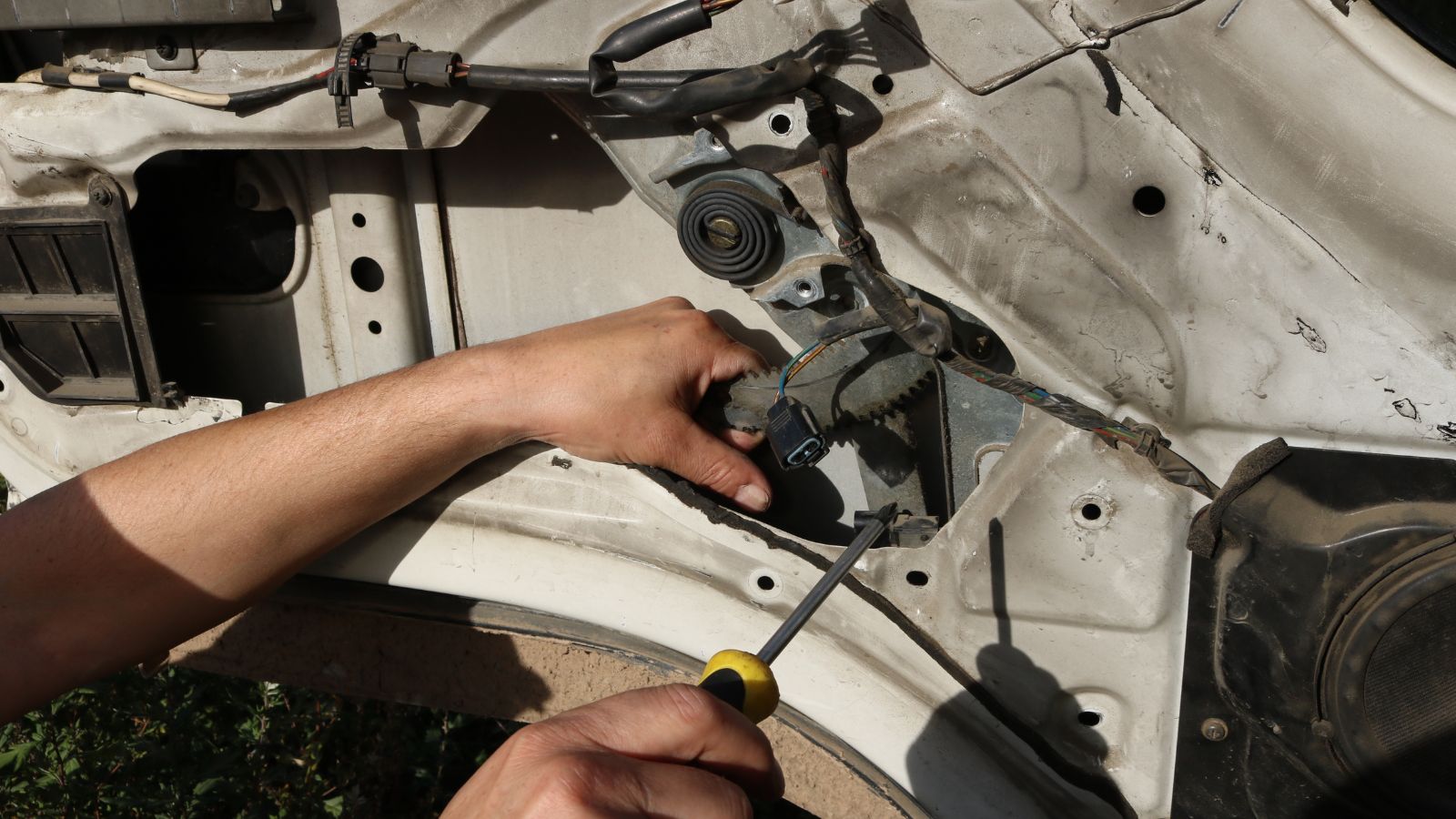
Modern vehicle structures use specific combinations of steels, aluminum, adhesives, rivets, spot welds, plug welds, and other joining methods. Repair procedures can differ dramatically from one model to another. I-CAR emphasizes that vehicle-specific manufacturer information determines where structural sectioning is permitted and what welding or joining method should be used. Improvised structural repairs can therefore be much more consequential than an imperfect paint finish.
Most owners cannot judge weld quality by sight alone, and some important joints are hidden behind trim. Still, obvious irregularities deserve investigation: crude exposed welds where the factory appearance was different, roughly cut structural sections, distorted seams, missing plugs or fasteners, or repair joints placed in suspicious locations. For example, removing a trunk liner may reveal work around a replaced rear rail or quarter-panel structure. Rather than assuming an unfamiliar-looking joint is wrong, the appropriate next step is comparison with the manufacturer’s repair procedure by a qualified collision-repair professional who understands the vehicle’s construction.
Rust Appears Unusually Soon Around the Repaired Area
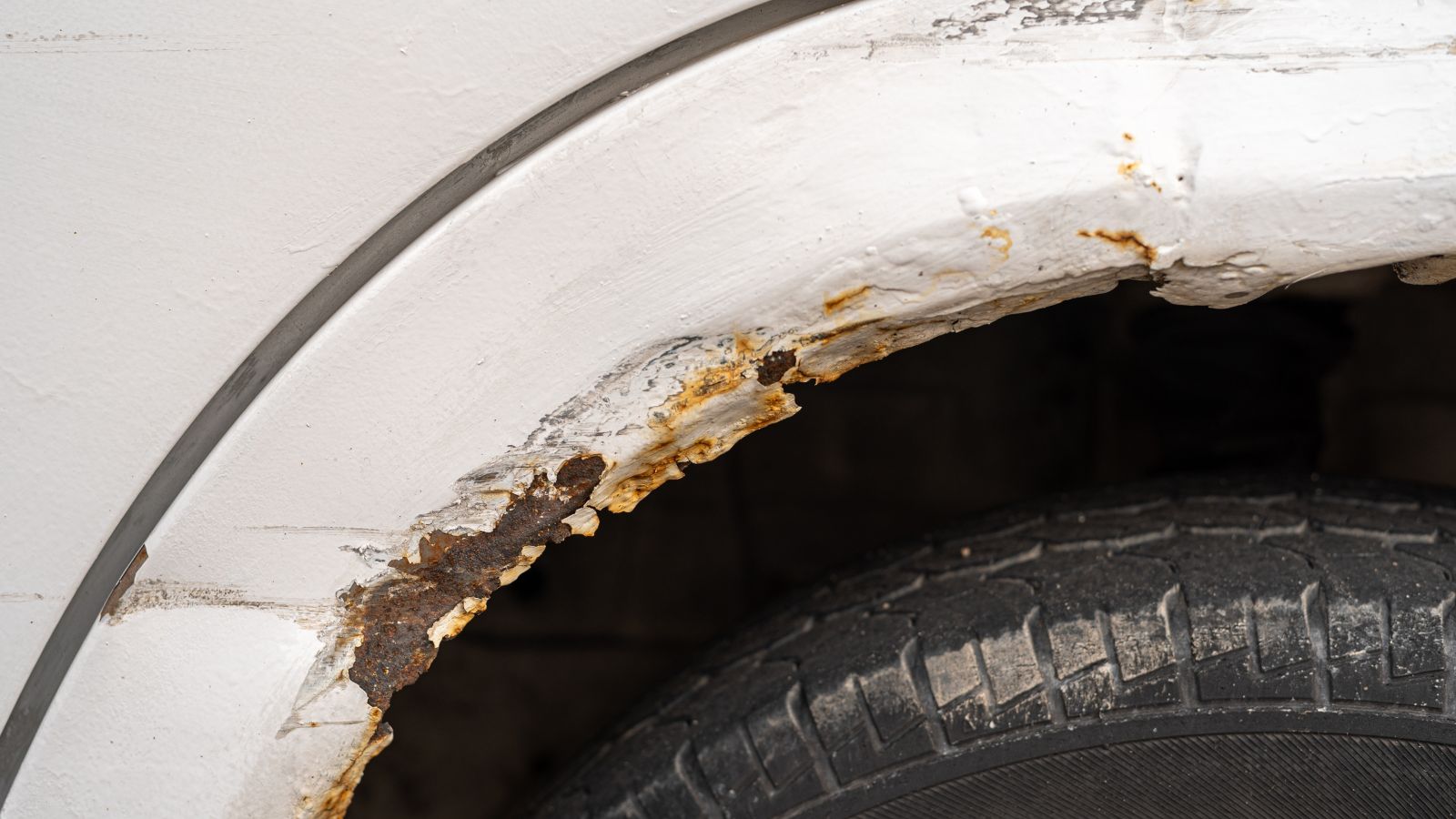
Collision work can disturb factory corrosion protection when panels are cut, welded, ground, straightened, or replaced. I-CAR notes that vehicle manufacturers commonly specify materials such as seam sealer, adhesives, undercoating, primers, and cavity waxes to restore protection after repair. General Motors guidance cited by I-CAR also explains that sealers help prevent water and dust intrusion while serving as corrosion barriers in many joints.
That makes early rust around a recently repaired seam, weld, panel edge, rocker, wheelhouse, or trunk floor worth investigating. A vehicle exposed to years of road salt may naturally develop corrosion unrelated to an accident, so timing and location matter. A more suspicious example would be fresh rust appearing specifically along a welded replacement panel while comparable original areas remain clean. Orange staining, bubbling paint, or corrosion beginning inside a repaired cavity may indicate that bare or heat-affected metal was inadequately protected. Addressing the source early is preferable to simply sanding and repainting the visible rust.
Wind Noise Is Noticeably Worse Than Before
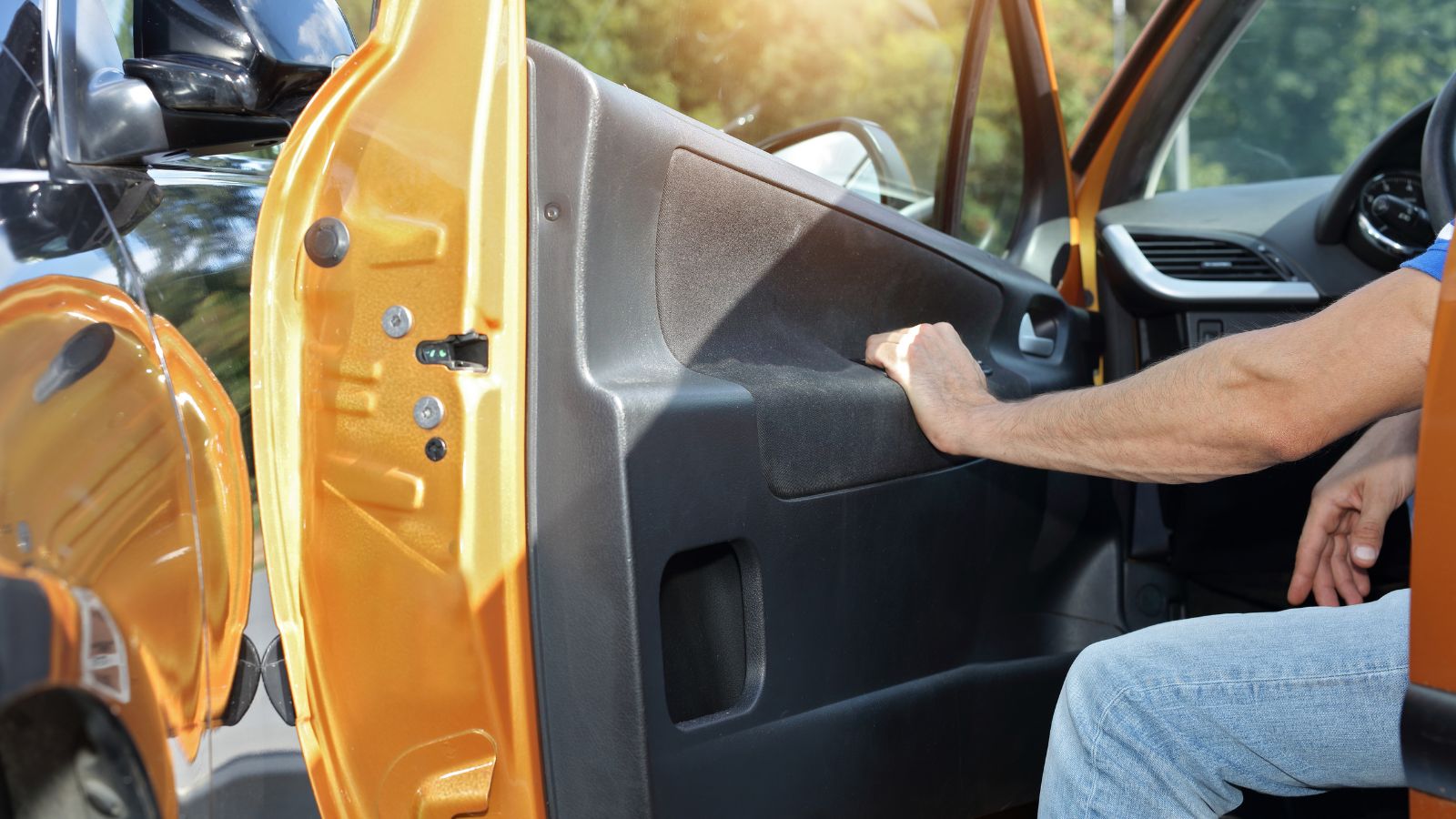
A collision repair can involve doors, glass, mirrors, roof rails, weatherstripping, pillars, and exterior trim—all areas that influence airflow around the cabin. Consumer Reports categorizes wind noise alongside seal, weatherstripping, air-leak, and water-leak problems when evaluating vehicle reliability. New whistling or rushing sounds after body work therefore deserve attention, particularly when they originate near the repaired area.
Speed can help isolate the problem. A faint whistle that begins around highway speeds near one newly repaired door may point to seal contact, glass positioning, moulding fitment, or panel alignment. Wind noise is not automatic proof of bad collision work; roof racks, replacement tires, open vents, or damaged weatherstripping elsewhere can also change cabin sound. What matters is a distinct before-and-after difference. A technician can inspect seals, door adjustment, glass installation, exterior trim, and the repaired structure rather than trying to conceal the symptom with thicker weatherstripping or an arbitrary door adjustment.
10. Water Starts Entering the Cabin or Cargo Area

Water intrusion after collision repair deserves prompt attention. Seams and seals are designed not only for appearance but also to keep water and contaminants out of areas where they do not belong. Manufacturer collision information cited by I-CAR describes sealers as barriers against water and dust and calls for damaged or replaced sealed joints to be restored. Consumer Reports likewise treats air and water leaks as meaningful vehicle trouble spots.
After rain or a car wash, check carpets, the spare-tire well, trunk corners, headliner edges, door openings, and areas around replaced glass. A damp smell can sometimes appear before visible standing water. For example, a repaired rear quarter panel may look perfect outside while an inadequately sealed seam allows moisture into the luggage compartment. Water can also come from unrelated drains or HVAC systems, so diagnosis matters. The correct repair is to locate and correct the entry path rather than repeatedly drying the interior or covering the symptom with additional sealant.
New Squeaks, Rattles, or Loose-Trim Noises Appear

Repairing collision damage often requires removing bumpers, interior panels, liners, lamps, mouldings, seats, or other components to reach damaged areas. When clips, brackets, fasteners, insulation, or trim pieces are not restored correctly, the car may sound different afterward. Consumer Reports includes squeaks and rattles among its vehicle noise-and-leak trouble categories, making a sudden post-repair noise a reasonable reason for inspection.
The location and timing provide useful clues. A dashboard rattle after a simple rear-bumper repair may have nothing to do with the work. A new clicking sound from the repaired rear quarter, however, is more relevant—especially if it changes when driving over bumps. Likewise, a bumper corner that can be moved by hand or a wheel-well liner that flaps at speed suggests something may not have been secured properly. Small rattles are rarely proof of a structural problem, but they can reveal missing clips, poorly installed trim, loose brackets, or components that were not returned to their intended position.
The Car Pulls or Drifts to One Side
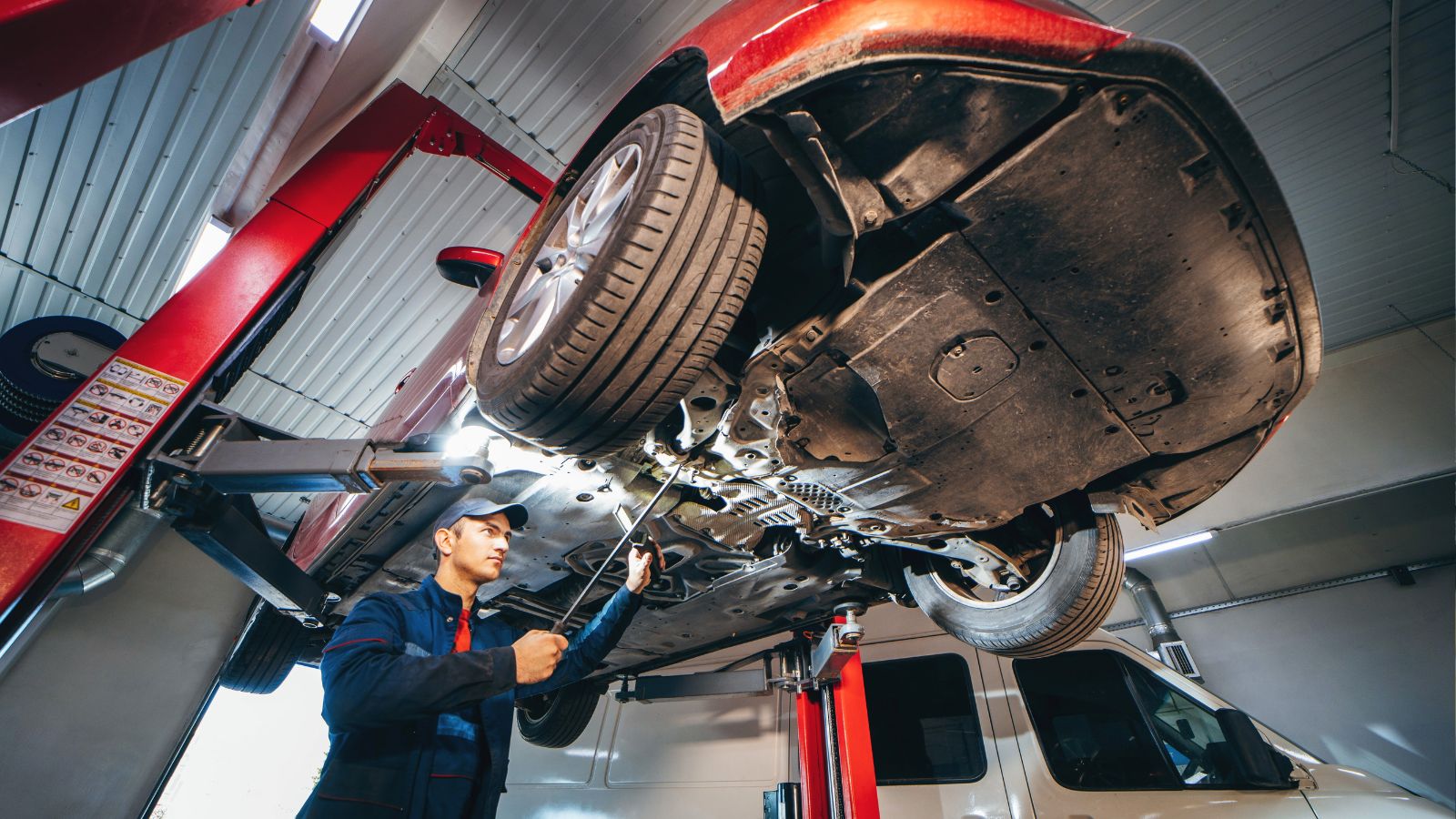
A vehicle that tracked straight before a collision but pulls noticeably afterward deserves a mechanical inspection. Bridgestone lists pulling to the left or right as one of the common signs that wheel alignment should be checked. Alignment describes suspension angles that determine how the tires point and contact the road, and impacts can also damage wheels, tires, steering parts, or suspension components.
Road conditions matter when evaluating this symptom because road crown, wind, tire pressure, and tire condition can also influence direction. The concern is persistent pulling on reasonably level roads after pressures have been checked. For example, a car repaired after a front-corner impact may require constant steering correction despite having no visible body damage. That does not prove the body structure is bent; it may be an alignment adjustment, tire problem, or damaged mechanical component. A proper diagnosis should examine the complete steering, suspension, wheel, tire, and alignment picture instead of treating a steering pull as merely an inconvenience.
The Steering Wheel Is Off-Centre When Driving Straight
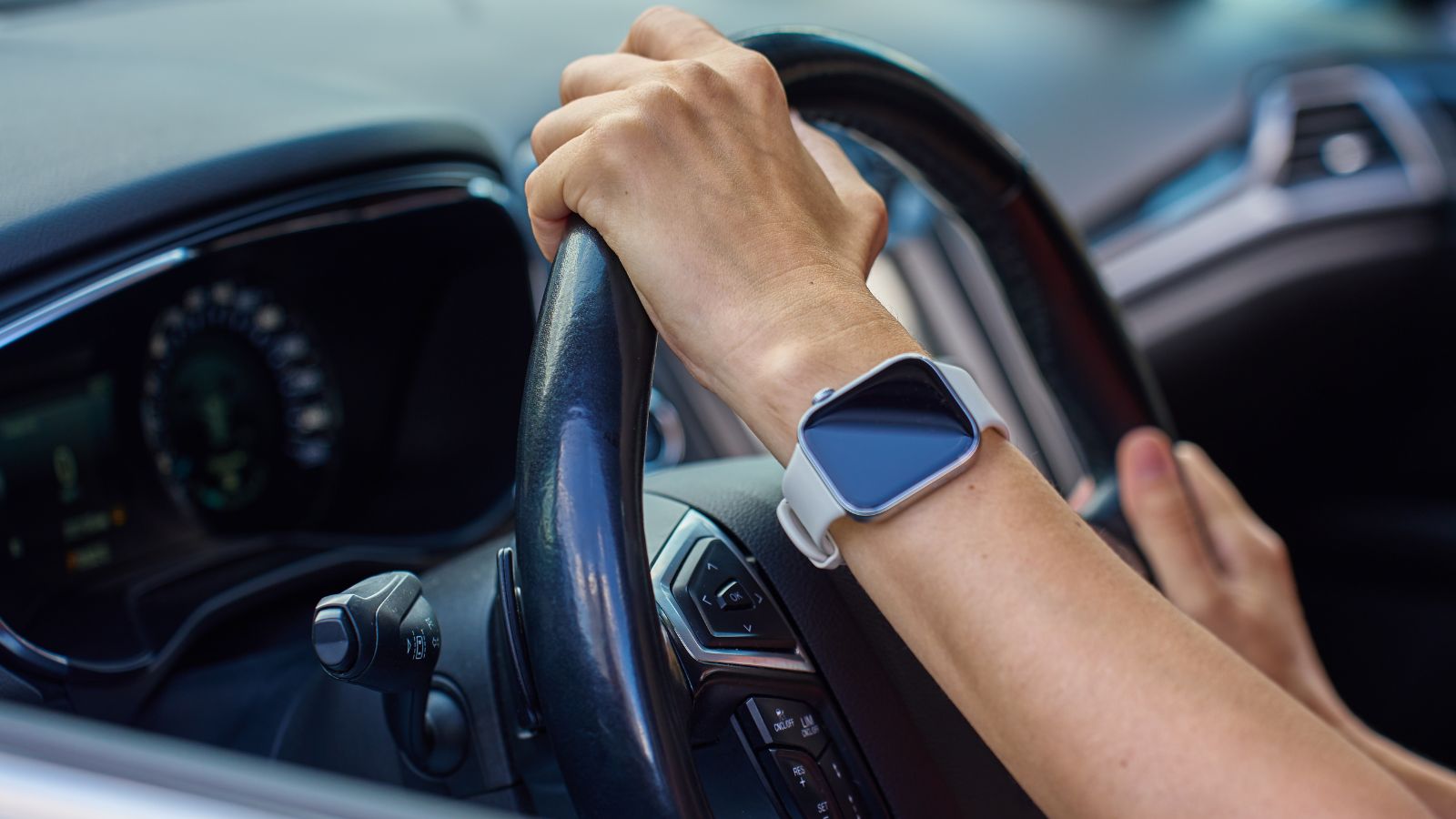
The steering wheel should normally sit close to its intended centred position when the vehicle is travelling straight on a level road. Both Bridgestone and AAA identify an off-centre or crooked steering wheel as a common symptom associated with alignment problems. If the wheel suddenly sits several degrees to one side after collision work, particularly following an impact near a wheel or suspension corner, it should be checked.
Drivers sometimes compensate without realizing it. After a few days, holding the wheel slightly crooked can start to feel normal even though the vehicle was different before the crash. Compare its position on a familiar straight road and note whether the car itself tracks straight. Tire pressures should also be correct before drawing conclusions. An off-centre wheel may result from alignment settings or steering-system work rather than poor body repair, but a completed collision repair should address accident-related alignment issues when required. Asking for the alignment measurements can provide considerably more information than relying on steering-wheel appearance alone.
The Vehicle Develops a New Vibration or Wobble
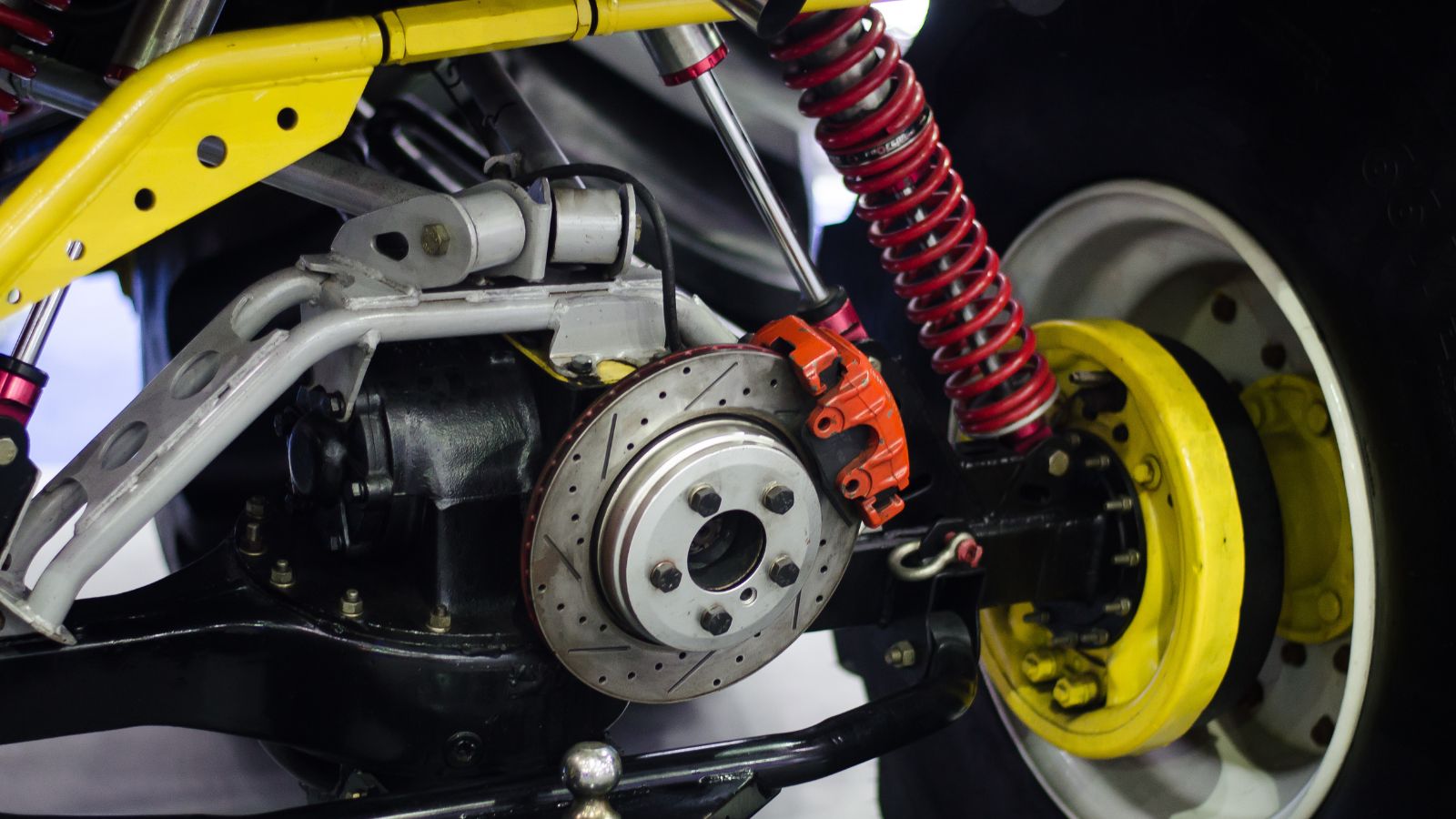
Persistent vibration after a collision should not be written off merely because the exterior looks repaired. Michelin notes that wheel imbalance can create vibration and that persistent vibration involving tires or suspension components deserves professional inspection. AAA similarly identifies wheel, tire, alignment, and suspension issues among potential causes of shaking or abnormal vehicle behaviour.
The speed and location of the vibration can help a technician narrow the cause. Shaking felt mainly through the steering wheel may point toward the front wheel-and-tire area, while vibration through the seat or floor may have a different source. A wheel can be bent by impact, a tire can sustain internal damage, balancing can be incorrect, or suspension and steering components can be affected. For example, a repaired car that is smooth around town but begins shaking consistently at highway speed needs more than a visual body inspection. Vibration has many possible causes, so the goal should be diagnosis rather than assuming one specific repair error.
The Tires Begin Wearing Unevenly
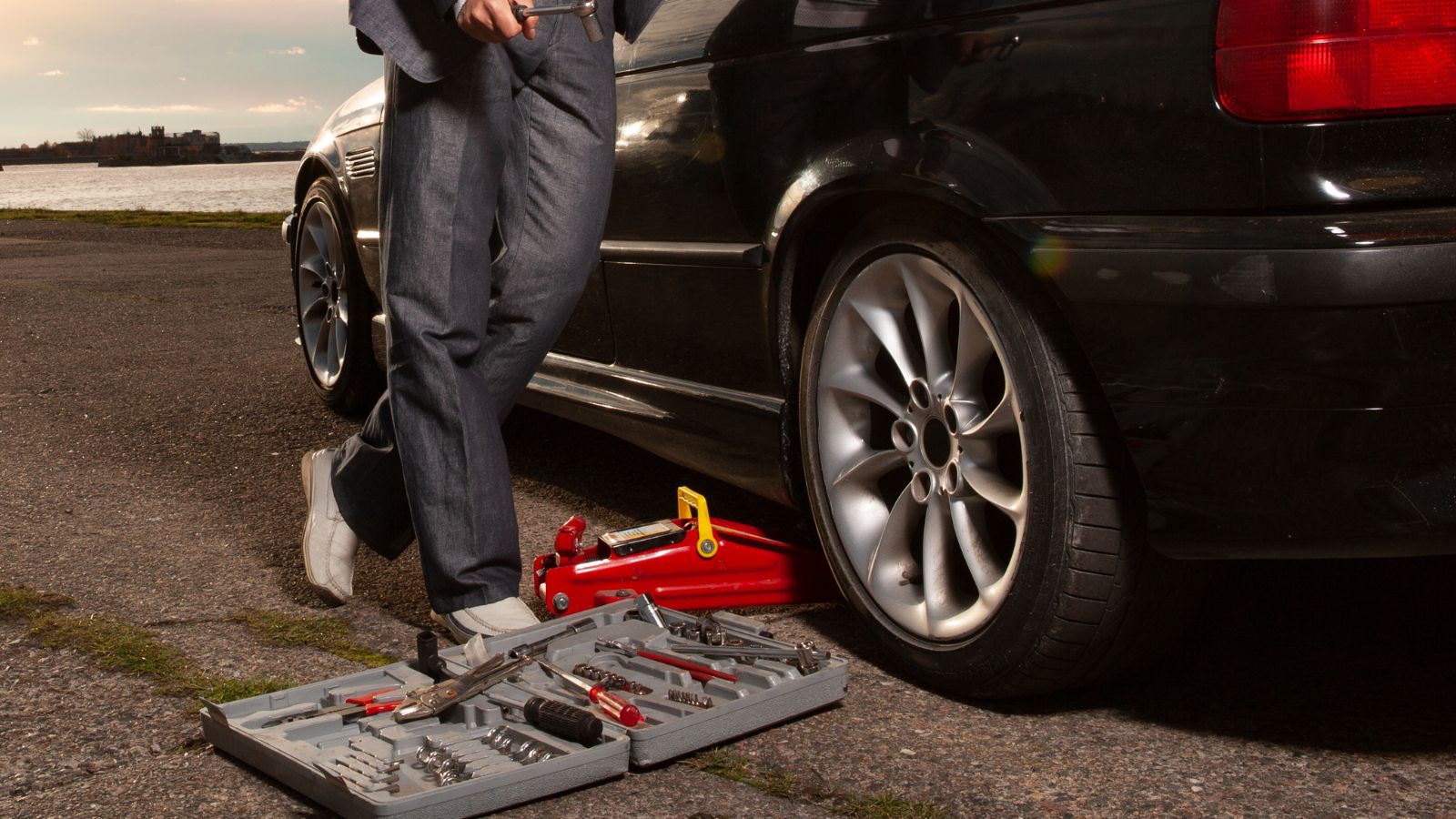
Tire wear can reveal problems that are difficult to see when a vehicle is sitting still. Bridgestone explains that improper alignment can lead to uneven or premature tread wear, including patterns associated with incorrect toe and other alignment conditions. Because these patterns develop over time, a collision-related alignment problem may not become obvious until weeks or months after the vehicle leaves the repair facility.
Inspect comparable tires rather than focusing solely on total tread depth. One shoulder wearing much faster than the other, feathered tread blocks, or a new irregular pattern on a wheel near the collision area should prompt an inspection. Tire pressure, rotation history, worn suspension parts, and pre-existing alignment problems can also cause uneven wear, so the collision is not automatically responsible. Still, if a nearly new tire begins wearing sharply on one edge soon after a suspension-area repair, ignoring the pattern can eventually mean replacing the tire as well as correcting the underlying mechanical problem.
The Airbag or SRS Warning Light Remains On
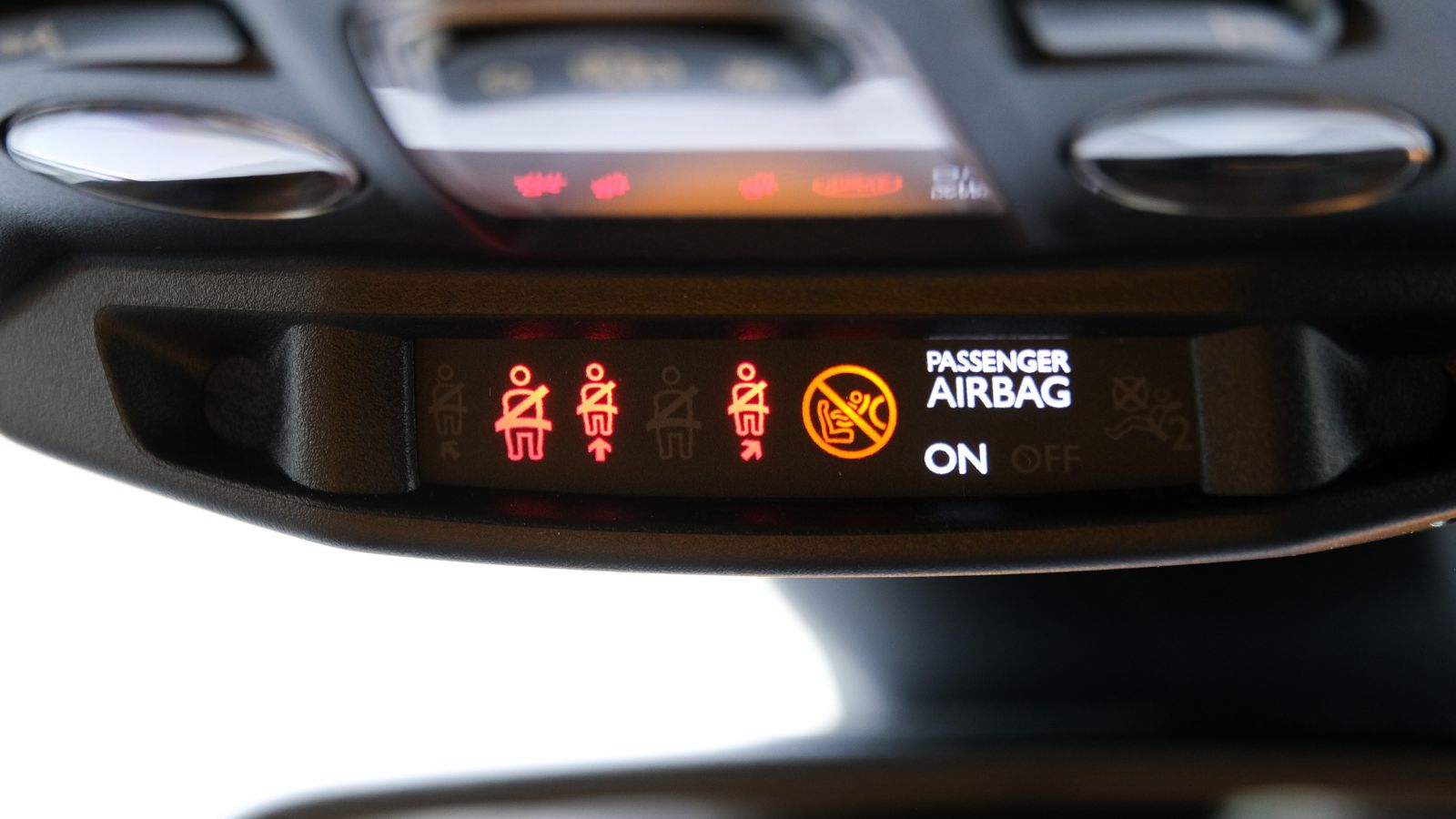
An airbag or supplemental restraint system warning deserves more urgency than a paint blemish. Toyota’s owner guidance states that an illuminated SRS warning light indicates a malfunction involving the SRS airbag system, while related warnings can involve occupant-classification or seat-belt pretensioner systems. These components are designed to contribute to occupant protection during a crash and should be diagnosed when a warning remains after the normal startup check.
Collision repairs may involve seats, sensors, wiring, pretensioners, airbags, steering components, or electronic modules depending on where and how the vehicle was hit. If an SRS light appeared only after the repair, returning the car for diagnosis should be a priority. Simply clearing a warning without correcting its cause is not an acceptable substitute for proper troubleshooting. Even if no airbags deployed in the original collision, the restraint system may still require inspection or diagnostic procedures specified by the manufacturer. The owner’s manual provides vehicle-specific guidance on what each warning indicator means.
New Dashboard Warnings or Electrical Problems Appear
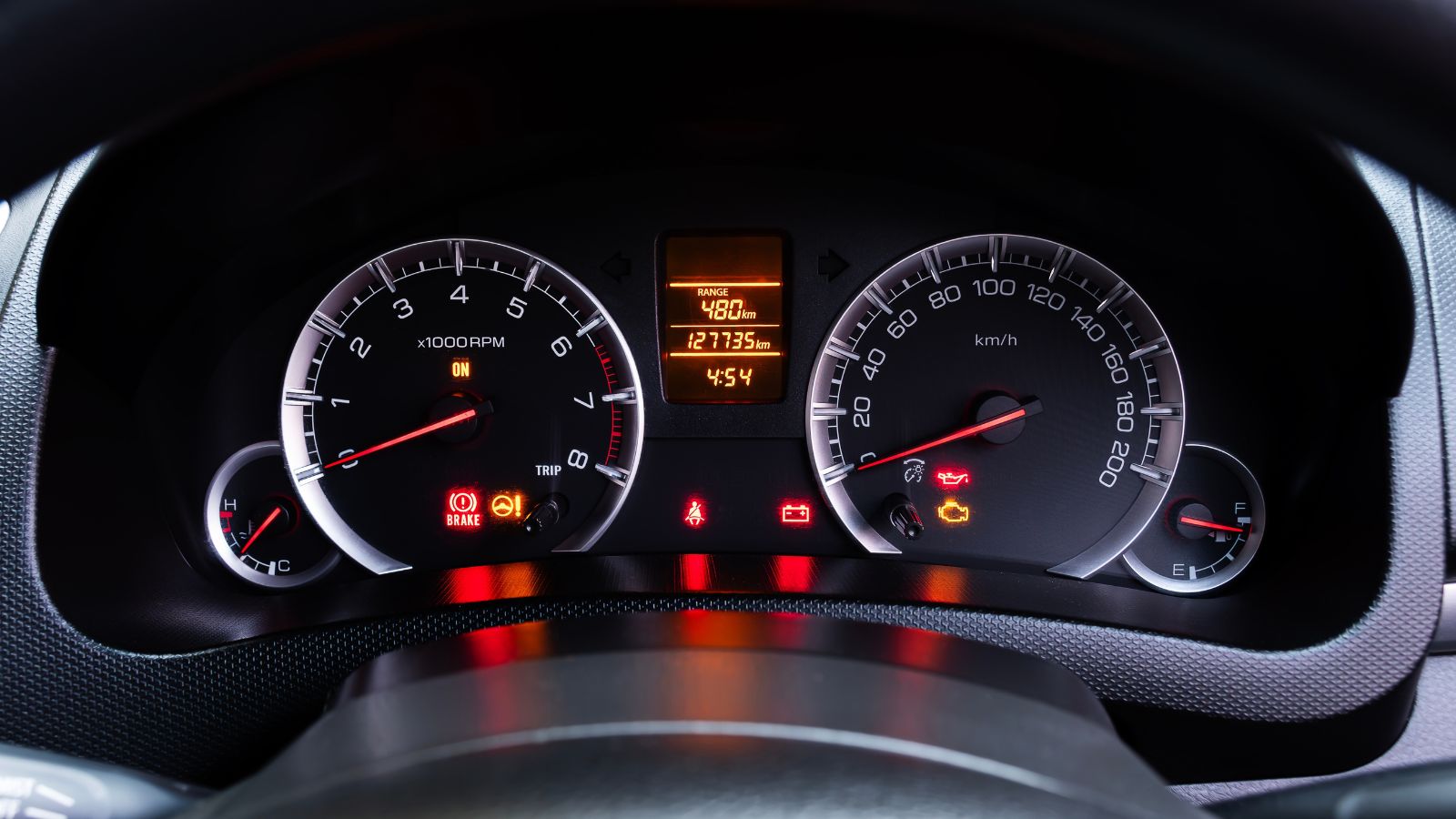
Modern collision repair is increasingly electronic. I-CAR notes that wires and connectors can be damaged during a collision and that some electrical faults are difficult to see. Manufacturers including Ford, Hyundai, Honda, and General Motors publish requirements or recommendations involving pre- and post-repair diagnostic scanning. Importantly, some diagnostic trouble codes do not immediately illuminate a dashboard warning lamp.
Obvious symptoms can include ABS, stability-control, parking-sensor, lighting, camera, or other warnings that were absent before the crash. Less dramatic clues include a window that no longer operates correctly, a parking sensor that stays inactive, or an electronic feature that behaves differently. Not every electrical failure after a collision was caused by the shop; pre-existing faults and unrelated failures remain possible. The value of proper scanning is that technicians can identify stored faults, confirm communication with modules, complete required resets or calibrations, and verify that problems introduced during disassembly or repair have actually been resolved.
Driver-Assistance Features Behave Differently—or Calibration Cannot Be Confirmed

Modern bumpers and windshields can hide cameras, radar units, ultrasonic sensors, and other components used by systems such as automatic emergency braking, adaptive cruise control, lane assistance, and blind-spot monitoring. I-CAR states that removal of sensors or bumper covers, damage to sensor mounting locations, and other repair events can trigger manufacturer calibration requirements. It also notes that some ADAS components require extremely precise positioning; even a small angular error can produce a much larger deviation farther down the road.
A post-repair warning such as “system unavailable” is an obvious reason to investigate, but subtler behaviour matters too. A blind-spot indicator that activates strangely or a lane camera that behaves differently warrants diagnosis rather than experimentation. Documentation is useful as well. The absence of a calibration record does not by itself prove that the repair was poor because requirements vary by vehicle and procedure. However, when a manufacturer-required calibration should have been performed, the repairer should be able to explain what was done and provide appropriate records.
19 Used Cars Canadians Should Avoid in 2026 (Based on Owner Complaints)

Buying a used car in Canada can feel safe until repair bills start stacking up. Owner complaints tell a different story than glossy listings. Transmission failures, electrical problems, and weak winter reliability show up again and again in consumer reports. Many of these issues appear after warranties expire, when owners least expect them. Some vehicles look affordable upfront, but become expensive to keep on the road. Others struggle in cold weather, urban driving, or long highway commutes. Here are 19 used cars Canadians should avoid in 2026 (based on owner complaints).
19 Used Cars Canadians Should Avoid in 2026 (Based on Owner Complaints)

Alanna Rosen is an experienced content writer that focuses on many EV and educational content. Her articles are regularly published on Get CyberTrucked and syndicated on large publications.