
As the days shorten, an ordinary commute can suddenly feel very different. Roads that were bright a few weeks earlier may now be covered in darkness during both the morning and evening rush, making pedestrians, cyclists, wildlife, road markings and unexpected hazards harder to spot. The change also exposes vehicle problems that can go almost unnoticed during daylight.
A safer transition into darker commuting does not require a major overhaul. It starts with checking the equipment responsible for visibility, traction, stopping and reliability, along with a few factors inside the cabin and behind the wheel. These 18 checks cover the parts of a vehicle—and the driving routine—that deserve another look before regular commuting in the dark becomes part of the season again.
Make Sure the Headlights Are Clean and Aimed Properly
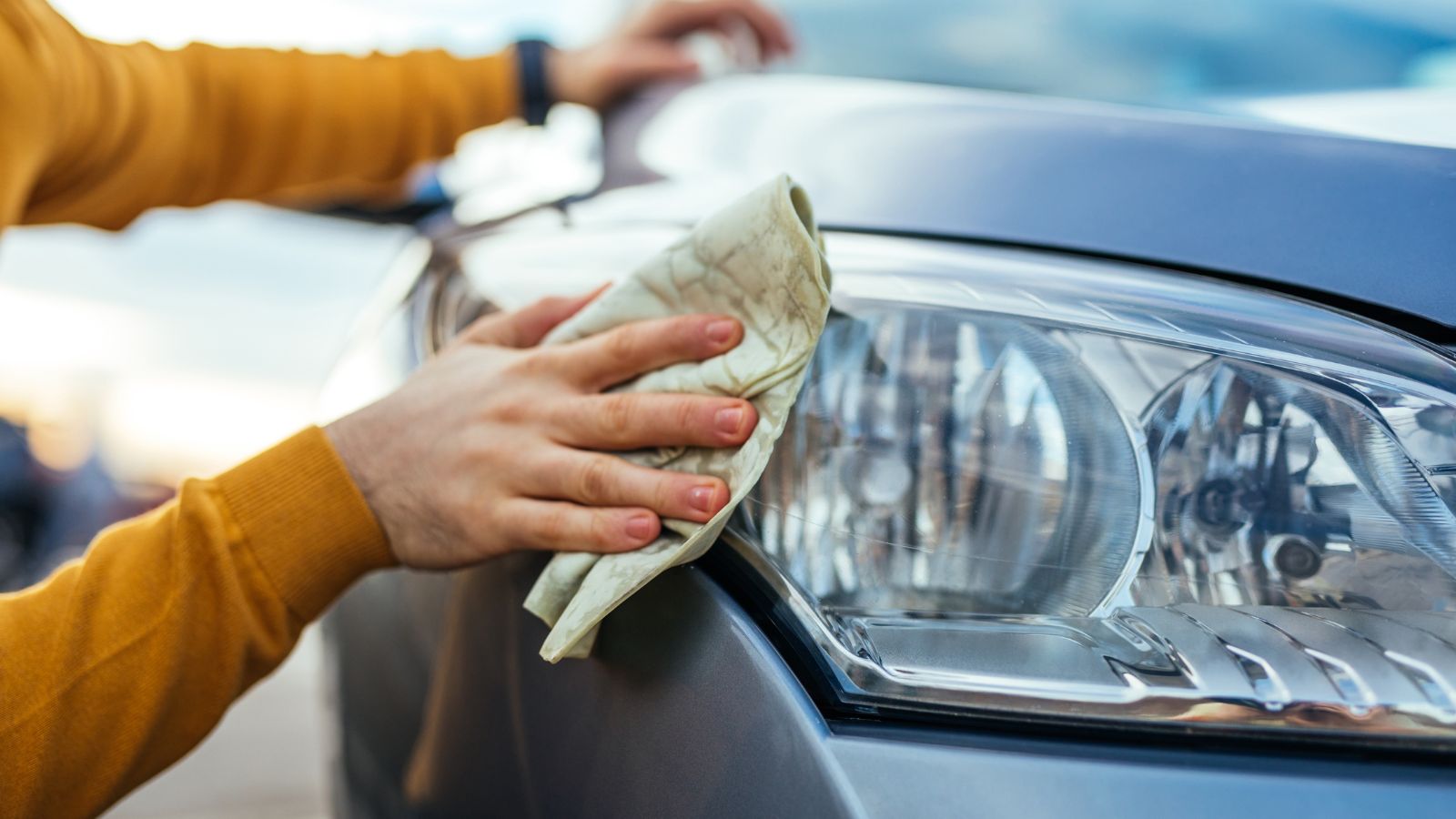
Headlights may seem like an obvious place to begin, but simply confirming that both bulbs illuminate is not enough. Dirt, road film, cloudy lenses and incorrect aim can reduce the useful light reaching the pavement. Transport Canada advises motorists to keep vehicle lights clean, in good working condition and properly aimed. Headlight aim can also become an issue after suspension repairs, collisions or changes that alter a vehicle’s ride height.
The difference between adequate and poor illumination can have measurable safety consequences. Insurance Institute for Highway Safety research found that vehicles with headlights rated “good” for visibility had about 19% fewer nighttime single-vehicle crashes than vehicles with poor-rated systems. Nighttime pedestrian crashes were also approximately 23% lower. Before dark commuting becomes routine again, a garage-door test can reveal obvious unevenness, but badly misaligned or unusually weak headlights deserve professional inspection.
Test the Brake Lights, Tail Lights and Turn Signals
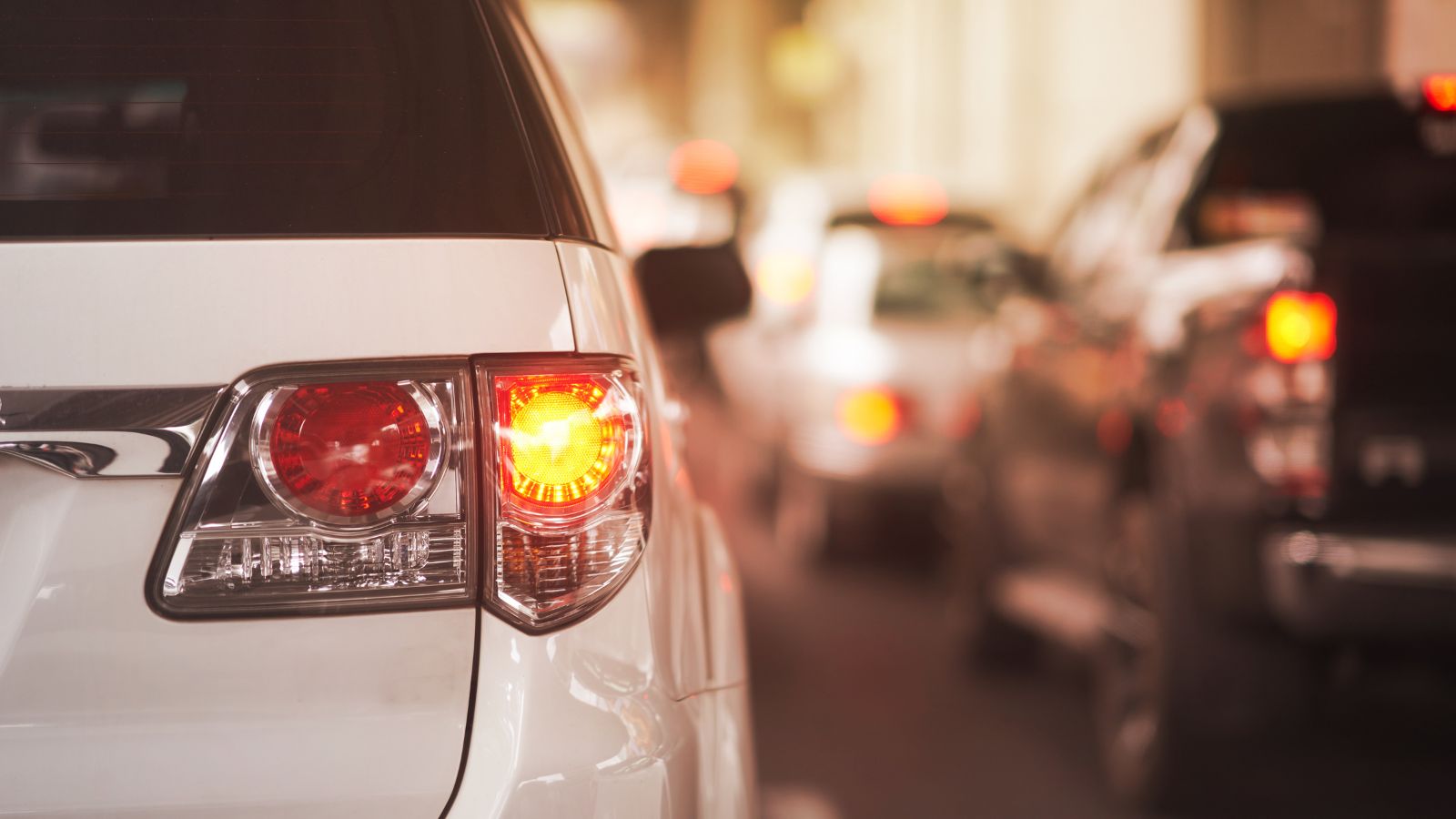
A vehicle needs to be seen just as much as its driver needs to see. That makes the rear lighting system particularly important after sunset. Brake lights communicate deceleration, turn signals communicate intended movement, tail lights outline the vehicle from behind, and hazard flashers become essential if the vehicle must stop because of a breakdown. NHTSA specifically recommends checking headlights, brake lights, turn signals and emergency flashers when preparing a vehicle for difficult seasonal driving.
The easiest check usually takes only a few minutes. A second person can watch the lights while the controls are operated, or reflections from a garage door or storefront window can help identify a failed lamp. Drivers of vehicles with trailers have another set of connections and bulbs to inspect. One failed light may seem minor during a bright afternoon, but on a dark, wet commute it can remove one of the clearest visual signals available to surrounding traffic.
Confirm What the Automatic Headlights Actually Do
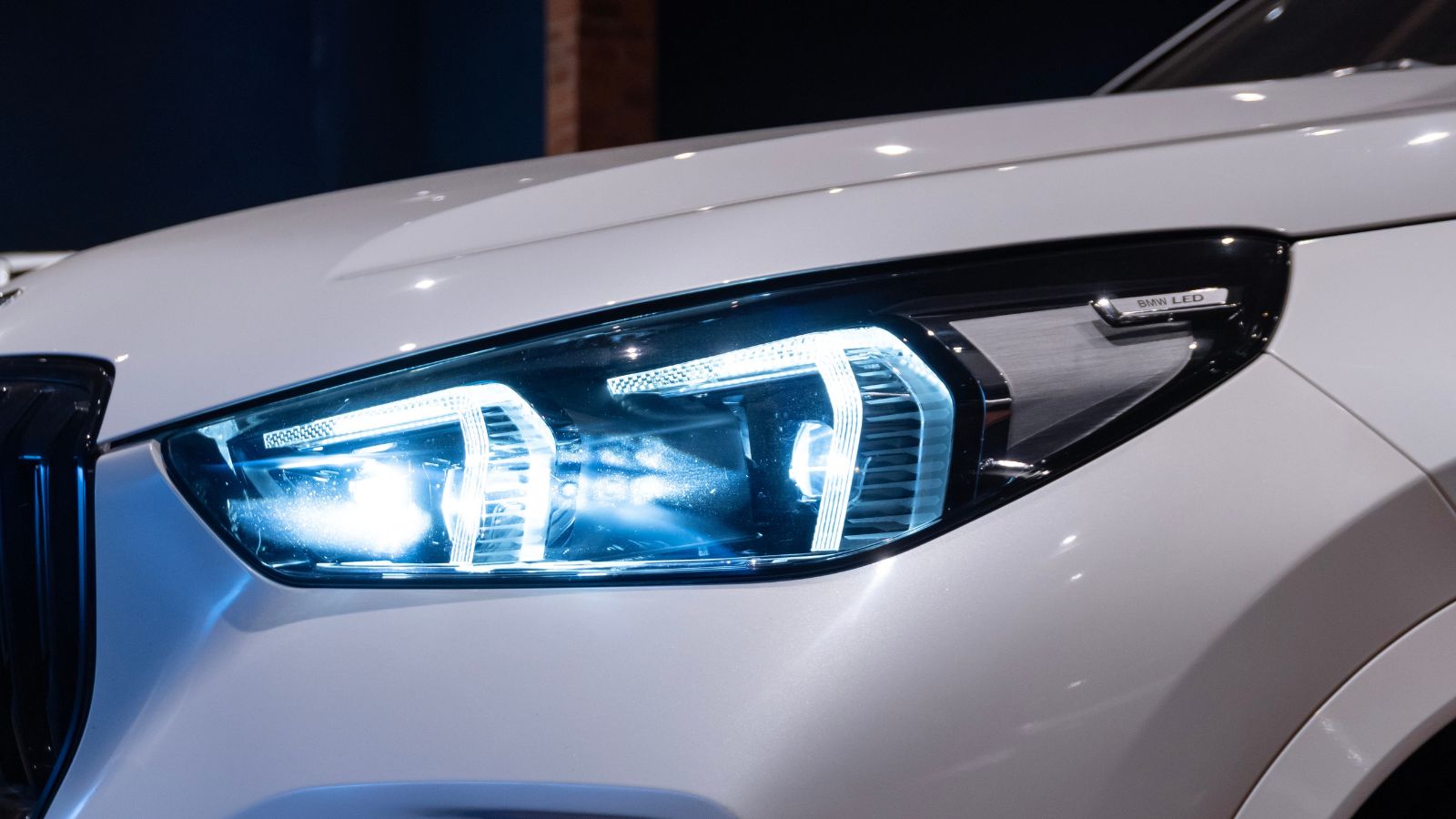
Modern dashboards can create a surprisingly convincing illusion that the exterior lights are on. Instrument clusters and large digital displays may illuminate whenever the vehicle starts, while daytime running lights operate at the front. Depending on the vehicle and its settings, however, that does not necessarily mean the full headlights and rear lights are operating. Transport Canada has specifically warned about these so-called “phantom vehicles.”
Canada introduced updated lighting requirements for new vehicles beginning in September 2021. New vehicles covered by the standard must use measures such as automatically illuminating rear lights with daytime running lights, automatically activating the required exterior lighting in darkness, or keeping the dashboard dark as a reminder to switch on the lights. Older vehicles can behave differently. Before the season changes, drivers should deliberately learn what the “Auto,” daytime-running-light and full-headlight settings actually activate instead of assuming a glowing dashboard tells the whole story.
Check the High Beams Before They Are Needed
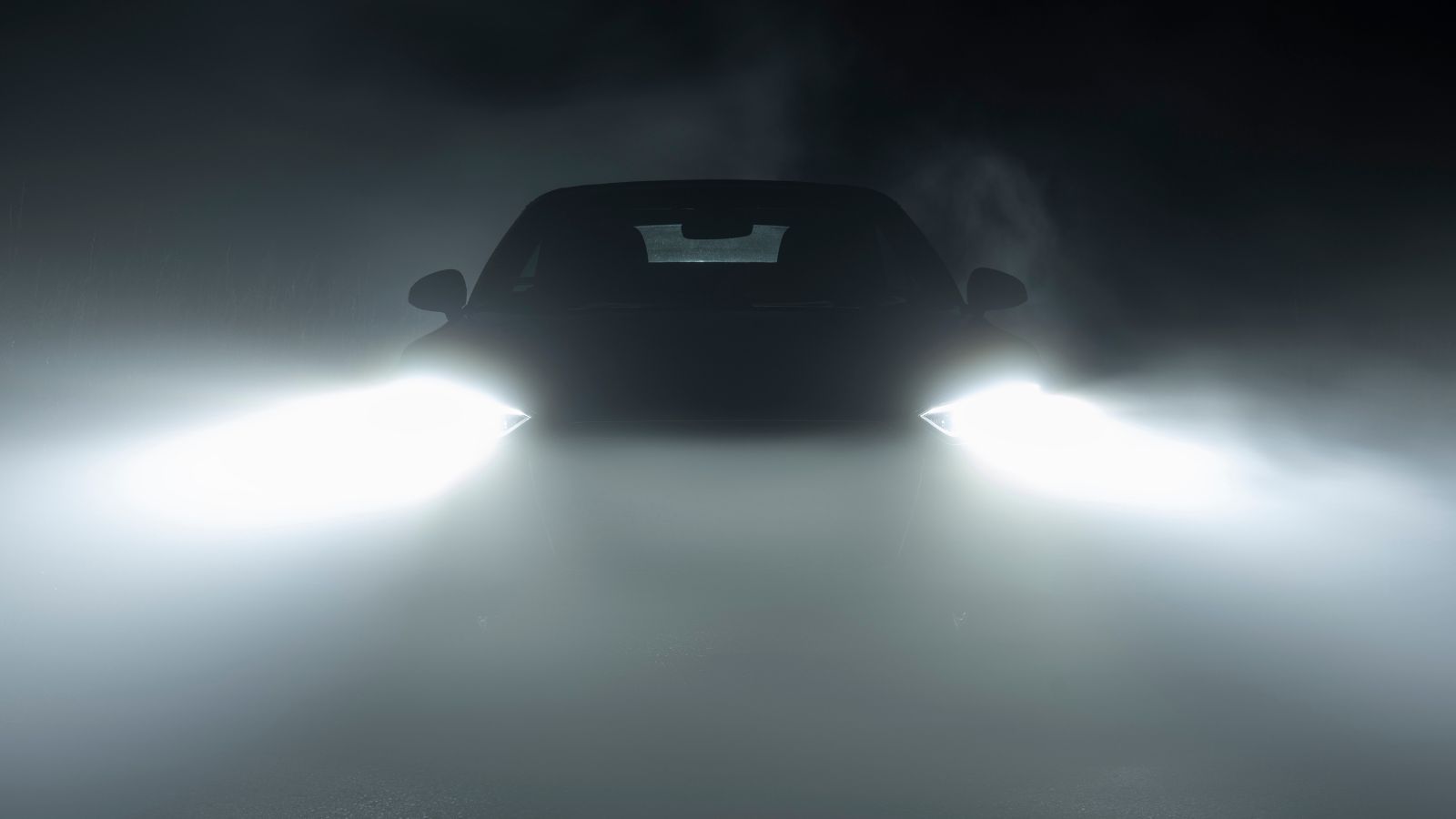
High beams can be easy to forget during months dominated by daylight commuting, yet they become valuable again on unlit rural roads and dark stretches beyond city centres. A quick stationary check can confirm that both high beams operate and that the dashboard indicator appears. Vehicles equipped with automatic high-beam systems also deserve a refresher because their activation requirements and behaviour vary by manufacturer.
More light is not always better. Transport Canada recommends switching from high beams when approaching another vehicle or following one because the additional light can create glare. High beams can also make visibility worse in fog, heavy rain or snow as the stronger beam reflects from moisture and precipitation back toward the driver. Automatic systems can help with beam switching, but Transport Canada emphasizes that they remain driver-assistance technology rather than a replacement for judgment. Knowing the controls beforehand is far easier than experimenting with them on a dark road.
Clean the Windshield on Both Sides

A windshield that looks acceptable at noon can become frustrating after sunset. Fingerprints, interior haze, dust and dried washer-fluid streaks become far more noticeable when light from an approaching vehicle shines through them. The result can be halos and reflections precisely when a driver is trying to distinguish road markings, pedestrians or objects beyond the headlight beam. Ontario’s driver guidance specifically stresses keeping windows and mirrors clean to maximize visibility.
Cleaning the exterior glass is only half the job. Film gradually develops on the inside surface as well, sometimes so evenly that it is barely obvious until the first dark commute. A thorough cleaning before shorter days arrive can therefore make an immediate difference. The National Safety Council also recommends eliminating windshield streaks as part of preparing for night driving. Small chips and cracks deserve attention too, particularly if they sit near the driver’s normal line of sight and begin catching light from approaching traffic.
Inspect the Wipers and Fill the Washer Reservoir
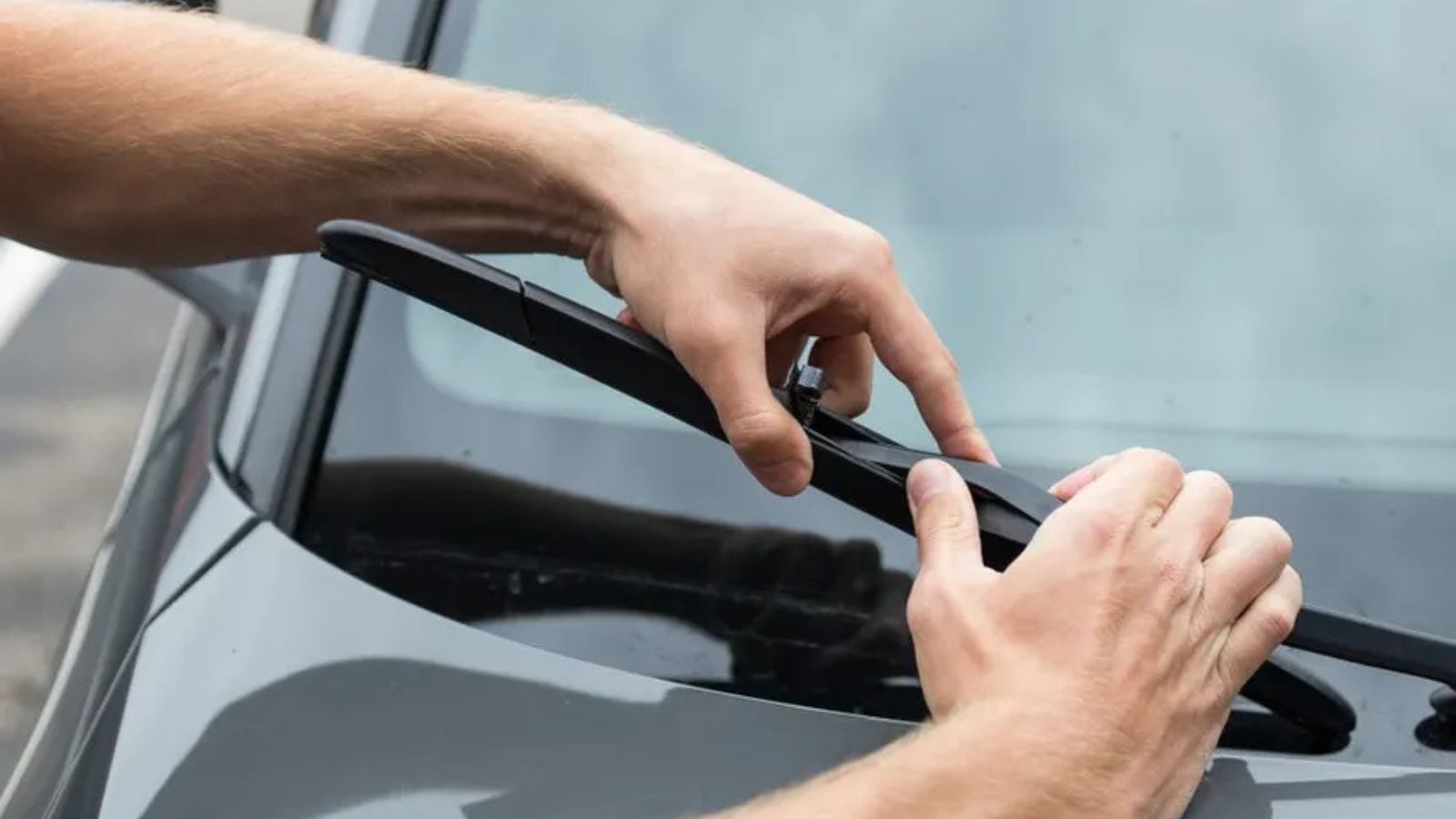
Darkness becomes much more demanding when rain, spray, salt or early-season slush covers the windshield. Wipers that chatter or leave thin streaks may still seem usable in dry weather, but those missed areas can become bright smears when illuminated by streetlights and headlights. Transport Canada advises replacing blades that streak and ensuring that the windshield-washing system is ready before winter conditions arrive.
Washer fluid matters just as much as the rubber blades. Transport Canada recommends winter washer fluid rated for temperatures around -40 C when preparing for Canadian winter conditions and suggests carrying extra fluid. A full reservoir can disappear faster than expected during a messy commute as traffic continually throws dirty spray onto the windshield. Testing the washers before leaving home also confirms that the nozzles are not blocked. Discovering empty fluid, a frozen line or a badly torn blade is inconvenient in a driveway; discovering it at highway speed in darkness is considerably worse.
Make Sure the Defroster and Demister Work
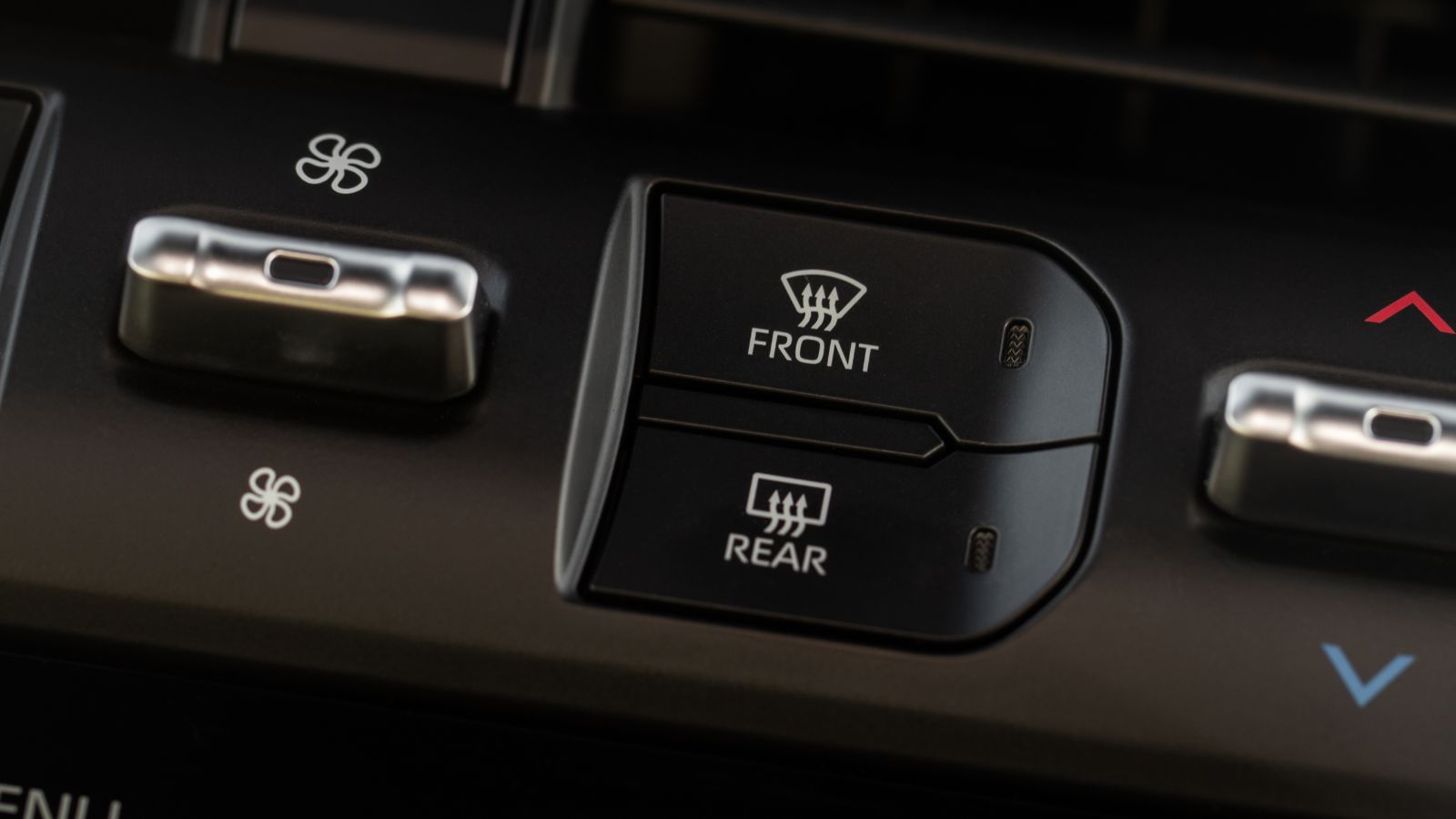
Clear glass can turn opaque surprisingly quickly once colder mornings arrive. Moisture from wet clothing, passengers’ breath and changing temperatures can create condensation on the inside of the windshield, while frost or ice can develop outside. That makes the heating, ventilation and defrost systems part of the vehicle’s visibility equipment rather than simply a comfort feature.
Transport Canada recommends making sure the heater and defroster work properly as part of seasonal vehicle preparation. The Ontario driver’s handbook similarly advises using the defroster and wipers to maximize vision when conditions deteriorate. Before dark commuting becomes routine, drivers can test whether air is actually reaching the windshield vents, whether the fan operates through its settings and whether the rear-window defogger works. A weak defroster that seemed harmless during summer can become an immediate problem when a windshield begins fogging while entering a dark intersection or merging onto a busy road.
Clean and Readjust the Mirrors
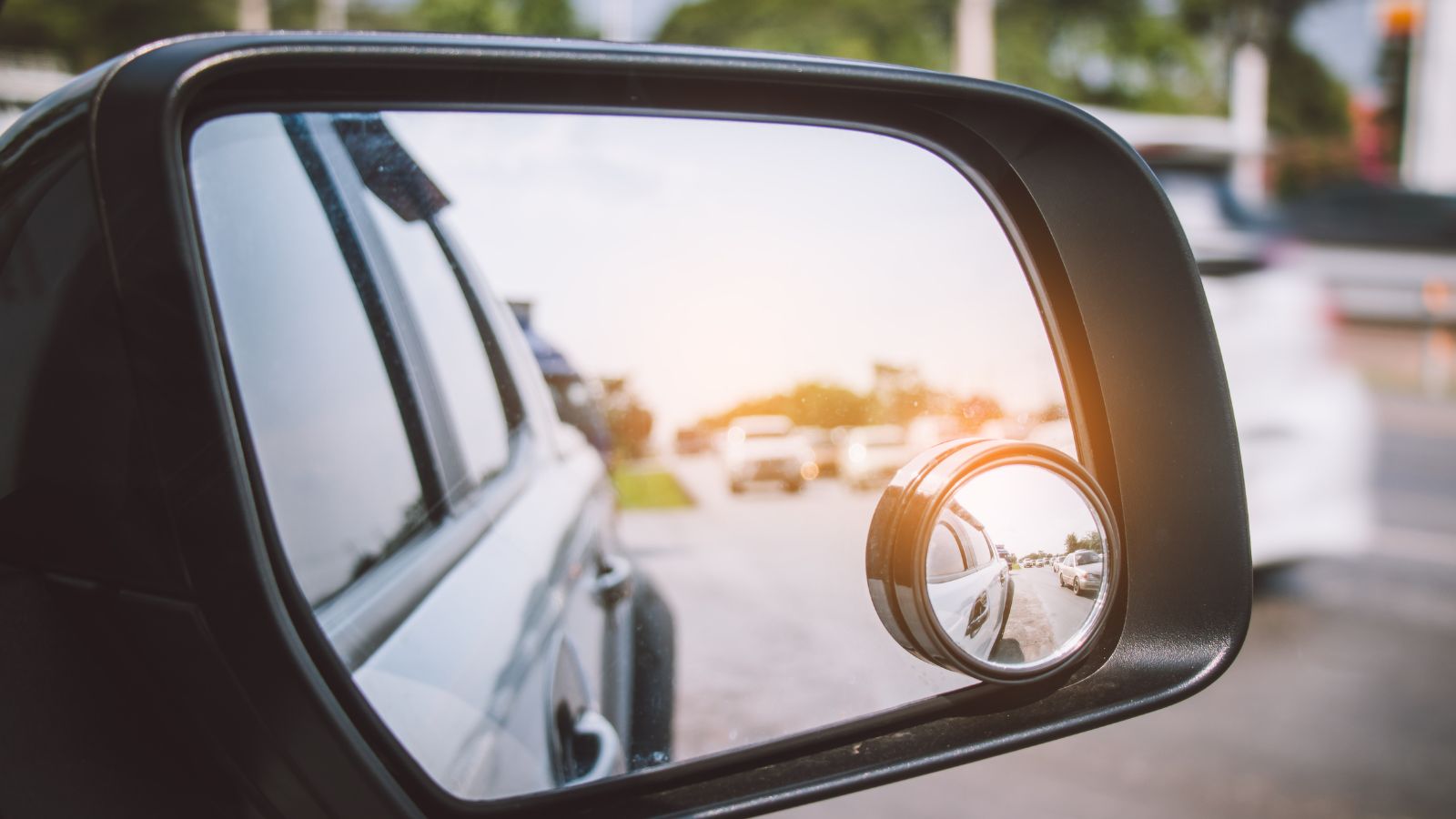
Side and rear-view mirrors collect road grime, water spots and dust just like windows do, yet they are often overlooked during routine cleaning. In darkness, dirty mirrors can magnify the apparent glare from vehicles behind while making motorcycles, bicycles and less brightly lit vehicles harder to distinguish. Cleaning the exterior mirrors and the interior rear-view mirror is therefore a simple but worthwhile seasonal reset.
Adjustment matters as well. Ontario recommends positioning mirrors to reduce blind spots while still performing shoulder checks because mirrors cannot eliminate every hidden area. Some interior mirrors have a manual night position, while others use automatic dimming to reduce glare from vehicles behind. ICBC’s driver guidance specifically recommends using the rear-view mirror’s night-driving position where available. A commuter who has changed seating position, shared the car with another driver or recently had the vehicle serviced should check the mirror setup again before relying on it in darkness.
Turn Down an Overly Bright Dashboard
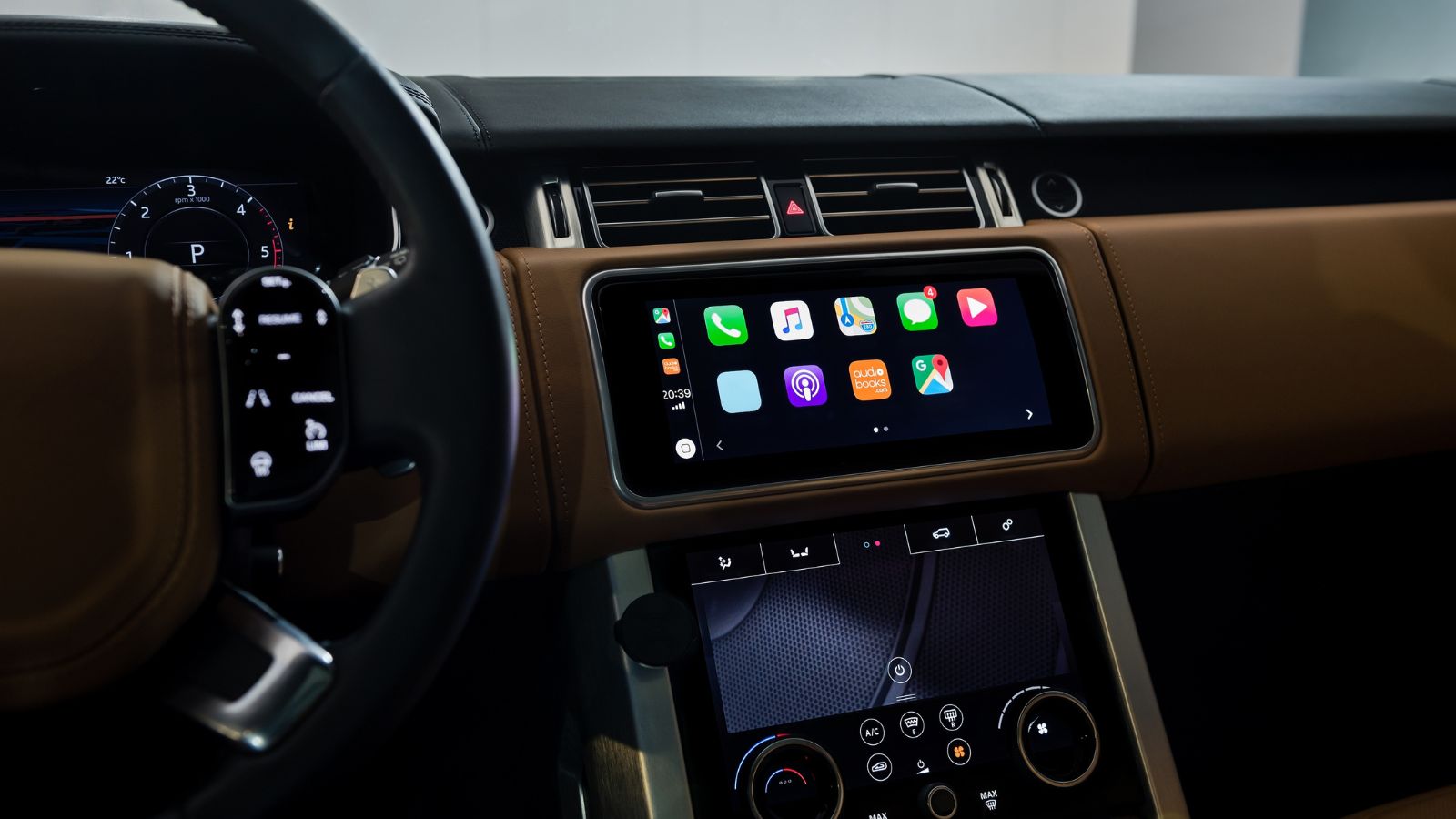
More illumination inside the cabin can actually make the road outside harder to see. Instrument panels, navigation displays and large infotainment screens can become distracting when set to daytime brightness after sunset. Their light may also reflect from the windshield, adding another layer of visual clutter when the eyes are trying to adjust to a much darker environment.
The National Safety Council recommends dimming dashboard lighting for night driving, and AAA similarly advises reducing instrument-panel and infotainment brightness because bright interior displays can interfere with adjustment to darkness. Many vehicles switch automatically between daytime and nighttime display modes, but those settings can be overridden or misconfigured. Before the first week of regular dark commuting, it is worth locating the dimmer control and checking the display’s night settings. Passengers’ bright phones and tablets can produce similar reflections, so keeping unnecessary cabin light low can make the view through the windshield noticeably cleaner.
Check Tire Pressure While the Tires Are Cold
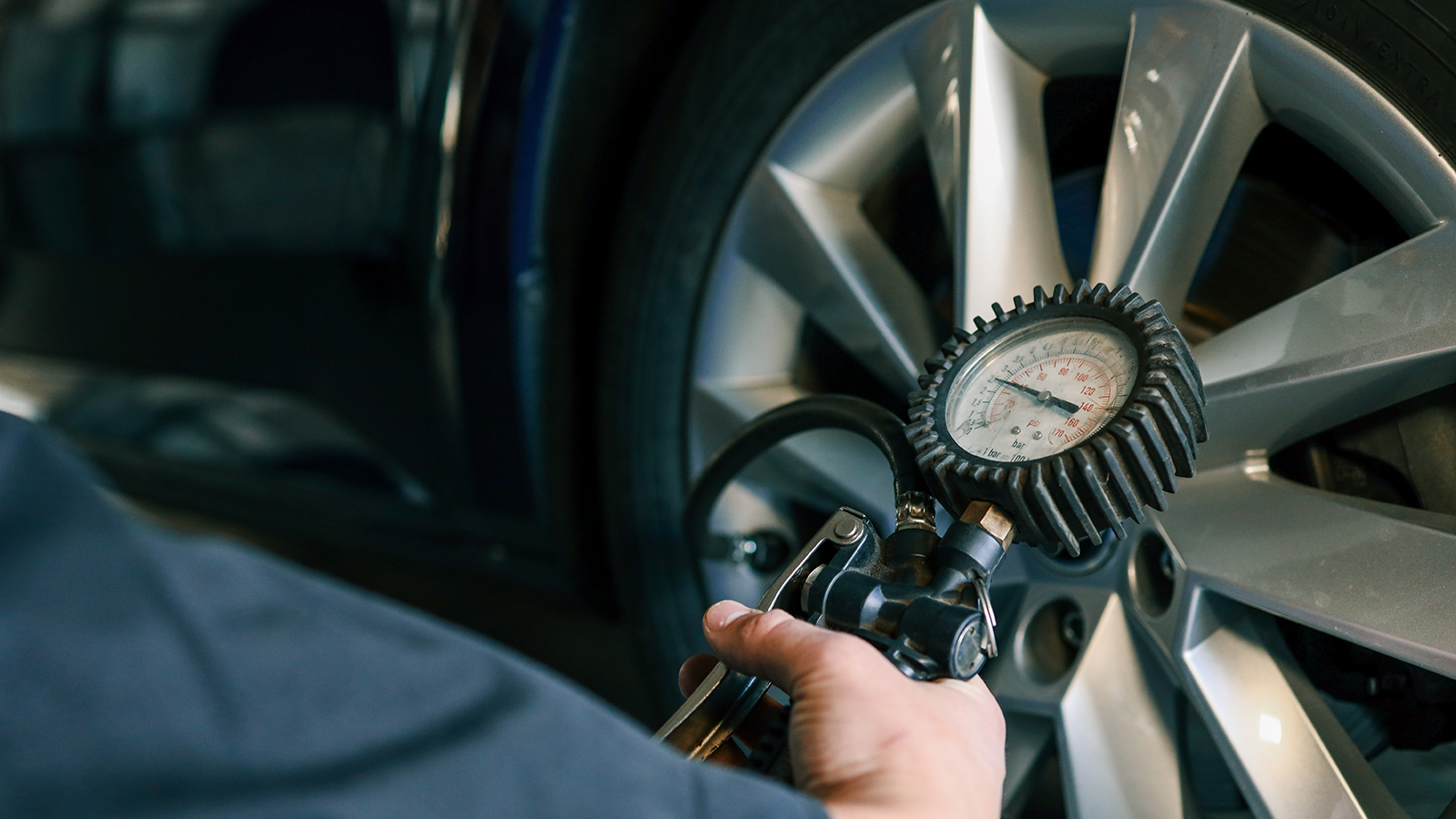
Falling temperatures often arrive at roughly the same time that commuters begin spending more of their trips in darkness. That makes autumn an important point to check tire pressure rather than relying entirely on the dashboard warning system. NHTSA recommends checking pressure at least monthly when tires are cold, meaning the vehicle has generally been parked for at least three hours, and using the vehicle manufacturer’s specified pressure rather than the maximum number printed on the tire sidewall.
A tire-pressure monitoring system is useful, but it is not intended to replace routine checks. NHTSA notes that the warning typically appears only after a tire has become significantly underinflated. Correct inflation affects tire durability, fuel consumption and vehicle safety. For commuters, the concern becomes especially relevant when darkness combines with rain, frost or changing road temperatures. Five minutes with a reliable pressure gauge can uncover a slow leak or underinflated tire before it becomes another problem during an already less forgiving drive.
Look Closely at Tire Tread and Seasonal Suitability

Adequate pressure does not help much if the remaining tread cannot manage water, slush or snow. Tire grooves are responsible for moving water away from the contact area and maintaining traction, making tread condition increasingly important as autumn weather becomes wetter and colder. Drivers should inspect all four tires for excessive wear, uneven wear, visible damage and embedded objects instead of judging condition from one easily visible section.
For winter preparation, Transport Canada recommends winter tires on all wheels when driving in cold, snowy or icy conditions. Its seasonal guidance also recommends at least 4 mm of tread depth on winter tires for the safest winter driving. The calendar alone should not determine the decision: climate and local conditions vary widely across Canada. Still, a dark morning is a poor time to discover that tires already near the end of their useful life struggle with wet leaves, standing water, early frost or the season’s first snowfall.
Pay Attention to What the Brakes Are Saying

Darkness reduces the distance at which some hazards are recognized, which makes predictable braking performance particularly important. Before fall commuting settles into a darker routine, drivers should pay attention to changes in pedal feel, unusual noises, vibration or a vehicle that pulls to one side under braking. These symptoms should not simply be postponed until the next scheduled maintenance visit.
Transport Canada’s winter-preparation guidance recommends a thorough brake check and specifically identifies pulling, unusual pedal feel, squealing and grinding as possible signs that repairs are needed. Even without an obvious warning, scheduled maintenance remains important because brake condition cannot always be determined from how the vehicle feels during an easy neighbourhood drive. A pedestrian stepping from a dimly lit curb or traffic suddenly stopping beyond a dark bend can demand much more from the braking system. Reliable brakes give drivers one less variable to worry about when nighttime visibility already narrows the margin for error.
Have a Weak Battery Checked Before Cold Mornings Arrive

A marginal battery can work normally through warm weather and then reveal its weakness as temperatures drop. That creates a particularly unpleasant scenario for early commuters: the vehicle that started reliably all summer suddenly cranks slowly in a dark driveway on a cold morning. Battery age is useful context, but actual condition, charging performance and connections matter more than simply looking at the calendar.
Transport Canada recommends checking the battery, cleaning its posts, inspecting the charging system and replacing weak batteries before they fail. Its winter guidance also notes that a vehicle needs a fully charged battery for dependable cold-weather starting. Drivers noticing slower cranking, dimming electrical equipment or intermittent starting problems should treat those symptoms as a reason for testing rather than assuming the car will make it through another season. A battery and charging-system test before the colder months can turn an unexpected dark-morning breakdown into a planned maintenance appointment instead.
Check the Fuel Level or EV Range Before Leaving
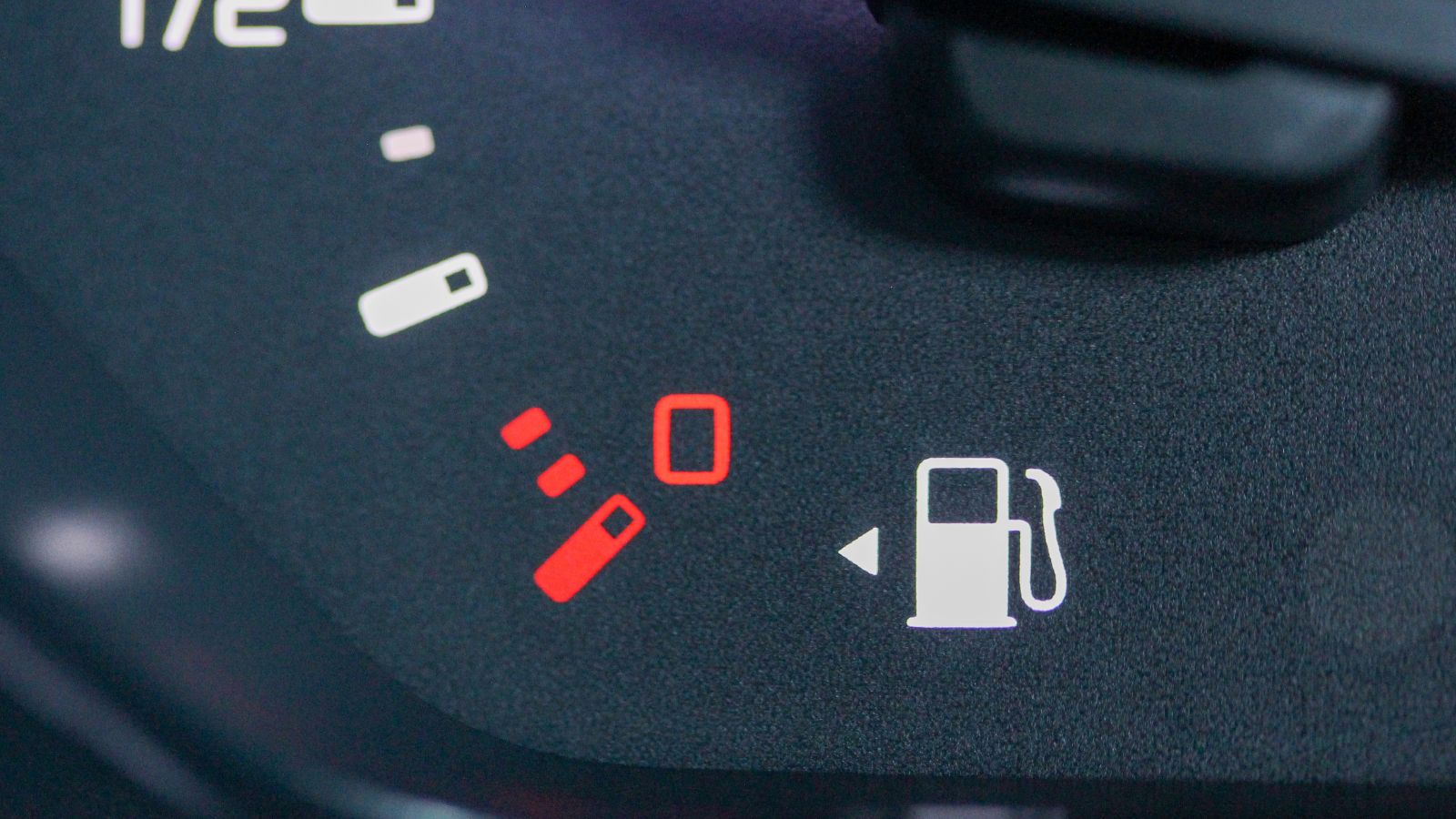
A short daily commute can encourage drivers to operate near empty because the next fuel or charging stop always seems close. Darkness and deteriorating weather make that habit less appealing. A crash, road closure, detour or long traffic delay can turn a predictable trip into an unexpectedly long one, while cold weather may also affect energy use and electric-vehicle range.
Transport Canada’s winter-planning advice recommends keeping a fuel tank at least half full and ensuring an electric vehicle has enough range for unplanned events, noting that cold temperatures can reduce EV range. NHTSA similarly advises keeping conventional vehicles fueled and electric or hybrid-electric vehicles charged during winter conditions. The objective is not panic-level preparation for every commute; it is simply avoiding a situation in which an unexpected delay becomes a range problem. Checking the gauge before leaving takes seconds and becomes increasingly worthwhile as nights grow colder and longer.
Restock the Emergency Kit for Darker Conditions
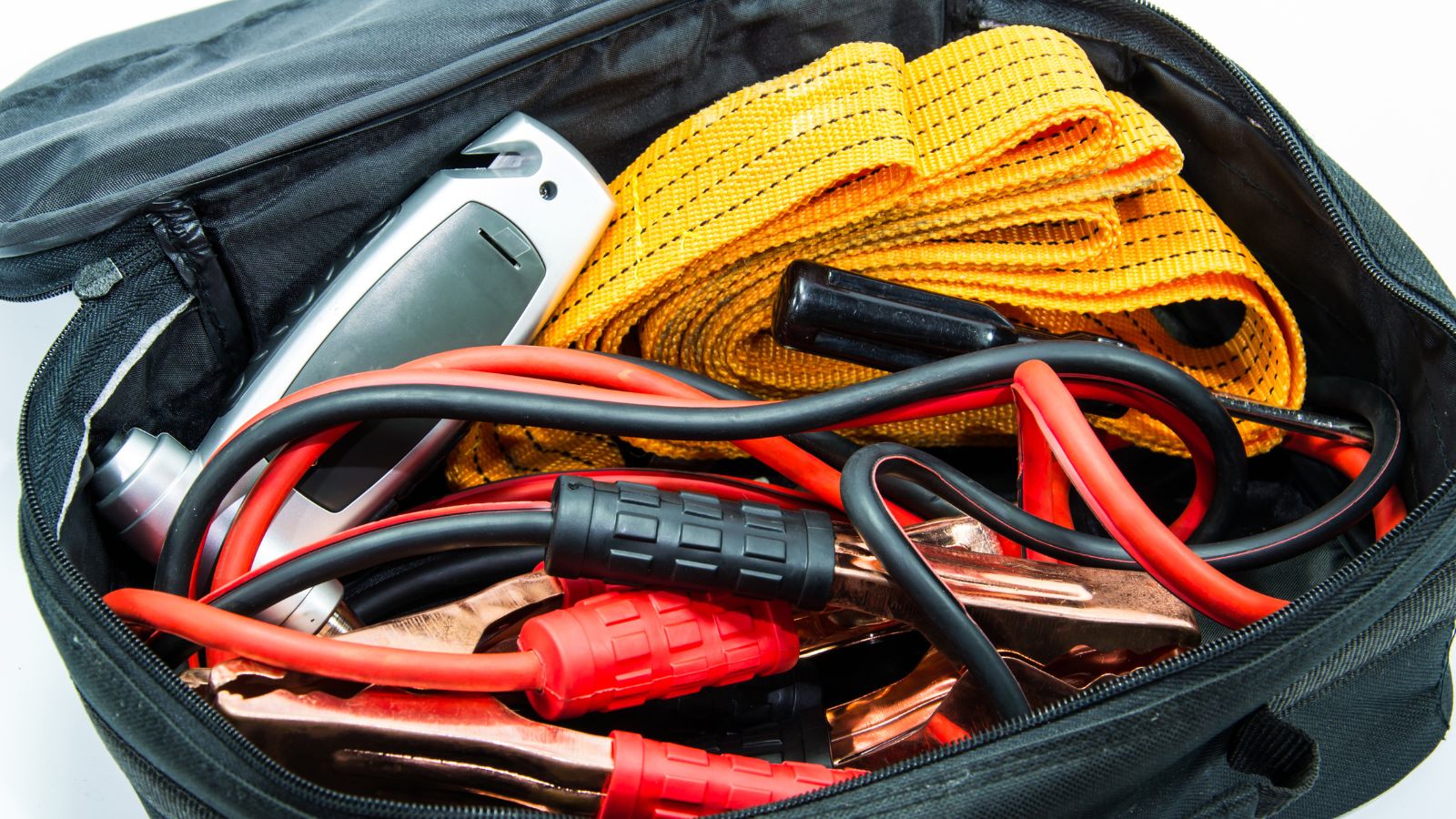
A roadside problem changes character after sunset. Changing a tire, waiting for assistance or simply getting out of a disabled vehicle becomes more difficult when other road users have less time to see someone standing nearby. That makes visibility equipment especially important in the emergency kit during the darker months.
Transport Canada’s recommended winter kit includes a flashlight, warning light, reflective safety triangles, booster cables, extra clothing, traction aids, a shovel and additional washer fluid, among other supplies. Its emergency-kit guidance also identifies reflective clothing or a vest as a way to help other people see a stranded motorist. Batteries in an old flashlight should be checked rather than assumed to work, and a phone charging cable or portable battery can also be useful. The ideal emergency kit is not the biggest one; it is one that remains stocked, accessible and functional when an ordinary commute unexpectedly stops at the roadside.
Check Weather, Traffic and Road Conditions Before Departing
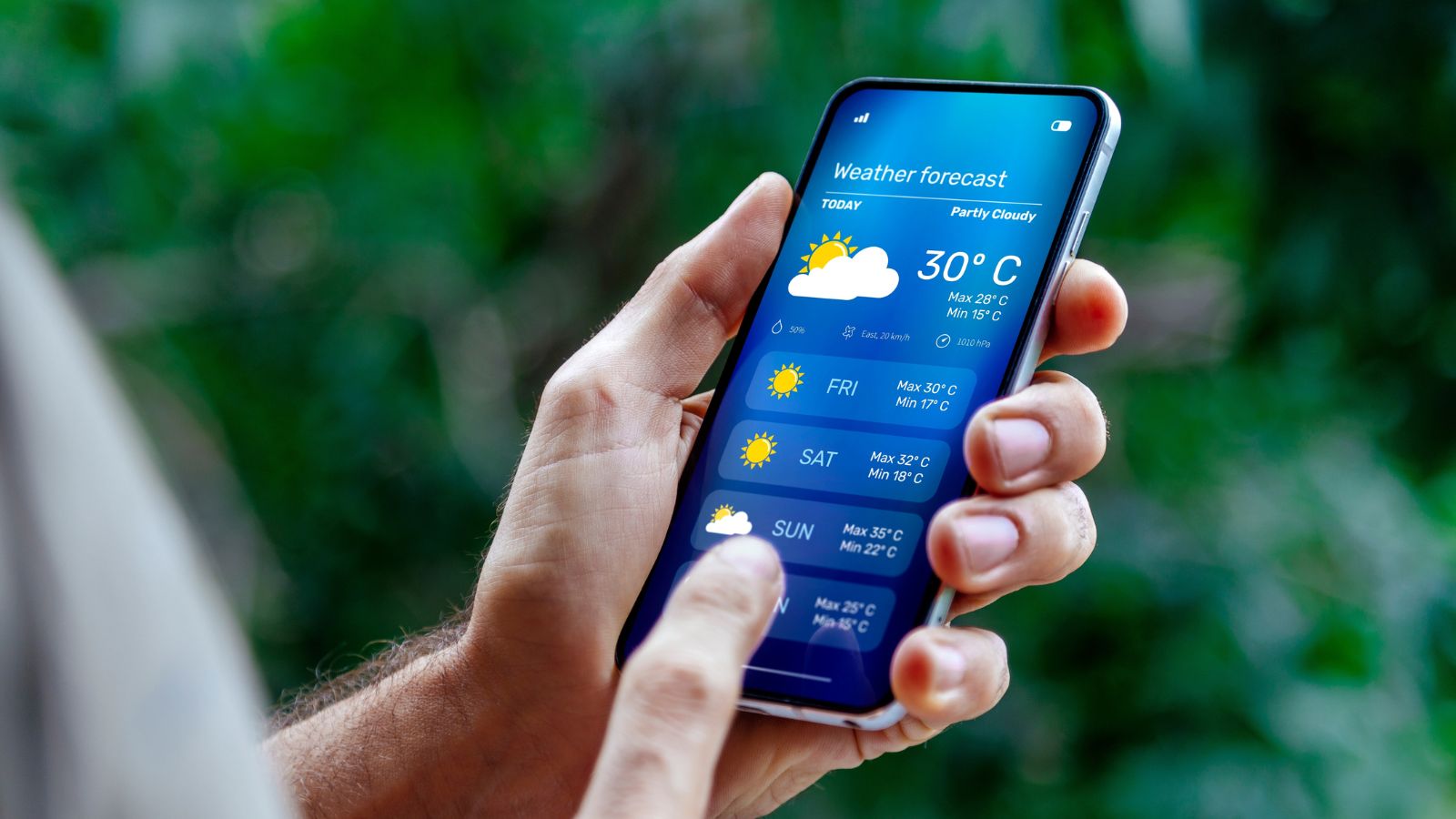
The same route driven every weekday can create a false sense of predictability. Autumn and winter conditions can change within hours, bringing fog, freezing rain, high winds, early snow or sudden temperature drops. Darkness makes those changes harder to evaluate visually, particularly on rural roads and stretches where pavement may look merely wet even when temperatures are near freezing.
Transport Canada recommends checking weather reports before winter travel and notes that provinces and territories provide traveller information services such as 511 systems for road conditions and snow-clearing information. NHTSA likewise advises checking weather, traffic and road conditions before heading out. For a commuter, this does not need to become an elaborate planning ritual. A quick check may reveal a collision on the normal route, a weather warning or a reason to leave earlier. That extra information can prevent a rushed decision after the driver is already on a dark, deteriorating roadway.
Take Night-Vision Problems Seriously
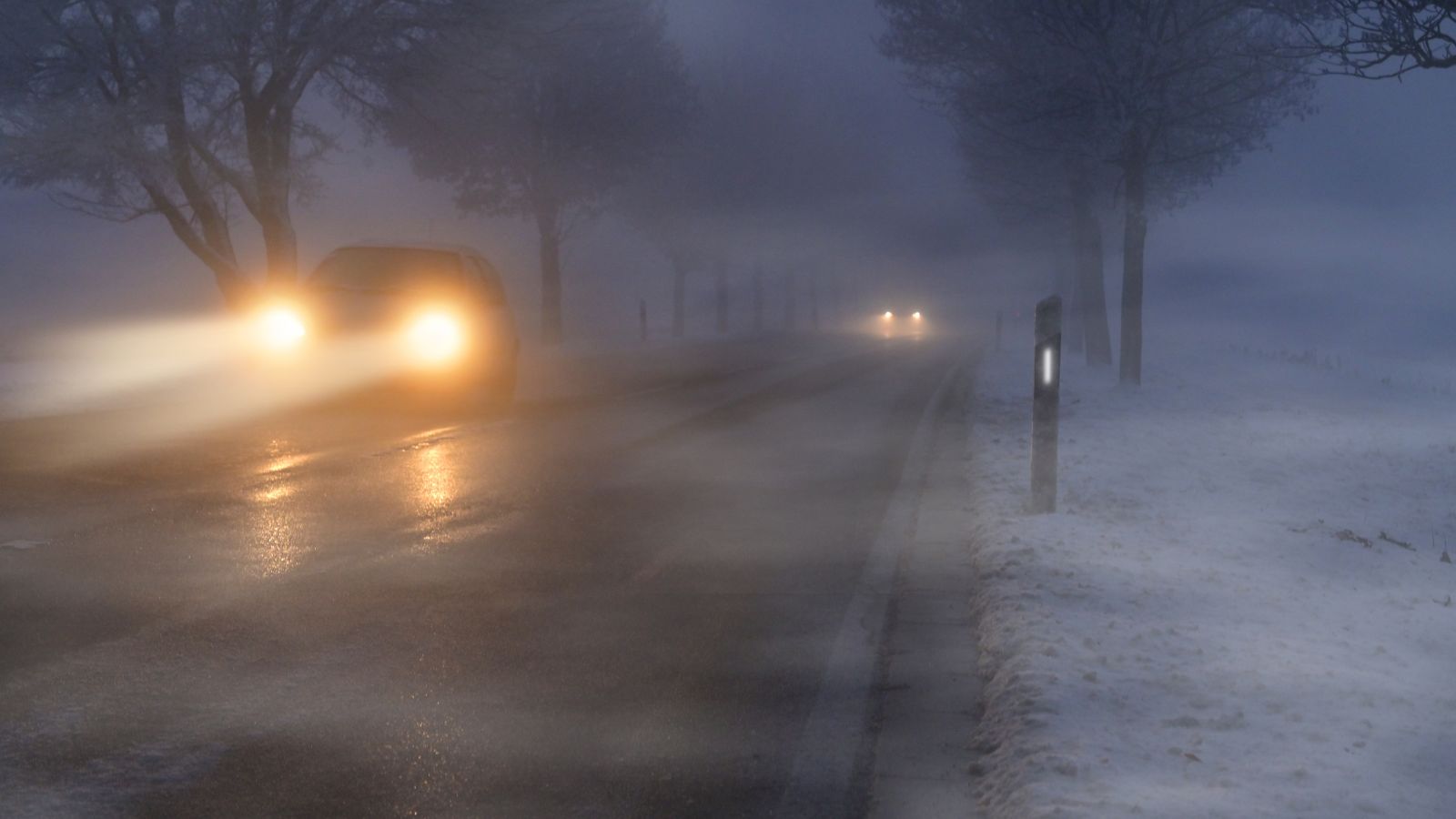
A daytime eye chart does not capture every challenge that appears after sunset. Low contrast, glare and changing illumination can make pedestrians and roadside hazards more difficult to detect even when ordinary daytime vision seems acceptable. Drivers who suddenly notice halos, excessive glare, difficulty reading signs or trouble identifying objects in darker areas should not assume everyone experiences exactly the same thing.
Research illustrates why the problem deserves attention. In a closed-road study involving 26 older drivers who reported night-driving difficulties, intermittent glare significantly worsened overall driving performance, and pedestrian detection declined by 38% in the presence of glare. Other research has linked contrast sensitivity with nighttime hazard-detection performance. The National Safety Council recommends regular vision examinations for older drivers and appropriate corrective lenses. Prescription glasses should be clean and current, while sunglasses and other dark lenses should stay off once daylight disappears. Persistent problems warrant discussion with an eye-care professional.
Check Alertness Before Starting the Commute

The final check is not mechanical. Darkness can overlap with times when the body’s natural alertness is already lower, particularly during very early starts, overnight shifts and long drives home after demanding days. Fatigue does more than create a risk of actually falling asleep; it can slow thinking, reduce attention and make important details easier to miss.
NHTSA says drowsy-driving crashes occur most frequently between midnight and 6 a.m. and during the late afternoon, periods associated with natural dips in circadian alertness. The agency estimated that 91,000 police-reported crashes in 2017 involved drowsy drivers, resulting in about 50,000 injuries and nearly 800 deaths, while acknowledging that the true scale is likely underestimated. Ontario’s driver guidance advises against driving when tired because fatigue slows reactions and awareness. Before a dark commute begins, genuine sleepiness should be treated as a safety problem rather than something that a louder radio or open window can reliably solve.
19 Used Cars Canadians Should Avoid in 2026 (Based on Owner Complaints)

Buying a used car in Canada can feel safe until repair bills start stacking up. Owner complaints tell a different story than glossy listings. Transmission failures, electrical problems, and weak winter reliability show up again and again in consumer reports. Many of these issues appear after warranties expire, when owners least expect them. Some vehicles look affordable upfront, but become expensive to keep on the road. Others struggle in cold weather, urban driving, or long highway commutes. Here are 19 used cars Canadians should avoid in 2026 (based on owner complaints).
19 Used Cars Canadians Should Avoid in 2026 (Based on Owner Complaints)

Alanna Rosen is an experienced content writer that focuses on many EV and educational content. Her articles are regularly published on Get CyberTrucked and syndicated on large publications.