
Lending a car can feel like a small favour, yet it temporarily hands another person control of an expensive asset, an insurance policy, and a set of legal responsibilities. A routine errand can become complicated when the borrower is not covered, uses the vehicle for delivery work, receives a camera ticket, crosses a border, or has a collision.
These 18 considerations explain what drivers should check before passing over the keys. Because insurance contracts and traffic laws vary by jurisdiction, the safest approach is to confirm the policy wording with the insurer and review local requirements rather than relying on assumptions or a borrower’s good intentions.
Read the Policy Before Making the Promise

The most important check happens before the keys leave the owner’s hand: read the policy or call the insurer. Auto contracts commonly contain definitions, exclusions, limits, duties after a loss, and rules governing who may drive. A friend’s honest belief that “insurance follows the car” cannot override the written contract. Coverage can differ according to where the vehicle is registered, who lives in the household, how often the borrower drives it, and what the car will be used for.
Consider a neighbour asking to borrow a sedan for one afternoon. That may sound like ordinary permissive use, but the answer could change if the neighbour is specifically excluded, has no valid licence, or plans to make paid deliveries. A five-minute call can establish whether the driver is covered, whether any restrictions apply, and which deductible would be owed after damage. The favour should remain conditional until those questions have clear answers.
Insurance Often Follows the Vehicle, but Not Automatically
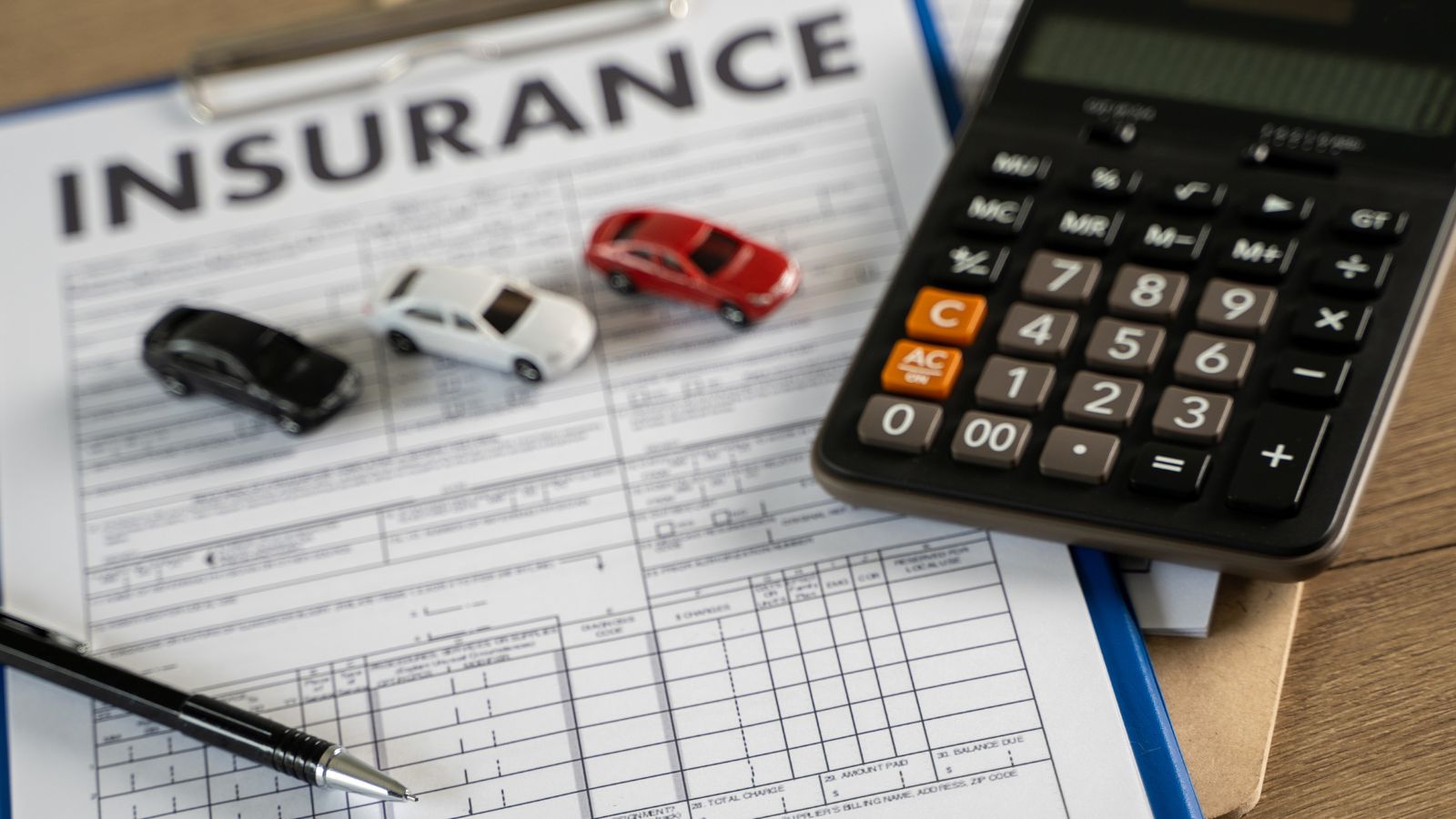
Personal auto insurance commonly extends some protection when another person drives the insured vehicle with permission. That general pattern explains the familiar phrase that insurance “follows the car.” However, it is a starting point rather than a guarantee. The policy may limit permissive use, reduce coverage for an unlisted driver, exclude certain people or activities, or apply only within a defined territory. Local law can also determine how coverage and liability are allocated.
Imagine a borrower causing a low-speed collision while running an approved errand. The owner’s liability coverage may respond first, while the borrower’s own insurance may provide additional or secondary protection, depending on the contracts and jurisdiction. If the owner assumed the borrower’s policy would handle everything, the claim could arrive as an unwelcome surprise. Before lending, both parties should know which insurer is expected to respond first and whether the borrower has separate coverage that could apply after the owner’s limits are reached.
Occasional Borrowing Is Different From Regular Use
Insurers generally distinguish between someone who borrows a vehicle occasionally and someone who has routine access to it. A visiting relative using the car once for groceries is not the same risk as a roommate commuting in it three days a week. Household members and frequent drivers often need to be disclosed or listed because insurers price the policy partly around who regularly operates the vehicle. Failing to disclose regular use can complicate underwriting and claims.
The boundary is not always measured by a single mileage or calendar rule. Patterns matter. A friend who keeps a spare key, uses the car every weekend, or treats it as a backup vehicle may no longer look like an occasional borrower. The practical solution is to describe the arrangement accurately to the insurer instead of choosing a convenient label. Adding a regular driver may increase the premium, but that cost is usually easier to manage than discovering after a crash that the arrangement was materially different from what the insurer understood.
An Excluded Driver Can Create a Coverage Crisis

Some policies identify drivers who are expressly excluded. When an excluded person operates the vehicle, coverage for the resulting accident may be unavailable or sharply restricted. Exclusions are sometimes used when a household member has a poor driving record, a suspended licence, or another risk the insurer will not accept. The owner should never assume that verbal permission restores protection that the policy deliberately removed.
This issue often appears in families. A parent may exclude an adult child to keep the policy affordable, then lend the car “just this once” during an emergency. If the child crashes, the emotional pressure surrounding the loan does not change the exclusion. The owner may face repair bills, third-party claims, towing charges, and legal expenses without the expected insurance response. Before lending to anyone in the household, check the declarations and endorsements for named exclusions. When uncertain, obtain written confirmation from the insurer rather than relying on memory.
The Owner May Still Carry the Deductible and Claim History
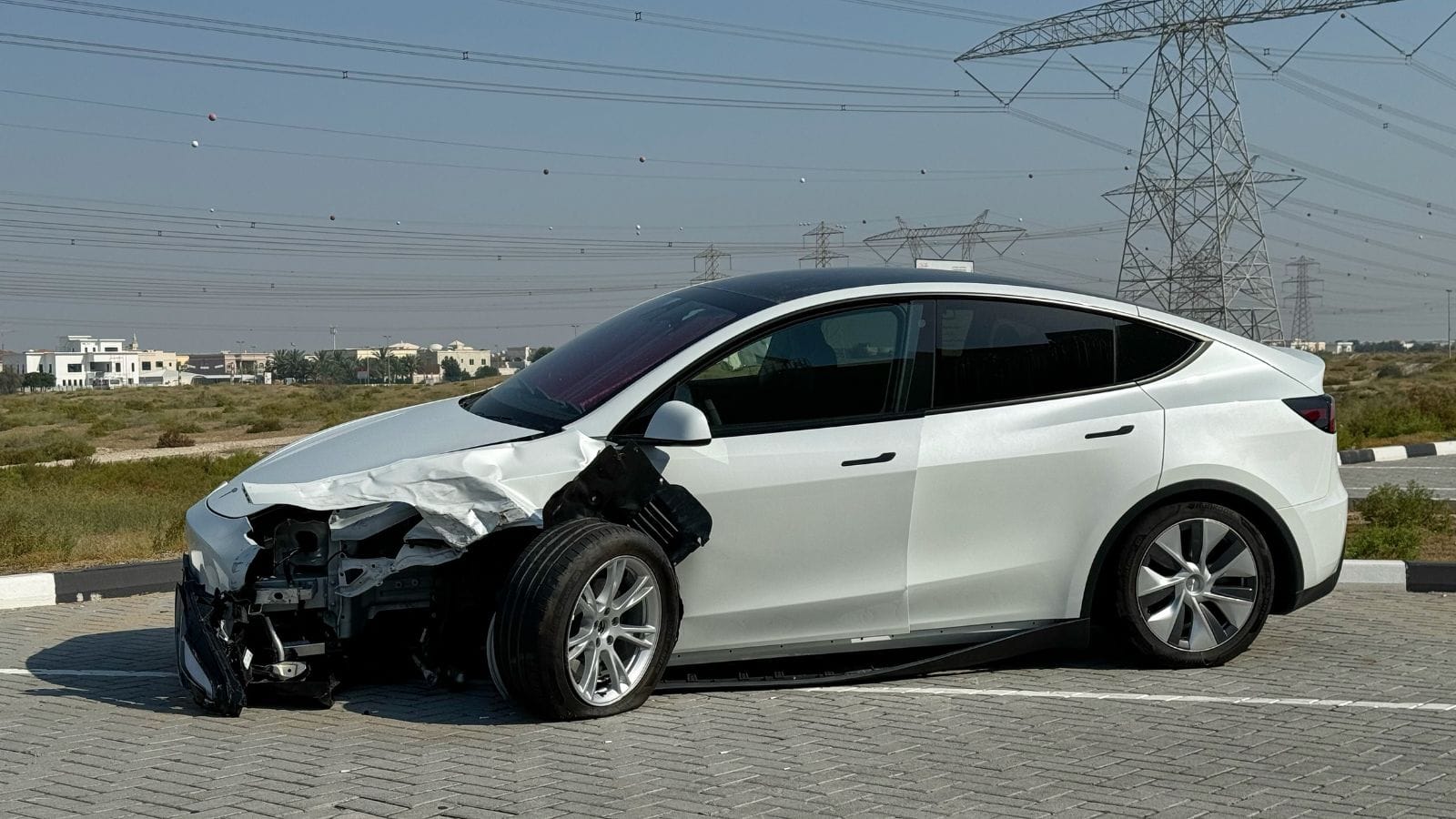
When the borrowed car is damaged and collision or comprehensive coverage applies, the policy’s deductible is normally subtracted from the payment. That means the owner may have to produce hundreds or thousands of dollars before repairs are completed, even though someone else was driving. A covered claim can also become part of the policy’s claims history, one of the factors insurers may consider when pricing or renewing coverage where local rules permit.
A simple parking mistake shows why expectations should be discussed in advance. Suppose a borrower scrapes a concrete pillar, causing $2,000 in damage under a policy with a $500 collision deductible. The insurer may pay the covered balance, but the owner must still deal with the deductible, repair appointment, possible rental costs, and future insurance questions. Agree beforehand whether the borrower will reimburse the deductible and other uninsured expenses. Friendship is easier to preserve when financial responsibility is settled before anything goes wrong.
Liability Limits Can Be Exhausted Faster Than Expected

Liability insurance pays covered claims for injuries or property damage caused to others, but only up to the policy limits. Those limits are not a promise to pay every dollar arising from a serious crash. Medical treatment, lost income, legal costs, multiple injured people, or damage to several vehicles can push a claim beyond modest limits. Depending on local law, the driver, the owner, or both may face exposure beyond the insurance payment.
Picture a borrower rear-ending a newer SUV and pushing it into another car. Even without catastrophic injuries, repair costs and medical evaluations can accumulate quickly. The owner should know the bodily-injury and property-damage limits before lending, especially for a long trip or unfamiliar driver. Higher liability limits or an umbrella policy may provide a larger buffer, but their terms still matter. The practical lesson is that the vehicle’s value is only one part of the risk; the greater financial danger may be the harm the vehicle can cause to other people and property.
Damage to the Car Requires the Right Physical Coverage
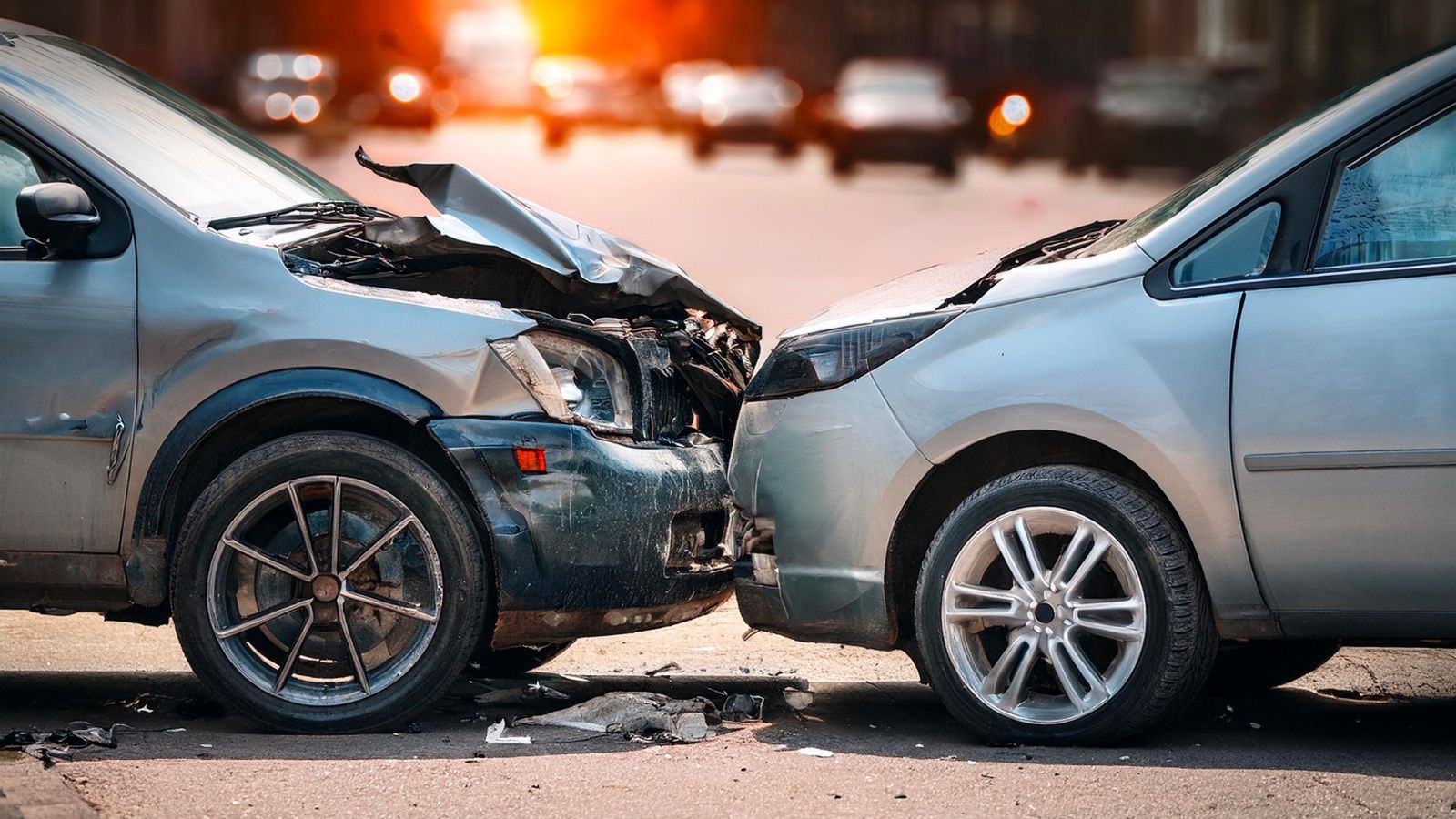
Liability coverage protects against covered claims made by other people; it generally does not repair the owner’s own vehicle. Damage to the loaned car usually depends on collision coverage for crashes and comprehensive coverage for certain non-collision losses, subject to policy terms and deductibles. Owners who carry liability-only insurance may have no first-party payment for their own car after an at-fault crash, even when the borrower had permission.
This distinction matters most with older vehicles. An owner may drop collision coverage because the car’s market value is modest, then lend it to a friend who slides into a guardrail. No other driver is responsible, so there may be no third-party insurer to pursue. The car could become an unrepaired or total loss borne by the owner and borrower. Before lending, confirm what physical-damage coverage exists, what deductible applies, and how the insurer calculates a total loss. The borrower should understand that “insured” does not necessarily mean the car itself is protected.
Paid Delivery or Rideshare Work Changes the Risk

A personal auto policy is designed primarily for personal driving. Using the vehicle to carry passengers or goods for compensation can trigger business-use or livery exclusions and create gaps between personal coverage and coverage supplied by a platform. The rules vary by company, policy endorsement, and the stage of app activity. Permission to borrow the car for errands should never be treated as permission to use it for rideshare, courier, or food-delivery work.
A borrower might plan to “make a few deliveries” while using the car, believing the platform’s insurance covers every moment. In reality, coverage may differ when the app is off, when the driver is waiting for a request, and when a passenger or order is in the vehicle. Physical damage to the owner’s car may also require specific coverage. Owners should prohibit commercial use unless the insurer confirms it is covered. The borrower should also disclose the vehicle arrangement to the platform, since account and vehicle requirements may apply.
Verify the License and Every Restriction
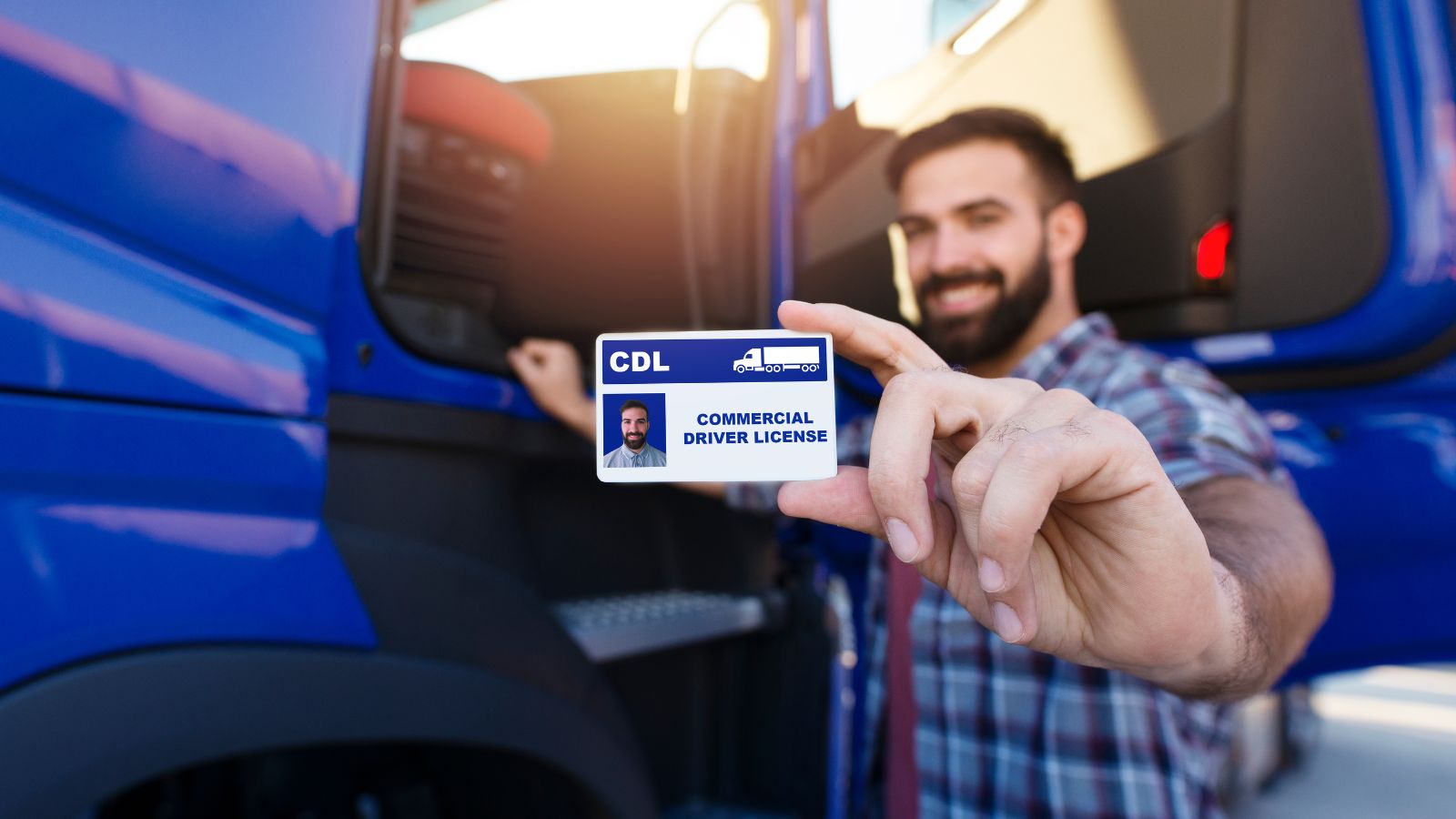
A borrower should hold a current licence that is valid for the vehicle and the trip. A card in a wallet may be expired, suspended, restricted, or valid only under conditions such as supervision, corrective lenses, daylight driving, or limits on passengers. Laws in many jurisdictions penalize unlicensed driving, and some also impose consequences when an owner knowingly permits an unauthorized person to drive. Insurance complications may follow as well.
The check should be direct rather than awkwardly implied. Ask to see the licence, confirm the expiry date, and discuss any relevant conditions. A novice driver who may legally drive only with a qualified supervisor cannot simply take the car alone because the owner gave permission. Likewise, someone licensed for an ordinary passenger vehicle may not be authorized for a larger or specialized vehicle. This is not a judgment on character; it is basic risk control. A valid licence is the minimum credential for receiving the keys, not a detail to verify after a roadside stop.
Never Lend to Someone Who Appears Unsafe to Drive
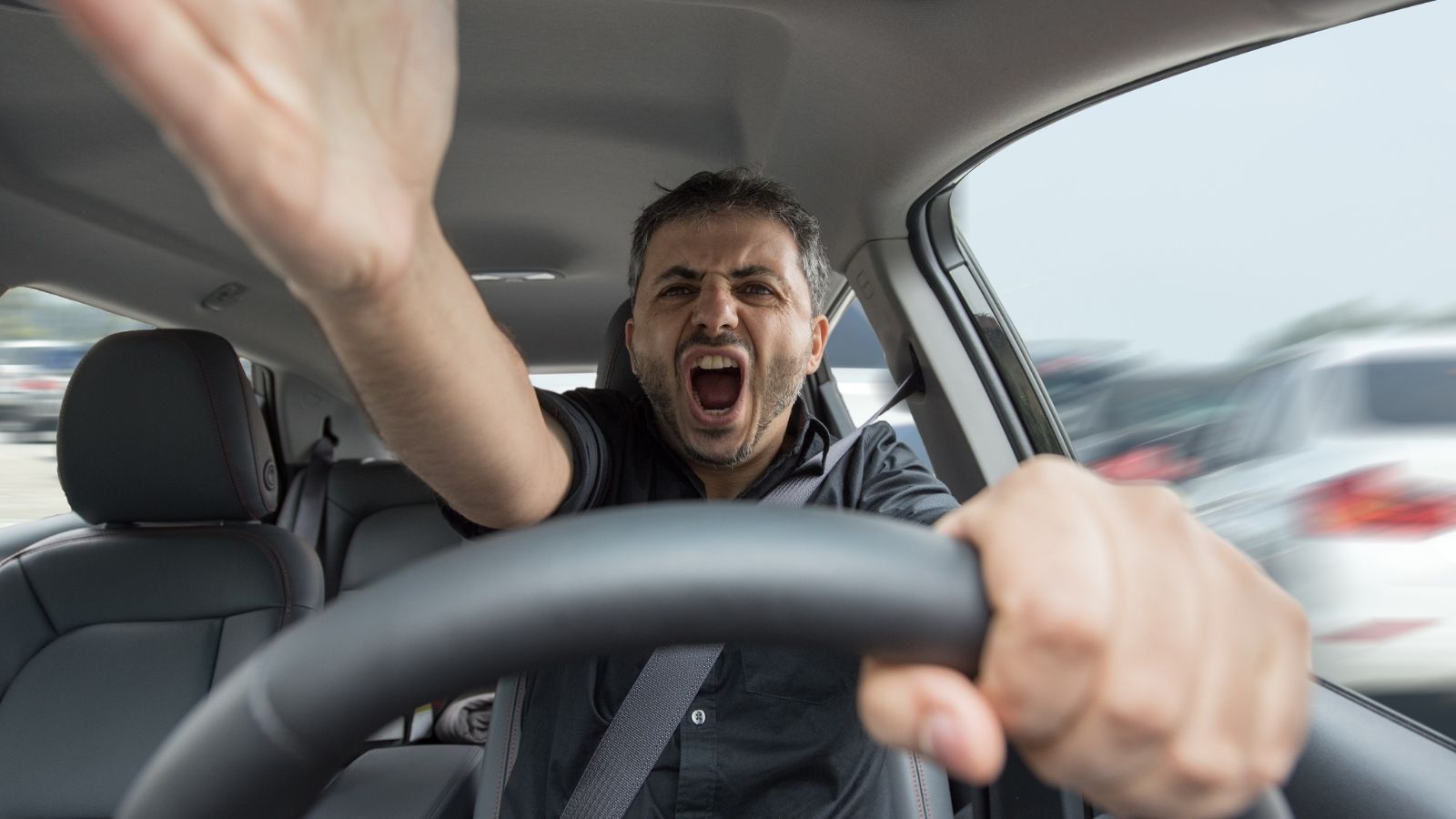
An owner should refuse the loan when the prospective driver appears impaired, dangerously fatigued, medically unfit, emotionally out of control, or known to drive recklessly. Beyond the immediate safety issue, legal doctrines such as negligent entrustment can expose a person who carelessly supplies a vehicle to someone known, or reasonably believed, to be incompetent or unsafe. The exact test differs by jurisdiction, but obvious warning signs should never be ignored.
Human pressure makes this decision difficult. A friend may insist that a few drinks were hours ago, or a relative may say exhaustion will disappear once the trip begins. Lending the car in that moment converts a social discomfort into a potentially life-changing risk. Offer a ride, taxi, accommodation, or another safe alternative instead. The owner does not need to diagnose the borrower; the question is whether a reasonable person would feel comfortable placing that driver in control of a machine capable of causing severe injury.
Set Clear Limits on the Trip and Additional Drivers

Permission should define more than who receives the key. The owner should know the destination, expected return time, approximate distance, passengers, parking arrangements, and whether anyone else may drive. A borrower who hands the car to a partner or friend may create a second permissive-use question that the owner never evaluated. Some policies and laws distinguish between express permission, implied permission, and use that exceeds the agreed scope.
A short local errand can quietly become an overnight highway trip, a move involving heavy cargo, or a visit to an area where the car will be street-parked. Each change affects exposure to collision, theft, tolls, mileage, and mechanical strain. Clear boundaries are not micromanagement; they are the terms of the loan. The owner can say, for example, that only the named borrower may drive, the vehicle must remain within a stated region, and any change requires a call. Those limits should be written in a message so both parties remember them.
Tickets, Cameras, Parking Charges, and Tolls Work Differently
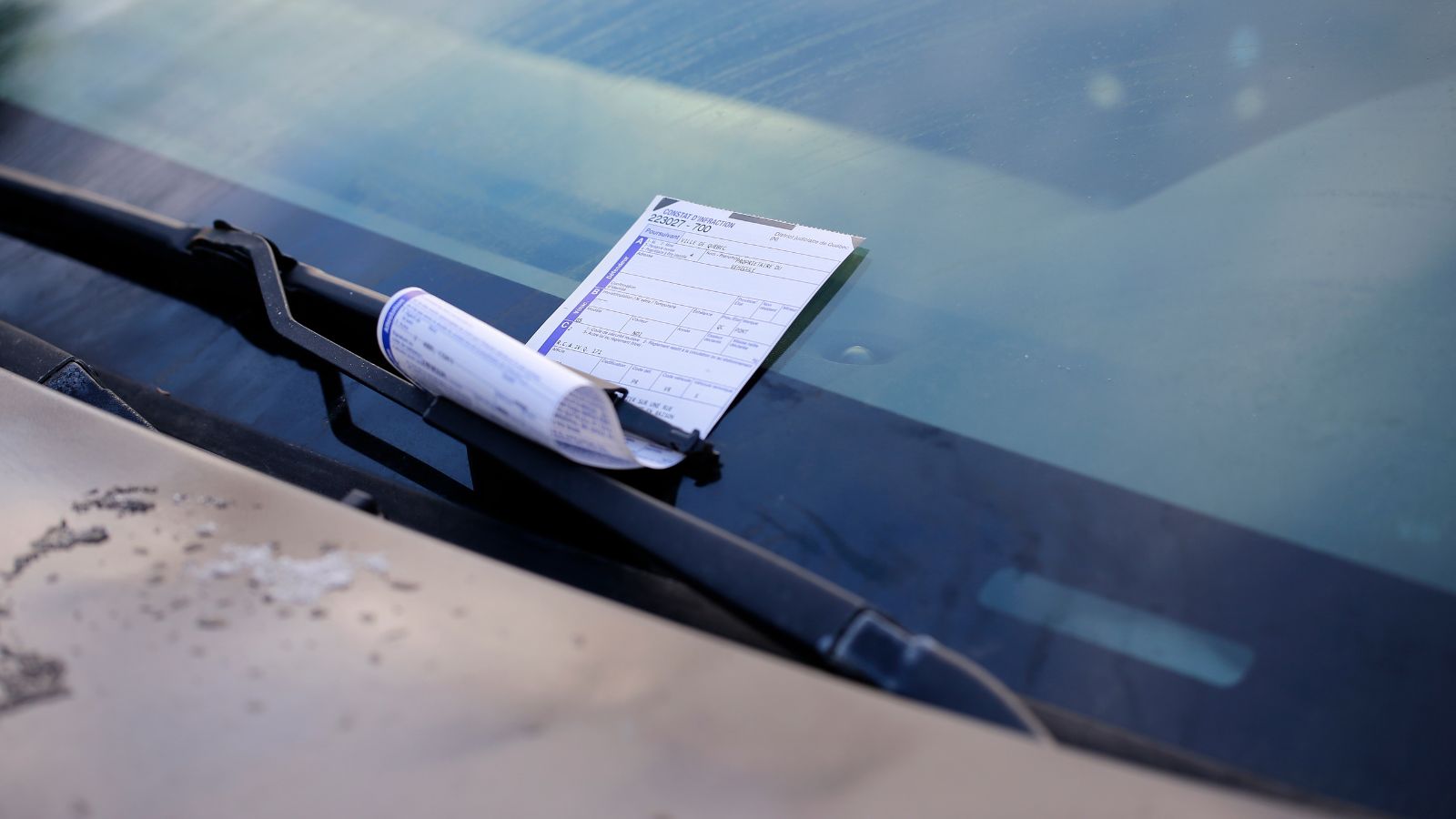
A police-issued moving violation is generally associated with the person who was driving, while many camera, parking, and toll systems identify the vehicle through its licence plate and send the notice to the registered owner. The exact rules vary, but the owner may receive the first bill, face late fees, or encounter a registration hold even though the borrower committed the violation. Automated enforcement makes prompt communication especially important.
Suppose the borrower passes through a cashless toll lane, parks in a restricted zone, and triggers a work-zone speed camera. The envelopes or electronic notices may arrive weeks later, after everyone has forgotten the trip. The owner should require the borrower to disclose any incident and reimburse charges promptly, including administrative fees caused by delay. It is sensible to photograph the odometer and note the loan period, which can help connect a notice to the correct driver. Ignoring a mailed notice because someone else was driving rarely makes it disappear.
Agree on the Collision Procedure Before Departure
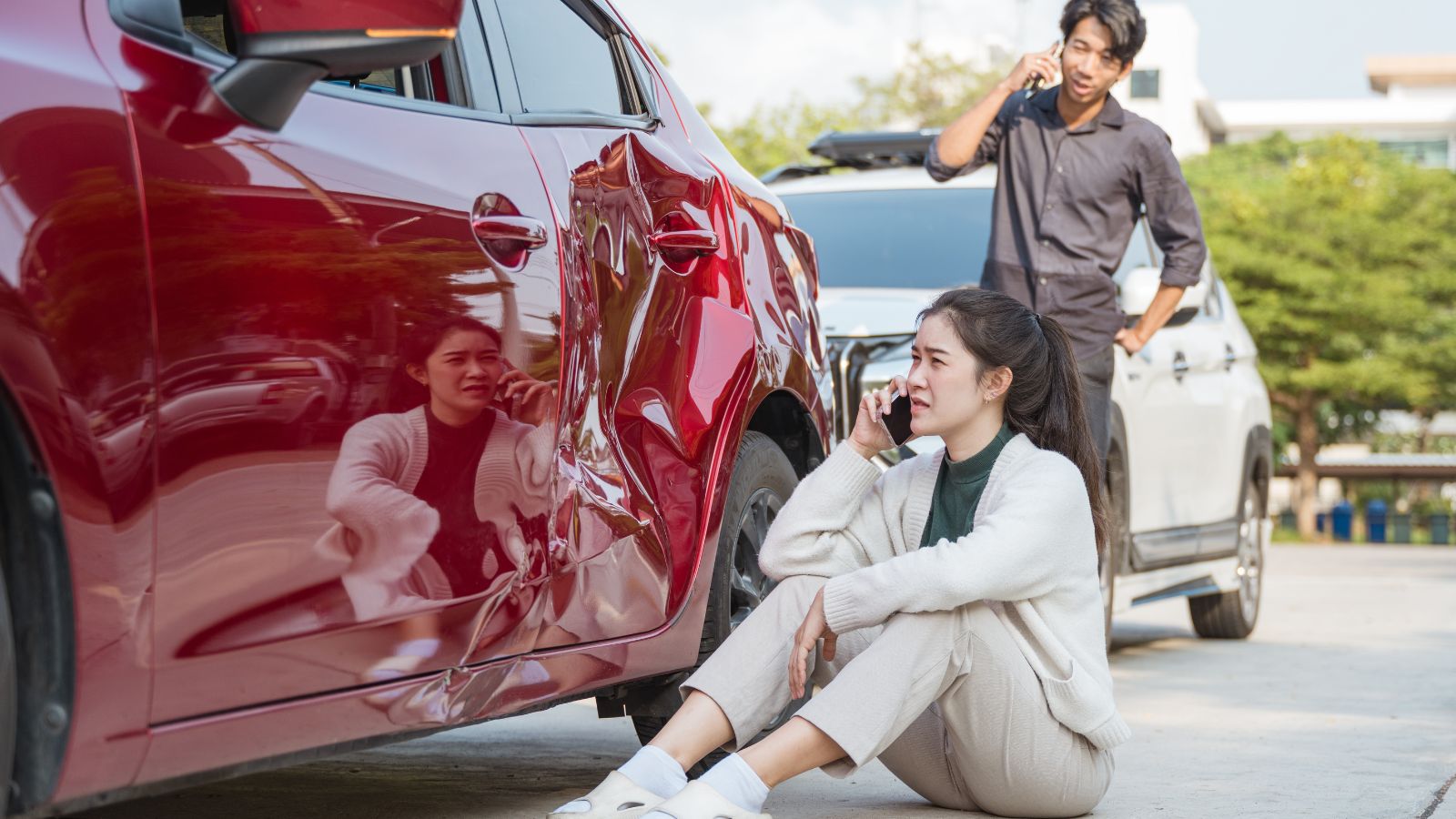
After a crash, the borrower may be shaken, unfamiliar with the policy, and unsure whom to call. Provide a simple procedure: stop safely, call emergency services when required, exchange licence, registration, insurance, and contact information, photograph the scene, avoid admitting fault, and notify the owner and insurer promptly. Reporting thresholds and deadlines vary by jurisdiction, and some places require separate reports to police or a motor-vehicle agency.
The plan should also cover minor incidents. A borrower who quietly pays cash for a damaged bumper may overlook hidden damage, injuries that appear later, or policy duties requiring prompt notice. Conversely, calling the insurer without telling the owner can leave the policyholder unprepared for the claim. Store the insurer’s claims number and roadside-assistance details in the car or send them digitally. The goal is not to turn the borrower into a claims expert; it is to prevent panic, lost evidence, missed deadlines, and inconsistent accounts during the first critical hours.
Share Necessary Documents Without Exposing Everything

The borrower may need proof of insurance, vehicle registration, the owner’s contact details, and roadside-assistance information. In many jurisdictions, drivers must produce insurance or registration documents when requested by police or after a collision. Make sure the documents are current and readable. A digital copy may be accepted in some places, but acceptance rules vary, so the vehicle should carry whatever form local law requires.
At the same time, remove documents and devices that reveal more than necessary. Garage remotes, house keys, work badges, spare credit cards, medical papers, and mail containing an address can create security and privacy risks. Connected vehicles may also retain locations, phone contacts, messages, and driver profiles. Create a guest profile where available, disconnect personal accounts, and explain any telematics or dash-camera recording. Lending the car should not unintentionally lend access to the owner’s home, workplace, communications, or detailed travel history. A careful handover balances legal readiness with sensible data minimization.
Demonstrate the Controls and Driver-Assistance Features
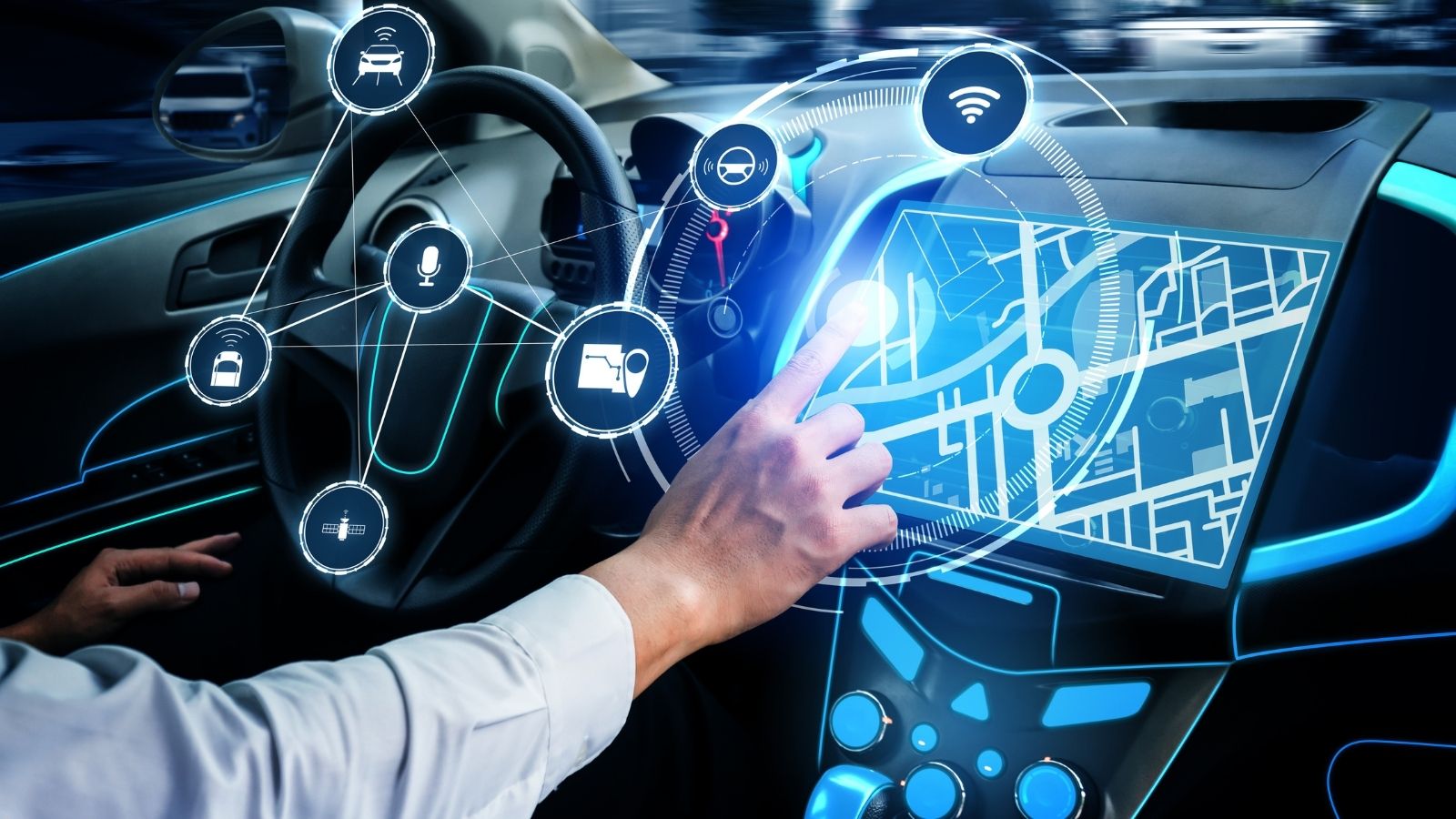
Modern vehicles can confuse even experienced drivers. Electronic shifters, push-button parking brakes, one-pedal driving, regenerative braking, adaptive cruise control, lane-keeping systems, automatic emergency braking, and touch-screen climate controls behave differently across models. Driver-assistance systems are designed to support the driver, not replace attention, and their limitations may change with weather, road markings, sensor blockage, or system settings.
A two-minute walk-through can prevent a dangerous surprise. Show how to start and shut down the vehicle, select gears, release the parking brake, operate lights and wipers, open the fuel or charging door, disable unfamiliar assistance features, and find the hazard switch. Mention any quirks, such as strong regenerative braking or a blind-spot warning that may have detection limitations. The borrower should adjust the seat, mirrors, and steering wheel before moving. Familiarity gained in the driveway is far safer than learning a critical control while merging into traffic. A short supervised drive around the block may be worthwhile when the technology is unfamiliar.
Check the Car’s Condition, Fuel, Tires, and Recalls
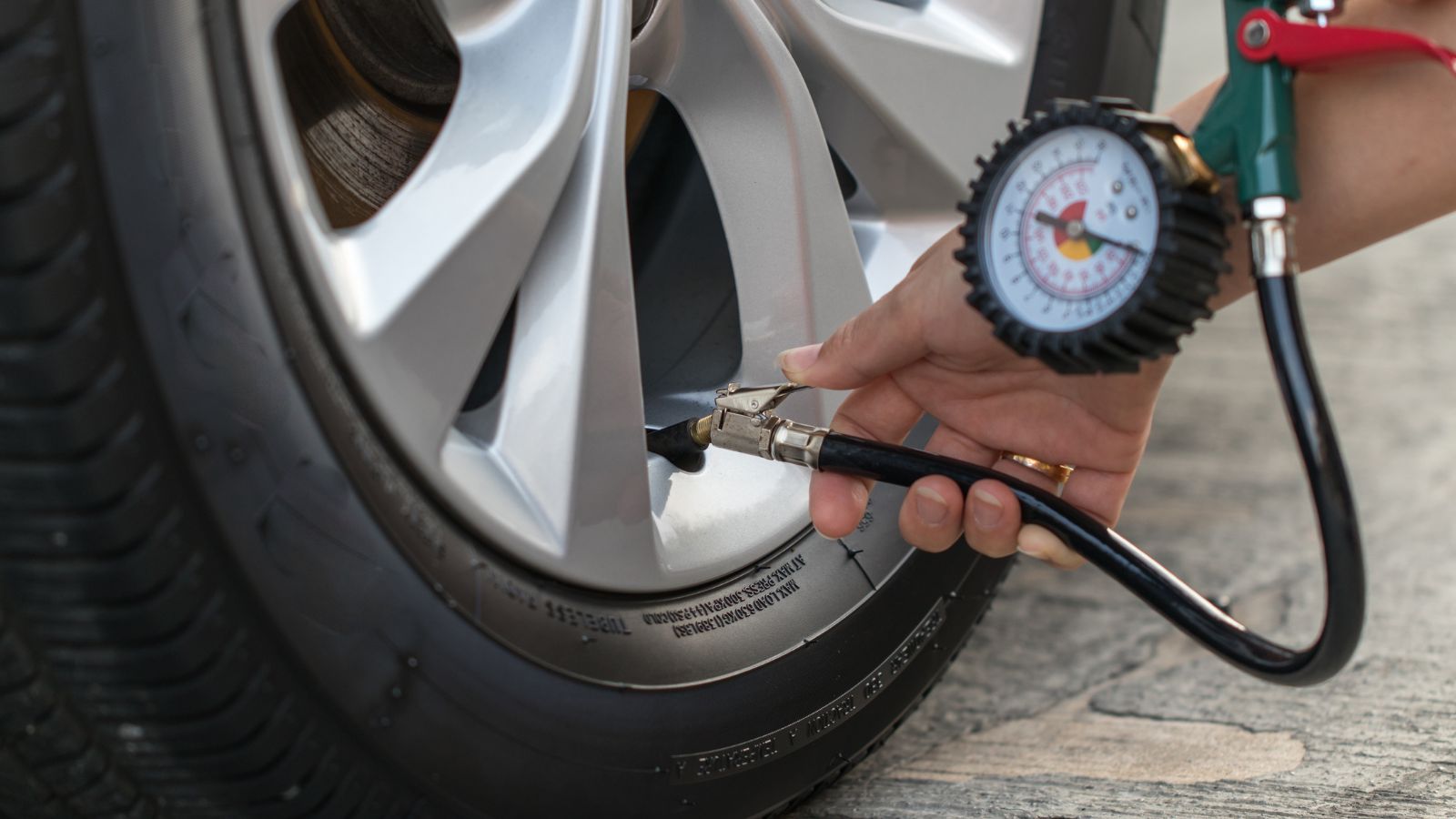
The owner should not lend a vehicle with a known safety defect or unresolved mechanical problem. Check tire pressure and visible damage, lights, wipers, warning lamps, brakes, fluid leaks, fuel or battery range, and any urgent maintenance issue. NHTSA advises regular tire inspections and recall checks; in the United States alone, more than 29 million vehicles and pieces of equipment were recalled in 2025. An unrepaired recall can affect people beyond the owner.
Be candid about minor problems too. If the fuel gauge reads inaccurately, the charging cable is intermittent, or a tire loses pressure slowly, the borrower needs to know before departure. Better still, repair the issue first or decline the loan. Photographing the exterior can document pre-existing scrapes, but appearance should not overshadow safety. The owner is providing a machine represented as usable; the borrower should receive it with enough fuel or charge, proper equipment, and no concealed defect that could strand the car or contribute to a crash.
Long Trips and Border Crossings Need Extra Approval
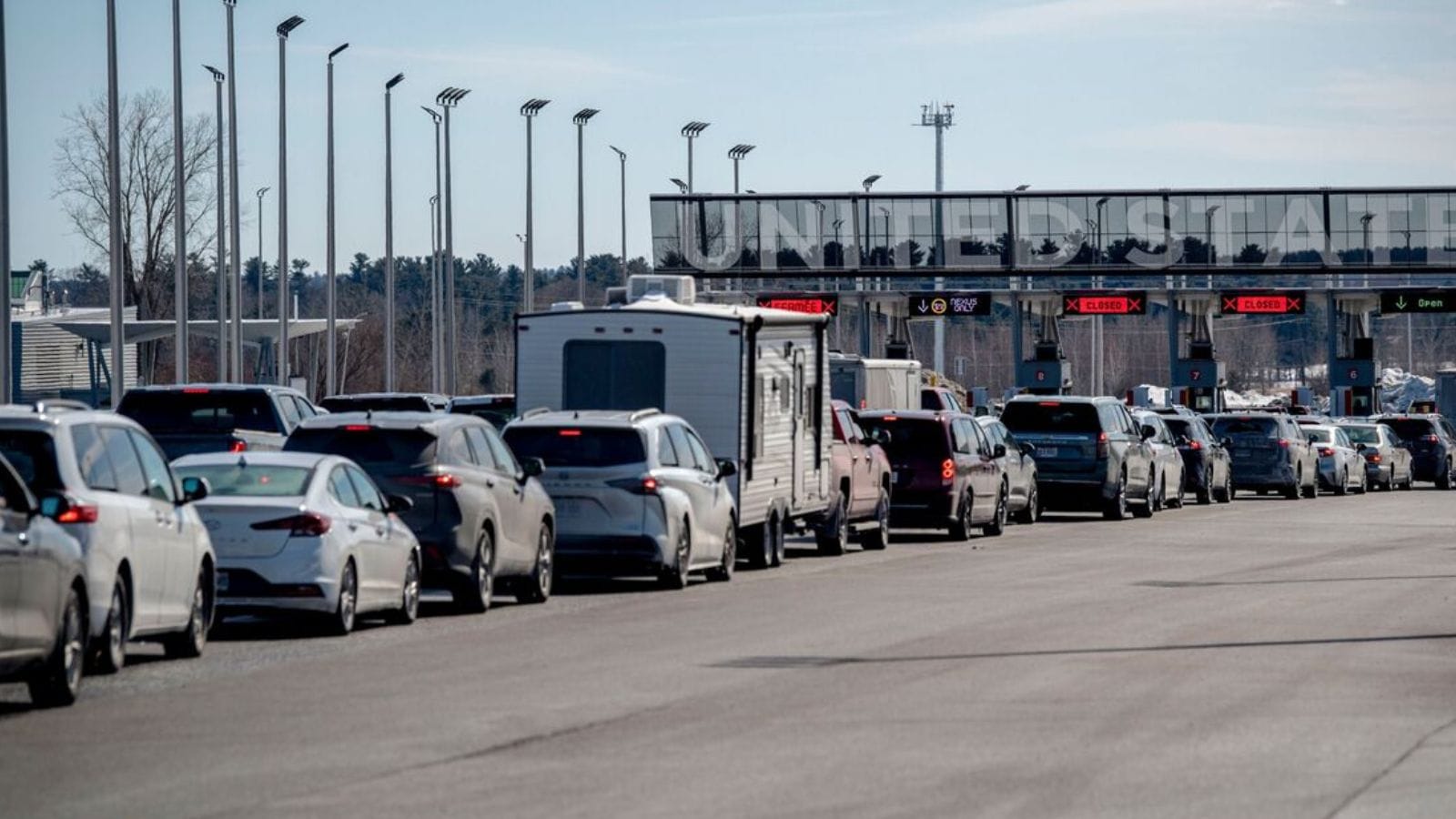
A loan that crosses a state, provincial, or national border deserves separate confirmation. Insurance territory, roadside assistance, registration rules, licence validity, and required documents may change. Border officers may ask a driver to show that the vehicle is owned by the person named on the registration or that the driver has the owner’s authorization. A signed permission letter can reduce confusion, but it does not replace insurance or customs requirements.
The owner should know the exact route and countries involved, then contact the insurer before departure. The letter should identify the vehicle, owner, borrower, travel dates, and contact information, and may need notarization depending on the destination or lender. Financed or leased vehicles can involve additional contractual conditions. A casual promise such as “take it wherever needed” is inadequate for an international trip. Extra planning also helps with toll systems, emergency coverage, winter equipment, and recovery costs if the vehicle breaks down far from home.
Put the Understanding in Writing and Inspect the Return

A brief written agreement can prevent later arguments without turning a favour into a formal rental business. Record who may drive, the approved dates and area, permitted purpose, fuel or charging expectations, smoking and pet rules, mileage limits, toll and ticket responsibility, deductible reimbursement, collision reporting, and the return time. The document cannot create insurance coverage that the policy excludes, but it can clarify the borrower’s promises to the owner.
At handover, photograph the exterior, interior, odometer, fuel or charge level, and visible warning lights. Repeat the process when the car returns, then check for new damage, unusual noises, missing equipment, toll notices, and personal data left in the infotainment system. Address problems promptly and calmly. A well-documented loan protects both sides: the borrower is not blamed for old damage, and the owner has a record of the vehicle’s condition. The best lending arrangement ends with the car, finances, and relationship intact.
22 Things Canadians Do to Their Cars in Spring That Mechanics Hate

Spring brings relief to many Canadian drivers after months of snow, freezing temperatures, and icy roads that put serious strain on vehicles. As temperatures rise across the country, drivers begin washing cars, switching tires, and preparing vehicles for warmer weather and upcoming road trips. However, mechanics across Canada notice the same mistakes every spring when drivers attempt to recover from winter damage. Road salt, potholes, and harsh winter driving conditions often leave vehicles with hidden problems that drivers ignore. Some spring habits even create new mechanical issues that could have been avoided with proper maintenance. Here are 22 things Canadians do to their cars in spring that mechanics hate.

Alanna Rosen is an experienced content writer that focuses on many EV and educational content. Her articles are regularly published on Get CyberTrucked and syndicated on large publications.