
A car can feel reassuring long before it proves how well it will protect occupants in a difficult moment. Quiet cabins, firm steering, bright screens, driver-assistance icons, and a smooth ride can all create confidence, yet safety depends on less glamorous details that may deteriorate, be overlooked, or work differently under stress.
These 18 things show how tires, brakes, lighting, visibility, electronic aids, vehicle loading, restraints, structure, suspension, recalls, and towing can quietly reduce the margin for error. Some problems develop gradually enough for a driver to adapt without noticing; others stay hidden until rain, darkness, an emergency stop, or a sudden evasive manoeuvre exposes them. The safest-feeling vehicle is not necessarily the safest one unless its basic systems, maintenance, and operating limits are taken seriously.
Tire Pressure Can Be Wrong Without Looking Wrong
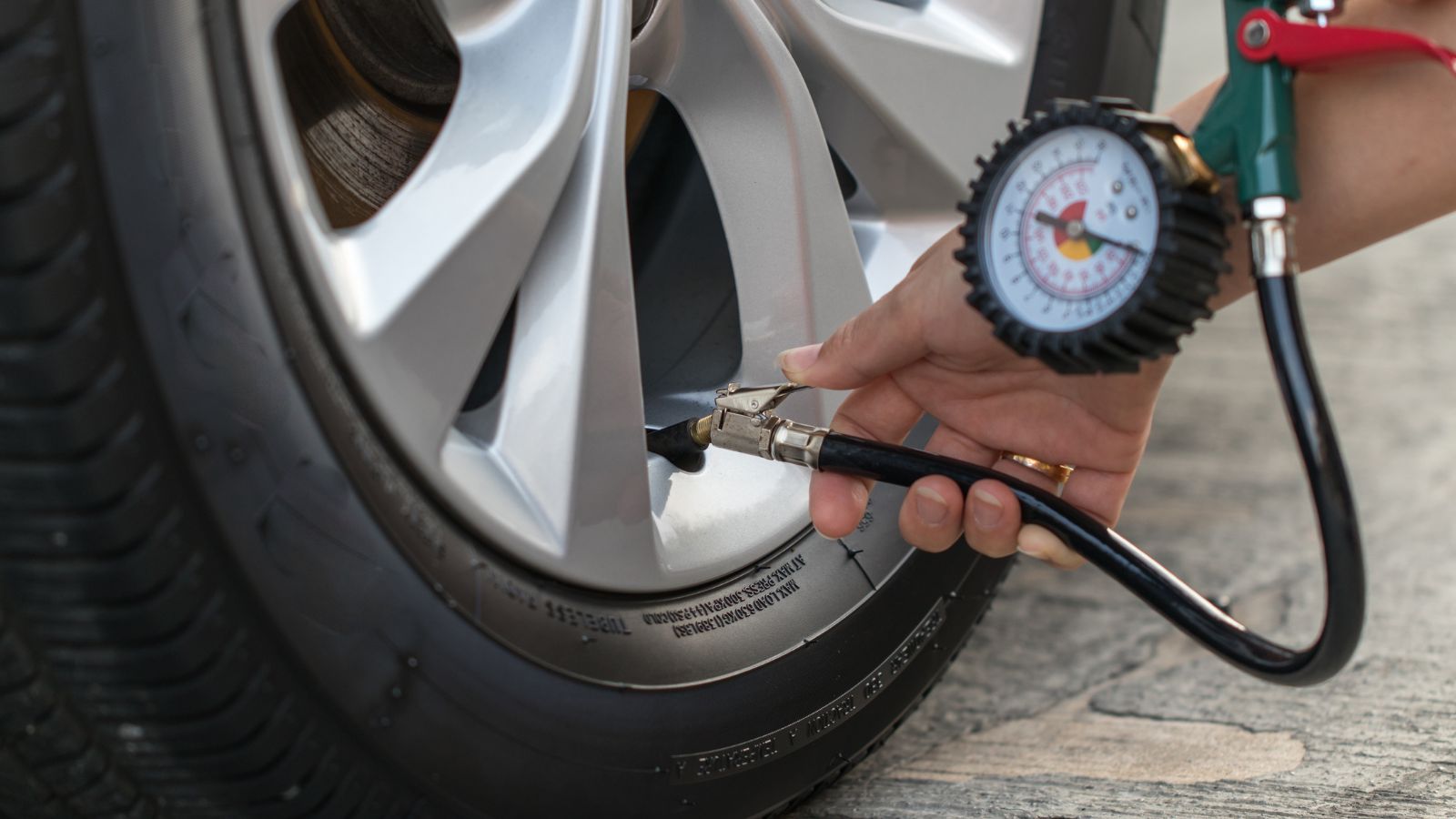
A tire can look normal while running below the pressure the vehicle was designed for. That matters because underinflation changes how the tire flexes, heats up, and carries load. NHTSA calls underinflation a leading cause of tire failure and recommends checking pressure when the tires are cold, using the value on the driver-door placard rather than the maximum number molded into the sidewall. A dashboard warning is useful, but it should not replace a manual check.
The risk often builds quietly. A family car can still steer straight, ride softly, and feel composed during an ordinary commute even while one tire is gradually losing air. The problem may only become obvious during a sudden lane change, a hot highway run, or an emergency stop. NHTSA has also linked low inflation with greater vulnerability to failure and loss of control, making a pressure gauge one of the cheapest safety tools available.
Old Tires Can Look Healthier Than They Are
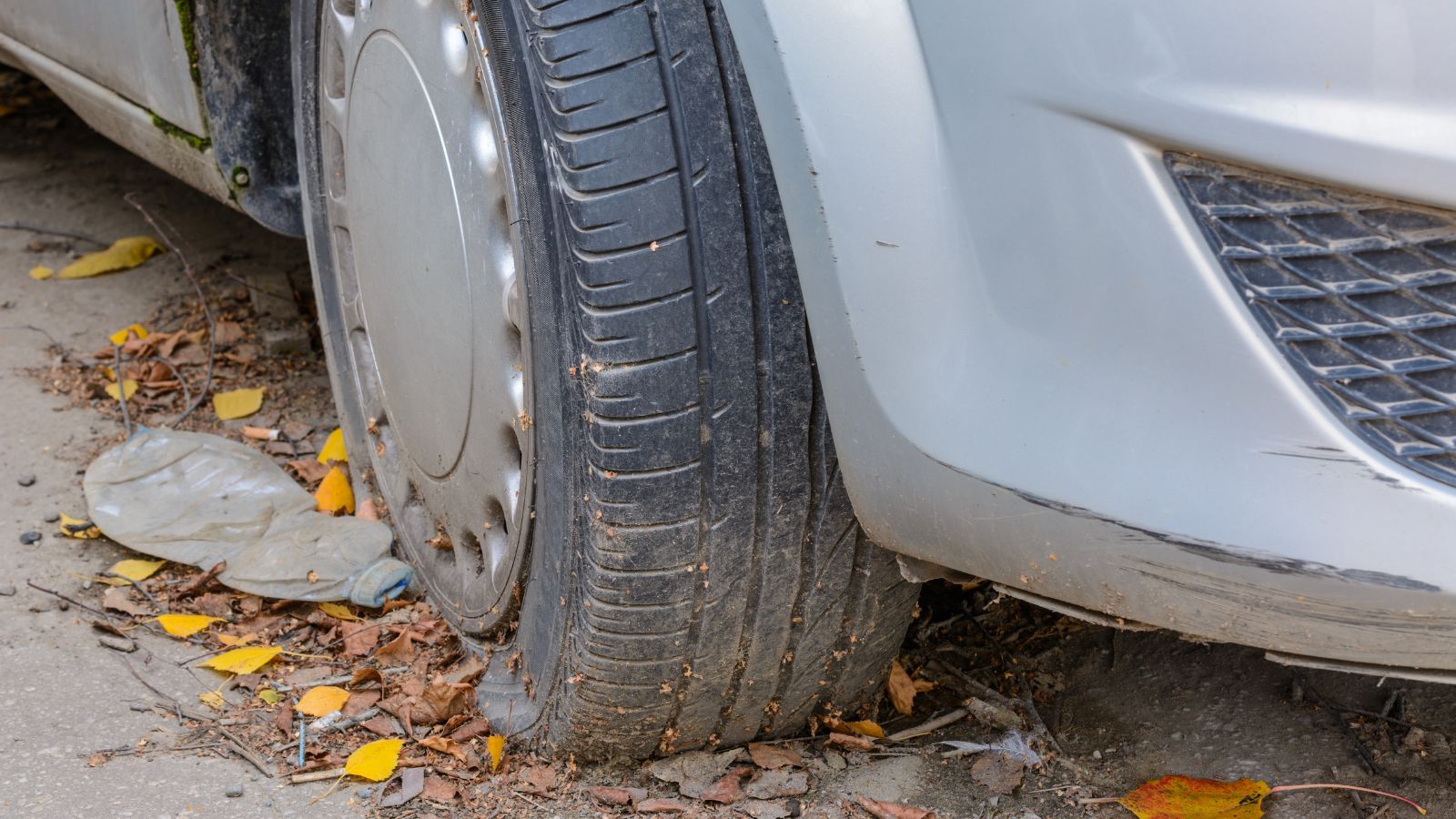
Deep tread can create a false sense that an older tire is still healthy. Rubber ages, and heat, ultraviolet light, ozone, storage conditions, and repeated flexing all contribute to deterioration over time. NHTSA advises motorists to consider tire age along with condition and notes that some vehicle and tire manufacturers recommend replacement after a specified number of years, even when tread remains. The production date can be read from the tire identification code on the sidewall.
This is especially relevant to lightly driven second cars, collector vehicles, trailers, and low-mileage used cars. A ten-year-old tire may appear cleaner than a three-year-old tire that has seen heavy commuting, yet appearance alone does not reveal internal aging. NHTSA research has shown that aging can reduce structural durability in some tire designs. A car may therefore feel planted around town while carrying tires that have become less tolerant of heat, speed, or impact.
Legal Tread Does Not Guarantee Strong Wet Grip

Passing a tread-depth check does not guarantee strong wet-road performance. Water has to escape through the grooves so the rubber can stay in contact with pavement, and that ability changes as tread wears. NHTSA says tires are unsafe at 2/32 of an inch and emphasizes that tread provides the gripping action that helps prevent sliding on wet or icy roads. The agency also grades replacement tires for wet traction, reflecting meaningful performance differences between products.
Testing illustrates why the last part of a tire’s life can be deceptive. In a recent AAA feature on controlled wet braking, two worn tire models that had performed similarly when new stopped differently from highway speed: one needed about 180 feet, while the other required roughly 250 feet. The steering wheel may feel calm in dry weather, but a sudden rainstorm can expose a large loss of safety margin that routine driving never revealed.
Brake Wear Can Become the New Normal
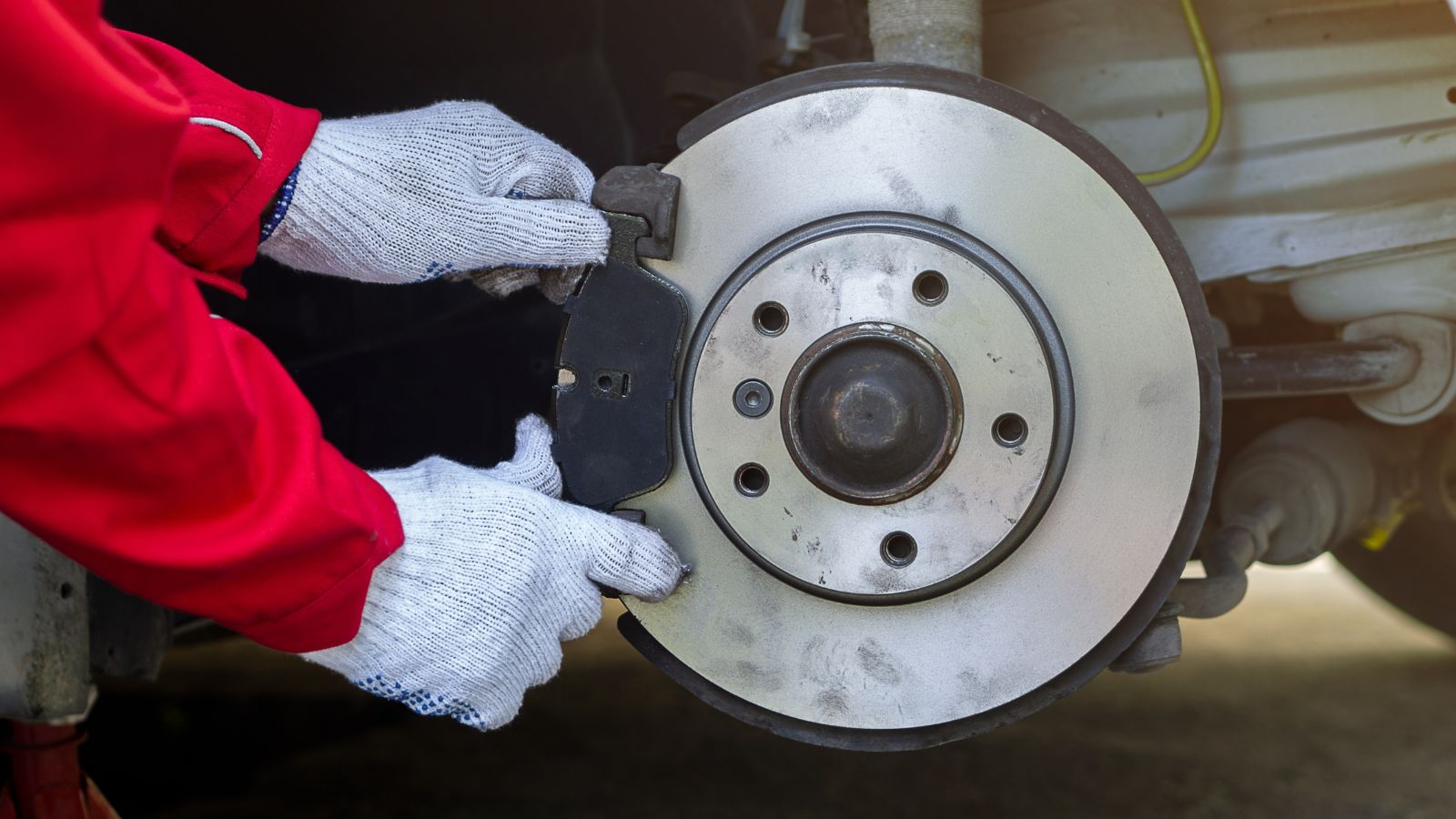
Brake wear rarely arrives as an instant failure. Pads become thinner, rotors can develop grooves or heat damage, fluid can leak, and braking performance can deteriorate gradually while a driver adapts. AAA notes that longer stopping time can result from worn pads, reduced friction, fluid leaks, or other mechanical problems. Squealing, grinding, vibration, pulling, or a changing pedal feel are warnings that deserve prompt inspection.
That gradual adaptation is what makes worn brakes so easy to underestimate. A commuter who drives the same route may begin pressing the pedal earlier and harder, leaving the impression that the car stops “normally.” The difference becomes critical when traffic stops unexpectedly or traction is limited by rain, snow, or ice. Good tires and aids cannot compensate for a braking system that is no longer producing its intended stopping force. A smooth pedal is reassuring only when the hardware behind it is truly healthy.
Headlight Design Can Limit Nighttime Safety

A headlamp does not automatically provide strong nighttime vision. IIHS began rating headlights after finding differences in how far they illuminate straight roads and curves, even among vehicles that met government requirements. Its research has connected better-rated headlights with fewer nighttime crashes. Vehicles with good-rated headlights had about 19 percent fewer nighttime single-vehicle crashes and roughly 23 percent fewer nighttime pedestrian crashes than vehicles with poor-rated headlights.
The gap can be hard to notice during a brightly lit test drive. Urban streetlights, dealership lighting, and familiar roads can make mediocre low beams seem adequate. On an unlit rural road, however, a few extra seconds of seeing distance can determine whether a driver has time to recognize a pedestrian, animal, stalled vehicle, or sudden sharp bend. Safety therefore depends not only on whether the headlights work, but on beam pattern, aim, glare control, and truly usable illumination at real driving speeds.
Cloudy Lenses Quietly Reduce Seeing Distance
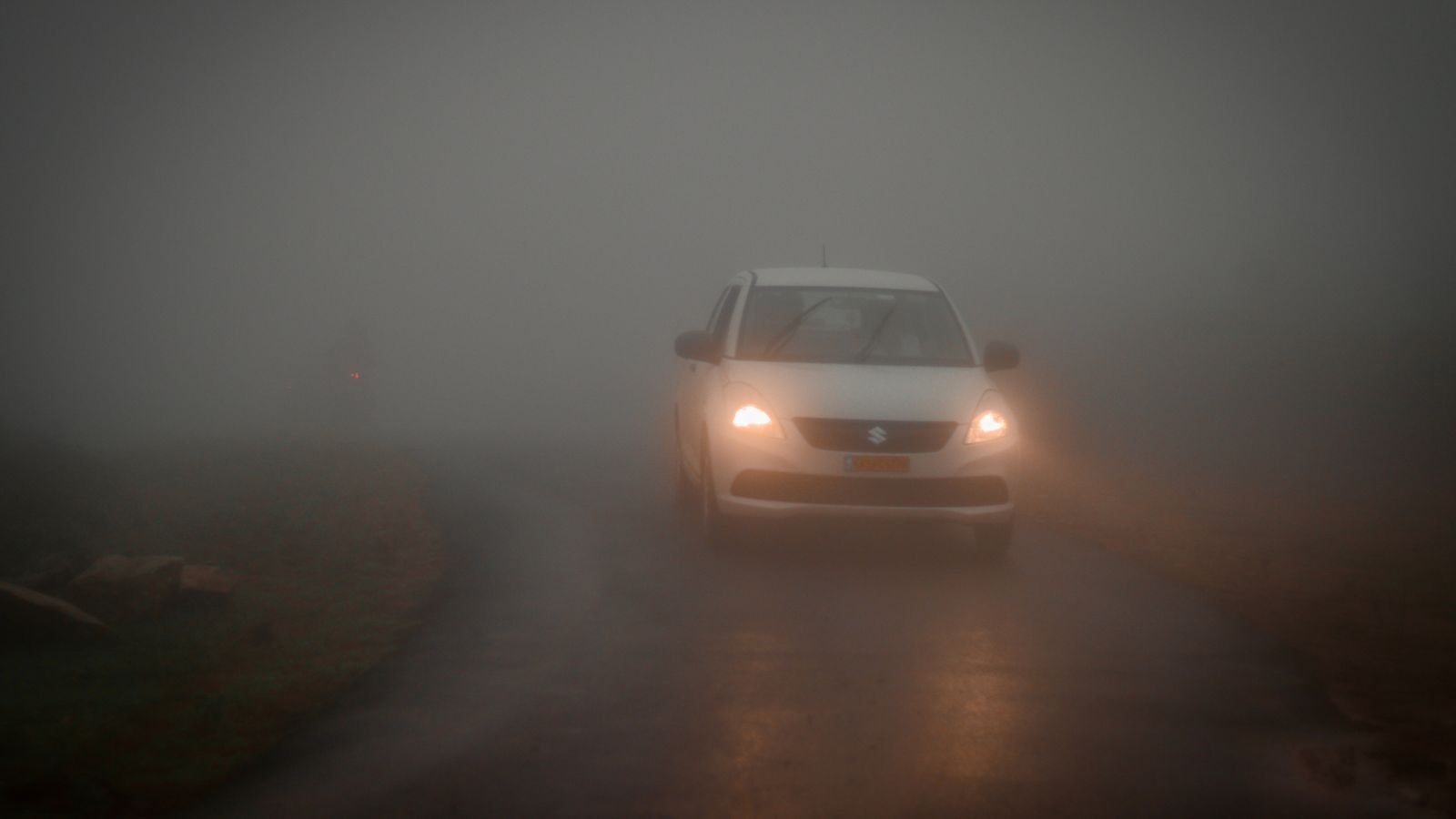
Headlights can become weaker without a bulb ever burning out. Many plastic lenses turn hazy or yellow as they age, reducing light reaching the road. AAA research on deteriorated headlamp lenses found that aging lenses reduce light output and nighttime visibility. The organization also found that restoration or replacement can recover performance, although the result depends on the method and assembly condition.
This is a classic “still works” problem. Both headlamps may still illuminate, the dashboard may show no warning, and the car may easily pass casual observation in a parking lot. Yet the driver can be seeing much less roadway than when the vehicle was new. The decline is gradual, so eyes and habits adjust to it. A polished cabin and advanced infotainment system can make an older car feel surprisingly contemporary, while cloudy lenses at the front quietly reduce the time available to react to hazards after dark.
Worn Wipers Can Defeat Visibility

Wiper blades are small but important safety parts. Heat, sunlight, dirt, ice, and age can harden or crack the rubber, producing streaks when clear vision matters. AAA advises replacing blades that streak, chatter, or appear brittle, and its testing has warned that poor windshield clearing can interfere with camera-based driver-assistance systems. A blade that seems acceptable during a light drizzle may perform differently in heavy rain or road spray.
The danger is easy to miss because wipers are judged while the car is parked or during mild weather. On a highway beside a truck throwing spray, a smeared windshield can erase lane markings, pedestrians, and brake lights in seconds. The driver may slow down, but reduced visibility shrinks the time available for decisions. Keeping the glass clean, maintaining washer fluid, and replacing worn blades are tasks, yet they protect both human vision and the forward-facing cameras newer vehicles depend on.
Windshield Work Can Knock ADAS Out of Calibration
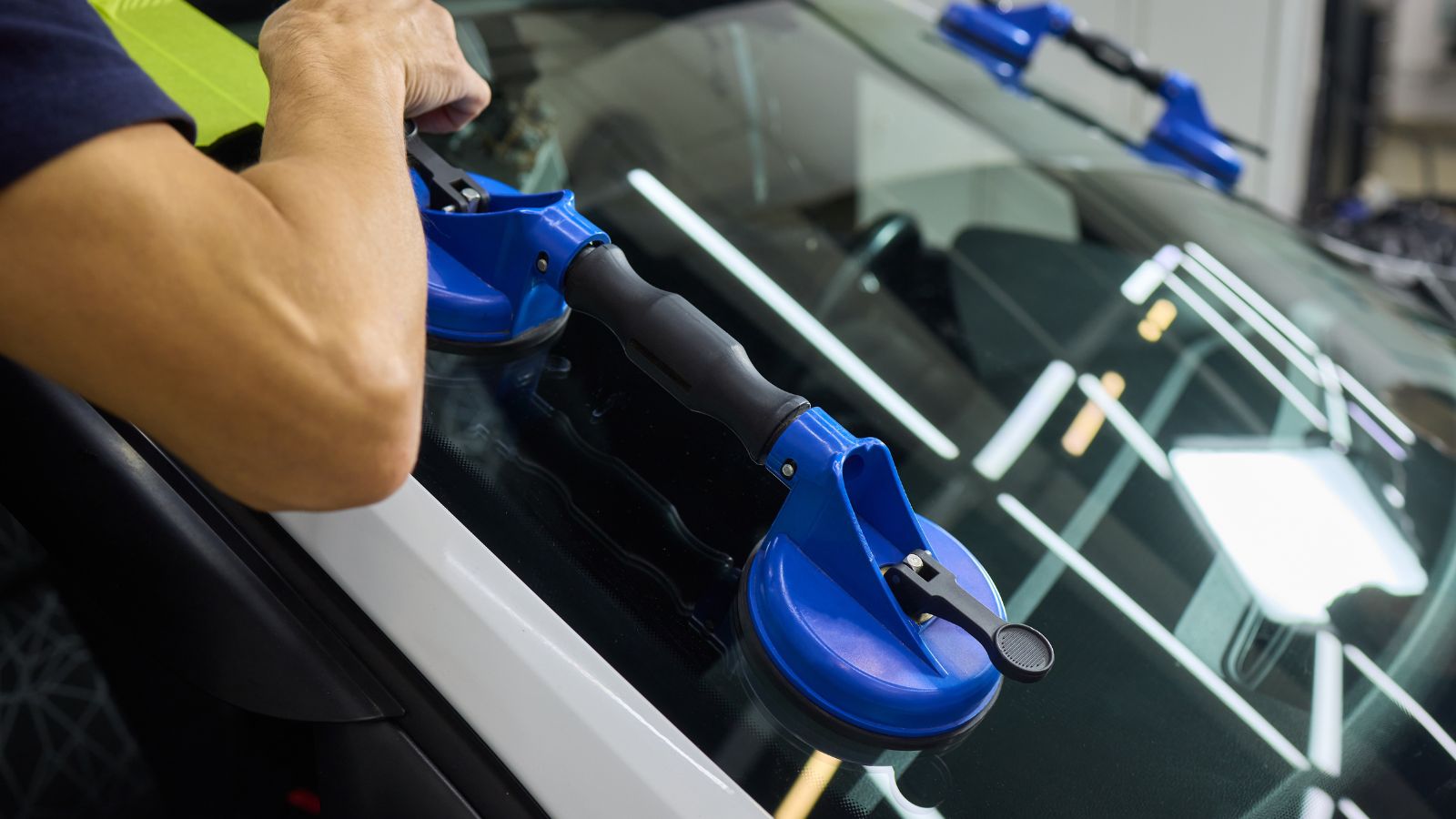
A windshield replacement can restore a clear view while creating a new problem behind the glass. Newer vehicles mount a forward-facing camera near the mirror for lane keeping, automatic emergency braking, adaptive lighting, or assistance systems. AAA says these cameras and related sensors may require recalibration after windshield replacement, collision repair, suspension work, wheel alignment, or other work that changes sensor position.
The car can drive straight and display a clear windshield after the job, which is why skipped calibration is easy to overlook. But even a small aiming error can point a sensor off target farther down the road. AAA warns that incorrect calibration can cause driver-assistance features to operate improperly or not at all. For owners, the important question after glass or body work is not merely whether the new glass panel fits and seals; it is whether every safety sensor was calibrated using the automaker’s specified procedure.
Partial Automation Can Encourage Overconfidence

Adaptive cruise control and lane centering can make a long highway trip feel effortless, but that comfort can create misplaced confidence. NHTSA classifies Level 2 systems as driver assistance, meaning the driver remains responsible for monitoring and ready to steer, brake, or accelerate. IIHS has found no crash-reduction advantage from partial automation beyond underlying crash-avoidance features, and it warns that drivers can become less engaged with familiarity.
Naturalistic IIHS research has documented that some drivers look away more often or remove their hands from the wheel after becoming accustomed to partial automation. That does not make the technology inherently unsafe; it makes close human supervision essential. The dangerous moment is when smooth operation for hundreds of kilometres teaches someone that intervention is rarely actually needed. A system that feels competent in routine traffic can still encounter construction, faded lane markings, unusual objects, or other situations outside its intended operating limits.
AEB and Sensors Have Environmental Limits

Automatic emergency braking and pedestrian detection are safety technologies, but they do not perform equally in every environment. IIHS research has found that pedestrian AEB systems can respond later and reduce speed less at night than during the day, with low beams. AAA testing has shown that heavy rain can challenge camera-based driver-assistance systems. These findings matter because darkness, glare, spray, and poor contrast are conditions in which drivers may need the most help.
A dashboard full of safety icons can create an impression of protection that sensors cannot always deliver. Cameras need a usable image, radar has limits, and system logic is designed around specific scenarios. A pedestrian in dark clothing on an unlit road or a vehicle emerging through heavy spray may be harder to identify than a test-track target. Electronic intervention should be treated as a backup layer, not permission to shorten following distance or reduce attention.
An ESC Fault Removes an Important Safety Layer
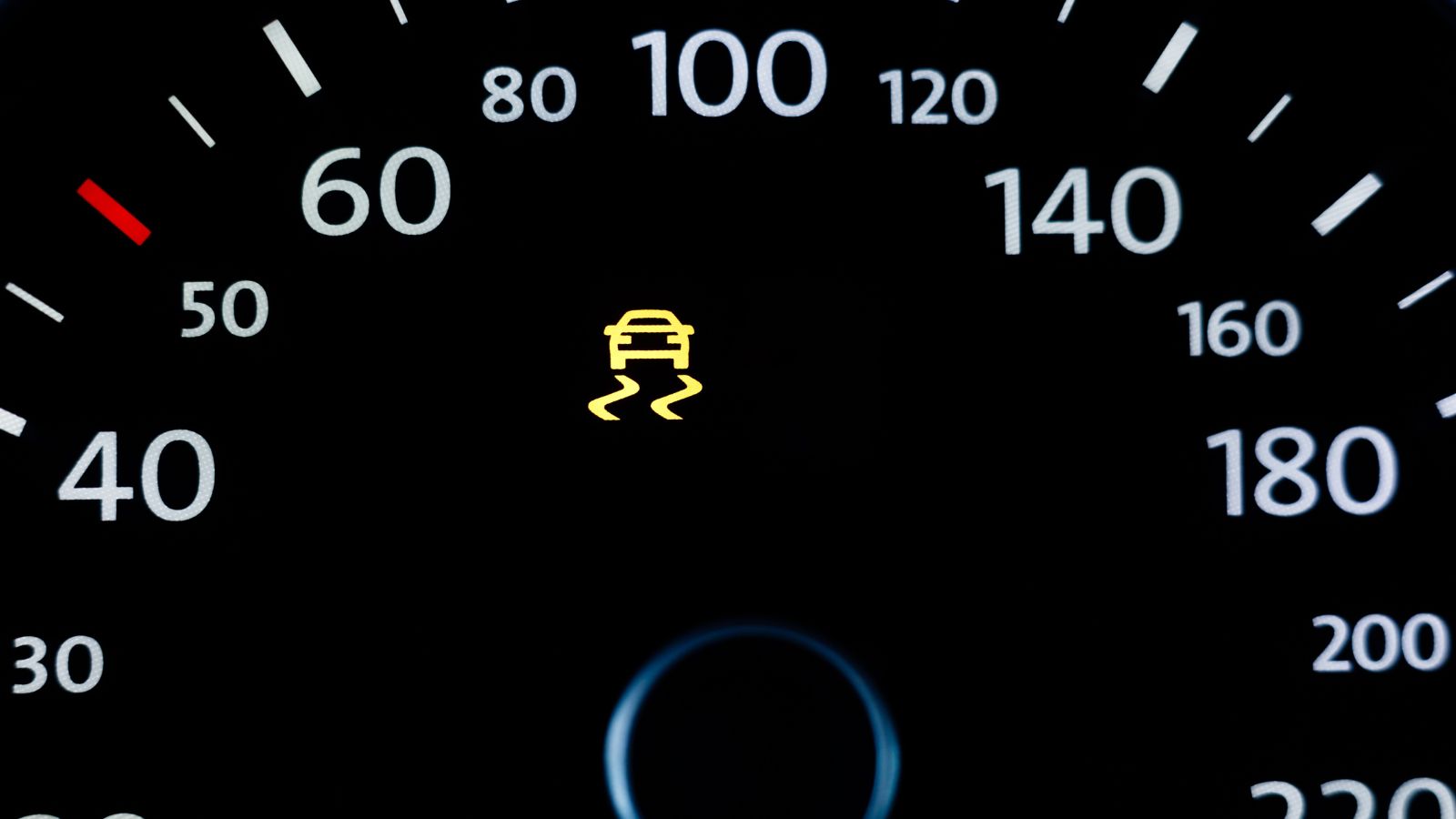
Electronic stability control works in the background, so many drivers rarely feel it intervene. Using steering and wheel-speed sensors, the system can brake individual wheels to help a vehicle follow the intended path during a skid. NHTSA research estimated that ESC could reduce single-vehicle crashes by 34 percent in passenger cars and 59 percent in SUVs, with large benefits in rollover-related loss-of-control events.
Because the system is normally invisible, an ESC warning light can be easy to dismiss when the vehicle still accelerates and steers normally. That is a mistake. A fault may mean one of the important crash-avoidance systems is unavailable when traction suddenly disappears. The same applies when a driver manually disables stability control and forgets to turn it back on. Pavement and gentle driving can hide the difference for weeks; an icy ramp, evasive swerve, or wet curve may reveal it in a fraction of a second.
Extra Weight Can Exceed the Vehicle’s Real Limits

A roomy vehicle can invite people to load until every seat, cargo well, and roof box is full, but space is not the same as payload. Gross Vehicle Weight Rating, or GVWR, sets the maximum loaded weight of the vehicle, including occupants and cargo. Manufacturer guidance warns that exceeding GVWR or axle ratings can create dangerous driving conditions, while government guidance notes that added load can change braking, cornering, and acceleration.
The issue appears on vacations, moves, camping trips, or home-improvement runs. Four adults, luggage, a full fuel tank, bicycles, and a roof carrier can add weight quickly. The suspension may not bottom out, and the engine may still feel strong, so the vehicle seems comfortable. Yet tires, brakes, springs, and axles are carrying extra demand. Checking the door-jamb payload information and weighing a heavily loaded vehicle can reveal a real safety limit that cabin space alone never makes obvious.
Loose Cargo Can Become a Projectile
Loose cargo can turn a cabin into a hazard during hard braking or a crash. NHTSA says crashes involving objects in the road kill hundreds of people each year and advises drivers to secure loads with straps, netting, or restraints. Government guidance warns that unsecured items can affect vehicle handling and braking, while objects inside the cabin can move violently when the vehicle changes speed.
The everyday examples are ordinary: a toolbox behind an SUV seat, a suitcase on a folded seatback, a pet crate not tied down, or furniture carried with the hatch open. During driving, none of these items move enough to feel dangerous. Under emergency deceleration, they keep traveling until something stops them. The safest approach is to place items low and forward, use tie-down points, and keep the passenger compartment free of objects that could become projectiles when the vehicle stops faster than the cargo does.
A Reclined Seat Can Weaken Restraint Protection
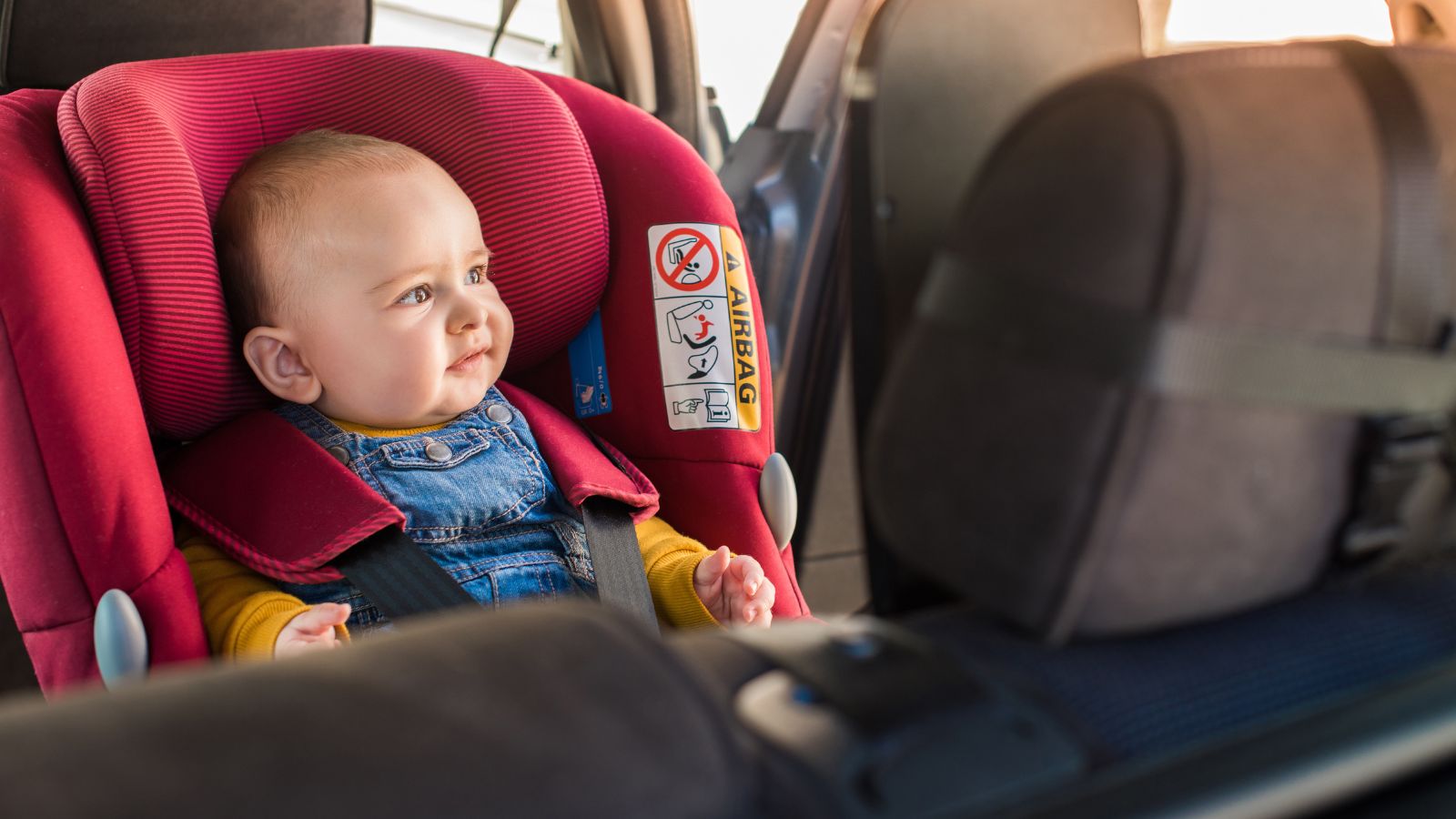
Seat belts and airbags are engineered around occupant positions, which is why reclining can change crash protection. NHTSA recommends an upright seating position and advises against reclining more than necessary because a larger gap between the shoulder and the belt can reduce restraint fit. The agency stresses that airbags are designed to work with seat belts, not replace them. A belt is effective when it lies across the bones of the pelvis and upper body.
The risk can be overlooked on trips when a passenger tilts the seat back to sleep. The cabin feels calm, the belt stays buckled, and safety systems remain active. But the occupant is no longer sitting in the posture the restraint system was designed around. Keeping the seat upright, the lap belt low across the hips, and the shoulder belt across the chest gives the restraint system a chance to manage crash forces as intended.
Structural Rust Can Hide Under a Clean Body
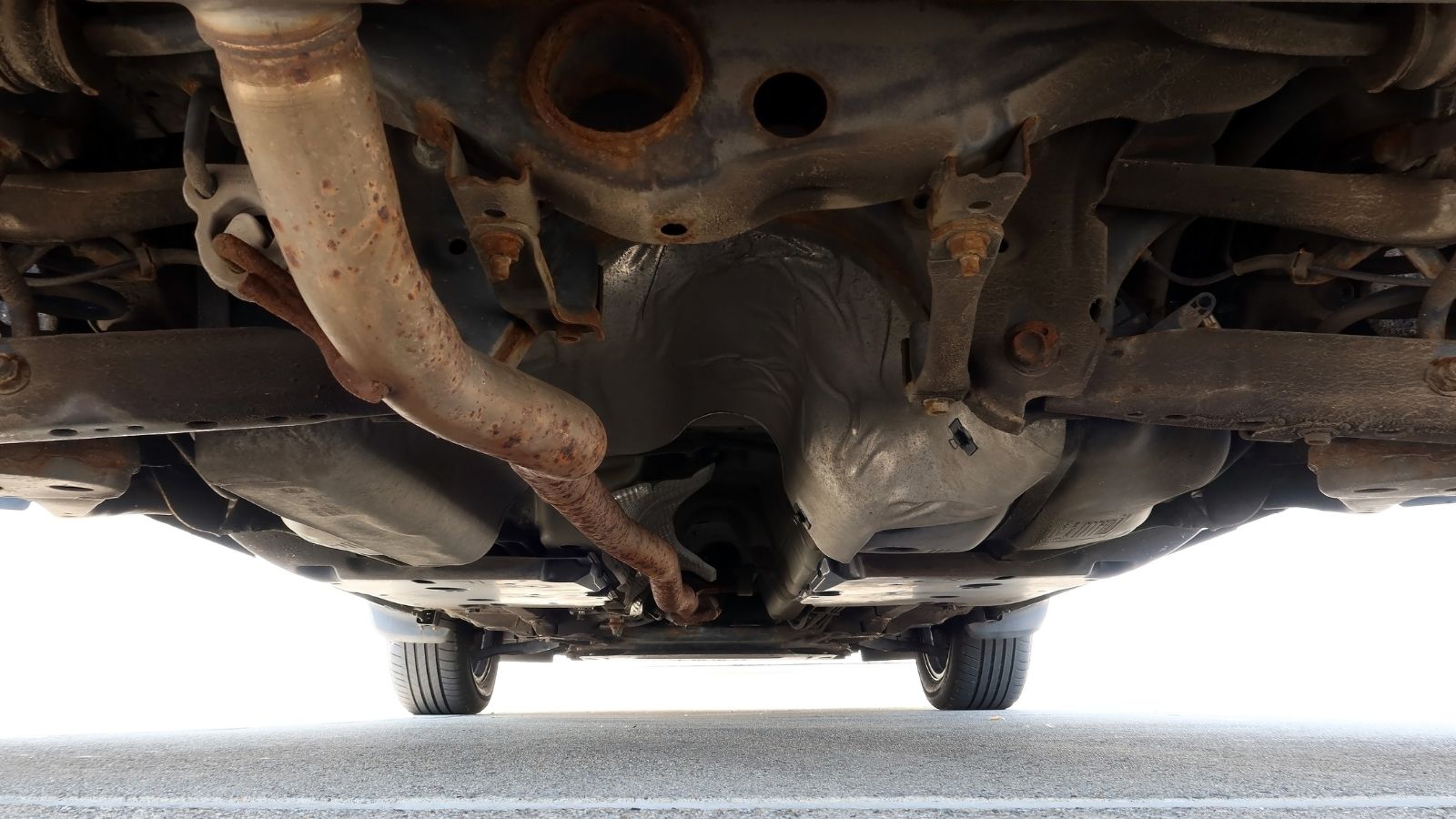
Rust is not a safety crisis; location and depth matter more than appearance. Surface corrosion on a cosmetic panel may be an ownership nuisance, while corrosion near suspension mounts, steering components, seat-belt anchors, subframes, or other load-bearing areas can weaken structure. The United Kingdom’s MOT inspection guidance states that even a small amount of corrosion can make a vehicle unsafe if it significantly reduces the load-bearing capacity of an important structural section.
That distinction is why a shiny older car can be more concerning underneath than a scruffy one with visible body blemishes. Paint, undercoating, plastic trim, and rocker-panel covers can hide deterioration where road salt and moisture collect. A vehicle may still feel tight on a smooth road while metal around a mounting point has become weakened. On older vehicles, especially those from winter climates, an underbody inspection on a lift can reveal corrosion that a driveway walkaround cannot.
Suspension Wear Can Reduce Emergency Control
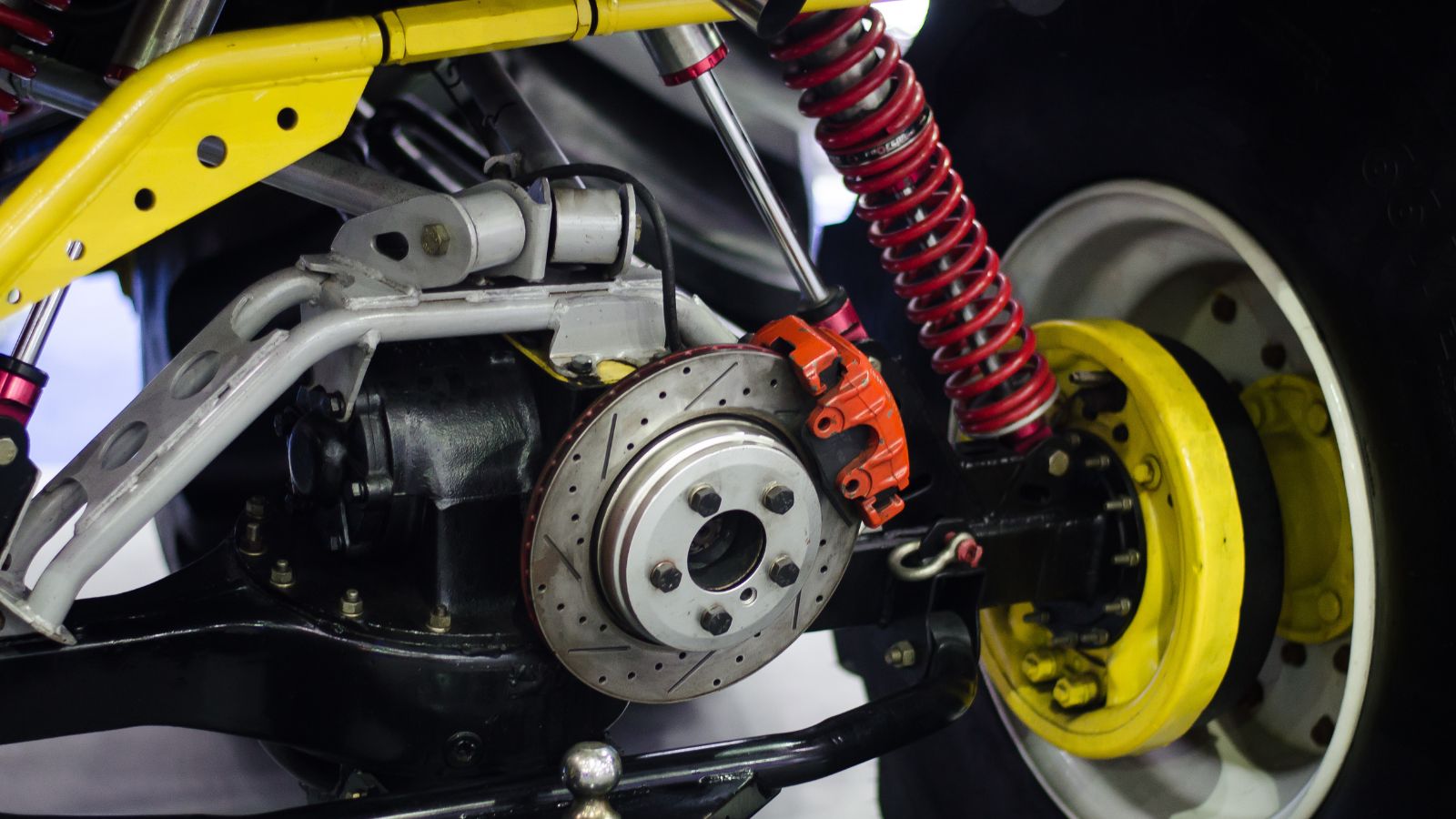
Suspension problems are associated with ride comfort, but they can affect directional control and how tires stay connected to the road. MOT inspection standards treat fractured, insecure, corroded, or worn suspension components as major or dangerous defects, if stability can be impaired. Bushings, ball joints, struts, control arms, subframes, and their mounting points contribute to keeping wheel movement predictable under braking and cornering.
The deceptive part is that deterioration can develop gradually. A driver may get used to extra body motion, vague steering, uneven tire wear, or a clunk over bumps and regard it as the personality of an aging car. During a sudden avoidance manoeuvre, however, looseness or reduced damping can become more important. A vehicle that tracks acceptably at 50 km/h on a straight road may be far less composed when loaded, braking hard, or changing direction quickly. Regular inspection matters before the suspension actually feels completely broken.
Open Recalls Can Hide Behind a Normal Test Drive
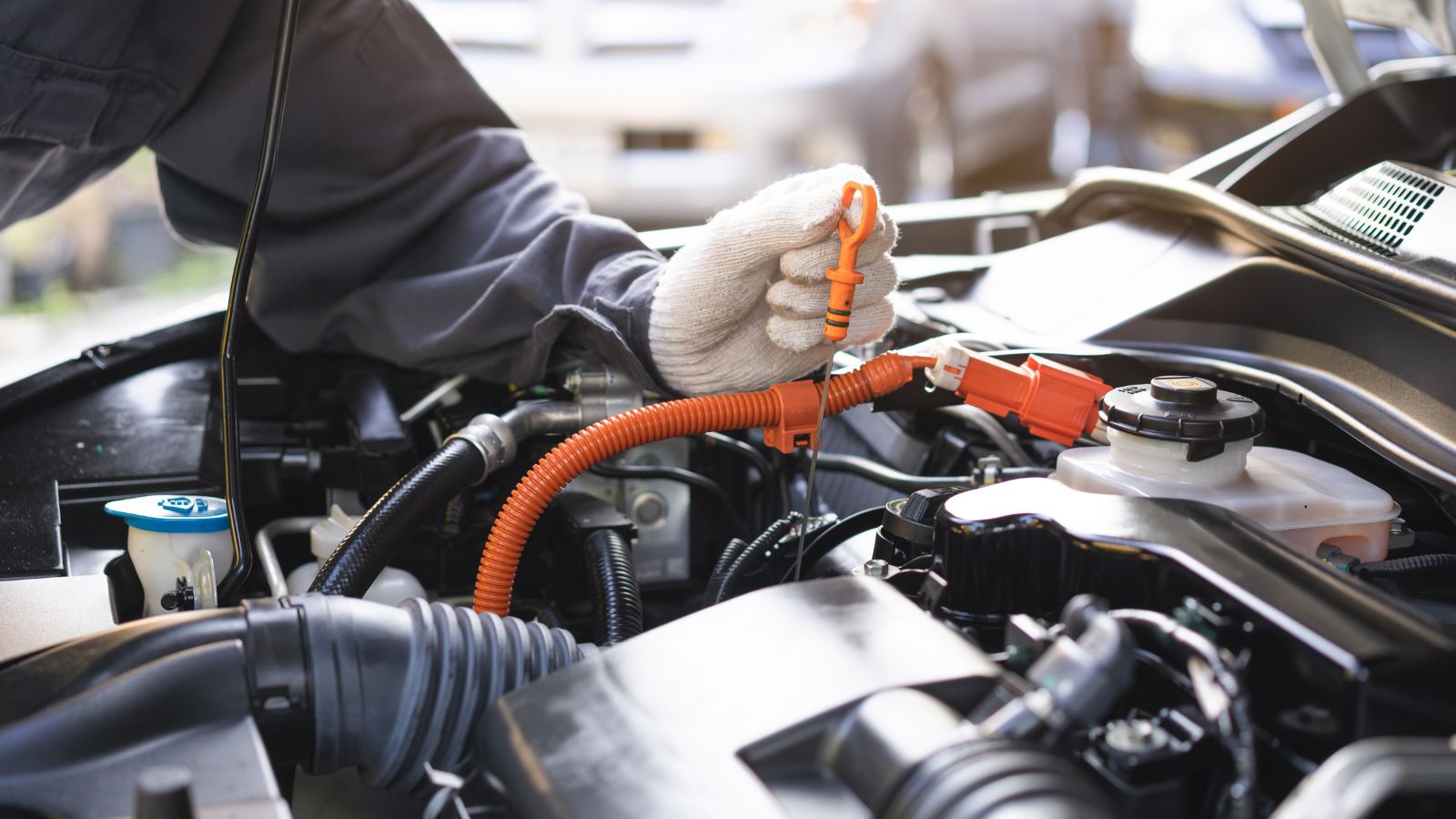
A car can look ordinary, run quietly, and still have an unresolved defect serious enough to trigger a safety recall. Recalls are issued when manufacturers or regulators identify a safety risk or a failure to meet safety standards. NHTSA reported 997 vehicle and equipment safety recalls in 2025 affecting more than 29 million U.S. vehicles, while Transport Canada maintains its recall database and advises used-car shoppers to check for outstanding campaigns before buying.
This matters with second-hand vehicles, where ownership records may not follow the car cleanly. A previous owner may have ignored letters, moved, or sold the vehicle before parts became available. The next buyer can inherit the risk without any warning light on the dashboard. A VIN check takes minutes and can uncover issues involving airbags, fuel systems, steering, fire risk, software, or other safety-critical components. Cosmetic condition and service history should never substitute for a recall search.
A Trailer Can Transform Vehicle Stability
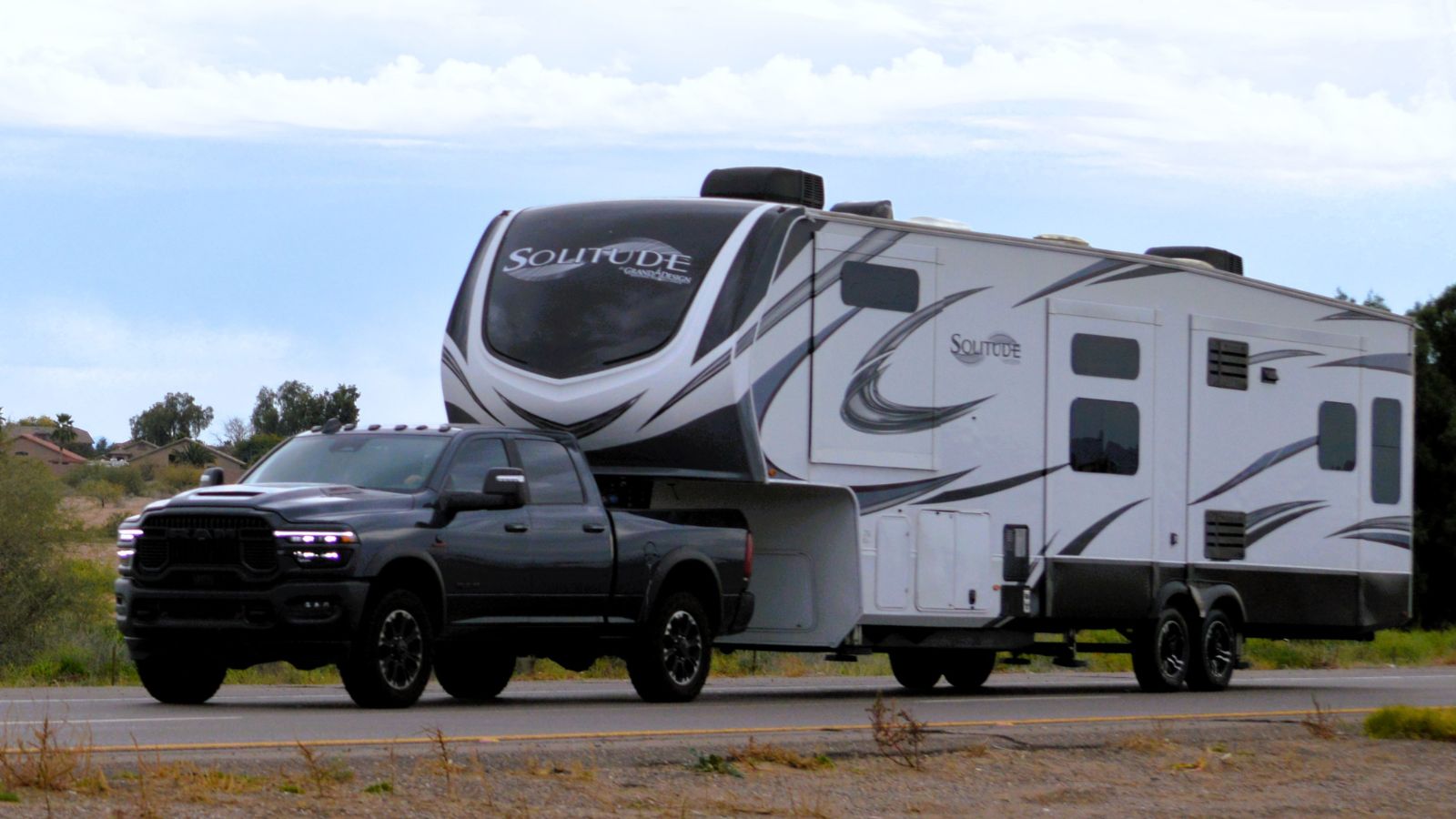
A vehicle that feels stable by itself can behave differently once a trailer is attached. Towing adds mass, changes weight distribution, increases stopping demands, and introduces sway potential. AAA advises owners to respect vehicle and towing limits, while manufacturer guidance places conventional trailer tongue weight around 10 to 15 percent of trailer weight. Too little tongue weight can promote sway; too much can overload the tow vehicle and reduce steering authority.
The deceptive part is that a poorly loaded trailer may feel fine at low speeds. Instability often appears later, after speed rises or a crosswind, passing truck, steering correction, or downhill section disturbs the combination. Sway-control systems can help, but they do not erase bad loading or excessive speed. Safe towing starts with rated capacity, hitch equipment, trailer brakes and lights, secure cargo, measured tongue weight, and a conservative driving style that leaves more room for braking and manoeuvring.
16 Costco Canada Habits That Could Be Costing Shoppers More Than They Save
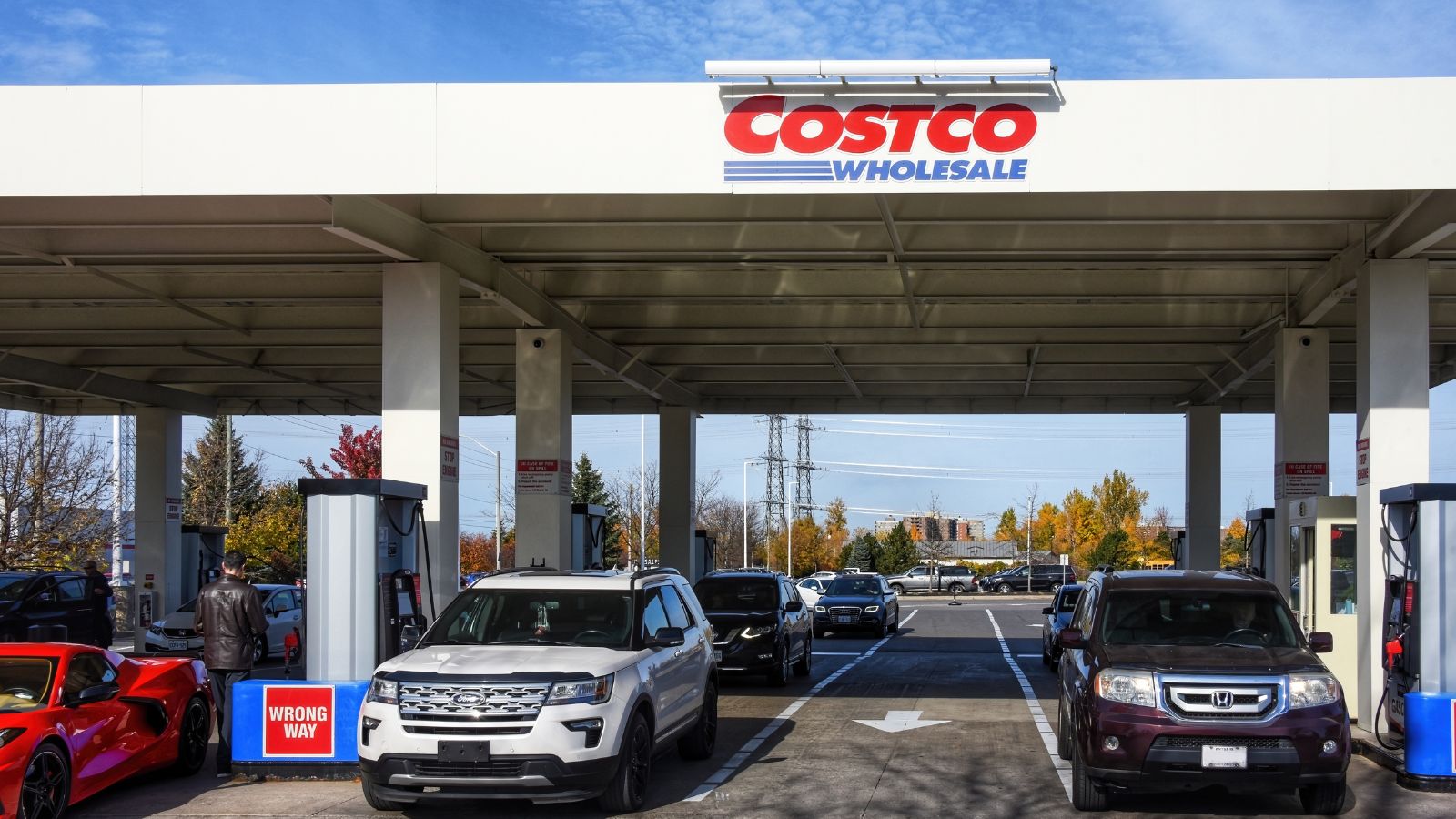
The Executive Membership can feel like an obvious upgrade because the 2% annual reward sounds straightforward. For households that spend heavily at Costco Canada, the extra fee may be easy to justify. But the habit becomes costly when shoppers upgrade first and calculate later. A Gold Star Membership costs less, while Executive costs more and only pays off if eligible annual spending is high enough to offset the difference.
16 Costco Canada Habits That Could Be Costing Shoppers More Than They Save

Alanna Rosen is an experienced content writer that focuses on many EV and educational content. Her articles are regularly published on Get CyberTrucked and syndicated on large publications.