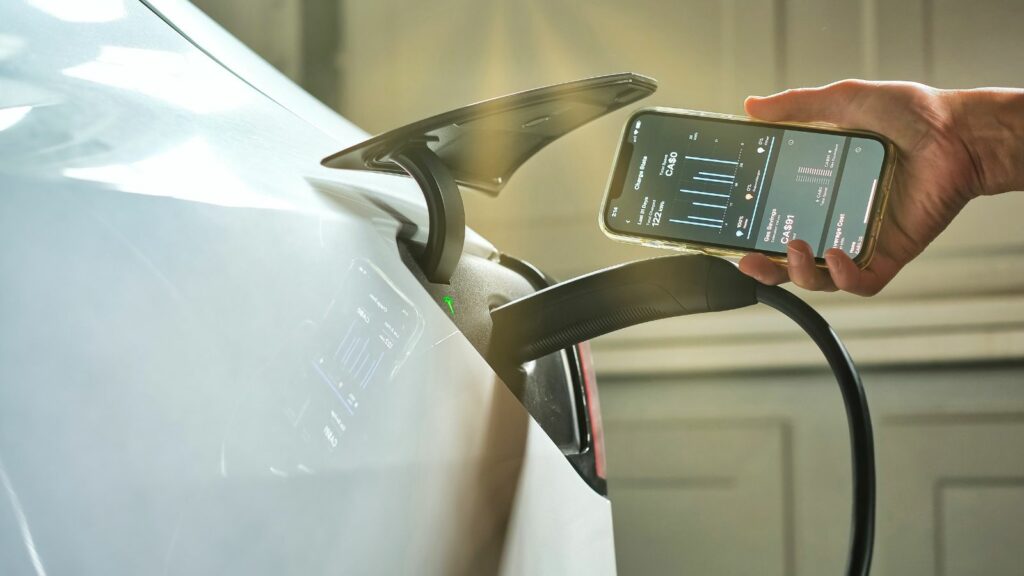
A used electric vehicle can look almost flawless while its most expensive component carries a history that is much harder to see. Battery condition is influenced by far more than kilometres on the odometer. Age, temperature, charging patterns, previous repairs, software, water exposure and even how the vehicle was stored can all affect what remains inside the pack.
That does not mean older EV batteries should automatically be avoided. Modern battery-management systems are designed to protect cells from many extremes, and large numbers of EVs retain useful capacity for years. The challenge is identifying the exceptions. These 18 factors can make a used EV battery more uncertain, more expensive to own or, in a smaller number of cases, more of a safety concern than its appearance suggests.
Low Mileage Can Hide an Old Battery
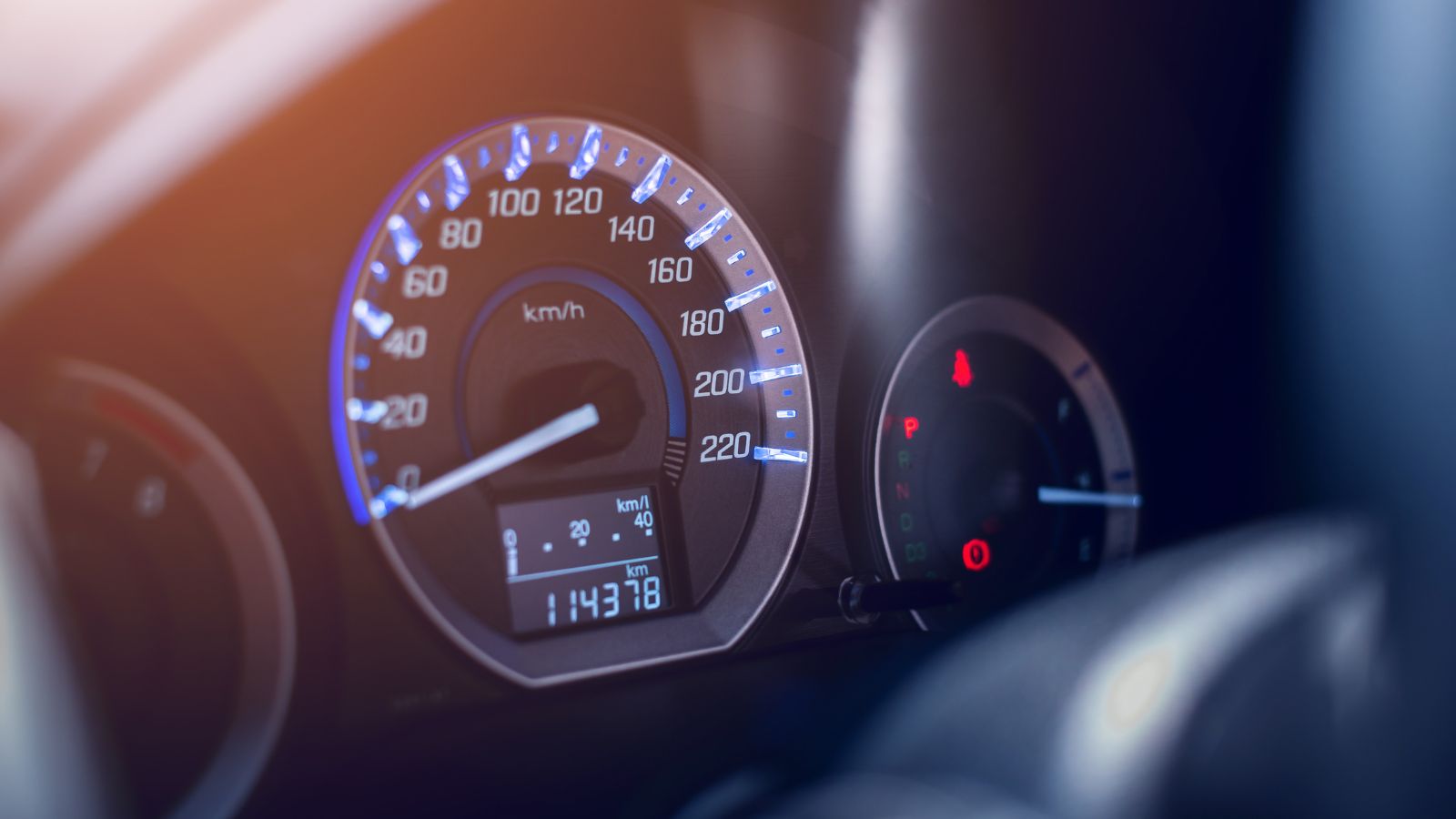
Low kilometres can make a used EV seem unusually attractive, but batteries age even when the vehicle barely moves. Lithium-ion cells experience what researchers call calendar ageing: gradual chemical changes that occur simply because the battery exists at a particular temperature and state of charge. A seven-year-old EV that travelled only occasionally has therefore not preserved its battery in suspended animation. Its history between trips matters considerably.
That becomes especially important when a low-mileage vehicle spent long periods parked at a very high charge level or in a hot environment. Elevated temperature and high state of charge can accelerate some of the reactions responsible for capacity loss. Conversely, a well-managed older battery may remain surprisingly healthy. The lesson for buyers is that an odometer alone cannot describe battery condition. Build date, climate history, storage habits and an actual battery-health assessment can reveal far more than an unusually small number on the instrument cluster.
Spending Too Much Time at 100% Charge
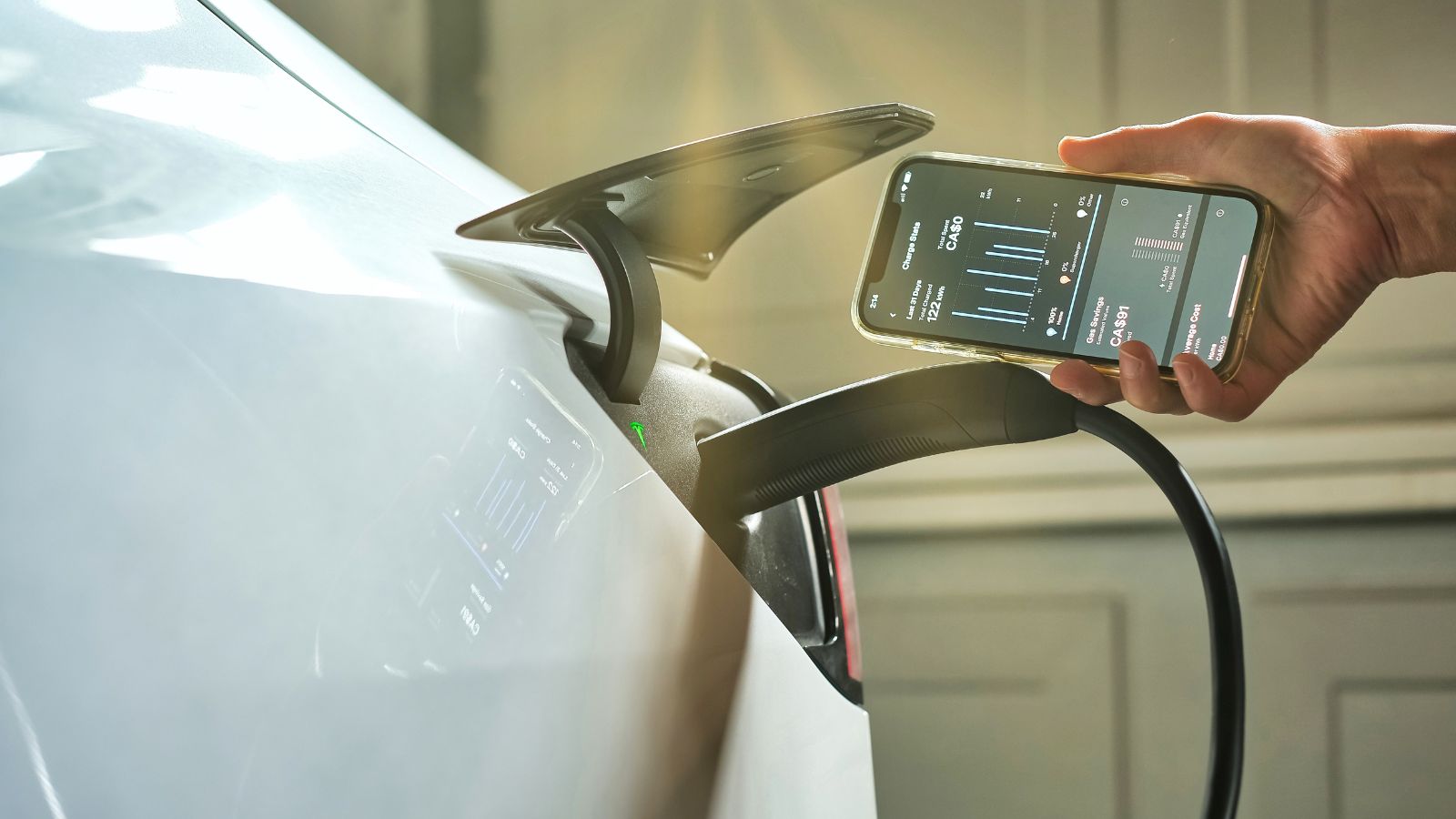
Seeing a used EV advertised with a fully charged battery can feel reassuring, but its long-term charging routine matters more than its charge level on sale day. Lithium-ion batteries generally experience greater calendar-ageing stress when they remain at very high states of charge, particularly when elevated charge is combined with heat. Battery-management systems provide protection, although they cannot eliminate the underlying chemistry.
This does not mean occasionally charging to 100% for a long trip is harmful enough to condemn a vehicle. The bigger concern is a car that routinely sat fully charged for days because its owner plugged it in every night regardless of need. Some manufacturers specifically provide daily charging recommendations or selectable charge limits for this reason. A commuter who used 20% of the battery each day but repeatedly returned it to maximum charge may have created a different ageing pattern from an owner who generally kept the pack closer to the middle of its usable range.
Repeatedly Running the Battery Extremely Low
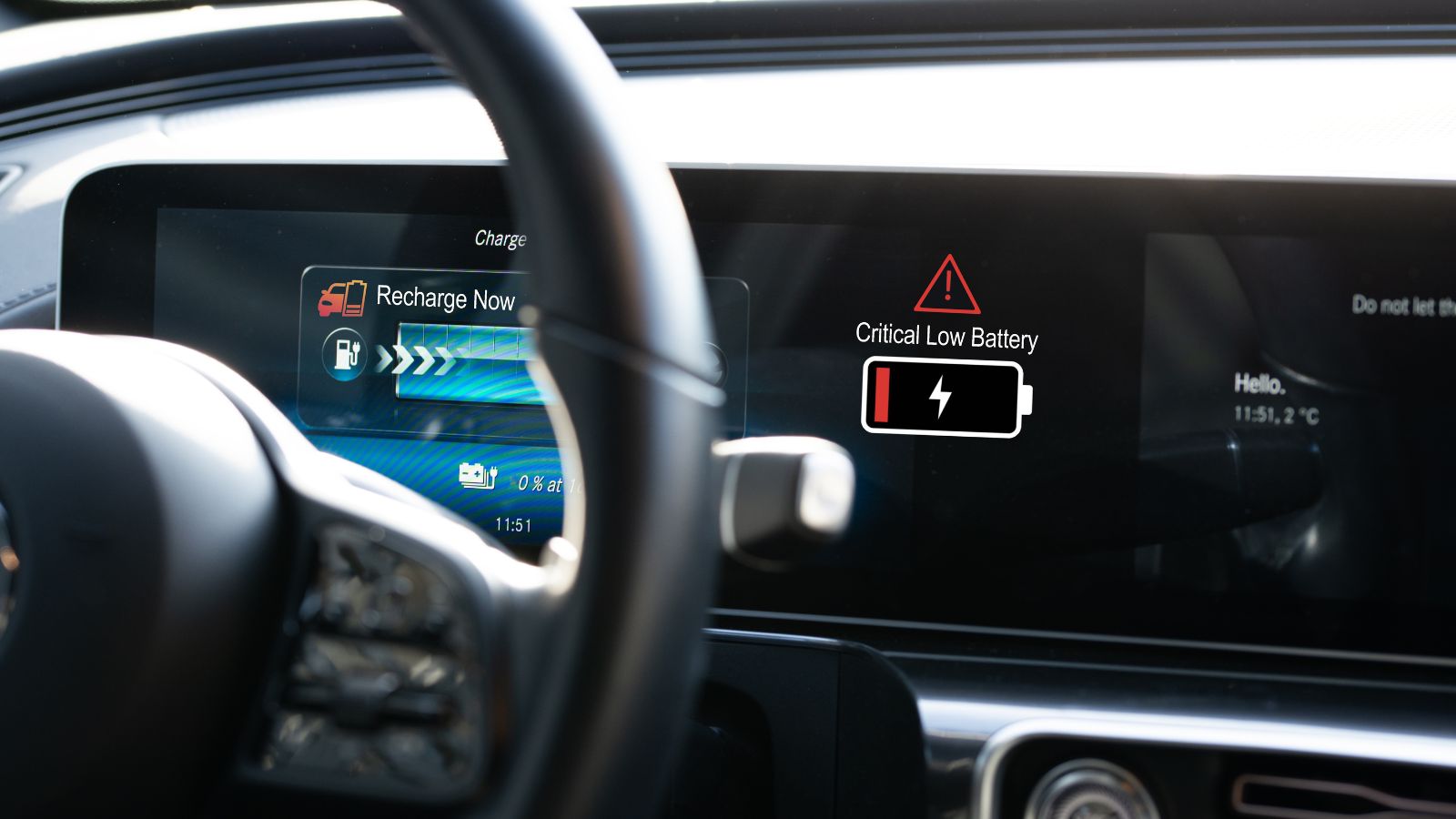
The opposite extreme can also matter. Modern EVs normally reserve some capacity beyond the displayed zero-percent point, helping prevent the cells from reaching truly damaging voltage levels. Even so, regularly driving a pack to a very low displayed state of charge can place greater stress on the battery than operating it through a more moderate range. The consequences depend heavily on battery chemistry, temperature and vehicle design.
Storage creates a more serious version of the same problem. An EV left with an almost depleted battery can continue consuming small amounts of energy through electronics and battery-management functions. If the vehicle remains unattended long enough, the pack may become excessively discharged. Manufacturers commonly provide storage instructions partly to prevent this scenario. For a used vehicle that sat for months at an auction yard, repair facility or private property, knowing whether it was stored with an appropriate charge level can be more useful than simply seeing that it charges normally today.
Heavy Dependence on DC Fast Charging
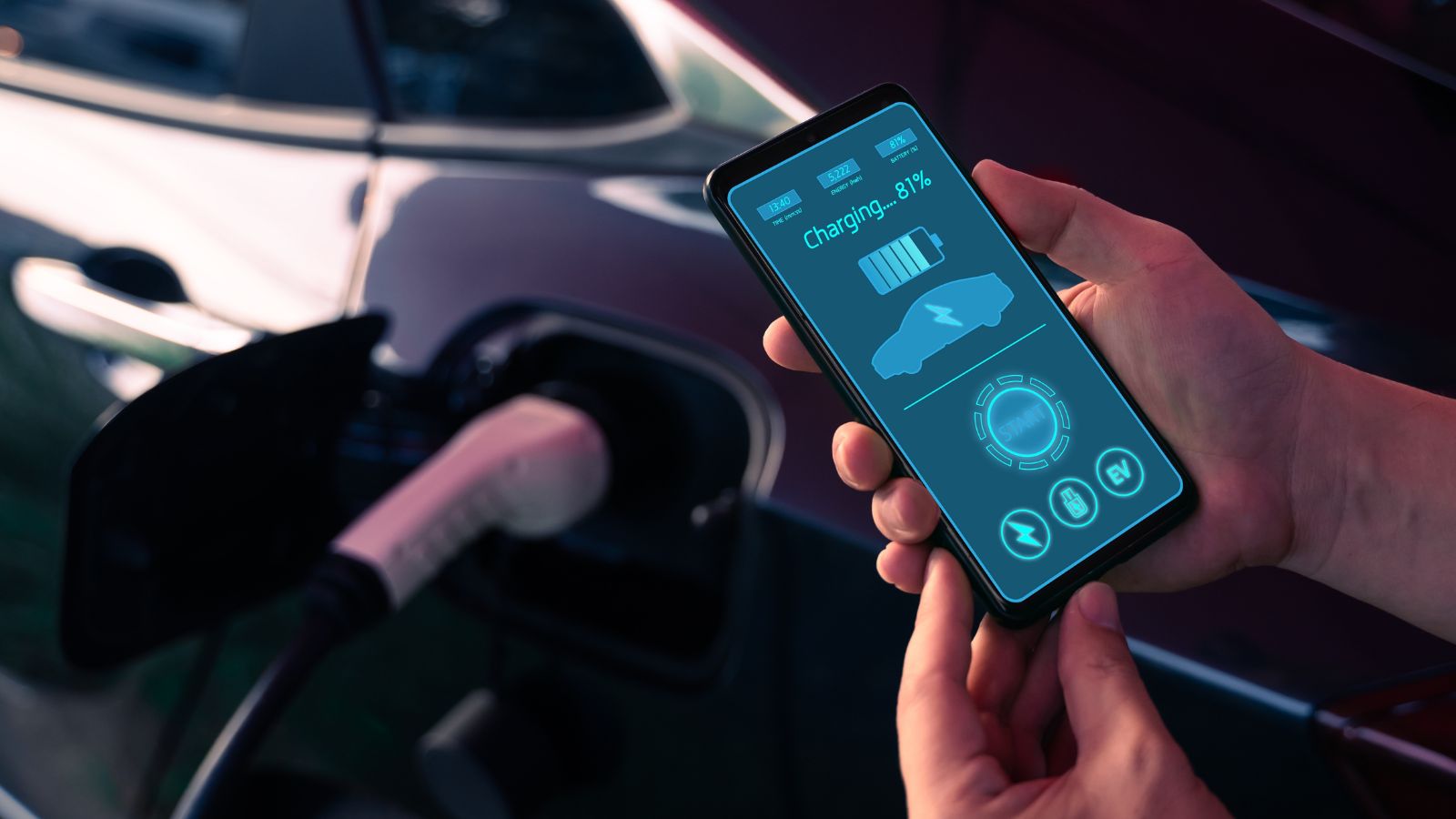
Fast charging is one of the most misunderstood used-EV warning signs. DC fast charging does not automatically destroy a battery, and modern vehicles actively regulate charging power according to cell temperature, charge level and other conditions. Fleet studies have found that many fast-charged EVs still maintain useful battery health. The circumstances under which fast charging occurred, however, can influence degradation.
Charging a battery rapidly generates more heat and requires the cells to accept energy at higher power. Repeated high-power charging can become more stressful when combined with hot weather, high battery temperature or frequent charging toward the upper end of the pack. Researchers continue to study charging protocols that reduce these effects. A former taxi, ride-hailing vehicle or highway fleet car may therefore deserve closer examination even if its cosmetic condition is excellent. The useful question is not simply whether the car has fast-charged, but how often, under what temperatures and whether its cooling system remained healthy.
Years Spent in a Hot Climate
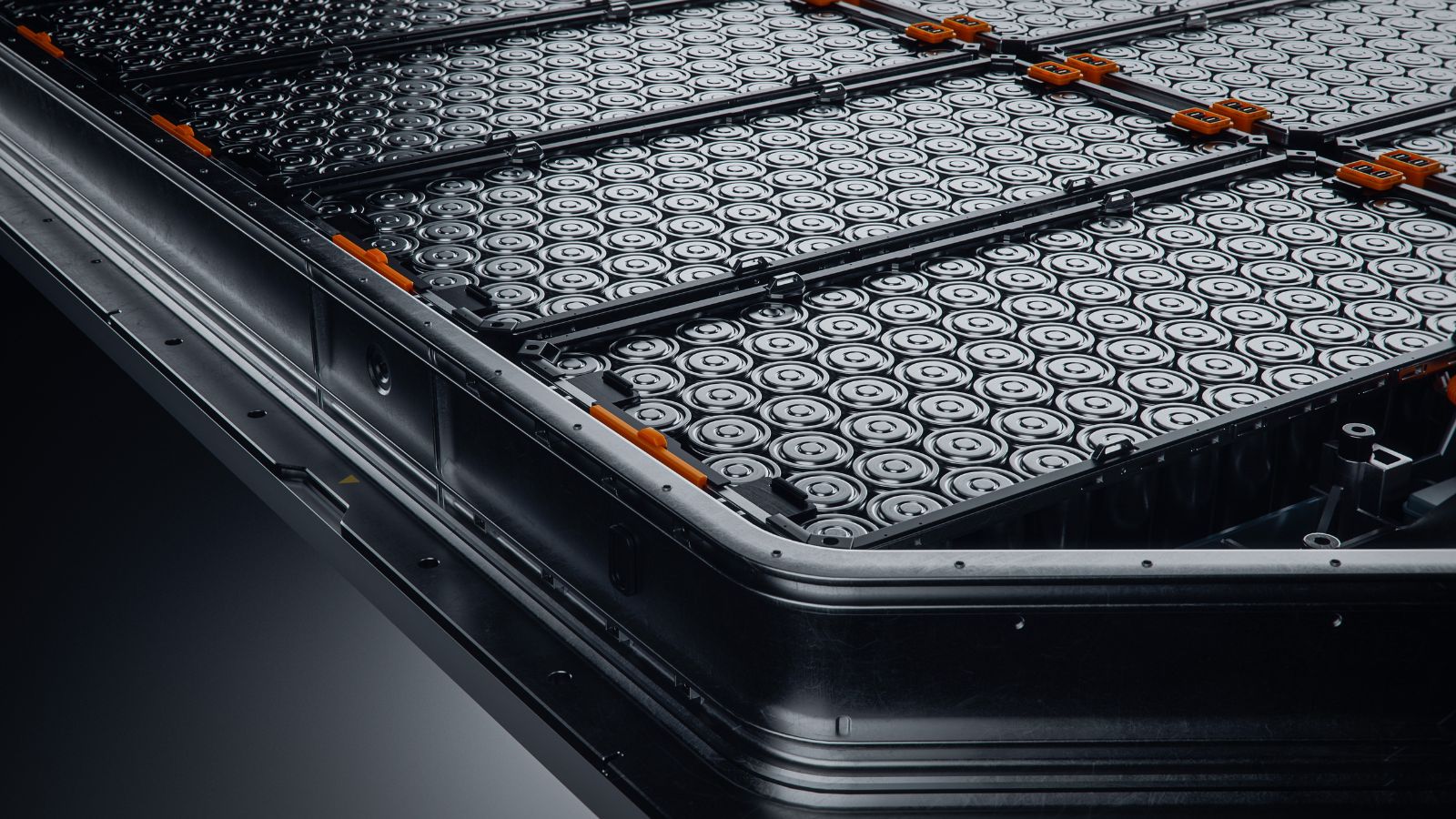
Battery packs generally prefer moderate temperatures. Elevated temperatures accelerate many of the chemical processes responsible for lithium-ion battery ageing, making a vehicle’s geographic history potentially relevant to its remaining capacity. Two identical EVs with similar mileage can therefore reach the used market with different battery conditions after spending their lives in very different climates.
Active liquid cooling reduces this risk substantially in vehicles equipped with it. The battery-management system can circulate coolant, run pumps or use the air-conditioning system to bring cell temperatures into a safer operating range. But thermal management consumes energy and cannot completely erase years of environmental exposure. A car regularly parked outdoors in extreme summer heat may have experienced conditions unlike one stored in a temperate climate or climate-controlled garage. Heat exposure is not proof that a battery is damaged, but it is a reason to place more weight on measured battery health rather than assuming equal mileage means equal ageing.
Charging in Severe Cold Without Proper Temperature Control
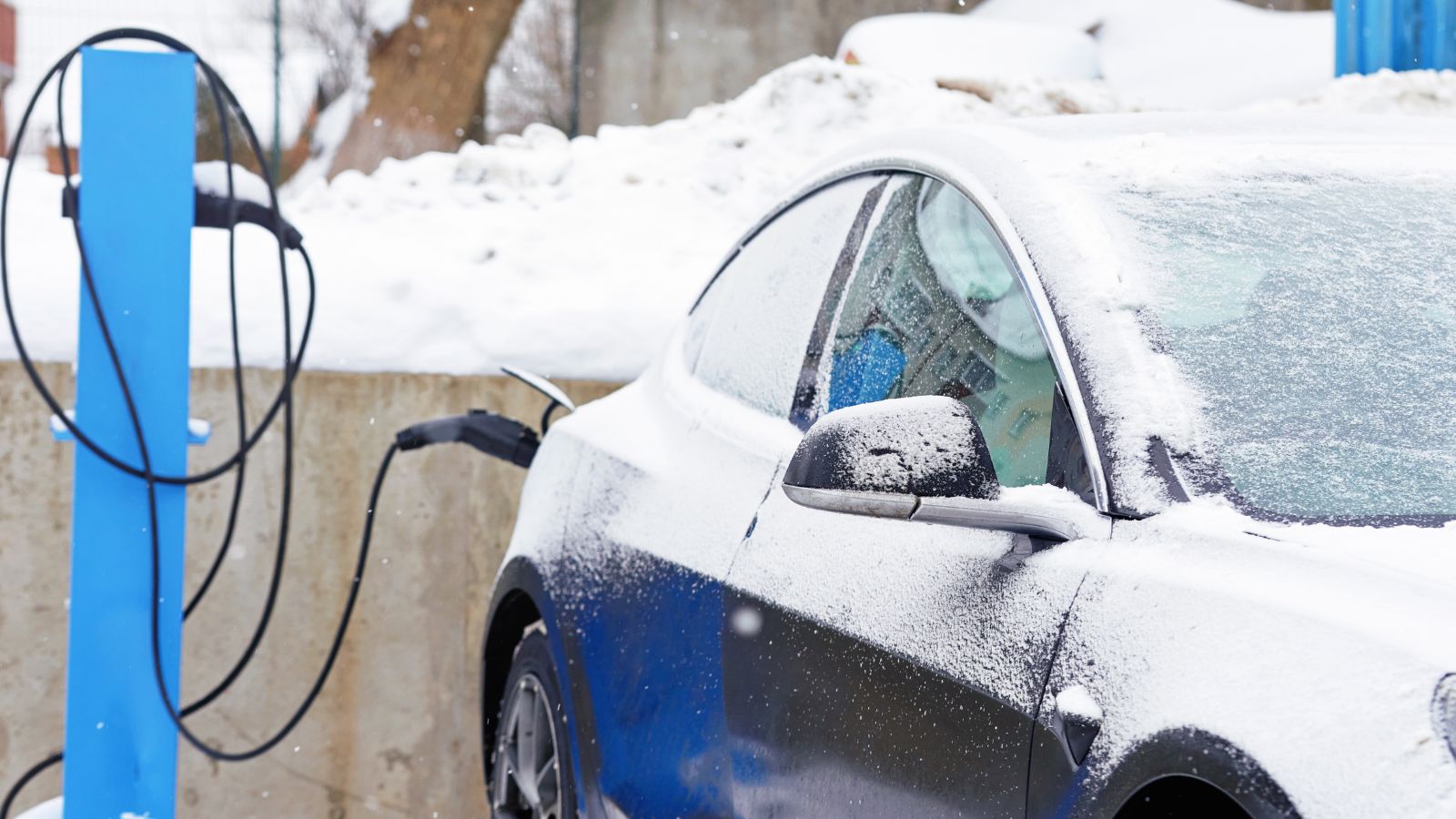
Cold weather often causes temporary range loss because battery chemistry slows and cabin heating consumes energy. That temporary winter reduction should not automatically be mistaken for permanent degradation. The more important battery concern is charging cells at very low temperatures. Lithium-ion research has shown that aggressive charging under sufficiently cold conditions can promote lithium plating, an unwanted process that can contribute to permanent capacity loss and internal damage.
Modern EVs are engineered around this problem. Battery-management systems may reduce charging power, heat the pack or use navigation-linked preconditioning before arriving at a fast charger. That protection makes ordinary winter use far safer for the battery than laboratory discussions of an unprotected cell might suggest. A used EV becomes more concerning when its heating system, temperature sensors or battery controls have been malfunctioning. In a cold Canadian climate, evidence that battery preconditioning and thermal-management components operate correctly can therefore matter almost as much as a summertime range test.
A Weak Battery Cooling System

A traction battery can appear healthy while the system responsible for keeping it healthy is beginning to fail. Many EVs use pumps, coolant circuits, chillers, valves and temperature sensors to control battery temperature. Those components help the pack stay within an appropriate range during driving, fast charging and extreme weather. A fault may initially show up as reduced charging speed or inconsistent performance rather than an obvious battery failure.
Leaks, blocked cooling passages, failing pumps or sensor problems can eventually expose parts of the pack to temperatures outside their ideal operating window. That can accelerate degradation or cause the vehicle to limit power and charging as a protective measure. Thermal-management architecture varies substantially by model; some older EVs use passive or air cooling rather than sophisticated liquid systems. A pre-purchase inspection should therefore be model-specific. Checking coolant level, stored diagnostic codes, pump operation and the vehicle’s ability to control battery temperature can reveal risks that a simple test drive will never expose.
Previous Flood or Saltwater Exposure

Flood history deserves exceptional caution around an EV battery. High-voltage packs are sealed and engineered to tolerate normal rain, road spray and wet-weather driving, but prolonged submersion is a different event. Water intrusion can damage electrical connections and insulation, while saltwater presents an additional hazard because dissolved salts make the water highly conductive.
U.S. safety agencies have warned specifically about fire risks involving saltwater-submerged lithium-ion vehicles after major hurricanes. In damaged packs, electrical short circuits can heat cells and potentially initiate thermal runaway. Problems may not necessarily appear the moment the vehicle leaves the water, which is one reason flooded EVs require specialized handling and inspection. A clean interior months later does not prove the battery enclosure was never submerged. Used buyers should look for title history, insurance records, corrosion, unusual electrical repairs and evidence of flood exposure. An unexplained bargain originating from a recently flooded region warrants considerably more scrutiny than its polished bodywork may suggest.
Underbody Damage From an Earlier Impact
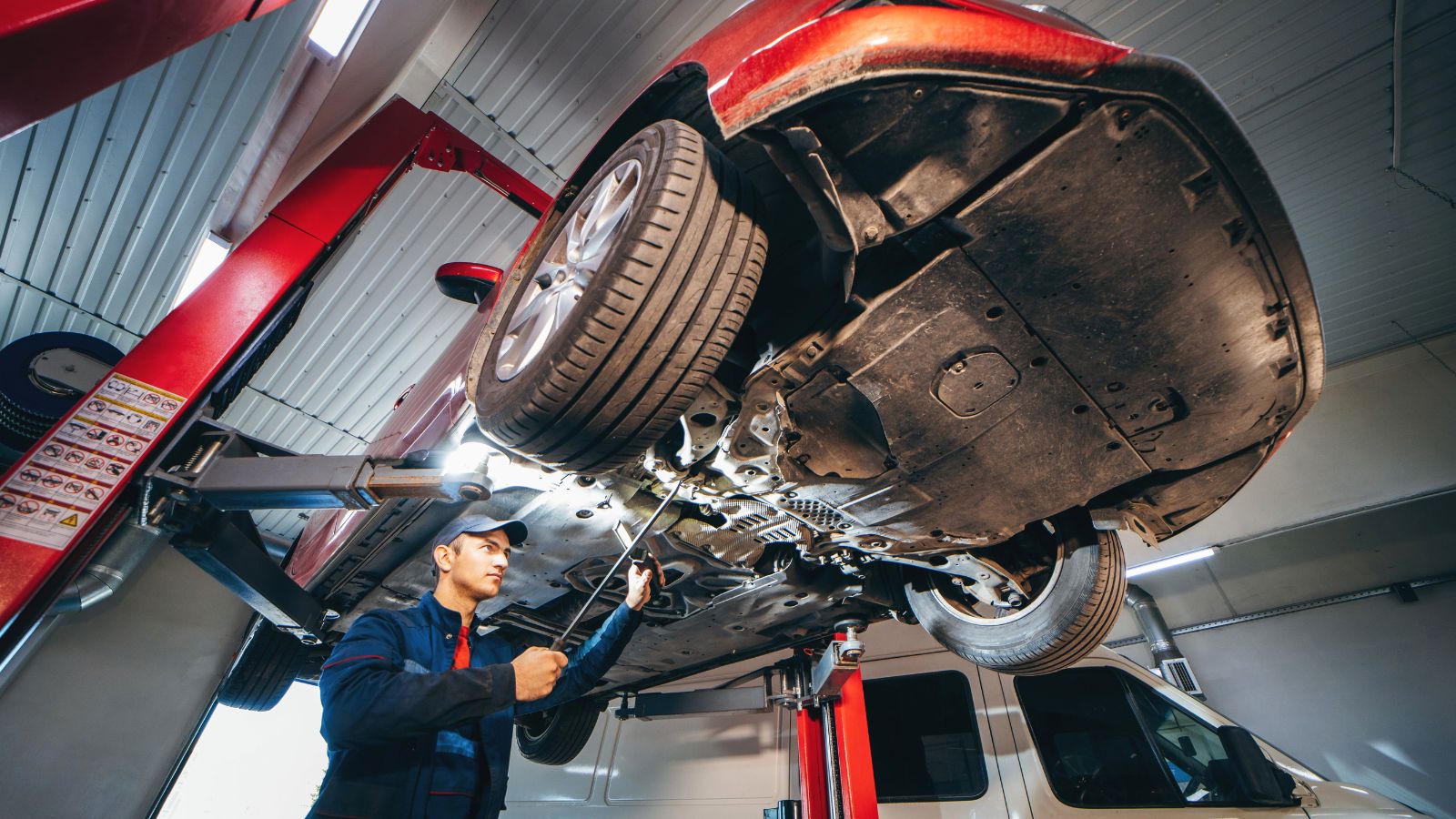
EV batteries are commonly mounted underneath the passenger compartment, giving vehicles a low centre of gravity but also placing the battery enclosure relatively close to the road. Manufacturers protect those packs with structural housings, shields and crash-management systems. Still, a severe impact with road debris, a curb or another object can potentially dent the enclosure or damage components around it.
The difficult part for a used buyer is that cosmetic repairs may leave little visible evidence from normal standing height. An earlier collision might also have damaged cooling lines, high-voltage cables or mounting structures without triggering an immediate battery failure. Safety investigators have documented cases in which physically damaged lithium-ion cells created fire risks after serious crashes, although such incidents remain different from ordinary undamaged EV operation. A proper inspection from underneath the vehicle is therefore valuable. Scrapes are not automatically alarming, but substantial dents, punctures, distorted shields or unexplained repairs near the battery enclosure deserve specialist evaluation before purchase.
An Uncompleted Battery Recall

Recalls exist because manufacturers or regulators have identified a defect significant enough to require corrective action. In the EV market, some high-profile recalls have involved battery cells, manufacturing defects, software monitoring or potential fire risks. A used vehicle can change owners several times while an open recall remains unresolved, particularly when ownership records, imports or dealership servicing are inconsistent.
Checking the vehicle identification number with the manufacturer and the appropriate national recall database can establish whether required work has been completed. That matters because recall remedies vary widely. Some involve software that improves fault detection, while others may require inspection, module replacement or an entirely new battery pack. A vehicle that received a replacement battery could actually be more attractive than an otherwise identical example that missed the campaign, provided the work is properly documented. The red flag is uncertainty: a seller who cannot explain a known battery campaign leaves the buyer with unnecessary questions about both safety and future eligibility for repairs.
A Battery That Has Been Repaired Module by Module

Replacing an entire traction battery is not always necessary when a fault occurs. Depending on the manufacturer and pack design, technicians may be able to replace individual modules or other internal components. Done according to approved procedures with appropriately matched parts, this can be a legitimate repair. Problems arise when a used EV contains poorly documented work involving cells or modules of uncertain origin, age or condition.
A battery pack is a coordinated electrical system. Cells connected in series must operate within carefully controlled voltage limits, and the battery-management system continually watches those relationships. Significant differences in capacity, resistance or ageing between repaired sections can make balancing more difficult and cause the weakest part of the pack to determine usable performance. Buyers should not assume that the phrase “battery repaired” means either a complete new pack or a defective vehicle. Service invoices should show exactly what was replaced, who performed the work, which parts were used and whether manufacturer procedures were followed.
One Weak Cell Group Hidden Inside an Otherwise Healthy Pack
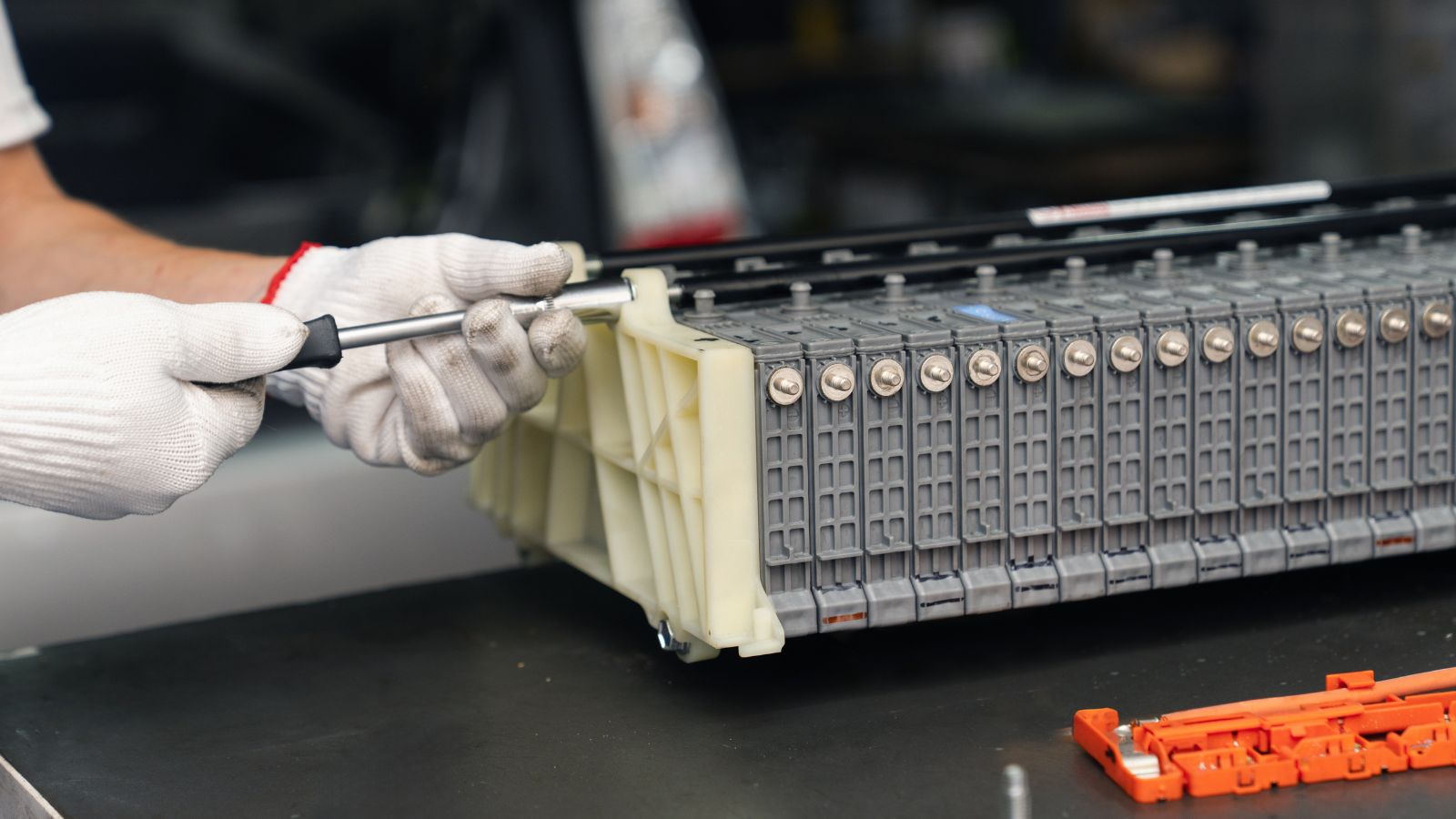
Battery condition is often reduced to a single percentage, such as “90% state of health.” That number can be useful, but a pack-level average does not always tell the whole story. An EV battery contains many cells arranged into modules and electrical groups. Because cells are connected together, a particularly weak section can limit how much energy the entire pack can safely deliver or accept.
The battery-management system tries to keep cell voltages balanced and prevents individual cells from crossing unsafe limits. If one group reaches its upper or lower voltage boundary earlier than the rest, the vehicle may have to stop charging or discharging even though other cells still have capacity remaining. Symptoms can include unexpected state-of-charge drops, reduced usable range or abnormal behaviour under heavy acceleration. A detailed diagnostic scan that examines cell-voltage differences can therefore reveal information that a simple dashboard health number misses. Small voltage differences are normal; persistent or unusually large imbalances deserve professional interpretation rather than guesswork.
Battery-Management Data That Cannot Be Verified

The battery-management system is the pack’s electronic supervisor. It estimates state of charge, monitors temperature and voltage, controls contactors and helps determine how much power the battery can safely provide. Yet the numbers displayed to the driver are estimates produced through software, not direct measurements of every remaining watt-hour inside the cells.
Battery service, software changes, replacement modules or resets can sometimes require the management system to relearn or recalibrate certain estimates. Different manufacturers also expose very different amounts of battery-health information through diagnostic tools. That makes an unexplained “battery health” screenshot less conclusive than it may appear. Buyers should determine where the figure came from, whether the tool is appropriate for that specific vehicle and whether the reading agrees with real-world charging and energy-use data. A convincing battery assessment combines electronic diagnostics with behaviour. One attractive percentage on an app should not override contradictory symptoms from the vehicle itself.
A Dashboard Range Number That Looks Excellent
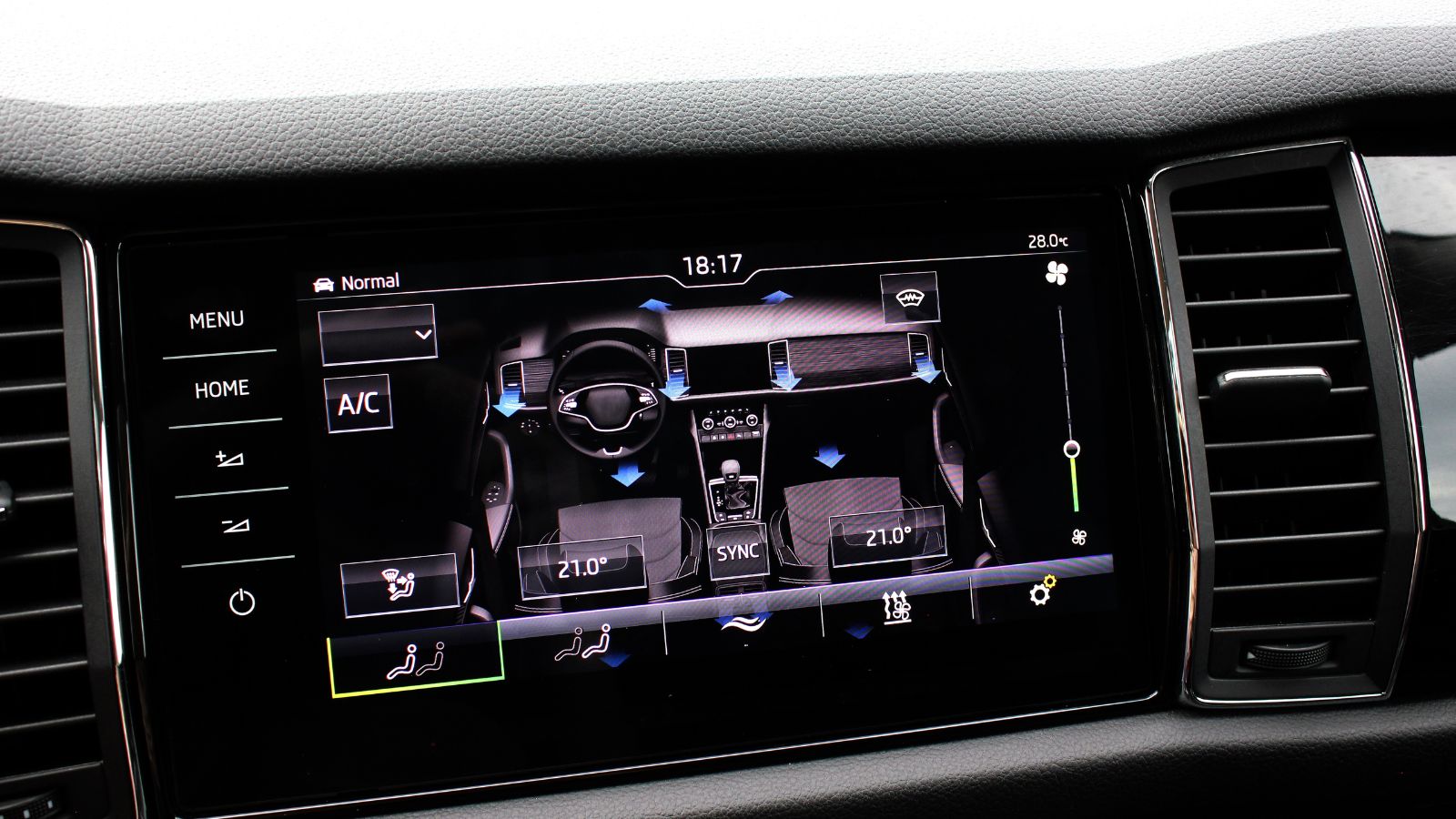
The estimated kilometres displayed after charging are not the same thing as a laboratory measurement of battery capacity. EV range estimators use recent energy consumption, driving patterns, weather, climate-control demand and other variables. A vehicle driven gently in mild weather before sale can consequently display an impressive prediction even if some battery degradation has occurred.
The reverse can happen as well. An otherwise healthy battery may show disappointing predicted range after highway driving in freezing weather with the cabin heater running. Government efficiency information and numerous EV studies have documented how speed, temperature and accessory loads affect electric driving range. That is why a single dashboard photograph should never be treated as proof of battery health. More meaningful information includes measured usable energy, state-of-health diagnostics, charging records and energy consumption over a repeatable drive. The dashboard estimate is useful for trip planning, but it is a weak substitute for an actual battery assessment when thousands of dollars may depend on the answer.
Months or Years of Unknown Storage
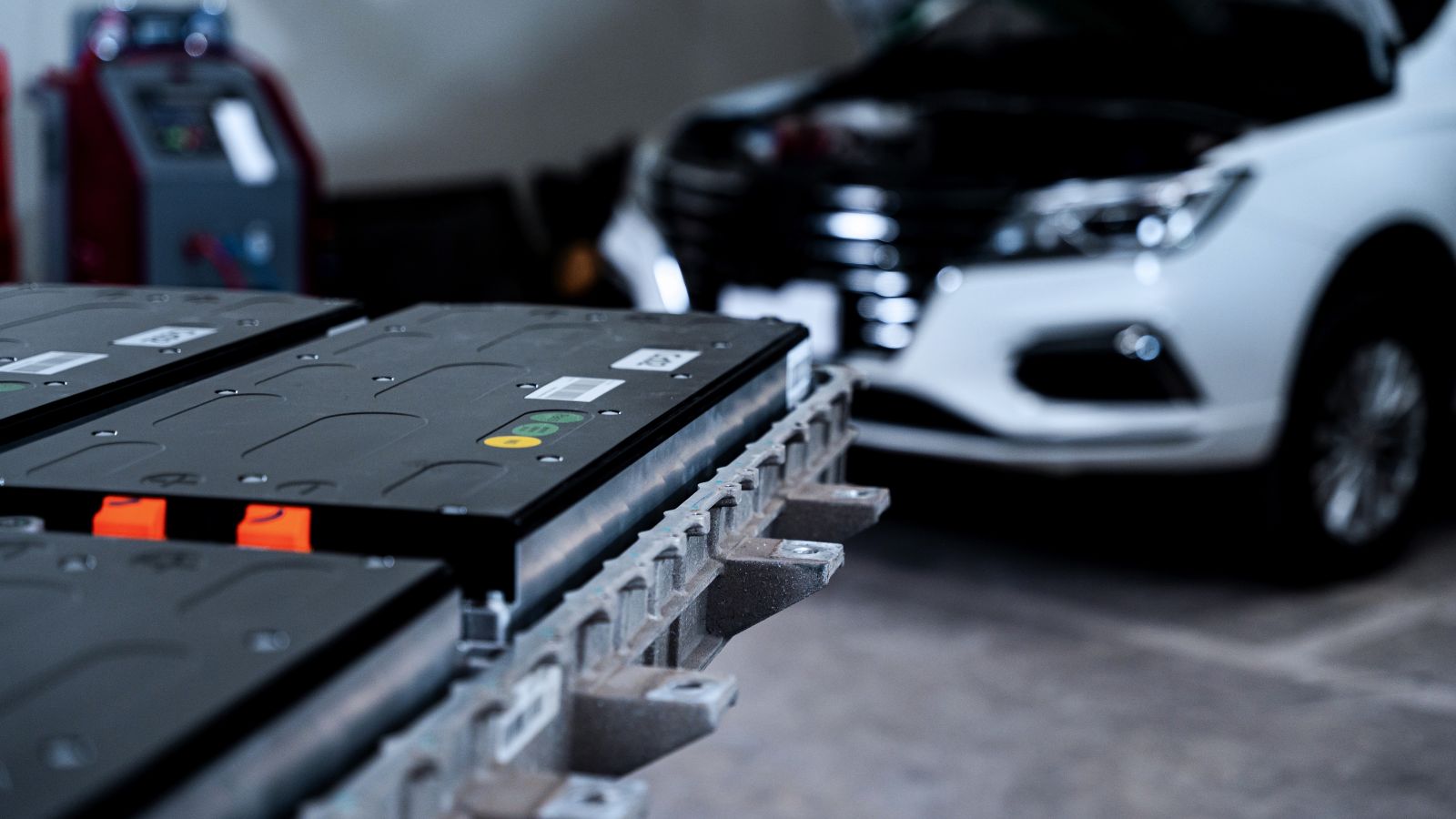
An EV that has been sitting can look like a remarkably preserved used-car find. Storage conditions, however, matter greatly to lithium-ion batteries. Research on calendar ageing consistently shows that temperature and state of charge influence how cells change while they are not being cycled. Long-term storage at high charge and high temperature is especially undesirable.
Very low charge creates a different concern because vehicles continue to have small electrical loads even when parked. Manufacturers generally provide storage procedures specifying an appropriate charge range and recommending periodic checks. A car abandoned for an extended period without charging could eventually become deeply discharged, while one plugged in continuously at an unnecessarily high target may spend months near its upper state of charge. Neither scenario guarantees a failed pack, but an extended gap in registration, servicing or charging history should prompt questions. “Hardly driven for two years” is not automatically a battery advantage unless someone also knows how the vehicle spent those two years.
Electrical Isolation or Corrosion Problems
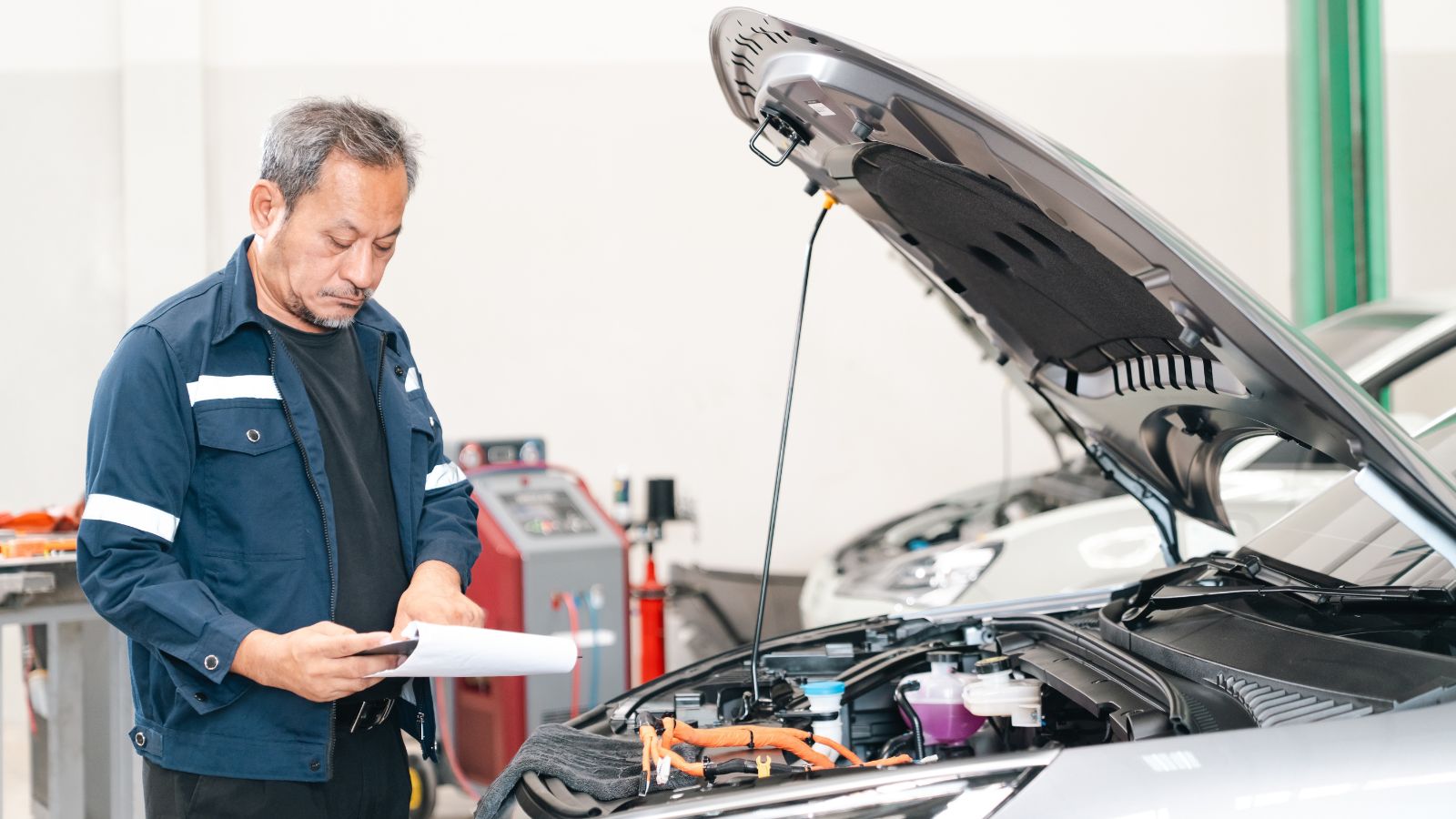
A traction battery operates at hundreds of volts, so EVs contain systems that continuously monitor electrical isolation between the high-voltage circuit and the vehicle’s chassis. If insulation deteriorates or conductive contamination appears where it should not, the vehicle can detect an isolation fault and shut down high-voltage operation as a safety measure.
Water intrusion, collision damage, corrosion, contaminated connectors or improper repairs can all create electrical problems outside the battery cells themselves. That distinction matters because an EV may still show respectable capacity while harbouring an expensive high-voltage fault. Warning messages that disappear after restarting the vehicle should not automatically be dismissed as harmless software quirks. Diagnostic trouble codes and manufacturer service information can help identify whether a problem involves the battery, cabling, charging hardware or another component. From a buyer’s perspective, a strong-capacity pack is only part of the picture; the high-voltage system surrounding it also has to remain electrically sound.
Salvage History or Undocumented High-Voltage Repairs

A rebuilt EV is not automatically unsafe, but the quality and documentation of its repair become unusually important because of the battery’s value and voltage. Serious collisions can require procedures that ordinary bodywork does not, including inspecting the pack enclosure, measuring isolation, checking high-voltage connectors and following manufacturer rules before reconnecting the system.
The financial risk can also extend beyond the repair itself. Warranty coverage, recall eligibility, manufacturer support and insurance treatment can depend on the vehicle, jurisdiction and nature of previous damage. Some manufacturers place restrictions on batteries or vehicles with salvage histories, while policies differ substantially between brands. A low purchase price can therefore disguise uncertainty that will only appear when a later battery fault needs attention. Buyers considering a repaired EV should obtain the damage history, battery inspection records, parts invoices and evidence that high-voltage work was performed by appropriately trained technicians. The absence of paperwork is more significant than freshly repaired paint.
No Real Battery Test Before Purchase
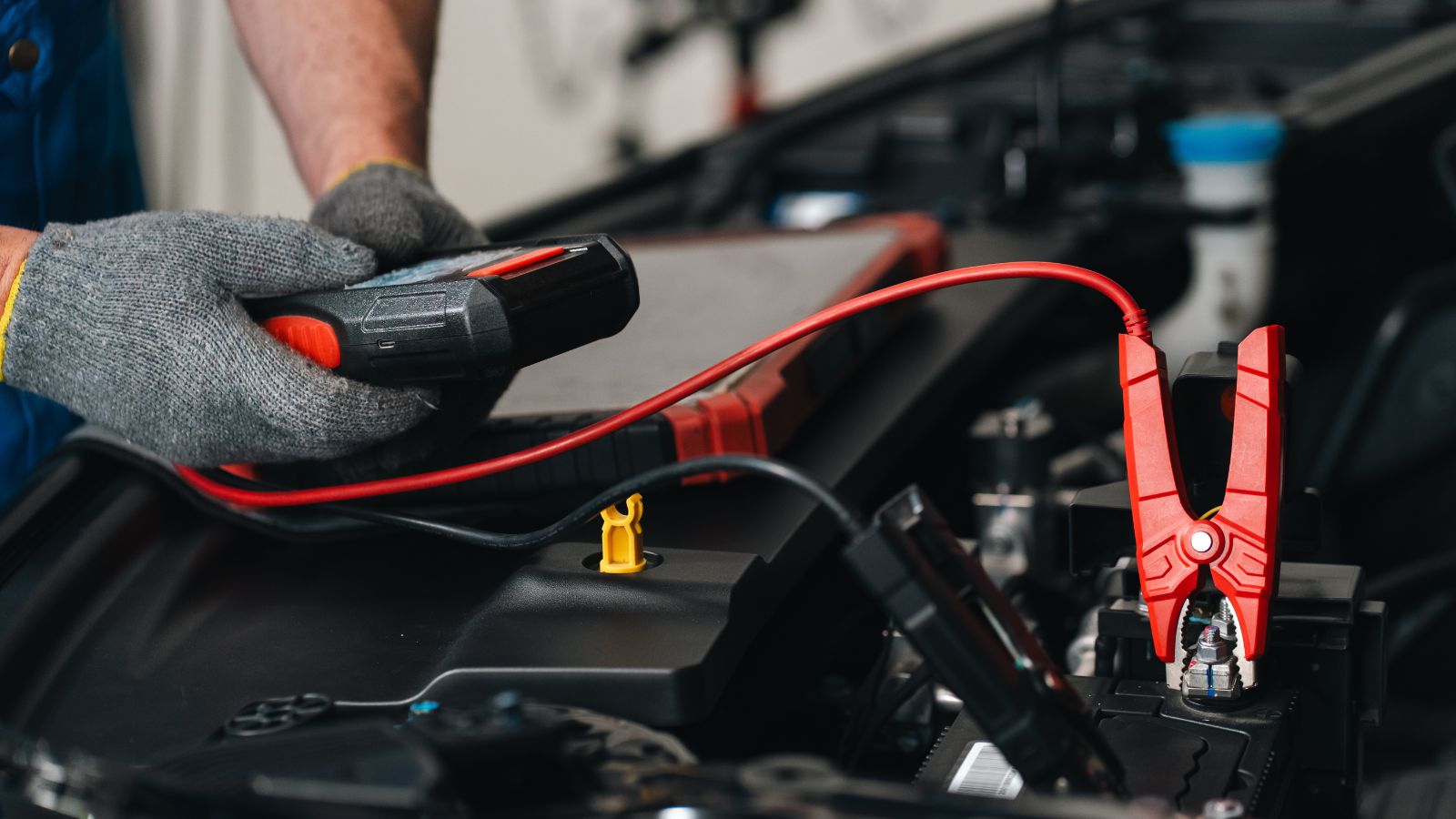
The biggest risk may be buying an EV without testing the battery at all. A short drive around the block can confirm that the car moves, but it reveals little about usable battery capacity, cell balance, charging performance or temperature control. Even a vehicle with significant degradation can feel quick because electric motors continue delivering strong acceleration until the control system has a reason to limit power.
A stronger pre-purchase evaluation combines several clues. A technician can scan battery-related diagnostic codes and examine available cell data. The buyer can compare displayed energy consumption with the percentage of charge used on a longer drive, verify that AC and DC charging work normally, and check whether the battery reaches expected temperatures and charging speeds. Some manufacturers or specialist services can provide more detailed state-of-health information. No single test is perfect, but multiple consistent measurements dramatically reduce uncertainty. With a component as valuable as an EV battery, a proper diagnostic assessment can be far more informative than spotless upholstery or low kilometres.
19 Used Cars Canadians Should Avoid in 2026 (Based on Owner Complaints)

Buying a used car in Canada can feel safe until repair bills start stacking up. Owner complaints tell a different story than glossy listings. Transmission failures, electrical problems, and weak winter reliability show up again and again in consumer reports. Many of these issues appear after warranties expire, when owners least expect them. Some vehicles look affordable upfront, but become expensive to keep on the road. Others struggle in cold weather, urban driving, or long highway commutes. Here are 19 used cars Canadians should avoid in 2026 (based on owner complaints).
19 Used Cars Canadians Should Avoid in 2026 (Based on Owner Complaints)

Alanna Rosen is an experienced content writer that focuses on many EV and educational content. Her articles are regularly published on Get CyberTrucked and syndicated on large publications.