A car can feel perfectly agreeable on a weekend test drive and surprisingly irritating after a month of rush-hour repetition. Daily commuting magnifies small design choices: a control buried in a screen, a seat that never quite fits, a warning chime that fires too often, or a powertrain that turns every red light into a little interruption. None of these problems has to strand a vehicle to matter. They simply repeat often enough to drain comfort and patience.
These 18 things can make an otherwise capable car annoying during everyday commutes, especially when traffic, tight parking, bad pavement, changing weather, and constant phone use expose weaknesses that are easy to miss at the dealership.
Touchscreen Controls for Basic Functions
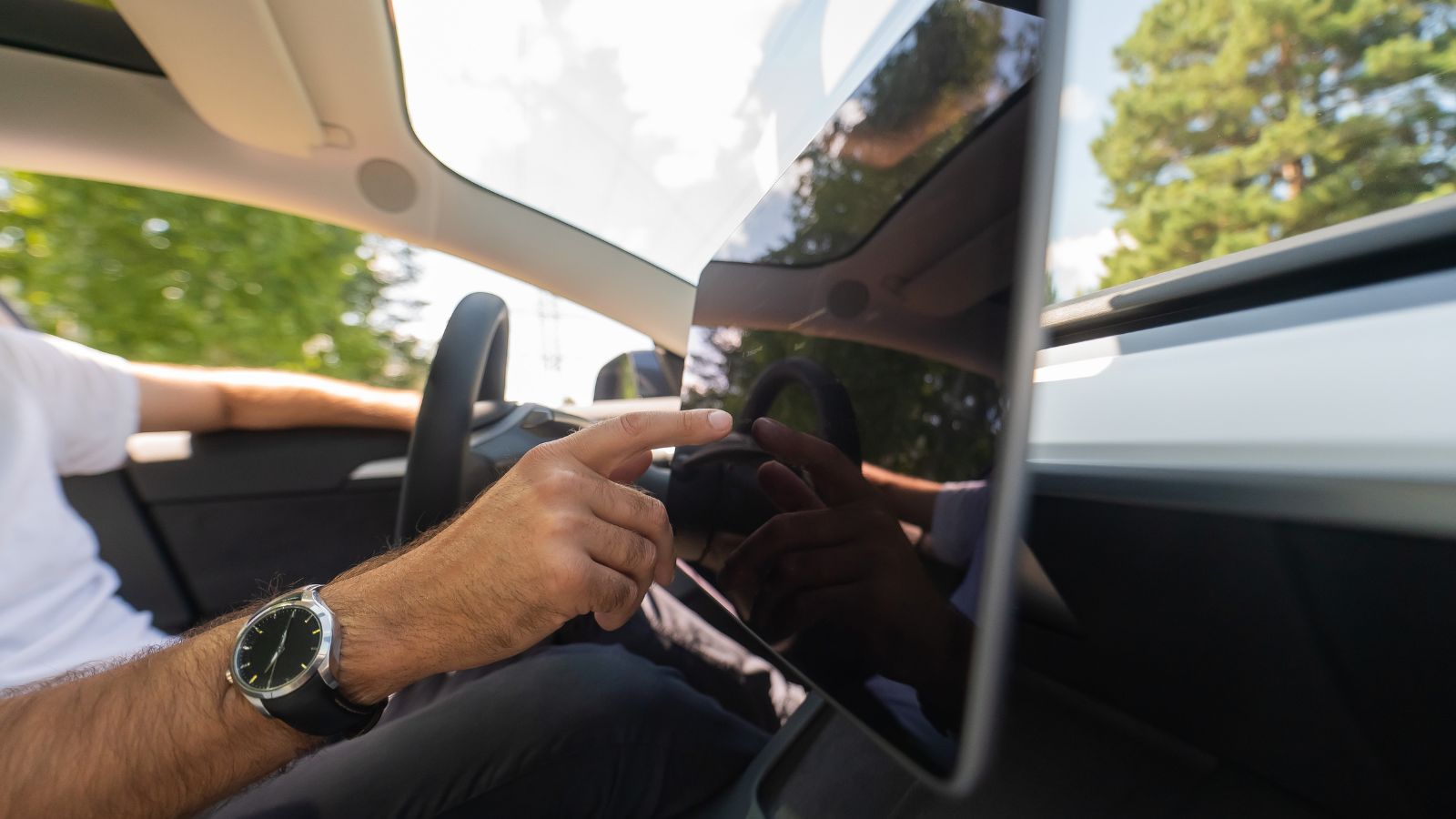
Large touchscreens can make a cabin look clean and modern, but they become frustrating when simple functions such as fan speed, seat heating, audio settings, or drive modes require several taps. The problem is not merely aesthetic. AAA research has found that some in-vehicle infotainment tasks impose substantial visual and cognitive demands, particularly when drivers must navigate menus while moving.
That burden grows during a commute because the same small adjustments are repeated almost every day. A physical knob can often be located by feel, while a flat screen typically demands a glance to confirm where a finger landed. J.D. Power’s 2026 Initial Quality Study also found that infotainment and touchscreens were major sources of reported driver distraction. A system may impress in a showroom, yet feel needlessly complicated in stop-and-go traffic when temperature, music, navigation, and defogging all compete for attention, especially when traffic leaves little room for experimentation.
Phone Integration That Refuses to Cooperate

Few modern commute rituals are more familiar than connecting a phone for maps, music, podcasts, and calls. When Apple CarPlay, Android Auto, Bluetooth, or the automaker’s own app fails to connect promptly, a two-minute annoyance can become a daily routine. The problem can be especially irritating when the system worked perfectly the previous morning.
J.D. Power’s 2026 Vehicle Dependability Study found Android Auto and Apple CarPlay connectivity was the industry’s top reported problem for a third consecutive year, at 8.9 problems per 100 vehicles. Bluetooth, wireless charging pads, and automaker app connectivity also ranked prominently. For commuters, software can shape satisfaction as much as mechanical refinement. A car with a quiet ride and comfortable seats can still feel troublesome if the driver repeatedly has to reconnect a device, reboot the display, or abandon a preferred navigation app before leaving the driveway. Daily repetition makes that friction increasingly difficult to ignore.
Driver-Assist Alerts That Nag Too Often
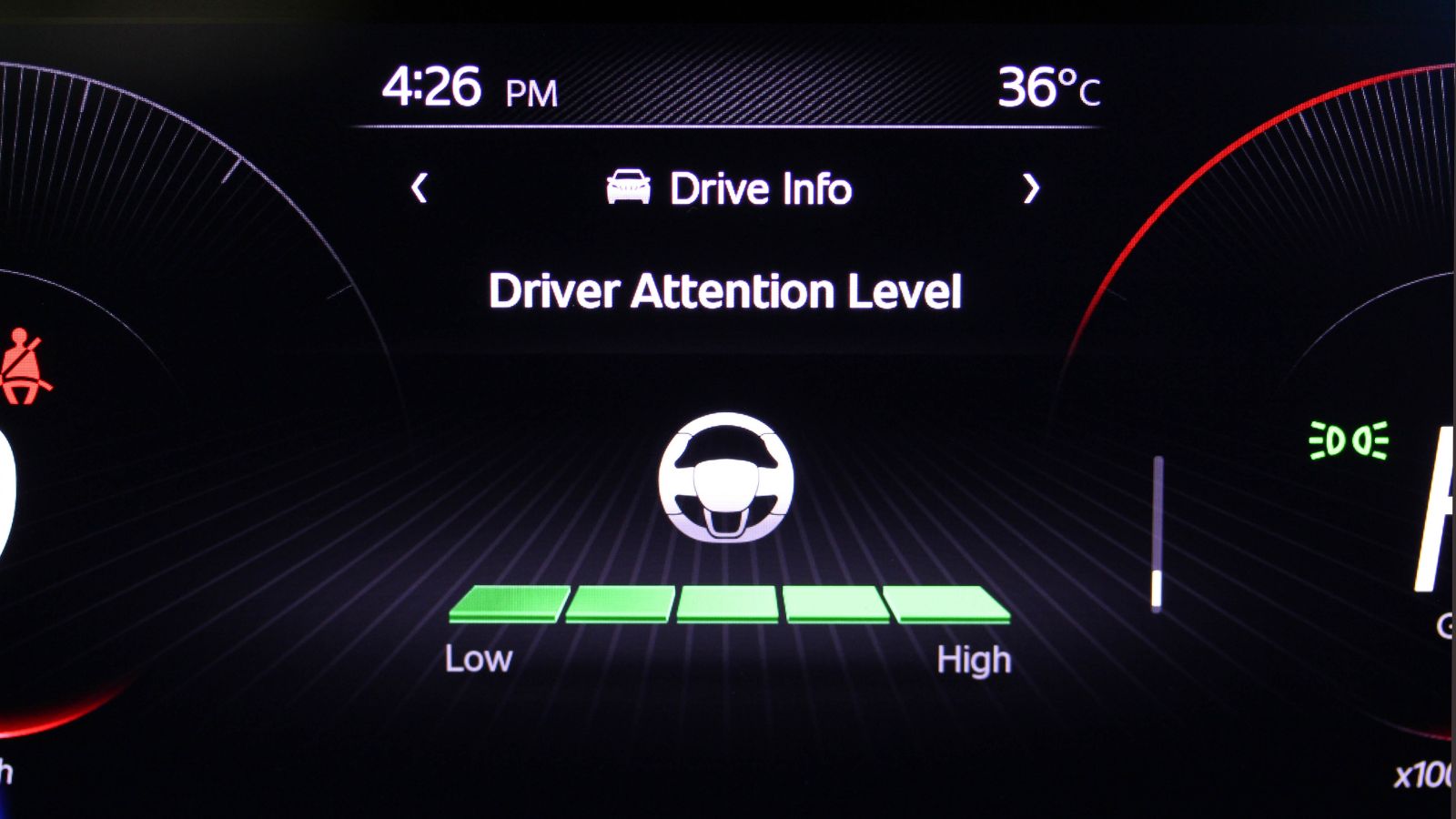
Safety technology is valuable when it identifies a genuine hazard, but frequent beeps, steering-wheel vibrations, dashboard messages, and attention warnings can become background noise. Lane-departure alerts may react to imperfect road markings, parking sensors can object to tight garages, and forward warnings can feel overly cautious in dense urban traffic. If alerts are poorly calibrated, drivers may start treating them as interruptions rather than useful information.
That concern appears in owner research. J.D. Power’s 2024 study of advanced driver-assistance systems found vehicle alerts were the largest ADAS problem area, accounting for 9.0 problems per 100 vehicles. The company reported that owners often described the alerts as annoying or bothersome. The commute is where this sensitivity becomes obvious because the same construction zones, narrow lanes, and close traffic are encountered repeatedly. Helpful technology should earn trust; when it cries wolf too often, even a safety-focused feature can become a cabin irritant.
Lane Centering That Feels Like a Tug-of-War

Lane-centering systems can reduce workload on long highway drives, but their steering corrections may feel intrusive when the driver wants to position the car differently within the lane. Road repairs, faded markings, bicycle lanes, construction shifts, and wide vehicles can create situations where a human driver prefers a different path from the software. The result can feel like a mild tug-of-war through the steering wheel.
Good system design matters because the driver remains responsible for the vehicle. IIHS guidance for partial automation specifically emphasizes “cooperative steering,” meaning lane-centering assistance should not discourage or obstruct driver input. Systems that suspend assistance when the driver intervenes and fail to reengage clearly can score worse under the institute’s safeguards protocol. During a daily commute, even gentle corrections become noticeable when they occur at the same bends and lane merges morning. Assistance is least annoying when it supports rather than constantly challenges the driver.
Auto Stop-Start That Interrupts Every Red Light
Automatic stop-start systems shut off the engine when a vehicle is stationary and restart it as the driver prepares to move. The technology has a clear efficiency purpose, especially in traffic. The U.S. Environmental Protection Agency says stop-start can improve fuel economy by roughly 4% to 5%, with the greatest benefit where an engine would otherwise spend substantial time idling.
The irritation comes from execution. A smooth system may be barely noticeable, while a rougher one can send a shudder through the seat, pause climate operation, or make movement away from a light feel less immediate. EPA data show how common the technology has become: stop-start appeared on 58% of new non-hybrid gasoline vehicles for model year 2024. In a commute containing dozens of stops, a restart that feels slightly coarse once can become a repeated annoyance, even if the fuel-saving logic behind it is entirely reasonable over time, too.
Seats That Never Quite Fit

Seat comfort is easy to underestimate during a short test drive. Pressure points, a head restraint that pushes the head forward, limited thigh support, or insufficient adjustment may not become obvious until the same position is held for 45 minutes every morning. Over weeks, a small mismatch between the seat and driver can dominate the ownership experience more than an impressive dashboard or quick acceleration.
J.D. Power’s 2025 U.S. Seat Quality and Satisfaction Study found seat adjustment range and headrest comfort among the most frequently reported seat issues. Its 2024 study also showed a strong link between headrest complaints and reports that a seat was excessively uncomfortable. The practical lesson is simple: a seat does not have to be visibly defective to be wrong for a body shape. Commuters who shift their hips, stretch at red lights, or keep changing lumbar settings are experiencing a problem that repetition rarely improves.
Road and Tire Noise That Never Stops
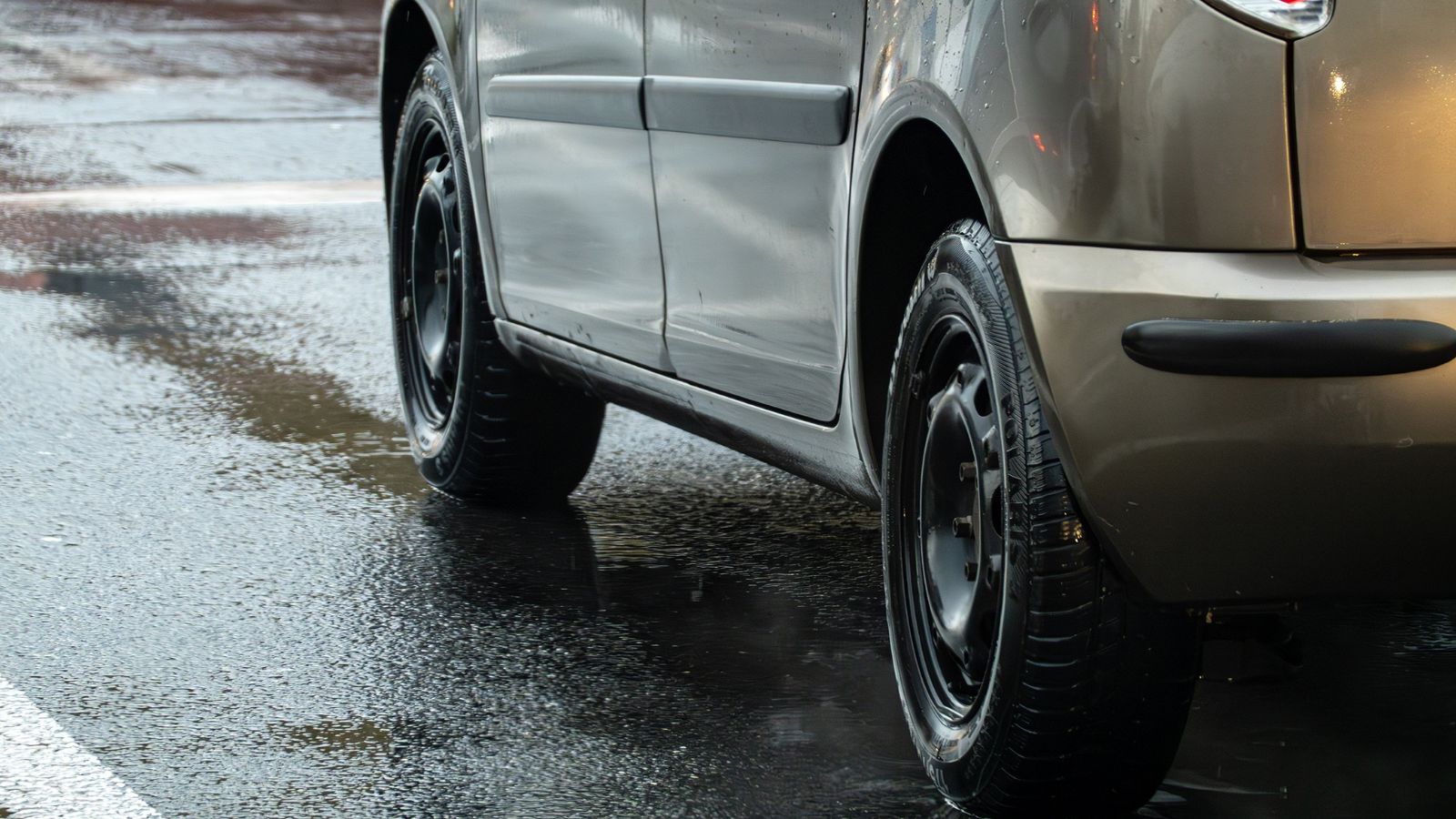
Road noise is rarely dramatic, yet it can define the character of a commute. Coarse pavement, winter tires, worn asphalt, and certain tire designs generate a steady background roar that competes with conversation, podcasts, and music. The effect is obvious in electric vehicles because the absence of a continuously running combustion engine can expose tire and suspension sounds that might otherwise be masked.
Automotive engineers treat tire-road noise as a major component of cabin acoustic comfort. SAE research has long identified rolling tires as an important interior-noise source, and 2026 SAE work on electric SUVs notes that tire booming, cavity resonance, and rumbling can become audible when engine noise disappears. J.D. Power’s 2026 Initial Quality Study also listed road-noise improvement as a contributor to better new-vehicle quality. For commuters, the issue is cumulative: a harmless sound for ten minutes can feel tiring after an hour of highway pavement every weekday.
A Stiff Ride on Everyday Pavement
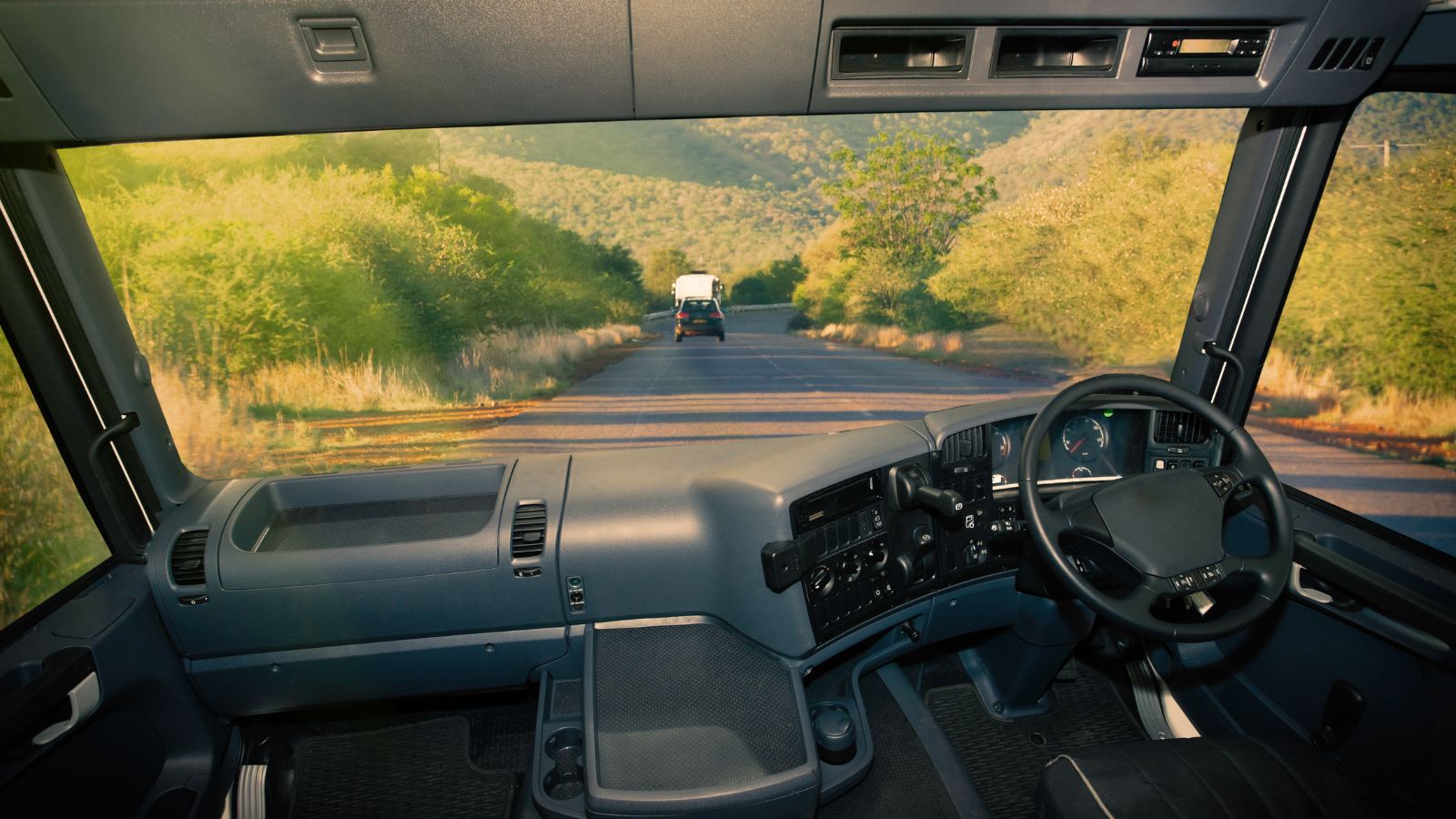
A firm suspension can make a car feel controlled during a quick drive on smooth roads, but commuting often happens on patched asphalt, expansion joints, manhole covers, and potholes. When suspension tuning is too stiff, the cabin can pitch and thump over imperfections that softer cars absorb with less drama. Large wheels with low-profile tires can intensify the sensation because their short sidewalls provide less cushioning.
Ride comfort is a recognized engineering discipline, with standards such as ISO 2631 used to evaluate human exposure to whole-body vibration. SAE research has linked road roughness with perceived onboard comfort, while Consumer Reports warns that low-profile tires are more vulnerable to pothole damage because their shorter sidewalls cannot flex around impacts as effectively. During a commute, repeated jolts can turn an otherwise sporty chassis into something occupants simply wish would relax, especially when the route never gives the suspension a break over time.
Thick Pillars and Poor Outward Visibility

A stylish roofline, large mirrors, thick windshield pillars, and a tall hood can make a vehicle feel substantial, yet those same features may hide cars, cyclists, pedestrians, curbs, or traffic islands. Poor visibility is particularly annoying in city commuting because lane changes, parking maneuvers, and tight intersections demand frequent head movement and repeated checks around structural blind spots.
IIHS research has shown that vehicle design can materially affect direct visibility. A 2026 study cited by the institute found that larger driver-side blind zones and narrower forward fields of view were associated with higher risk of striking pedestrians during left turns. Another IIHS analysis of several popular vehicle models found that near-field outward visibility declined over time, with some SUVs showing reductions as large as 58% within a 10-metre forward radius. Cameras and sensors can help, but they do not always replace the confidence of simply seeing clearly through the glass.
Headlights That Do Not Put Enough Light Down the Road
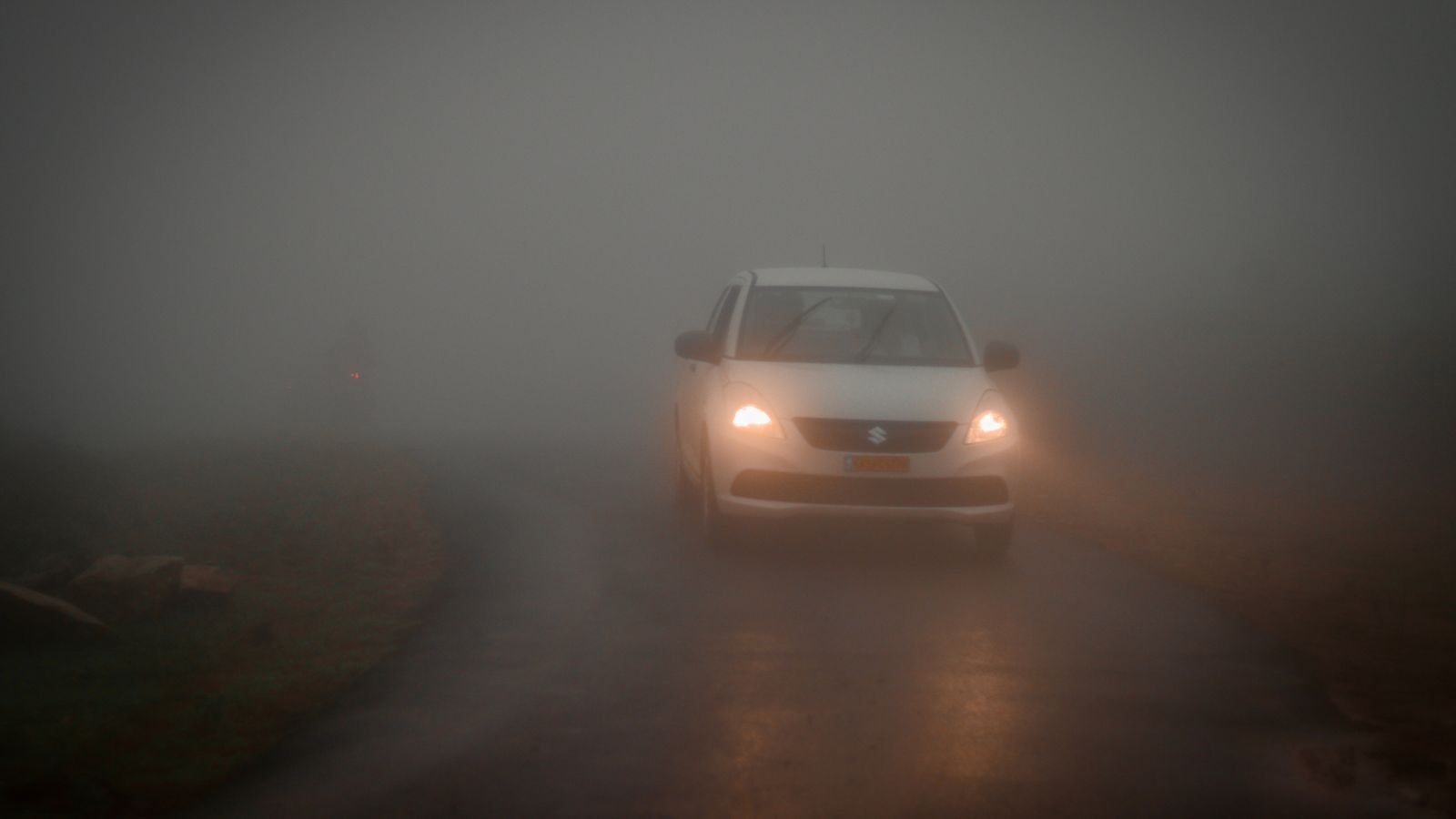
A commute that starts before sunrise or ends after dark can expose weak headlights quickly. Some systems produce plenty of apparent brightness near the car but fail to illuminate curves, distant objects, or road edges effectively. Others may be poorly aimed or create distracting glare. The frustration is not only about comfort; inadequate forward lighting can force a driver to slow down simply to feel confident about what lies ahead.
IIHS testing has documented wide differences in real-world headlight performance. For model year 2026, the institute says 46% of tested systems earned a good rating, while about 17% were marginal or poor because of inadequate visibility, excessive glare, or both. Its crash research found vehicles with good-rated headlights had 19% fewer nighttime single-vehicle crashes than comparable vehicles with poor-rated headlights. For commuters, good lighting becomes more valuable every dark, wet, or poorly marked morning. Reassurance matters when visibility is poor.
Climate Control That Takes Too Long to Get Comfortable
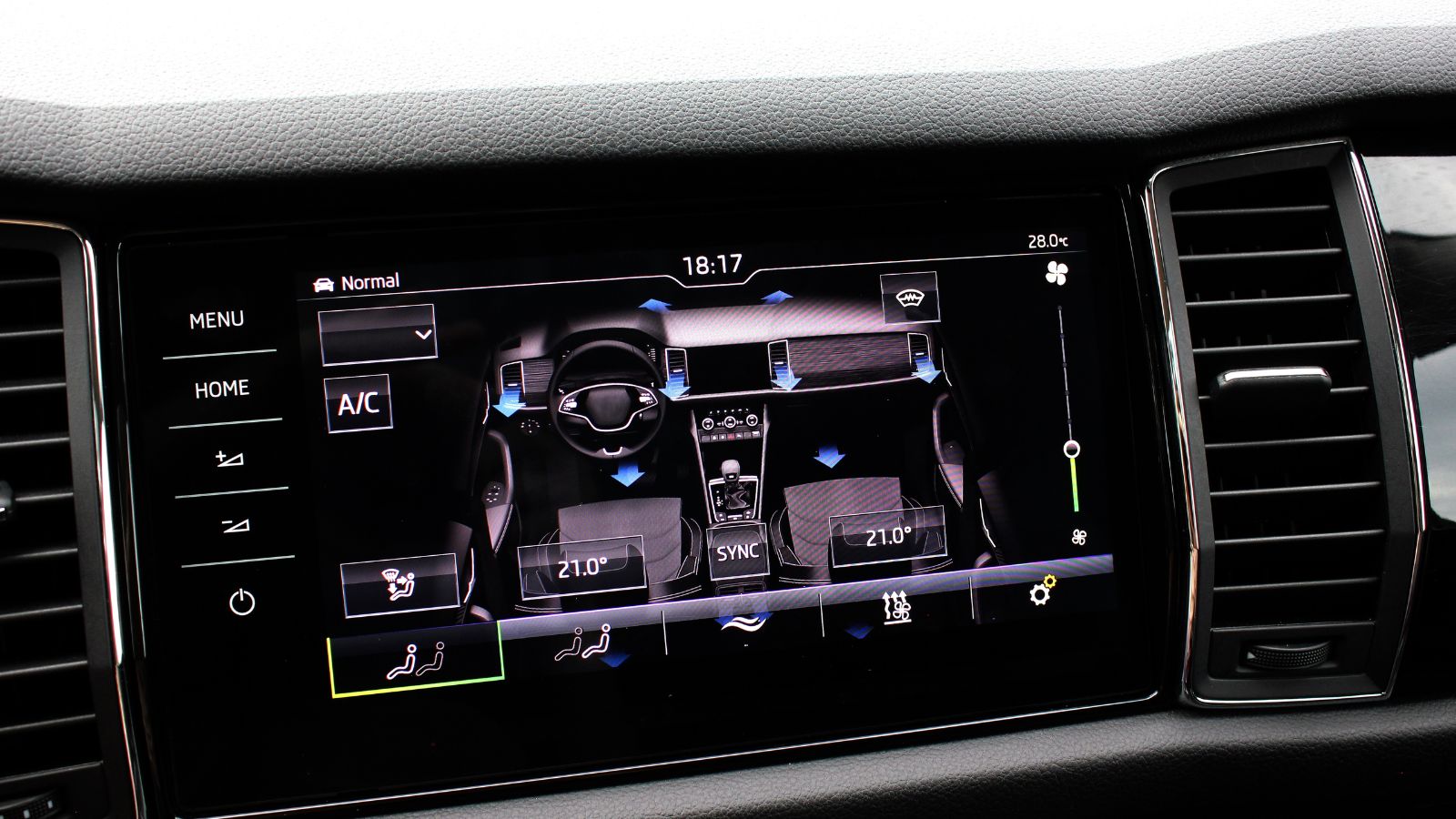
A slow heater, weak air conditioning, uneven vents, or a system that constantly hunts between too hot and too cold can make the first part of every commute unpleasant. Temperature discomfort feels especially pronounced because a parked cabin can begin far outside the occupant’s comfort range. In winter, defrosting and cabin warmth compete for heat; in summer, sun-soaked seats and glass create a large cooling load before the car moves.
Vehicle thermal management is an engineering challenge. The U.S. National Renewable Energy Laboratory studies glazing, insulation, ventilation, zonal climate control, and heated or cooled seats because cabin comfort and energy consumption are linked. NREL has estimated that cooling systems account for about 5.5% of total U.S. light-duty-vehicle fuel use. That helps explain why automakers balance comfort against efficiency. For a commuter, however, the priority: a good climate system should reach a comfortable state quickly and quietly without constant manual adjustment.
Cupholders and Storage That Fight Daily Habits
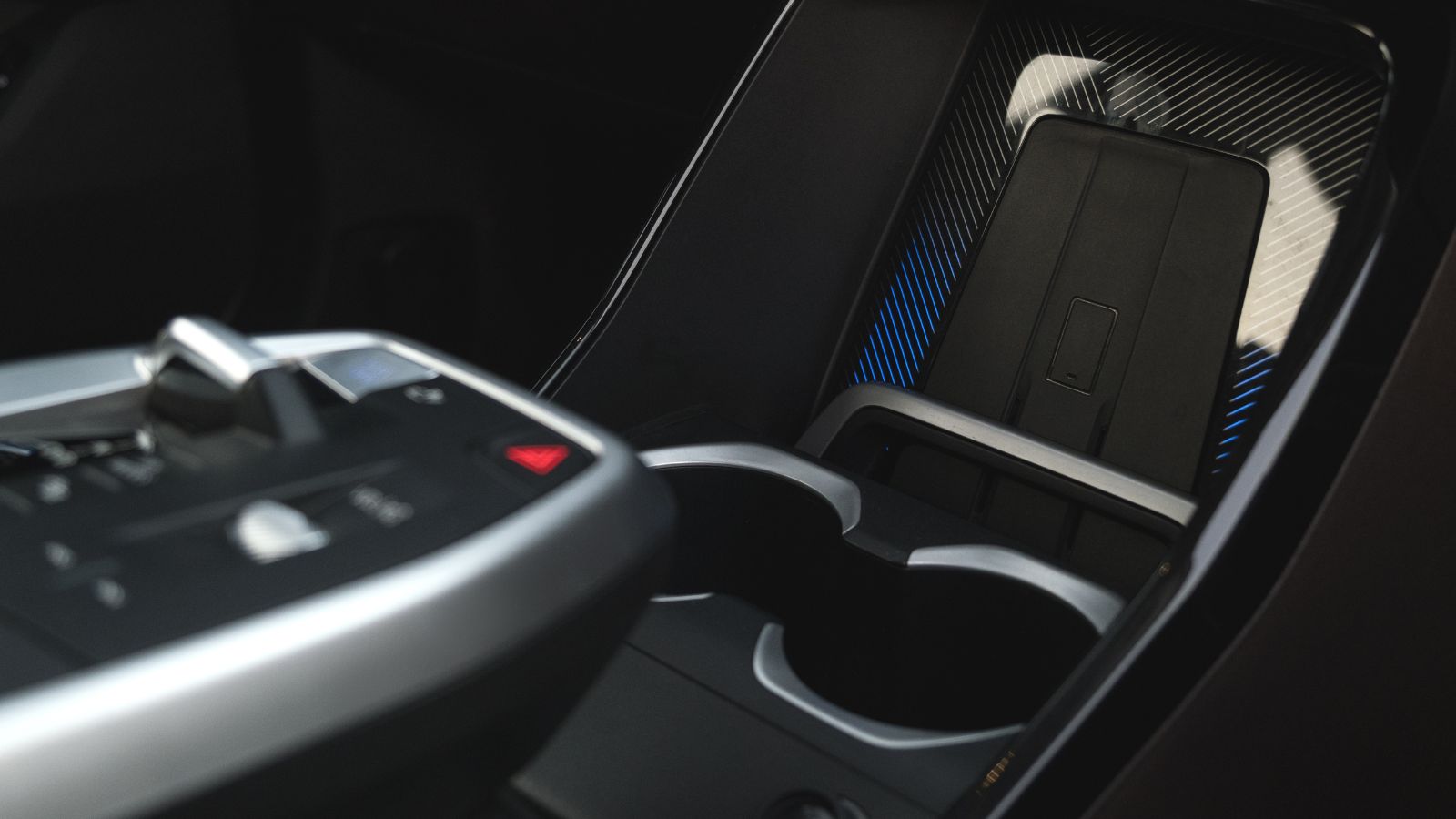
Tiny storage mistakes become surprisingly important in a car used every day. A cupholder that blocks a control, a phone tray that is too small, a center console with nowhere for keys, or a door pocket that cannot hold a common bottle may sound trivial in a brochure. During commuting, however, these are precisely the spaces touched at the beginning and end of almost every trip.
Recent owner research supports that point. J.D. Power’s 2026 U.S. APEAL Study said improved storage solutions—including cupholders, phone placement, and center-console design—helped lift owner satisfaction. Its 2025 Japan Initial Quality Study likewise noted that cupholders draw complaints when they are poorly placed, too few, or awkward to use. Commuters develop routines: coffee goes in one place, a phone in another, access cards somewhere else. When the cabin has not been designed around those repetitive actions, inconvenience becomes part of the vehicle’s personality each day.
Voice Recognition That Needs Repeating
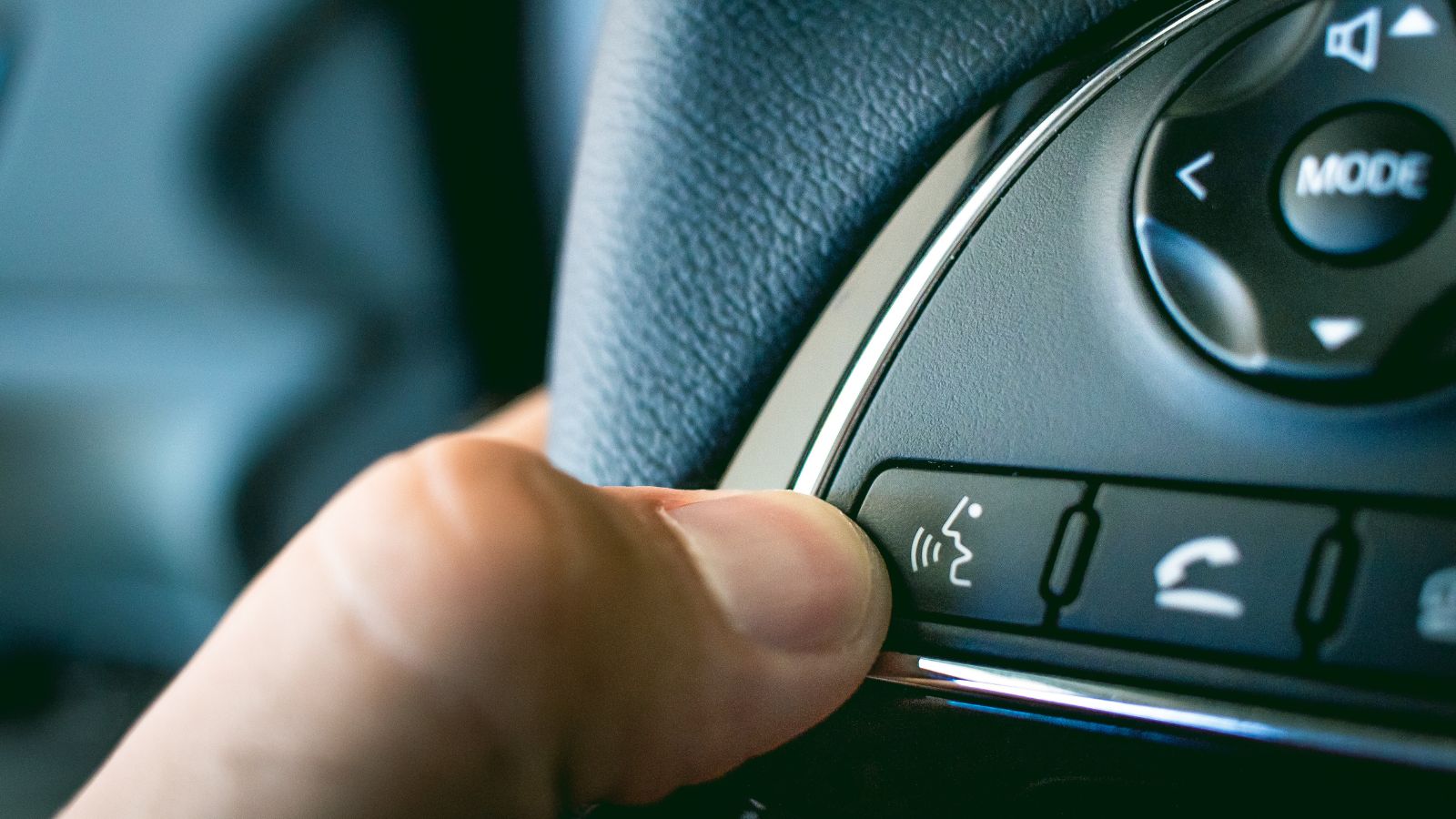
Voice control promises a way to change destinations, select music, make calls, or adjust vehicle functions without hunting through menus. It becomes maddening when the system mishears names, requires rigid command phrases, pauses too long, or returns an unrelated result. A feature intended to eliminate friction can instead create a conversation in which the driver repeats the same request while traffic continues moving.
Research on in-vehicle interfaces shows why this matters. AAA Foundation studies have found that voice-based systems can still create cognitive workload even when the driver’s hands remain on the wheel. J.D. Power’s 2025 Japan APEAL Study identified voice recognition as a low-scoring infotainment feature needing improvement. The distinction is between access and usability. Simply adding a microphone icon does not make a function effortless. On a route, a voice assistant that consistently misunderstands a destination or contact can become more irritating than pressing a well-placed physical button.
Wireless Charging That Works Only Sometimes
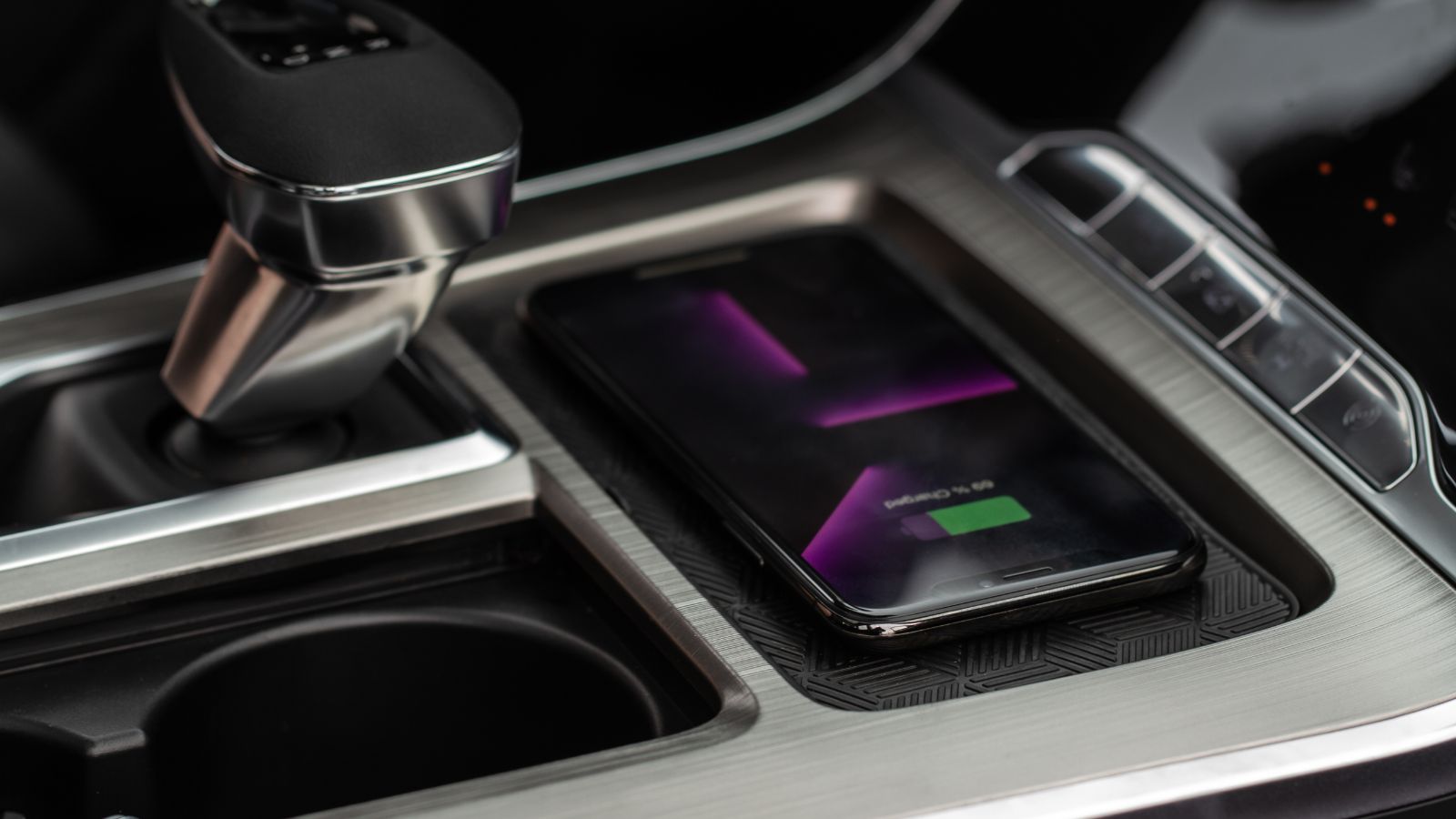
Wireless charging sounds ideal for commuters because the phone can be dropped onto a pad at the start of the trip and picked up at the end. If the device slides on a corner or charging starts and stops without warning, the convenience advantage disappears, especially when the driver discovers a low battery after assuming the phone had been charging.
This is not a fringe complaint. J.D. Power’s 2026 Vehicle Dependability Study recorded wireless charging pads at 5.1 problems per 100 vehicles, placing them among the prominent mobile-phone integration issues reported by owners. The same study showed smartphone-related functions make up a substantial share of infotainment complaints. Daily use magnifies the irritation because charging is often part of a commuter’s routine, not an occasional experiment. A conventional cable may look less elegant, but predictable charging can be more satisfying than a premium-looking pad that demands checking. That defeats the convenience.
Software Updates That Change the Car Without Improving It

Modern cars receive software updates for infotainment, controls, battery management, driver assistance, and other functions. Updates can fix problems and add features, but they can also change menus, reset preferences, introduce bugs, or leave owners wondering what improved. A commuting routine built around familiar settings can be disrupted when an overnight update moves a control or alters a feature’s behaviour.
J.D. Power’s 2026 Vehicle Dependability Study illustrates the gap between activity and perceived benefit. Forty percent of surveyed owners said their vehicles received a software update during the previous 12 months. Among those owners, only 27% said the update improved the vehicle, while 58% noticed no difference. More than half of updates were delivered over the air. Software-defined vehicles are not inherently annoying, but unclear changes can make them feel unpredictable. For drivers, consistency matters because the morning commute is rarely the moment anyone wants to relearn a familiar function.
Getting In and Out Is More Awkward Than Expected

Entry and exit can be overlooked because each happens quickly during a test drive. Over a workweek, however, a low roof, wide sill, high step-in height, narrow door opening, or steering wheel that does not move far enough away can become irritating. Commuters may enter and leave the vehicle several times a day, often while carrying a laptop bag, coffee, groceries, or a child’s gear.
Owner-satisfaction research increasingly treats accessibility as part of everyday vehicle appeal. J.D. Power’s 2026 U.S. APEAL Study reported a 10-point improvement in satisfaction with ease of getting in and out, one of the larger year-over-year gains it highlighted. That finding underscores how ergonomics affect emotional attachment to a car. A vehicle can have excellent acceleration and advanced technology yet still feel poorly matched to its owner if every entry requires ducking under the roof or every exit demands an awkward climb over a high bolster.
Cold-Weather EV Range That Shrinks the Comfort Margin
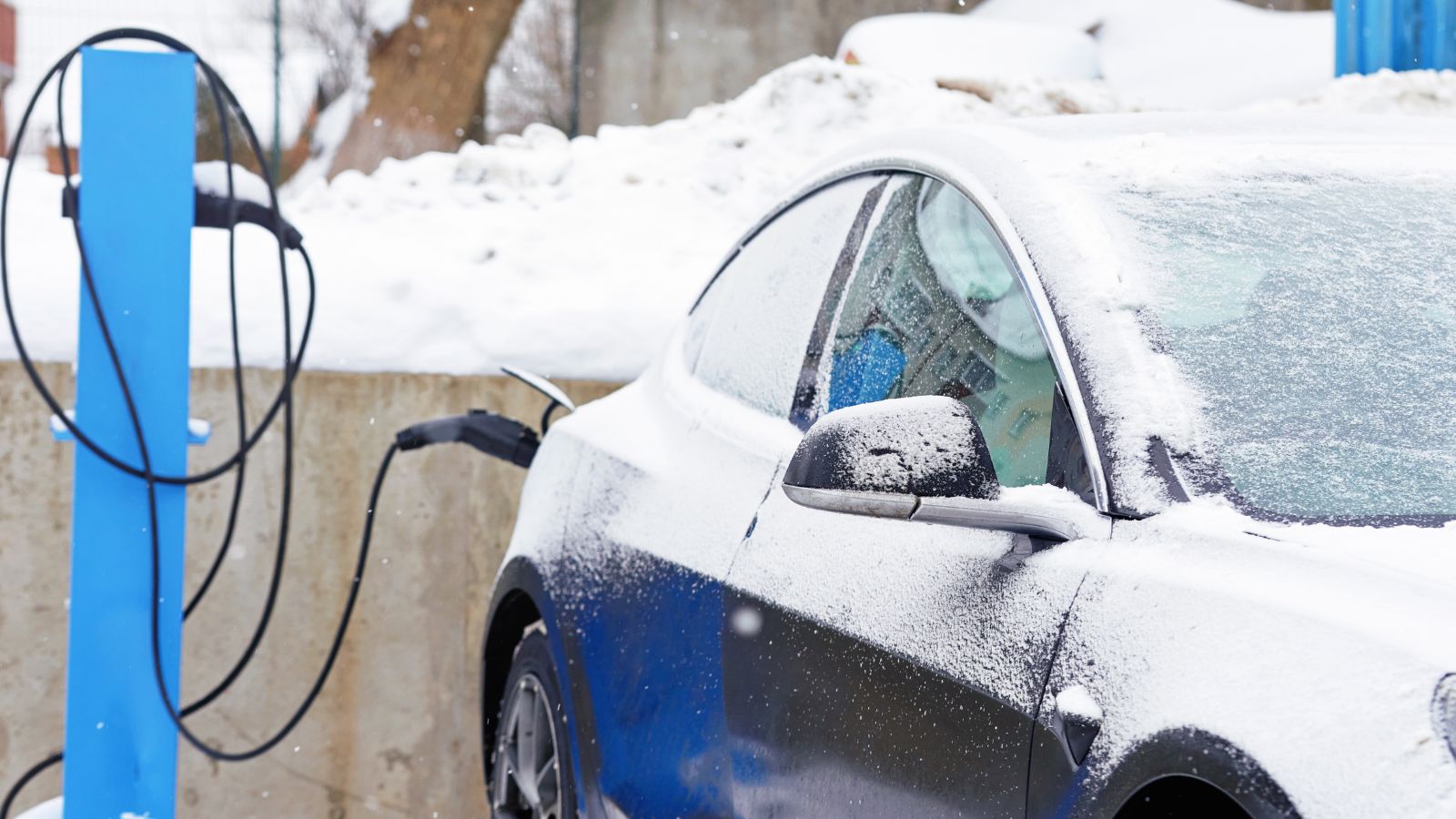
For electric-car commuters, winter can turn a generous range estimate into something watched closely. Batteries operate less efficiently in low temperatures, and cabin heating consumes energy that would otherwise be available for driving. The effect matters most when a commute is long, charging is inconvenient, or the vehicle spends the workday parked outside in severe cold.
U.S. Department of Energy research notes that battery-electric vehicles are more sensitive to extreme temperatures than combustion vehicles, partly because cabin heat must come from stored electrical energy rather than engine waste heat. AAA testing has repeatedly shown that cold weather and HVAC use reduce real-world EV efficiency and range, though the size of the effect varies by vehicle and conditions. Most commuters still have ample range for trips, but a smaller winter buffer can make detours, forgotten charging sessions, or an unexpected errand feel more consequential than they do in mild weather.
Powertrain Drone or Hesitation in Stop-and-Go Traffic
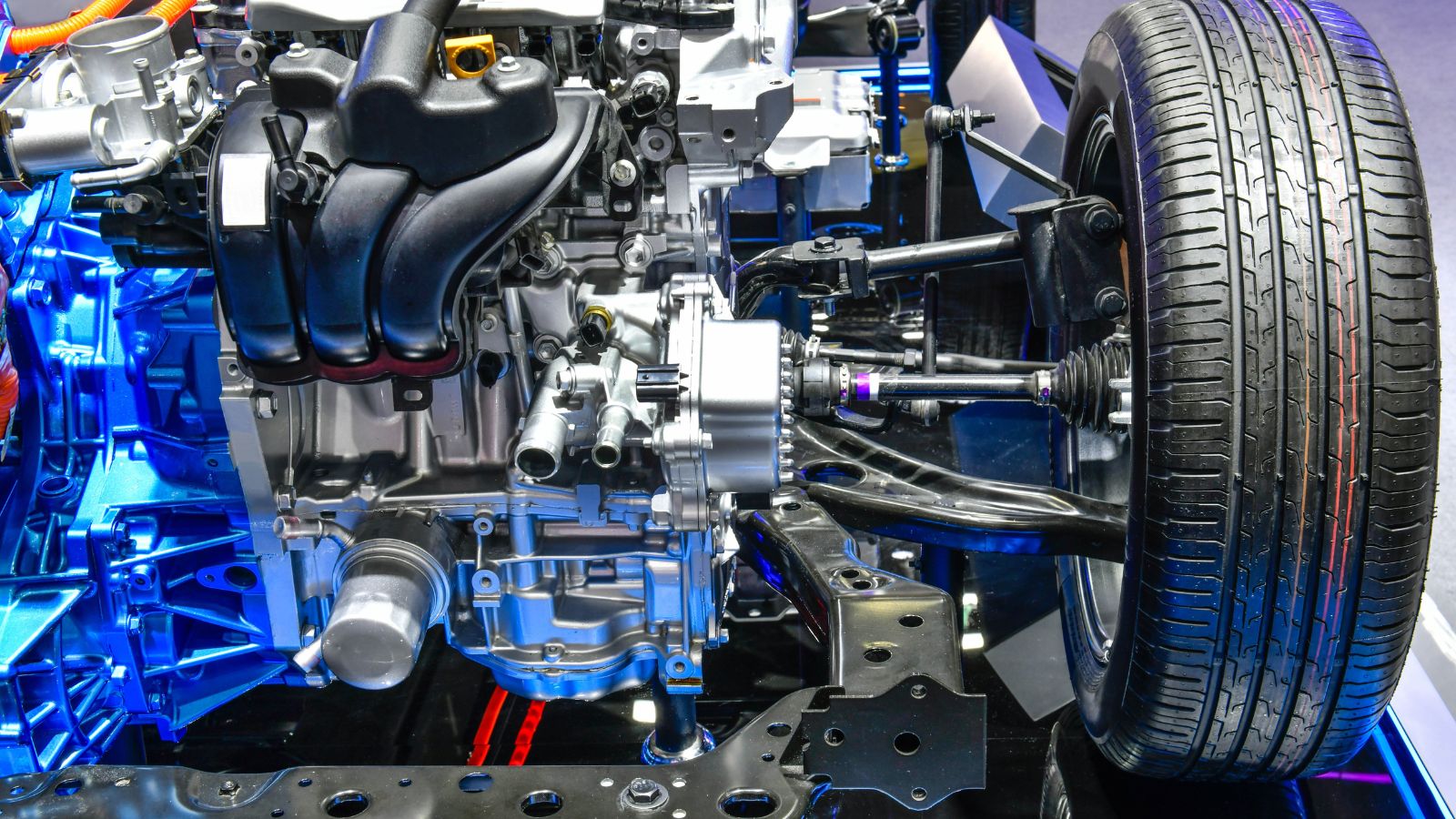
A powertrain does not need to be slow to become irritating. Some cars surge abruptly from a stop, hesitate before responding, hunt between gears, or hold engine speed at a pitch during acceleration. These behaviours are easy to miss on a short drive but become obvious when the same vehicle repeatedly merges, crawls, and accelerates through traffic.
Continuously variable transmissions provide an example. SAE research has found that the nonlinear relationship between engine speed and vehicle speed in CVT-equipped cars can produce a prolonged droning or humming sound that occupants rate negatively. Other transmission types can create annoyances through rough or delayed shifts. Consumer Reports evaluates these traits because smoothness and response matter in driving, not just performance tests. A commuter car is at its best when the powertrain disappears into the background; repeated hesitation, flare, shudder, or drone makes traffic gaps feel like a reminder of the machinery itself.
19 Used Cars Canadians Should Avoid in 2026 (Based on Owner Complaints)

Buying a used car in Canada can feel safe until repair bills start stacking up. Owner complaints tell a different story than glossy listings. Transmission failures, electrical problems, and weak winter reliability show up again and again in consumer reports. Many of these issues appear after warranties expire, when owners least expect them. Some vehicles look affordable upfront, but become expensive to keep on the road. Others struggle in cold weather, urban driving, or long highway commutes. Here are 19 used cars Canadians should avoid in 2026 (based on owner complaints).
19 Used Cars Canadians Should Avoid in 2026 (Based on Owner Complaints)

Alanna Rosen is an experienced content writer that focuses on many EV and educational content. Her articles are regularly published on Get CyberTrucked and syndicated on large publications.