A car that feels perfectly normal around town can become surprisingly unsettled once highway speeds magnify small problems. A faint steering shimmy, gentle wandering, excessive body movement, or sudden tug across a wet lane may be the first sign that tires, wheels, suspension components, loading, or even road conditions are changing how the vehicle responds.
Some causes are routine maintenance issues, while others deserve prompt professional attention because they can affect steering or tire security. These 18 things that can make a car feel unstable on the highway explain why seemingly minor defects become much more noticeable at speed—and why the sensation of instability should rarely be dismissed as simply an aging vehicle.
Incorrect or Uneven Tire Pressure
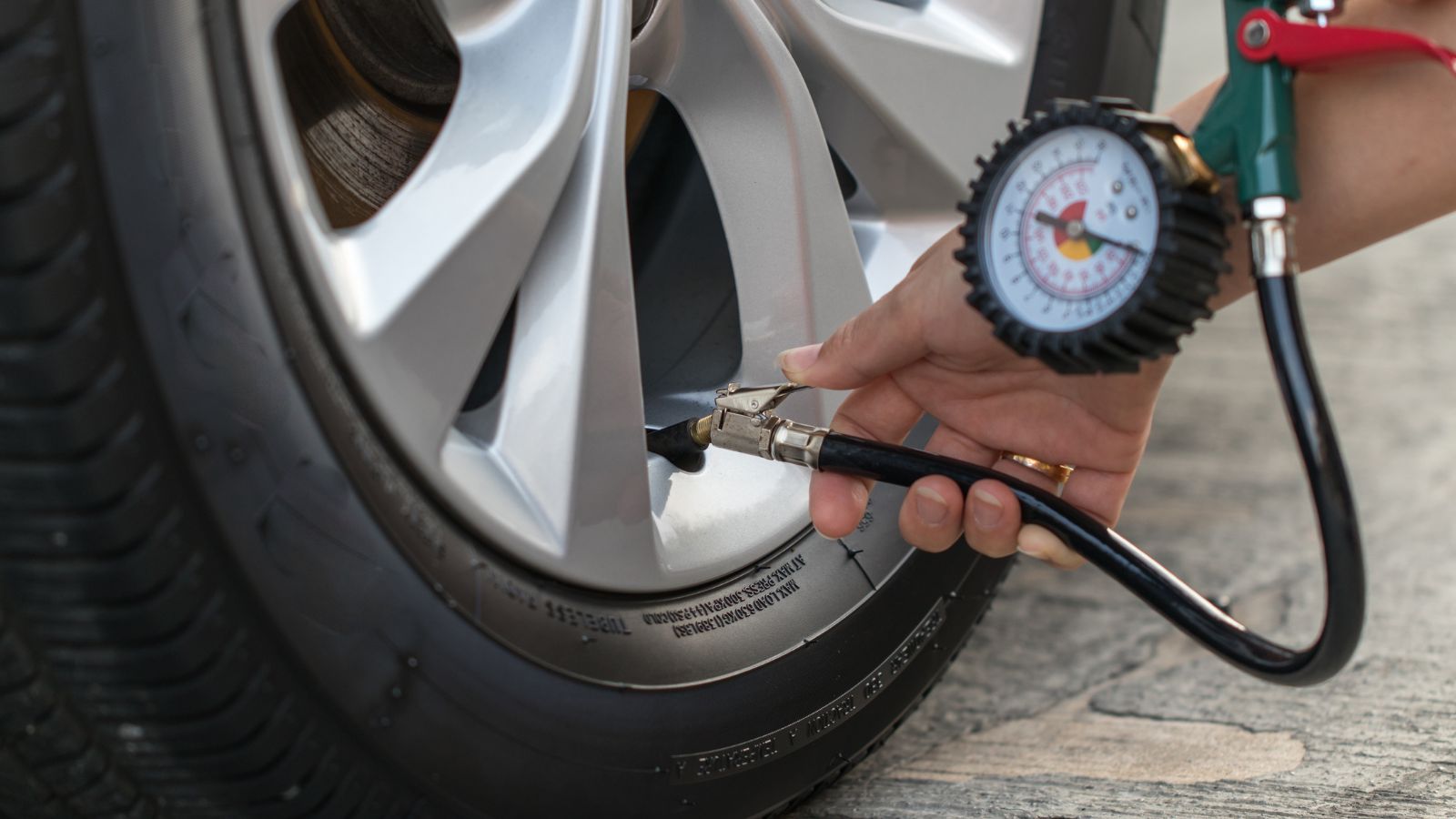
Tires provide the only contact between a vehicle and the pavement, so relatively small pressure differences can noticeably change how a car behaves at highway speeds. An underinflated tire flexes more than intended, making steering response feel slower and less precise. If pressure differs significantly from one side of the vehicle to the other, the car may also drift or require repeated steering corrections. Overinflation creates a different problem: the tire becomes less compliant over bumps and may respond more abruptly to imperfections in the road.
The correct target is the vehicle manufacturer’s cold-pressure specification printed on the door placard or listed in the owner’s manual—not the maximum pressure molded onto the tire sidewall. Tire-pressure monitoring systems are useful, but they normally warn only after pressure has fallen significantly. That means a vehicle can begin feeling different before a dashboard warning appears. Checking pressures cold before a long highway trip remains one of the simplest ways to eliminate a surprisingly common handling problem.
Wheel Alignment That Has Drifted Out of Specification
Alignment describes the angles at which the wheels sit relative to the road and one another. When toe, camber, or other settings move outside the manufacturer’s specifications, a vehicle may no longer naturally track straight. Instead, the driver can find themselves making tiny corrections every few seconds, particularly on a smooth highway where the wandering is easier to notice. A steering wheel that sits slightly crooked while the car travels straight is another familiar clue.
Pothole impacts, curb strikes, collision damage, and worn suspension components can all disturb alignment. The tires often provide additional evidence: one shoulder may wear faster than the rest of the tread or develop an unusual feathered pattern. Alignment differs from wheel balancing, even though the two problems are often confused. Balancing primarily addresses vibration from rotating wheel assemblies, while alignment affects the direction in which the wheels want to travel. A proper four-wheel alignment can therefore transform a car that feels nervous or constantly pulls at highway speed.
Wheels and Tires That Are Out of Balance
A wheel-and-tire assembly is never perfectly uniform, which is why technicians add small weights when balancing it. If one of those weights falls off, a tire wears irregularly, or the assembly was never balanced correctly, the uneven mass creates a repeating force every time the wheel rotates. At neighborhood speeds the effect may barely register. Once speed increases, however, the vibration can become strong enough to shake the steering wheel, seat, floor, or dashboard.
The distinctive clue is that imbalance often becomes noticeable within a particular speed range. A car might feel smooth at 50 mph, shake strongly around 65 mph, and then change character again as speed rises. Front-wheel imbalance is frequently felt most clearly through the steering wheel, while problems at the rear can be more noticeable through the seat or body. Balancing should normally be performed whenever tires are mounted, and a new highway-speed vibration after tire work is a good reason to have the assemblies checked again rather than assuming the new tires are defective.
Tires With Too Little Tread
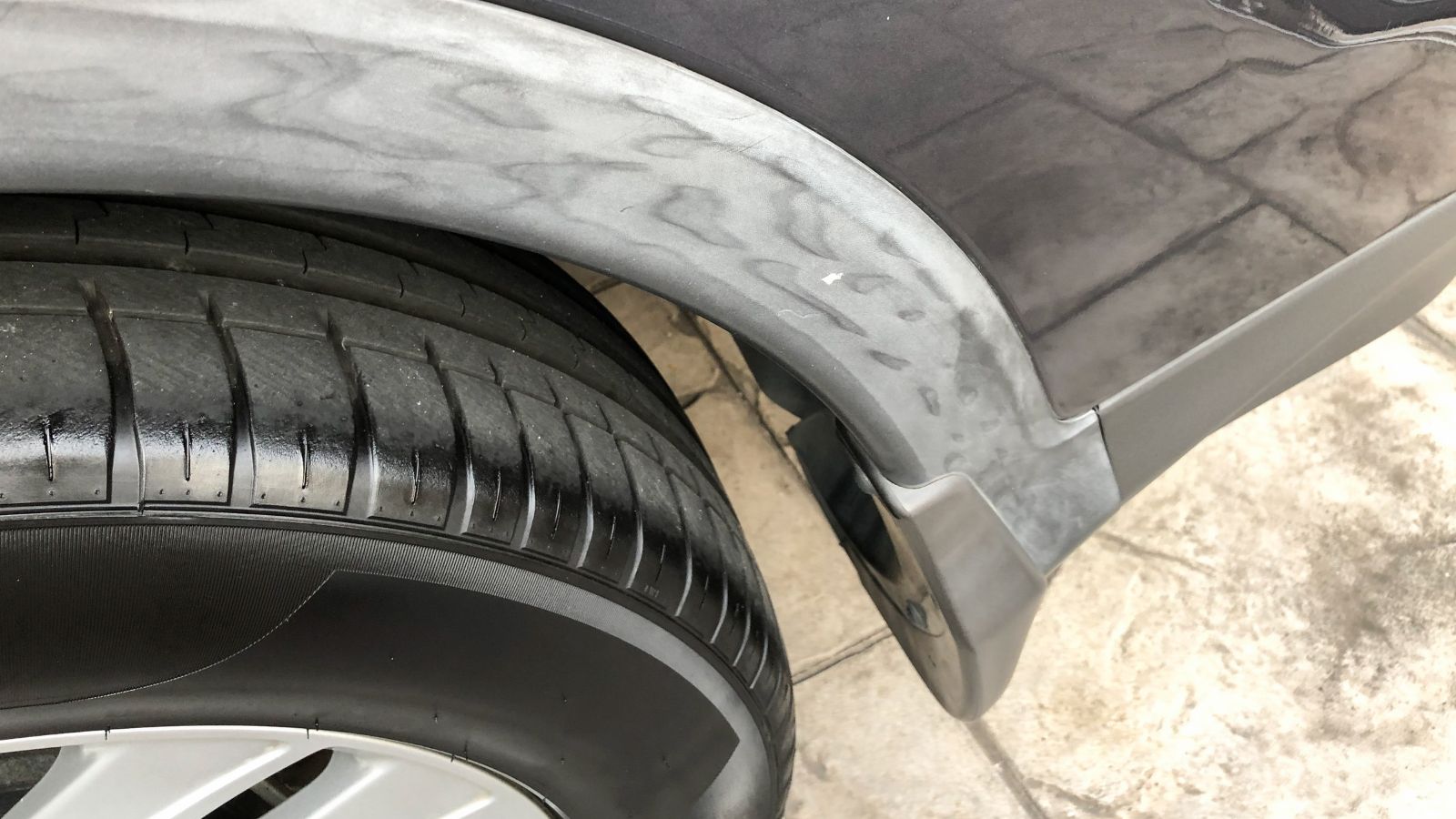
A nearly worn-out tire may still feel acceptable on dry pavement, yet its ability to deal with rain can deteriorate dramatically. Tread grooves are designed partly to move water away from the tire’s contact area. As those grooves become shallower, the tire has less capacity to evacuate water. The result can be a car that suddenly feels light, vague, or reluctant to follow steering inputs when a highway turns wet—even though it seemed perfectly stable a few minutes earlier.
In the United States, NHTSA identifies 2/32 of an inch as the point at which a tire is worn out and should be replaced. Waiting until that absolute minimum, however, means comparatively little tread remains available for water displacement. Wear may also be uneven, leaving the inner shoulder considerably smoother than the portion visible from outside the car. Monthly inspections are therefore useful for more than predicting replacement costs. On a rainy freeway, healthy tread depth is directly connected to maintaining dependable tire-to-road contact.
Mismatched Tires
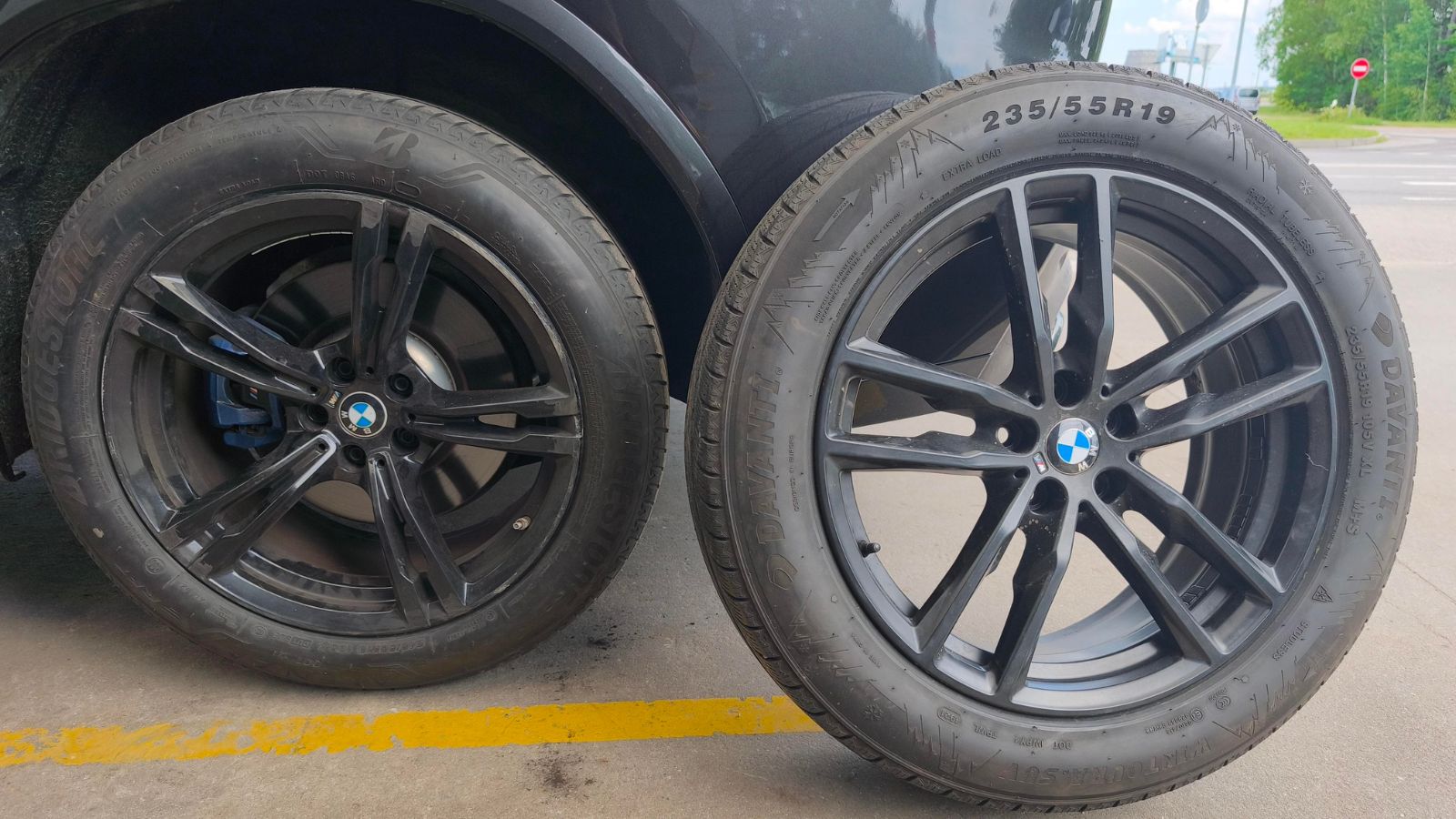
A vehicle is engineered around tires with compatible dimensions and handling characteristics. Mixing different sizes, constructions, tread patterns, or dramatically different levels of wear can upset that balance. Two tires may display the same nominal size yet use different compounds or tread designs that respond differently to steering and wet pavement. During routine cruising, that difference might seem insignificant. During an emergency lane change or sudden rainstorm, however, the front and rear axles may no longer develop grip in a similarly predictable way.
This is particularly important when only two tires are replaced. Tire manufacturers commonly recommend placing the deeper-tread pair on the rear axle to preserve rear stability, especially on wet roads. All-wheel-drive vehicles can impose additional requirements because substantially different tire diameters may interfere with drivetrain operation. Some vehicles are intentionally designed with different front and rear tire sizes, so the manufacturer’s specifications remain the final authority. Randomly mixing tires simply because they physically fit can leave a car feeling less settled than it did on a properly matched set.
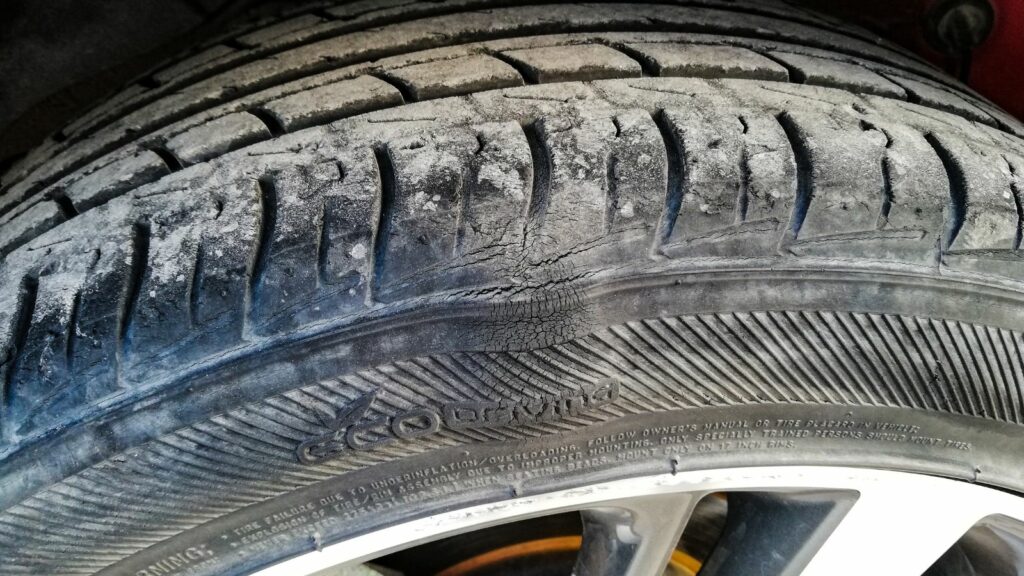
Internal Tire Damage or a Developing Bulge
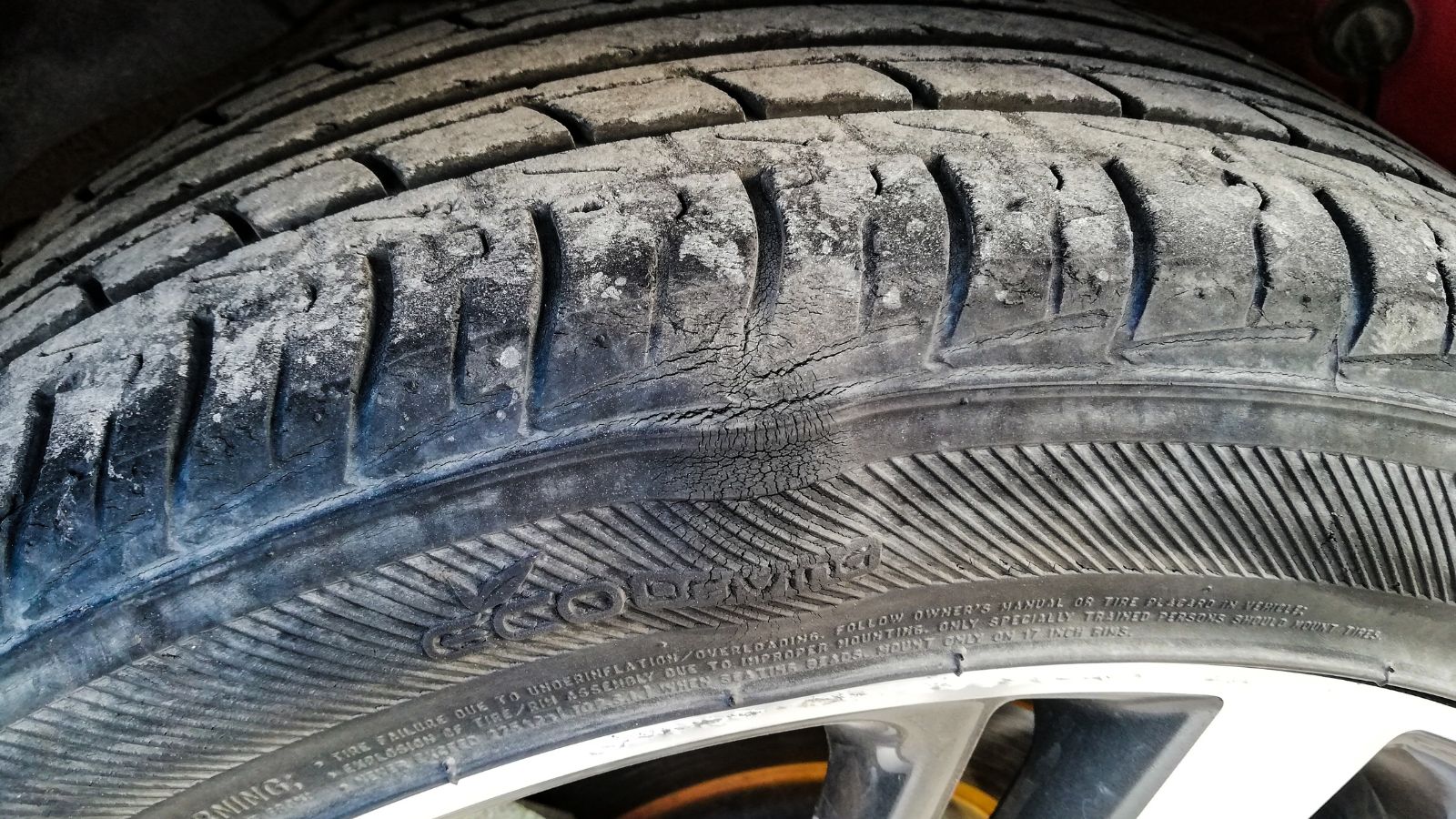
Not every dangerous tire problem can be spotted by looking at tread depth. A hard pothole strike or curb impact can damage internal cords and create a bulge, distortion, or separation inside the tire. Once the tire is no longer uniformly round or structurally consistent, each rotation can produce a repeating disturbance. A previously smooth car may begin vibrating, thumping, or feeling as though one corner is slightly out of step with the others.
NHTSA guidance treats cuts, cracks, bulges, irregular wear, unusual noise, and vibration as reasons for tire inspection. A sidewall bubble, for example, can indicate cord damage from a severe impact rather than a cosmetic flaw. Internal damage can also exist without an obvious external mark, which is why a sudden new vibration after hitting a pothole deserves attention even when the tire still holds air. Rebalancing cannot repair structural tire damage. If a tire is visibly distorted or a severe vibration appears suddenly, reducing speed and arranging a professional inspection is far safer than continuing a highway trip to see whether the problem disappears.
Worn Shocks or Struts
Springs allow a wheel to move when the car encounters a bump, while shocks and struts control that movement. As those dampers wear, the suspension can continue bouncing longer than it should. On a highway, the result may feel like floating over undulations, extra body movement during lane changes, or an unsettling secondary bounce after hitting a bridge joint. The car may remain technically steerable while requiring more corrections and producing far less confidence than it did when the dampers were healthy.
The problem becomes more important on rough or wet pavement because excessive wheel movement can reduce consistent tire contact with the road. Worn shocks and struts can also contribute to cupped tire wear, creating another source of vibration. Oil leakage, repeated bouncing, excessive brake dive, unusual body roll, and delayed settling after bumps can all justify inspection. Because damper deterioration usually happens gradually, drivers sometimes adapt to the declining handling without realizing how much control has been lost until they drive another vehicle or replace the worn components.
Worn Tie Rods, Ball Joints, or Suspension Bushings
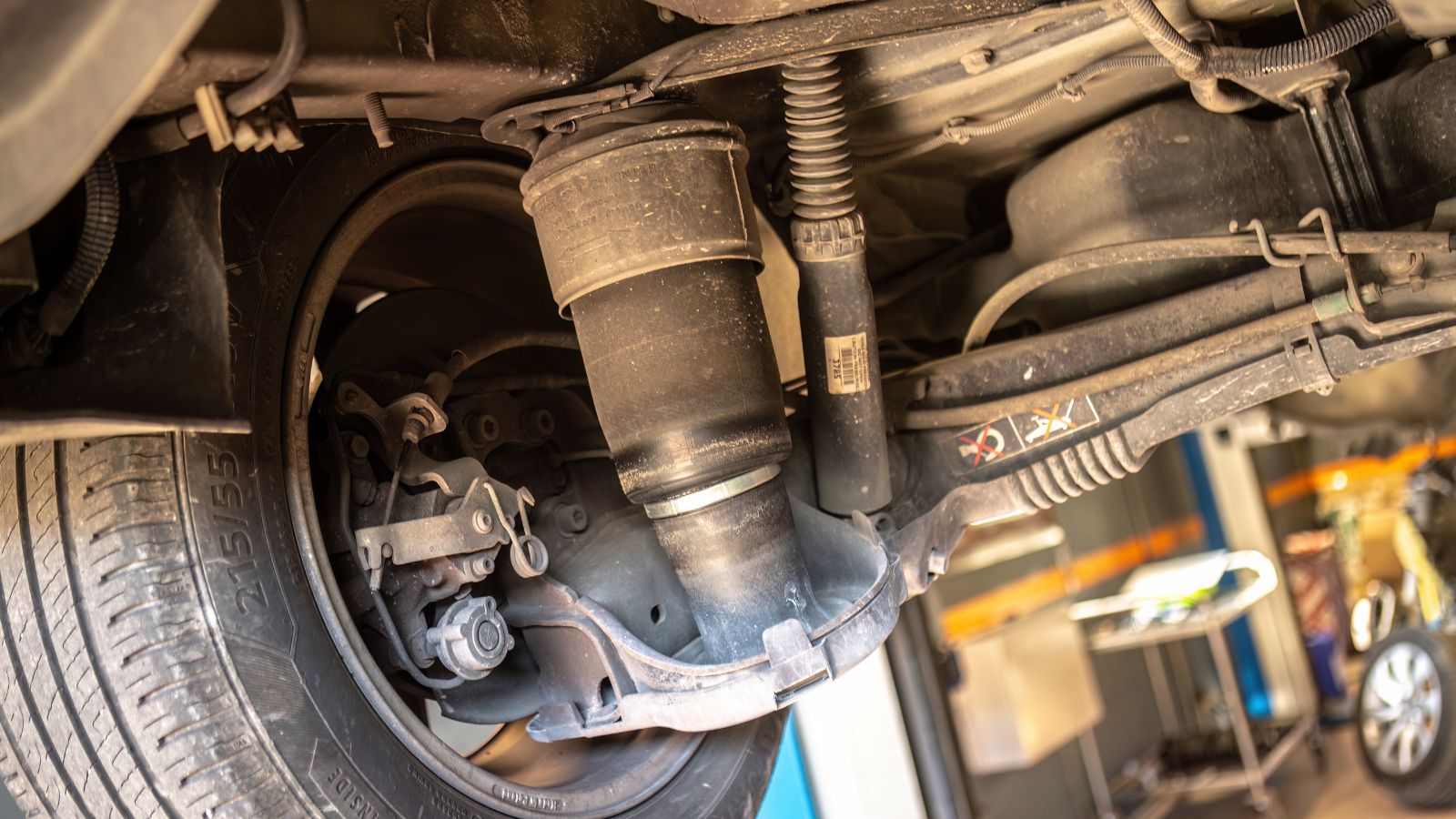
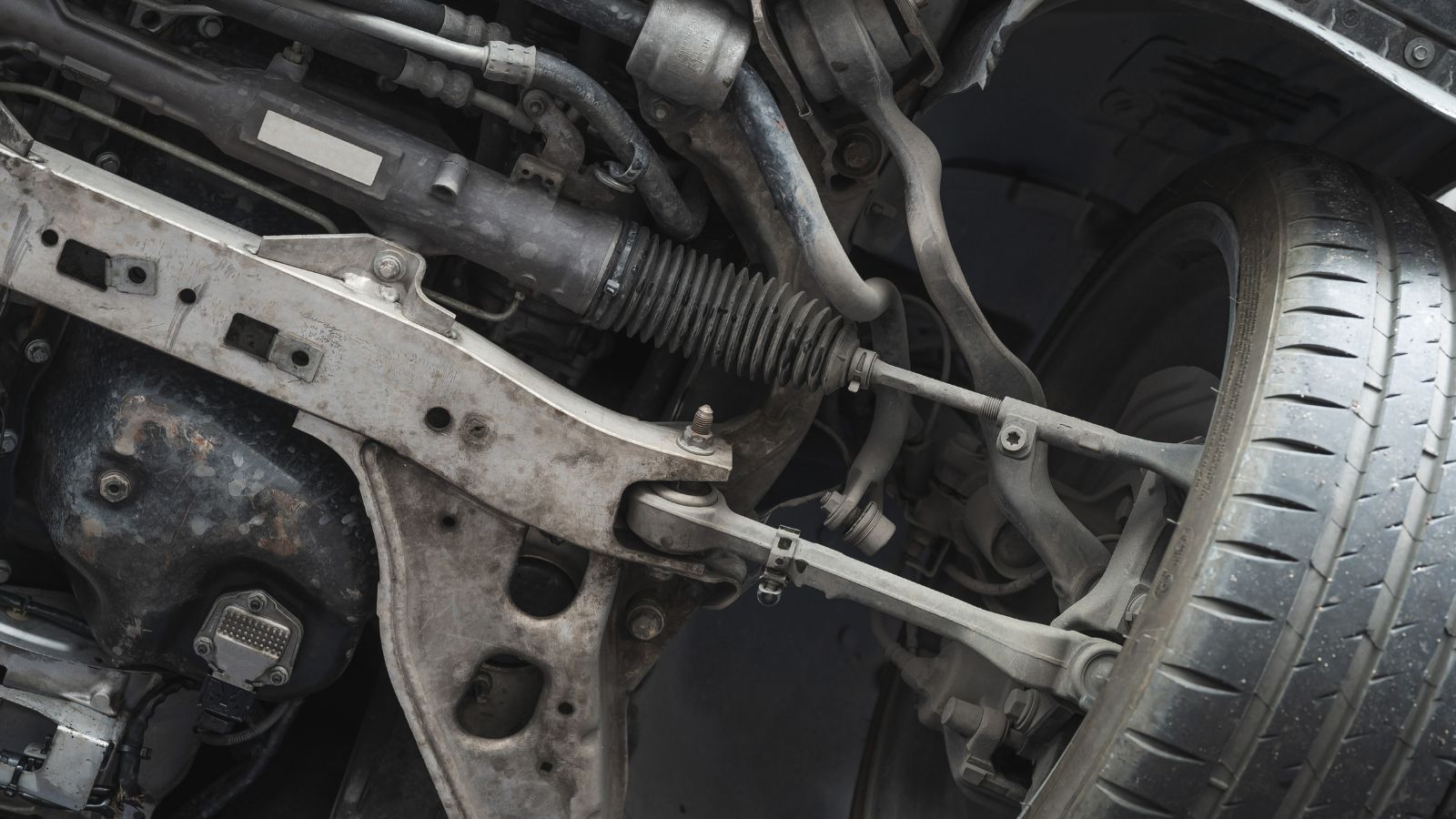
Steering and suspension components are supposed to guide each wheel through a tightly controlled path. Tie-rod ends transfer steering movement, ball joints allow suspension articulation, and bushings keep control arms and other parts positioned while absorbing vibration. When these components develop excessive play, the wheel can move slightly without a matching steering-wheel command. At highway speed, even modest looseness may translate into vague steering, wandering, clunks over bumps, or a feeling that the car takes a moment to respond.
These problems can also prevent an alignment from remaining correct. A technician may place the wheels within specification while the vehicle is stationary, but a worn bushing can allow the geometry to change as braking, acceleration, and road forces load the suspension. That is why a good alignment shop checks for looseness before making adjustments. Tie rods and ball joints are particularly important because serious failure can compromise steering control. A car that has suddenly developed excessive steering play, especially when accompanied by knocking or irregular tire wear, deserves mechanical inspection rather than repeated alignment attempts.
A Worn Wheel Bearing

Wheel bearings allow the wheels to rotate smoothly while supporting substantial vehicle loads. As a bearing deteriorates, it may produce humming, rumbling, or growling that changes with road speed or when the vehicle gently turns. Advanced wear can introduce unwanted movement at the hub, contributing to wheel wobble or vibration. That combination can make a car feel increasingly uneasy at highway speeds even when the tires themselves are properly balanced.
Bearing symptoms can be deceptive because tire noise, uneven tread wear, and suspension problems can produce similar sounds. One useful clue is a rumble that changes as vehicle weight shifts during a gentle curve, although diagnosis should ultimately be performed by a technician. Bearing manufacturers also note that significant hub looseness can influence brake operation and wheel movement. This is not a component worth ignoring until the noise becomes unbearable. A mild growl may represent early wear, while obvious looseness, grinding, or severe vibration suggests a more developed problem that should be inspected before continued high-speed driving.
Loose or Improperly Torqued Lug Nuts
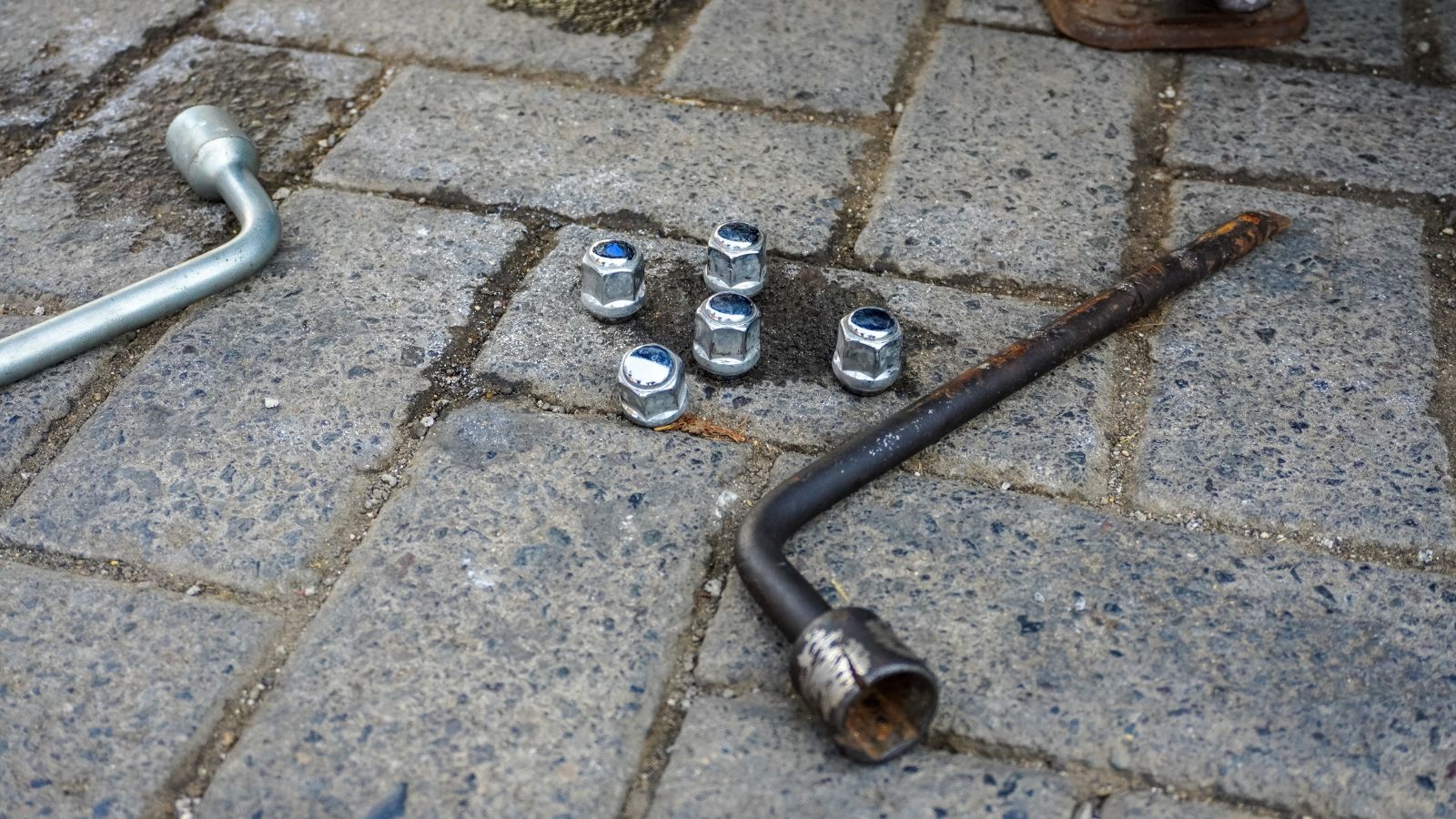
The wheel must be clamped tightly and evenly against the hub. If lug nuts or bolts are insufficiently tightened, the wheel can begin moving relative to the hub instead of rotating as one rigid assembly. Early symptoms can include vibration, wobbling, clicking, or a sensation that one corner of the car is no longer tracking normally. Because highway speed repeatedly loads the wheel with considerable rotational and road forces, looseness can worsen rather than simply remain an annoyance.
The issue sometimes appears after a recent tire change, rotation, brake repair, or wheel installation. Correct torque matters in both directions: under-tightening can allow movement, while excessive tightening can damage studs, threads, hubs, or wheels. Manufacturers therefore specify particular torque values and tightening procedures. Safety recalls have documented cases in which insufficient wheel clamping allowed wobble before more serious fastener failure. When a pronounced vibration begins soon after wheel service, checking the installation should be part of the diagnosis. Severe wobbling or suspected loose fasteners warrants stopping rather than attempting to complete a highway journey.
A Bent or Out-of-Round Wheel
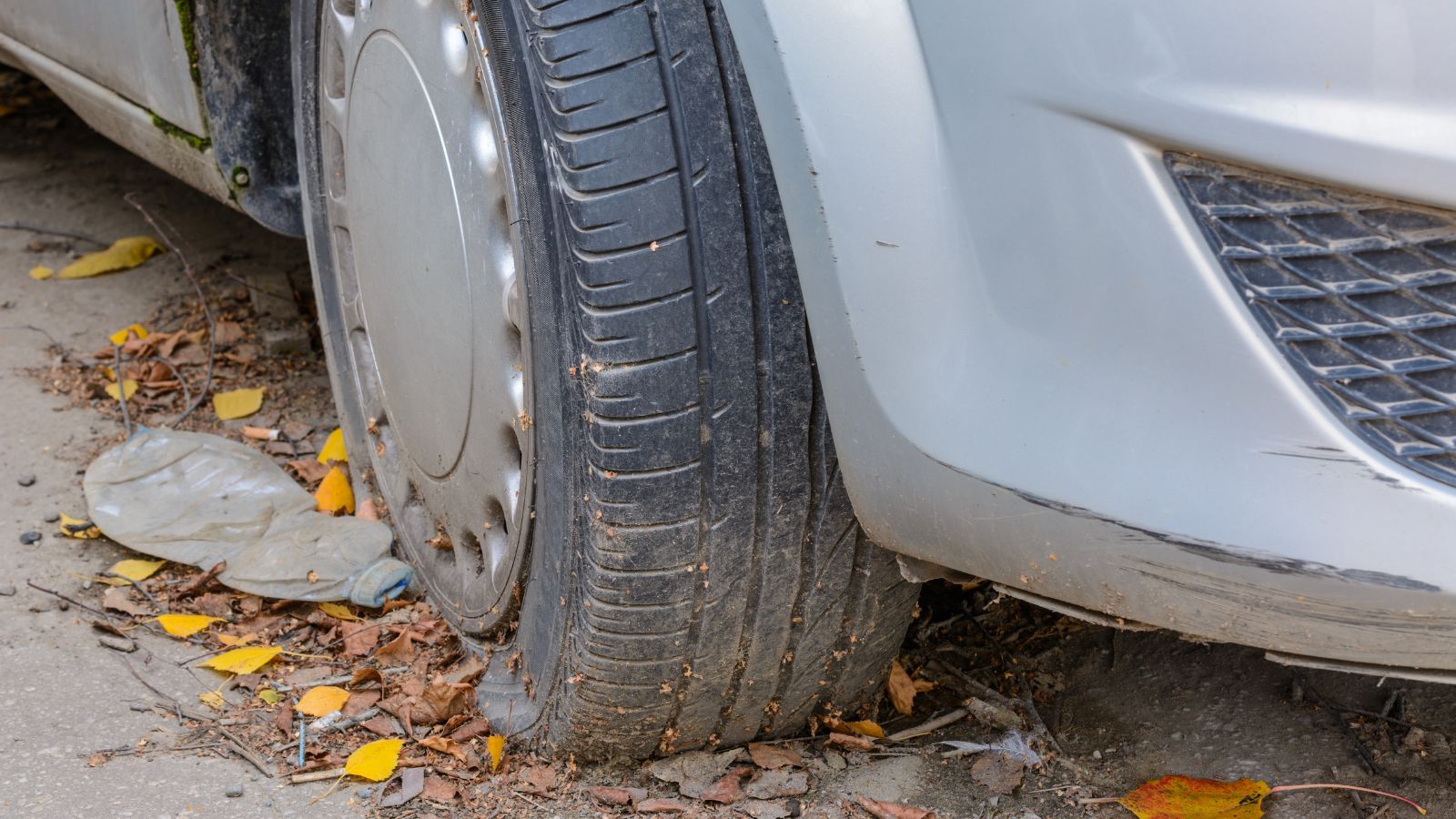
A wheel can look almost perfect from the outside while being slightly deformed on its inner rim. Potholes, road debris, and curb impacts can create radial or lateral runout, meaning the wheel no longer rotates perfectly true. Once highway speed is reached, the small geometric error repeats many times every second and can become a noticeable steering shake or rhythmic vibration. Conventional balancing may reduce some symptoms while failing to eliminate the underlying problem because weight distribution and wheel shape are separate issues.
Manufacturer diagnostic bulletins specifically distinguish imbalance, out-of-round conditions, and tire force variation when investigating highway-speed shake. In other words, a wheel can be perfectly balanced yet still generate vibration if it is physically distorted. A bent flange may also interfere with the tire’s bead seal and cause gradual pressure loss. Professional inspection typically involves spinning the wheel and measuring runout rather than relying only on visual examination. If vibration appeared immediately after a major pothole impact, checking wheel straightness along with the tire and suspension can prevent repeated, ineffective balancing attempts.
Too Much Weight or Poorly Distributed Cargo
Adding passengers and luggage changes more than the number displayed at the fuel pump. It increases the load carried by the tires, suspension, brakes, and axles. If the vehicle exceeds its rated capacity—or if heavy cargo is positioned poorly—steering response and stability can change. The rear may feel unusually soft, the vehicle can take longer to settle after bumps, and quick lane changes may involve more body movement than expected.
Every passenger vehicle carries a Tire and Loading Information label specifying how much combined occupant and cargo weight it is designed to handle. Manufacturers warn that excessive or improper loading can affect stability, stopping distance, and tire performance. This matters during family vacations, airport runs, or moves, when an ordinary car can quietly accumulate hundreds of extra pounds. Heavy objects should be secured because shifting cargo changes weight distribution while the vehicle is moving. If a normally composed car becomes noticeably floatier only when packed for a trip, the load itself—and not necessarily a failed component—may be part of the explanation.
Strong Crosswinds and Air Disturbed by Large Vehicles

Sometimes the car is not malfunctioning at all. Crosswinds create lateral aerodynamic forces and yawing moments that can push a vehicle away from its intended path. Research into vehicle aerodynamics has shown that wind disturbances can produce measurable changes in lateral acceleration and yaw response. Drivers often notice the effect when leaving the protection of trees, crossing an exposed bridge, or emerging from beside a large truck where the airflow changes suddenly.
Vehicle shape matters. Taller, larger-sided vehicles generally present more surface area to the wind, although ordinary passenger cars can still react to strong gusts. Passing trucks can create similarly abrupt changes in airflow: the car may first be pushed or drawn toward one direction and then feel another force as it clears the larger vehicle. These disturbances become easier to manage when the tires, steering, and suspension are in good condition. A car already suffering from worn dampers, loose steering components, or poor alignment may feel considerably more dramatic in wind because the chassis responds less precisely to the aerodynamic disturbance.
Heavy Cargo Carried on the Roof

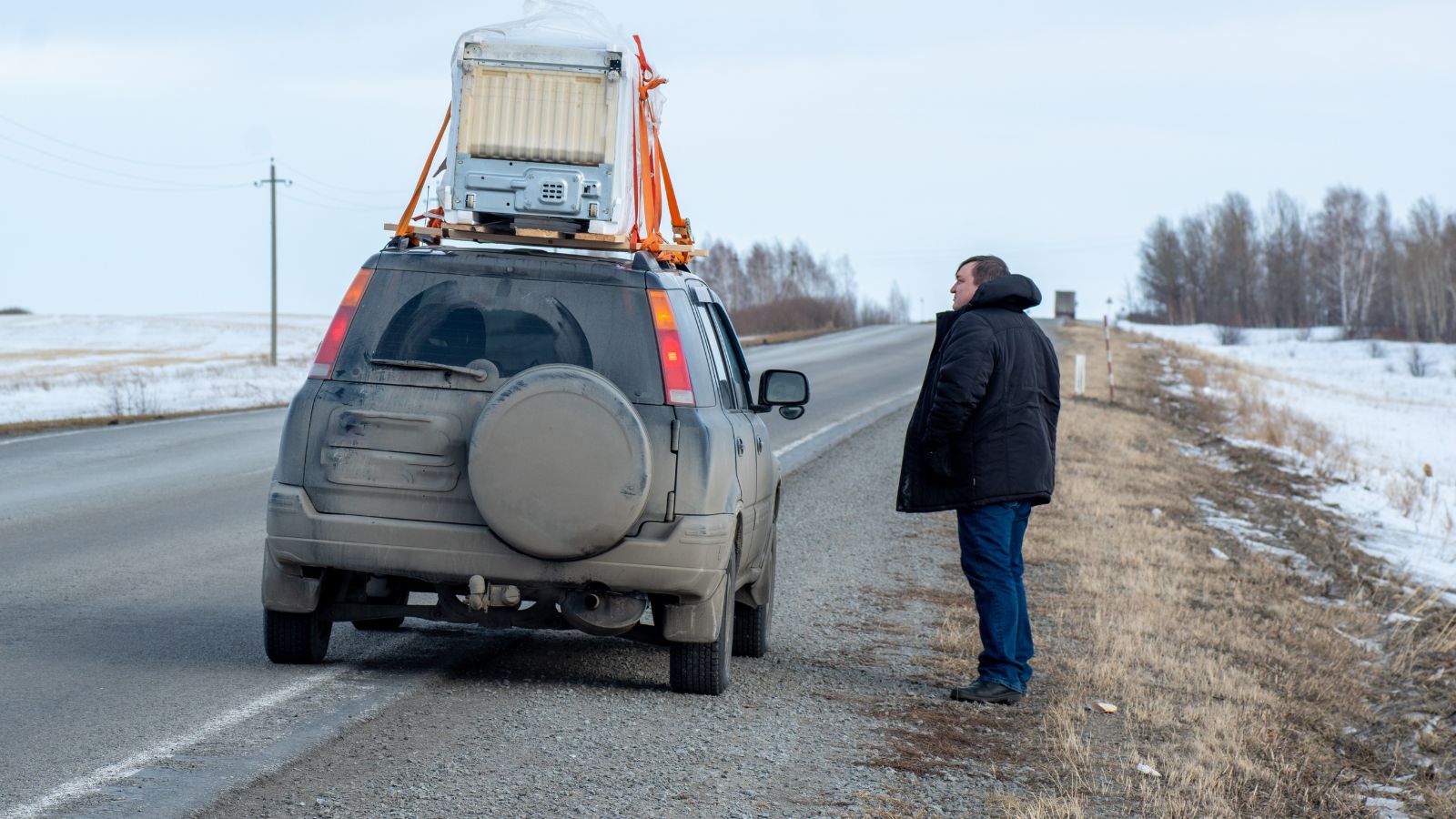
Roof boxes, bicycles, luggage, kayaks, and construction materials place weight much higher than normal cargo stored on the floor or in the trunk. Raising the vehicle’s center of gravity increases the influence that weight can have during cornering, lane changes, and abrupt maneuvers. Manufacturer guidance therefore frequently instructs drivers to reduce speed and avoid aggressive steering or braking when carrying substantial roof loads.
Aerodynamics add another complication. A large object on the roof increases the surface exposed to wind and can react strongly to crosswinds or turbulent air from passing trucks. Flat, oversized objects are particularly troublesome because aerodynamic forces can become substantial at highway speed. Every roof rack also has a specific weight limit that includes the cargo and, depending on the vehicle, potentially the rack equipment itself. A car that feels noticeably more sensitive to gusts after a roof box is installed may be responding exactly as physics suggests. Keeping heavy items low inside the vehicle whenever possible helps preserve the handling characteristics engineers originally designed into the chassis.
Trailer Sway and Incorrect Tongue Weight
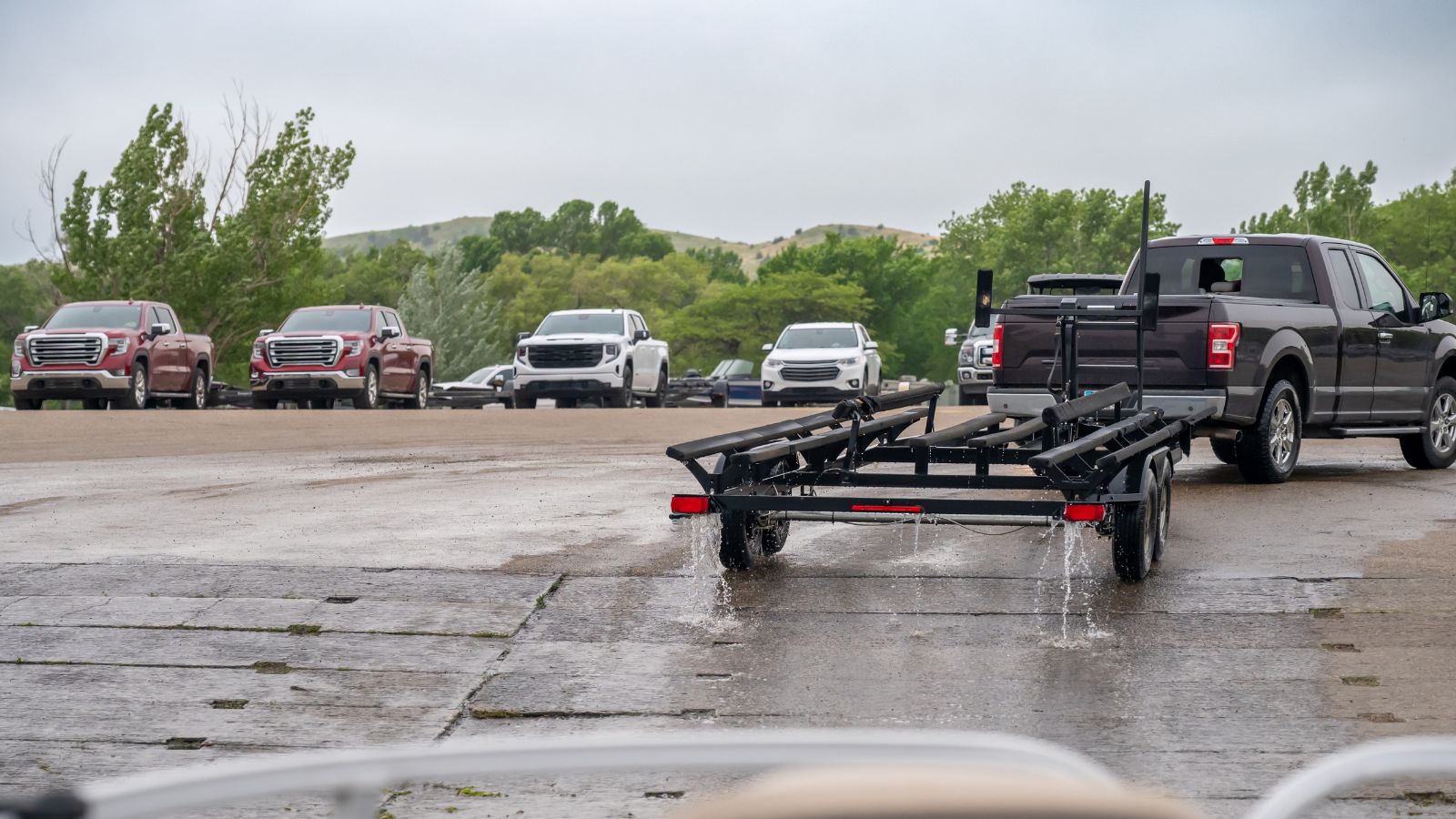
Attaching a trailer turns a single vehicle into a connected dynamic system. The trailer can yaw from side to side, transferring forces through the hitch and making the tow vehicle feel as if its rear end is being steered by something behind it. Crosswinds, passing trucks, rough pavement, excessive speed, and incorrect loading can all encourage sway. The sensation can start mildly and then become increasingly serious if oscillations build rather than settle.
Tongue weight—the downward force the trailer applies at the hitch—is particularly important. Vehicle manufacturers commonly warn that a trailer loaded too heavily toward the rear can become unstable. Cargo must also remain secured so its position cannot change during braking or cornering. Towing limits vary substantially by vehicle and trailer, so the appropriate owner’s manuals and hitch ratings should always govern the setup. Electronic trailer-sway-control systems can help on equipped vehicles, but they cannot compensate for every loading error. If a car feels stable alone but nervous only while towing, trailer loading, hitch setup, tire pressures, and speed deserve scrutiny before assuming the tow vehicle itself has developed a defect.
Standing Water and Hydroplaning
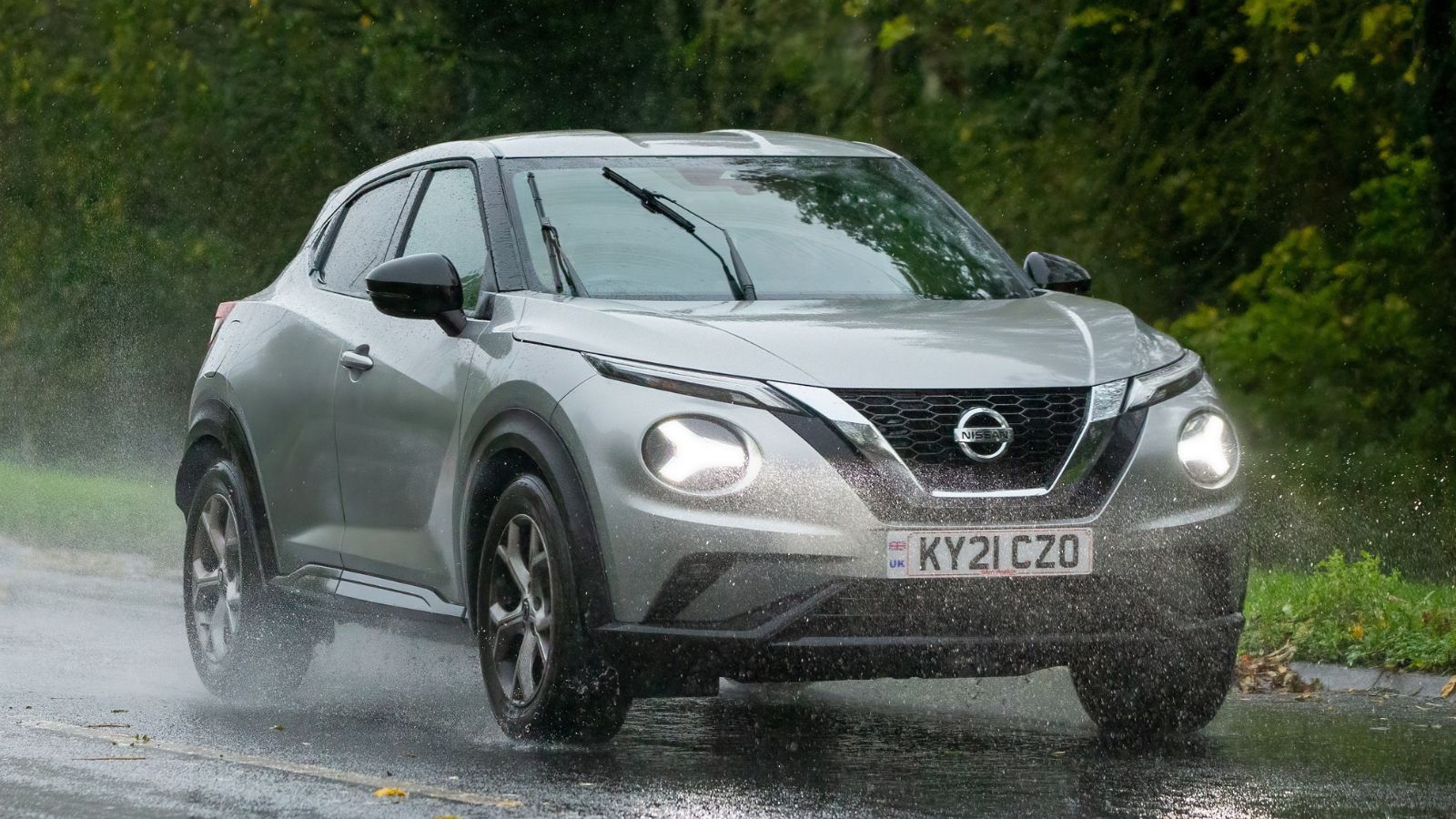
A rain-soaked highway can create instability even in a mechanically sound vehicle. Hydroplaning occurs when water builds beneath a tire faster than the tread can remove it, reducing or temporarily eliminating normal contact with the pavement. Steering may suddenly feel unusually light, the vehicle can drift away from its intended line, or a tire entering deeper water can tug the car toward one side. The effect can arrive quickly because highway speed allows large volumes of water to reach the tire every second.
NHTSA research identifies several factors that influence hydroplaning, including vehicle speed, water depth, tread depth, tire design, inflation pressure, and tire loading. That means there is no universal speed at which every car will hydroplane. Conditions change from one puddle to the next. Deeper standing water and worn or improperly inflated tires make matters worse. When heavy rain creates visible water accumulation, reducing speed before reaching it is far more effective than attempting a sudden correction after grip disappears.
Road Ruts That Cause Tramlining
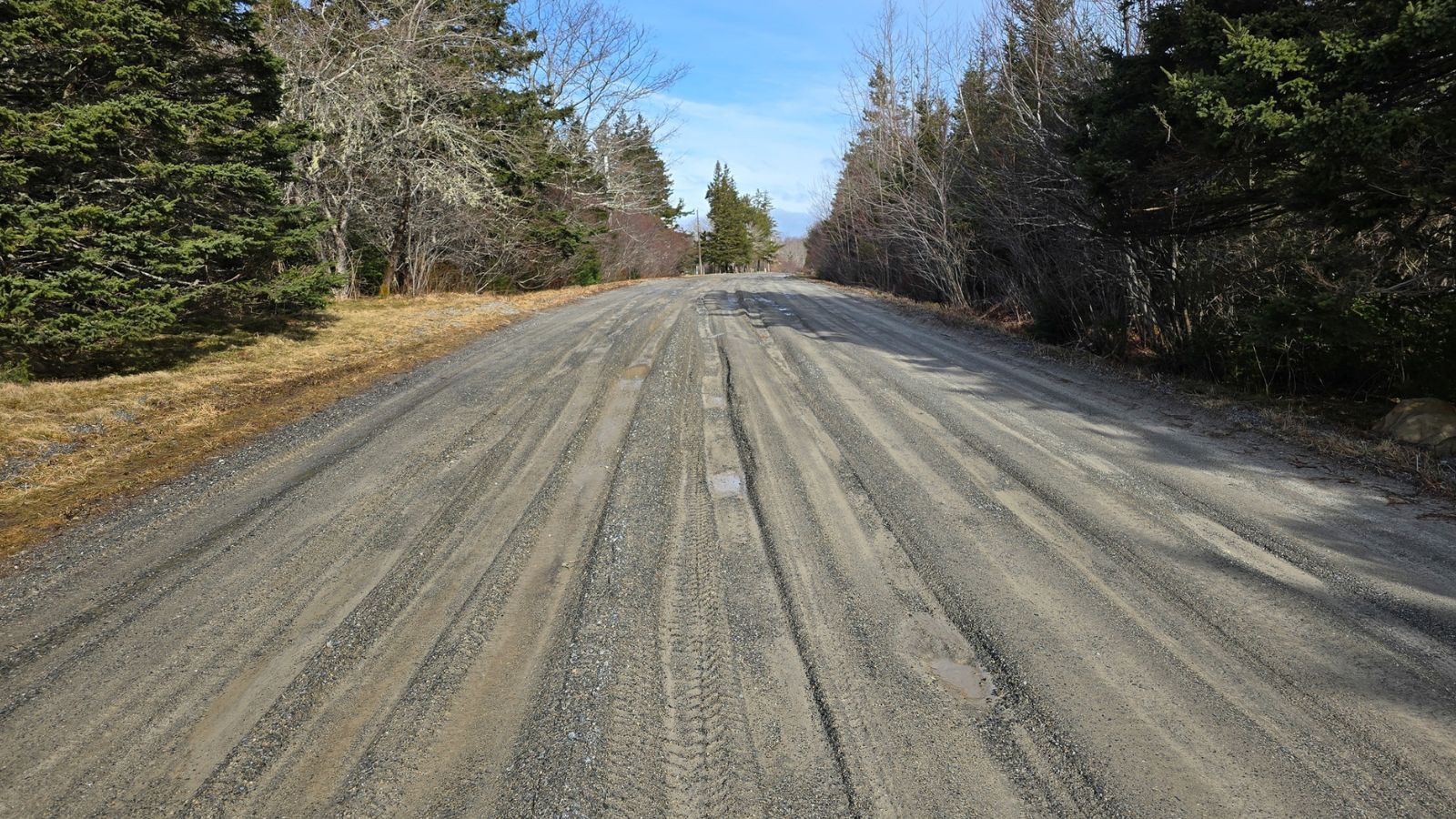
Some cars feel stable on fresh pavement but seem determined to wander on older highways. One possible explanation is tramlining, also called trough wander. Longitudinal grooves or wheel ruts in the pavement can steer the tires slightly, causing the vehicle to follow those depressions rather than remaining perfectly aligned with the driver’s intended direction. The result can feel strikingly similar to bad alignment: the car may pull one way and then the other as the tires move within the rutted surface.
General Motors service guidance notes that virtually any vehicle can exhibit some degree of tramlining, but wide, low-aspect-ratio tires tend to be more sensitive. Such tires have a broad contact patch and relatively stiff sidewalls, allowing road contours to feed more directly into the steering. That does not mean every wandering car with performance tires is operating normally; tire pressure, wear, alignment, and suspension condition still need consideration. A useful clue is whether the behavior largely disappears when the same vehicle moves onto smooth, unrutted pavement.
Worn, Sagging, or Damaged Springs
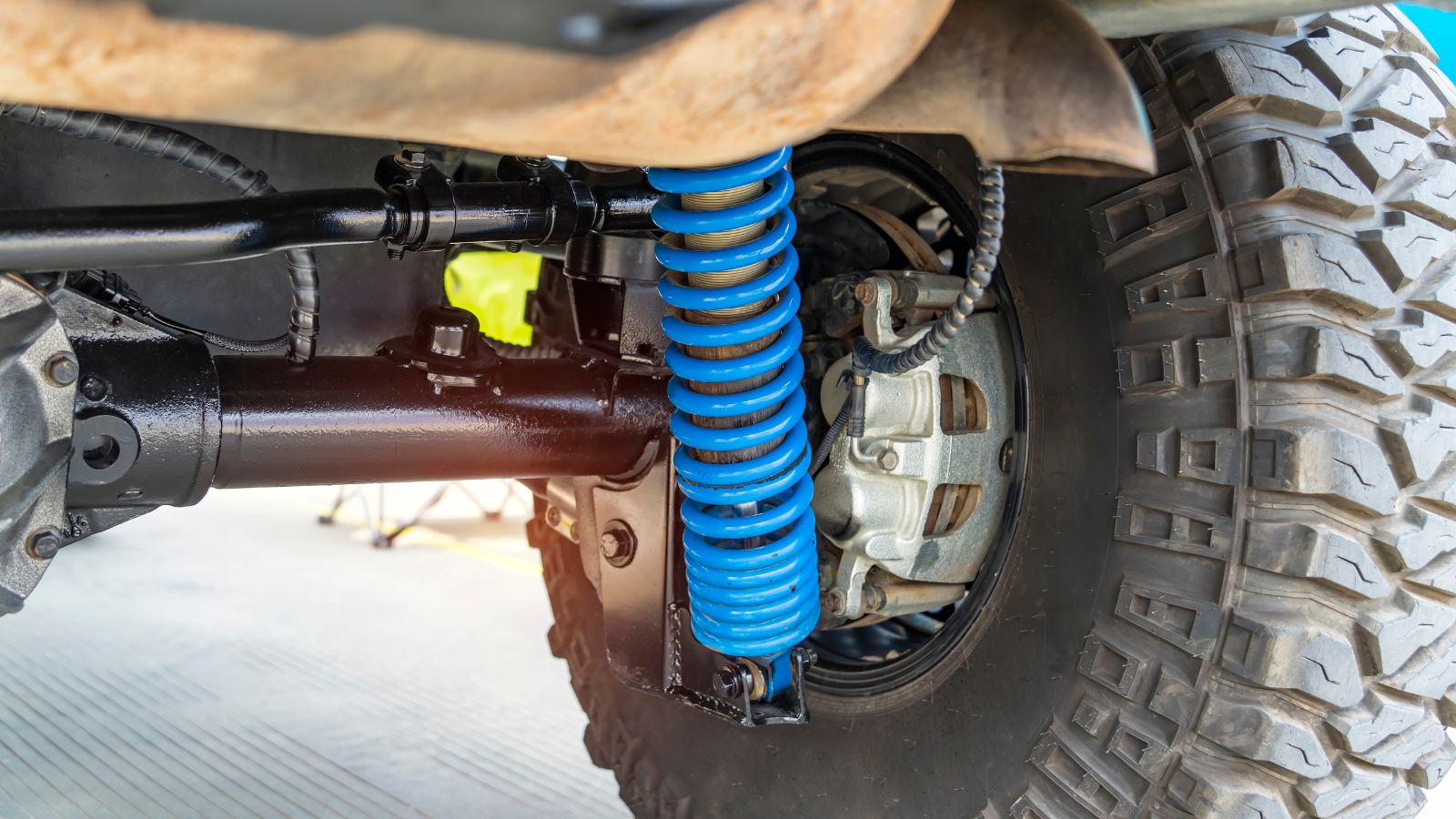
Shock absorbers control suspension motion, but springs actually support much of the vehicle’s weight and establish its ride height. As a coil spring weakens, sags, corrodes, or breaks, the body may sit lower or unevenly. That change can alter suspension geometry and leave less travel available before the suspension reaches its stops. On the highway, the car may lean, sway, bottom out more easily, or feel less composed when carrying passengers and luggage.
Ride height is more important to handling than appearance alone suggests. Suspension manufacturers note that improper ride height can affect alignment, directional stability, steering control, tire wear, and stopping behavior. A spring can also be weak under dynamic load even when the parked vehicle does not appear dramatically low. Warning signs include one corner sitting lower than another, excessive sagging when loaded, corrosion, unusual tire wear, or repeated contact with suspension bump stops. When instability is accompanied by an uneven stance, inspecting the springs as well as the shocks can reveal a problem that routine tire balancing would never correct.
16 Costco Canada Habits That Could Be Costing Shoppers More Than They Save

The Executive Membership can feel like an obvious upgrade because the 2% annual reward sounds straightforward. For households that spend heavily at Costco Canada, the extra fee may be easy to justify. But the habit becomes costly when shoppers upgrade first and calculate later. A Gold Star Membership costs less, while Executive costs more and only pays off if eligible annual spending is high enough to offset the difference.
16 Costco Canada Habits That Could Be Costing Shoppers More Than They Save

Alanna Rosen is an experienced content writer that focuses on many EV and educational content. Her articles are regularly published on Get CyberTrucked and syndicated on large publications.