
Some vehicles make a brilliant first impression because nearly every design decision seems aimed at visual drama: enormous wheels, disappearing door handles, glass roofs, glowing light bars, and dashboards that resemble giant tablets. The harder question is how those choices feel after five, eight, or ten years of repairs, weather, potholes, software updates, and ordinary family use.
None of these features automatically makes a vehicle unreliable, and many deliver genuine performance, safety, or comfort benefits. The concern is the trade-off. These 19 signs show where style, novelty, or seamless packaging can introduce higher replacement costs, extra maintenance, reduced practicality, or greater dependence on electronics. For long-term buyers, spotting those compromises before signing the paperwork can be more valuable than judging the vehicle by its showroom appeal alone.
Oversized Wheels Dominate the Side Profile
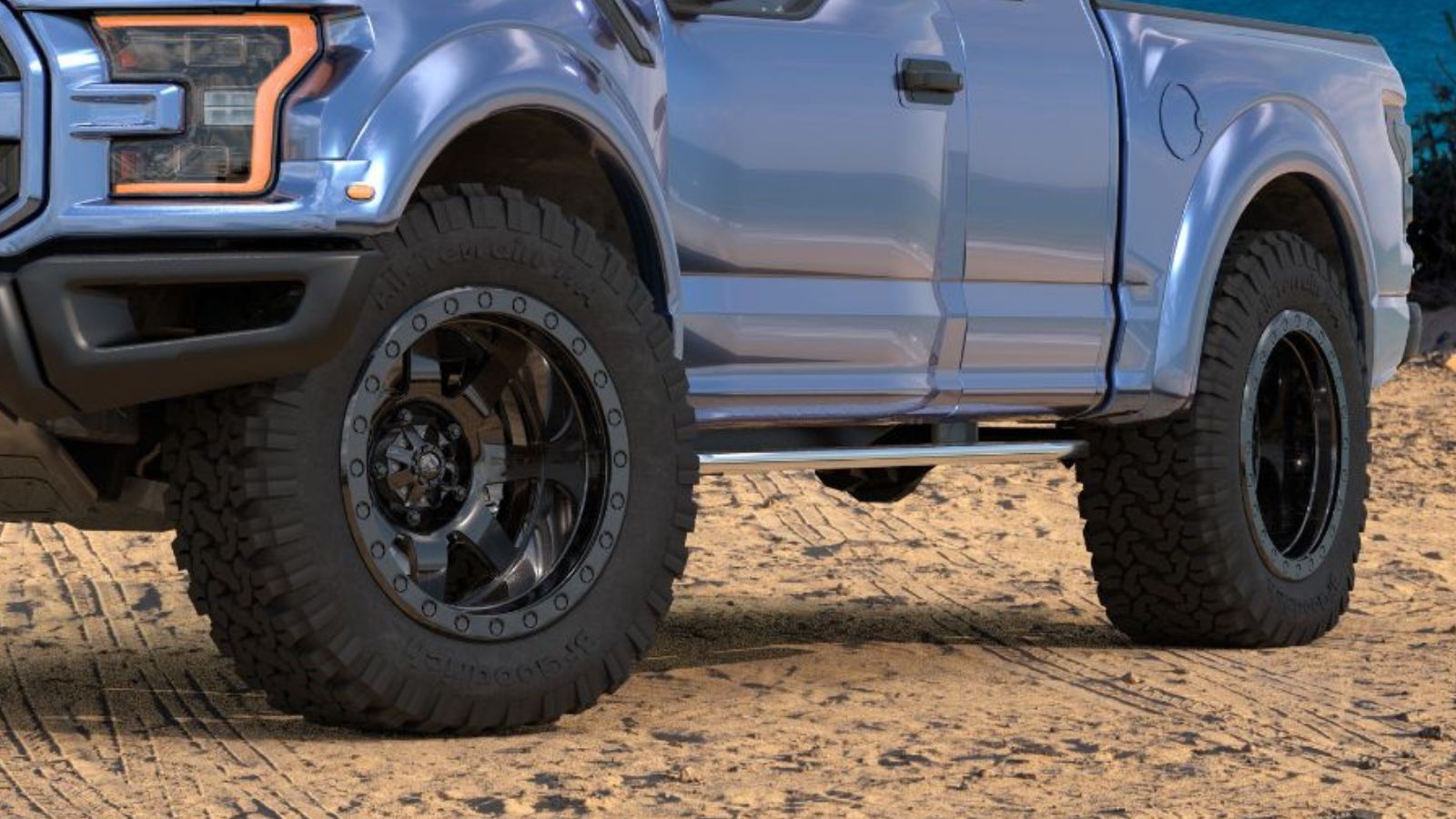
Large wheels can transform an ordinary crossover into something that looks lower, wider, and more expensive. The trade-off is that the visual gain often comes with more unsprung mass, pricier tires, and less rubber between the rim and the road. Consumer Reports has repeatedly found that larger wheels paired with shorter sidewalls tend to deliver a harsher ride and greater exposure to pothole damage.
That matters more after the showroom shine fades. A bent 20- or 21-inch wheel, a damaged tire, or a replacement set can turn routine ownership into a costly exercise, especially when the size is uncommon. Bigger wheels can still make sense on a genuine performance vehicle, but when they appear mainly as an appearance upgrade on a family car, they are worth questioning. A smaller factory wheel often rides better, costs less to replace, and is more forgiving on rough pavement over many years of ownership.
Very Low-Profile Tires Come With the Look
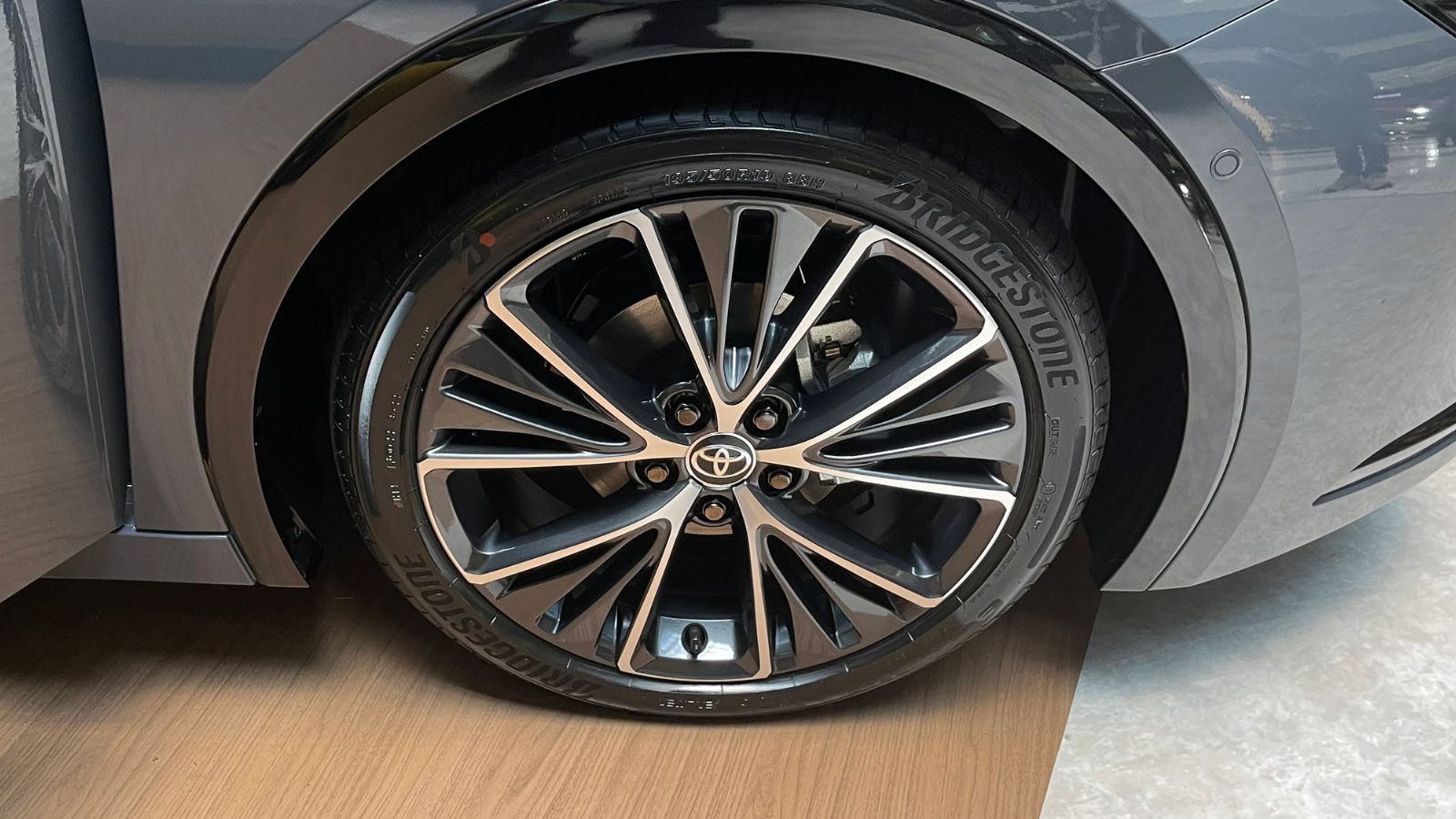
Low-profile tires are one of the clearest ways designers make a vehicle look sharper without changing its basic body. Their short sidewalls expose more wheel and create the planted stance buyers often associate with performance. The same reduced sidewall height, however, leaves less flexible material to absorb potholes, broken pavement, and curb impacts. Bridgestone specifically warns that low-aspect-ratio tires and their wheels can be more susceptible to road-hazard damage.
For a long-term owner, that can mean more than a rough ride. A hard pothole strike can damage the tire internally, bend a rim, or disturb alignment and suspension components. Consumer Reports notes that low-profile performance tires are more prone to pothole damage because their short, stiff sidewalls cannot flex around sharp road edges as effectively. If the vehicle spends most of its life commuting rather than cornering at speed, the styling benefit may be carrying a surprisingly expensive maintenance penalty.
Front and Rear Tires Are Different Sizes
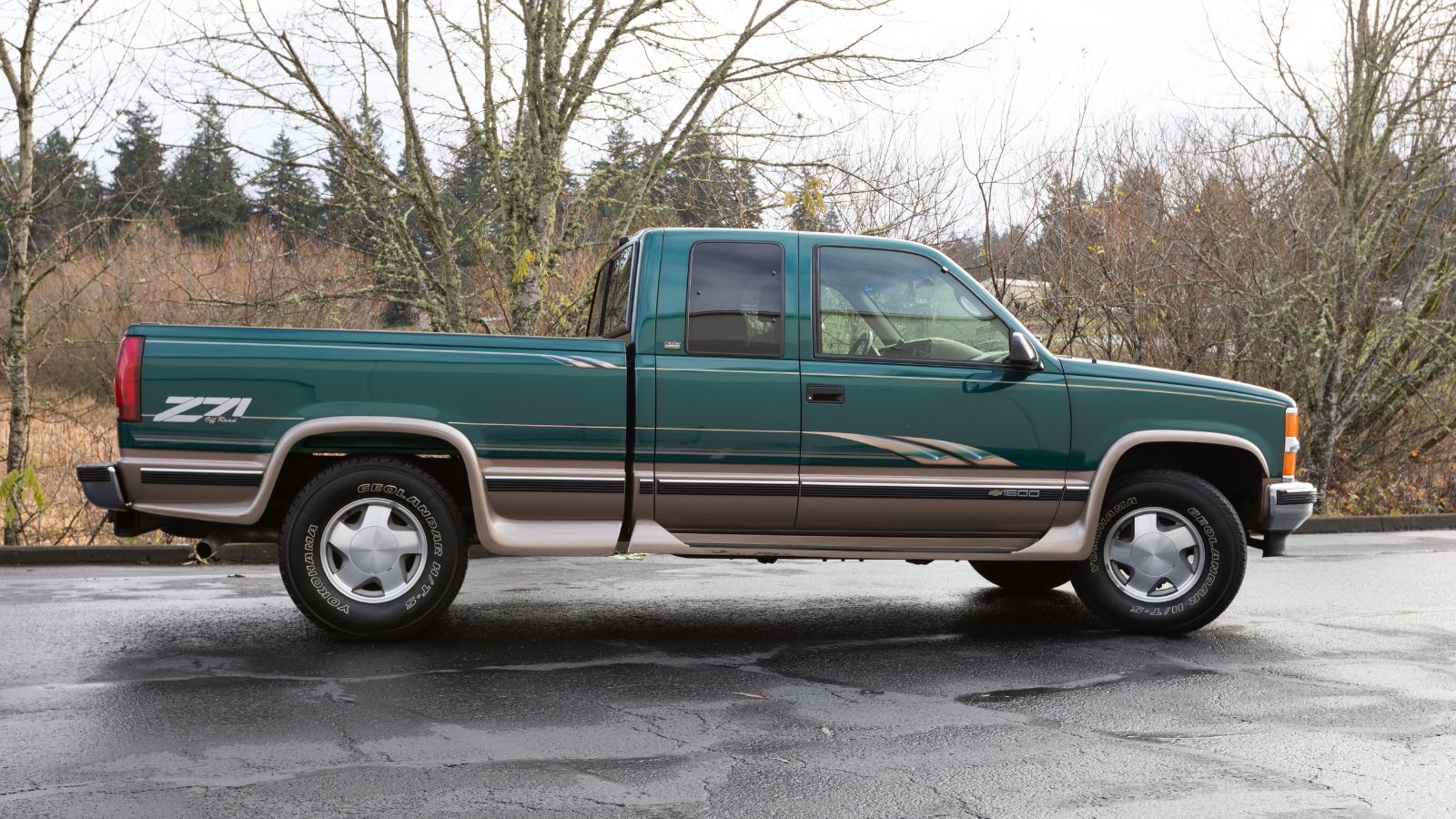
A staggered tire setup—wider tires on one axle than the other—looks purposeful and can support the handling balance of rear-drive cars. On a vehicle bought mainly for commuting, though, it can also signal that performance image was given priority over simple tire care. Michelin notes that staggered fitments can restrict or even eliminate front-to-rear rotation because the sizes do not match.
That limitation matters over years of ownership. Rotation is one of the basic tools used to even out tread wear, and many tire makers or vehicle manufacturers specify regular rotation intervals. When front and rear tires cannot trade places, owners have fewer ways to manage uneven wear and may find themselves replacing one axle sooner than expected. Staggered sizes can also be harder to source while travelling. The arrangement is legitimate on performance cars, but on an everyday model it adds needless complexity that a square, four-equal-tire setup avoids.
Summer Performance Tires Are Standard on a Daily Driver
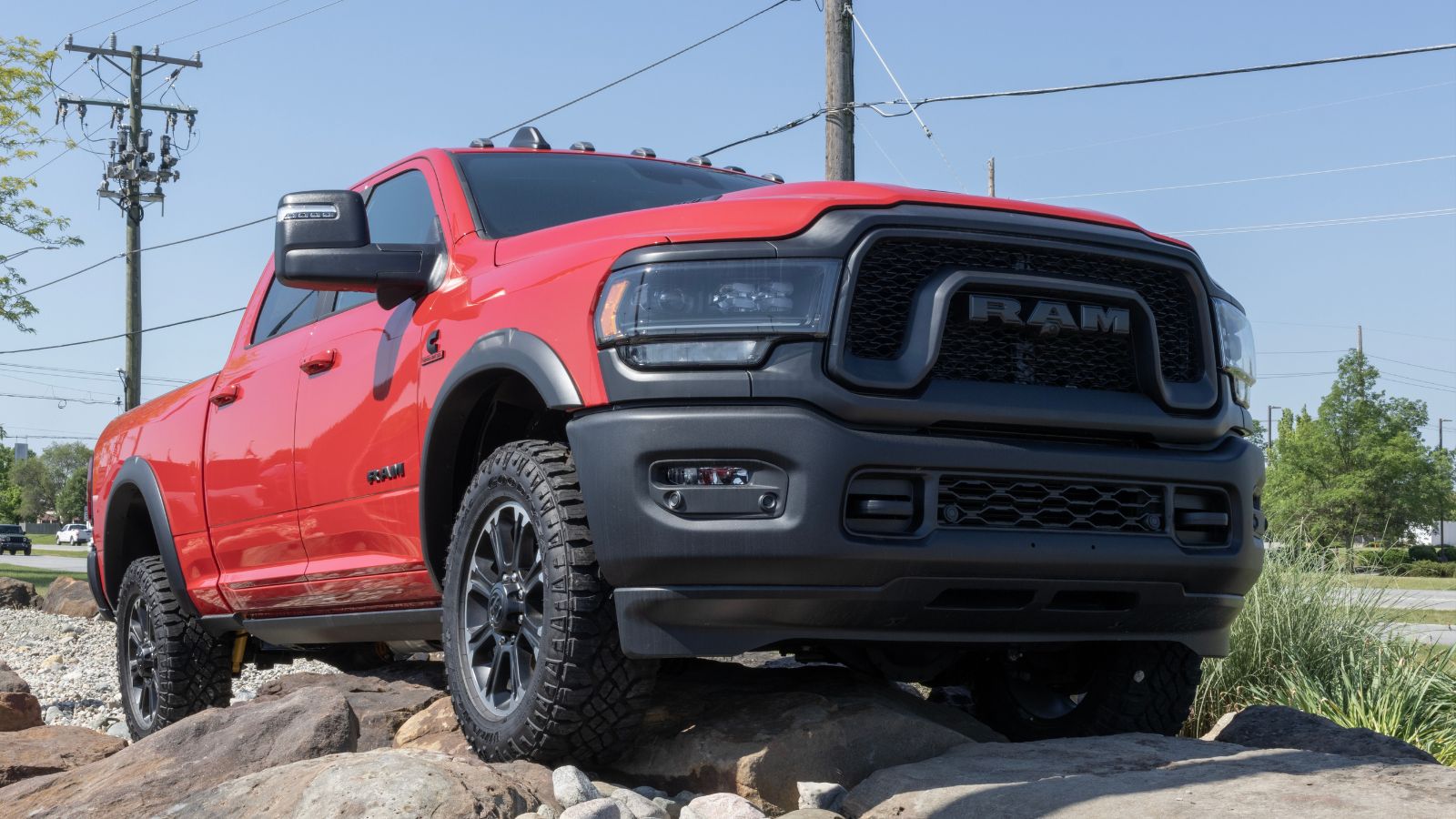
A vehicle can look track-ready in the showroom because it is wearing ultra-high-performance or summer tires, even when most buyers will use it for highway trips. These tires can provide warm-weather grip, but they are not designed as universal year-round equipment. Consumer Reports warns that summer-tire grip falls off in cold conditions and that snow traction can be poor even when the vehicle has all-wheel drive.
The ownership consequence arrives with the first seasonal change. Drivers in colder regions may need a second wheel-and-tire set, storage space, and twice-yearly changeovers to make the vehicle practical year-round. Bridgestone also notes that some factory high-performance tires are optimized for warmer weather and may provide reduced cold-weather traction. None of that makes performance rubber bad; it makes it specialized. When specialized tires appear mainly to complete an aggressive showroom look, buyers should count the seasonal cost before treating the appearance package as harmless.
Run-Flat Tires Replace a Conventional Setup
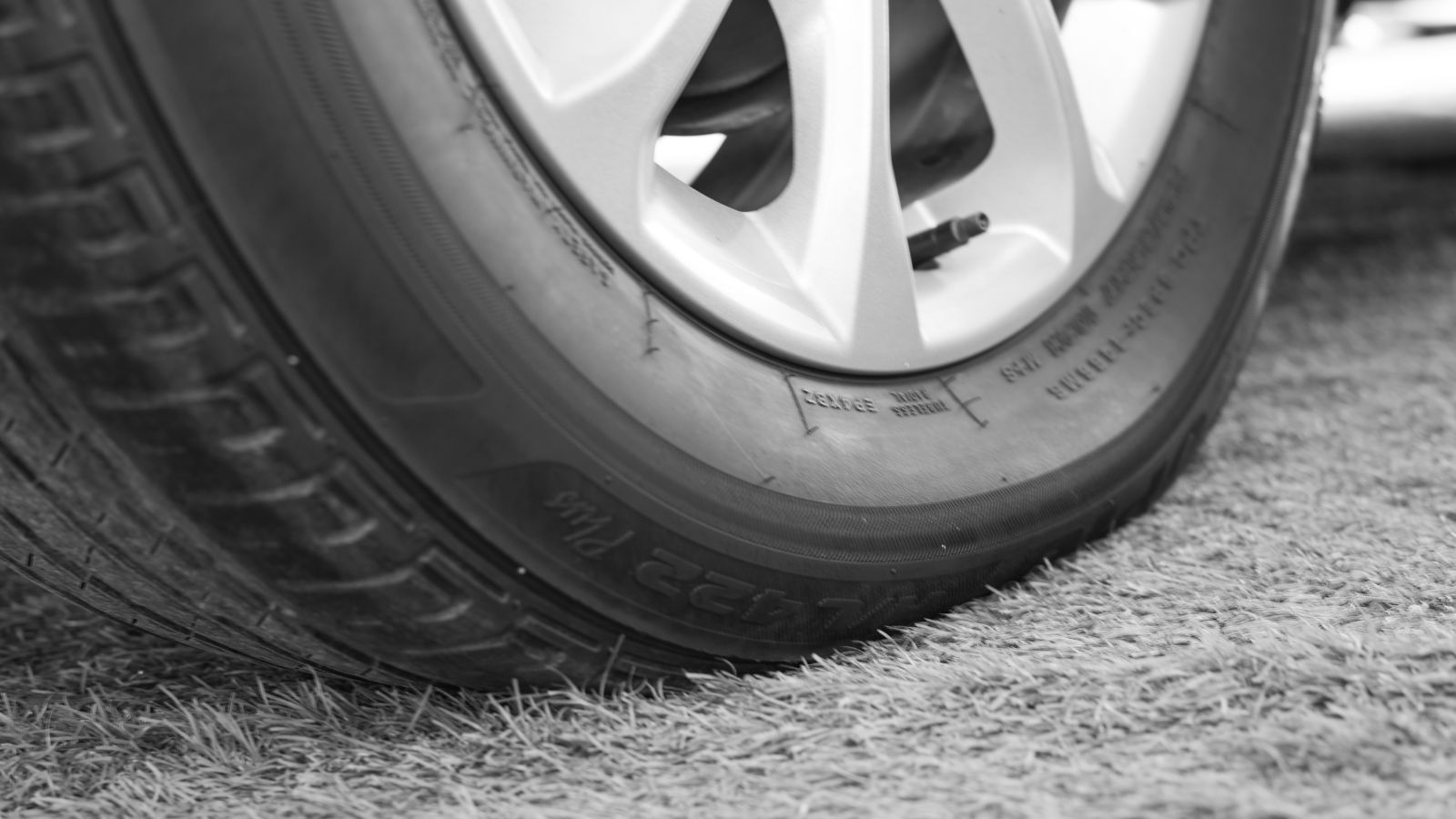
Run-flat tires help preserve a premium package by reducing the need for a conventional spare, and they can provide limited mobility after pressure is lost. Replacement and repair realities complicate that promise. Tire Rack notes that driving a run-flat while underinflated or at zero pressure can cause internal structural damage that may not be visible, making it difficult to determine whether the tire can be repaired.
For long-term owners, the technology changes the economics of an ordinary puncture. Many run-flats are intended to carry a vehicle only a limited distance and at reduced speed after losing pressure. If internal damage has occurred, replacement may be the safer path even when it looks fine. Run-flats can be useful when packaging space is tight, but they are another example of a sleek solution that can shift inconvenience and expense from the manufacturer’s design stage to the owner’s long maintenance years still ahead.
There Is No Spare Tire at All

Opening the cargo floor and finding no spare tire is common, but still a meaningful ownership clue. Removing the spare, jack, and tools saves weight, frees packaging space, and reduces manufacturing cost. Consumer Reports found that about 45 percent of the new vehicles in its test fleet did not include a spare, relying instead on sealant kits, run-flat tires, or no onboard substitute.
That works only when the flat is the kind the alternative can handle. Sealant kits are intended for small tread punctures; they cannot solve sidewall cuts, blowouts, or pothole-damaged tires. AAA has warned that inflator kits have limited functionality. A missing spare does not prove a vehicle was designed carelessly, but it does show that clean packaging and efficiency won over roadside self-sufficiency. For owners who travel rural highways or keep cars for many years, that compromise deserves more attention than it usually receives in the showroom.
Air Suspension Is Used Mainly to Create the Stance
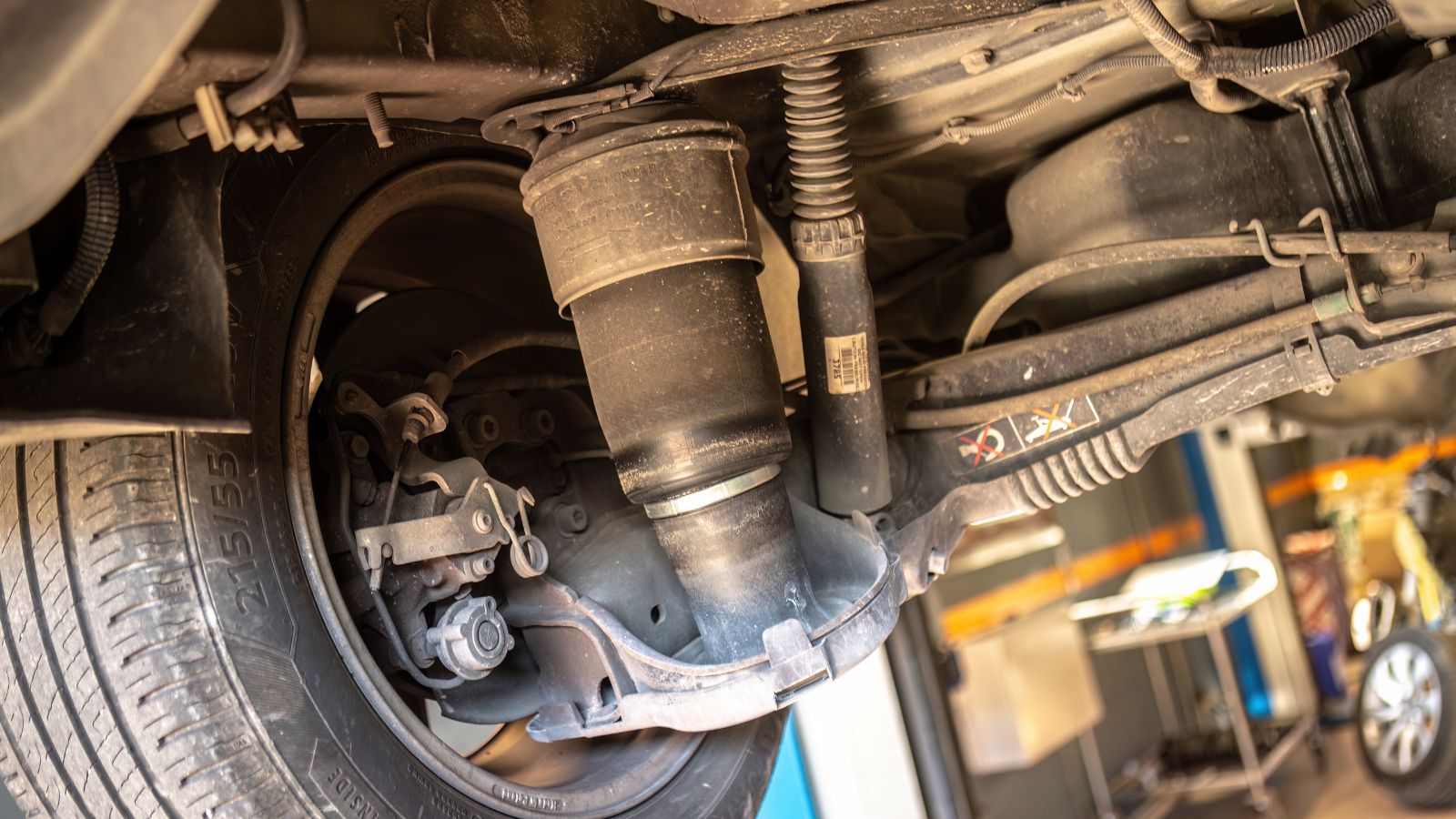
Air suspension can make a vehicle sit low when parked, rise for obstacles, or change its stance electronically. It can also deliver ride and handling benefits. The long-term trade-off is complexity. Consumer Reports describes air suspension as a system made up of expensive parts and advises shoppers to keep that in mind when considering vehicles equipped with it.
Traditional steel springs are simple and durable by comparison. Air systems add compressors, air lines, electronic controls, height sensors, and air springs or struts, any of which can eventually require attention. Consumer Reports owner reports also document expensive air-suspension repairs on older luxury SUVs. That does not mean every system will fail, but the repair path is clearly more involved. If a model uses air suspension mainly to create a dramatic showroom stance rather than to provide meaningful towing, load-leveling, or ride benefits, long-term owners may be paying for visual theater twice.
The Roof Is Mostly Glass
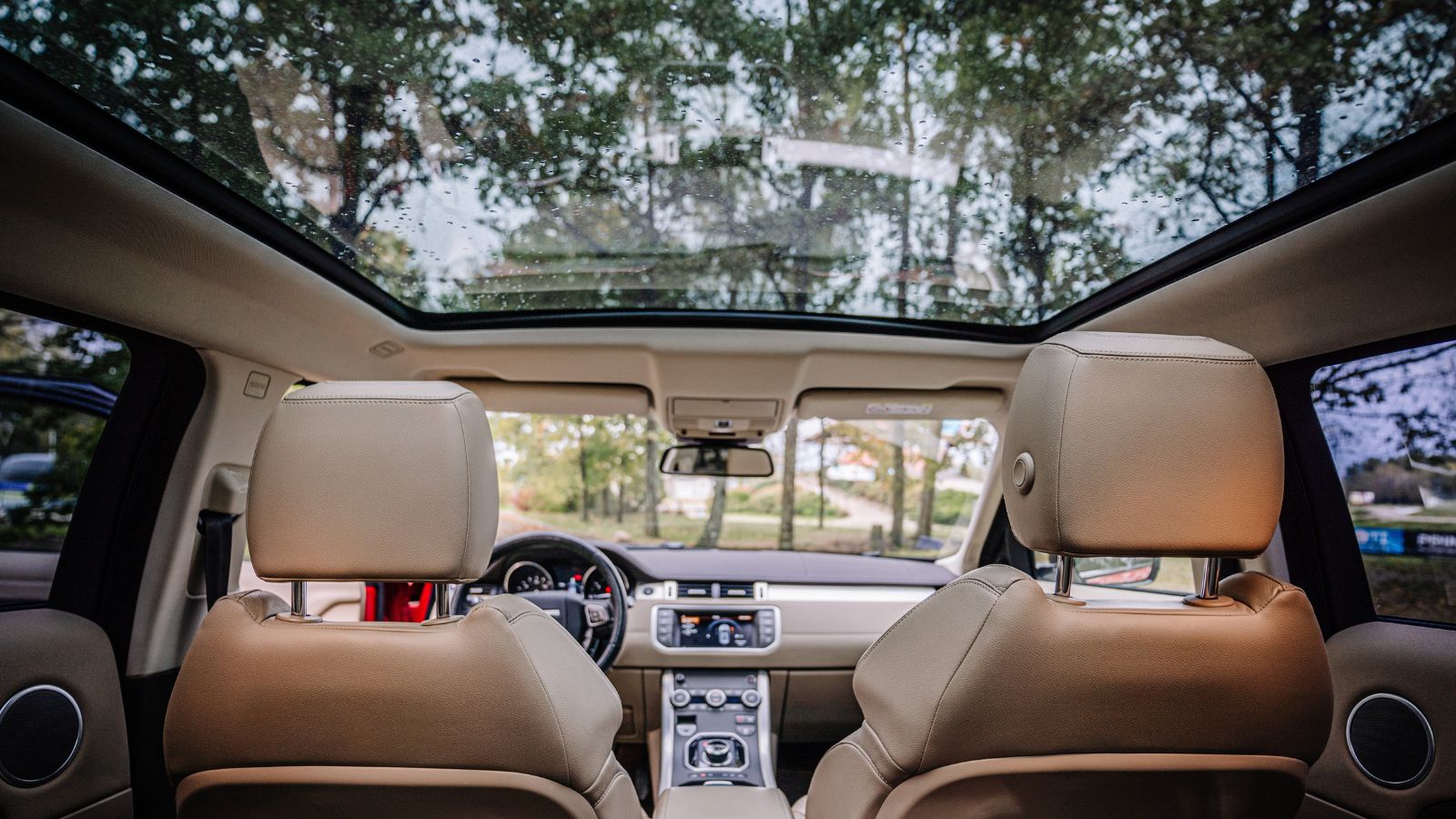
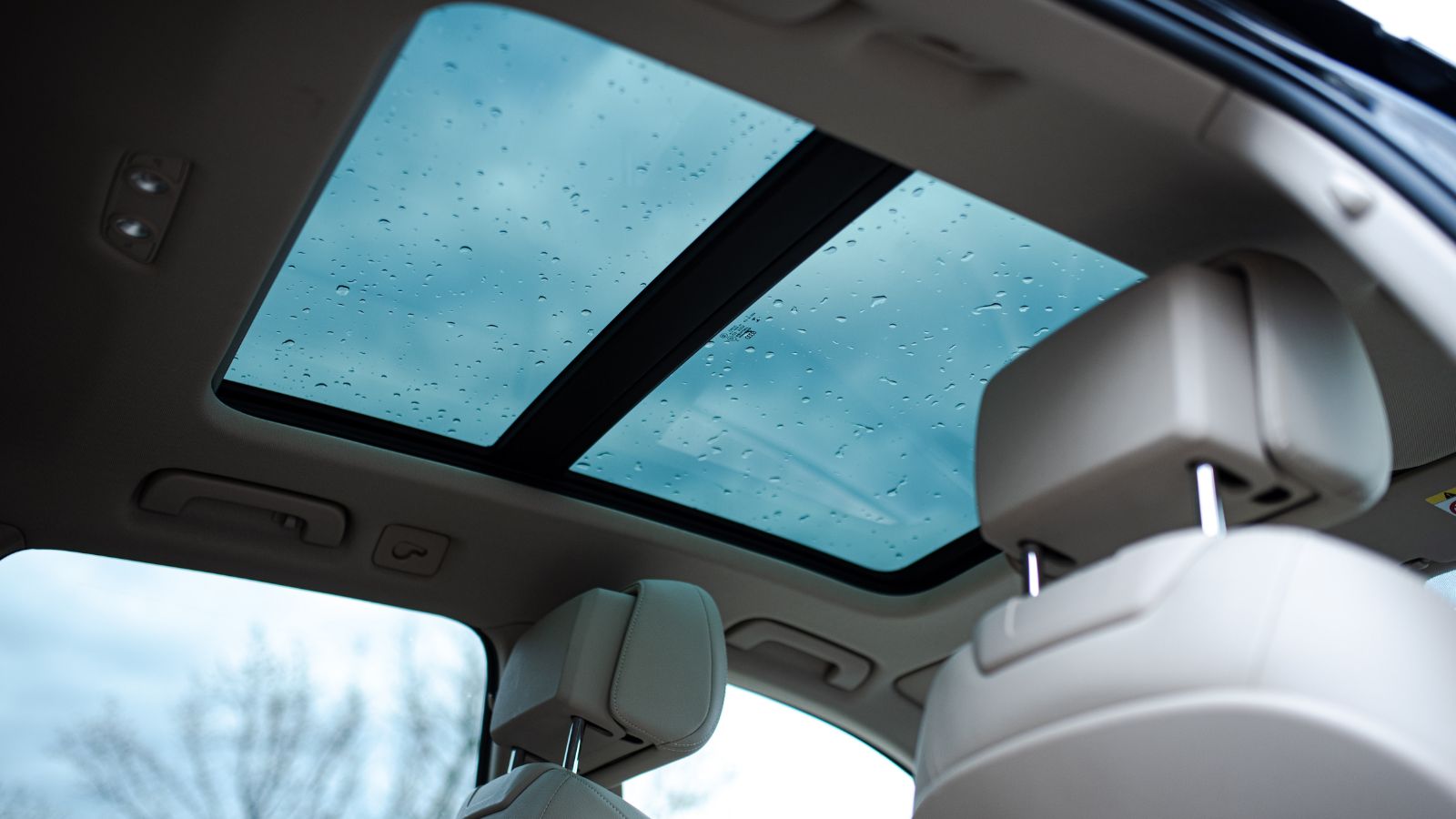
A panoramic roof can make a cabin feel airy and expensive, which is why huge glass panels have become a showroom feature. They also add seals, tracks, drains, shades, motors, and glass above the occupants. The system has more potential maintenance points than a fixed steel roof with a conventional headliner.
Owner reports collected by Consumer Reports show why that matters. Owners of several models have reported clogged sunroof drains, water leaks, rattles, and seal problems, including cases where water reached carpeting or interior trim. Those reports do not mean panoramic roofs are inherently unreliable, but they illustrate the extra failure modes created by the design. A buyer planning to keep a vehicle for a decade should inspect how the roof drains, whether the shade is powered, how replacement glass is sourced, and whether the visual openness is worth the added hardware, glass, sealing, drainage, and repair overhead over time.
Door Handles Retract Into the Body
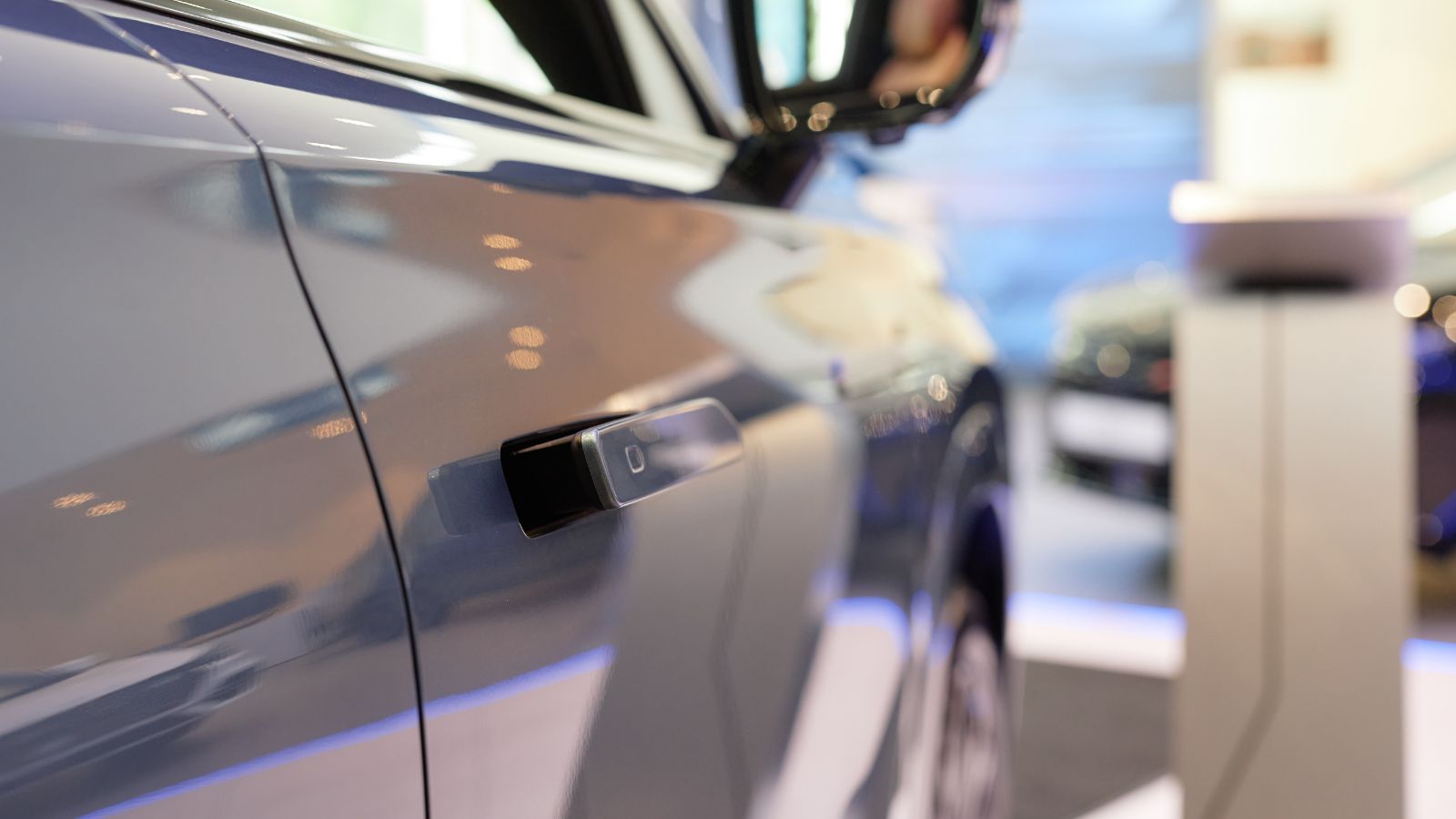
Flush or retracting door handles create a smooth body and can improve aerodynamic cleanliness, but they also turn one of the simplest parts of a car into an electromechanical system. Euro NCAP’s 2026 safety framework now evaluates electric door handles after crashes and after loss of low-voltage power, emphasizing operability and manual overrides.
That scrutiny highlights the ownership question. A conventional mechanical handle communicates its function instantly and needs no software, motor, or powered presentation mechanism. Retractable handles may add actuators, switches, sensors, wiring, and hidden emergency releases that owners and passengers must understand. The concern is not that every flush handle will fail; many work well. The issue is whether visual smoothness justifies added dependency on the vehicle’s electrical architecture. For a long-term buyer, the best version is one that remains intuitive when dirty, iced over, discharged, or damaged—and still has an obvious mechanical fallback if power suddenly disappears.
Basic Functions Live Inside a Touchscreen
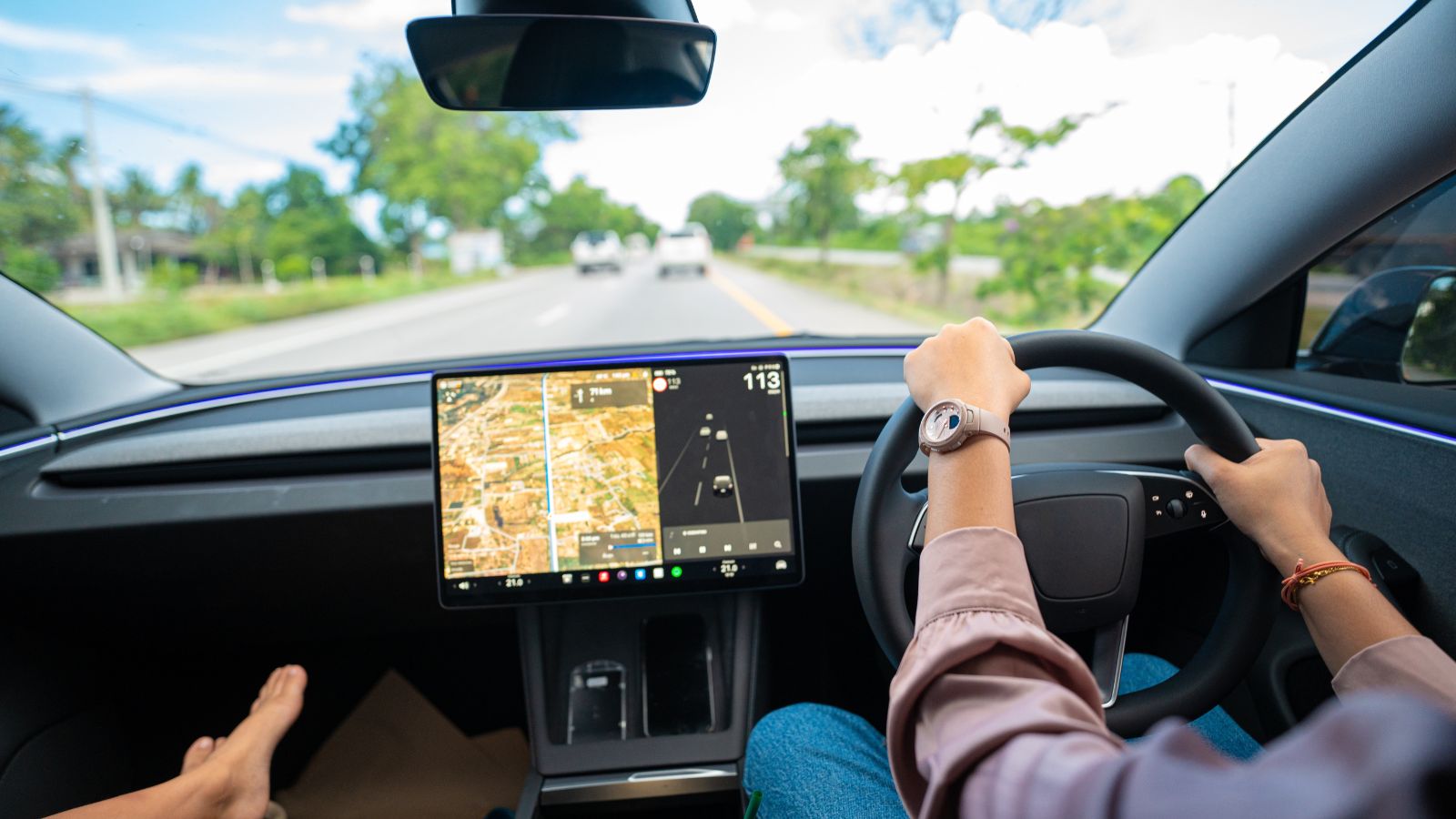
A nearly buttonless dashboard can look futuristic, but putting basic functions inside a touchscreen changes a simple physical task into a visual one. AAA research has shown that in-vehicle infotainment tasks can demand visual and mental attention. Euro NCAP’s 2026 assessments also place emphasis on the location, clarity, and ease of essential controls, including the availability of physical inputs for common functions.
The problem extends beyond distraction. A physical fan-speed knob can keep working even if the infotainment software is rebooting, lagging, or buried in a redesigned menu. Touchscreen controls depend on screen response, software logic, and interface consistency. Manufacturers can improve them through updates, but they can also move functions around. A sparse dashboard may photograph beautifully at launch, yet a long-term owner interacts with it thousands of times. If heating, defogging, mirror, or lighting tasks require multiple taps, minimalism may be serving appearance more than lasting everyday usability.
Steering-Wheel Controls Are Capacitive
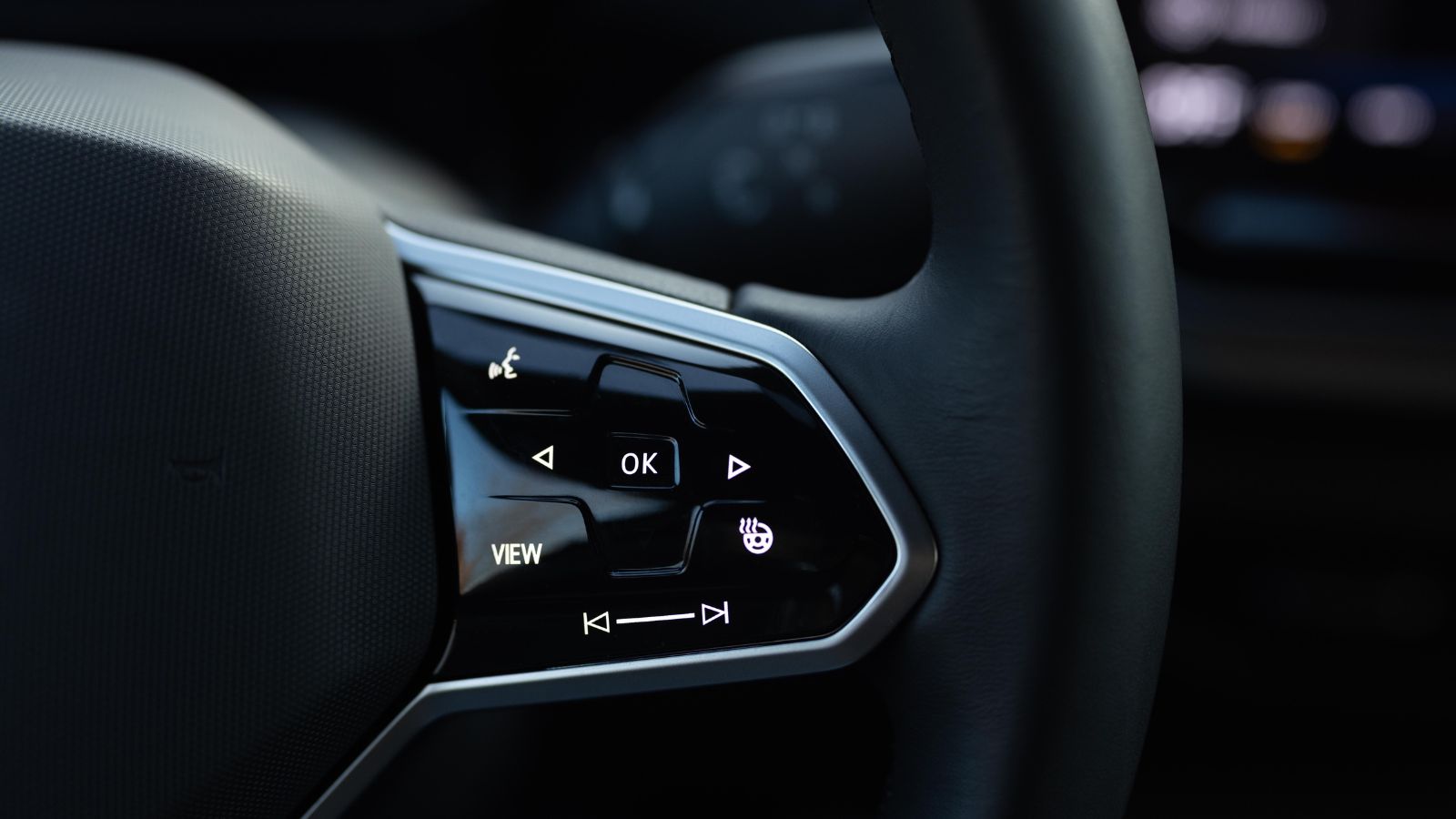
Capacitive steering-wheel controls extend minimalism. The driver may get a glossy touch surface, haptic pad, or touch-sensitive slider. These interfaces preserve a seamless design but remove the tactile information that lets a driver operate a control without looking. Euro NCAP’s current protocol explicitly distinguishes physical inputs by mechanical movement and haptic feedback, noting they can be identified with little gaze away from the road.
That matters after the novelty fades. Steering-wheel buttons are used for volume, cruise control, driver-assistance settings, phone functions, and displays. A control that is easy to brush accidentally or difficult to locate by feel can become a daily irritation for years. Touch surfaces also rely on electronic interpretation rather than a switch action. If the wheel looks beautifully uncluttered but basic commands are harder to operate reliably by touch, the design may be prioritizing visual simplicity over long-term ergonomic simplicity for everyday driving over many years.
The Dashboard Depends on One Giant Display
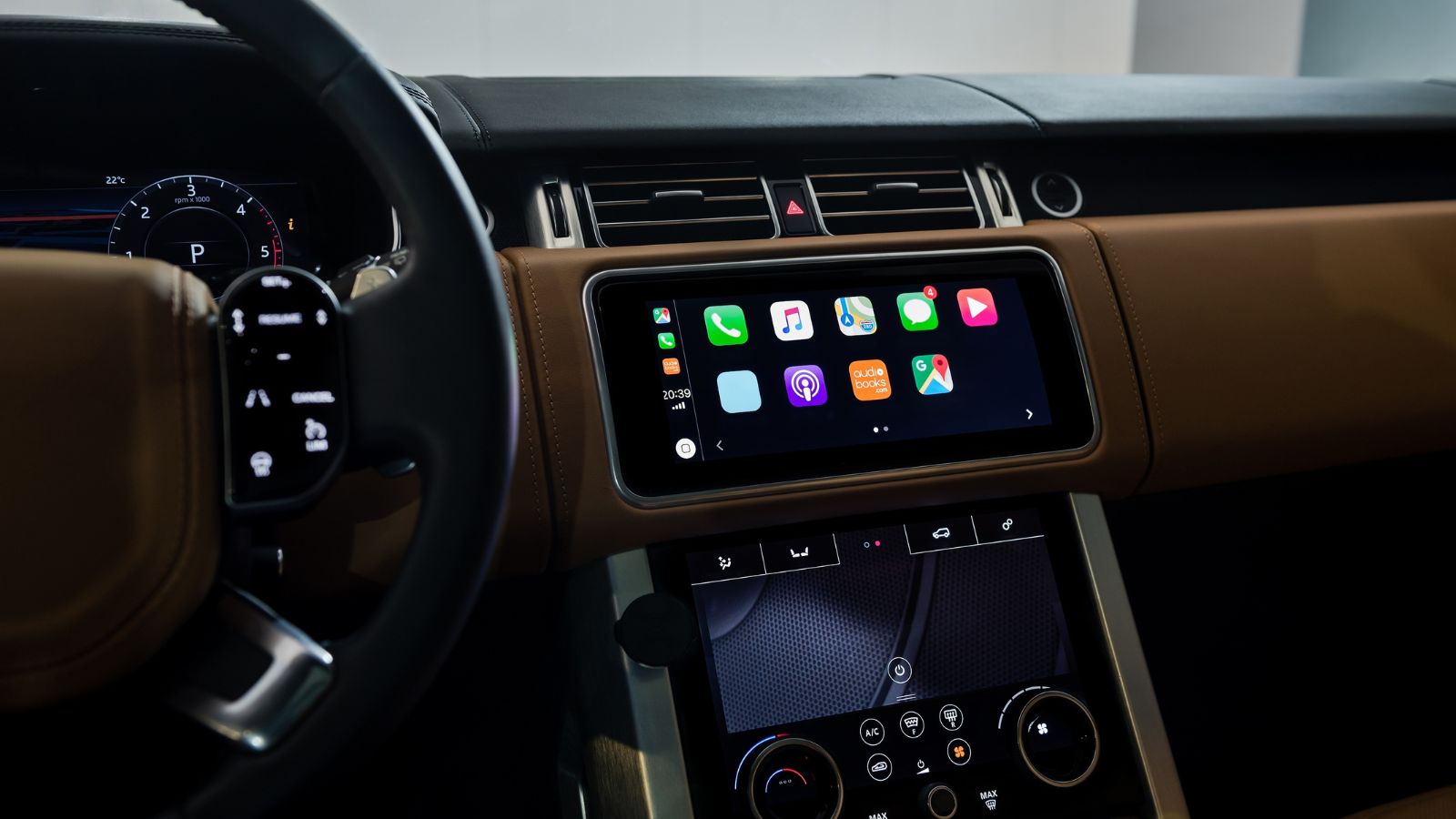
One giant display can replace gauges and switches, giving a cabin the high-tech appearance that photographs well in modern advertising. It also concentrates functions into a hardware and software ecosystem. J.D. Power’s 2026 Vehicle Dependability Study found infotainment to be the most problematic category after three years, at 56.7 reported problems per 100 vehicles.
The concern is not screen size by itself. Large displays can be useful and easy to update. The warning sign appears when unrelated functions depend on one panel, one operating system, or one central controller. A failure that once affected only the radio can now interfere with navigation, climate settings, cameras, charging menus, vehicle configuration, or warning information. For long-term ownership, redundancy matters. A cabin that retains direct controls for essential tasks may age more gracefully than one whose visual centerpiece must remain fully functional for the rest of the vehicle to feel normal every day.
Key Functions Depend on Software Updates
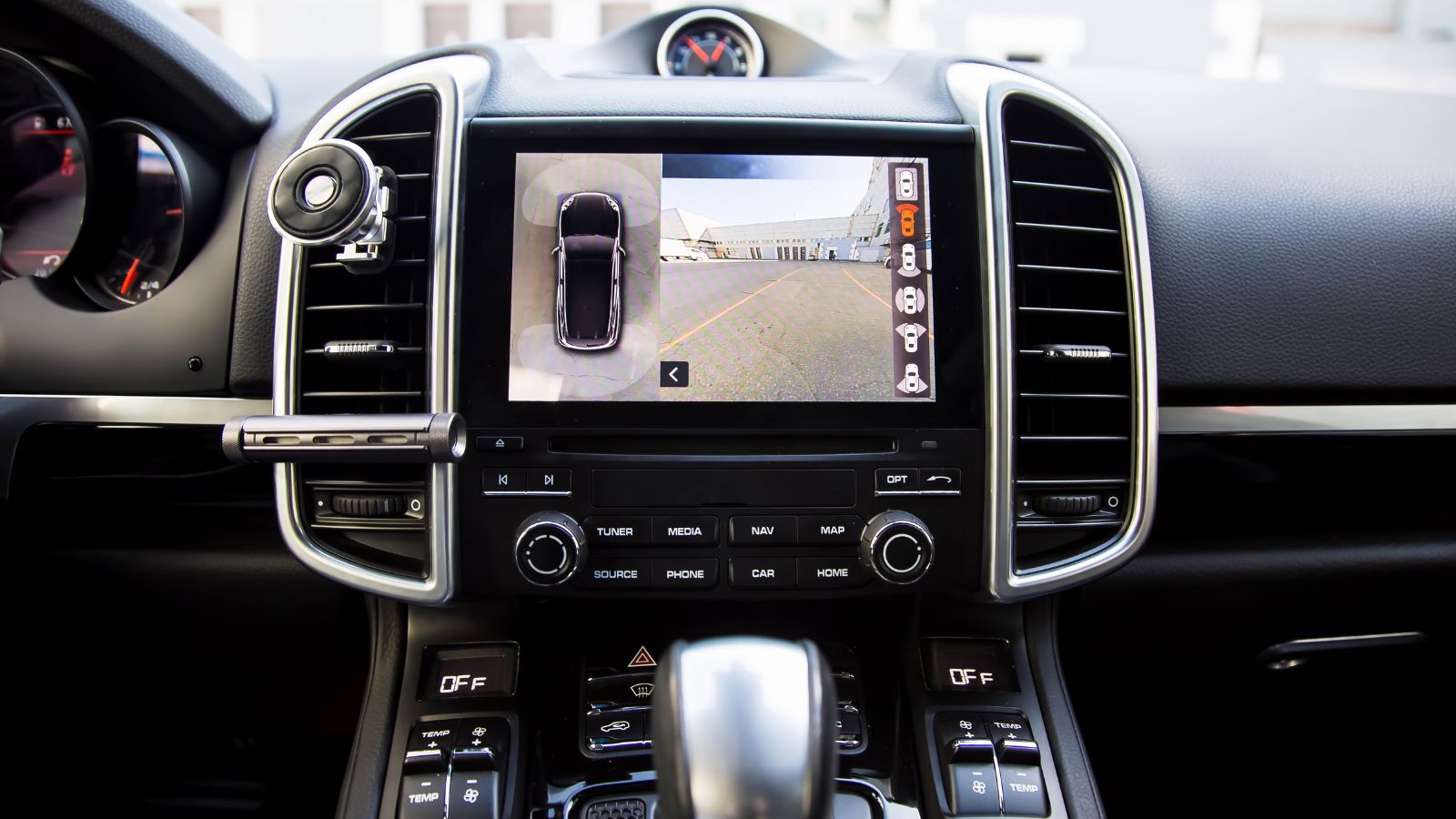
Software-defined features can make a new vehicle feel fresh because functions, interfaces, and fixes can arrive over the air. The flip side is that the ownership experience becomes dependent on software quality. J.D. Power’s 2026 dependability research found that infotainment remained the most troublesome category and that over-the-air updates did not always provide a noticeable benefit for owners.
That creates a different aging risk. Mechanical controls usually behave the same way in year eight as they did in year one, while software can gain features, lose compatibility, change menus, or require troubleshooting. J.D. Power reported that only 27 percent of owners receiving updates in its study said the update improved their vehicle, while 58 percent perceived no noticeable difference. Software can absolutely improve a car, but when key functions depend on a polished digital experience, buyers are also betting on the manufacturer’s long-term support discipline—not just the original hardware alone.
Styling Creates Poor Outward Visibility

Sleek styling often comes with thick pillars, a high beltline, small rear glass, or a long hood that makes the vehicle look planted. Those shapes reduce direct outward visibility. Consumer Reports warns shoppers that low-slung styling and high hoods can compromise visibility, while IIHS research has linked larger blind zones and narrower forward fields of view with higher risk in pedestrian-turning crashes.
For daily ownership, cameras and blind-spot monitors help but do not replace clear sightlines. IIHS has identified thick or slanted A-pillars, bulky mirrors, and tall, long hoods as blind-zone contributors. A dramatic roof or muscular front end may look excellent from outside, yet the driver experiences the consequences every time the car enters a parking garage, turns through a crosswalk, or backs into a driveway. If a test drive reveals poor natural visibility, that is a strong clue that styling priorities have imposed a permanent everyday usability cost.
The Sloping Roof Takes Away Rear Space
A roofline that plunges toward the rear is an easy way to make a vehicle look faster. It can also make a practical vehicle less useful. Consumer Reports has noted that coupe-like rooflines can reduce rear visibility, headroom, and cargo height. Its 2026 Nissan Leaf test found that the angled roof compromised rear headroom and limited vertical cargo space.
Those compromises cannot be repaired later because they are built into the structure. Owners can change tires or replace a screen, but cannot add three inches of roof over the rear seat. The trade-off grows as children grow, taller passengers ride, or bulky cargo enters the picture. When a vehicle shares engineering with a boxier sibling but gives up room mainly to create a coupe-like silhouette, that strongly suggests appearance was allowed to outrank long-term utility, comfort, cargo flexibility, and the changing needs that often arrive during a decade of ownership.
Smooth Bumpers Hide Expensive Electronics
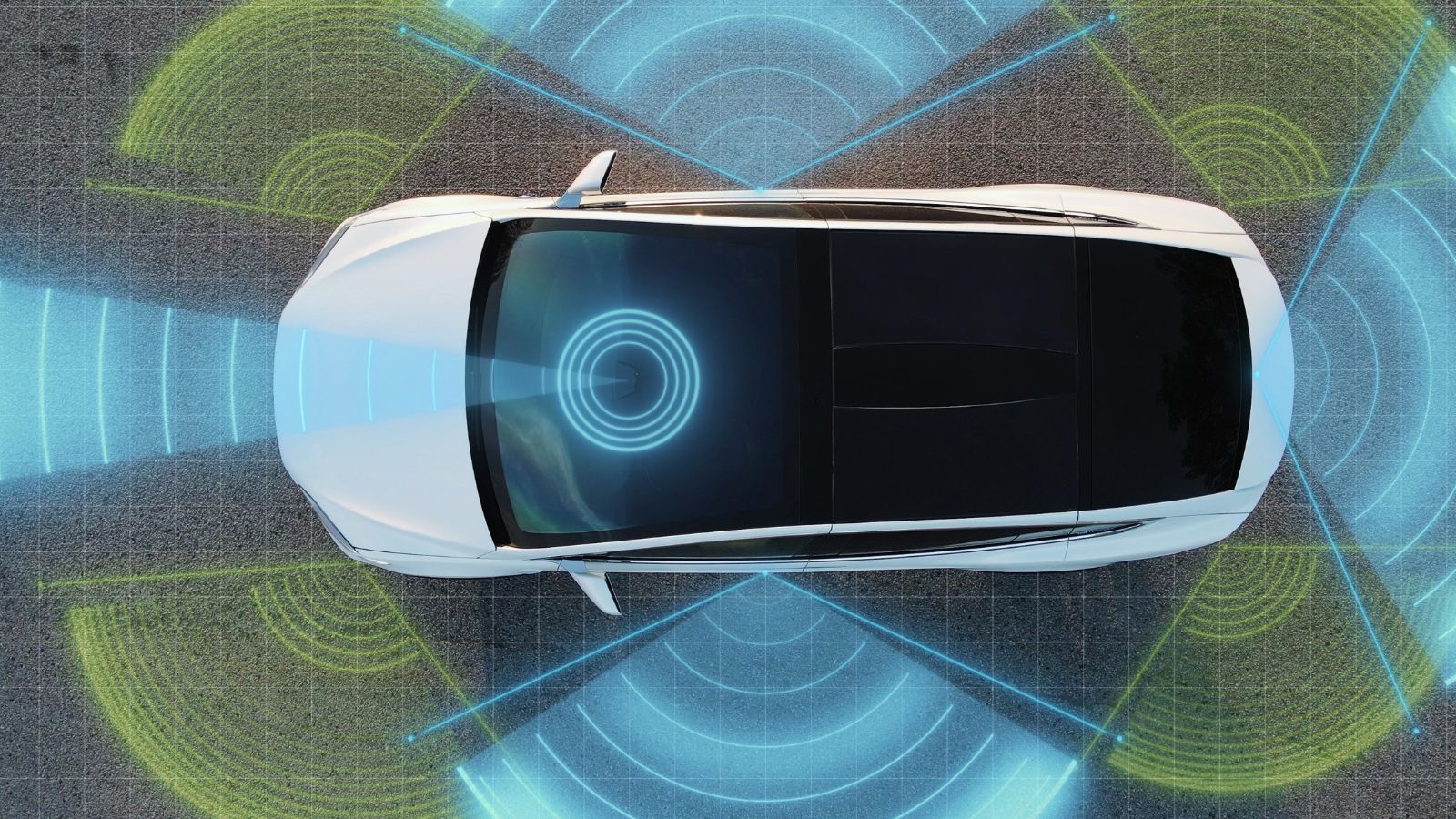
Modern safety systems are valuable, but hiding them inside smooth bumpers can make minor damage far more expensive than it appears. Radar units, ultrasonic sensors, and cameras may sit within painted bumper covers. AAA found that repairing advanced driver-assistance components can add substantial cost after minor crashes, with front radar repairs alone ranging from about $500 to $1,300.
The lesson is not to avoid safety tech. Automatic emergency braking, blind-spot monitoring, and other systems can prevent crashes. The ownership warning is a bumper serving as both styling surface and technology housing. A low-speed parking strike that once meant paintwork may now involve sensor replacement, mounting checks, and calibration. When a vehicle’s exterior hides a network of expensive hardware, owners should expect collision repair bills to reflect what is behind the plastic rather than what the damage looks like from outside, after many years of parking, weather, road debris, and impacts.
Side Mirrors Are Electronic Modules

A side mirror may contain a camera, blind-spot warning light, heating element, power-folding motor, memory, a turn signal, and auto-dimming glass. Outside it looks simple, but for repair it can be an electronic module. AAA’s 2023 repair-cost study found that, in tested vehicles, the ADAS camera in a side-mirror repair accounted for an average of about $1,067 of repair cost.
That matters because mirrors live in a vulnerable location. Parking posts, garage doors, passing objects, and narrow streets can damage them without touching the body. The technology has benefits, especially surround-view cameras and blind-spot systems, but integration changes a small mishap’s consequences. A mirror designed as a viewing device is comparatively simple. A mirror engineered into a digital safety suite may look cleaner and work better, but it can punish ordinary ownership mistakes more severely, once warranty coverage ends and a replacement assembly must be paid for out of pocket.
The Windshield Is a Calibrated Electronic Component
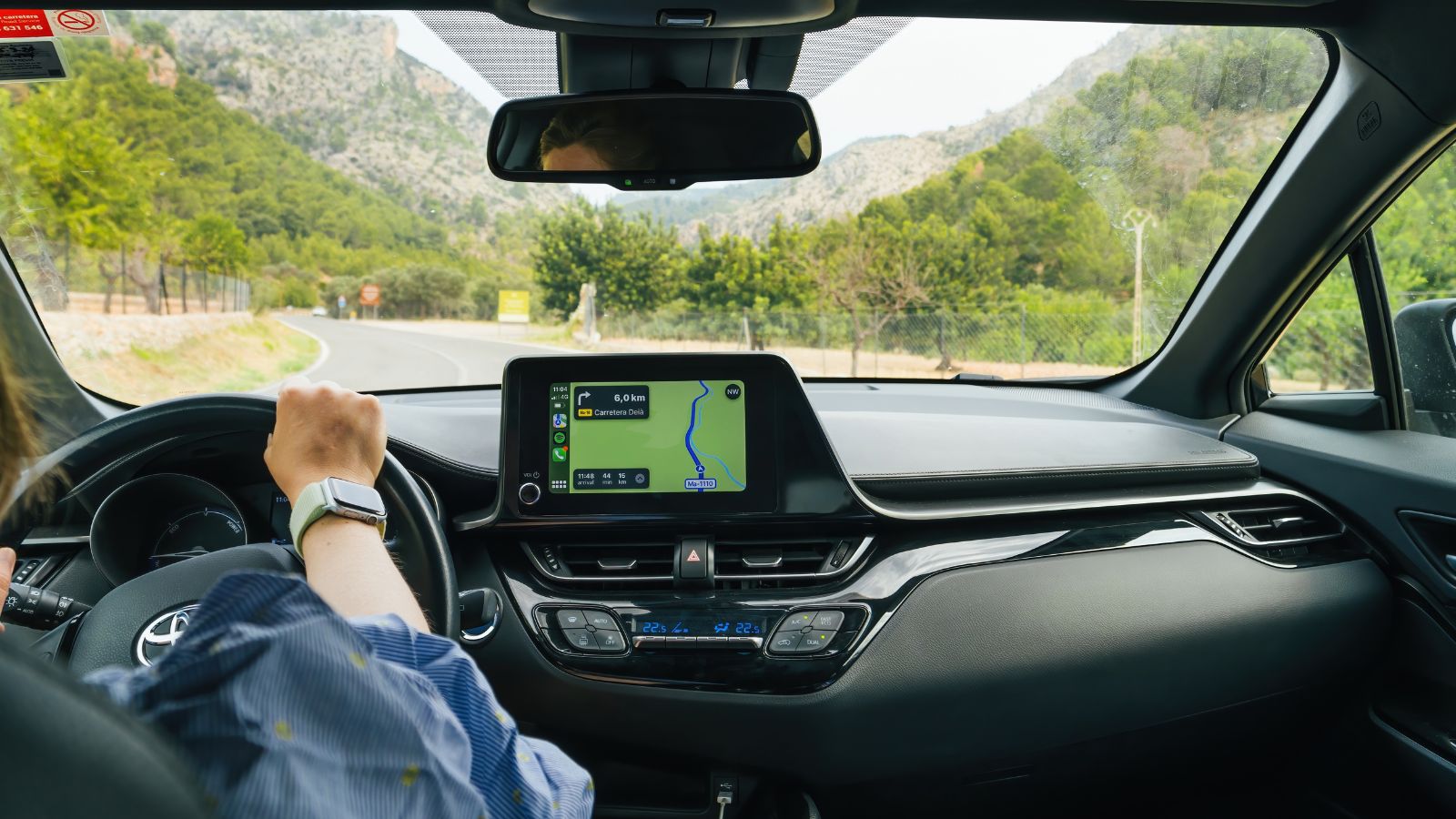
A windshield that looks clean from the cabin may carry one of the vehicle’s important electronic systems. Front-facing cameras used for lane keeping, traffic-sign recognition, pedestrian detection, or automatic emergency braking are mounted near the rear-view mirror. When the glass is replaced, those cameras may need repositioning and calibration so the safety systems interpret the road correctly.
AAA’s repair research found an average of about $360 in ADAS-related cost attributable to windshield replacement in tested vehicles, separate from the glass itself. AAA also notes that calibration is required when sensor aiming is altered and that some applications may specify particular replacement glass. This is not a reason to reject driver-assistance technology; it is a reason to recognize invisible ownership complexity. A beautifully uncluttered windshield can still be a calibrated electronic component. Stone chips, cracks, or replacement glass can therefore carry costs that older, simpler vehicles rarely imposed during ownership eras.
Lighting Is a Complex Styling Feature
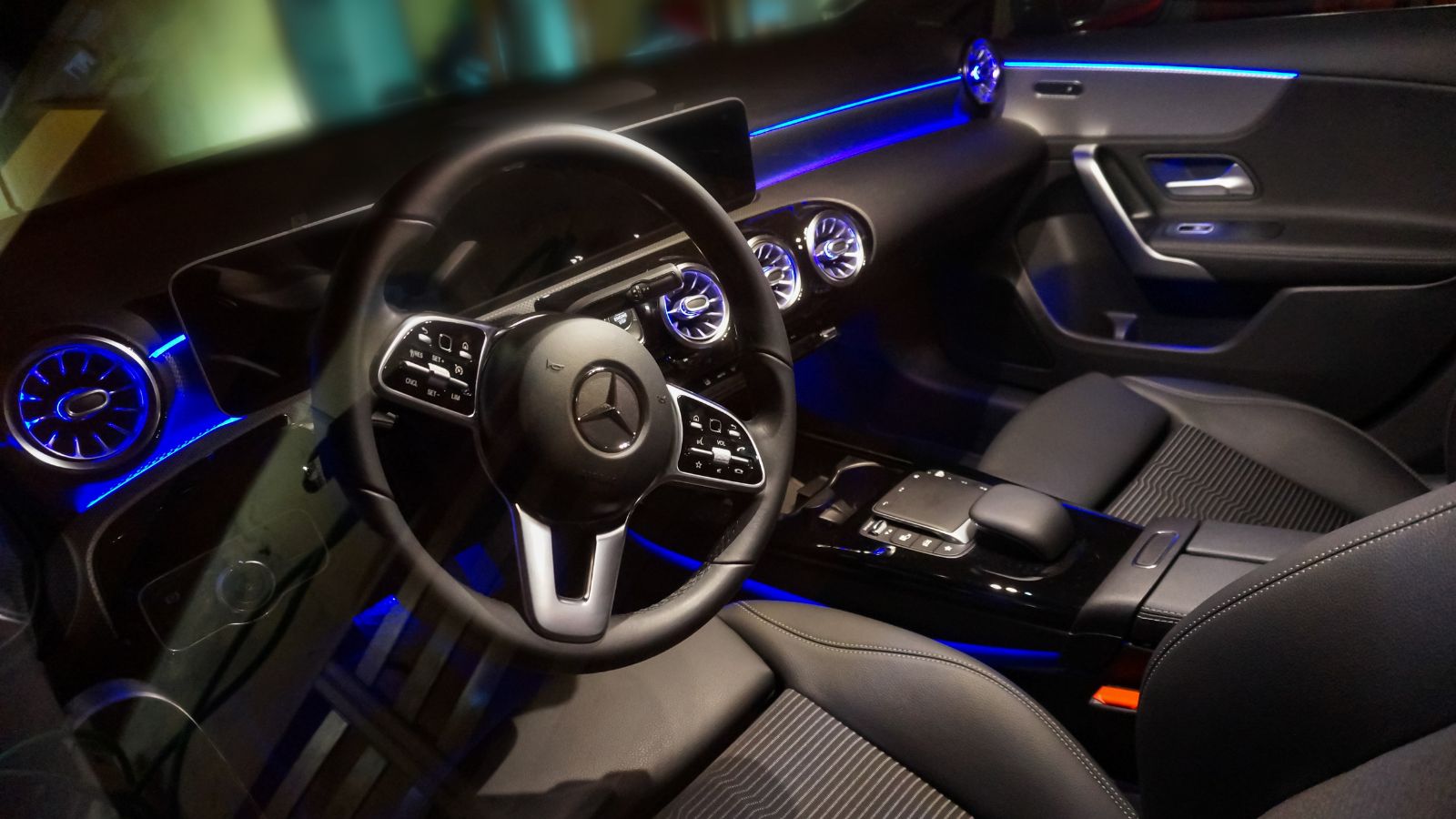
Full-width light bars, animated signatures, and intricate LED headlamps can give a vehicle a distinctive face. Modern lighting offers safety benefits: IIHS says curve-adaptive headlights, high-beam assist, and adaptive driving beams can improve visibility. The ownership issue appears when styling and technology are packaged into sealed assemblies that are expensive to replace as units.
Consumer Reports has documented how the economics differ from older halogen lamps. Its reporting estimated typical LED headlight or taillight assemblies at roughly $750 to $1,500, compared with about $200 to $500 for halogen assemblies, while premium units can cost far more. A simple burned-out bulb once meant a modest parts bill; damage to an integrated LED signature may mean replacing a substantial assembly. Elaborate lighting can be beautiful and effective, but when the lamp is also a major styling statement, owners should investigate replacement cost before assuming that beauty is cheap to maintain long term.
19 Used Cars Canadians Should Avoid in 2026 (Based on Owner Complaints)

Buying a used car in Canada can feel safe until repair bills start stacking up. Owner complaints tell a different story than glossy listings. Transmission failures, electrical problems, and weak winter reliability show up again and again in consumer reports. Many of these issues appear after warranties expire, when owners least expect them. Some vehicles look affordable upfront, but become expensive to keep on the road. Others struggle in cold weather, urban driving, or long highway commutes. Here are 19 used cars Canadians should avoid in 2026 (based on owner complaints).
19 Used Cars Canadians Should Avoid in 2026 (Based on Owner Complaints)

Alanna Rosen is an experienced content writer that focuses on many EV and educational content. Her articles are regularly published on Get CyberTrucked and syndicated on large publications.