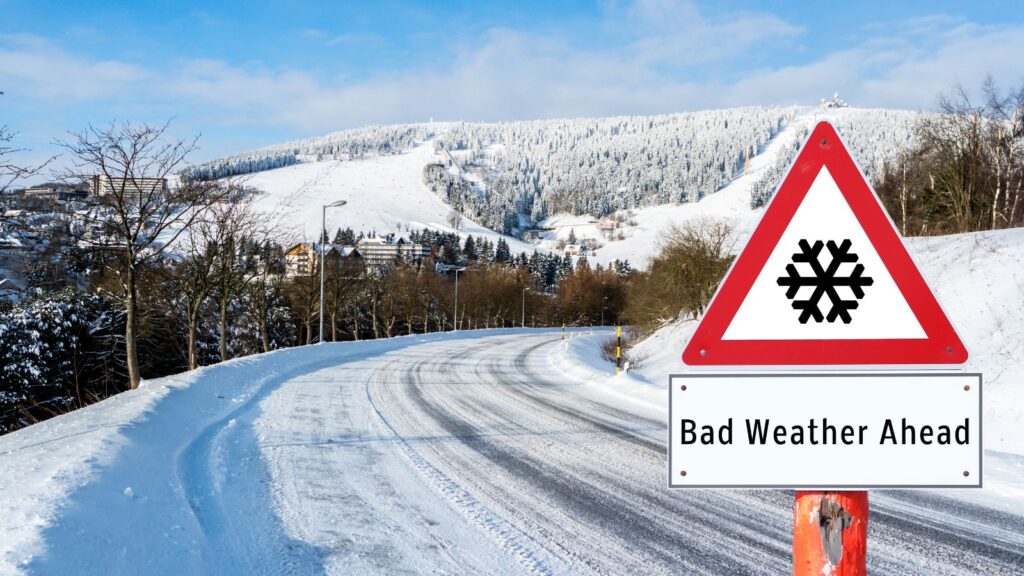
The first snow warning of the season can feel strangely abrupt. One week may still bring mild afternoons and bare pavement; the next can bring accumulating snow, freezing surfaces and a morning commute that suddenly demands winter habits again. That transition matters because vehicles, roads and drivers do not instantly adjust when temperatures fall.
Preparation is most useful before flakes begin sticking to the pavement. From changing tires early and checking batteries to understanding Canada’s newer weather-alert system, several relatively small steps can make the first winter drive considerably less stressful. These 19 things Canadian drivers should know before the first snow warning cover the vehicle, the road, changing provincial rules and the driving techniques that become important as soon as autumn starts behaving like winter.
A Snow Warning Is an Action Signal, Not Just a Forecast
Canada’s weather-warning system now provides more information than a simple prediction of how many centimetres may fall. Environment and Climate Change Canada uses impact-based alerts that consider both the expected consequences of the weather and forecasters’ confidence that the event will occur. Alerts are colour-coded yellow, orange or red, with risk increasing through those three levels. A yellow warning should therefore not be dismissed merely because it is the lowest warning colour; it still means hazardous weather is expected to produce meaningful impacts.
The complete warning is more useful than the notification banner on a phone. Environment Canada says warnings are urgent messages indicating severe weather is occurring or expected, and they are commonly issued roughly 6 to 24 hours beforehand, although timing varies by event. The alert can include expected timing, affected locations, forecast confidence and likely impacts such as difficult travel. That window may be enough to change tires, move an appointment, refill washer fluid or simply arrange to leave earlier the next morning.
The First Snowfall Can Be More Dangerous Than Later Ones
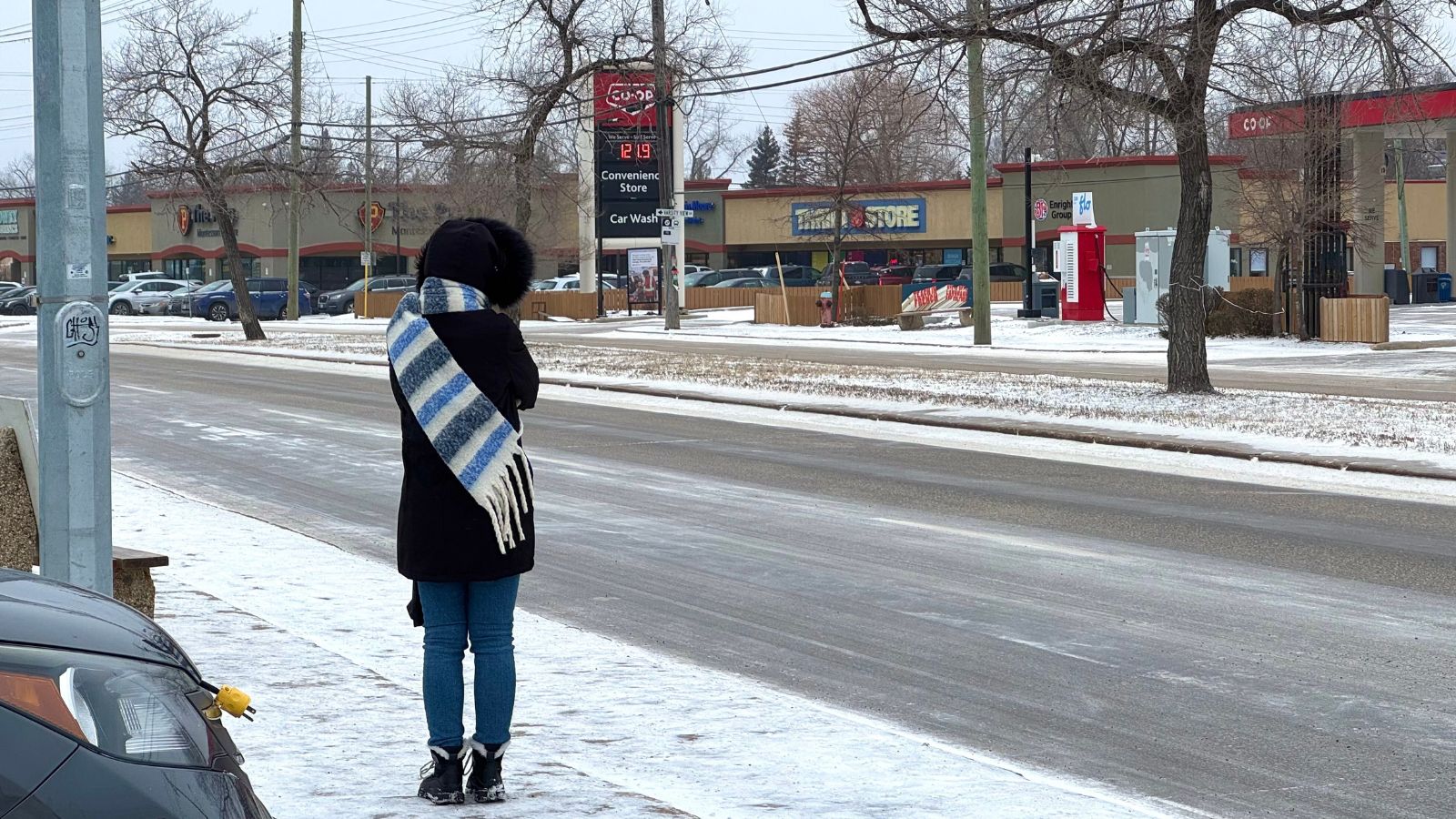
Drivers often assume the most dangerous snowstorm will be the largest one, but research suggests the season’s first snowfall deserves special respect. A large U.S. study examining millions of crashes found the first snowy day of the year was associated with a 14% higher rate of fatal crashes than subsequent snowy days after researchers adjusted for several other factors. The effect does not prove every first snowfall is unusually deadly, but it supports the familiar experience of drivers suddenly relearning winter habits.
Canadian research points in the same general direction regarding precipitation risk. An analysis of Winnipeg collision data compared wet-weather periods with corresponding dry periods and found precipitation was associated with roughly 76% to 80% higher injury-collision risk, depending on whether police or insurance records were used. Rain and snow were both implicated. Conditions, traffic volumes and driver behaviour vary enormously, but the lesson is useful: that first slick commute should not be treated like an ordinary drive merely because accumulation looks modest.
Winter Tires Should Go On Before the Snow Arrives
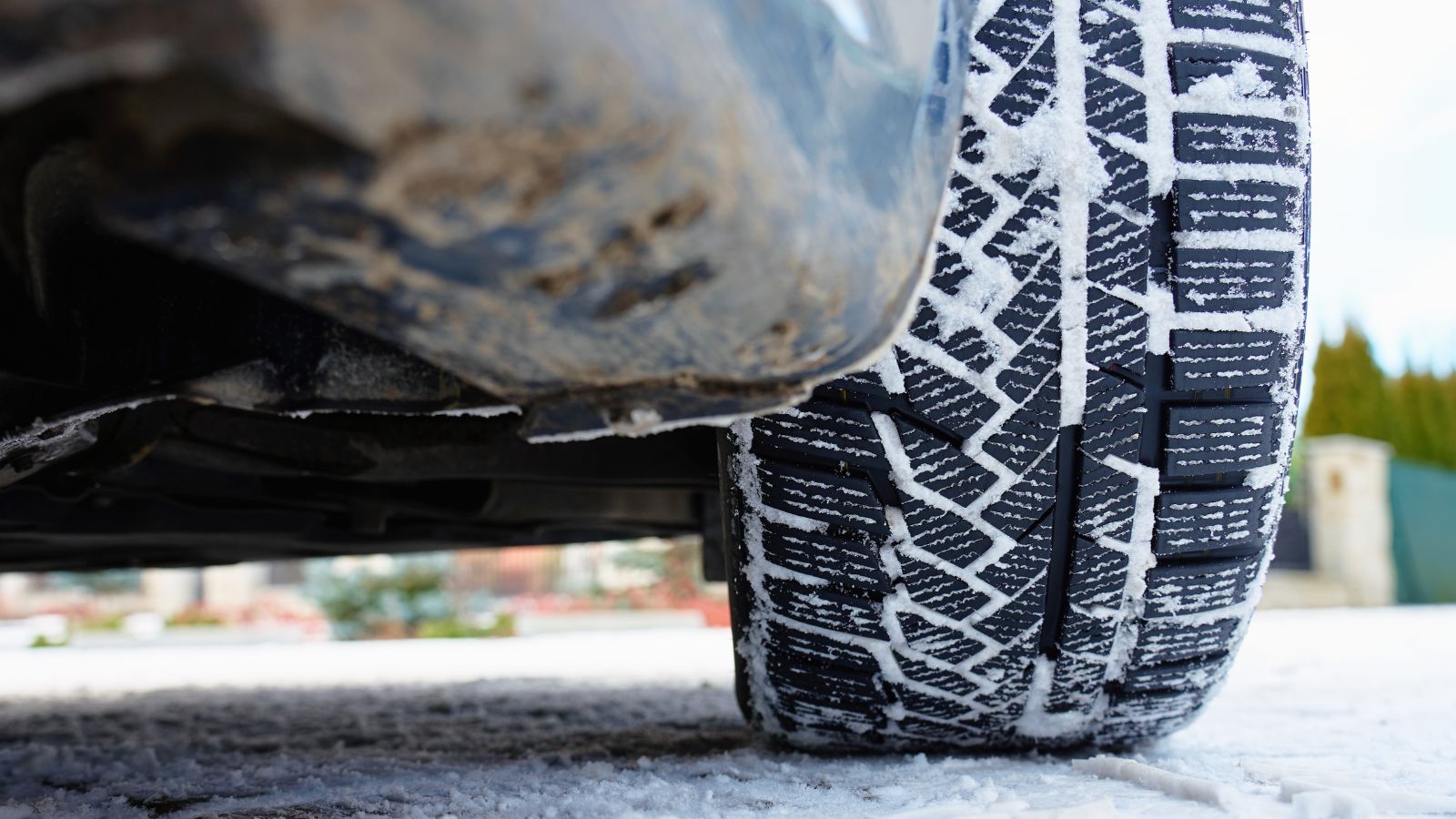
Waiting until snow appears in the forecast misses an important reason winter tires exist. Transport Canada says all-season and summer tires begin losing elasticity and traction below about 7°C, while winter compounds are designed to remain flexible at colder temperatures. That means a dry November morning at 3°C can already favour winter tires even though not a single snowflake is visible. CAA likewise recommends treating the 7°C range as a useful signal that tire-change season has arrived.
Installing them early also avoids the predictable rush that follows a major snowfall warning. Tire shops can suddenly fill their schedules when thousands of motorists reach the same conclusion simultaneously. Transport Canada recommends winter tires on all wheel positions rather than mixing tire types, because consistent grip helps the vehicle remain stable during braking and cornering. The familiar peaked-mountain-and-snowflake symbol is another detail worth checking: it identifies tires that meet specified snow-traction requirements intended for severe snow conditions.
Provincial Tire Rules Are Not the Same Across Canada
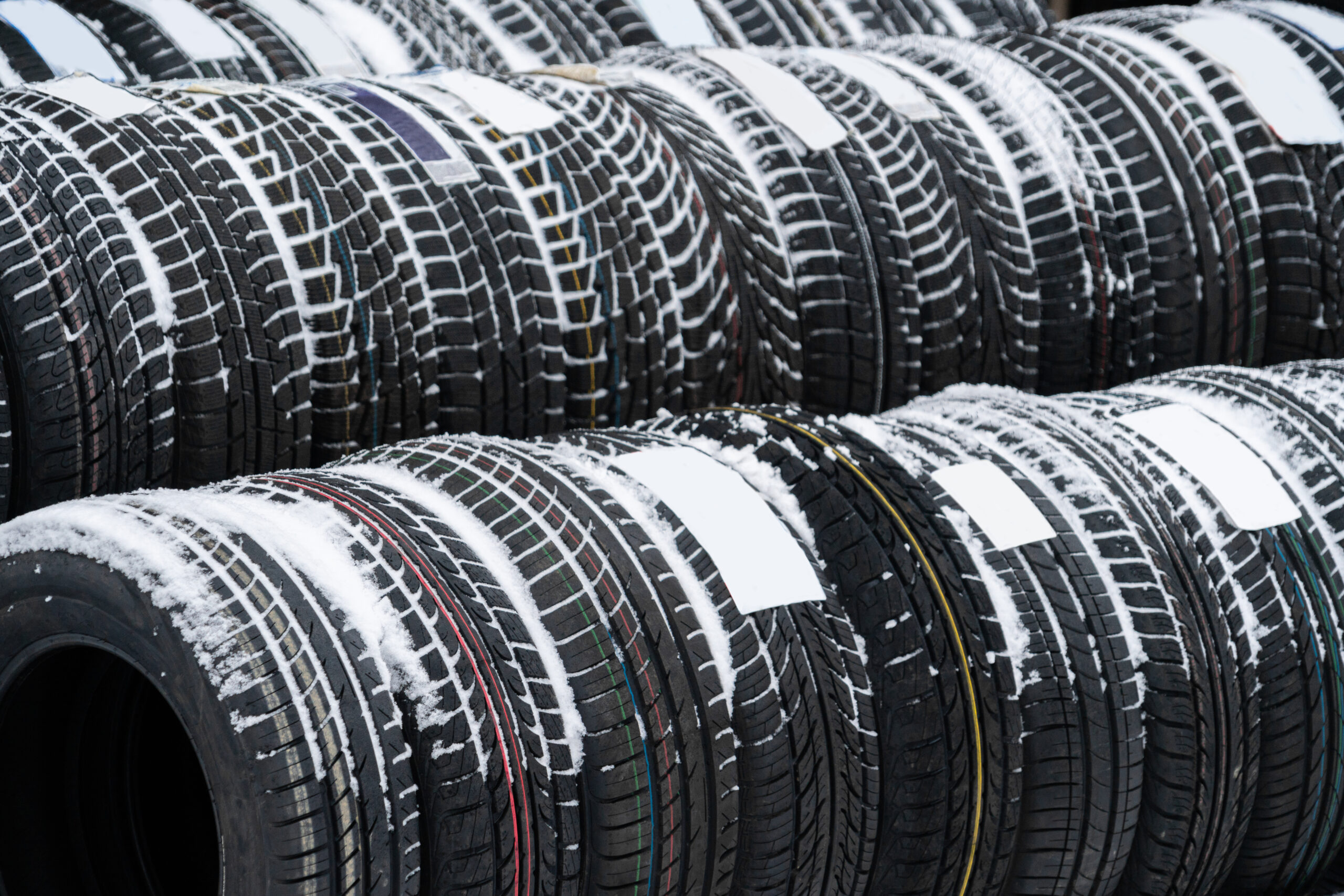
Canada does not have one nationwide calendar determining when every passenger vehicle must wear winter tires. Québec has one of the clearest province-wide requirements: most motor vehicles registered there must have compliant winter tires from December 1 through March 15. The Québec government says motorists who violate the requirement can face a $200 to $300 fine. There are exemptions, but the rule covers the vast majority of ordinary Québec-registered passenger vehicles.
British Columbia uses a different system. Winter tires or chains are required on most designated B.C. routes from October 1 through April 30, although requirements on certain highways end March 31. Roadside signs identify regulated routes, and officials can turn non-compliant vehicles around. B.C. lists a $121 fine for a passenger vehicle that does not have the required winter tires where the rule applies. Drivers crossing provincial boundaries therefore need to check the rules for the roads they will actually use, not simply the regulations where the vehicle is registered.
Tread Depth Matters Almost as Much as the Tire Label

Owning winter tires does not automatically mean they are ready for another winter. Transport Canada cautions against using tires worn close to 4 millimetres, or 5/32 of an inch, of tread depth on snow-covered roads. Snow traction deteriorates as tread disappears because the tire has less capacity to work through snow and slush. That makes an autumn inspection especially worthwhile for tires approaching the later stages of their useful life.
The tire’s markings matter as well. Transport Canada recommends looking for the peaked-mountain-and-snowflake symbol, indicating that the tire meets specific performance requirements for snow traction. Drivers should also inspect tires for visible damage, abnormal wear and differences in tread depth across the set. Transport Canada recommends four winter tires of compatible type, size, speed rating and load index and advises placing the tires with the deepest tread on the rear axle when tread depths differ. An old winter tire can still look aggressive while delivering much less grip than expected.
Tire Pressure Changes as Temperatures Fall
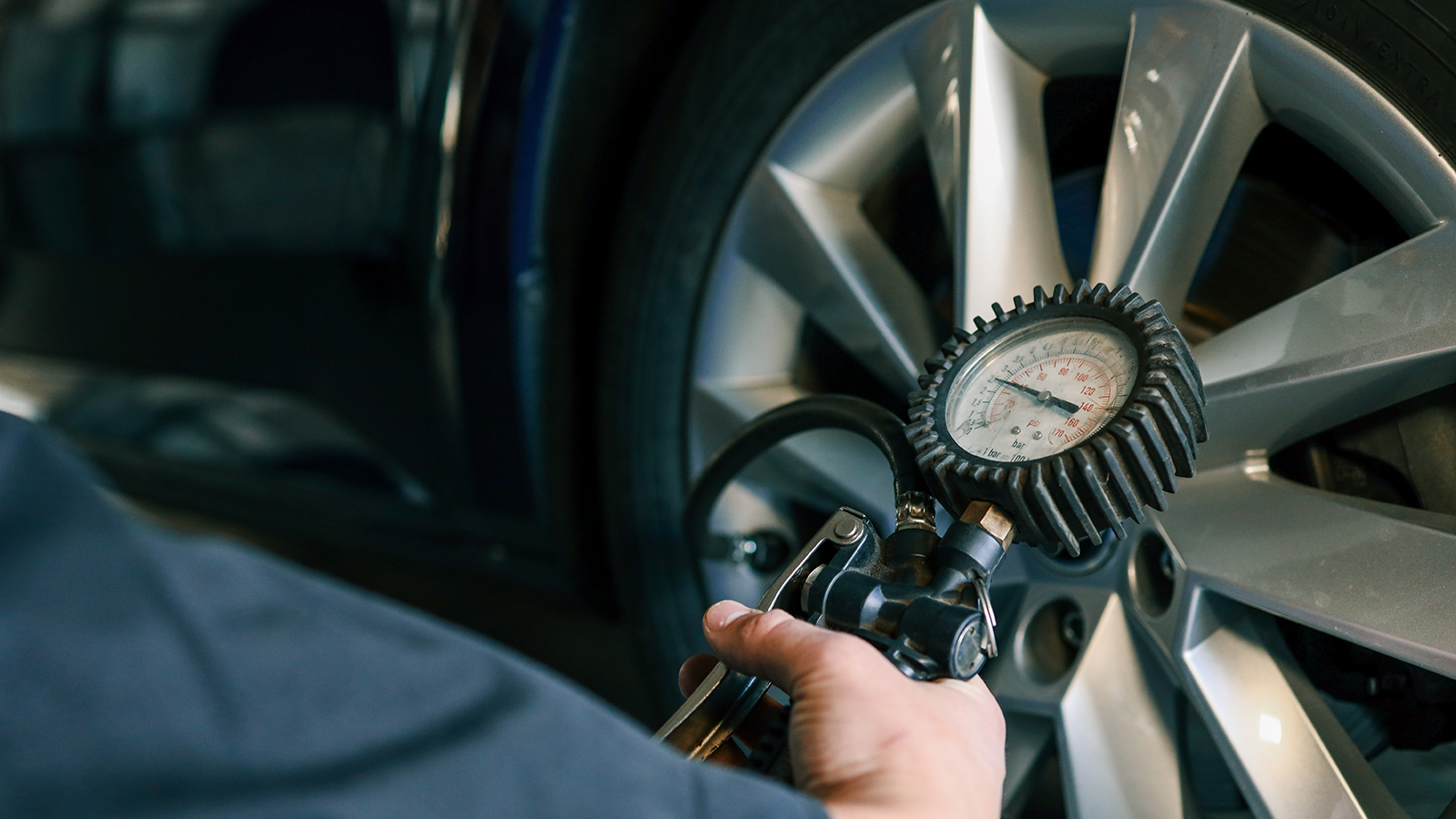
The first serious cold snap can reveal tire-pressure problems that were not obvious during mild weather. Transport Canada notes that tire pressure decreases as temperatures fall and recommends checking pressure when tires are cold. A tire that appeared properly inflated inside a warm garage can become under-inflated after spending time outside below freezing. That is why the pressure shown on a vehicle’s tire-information label, usually found around the driver’s door or door post, is more useful than judging a tire by appearance.
Correct pressure affects more than comfort. Transport Canada says proper inflation contributes to traction, tire life, safety and fuel efficiency. The spare should not be forgotten either, particularly before longer winter trips. Drivers using dedicated winter wheels should check pressures shortly after installation rather than assuming they were set correctly when stored months earlier. Modern tire-pressure monitoring systems provide a useful warning, but they are not a substitute for checking the manufacturer’s recommended pressure before the season’s first major weather event.
A Weak Battery Often Reveals Itself When the Cold Arrives
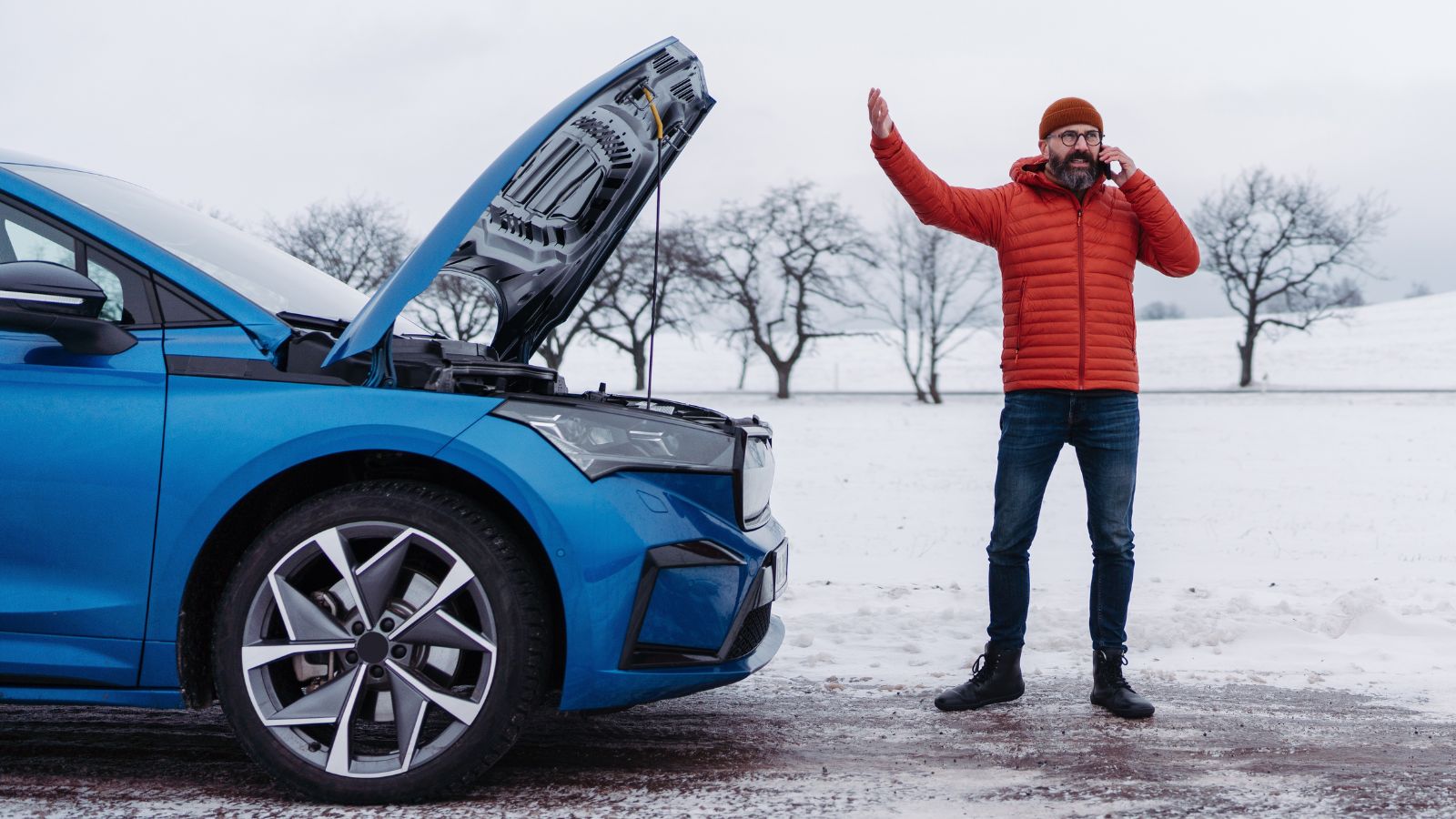
A vehicle that started perfectly through September can become far less cooperative when winter arrives. Transport Canada’s winter-maintenance guidance specifically recommends checking the battery, charging system, battery posts and related belts before severe weather. It also advises replacing a weak battery before it fails. Cold-weather reliability therefore involves more than waiting to see whether the starter turns slowly on a snowy morning.
This matters because the first warning often creates exactly the conditions in which a marginal battery becomes most inconvenient. Defrosters, heated seats, blowers, lights and other electrical equipment may all be needed during a cold start and winter commute. A preventive inspection provides an opportunity to identify corrosion or charging issues before the car is sitting outdoors under several centimetres of snow. For older vehicles, or vehicles that have recently shown hesitant starting, the beginning of winter is an especially sensible time to have the system checked rather than relying on booster cables as the maintenance plan.
Wipers, Washer Fluid and Defrosters Need a Pre-Season Check
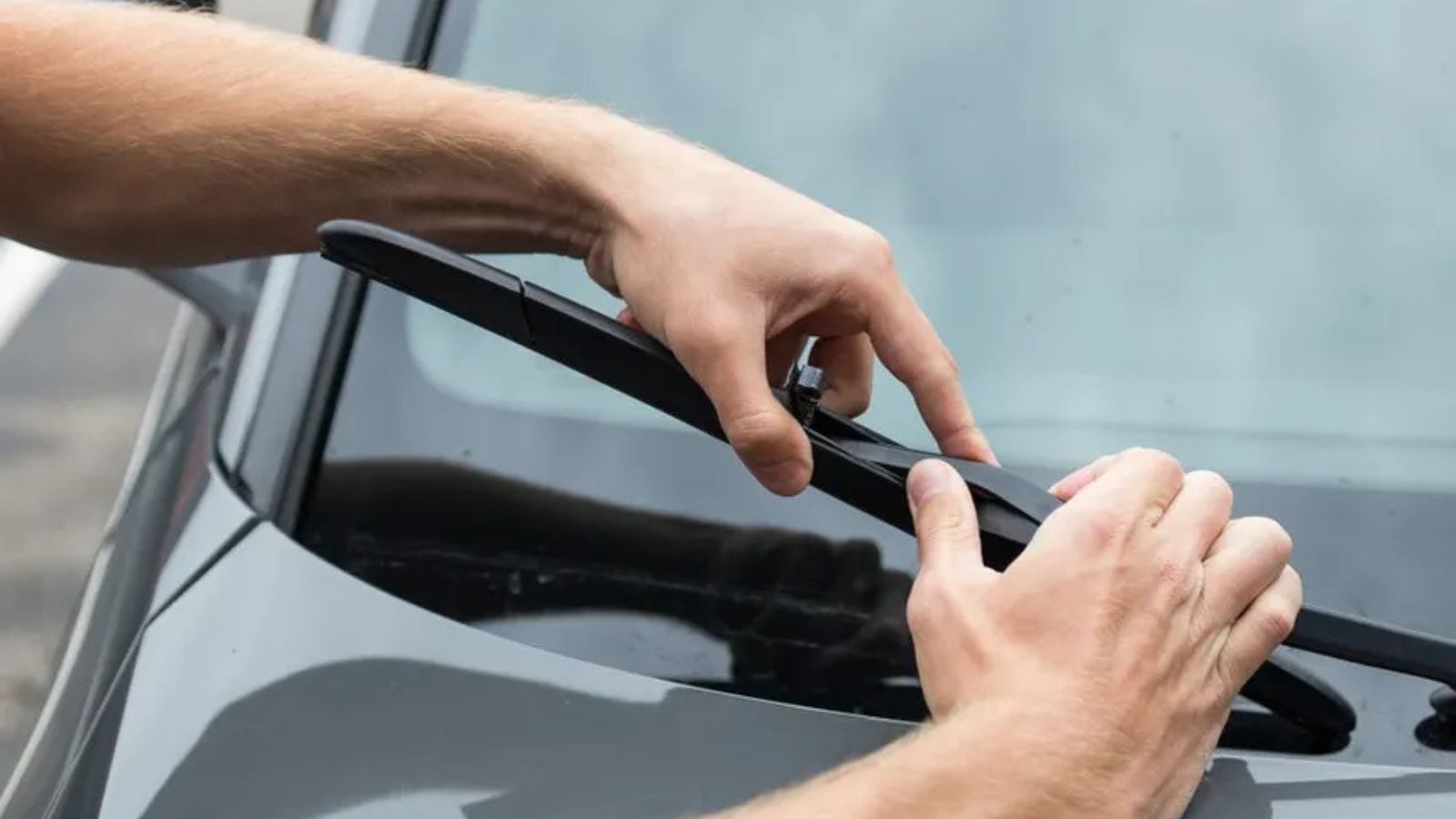
Seeing through the windshield becomes surprisingly difficult when the first snow arrives as wet slush rather than clean powder. Transport Canada advises checking wiper condition, replacing blades that streak and considering wipers designed for winter use. Its current winter-preparation guidance also recommends washer fluid designed for temperatures around -40°C and carrying an additional container in the vehicle. Ordinary warm-weather fluid can become a serious inconvenience if it is not suitable for the temperatures a vehicle encounters.
The defrosting system deserves the same attention. Transport Canada recommends confirming that the heater and defroster operate properly while also checking coolant strength and level as part of winter preparation. A windshield repeatedly coated with salty spray can consume washer fluid far faster than expected, particularly during highway travel behind other vehicles. Preparing these systems in October or early November costs little compared with discovering during a storm that the wipers smear, the reservoir is empty or the windshield will not clear properly.
Snow and Ice Can Confuse Driver-Assistance Systems
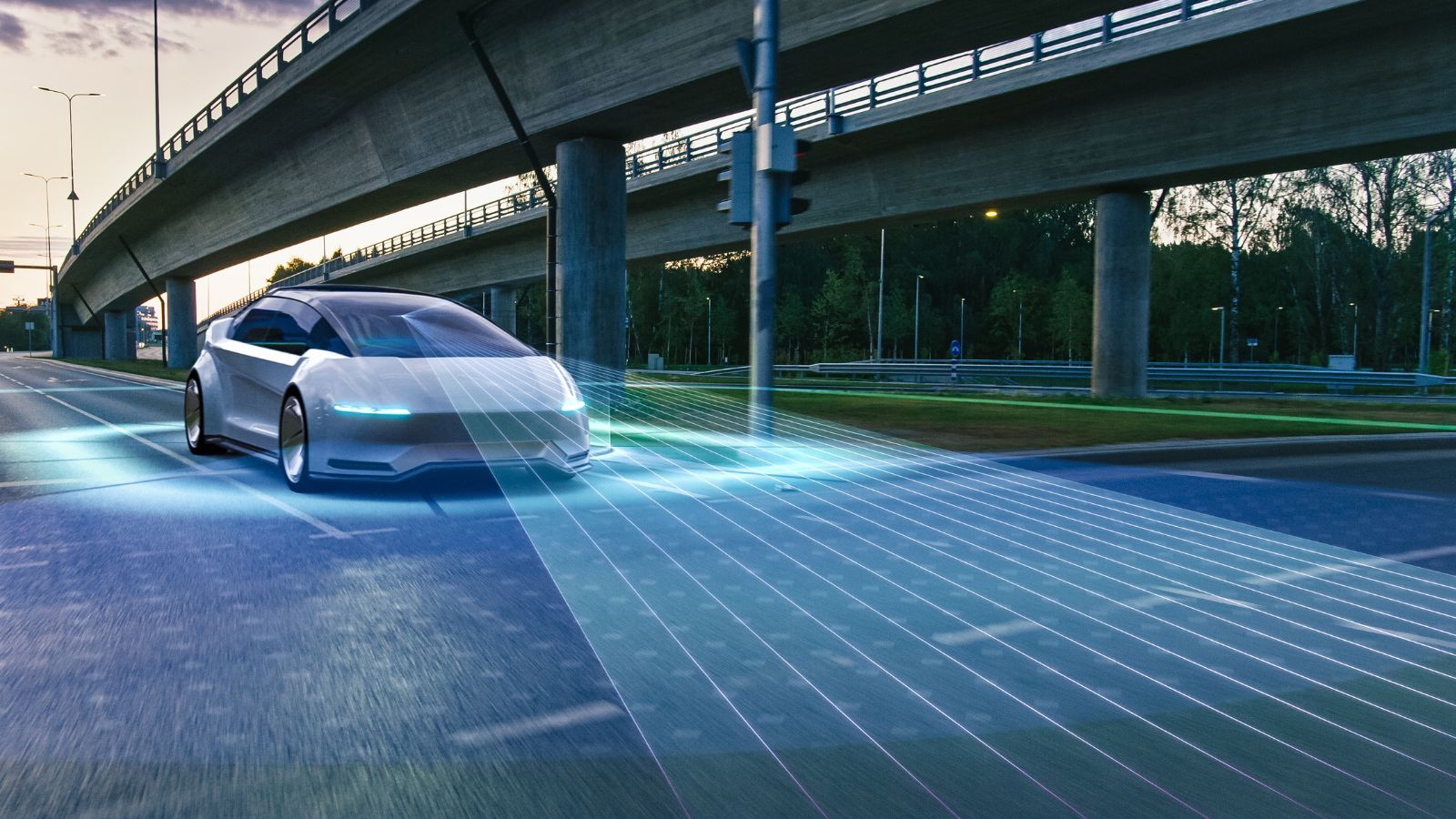
Modern cars may have automatic emergency braking, forward-collision warnings, lane assistance and other technologies, but winter weather can reduce their effectiveness. Transport Canada warns that driver-assistance technologies do not necessarily work properly in snow, ice or poor visibility. Sensors and cameras can become obscured, while lane markings may disappear beneath snow. Drivers accustomed to reliable warnings in summer should therefore expect winter conditions to change how some systems behave.
Canadian testing has produced a striking example. Transport Canada reported that during research involving five vehicles with forward-collision-warning systems, snow and ice on sensors affected detection. Three of the five test vehicles produced no forward-collision warning when the relevant sensor was covered with ice, regardless of the tested speed. Automatic emergency braking can also be limited by heavy snow, fog and other difficult conditions. Clearing sensors and cameras is worthwhile, but the larger lesson is that electronic assistance remains backup technology rather than permission to reduce following distance or attention.
Clear the Whole Vehicle, Not Just a Windshield Patch
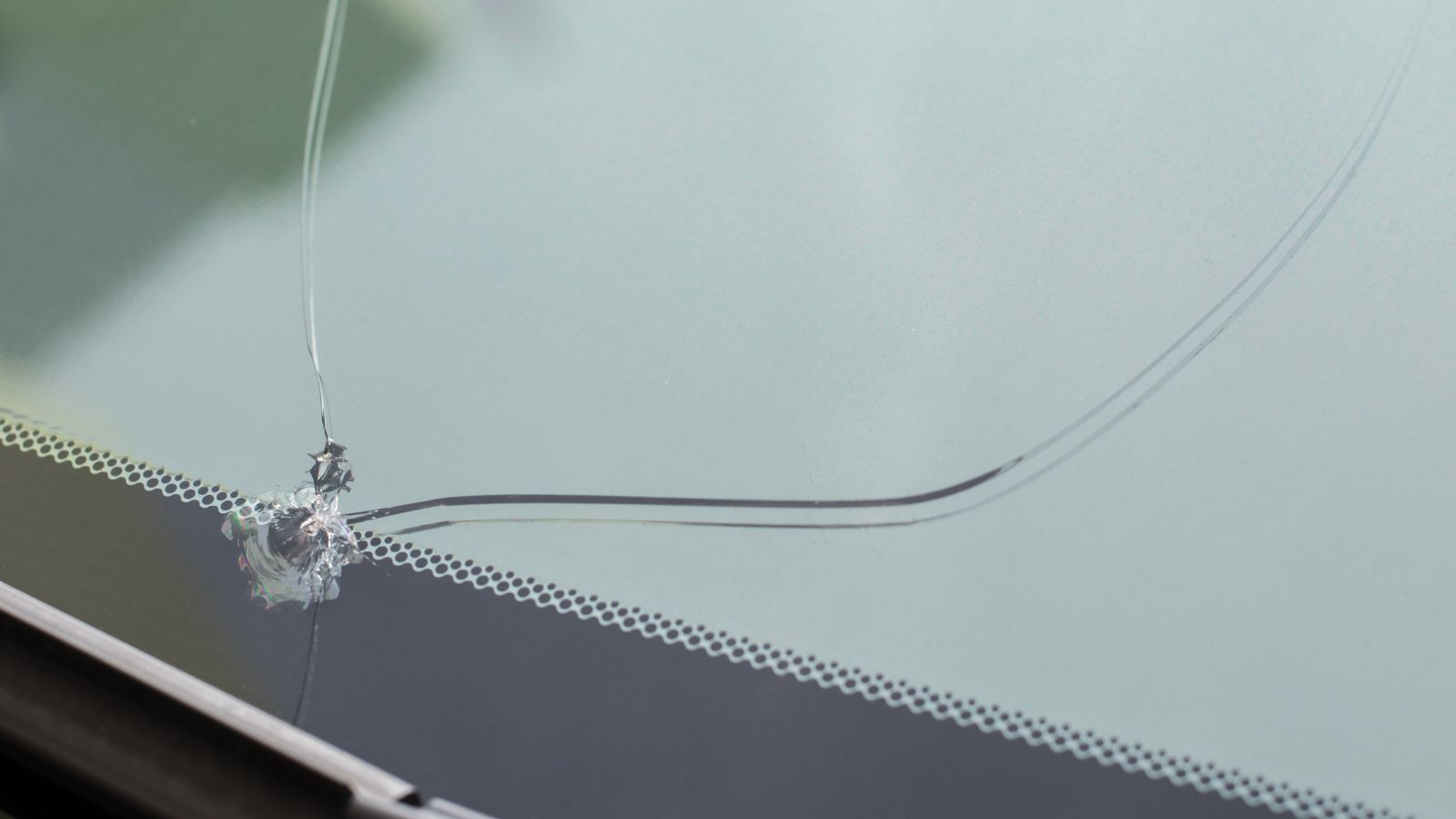
A few quick swipes across the driver’s side of the windshield are not enough after a snowfall. Transport Canada advises removing snow from the roof, hood, windows and lights and clearing frost and fog from all windows before driving. Snow left on the roof can move once the vehicle accelerates, brakes or warms up, potentially sliding onto the windshield or being thrown toward another vehicle.
Visibility works in both directions. Clearing headlamps, tail lamps and signal lamps helps other motorists see what the vehicle is doing during blowing snow and dull winter daylight. Transport Canada also notes that motorists can face fines in some provinces for failing to remove snow adequately. A proper snow brush and scraper therefore belong in the vehicle before the storm, not buried somewhere in a garage after it. Spending several extra minutes clearing the vehicle is far less frustrating than having a slab of wet roof snow slide forward during the first hard stop.
An Emergency Kit Should Be Packed Before It Is Needed
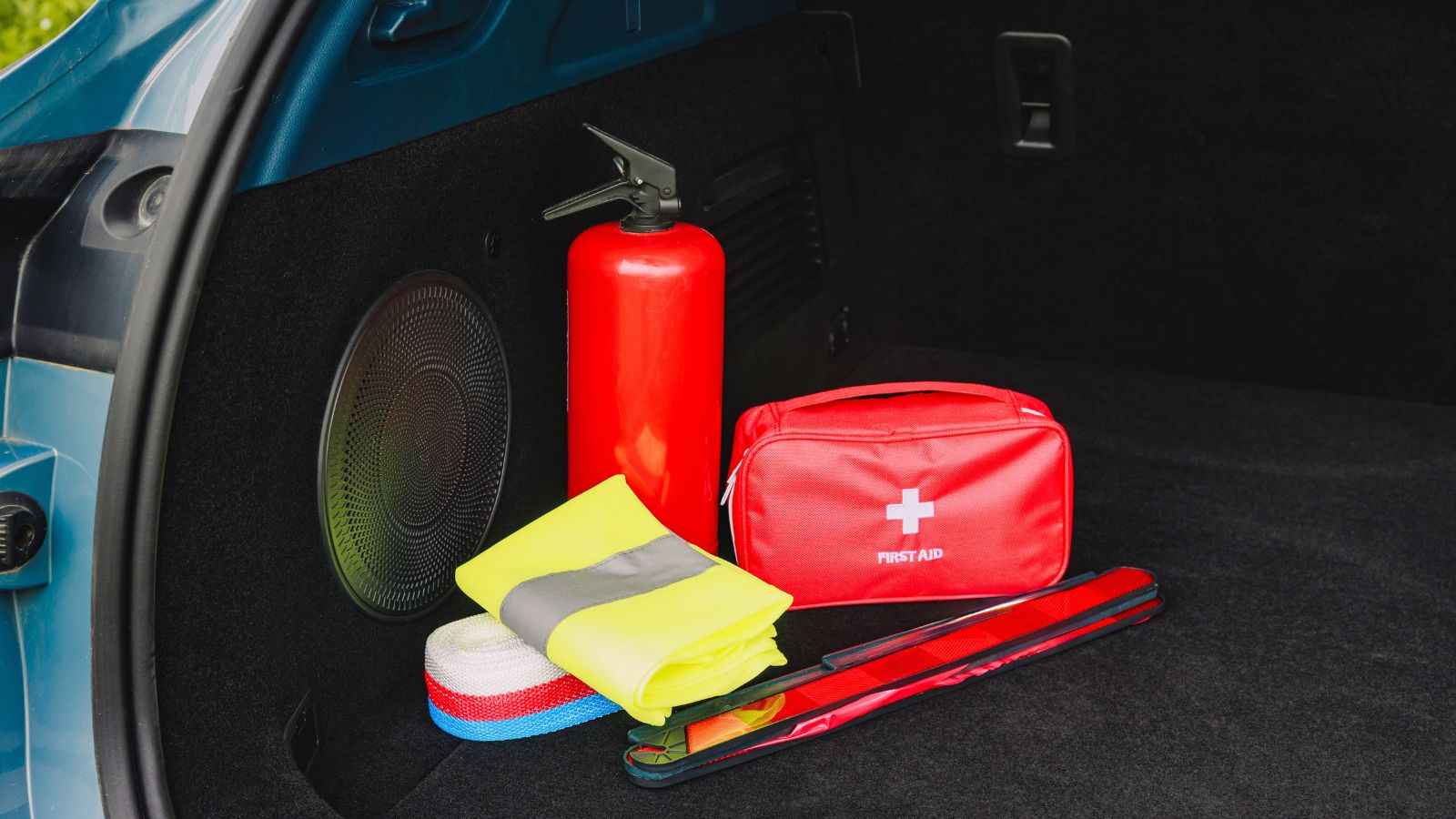
Winter emergency equipment tends to seem unnecessary right up until a vehicle is stuck, disabled or trapped behind a highway closure. Transport Canada’s recommended supplies include a shovel, traction material such as sand or kitty litter, traction mats, booster cables, warning triangles or flares, extra clothing, water, non-perishable food, a flashlight, blankets and first-aid equipment. An ice scraper, snow brush and extra washer fluid also appear on its winter lists.
The kit should match the kind of driving the vehicle actually does. Someone making short urban trips has different exposure than a driver crossing northern Ontario, rural Saskatchewan or a mountain pass in British Columbia. Still, a basic kit is valuable almost everywhere because winter delays can occur surprisingly close to home. A fully charged phone, charging cable and possibly a portable battery pack are also recommended by Transport Canada. Packing those items before the warning means nobody has to search a dark garage for a flashlight while snow is already accumulating outside.
Keep a Fuel or Battery Reserve for Unexpected Delays
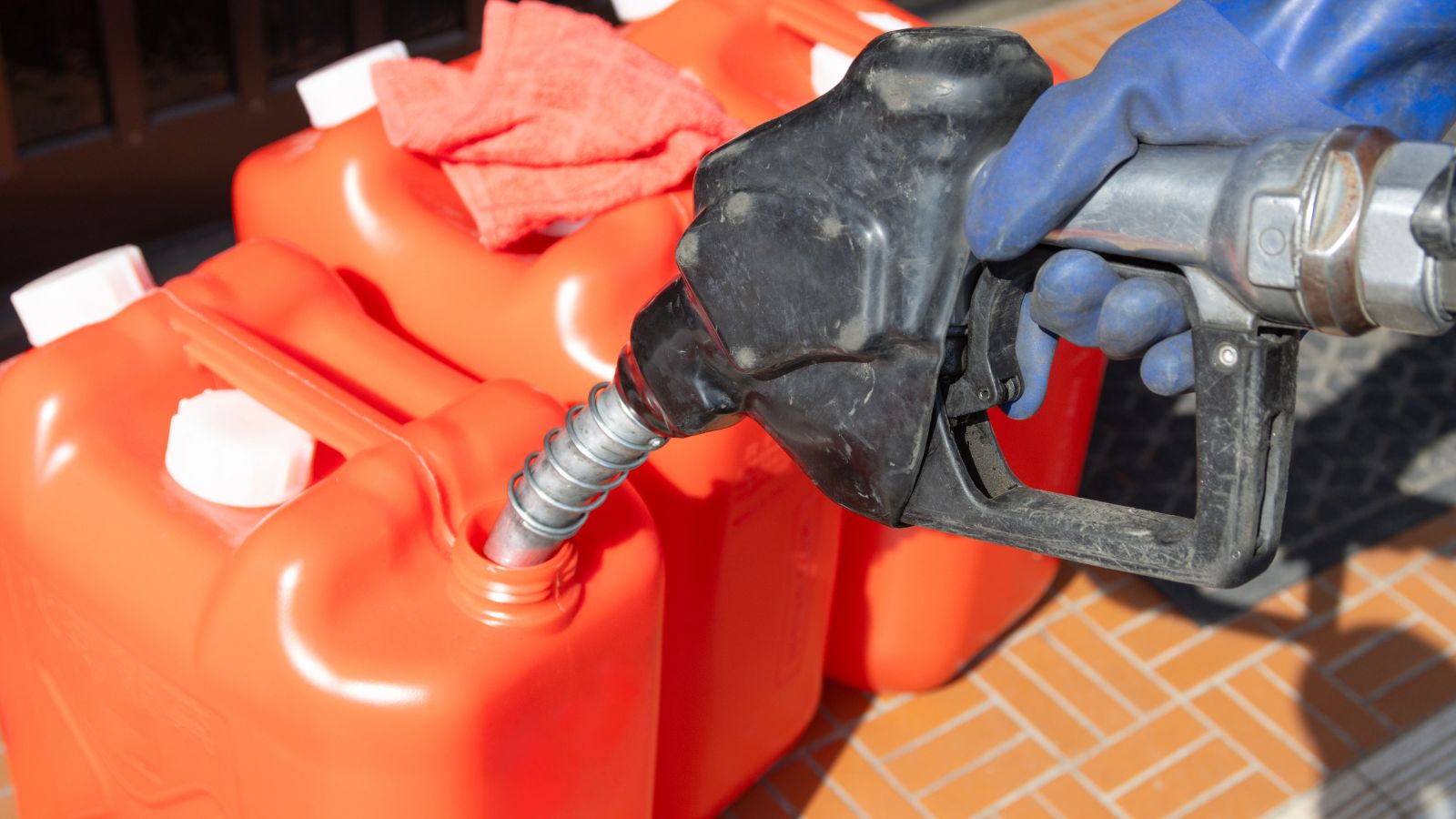
Running close to empty is inconvenient in July; during severe winter weather it can become a safety issue. Transport Canada recommends keeping the fuel tank at least half full when preparing for winter travel. A traffic collision, road closure or sudden deterioration in visibility can turn a routine drive into a much longer trip, and a fuel reserve gives the driver more options if delays occur.
Electric-vehicle drivers face a different version of the same planning problem. Transport Canada specifically advises ensuring an EV has enough range for unplanned events because cold temperatures can reduce available driving range. The exact reduction varies with vehicle, temperature, speed, cabin heating and other conditions, so one universal percentage would be misleading. The practical approach is simply to avoid beginning a winter trip with a razor-thin range margin. For both gasoline and electric vehicles, the first snow warning is a useful reminder that summer refuelling or charging habits may leave too little buffer for winter uncertainty.
Check Weather Alerts and Road Conditions Before Leaving

A forecast explains what may fall from the sky, but it does not always explain what has happened to a particular highway. Transport Canada recommends checking both weather information and provincial or territorial traveller-information services before winter trips. Many jurisdictions operate 511 systems or smartphone services containing road conditions, closures and, in some places, snowplow information. Those sources can reveal trouble that a general weather forecast cannot.
Environment Canada’s alert should also be read in full rather than treated as a simple snowfall total. Modern alerts include information about timing, geographic coverage, impact level and forecast confidence. A warning may indicate that travel will deteriorate quickly even when snowfall totals do not look extraordinary. Conditions can also vary dramatically over a relatively short route: rain in one area may become freezing precipitation or heavy snow farther inland or at higher elevation. Checking conditions immediately before departure is therefore more useful than relying on a forecast viewed the previous evening.
Winter Braking Requires More Space and Less Speed
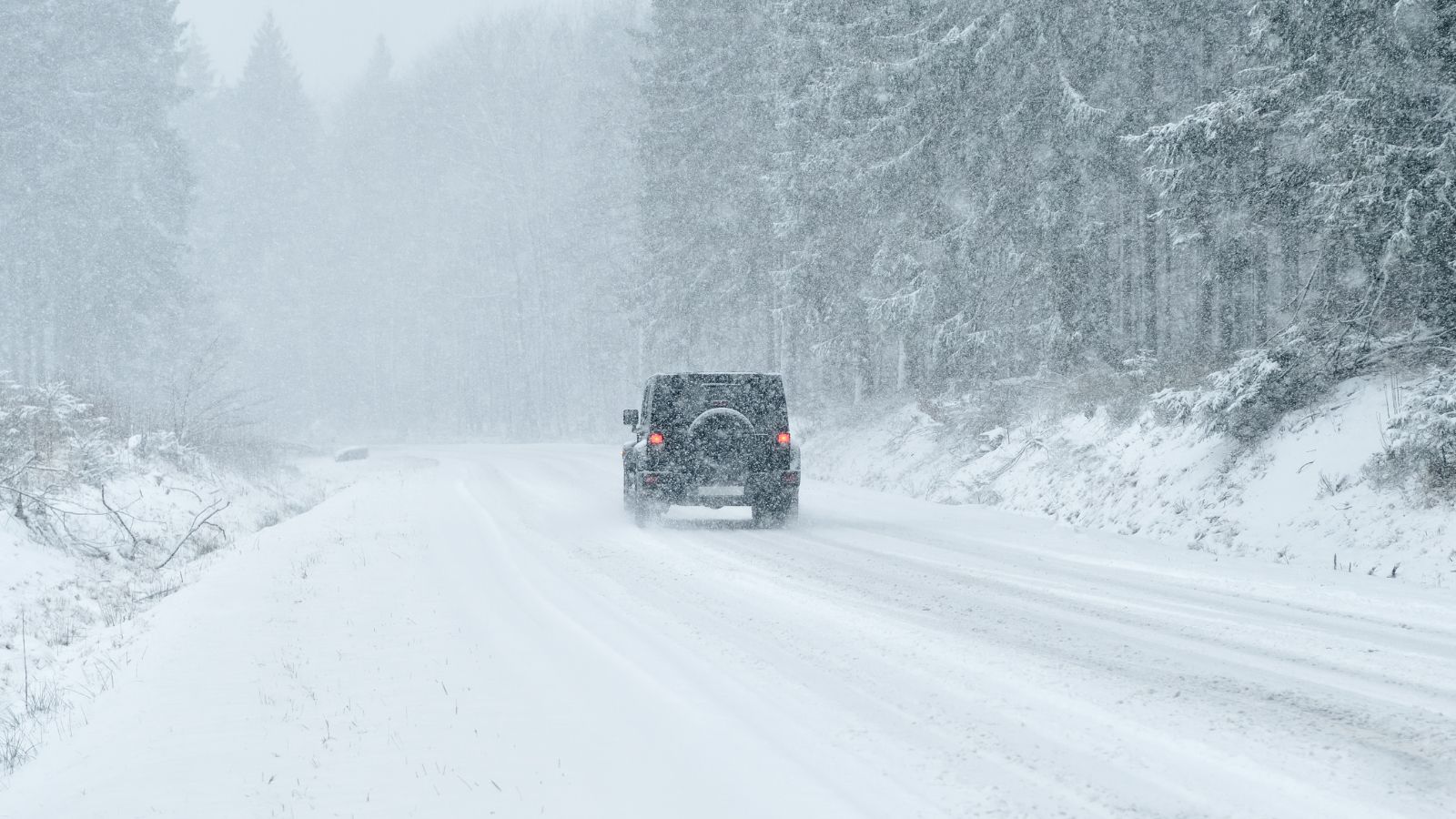
Snow and ice reduce the margin for correcting an ordinary driving mistake. Transport Canada says vehicles take longer to stop on slippery roads and advises drivers to leave more distance than normal, look well ahead and match speed to road and weather conditions. Extra space is particularly valuable because winter crashes often begin with something mundane: traffic suddenly slowing, a light changing or a vehicle entering an intersection.
Transport Canada testing also demonstrates how much tire configuration can affect stopping performance. In one test involving a 21-passenger minibus travelling on snow, the vehicle equipped with winter tires at all six wheel positions stopped an average of 5.6 metres shorter from 80 km/h than the same vehicle with all-season tires on the front and winter tires on the rear. That exact figure should not be applied to passenger cars, but it illustrates why grip and stopping distance cannot be taken for granted. Lower speed and greater spacing remain two of the driver’s most important winter safety tools.
Cruise Control and Sudden Inputs Can Work Against the Driver

Winter driving rewards smoothness. Abrupt steering, hard braking or sudden acceleration can ask more from the tires than the available grip can provide. Transport Canada recommends reducing speed, increasing spacing and avoiding forceful braking or jerky steering during poor conditions. It also advises against using cruise control in extreme weather, where maintaining a preset speed can be inappropriate as traction changes.
Electronic stability control can help, but it cannot rewrite the laws of physics. Transport Canada notes that ESC became standard equipment on vehicles from the 2012 model year onward and can brake individual wheels, reduce engine power or use both actions when it detects a developing loss of control. Traction control can similarly reduce wheelspin. Neither technology makes excessive speed safe on ice. Drivers should also read the owner’s manual because some manufacturers recommend temporarily disabling traction or stability functions when trying to free a vehicle stuck in deep snow, then reactivating them once moving again.
Black Ice Can Appear Before the Road Looks Wintry
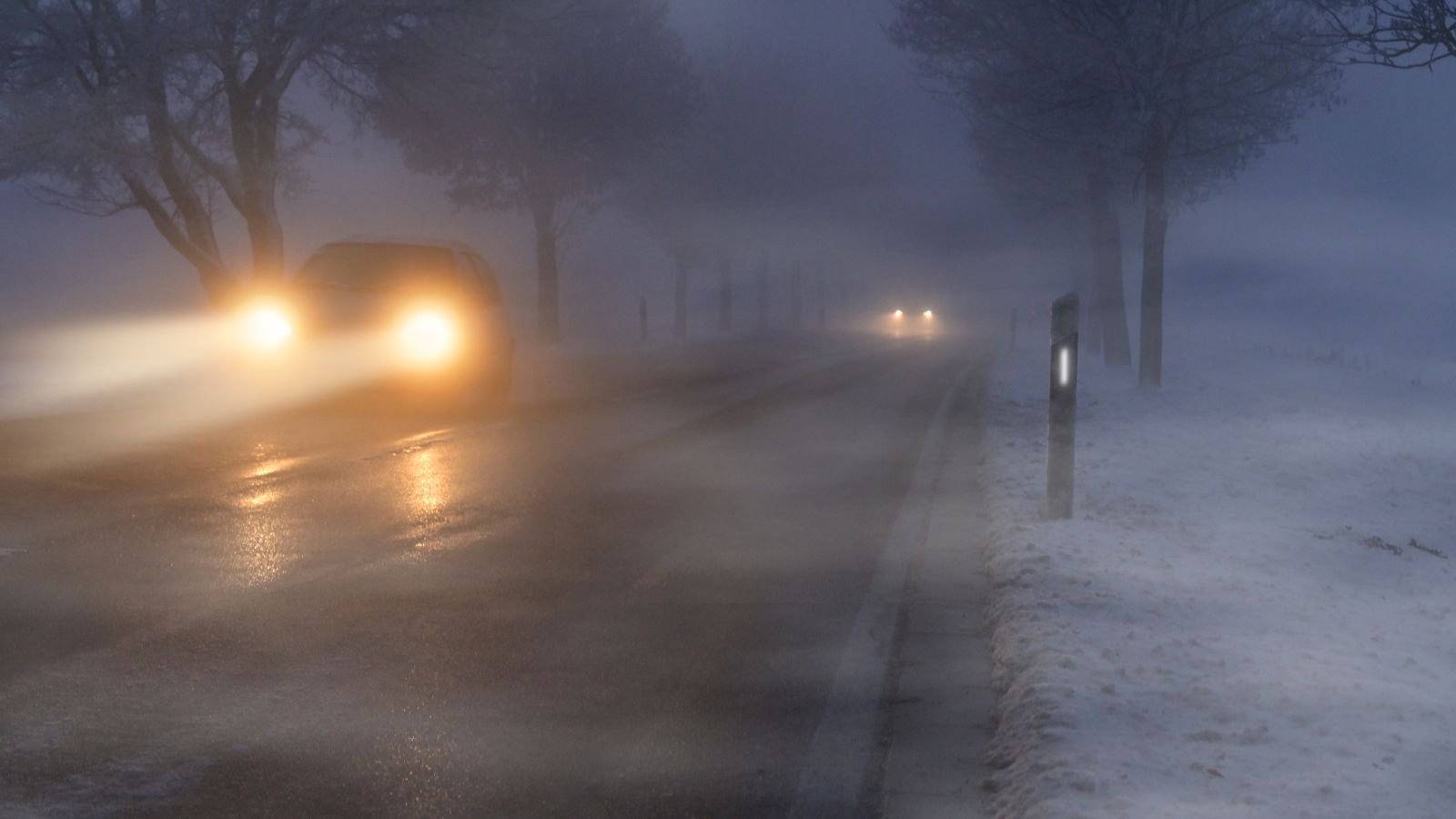
The first dangerous surface of the season may arrive without a blanket of white snow. Black ice is difficult to recognize because the roadway beneath it remains visible, creating the impression of wet or dark pavement. Ontario’s winter-driving guidance advises suspicion when winter pavement appears unusually black and shiny. Shaded sections, bridges and overpasses are especially important because they can freeze before surrounding road surfaces.
This is one reason the overnight temperature matters even after a mild or rainy autumn day. Water remaining on a bridge deck or shaded curve may freeze while nearby pavement remains merely damp. Transport Canada has similarly warned that black ice occurs more often in shaded areas and that bridges and highway overpasses can freeze quickly and stay frozen longer. Drivers approaching those locations should reduce speed before reaching the questionable surface rather than braking sharply once on it. The season’s earliest ice can therefore demand winter driving habits even before the season’s first meaningful snowfall.
AWD Helps With Acceleration, Not the Laws of Braking
All-wheel drive and four-wheel drive can be extremely useful when pulling away on a slippery road, climbing a snow-covered grade or moving through deeper snow. They do not, however, create extra tire grip during every manoeuvre. CAA has emphasized that AWD and 4WD are useful for propelling a vehicle but do not necessarily provide the same advantage during braking or turning, where winter tires and available friction remain crucial.
That distinction explains why an AWD crossover on worn all-season tires can still struggle when the driver tries to stop. Transport Canada recommends winter tires on all wheels regardless of drivetrain because tire compound and tread are what connect the vehicle to the road. The added traction of AWD can even create misplaced confidence by allowing a vehicle to accelerate relatively easily on a surface that provides poor stopping grip. The first snowfall is often when that difference becomes obvious: getting up to speed may feel effortless while the next intersection reveals how slippery the road actually is.
Give Snowplows Space and Resist the Urge to Pass
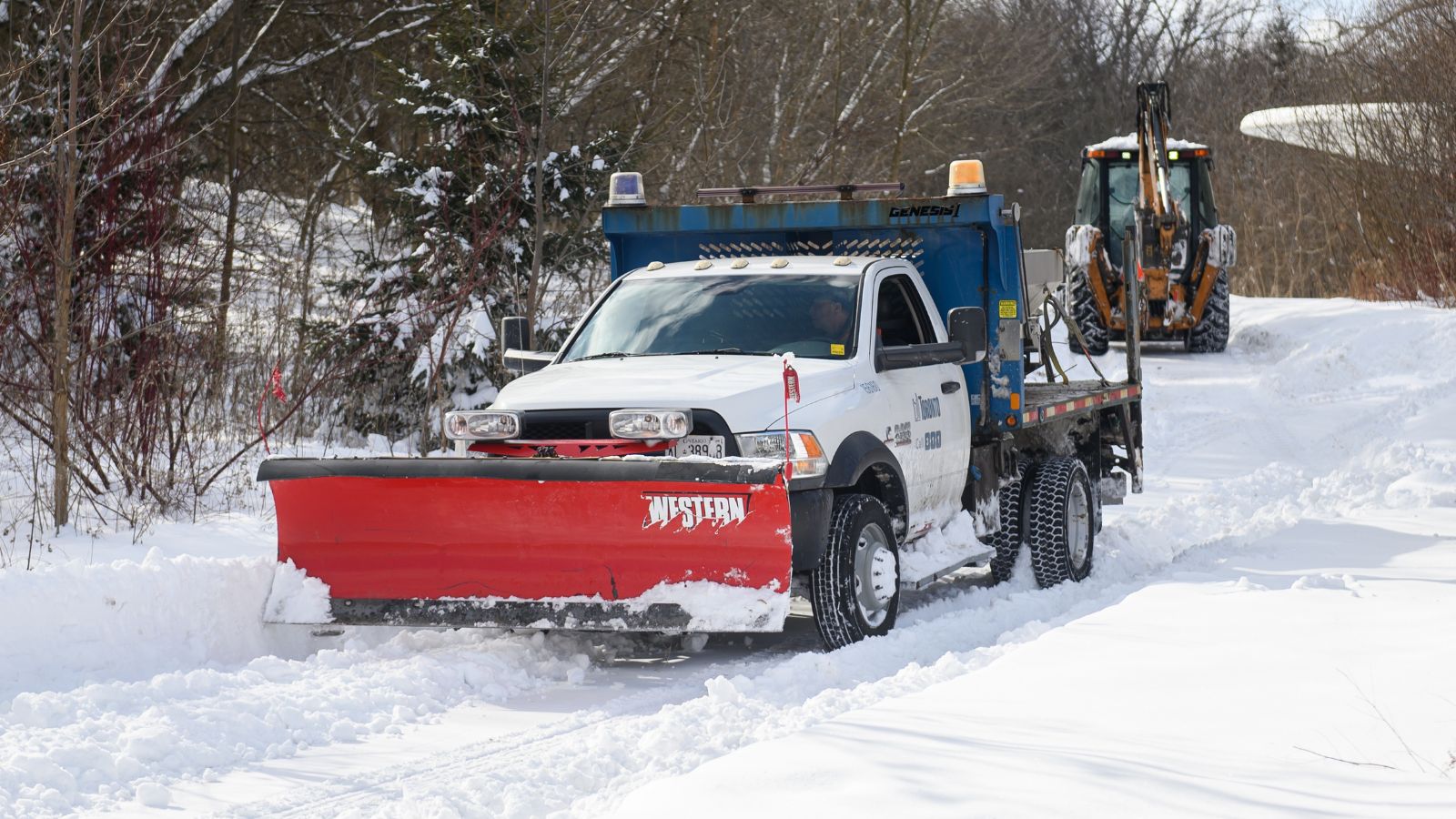
A snowplow moving below the speed limit can test patience, particularly during a morning commute, but passing one can put a driver directly into worse conditions. Ontario advises motorists to remain behind working plows and says never to pass an operating snowplow. Blowing snow can dramatically reduce visibility around the truck, while the ridge created by the blade can destabilize a passing vehicle.
The dimensions involved are also easy to underestimate. Ontario notes that some plows have wings extending as far as three metres to the right, and their flashing blue lights can be visible from about 150 metres away. Several plows may also travel staggered across freeway lanes, making attempts to weave between them extremely dangerous. The province says a driver behind a plow will generally not remain there indefinitely because highways are cleared in sections, often limiting the delay to roughly 20 to 30 minutes. Waiting behind the equipment usually means driving on the freshly treated roadway it leaves behind.
Sometimes the Safest Decision Is Not to Leave Yet
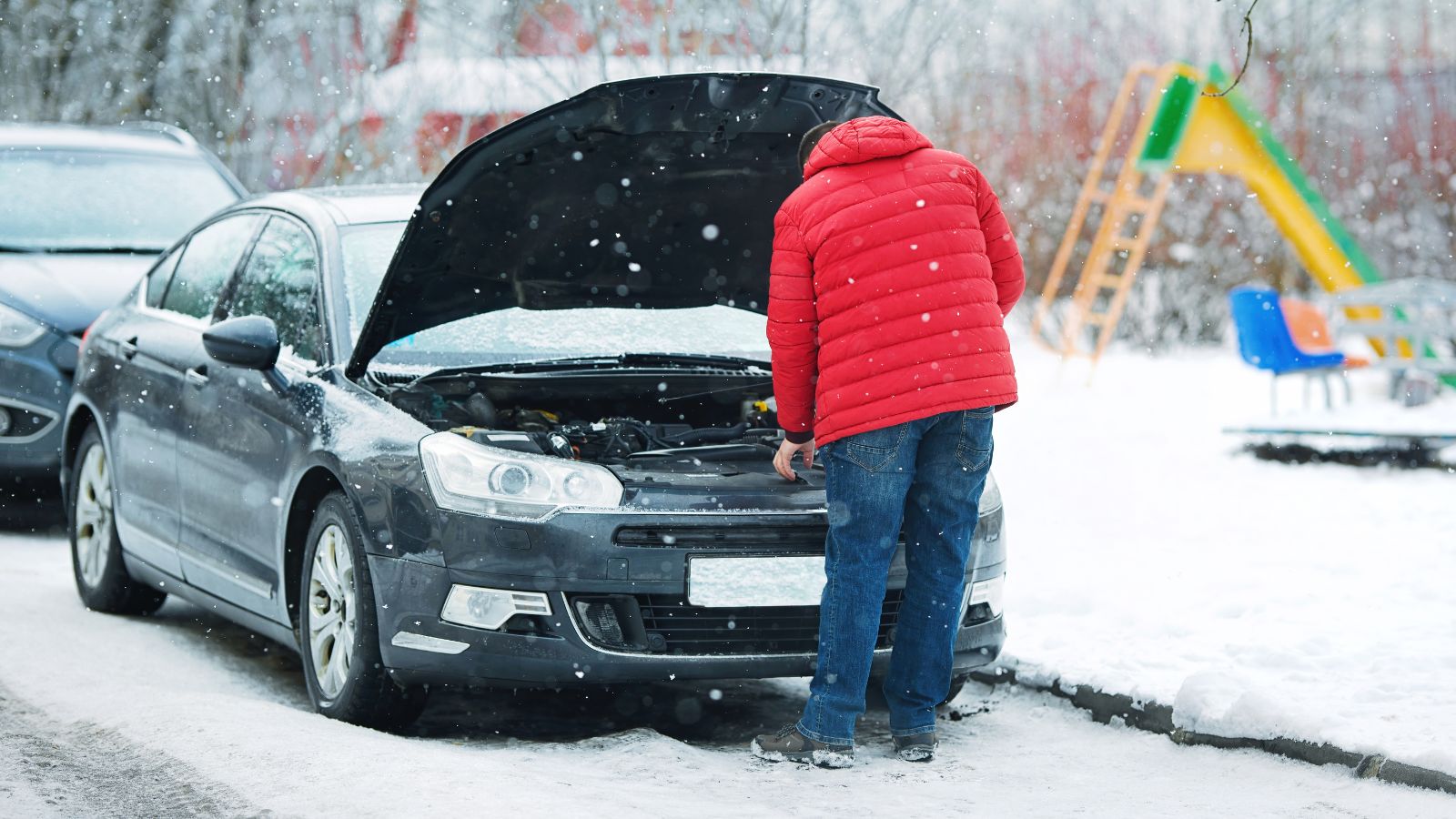
Preparing a vehicle does not create an obligation to drive through every storm. Public Safety Canada advises postponing travel when a winter storm is occurring and waiting until conditions improve when possible. Transport Canada likewise recommends allowing extra time, delaying trips during bad weather when practical and finding a safe place to stop if driving becomes too risky. A missed appointment is usually easier to solve than a collision on a closed or rapidly deteriorating highway.
Drivers should also know what to do if the trip stops unexpectedly. Transport Canada advises remaining inside the vehicle for shelter when it is safely positioned and not at risk of being struck, rather than wandering into a storm. It specifically warns motorists to keep the tailpipe clear of snow to reduce the risk of carbon monoxide entering the cabin and to conserve fuel by limiting engine operation. The most important preparation before that first warning may therefore be psychological: winter driving sometimes means deciding that the trip can wait.
19 Used Cars Canadians Should Avoid in 2026 (Based on Owner Complaints)

Buying a used car in Canada can feel safe until repair bills start stacking up. Owner complaints tell a different story than glossy listings. Transmission failures, electrical problems, and weak winter reliability show up again and again in consumer reports. Many of these issues appear after warranties expire, when owners least expect them. Some vehicles look affordable upfront, but become expensive to keep on the road. Others struggle in cold weather, urban driving, or long highway commutes. Here are 19 used cars Canadians should avoid in 2026 (based on owner complaints).
19 Used Cars Canadians Should Avoid in 2026 (Based on Owner Complaints)

Alanna Rosen is an experienced content writer that focuses on many EV and educational content. Her articles are regularly published on Get CyberTrucked and syndicated on large publications.