A vehicle can look perfect for family duty on paper and become frustrating the moment a child seat enters the picture. Exterior size, seating capacity, and cargo figures reveal only part of the story. The shape of the back seat, accessibility of child-restraint anchors, door openings, head restraints, belt buckles, and even roof height can dramatically change everyday usability.
For parents transporting infants, toddlers, and booster-age children, small design choices can turn routine school runs or daycare drop-offs into repeated struggles. These 19 things that can make a car terrible for baby seats and families highlight the practical details that often matter more than horsepower, touchscreen size, or an impressive options list.
Too Little Second-Row Space for a Rear-Facing Seat
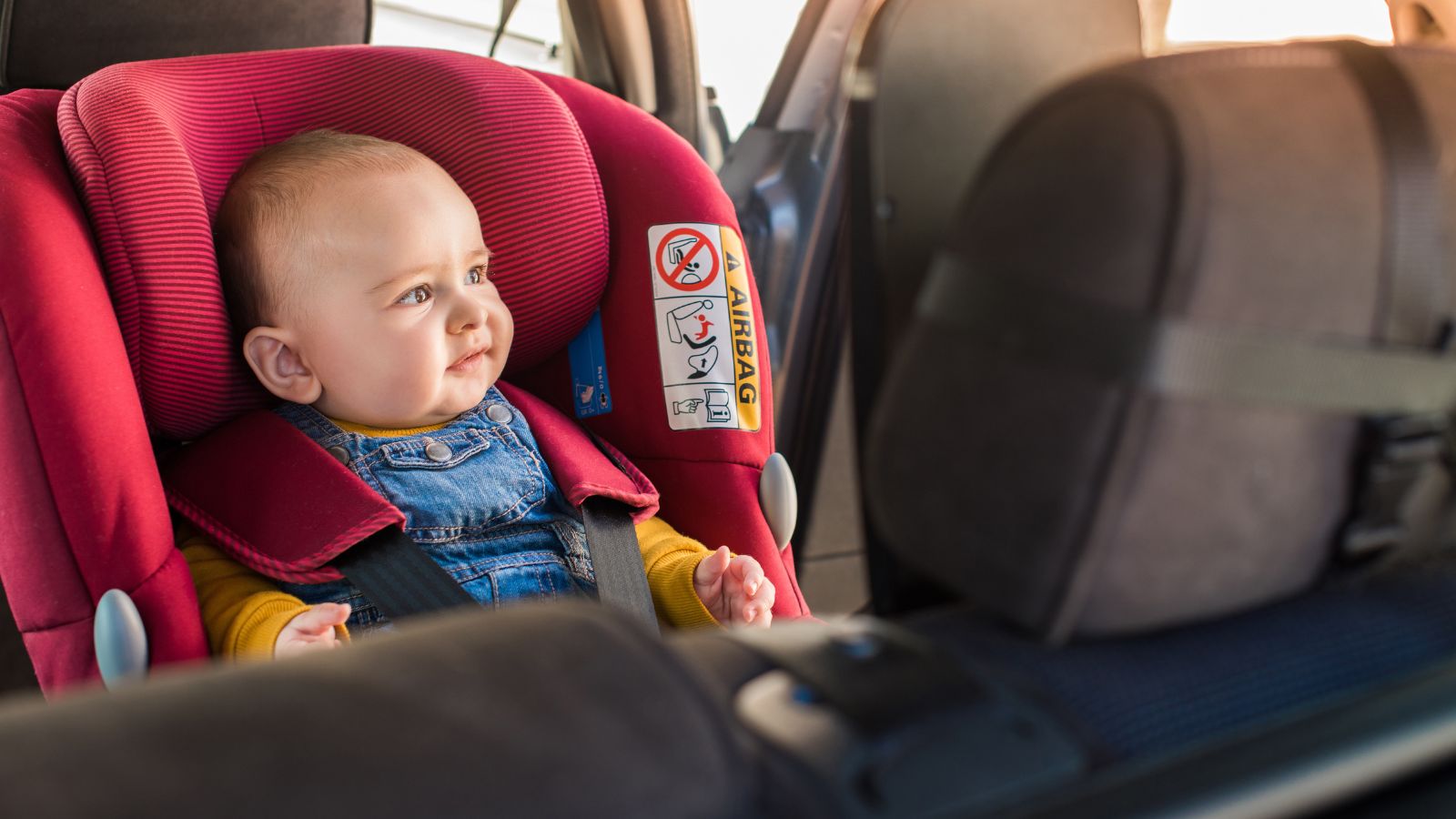
Rear-facing child seats are among the toughest tests of a vehicle’s back seat because they occupy considerable front-to-back space. Transport Canada and other safety organizations recommend keeping children rear-facing until they reach the applicable height or weight limit of their restraint. That means families may need to accommodate a large rear-facing convertible seat for several years rather than only during infancy.
Compact exterior dimensions do not always predict the problem accurately. The 2025 Nissan Kicks, for example, received criticism in Cars.com’s child-seat testing because its rear-facing seats needed more room than its small back seat comfortably provided. Similar problems have appeared in sedans and crossovers of different sizes. A vehicle can therefore have respectable published passenger volume while still lacking usable space where a large child restraint actually sits. Bringing the family’s real child seat to a vehicle test fitting can reveal far more than simply reading the second-row legroom specification.
Rear-Facing Seats Can Destroy Front-Passenger Legroom
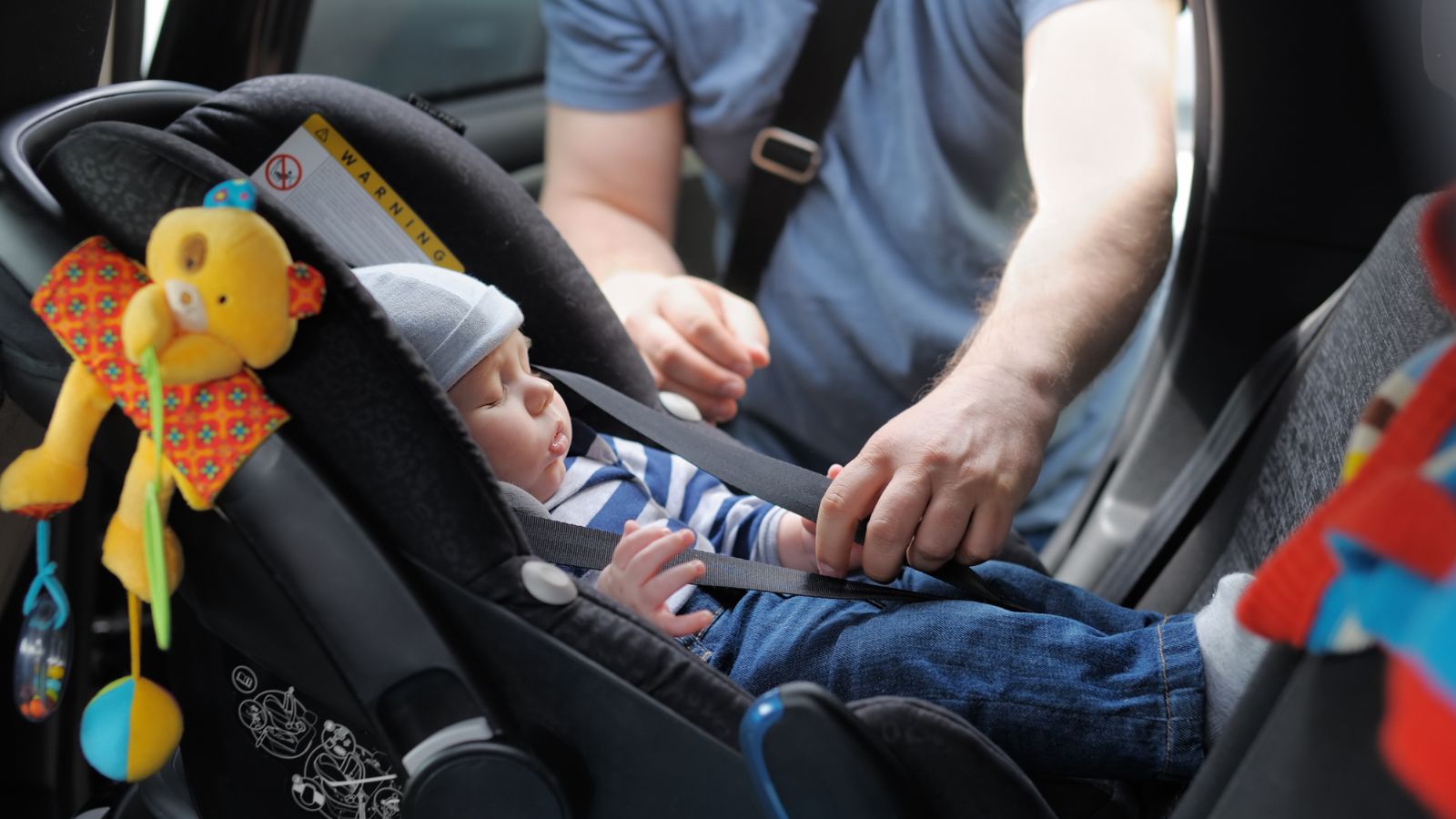
Sometimes the child seat technically fits, but the adult sitting ahead of it pays the price. A rear-facing restraint can require the front passenger seat to move forward substantially, occasionally leaving an uncomfortable seating position for a taller parent. That may seem manageable during a dealership inspection, yet it becomes much more irritating during a two-hour highway trip.
Real-world vehicle testing repeatedly exposes this compromise. Cars.com’s evaluation of the BMW X5 found that rear-facing child seats affected front-passenger legroom despite the X5 being a midsize luxury SUV. An older Ram ProMaster City test demonstrated an even more dramatic example: moving the front seat only a modest distance left a 5-foot-8-inch passenger with knees nearly against the glovebox. The lesson is that overall vehicle size can be misleading. Families should consider whether a correctly positioned rear-facing restraint can coexist with a comfortable and safely positioned adult in the front seat, especially when both parents are tall.
A Narrow Rear Bench Makes Multiple Car Seats Difficult
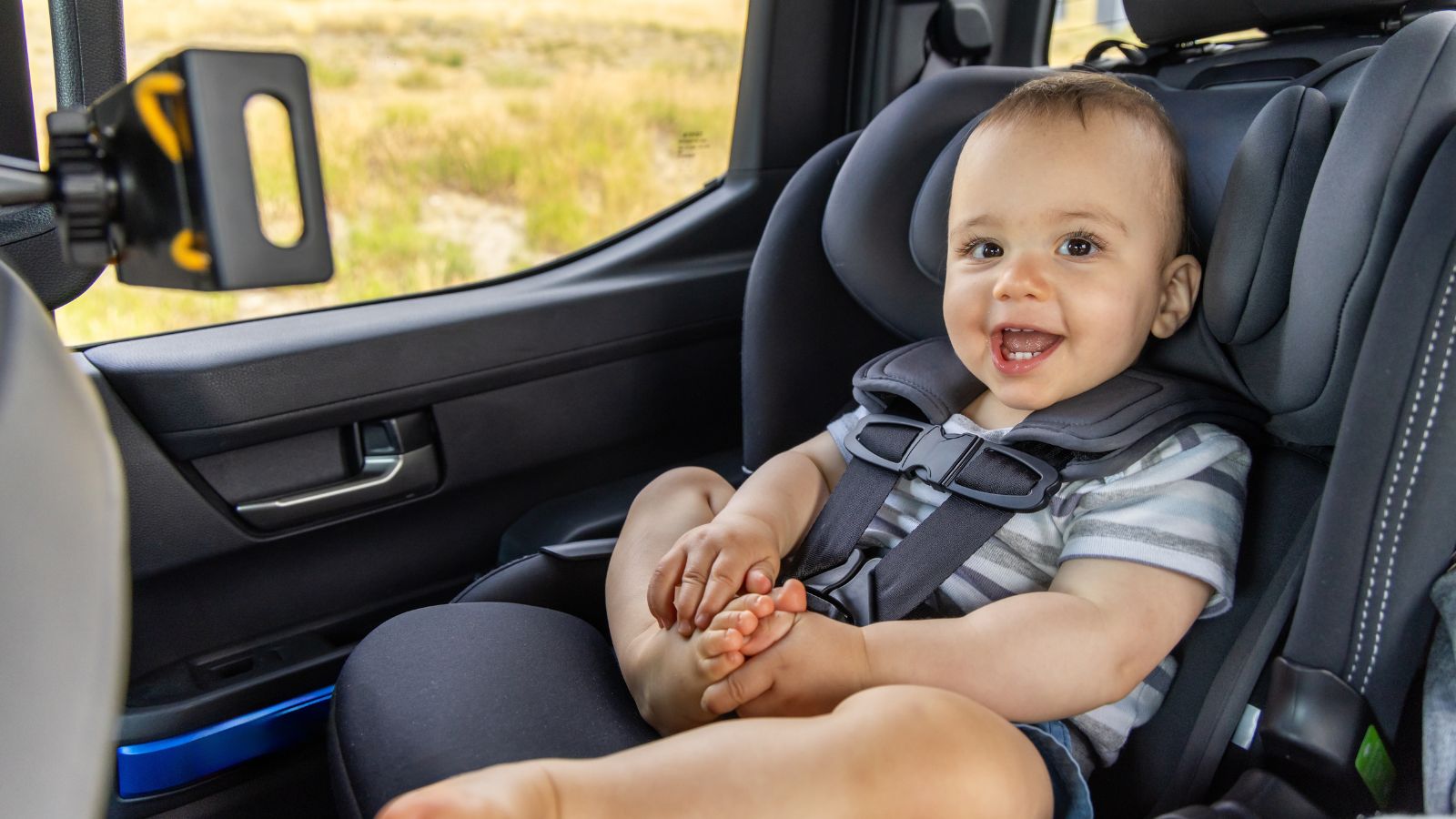
A five-seat vehicle does not necessarily have room for three child restraints across the back. The centre position may be substantially narrower than the two outer seats, while wheel-well intrusion, door trim, buckles, and seat bolsters can reduce usable width even further. This becomes particularly important for families with twins, three young children, or grandparents who occasionally need to carry several children at once.
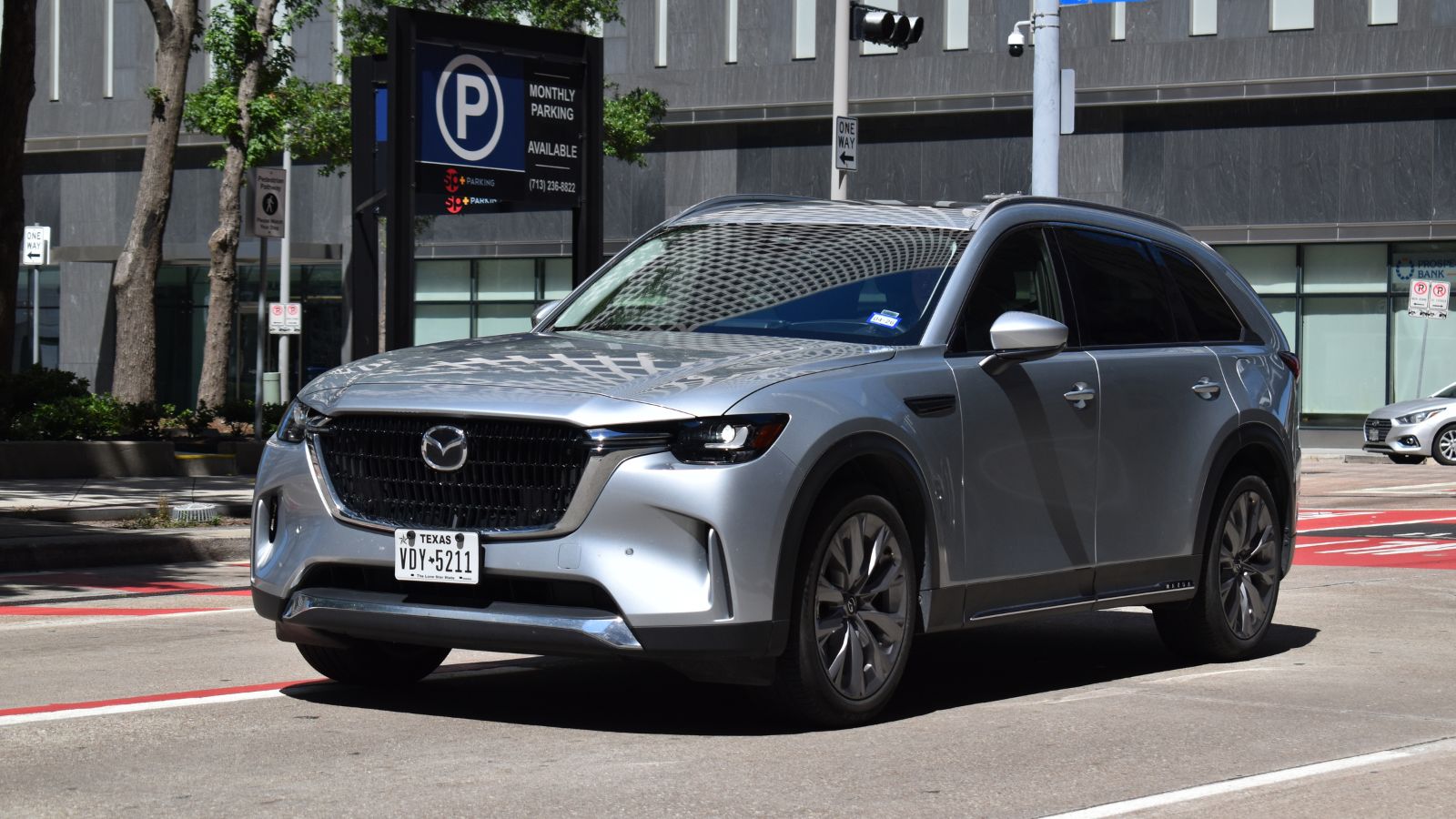
Cars.com tests three-across compatibility by placing an infant seat, convertible seat, and booster across the second row without wedging them together or compromising their proper positioning. Plenty of vehicles fail that test. The 2026 Mazda CX-90, for example, can seat up to eight occupants, yet Cars.com found its second-row centre position too narrow for the child seat used in its three-across evaluation. Narrower child restraints can sometimes solve the problem, but relying on specialized seats adds expense and limits choice. The shape and actual usable width of the bench matter more than the number printed beside “seating capacity.”
Lower Anchors Are Buried Deep in the Seat
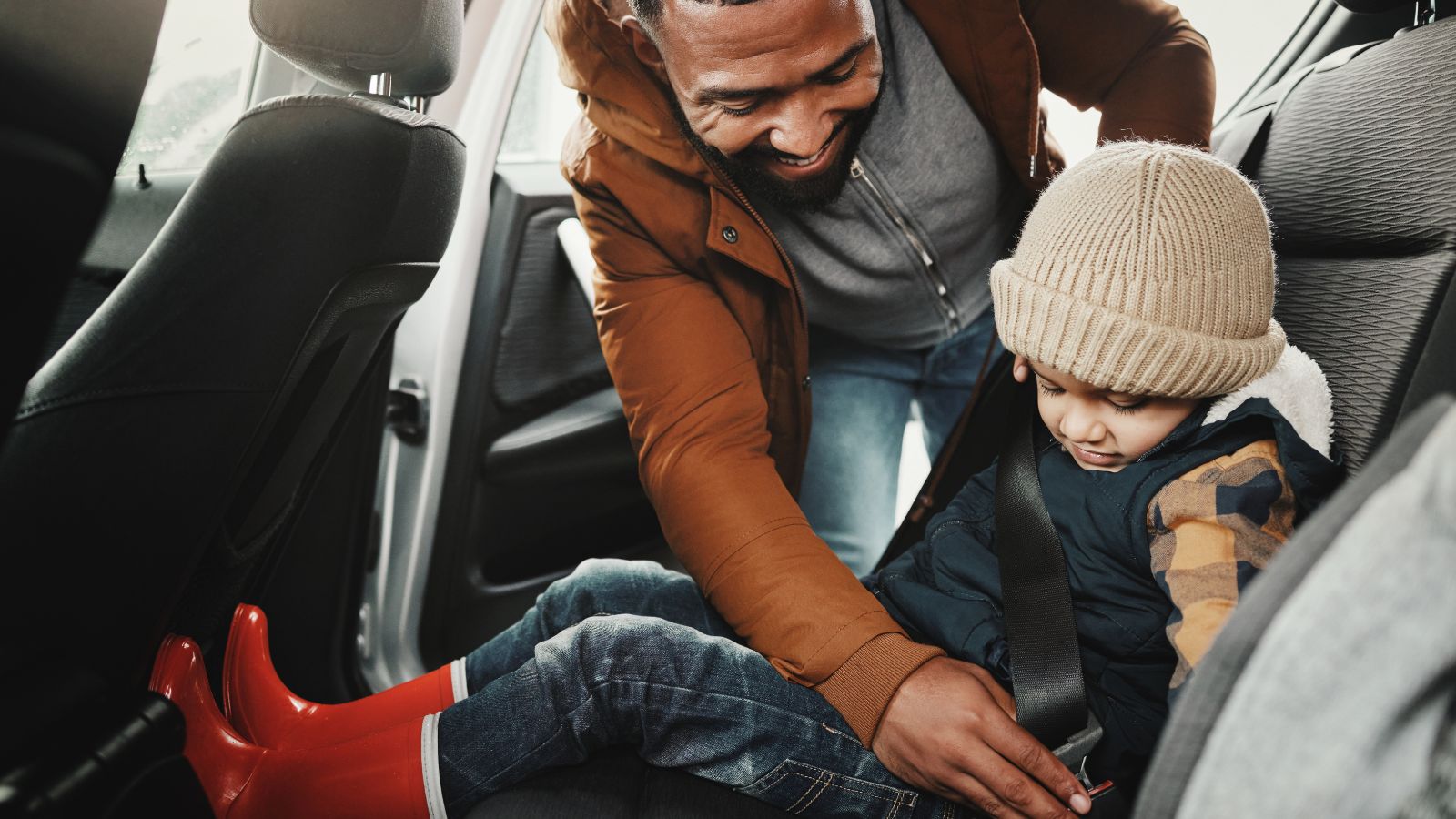
Lower child-restraint anchors are intended to simplify installation, but some manufacturers hide them so deeply between the seatback and lower cushion that connecting a restraint becomes a finger-scraping exercise. Upholstery, stiff foam, leather seams, or plastic trim can make a theoretically straightforward attachment unexpectedly difficult.
The Insurance Institute for Highway Safety specifically considers anchor accessibility when rating LATCH systems. Its criteria favour lower anchors located no more than three-quarters of an inch deep in the seat bight unless they have open access. Cars.com’s testing has documented vehicles in which anchors beneath seemingly convenient plastic covers were still positioned deeply enough to complicate connecting rear-facing seats. Difficult anchors do not automatically mean the vehicle or restraint is unsafe. A correctly installed seat using the vehicle belt can also provide proper protection when permitted by the manuals. The problem is usability: hardware that takes excessive searching, pushing, and awkward hand positioning can make every seat installation or transfer unnecessarily difficult.
The Anchors Are Technically Accessible but Miserable to Use

Depth is only one part of good anchor design. A lower anchor can be visible yet surrounded by such tight upholstery that the connector is hard to maneuver into position. The attachment angle can also be awkward, particularly with rigid or bulky child-seat connectors.
IIHS evaluates several details beyond simple visibility. Its LATCH criteria examine how much clearance exists around the anchor and how much force is required to connect a standardized attachment device. Among the benchmarks used for a good rating are a clearance angle greater than 54 degrees and attachment force below 40 pounds. Those measurements illustrate how dramatically vehicle design can affect something as basic as clipping in a child seat. Families switching one restraint between two vehicles notice the difference immediately: one installation can take seconds while another involves kneeling on the seat, compressing upholstery, and repeatedly searching for the bar. Since child restraints may move between parents’ cars, grandparents’ vehicles, or rental vehicles, easy anchor access can save substantial frustration over several years.
Top Tether Anchors Are Hidden or Easily Confused
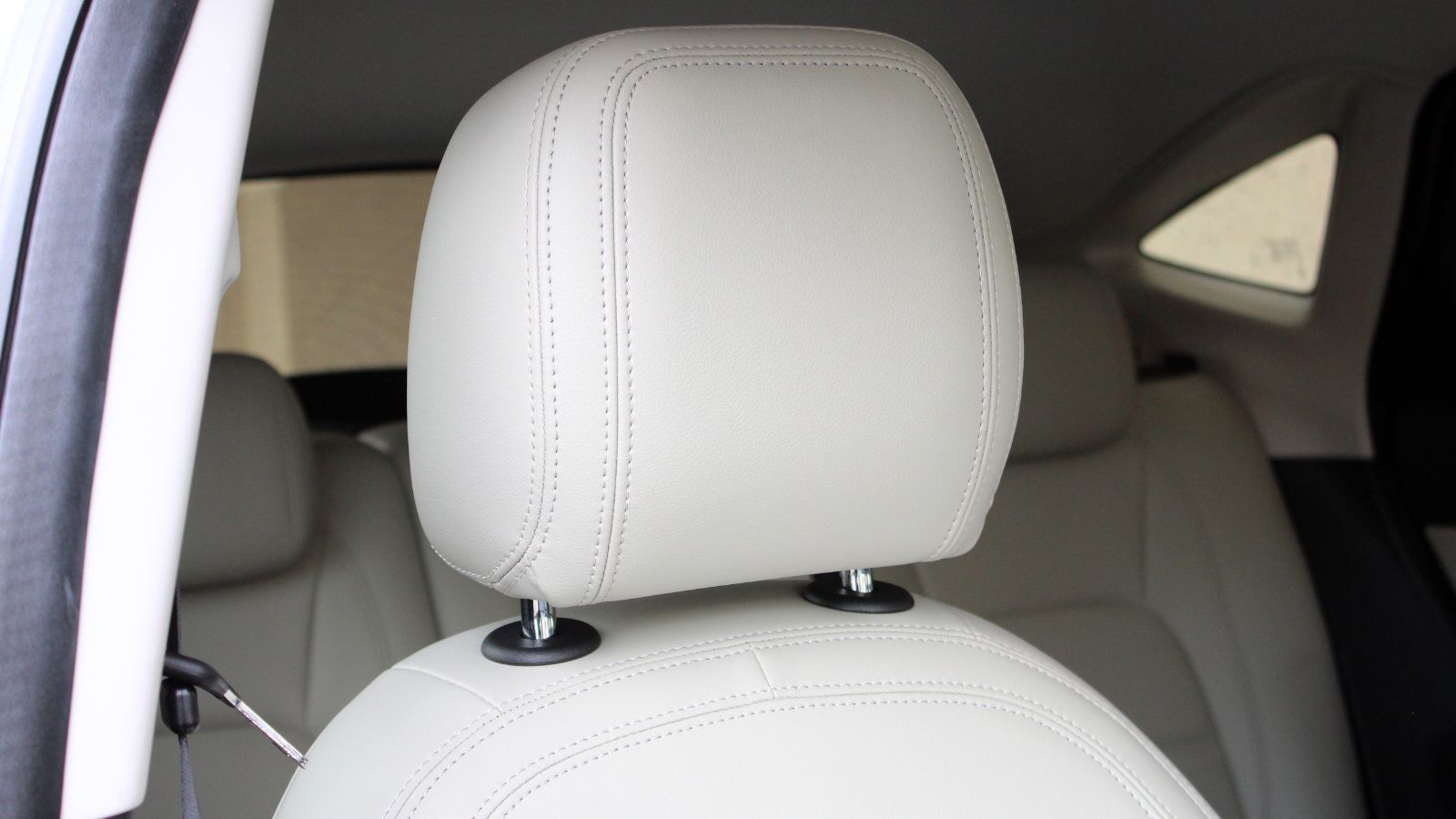
Forward-facing child restraints add another important piece of hardware: the top tether. Transport Canada advises using the top tether anchor when installing a forward-facing child seat, while NHTSA emphasizes that the tether limits forward movement in a crash. Unfortunately, the location of that anchor can vary enormously between vehicles.
IIHS specifically rewards tether anchors placed where they are easy to find, such as on the upper portion of a seatback or rear deck. Anchors positioned underneath seats, near the floor, behind confusing cargo hardware, or without obvious labelling can create mistakes. A Cars.com evaluation of the Ram ProMaster City, for example, found tether anchors near cargo hooks and noted that the actual anchors were not clearly marked. That is exactly the kind of arrangement that can frustrate a tired parent installing a restraint in poor lighting. A family-friendly vehicle should make essential child-restraint hardware obvious rather than forcing owners to crawl through the cargo compartment with the manual open.
The Centre Seat Has No Dedicated Lower Anchors
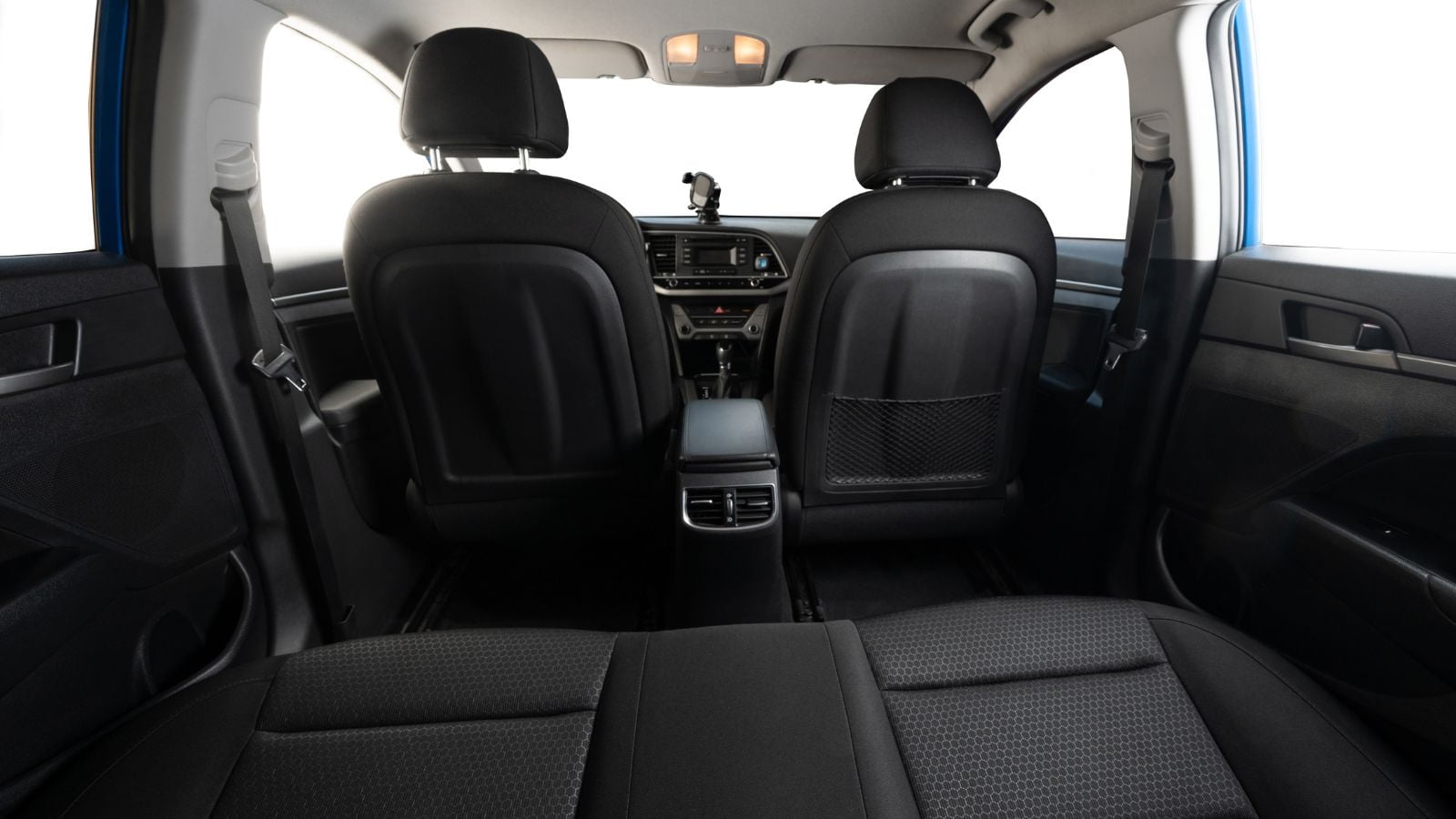
The middle rear position can be attractive to families, especially when they want to keep the two outboard positions available for passengers. Yet the presence of lower anchors on both sides of the rear bench does not automatically mean they can be used for a centre installation.
NHTSA notes that lower anchors are generally provided in at least two rear seating positions. Some vehicles provide a dedicated centre set, some permit “borrowing” one anchor from each neighbouring position, and others provide no approved centre lower-anchor installation at all. Transport Canada advises checking the vehicle manual before attempting a centre UAS installation. Borrowing anchors can also make the adjacent positions unavailable for lower-anchor use. A centre restraint may still be installable correctly with the seat belt when permitted, so absence of dedicated anchors is not automatically a safety defect. It is, however, an important flexibility limitation for families trying to arrange two or three child seats in the same row.
Fixed Head Restraints Can Push Child Seats Out of Position
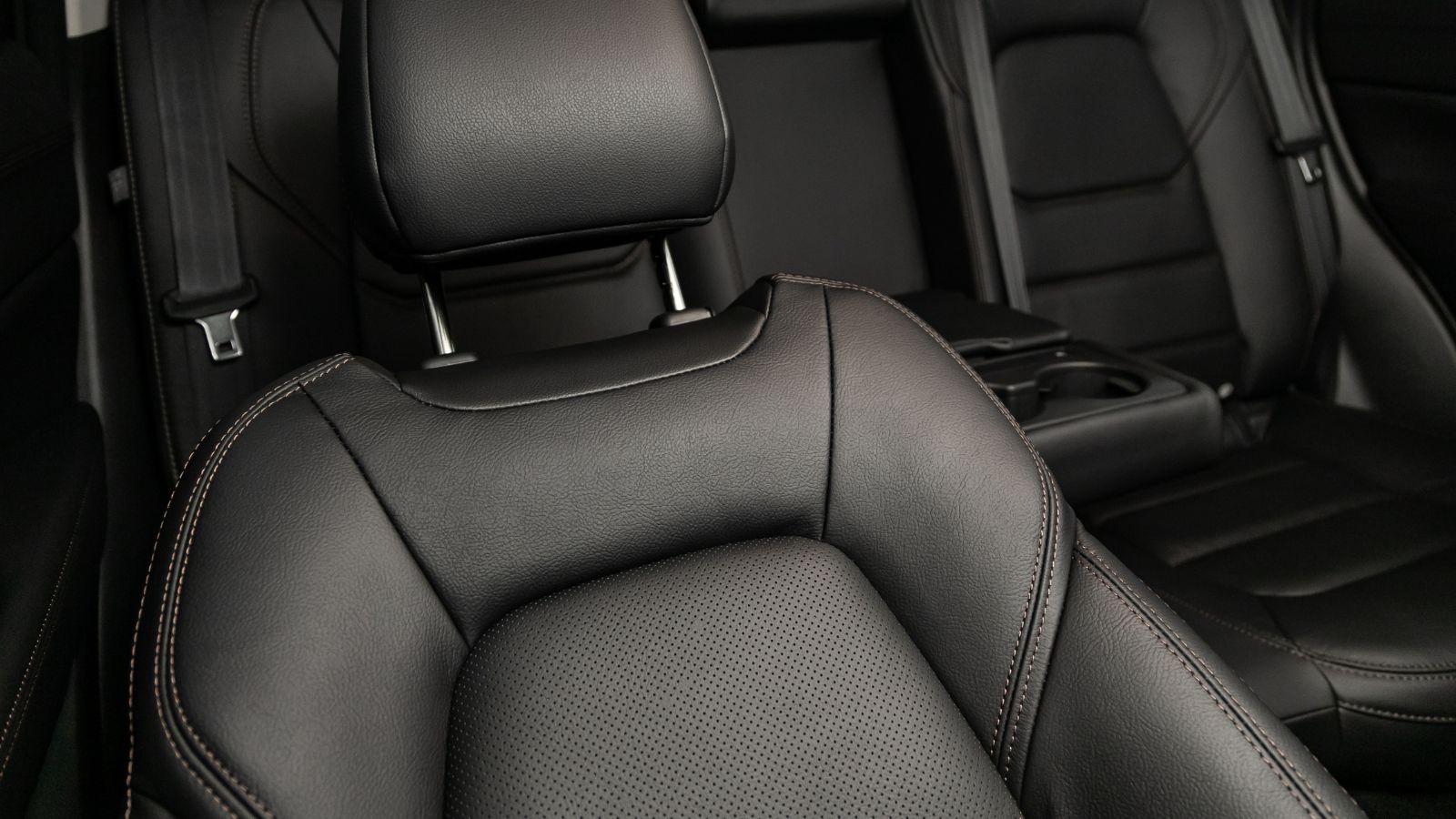
Modern head restraints are designed to protect vehicle occupants, but their shape can sometimes clash with forward-facing child restraints and high-back boosters. A large fixed restraint that protrudes far forward may prevent the child seat from resting against the vehicle seatback in the manner required by its instructions.
Hands-on testing has documented the issue repeatedly. Cars.com reported that fixed head restraints complicated child-seat installation in the 2025 Jeep Wrangler. In the 2025 Hyundai Santa Fe, the third-row fixed head restraint pushed both a forward-facing convertible and a booster away from the seatback. Similar interference has appeared in other SUVs and sedans. Adjustable or removable head restraints often provide more flexibility, although they should only be moved or removed when both the vehicle and child-seat instructions permit it. This is one of those problems that is almost invisible during an ordinary test drive. The back seat may appear roomy until a tall booster or forward-facing restraint is physically positioned against it.
Floppy Buckles Make Booster Seats Needlessly Frustrating
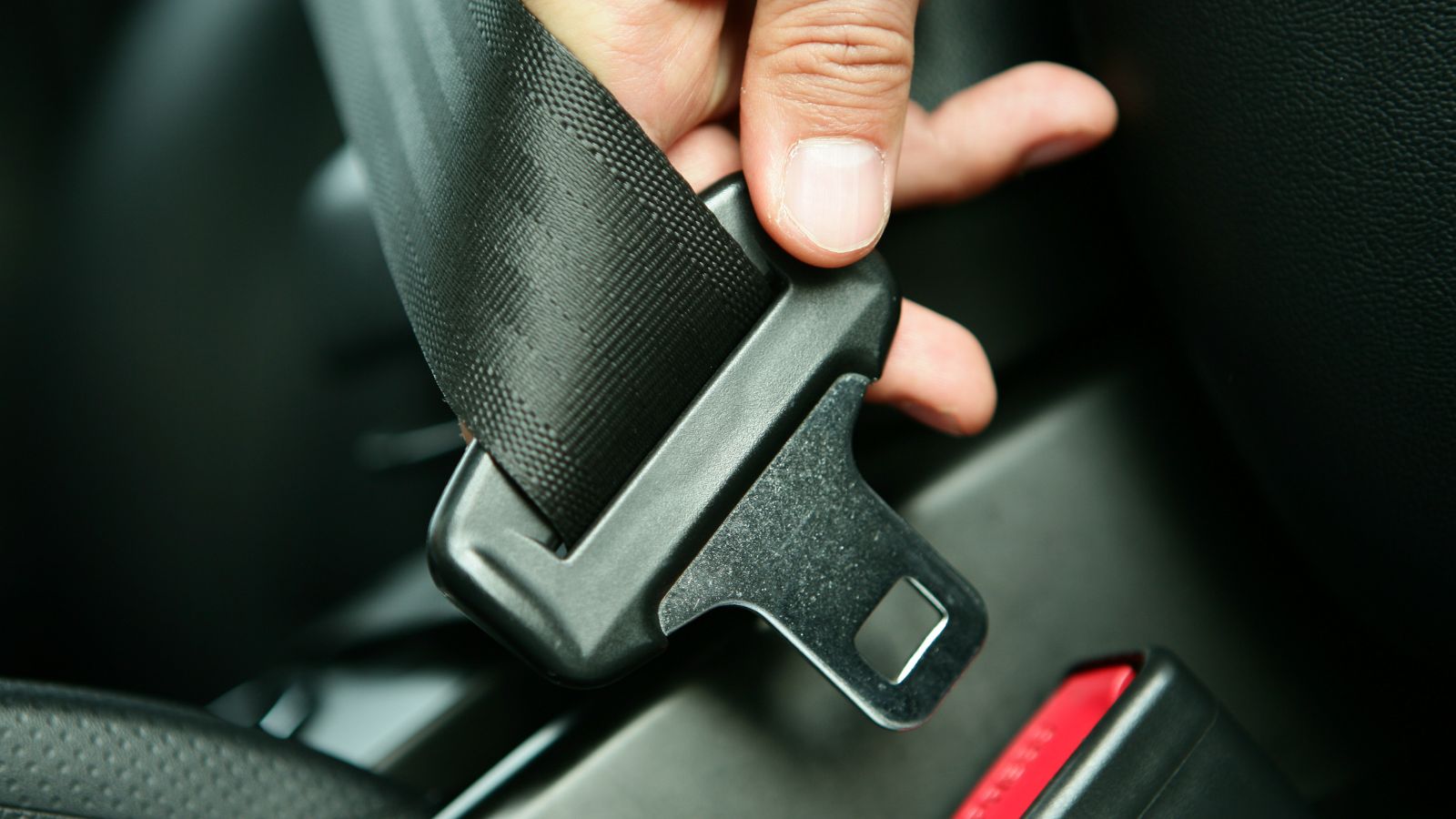
Booster-age children are often expected to buckle themselves, particularly during school drop-off or when adults are already occupied with a younger sibling. That independence becomes much harder when the vehicle’s buckle sinks into the seat cushion, folds away under pressure, or moves every time a child tries to insert the latch plate.
Cars.com’s testing frequently distinguishes between stable and floppy buckle stalks for this reason. The 2025 Honda Odyssey, for example, received criticism because its floppy second-row buckles could be difficult for children to grasp and use independently. Similar concerns were reported in the third rows of vehicles such as the Hyundai Santa Fe and Mazda CX-90. This is primarily an ease-of-use problem, but ease of use matters every day. A child who has to reach underneath a booster, pull a buckle upright with one hand, and guide the belt tongue with the other may need adult assistance on every trip. A firmly positioned buckle can make the transition to booster independence considerably smoother.
Poor Seat-Belt Geometry Can Ruin Booster Fit

A booster does not simply raise a child so the window view improves. Its purpose is to position the vehicle’s lap-and-shoulder belt appropriately across the child’s body. Transport Canada says a booster must be used with both portions of a lap-and-shoulder belt, while NHTSA specifies that the lap belt should lie low across the upper thighs and the shoulder belt across the shoulder and chest.
Vehicle geometry plays a major role in whether that happens naturally. The belt’s upper anchorage location, buckle position, seat contour, and distance between belt components can affect routing. A belt that cuts across the neck, rides over the abdomen, or does not retract smoothly through a booster guide can create an unsuitable combination even when the booster fits beautifully in another car. This is why booster compatibility deserves a physical test with the child present. Unlike a harnessed restraint, a booster depends heavily on the vehicle’s own belt system every single trip.
Aggressive Seat Bolsters Steal Usable Space
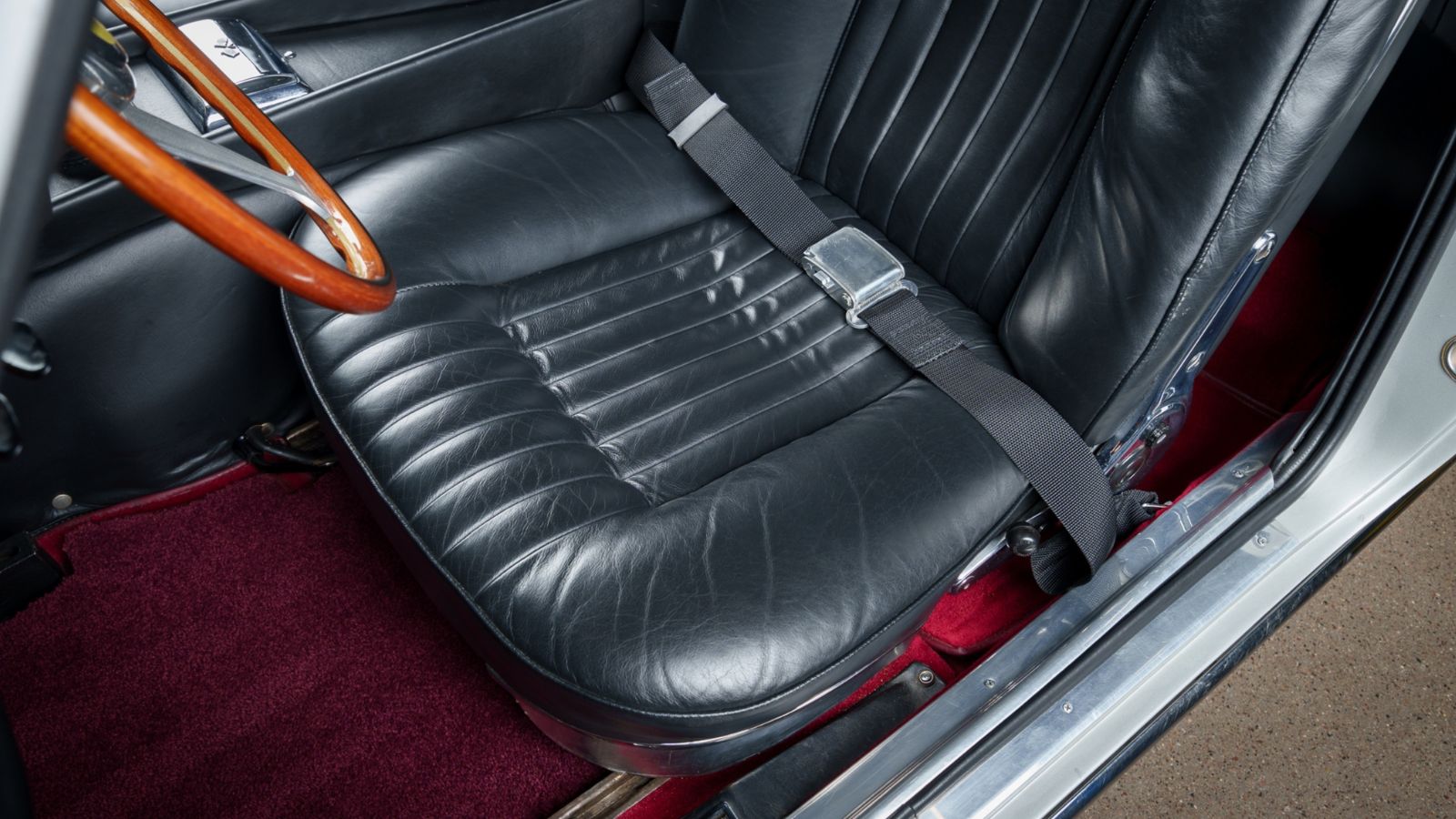
Deeply sculpted rear seats can look luxurious and provide excellent lateral support for adults, yet those same contours sometimes work against child restraints. Raised side bolsters can push a booster sideways, shrink the centre seating position, or interfere with access to a buckle.
Cars.com found a clear example in the 2025 Toyota 4Runner. Although its rear bench was physically wide, the cushion bolstering and buckle placement prevented the centre position from being wide enough for the child seat used during the test. Similar issues have been documented in sedans where bolsters pushed boosters toward or over the buckle. Contouring is not universally bad; in some vehicles it actually helps hold a booster securely in position. The problem appears when the sculpting does not match the footprint of the restraint. Families planning a three-across setup should therefore inspect the shape of the bench, not just its shoulder-room measurement. A flatter seat can sometimes accommodate child restraints more effectively than a nominally wider but heavily sculpted one.
Small Rear Door Openings Turn Loading Into a Gymnastics Routine
The child seat may fit perfectly once installed while getting the child into it remains miserable. A small rear door opening forces an adult to lean farther into the cabin, rotate an infant carrier at an awkward angle, or lower a toddler beneath the roof before swinging the child’s legs into position.
Cars.com has documented dramatic examples. In its discussion of the Hyundai Veloster, the publication noted that the combination of a small passenger-side opening and an installed forward-facing restraint left very little space for loading a child. Even more conventional vehicles can have doors that do not open especially wide. This inconvenience compounds quickly: daycare drop-off might involve carrying a bag, holding a toddler’s hand, keeping another child nearby, and fastening a harness in rain or snow. Wide-opening conventional doors or sliding doors can dramatically reduce the amount of bending and twisting involved. Door design rarely appears in family-car specifications, yet it may be experienced several times on every journey.
A Low, Sloping Roofline Steals Loading Headroom
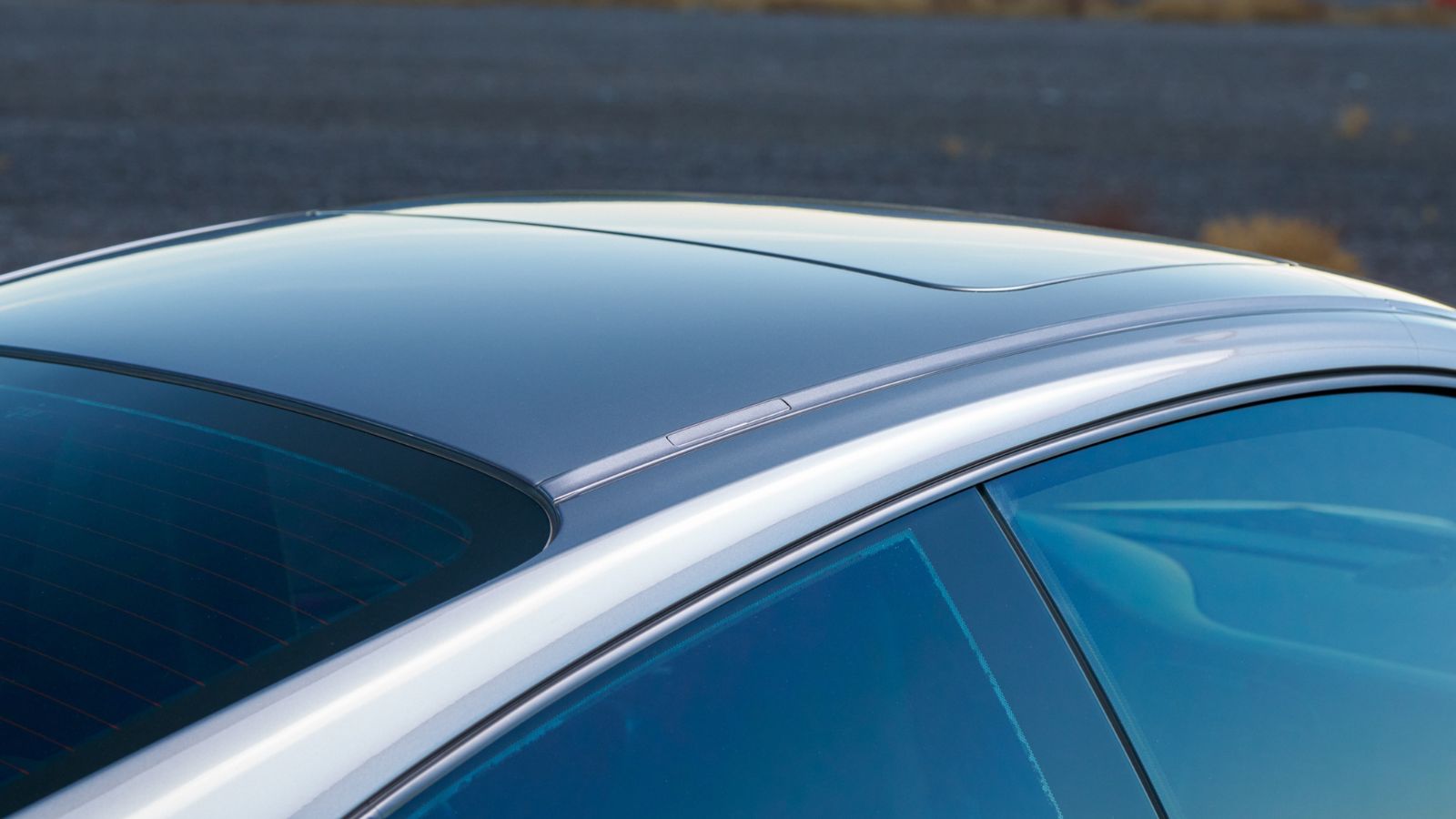
Stylish rooflines often extract a hidden family penalty. A vehicle can offer decent rear-seat legroom while the roof sweeps downward over the back seat, reducing headroom and making the upper portion of the door opening much smaller. That matters when an adult is lowering a baby into a rear-facing restraint or lifting a sleeping toddler out without bumping a head.
The problem is especially noticeable in fastback sedans and coupe-like vehicles. Cars.com’s assessment of the BMW 8 Series Gran Coupe noted that its sloping rear roofline reduced rear headroom and made the door opening smaller. During its child-seat evaluation, the same roof shape also made access to tether hardware harder because there was less room to see and maneuver behind the rear head restraints. A dramatic roofline may add visual appeal, but families should physically simulate everyday loading before buying. The relevant measurement is not simply published rear headroom; it is the amount of usable space above the doorway and child restraint.
A Tall Step-In Height Makes Every Trip Harder
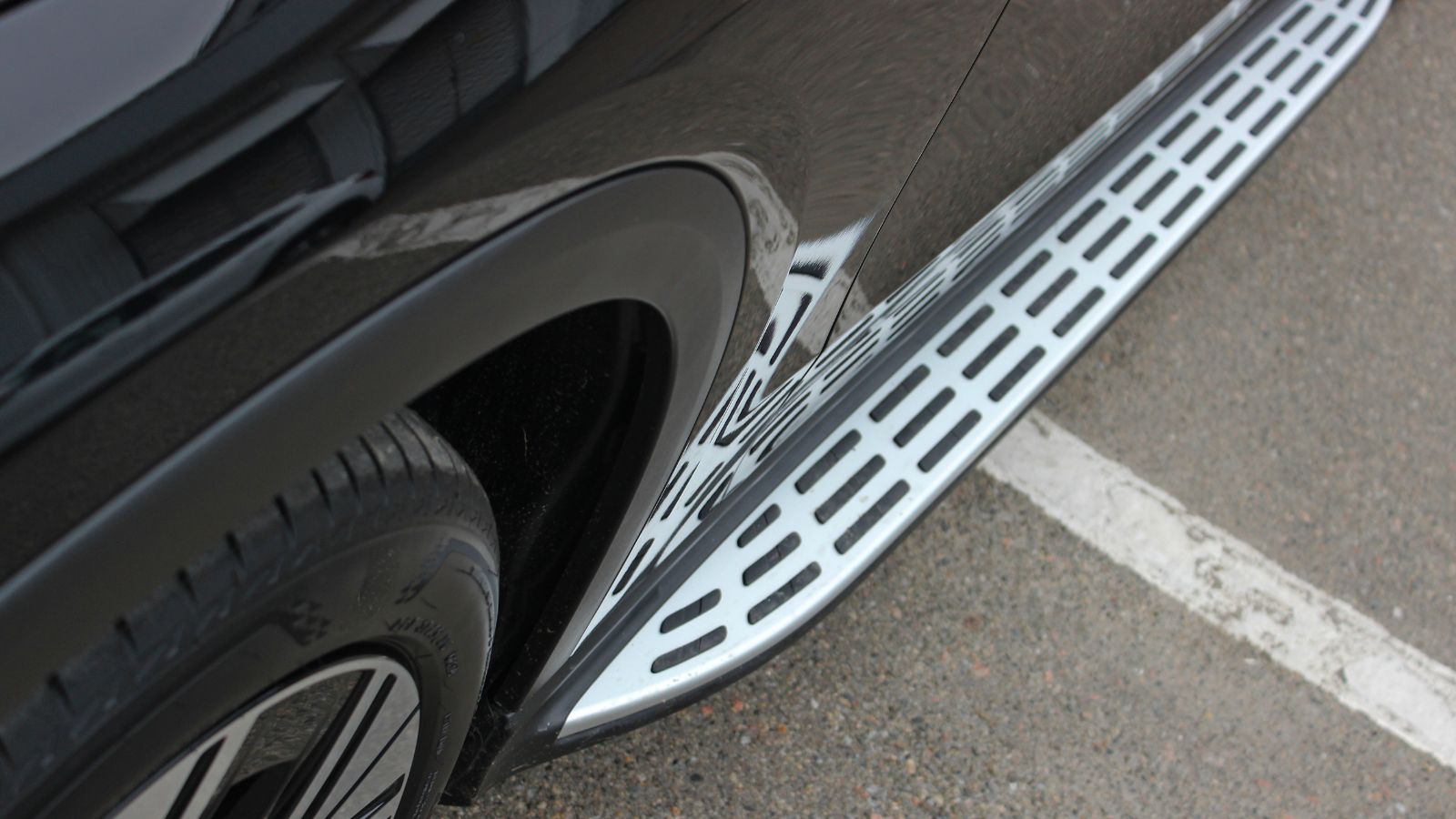
Large SUVs and trucks can provide huge cabins while demanding a small climb every time someone enters. For adults, that may be only a minor inconvenience. For preschoolers, grandparents, or parents lifting a child into a restraint, a tall floor can become a daily annoyance.
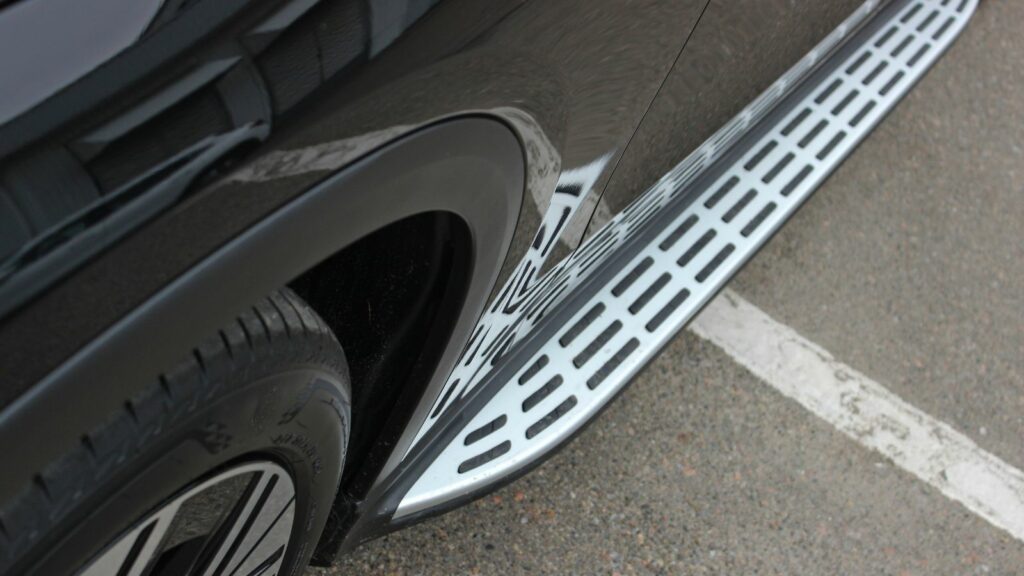
Cars.com specifically recommends considering a low step-in height when evaluating family SUVs because younger children may otherwise require help climbing aboard. Hands-on evaluations have identified tall step-in heights in several large SUVs and three-row models. The difficulty becomes more obvious once a child seat is installed because the adult may have to lift the child higher while simultaneously leaning inward to reach the harness. Running boards can help, but they may become slippery or dirty in winter conditions. Families drawn to a tall off-road-oriented vehicle should therefore think beyond ground clearance and commanding visibility. The extra height that looks useful from the driver’s seat can create dozens of additional lifts and climbs during an ordinary week.
An Installed Child Seat Can Block the Third Row
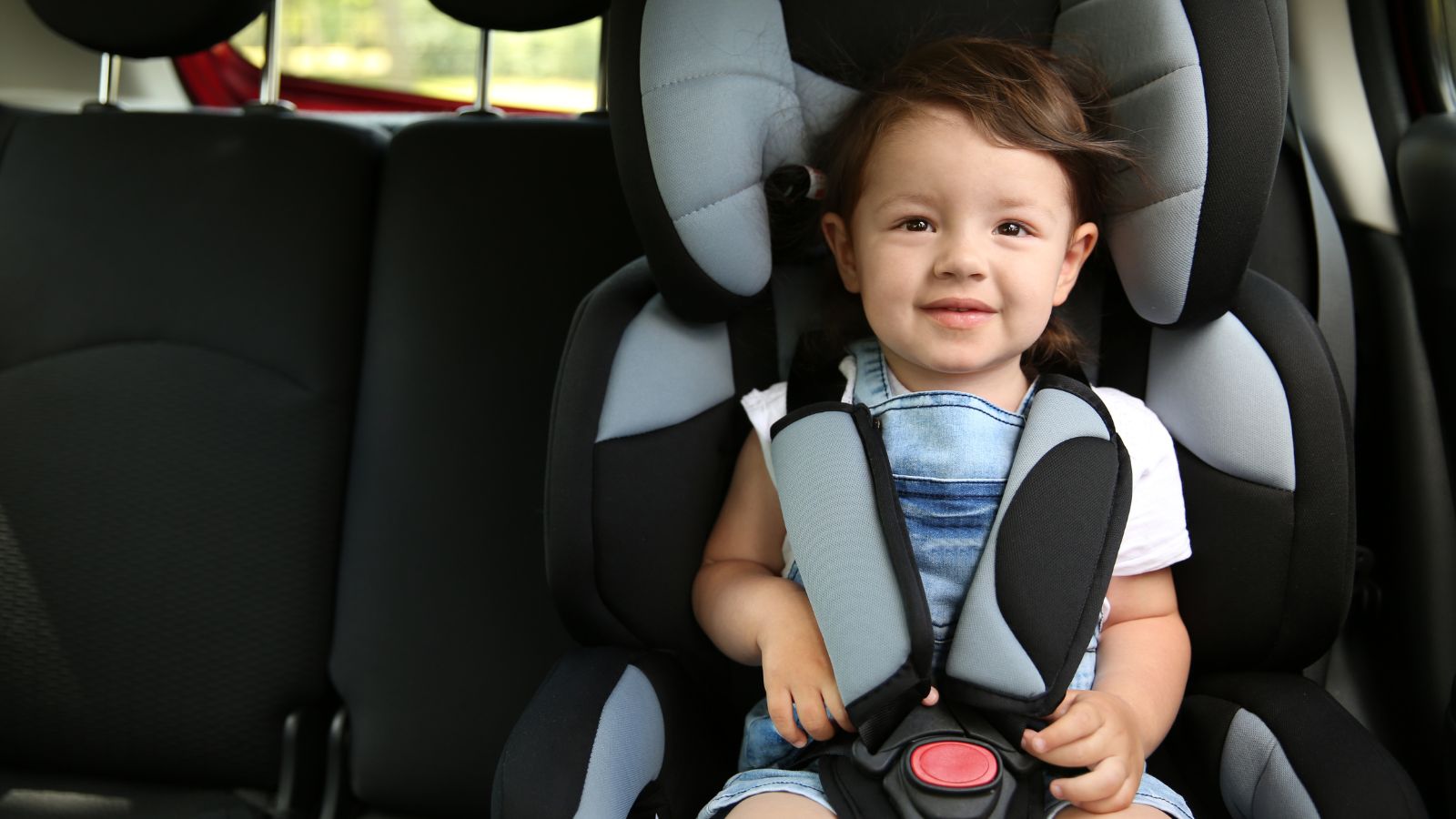
Three rows sound ideal for a growing family until accessing the last row requires folding a second-row seat that cannot move while a child restraint is attached. Suddenly a seven-passenger SUV functions more like a five-passenger vehicle during everyday family use.
Cars.com’s 2025 Kia Sorento child-seat evaluation provides a clear example. The second-row seat could slide and collapse to create third-row access, but that manoeuvre could not be performed with child seats installed. Other vehicles have better solutions, such as seats that slide forward with an installed restraint or a centre aisle between captain’s chairs. The difference becomes enormous when children use the third row every day. Without a workable pathway, passengers may end up climbing through the cargo area or squeezing between seats. Families expecting to carry several children should test third-row entry with the actual second-row restraints installed. Demonstrating an empty cabin at a dealership can conceal one of the vehicle’s most frustrating practical limitations.
The Third Row Has Few or No Child-Seat Anchors
A three-row vehicle can advertise seven or eight seats while offering surprisingly little child-restraint flexibility in the last row. Some third rows have lower anchors at only one seating position. Others have tether anchors but no lower anchors, while certain vehicles may provide neither at specific seats.
The 2024 Lexus GX 550 offered a striking example in Cars.com’s testing: the publication reported no lower or top tether anchors in the third row of the tested configuration, limiting the types of child restraints that could be used there. By contrast, IIHS data show that some larger vehicles provide several complete LATCH positions across their rear rows. The difference matters most as a family grows. A seat that works for an older belt-using passenger may not work for the younger sibling who still needs a forward-facing restraint and tether. Seating capacity therefore should never be treated as child-seat capacity. Families need to inspect the anchor map in the owner’s manual for every intended seating position.
The Third Row Is Technically Usable but Far Too Cramped
Sometimes the hardware is present but the human being still does not fit comfortably. Third rows frequently sacrifice legroom, seat cushion length, shoulder space, and foot room to preserve cargo capacity and keep the vehicle’s exterior dimensions manageable.
The 2026 Mazda CX-90 illustrates the issue. Cars.com’s testing found short third-row legroom along with a fixed head restraint that interfered with booster fit and floppy buckles that could make independent fastening harder. Similar concerns have appeared in other three-row SUVs. The result can be a seat that works acceptably for a short ride yet becomes uncomfortable during family travel. Growing children make the compromise more obvious because a third row that suits a six-year-old may feel completely different three years later. Families expecting to keep a vehicle for five or seven years should evaluate the third row for the children’s future size, not merely their current size. Long-term usability matters as much as today’s seating arrangement.
The Cargo Area Cannot Handle the Stroller
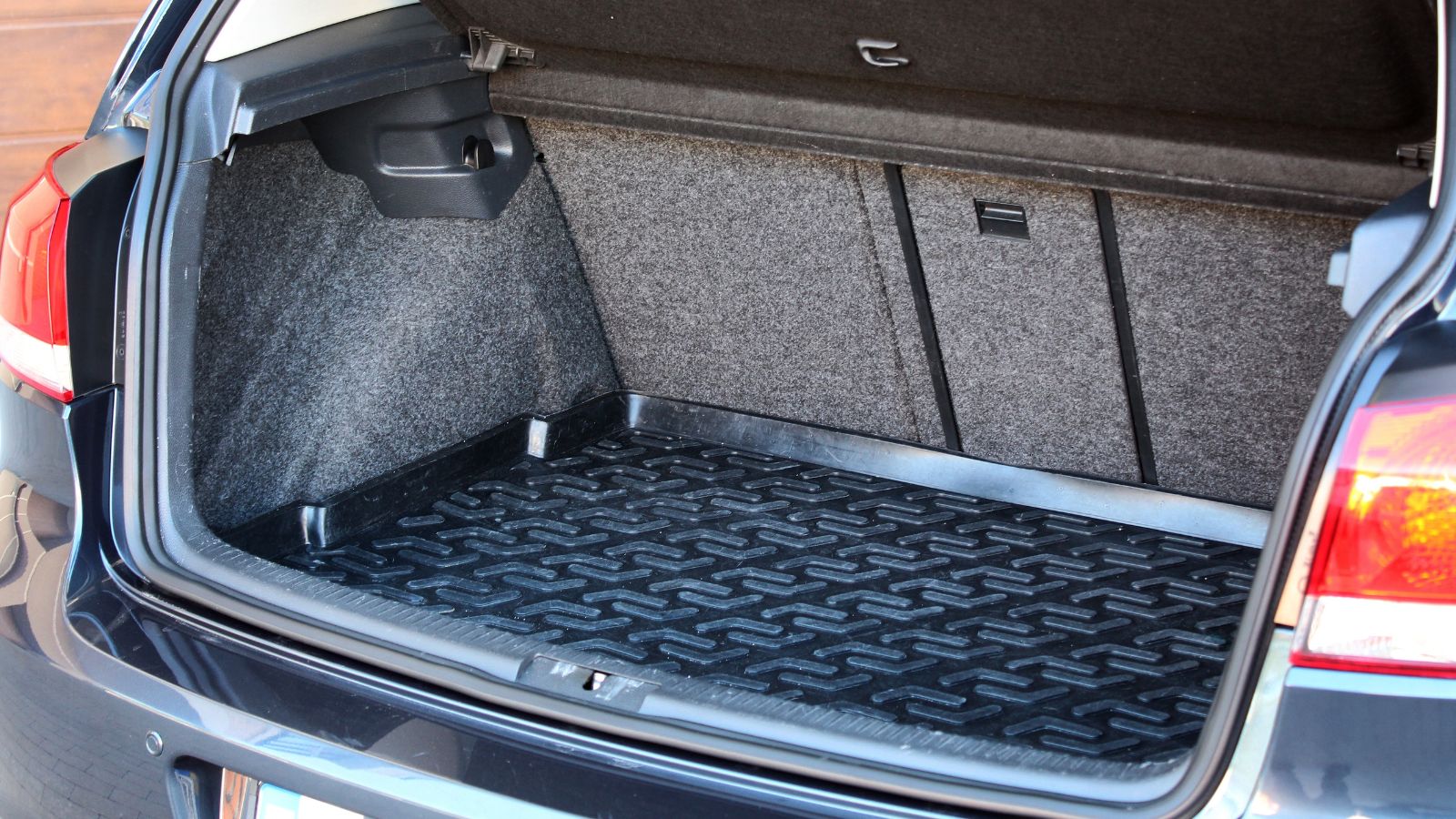
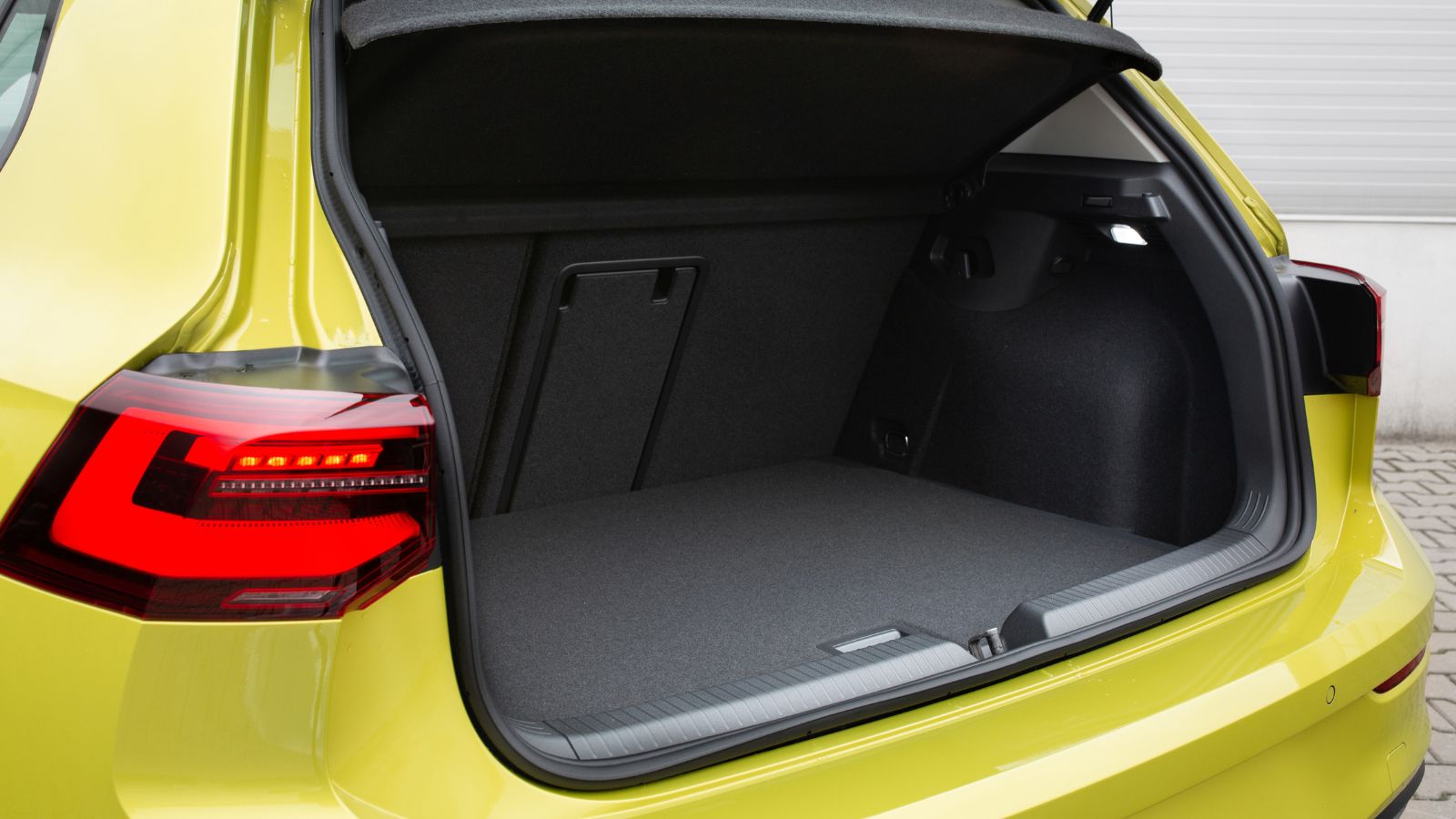
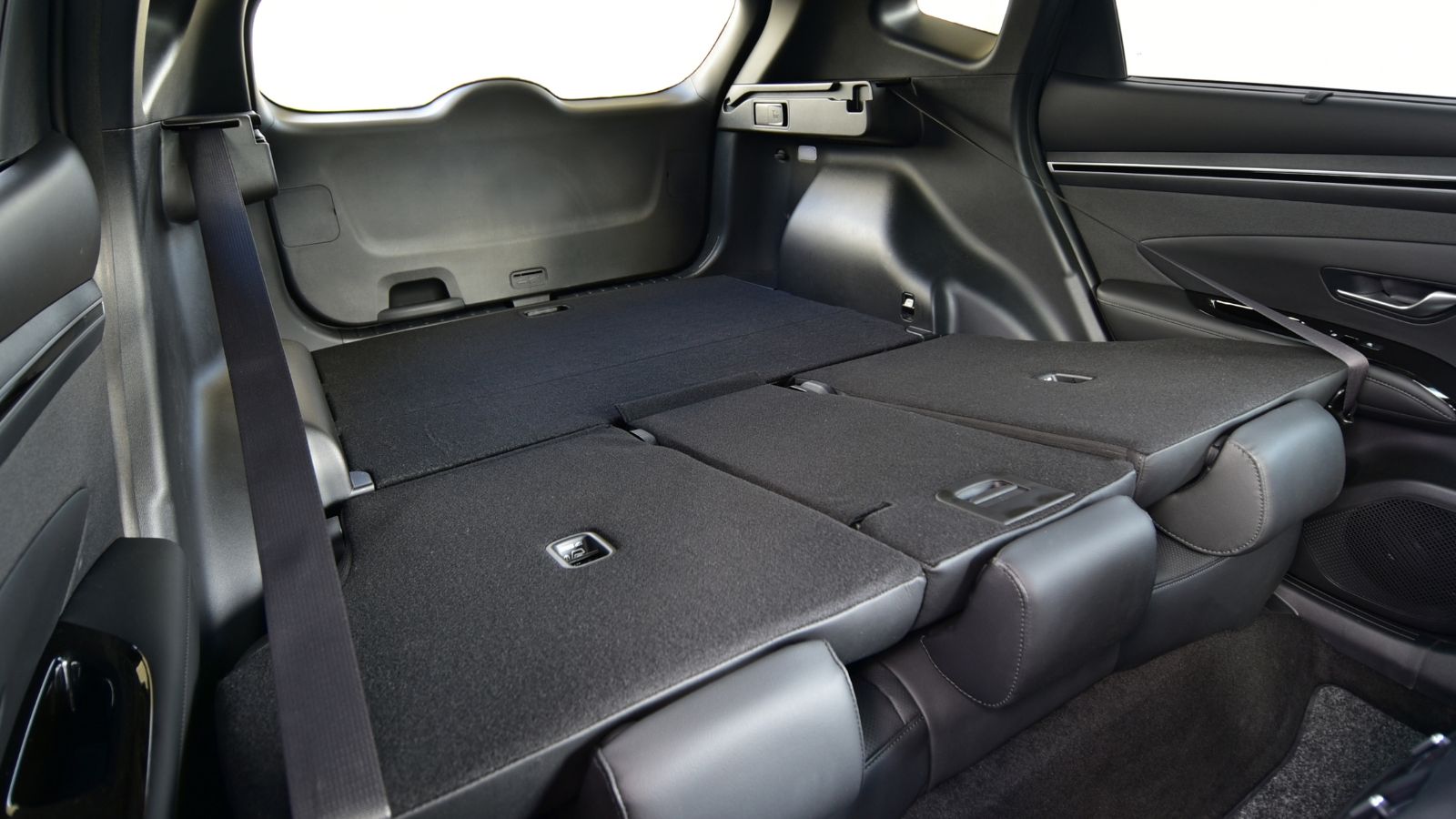
A family vehicle must carry more than people. Strollers, diaper bags, groceries, sports equipment, portable cribs, backpacks, and winter clothing can quickly consume the space behind the rear seats. The problem becomes particularly severe in three-row vehicles because raising the last row often leaves only a shallow strip of cargo floor.
Cars.com’s long-term family evaluation of the Kia EV9 documented the issue clearly. Its measured space behind the third row was 10.4 cubic feet, and one editor’s stroller barely fit. Another editor reported that the available cargo room prevented using the vehicle for a family-of-five camping trip. Cars.com has long advised family-car shoppers to check whether their actual stroller fits rather than relying entirely on volume figures. Cargo specifications can be deceptive because two areas with similar cubic-foot measurements may have very different shapes, opening heights, or wheel-well intrusion. A stroller test at the dealership can therefore be every bit as revealing as a child-seat installation.
Two-Door Vehicles Make Rear Seats a Daily Chore
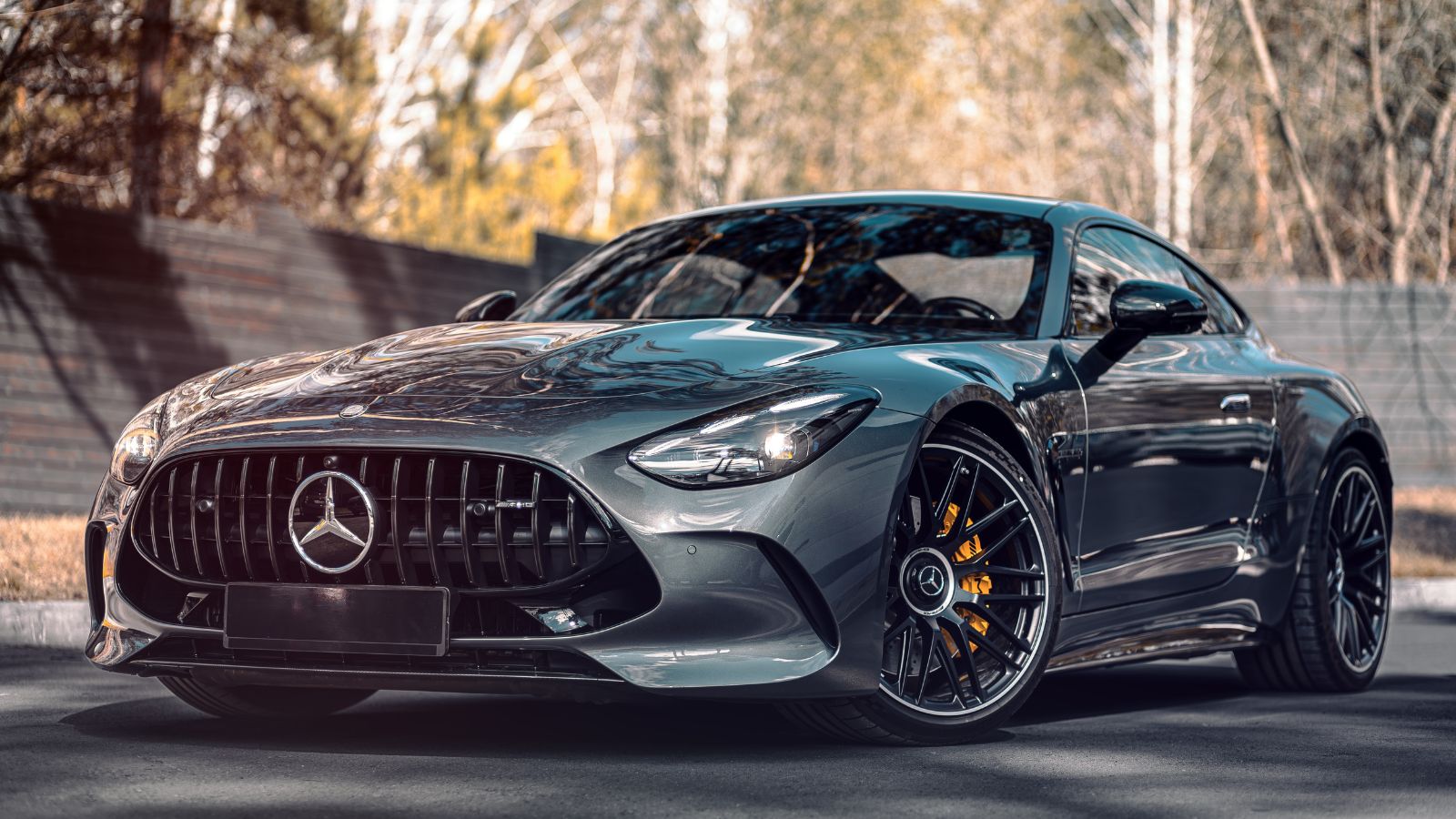
Two-door cars and SUVs can technically accept child restraints, but reaching those restraints is another question entirely. Every loading session requires folding or sliding a front seat, leaning through a large front doorway, and reaching farther into the cabin than would be necessary with a conventional rear door.
Cars.com’s child-seat test of the two-door Ford Bronco described putting restraints in the rear as particularly challenging because of the body style. Similar compromises appear in coupes, where the front passenger seat may also have to move dramatically to provide access or accommodate a rear-facing restraint. Even when the installation itself is secure, daily practicality can deteriorate quickly. A parent fastening a five-point harness may be bent forward inside the cabin while another child waits outside. Add a heavy infant carrier, a narrow parking space, or bad weather and the inconvenience becomes obvious. Two extra doors may not sound like an exciting option, but for families using child seats several times each day, they can transform the ownership experience.

Alanna Rosen is an experienced content writer that focuses on many EV and educational content. Her articles are regularly published on Get CyberTrucked and syndicated on large publications.