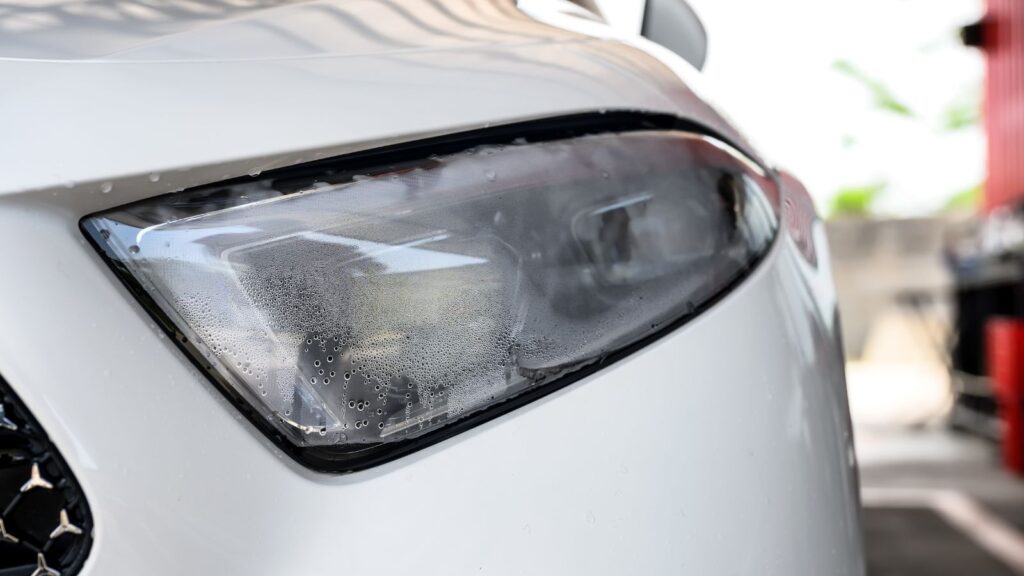
A vehicle does not have to be smoking heavily or missing a wheel before its condition attracts attention. Many mechanical problems leave visible clues: a sagging corner, damaged tire, broken lamp, cracked windshield, loose bumper, or exhaust pipe hanging unusually low. To a police officer watching traffic, those details can suggest that a closer inspection may be warranted.
Roadworthiness requirements differ across Canada, and a visible defect does not automatically mean a vehicle is illegal or unsafe. Still, provincial inspection standards identify many conditions that can compromise safe operation. These 19 warning signs are among the kinds of problems that can make a vehicle look less mechanically sound and potentially lead to closer scrutiny.
Bald, Damaged, or Nearly Flat Tires
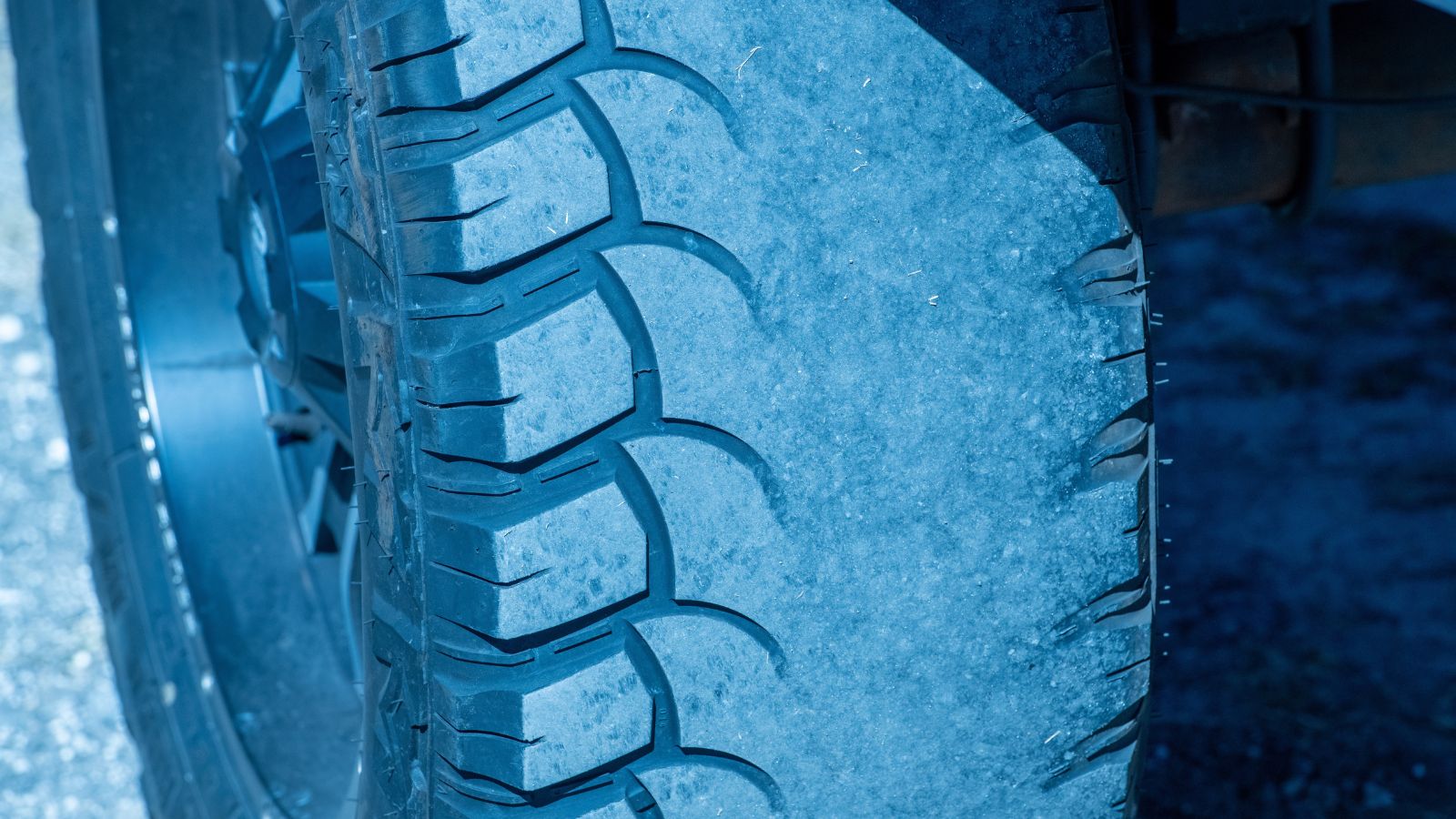
Tires are among the easiest safety components to assess from outside a vehicle. A tire that appears nearly flat, has a large sidewall bulge, exposes internal cords, or has obviously worn tread can immediately make a vehicle look poorly maintained. Ontario standards, for example, reject tires with exposed cords, significant bulges, deep damage, or tread below prescribed limits. Those are not merely cosmetic imperfections; tires are the vehicle’s only points of contact with the pavement.
A badly neglected tire can also reveal itself while the vehicle is moving. It may wobble, deform noticeably, or cause the car to sit unevenly. Consider a commuter car with one front tire visibly low while the others look normal. Even before anyone measures the pressure or tread depth, that contrast suggests something may require attention. Police observing such a vehicle cannot diagnose the tire from a distance, but conspicuous damage can provide a reason to look more closely at its mechanical condition.
Cracks or Obstructions Across the Windshield
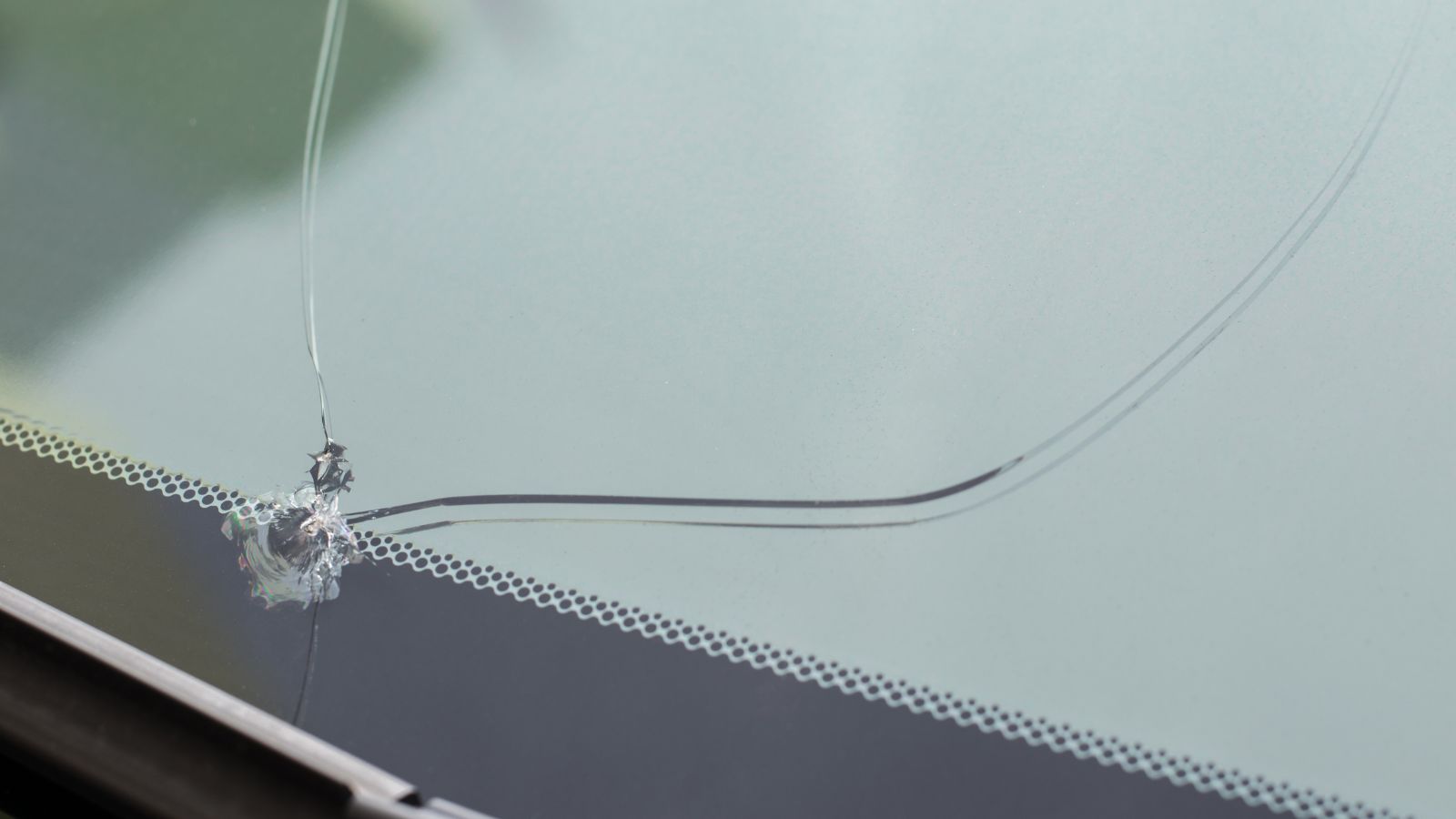
A small stone chip is common on Canadian roads, especially after winter, but extensive windshield damage can become a roadworthiness concern when it interferes with visibility. Ontario’s passenger-vehicle inspection standard specifically considers the location and extent of windshield cracks, particularly in the area swept by the original wipers. Material or objects that obstruct the driver’s view can also be problematic.
From outside the vehicle, a long crack stretching through the driver’s viewing area can be obvious. So can a collection of stickers, devices, snow, ice, or other material covering a substantial portion of the glass. Police do not need to conclude that every cracked windshield is unsafe; severity and applicable provincial rules matter. The concern is whether the driver can clearly see traffic, pedestrians, signs, and hazards. A windshield that visibly compromises that view can make an otherwise normal vehicle appear overdue for repair and potentially unsuitable for continued road use.
A Headlight That Is Out or Badly Dimmed
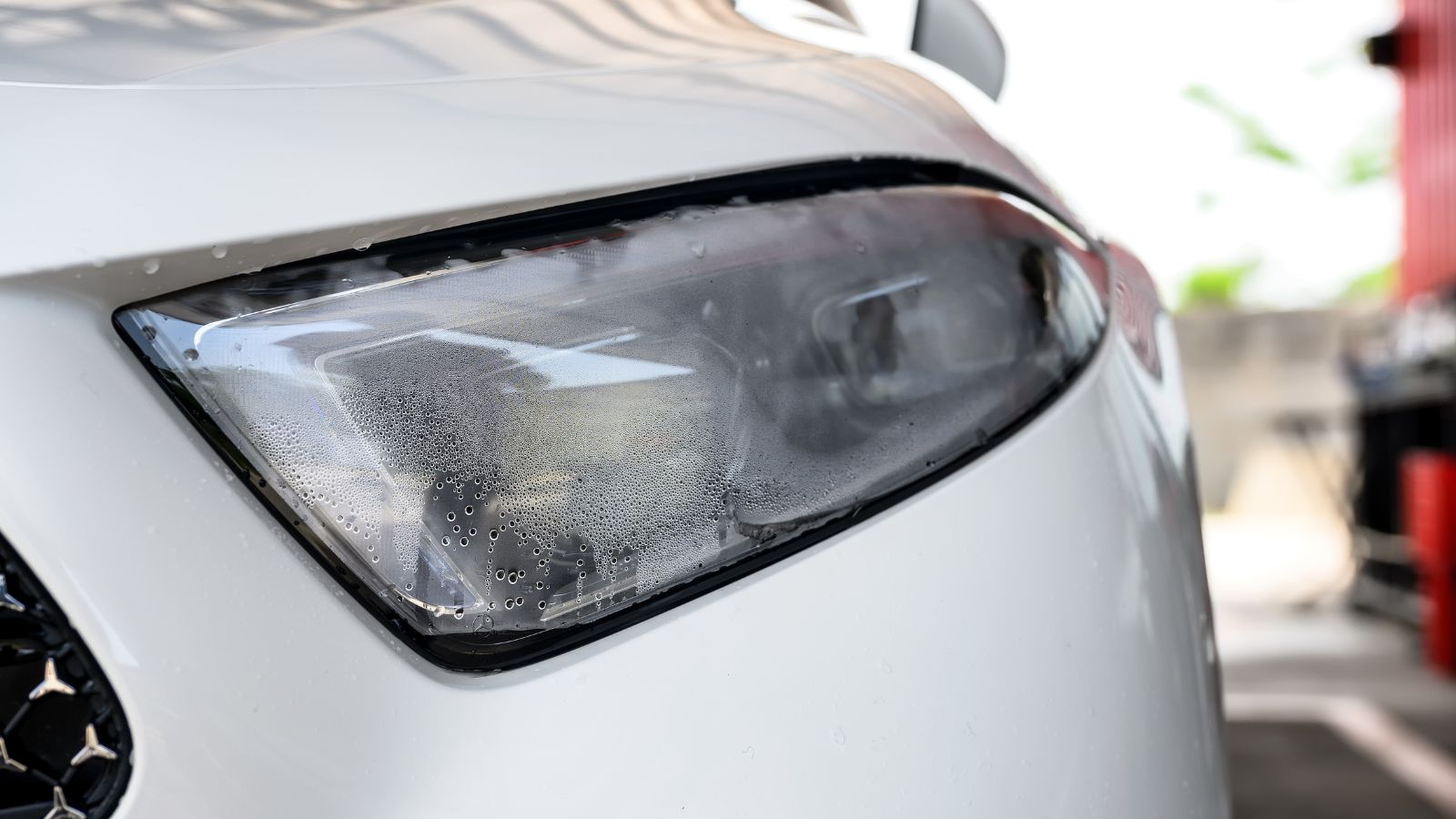
A vehicle approaching after dark with only one functioning headlight is difficult to miss. Required lighting is treated as basic safety equipment because headlights make the vehicle visible while also illuminating the road. Ontario inspection standards require prescribed lamps to operate correctly and be securely installed, and provincial law establishes requirements for front lighting when driving conditions require it.
Problems are not limited to completely dead bulbs. A damaged housing, badly discoloured lens, loose assembly, or modification that significantly reduces useful light can also raise concerns. Imagine two vehicles travelling together at night: one has two clear, evenly illuminated headlights, while the other has one bright lamp and one barely visible glow. The second vehicle naturally appears to have an equipment problem. Because lighting defects can usually be seen without stopping the vehicle, they are among the most obvious mechanical conditions an officer can notice during ordinary traffic enforcement.
Brake Lights or Turn Signals That Do Not Work
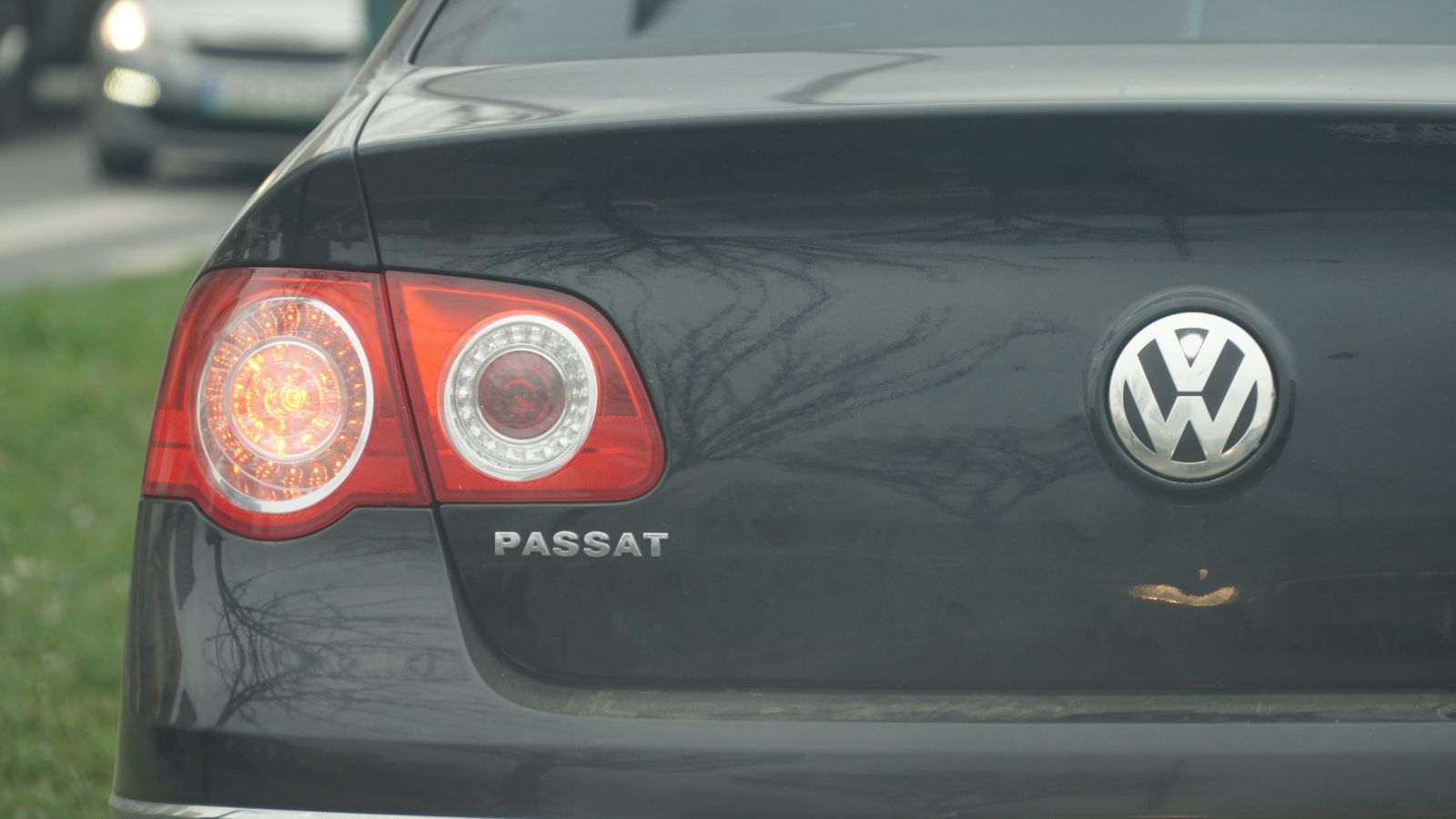
Brake lights and turn signals communicate what a driver intends to do before other road users have to react. When those signals fail, surrounding drivers lose valuable information. Ontario’s inspection standards require turn signals and brake lamps to function, while commercial-vehicle inspection rules similarly classify failures involving required lamps as defects, with particularly serious consequences when essential rear signals are unavailable.
These problems frequently become obvious in traffic. An officer travelling behind a vehicle may watch it slow repeatedly without any brake lamps illuminating. A car may make several turns while one rear indicator remains dark or flashes abnormally. A single burned-out bulb does not prove that the entire vehicle is mechanically neglected, but it can provide an easily observed reason for scrutiny. Lighting faults can also suggest that routine checks have been missed, particularly when multiple lamps are defective at the same time or lenses are broken, missing, or hanging from the body.
Missing, Broken, or Loose Mirrors
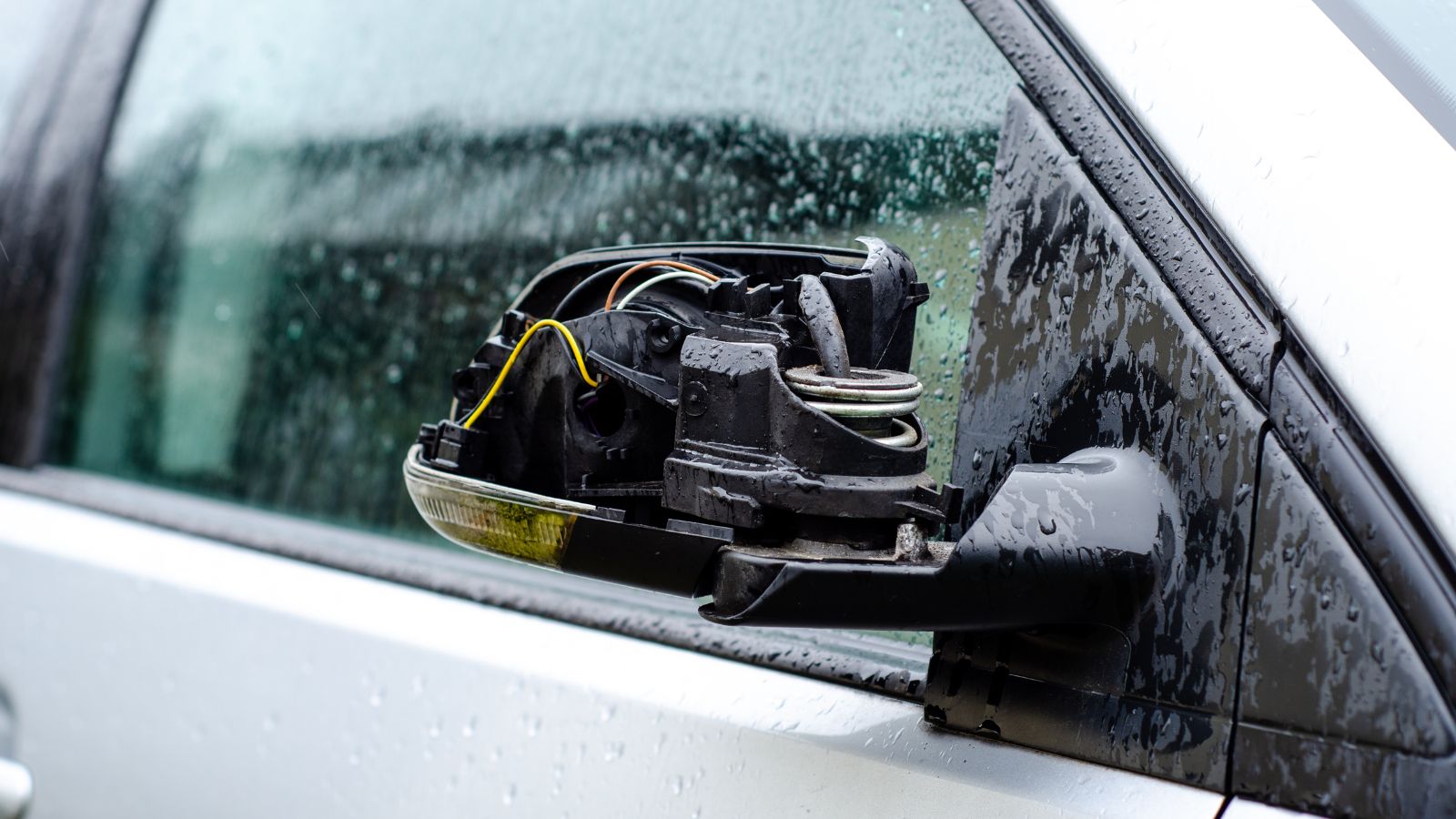
Mirrors are easy to take for granted until one is hanging by a wire or missing entirely. Provincial safety standards commonly require prescribed mirrors to be securely mounted and capable of providing the driver with the intended view. Ontario’s inspection requirements reject prescribed mirrors that are missing, insecure, significantly damaged, or unable to maintain their adjustment.
A cracked mirror is not necessarily the same as a mirror that provides no usable view, so the details matter. What tends to attract more attention is conspicuous damage: an exterior mirror folded backward after a collision, a housing held together with tape, or glass that has disappeared altogether. Those conditions can suggest unresolved crash damage and reduced rearward visibility at the same time. For police observing a vehicle in traffic, a visibly broken mirror can therefore become more than an appearance issue. It may raise a straightforward question about whether the equipment required for safe observation around the vehicle remains functional.
Wipers That Cannot Keep the Glass Clear
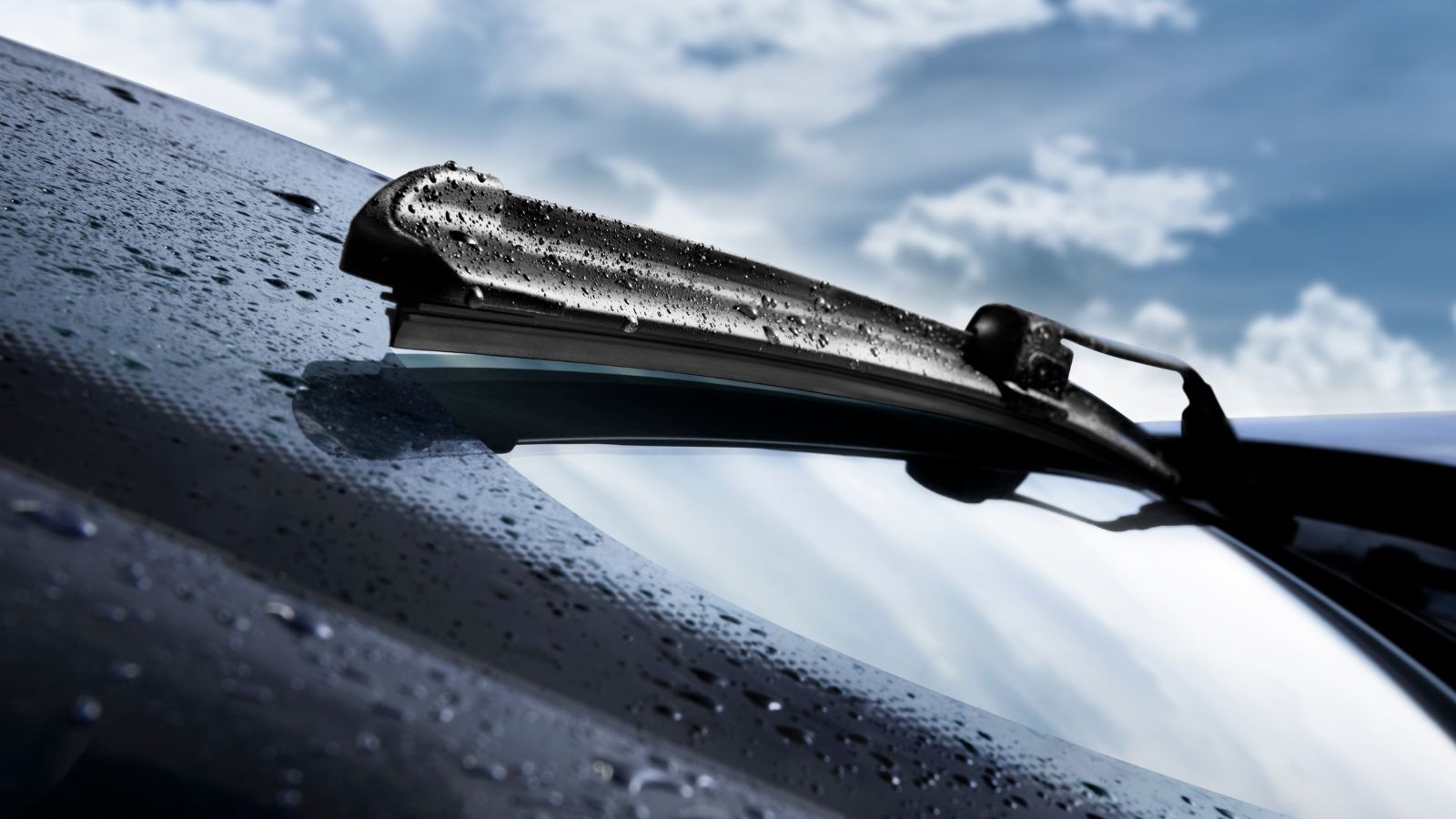
Windshield wipers become especially important during heavy rain, wet snow, freezing spray, and road-salt season. Ontario inspection requirements treat damaged, missing, ineffective, or malfunctioning wipers and washers as vehicle defects because drivers must be able to maintain a usable view through the windshield when conditions deteriorate.
The problem may become apparent without a mechanical inspection. During a rainstorm, a vehicle might travel with one wiper stationary while the other struggles across the glass, leaving the driver’s side covered in water. In winter, a torn blade can leave a thick streak directly through the viewing area. An officer seeing a driver leaning or craning around an uncleared windshield may reasonably notice the condition of the wiper system. The concern is practical rather than cosmetic: if the equipment cannot clear rain, slush, or grime sufficiently for the driver to see the roadway, one of the vehicle’s basic visibility systems is no longer performing its job.
A Loud, Leaking, or Hanging Exhaust
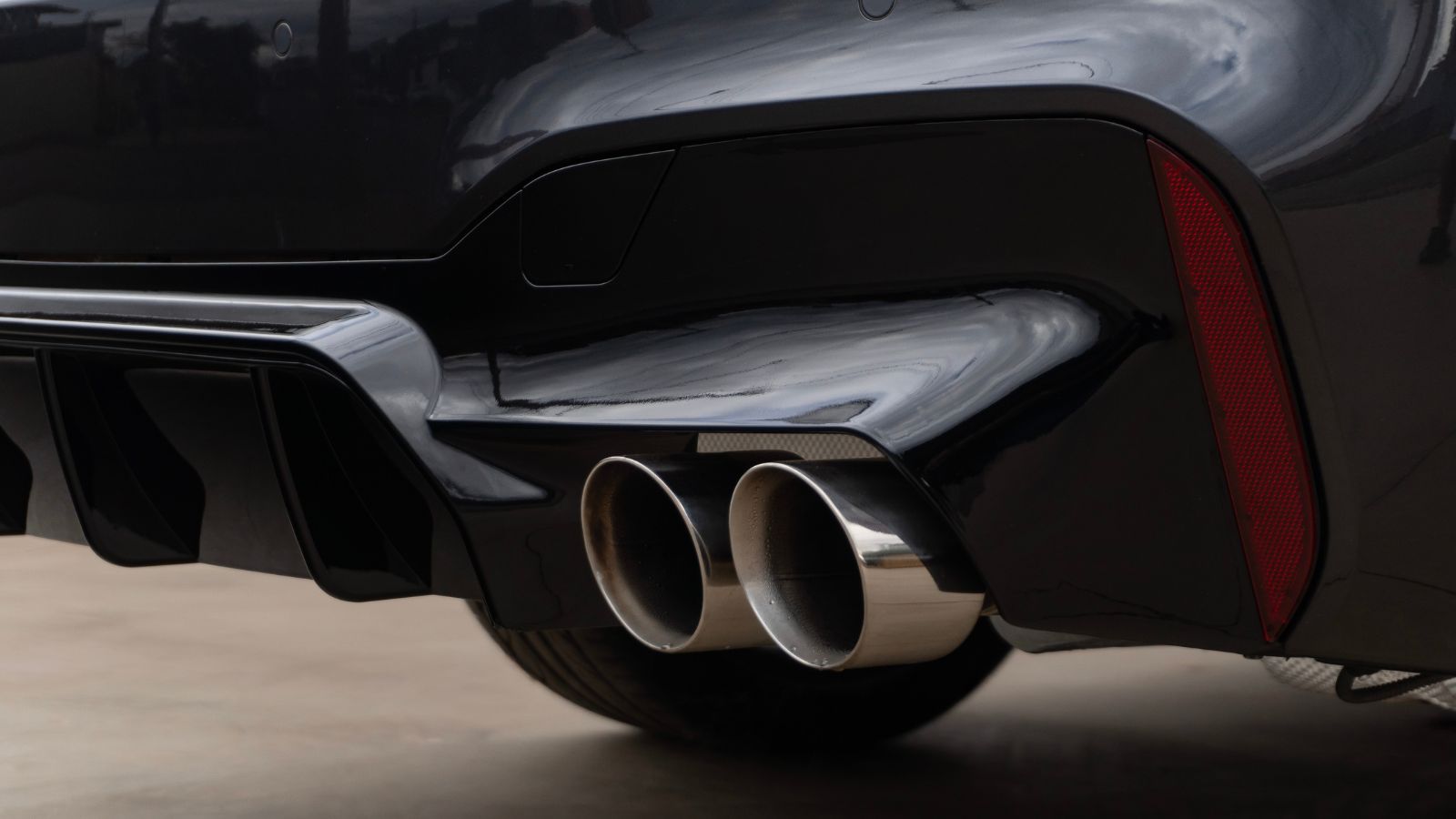
A failing exhaust system can announce itself long before anyone looks beneath the vehicle. Unusually loud exhaust noise, rattling metal, or a tailpipe hanging close to the pavement can make a mechanical defect immediately noticeable. Ontario inspection standards require exhaust components to be securely mounted and address exhaust leaks, while provincial traffic law requires a functioning muffler designed to prevent excessive or unusual noise.
A hanging exhaust component also presents a physical concern. Road bumps can cause loose pieces to strike the pavement, and a badly positioned system may place heat near parts that were never meant to be exposed to it. Some leaks can allow exhaust gases to travel toward the passenger compartment. A modified performance exhaust is not automatically defective, but a system that sounds broken and visibly moves beneath the car is different. To an officer, the combination of excessive noise, loose components, and signs of leakage can make the vehicle look mechanically compromised rather than merely customized.
A Vehicle Sitting Low or Uneven
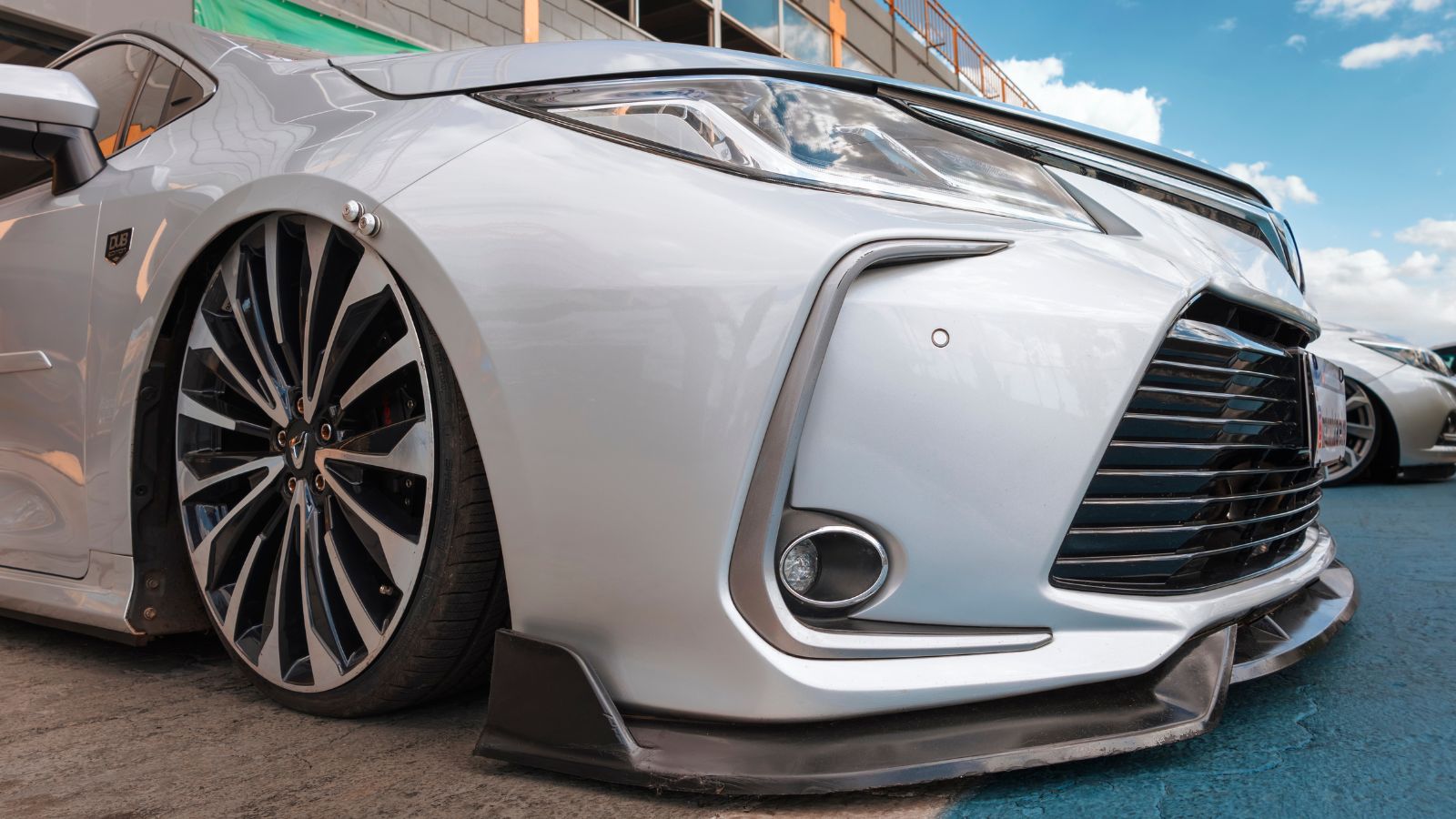
One corner of a car sitting several centimetres lower than the others can be a visible clue that something is wrong underneath. Suspension systems rely on springs, struts, shock absorbers, control components, and mounting hardware to maintain ride height and keep tires properly controlled against the road. Ontario inspection rules address broken springs, damaged suspension components, excessive bouncing, abnormal pitching, and vehicles that do not sit appropriately level.
Not every lowered vehicle has a defect. Purpose-built suspension modifications can change ride height while remaining mechanically sound. The warning sign is an abnormal stance that appears unintended—for example, one rear wheel sitting deep inside the wheel opening while the opposite side remains normal. Excessive bouncing after a bump can reinforce that impression. An officer seeing a vehicle moving this way may not know whether the cause is a collapsed spring, failed air suspension, damaged strut, or overloaded cargo area. The visible behaviour, however, can suggest that the suspension deserves closer examination.
Loose Bumpers, Fenders, or Body Panels

Collision damage sometimes leaves a vehicle driveable while exterior components remain only partially attached. A bumper dragging at one corner, a fender flapping near a tire, or a piece of trim projecting outward can present hazards beyond appearance. Ontario inspection standards require bumpers to be securely mounted and identify broken, bent, or sharp protruding parts that could endanger people or other vehicles.
These defects tend to stand out because movement makes them more noticeable. A loose plastic splash shield might repeatedly touch the roadway at speed, while a damaged bumper cover can flex outward whenever the wind catches it. Improvised repairs using rope or tape may hold temporarily but can still leave uncertainty about whether the part is secure. Police seeing such damage can reasonably question whether additional collision-related problems exist underneath. A vehicle does not become unroadworthy simply because it has dents, but visibly insecure components can turn old body damage into an immediate safety concern.
Severe Rust Around Structural Areas
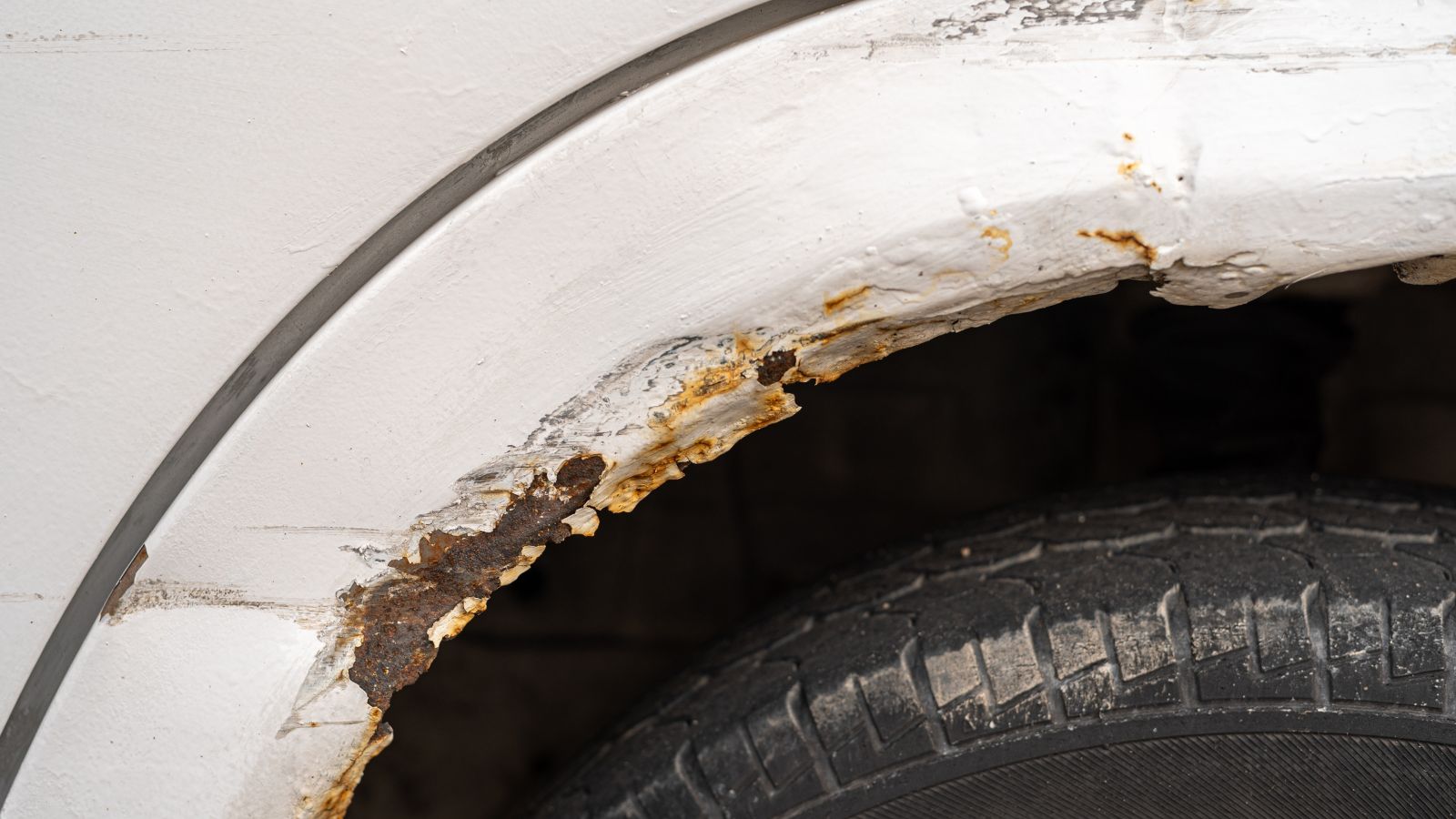
Surface rust on an older Canadian vehicle is hardly unusual, particularly after years of exposure to moisture and road salt. Structural corrosion is different. Ontario safety standards specifically examine chassis, underbody, and structural components for cracking, corrosion perforation, missing fasteners, and deterioration capable of degrading vehicle safety or handling.
The challenge is that not all serious rust is visible from across the street. Some of the most important corrosion develops underneath the vehicle. Still, advanced deterioration can become obvious around rocker panels, wheel arches, suspension mounting areas, or sections of the floor and frame. Large holes, collapsing metal, or pieces separating from the body can suggest that corrosion has progressed beyond cosmetics. A rusty door skin alone does not establish that a car is structurally unsafe. But when corrosion appears extensive enough to affect load-bearing areas or mounting points, police or inspectors may have reason to question whether the vehicle’s structure can continue performing as designed.
Fuel or Brake Fluid Dripping Underneath
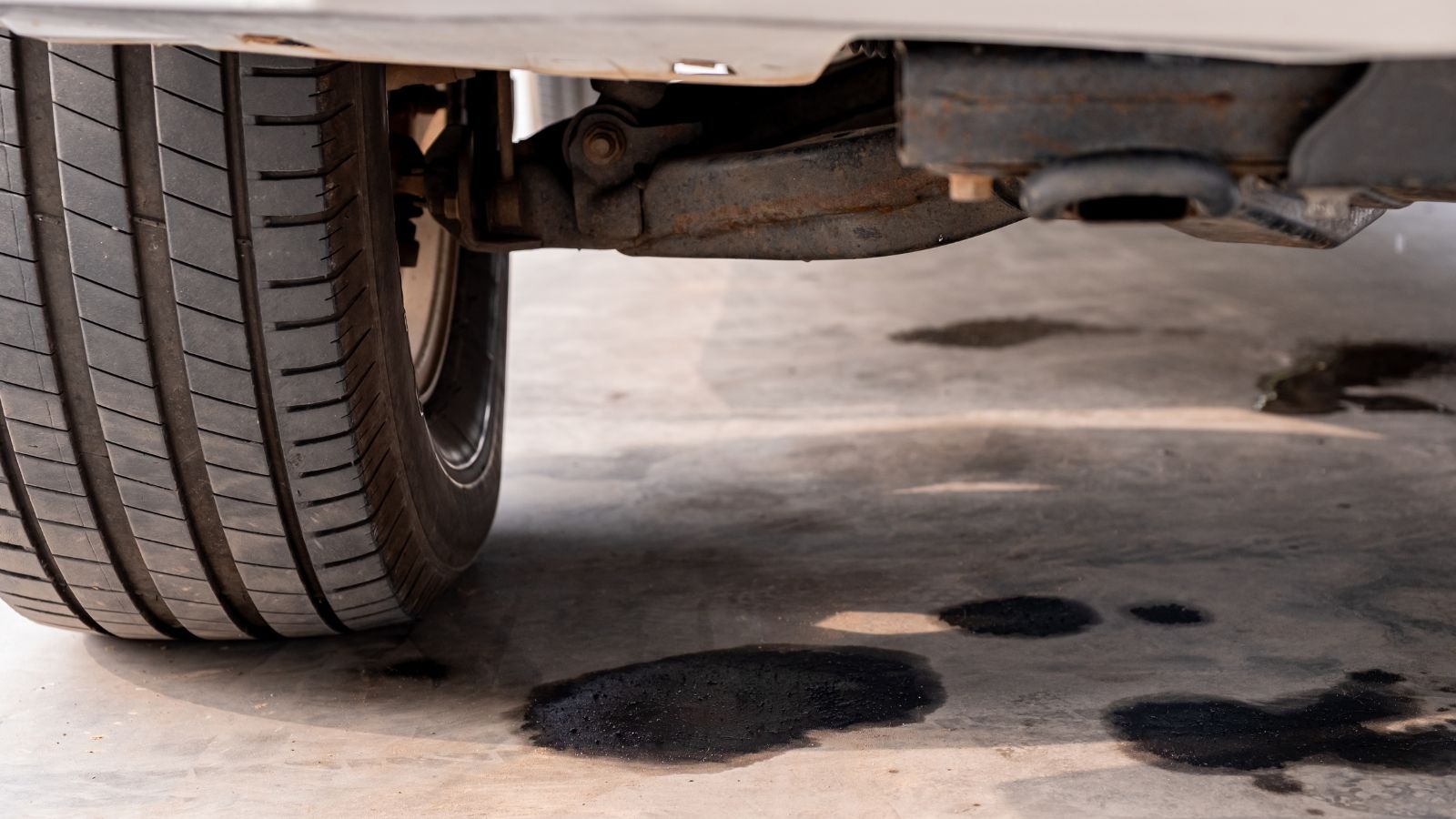
Not every puddle beneath a parked vehicle indicates a mechanical emergency. Water dripping from an air-conditioning system is normal, and harmless condensation is common. Fuel, brake fluid, and other critical-system leaks are another matter. Ontario inspection rules specifically identify dripping fuel leaks and brake-fluid leaks as serious defects in applicable vehicle inspections.
Some leaks provide particularly noticeable clues. Gasoline has a strong odour, while a substantial leak can leave a wet trail beneath a vehicle. Brake-fluid loss may be less obvious externally, but visible fluid accompanied by weak or unusual braking behaviour would warrant attention. Police cannot identify every liquid simply by seeing a wet patch on pavement, so a puddle alone proves little. The concern increases when dripping is continuous, accompanied by a strong fuel smell, or associated with other mechanical symptoms. A vehicle actively losing a safety-critical or flammable fluid can quickly shift from being a maintenance problem to posing an immediate roadside risk.
Loose Wheel Fasteners or Damaged Rims
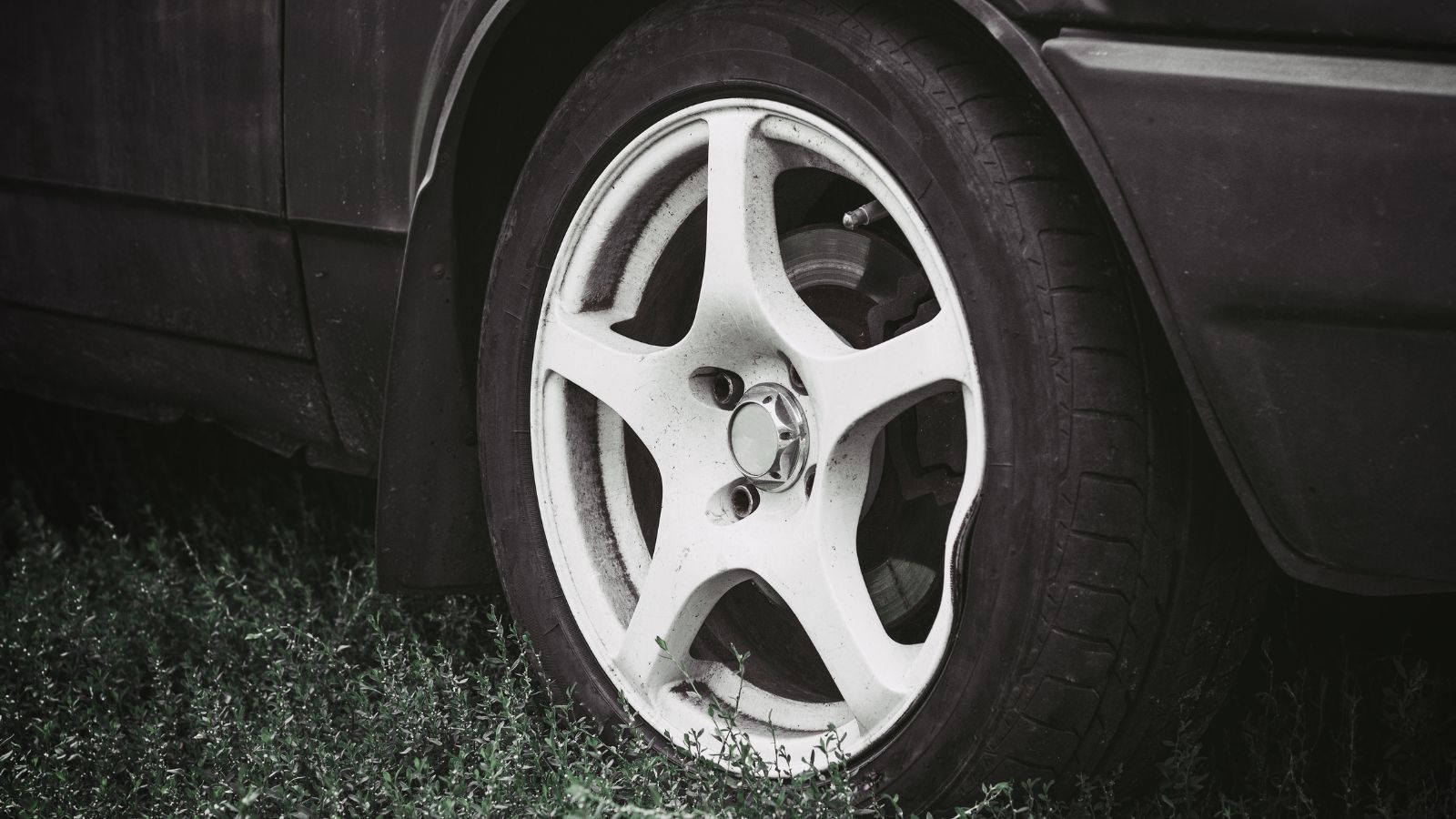
Wheel problems can become dangerous rapidly because the wheel assembly must remain securely attached while handling the vehicle’s weight and road forces. Ontario inspection standards for commercial vehicles specifically call for checks of wheels and fasteners for cracks and loose or missing hardware, while passenger-vehicle standards also scrutinize wheel condition and compatibility.
Some warning signs can be obvious even without removing a wheel. A missing lug nut may leave an empty stud clearly visible. A badly bent rim can cause the wheel to rotate irregularly, while serious damage may produce vibration or wobbling that can be seen as the vehicle moves. Cosmetic curb rash is common and does not by itself mean a wheel is unsafe. The more concerning signs involve structural damage or attachment problems. If an officer sees a wheel visibly wobbling, hears repetitive metallic noise from the hub area, or notices missing fasteners during a roadside interaction, those observations can raise immediate questions about whether the vehicle should continue travelling.
Tires That Rub or Do Not Match Properly
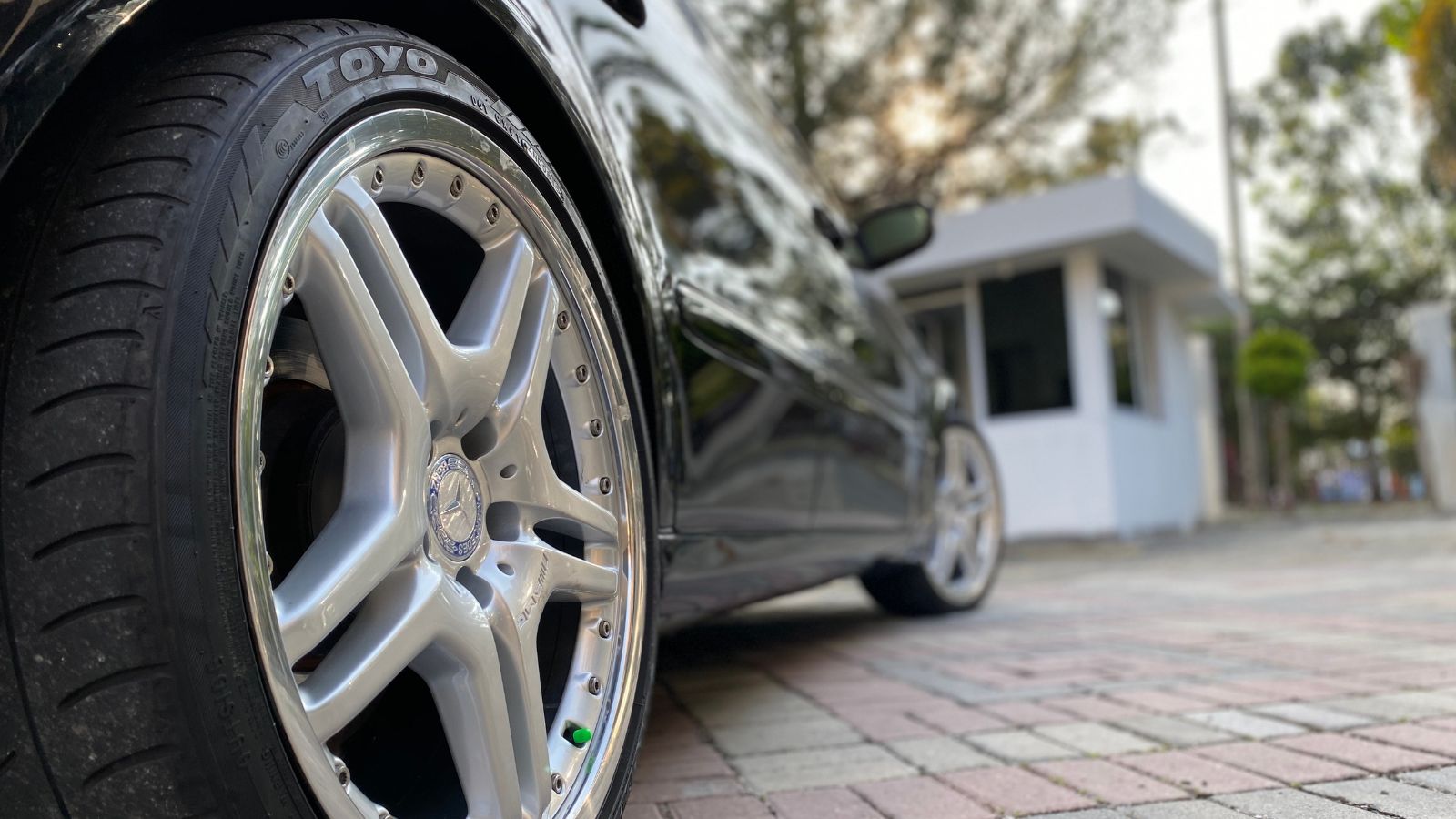
Aftermarket wheels and tires can transform the appearance and handling of a vehicle, but size and fitment still matter. Ontario’s passenger inspection standard addresses mismatched tire sizes on the same axle, improper wheel-and-tire combinations, inadequate load capacity, and tires large enough to contact vehicle components in a way that affects safe operation.
Rubbing can sometimes be heard or seen during tight turns. A tire that contacts a fender liner, suspension part, or body panel may leave fresh scuffing or produce a repeated scraping sound. Extreme wheel fitment can also place the tread unusually close to surrounding components. That does not mean every modified vehicle is unsafe; properly engineered aftermarket setups can operate without difficulty. What can attract attention is a configuration that appears to interfere with steering or suspension movement. If the tires visibly contact the body, differ conspicuously from side to side, or cause the car to move abnormally, the modification may look less like personalization and more like a potential mechanical defect.
A Hood, Door, or Hatch That Will Not Latch Securely
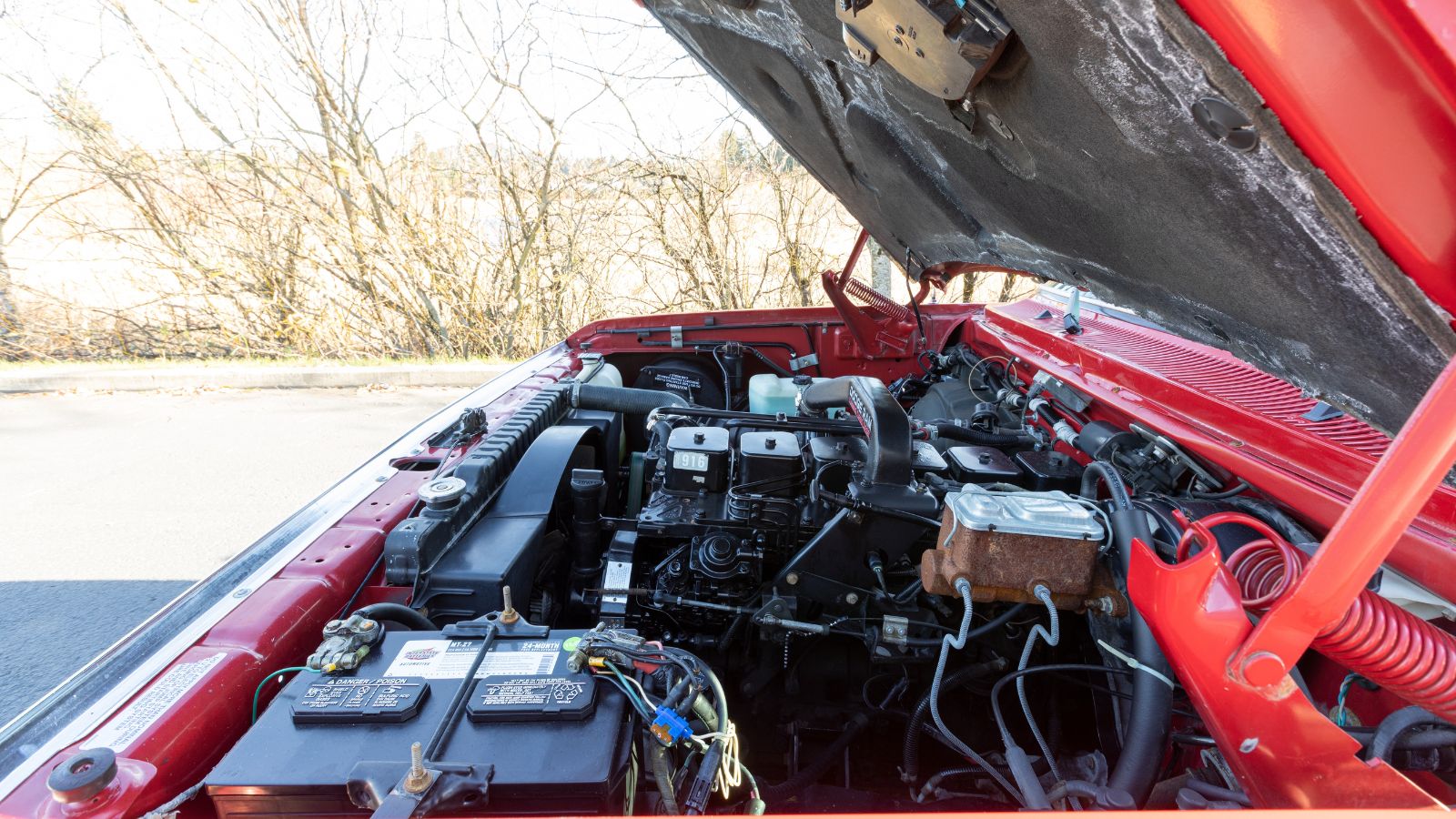
A body opening that cannot stay securely closed creates an obvious risk once the vehicle starts moving. Ontario inspection standards require functional door latches and include requirements for hood latches and safety catches. The principle is simple: major panels designed to remain closed during travel should not be capable of opening unexpectedly.
The hood is particularly important because an unsecured front-hinged panel can rise into the driver’s line of sight. A door that repeatedly moves away from the body or a hatch held shut with improvised rope can be similarly conspicuous. Temporary restraints are sometimes used after a collision or latch failure, but their presence can signal that the original retaining mechanism no longer works. Police seeing a hood bouncing noticeably at speed, for example, may have reason to investigate whether it is actually secured. A minor panel alignment issue is different from a failed latch; the concern begins when a component appears capable of opening, detaching, or interfering with safe operation.
Headlamp Covers or Modifications That Cut Light Output

Darkened headlamp covers and heavily tinted lighting assemblies can create a dramatic visual effect, but reducing the effective output of required lights can also create a compliance problem. Ontario law prohibits certain coverings or attachments that reduce the effective lens area or intensity of required front lamps, and inspection standards likewise address headlamp modifications that reduce useful brightness.
An officer does not need specialized measuring equipment to notice an extreme example at night. If a car’s headlights appear substantially dimmer than surrounding vehicles despite being switched on, dark coatings or covers may be readily visible. The same concern applies to damaged modifications that block part of the lens. Aftermarket lighting is not automatically illegal or unsafe, and compliant replacement assemblies are widely available. The important distinction is whether required lamps still perform the safety function for which they were installed. A modification that makes a vehicle harder to see—or makes the road ahead harder for its driver to see—can naturally draw closer scrutiny.
Tint or Objects That Seriously Block the Driver’s View
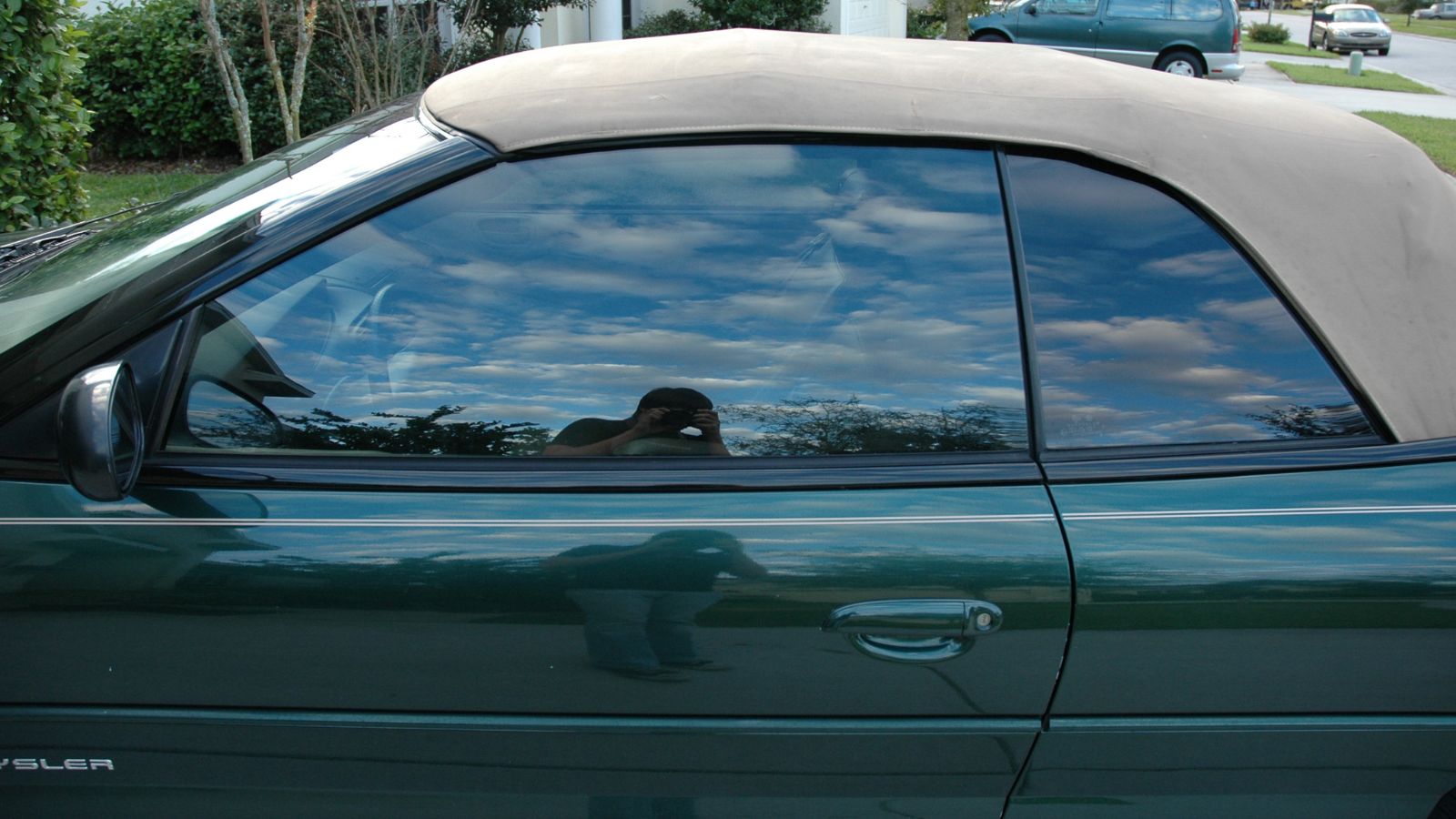
Tinted glass is common, but rules focus heavily on whether the driver retains adequate visibility and, in some jurisdictions, how much the vehicle’s interior is obscured. Ontario’s Highway Traffic Act prohibits objects and certain coatings positioned so that they obstruct the driver’s view of the highway or intersecting roads. Provincial inspection standards also address material obstructing visibility through windshield and front side-window areas.
The most obvious problems are often not professional window tint at all. A large windshield banner, stacked dashboard items, hanging decorations, snow accumulation, or opaque material covering front glass can create significant blind areas. Extremely dark front-side treatment may also attract attention depending on the applicable rules and circumstances. These issues differ from rear-window tinting where mirrors may provide the required rearward view. For police, the central concern is whether the driver can adequately see surrounding traffic. A vehicle whose front glass visibly prevents a clear view can therefore appear unsafe even when every mechanical system underneath is functioning perfectly.
Persistent or Excessive Exhaust Smoke
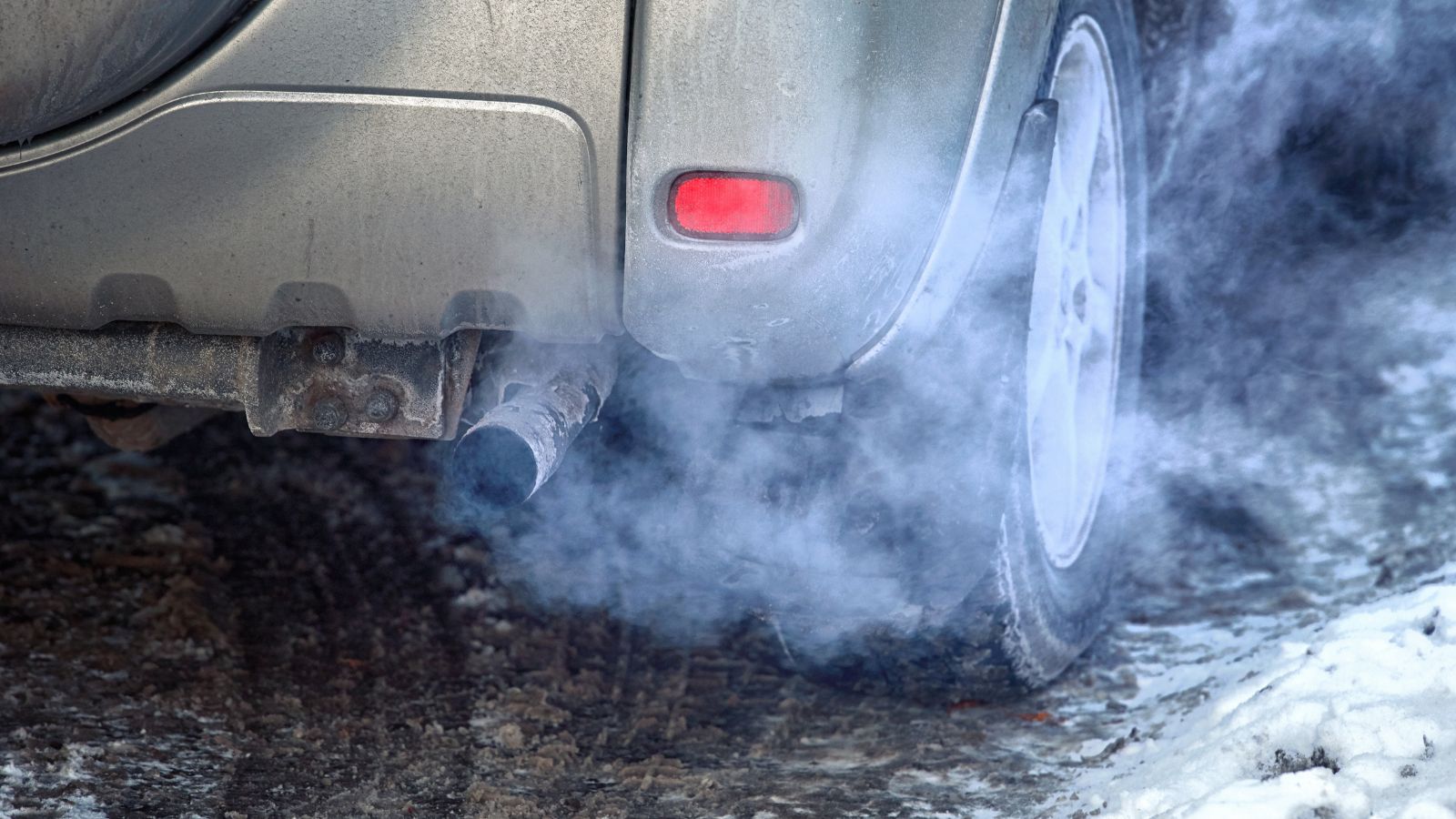
A brief puff of vapour on a cold morning is not the same as a vehicle producing a continuous cloud behind it. Ontario law addresses unreasonable amounts of smoke from motor vehicles, while provincial emissions enforcement allows police and transportation officers to stop and inspect vehicles believed to be producing excessive exhaust emissions or operating with tampered emissions equipment.
Heavy smoke can also be a clue to mechanical trouble. Depending on the engine and circumstances, persistent exhaust may accompany problems involving fuel delivery, oil consumption, coolant intrusion, emissions-control equipment, or other faults. A roadside observer cannot reliably diagnose the cause by colour alone, and normal condensation must not be confused with a defect. What attracts attention is volume and persistence. A vehicle leaving a dense plume through several intersections is far more conspicuous than one producing momentary vapour after startup. That visible symptom can make authorities question both emissions compliance and the underlying mechanical condition of the vehicle.
Wandering, Pulling, or Unstable Handling
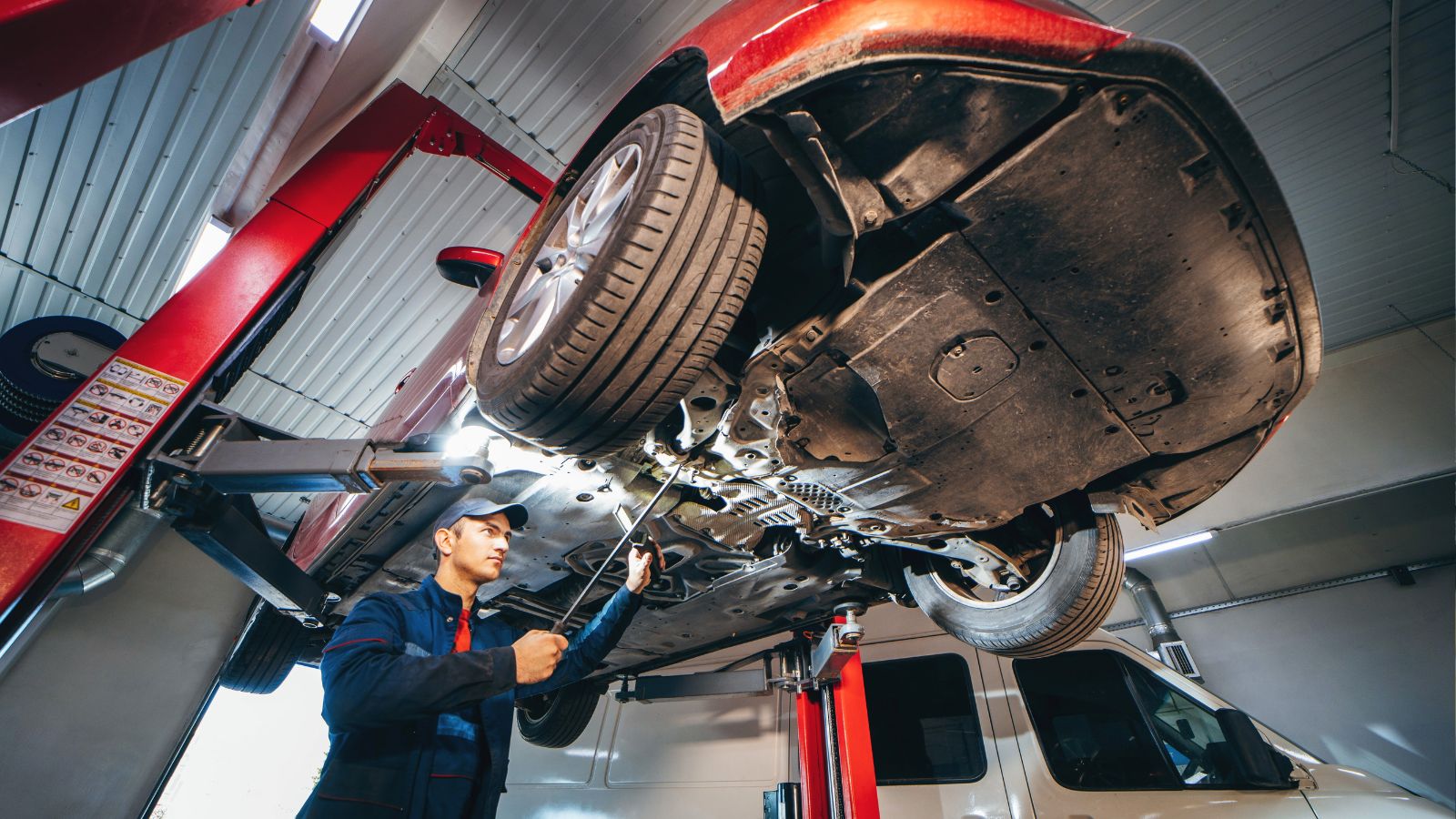
Sometimes the strongest clue is not what a vehicle looks like while parked but how it moves. Ontario inspection standards require steering components to operate properly and address excessive steering free play, visibly abnormal wheel alignment, excessive bouncing, drifting on rough pavement, and other behaviour that can indicate steering or suspension problems.
There is an important distinction between mechanical wandering and poor driving. Wind, potholes, lane changes, distraction, and driver error can all cause a vehicle to move around temporarily. What may look more concerning is persistent abnormal motion: a front wheel visibly out of alignment, repeated drifting despite steering corrections, excessive bouncing after every bump, or a vehicle that appears difficult to keep tracking straight. Police cannot determine the mechanical cause from observation alone, but unusual handling may combine with other clues such as damaged tires or sagging suspension. When several such signs appear together, the vehicle can reasonably look as though a mechanical inspection is warranted.
Braking That Pulls, Fades, or Looks Ineffective
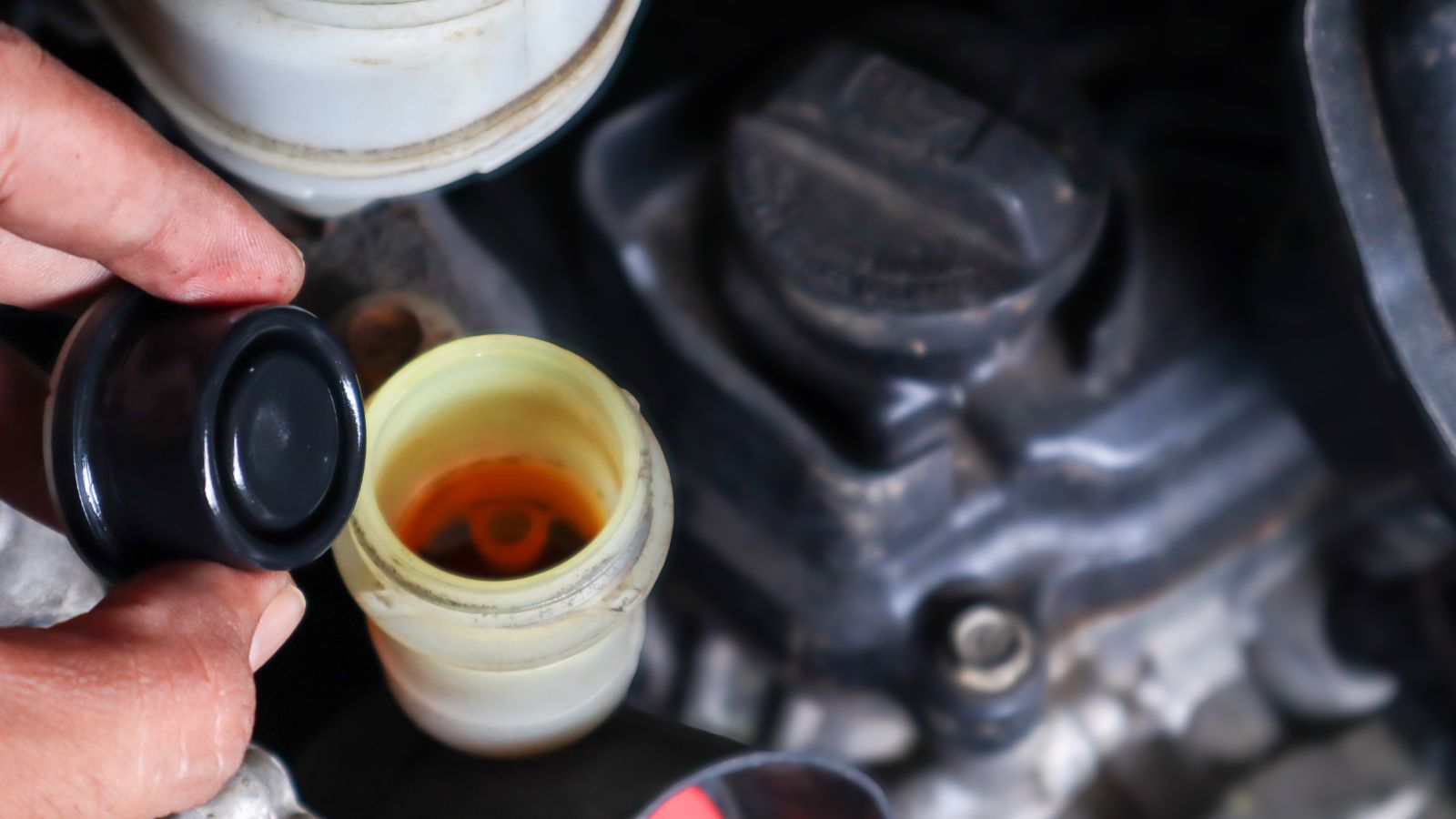
Brakes are one of the most safety-critical systems on any road vehicle. Ontario inspection procedures test whether service brakes can stop a vehicle properly without abnormal pulling to either side, and commercial inspection rules classify conditions such as brake-fluid leakage, ineffective brakes, insufficient pedal reserve, and certain warning indications as defects.
Some brake problems are difficult for an officer to detect until a vehicle is inspected, but severe faults can become apparent in motion. A car may jerk sharply to one side whenever the brakes are applied, require an unusually long distance to stop, or produce obvious grinding accompanied by poor deceleration. None of those observations alone identifies the defective component; tires, road conditions, steering problems, or driver behaviour may also influence what happens. Still, braking behaviour that repeatedly appears unstable or ineffective is one of the clearest reasons to question roadworthiness. Unlike cosmetic damage, a serious braking deficiency directly affects whether the vehicle can respond safely when traffic suddenly stops.
19 Used Cars Canadians Should Avoid in 2026 (Based on Owner Complaints)

Buying a used car in Canada can feel safe until repair bills start stacking up. Owner complaints tell a different story than glossy listings. Transmission failures, electrical problems, and weak winter reliability show up again and again in consumer reports. Many of these issues appear after warranties expire, when owners least expect them. Some vehicles look affordable upfront, but become expensive to keep on the road. Others struggle in cold weather, urban driving, or long highway commutes. Here are 19 used cars Canadians should avoid in 2026 (based on owner complaints).
19 Used Cars Canadians Should Avoid in 2026 (Based on Owner Complaints)

Alanna Rosen is an experienced content writer that focuses on many EV and educational content. Her articles are regularly published on Get CyberTrucked and syndicated on large publications.