
October can expose vehicle problems that were surprisingly easy to ignore through warmer weather. A car that fired instantly in August may suddenly crank more slowly, hesitate before starting, or refuse to start after the first genuinely chilly night. Often, the seasonal change is not creating the fault so much as revealing a battery, electrical connection, ignition component, or fuel-system weakness that was already developing.
For drivers heading into another Canadian fall, the transition toward colder mornings makes early warning signs worth noticing. These 19 things that can make a car harder to start this October range from ordinary battery ageing and short-trip driving to less obvious problems involving sensors, fuel pressure, damp ignition components, and diesel cold-start systems.
An Aging 12-Volt Battery
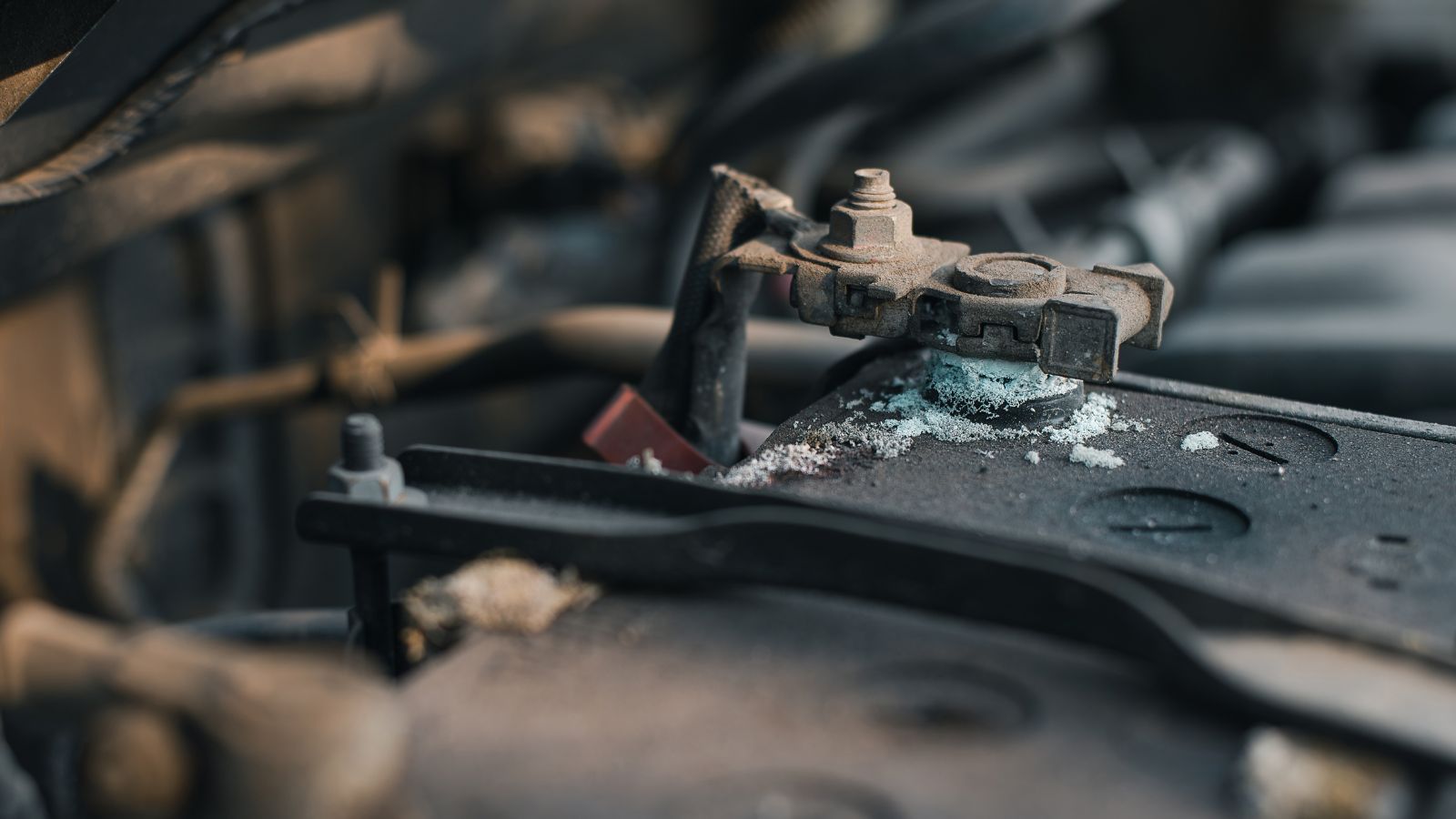
A battery does not have to be completely dead to create an October starting problem. Lead-acid starter batteries gradually lose their ability to store and deliver energy, meaning an older battery may continue working perfectly well during mild weather while having far less reserve capacity available when conditions become demanding. Automotive organizations commonly place typical battery life in roughly the three-to-five-year range, although climate, driving habits, vibration, charging conditions, and vehicle design can shift that considerably.
The earliest clue is often a change in sound rather than a total failure. The starter may turn the engine slightly more slowly in the morning, yet the vehicle still fires after an extra second or two. That can be easy to dismiss until a colder night arrives and the remaining margin disappears. October is therefore a useful time to find the installation date on the battery and have an ageing unit tested under load. A voltage reading alone does not always reveal how well a battery can deliver the high current required during actual starting.
Colder Overnight Temperatures Reduce Battery Output
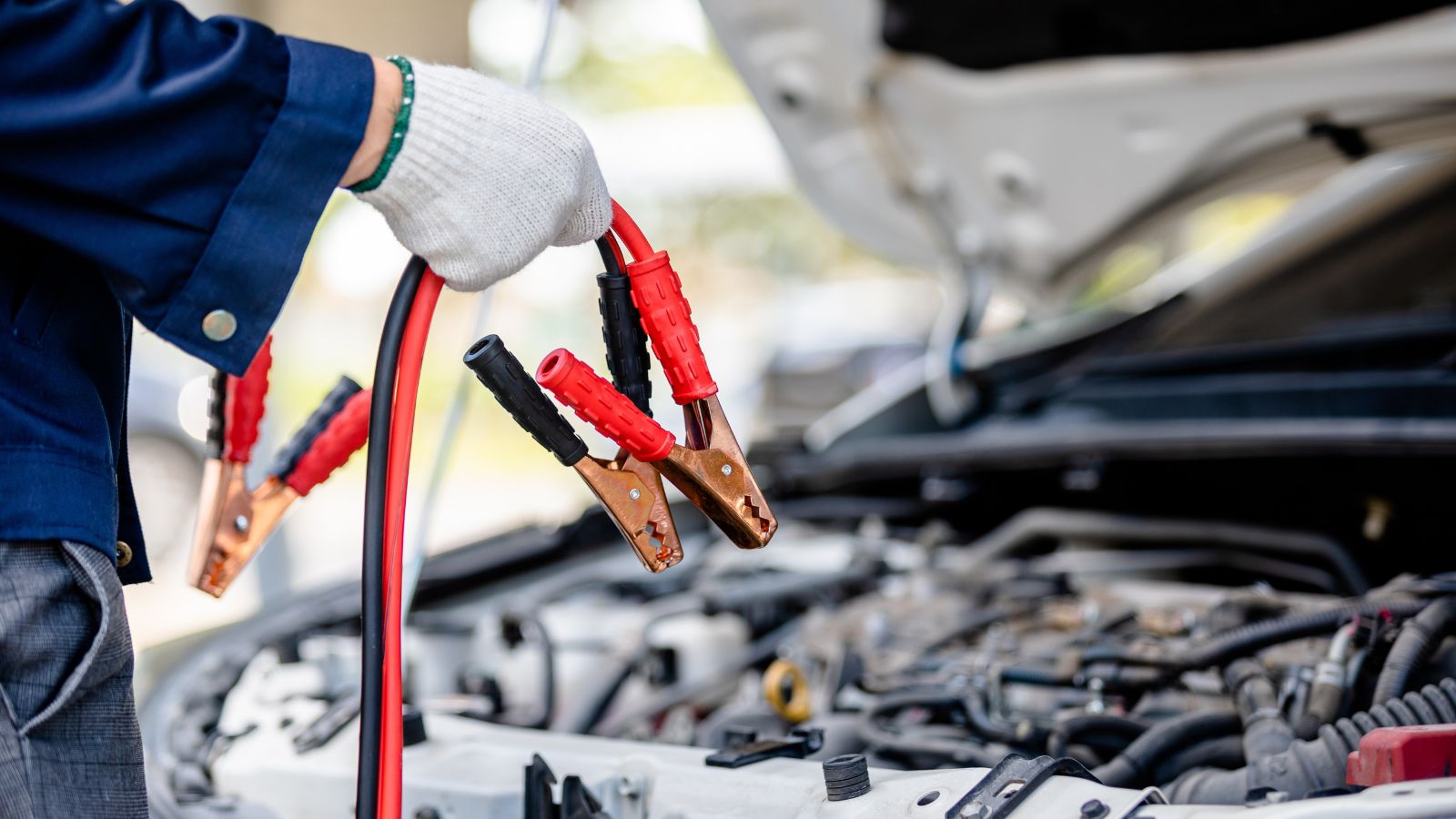
Even a battery that has not reached the end of its life produces less starting power as its temperature falls. Lead-acid batteries depend on electrochemical reactions to supply electrical current, and those reactions slow as the battery gets colder. AAA-related guidance has reported that around 32°F, or 0°C, a conventional car battery can have roughly 35 percent less strength than under warmer conditions. At 0°F, or about -18°C, the reduction can be considerably greater.
At the same time, the engine may require more effort to crank because lubricants are colder and internal resistance is higher. That combination explains why a marginal starting system can suddenly seem unreliable after the first frosty night. October temperatures across Canada vary enormously, of course, and most communities will not be experiencing deep-winter conditions yet. Still, colder overnight temperatures can provide the first warning. A noticeably slower crank on chilly mornings is worth investigating before November and December place much heavier demands on the same battery and starter.
Corrosion Around the Battery Terminals
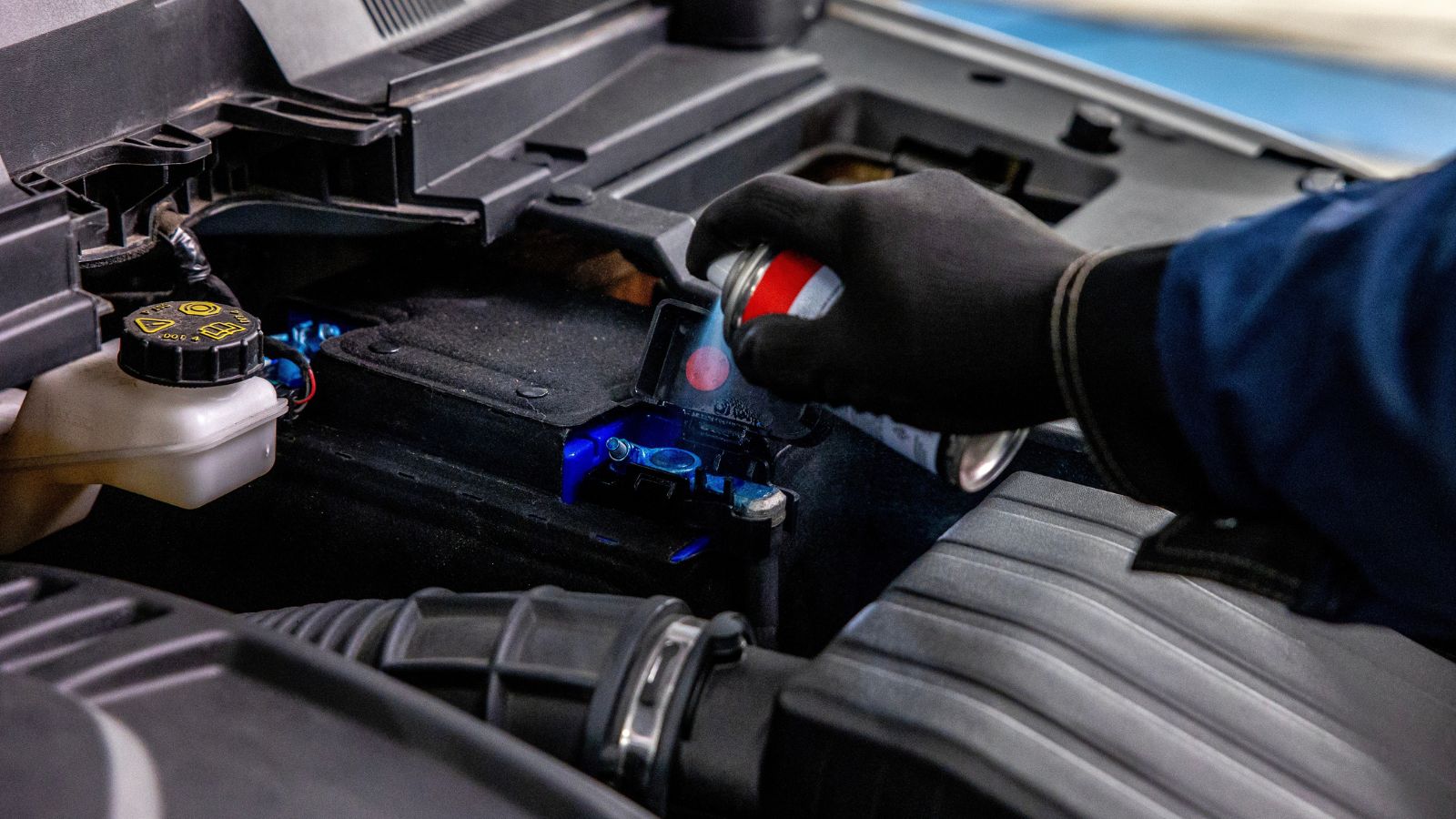
The battery may still contain plenty of energy while the starter receives less of it because corrosion is interfering with the connection. White, bluish, or greenish deposits around the battery posts and cable terminals can increase electrical resistance. Because a starter motor demands a large amount of current in a very short period, even a connection that seems adequate for dashboard lights, the radio, or interior electronics can become a problem when the starter is engaged.
Corrosion can therefore produce some confusing symptoms. The lights may illuminate normally when the door opens, but the engine may crank sluggishly, click, or fail to turn when the ignition is activated. Autumn moisture can also make an already neglected engine compartment a less forgiving environment. A visual battery inspection before colder weather arrives is consequently more useful than it may seem. Heavy corrosion, damaged terminals, leaking or swollen battery cases, and deteriorated cables deserve professional attention. Battery work also requires appropriate precautions because lead-acid batteries contain corrosive electrolyte and can release flammable gases.
Loose Battery Cables or Ground Connections
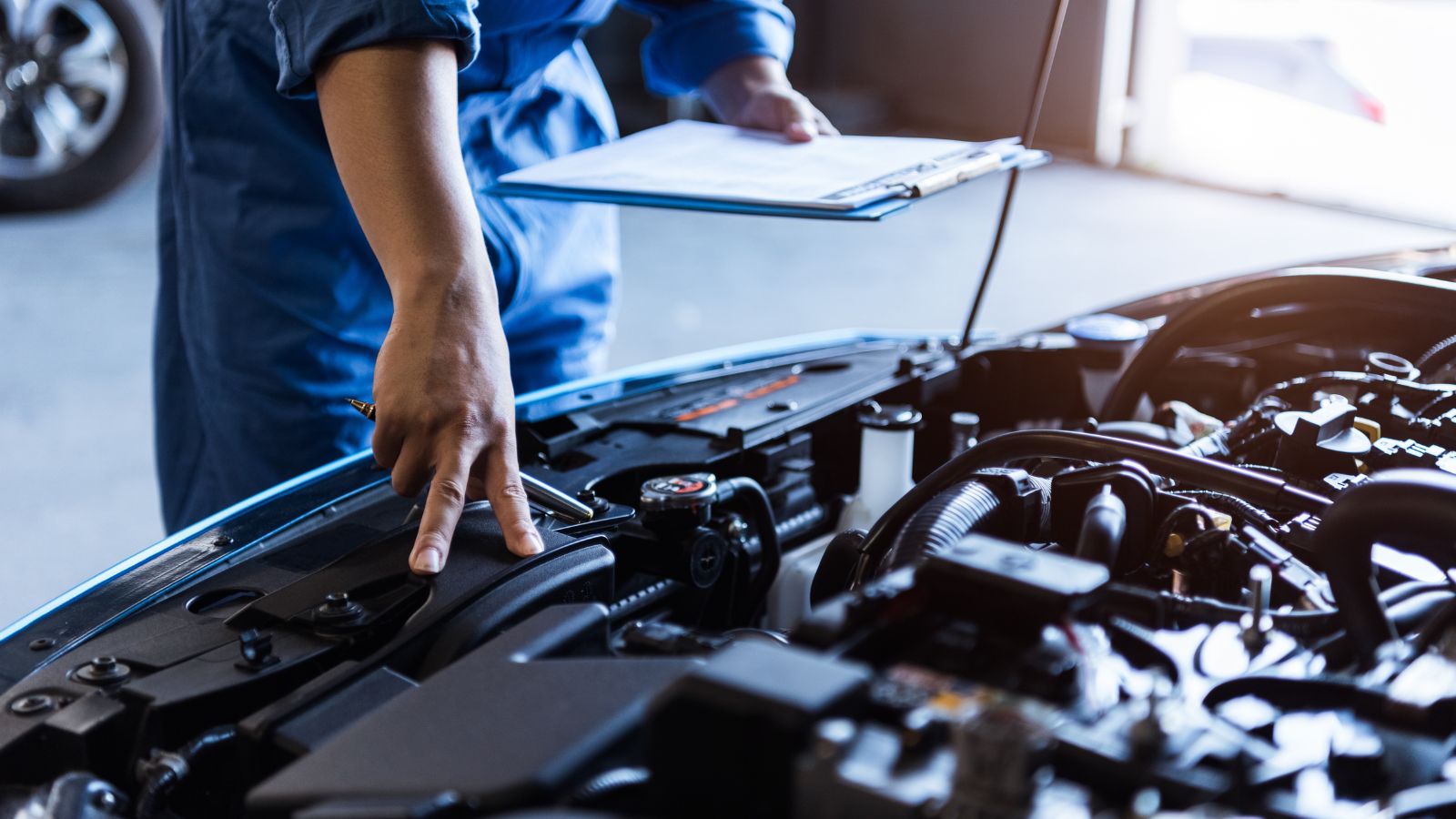
A battery cable does not need to fall completely off before it causes trouble. A loose terminal clamp, damaged cable, or poor ground connection can restrict the large current needed by the starter even while smaller electrical systems continue operating. The negative side of the battery is especially important because the electrical circuit must have a reliable path through the vehicle’s ground connections to the engine and chassis.
This type of problem can create intermittent behaviour that seems almost random. A vehicle may start normally several times, crank slowly the next morning, and then behave normally again after vibration or temperature changes alter the connection slightly. Flickering lights, inconsistent cranking speed, or a starter that sometimes responds and sometimes does not can all justify checking the main power and ground connections. October maintenance offers a convenient opportunity to inspect them before road salt, moisture, snow, and repeated freeze-thaw cycles make electrical connections even less forgiving. A technician can also perform a voltage-drop test when a problem is not visible from the outside.
Too Many Short Trips
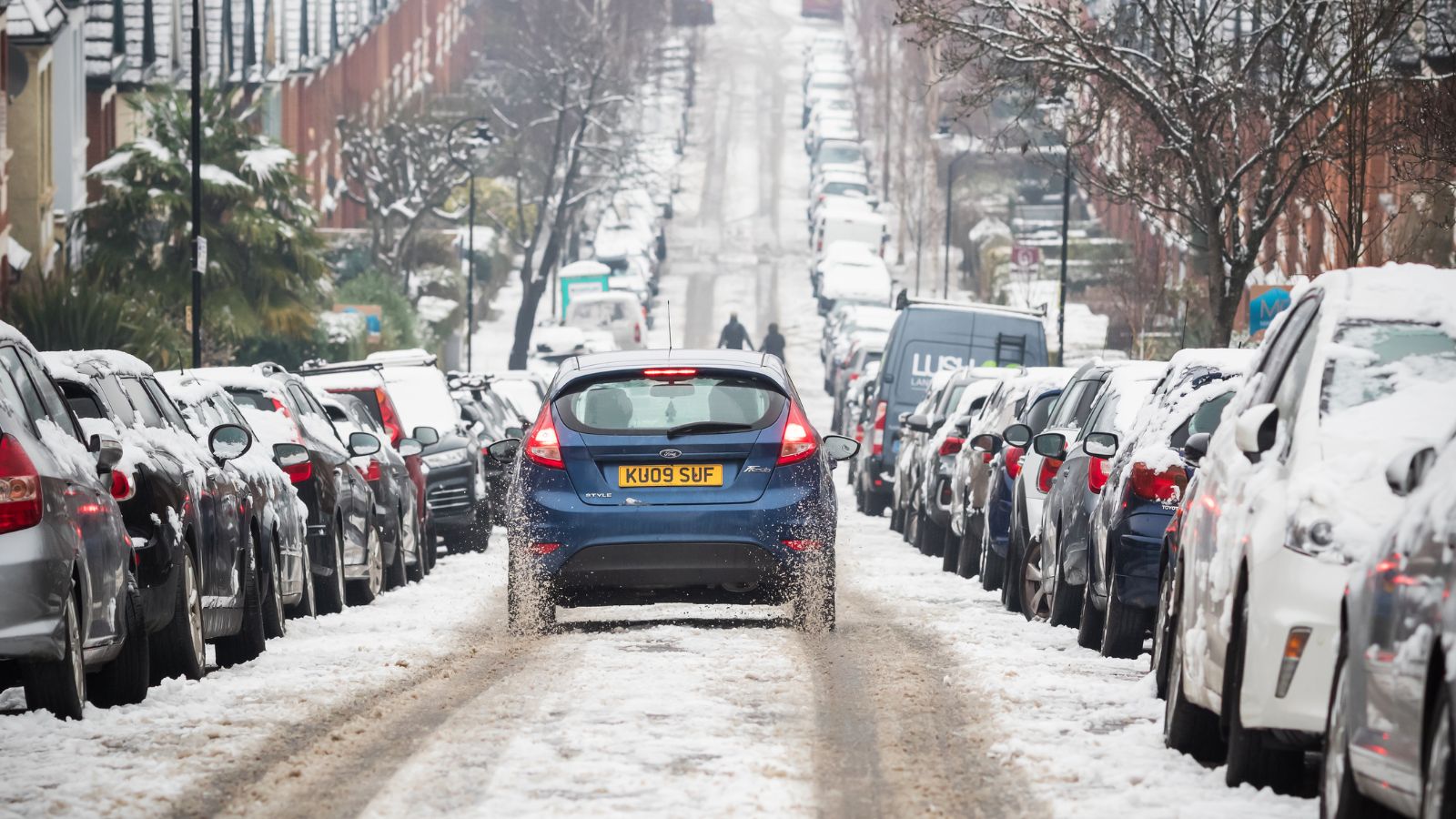
Cooler weather often changes driving routines. A vehicle may spend its week making five- or ten-minute runs to work, school, stores, or nearby appointments without receiving a longer drive. Every engine start draws a substantial burst of energy from the battery, and the charging system needs time afterward to replace what was consumed. Repeated short journeys may not provide enough operating time for that recovery, especially when the battery is already ageing.
October can make this problem more noticeable because electrical demand often begins increasing. Headlights may be used earlier as daylight shortens, while heated seats, rear-window defrosters, blowers, and windshield-clearing systems may begin appearing in the daily routine. A battery that starts each morning at slightly less than a full state of charge can gradually lose its safety margin. Combining several errands into a longer trip can reduce repeated starts, but a battery that continually goes flat should still be tested. A long drive cannot repair an internally failing battery or compensate indefinitely for another electrical-system fault.
A Parasitic Electrical Drain While the Car Is Parked
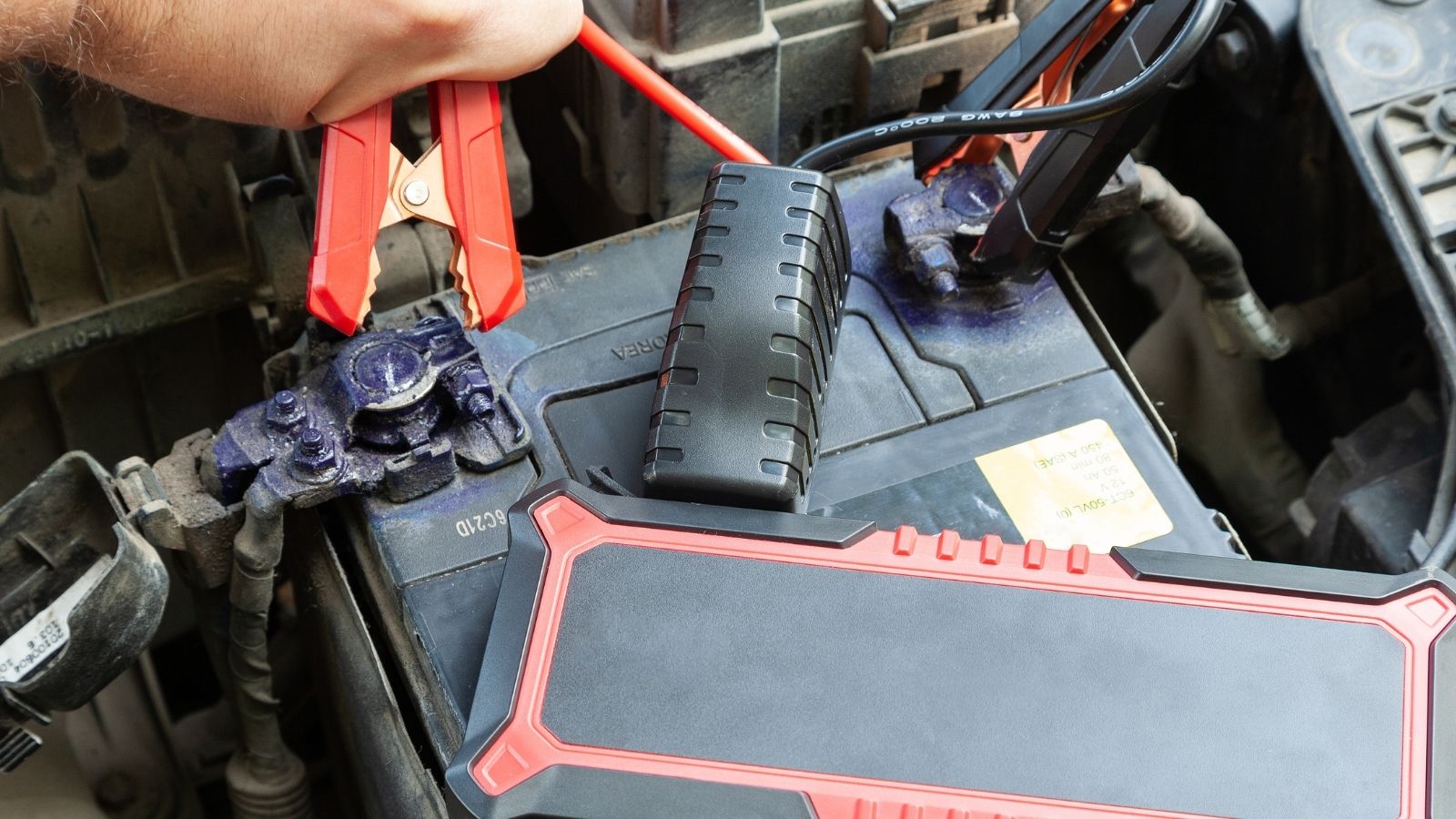
Modern vehicles never become completely electrically inactive when they are switched off. Security systems, computers, keyless-entry receivers, memory functions, and other modules can draw a small amount of current by design. Problems arise when an accessory or malfunctioning circuit draws substantially more than intended. Dash cameras, aftermarket electronics, illuminated glove-box or cargo-area lights, chargers, and faulty modules can all contribute to an overnight drain under the wrong circumstances.
A parasitic draw may remain hidden through summer because a healthy or nearly healthy battery has enough reserve capacity to tolerate it. Add longer autumn nights, lower battery output, and several hours of parking, however, and the engine may crank slowly the next morning. Drivers sometimes replace the battery only to discover that the new one eventually goes flat too. When unexplained discharge repeatedly occurs after the vehicle sits, measuring key-off current and tracing the responsible circuit is more useful than repeatedly jump-starting it. Persistent parasitic-draw diagnosis is generally best handled with proper electrical testing equipment.
Engine Oil That Is Too Thick for the Conditions

Engine oil becomes more viscous as its temperature drops, which increases the effort required to turn a cold engine. Modern multigrade oils are specifically engineered to provide appropriate flow across a wide temperature range, and the number before the “W” in a grade such as 0W-20 or 5W-30 relates to cold-temperature viscosity performance. That does not mean owners should simply choose the lowest number available; the correct oil remains the grade and specification approved by the vehicle manufacturer.
Problems are more likely when an engine contains an unsuitable viscosity, extremely old oil, or a lubricant that does not meet the manufacturer’s requirements. The difference may barely register during warm starts yet contribute to noticeably heavier cranking once overnight temperatures fall. The effect also compounds another seasonal weakness: the starter is being asked to work harder just when the battery can deliver less power. Checking the owner’s manual rather than relying on a familiar oil grade is important because newer engines can have very specific viscosity and performance requirements designed around their lubrication systems.
Worn or Fouled Spark Plugs
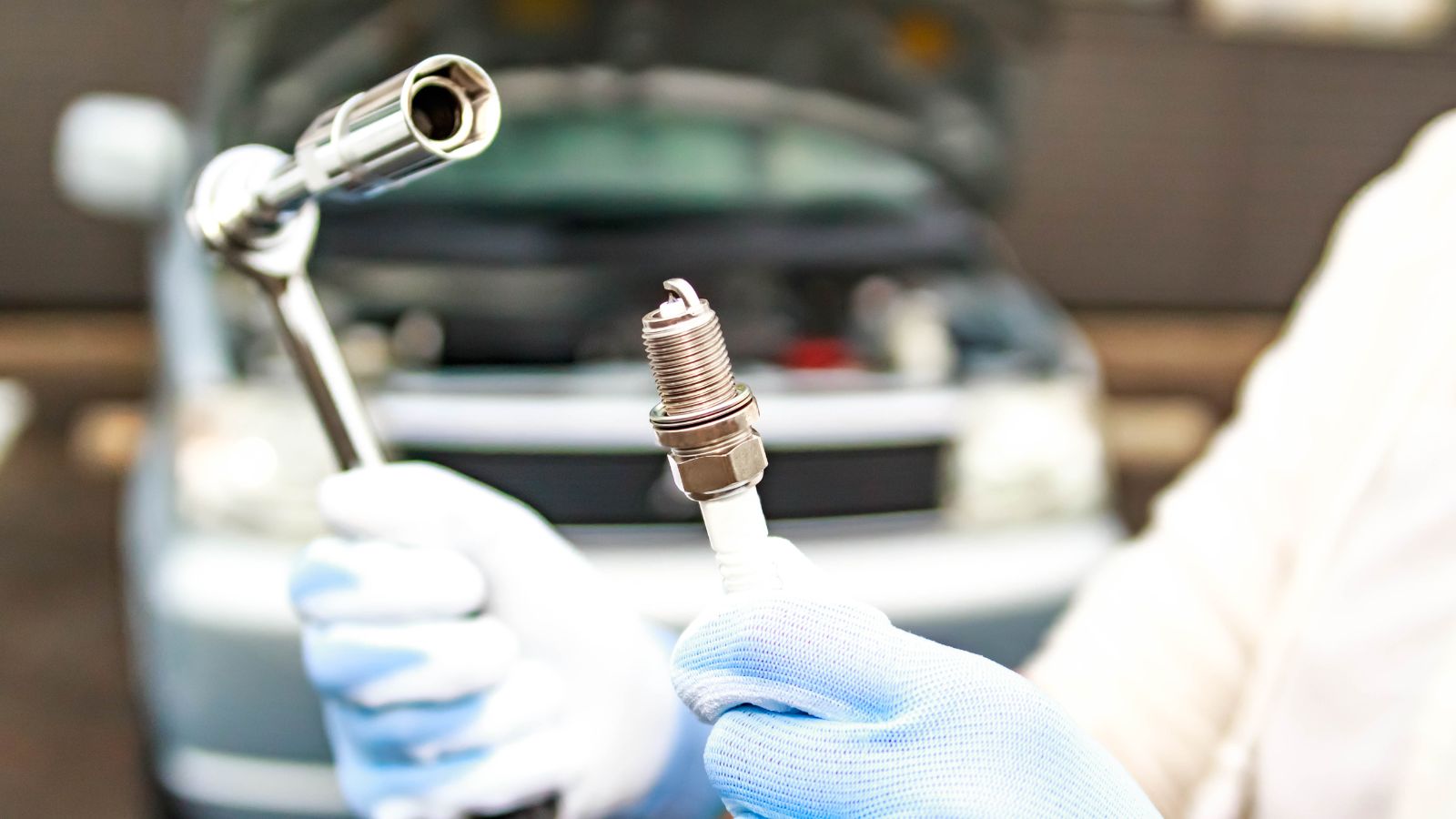
Gasoline engines require an effective spark to ignite the compressed air-fuel mixture. Spark plugs gradually wear as their electrodes endure thousands of combustion events every minute, and deposits can also interfere with proper firing. A marginal plug may continue working well enough once an engine is warm while making the initial cold start less clean and predictable. Depending on the vehicle, worn plugs can also contribute to misfires, rough idling, hesitation, or increased fuel consumption.
October does not suddenly wear out spark plugs, but colder starts can make a neglected ignition system more obvious. A car that cranks at normal speed yet needs several extra revolutions before firing deserves a different diagnosis from one whose starter is turning slowly. Replacement schedules also vary dramatically. Some plug designs and engines have considerably longer service intervals than others, so a generic mileage rule should not replace the maintenance schedule supplied by the automaker. Persistent misfires or a flashing check-engine light warrant prompt attention because ignition problems can eventually damage emissions-control equipment as well.
Dampness Reaching Aging Ignition Components
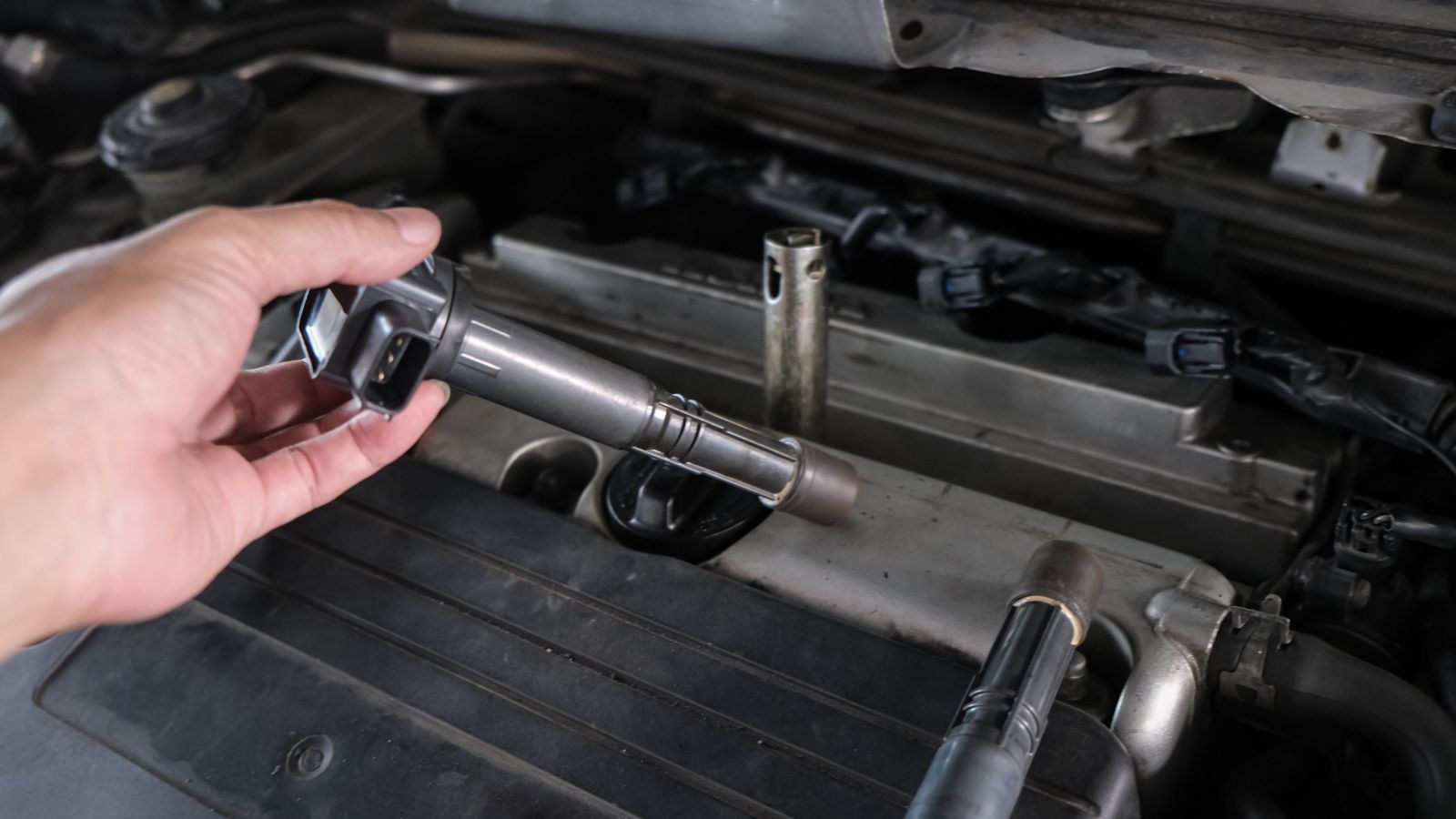
October brings more than lower temperatures. Rain, fog, dew, and damp mornings can reveal deterioration in ignition components, particularly on older vehicles that still use conventional high-voltage wires or distributor-based systems. Cracked insulation, deteriorated boots, damaged distributor caps, and other compromised components may allow moisture to create an easier path for ignition voltage than the intended route through the spark plug.
The result can be an especially frustrating pattern: the vehicle starts normally when the weather is dry but cranks longer, misfires, or refuses to fire after a wet night. Modern coil-on-plug ignition systems eliminate many of the components found on older engines, so damp-weather hard starting should not automatically be blamed on “wet plug wires.” Coil boots, connectors, wiring, and water intrusion can still require inspection, however. When starting trouble consistently tracks rainfall or heavy overnight condensation, that pattern itself is useful diagnostic information. It can help a technician distinguish an ignition or electrical issue from a battery problem that occurs regardless of weather.
Fuel Pressure That Takes Too Long to Build
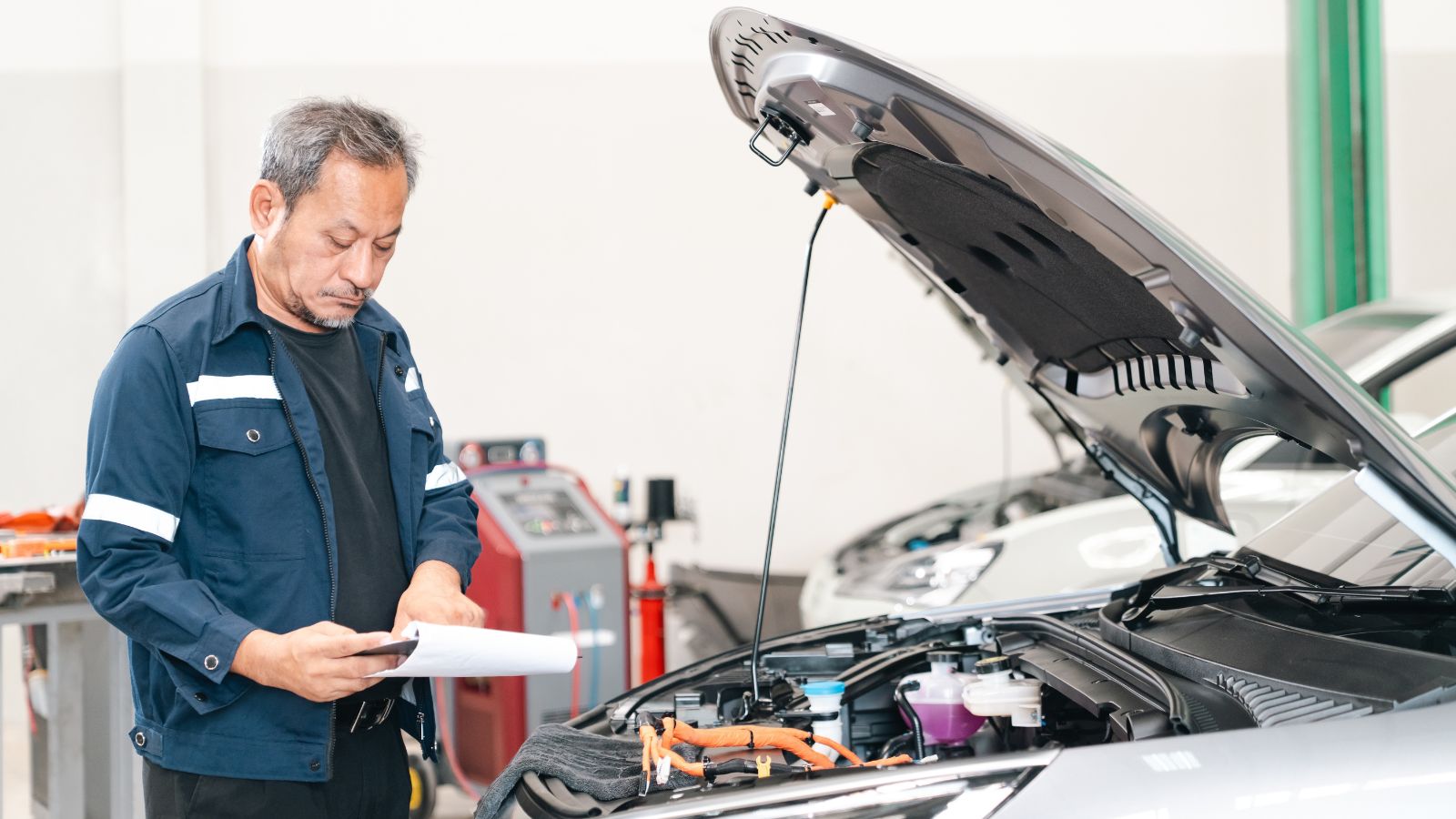
A gasoline engine may crank at completely normal speed and still take several seconds to start because adequate fuel pressure has not reached the injectors quickly enough. Electric fuel pumps typically pressurize the fuel system when the vehicle is being started. Depending on the design, valves and regulators also help maintain residual pressure after shutdown so the system does not have to rebuild everything from zero every morning.
A weak pump, faulty relay, pressure-regulator problem, leaking injector, or check valve that allows pressure to bleed down can contribute to extended cranking. One clue can be a vehicle that is hardest to start after sitting for several hours but behaves normally during immediate restarts. Another may be intermittent hesitation or loss of power when fuel demand rises. These symptoms are not sufficient to diagnose a fuel pump on their own, however. Professional fuel-pressure and electrical testing can separate a genuine delivery problem from ignition, sensor, or battery faults. Replacing a fuel pump based only on prolonged cranking can become an expensive guess.
An Inaccurate Engine-Coolant Temperature Sensor
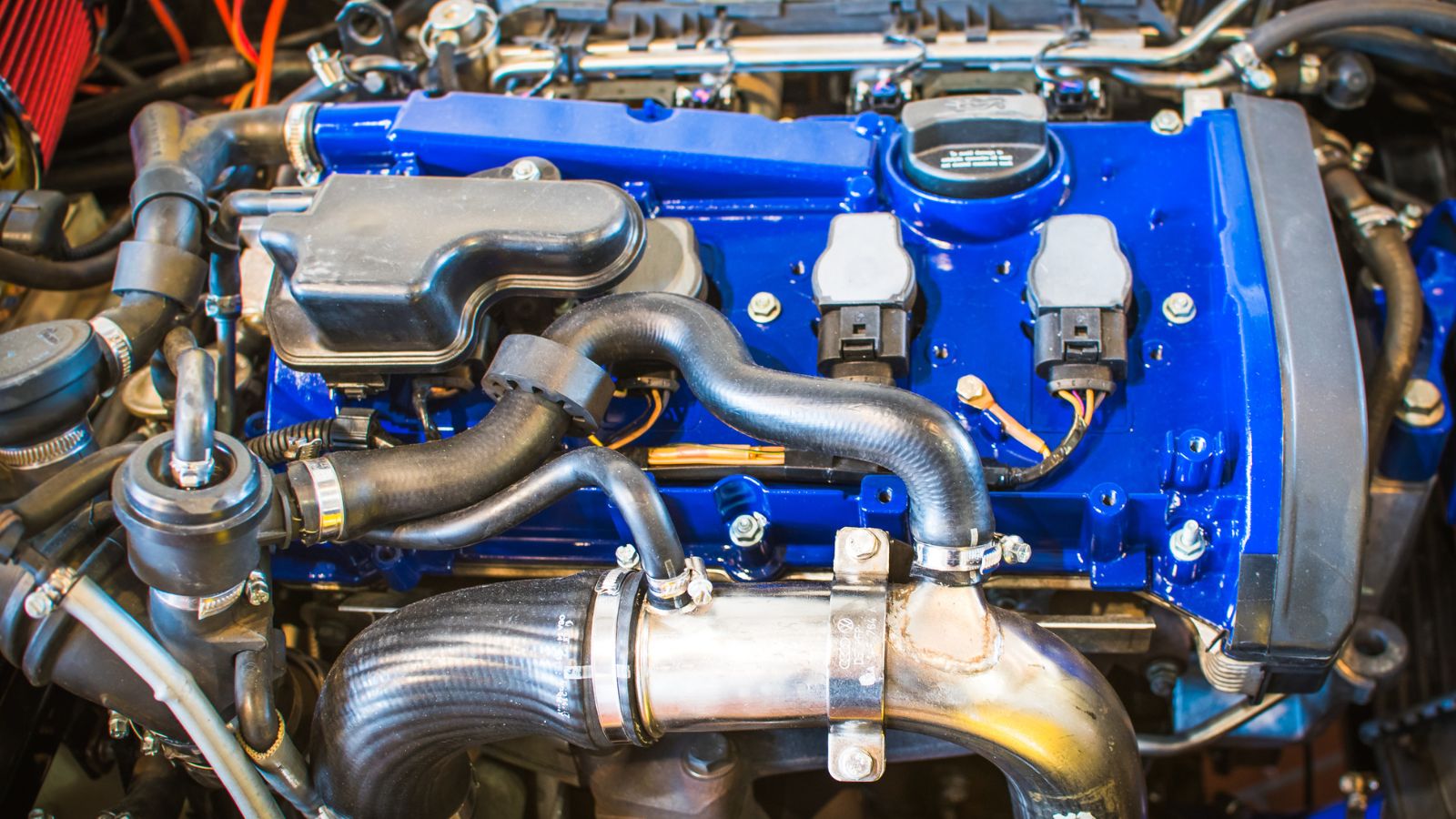
A modern gasoline engine’s computer needs to know how cold the engine actually is before starting. The engine-coolant temperature sensor supplies information that helps the control module determine fueling, ignition, idle speed, and warm-up strategy. When an engine is cold, its fueling requirements differ from those of an engine that has already reached operating temperature.
If the sensor or its wiring reports a temperature that does not match reality, the computer can command an unsuitable mixture. A sensor incorrectly telling the system that a cold engine is warm, for example, can contribute to inadequate cold-start enrichment and extended cranking. Other failures can produce an excessively rich condition instead. October’s lower morning temperatures can make this fault easier to notice because there is a larger difference between a genuinely cold engine and one at operating temperature. Technicians can often compare coolant-temperature data from a cold engine with ambient temperature using a scan tool, rather than replacing the sensor purely because the vehicle starts poorly.
A Restricted Fuel Filter

Fuel filters are designed to keep contaminants away from injectors and other precision fuel-system components. As debris accumulates, a severely restricted filter can reduce the volume or pressure of fuel reaching the engine. The problem may initially appear under heavy acceleration, climbing, or other high-demand situations, but enough restriction can eventually cause difficult starting, rough running, stalling, or a crank-without-starting condition.
Fuel-filter arrangements vary substantially between vehicles. Some filters are designed for periodic replacement, while others are integrated into fuel-pump modules and may not appear as routine maintenance items. That makes the owner’s manual or manufacturer service information the appropriate reference rather than a universal replacement interval. Diesel vehicles deserve additional attention because their fuel filters also interact with cold-weather fuel behaviour and water management. If starting trouble appears alongside loss of power or repeated stalling, checking the fuel-delivery system can prevent a driver from assuming that every October no-start problem belongs to the battery.
A Starter Motor Beginning to Wear Out
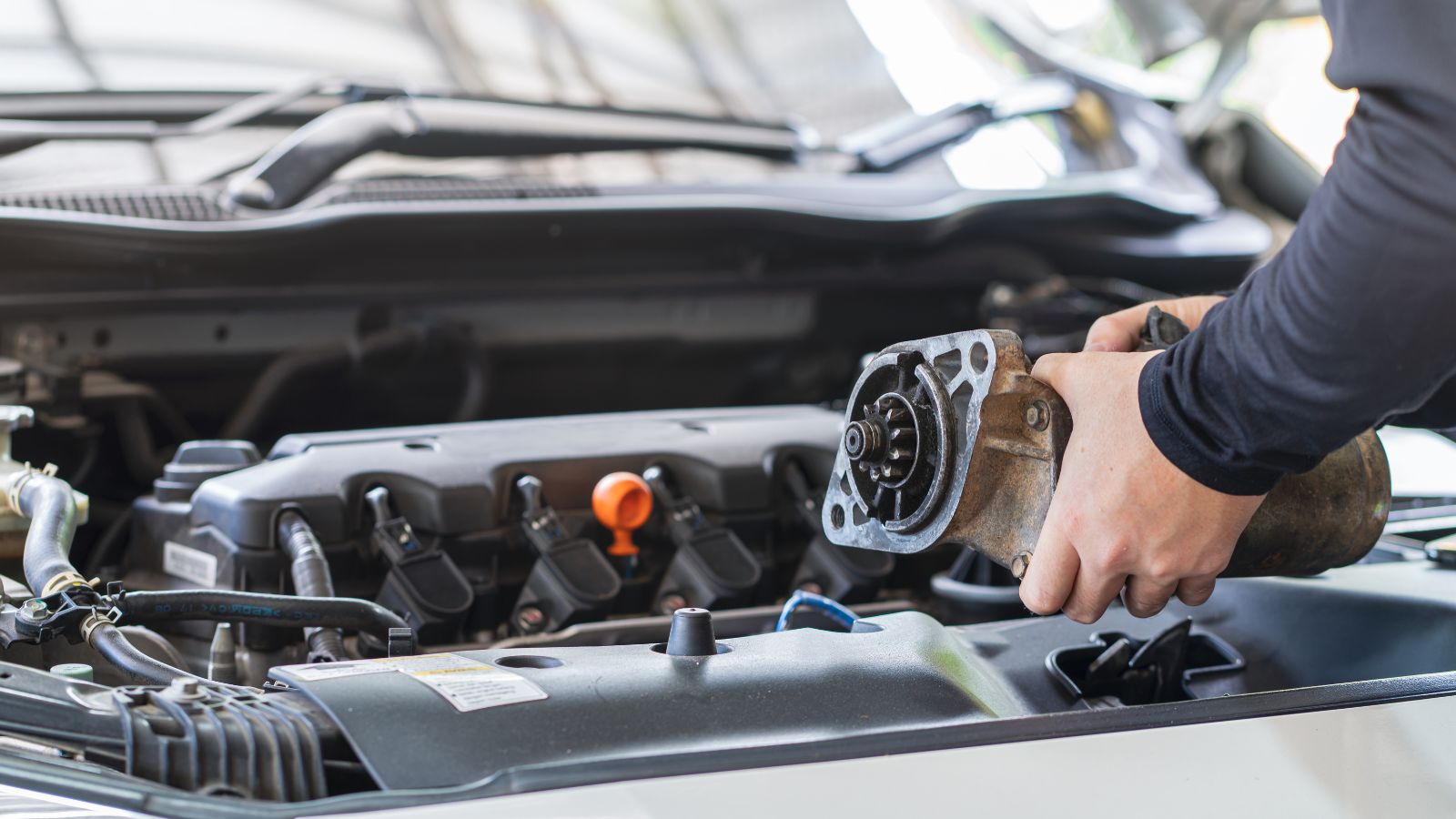
The starter motor converts battery power into the mechanical force needed to turn the engine before combustion takes over. Internal wear, damaged electrical contacts, a failing solenoid, or mechanical problems can gradually reduce its performance. A weak starter can therefore mimic battery trouble, particularly when cold weather increases the amount of work required to rotate the engine.
Sound provides useful clues, although it is not a complete diagnosis. Rapid repeated clicking commonly points toward inadequate electrical power, while a strong single click with bright dashboard lights can make the starter circuit more suspicious. A starter that sometimes engages and sometimes remains silent can also indicate an intermittent electrical or mechanical fault. Because battery condition, cable resistance, grounds, starter draw, and the starter itself are closely related, testing the complete starting circuit is more reliable than replacing parts based on sound alone. October is a sensible time to investigate any starter that has become noticeably slower or less consistent before colder weather increases the load.
A Charging System That Is No Longer Keeping Up
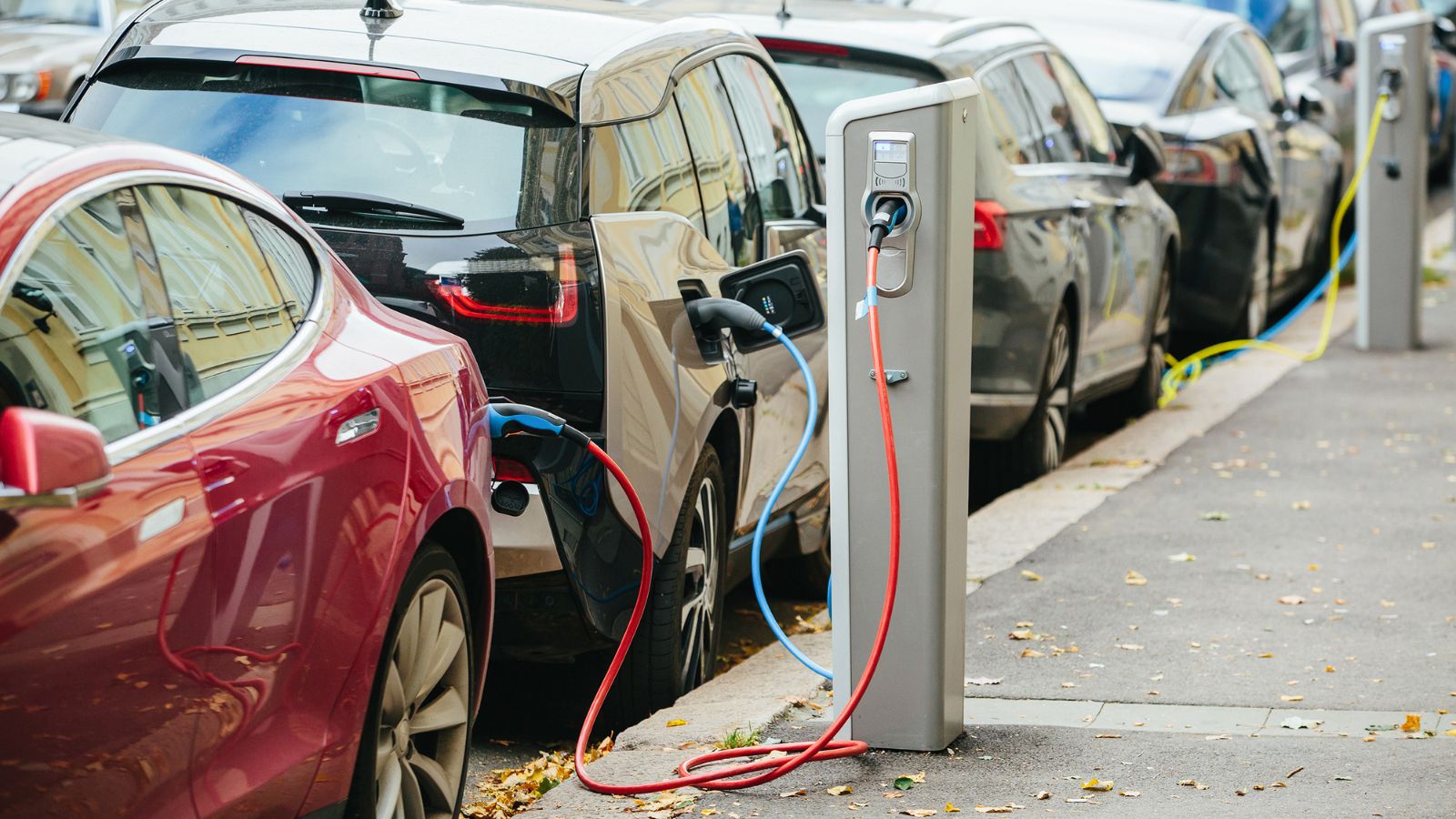
The battery supplies the initial energy required to start a conventional vehicle, but the alternator must replenish that energy once the engine is running. If charging output is inadequate, each drive can end with the battery slightly less charged than it should be. Eventually, the next cold morning exposes the shortage even though the battery itself may not have been the original cause.
Warning signs can include a charging-system or battery symbol on the dashboard, dim or flickering lights, repeated dead batteries, unusual electrical behaviour, or a vehicle that starts after a boost but later becomes discharged again. Alternator faults are only one possibility; belts, wiring, connections, control systems, and battery condition also affect charging performance. Modern charging strategies can be considerably more sophisticated than the constant-voltage systems used decades ago, so simple assumptions based on one voltage measurement are not always sufficient. A proper charging-system test can determine whether the battery is being restored adequately between starts.
A Failing Crankshaft Position Sensor
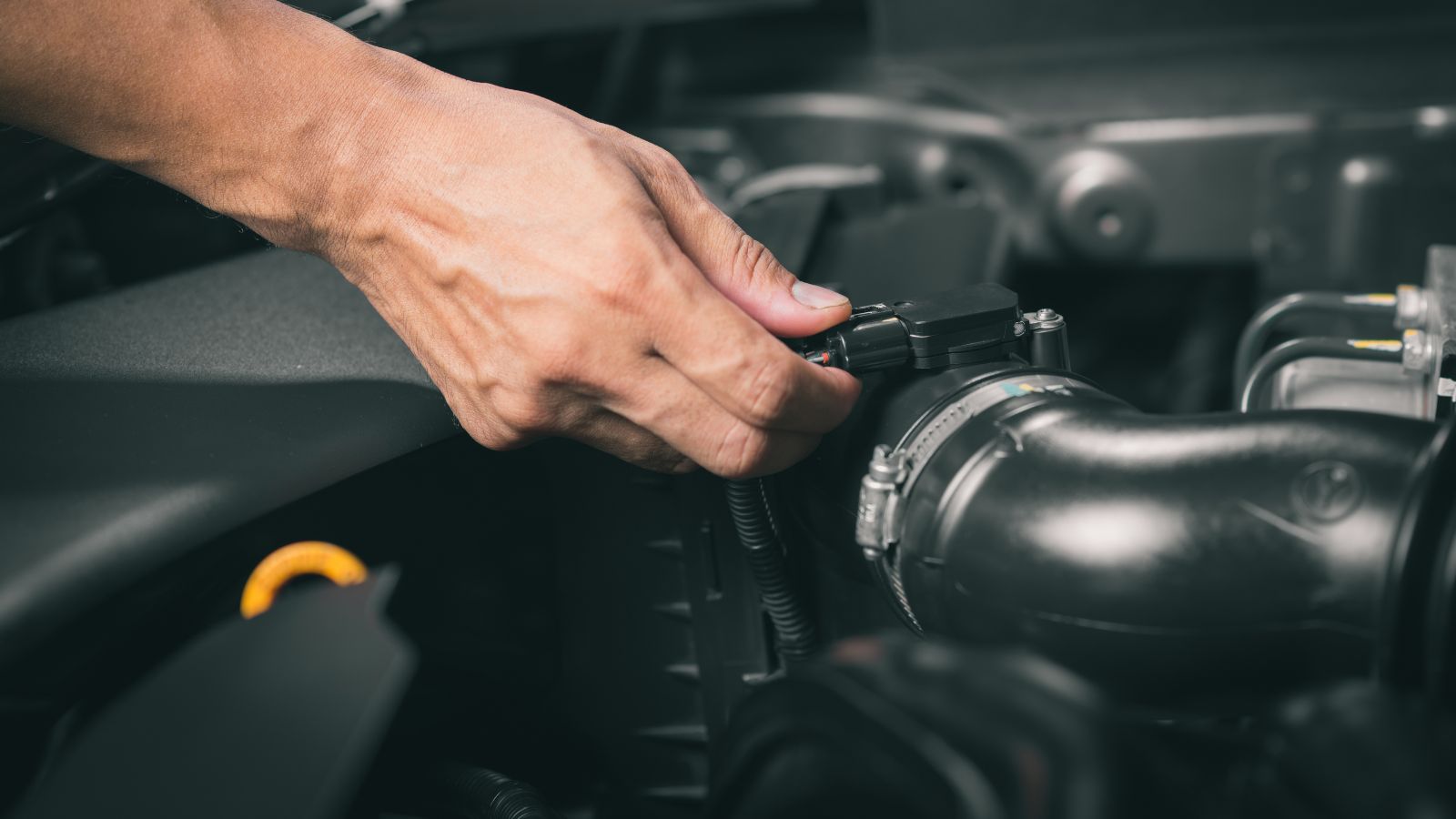
The engine computer needs accurate information about crankshaft position and rotational speed to coordinate ignition and fuel injection. A crankshaft position sensor or its wiring provides that critical timing information on many modern engines. If the signal disappears or becomes unreliable, the engine can crank strongly while the computer lacks the information it needs to trigger combustion correctly.
This fault can be particularly confusing because an intermittent sensor may behave normally much of the time. Depending on the type of failure, the vehicle may take longer to start, stall unexpectedly, refuse to restart, or simply crank without firing. A stored diagnostic trouble code can provide a useful clue, but not every intermittent fault immediately turns on a warning light. Scan-tool data showing whether the control module sees engine speed during cranking can be valuable during diagnosis. Unlike a weak battery, a sensor-related no-start may still produce normal cranking speed and bright lights, making the distinction between “won’t crank” and “cranks but won’t start” especially important.
Weak or Failed Glow Plugs in a Diesel
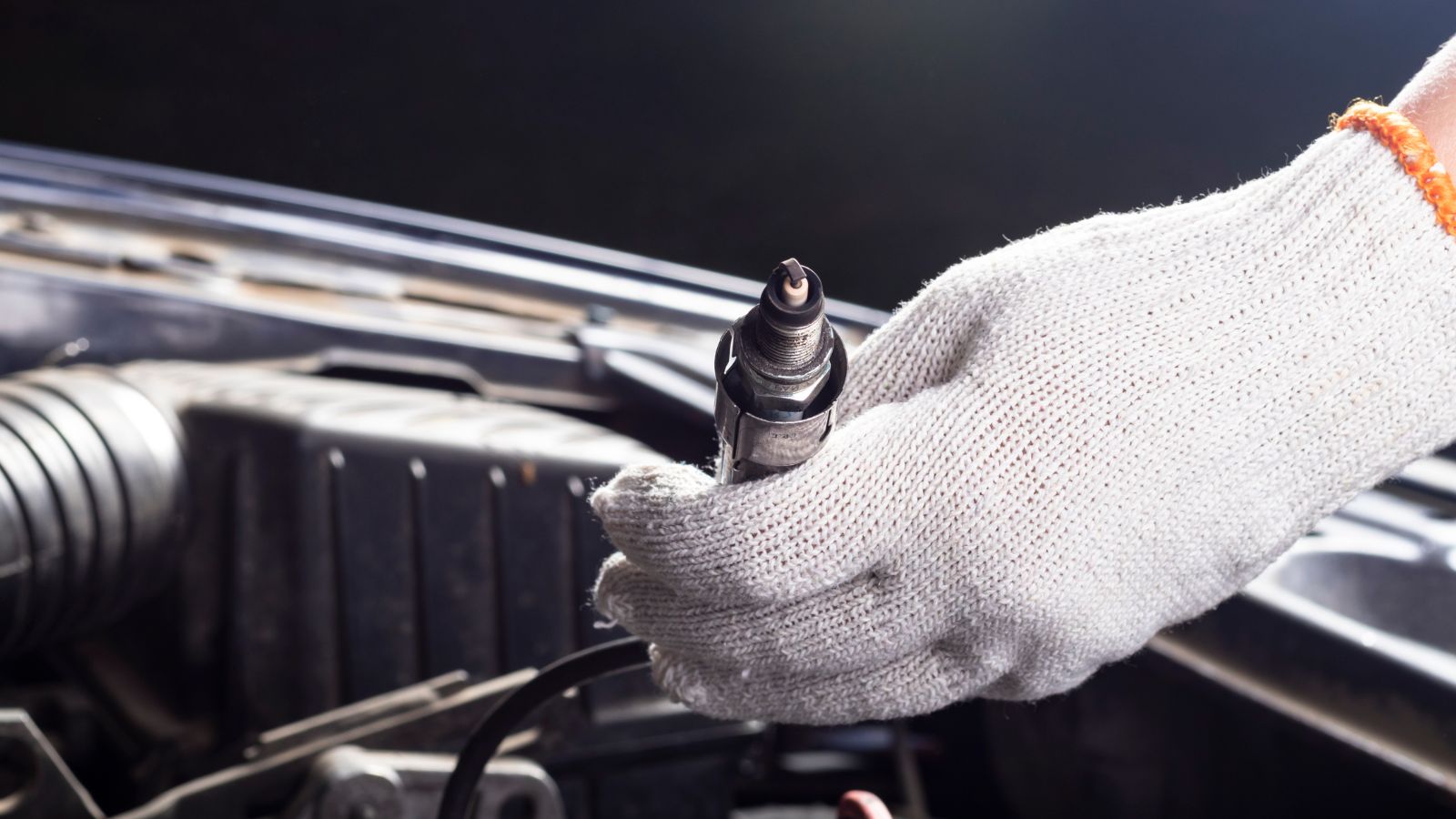
Diesel engines ignite fuel primarily through heat generated by compression rather than an electrical spark. When the engine is cold, creating sufficient heat becomes more difficult, which is why many light-duty diesels use glow plugs or other intake-heating systems to assist with starting. A glow plug can deteriorate without creating much inconvenience in warm weather, only for its weakness to become obvious as autumn temperatures decline.
One failed plug may produce only roughness immediately after startup on some engines, while multiple failures can result in much longer cranking, white exhaust smoke, misfiring, or a complete cold-start failure. The glow plugs themselves are only part of the system; relays, modules, wiring, sensors, and power supplies can also prevent proper preheating. Diesel owners who notice that starting difficulty closely follows falling temperature have a useful diagnostic clue. Testing the system before deep winter is far preferable to discovering several failed glow plugs on the first morning when temperatures plunge well below freezing.
Diesel Fuel Beginning to Struggle With Cold Conditions
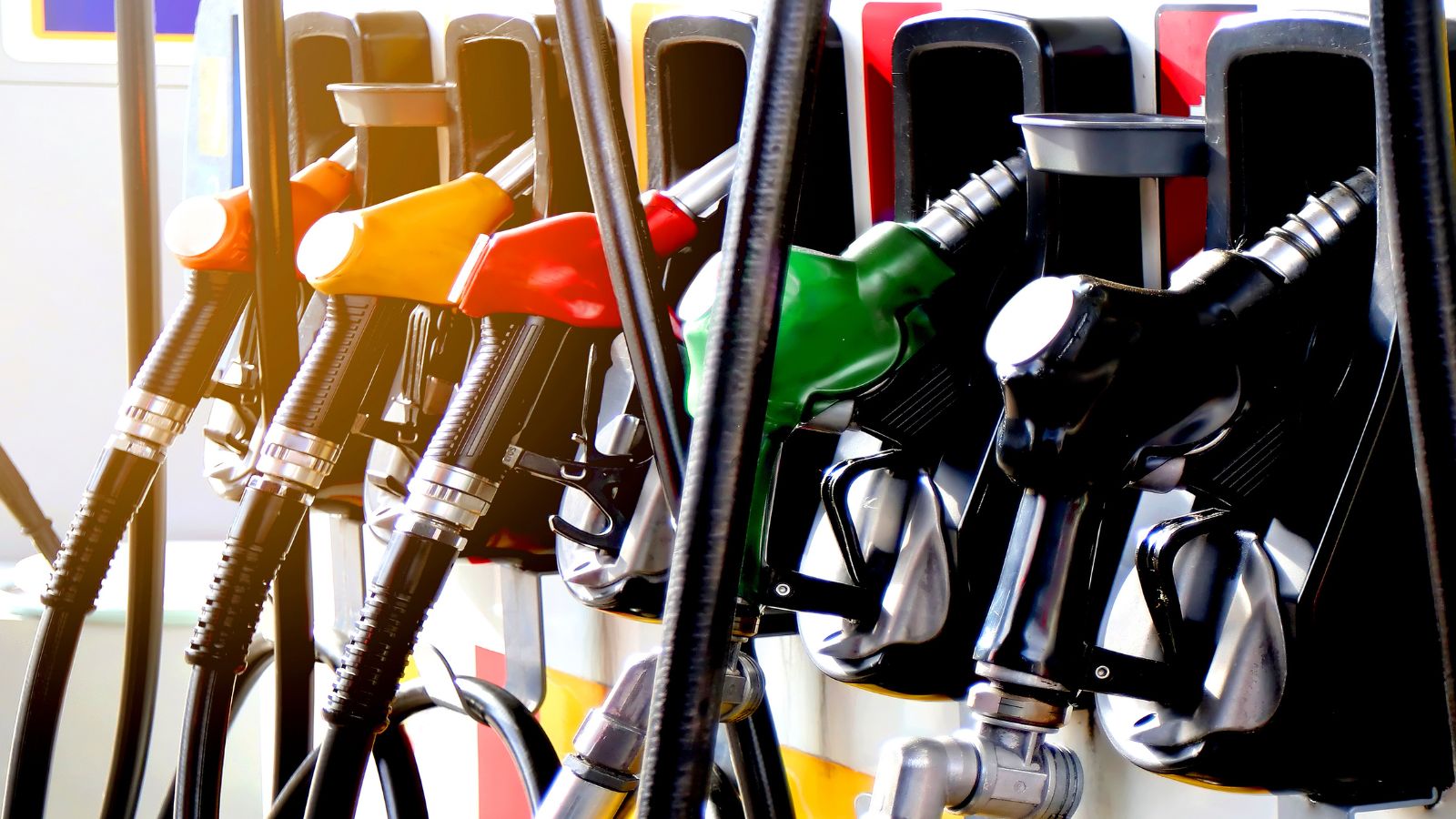
Diesel contains components that can form wax crystals as fuel temperature falls. At sufficiently low temperatures, those crystals can restrict passage through the fuel filter and interfere with fuel delivery. The exact temperature is not universal because cold-flow behaviour depends on the fuel’s formulation, seasonal blend, region, biodiesel content, additives, and other characteristics.
This is especially relevant during seasonal transitions. Canadian fuel standards and suppliers account for regional cold conditions, but diesel that has been stored for a long period or purchased under warmer seasonal conditions may not have the same low-temperature performance as fuel formulated for later winter weather. Natural Resources Canada notes that petroleum diesel and biodiesel blends can develop crystals in cold conditions and advises using fuel appropriate for the expected season and region. October problems are more plausible in colder parts of Canada than in mild regions, but early cold snaps can still expose marginal fuel-flow conditions. Filter maintenance also matters because an already restricted filter provides less tolerance for additional cold-weather restriction.
Key-Fob or Immobilizer Recognition Problems
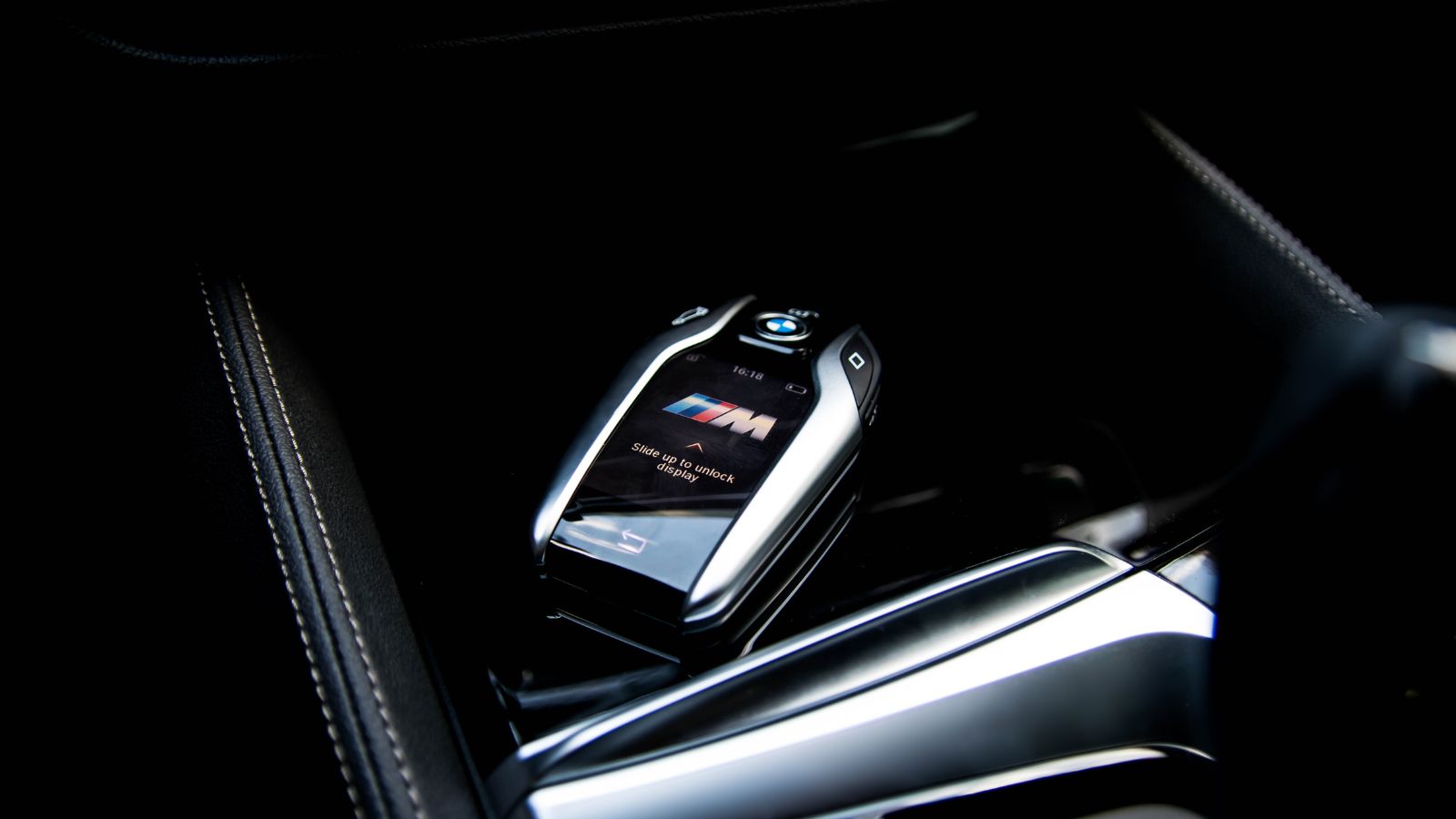
Not every no-start begins under the hood. Push-button vehicles must recognize an authorized smart key before allowing normal starting. A weak key-fob battery can reduce communication range or trigger a “key not detected” message, while faults involving transponders, antennas, immobilizers, or related electronics can prevent authorization even when the vehicle’s main 12-volt battery is healthy.
The symptoms are different from a traditional weak-battery start. The engine may not crank at all, a security indicator may appear, or the dashboard may specifically report that no key is present. Many automakers provide a backup procedure that allows the vehicle to recognize a fob with a depleted battery by positioning it in a specific location or holding it near the start button, but the method varies by model. Consulting the owner’s manual is safer than assuming every push-button system works the same way. If a spare key functions normally while the primary key does not, that comparison can also help narrow the diagnosis.
Summer Heat Damage Finally Catching Up With the Battery
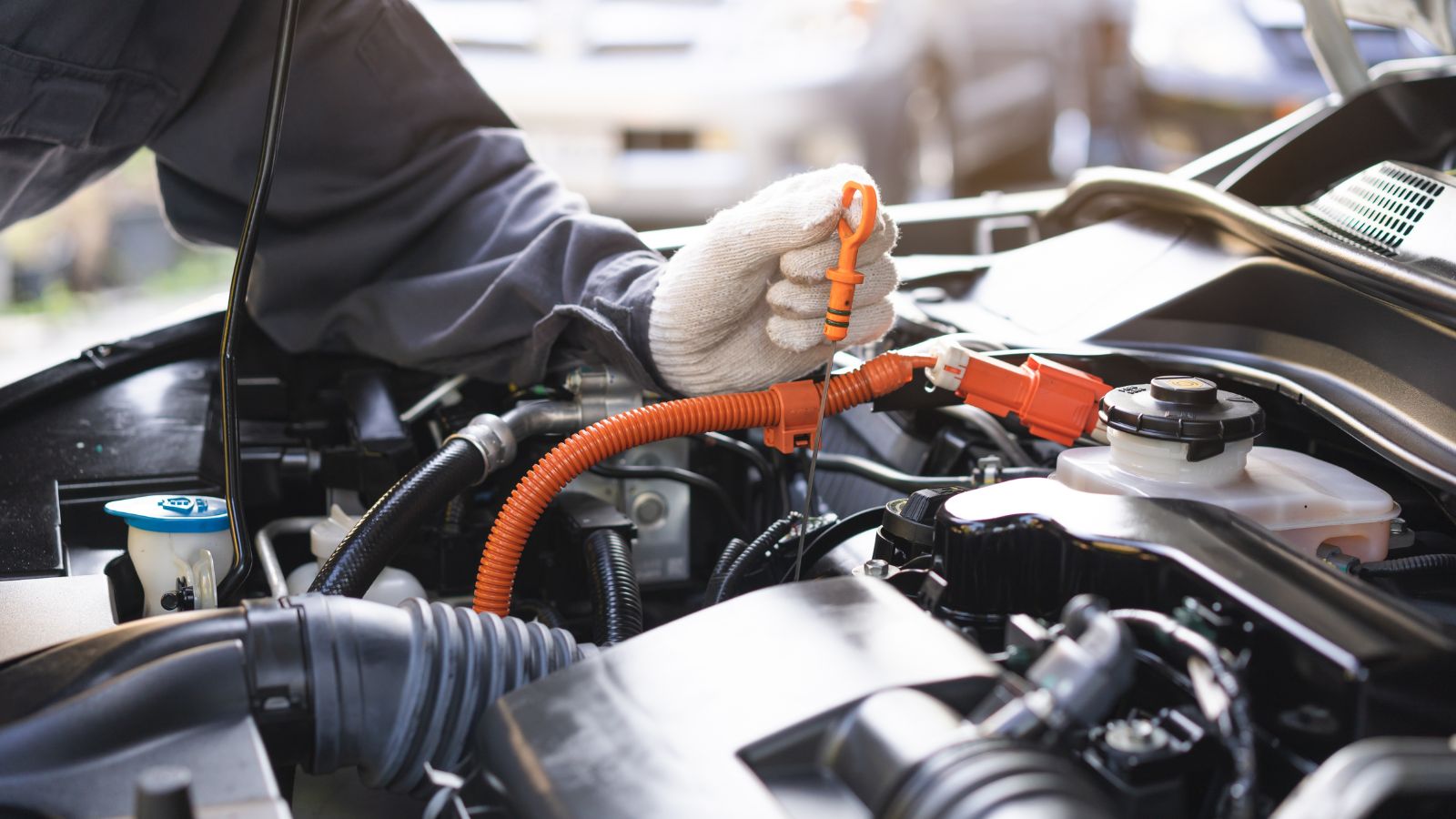
One of the more counterintuitive reasons for an October battery failure can be the summer that just ended. High temperatures accelerate chemical reactions and internal deterioration in lead-acid batteries. Heat can therefore reduce battery capacity and shorten its service life even though the actual no-start does not occur until weeks or months later.
The seasonal sequence creates a misleading impression. The battery survives July and August, so it appears healthy. Then October arrives, overnight temperatures decline, the available cranking power falls, and the engine begins demanding more effort during startup. Suddenly the vehicle struggles to start, making the cold morning look like the cause when it may simply have revealed damage accumulated during hotter weather. Current AAA guidance specifically recommends considering battery testing after summer as colder weather approaches. For drivers, that makes October an unusually useful diagnostic window: a slightly slow crank now can provide advance warning of a battery that may have very little reserve left for the much colder mornings still ahead.
19 Used Cars Canadians Should Avoid in 2026 (Based on Owner Complaints)

Buying a used car in Canada can feel safe until repair bills start stacking up. Owner complaints tell a different story than glossy listings. Transmission failures, electrical problems, and weak winter reliability show up again and again in consumer reports. Many of these issues appear after warranties expire, when owners least expect them. Some vehicles look affordable upfront, but become expensive to keep on the road. Others struggle in cold weather, urban driving, or long highway commutes. Here are 19 used cars Canadians should avoid in 2026 (based on owner complaints).
19 Used Cars Canadians Should Avoid in 2026 (Based on Owner Complaints)

Alanna Rosen is an experienced content writer that focuses on many EV and educational content. Her articles are regularly published on Get CyberTrucked and syndicated on large publications.