A traffic stop does not always begin with dramatic speeding or reckless driving. Sometimes the detail that catches an officer’s attention is far smaller: a dark window, a burned-out lamp, an unreadable plate or a load that does not look secure. Provincial traffic rules vary across Canada, but many of the same basic issues appear repeatedly in vehicle and road-safety laws.
These 19 things can make a vehicle more likely to attract police attention because they involve observable driving behaviour, required equipment or conditions that may justify further investigation. Ontario rules provide many of the concrete examples here, with other Canadian jurisdictions included where useful. None guarantees a stop, and enforcement decisions depend on circumstances, but each has a legitimate road-safety or legal basis behind it.
Speeding That Clearly Stands Out
Speeding remains one of the most straightforward reasons for a police officer to initiate a traffic stop. A vehicle moving noticeably faster than surrounding traffic can attract attention even before its exact speed is measured. On a quiet suburban road, for example, a car travelling well above the posted limit can be conspicuous from a considerable distance. The same principle applies on highways, although higher traffic volumes sometimes make relative speed differences more obvious than they would be on an empty road.
Ontario’s Highway Traffic Act establishes maximum speeds and penalties for exceeding them, with fines increasing as the amount over the limit rises. That makes speed different from many subjective vehicle issues: there is usually a measurable number involved. Drivers sometimes assume that travelling at the same speed as several other vehicles provides protection from enforcement, but traffic laws do not create an exemption simply because others are also speeding. A car visibly pulling away from traffic may therefore become the easiest vehicle for an officer to identify.
Rolling Through a Stop Sign
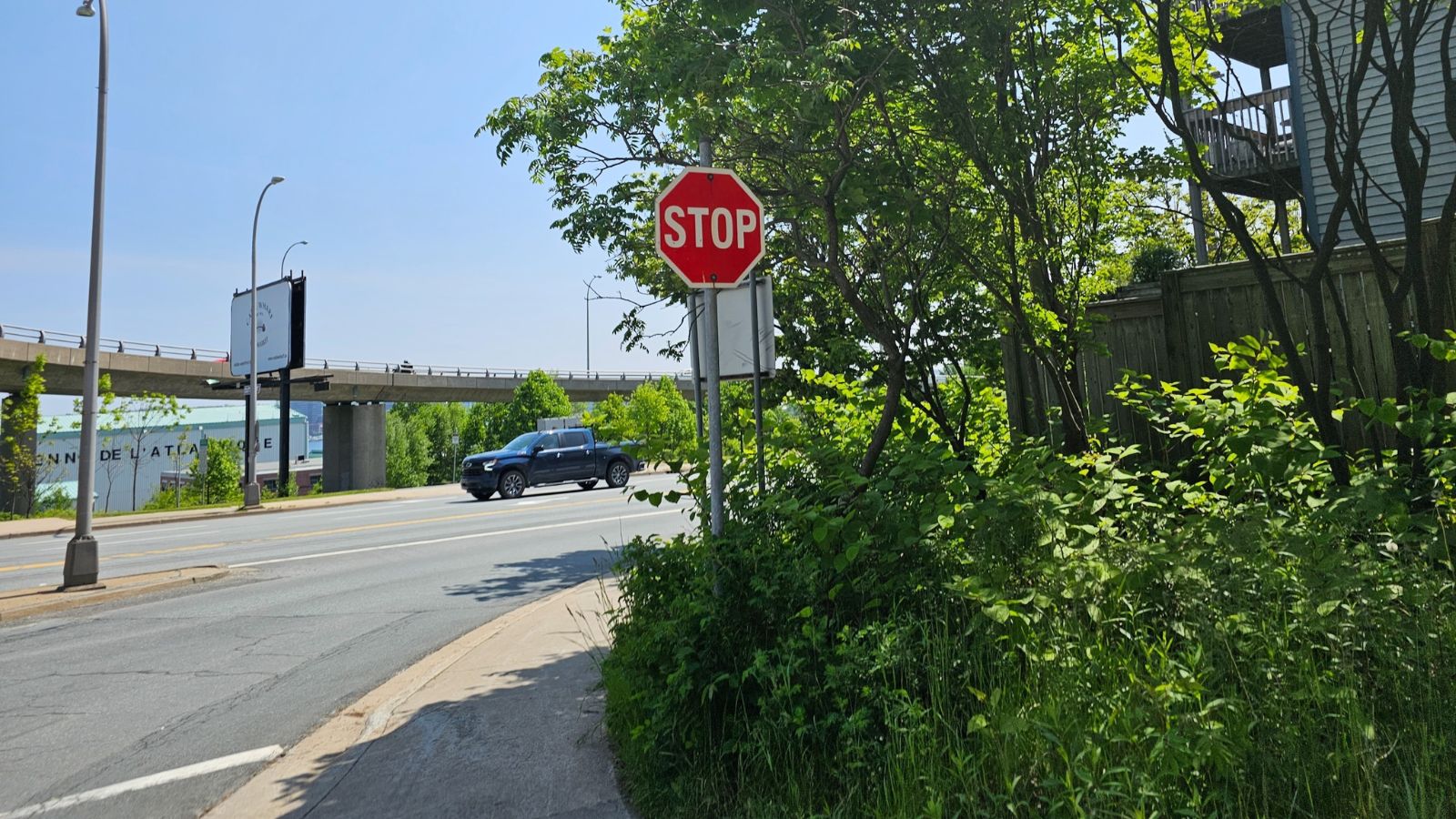
The familiar “rolling stop” can look harmless when an intersection is empty, yet it remains an observable traffic violation where a complete stop is required. A driver who slows to walking speed, checks both directions and continues without the wheels fully stopping may feel that the manoeuvre accomplished the same safety goal. Legally, however, slowing and stopping are not necessarily interchangeable.
Ontario law requires a driver approaching a stop sign to stop at the marked stop line or, where there is no line, before the crosswalk or intersection as specified by the legislation. That gives officers a relatively simple behaviour to observe from a nearby cruiser or intersection. The difference between a proper stop and a slow roll can be particularly noticeable late at night when traffic is light. Drivers may also attract attention by stopping far beyond the line, entering a pedestrian crossing or moving through before yielding properly. The safest approach is also the easiest legally: bring the vehicle to a genuine stop in the correct position.
Changing Lanes Without Signalling
A forgotten turn signal may seem like one of the smallest mistakes on the road, especially when the nearest vehicle appears far away. Yet lane changes are precisely the kind of movement officers can observe without specialized equipment. When several quick changes happen together, the absence of signalling becomes even more noticeable.
Ontario’s Highway Traffic Act says drivers changing lanes, turning or leaving the roadway must first ensure the movement can be made safely and, when another vehicle may be affected, provide a plainly visible signal. The law also addresses signalling when pulling away from a parked position. A driver darting around slower traffic without indicators therefore creates more than an etiquette problem. It can provide an observable reason for enforcement. Working turn signals matter as well: a driver may move the stalk normally without realizing that a burned-out bulb has prevented anyone outside the car from seeing the signal. A quick lighting check can catch that problem before another road user—or an officer—does.
Following Another Vehicle Too Closely
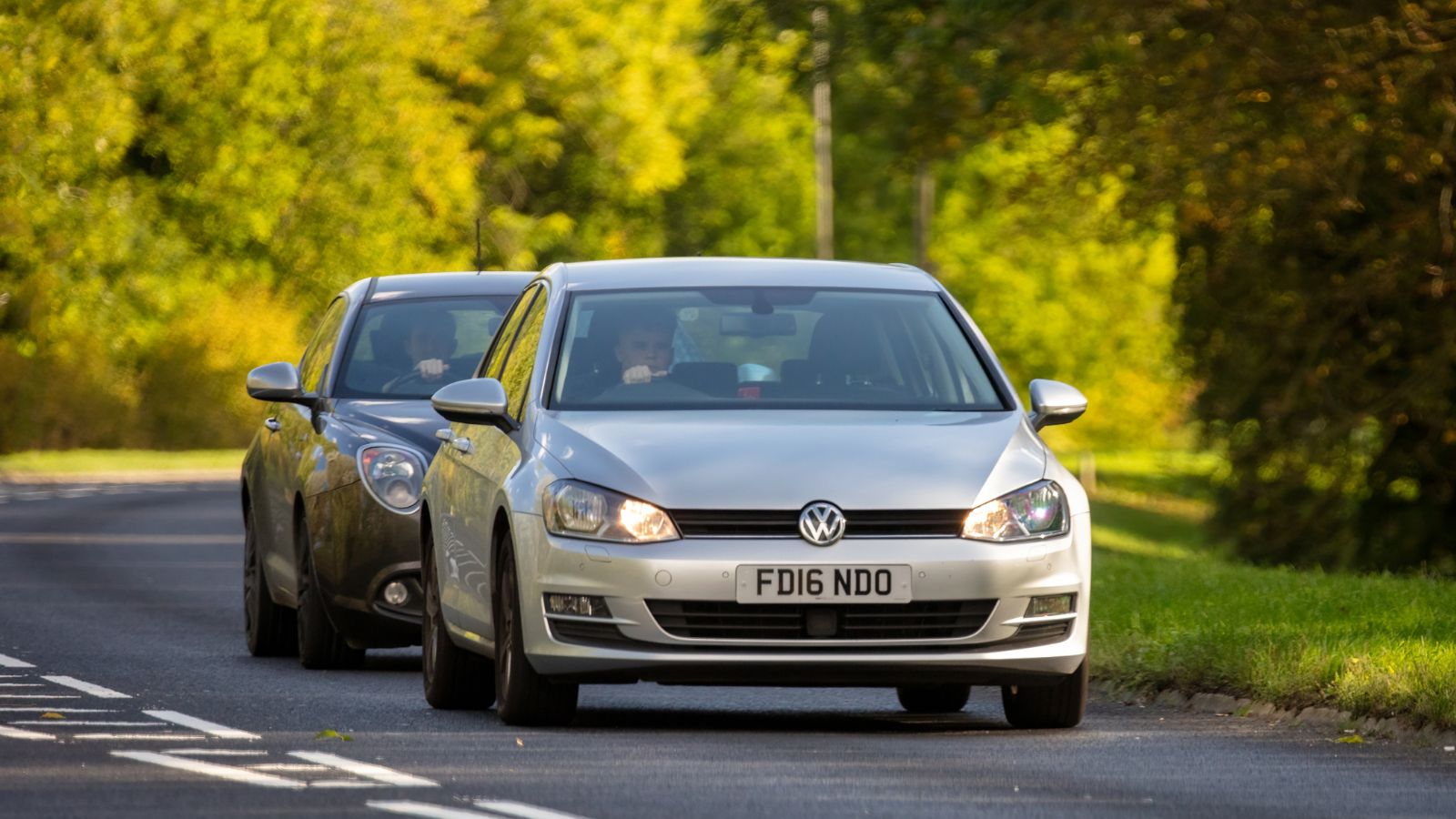
Tailgating can attract attention because the danger is visible without radar, cameras or a mechanical inspection. A vehicle sitting only a short distance behind another at highway speed gives both drivers less room to respond to sudden braking. What feels like an ordinary commuting gap in heavy traffic can become dangerously small as speeds rise.
Canadian provinces commonly address this through a “reasonable and prudent” standard rather than giving every passenger vehicle one universal distance in metres. British Columbia’s Motor Vehicle Act, for example, prohibits following another vehicle more closely than is reasonable and prudent considering speed, traffic and road conditions. Ontario has a comparable rule. Weather matters too. A gap that may be acceptable on dry pavement can become inadequate during freezing rain or heavy snow. Police also identify tailgating and frequent lane changing among behaviours associated with unsafe or potentially impaired driving. One brief closing of the gap may not result in enforcement, but sustained aggressive following is much harder to overlook.
Using a Handheld Phone Behind the Wheel

Few driving behaviours are as visible from the side of a vehicle as a phone held near the steering wheel. Officers in adjacent lanes, at intersections or positioned above traffic may be able to see a driver looking repeatedly toward a device. Even a quick message at a red light can create legal trouble in jurisdictions where the handheld-device prohibition continues while the vehicle is stopped in traffic.
Ontario specifically prohibits holding or using handheld communication and entertainment devices while driving, subject to limited exceptions. Provincial data also show why enforcement receives so much attention. Ontario reported more than 30,000 collisions involving distracted or inattentive drivers in 2022, resulting in nearly 11,000 injuries and 100 deaths. The province states that merely holding a phone while driving can violate the rule. A securely mounted device and permitted hands-free functions are treated differently, but drivers still need to avoid behaviour that becomes careless. A glowing phone in a driver’s hand is therefore not just distracting; it can be an immediately visible enforcement issue.
Weaving or Driving at an Inconsistent Speed
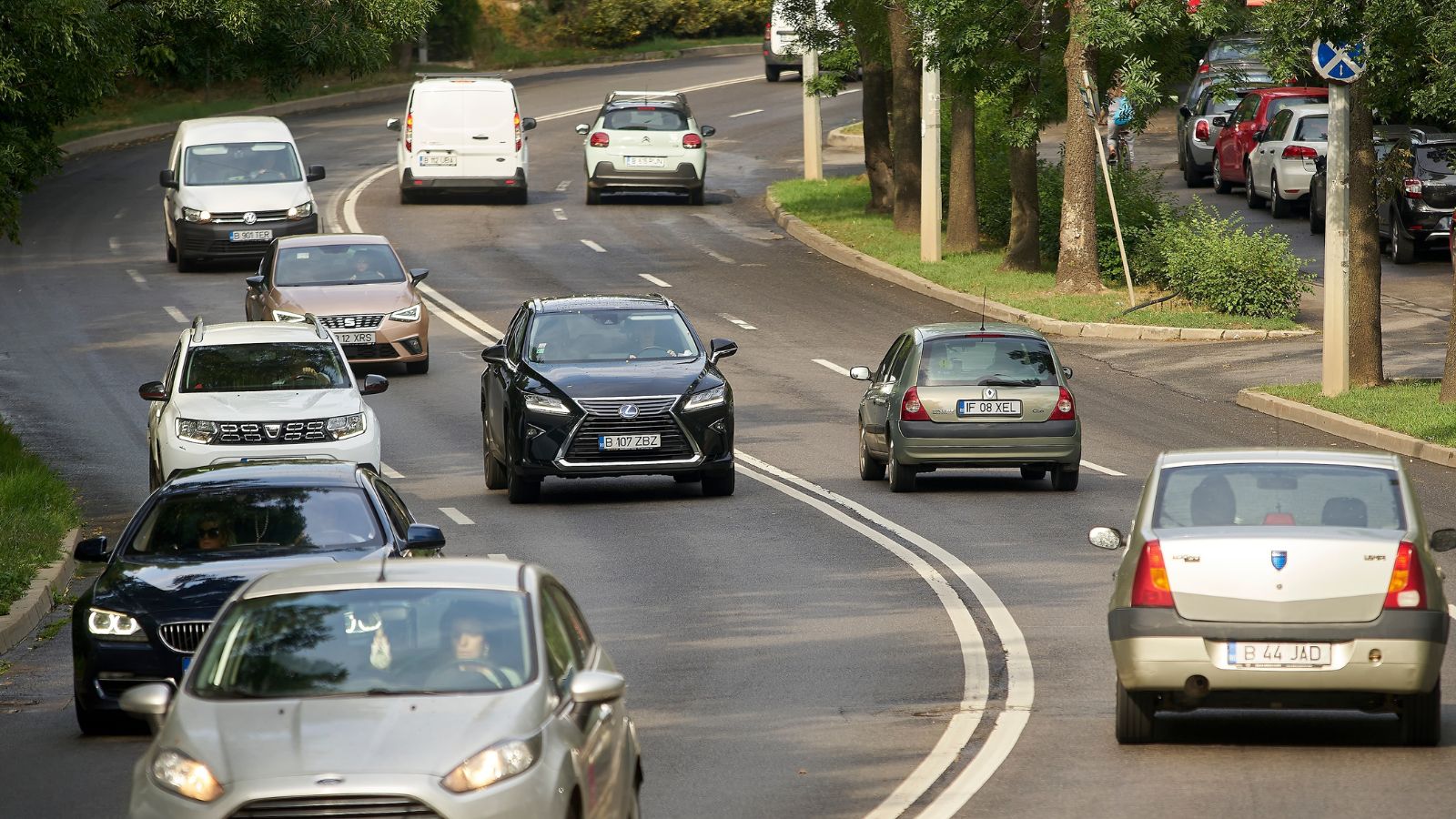
A vehicle repeatedly drifting toward lane markings, correcting suddenly and changing speed for no obvious reason tends to stand out. There can be innocent explanations: fatigue, unfamiliar roads, searching for an address or trying to understand confusing lane markings. Police, however, cannot know the explanation simply by watching the car from behind.
RCMP guidance has identified drifting in and out of lanes, inconsistent speeds, frequent lane changes, unusually wide turns and unusual stopping patterns as behaviours that can be associated with an impaired or unsafe driver. That does not mean weaving proves impairment. It means the driving pattern may prompt an officer to investigate what is happening. Police conducting an impaired-driving investigation consider a range of observations rather than one movement alone. From a driver’s perspective, that makes smooth lane position and predictable speed important for more than comfort. A vehicle that continually behaves differently from surrounding traffic can generate attention even if it is technically below the posted speed limit.
Burned-Out Headlights or Taillights
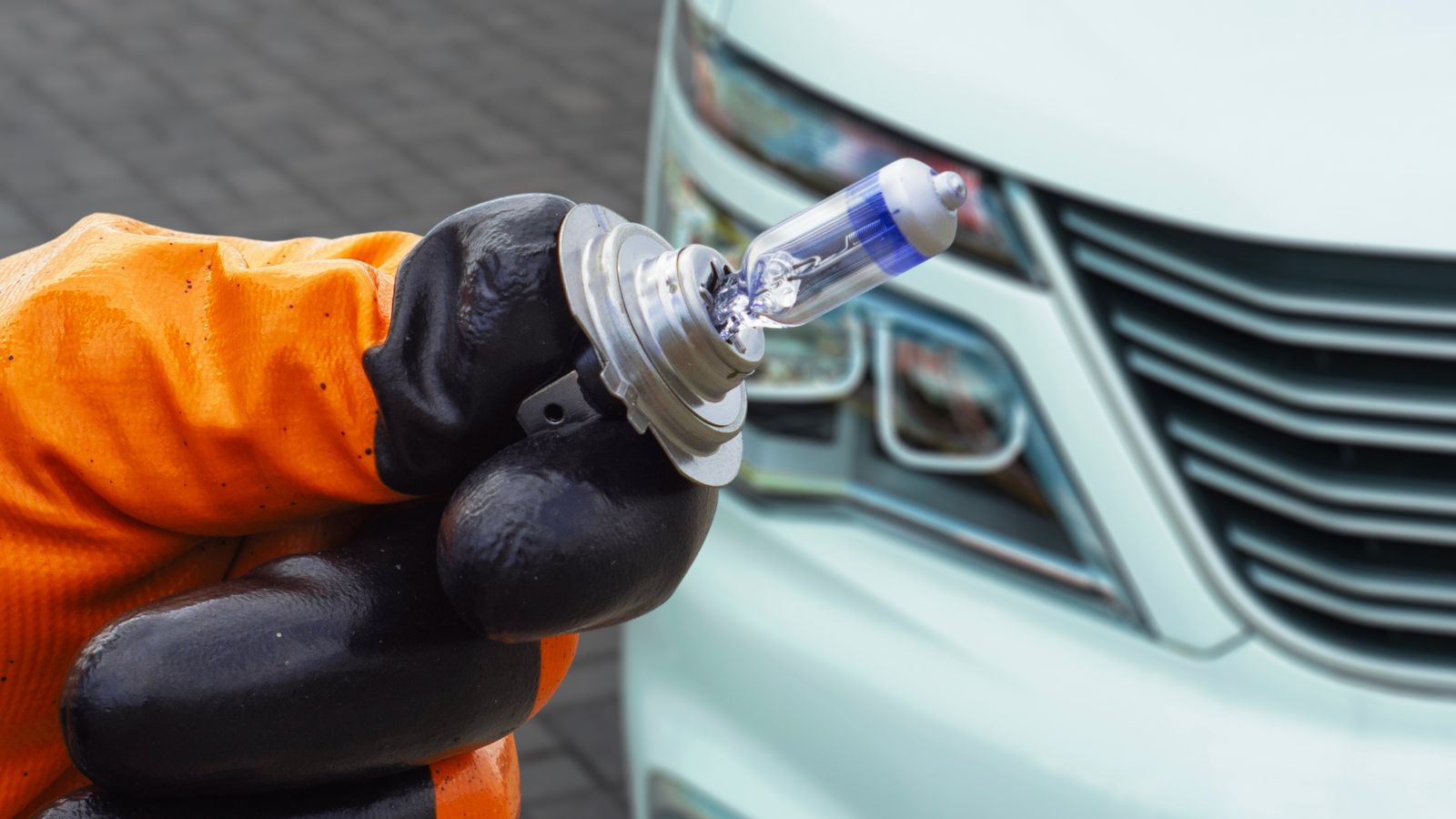
A failed exterior lamp is easy to miss from the driver’s seat. Modern dashboards do not always warn about every burned-out bulb, and a motorist may drive for days without seeing the back of the vehicle while its lights are operating. To a police officer approaching from behind, however, one dark taillight can be immediately obvious.
Ontario law requires specified front and rear lamps during nighttime and other low-visibility conditions. Provincial vehicle-inspection standards also require prescribed lamps and reflectors to operate properly. That means a burned-out bulb is more than a maintenance inconvenience. Lighting helps other road users judge a vehicle’s width, direction and position, particularly during rain, snow and darkness. A single defective lamp may also make a car resemble a motorcycle from a distance or make it harder to determine whether it is moving. Checking headlights, taillights and the licence-plate lamp against a wall or with another person takes only a few minutes and can prevent a very visible equipment problem.
Brake Lights or Turn Signals That Do Not Work
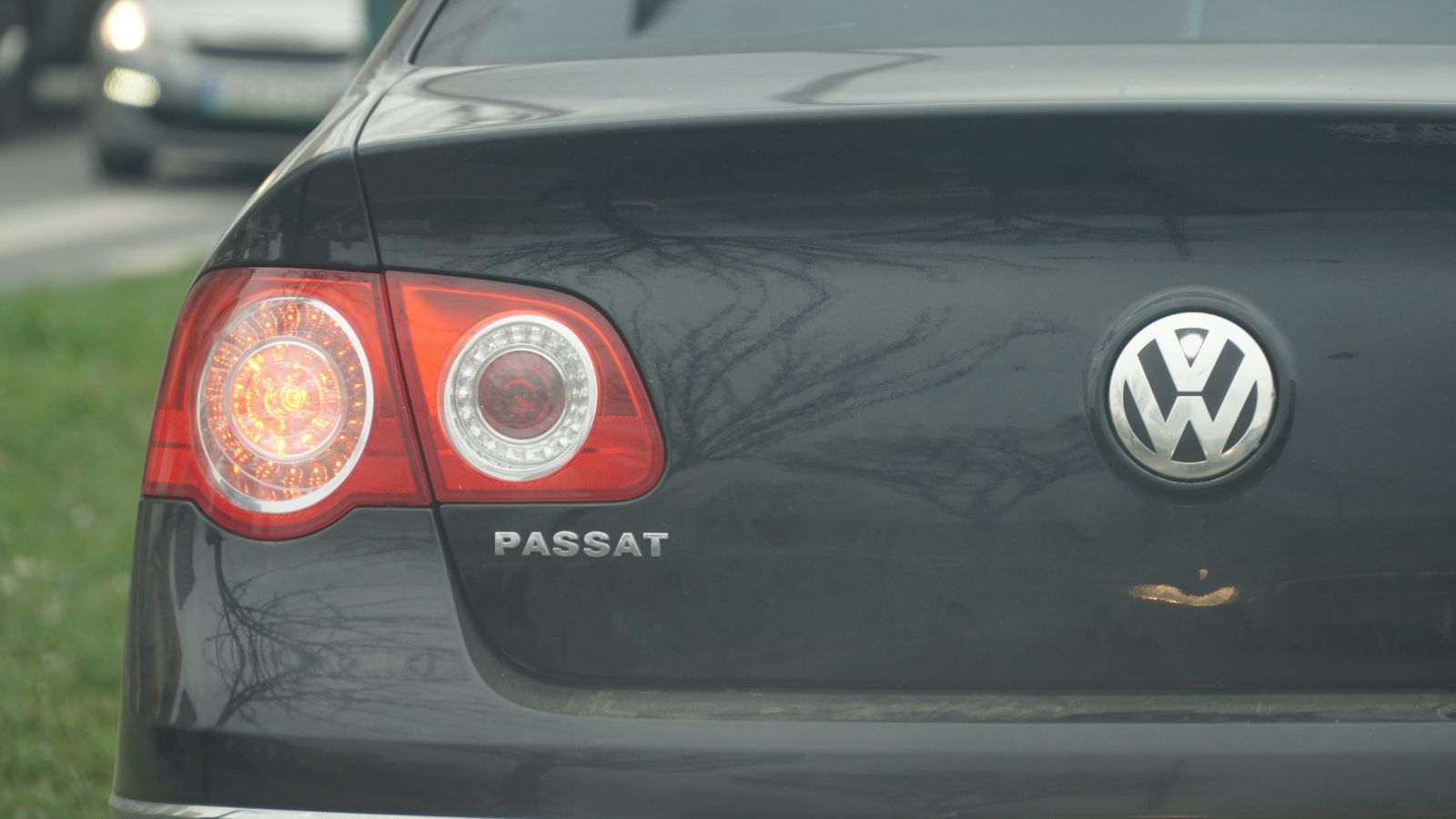
Brake lamps and turn signals communicate what a vehicle is about to do. When they fail, the driver may have no idea that everyone behind is receiving incomplete information. A brake-light switch can fail even when the bulbs are intact, while a burned-out indicator may cause a dashboard signal to flash at an unusual speed on some vehicles.
Ontario safety-inspection rules specifically require brake lights to illuminate when the appropriate control is activated and require turn-signal lamps and the flasher unit to operate properly. The Highway Traffic Act also sets requirements for signalling certain turns, lane movements and stops. This combination makes defective signalling equipment especially noticeable during normal driving. An officer following a car through several turns may notice that the indicator never illuminates, or that pressing the brake pedal produces no red warning light at the rear. Drivers can catch many of these failures by occasionally asking someone to stand behind the vehicle while the brakes, hazards and turn signals are tested.
A Dirty, Covered or Obstructed Licence Plate
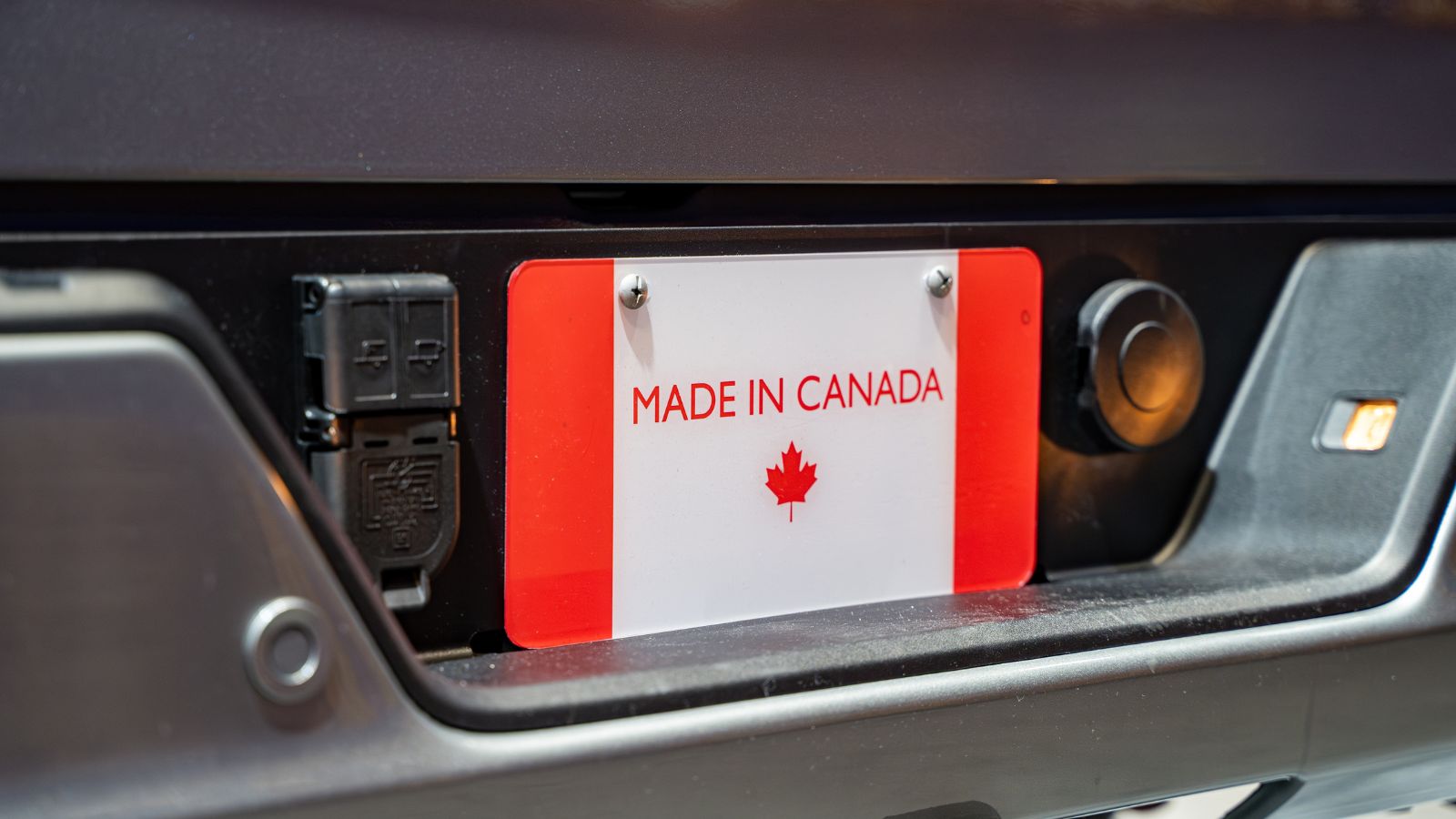
A transparent-looking licence-plate cover may seem harmless, but covers, road grime, bicycle racks and even parts of a vehicle can interfere with a plate’s visibility. Winter makes the issue especially common, when salt and slush can turn a readable plate into a grey rectangle after only a few trips.
Ontario requires number plates to be kept free from dirt and obstruction and positioned so the entire plate, including its numbers, remains plainly visible. The legislation also addresses devices or materials that interfere with certain automated systems or electronic identification. Other provinces have similar visibility requirements. Nova Scotia RCMP, for example, has specifically reminded motorists that plate covers capable of obstructing a plate are prohibited there. This makes the problem unusually easy to avoid. Drivers do not have to wait for a wash day; wiping the plate with a cloth at a fuel stop can restore visibility in seconds. Decorative frames deserve attention too if they overlap letters, numbers or required markings.
Missing Plates or an Invalid Vehicle Permit
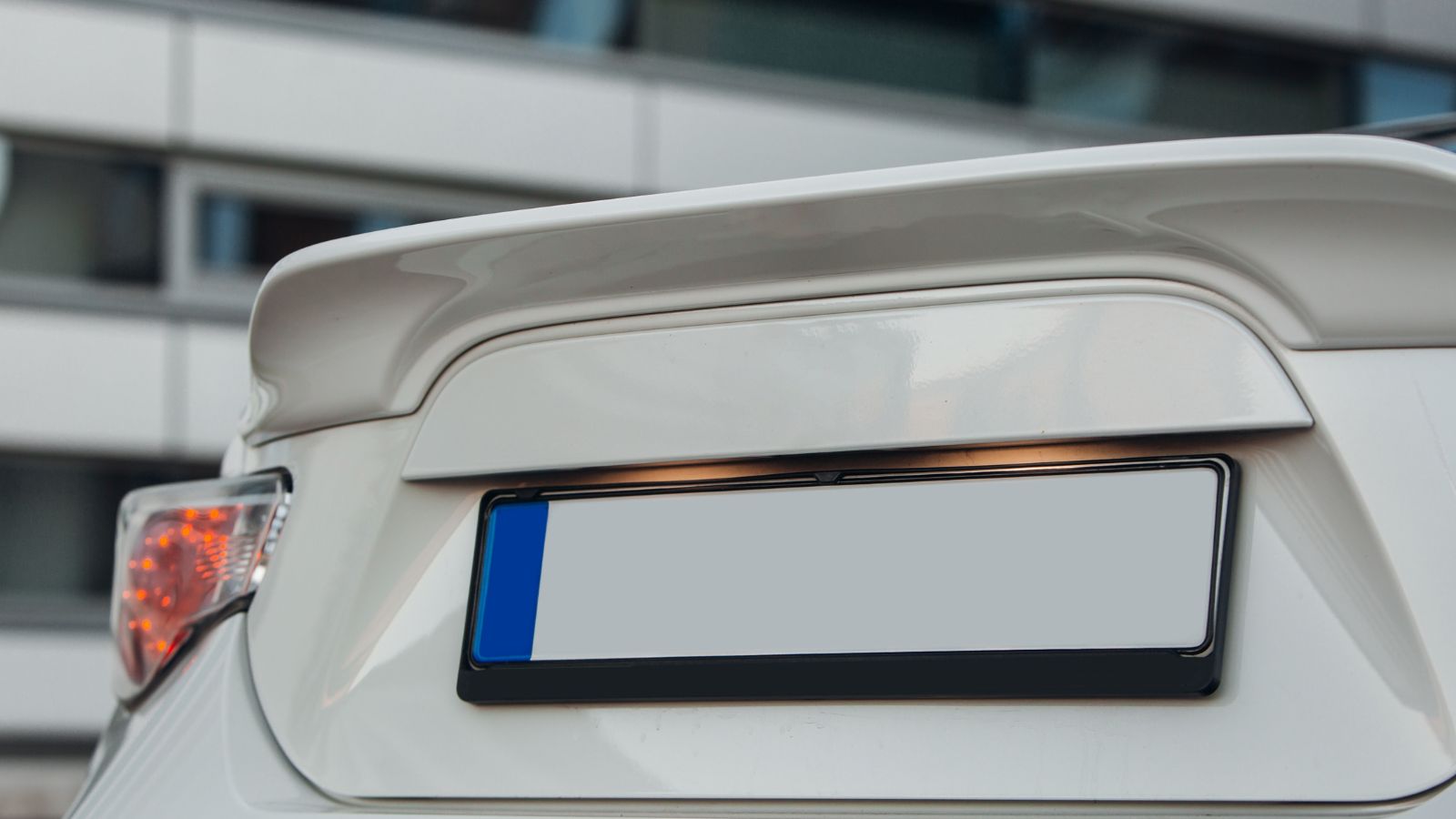
A car with no front plate may look perfectly normal to someone arriving from a jurisdiction where only a rear plate is required. In Ontario, however, ordinary motor vehicles generally require plates displayed conspicuously at both the front and rear, with specific exceptions for categories such as motorcycles and certain historic vehicles.
Ontario law also requires a currently validated vehicle permit. Those requirements make registration details more important than many owners realize, particularly when moving between provinces, transferring ownership or putting a previously stored vehicle back on the road. Something as simple as forgetting to mount a front plate after installing a new bumper can create an obvious visual irregularity. Drivers should therefore avoid assuming that the equipment rules from another province automatically apply after relocation. Plate quantities, positioning, permit procedures and exemptions can differ across Canada. Checking the rules where the vehicle is registered is far less complicated than discovering the difference during a roadside conversation with an officer.
Window Tint That Is Too Dark
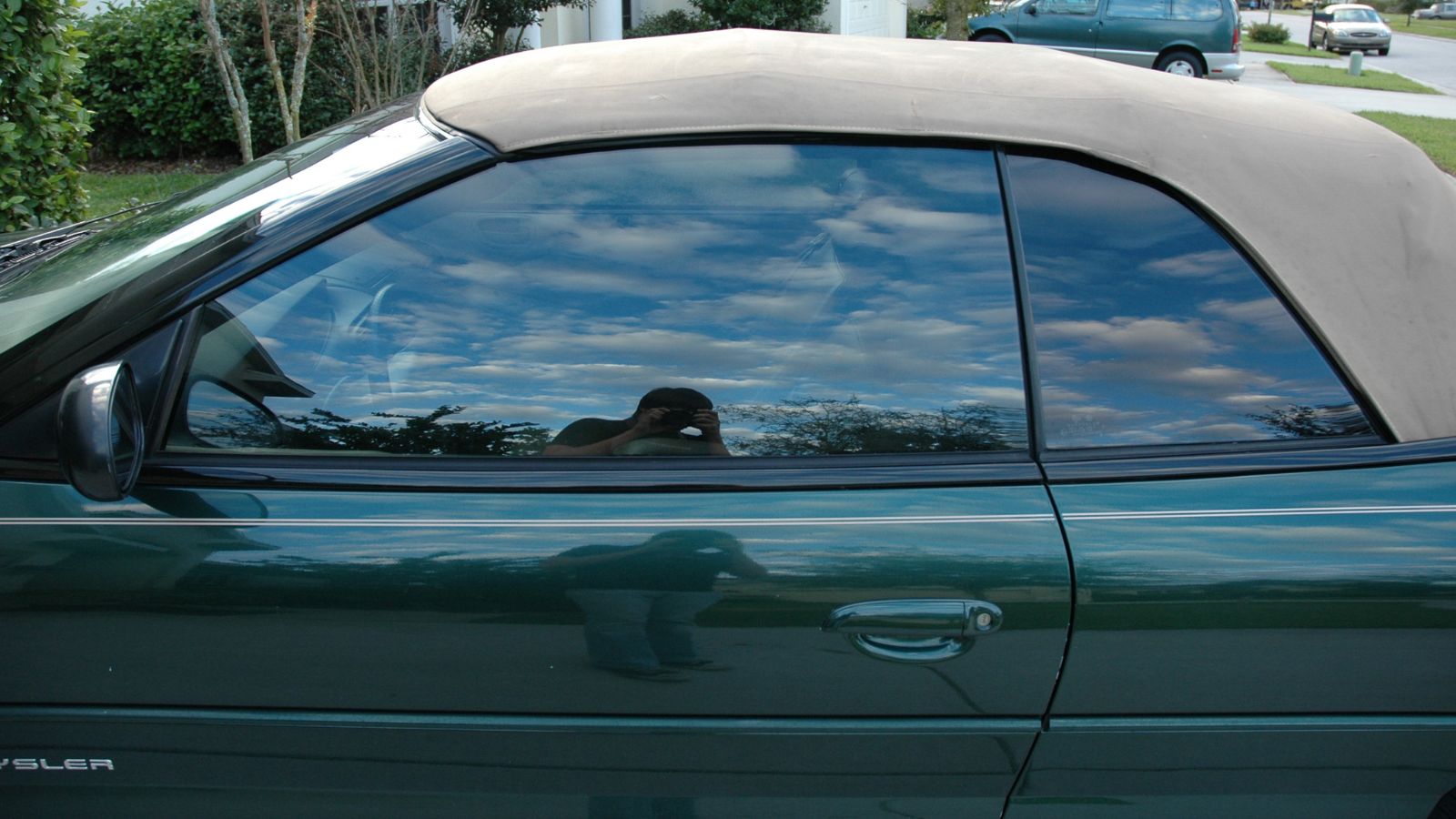
Dark tint is one of the modifications most likely to create confusion because the rules are not identical across Canada. A tint level that is permitted on a rear passenger window may be restricted on a windshield or front side window. A vehicle imported or purchased in another province can therefore arrive with glass that does not fit local requirements.
Ontario law prohibits coatings that obstruct the driver’s view and also restricts coloured or reflective material on the windshield or windows directly beside the driver when it substantially obscures the vehicle’s interior from outside. British Columbia uses different regulatory wording, while Nova Scotia RCMP has reminded drivers that aftermarket tint on front side windows and windshields is prohibited there. The important point is that “a tint shop installed it” does not automatically mean the vehicle complies everywhere. Tint rules have both visibility and enforcement-safety purposes. When front glass becomes noticeably dark, it can be an easy feature for police to see before any other problem appears.
A Windshield That Does Not Provide a Clear View

A small stone chip is not automatically the same thing as an illegally obstructed windshield. The more important issue is whether the condition of the glass—or something attached to it—interferes with the driver’s required view. Large cracks, opaque stickers, dangling accessories or badly positioned electronic mounts can turn a minor annoyance into a safety concern.
Ontario law requires the windshield and side windows around the driver to provide a clear view to the front and sides. Separate provisions restrict signs, posters and other objects when they obstruct the view of the highway or an intersecting road. Ontario’s current set-fine schedule even contains specific entries for obstructed windshields, obstructed windows and lack of a clear view. That makes placement worth considering before mounting a phone, dash camera, navigation screen or parking pass near the glass. A device that seems tiny while the vehicle is parked can hide a pedestrian, cyclist or approaching vehicle when positioned directly in a critical sight line.
An Excessively Loud or Modified Exhaust
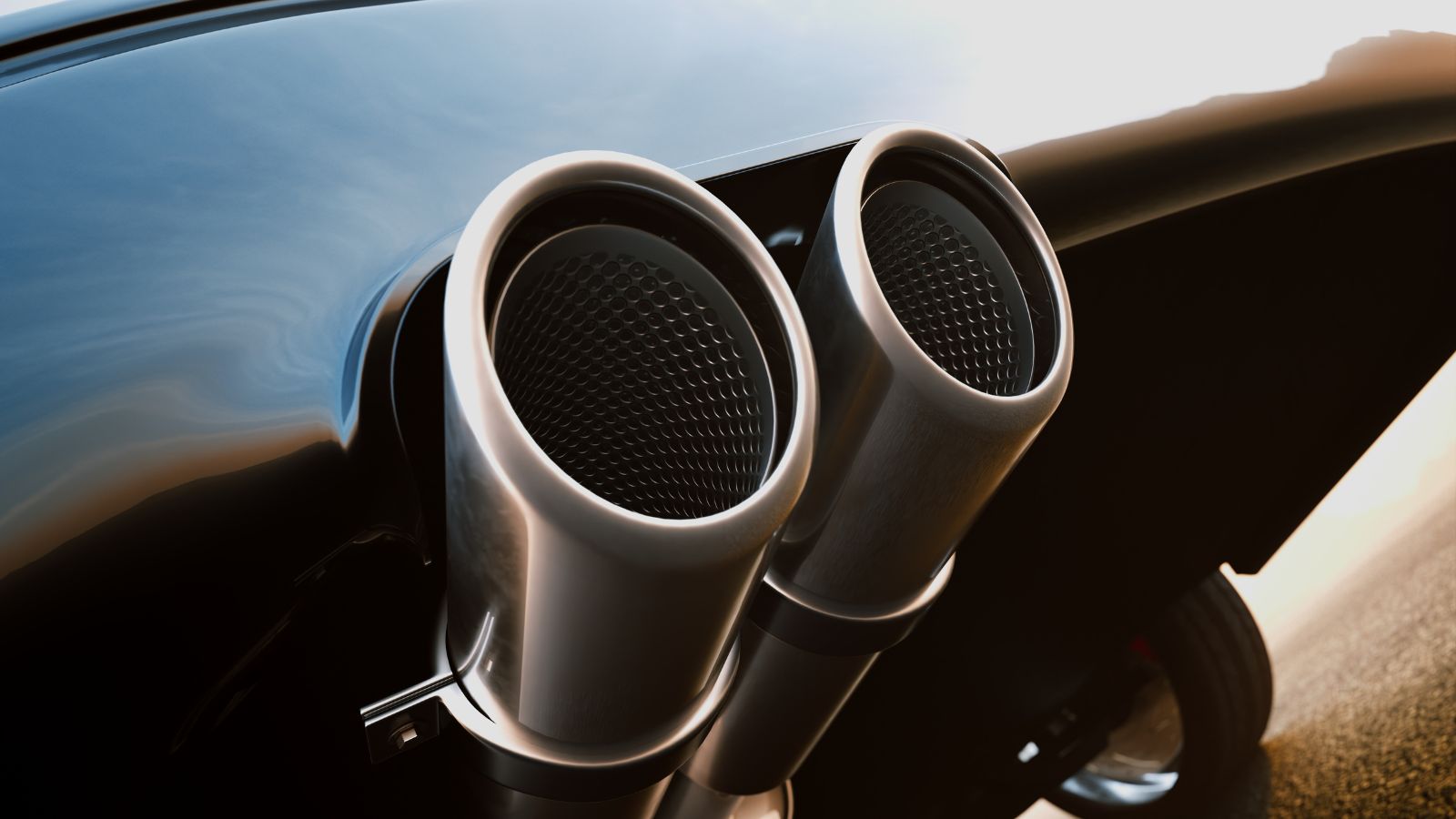
A loud exhaust announces a vehicle’s presence long before anyone reads its licence plate. That may be the point for an enthusiast who enjoys a deeper engine note, but exhaust modifications can cross from personal preference into equipment and noise rules.
Ontario requires motor vehicles covered by the provision to have a muffler in good working order and prohibits several devices or arrangements intended to bypass normal muffling. The Highway Traffic Act also prohibits unnecessary vehicle noise. Local bylaws may add further noise restrictions, meaning legality can depend on more than the provincial statute alone. Not every performance exhaust is automatically unlawful, and factory sports cars can be loud without being illegally modified. The enforcement concern is more specific: unusual or excessive noise, missing or bypassed muffling equipment, or deliberate behaviour that creates unnecessary noise. Revving aggressively through a quiet neighbourhood can therefore draw attention to a vehicle that might otherwise have passed unnoticed.
Excessive Smoke Coming From the Vehicle
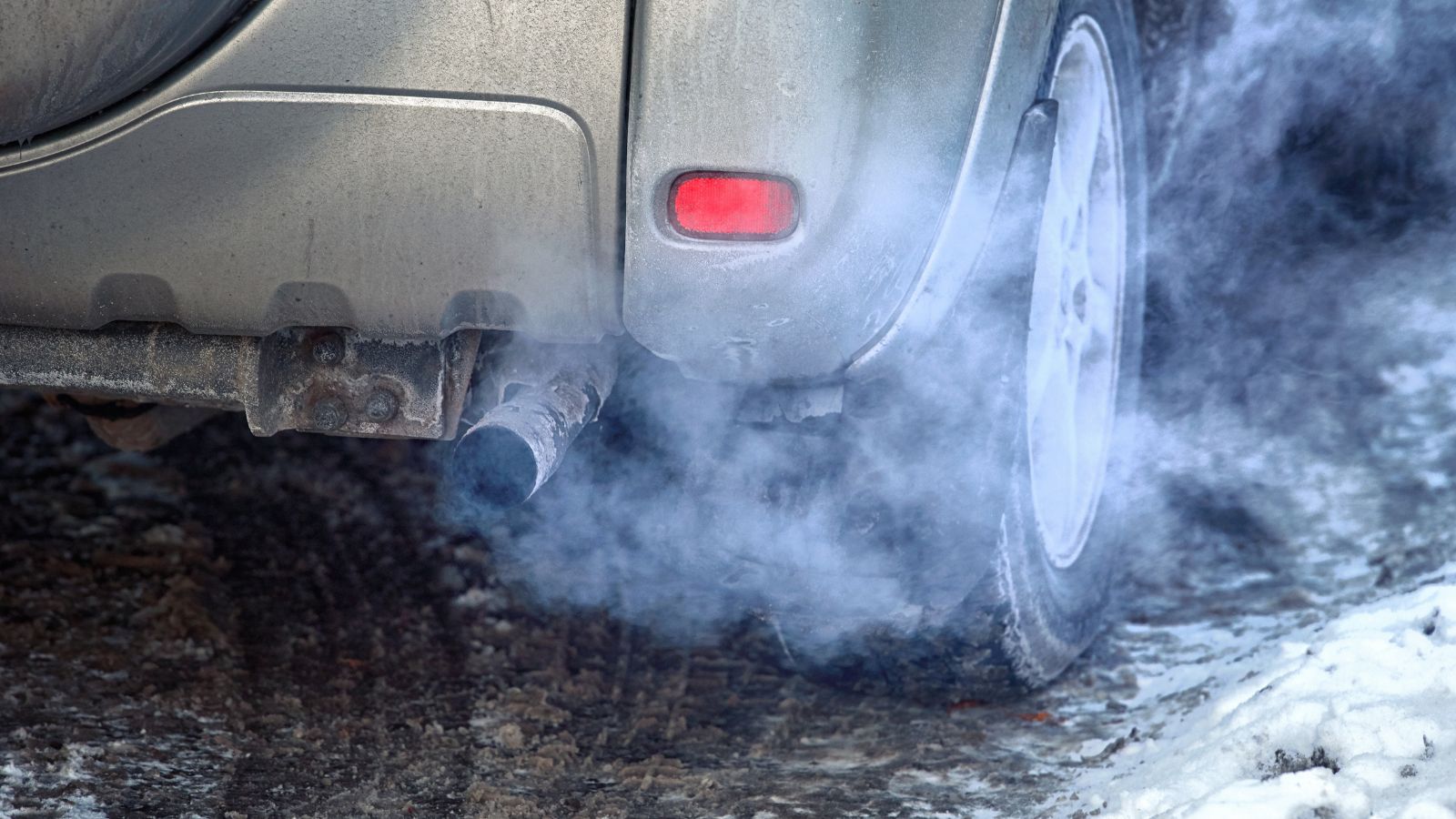
A car trailing a thick cloud of smoke is difficult to ignore. Sometimes the cause is temporary condensation on a cold morning, but persistent blue, black or dense white exhaust can also indicate mechanical problems. Oil burning, an overly rich fuel mixture or coolant entering the combustion process are among the possible causes depending on the colour and circumstances.
Ontario’s Highway Traffic Act addresses excessive fumes or smoke from motor vehicles and also prohibits allowing an unreasonable amount of smoke to escape. That creates an enforcement issue separate from the question of whether the engine is about to fail. A smoky vehicle may also create visibility and air-quality concerns for other road users. Because the driver sees the exhaust mainly through the mirrors, the problem can develop gradually without attracting much attention inside the cabin. A friend mentioning that the car “smokes when accelerating” should therefore not be dismissed as cosmetic. Diagnosis can protect the engine while also removing one of the most conspicuous signs that a vehicle is not operating normally.
Tires That Are Visibly Unsafe
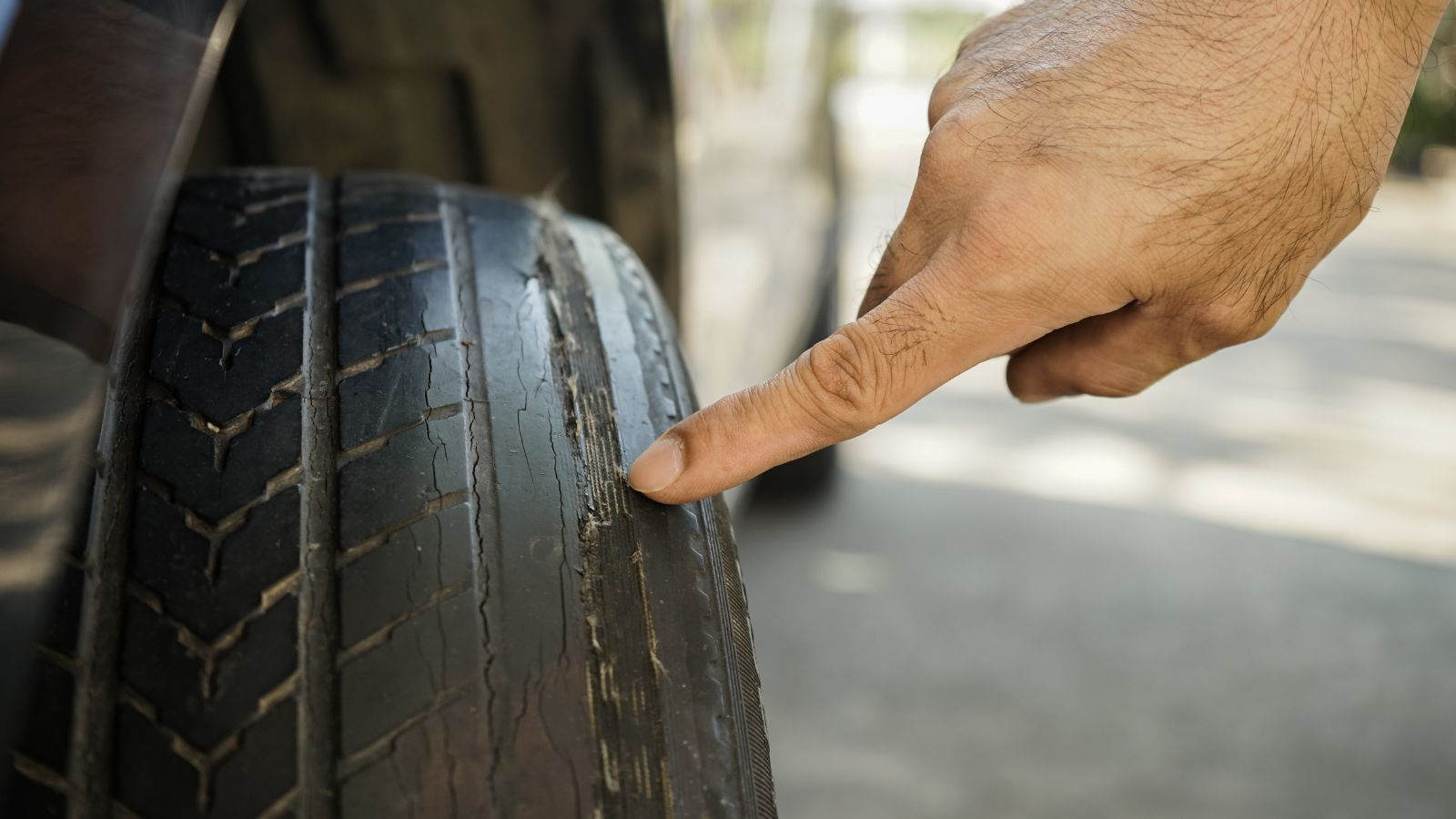
Police do not need to remove a wheel to notice every tire problem. A badly damaged sidewall, exposed internal structure, an obviously deflated tire or a wheel behaving abnormally can make a vehicle look unsafe before anyone measures tread depth.
Ontario legislation prohibits operating vehicles with tires that fail applicable standards or are installed in prohibited ways. The province’s set-fine schedule contains specific offences for improper and improperly installed tires. Tire problems also affect the way a vehicle moves: low pressure can make steering feel heavy, while severe wear can reduce wet-weather traction long before the tire becomes visibly bald from a distance. Drivers should pay particular attention after seasonal tire changes, when incorrect sizing, installation errors or loose hardware can create new problems. Canadian winters make tire condition even more important because stopping and cornering margins are already reduced on snow and ice. A tire that looks questionable to another motorist is worth inspecting before it becomes obvious to an officer.
An Unsecured or Poorly Secured Load
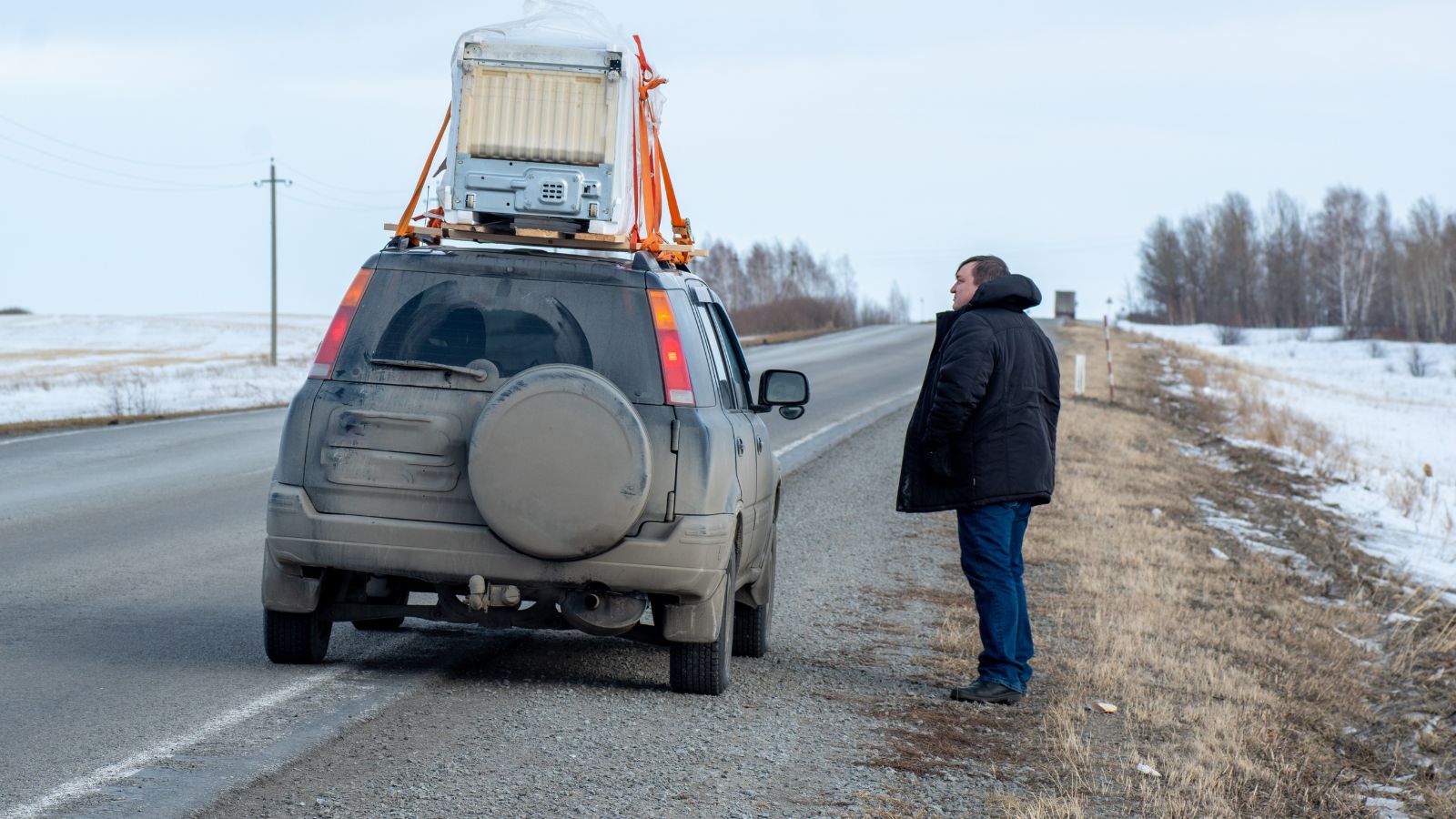
A mattress held down by one piece of rope, lumber extending from an open trunk or loose renovation debris in a pickup bed can transform an ordinary vehicle into an immediate road hazard. Police do not have to wait for something to fall before the situation becomes concerning; the visible possibility of cargo escaping can be enough to attract attention.
Ontario law requires loads to be bound, secured, contained or covered so that material cannot become dislodged or fall, leak, spill or blow from the vehicle. The legislation also imposes marking requirements for sufficiently long rear overhangs. That matters to everyday drivers, not only trucking companies. Weekend trips to a home-improvement store often involve objects that were never designed to fit inside a passenger vehicle. A few minutes spent using proper straps, closing containers and marking an overhanging item can prevent a dangerous situation. If cargo appears to be shifting every time the vehicle turns, the problem is visible to everyone nearby—including traffic officers.
Unauthorized Coloured or Flashing Lights

Aftermarket lighting can dramatically change the appearance of a vehicle, but some colours and flashing patterns are reserved for specific uses. What looks like a creative modification at a car meet can become a very different matter once the vehicle is operated on a public road.
Ontario restricts several forms of emergency-style lighting. For example, red-and-blue lights facing forward are reserved for police vehicles under the applicable provisions, and the use of certain flashing blue, red or green lights is limited to authorized vehicles or circumstances. The law also regulates required headlights and prohibits modifications that improperly reduce their effective area or intensity. Rules for accent lighting and other aftermarket systems can become technical, so assumptions based on online photos are risky. The practical concern is straightforward: lighting that resembles an emergency vehicle is likely to be unusually noticeable. Anyone adding non-factory exterior lights should confirm the provincial requirements before assuming that a kit sold online is automatically legal for highway use.
Carrying a Radar Detector Where It Is Prohibited
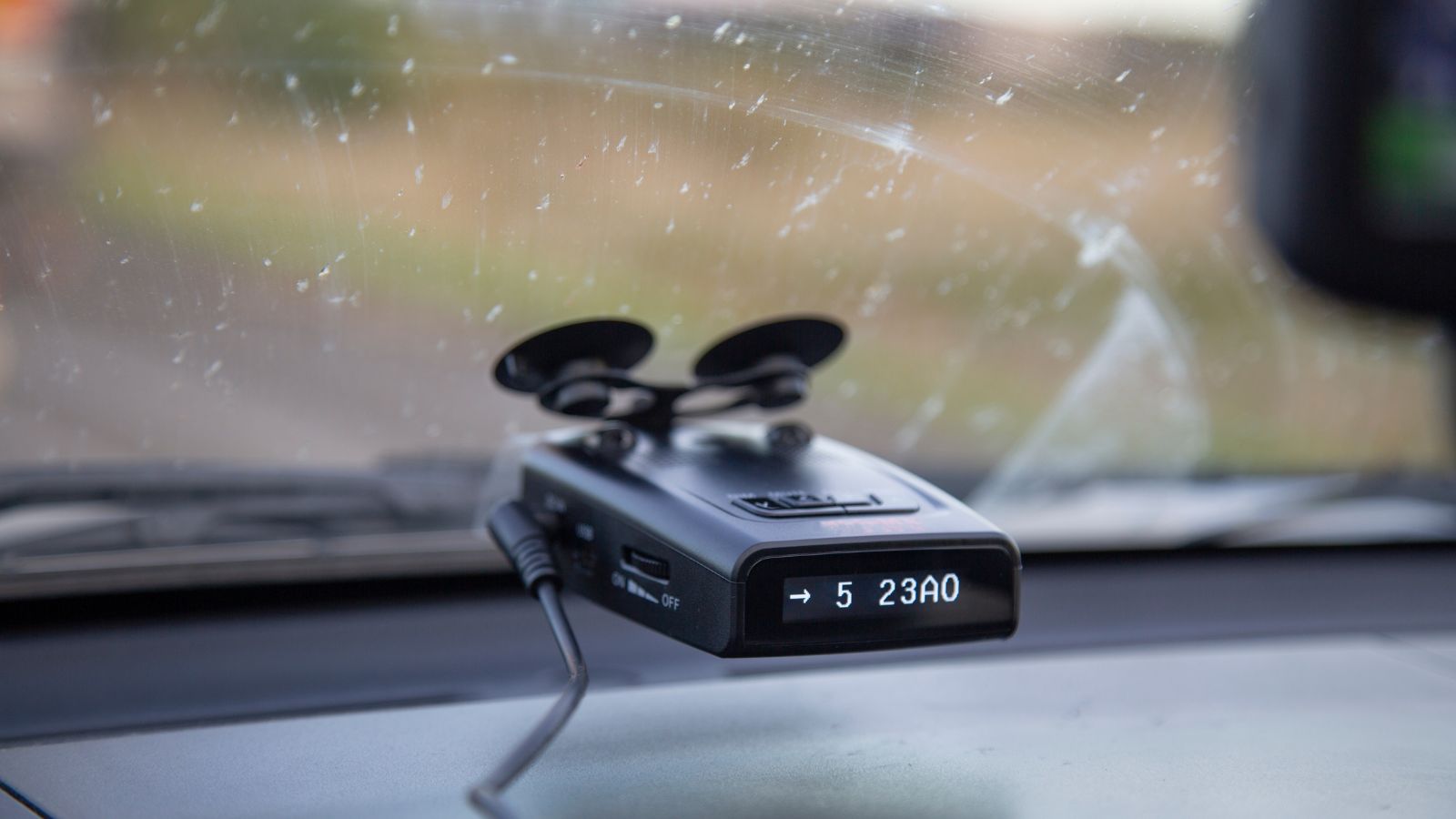
Radar-detector rules are another example of why drivers should not assume that equipment legal in one jurisdiction is legal everywhere. Some Canadian provinces permit radar detectors, while others prohibit them. Crossing a provincial boundary with a device still mounted or stored in the vehicle can therefore matter.
Ontario takes a particularly clear approach. Its Highway Traffic Act prohibits driving with a motor vehicle that is equipped with, carries or contains what the law describes as a speed-measuring warning device. The provision also gives police specific authority, where the legal threshold is met, to stop and search a vehicle for such a device and seize it. Ontario’s definition includes equipment intended to warn of nearby speed-measuring equipment and devices designed to interfere with its operation. That makes this more than a question of whether the detector is switched on at the moment. Drivers travelling across Canada should check provincial rules before carrying enforcement-detection equipment from one jurisdiction to another.
Snow and Ice Covering the Vehicle
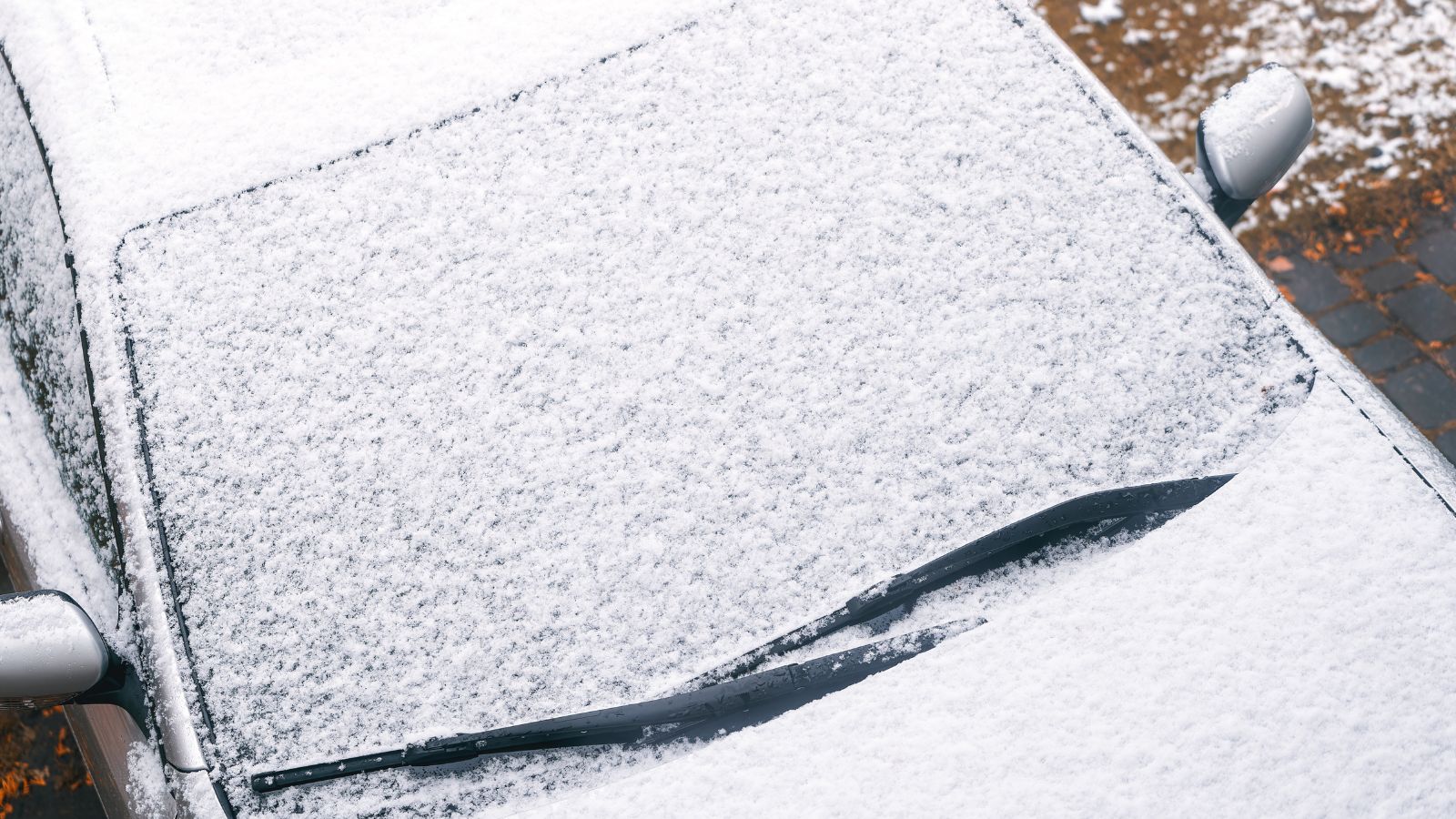
After a heavy snowfall, clearing only a small patch of windshield can save a few minutes in the driveway while creating several problems on the road. Snow can obscure mirrors, headlights, taillights and plates, while ice left on the roof can slide or blow away once the vehicle reaches speed.
Ontario’s winter-driving guidance specifically advises motorists to clear ice and snow from windows, lights, mirrors and the roof before leaving. Alberta similarly tells drivers to clean snow and ice from windows, side mirrors, headlights, taillights and licence plates. Several separate legal requirements can become relevant when snow causes an obstruction: drivers need adequate visibility, required lighting needs to remain effective, and plates must remain readable where applicable. The risk also changes as the vehicle warms. A frozen sheet on the roof can loosen after several kilometres and suddenly move. A properly brushed-off car is therefore not just tidier; it is easier to see from, easier for others to see and less likely to present an obvious winter equipment problem.
19 Used Cars Canadians Should Avoid in 2026 (Based on Owner Complaints)

Buying a used car in Canada can feel safe until repair bills start stacking up. Owner complaints tell a different story than glossy listings. Transmission failures, electrical problems, and weak winter reliability show up again and again in consumer reports. Many of these issues appear after warranties expire, when owners least expect them. Some vehicles look affordable upfront, but become expensive to keep on the road. Others struggle in cold weather, urban driving, or long highway commutes. Here are 19 used cars Canadians should avoid in 2026 (based on owner complaints).
19 Used Cars Canadians Should Avoid in 2026 (Based on Owner Complaints)

Alanna Rosen is an experienced content writer that focuses on many EV and educational content. Her articles are regularly published on Get CyberTrucked and syndicated on large publications.