
Modern cars can make an ordinary commute feel remarkably effortless, but Canadian conditions have a way of exposing the fine print behind clever technology. Snow can cover cameras, slush can coat radar sensors, freeze-thaw cycles can punish expensive wheels, and deep cold can change how automated systems behave. Even convenience features designed to eliminate small annoyances sometimes create new ones when temperatures plunge or roads deteriorate.
These 20 car features are genuinely useful in the right circumstances. The problem comes when drivers expect them to work exactly the same way on a clear July afternoon as they do during a February snowstorm in Saskatchewan, a salt-soaked Toronto commute, or Montreal pothole season. Understanding where the technology has limits can prevent inconvenience, unnecessary repairs, and misplaced confidence.
Adaptive Cruise Control Can Struggle in Snow
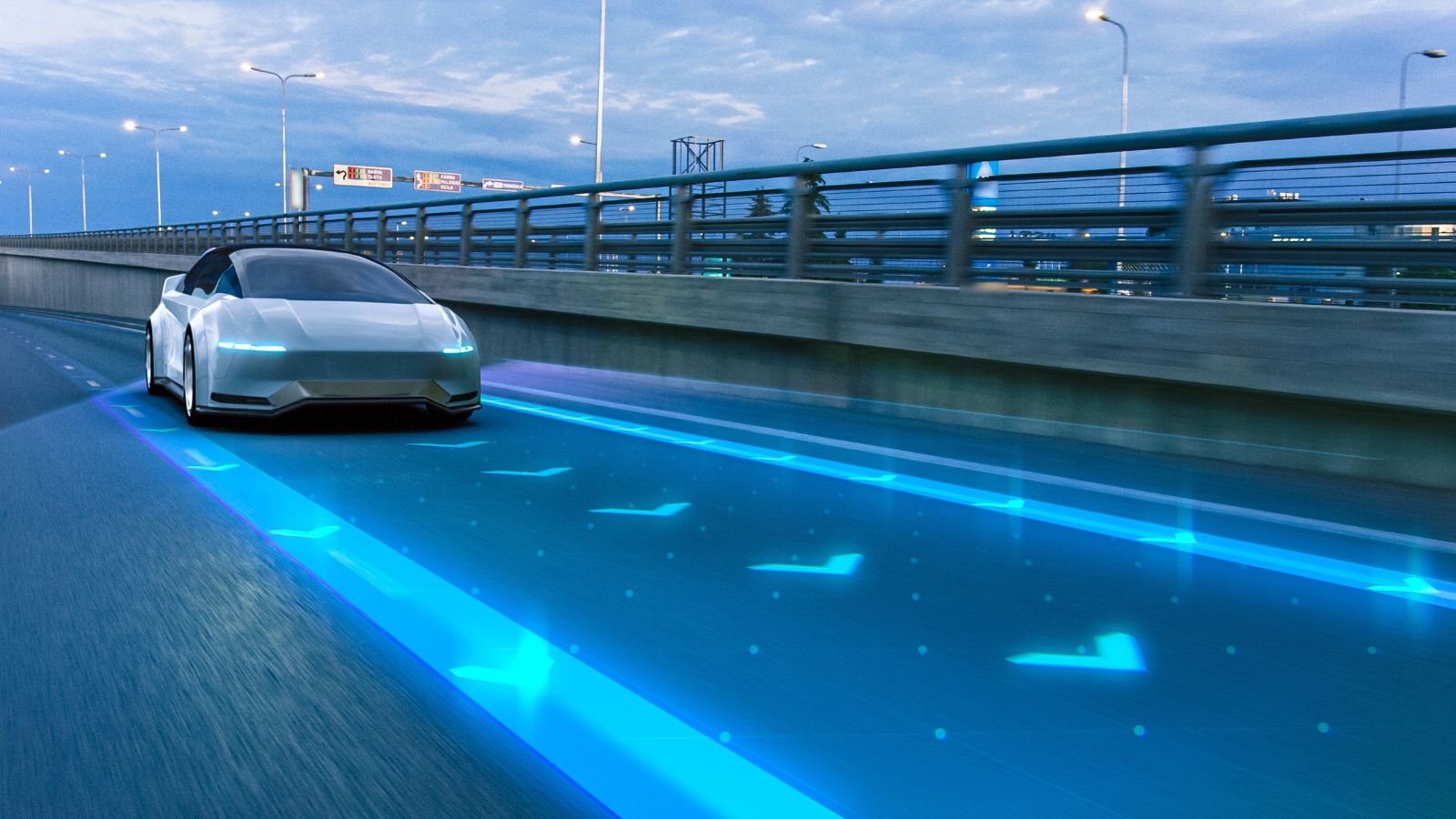
Adaptive cruise control can make a long highway trip considerably less tiring by automatically adjusting speed to maintain distance from traffic ahead. Most systems depend on radar, cameras, or a combination of sensors. Transport Canada cautions that ice and snow can affect sensor performance, which means a feature that works smoothly on dry pavement may become unavailable or less dependable during a winter storm.
That matters on Canadian highways where blowing snow, road spray, and frozen slush can rapidly coat the front of a vehicle. A driver leaving Ottawa with a clean radar panel could encounter enough contamination an hour later for the system to issue a warning or disengage. The inconvenience is preferable to unreliable automation, but it can catch drivers by surprise. Adaptive cruise remains a convenience rather than a substitute for maintaining a safe following distance, especially when winter traction already makes stopping distances less predictable.
Lane-Keeping Assist Needs Visible Lines
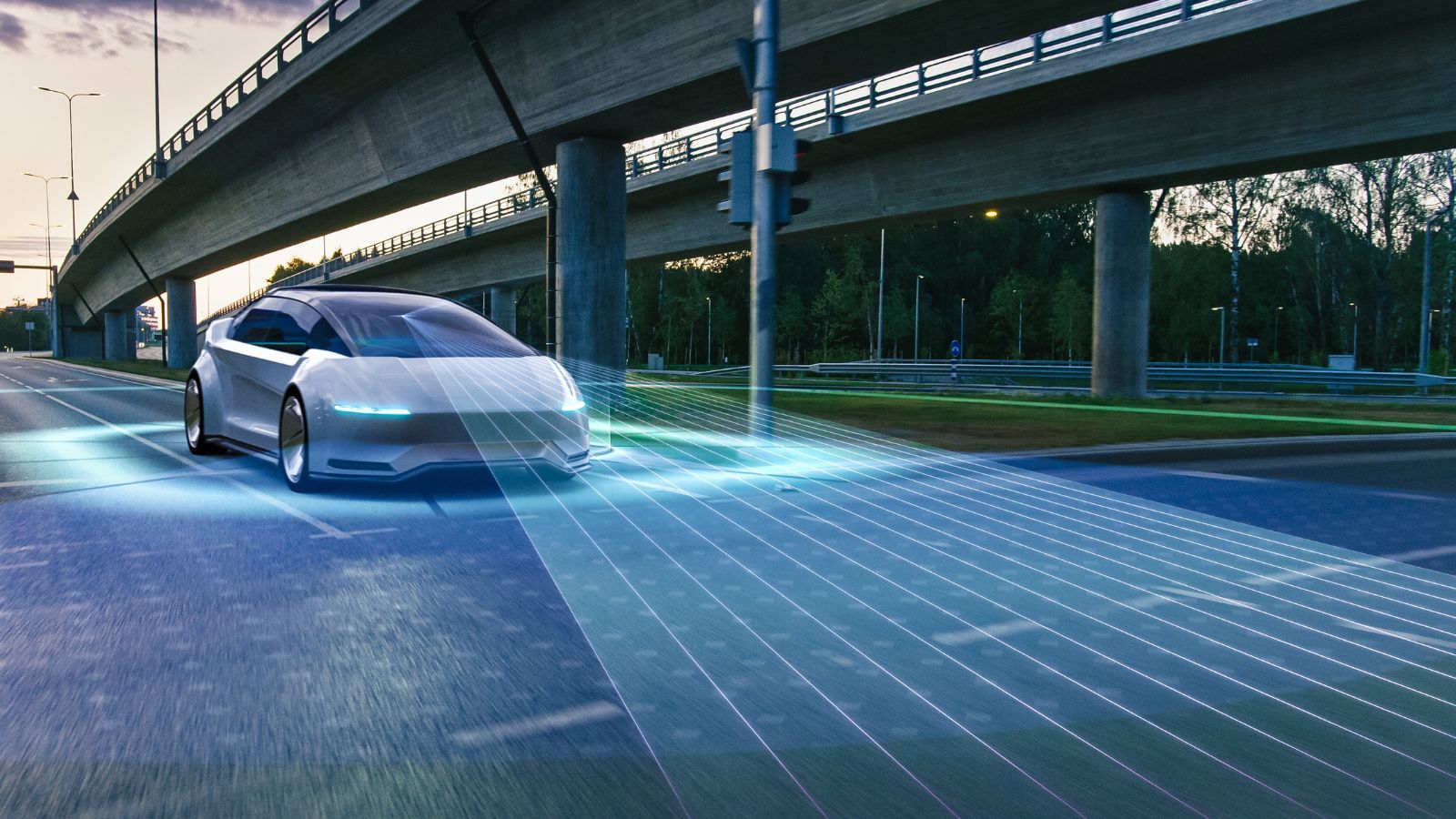
Lane-keeping assistance seems almost tailor-made for monotonous highway driving. Cameras watch roadway markings and either warn when a vehicle drifts or provide steering assistance to move it back toward the lane centre. The obvious Canadian weakness is that lane markings are not always visible. Snow cover, accumulated salt, worn paint, construction zones, and heavy rain can all make the boundaries difficult for cameras to identify.
Controlled testing by the AAA Foundation has also shown how weather can affect these systems. In simulated rainfall, the evaluated lane-keeping technologies were substantially less consistent than under clear conditions. That does not make lane assistance useless; it illustrates why the steering-wheel nudge should never be mistaken for autonomous driving. On a freshly plowed highway where only vague tire tracks remain visible, a human driver may understand the road layout from context while the camera does not. Winter can effectively erase the information the feature needs most.
Automatic Emergency Braking Is Weather-Sensitive
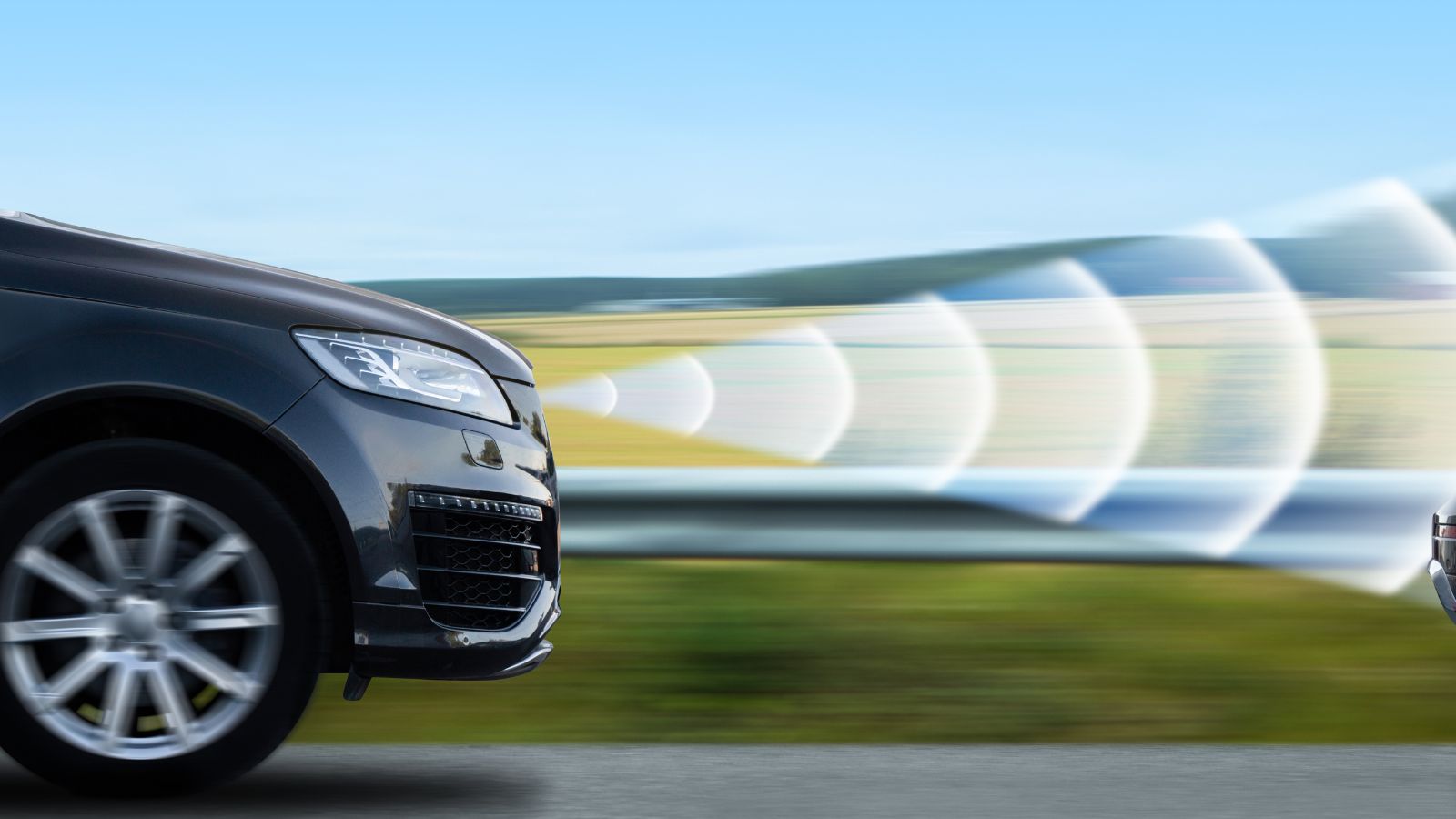
Automatic emergency braking is one of the most valuable technologies appearing on modern vehicles. When sensors determine that a frontal collision may be imminent, the system can automatically apply the brakes to avoid the crash or reduce its severity. Transport Canada treats AEB as an active safety technology, but the system still depends on being able to detect the obstacle accurately and early enough to intervene.
Weather complicates that job. AAA testing found that simulated heavy rainfall influenced the performance of the AEB systems it evaluated. Canadian winter introduces additional complications including snow, road grime, ice, and salt film over exterior sensing areas. Consider a vehicle approaching stopped traffic during wet snowfall: the driver should treat AEB as a final safety layer, not as permission to delay braking. These systems can save lives, but their existence does not change the basic requirement to drive according to visibility, traction, and road conditions.
Blind-Spot Monitoring Can Be Blinded by Slush
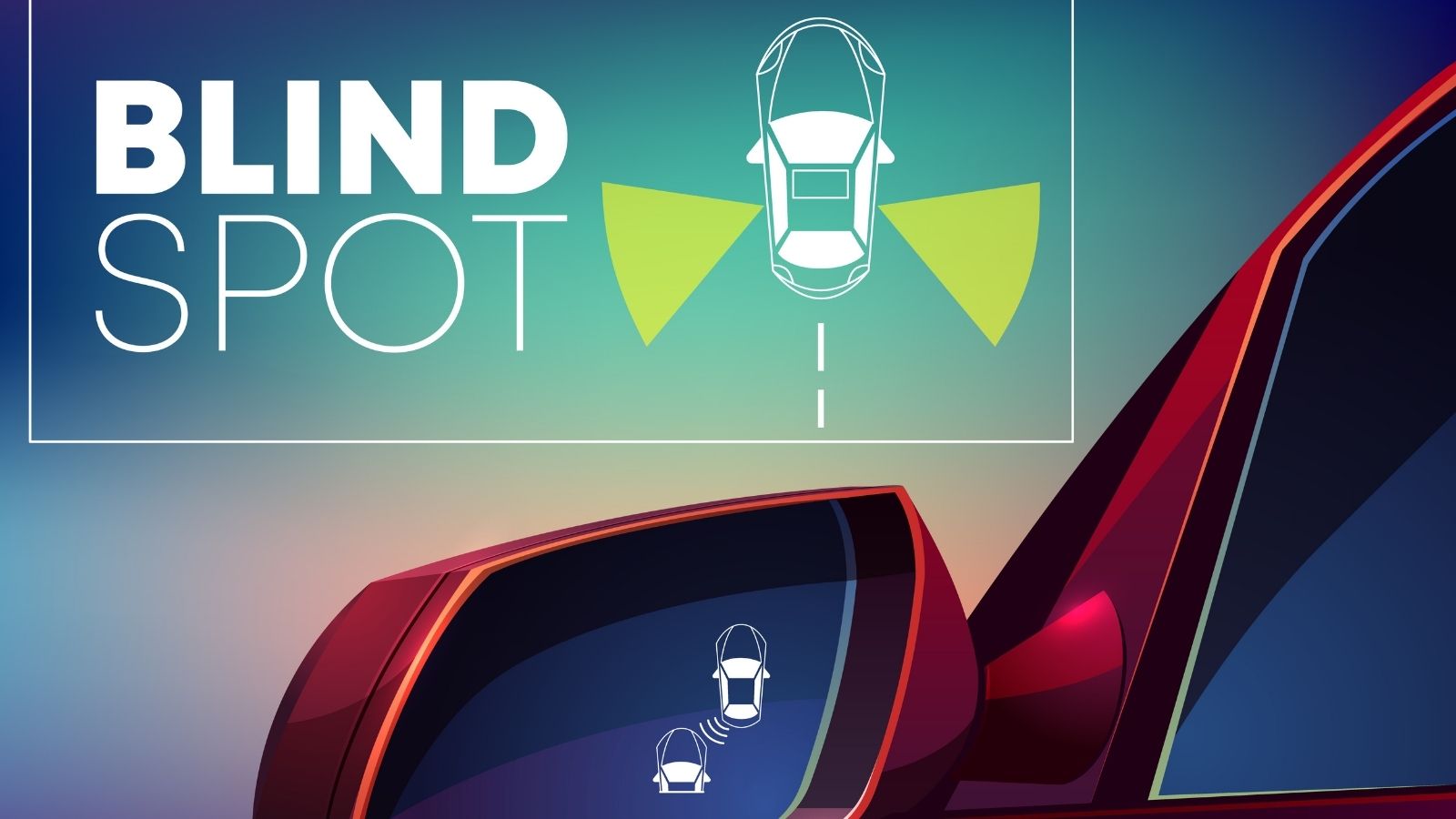
The small warning light in a side mirror can be reassuring when changing lanes in busy traffic. Blind-spot monitoring typically relies on sensors positioned toward the rear corners of the vehicle to detect another road user travelling beside it. Transport Canada notes more broadly that snow and ice can affect sensor performance and the ability of driver-assistance technology to detect other road users.
Winter grime makes that limitation especially relevant in Canada. After an hour on a salted highway, the back of a crossover can become almost uniformly grey with road spray. The sensors may be hidden behind body panels, but contamination around their detection area can still interfere with operation depending on the system. Some vehicles display a warning when functionality is restricted; others simply require drivers to recognize the limitation. A mirror light that remains dark is therefore not proof that the neighbouring lane is empty. A physical shoulder check remains essential, particularly when weather is poor.
Parking Sensors Can Cry Wolf
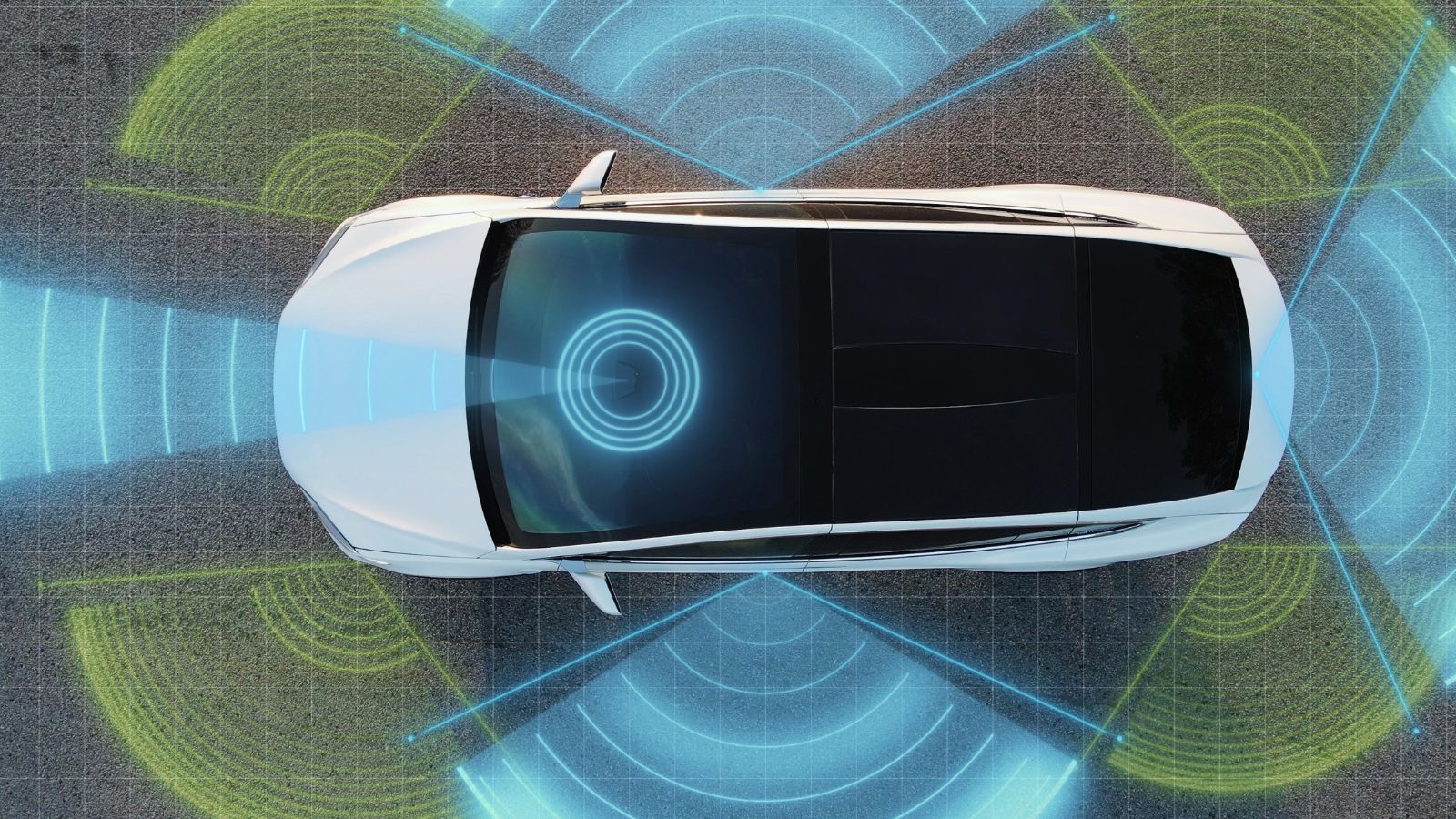
Ultrasonic parking sensors are wonderfully convenient when squeezing a large SUV into a tight underground space. They measure objects near the bumpers and translate the distance into increasingly urgent beeps. Unfortunately, winter can provide the sensors with objects that were never part of the parking plan. Snow, mud, ice, or road debris covering the sensing surface can reduce accuracy or produce false warnings.
Manufacturer documentation specifically warns that blocked parking sensors may provide incorrect information or stop providing useful feedback altogether. Anyone who has backed out after an overnight snowfall may recognize the experience: the car can produce a frantic continuous tone even though the nearest obstacle is several metres away. Brushing the bumper clean often solves the mystery. The greater risk comes from assuming the opposite—that silence guarantees clearance. Cameras, mirrors, and a direct look around the vehicle still matter because a contaminated sensor can potentially miss something just as easily as it can invent an obstruction.
Rear and 360-Degree Cameras Get Dirty Fast
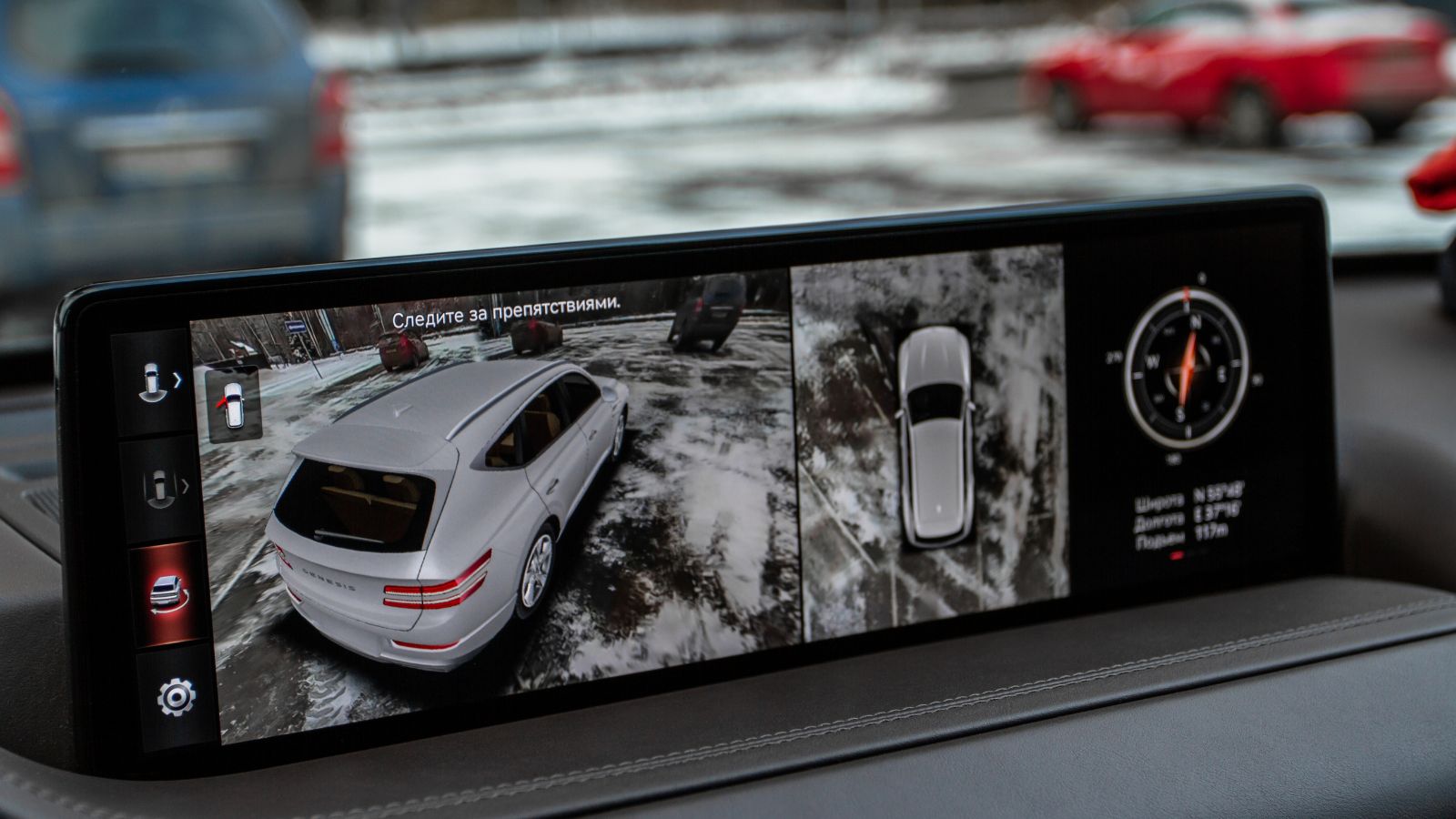
Rear-view cameras transformed parking by providing a view that mirrors alone cannot offer, while 360-degree systems can stitch together several cameras into an impressive overhead image. Canadian road grime is less impressed. Rear cameras frequently sit near the licence plate or tailgate, exactly where water, snow, dirt, and salt spray accumulate as a vehicle travels.
NHTSA research into rear-camera use has documented dirt on the camera as a visibility issue, and modern manufacturer guidance routinely tells owners to keep cameras clear of snow, ice, and debris. A camera can go from crystal clear to nearly useless during a single messy highway trip. The image may still appear on the screen, creating the impression that the system is functioning normally even when important details are hidden behind a blurry film. Heated washers and self-cleaning systems help on some models, but most drivers eventually discover that a quick wipe of the lens remains surprisingly important technology.
Automatic High Beams Can Be Wrong for Snowfall
Automatic high beams are designed to provide more light when the road ahead is dark and switch back to low beams when another vehicle is detected. On a clear rural highway, the feature can be excellent. Heavy snow, rain, and fog create a different problem: stronger light can reflect from droplets or snowflakes directly back toward the driver and make the road ahead harder to see.
Transport Canada specifically advises switching upper beams off in fog, rain, or snow because of this reflected glare. That guidance still matters when a computer controls the switch. Automation can respond to other vehicles, but the driver remains responsible for deciding whether high beams suit the weather itself. Picture a nighttime drive through intense blowing snow in northern Ontario. More illumination does not necessarily mean more useful visibility; it can create a bright white curtain directly in front of the windshield. Manual override can therefore be the safer choice.
Rain-Sensing Wipers Can Fight Frozen Blades
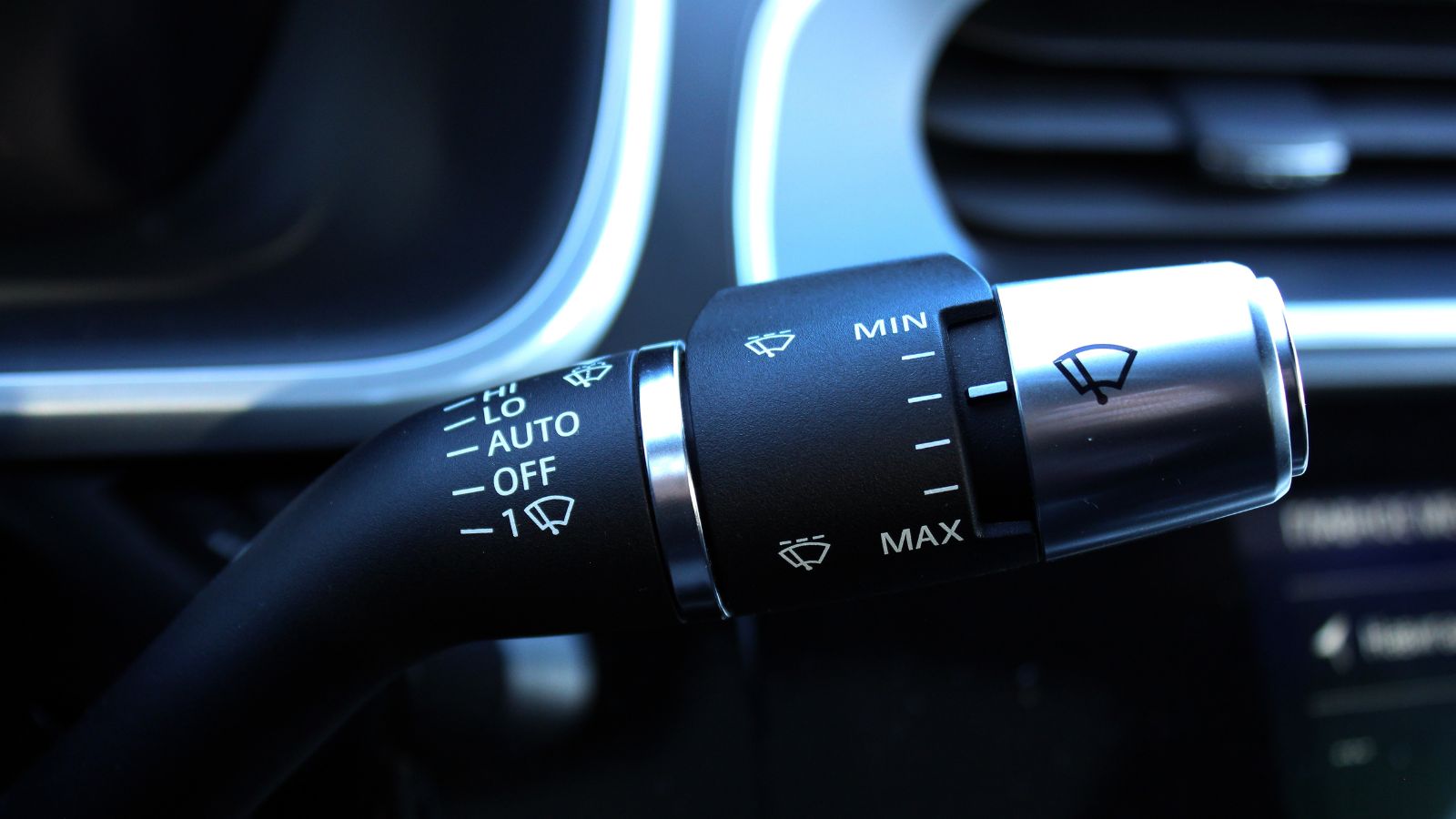
Rain-sensing wipers remove one small task from the driver by automatically activating when a windshield sensor detects moisture. The convenience becomes less appealing when moisture has frozen overnight. If a wiper blade is stuck to the glass, asking its motor to sweep normally can place unnecessary stress on the blade, linkage, or mechanism.
Volvo’s current owner guidance explicitly tells drivers to make sure wiper blades are not frozen in place and to clear snow and ice before activating them. The company also warns that an active rain sensor can unexpectedly operate the wipers in situations such as a car wash. Canadian freeze-thaw weather makes the same principle particularly relevant on winter mornings. An automatic setting left active may seem harmless until freezing rain glues the rubber to the windshield. Heated wiper areas and service positions help on equipped vehicles, but the safest habit remains simple: free the blades before expecting automation to do the work.
Keyless Entry Can Help Thieves Too
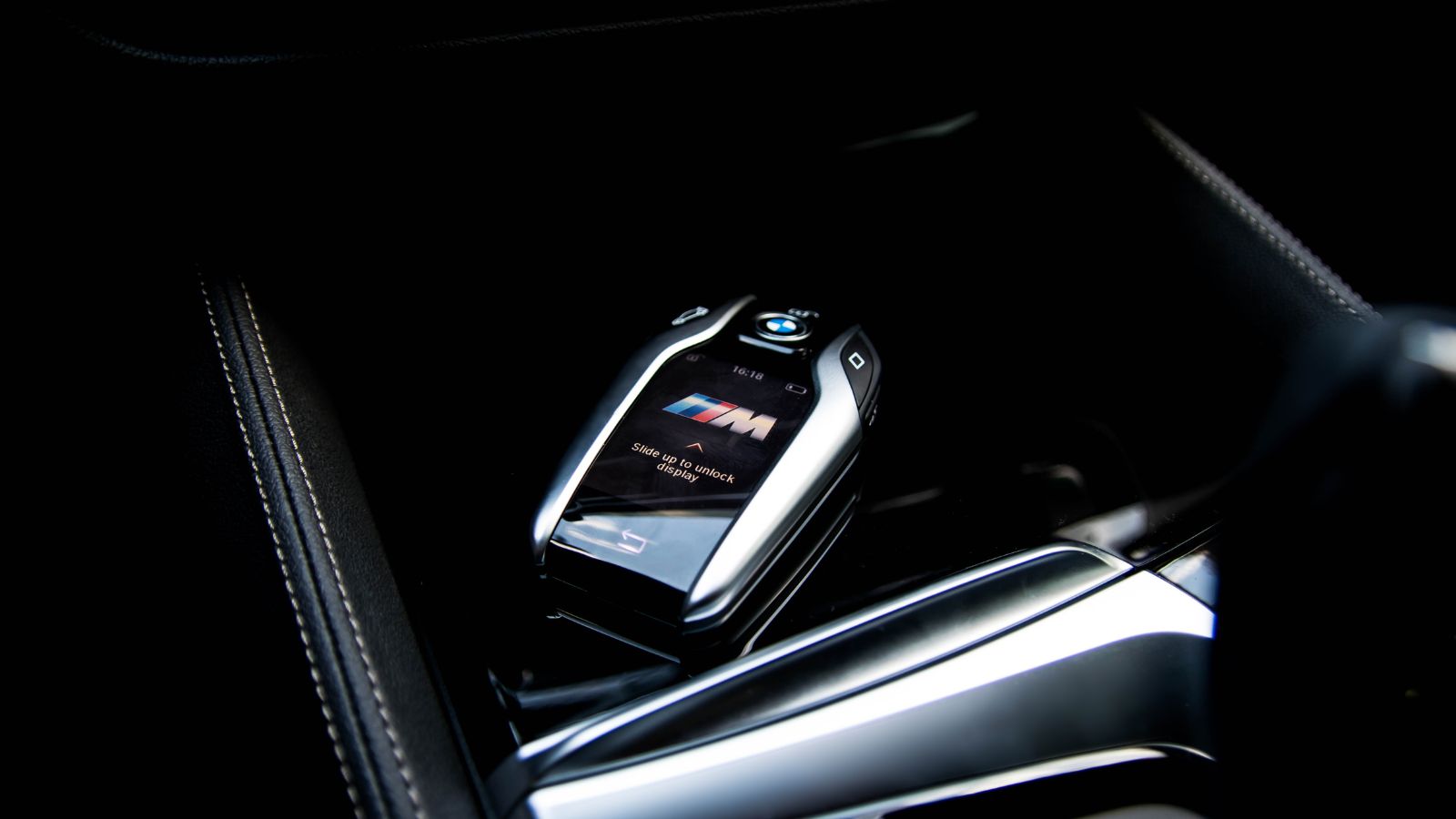
Proximity keys are wonderfully convenient. The vehicle recognizes the nearby fob, unlocks the doors, and may allow push-button starting without the key ever leaving a coat pocket. Unfortunately, modern auto theft has demonstrated that wireless convenience can also create an attack surface. Canadian anti-fraud organizations specifically warn about key-fob relay attacks and other technology-based methods used to bypass vehicle security.
Équité Association reported in July 2026 that 47,000 vehicles were stolen in Canada during the previous year and said criminals continue using techniques such as relay and reprogramming attacks. The organization recommends measures including disabling a key fob when possible or storing it in an RFID-blocking pouch. The irony is difficult to miss: a feature designed to eliminate the inconvenience of physically inserting a key can require owners to add another security routine at home. Keyless technology remains convenient, but convenience alone should not be confused with strong theft protection.
Remote Start Can Create Different Problems
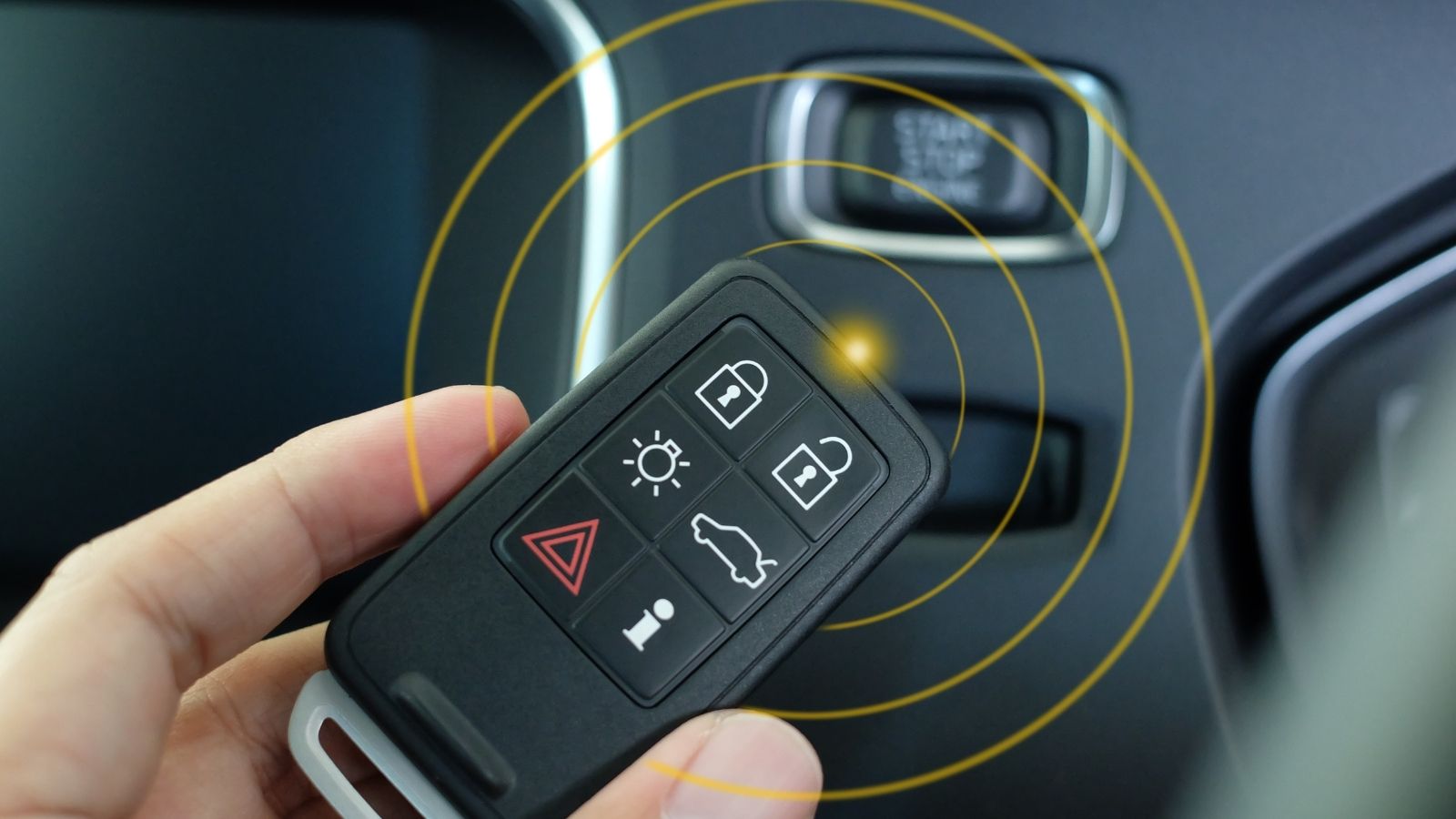
Remote start feels almost purpose-built for Canada. A few minutes before leaving home, an owner can start the engine and begin warming the cabin, windshield, and seats. The temptation is to let the vehicle idle for a long period or to leave it running unattended while finishing the morning routine. Canadian theft-prevention organizations specifically advise against leaving a remotely started vehicle unattended, even during cold weather.
There is also an important location issue. A gasoline or diesel engine must never be run in an enclosed garage because exhaust contains carbon monoxide, an invisible and potentially deadly gas. Remote start therefore requires the same judgment as starting the engine conventionally. A five-minute warm-up outside is very different from remotely starting a vehicle in an attached closed garage. Many newer systems include safeguards, automatic shutoffs, and climate-control integration, but the feature cannot determine whether the surrounding environment is appropriate. Convenience still depends on the person pressing the button.
TPMS Warnings Spike as Temperatures Fall
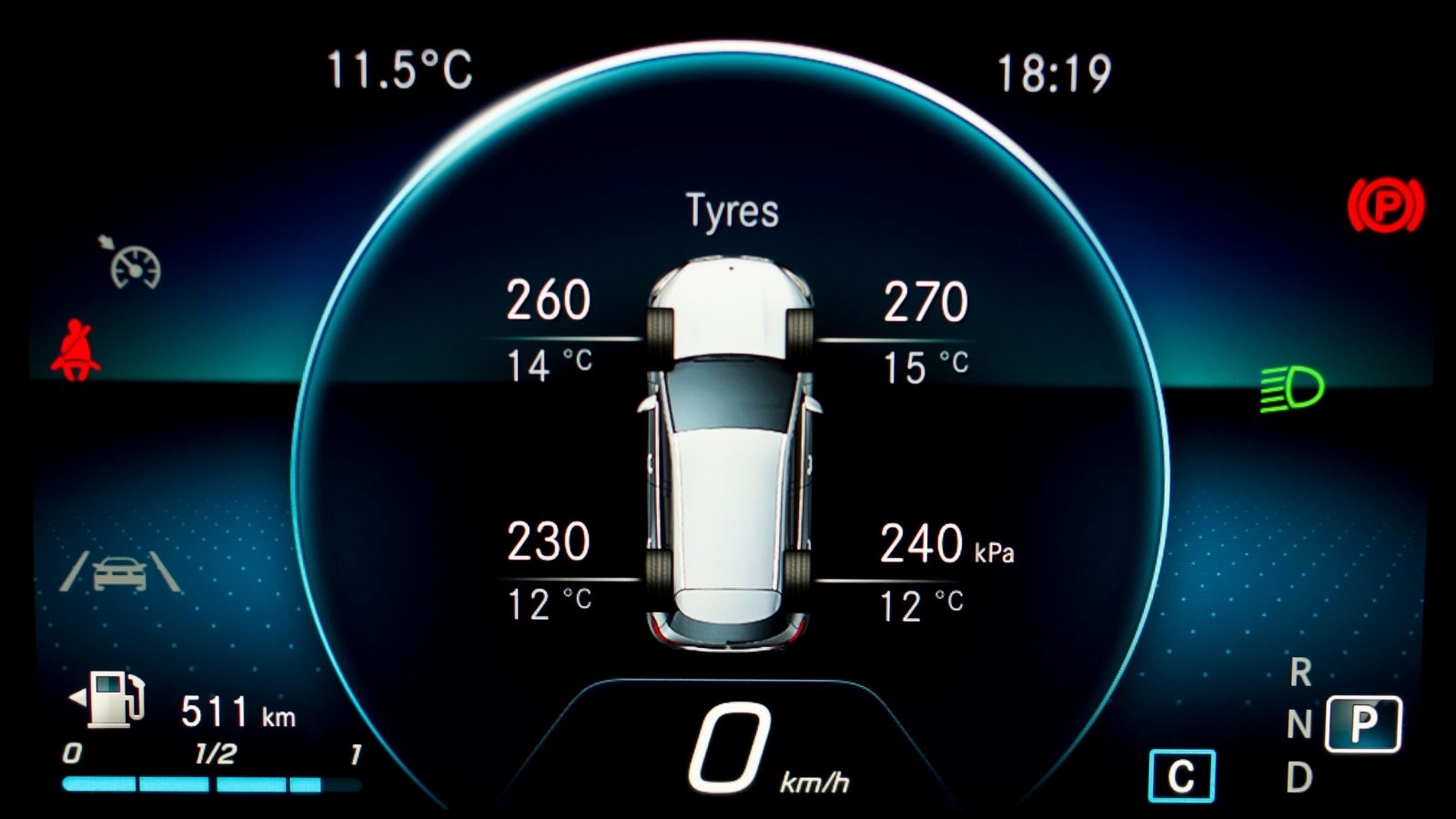
A tire-pressure monitoring system can provide an early warning that a tire is losing air, potentially identifying a slow puncture before it becomes a roadside emergency. In Canada, the warning light can also become a familiar sign that autumn has arrived. Transport Canada explains that tire pressure falls as ambient temperature drops—roughly 7 kPa, or about 1 psi, for every 5°C decrease.
That means tires adjusted during a warm October afternoon can become meaningfully underinflated after the first serious cold snap, even if there is no leak. TPMS has not malfunctioned in that situation; it is reporting a real physical change. The feature can nevertheless backfire psychologically if repeated seasonal warnings condition an owner to dismiss the light as “just the cold.” A genuine puncture can look exactly the same from the driver’s seat. Checking pressures with a reliable gauge, using the vehicle placard specification, and investigating recurring warnings remain more useful than simply resetting or ignoring the alert.
Low-Profile Tires Meet Their Match in Potholes
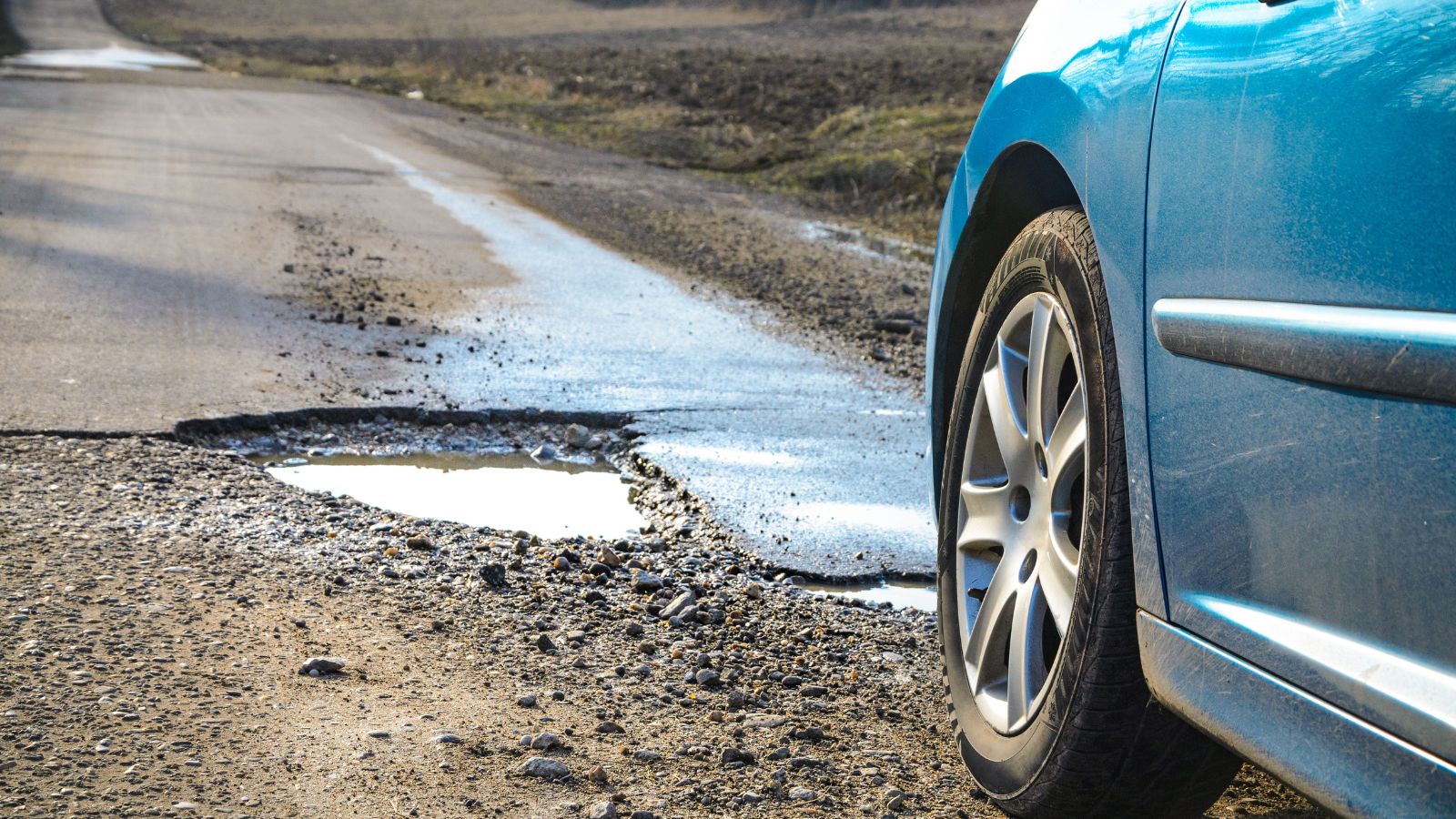
Large alloy wheels and thin sidewall tires can sharpen steering response and dramatically change a vehicle’s appearance. They also leave less cushioning between the wheel and a sharp road impact. CAA-Quebec specifically identifies low-profile tires as especially vulnerable to pothole damage, while noting that a hard strike can damage tires, wheels, steering, or suspension components.
That trade-off becomes difficult to ignore during Canadian freeze-thaw season. A sporty 20-inch wheel package that looked spectacular in the showroom can feel much less appealing after hitting a water-filled crater in March. CAA-Quebec estimates that an alloy wheel replacement can exceed $500, before considering tire or suspension damage. Taller-sidewall tires cannot make potholes harmless, but they generally provide more air volume and material to absorb an impact. For drivers routinely travelling deteriorated urban roads, wheel size can therefore become much more than a styling decision; it can influence both comfort and repair exposure.
Run-Flat Tires Are Not Unlimited
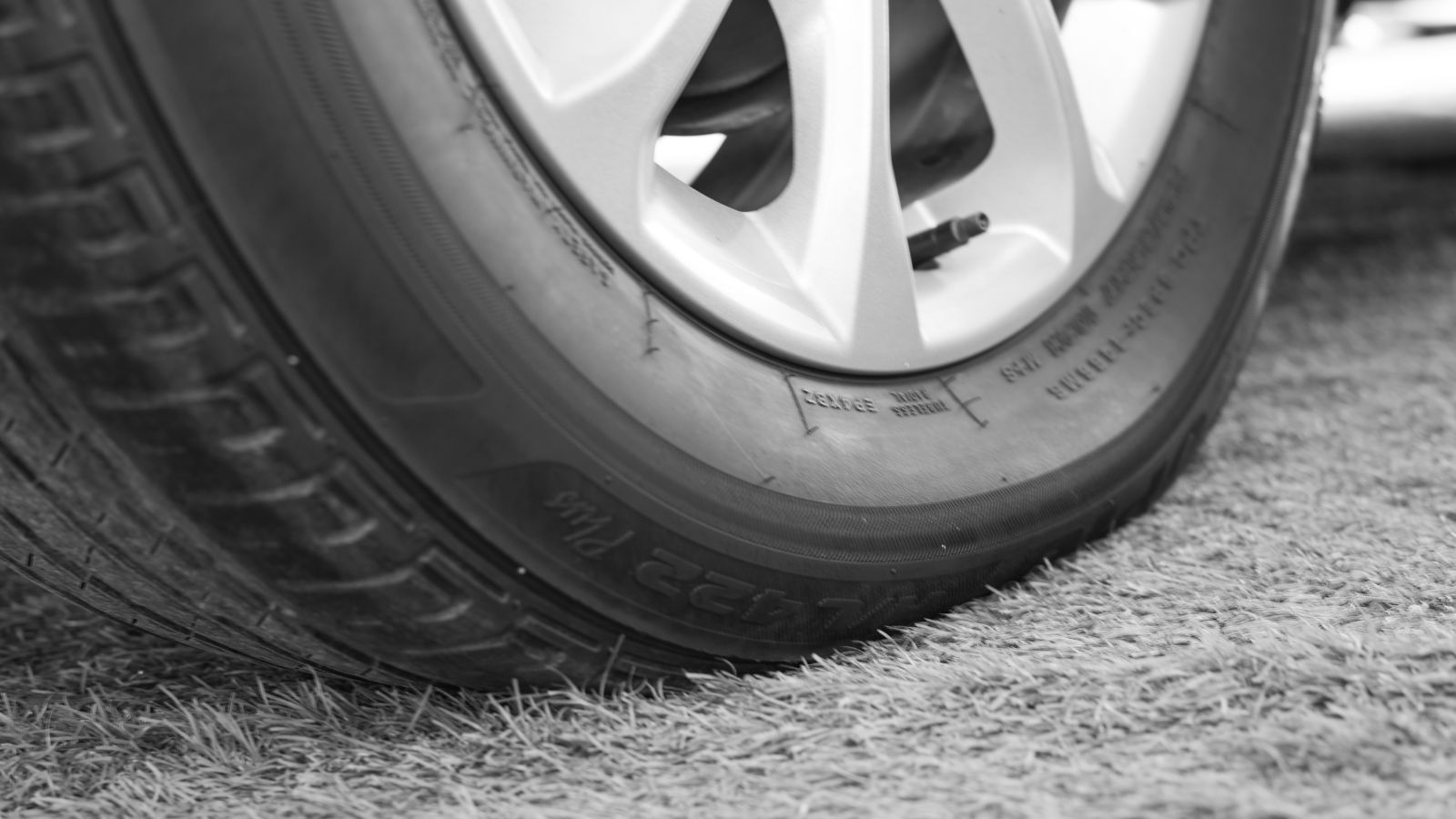
Run-flat tires solve one frightening roadside problem by allowing a vehicle to continue moving after losing pressure. Reinforced sidewalls support the car long enough to reach a safer location or tire shop. The feature can sound almost puncture-proof in showroom language, but run-flat capability has definite limits. Bridgestone cites a common baseline of no more than 80 km/h for up to roughly 80 kilometres when operating without normal pressure, subject to the specific tire and vehicle.
Michelin also stresses that a run-flat driven with little or no pressure requires professional inspection because internal damage may not be visible from outside. Availability creates another Canadian consideration. A specialized tire may not be stocked by every shop, especially in a smaller community during winter travel. Many vehicles designed around run-flats also omit the conventional spare. The technology can therefore buy valuable time after a puncture, but it does not eliminate the need to find appropriate service.
Auto Start-Stop Often Gives Up in Winter
Automatic engine stop-start systems switch the engine off while the vehicle is stationary and restart it when the driver prepares to move. In suitable conditions, this reduces unnecessary idling. Canadian winter introduces so many competing demands, however, that drivers may notice the feature working inconsistently or not activating at all.
Ford explains that its Auto Start-Stop system may keep the engine running when the battery is charging, the engine is still warming up, or heating and air conditioning demand requires it. Those conditions are common during a -20°C morning commute. Cold weather also reduces battery performance and increases the energy required for starting. The result can be puzzling: a feature advertised as automatic may disappear for days and then suddenly return during milder weather. That usually reflects programmed protection rather than a fault. Still, drivers buying the technology primarily for reduced idling may find that the Canadian months with the longest warm-up periods are also when it operates least often.
Touchscreen Controls Can Demand Too Much Attention
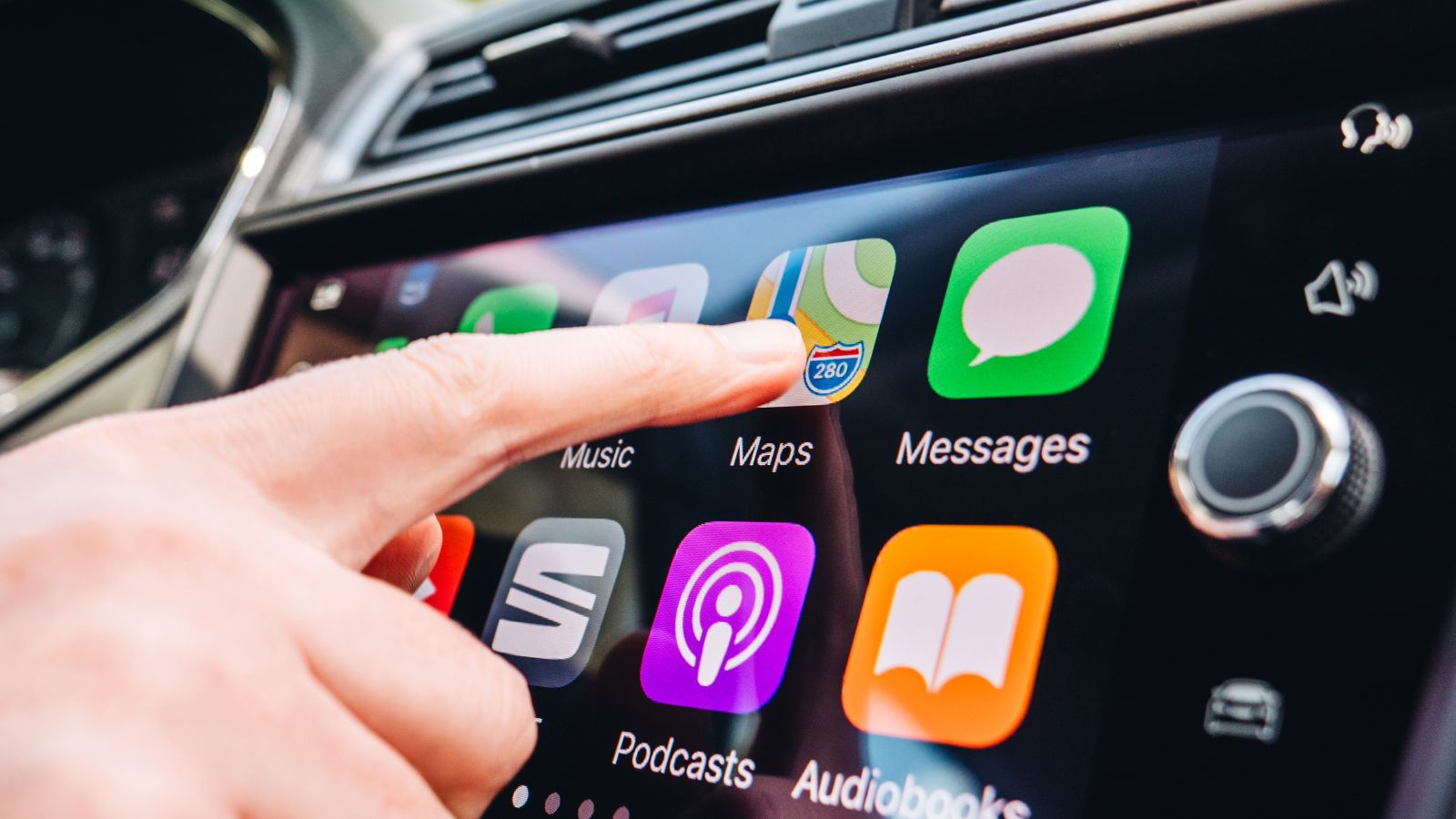
Large touchscreens can make a cabin look clean and futuristic by replacing rows of physical buttons. The trade-off appears when a simple task—changing cabin temperature, adjusting a heated seat, or finding a defrost setting—requires navigating a screen while the vehicle is moving. Unlike a familiar physical knob, a flat display usually demands visual confirmation that the correct control was touched.
Transport Canada has published guidelines specifically aimed at limiting distraction from in-vehicle visual displays. Earlier Canadian collision data cited by the department showed distracted driving was involved in 21% of road fatalities and 27% of serious injuries in 2016. AAA research has likewise found substantial visual and cognitive demand from some infotainment systems. Winter can magnify the problem because the driver may already be managing reduced visibility and traction while wearing gloves. A beautifully minimalist dashboard is less impressive when a basic climate adjustment requires several glances away from a snow-covered road.
Auto-Folding Mirrors Can Freeze in Place
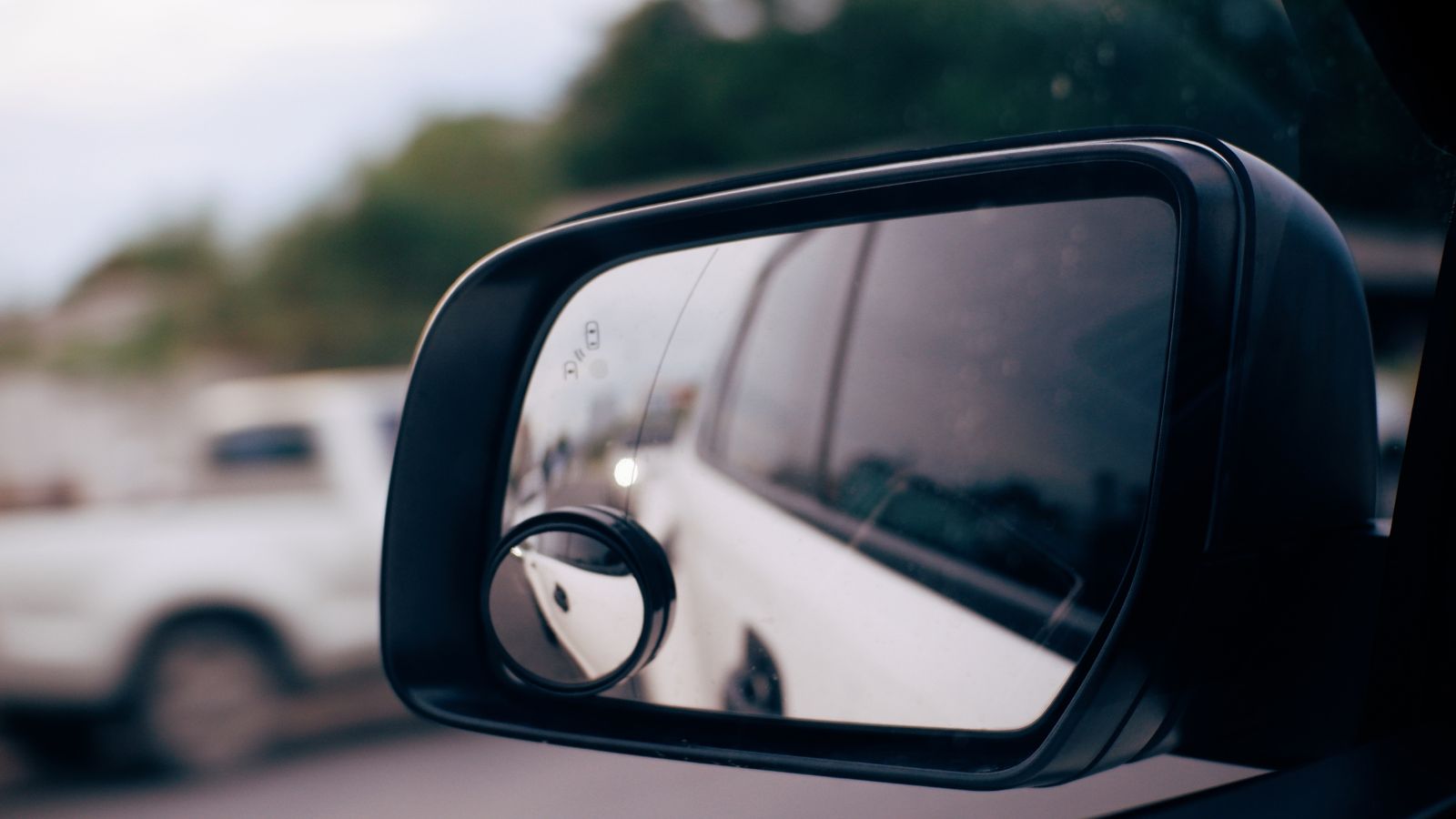
Power-folding mirrors are useful in narrow garages, urban parking spaces, and automatic car washes. Many vehicles can fold them automatically whenever the doors are locked. Ice turns that polished convenience into a small mechanical battle. If moisture freezes around the mirror housing or hinge, the motor may be asked to move something that is effectively stuck.
Tesla’s cold-weather guidance directly recommends switching off automatic mirror folding when ice buildup is expected because ice can prevent the mirrors from folding or unfolding. That warning illustrates a limitation relevant to many vehicles with motorized exterior hardware. A freezing-rain event can leave a parked car encased overnight, and the automatic folding sequence may begin the moment the owner unlocks it. Heated mirrors can clear the glass but do not instantly remove every piece of ice around the mechanism. Allowing the housing to thaw or clearing it carefully is generally more sensible than repeatedly commanding the motor to move.
Flush Door Handles Can Ice Over
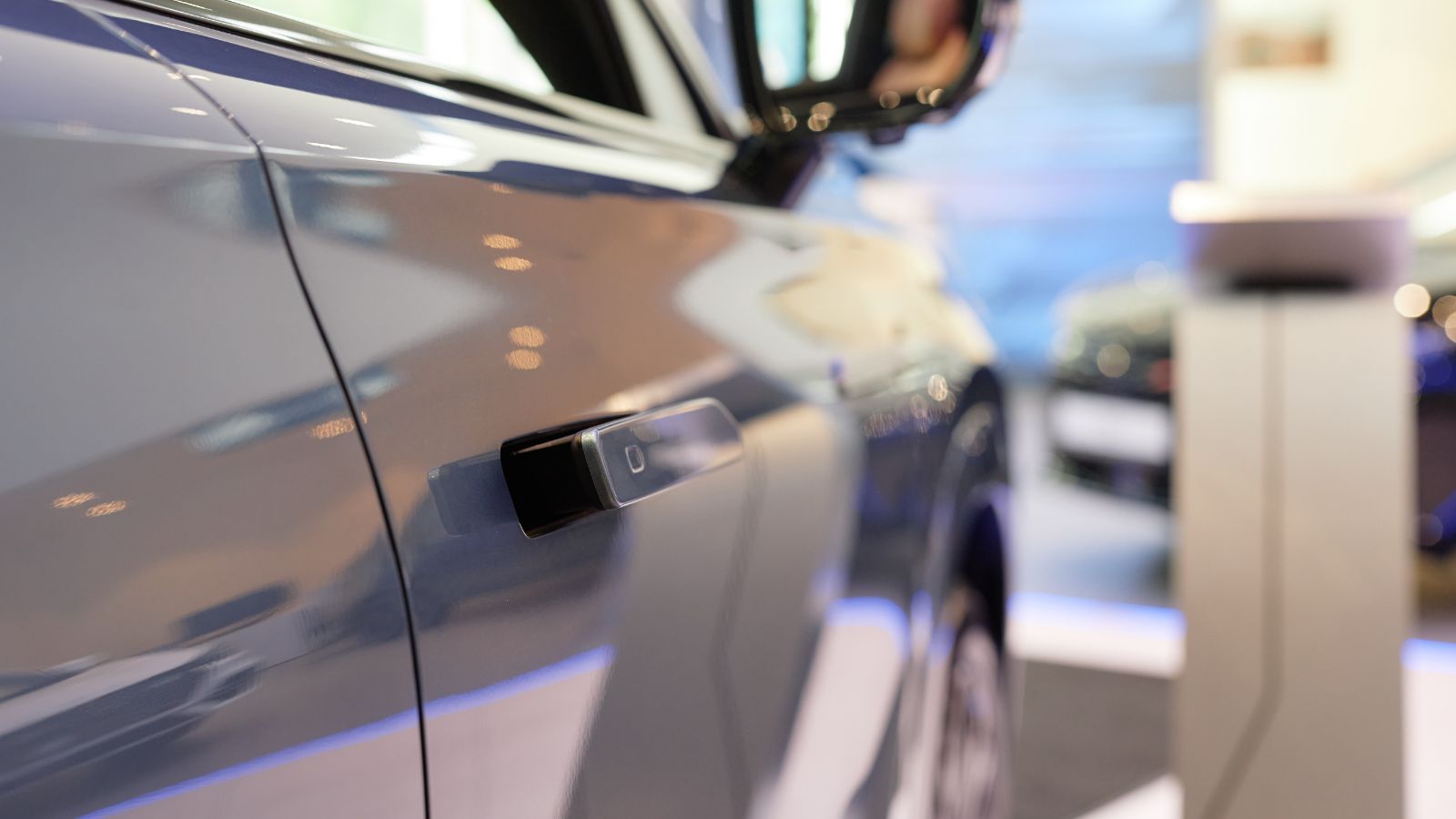
Flush and retractable door handles reduce aerodynamic drag and give modern vehicles an exceptionally clean appearance. They also put a moving or pivoting component directly on the exterior surface where freezing rain can reach it. Tesla’s own Canadian-relevant winter guidance acknowledges that ice buildup can prevent certain handles from operating normally and provides model-specific procedures for breaking the ice away.
The situation captures the difference between laboratory elegance and real winter ownership. After an overnight freezing-rain storm, a conventional fixed handle may simply need a firm pull, while a flush unit must first move outward or pivot before it can be gripped. Some newer designs add automatic door releases, app controls, heated components, or even ice-breaking mechanisms, demonstrating that manufacturers recognize the challenge. None of that makes flush handles inherently impractical, but drivers in cold climates benefit from knowing the backup method before the first storm rather than discovering it while standing beside a frozen vehicle.
Power Liftgates Can Struggle Under Snow and Ice
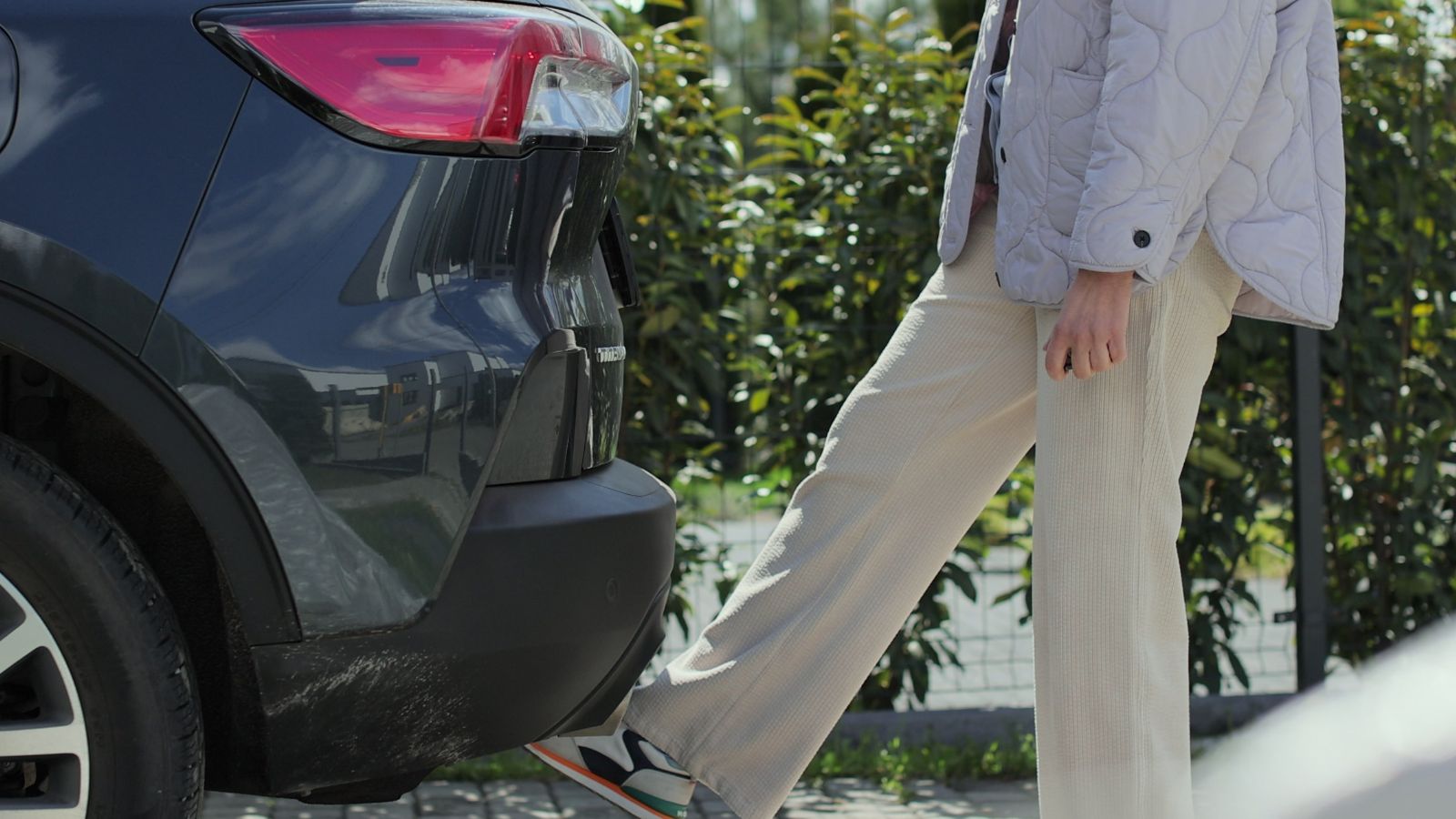
A power liftgate is one of those features that quickly becomes difficult to give up. With grocery bags in both hands, pressing a button—or waving a foot beneath the bumper—can open the cargo area automatically. Winter adds weight and resistance that the system was not meant to ignore. Snow can accumulate on top of the tailgate, while ice can bind seals and hinges.
Toyota owner guidance warns that snow and ice should be removed from a back door before opening because accumulated material can contribute to unexpected movement, including the door closing again. Powered systems also use obstruction detection and may stop or reverse when they sense abnormal resistance. That behaviour is protective, but an owner may interpret it as an electrical failure. A liftgate repeatedly refusing to open after freezing rain may simply be fighting ice around its edges. Clearing the door first is safer than repeatedly pressing the power switch and hoping the motor wins.
Regenerative Braking Can Change in the Cold
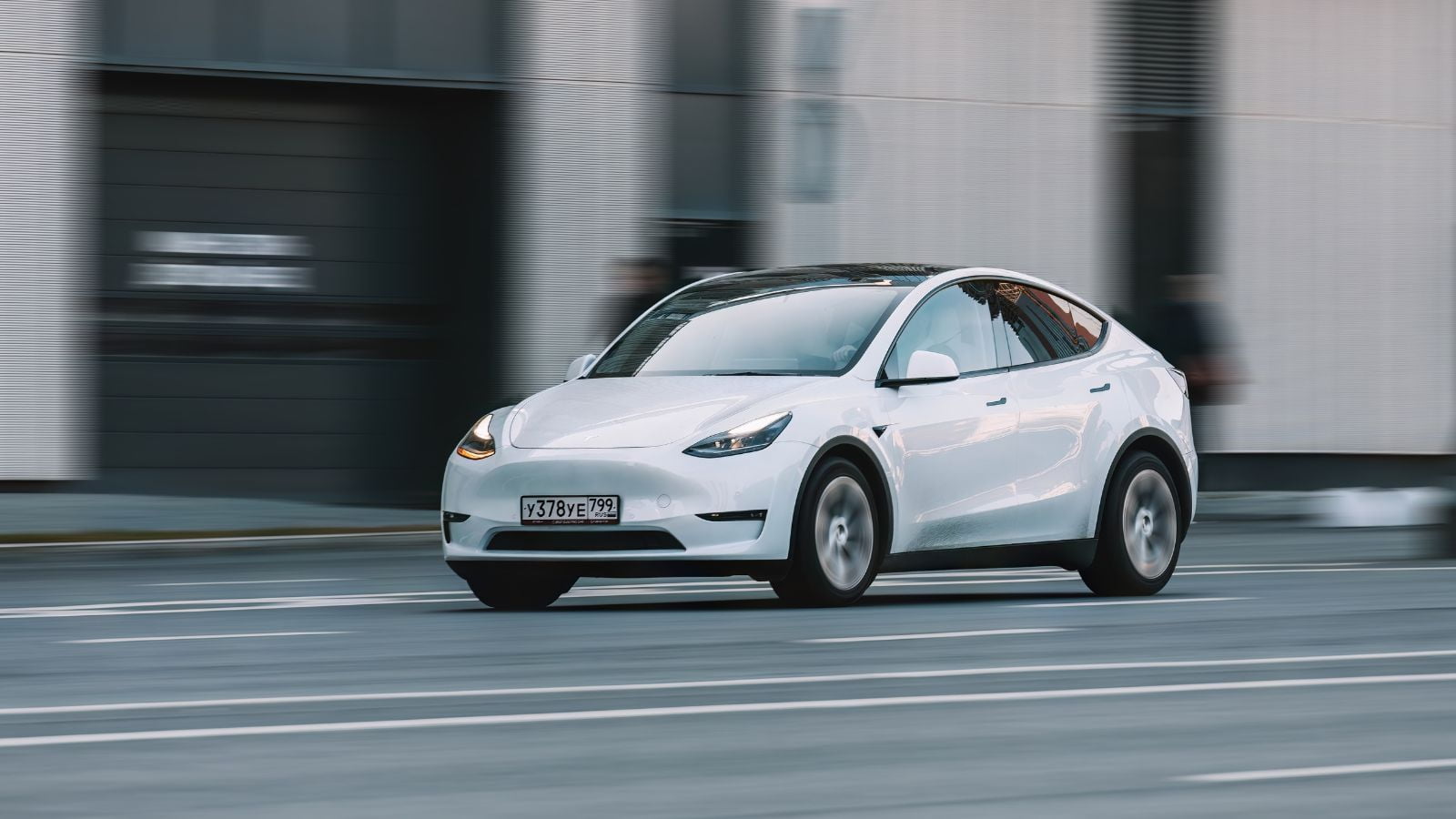
Electric vehicles and many hybrids recover energy while slowing, converting some of the vehicle’s motion back into electricity. Strong regenerative braking also enables the one-pedal driving feel many EV owners quickly learn to anticipate. Cold batteries, however, cannot always accept energy at the normal rate. Tesla states plainly that regenerative braking can be limited when the battery is cold and increases as the pack warms.
That creates an important winter-driving adjustment. A driver accustomed to lifting off the accelerator at the same point every morning may encounter less regenerative deceleration after the car has spent a frigid night outside. Some newer vehicles automatically blend conventional friction brakes to preserve a consistent stopping feel, while others provide indicators showing reduced regeneration. Preconditioning can also help warm the battery before departure. The key lesson is that regenerative braking is not mechanically identical in every temperature. Canadian EV drivers benefit from watching the vehicle’s indicators rather than assuming yesterday’s accelerator response will be identical today.
Parking Brakes Can Freeze After Wet Winter Driving
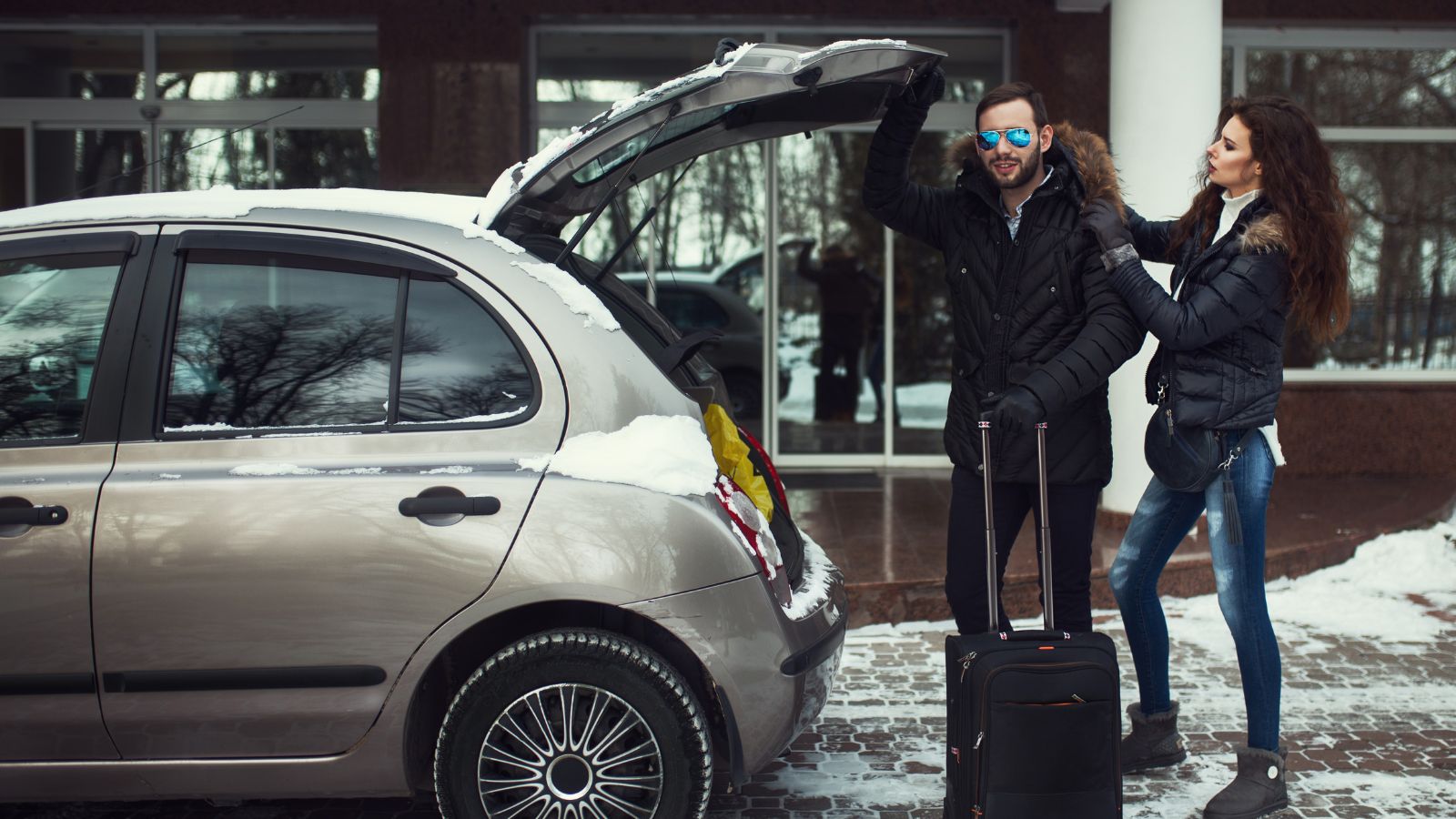
Parking brakes seem too simple to qualify as troublesome technology, but winter has been causing problems for them long before cars gained radar and touchscreens. Moisture from melting snow, slush, or a car wash can collect around parts of the parking-brake mechanism. If temperatures subsequently plunge, that moisture can freeze and prevent the brake from releasing normally.
Subaru and Toyota owner documentation both warn that parking brakes can freeze in cold conditions. The issue becomes particularly relevant after a wet winter drive followed by an overnight temperature drop. Modern electronic parking brakes may feel more sophisticated because activation occurs through a switch, but the braking hardware at the wheels still operates in a harsh exterior environment. Vehicle-specific instructions matter because recommendations differ by design and parking situation. The broader lesson is distinctly Canadian: automation does not repeal physics. Whenever water, salt, mechanical components, and sub-zero temperatures meet, even a familiar feature can behave differently than expected.

Alanna Rosen is an experienced content writer that focuses on many EV and educational content. Her articles are regularly published on Get CyberTrucked and syndicated on large publications.