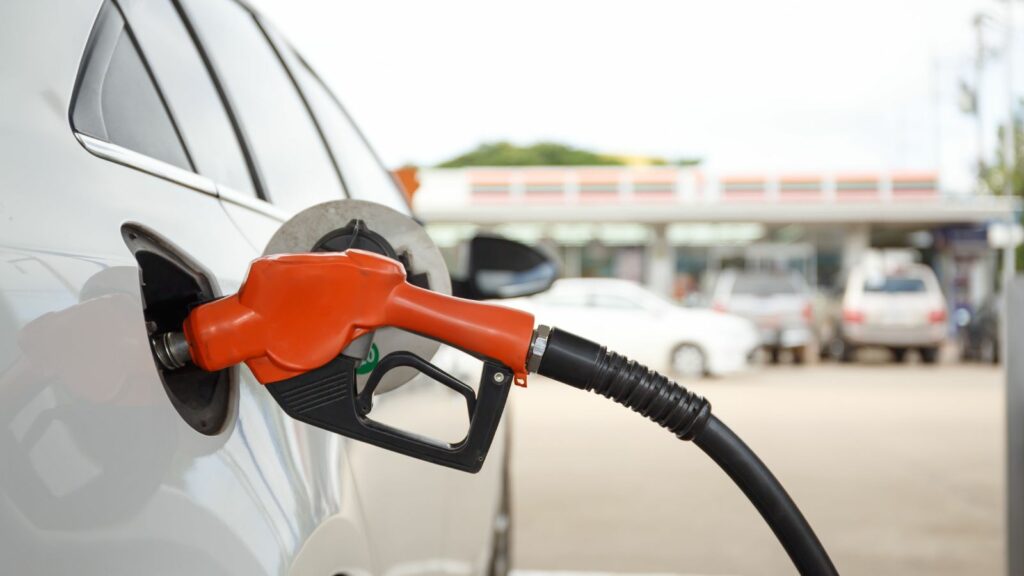
Buying a car has a way of making one number feel more important than every other one: the price on the window or the monthly payment. Yet the real financial picture usually becomes clearer only after months of fuel stops, insurance withdrawals, maintenance visits and other smaller charges. By the end of the first year, a vehicle that appeared comfortably affordable can look very different on a household budget.
These 20 car ownership costs explain where that extra money often goes. Some are unavoidable expenses built into owning a vehicle, while others depend heavily on location, driving habits, vehicle type and climate. Together, they show why the most useful car budget is rarely the one calculated at the dealership.
Depreciation Starts Costing Money Immediately

Depreciation never appears as a charge on a credit-card statement, which is exactly why it is easy to ignore. Yet the decline in a vehicle’s market value can be one of its largest ownership costs. AAA’s 2025 U.S. driving-cost study estimated average depreciation at $4,334 per year across the new vehicles it analyzed. Canadian estimates vary significantly by model as well. CAA’s current calculator, for example, estimates thousands of dollars in annual depreciation for a typical mainstream compact sedan. The amount depends on age, mileage, condition, trim and the used-vehicle market.
That loss matters even when an owner has no plans to sell immediately. A household may reach the end of year one having spent thousands on payments while discovering that the vehicle’s resale value has fallen substantially. This can become particularly uncomfortable when a car is financed with a small down payment. Selling or trading early may reveal that the remaining loan balance is greater than the vehicle is worth. Depreciation is therefore not theoretical bookkeeping; it directly affects how much financial flexibility the car provides.
Loan Interest Is Part of the Vehicle’s Real Price

A manageable monthly payment can conceal a surprisingly expensive financing arrangement. The Financial Consumer Agency of Canada warns buyers to compare the total borrowing cost rather than concentrating only on the payment amount. Its illustrative example shows a $25,000 vehicle financed at 5% costing $1,974 in total interest with a 36-month loan. Stretching the same loan to 84 months increases total interest to $4,681. Nothing about the vehicle itself improves, yet the buyer spends thousands more simply because the debt remains outstanding longer.
The first year is when that distinction often becomes visible. A driver may have budgeted $500 a month for the vehicle and mentally treated that amount as the purchase price divided into instalments. In reality, every payment contains borrowing costs, and longer terms can keep owners paying interest long after the excitement of buying has disappeared. Finance charges also interact with depreciation: the vehicle can lose value while the loan balance declines relatively slowly. Buyers comparing cars therefore need to compare not only sticker prices, but also rates, terms and total amounts payable.
Insurance Can Change the Affordability Equation
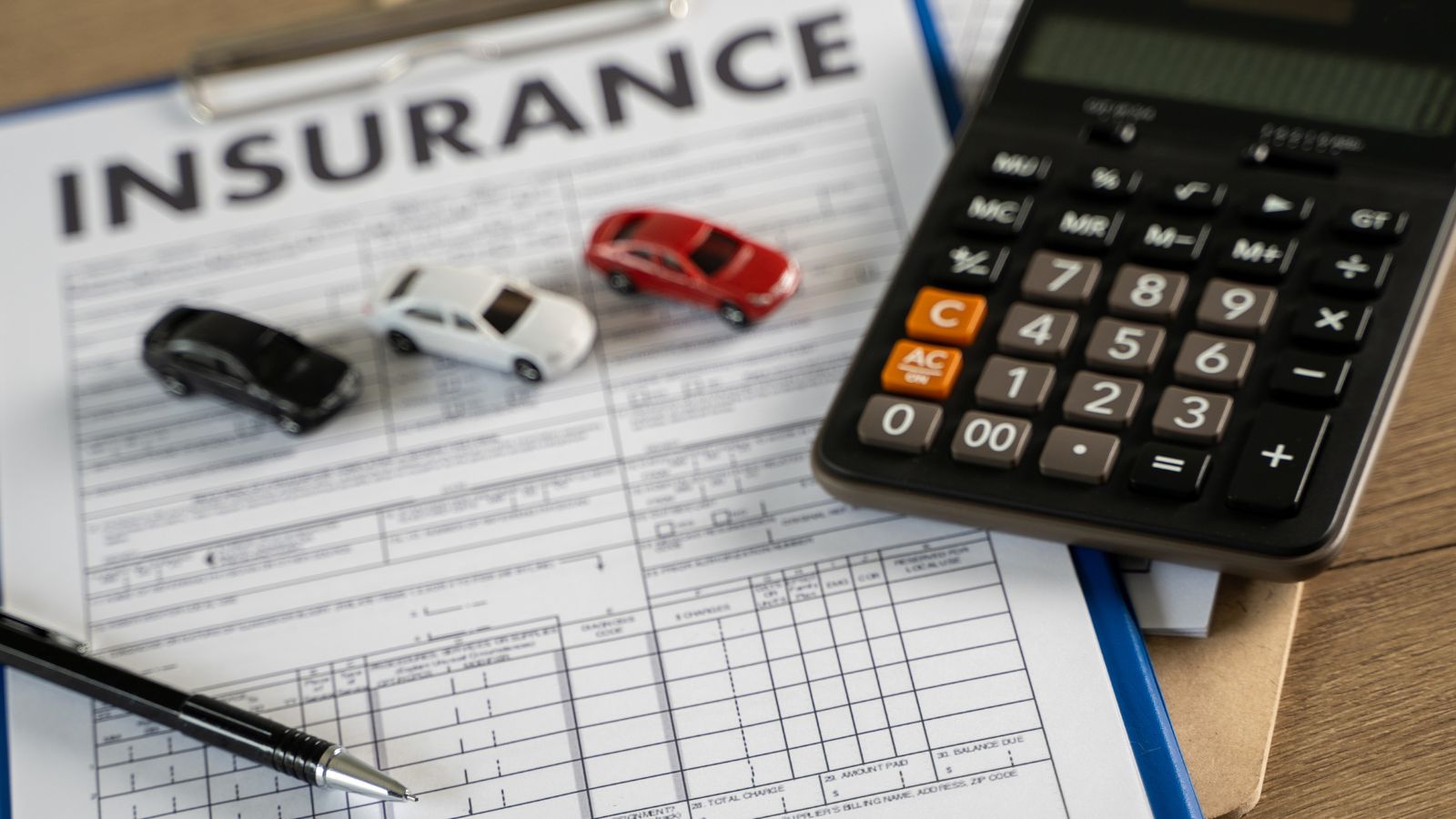
Insurance is easy to underestimate because quotes depend on far more than the vehicle’s purchase price. Insurance Bureau of Canada notes that make, model, model year, value and potential repair costs can all influence premiums. Insurers also examine claims experience, including how frequently particular vehicles are stolen, damaged or involved in collisions. That means two similarly priced vehicles can generate noticeably different insurance bills. A model with expensive body components, costly technology or poor theft experience may be considerably more expensive to insure than a buyer expected.
The problem often surfaces after the dealership budget has already been established. Financing may require substantial physical-damage coverage, while moving, changing commuting patterns or adding another driver can alter premiums later. Even choosing a newer version of a familiar model can matter because repair technology changes rapidly. IBC’s vehicle-rating information is based on actual Canadian insurance claims, underscoring how strongly real-world losses can affect pricing. An insurance quote obtained before signing a purchase agreement can therefore be just as important as checking the interest rate or negotiating several hundred dollars off the vehicle itself.
Registration and Government Fees Keep Coming Back
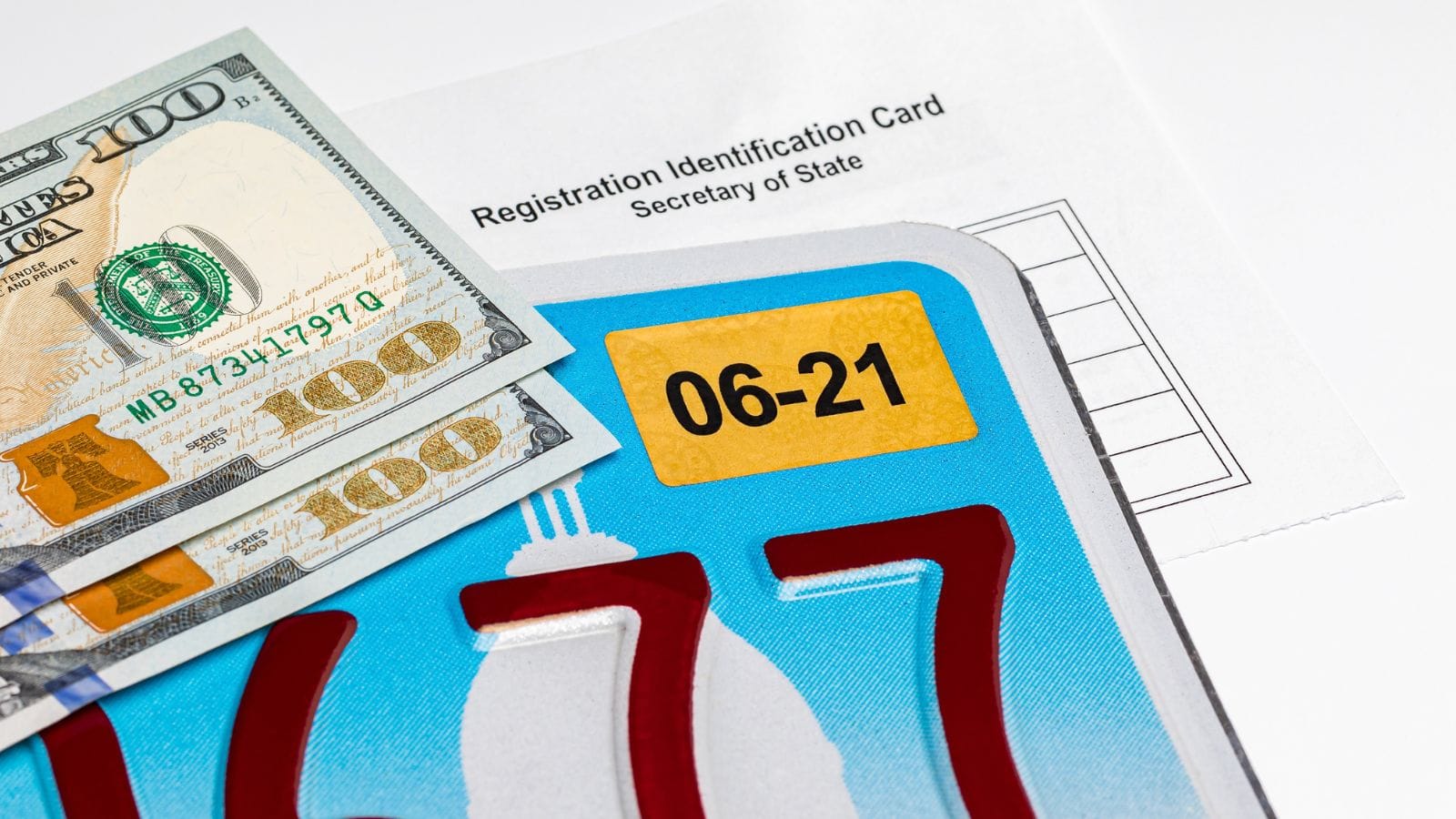
The registration payment made when a vehicle changes hands can feel like a one-time administrative annoyance. In many jurisdictions, however, keeping that vehicle legally registered creates recurring expenses. The exact structure varies considerably across Canada because provinces and municipalities use different registration systems and may add regional charges, insurance contributions or transportation levies. Québec provides a useful example: its published 2026 basic renewal total for many privately used passenger vehicles weighing 3,000 kilograms or less is $217.41 before certain regional or vehicle-specific additions.
Those additions demonstrate why owners should not assume that the first registration bill tells the whole story. Québec notes that luxury-vehicle fees, large-cylinder-capacity charges, public-transit contributions or municipal passenger-vehicle taxes may apply in some cases. Other provinces structure their programs differently, so a national flat estimate would be misleading. The important budgeting lesson is simpler: ownership creates government-related costs beyond the original sales transaction. By the time an annual renewal notice arrives, a buyer who concentrated entirely on the monthly loan payment may suddenly have another bill that was never included in the original household calculation.
Fuel Costs Are Driven by More Than Pump Prices
Fuel is obvious, but its annual impact is frequently underestimated. A buyer may judge economy during a short test drive without translating litres per 100 kilometres into a year’s worth of commuting, errands and road trips. Natural Resources Canada’s fuel-consumption ratings are designed specifically to make those comparisons easier. Its published annual-cost methodology uses a 20,000-kilometre driving assumption and model-specific combined consumption ratings, illustrating how even a modest efficiency difference becomes meaningful when repeated over thousands of kilometres.
Real consumption can also differ from the official number. Natural Resources Canada warns that driving style, temperature, traffic, terrain, vehicle condition and other factors affect actual fuel use. A larger crossover purchased for occasional family trips may spend most of its life crawling through urban traffic. A truck bought because the payment seemed competitive may carry a substantially higher fuel burden than a smaller alternative. By year-end, the difference is no longer expressed as a few litres per 100 kilometres. It is represented by dozens of additional fuel stops, each one quietly increasing the vehicle’s effective monthly cost.
Premium Fuel Can Become an Expensive Habit
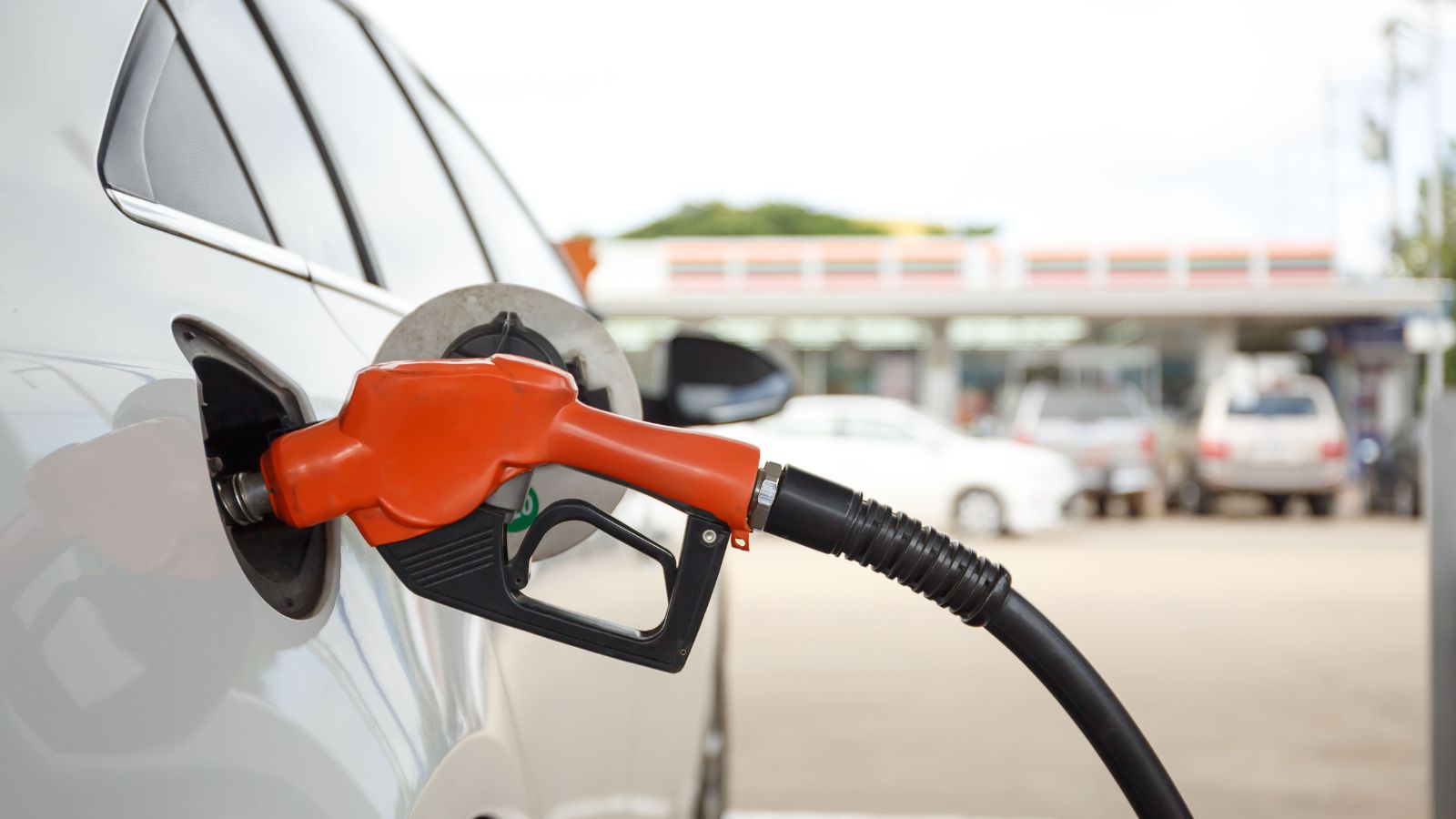
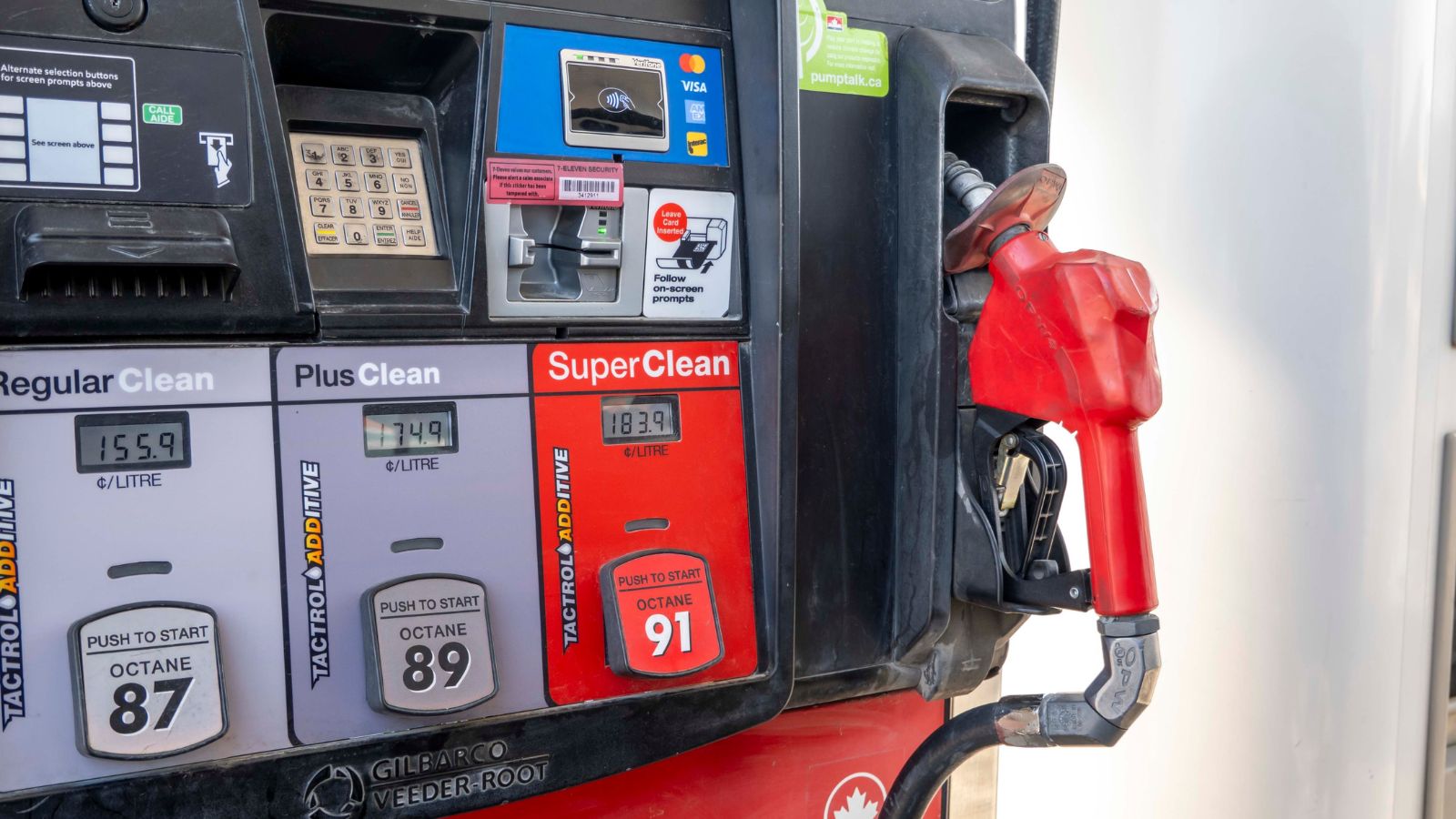
The type of gasoline matters almost as much as fuel consumption. Natural Resources Canada’s cost assumptions illustrate the gap clearly: its model-year calculations have used different benchmark prices for regular and premium gasoline, reflecting the higher price motorists generally face when moving up an octane grade. That difference can be easy to miss when shopping for a performance-oriented sedan, turbocharged luxury vehicle or sporty SUV. The payment may fit the budget, but filling the tank with the grade specified in the owner’s manual can change the annual operating cost.
There is another trap at the opposite end of the problem: unnecessarily buying premium fuel. AAA testing found no meaningful performance, economy or emissions benefit from putting premium gasoline into vehicles designed to operate on regular fuel. Vehicles that merely recommend premium can be more complicated, because some may gain modest performance under demanding conditions, but owners should still follow the manufacturer’s guidance. Either way, the fuel-door label deserves attention before purchase. A difference that looks minor on one fill-up becomes much more noticeable after a full year of commuting.
Scheduled Maintenance Is Not Optional Just Because the Car Is New

A new or nearly new vehicle can create the impression that maintenance belongs to some distant future. In reality, mileage and time-based service begins almost immediately. Oil and filter changes, inspections, tire rotations and other manufacturer-specified work can all arrive during the first ownership year depending on how far the vehicle travels. AAA’s 2025 cost study placed maintenance, repairs and tires at an average 11.04 U.S. cents per mile across its study fleet, a category designed to include manufacturer-specified maintenance as well as wear-related expenses.
The individual appointments may not feel dramatic. That is why they are frequently left out of the purchase budget. A driver commuting long distances can hit service intervals much faster than someone who drives only on weekends, and skipping maintenance merely to preserve cash can create larger problems later. Maintenance records can also matter when warranty questions or eventual resale arise. A realistic ownership budget therefore needs a recurring service line from the beginning. The important question is not whether a relatively new vehicle requires maintenance, but how often its specific schedule and annual mileage will bring that maintenance due.
Tires Wear Out Long Before Many Buyers Expect
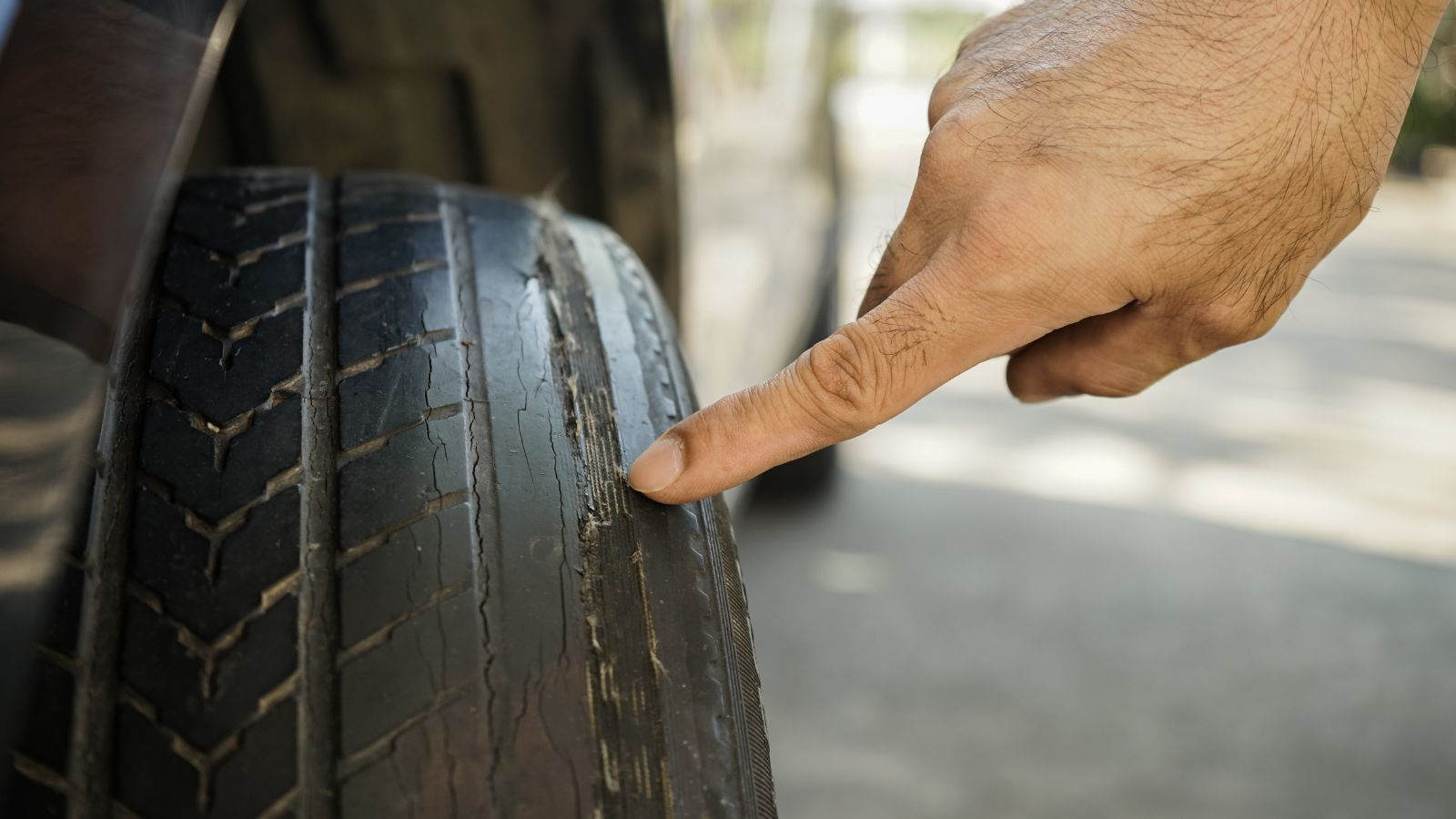
Tires are expensive enough to disrupt a budget yet gradual enough to escape attention until replacement is approaching. Their life depends on kilometres driven, alignment, inflation, road conditions, vehicle weight, tire construction and driving style. CAA recommends regular inspection of both tires and brakes and notes that greater mileage means greater maintenance needs. Transport Canada also emphasizes the importance of tire condition and proper inflation, particularly in winter. A vehicle delivered with perfectly usable tires can therefore still require meaningful tire spending earlier than a buyer anticipated.
Performance vehicles and larger SUVs can make the surprise more noticeable because they may use wider, lower-profile or larger-diameter tires. Even without an early replacement, owners may pay for rotations, pressure checks, puncture repairs or alignment work. Used-car purchasers face an additional problem: a vehicle can pass a casual visual inspection while having far less tread life remaining than expected. The first-year budget should consequently treat tires as consumable equipment rather than permanent parts of the car. Four replacement tires arriving at once can turn an otherwise ordinary month into one of the most expensive of the year.
Winter Tires Create an Entire Second Tire Budget
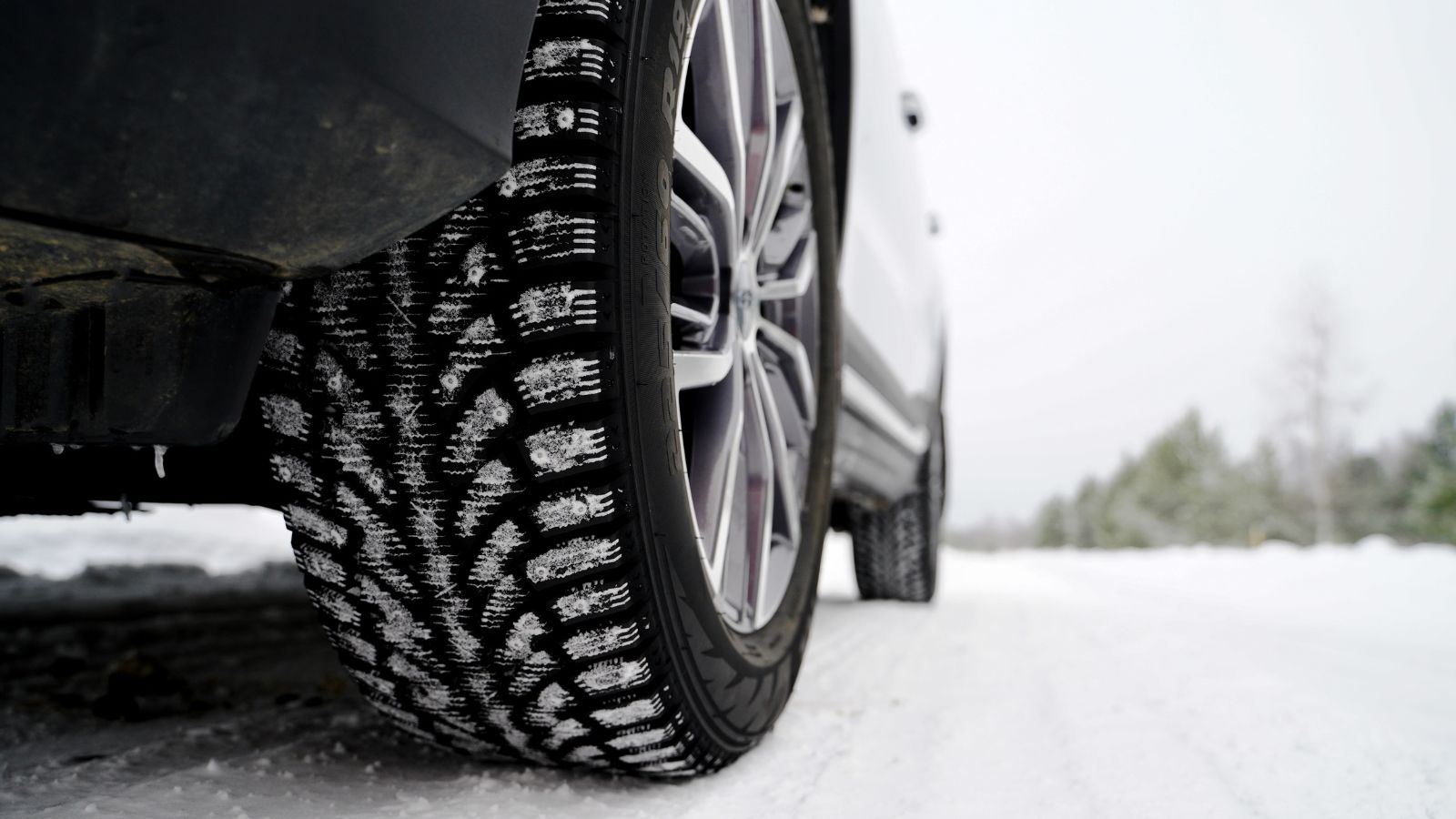
In cold climates, the cost of tires does not necessarily end with the set already mounted on the vehicle. Transport Canada recommends winter tires on all four wheels for cold, snowy or icy conditions and notes that summer and all-season tire compounds begin losing elasticity below approximately 7°C. Québec goes further: most motor vehicles registered in the province must be equipped with compliant winter tires from December 1 through March 15. That requirement can turn a first autumn of ownership into a substantial additional purchase.
The tires themselves are only part of the calculation. Depending on the owner’s setup, seasonal costs may also include a second set of wheels, mounting, balancing, twice-yearly changeovers and off-season storage. None of those items is usually reflected in the advertised vehicle payment. A buyer taking delivery in spring may therefore enjoy several months before the winter bill appears almost all at once. There can be long-term value in using separate seasonal sets because wear is distributed between them, but that does not remove the upfront cash requirement. Climate changes the real cost of owning a car.
Brakes Are Wear Items, Not Lifetime Components
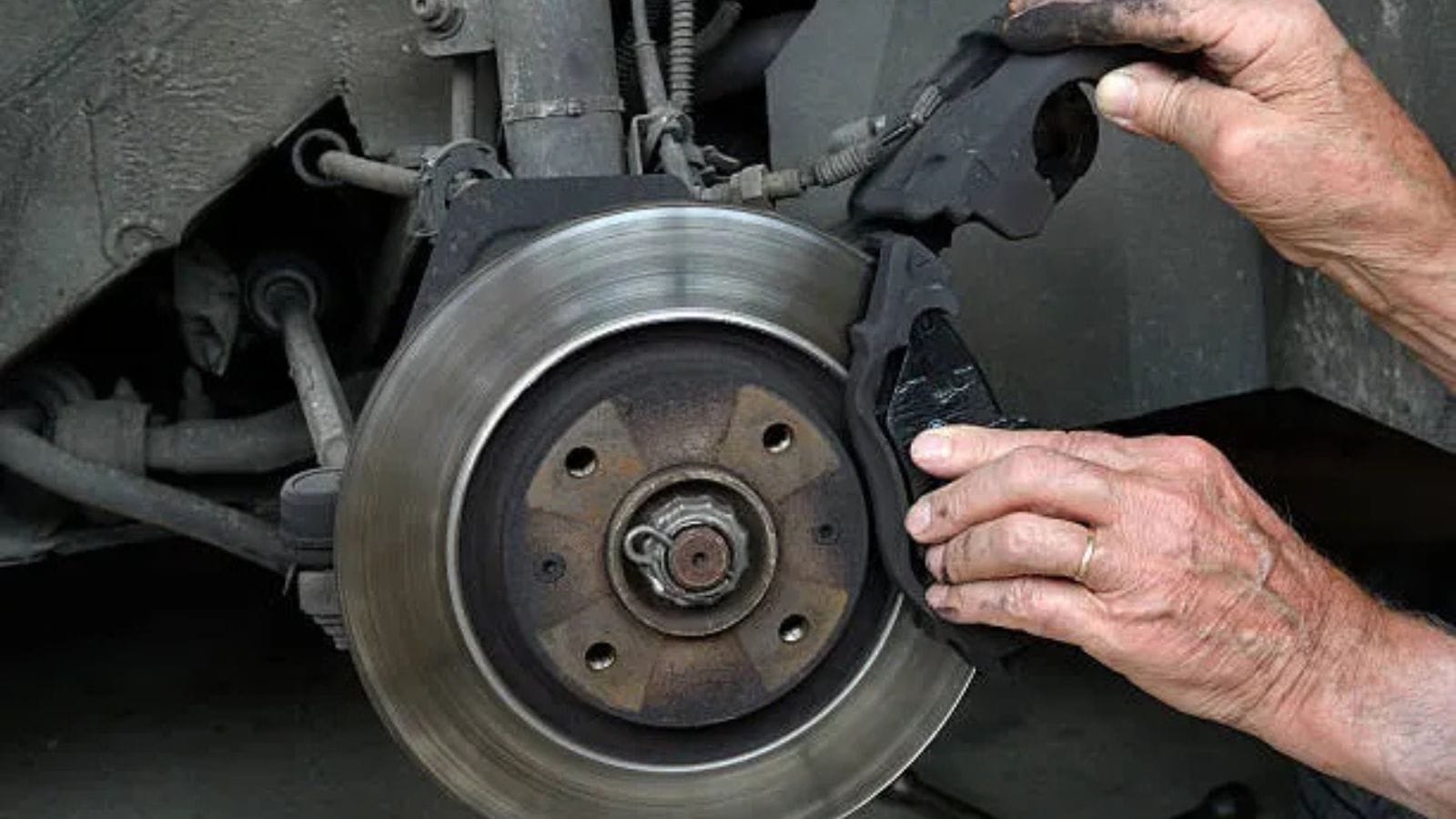
Brake pads and rotors rarely receive much attention during a purchase unless a pre-purchase inspection identifies a problem. Once the vehicle enters everyday use, driving conditions determine how quickly that hardware wears. CAA notes that brake-pad life varies widely and that frequent stop-and-go urban driving can accelerate wear. The organization recommends periodic brake and tire inspections and lists symptoms such as grinding, vibration, pulling, a soft pedal and reduced stopping power as reasons to have the system examined.
This becomes especially relevant for used-car buyers. A vehicle may leave the dealership with brakes that are safe today but only partway through their remaining service life. Several months of commuting can turn an eventual maintenance item into an immediate bill. Even new-car owners should not assume routine warranties will transform wear items into free replacements. The expense also tends to arrive in chunks rather than predictable monthly increments. Setting aside a modest maintenance amount each month can be less painful than discovering at a service appointment that front pads, rotors and additional brake work are due together.
The 12-Volt Battery Can Fail Without Much Warning
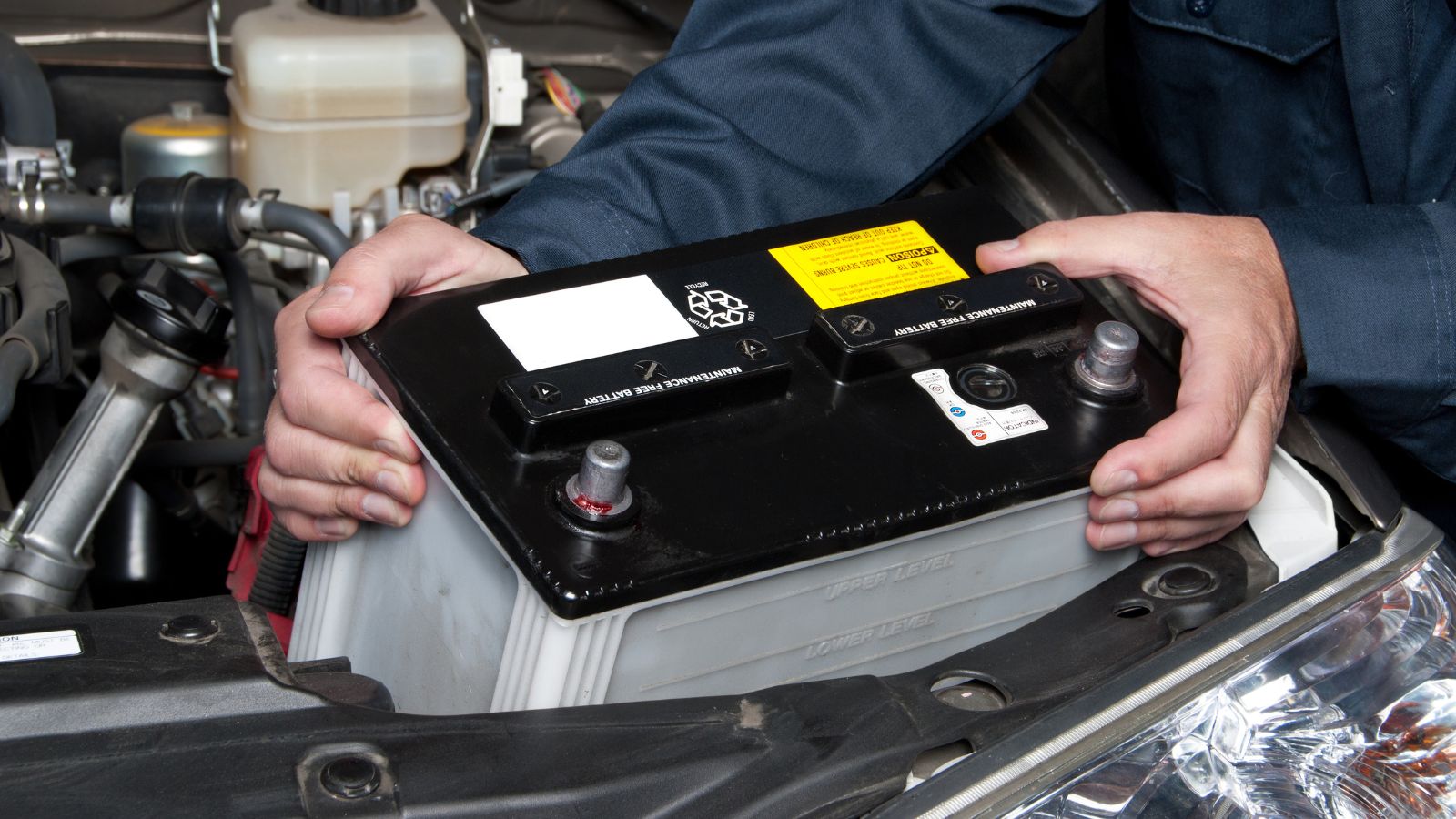
Battery replacement is another cost that rarely makes the shopping spreadsheet. CAA says conventional 12-volt automotive batteries commonly last about three to five years, with temperature, driving patterns and battery condition affecting that lifespan. That makes the issue particularly relevant to used-car purchasers: a four-year-old vehicle can appear mechanically healthy while still carrying its original battery. A cold morning or prolonged period of short-distance driving may be when the remaining weakness finally becomes obvious.
Modern vehicles have also made a dead battery more disruptive. Electronics control locks, security systems, computers and numerous convenience features, and even electric vehicles generally contain a smaller 12-volt battery alongside the large traction battery. Buyers therefore should not assume an EV eliminates this familiar maintenance item. A battery test before or shortly after purchasing an older vehicle can reveal useful information, but eventually replacement still becomes part of normal ownership. The first-year surprise comes from timing: unlike fuel or insurance, the bill may be zero for eleven months and then arrive all at once after a no-start in a driveway or parking lot.
Wipers, Filters and Fluids Form a Quiet Stream of Small Bills
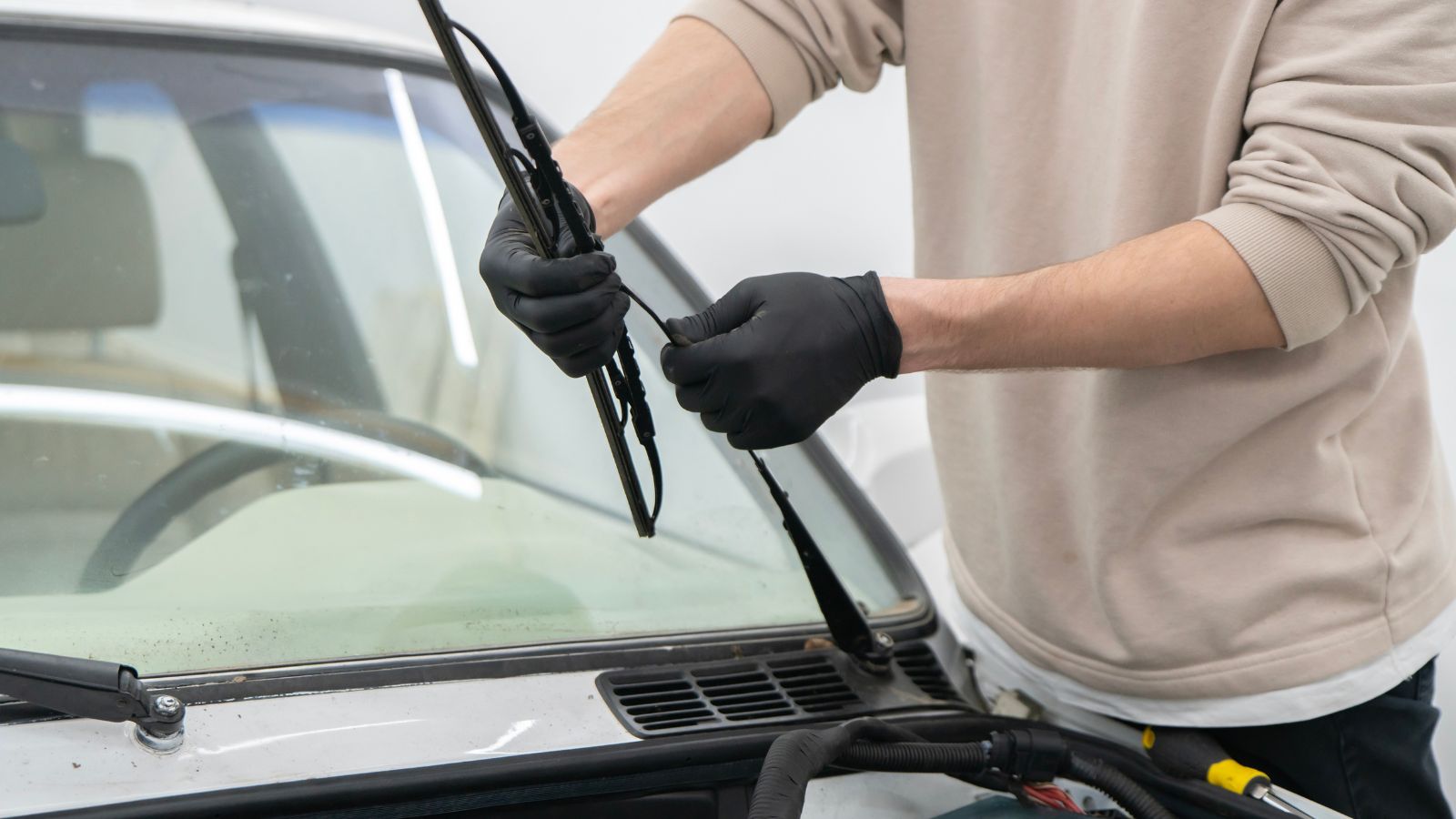
Not every ownership expense arrives with a four-figure invoice. Wiper blades, washer fluid, engine oil, filters and other consumables are inexpensive individually but can create a surprisingly persistent stream of spending. CAA’s maintenance guidance recommends changing oil according to the owner’s manual, keeping essential fluids properly filled and replacing damaged or worn wiper blades. These are ordinary tasks, yet they are often excluded when shoppers calculate affordability because none feels large enough to deserve its own budget category.
Climate can make those small expenses appear more quickly. Winter grime can consume washer fluid at a remarkable pace, while heat, ice and repeated use wear wiper blades. High annual mileage brings oil and filter service intervals closer together. Cabin filters can also become another service recommendation depending on the vehicle and environment. The psychological trap is that owners remember the large payment but forget the repeated $10, $30 or $100 transactions around it. By the end of twelve months, those apparently minor items become part of the difference between a car’s advertised cost and what it actually required to keep operating properly.
Unexpected Repairs Do Not Wait for a Convenient Month
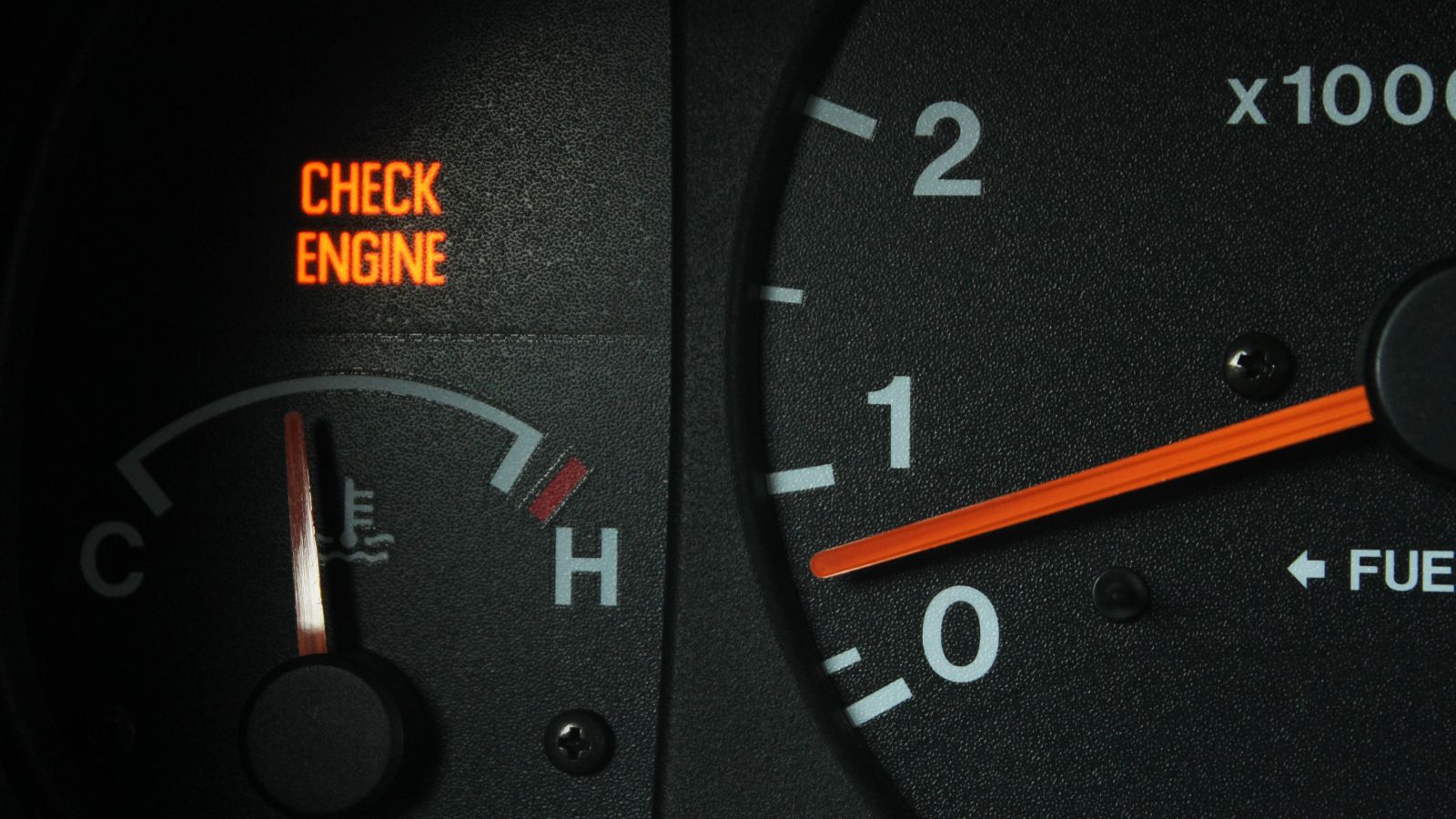
A vehicle budget based entirely on scheduled maintenance assumes nothing unexpected will break. Real ownership is rarely that predictable, especially with older or higher-mileage cars. CAA’s driving-cost calculator explicitly treats repairs as part of ongoing maintenance costs and notes that the amount can vary according to kilometres driven, trim, vehicle condition and where the work is performed. AAA similarly includes wear-and-tear repairs in its broader ownership-cost modelling. The basic lesson is that reliability reduces repair risk but never makes the probability zero.
A minor warning light provides a useful example. The eventual repair might be inexpensive, but diagnosis still requires time and sometimes professional testing. A failing sensor, damaged suspension component or leaking seal can turn what appeared to be a low-cost month into an unplanned service visit. This is particularly important when buying used: purchase price and mechanical condition are inseparable. Leaving room for repairs protects the rest of the household budget and makes it less tempting to postpone a developing problem. A car can be reliable overall and still produce one inconvenient first-year bill.
Windshields Can Now Carry Technology Repair Costs

A cracked windshield once seemed like a straightforward glass problem. On many newer vehicles, the windshield sits directly in the path of cameras used for lane keeping, automatic emergency braking or other advanced driver-assistance functions. AAA explains that replacing glass on an ADAS-equipped vehicle may require recalibration because the camera or sensor needs to be correctly aimed afterward. Its U.S. consumer guidance lists full windshield replacement costs ranging from roughly US$250 to US$1,500 or more and cites about US$360 as a typical recalibration figure, while emphasizing that actual prices vary widely.
That makes even routine road debris potentially more expensive than owners of older cars remember. Insurance coverage may reduce the out-of-pocket amount, but deductibles and policy terms still matter. A seemingly small chip can also become more troublesome if it spreads before repair. Buyers comparing sophisticated vehicles should therefore recognize that cameras, radar units and sensors bring benefits but can add complexity when ordinary body or glass work is needed. Technology does not only change the purchase price; it can change the price of putting the vehicle back together correctly.
Parking Can Become a Monthly Ownership Payment of Its Own
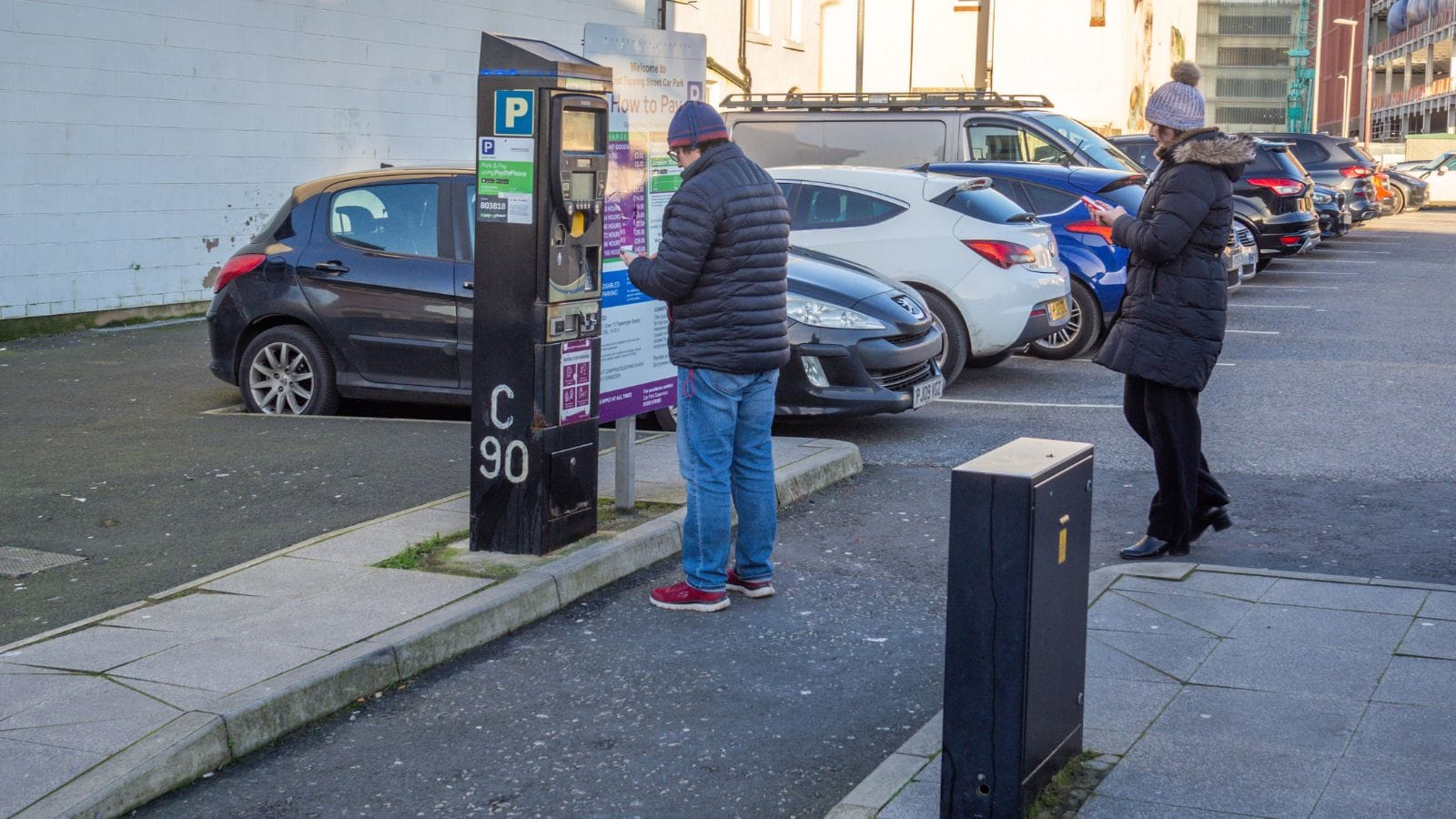
A car does not stop costing money when it is switched off. For households without a driveway, garage or employer-provided space, parking can become a recurring bill comparable to another utility. Toronto’s 2026 residential on-street permit program illustrates the point. The city lists a monthly fee of $24.23 plus HST for a resident’s first vehicle when there is no access to on-site parking. The fee is substantially higher in some other permit circumstances, including when the resident already has access to on-site parking.
That is only residential parking. Commuters may also pay at stations, office buildings, hospitals or downtown garages, while entertainment and shopping trips can add intermittent charges. These expenses are extremely location-dependent, which is why they are often absent from generic cost-of-ownership estimates. Yet they may determine whether replacing transit with a personal vehicle actually saves money. A buyer moving from a suburban household with free parking to a dense urban neighbourhood can experience a dramatic change without driving one additional kilometre. The true cost of car ownership includes somewhere to put the car when it is not moving.
Toll Roads Can Turn Convenience Into a Recurring Expense
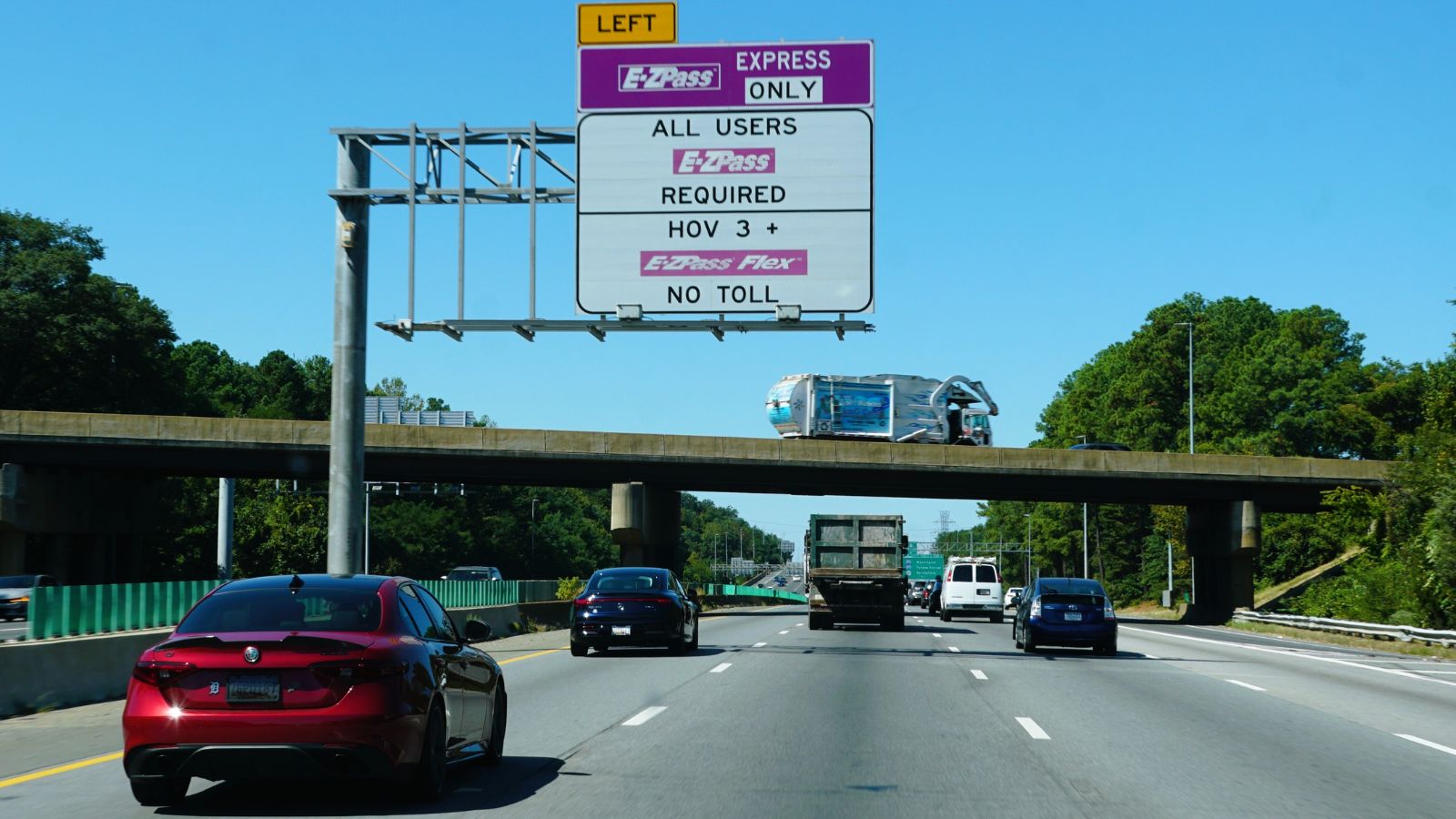
Toll-road use is another cost that can hide behind routine. Ontario’s Highway 407 ETR, for example, charges light vehicles according to distance, time, direction and highway section. The operator also applies a trip toll, and drivers without a leased transponder can face additional camera-related and account charges. A single trip may be easy to justify as the price of saving time. Repeating that decision several times each week produces a much different annual number.
This is a classic example of a cost created by lifestyle rather than the mechanical condition of the car. Two households owning identical vehicles can have completely different toll expenses because one commute routinely benefits from a priced highway. Similar differences occur with tolled bridges, tunnels and express lanes elsewhere. Buyers considering a longer commute after purchasing a vehicle should therefore estimate the route, not merely fuel consumption. Convenience fees tend to become invisible once automatic billing begins. The year-end statement can reveal that a road chosen to save twenty or thirty minutes at a time quietly became another recurring transportation subscription.
Washing and Corrosion Prevention Are Part of Harsh-Climate Ownership
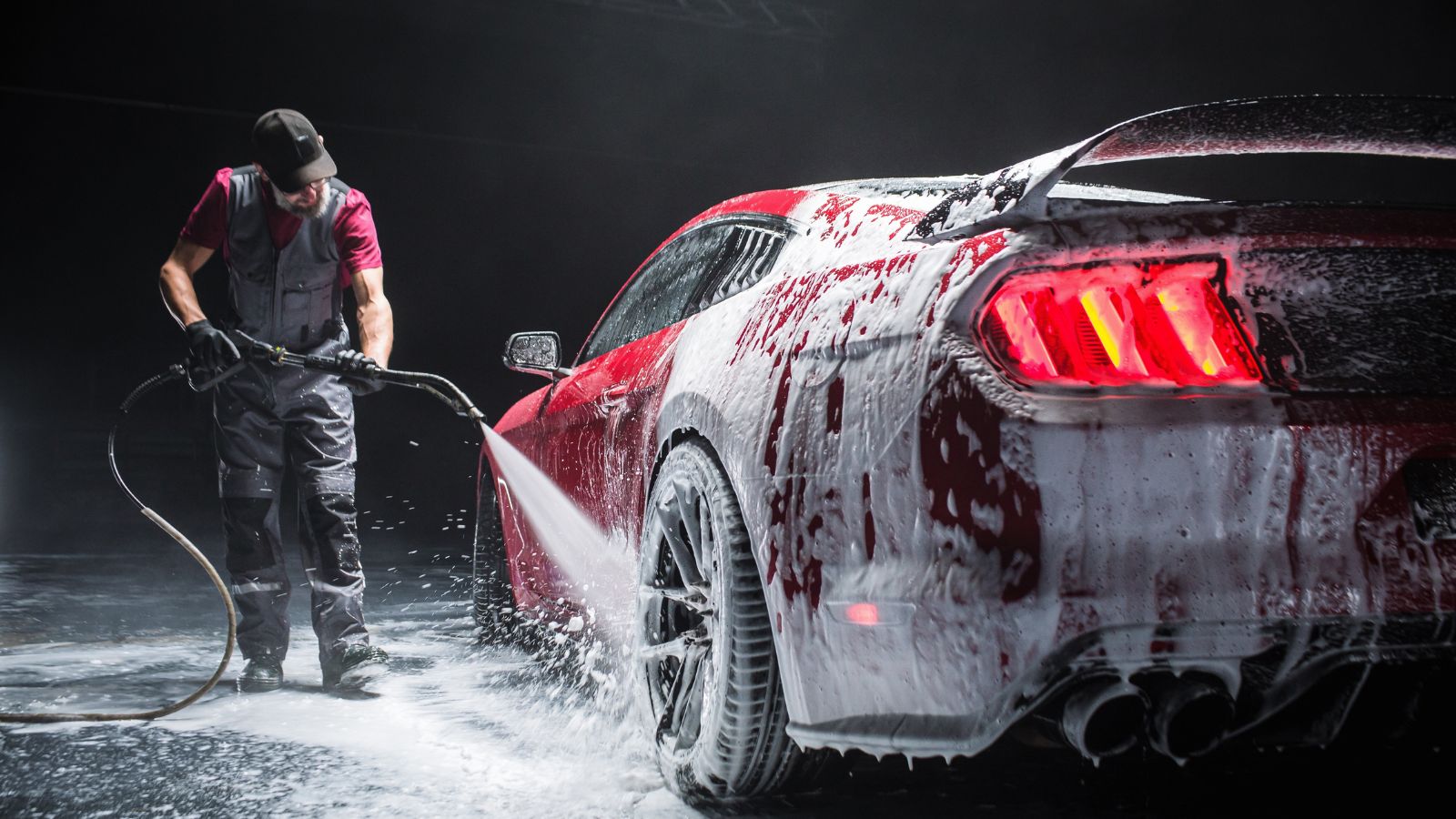
Keeping a car clean can appear cosmetic until road salt, sand and winter grime enter the equation. CAA recommends removing accumulated winter debris and salt from a vehicle, including areas such as wheel wells and the underside, and has also suggested considering rust protection depending on circumstances. For drivers in regions with heavily treated winter roads, cleaning is therefore connected not only to appearance but also to preserving the vehicle’s body and components over time.
The cost varies enormously with owner preference. Some households wash cars at home, others use automatic washes regularly, and some purchase seasonal packages, detailing or rustproofing treatments. A new vehicle can encourage more frequent spending because owners naturally want to preserve its finish. Used vehicles may need paint touch-ups or additional corrosion attention after the first winter. None of these charges competes with depreciation or insurance in size, but they contribute to the steady accumulation that surprises buyers at year-end. Protecting an expensive asset carries its own small operating budget, particularly where weather and road treatments are aggressive.
Roadside Assistance Is Either a Planned Cost or an Unplanned One

Breakdowns create two separate problems: repairing the vehicle and getting it somewhere that can be repaired. Roadside-assistance membership converts part of that uncertainty into an annual fee. CAA programs illustrate how coverage can vary by region and membership level. CAA Atlantic’s current published plans, for example, include annual roadside tiers with different towing distances, while its terms make clear that repairs themselves remain the vehicle owner’s responsibility and excess towing can create additional charges.
Some owners already receive roadside assistance through a new-vehicle program, insurer or credit card, making a separate membership unnecessary. Others discover after a flat tire, dead battery or mechanical failure that they have no coverage at all. That is why checking existing benefits matters before paying twice. The broader budgeting point remains: moving a disabled vehicle has value and therefore a cost somewhere in the system. A household can choose to pay predictably for coverage or retain emergency savings for occasional towing and lockout services. What tends to cause trouble is assuming neither expense will ever occur.
Theft Prevention Can Add Hardware and Subscription Costs

Theft risk has changed the ownership equation for many Canadian drivers. Insurance Bureau of Canada reported that theft-related insurance losses totalled $724 million nationally in 2025. That represented an improvement from 2024, but losses remained far above levels seen a decade earlier. Vehicle theft experience can also influence insurance pricing because insurers consider claims frequency, claims severity and theft likelihood when assessing particular models.
As a result, some buyers add security equipment after taking delivery. IBC’s theft-prevention guidance recommends a layered approach that can include steering-wheel or brake-pedal locks, OBD-port protection, aftermarket immobilizers and tracking systems. Some measures are inexpensive and one-time purchases; more sophisticated tracking services can involve installation or ongoing fees. The need varies enormously by vehicle and location, and not every owner requires an elaborate security setup. Still, buyers of frequently targeted models may discover that the practical cost of feeling comfortable leaving the vehicle outside includes hardware they never considered in the showroom. Theft exposure can affect both the insurance bill and the security budget.
Insurance Deductibles Mean a Claim Is Not Necessarily Free
Paying for insurance does not mean every covered repair produces a zero-dollar bill. A deductible is the portion of a covered loss that the policyholder is responsible for paying, and different coverages can carry different deductibles. Ontario’s Financial Services Regulatory Authority notes that collision, comprehensive and other property-damage coverages may each involve a deductible. It also explains the familiar trade-off: choosing a lower deductible generally results in a higher insurance premium.
This distinction becomes painfully real only after something happens. A parking-lot collision, vandalism incident or other covered loss may produce an insurer-paid repair while still requiring hundreds or more from the household, depending on the policy. Buyers should therefore think of the deductible as part of the emergency fund attached to the vehicle. Selecting a very high deductible can reduce monthly insurance costs, but the savings are less useful if the owner cannot comfortably pay that amount when a claim occurs. The first year of ownership is often when buyers learn that insurance transfers financial risk; it does not eliminate every out-of-pocket cost.
19 Used Cars Canadians Should Avoid in 2026 (Based on Owner Complaints)

Buying a used car in Canada can feel safe until repair bills start stacking up. Owner complaints tell a different story than glossy listings. Transmission failures, electrical problems, and weak winter reliability show up again and again in consumer reports. Many of these issues appear after warranties expire, when owners least expect them. Some vehicles look affordable upfront, but become expensive to keep on the road. Others struggle in cold weather, urban driving, or long highway commutes. Here are 19 used cars Canadians should avoid in 2026 (based on owner complaints).
19 Used Cars Canadians Should Avoid in 2026 (Based on Owner Complaints)

Alanna Rosen is an experienced content writer that focuses on many EV and educational content. Her articles are regularly published on Get CyberTrucked and syndicated on large publications.